



















































































What Defines a Classic Car? History, Age & Value
When enthusiasts and collectors ask “what is a classic car?” the answer often depends on where you are in the world. The classic car definition varies between the UK, the US, and other markets, shaped by history, cultural importance, and even tax laws. Below, we break down what truly makes a car “classic,” and why the term carries more weight than simply age.
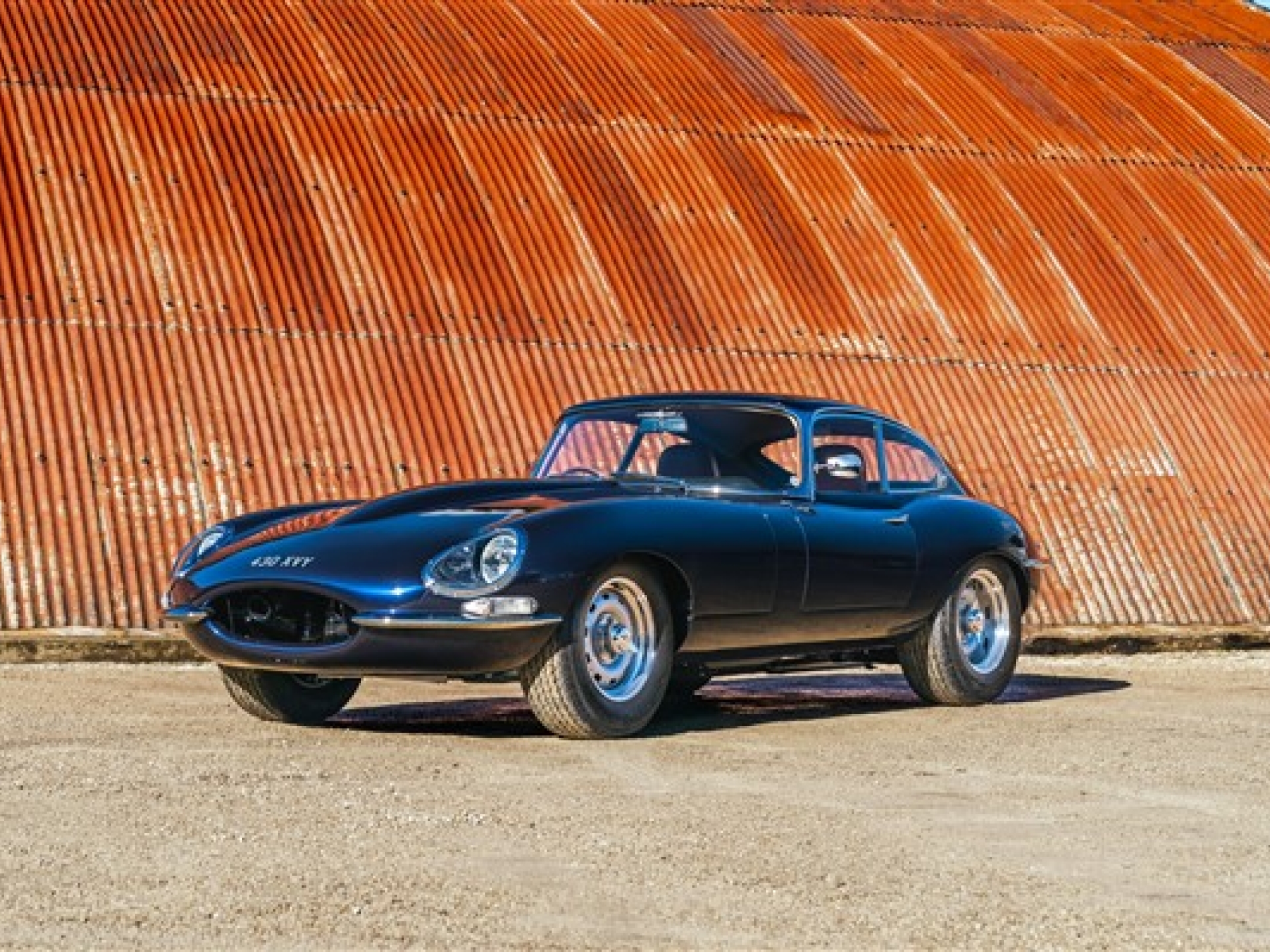
1962 Jaguar E-Type 3.8 Series 1 | £219,000.00
Classic Car Definition in the UK
In the UK, the definition of a classic car is often tied to historic vehicle status:
Age threshold: Generally, a car over 40 years old qualifies as a classic in terms of road tax and MOT exemptions.
Historic registration: Vehicles that meet this age requirement can be registered as “historic,” giving owners certain benefits such as exemption from Vehicle Excise Duty (road tax).
Insurance classification: Classic car insurance providers may define a classic as being 20–25 years old or older, depending on rarity, condition, and collectability.
So while tax law sets a 40-year mark, the insurance and collector market may treat younger vehicles as classics, especially rare or limited-production models.
Classic Car Definition in the US
In the US, the term classic car doesn’t have one universal definition. Instead, it varies by state and by organization:
Classic Car Club of America (CCCA): Defines “Full Classics” as fine or unusual vehicles built between 1915 and 1948.
State DMV rules: Some states issue classic or antique plates for cars over 20–25 years old.
Insurance companies: Typically classify vehicles over 20 years old as classic, provided they are well-maintained and not used as daily drivers.
The US also recognizes categories such as “antique” (usually 45–50+ years old) and “vintage” (pre-WWII), adding more nuance to the classic car definition.
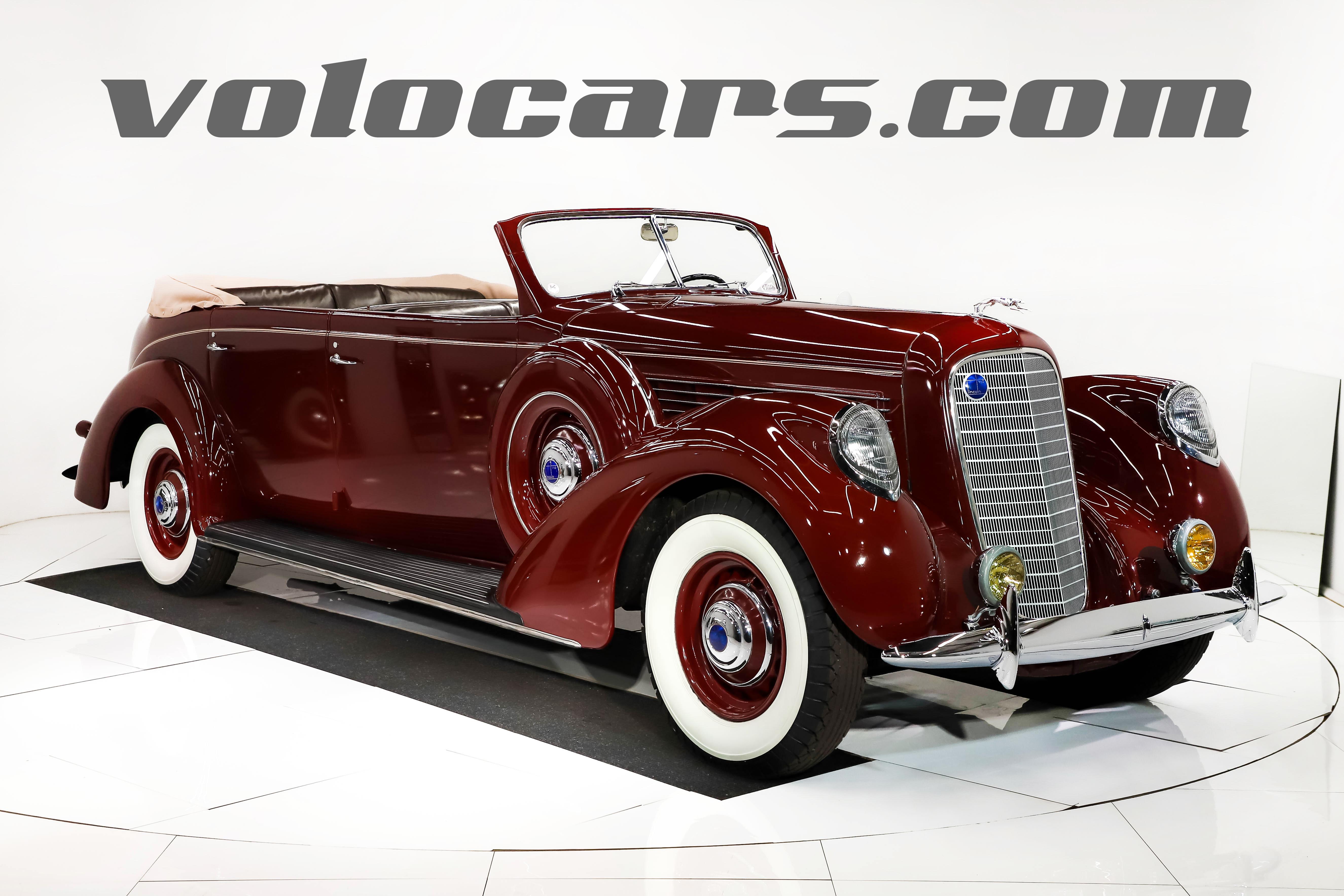
1938 Lincoln K LeBaron | $139,998.00
More Than Just Age: Value and Heritage
While age is the easiest way to measure classic status, it isn’t the whole story. Several other factors define whether a car is considered a true classic:
Historical significance: Did the car represent a technological leap or iconic design in its era?
Rarity: Limited-production models or cars no longer in mass circulation are more likely to achieve classic status.
Cultural impact: Cars featured in films, motorsport, or tied to cultural movements often gain classic recognition sooner.
Condition and originality: A well-preserved or faithfully restored example holds greater “classic” value than a heavily modified one.
The Rise of the “Modern Classic”
Not all classics are decades old. Increasingly, cars from the 1980s, 1990s, and even early 2000s are being recognized as modern classics. Examples include the Porsche 911 (993), BMW E30 M3, and early Aston Martin Vantages.
These vehicles blend collectability with usability, appealing to younger buyers who grew up with them and are now fueling demand.
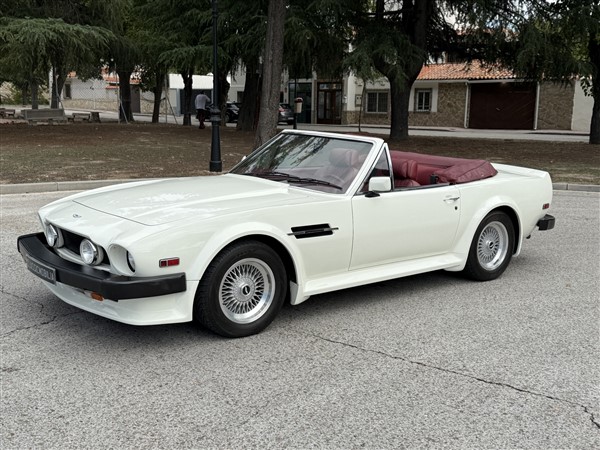
Aston Martin V8 Vantage Volante | POA
Why the Classic Car Definition Matters
Understanding the definition of a classic car has practical implications:
Registration & tax benefits (especially in the UK)
Insurance eligibility with specialist classic car policies
Resale value, vehicles officially recognized as classics tend to appreciate faster
Investment potential, the right cars can become valuable collector’s items over time
Final Thoughts
So, what is a classic car? The definition depends on context, but it always goes beyond a simple number of years on the road. A classic is a car that combines age, heritage, rarity, and cultural significance, making it more than just transport, it’s history on wheels.
Whether you’re an enthusiast, investor, or just curious about the classic car definition, one thing is certain: the world of classics continues to grow, with both timeless legends and emerging modern icons shaping the market for years to come.
Whether you’re selling a vintage Jaguar, air-cooled Porsche, or rare Ferrari, listing on Classic Motors For Sale gives you access to a global community of enthusiasts and collectors.
Our combination of reach, targeted audience, and active promotion helps you secure the best possible price for your classic car.
At Classic Motors For Sale, we make it easy. For over 15 years, we've connected passionate collectors, dealers, and enthusiasts with a global audience of serious buyers.
Trust the platform that's been driving classic car connections worldwide since 2009.
I can be contacted at the details below:
Nick Aylieff, Owner & CEO, Classic Motors For Sale
+44 (0) 7453 354260 | Mobile +66 (0) 864 054 536 |
