


























































































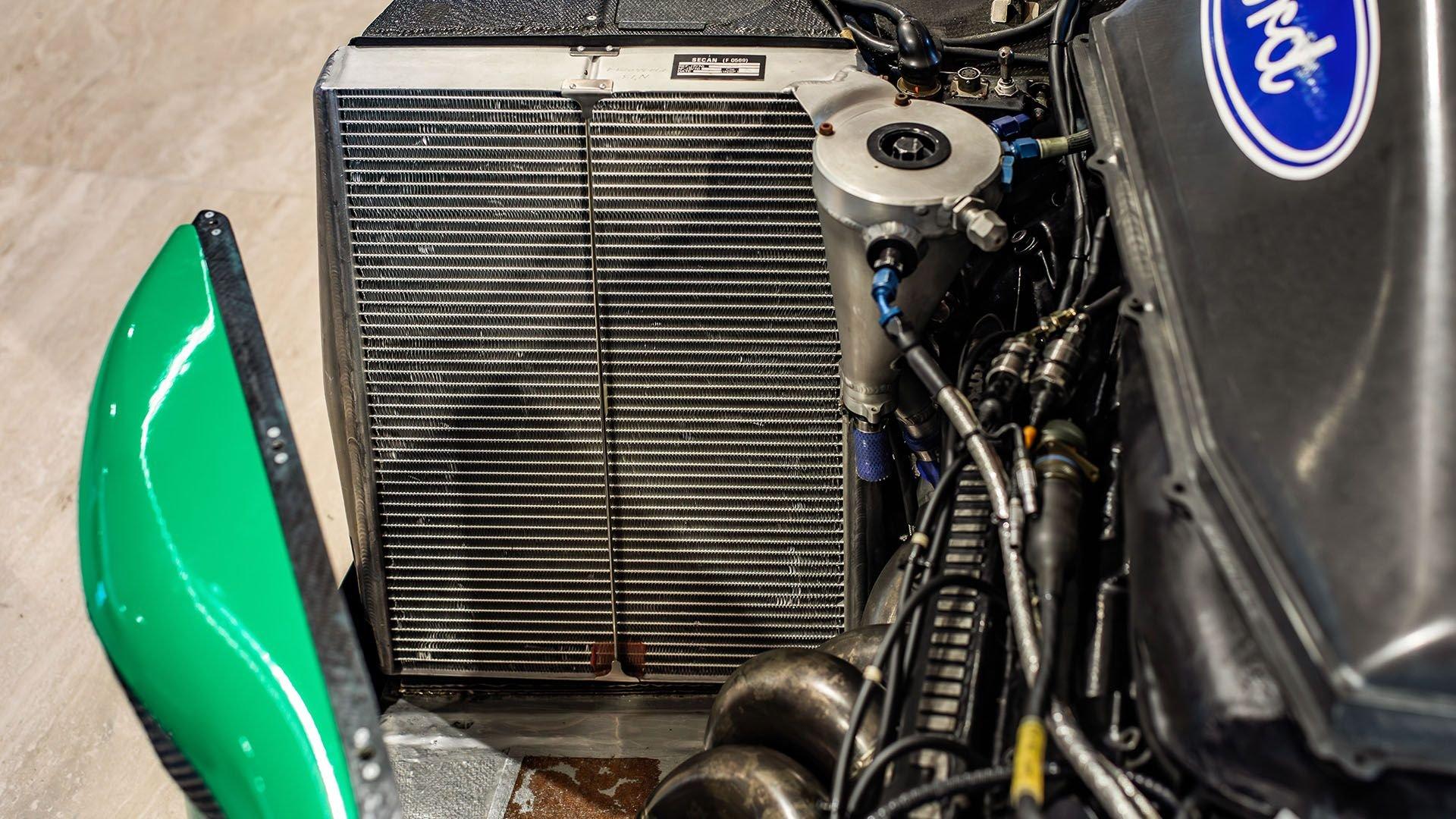
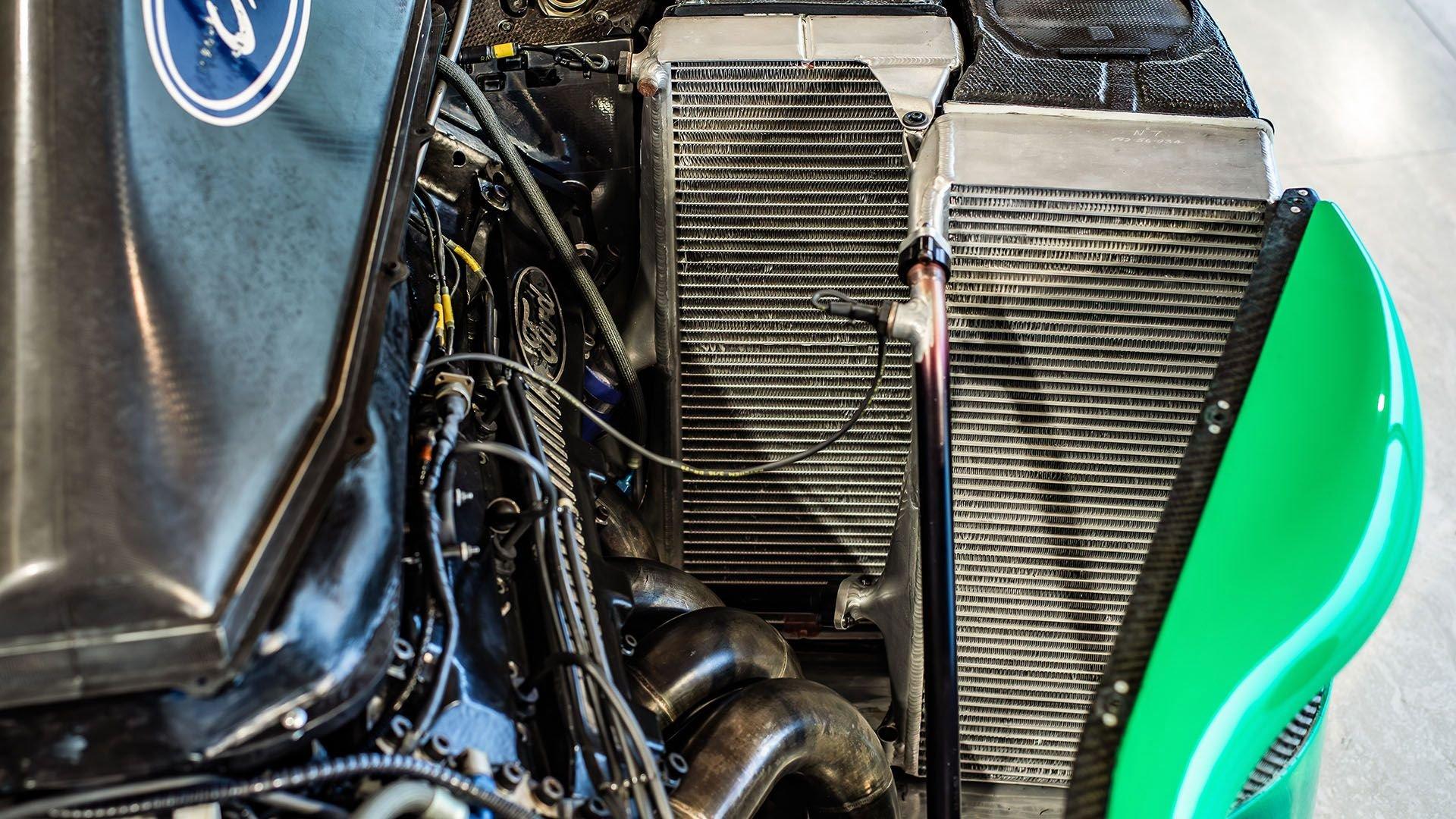
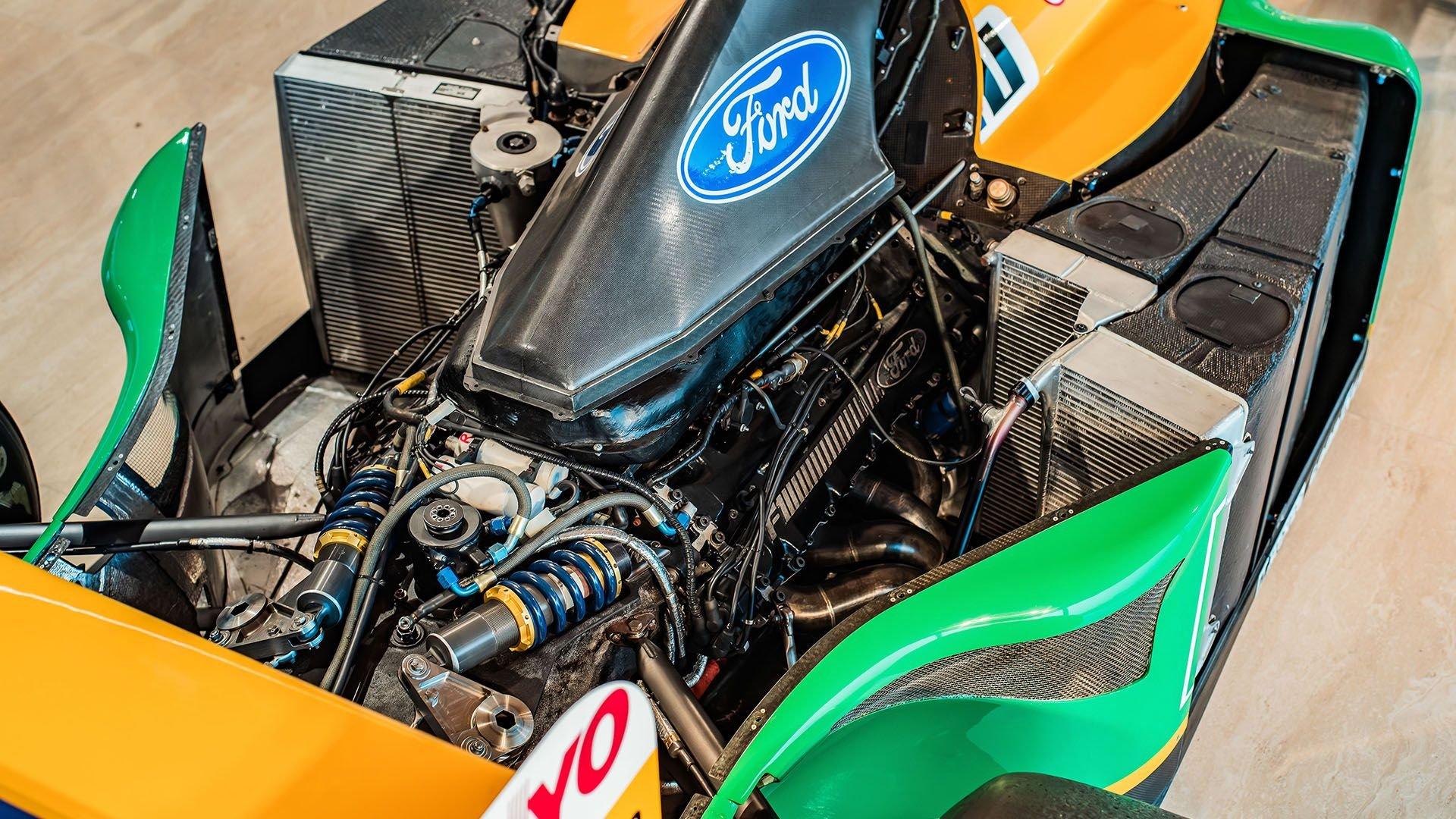
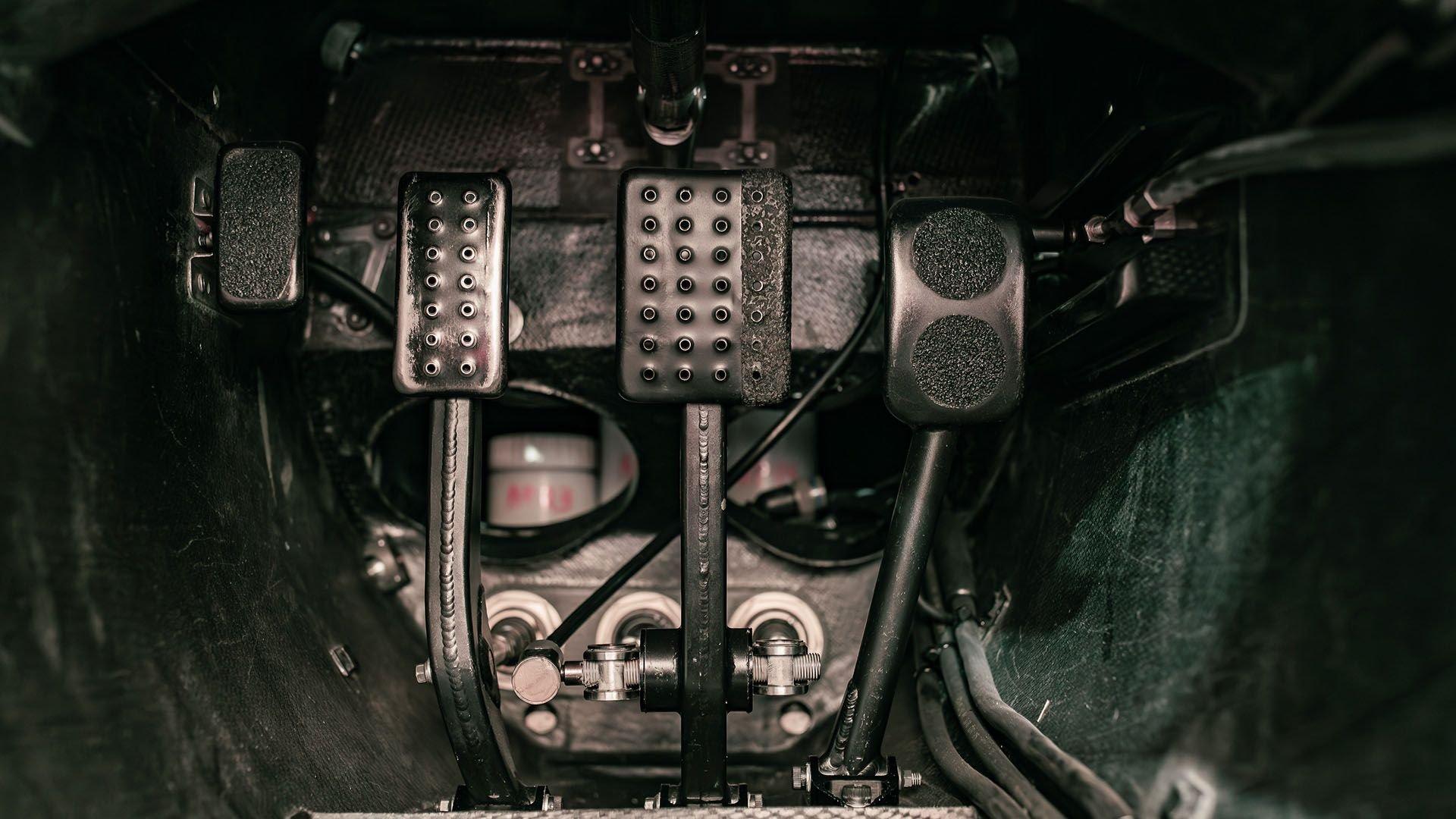
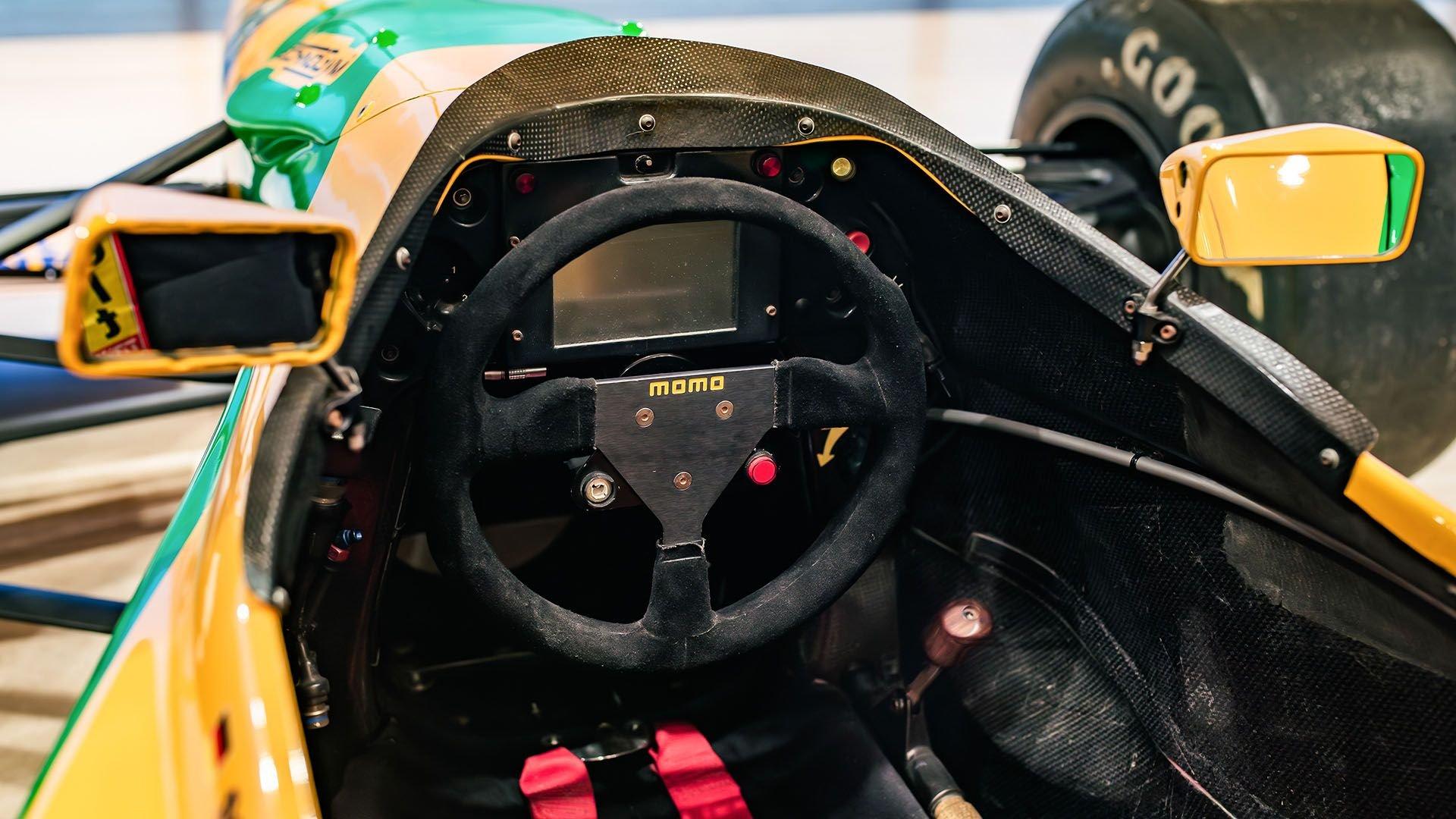
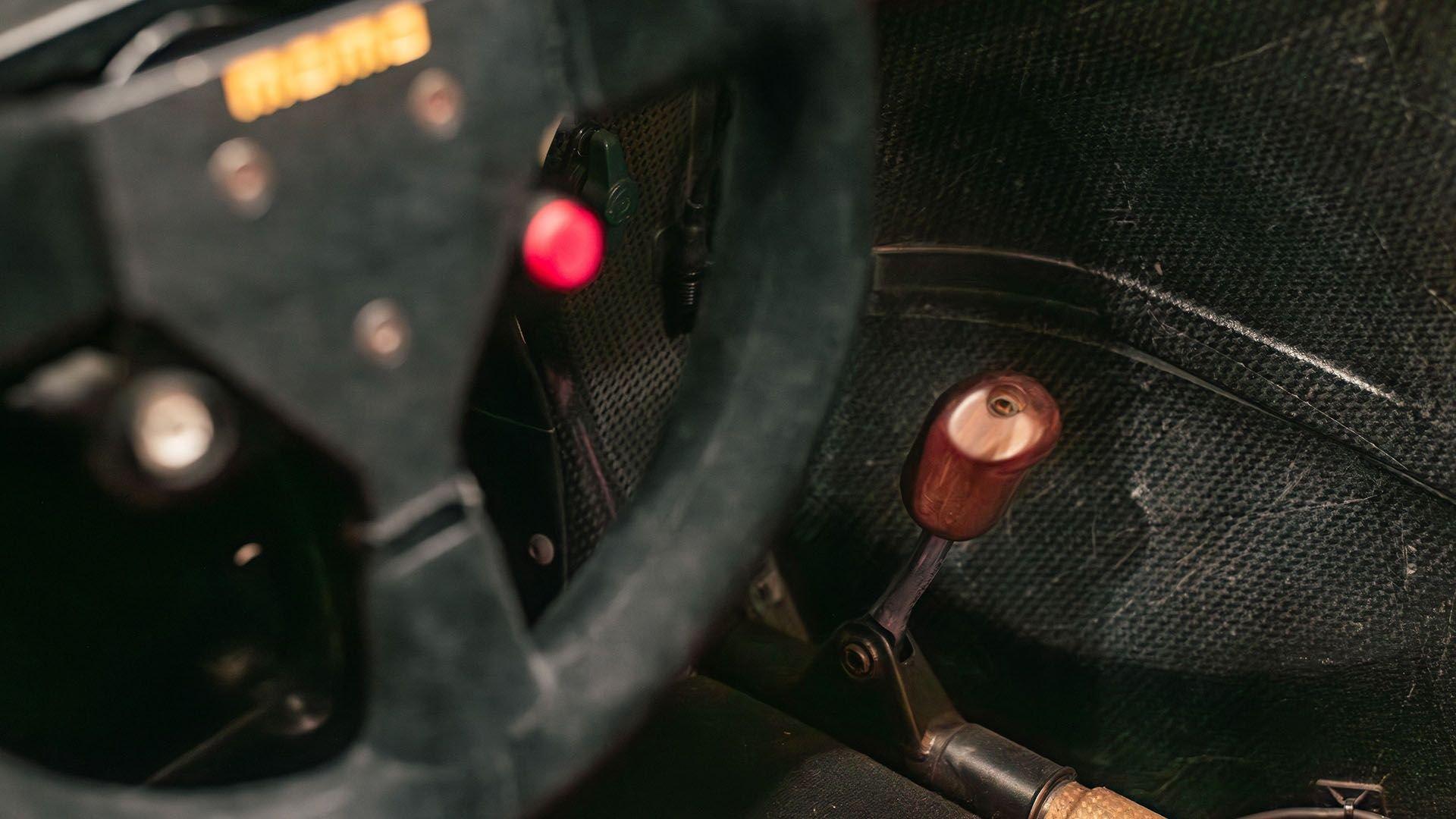
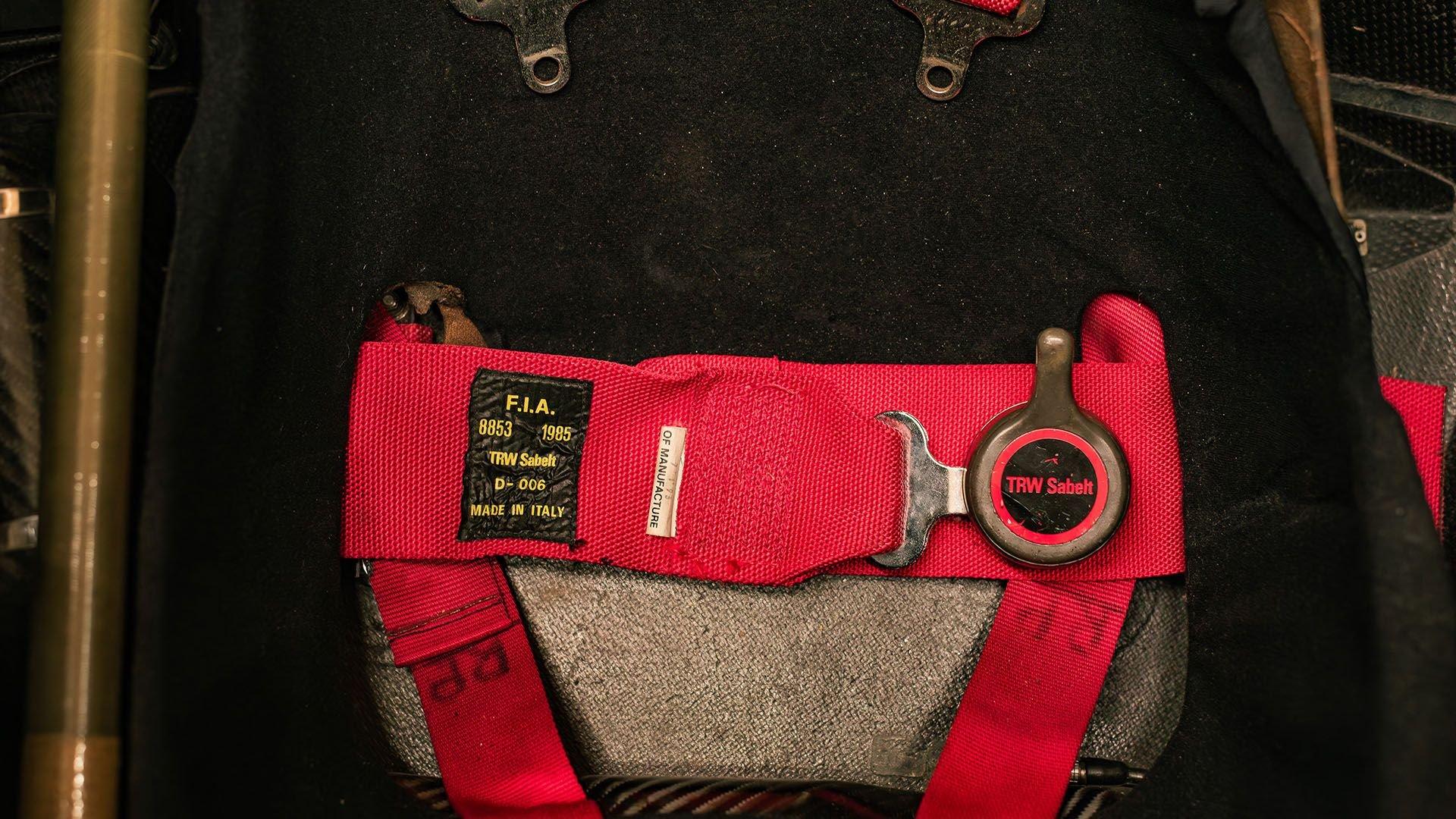
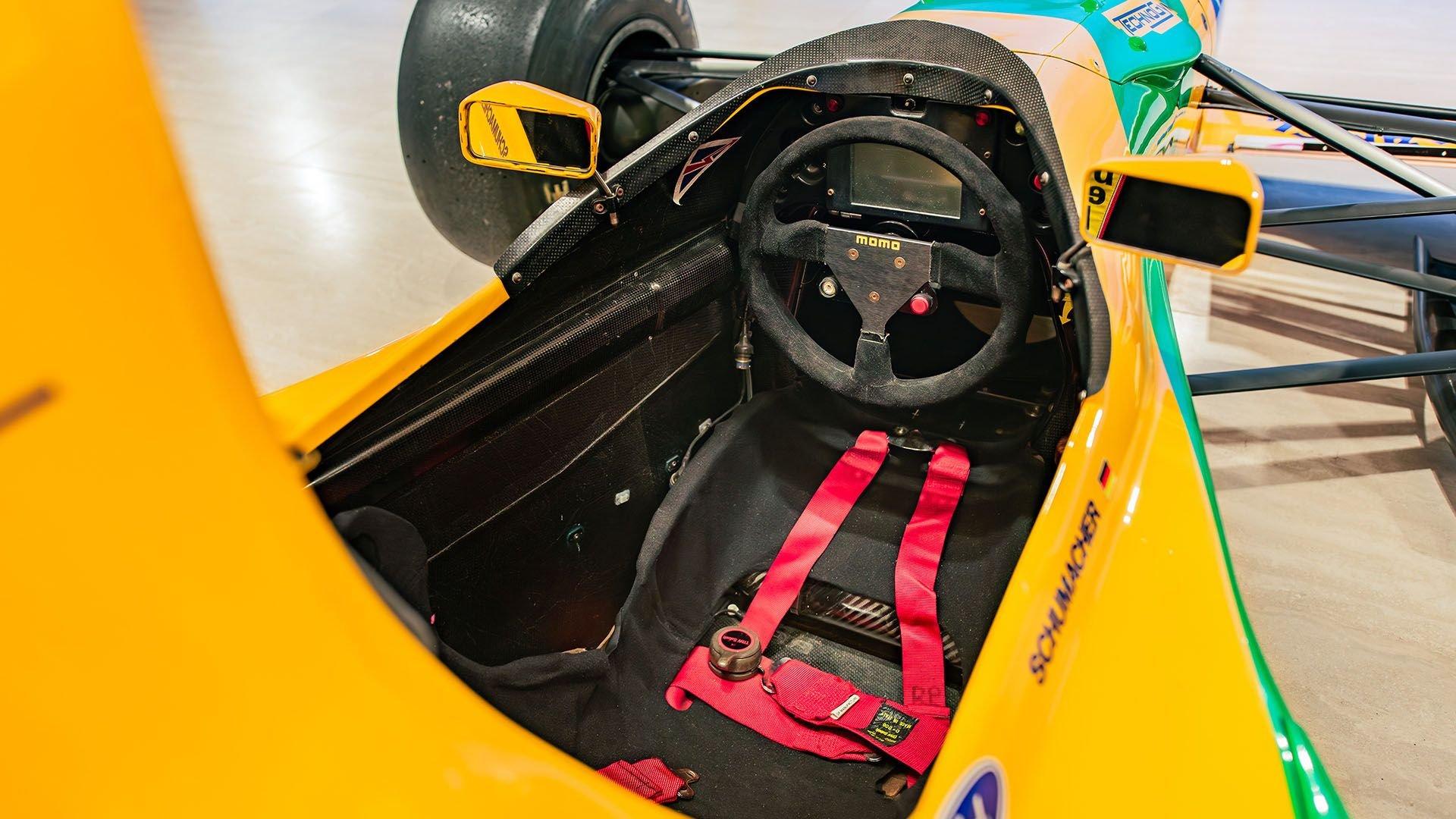

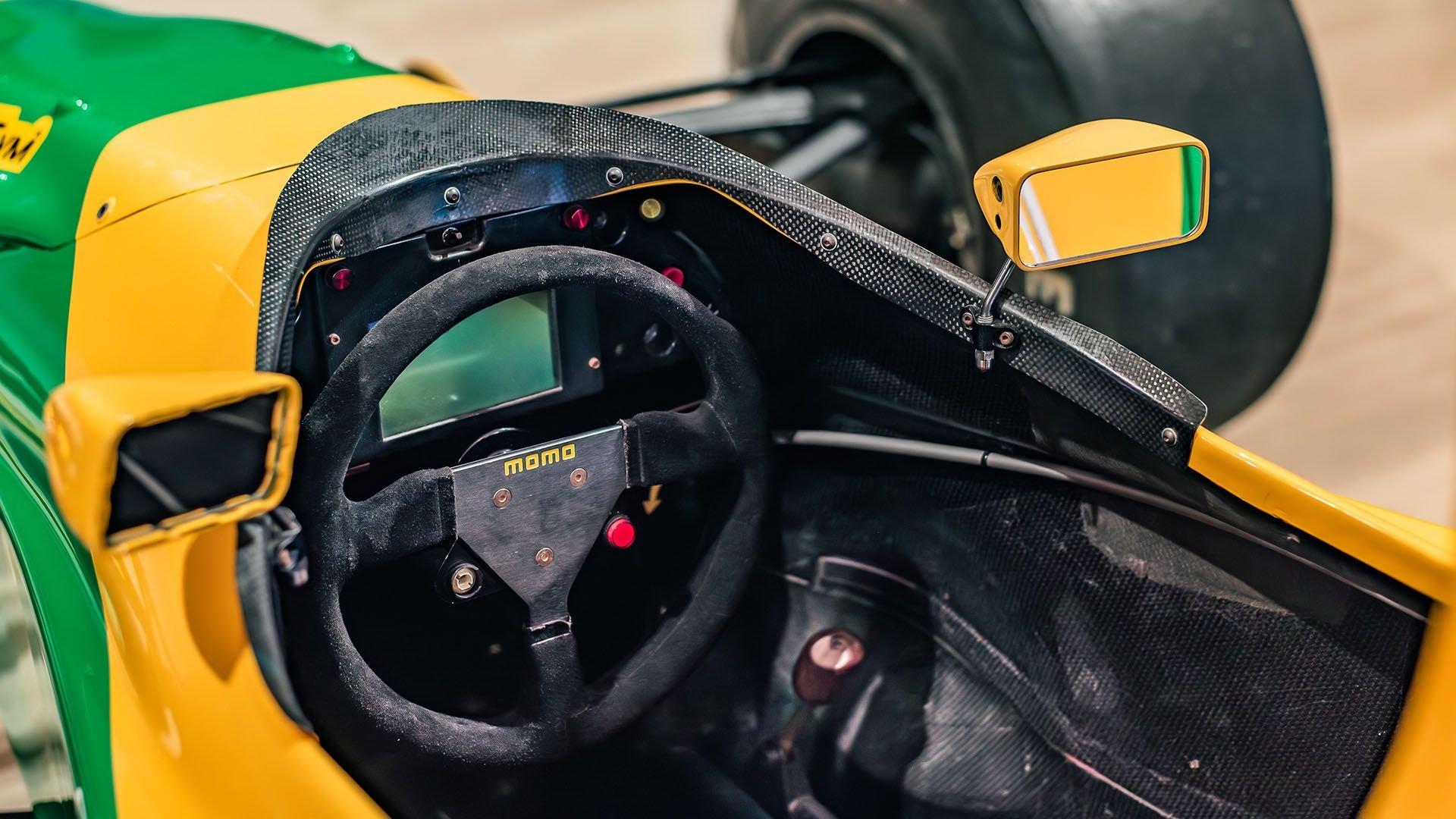
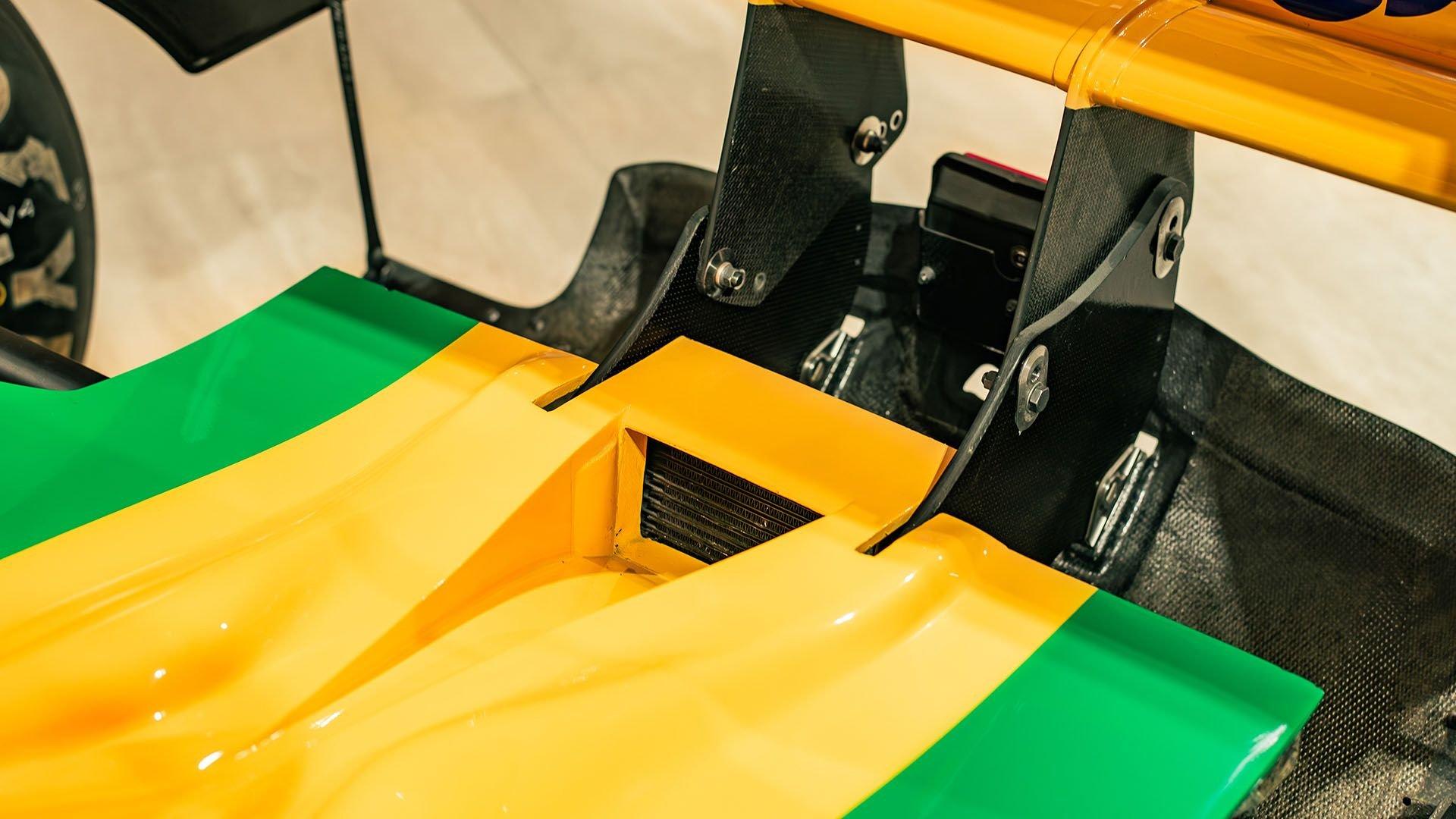
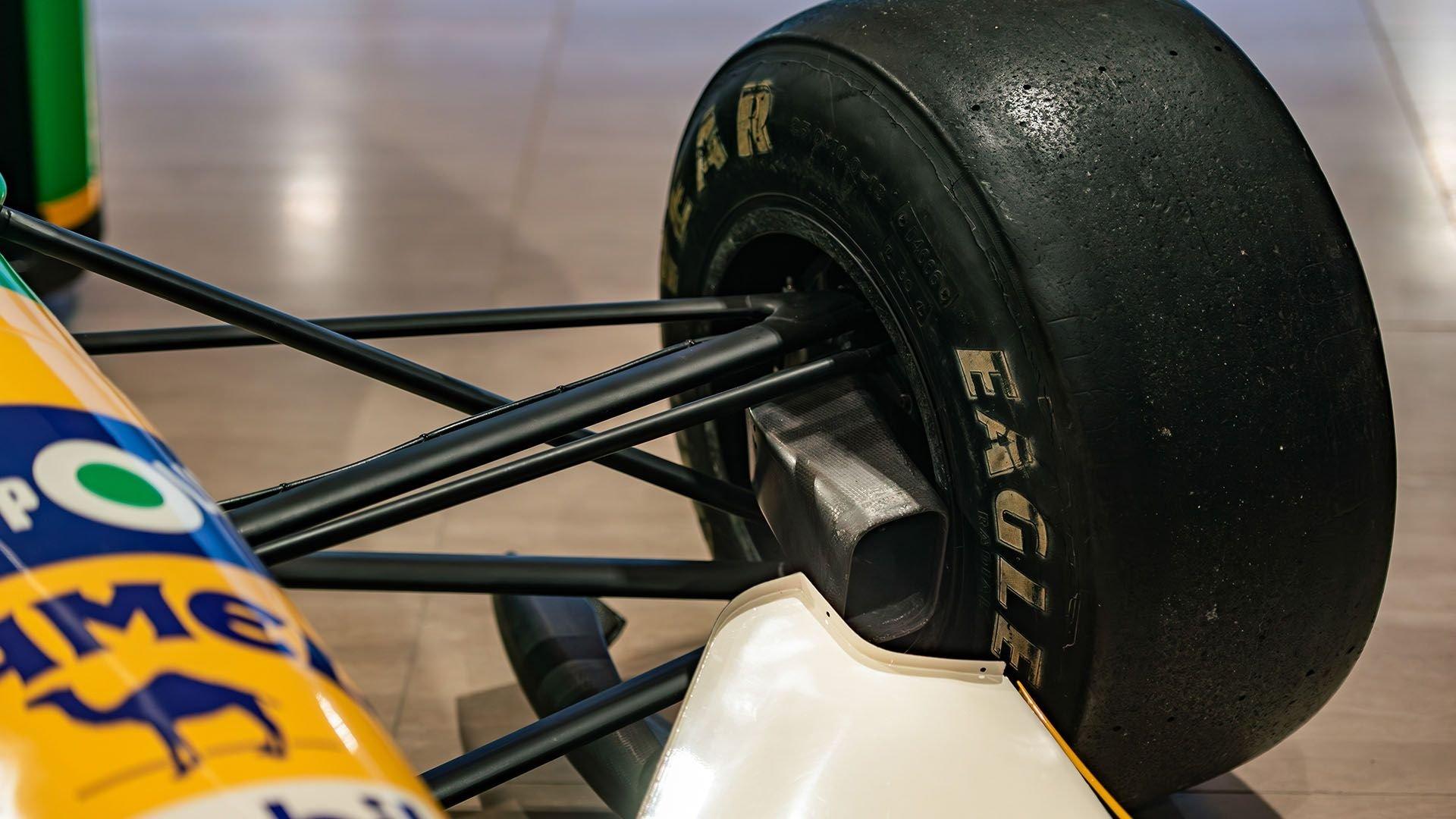

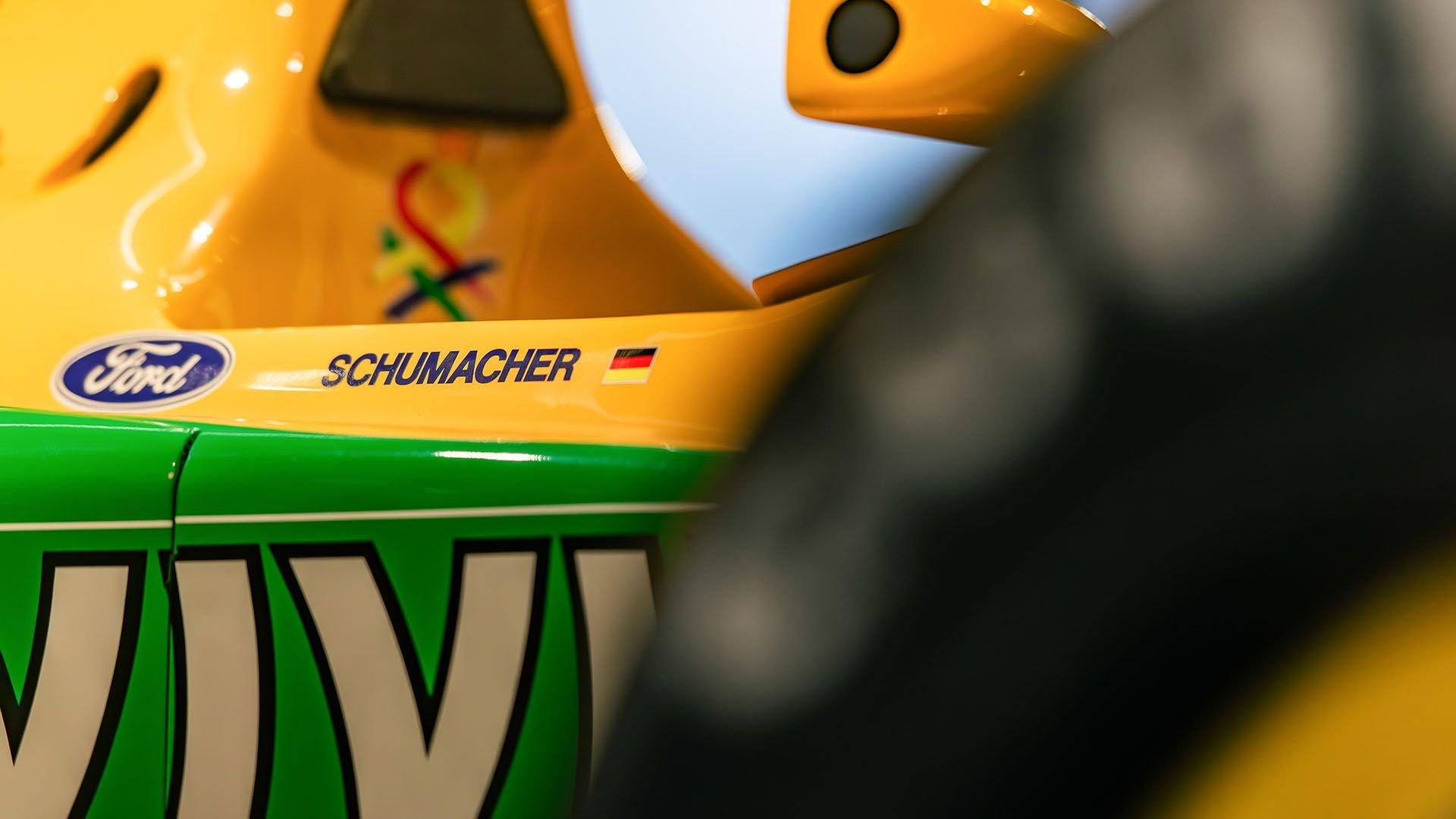
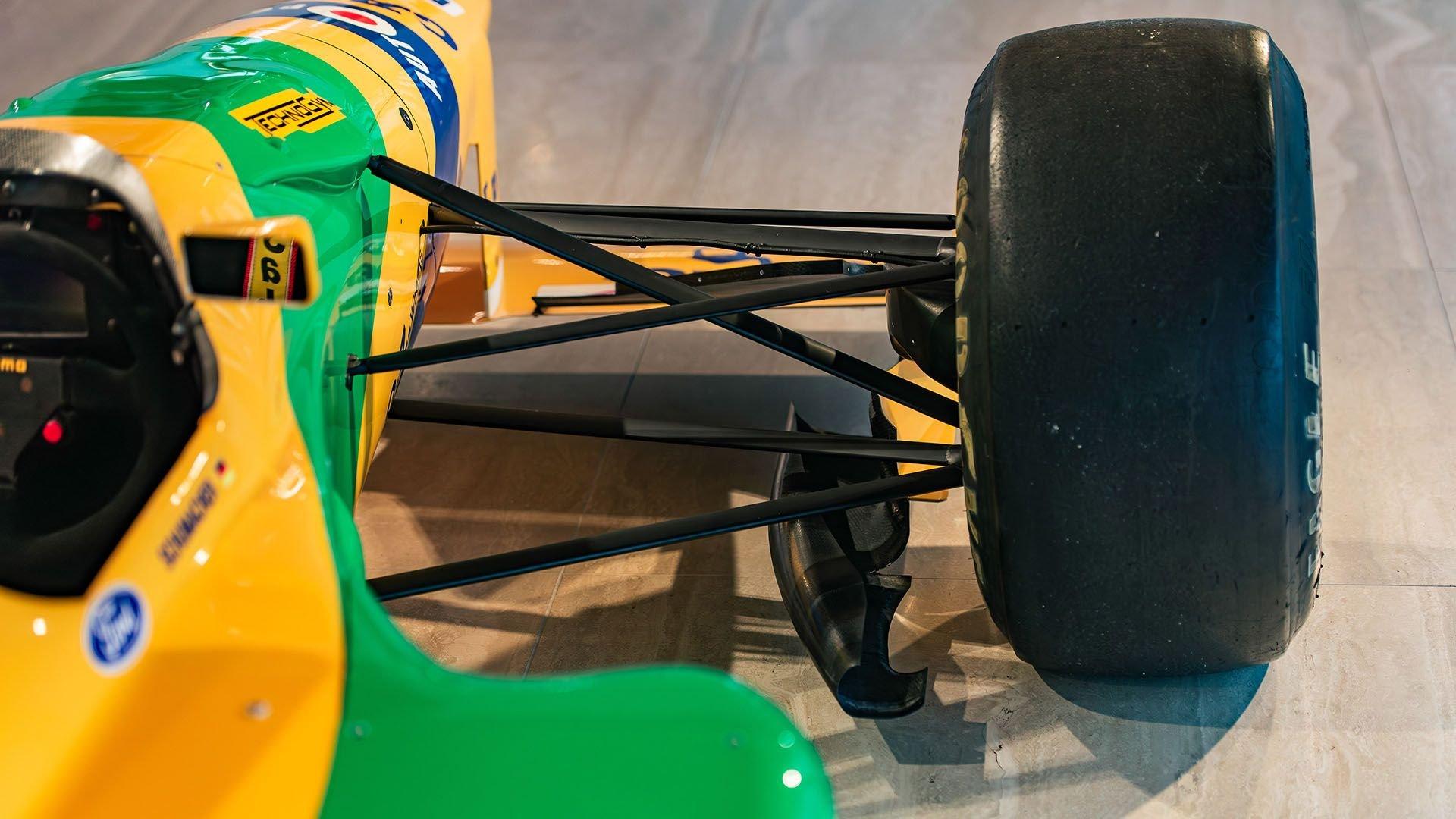
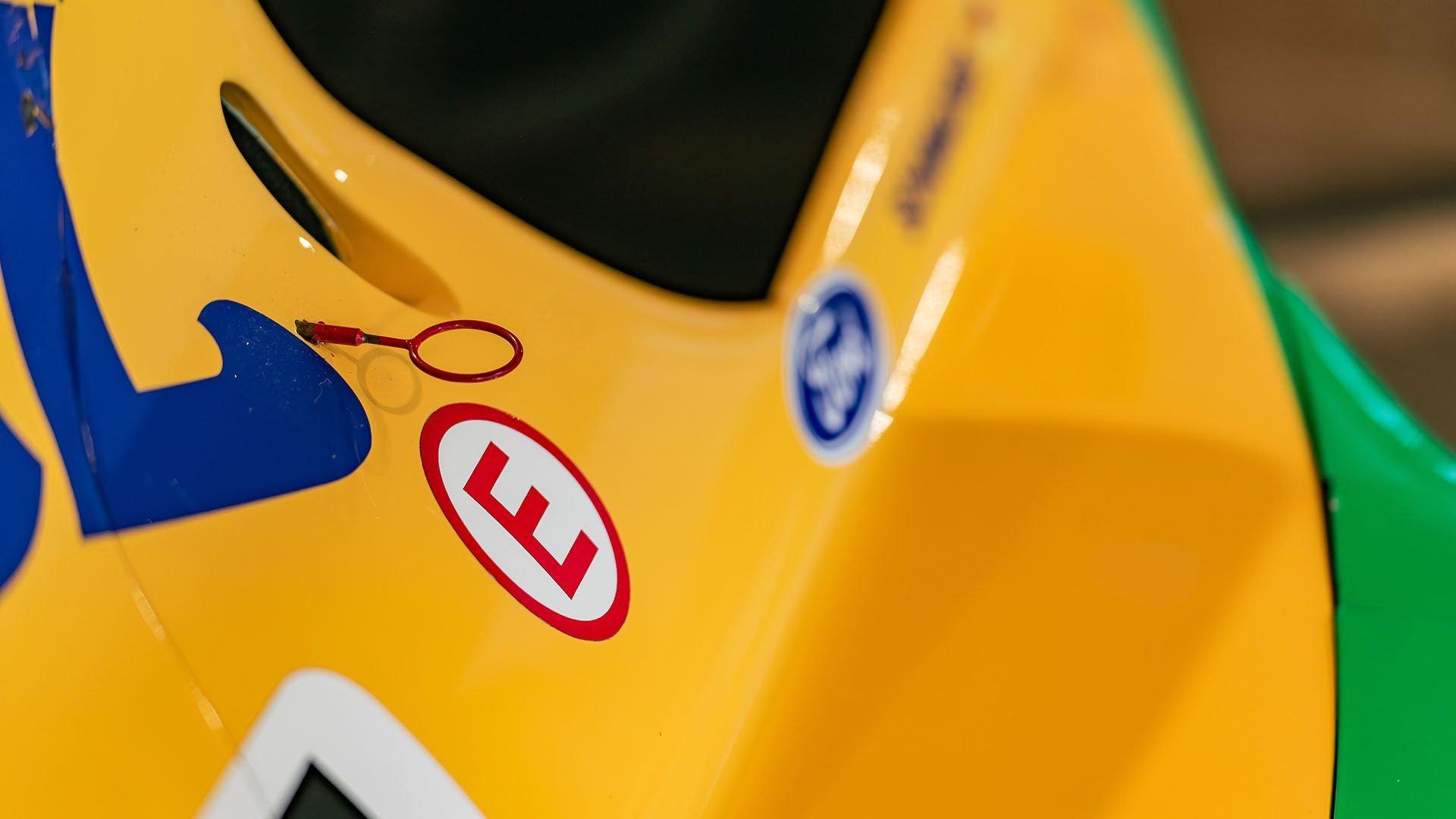
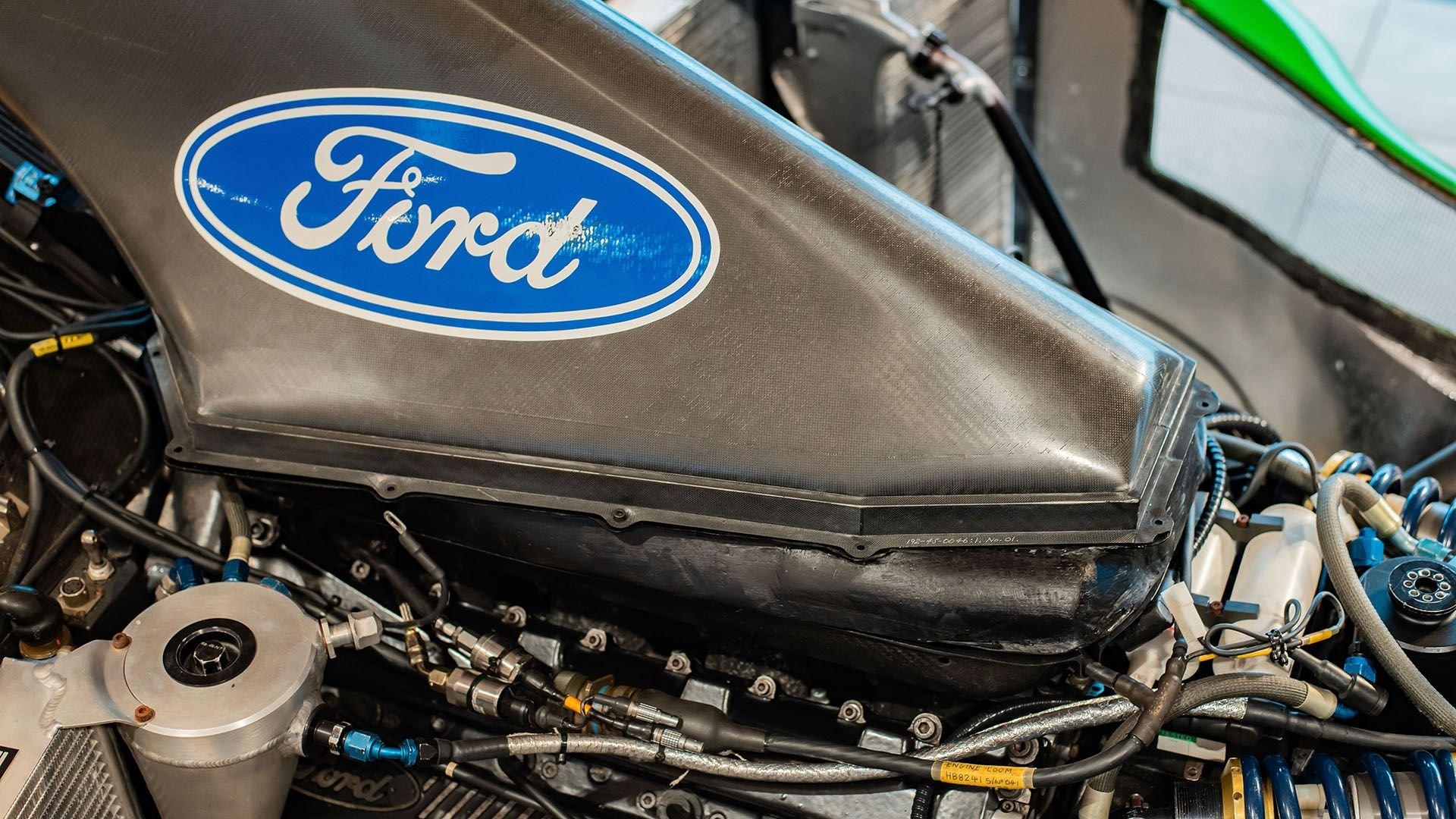
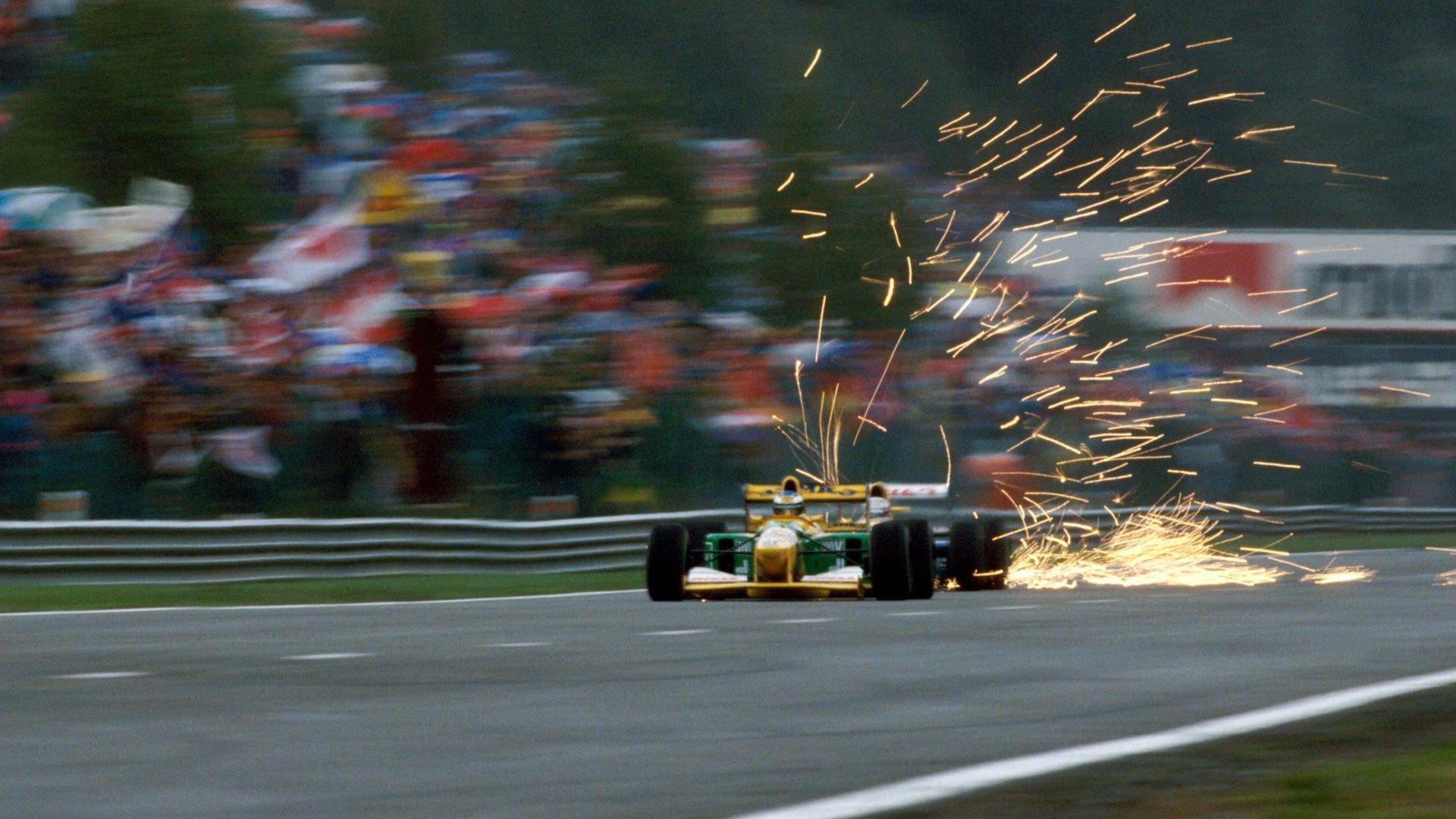
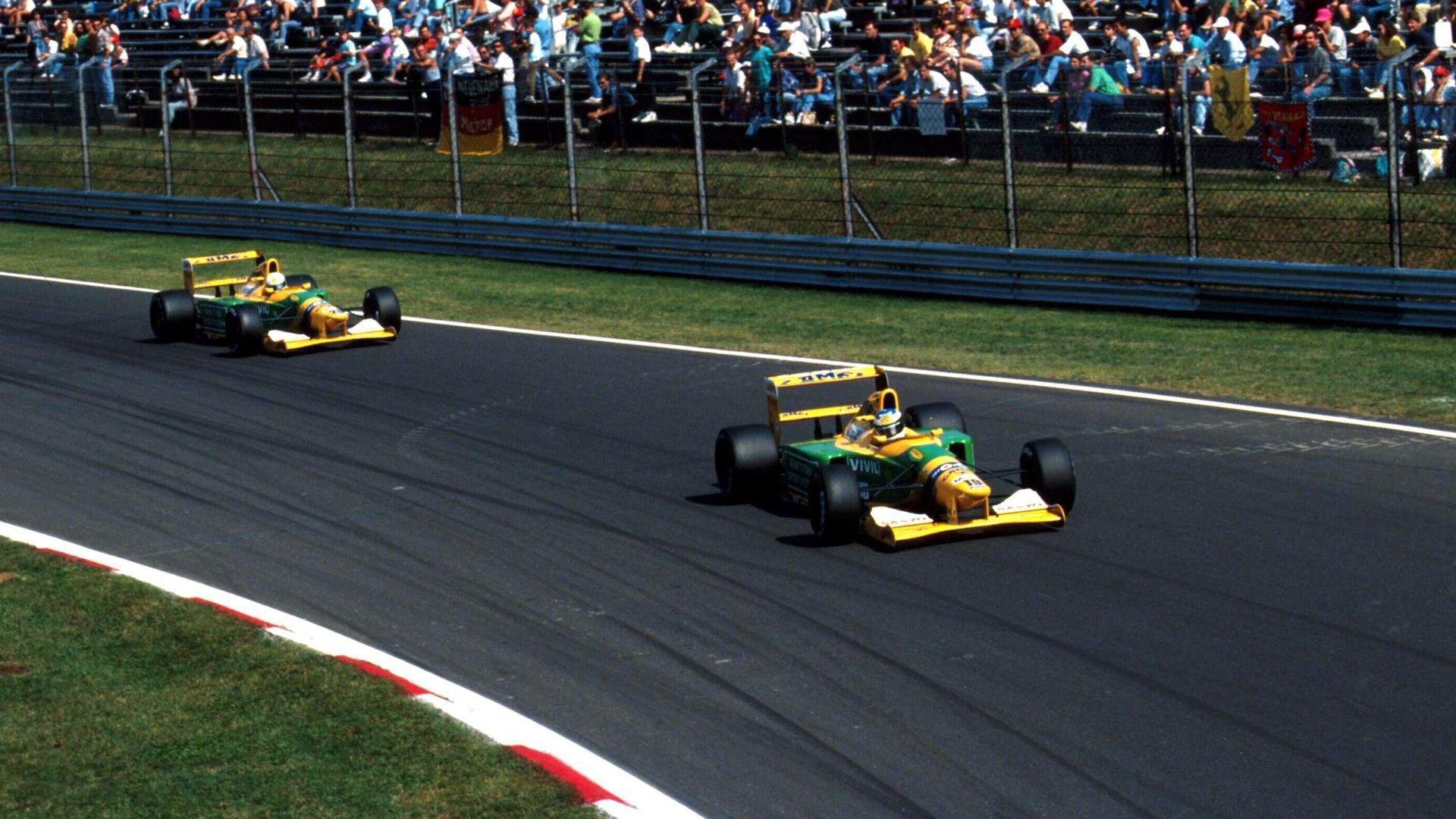
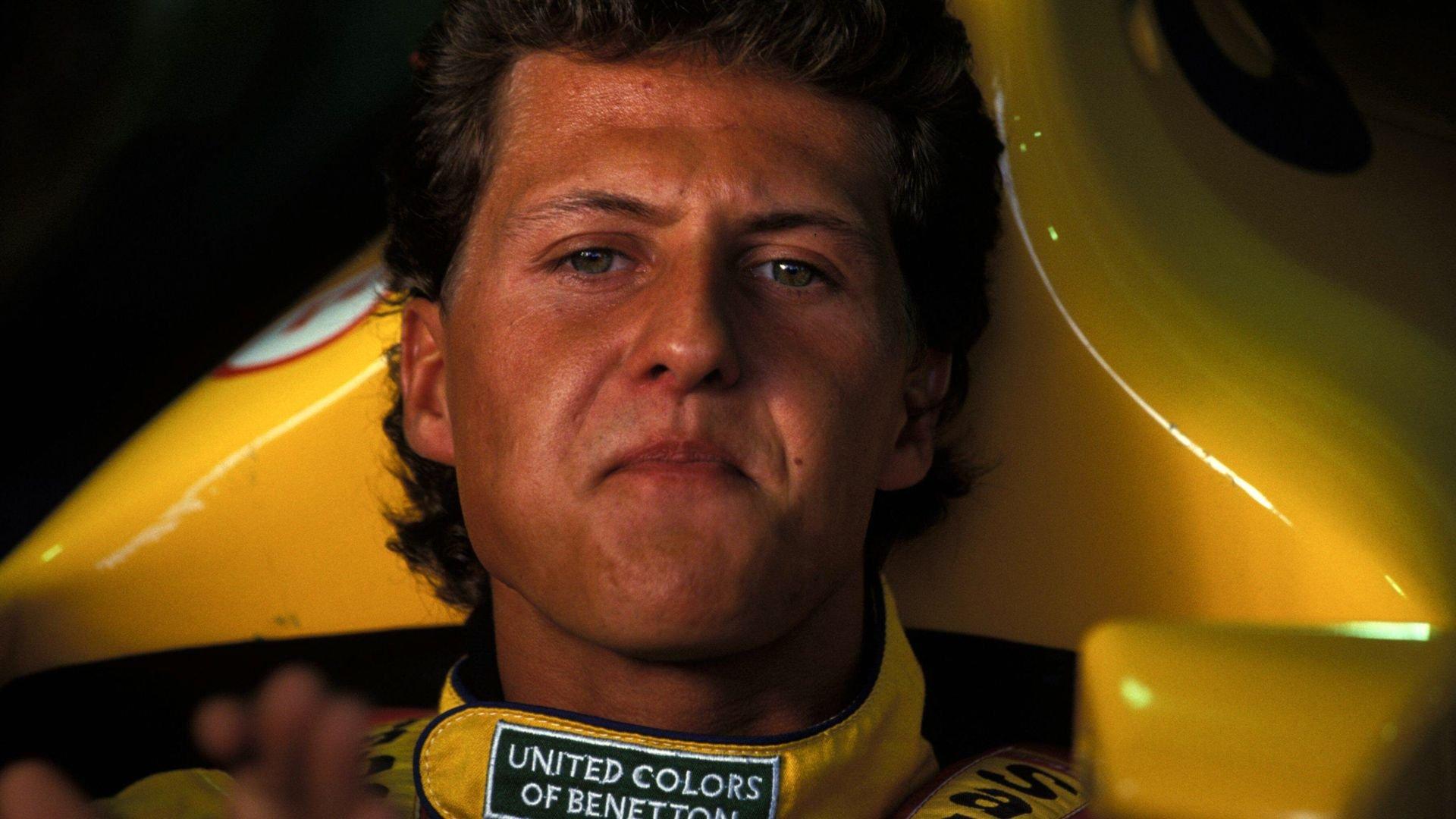
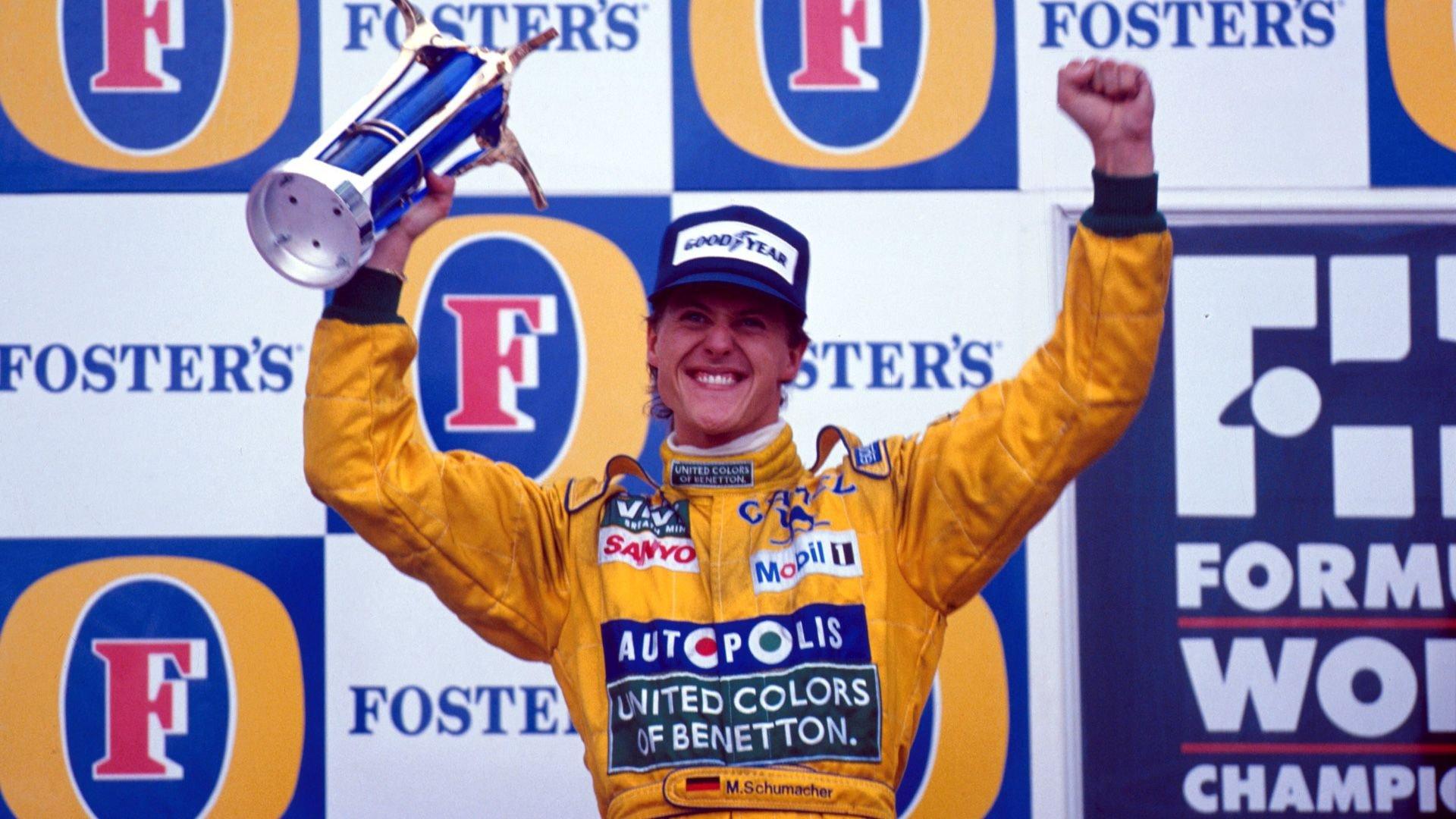
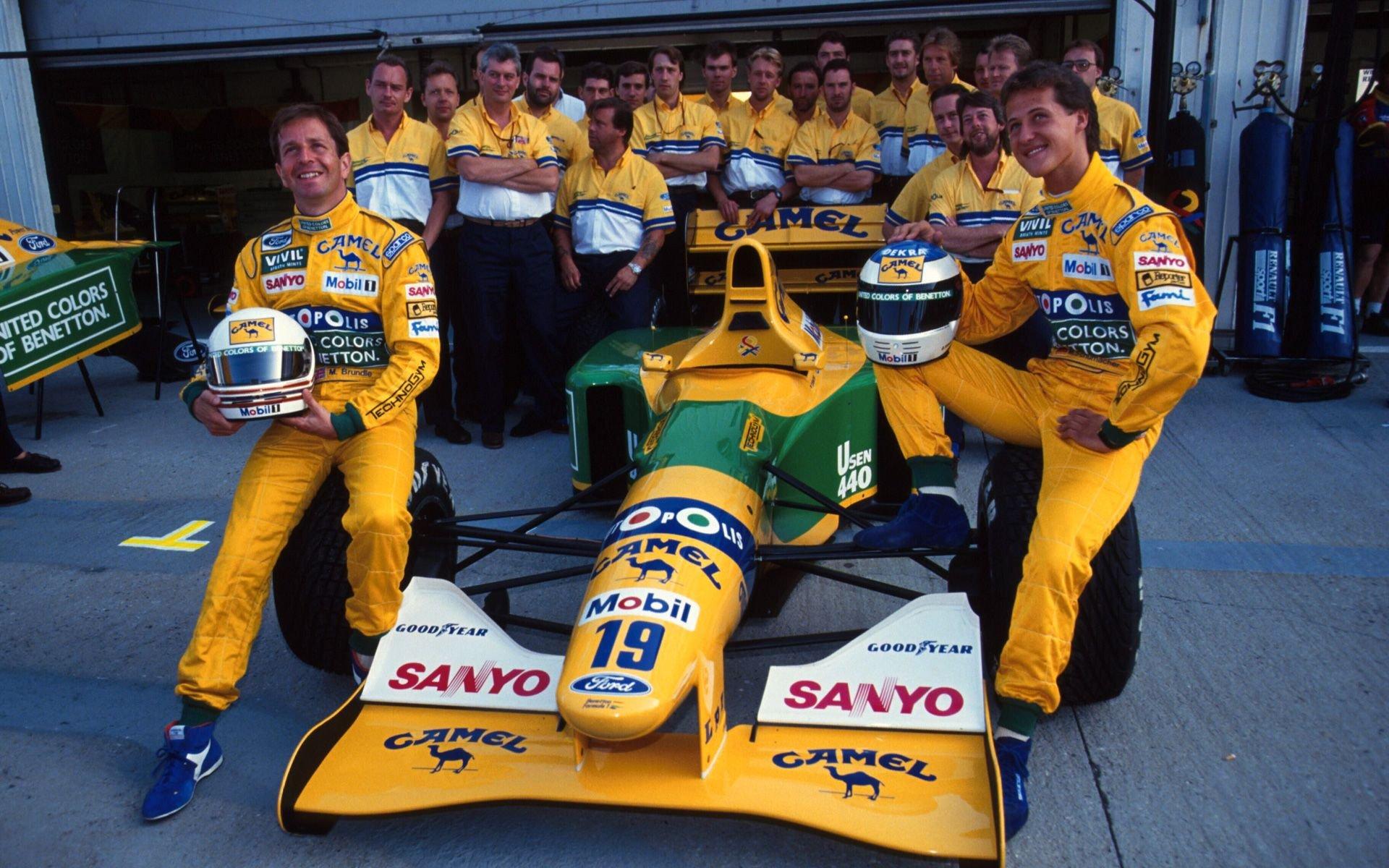
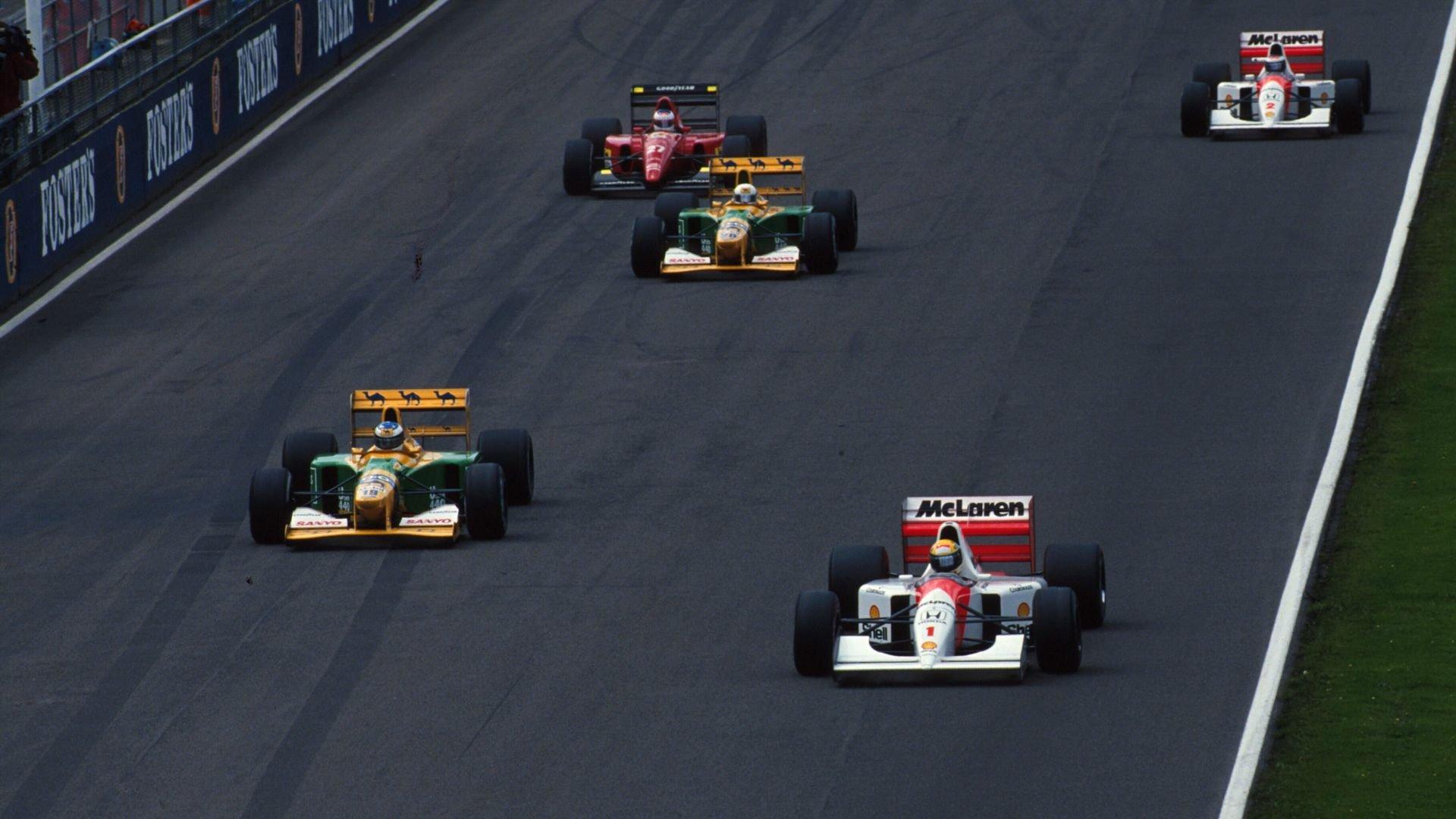
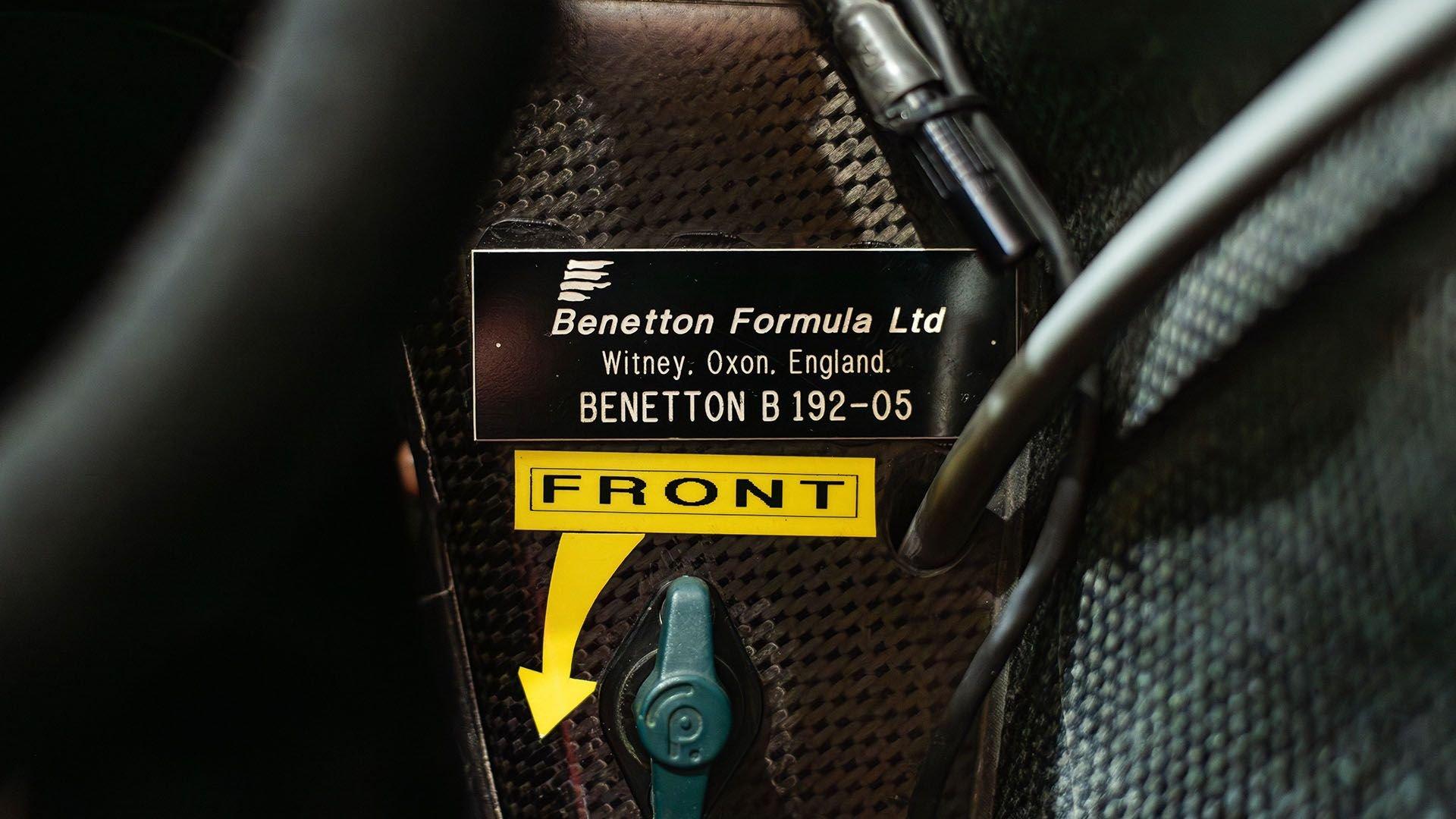
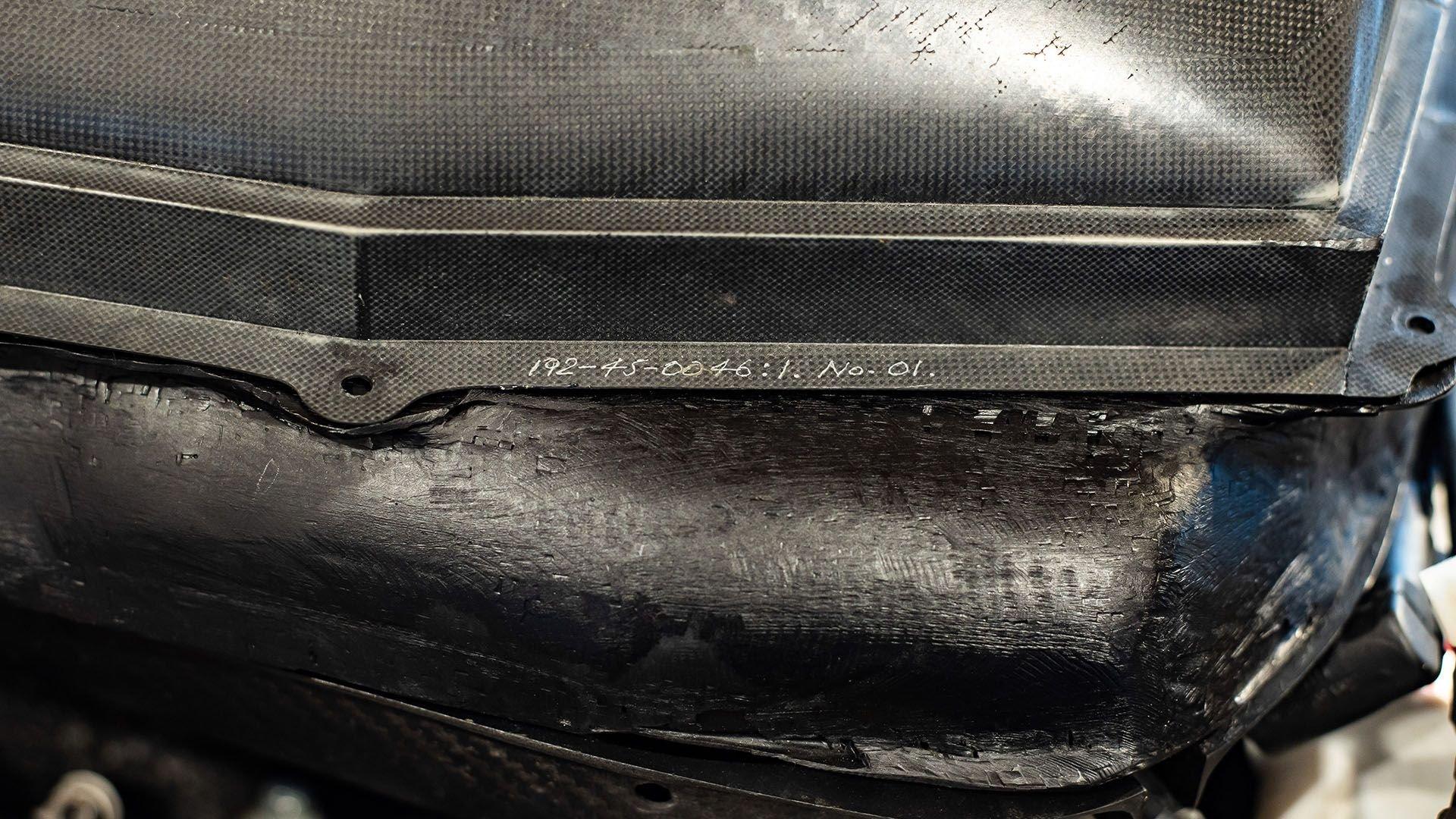
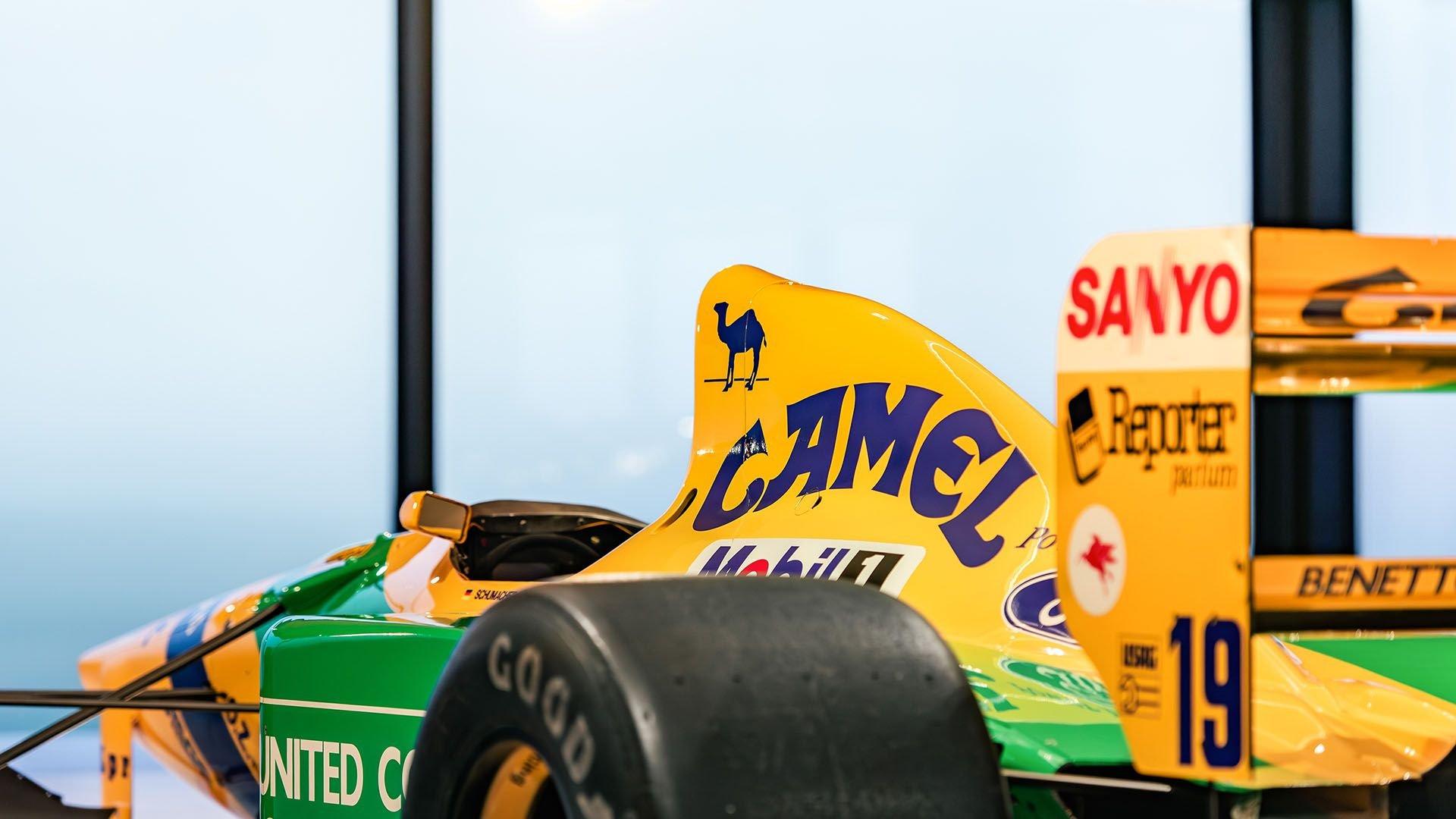
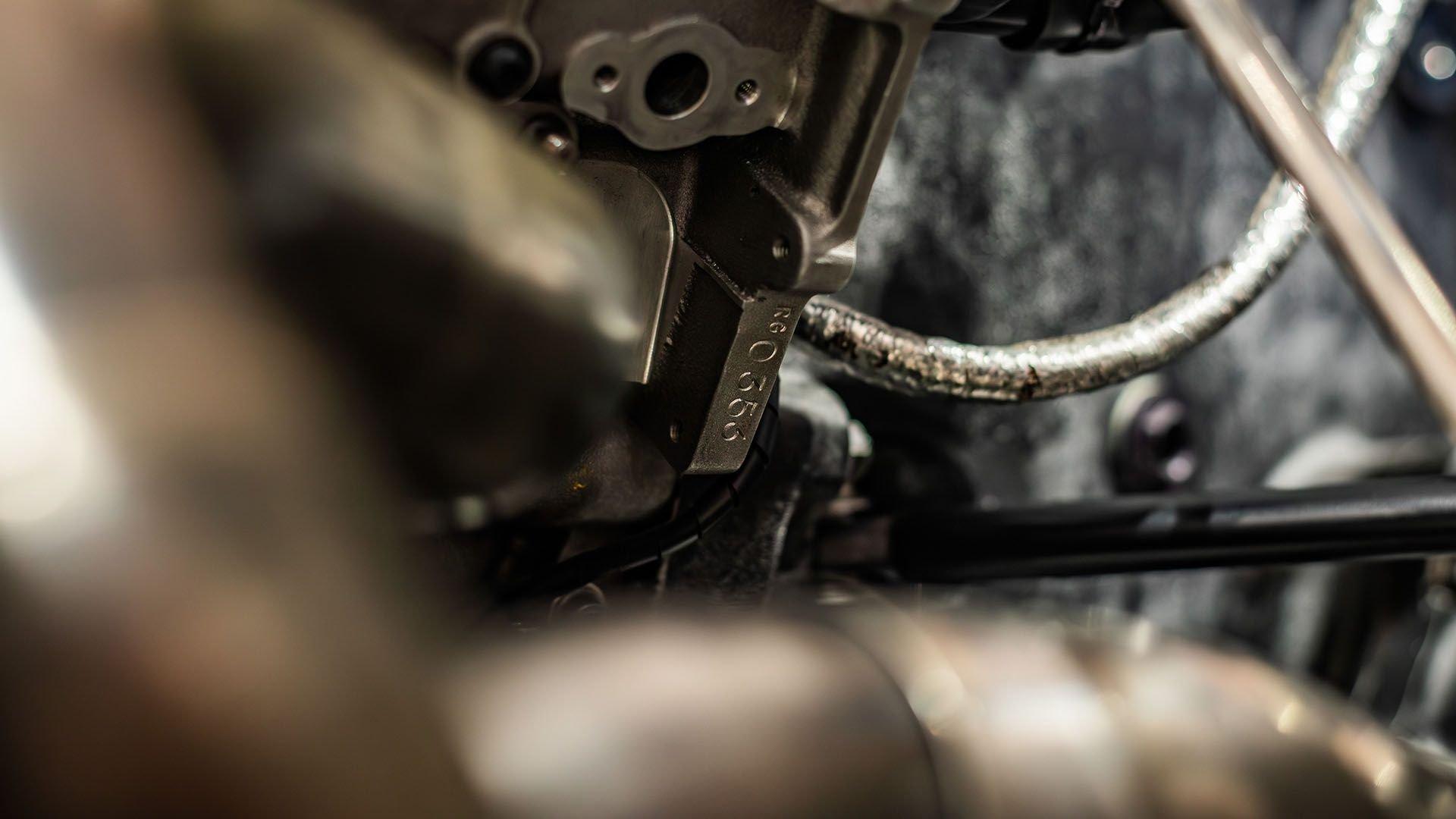
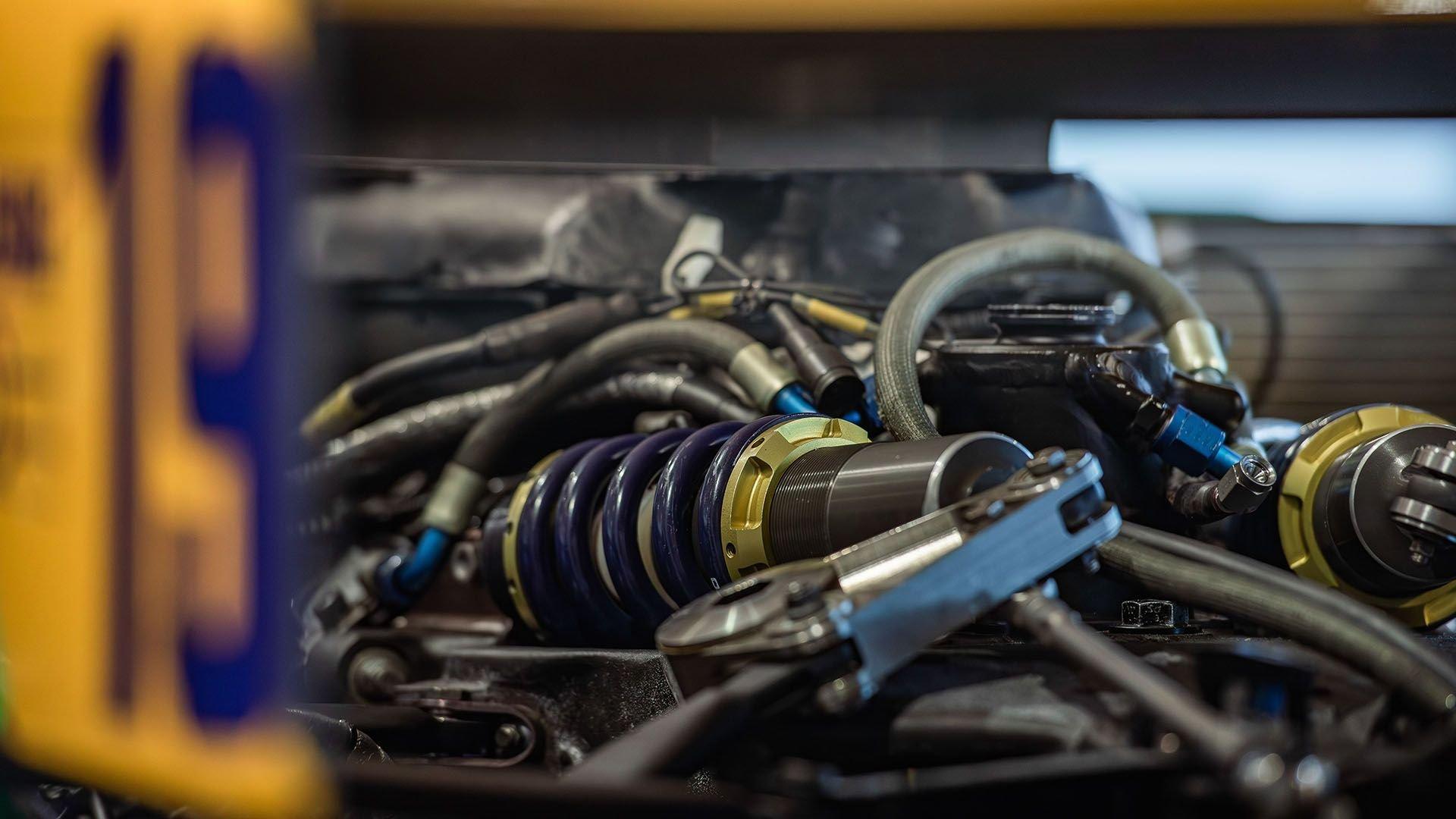
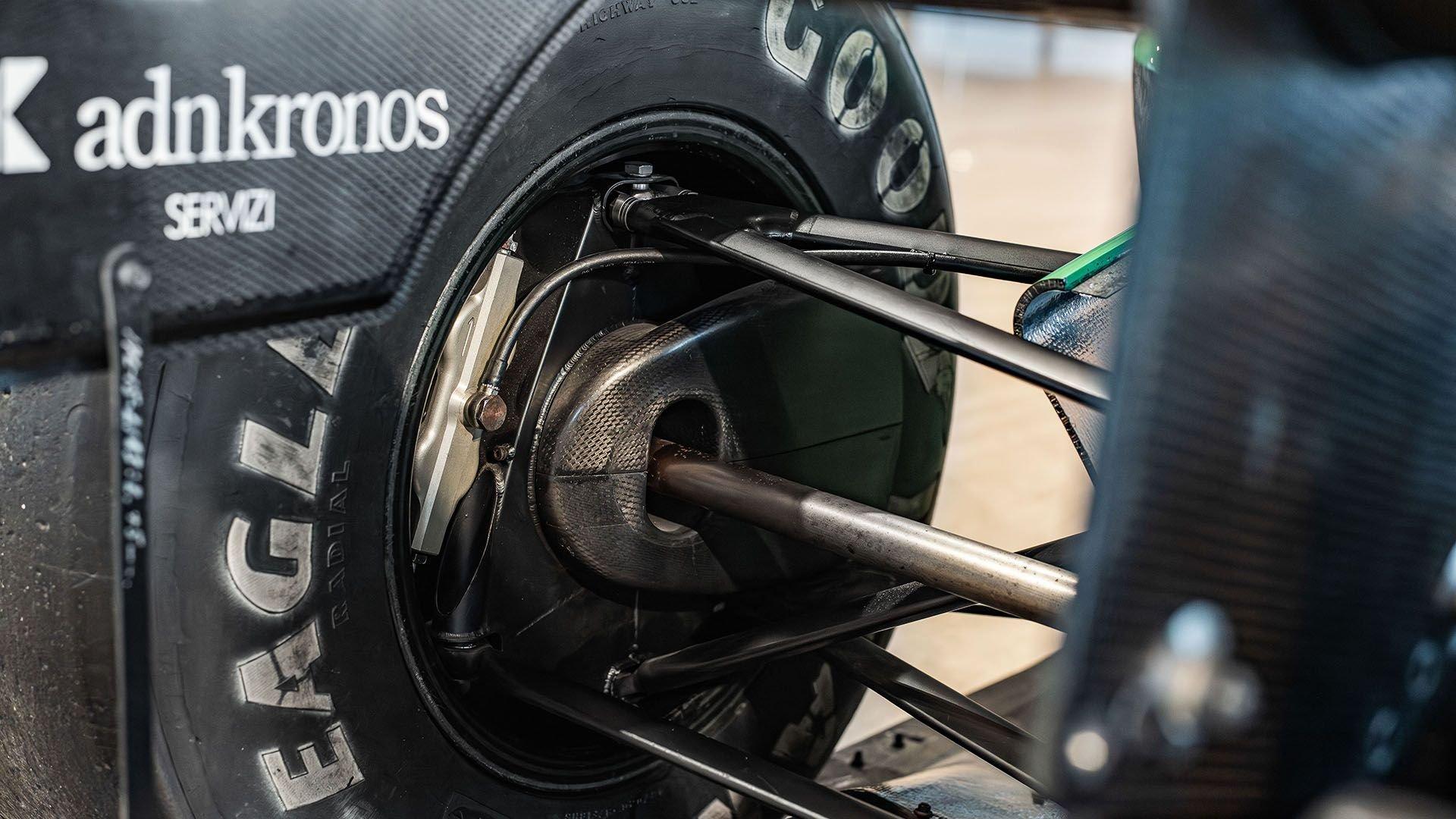
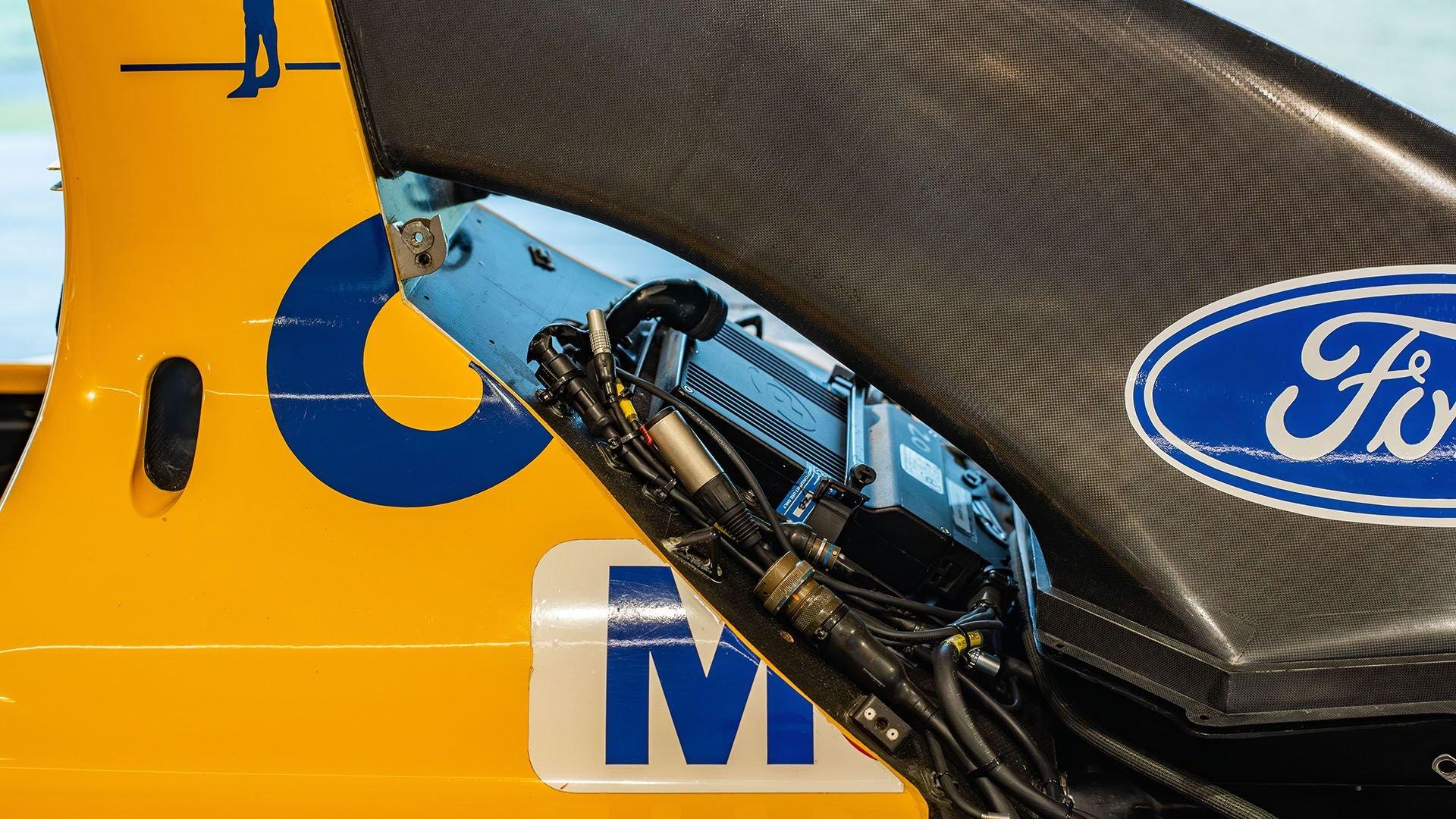
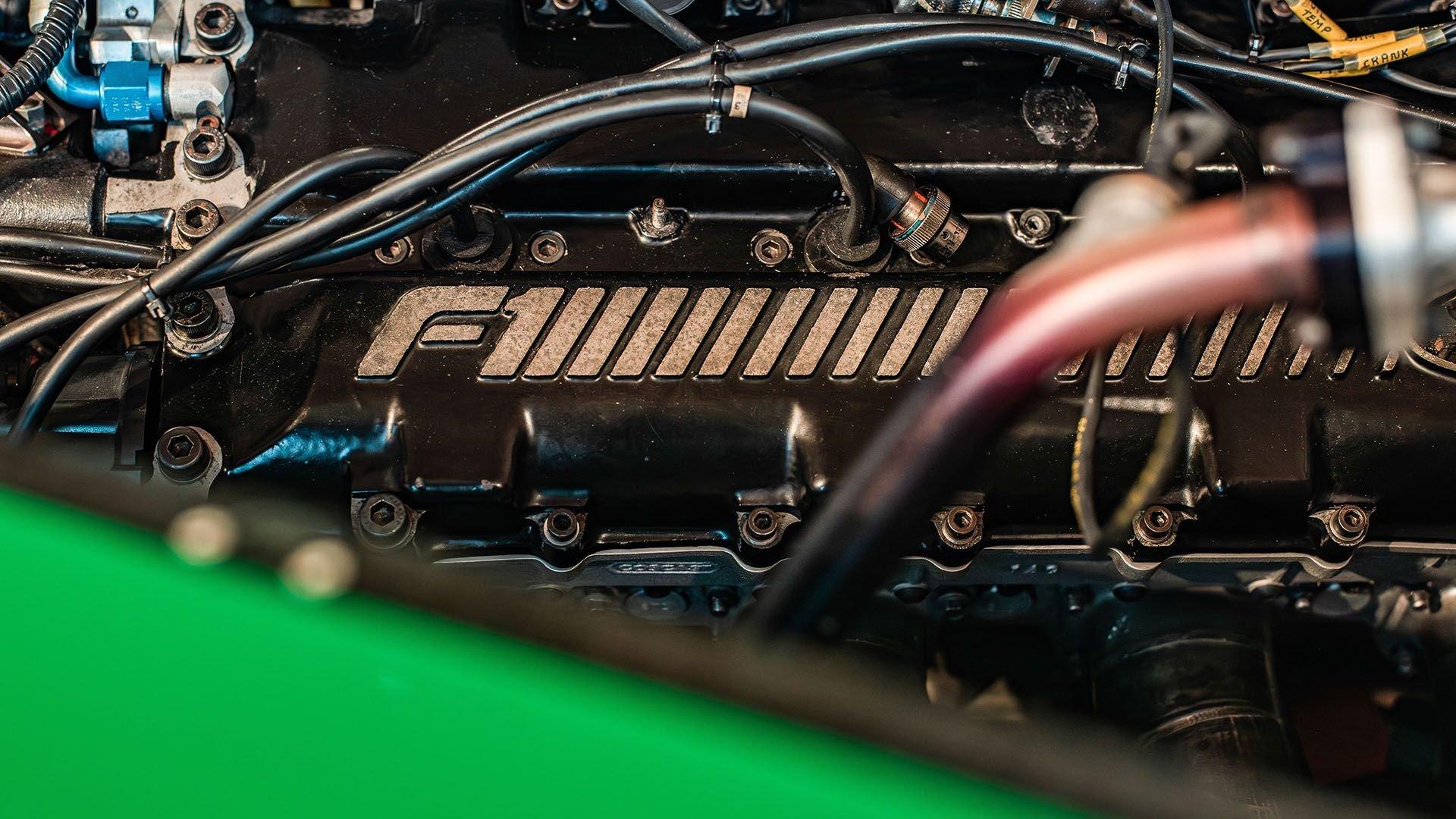
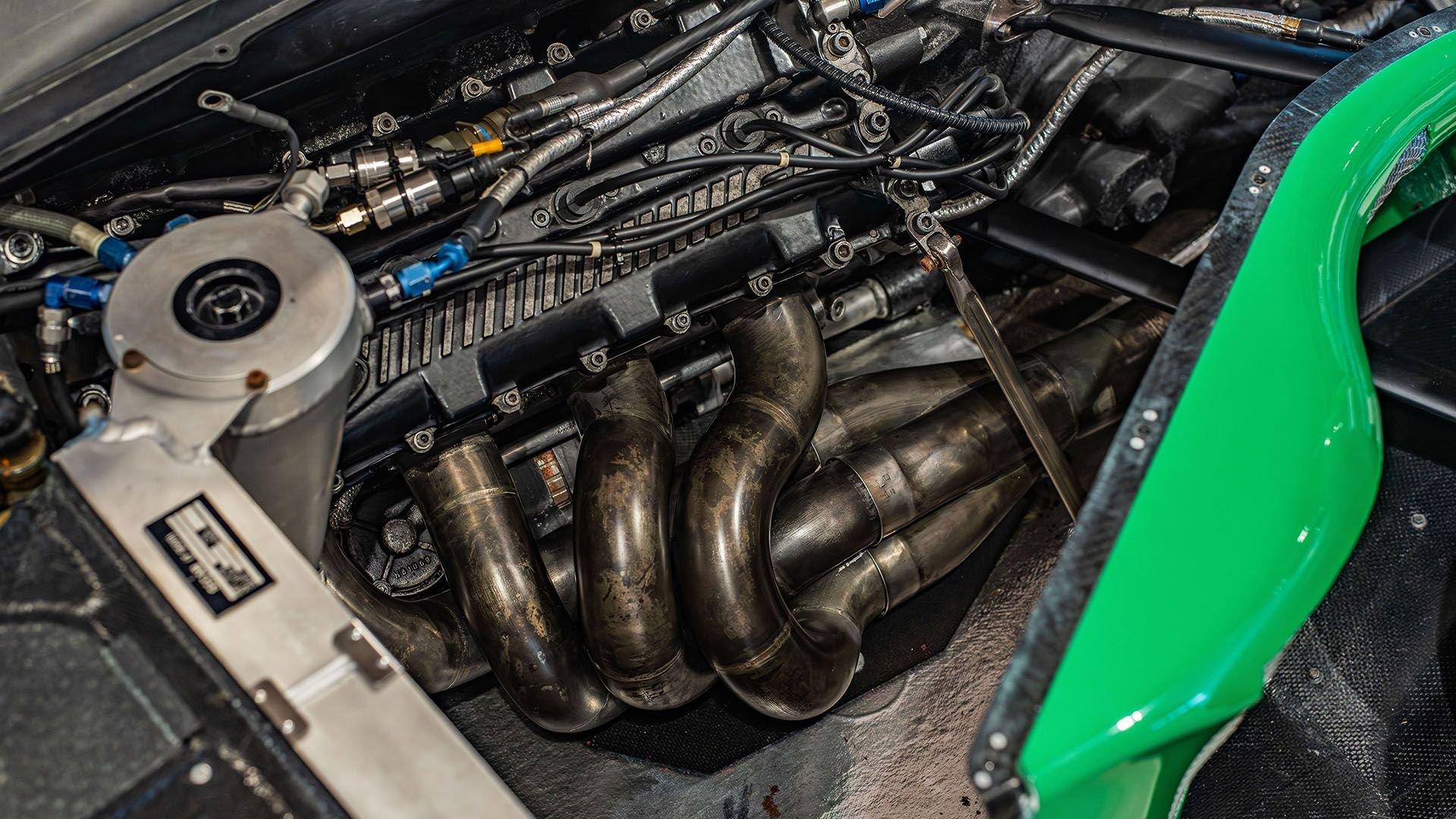
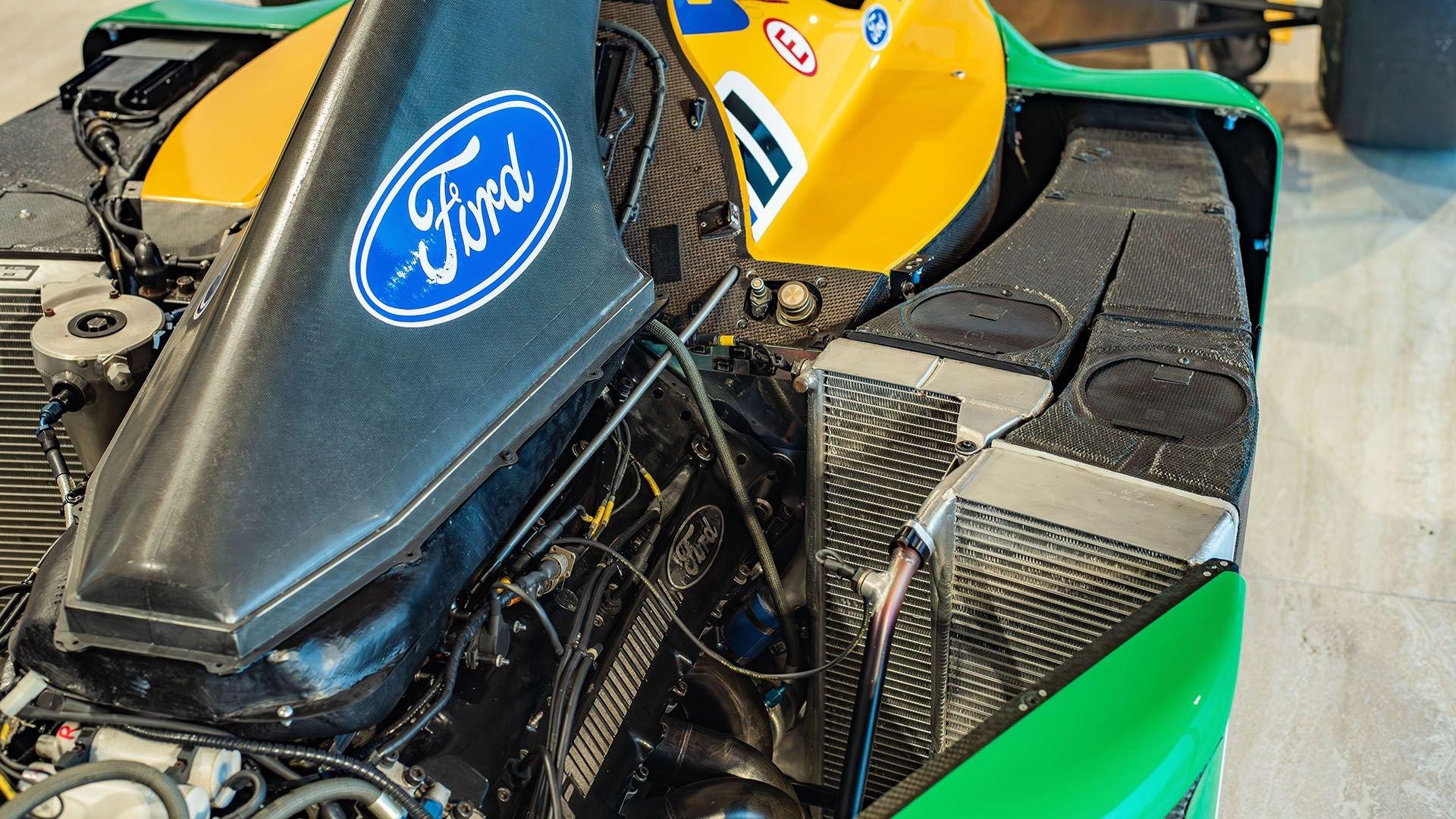
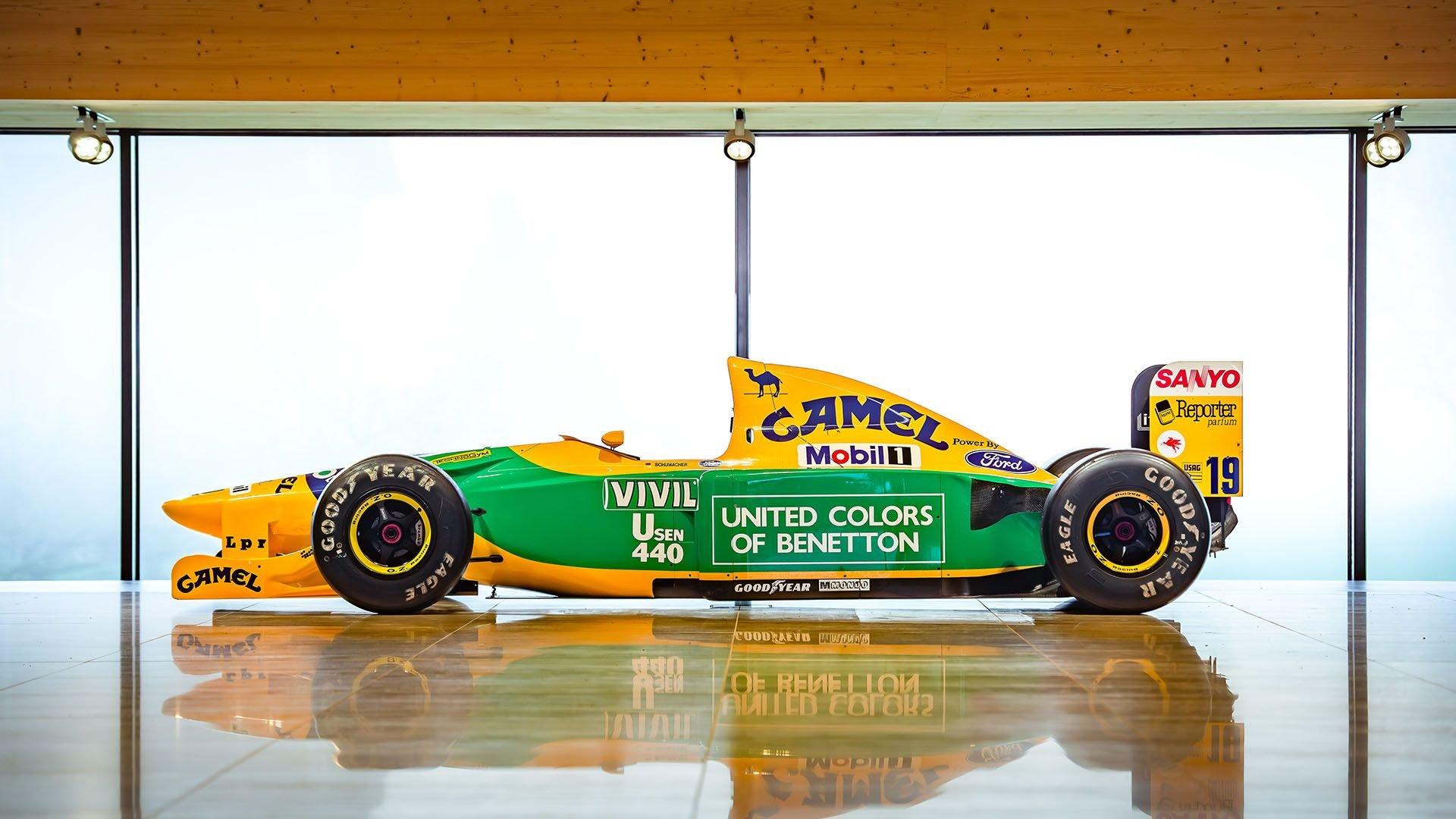
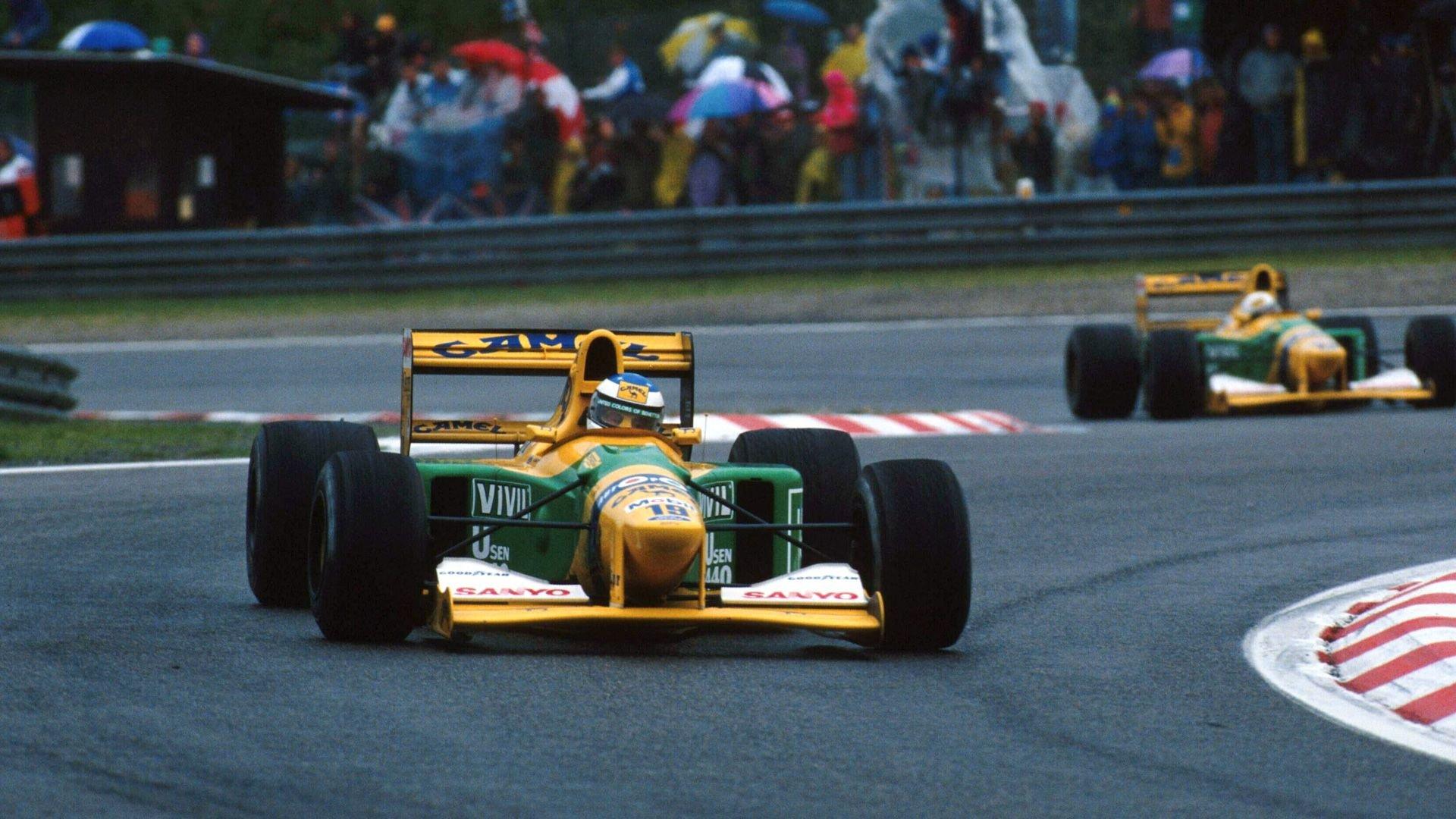
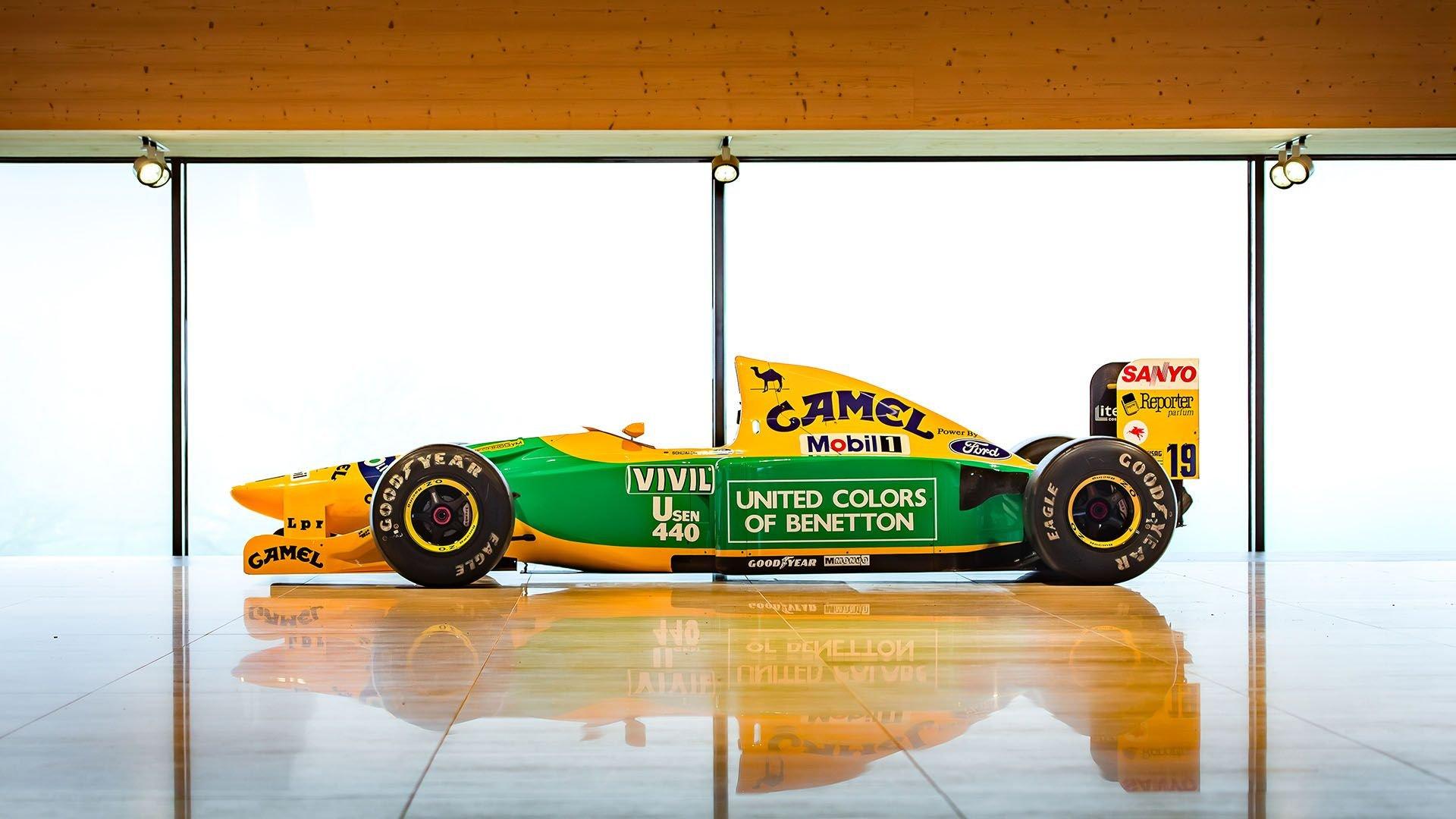
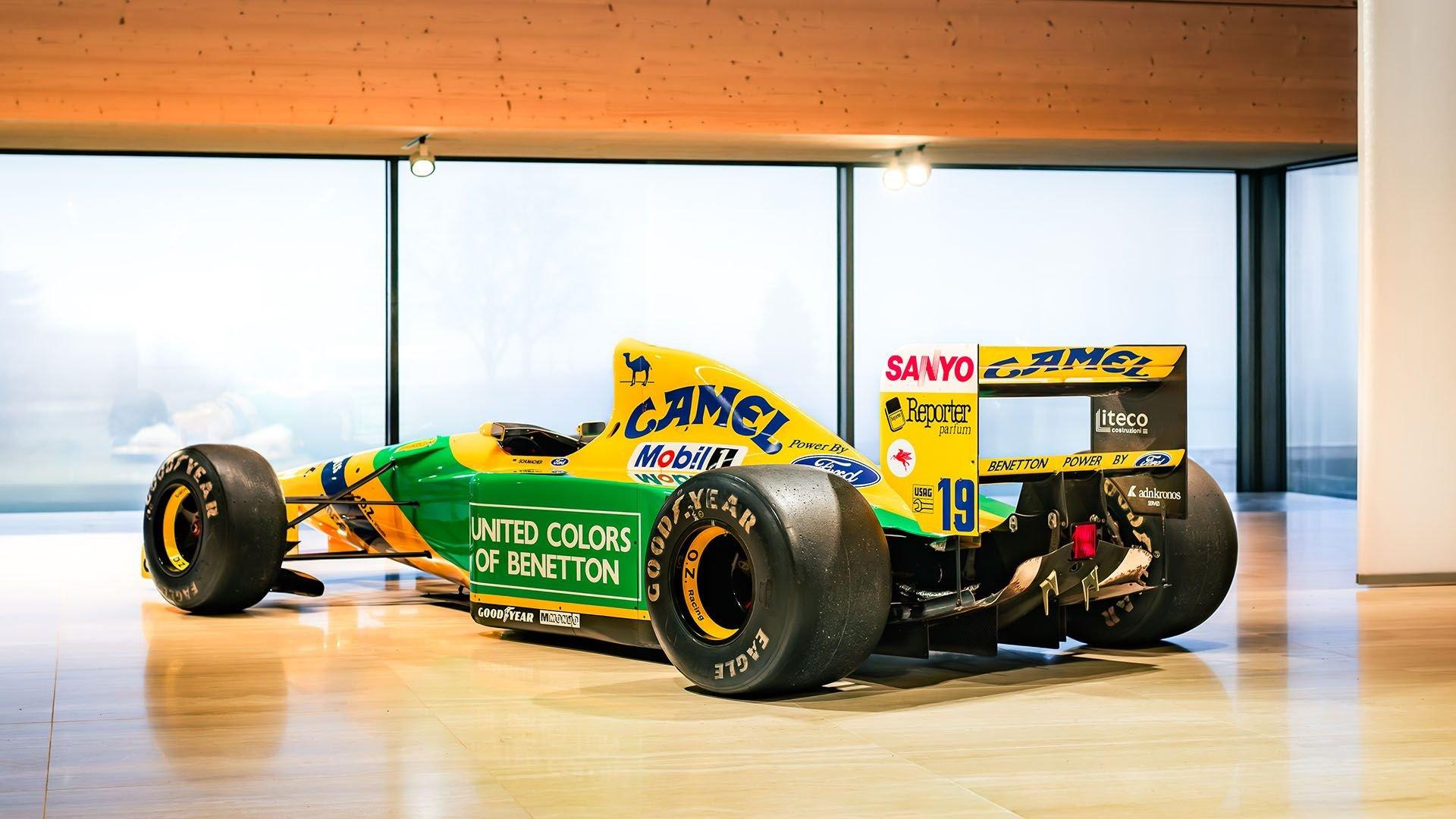
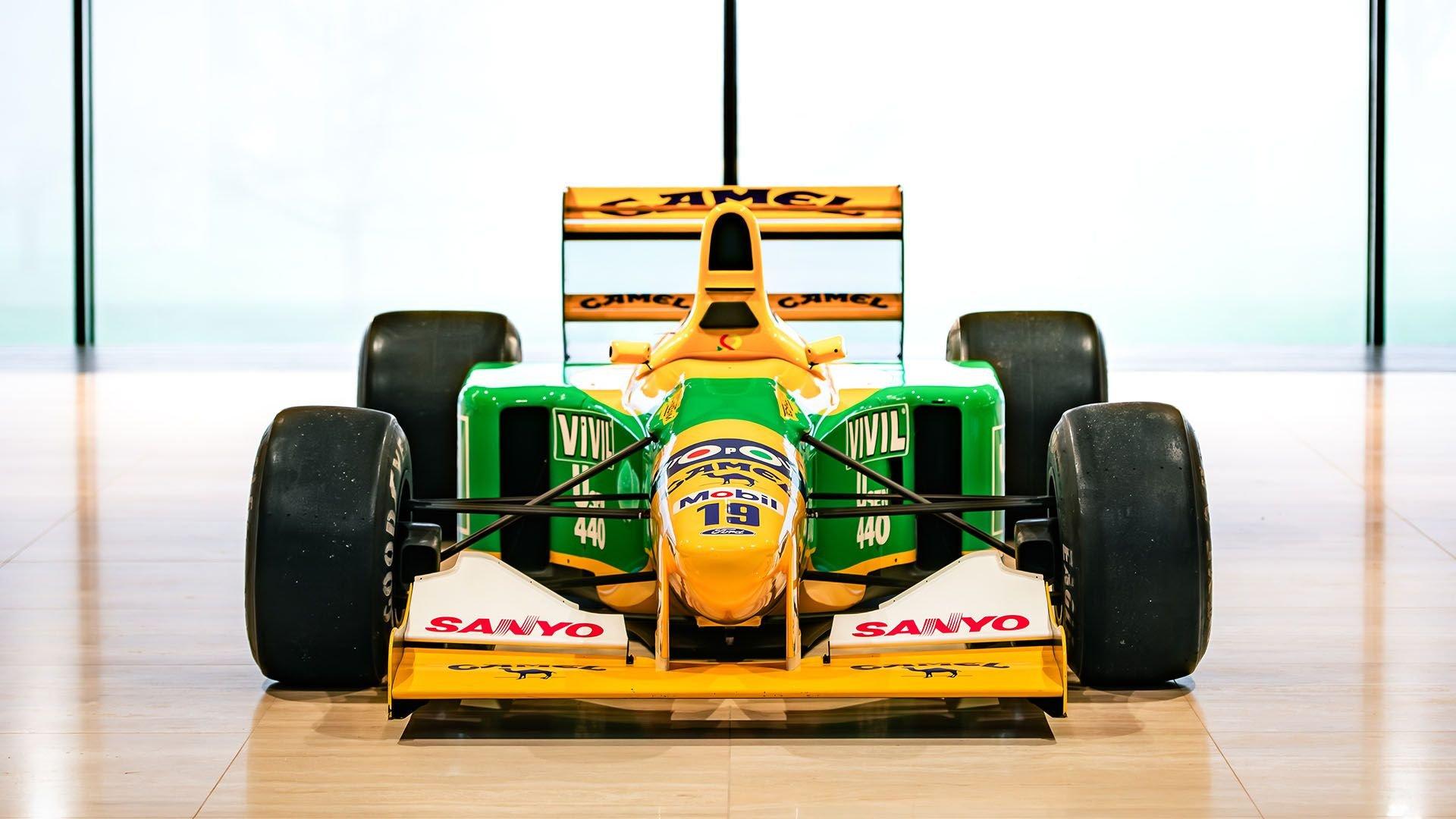
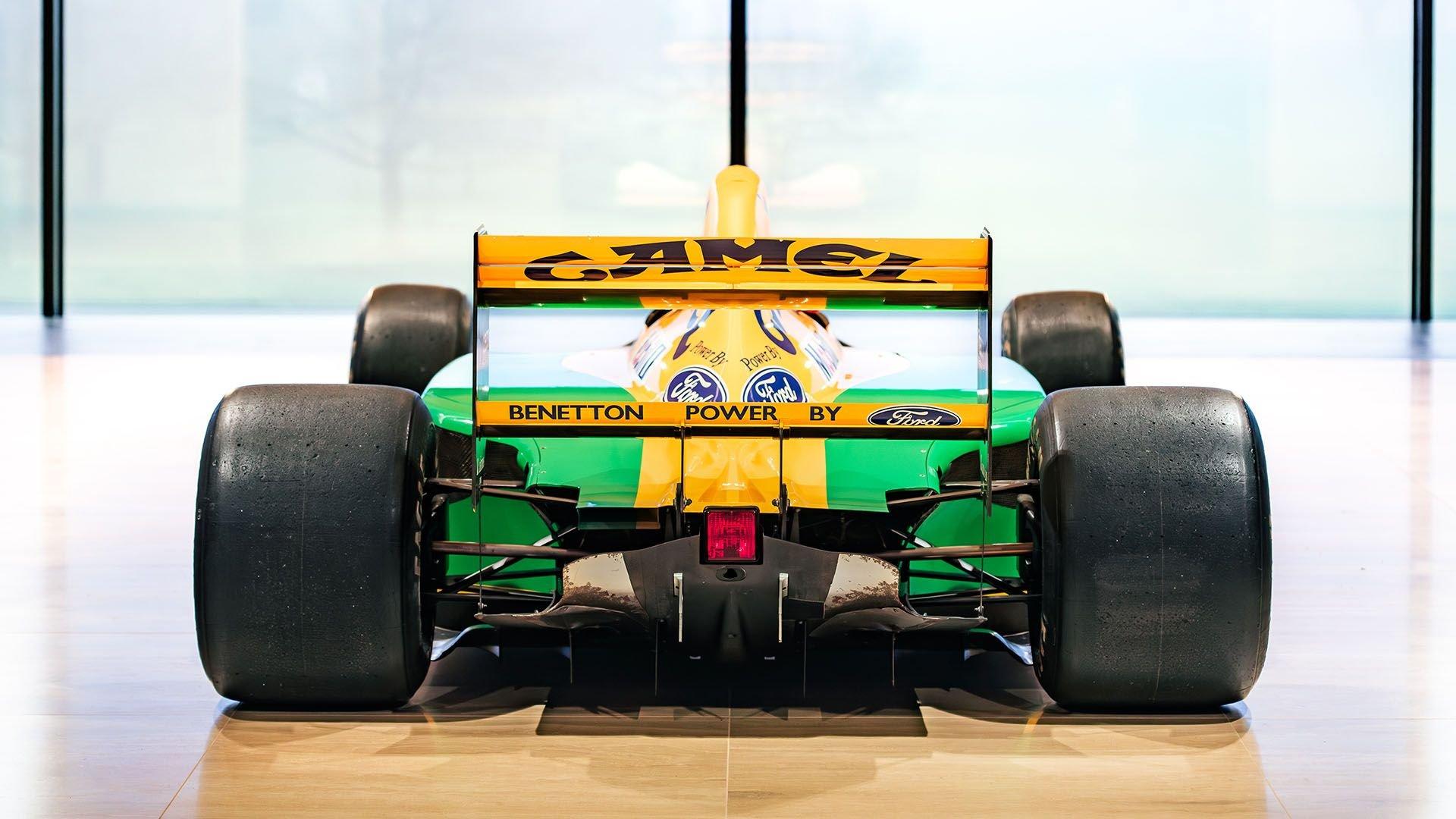
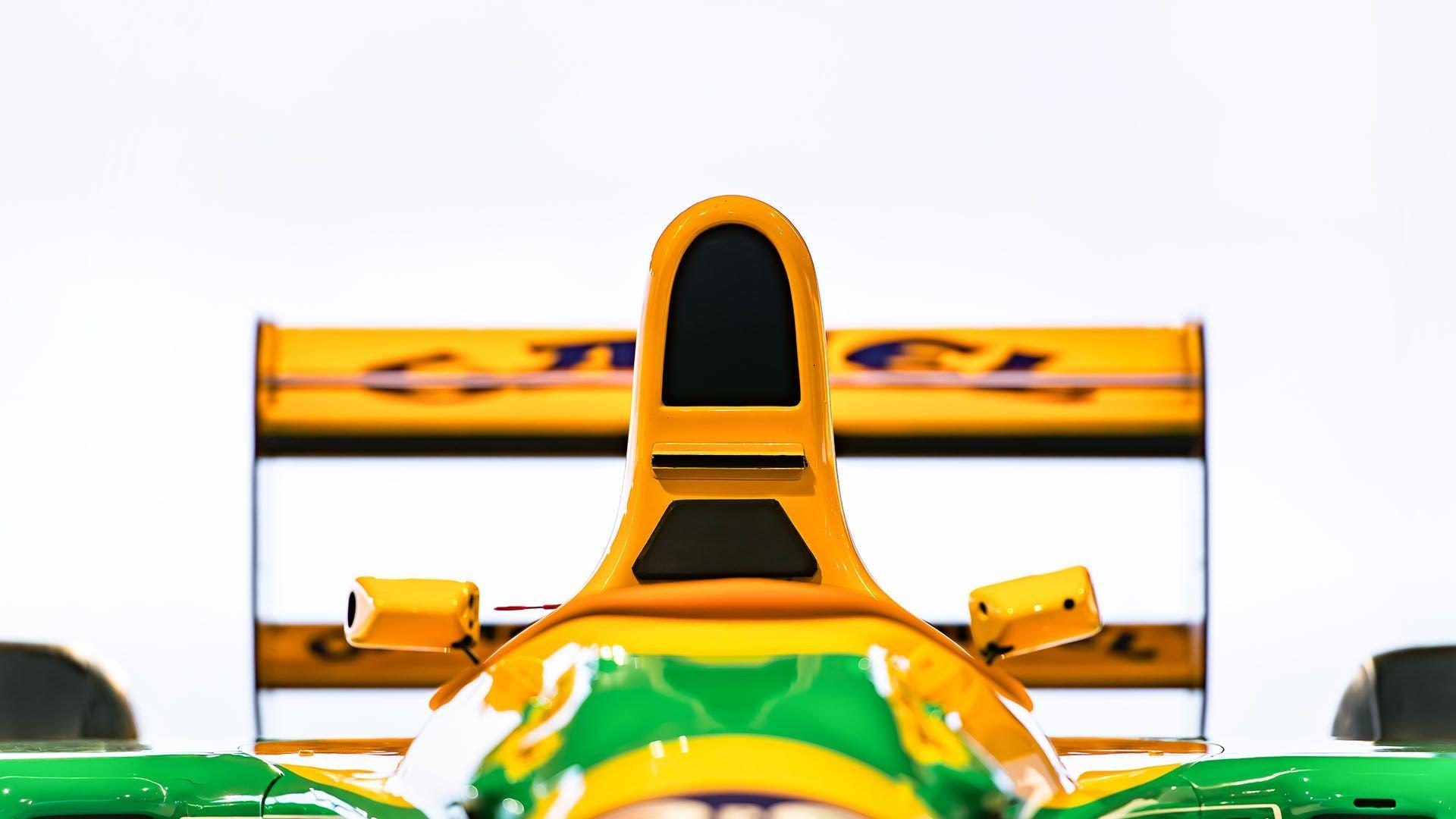
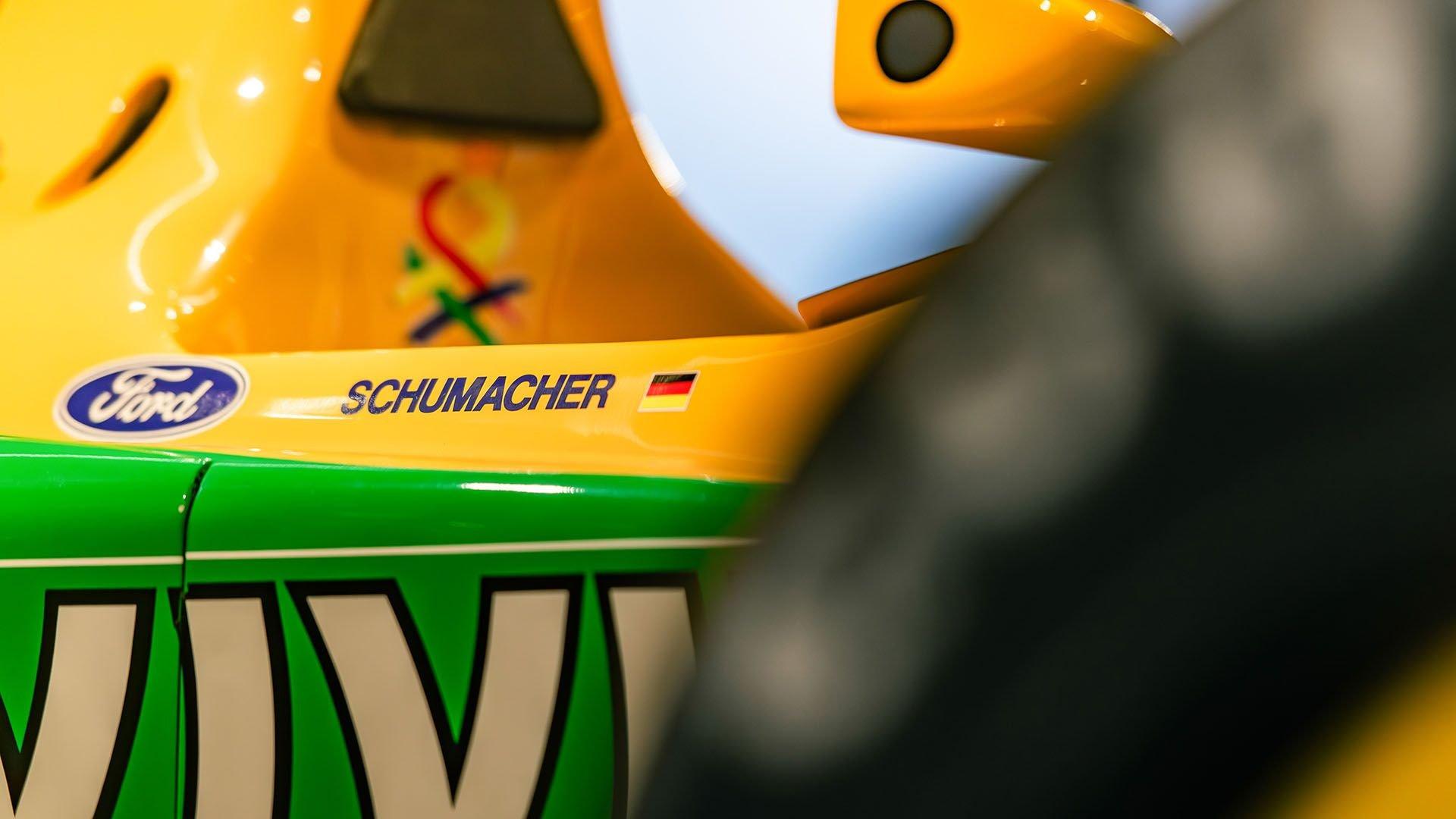

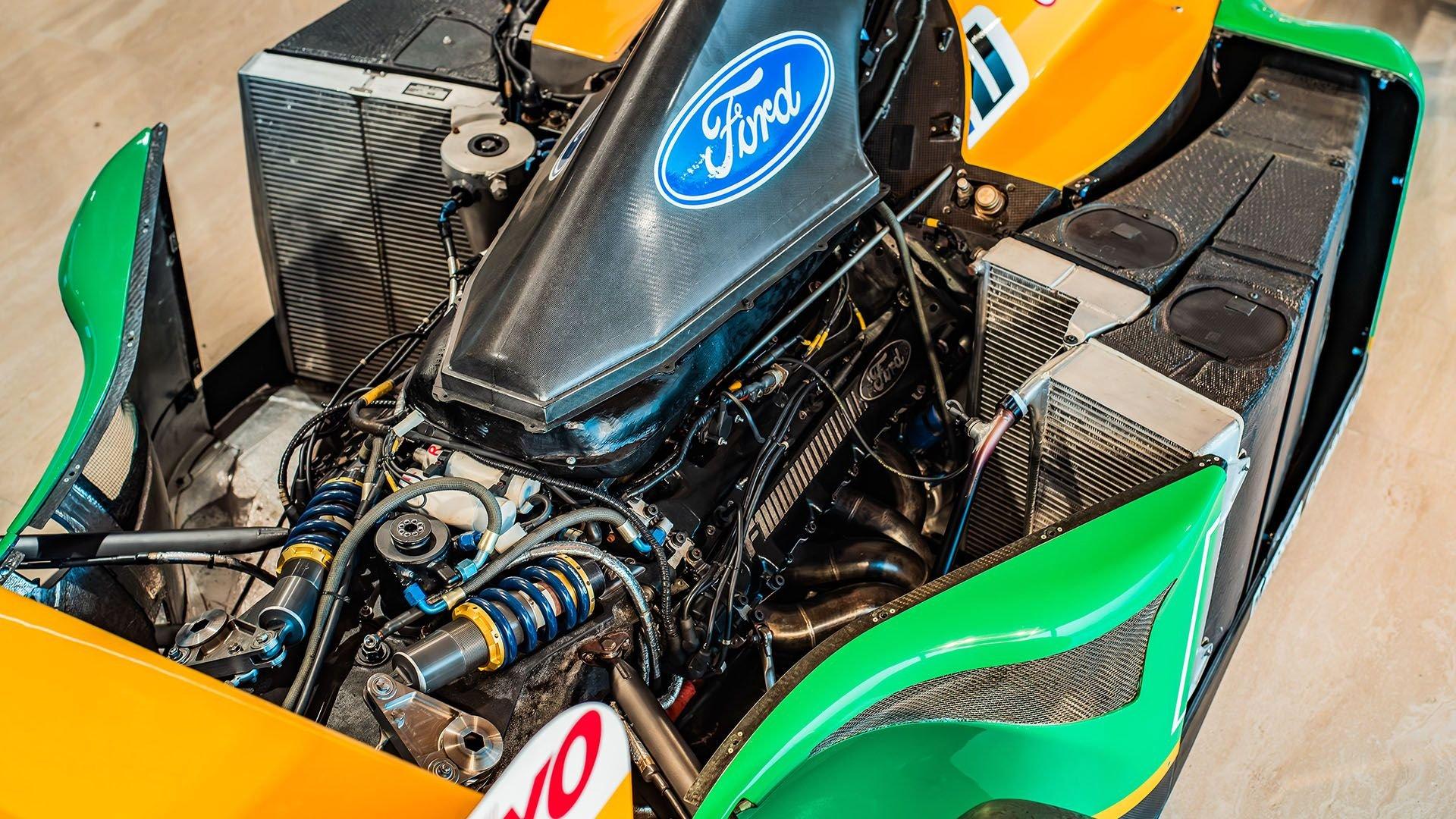
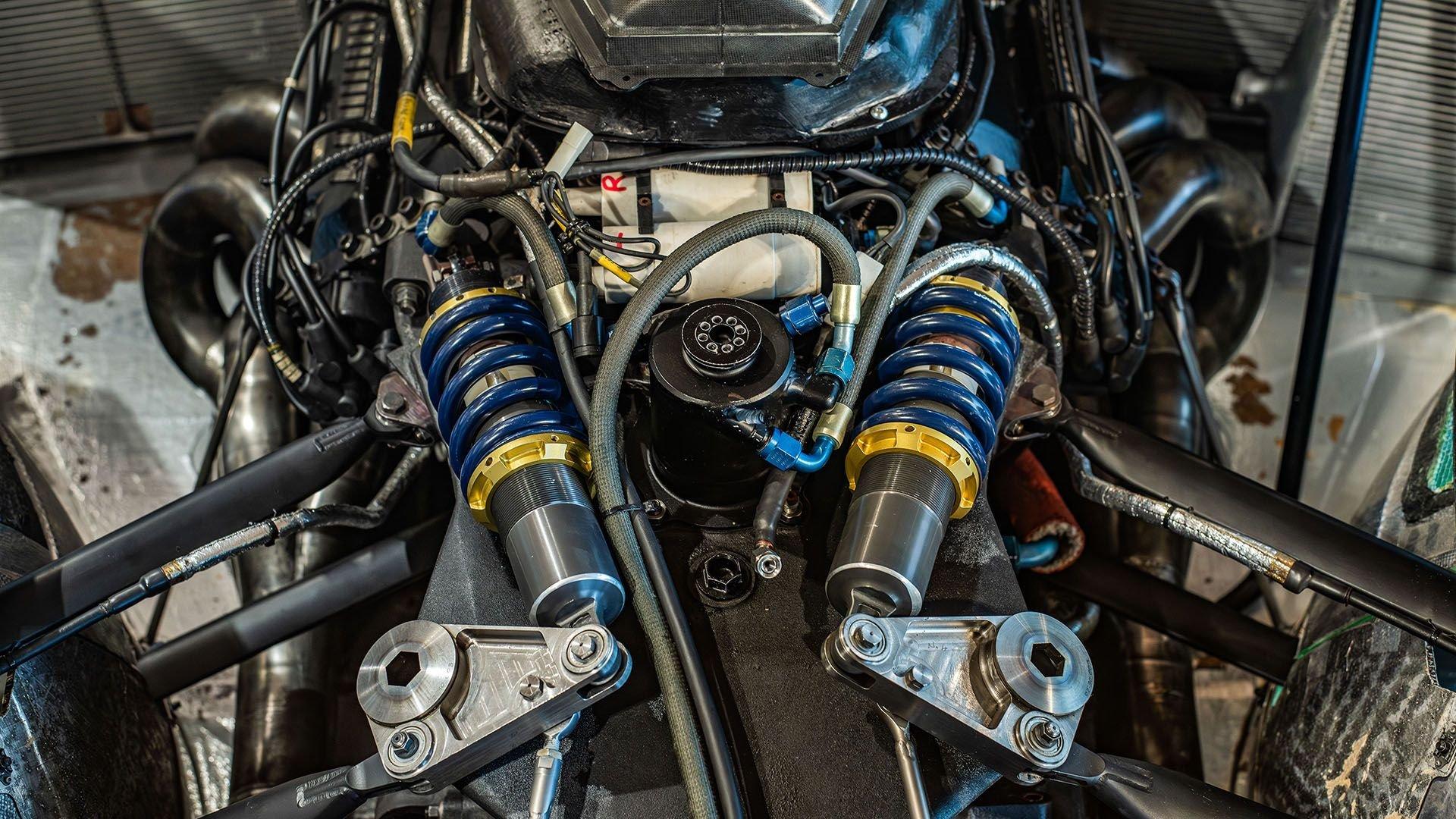
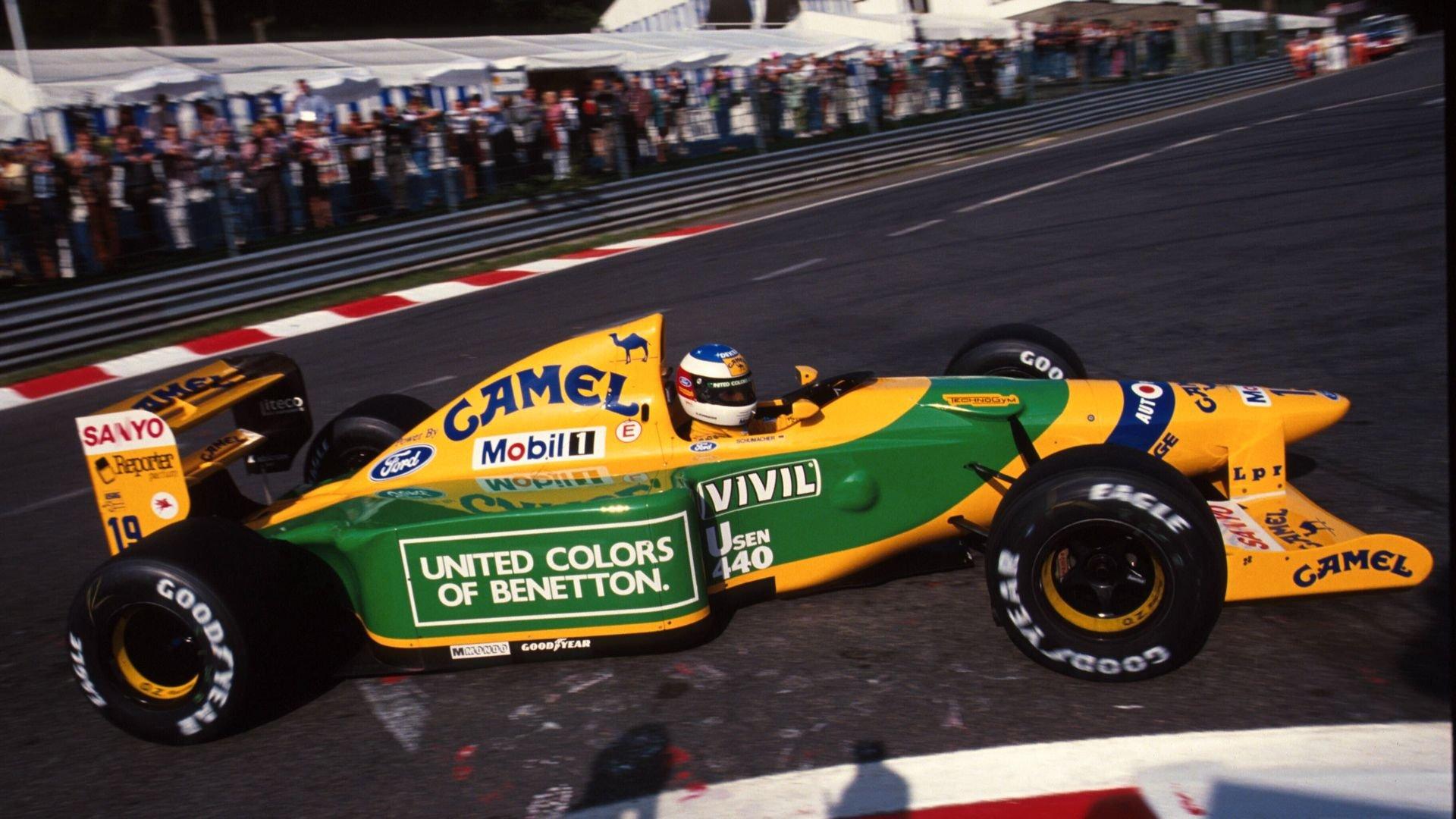
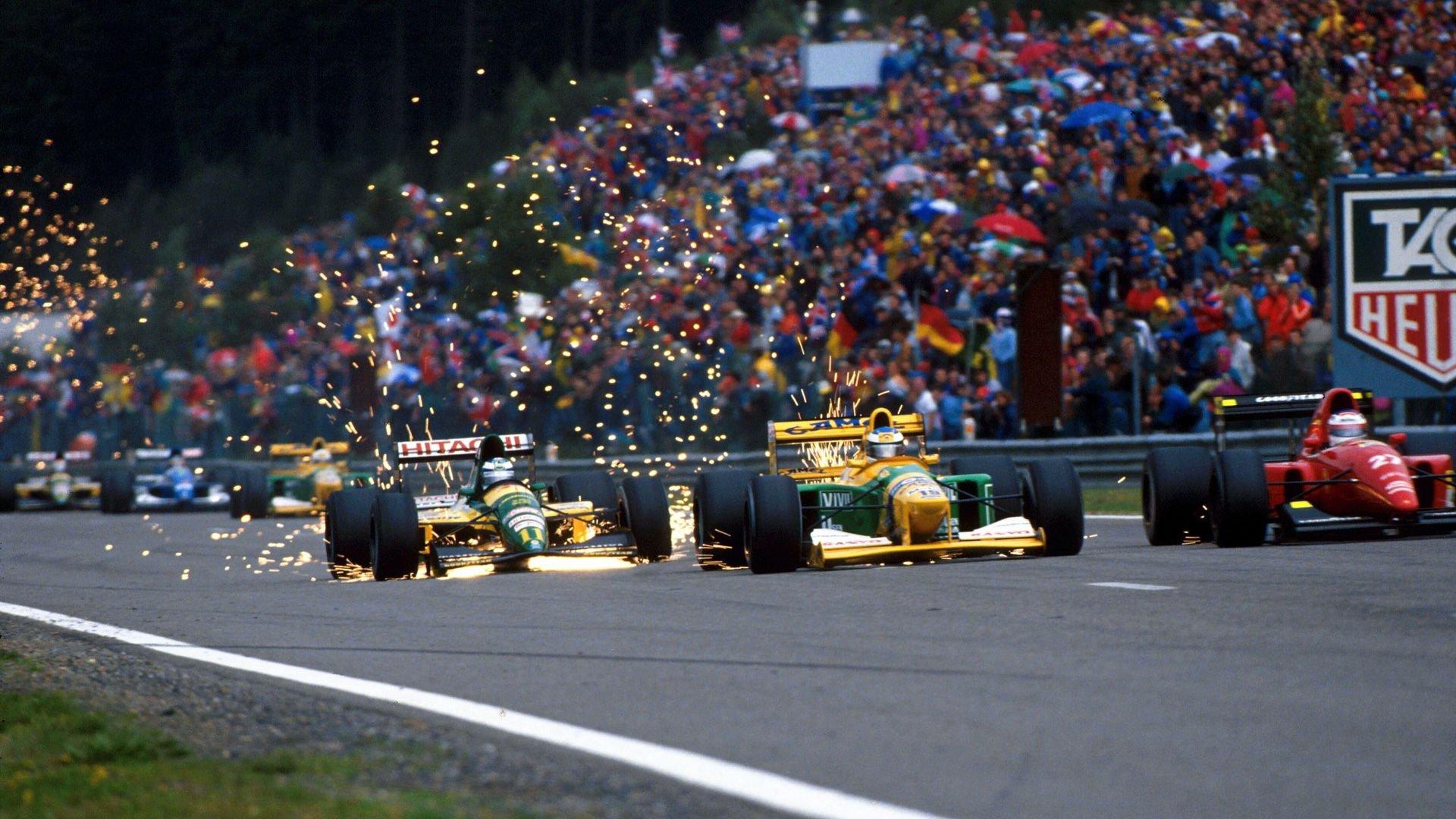
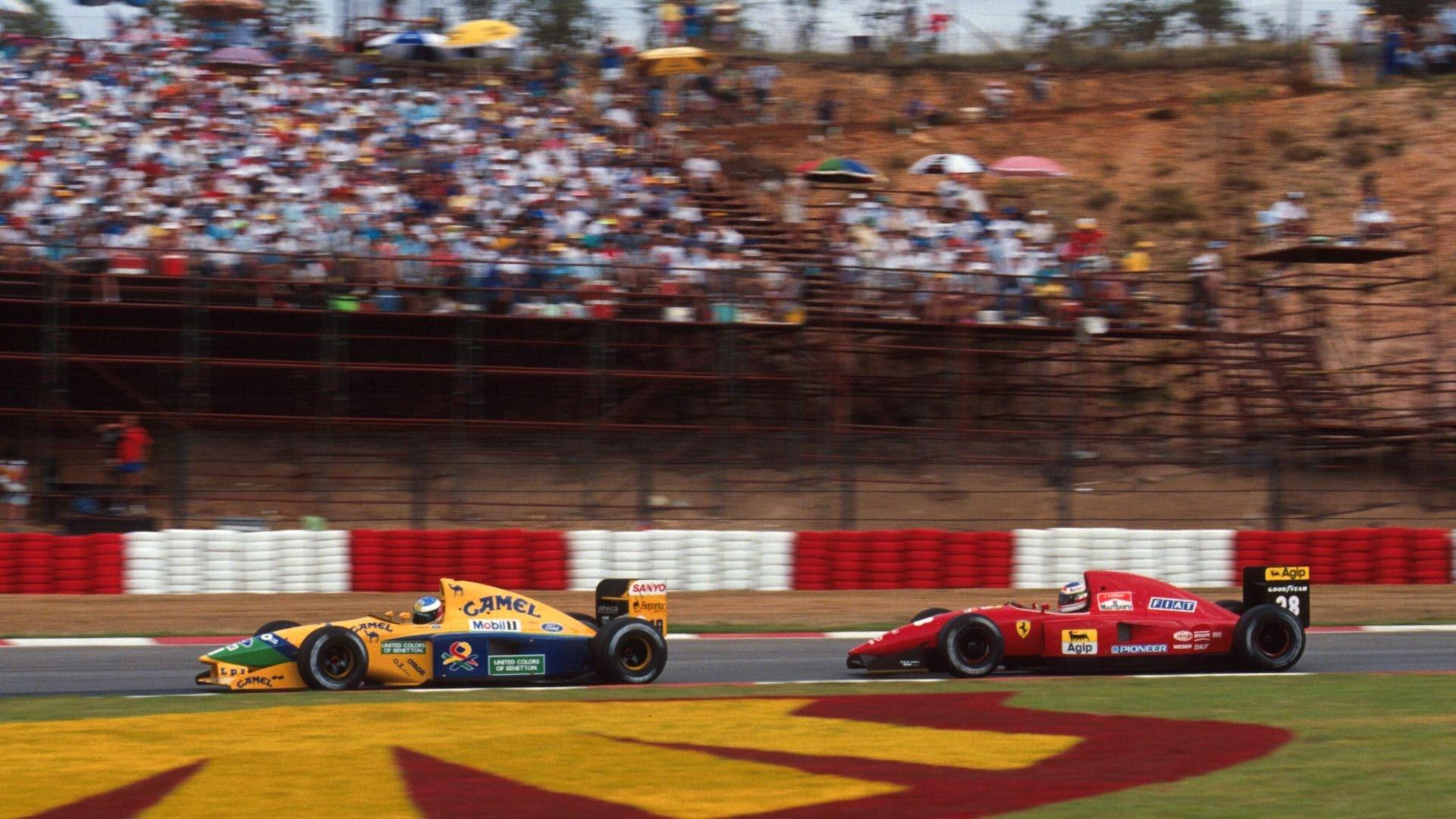
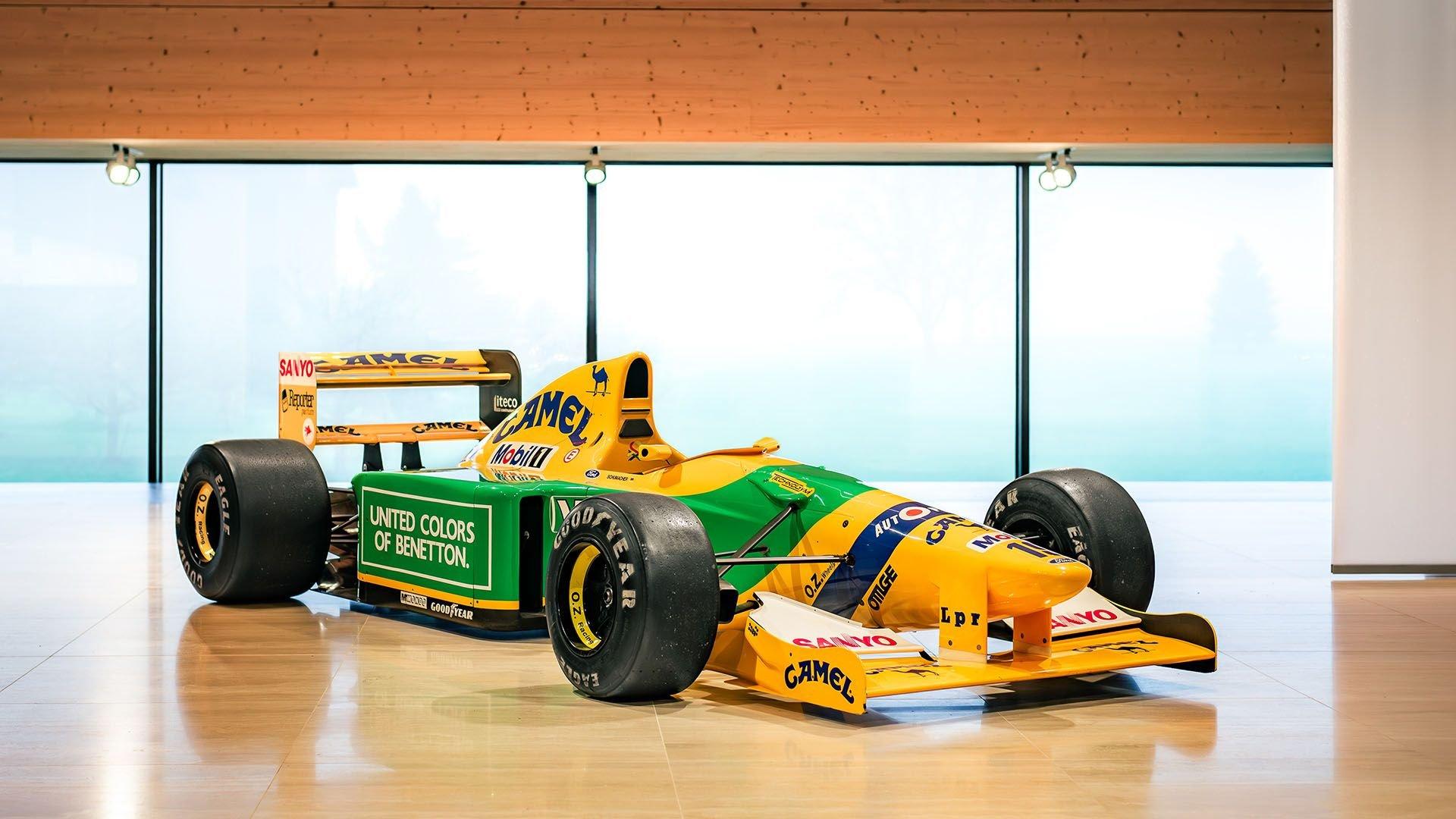
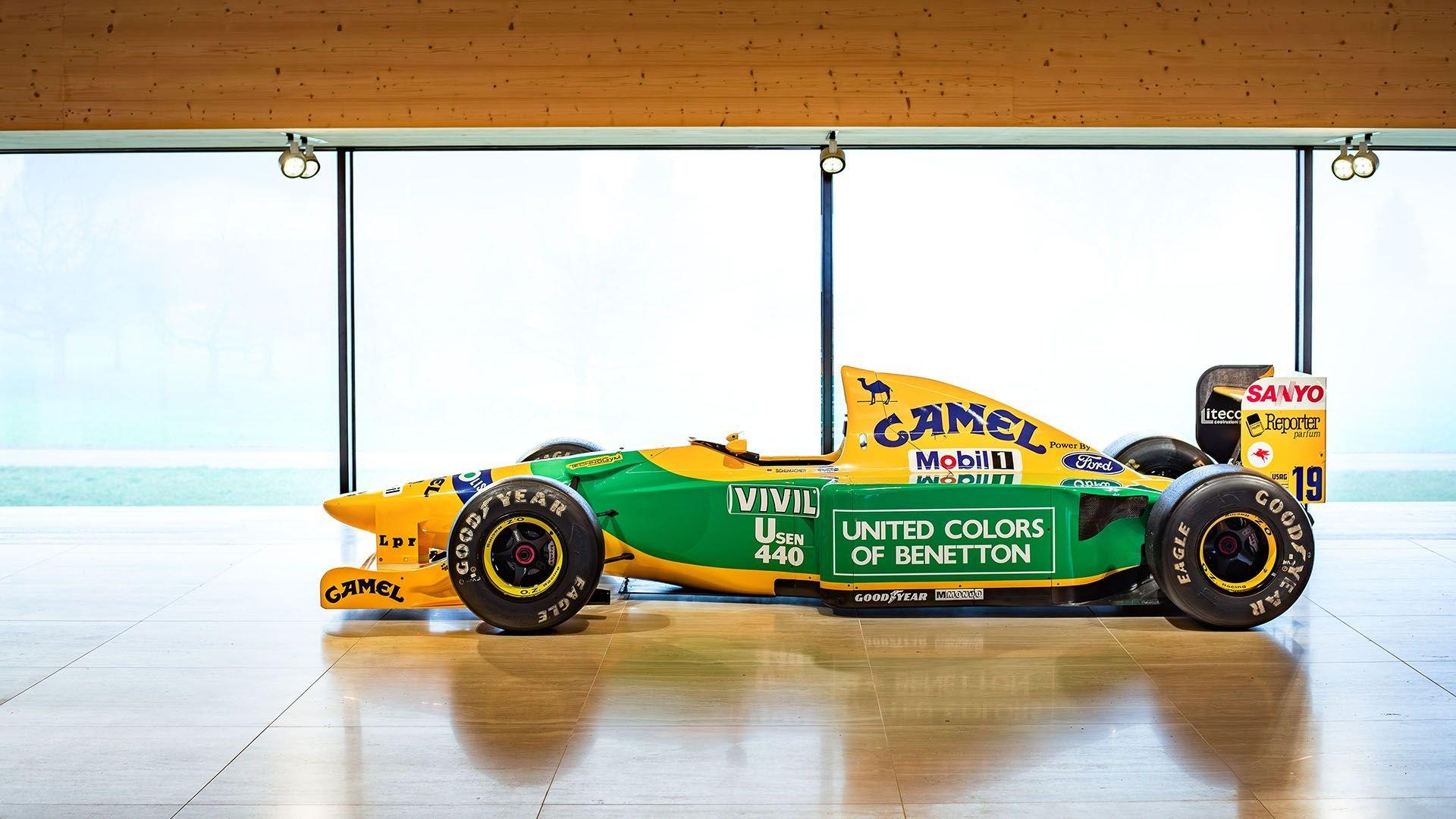
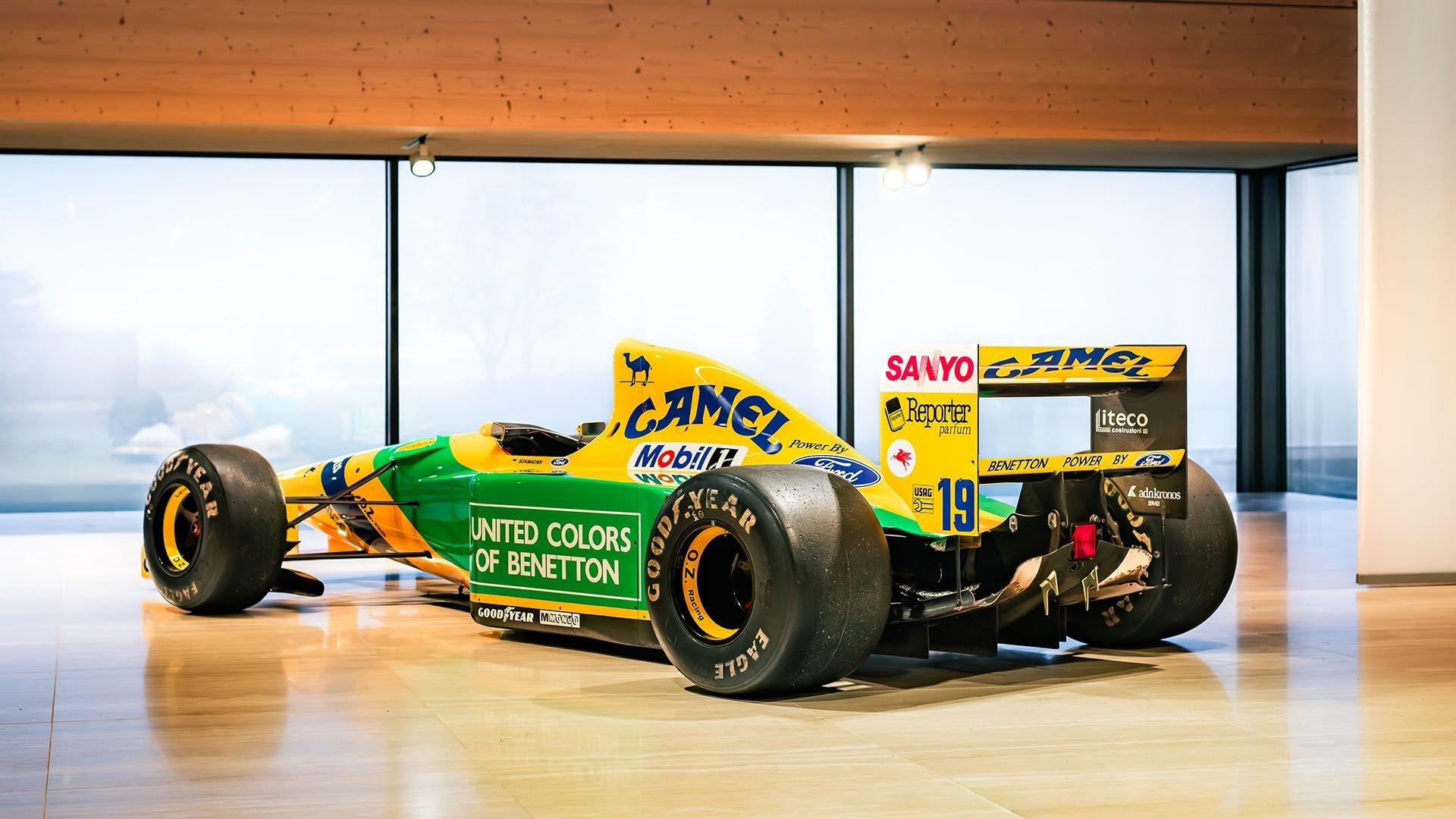
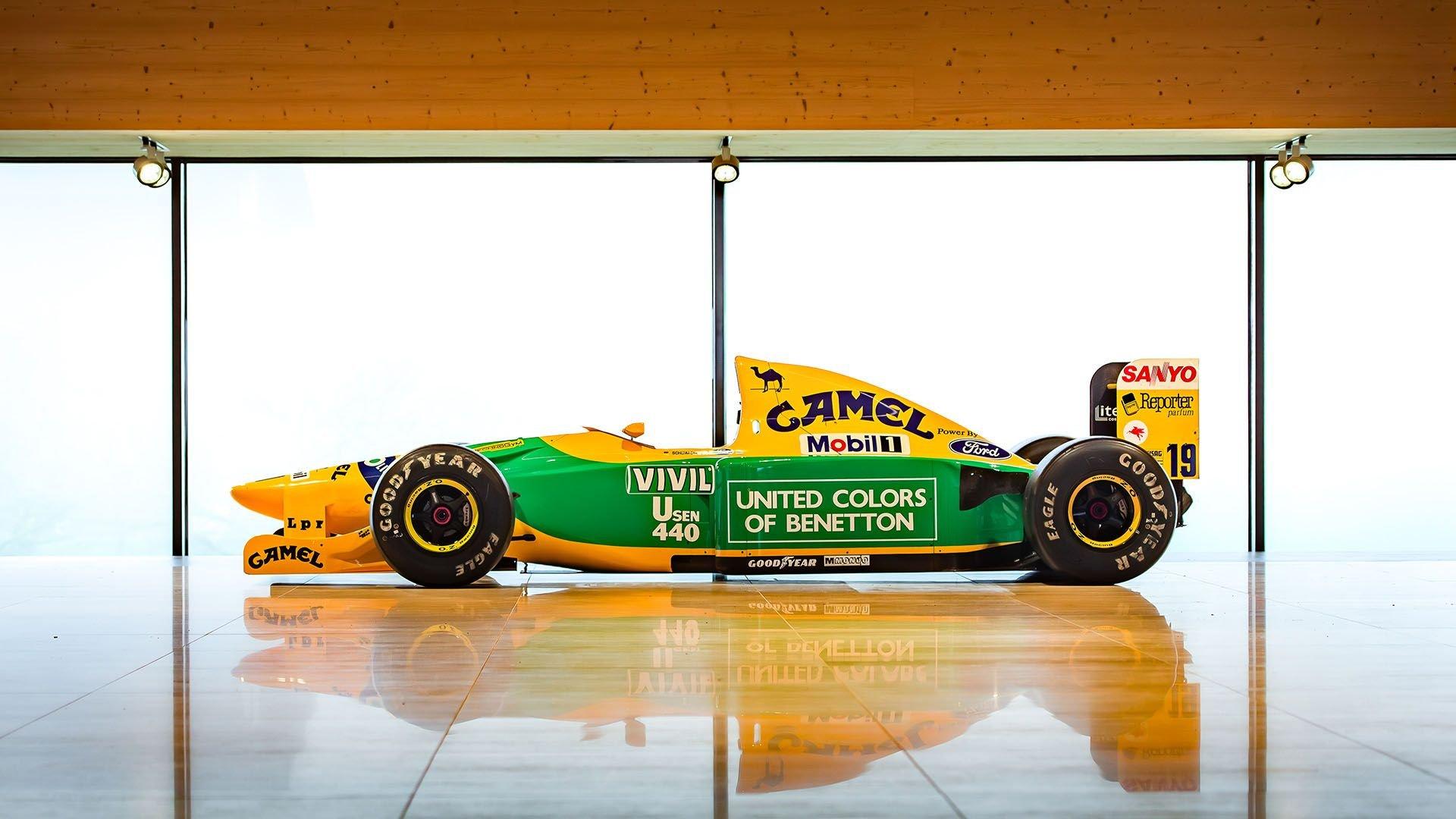
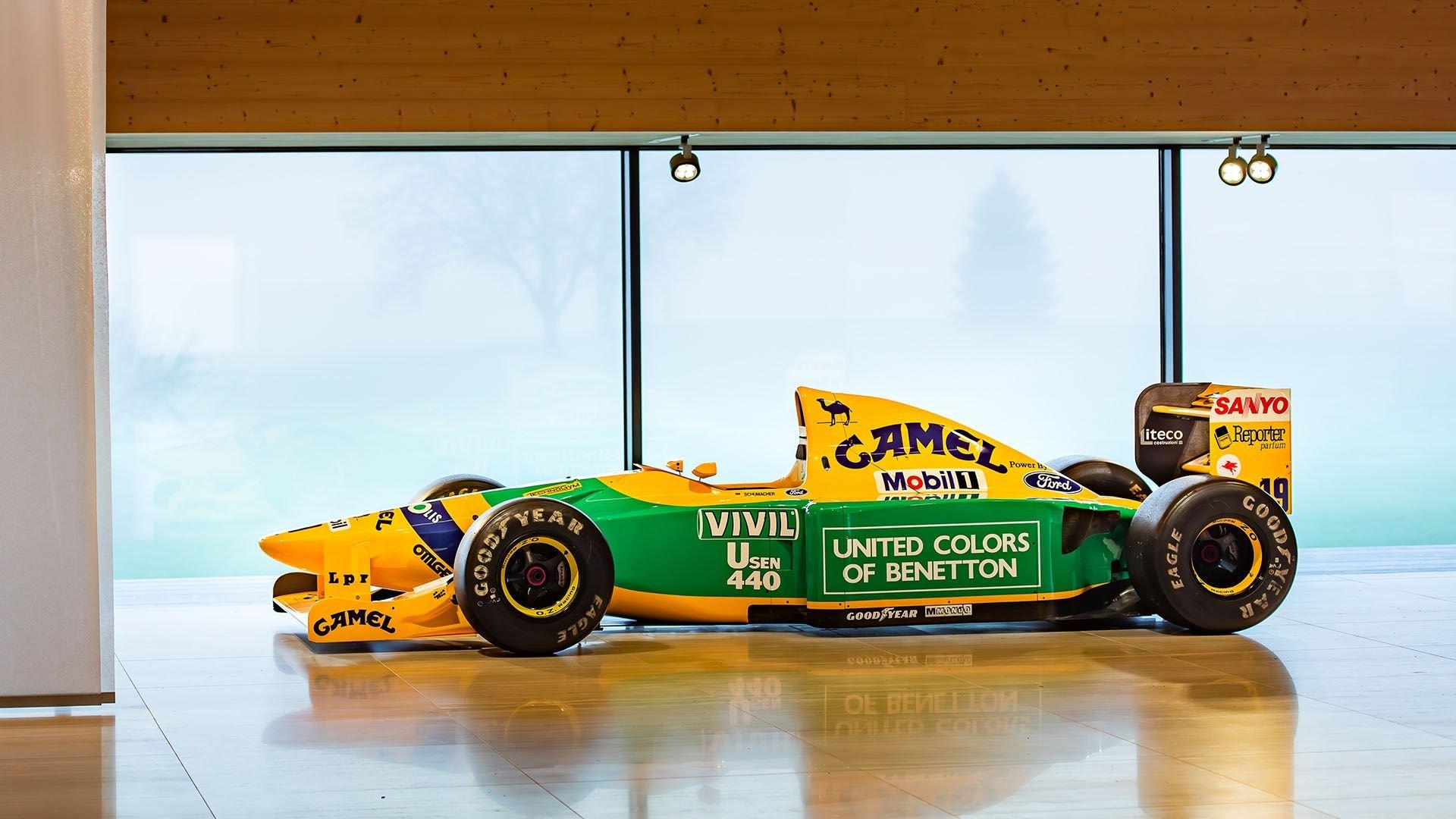
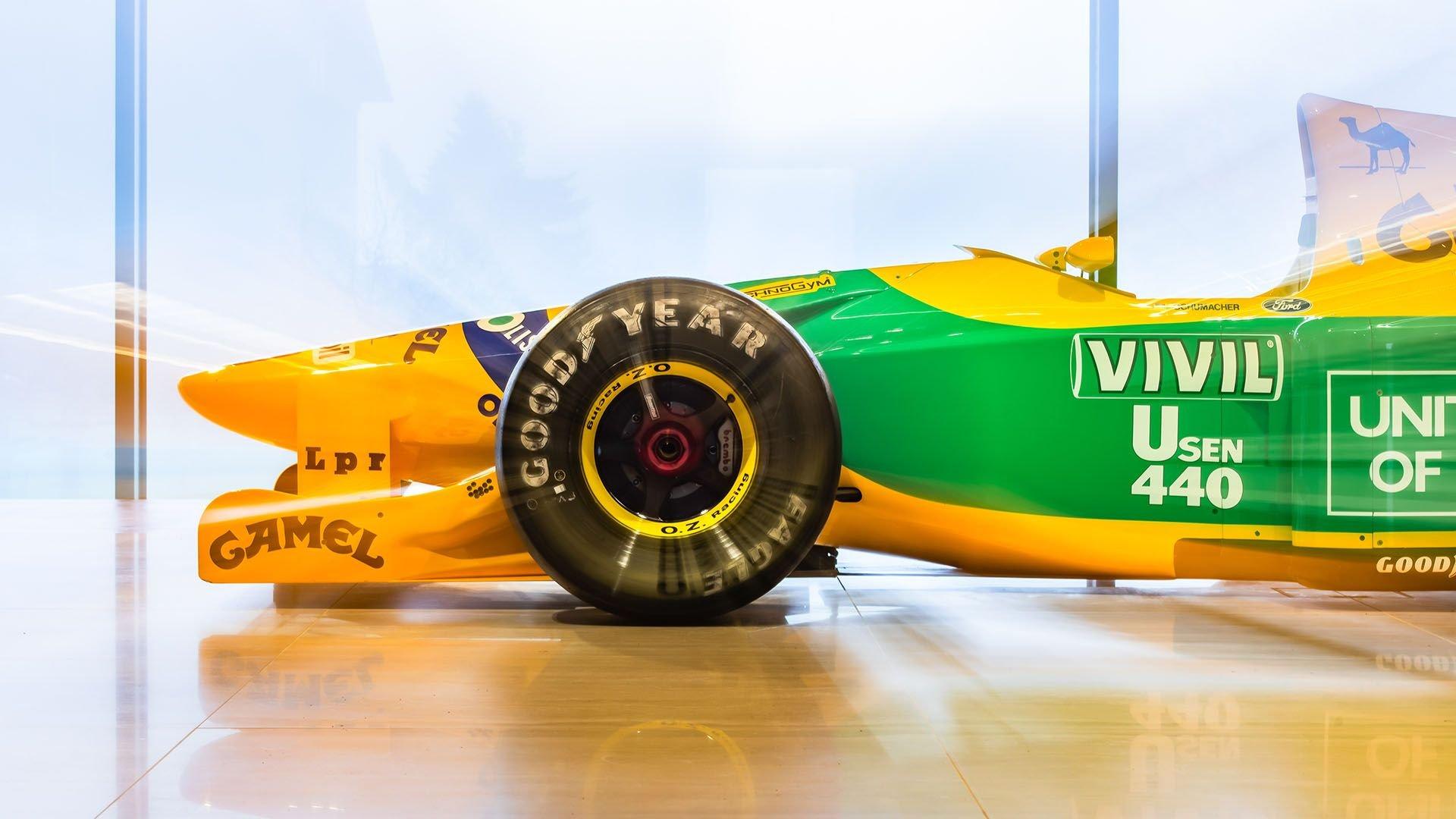
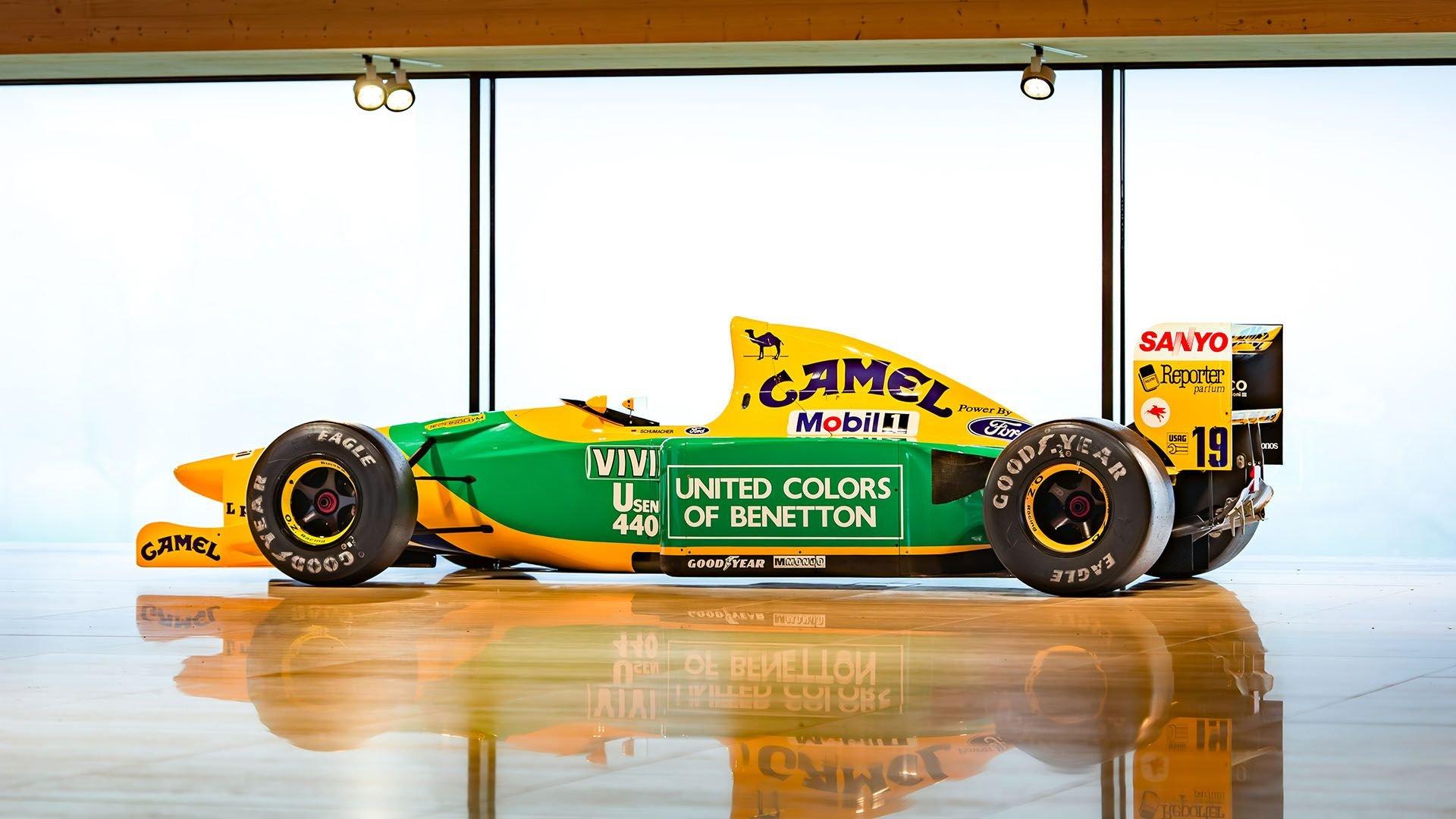
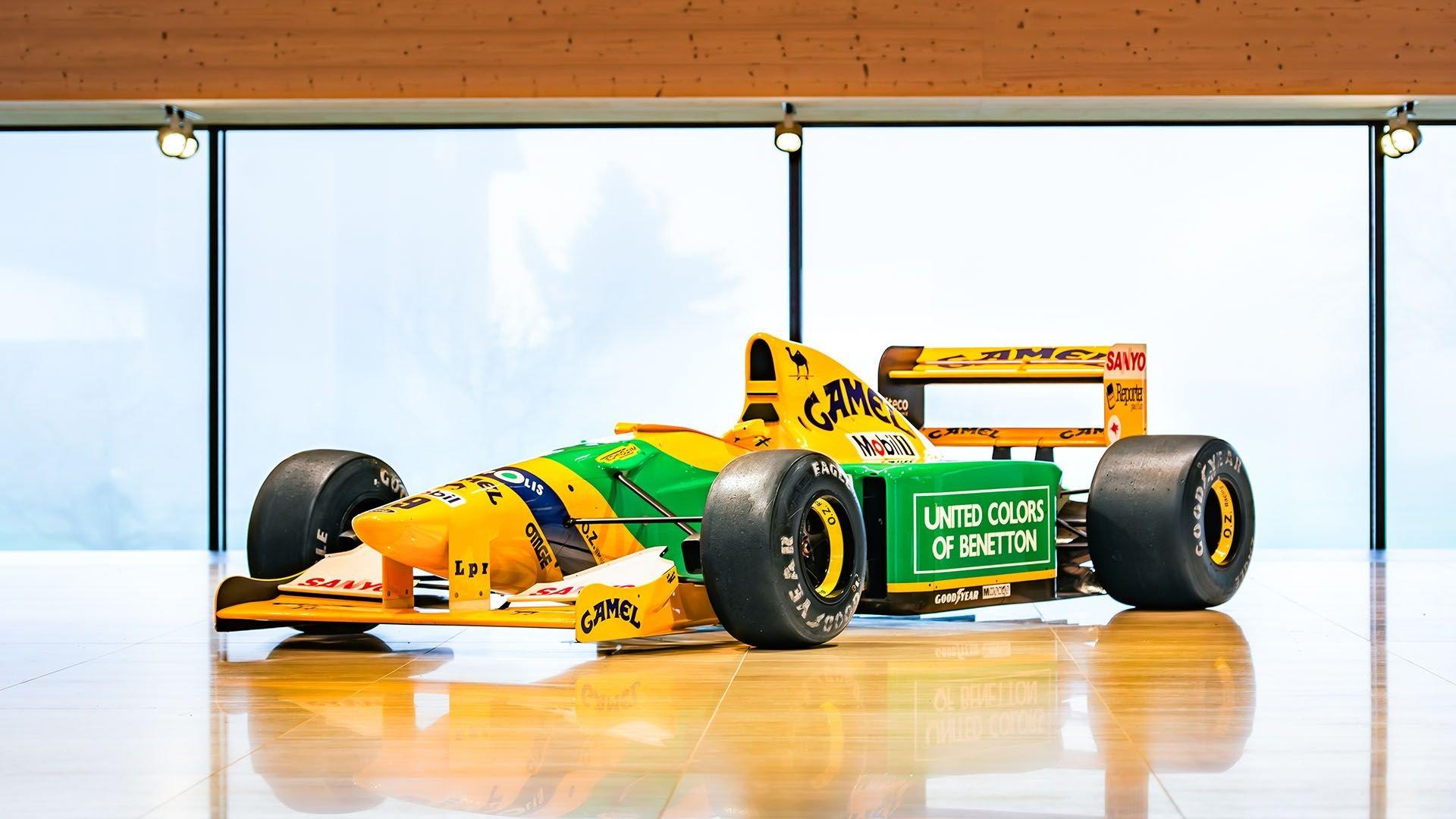
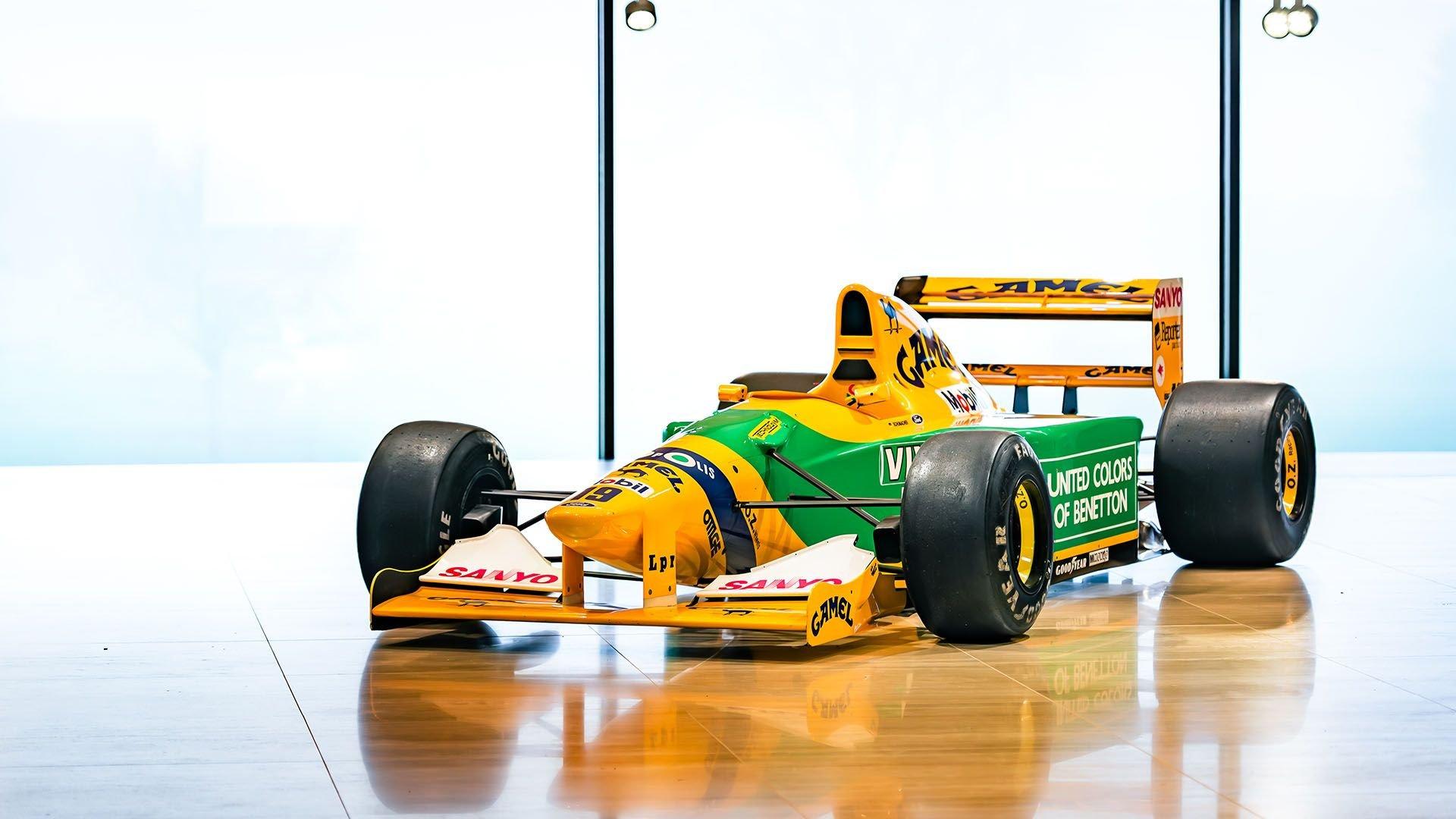
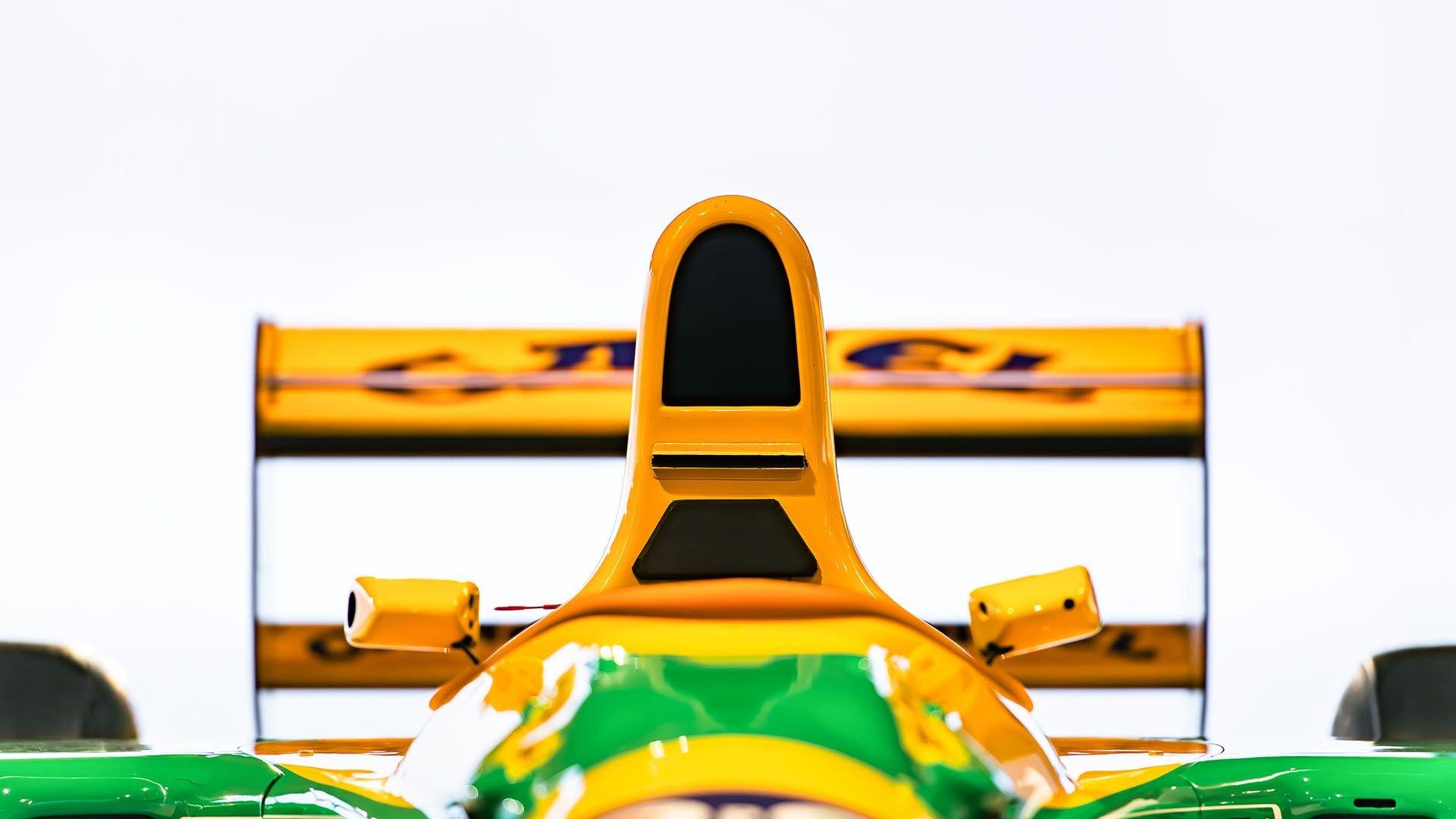
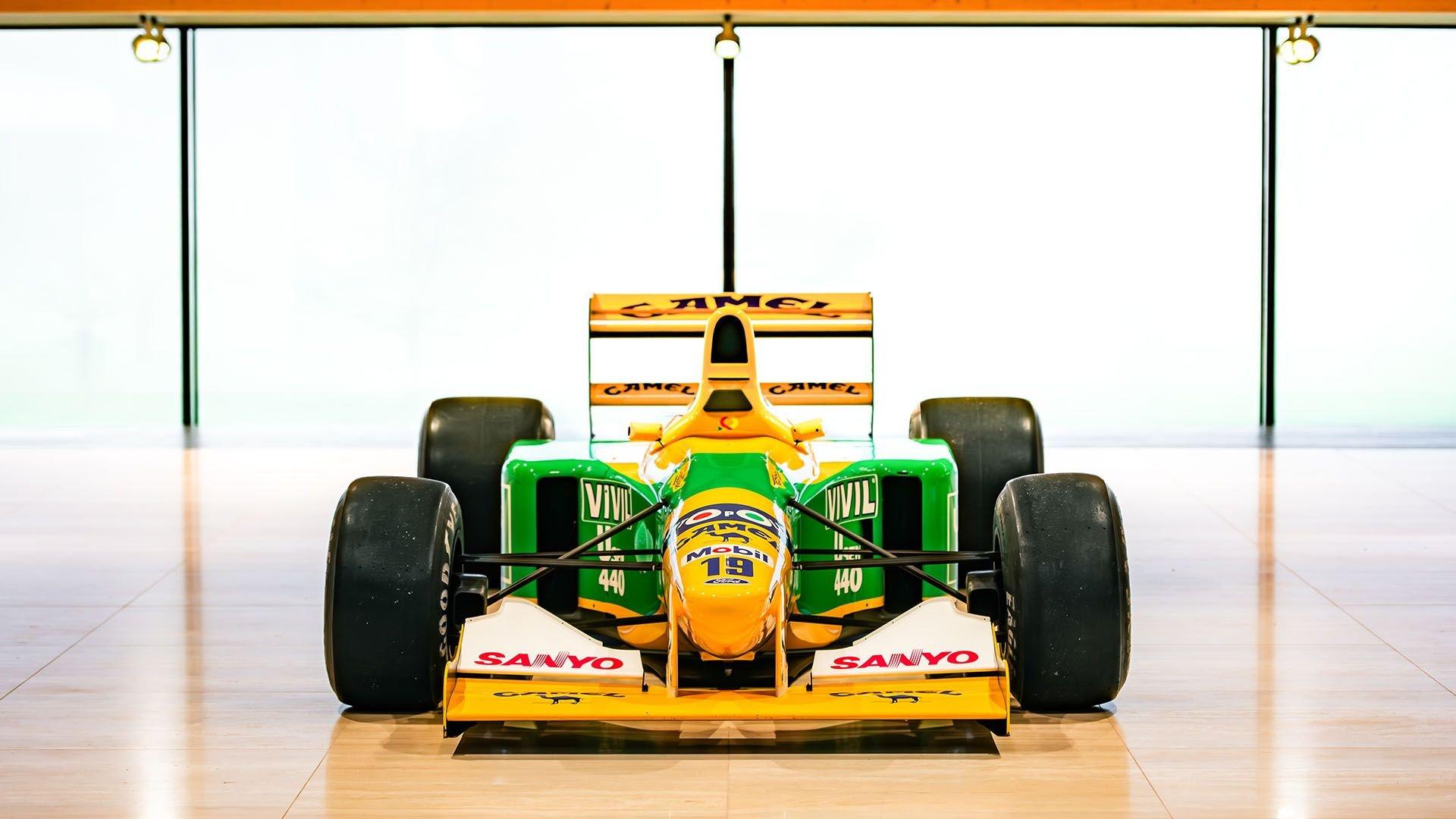
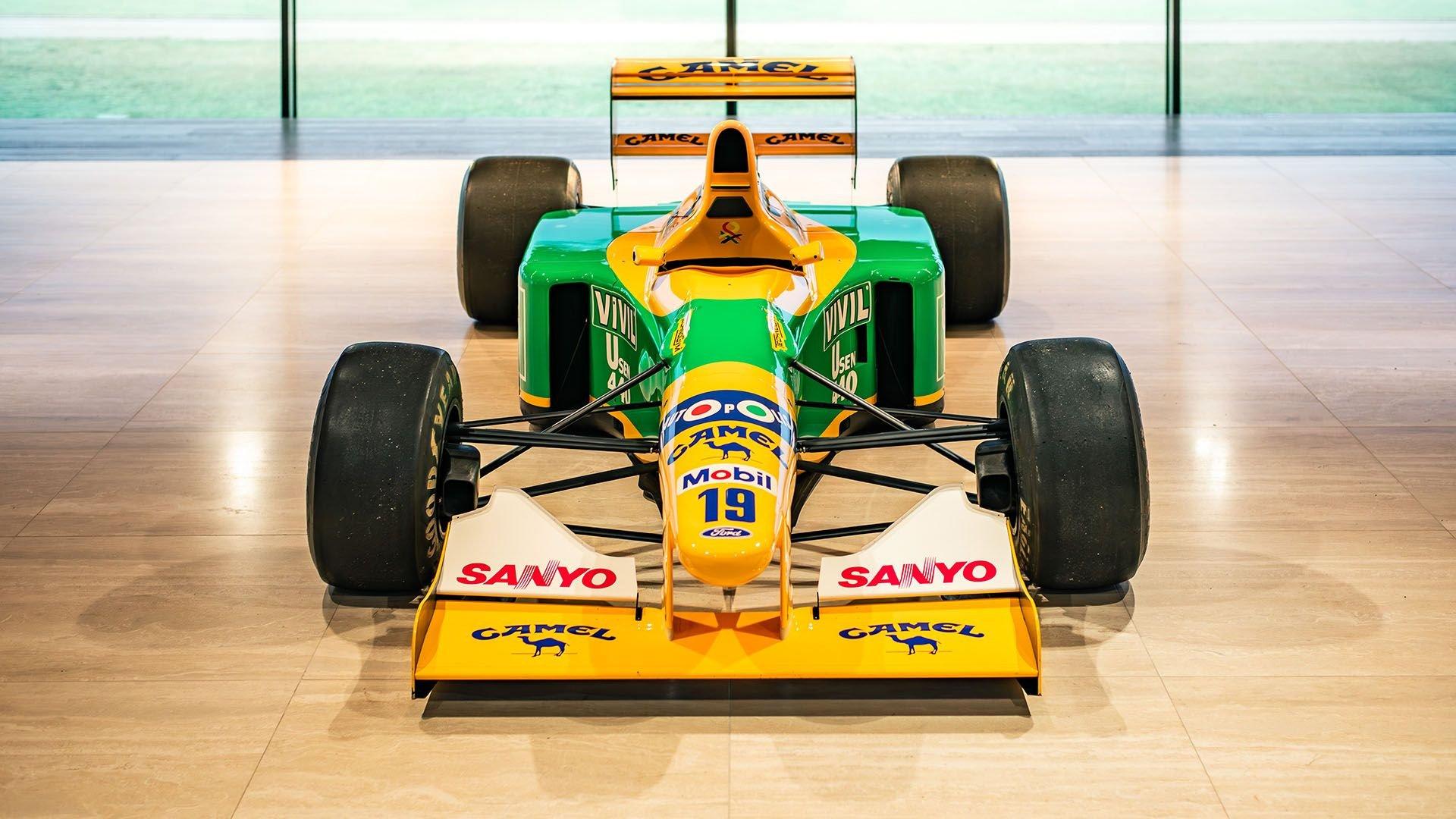
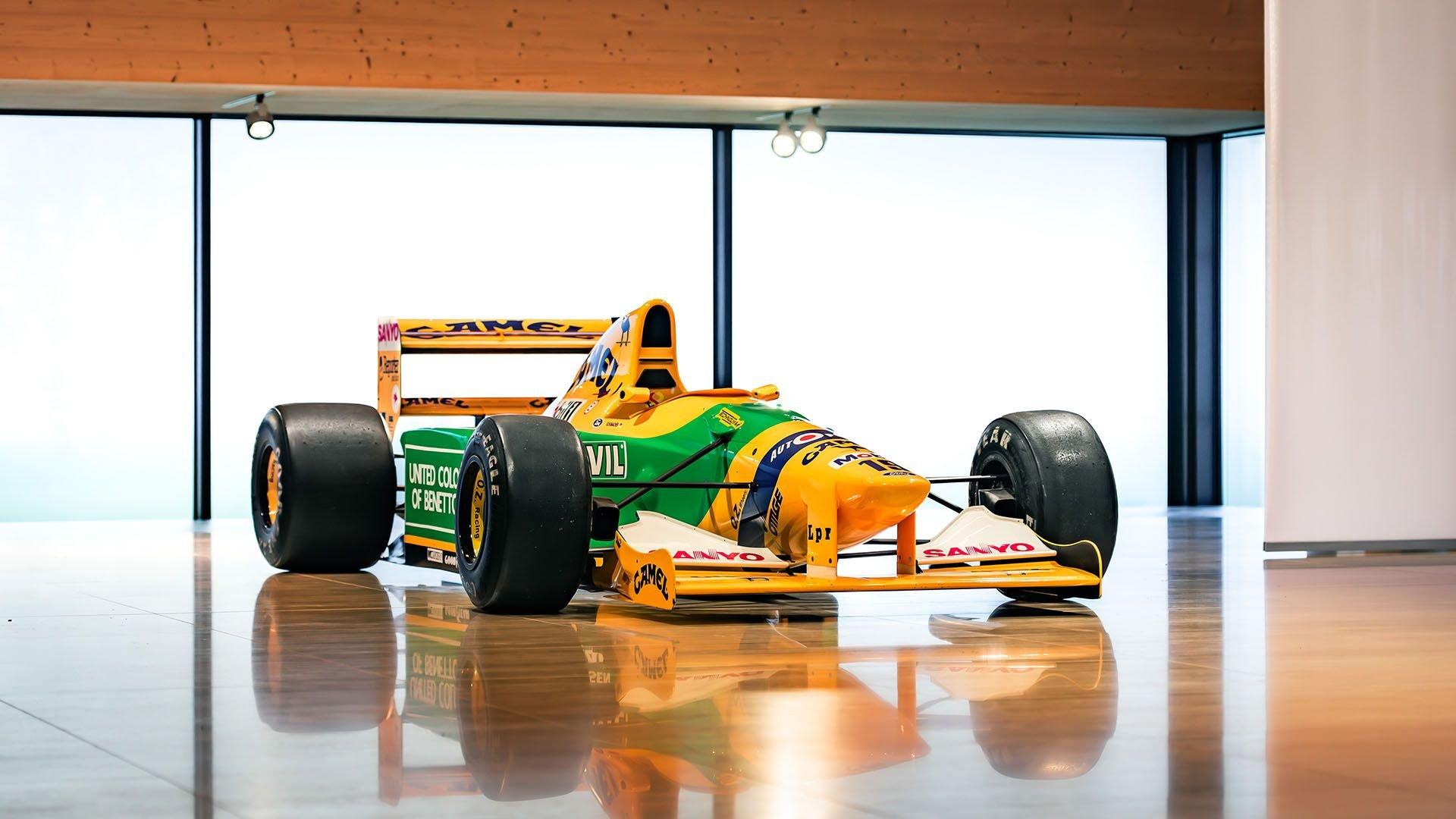
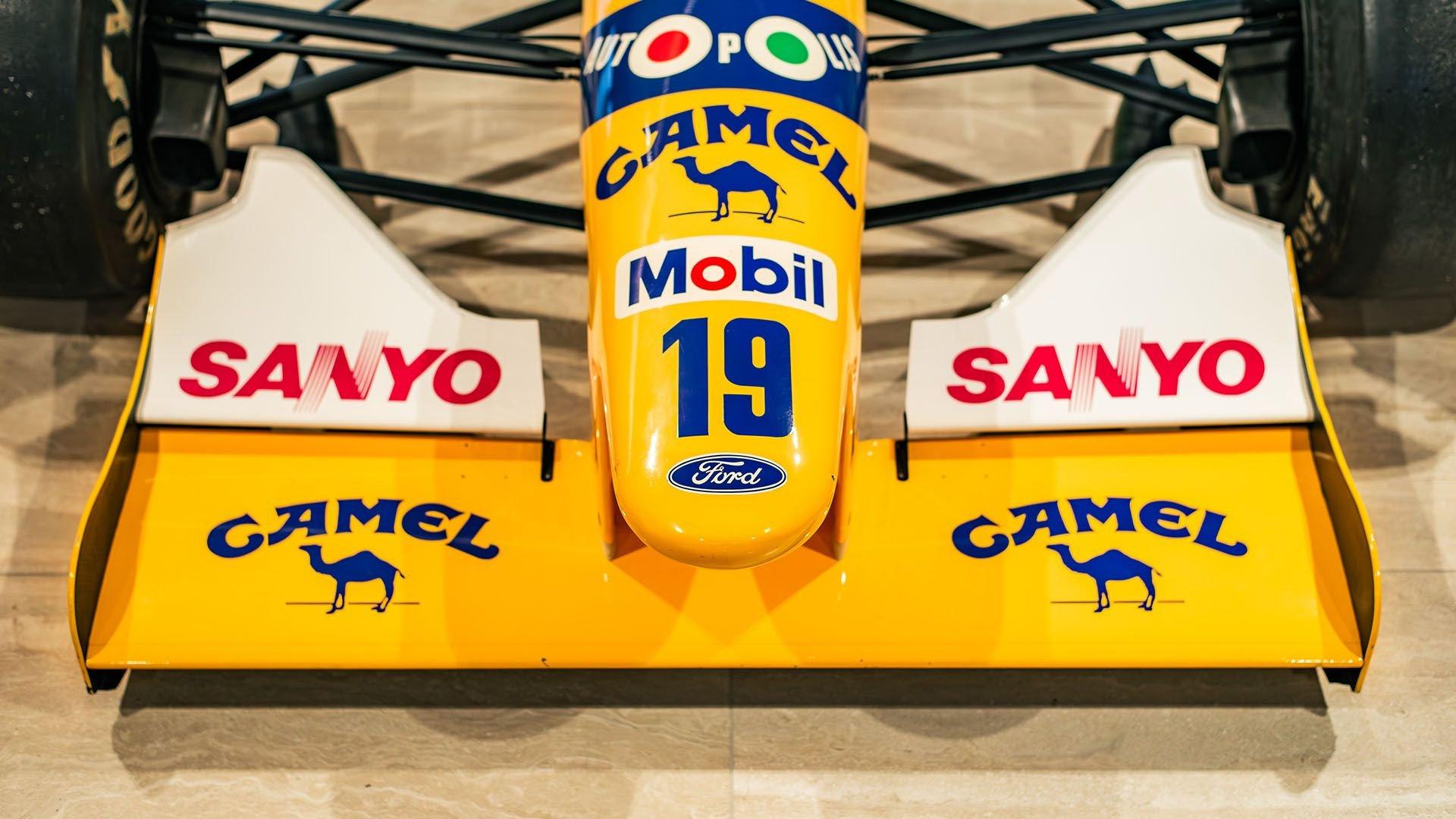
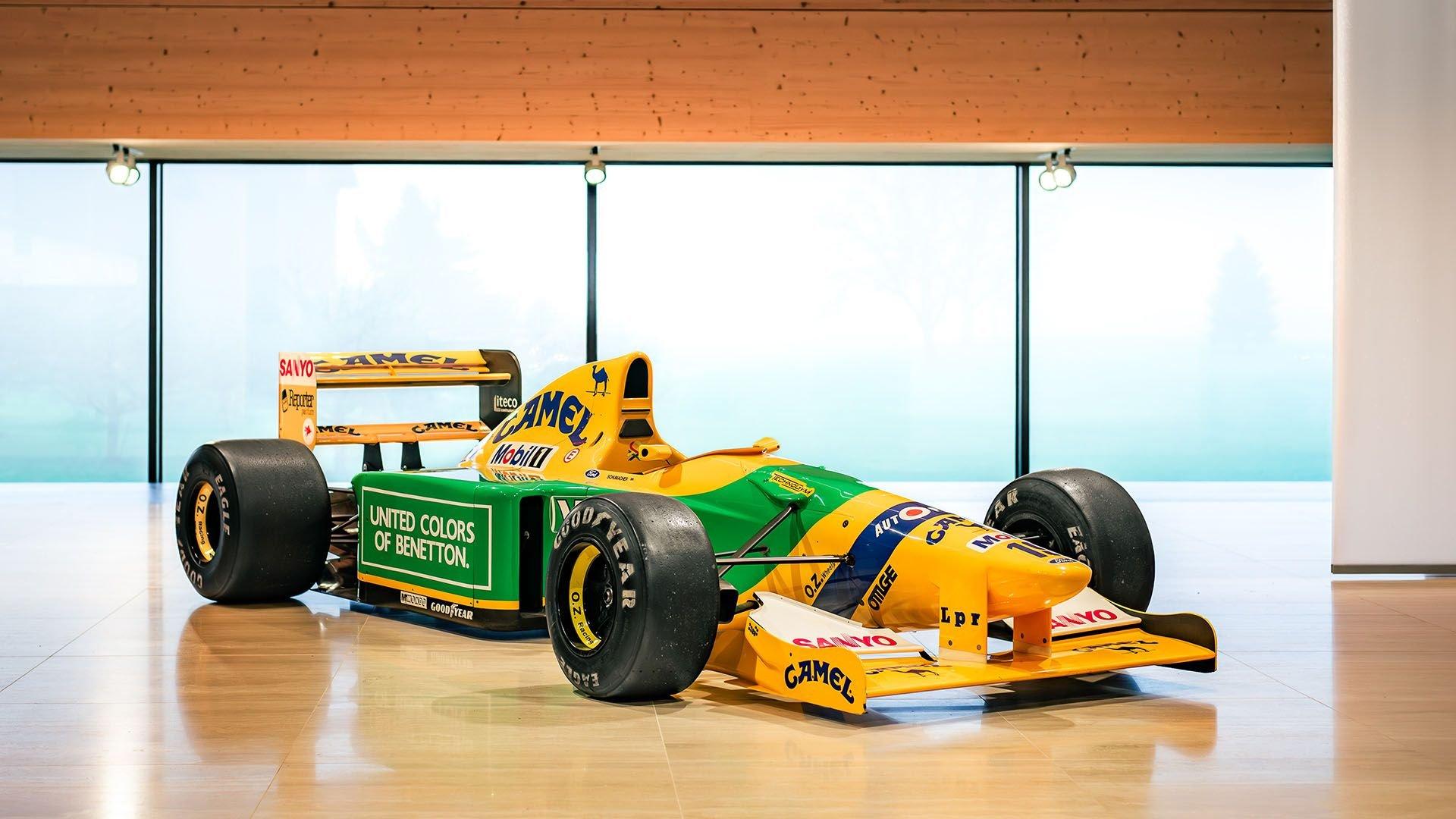
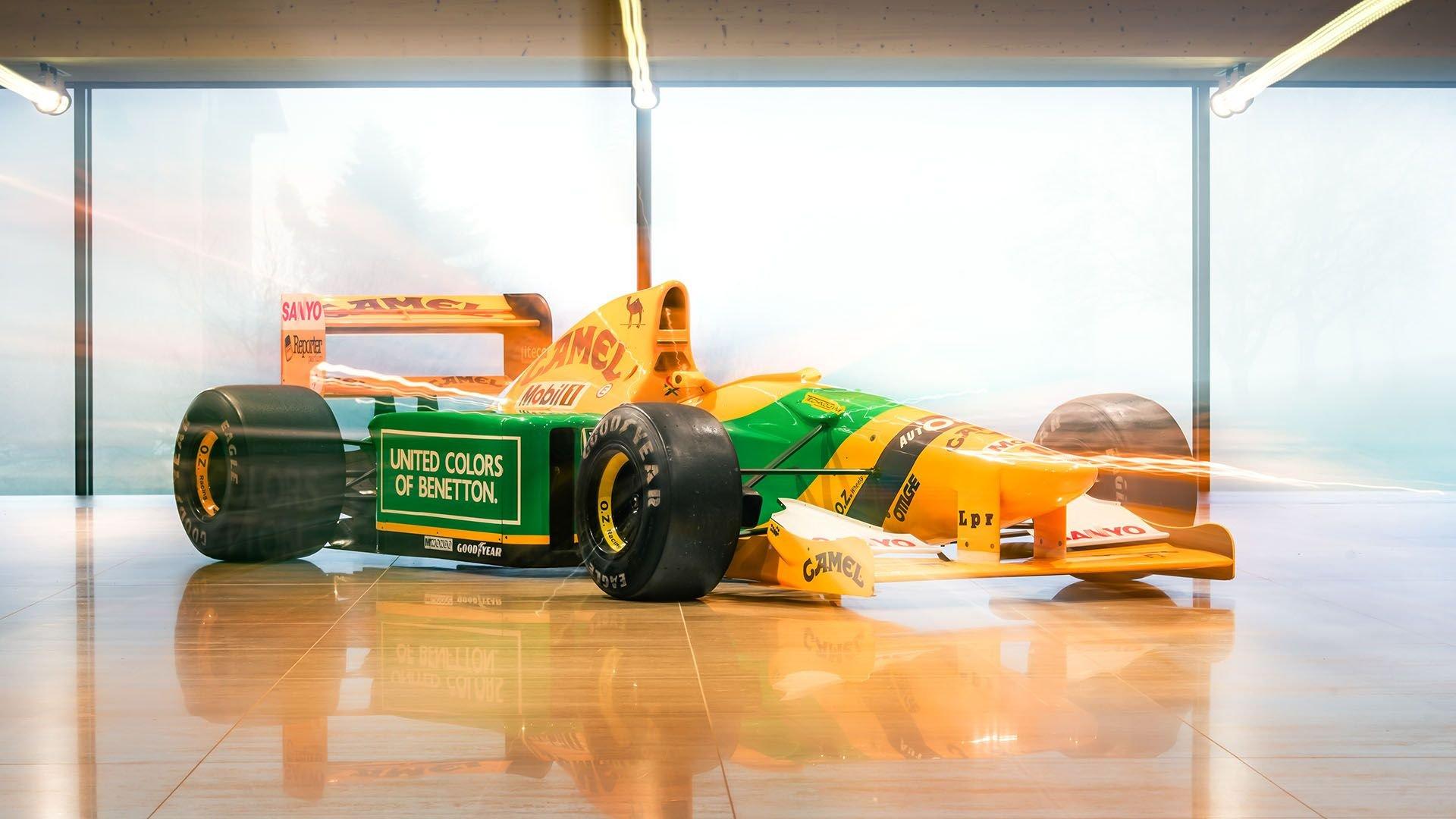
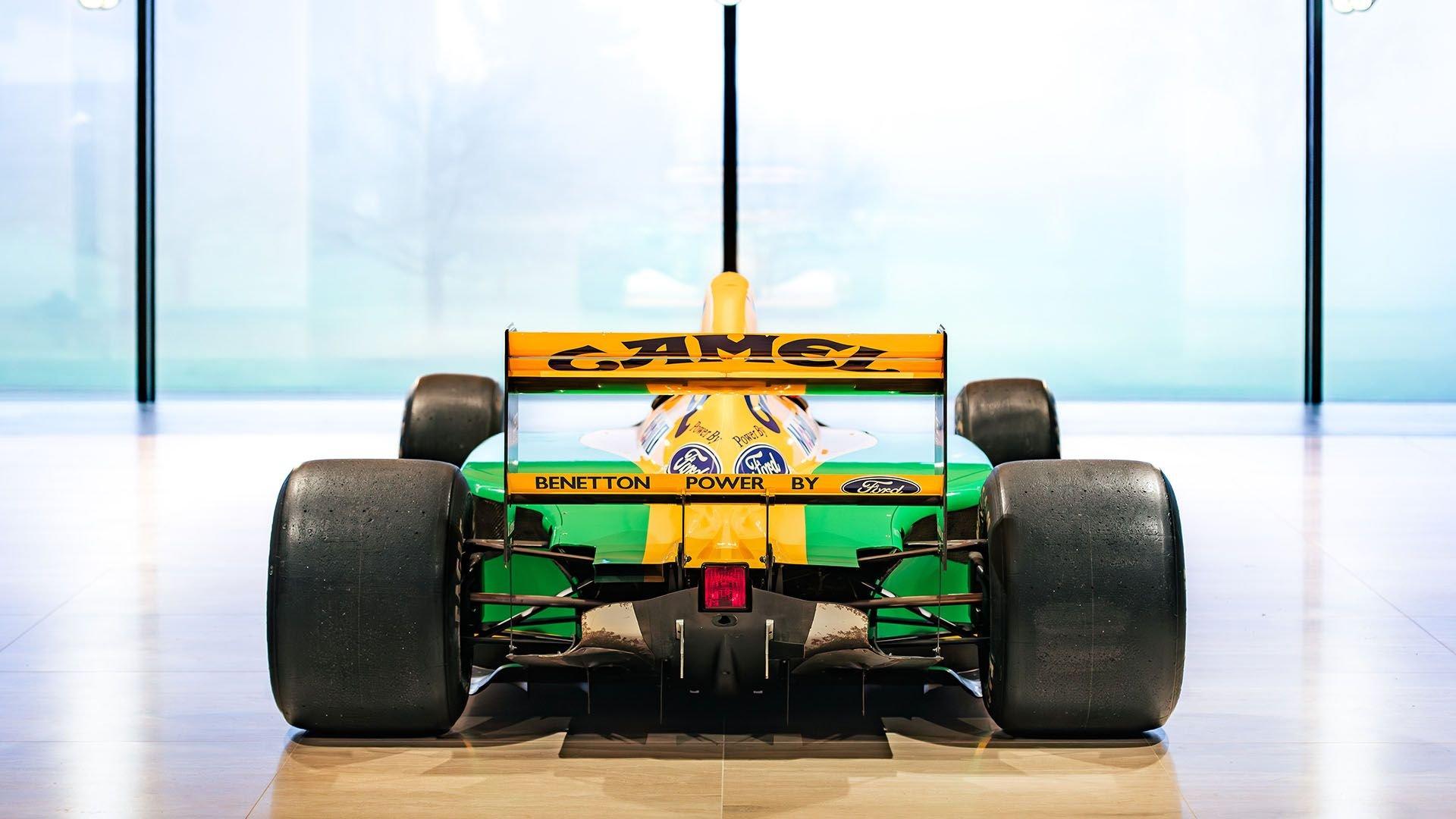


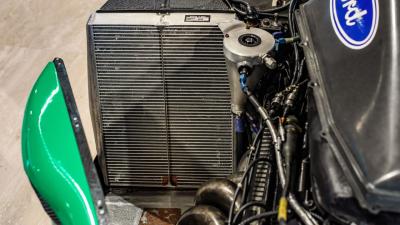
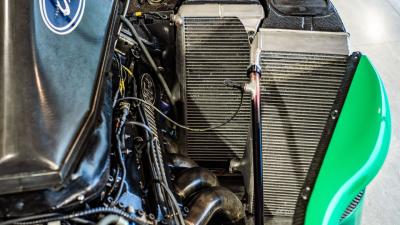
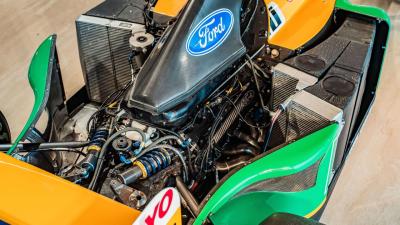
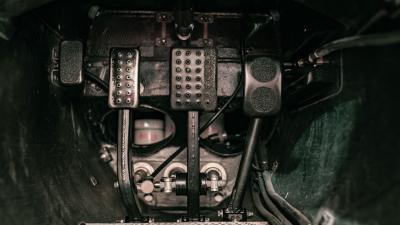
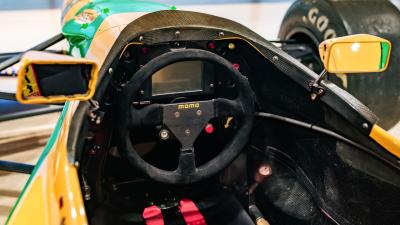
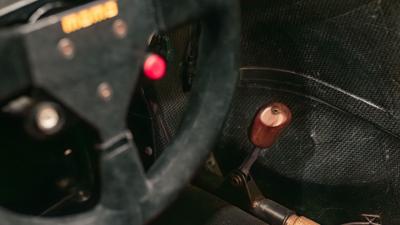
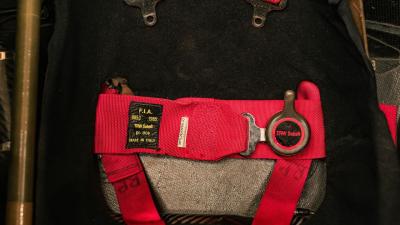
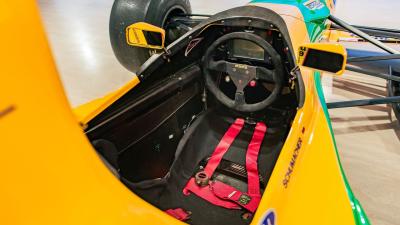
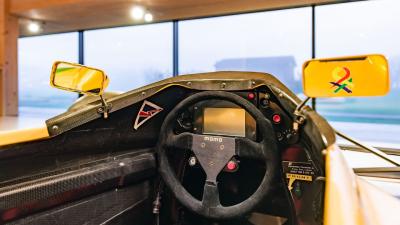
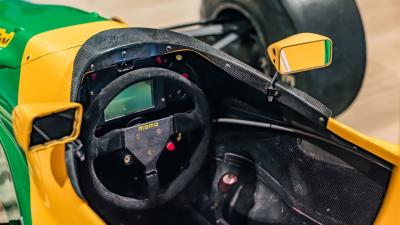
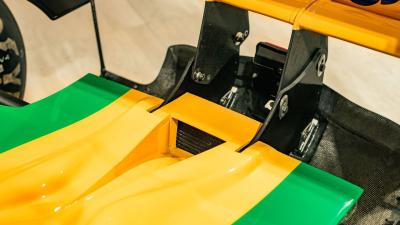
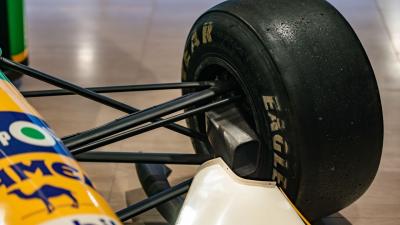
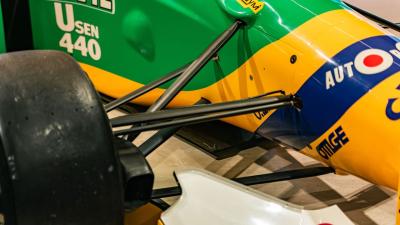
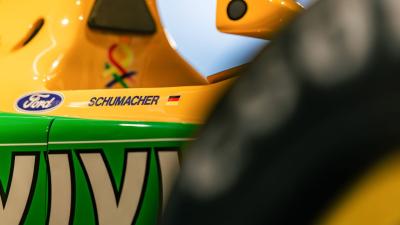
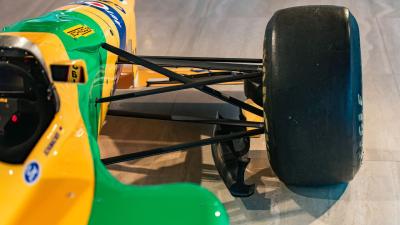
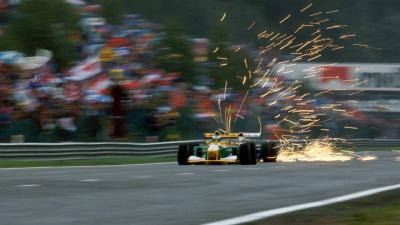
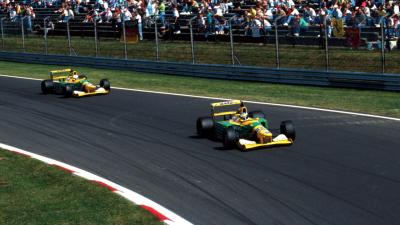
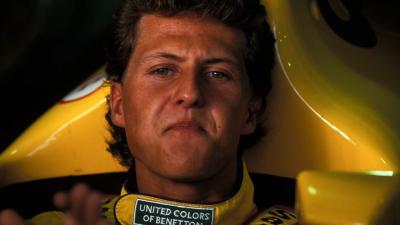
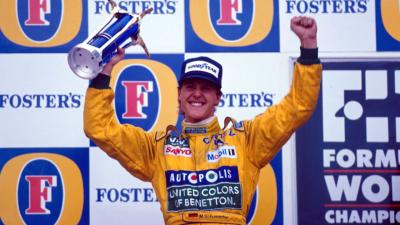
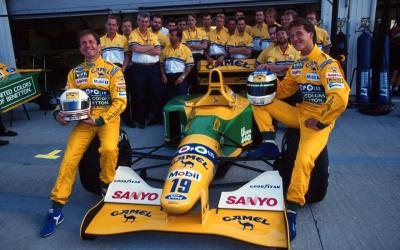
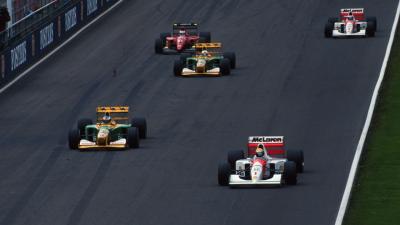
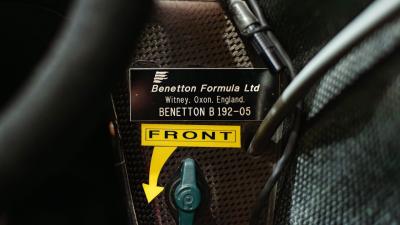
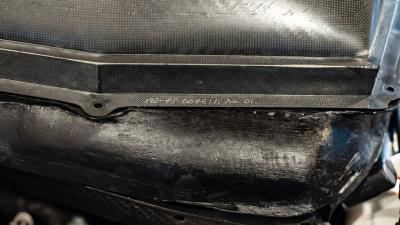
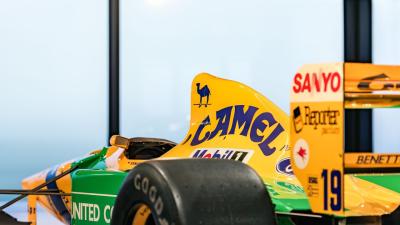
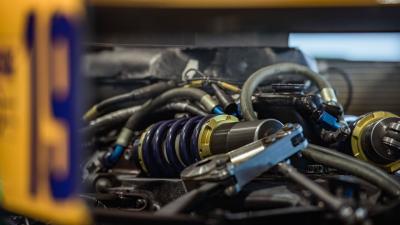
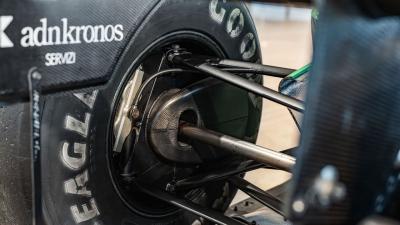
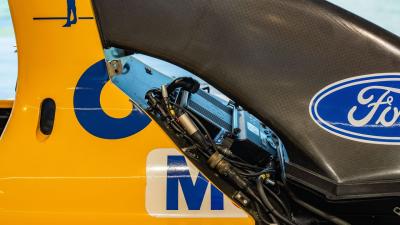
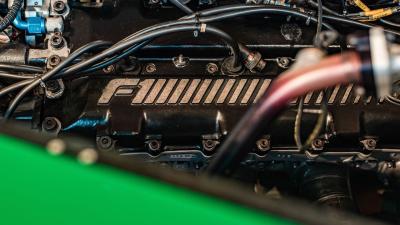
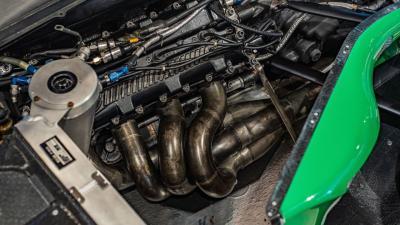
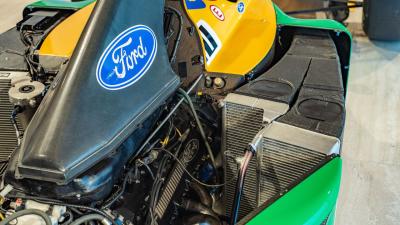
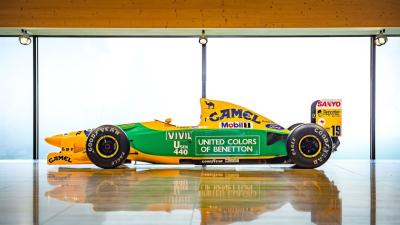
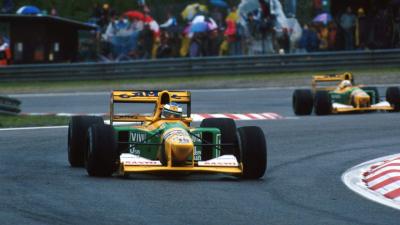
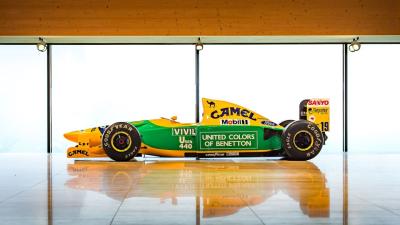
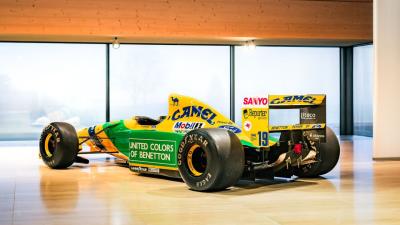
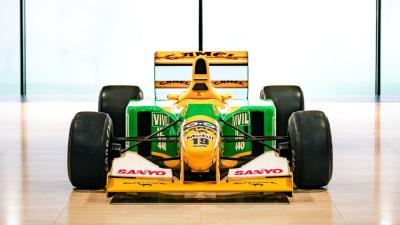
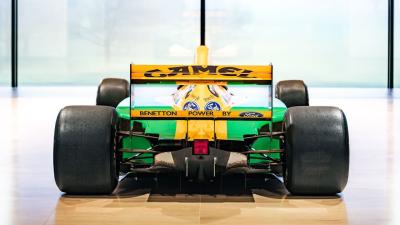
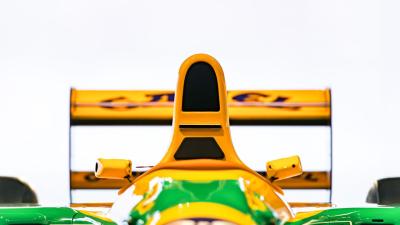
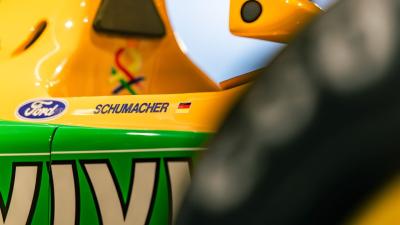

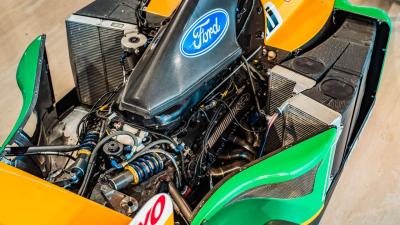
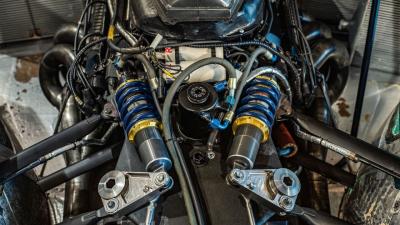
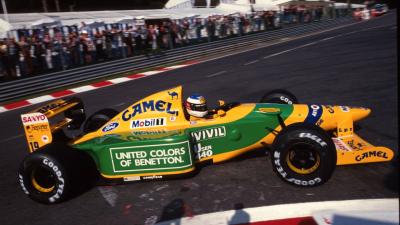
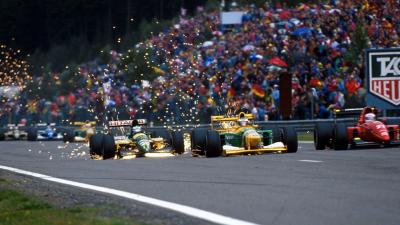
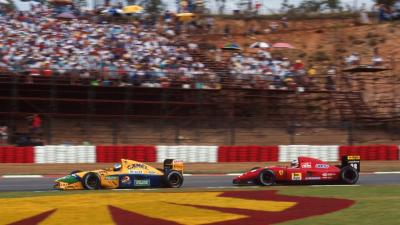
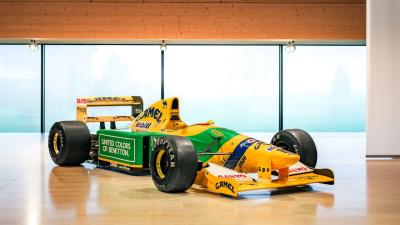
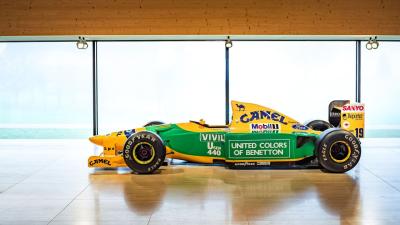
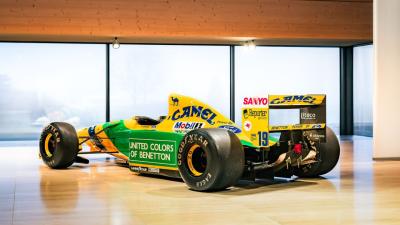
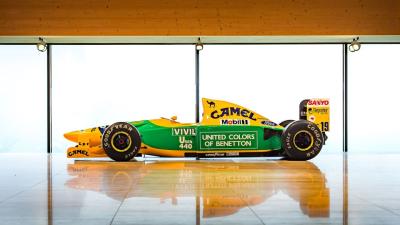
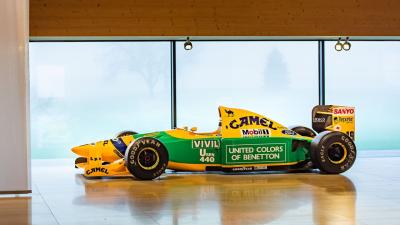
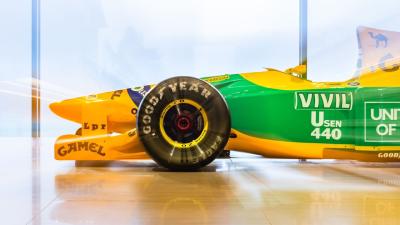
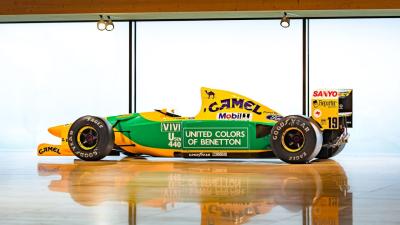
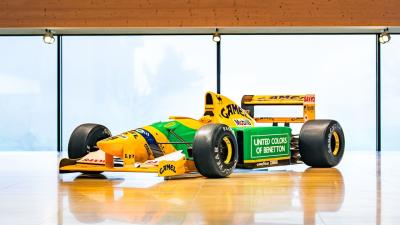
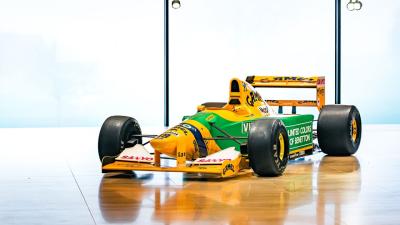
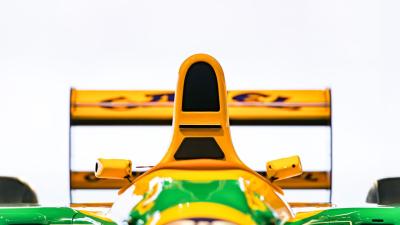
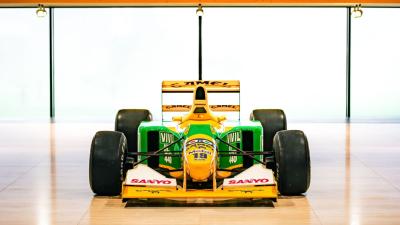
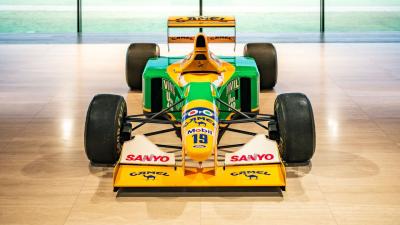
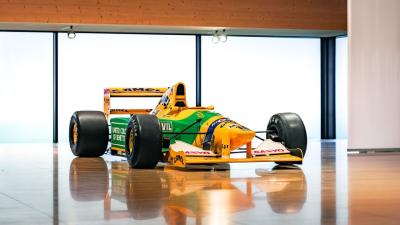
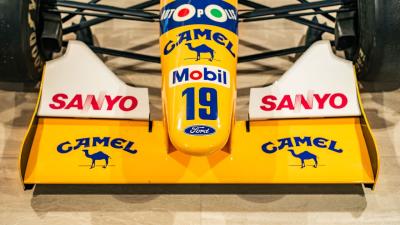
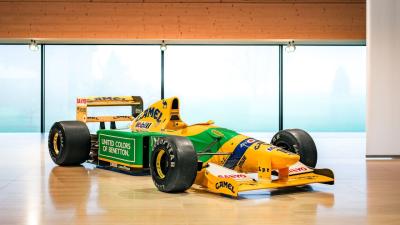

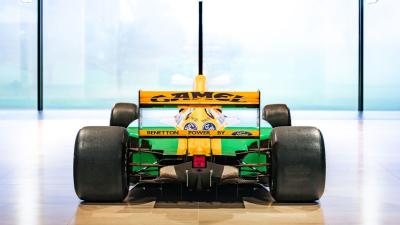

Chassis No. B192-05 Benetton Formula: From Sponsor to Serious Contender Benetton’s path to Formula One relevance was neither accidental nor rushed. It began in 1983, when the Italian fashion house first appeared on the grid as a sponsor of Tyrrell, followed by Alfa Romeo and then Toleman. These early partnerships were not merely branding exercises; they were a calculated education in the sport’s political, technical, and commercial realities. By the time Luciano Benetton acquired the struggling Toleman team in late 1985, the company understood that success in Formula One required infrastructure, engineering continuity, and a great number one driver. Renamed Benetton Formula for the 1986 season, the team immediately signaled intent. The BMW-powered B186, overseen by the gifted Rory Byrne, delivered a debut-season victory in Mexico and established Benetton as far more than a novelty entrant. What followed was a steady ascent: podiums became expected, reliability improved, and by the late 1980s, Benetton had positioned itself as the most credible challenger outside the established elite of Williams, McLaren, and Ferrari. Crucially, Benetton’s rise was shaped by restraint as much as ambition. While rivals chased increasingly complex solutions, Byrne’s designs favored aerodynamic efficiency, mechanical balance, and evolutionary design. Ford Cosworth power, first turbocharged, then naturally aspirated, proved a stable backbone, allowing the team to refine its chassis philosophy rather than reinvent it annually. By 1989, Benetton was a consistent front-runner, collecting podiums and a second race win. The appointment of Flavio Briatore in 1990 marked a turning point. Though inexperienced in racing, Briatore understood talent and organization. His decisions—to align with Tom Walkinshaw Racing, recruit Ross Brawn, and commit fully to Byrne’s technical vision—laid the foundations for a team poised on the brink of transformation. By 1991, Benetton was no longer content with occasional victories; it sought a driver around whom a dynasty could be built. Michael Schumacher: The Making of a Once-in-a-Generation Driver Michael Schumacher’s journey toward Formula One glory began far from Italian fashion house glamour, but rather on the kart tracks of Kerpen, Germany in the mid-1980s. While Benetton was learning the sport from the sponsor’s side in 1983, Schumacher was learning racecraft the hard way—driving machinery built from discarded parts, mastering car control on worn tires, and discovering an instinctive affinity for wet conditions that would later define his reputation. By the late 1980s, Schumacher’s ascent accelerated rapidly. Success in German karting gave way to dominance in Formula König and Formula Ford, where his adaptability and analytical precision set him apart. In Formula Three, under Willi Weber’s guidance, Schumacher refined his speed and professionalism. His 1990 German F3 Championship and victory at that year’s Macau Grand Prix announced him internationally, while his parallel involvement in Mercedes-backed sports car racing provided invaluable experience with powerful machinery, long stints, and technical feedback at the highest level. Unlike many contemporaries, Schumacher arrived in Formula One ready for the limelight. His shock debut with Jordan at the 1991 Belgian Grand Prix—qualifying seventh at Spa, a circuit he had never raced—was less an introduction than a declaration. Though his race lasted only a few hundred meters, the paddock took notice. Within days, Benetton moved decisively, securing Schumacher’s services in a move that would reshape the sport. The remainder of 1991 confirmed Benetton’s instincts. Schumacher immediately matched and then outpaced three-time World Champion Nelson Piquet, scoring points with consistency and displaying an inquisitive technical understanding rare in a rookie. More importantly, he demonstrated the qualities Benetton required for its next phase: relentless focus, mechanical sympathy, and an ability to deliver under pressure. Benetton B192 Chassis Number 05 - 1992 Rather than rushing an unproven design into service, Benetton opened the 1992 campaign with an updated B191 before unveiling Rory Byrne’s new B192 chassis, introduced only when the team was satisfied with its readiness, at the fourth round in Spain. According to A Record of Grand Prix and Voiturette Racing by Paul Sheldon, chassis number 05 debuted at the Canadian Grand Prix with Schumacher putting the Benetton an impressive 5th on the grid in qualifying. The German thrilled the fans lining the track on the Île Notre-Dame by finishing the 69 lap race with a hard fought second place podium under sunny skies in Montreal moving himself into 3rd place in the World Drivers’ Championship. Chassis 05 was used next in France where Schumacher, once again, qualified in 5th place behind Mansell, Patrese, Senna, and Berger and two spots ahead of teammate Martin Brundle. Senna and Schumacher touched going into turn one at Magny-Cours, a clear signal to Senna that another driver on the grid matched his aggression in traffic. Rain threw the race into chaos with the red flag flying on lap 18 and Schumacher later finishing in 20th position with a cracked suspension arm after the restart. Schumacher used chassis 06 for both the British and German Grands Prix with 05 once again becoming available to him for the 11th round in Hungary. Schumacher again showed his tremendous qualifying prowess putting chassis 05 onto the second row of the grid—an astounding 1.6 seconds ahead of Brundle. Methodically working his way up to third position by lap 64 of the 77 lap race, Schumacher’s rear wing came adrift entering turn one sending him spinning with the gravel trap doing its job slowing 05 before touching the barriers. 1992 Belgian Grand Prix – Michael Schumacher’s First F1 Victory The 1992 Belgian Grand Prix, held at Spa-Francorchamps on 30 August, stands as one of Formula One’s defining races—an afternoon where instinct, timing, and composure delivered Michael Schumacher his first Grand Prix victory at the wheel of Benetton chassis B192-05. Qualifying had been dominated by Nigel Mansell’s Williams, but race day unfolded under variable Ardennes weather that rewarded decisiveness over outright pace. Rain swept across the circuit in waves, splitting strategies and forcing teams to react lap by lap. Schumacher ran consistently at the front, shadowing Mansell and Riccardo Patrese while remaining alert to the changing conditions. The pivotal moment arrived just past half-distance on lap 27. Approaching Stavelot, Schumacher ran slightly wide in chassis 05, losing position to his teammate Martin Brundle. What could have been a setback instead became the winning move. From directly behind, Schumacher saw that Brundle’s rear wet-weather Goodyears were heavily blistered. “I just missed the apex a bit and went over the grass,” Schumacher explained afterward. “I was happy I didn’t hit the barrier. But then I was behind Martin, and I could see his tires were blistered… immediately I decided to go in for a tire change.” Brundle, recalling the same moment, confirmed the split-second nature of the decision: “I hesitated to go in the pits… Michael’s now behind me. He sees how blistered my rear tires are. He sails down the pit lane, gets the tires that were ready for me, and wins the race.” Schumacher’s immediate switch to dry tires on the still damp track proved decisive. Mansell and Patrese followed several laps later but rejoined behind. From there, Schumacher controlled the race, extending his advantage while setting the fastest lap on the way to the flag. Crossing the line first after 44 laps and hundreds of gear changes put through the H-pattern six-speed manual transmission around the Ardennes, Schumacher secured his maiden Grand Prix victory—exactly one year after making his Formula One debut at the same circuit. “I really can’t describe it,” Schumacher said during the post-race interview. “All weekend I felt quite good, and when I was in the motorhome today, I thought I could win this race. I have to say thank you to the team… and I give this victory to the German fans.” It was the first of 91 career victories, the first of 19 wins with Benetton, and the defining moment of B192-05—a car that did not simply propel Schumacher to his first win, but marked the beginning of Michael Schumacher’s own era at Benetton and later Ferrari, reshaping Formula One’s competitive and professional standards for the decade that followed. Interestingly, this weekend of firsts brought a final race win to the beloved H-pattern manual gearbox, with all race-winning cars from then on hydraulically-shifted by paddles located behind the steering wheel. After returning to chassis 06 for the Italian GP, Schumacher and chassis 05 would make a final race appearance at the Portuguese Grand Prix held at Autódromo do Estoril in late September. Once again, Schumacher outqualified his talented teammate, this time by seven tenths landing in 5th position on the grid. Unfortunately, 05 would not start when the field set off with Schumacher forced to start from the back of the grid. In an impressive charge through the field (as he had recently done at Monza) and even with a stop for a puncture, Schumacher and B192-05 climbed to 7th place at the flag, a result that highlighted Schumacher’s unflinching speed and determination to fight through adversity, traits that resonated deeply with the upstart Benetton outfit. Schumacher would race chassis 08 in the final two races to close out his very successful 1992 season in which chassis 05 helped put him 3rd in the standings for the Drivers’ Championship just ahead of Ayrton Senna. Chassis 05 remained in active service with Benetton through the opening rounds of the 1993 season in South Africa and Brazil, fulfilling duties as the team’s backup“T-car” before its retirement at Benetton’s home base at Enstone. Benetton B192-05 In Retirement As is well known, the Benetton name entered the annals of Formula One history following the 2001 season, after Renault acquired the team in 2000, having served as its works engine supplier since 1995. Schumacher’s Belgian Grand Prix–winning 1992 Benetton remained Renault’s Enstone headquarters after their acquisition of the race team. The car formed part of their Classic Department collection until 2015, when it was sold—along with two other Benetton chassis—to LRS Formula, owned by Laurent Redon, a specialist in the operation of 1990s and 2000s Formula One cars. Redon’s name should be familiar to racing fans with the Frenchman himself testing for Minardi in 1998 and later for Benetton in 1999. A 2024 sales sheet attestation signed by Redon confirms chassis B192-05 was completely restored to working order while under LRS’ care with a chassis overhaul and an engine and gearbox rebuild. Later in 2016, the Benetton was acquired by the consignor, a well-known racer of modern F1 machinery. The word iconic is frequently overused in an effort to elevate otherwise important machines, yet no such qualification is required here. Chassis B192-05 is the Benetton that carried Michael Schumacher to his first Formula One victory, prevailing over the likes of Senna, Mansell, and Häkkinen on the sport’s most demanding circuit and in its most exacting conditions. It is the car that launched a record-setting career with seven World Drivers' Championship titles, 91 victories, and the most pole positions (68), podium finishes (155), and fastest laps (77) at his retirement. Simultaneously, it is the car that crystallized Benetton’s philosophy of evolutionary excellence, and the car that proved that, along with Schumacher, the team was capable of the heights seen during the 1994 and 1995 seasons. Never before offered for public sale in its history, B192-05 stands as one of the most consequential and iconic Formula One cars of the modern era. It represents a turning point—where talent, engineering clarity, and instinct aligned to begin a dynasty. For collectors, it is not simply an opportunity to acquire a Schumacher-era Benetton, but to secure the very moment Formula One changed course.
Contact Us
