




























































































Estimated Price: £20,000 - £25,000
The Ford GPW was one of the two main versions of the legendary World War II Jeep, the vehicle that became an icon of mobility, ruggedness, and military ingenuity. Produced between 1942 and 1945, the GPW was Ford’s licensed version of the Willys MB, built to the same specifications under a US government contract to meet the massive wartime demand. Together, the Willys and Ford Jeeps provided the Allies with an indispensable light utility vehicle, capable of operating in nearly any terrain and under the harshest conditions.
The designation ‘GPW’ stood for ‘Government contract’, ‘80-inch wheelbase’, and ‘Willys design’. While Willys-Overland had won the primary contract for the Jeep, the US Army needed such huge numbers that Ford was brought in as a second supplier. Ford engineers made some refinements to production processes, and the GPWs were nearly identical to the Willys MBs, with most parts being fully interchangeable.
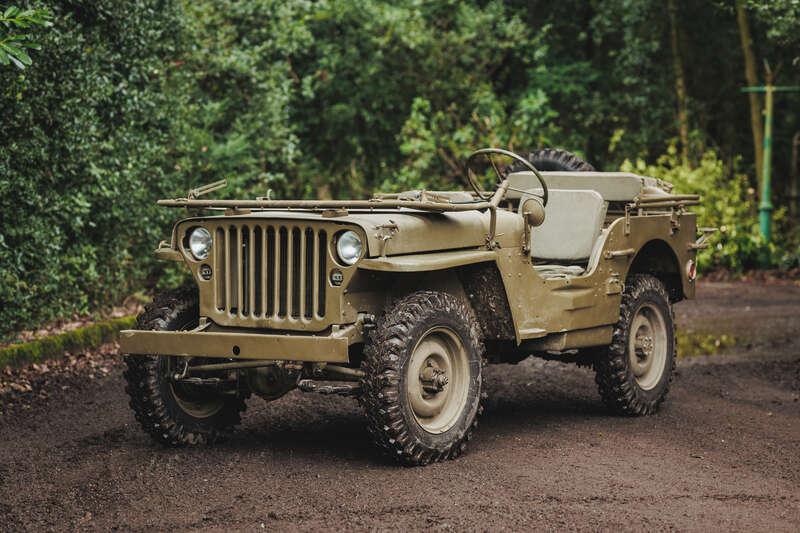
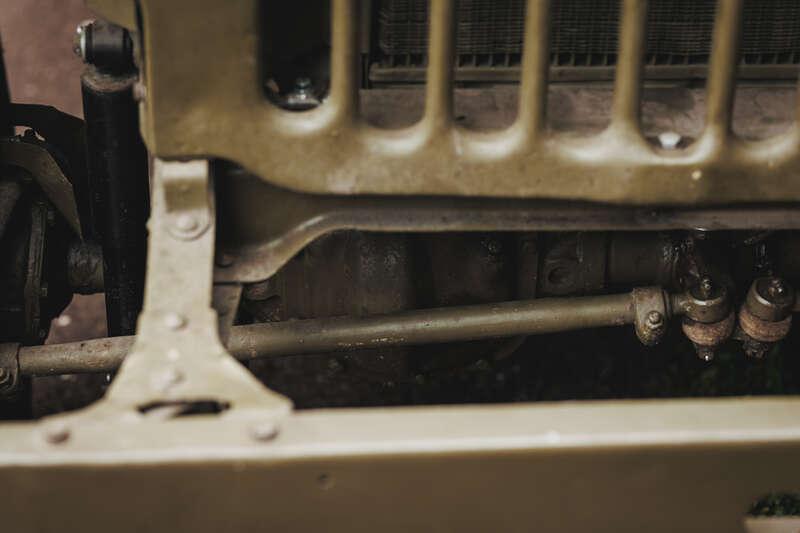
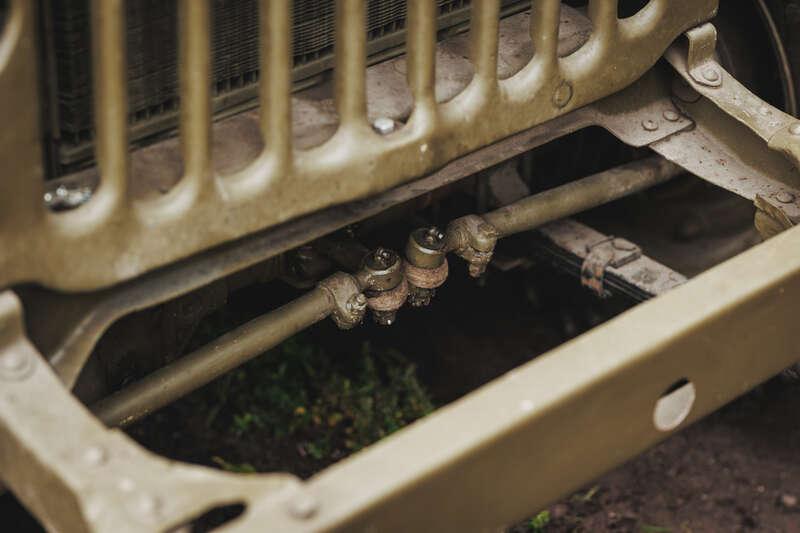
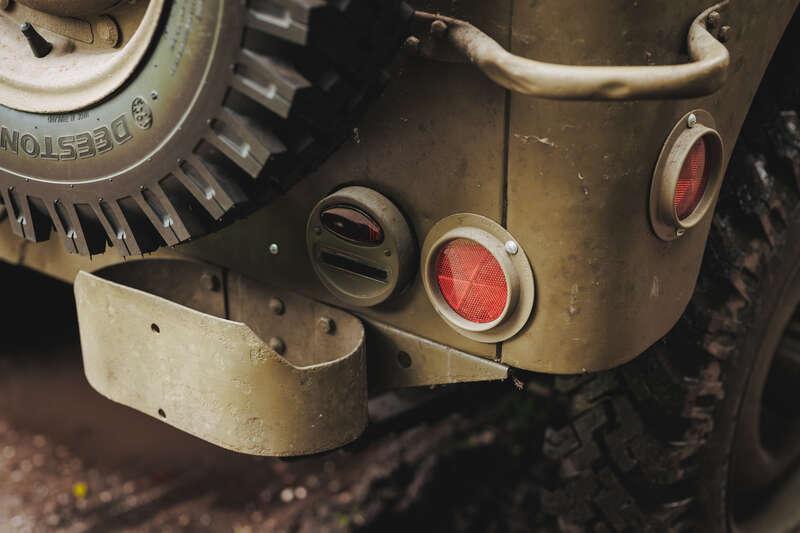
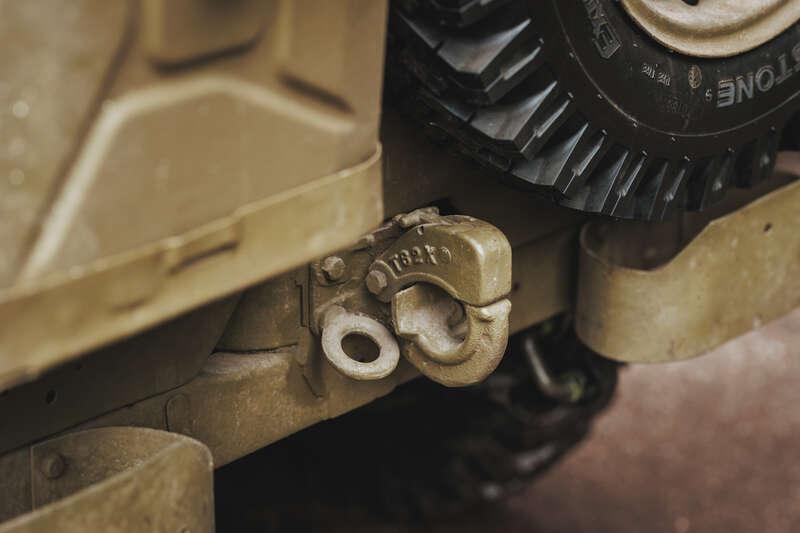
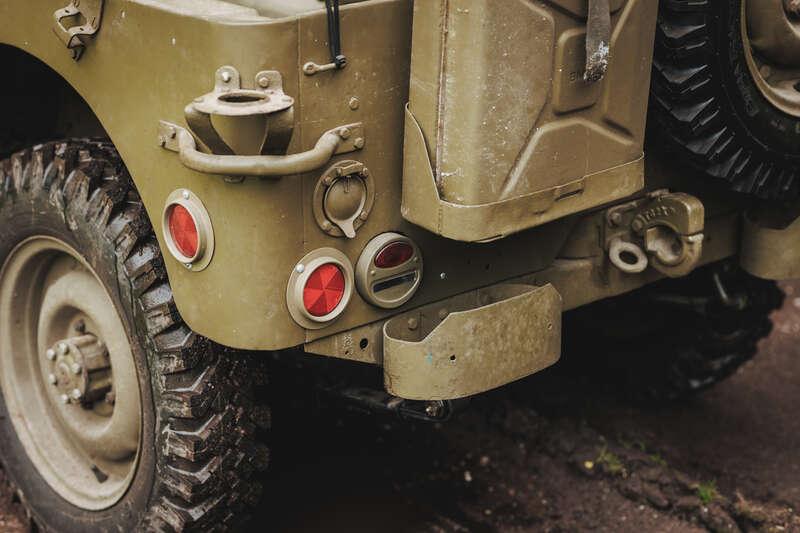
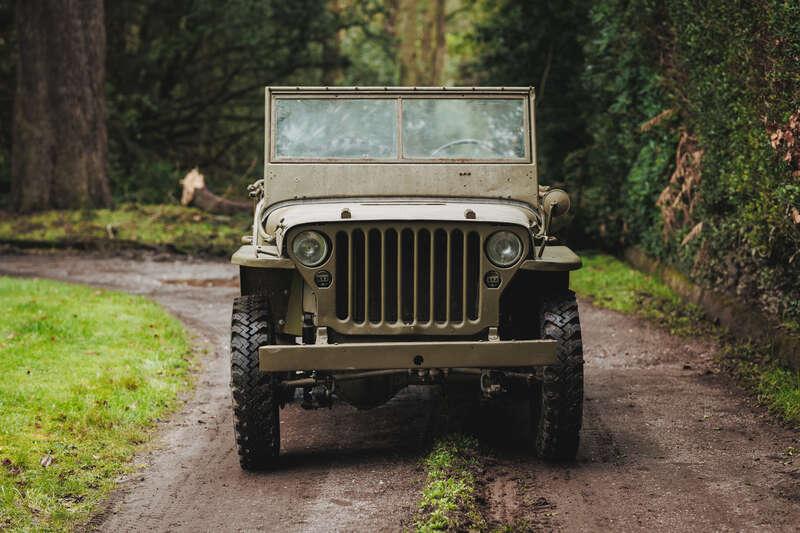
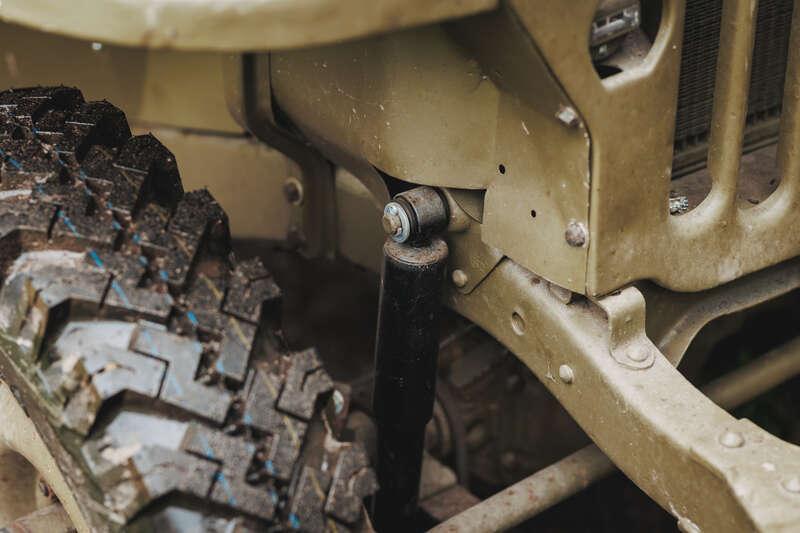
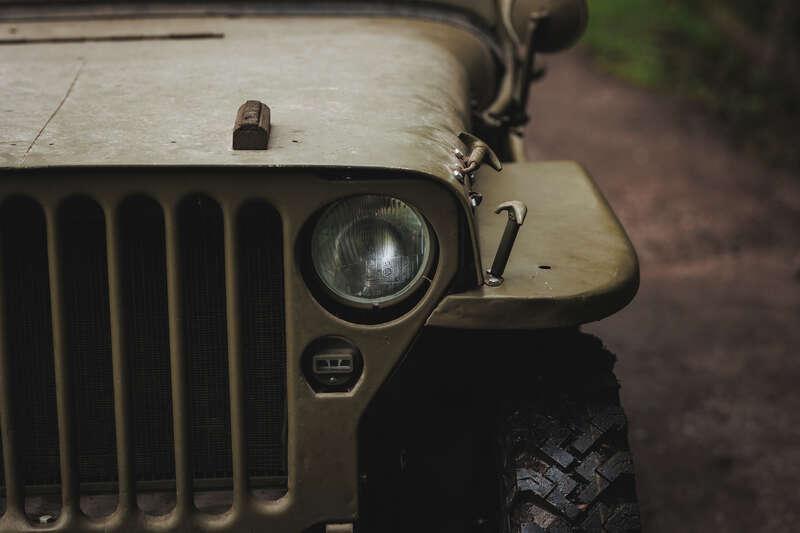
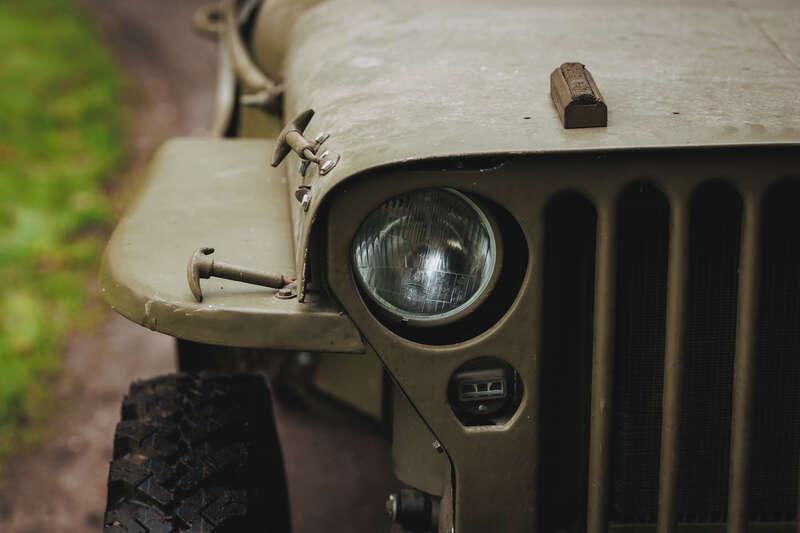
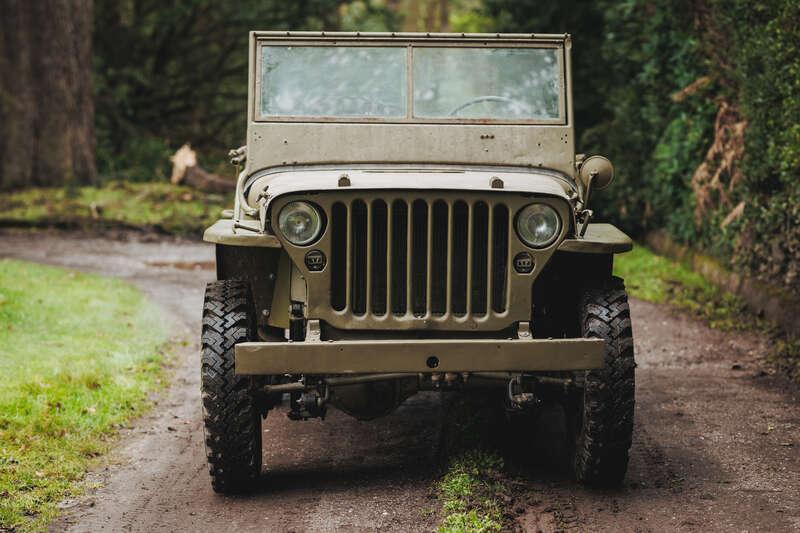
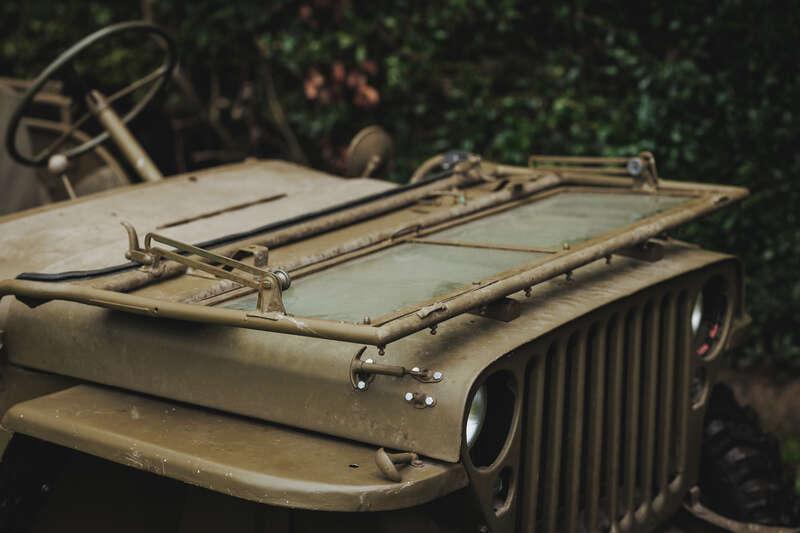
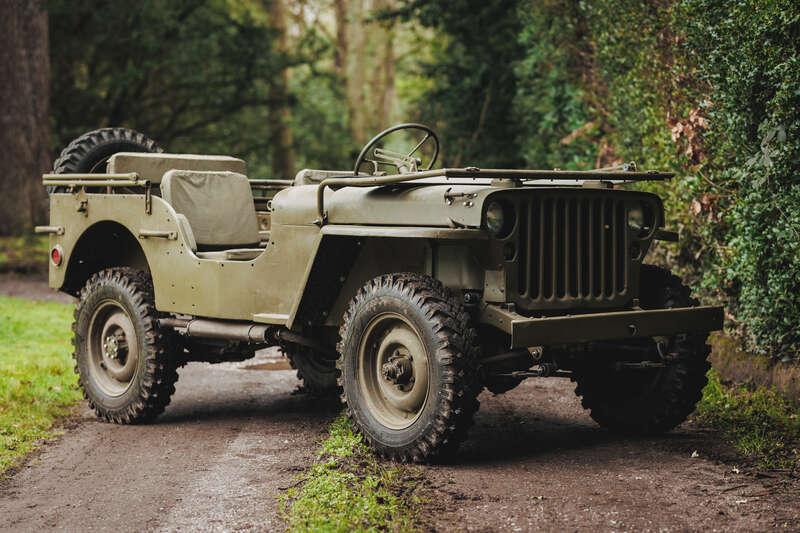
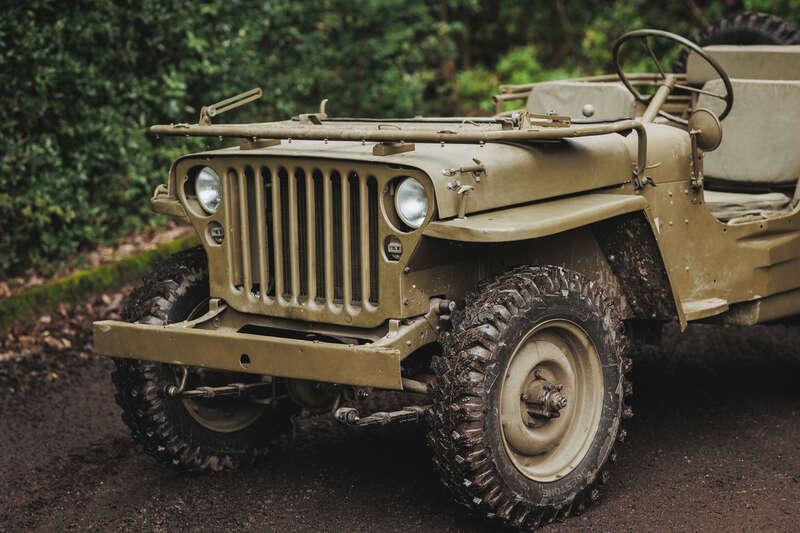
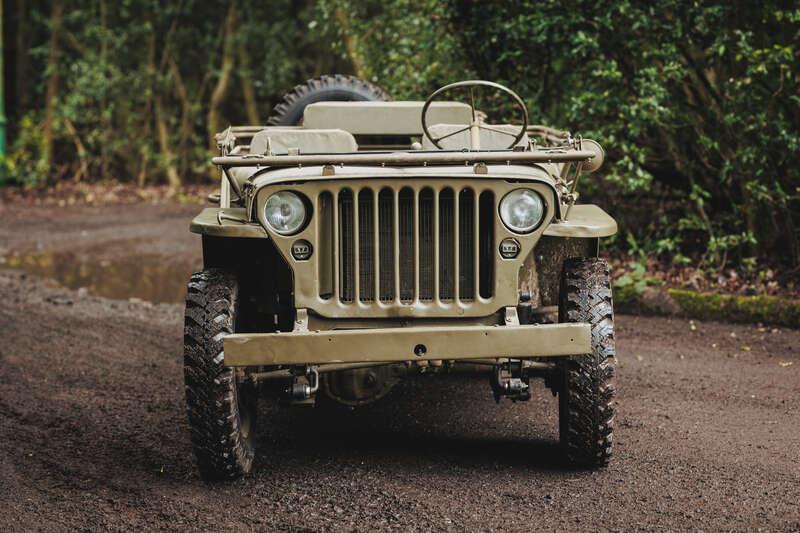
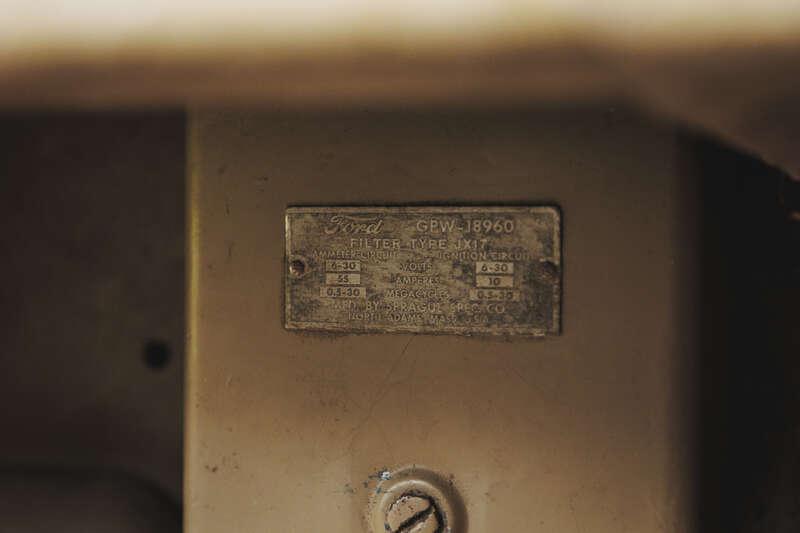
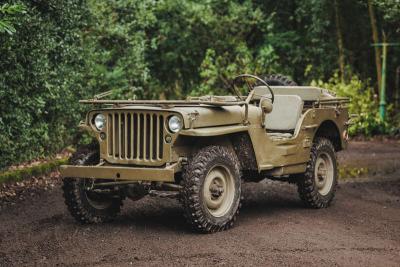
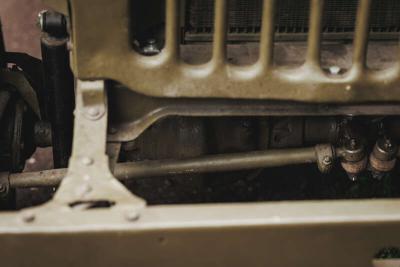
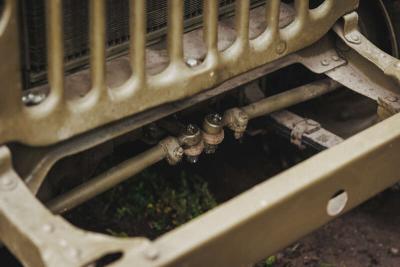
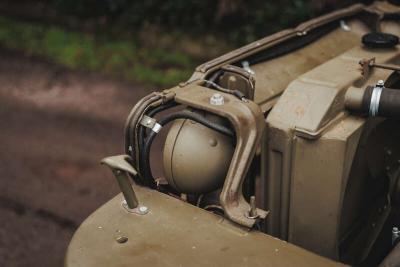
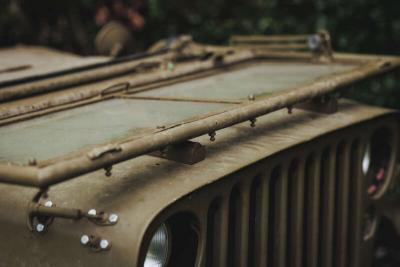
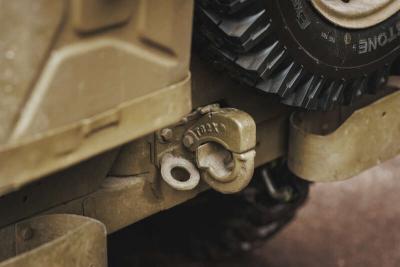
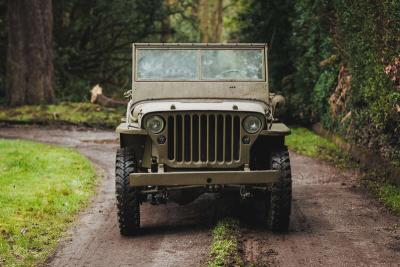
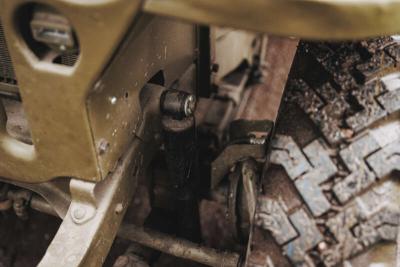
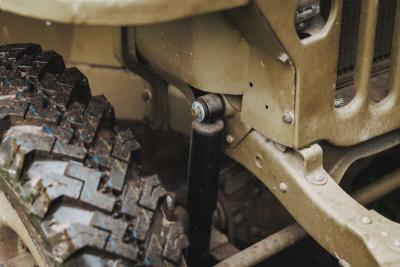
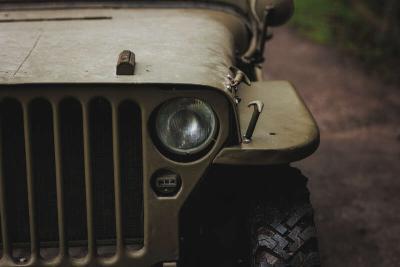
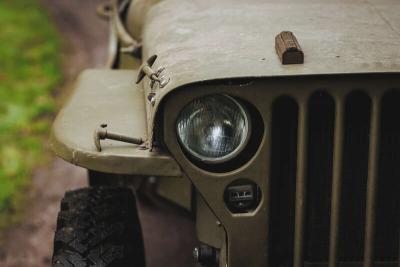
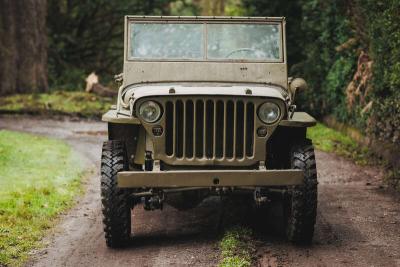
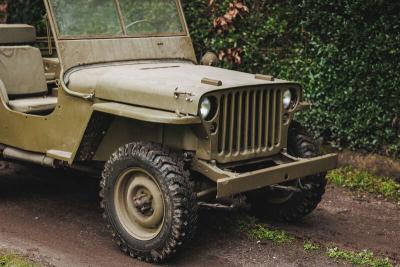
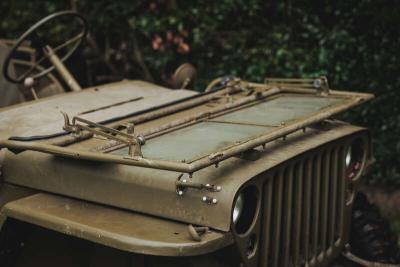
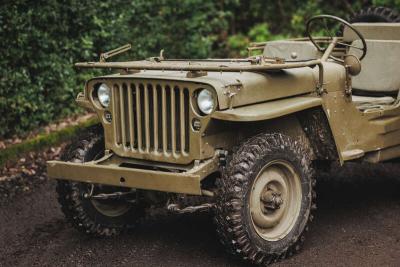
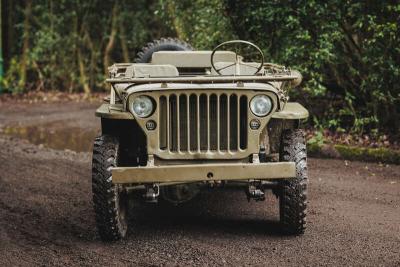
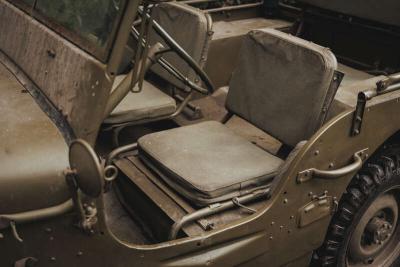
Ford-manufactured Jeeps are recognisable by their pressed-steel grilles as opposed to the Willys' slat grille style and the stamped 'F' marking that Ford placed on many components, from bolts to body panels, to indicate Ford manufacture.
The Ford GPW Jeeps are, so say, more sought-after than the Willys as the Ford GPW was only manufactured during WWII, so by default it must be an original wartime vehicle. Willys, however, continued with Jeep production after WWII so unfortunately there are many non-WWII vehicles masquerading as original wartime vehicles.
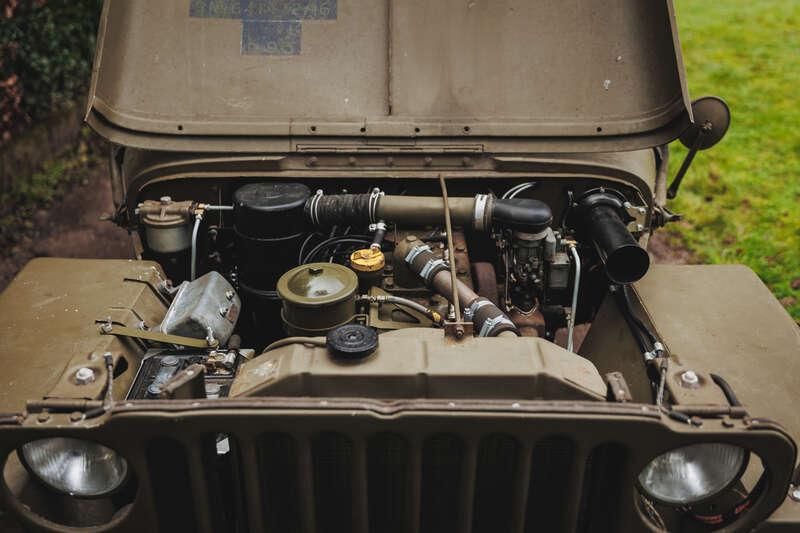
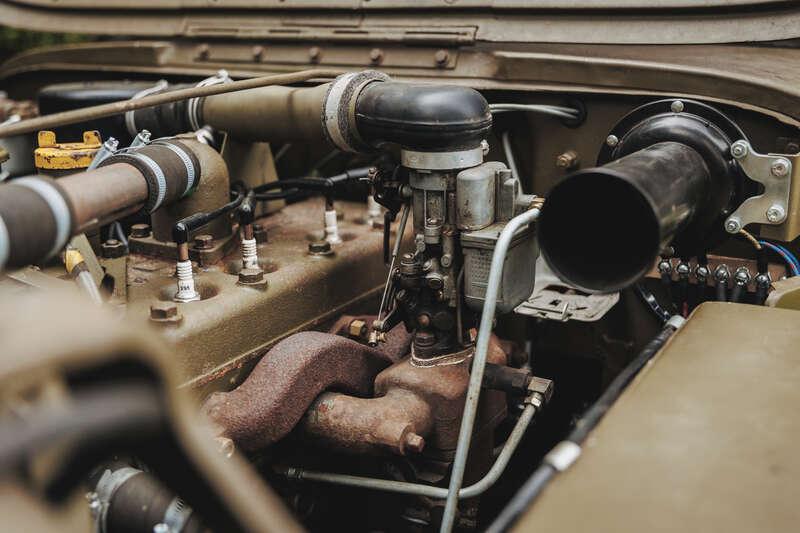
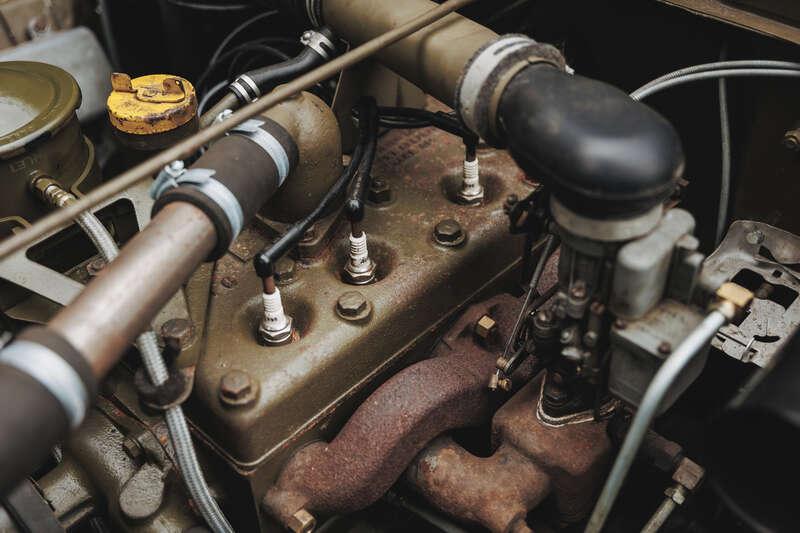
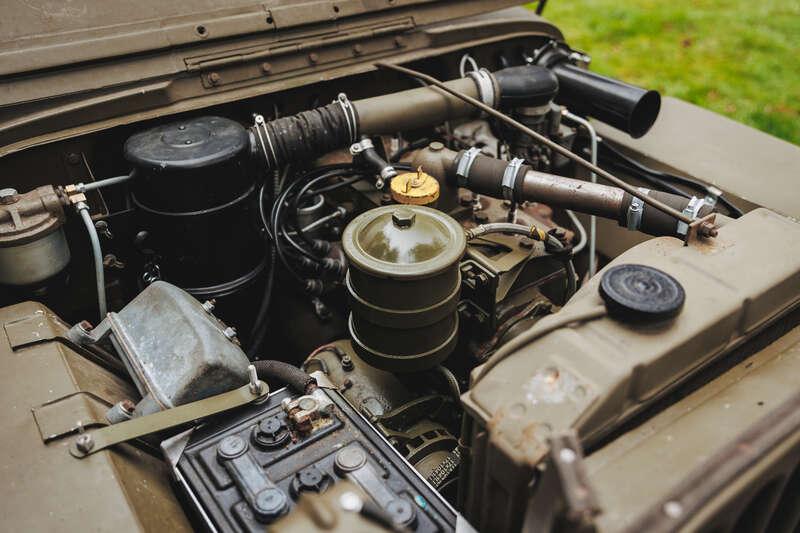
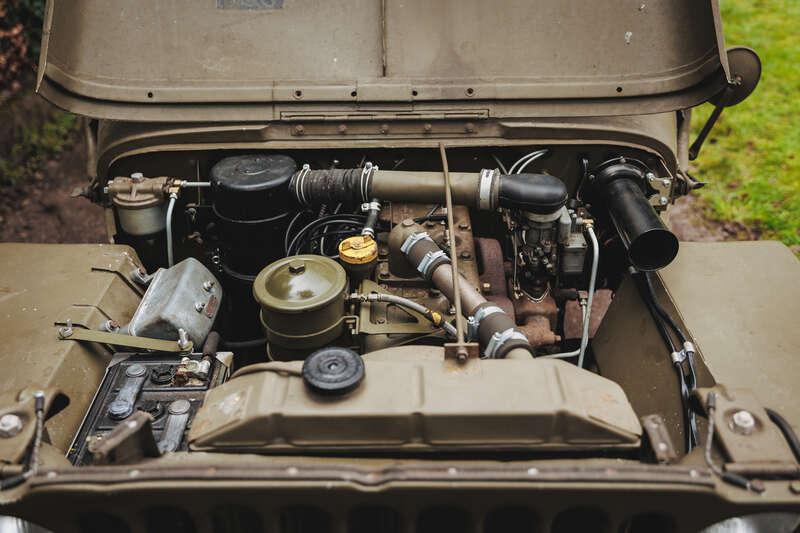
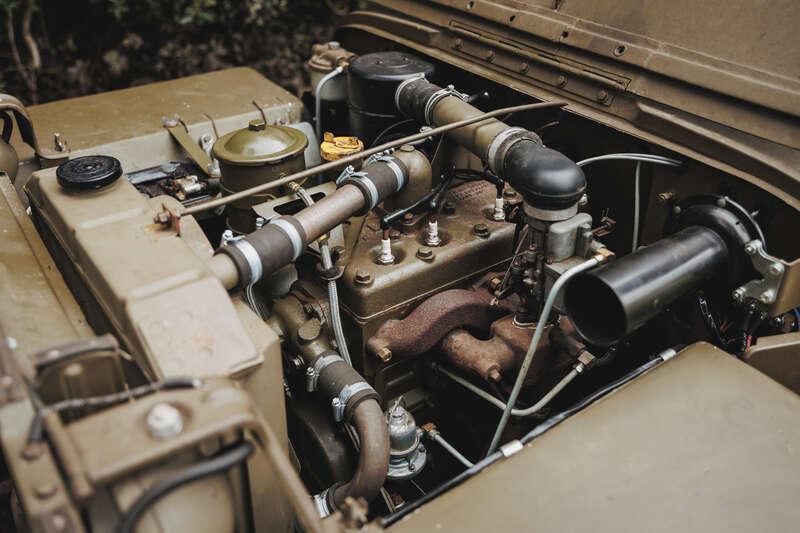
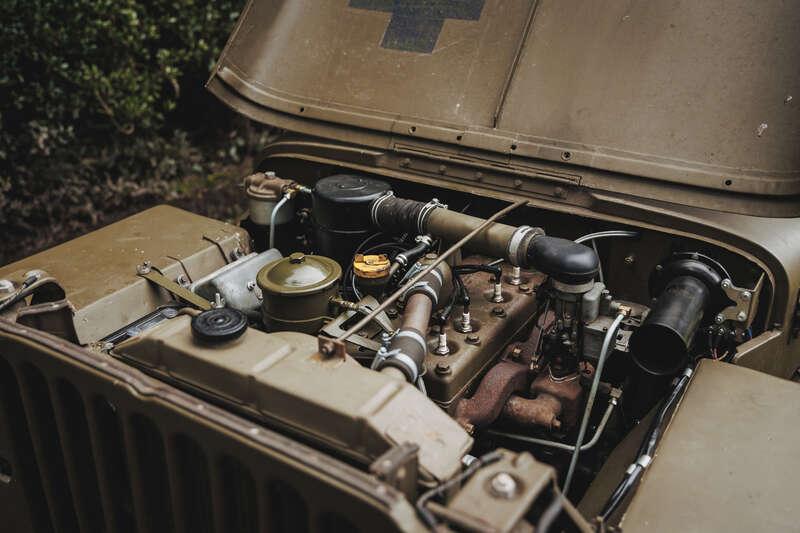
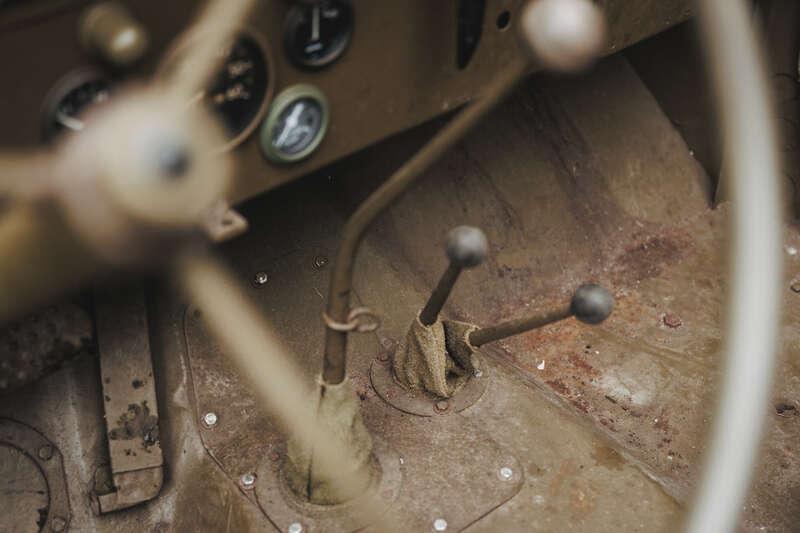
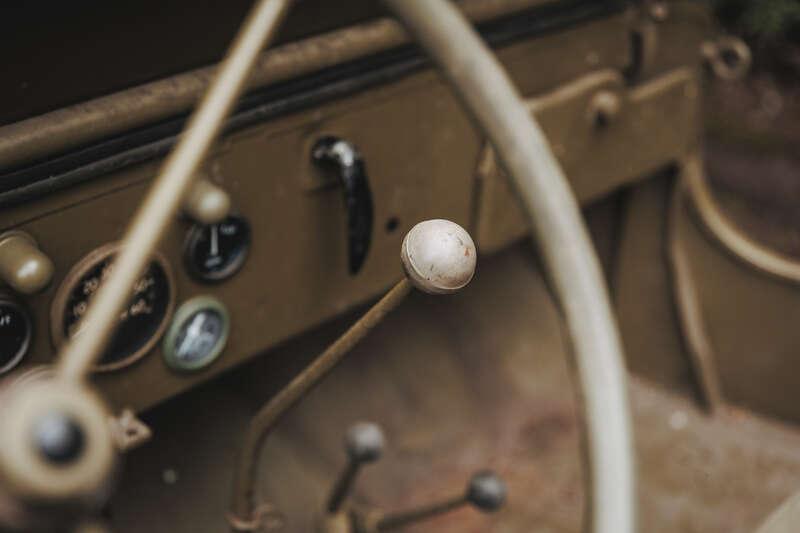
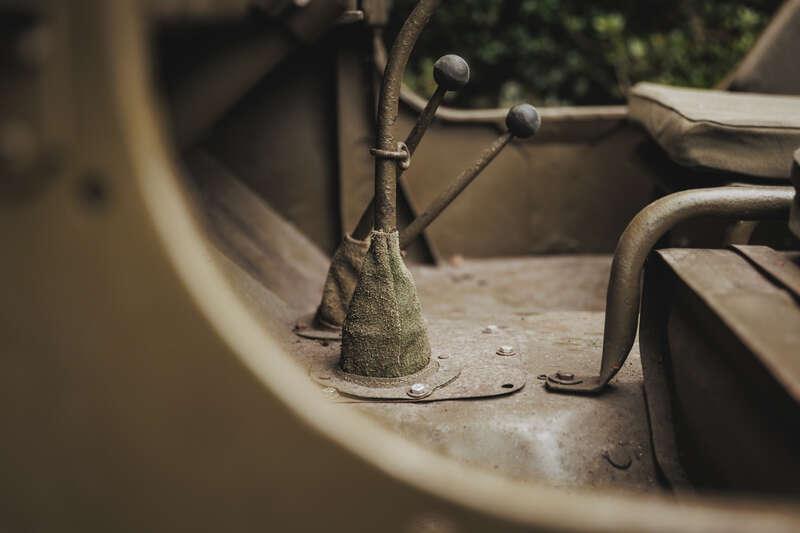
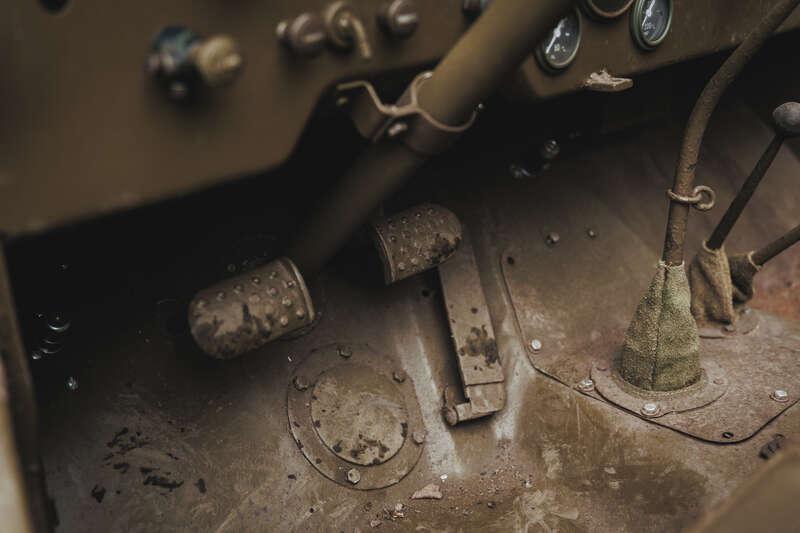
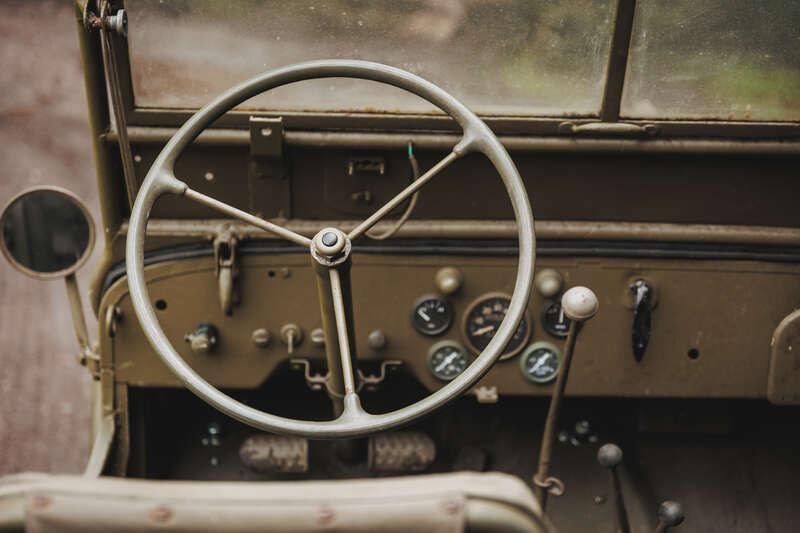
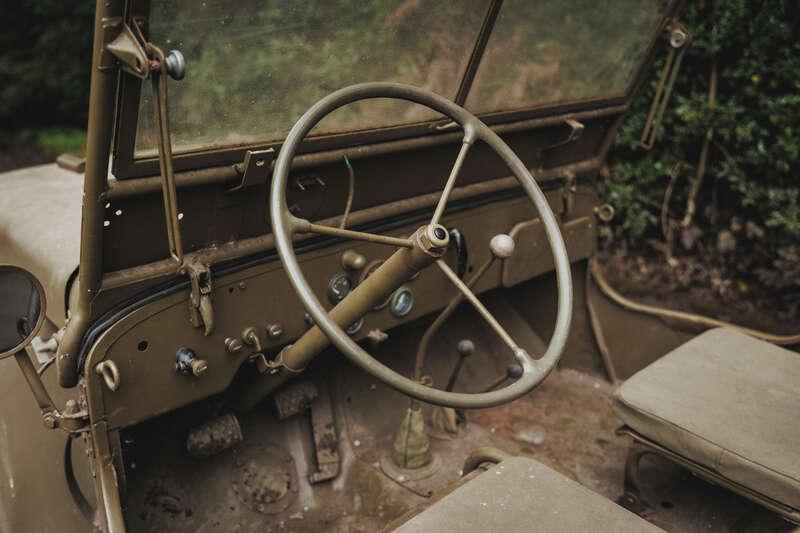
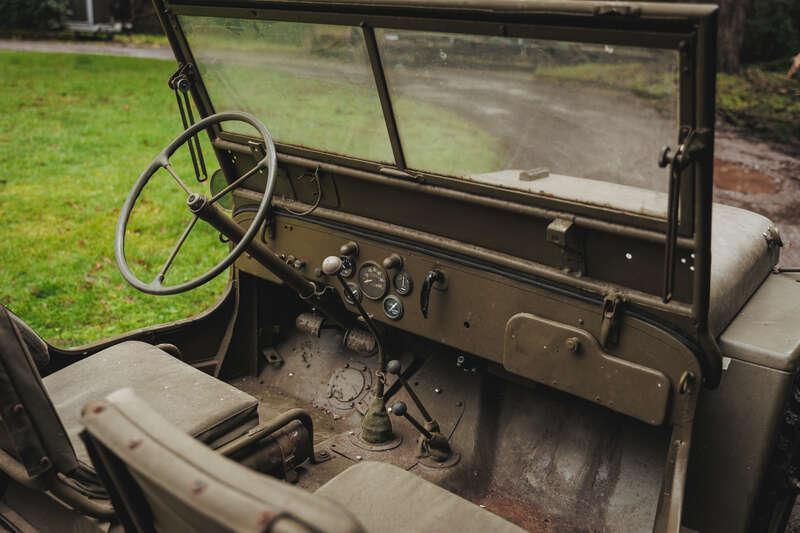
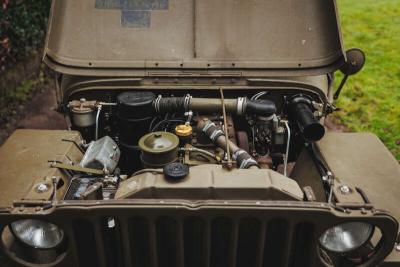
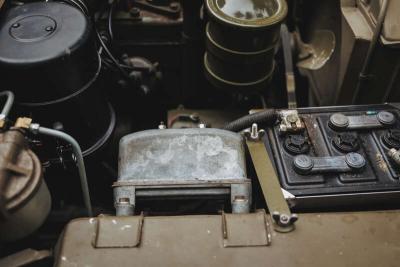
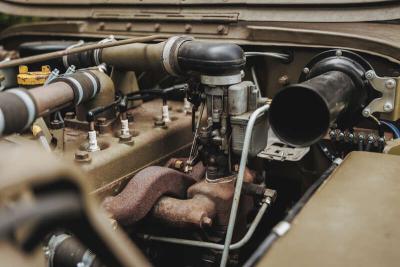
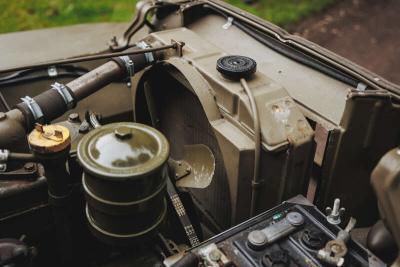
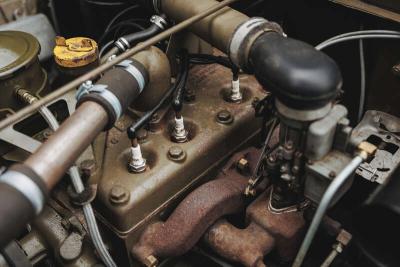
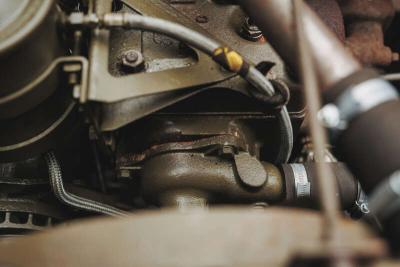
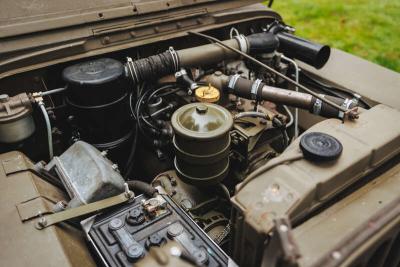
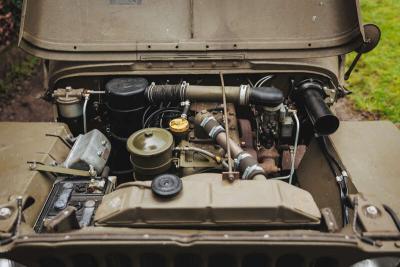
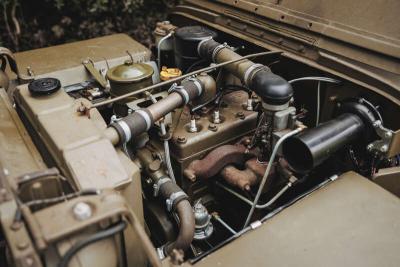
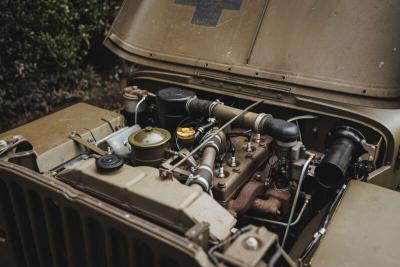
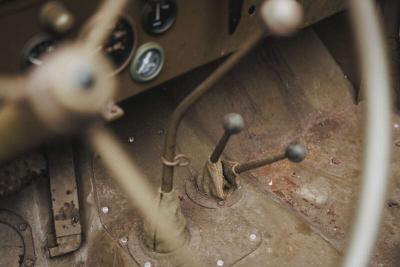
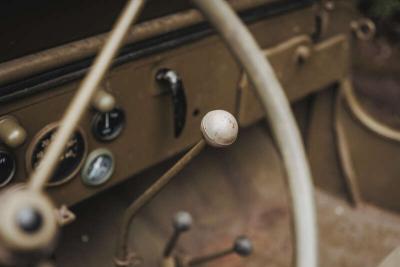
The Ford GPW was powered by the same ‘Go-Devil’ engine used in the Willys MB, a 134 cubic inch (2.2-litre) inline four-cylinder producing 60hp. Paired with a 3-speed manual gearbox and a 2-speed transfer case, it drove all four wheels, giving the Jeep exceptional off-road capability. Its compact size, light weight, and short wheelbase made it agile in mud, sand, snow, and rough ground, and it could tow small artillery pieces, carry radios, or be adapted with stretcher mounts. Its rugged simplicity allowed it to be repaired easily in the field with minimal tools.
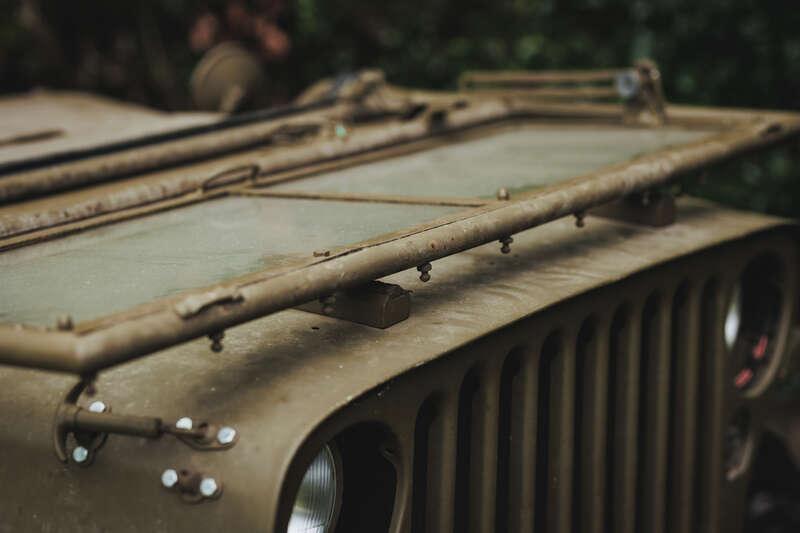
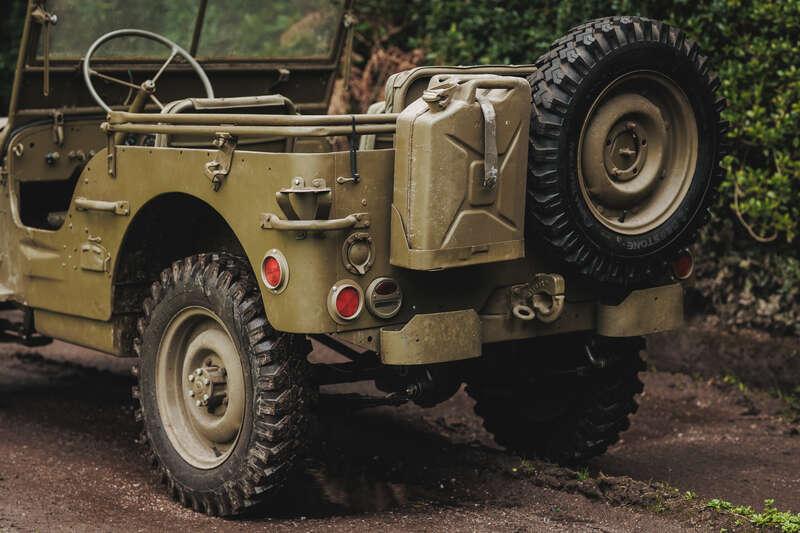
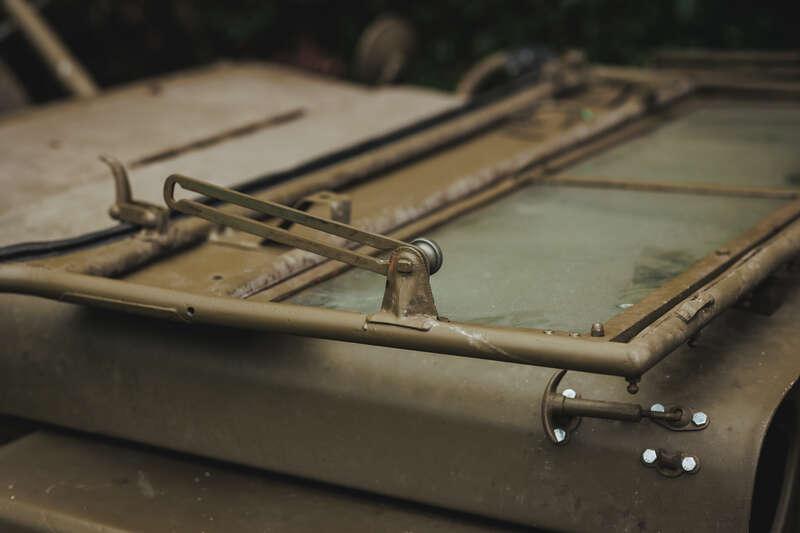
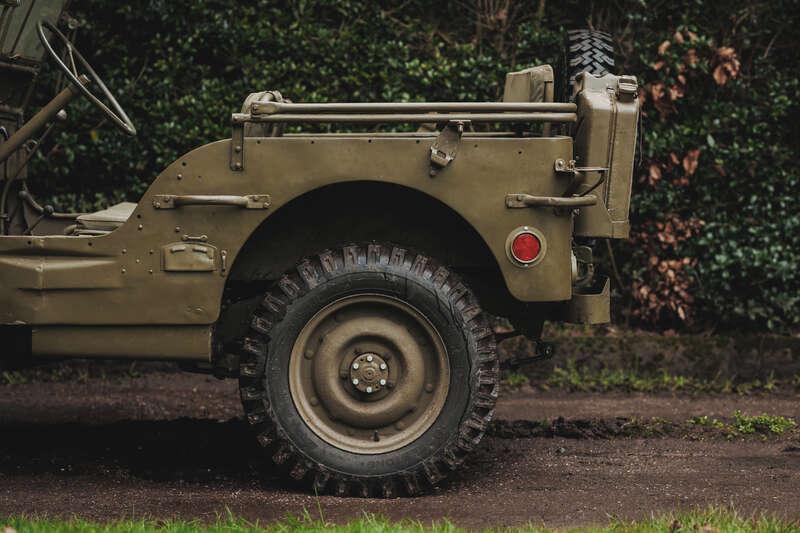
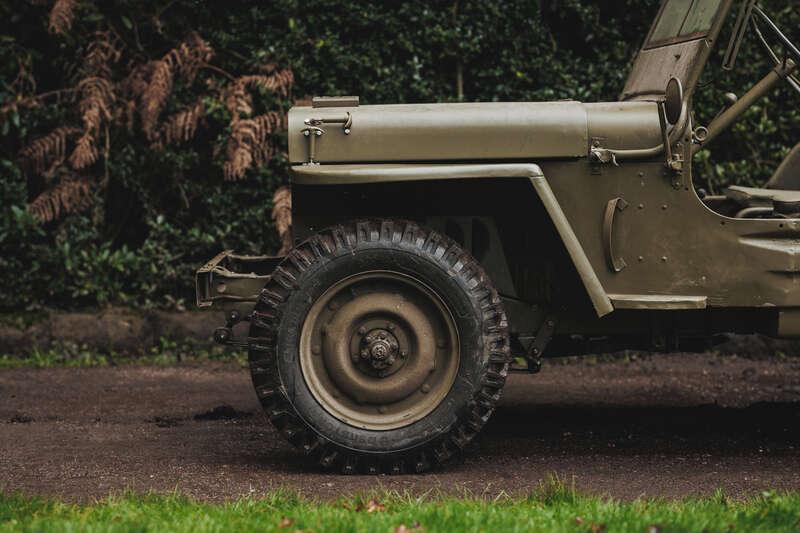
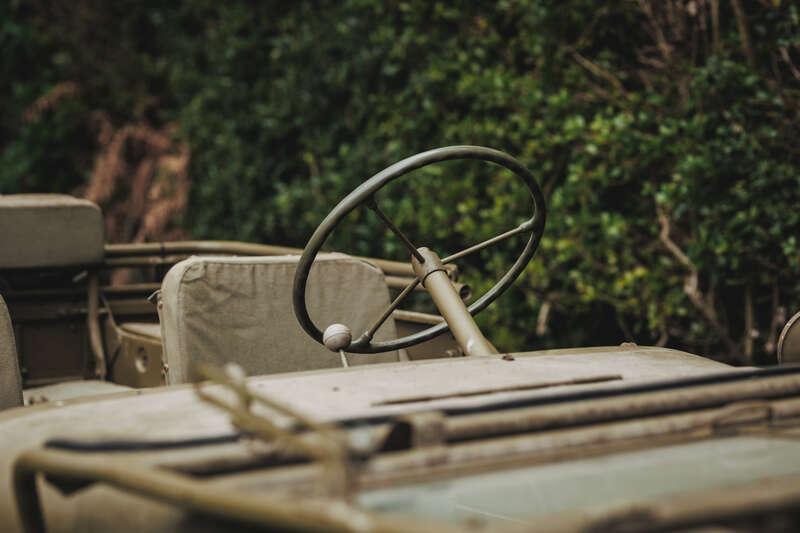
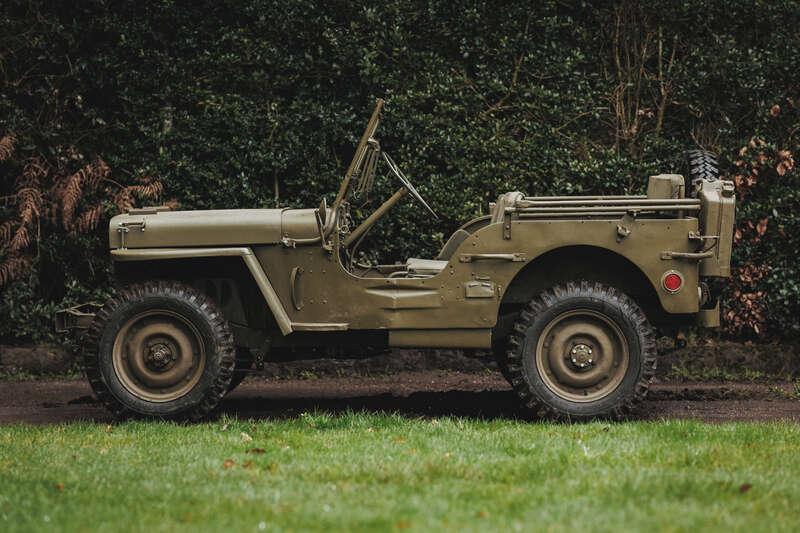
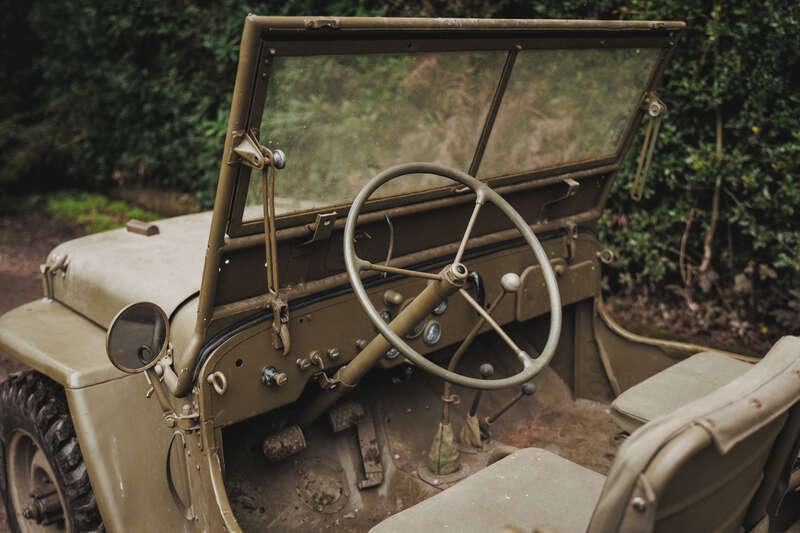
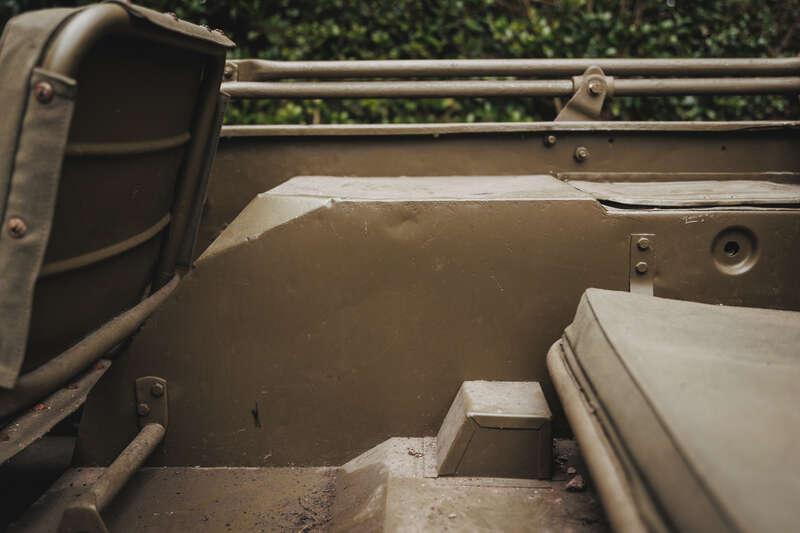
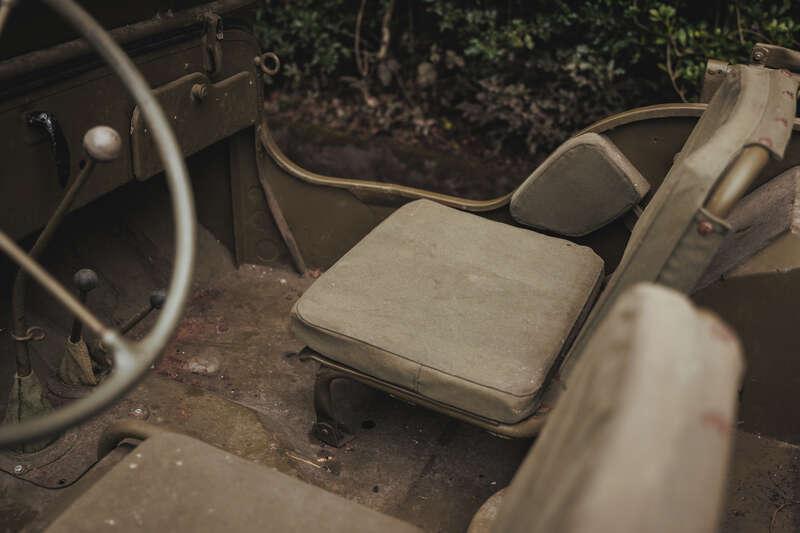
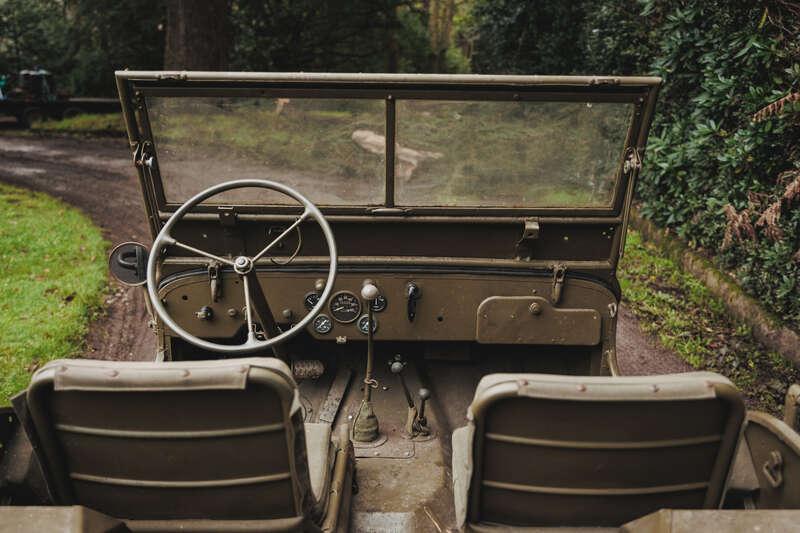
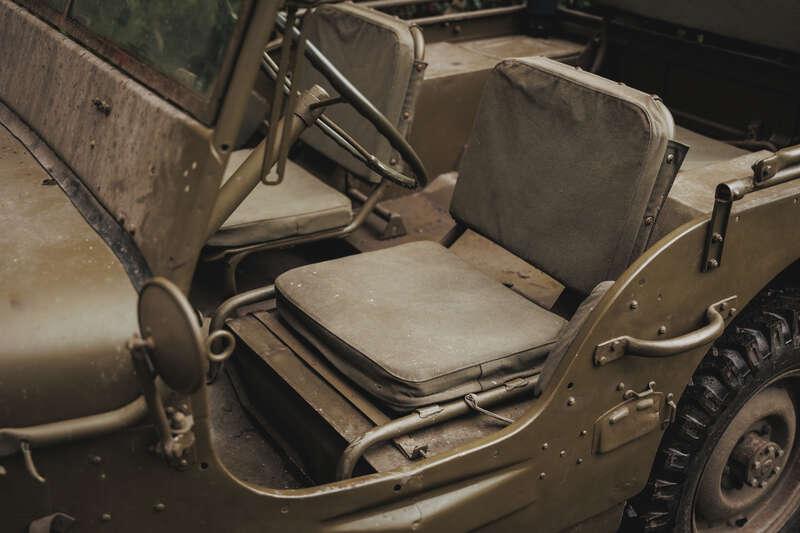
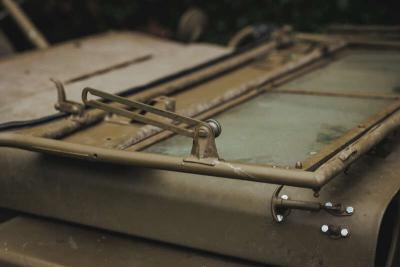
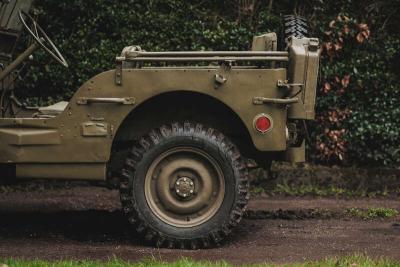
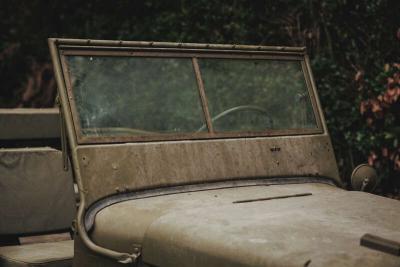
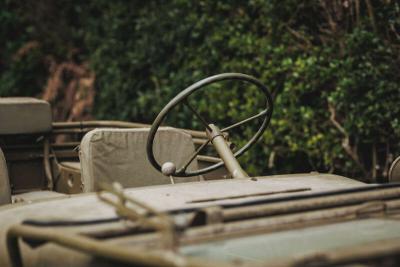
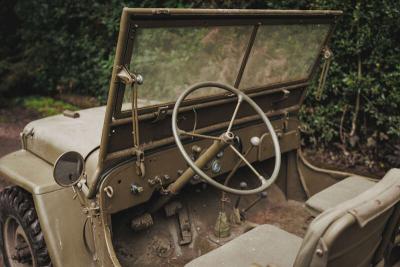
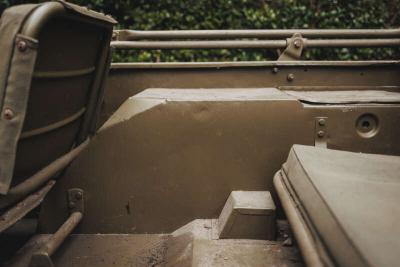
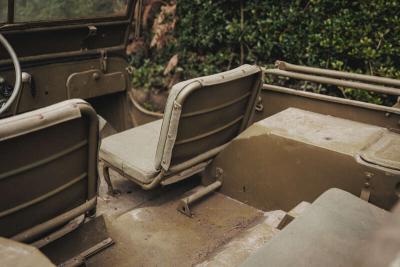
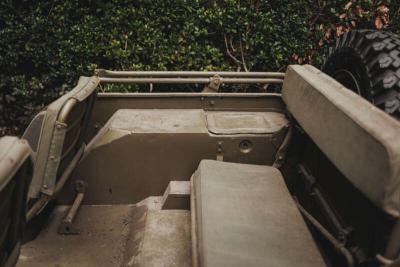
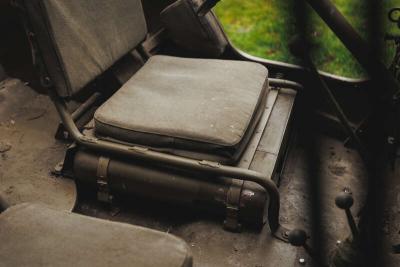
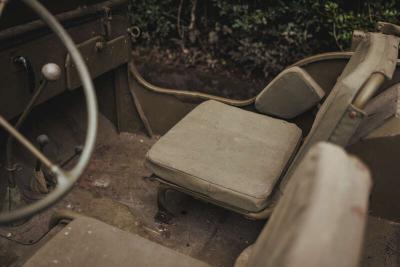
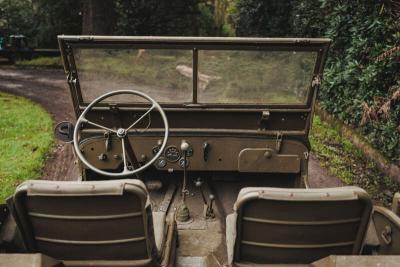
The body was strictly utilitarian, with flat panels, open sides, and seating for four. The folding windshield and removable canvas top gave flexibility for different conditions, while the design’s simplicity ensured rapid mass production. The Jeep could be fitted with a wide variety of equipment, including machine guns, communications gear, and even railway wheels for running on tracks.
More than 277,000 Ford GPWs were built during the war, alongside about 360,000 Willys MBs. Together, they gave the Allied forces a light, reliable, and adaptable vehicle that could serve in roles ranging from reconnaissance and troop transport to ambulance and supply duties. General Dwight D. Eisenhower later described the Jeep as one of the most important tools of victory, alongside the C-47 transport aircraft and the landing craft. The GPW represents not just a historic military machine, but also a symbol of American ingenuity and industrial might during World War II. Its legacy lives on in the Jeep brand and in the enduring concept of the small, rugged 4x4 utility vehicle that has influenced generations of off-road vehicles worldwide.
Today, the Ford GPW is highly prized by military vehicle collectors and restorers. Original examples, with their distinctive 'F'-stamped parts, are especially coveted.
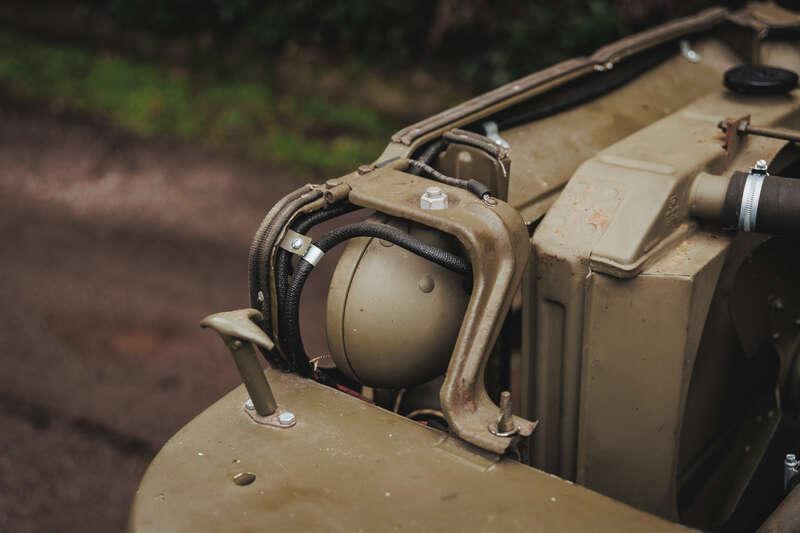
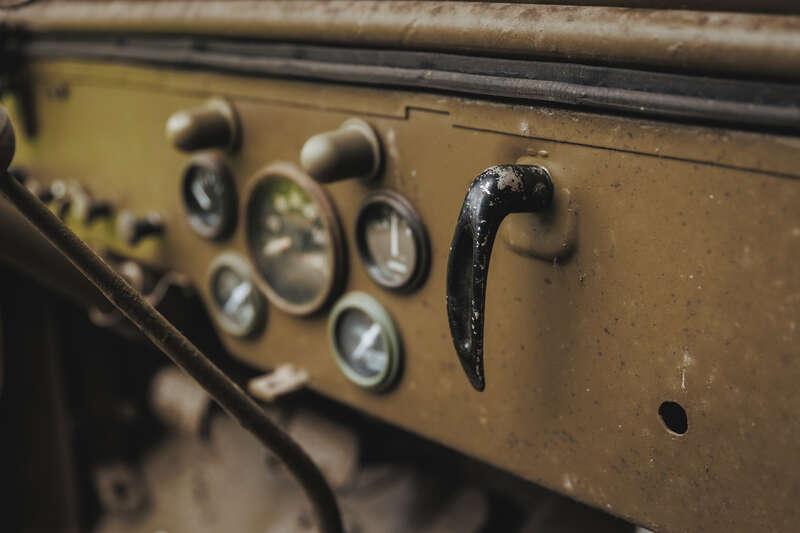
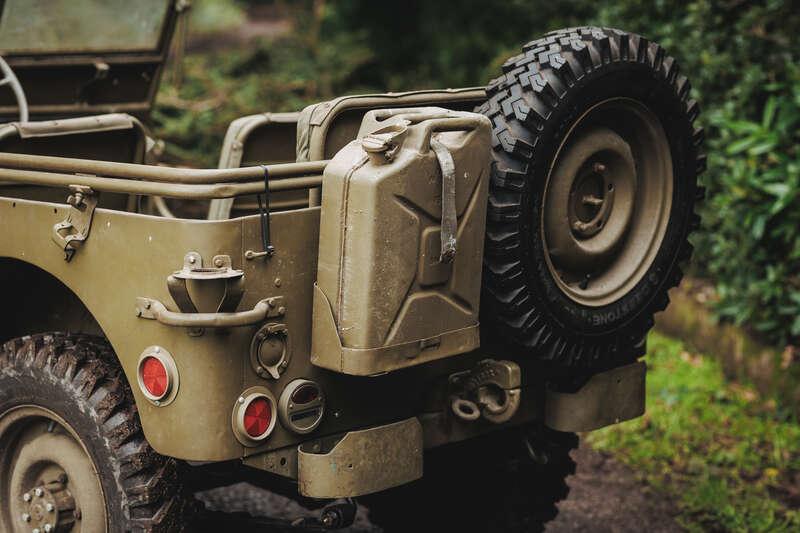
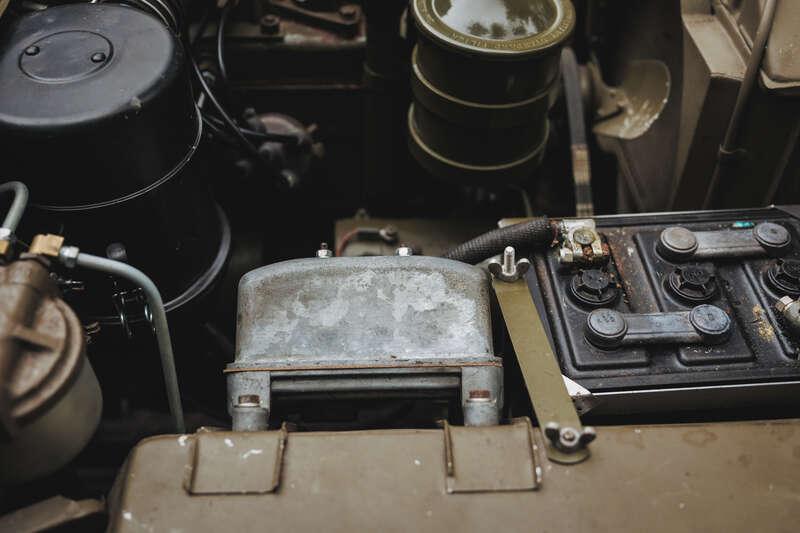
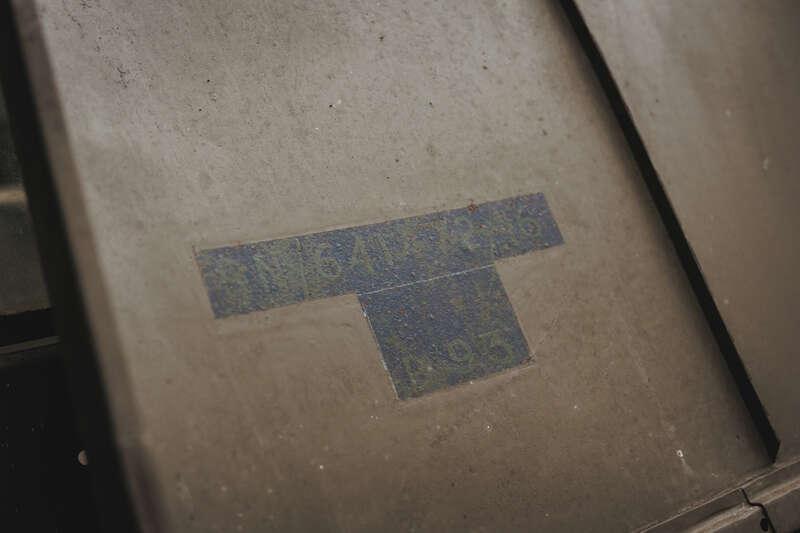
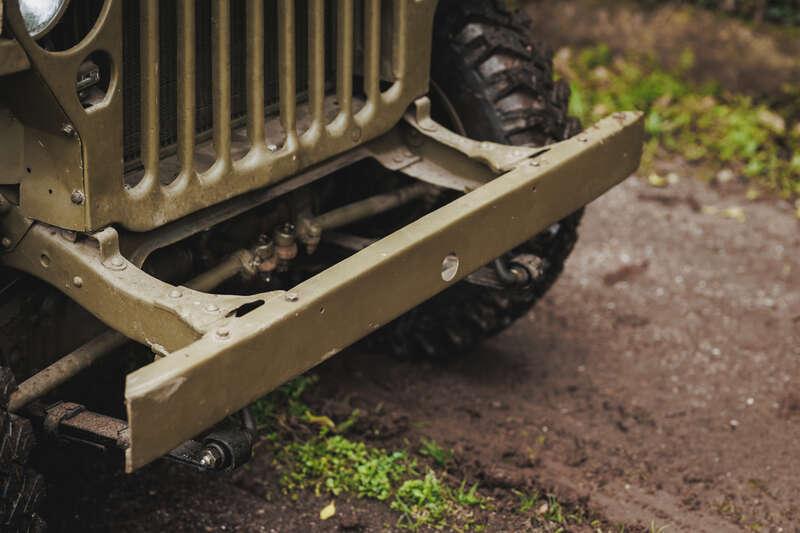
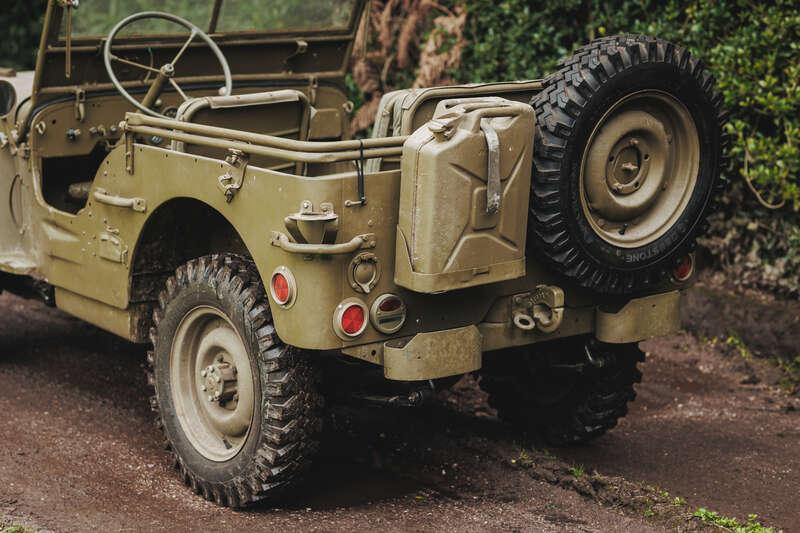
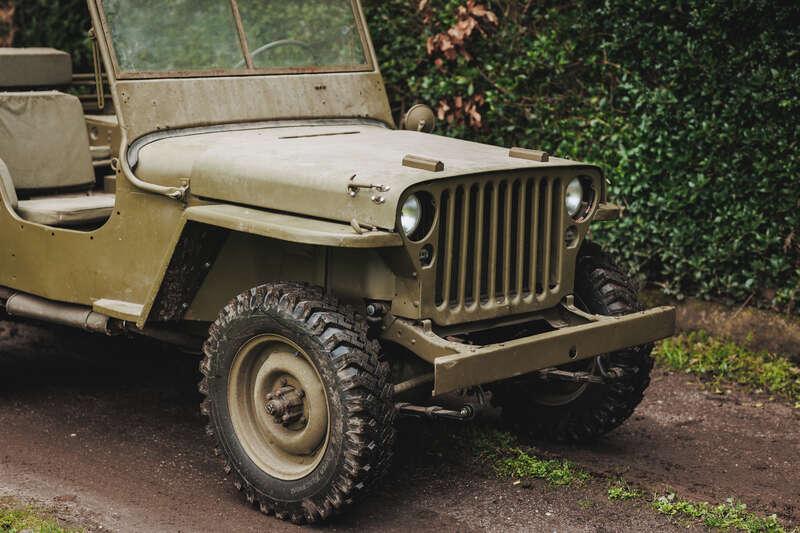
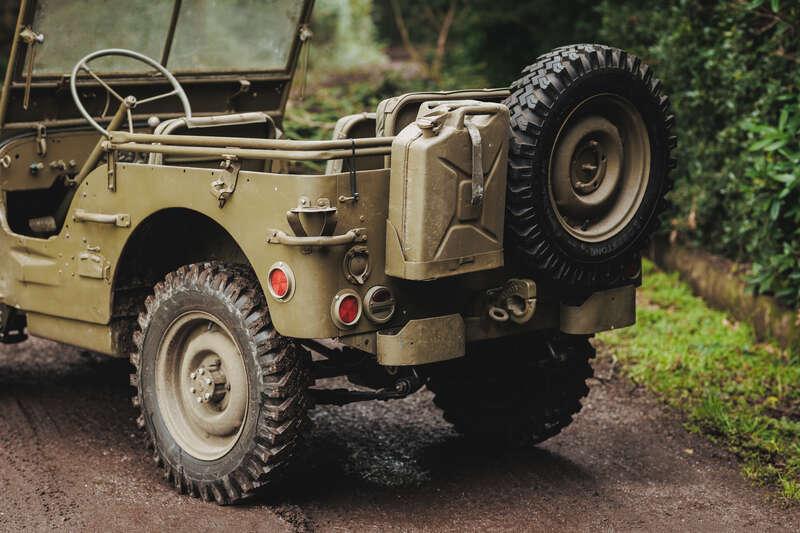
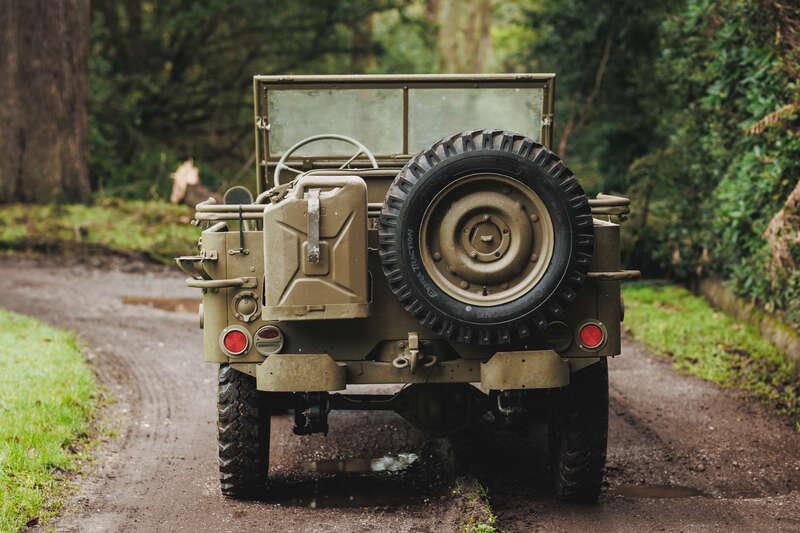
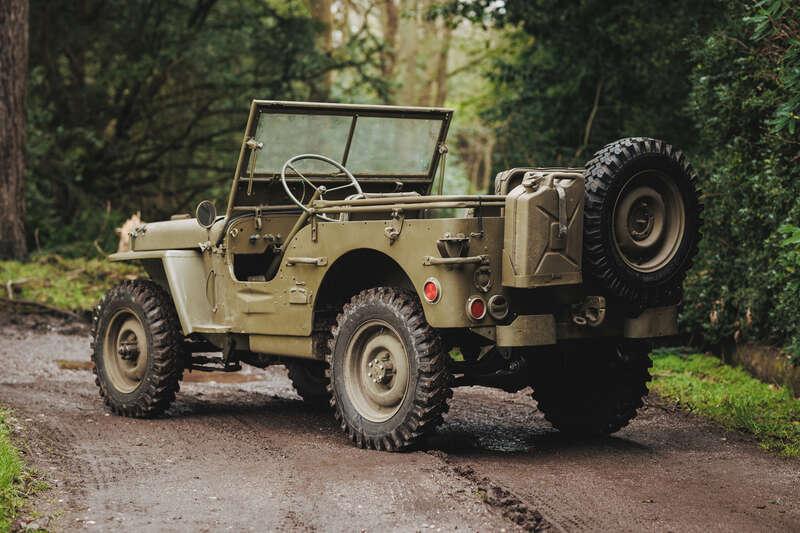
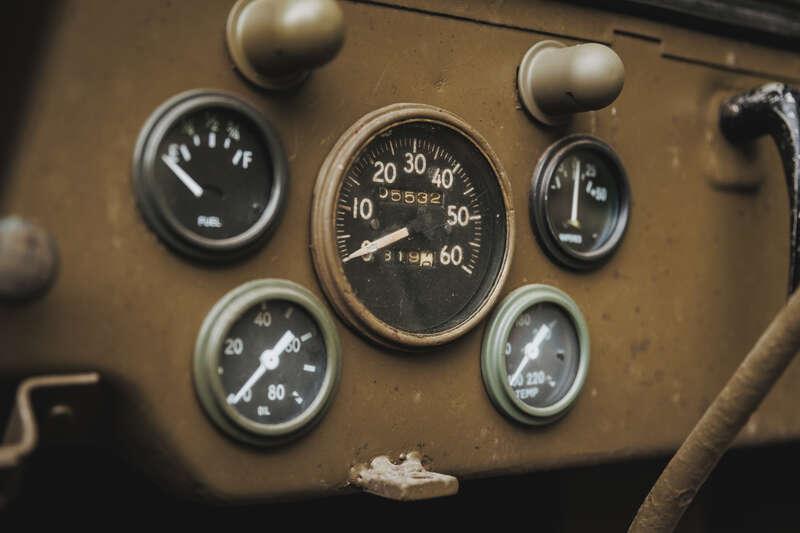
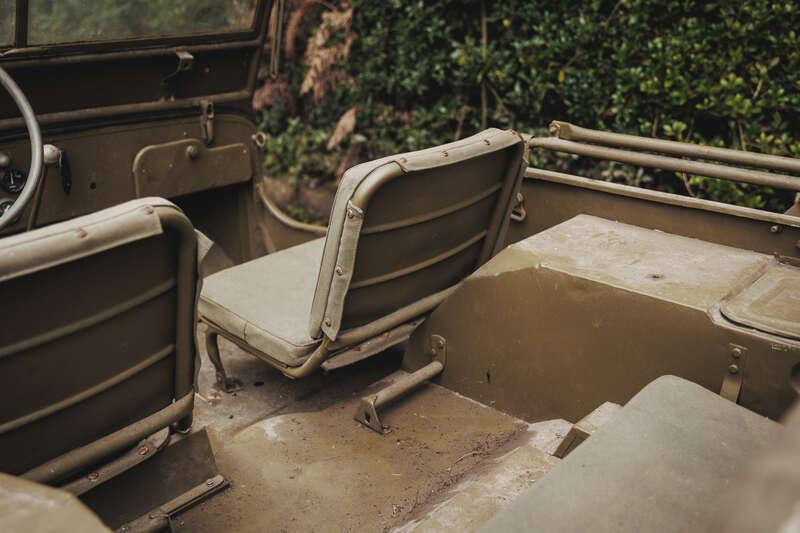
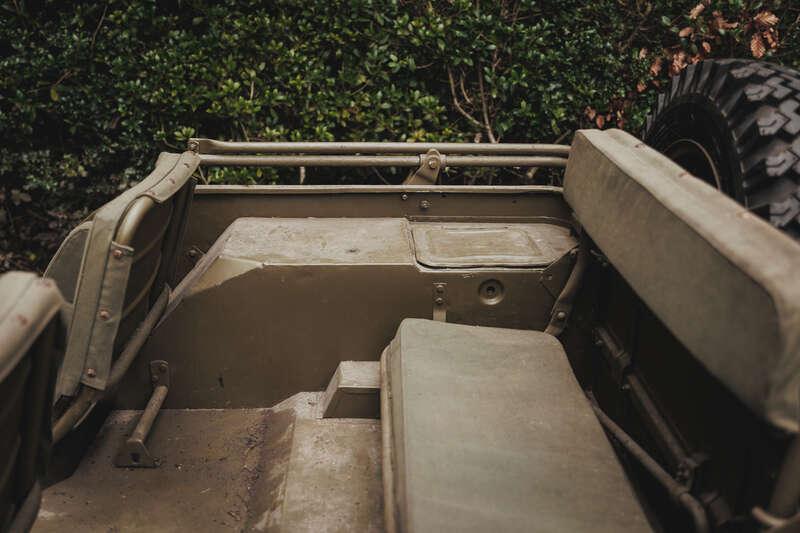
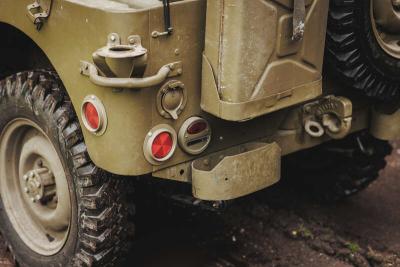
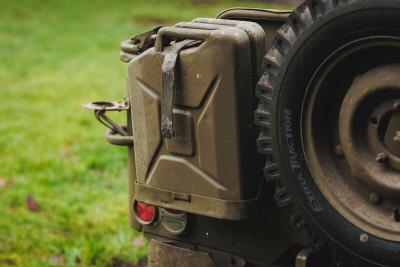
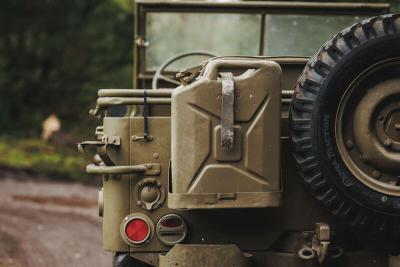
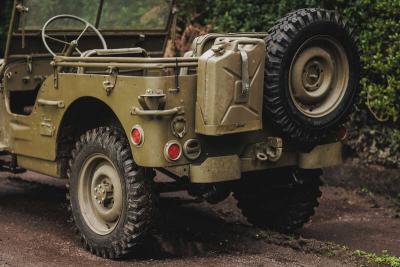
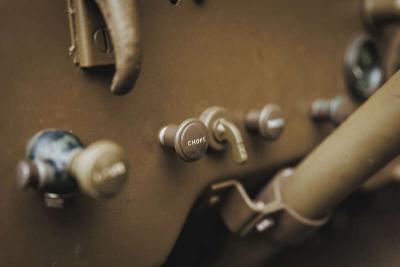
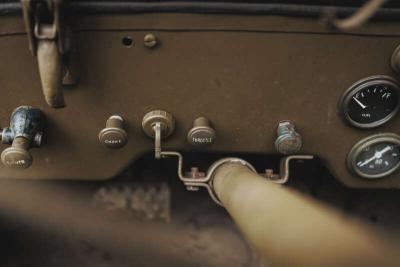
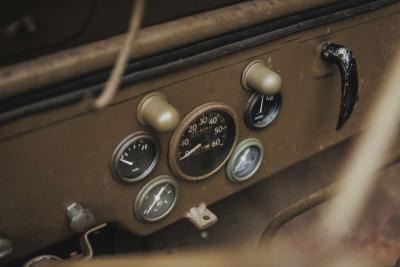
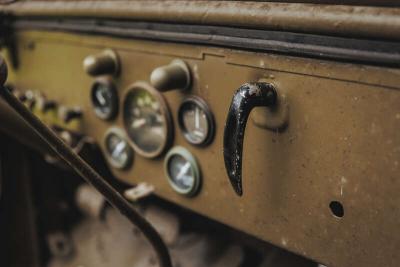
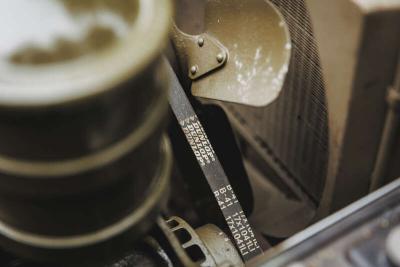
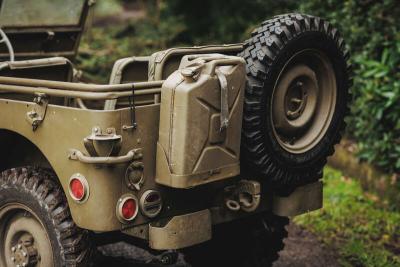
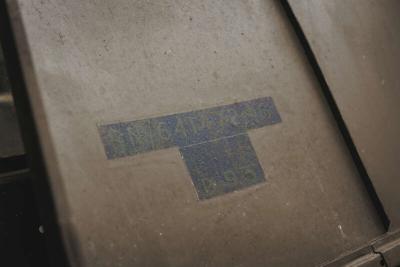
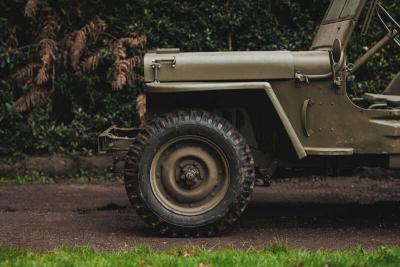
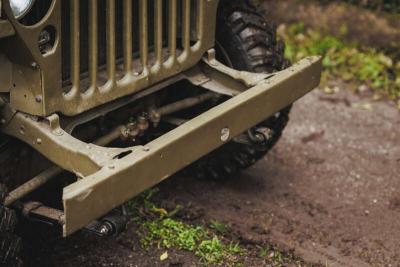
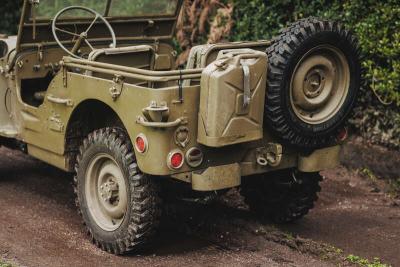
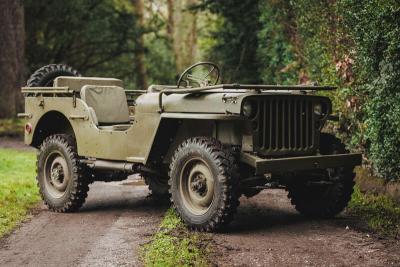
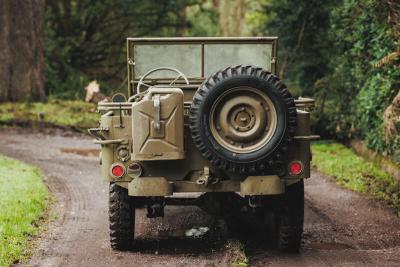
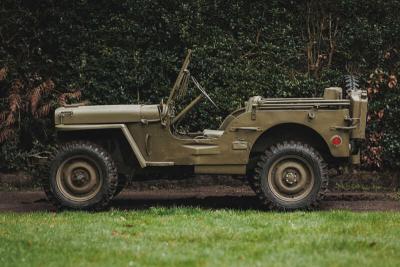
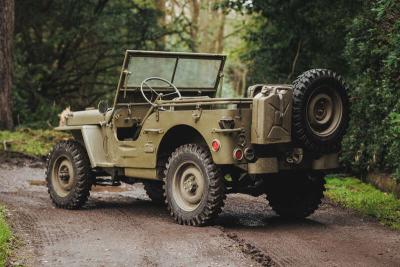
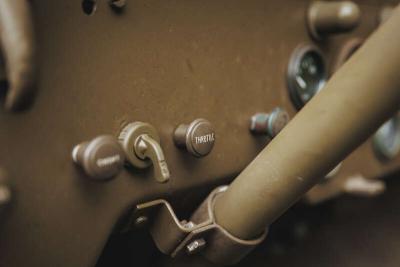
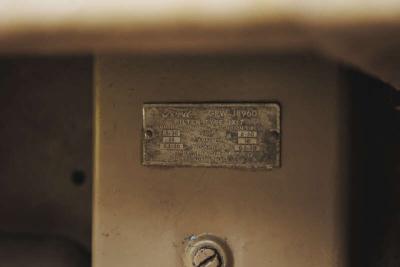
The vehicle presented here is a 1943 Ford GPW 'Willys' Jeep (chassis #GPW-I48242), which, according to the reference books, was manufactured in October 1943. We understand that it was most likely utilised by The Royal Navy, presenting an original identification alphanumeric under its bonnet of RN/641472/16 and B93, which will require further investigation. It is, perhaps the non-military or civilian life that it has lead that is so interesting and captivating.
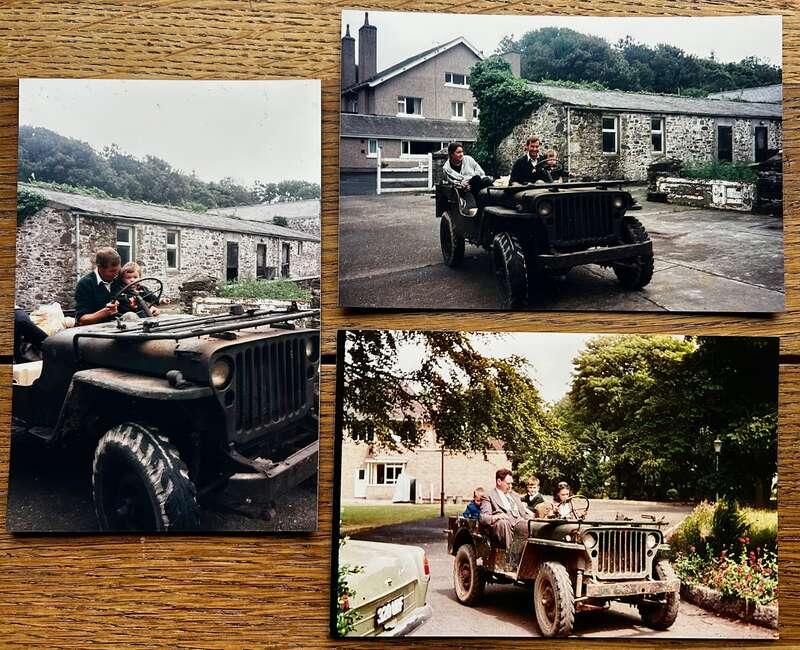
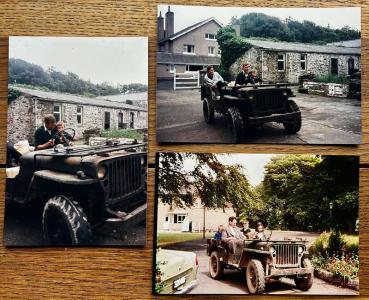
We are informed by our vendor that her father, an astute businessman, required the use of a lorry in 1957 to convey his workers to the various quarry sites that he operated around the Midlands. With the supply of affordable lorries being limited in post-war Britain, he instead attended a local auction with the aim of buying a more cost-effective ex-Army surplus troop carrier lorry for the job in-hand. He bid on the troop carrier and bought it but couldn’t resist also buying two ‘Army’ Jeeps and several Bantam motorcycles, still in their crates, being left-over in this state after the war. He ended up giving the Bantams to his employees and sold on one of the Jeeps. The other Jeep he kept, with it being used continually on their country estate, his children learning to drive in it (and shoot rabbits from it), as part of the family for the next 70 years. A remarkable connection with one family and a vehicle.
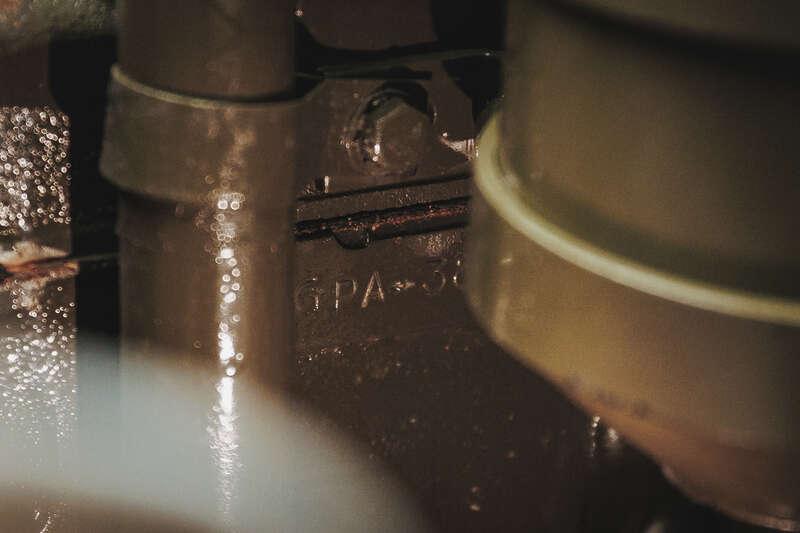
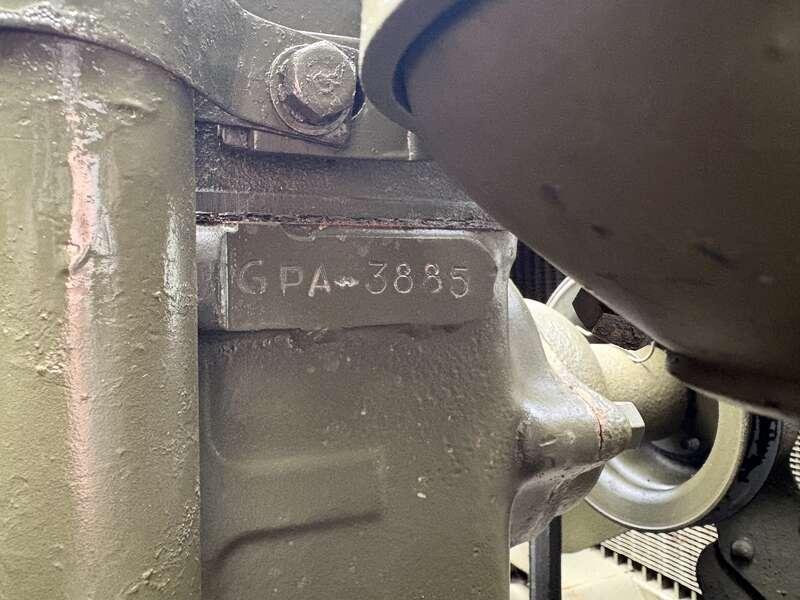
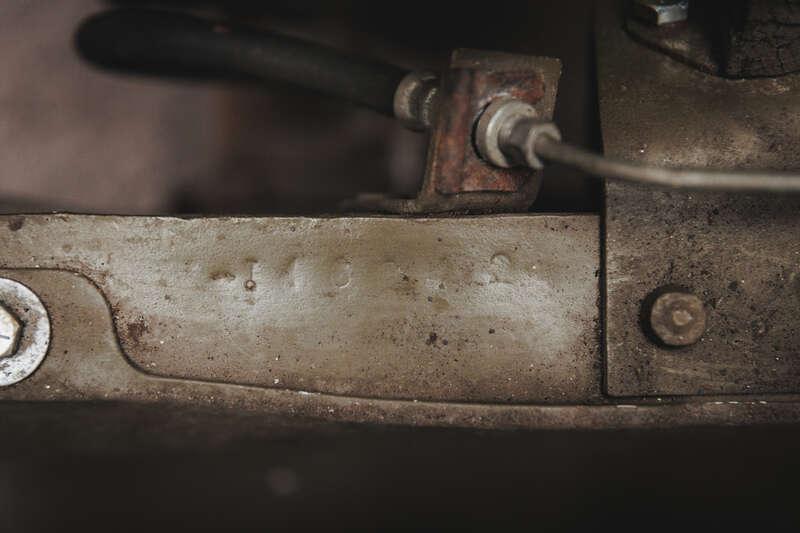
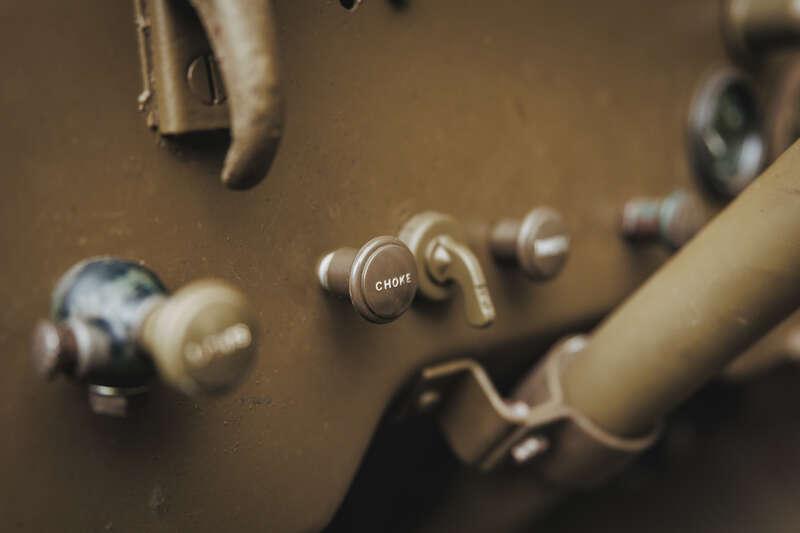
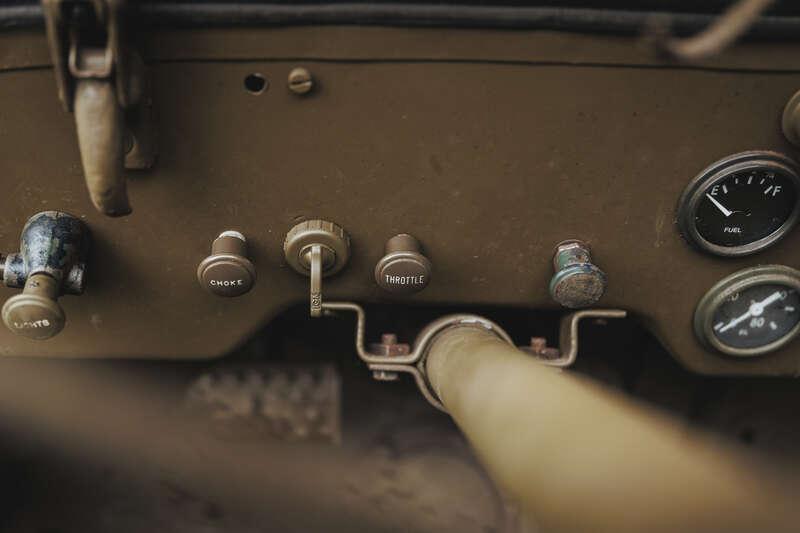
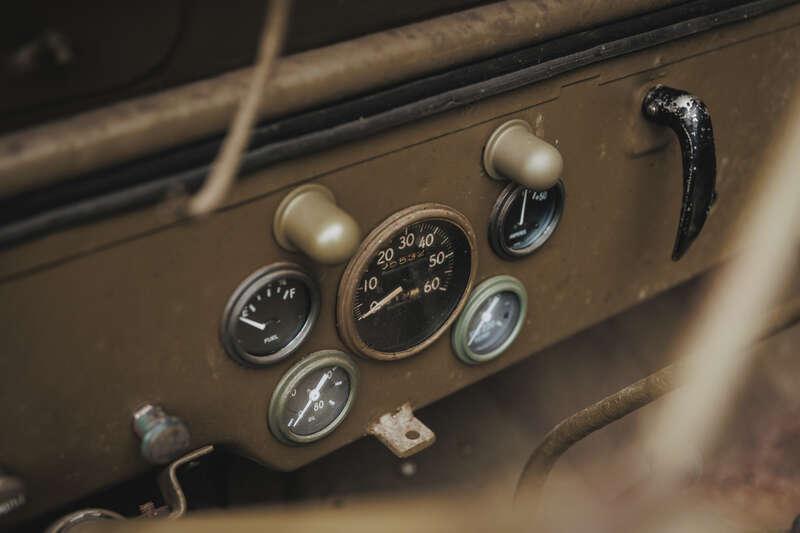
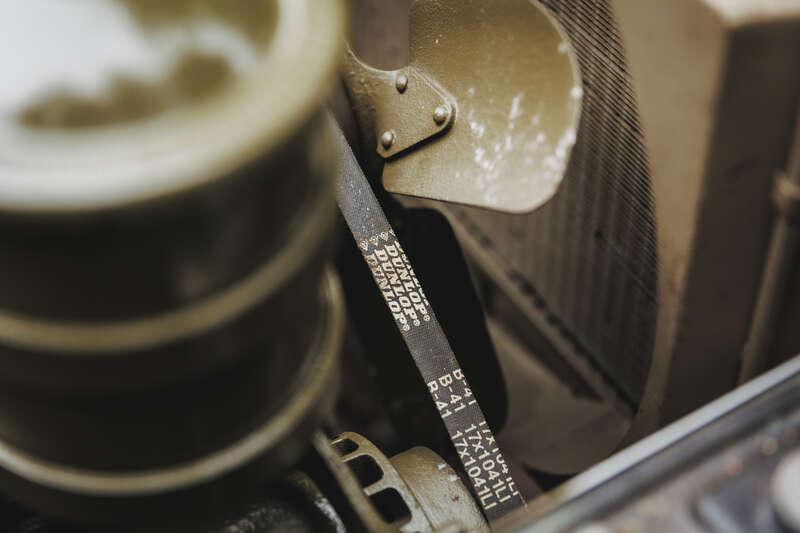
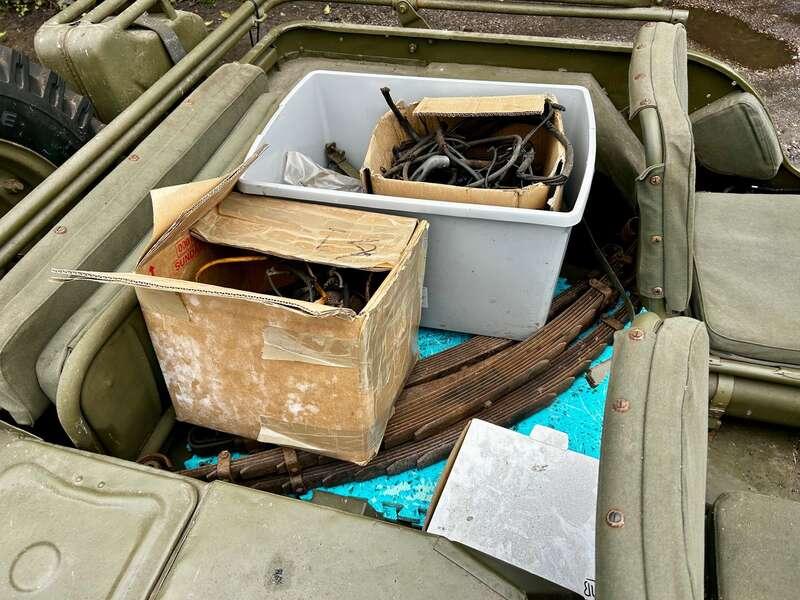
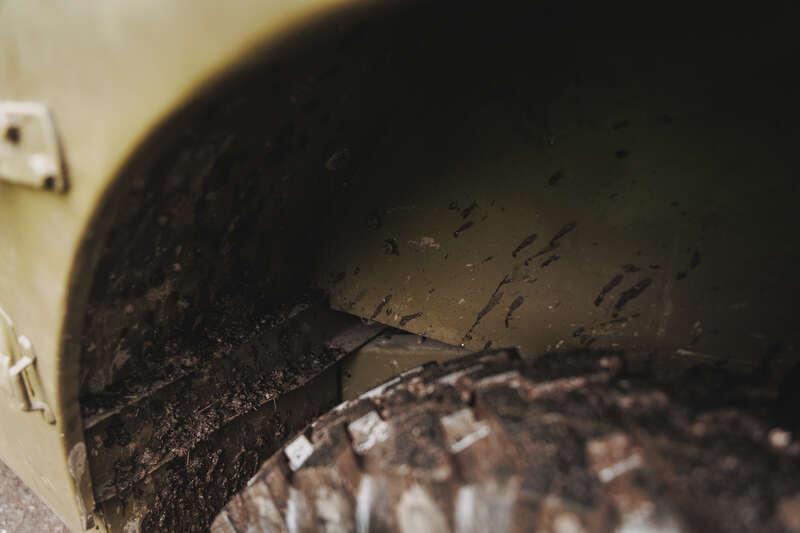
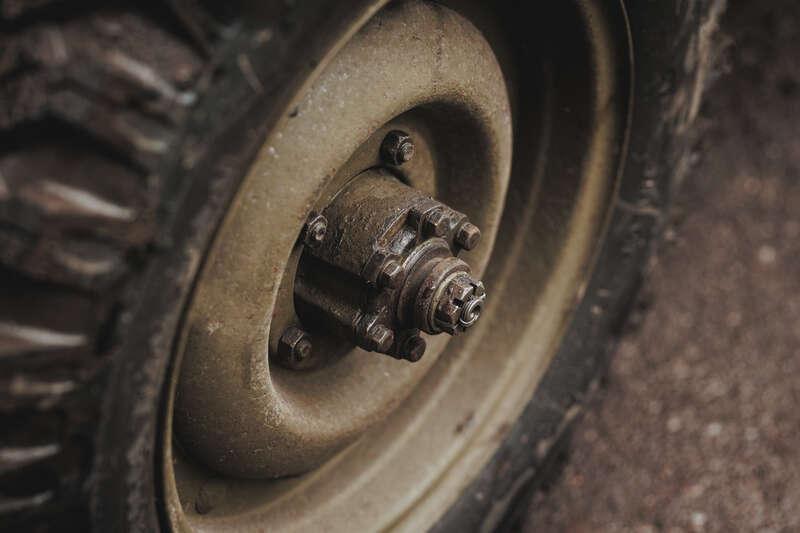
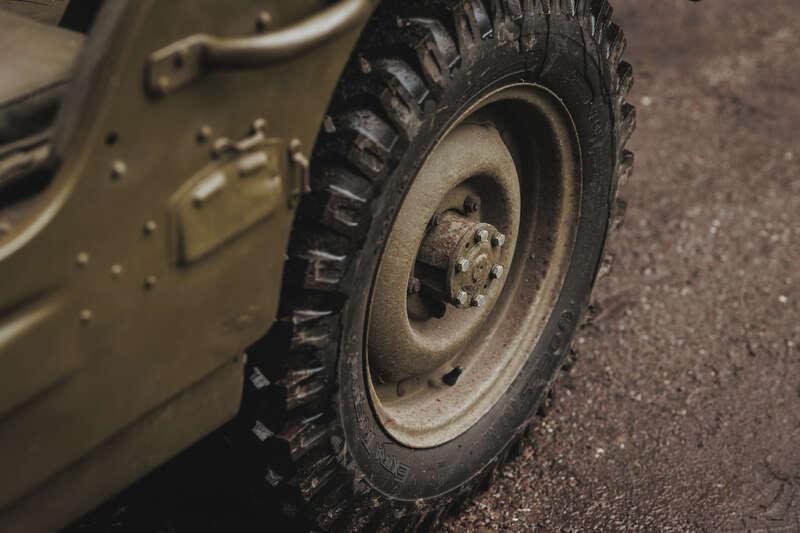
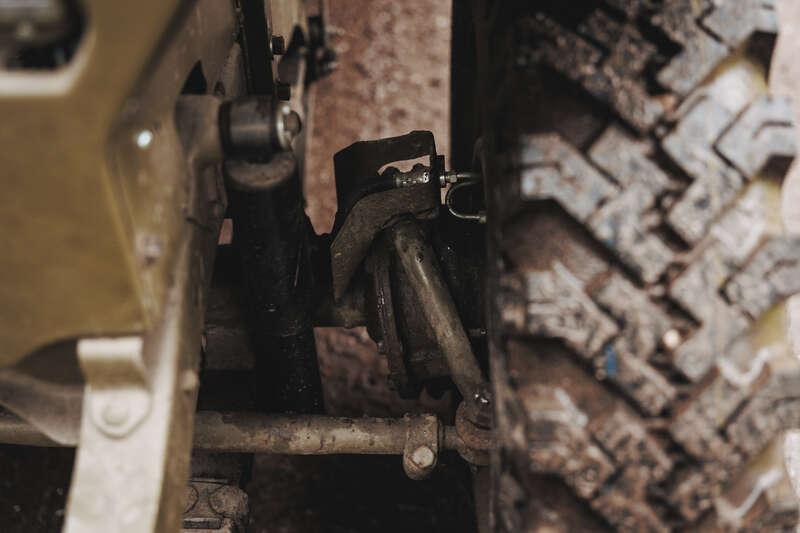
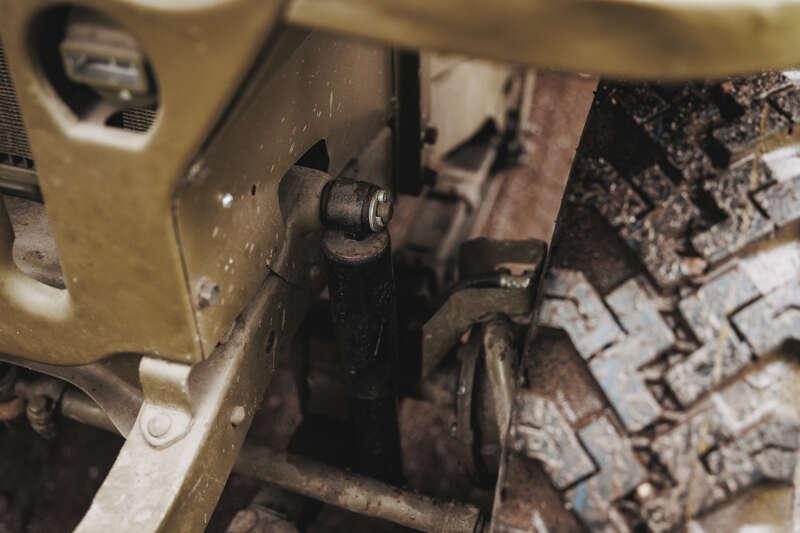
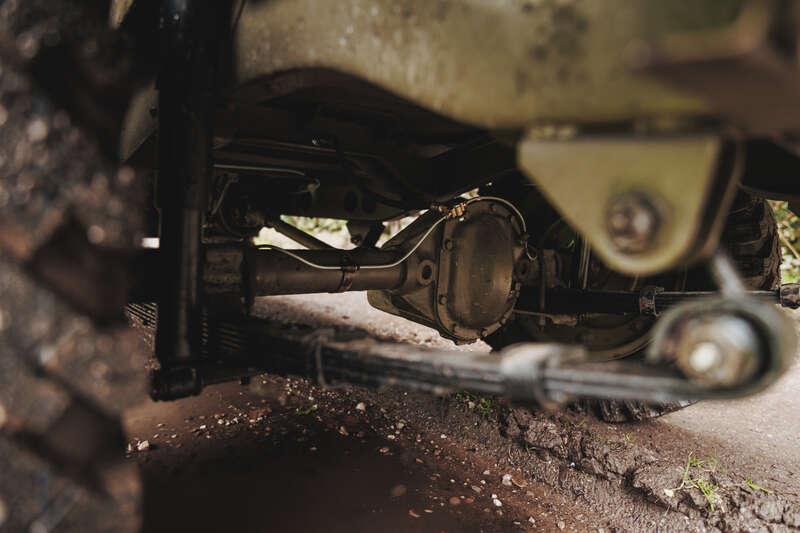
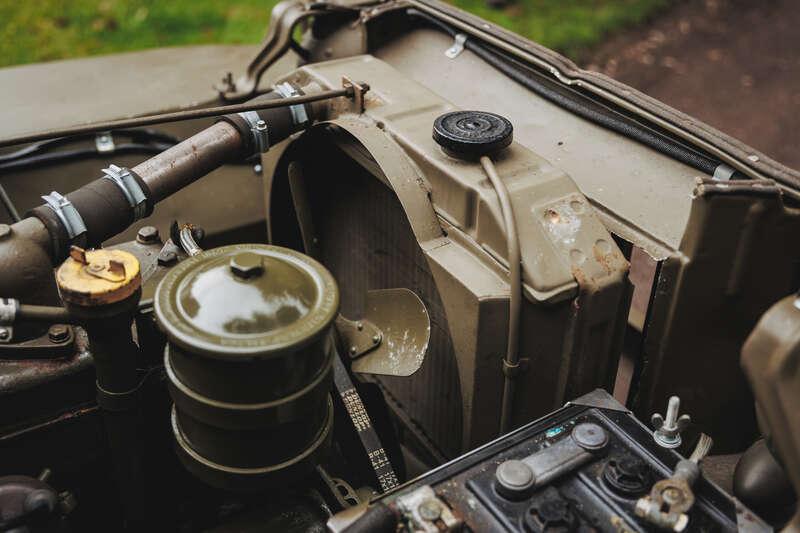
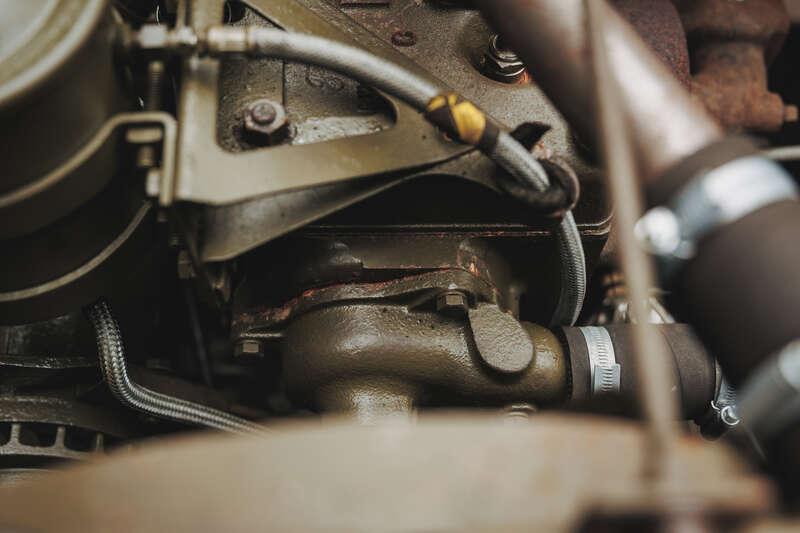
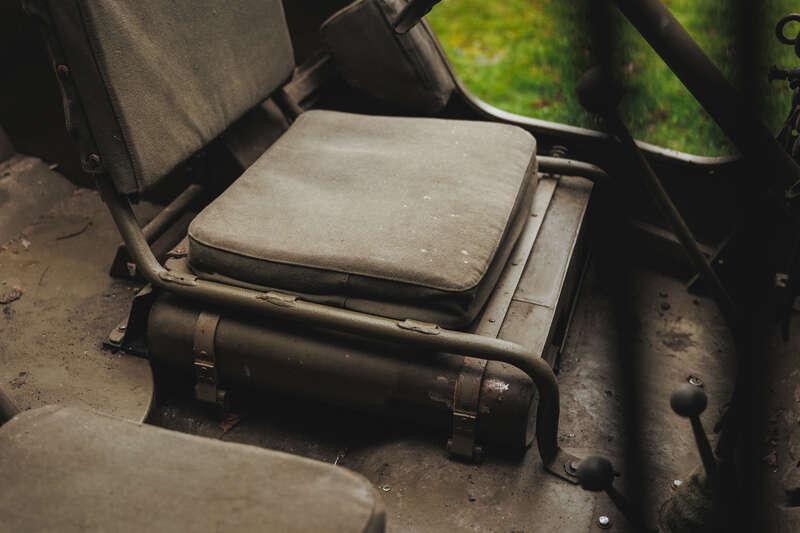
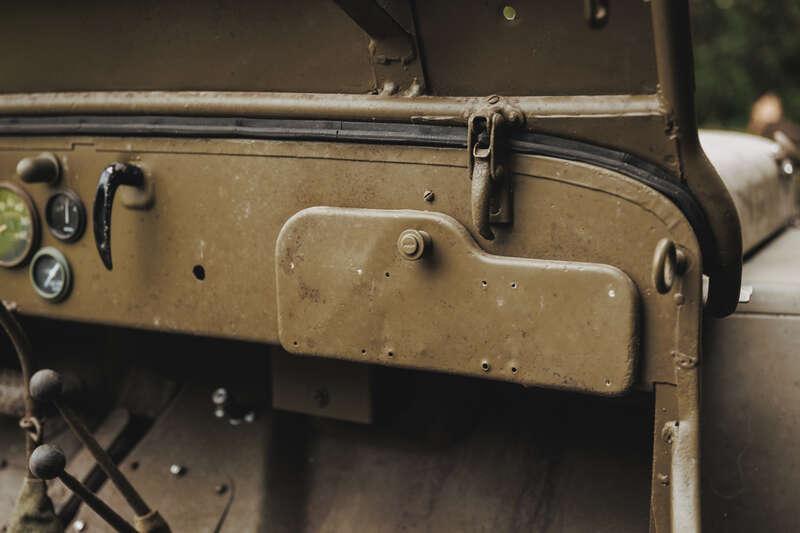
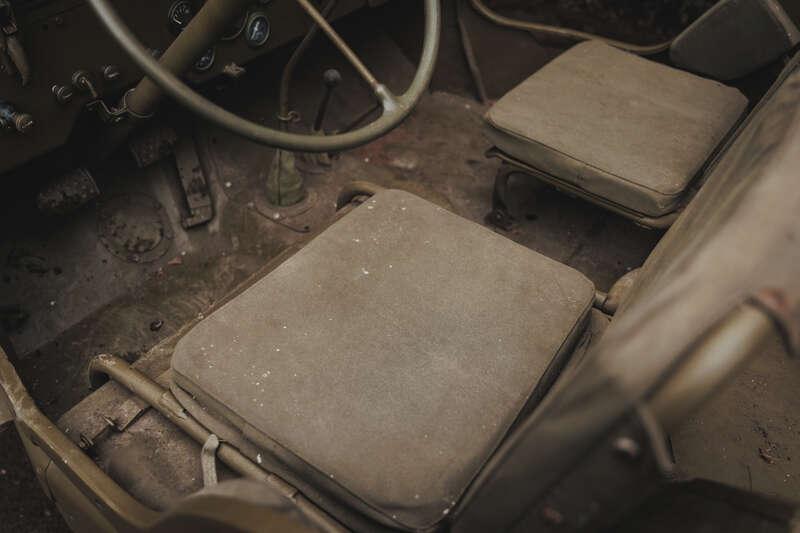
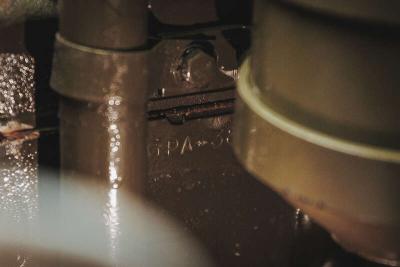
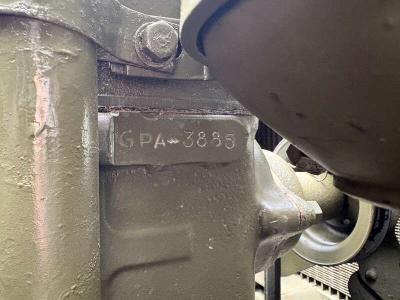
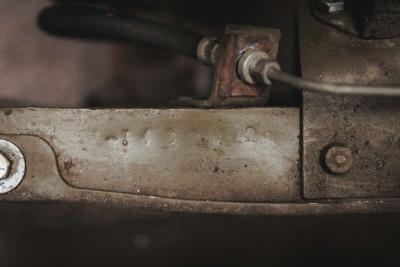
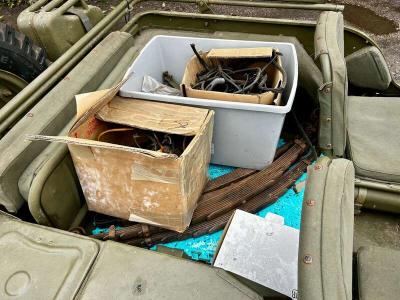
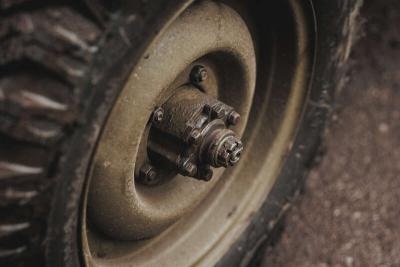
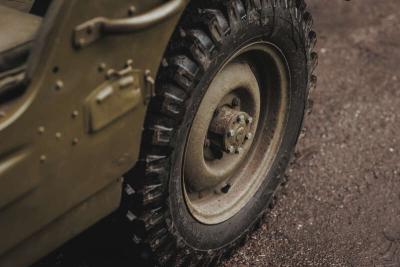
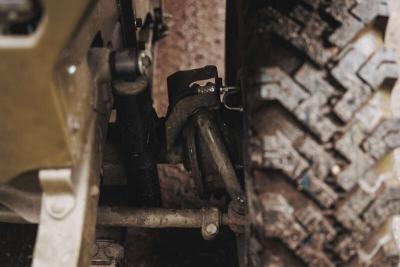
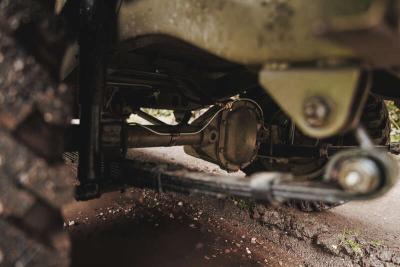
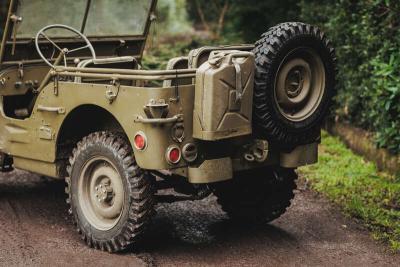
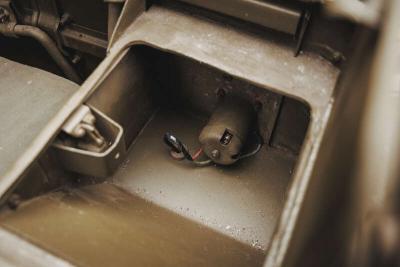
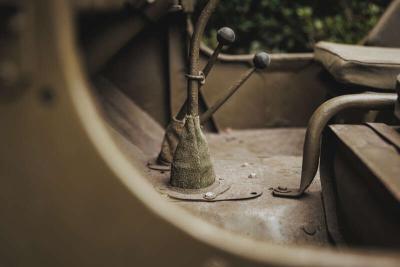
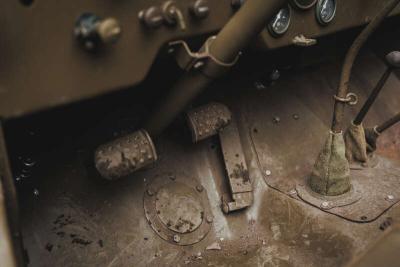
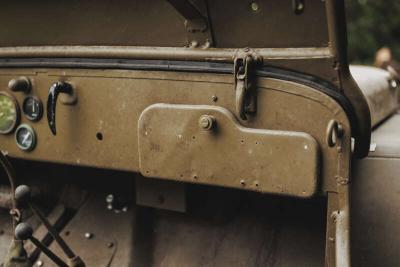
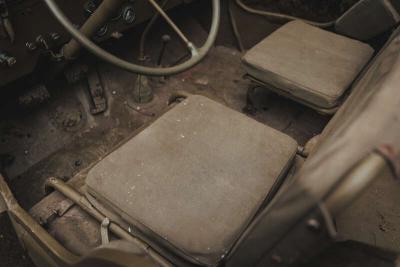
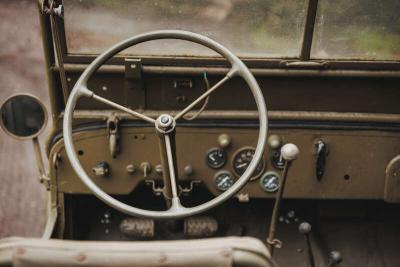
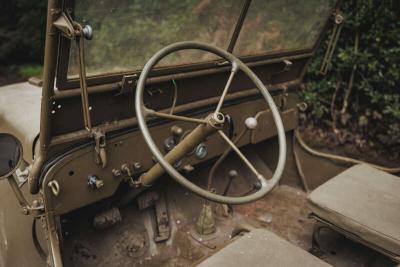
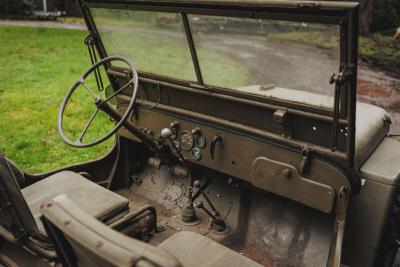
We understand the chassis to be original – indeed, its stampings are still present, the engine (#GPA-3885) is also known to the family as being original to the vehicle, whilst likewise, the bodywork is believed to be similarly original. Over the years, in more recent times, the Jeep has been treated to some chassis/bodywork recommissioning (between 2011-2018 by KD Motor Engineers of Warrington, £19,407, with accompanying photos), also to the suspension and interior, plus work (March/April 2024, £4,780) done by marque experts Dallas Auto, the WWII Jeep, MS01 and Dodge Specialists of Berkshire. Any original but tired/replaced parts have been retained (photo attached) for integrity and will accompany the Jeep. Its ‘Go-Devil’ engine has recently been rebuilt (17th June 2025 by EngineTech of Worcestershire, costing £3,600) and now runs extremely sweetly, having only been used around the estate for a handful of miles; the Jeep has never been road-registered, ensuring that limited miles have been covered. There is a plethora of invoices for all of this work, in its accompanying history file.
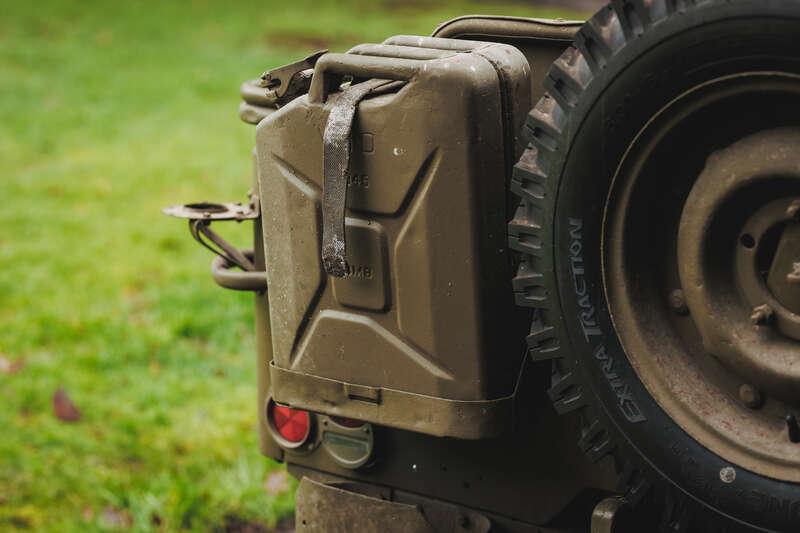
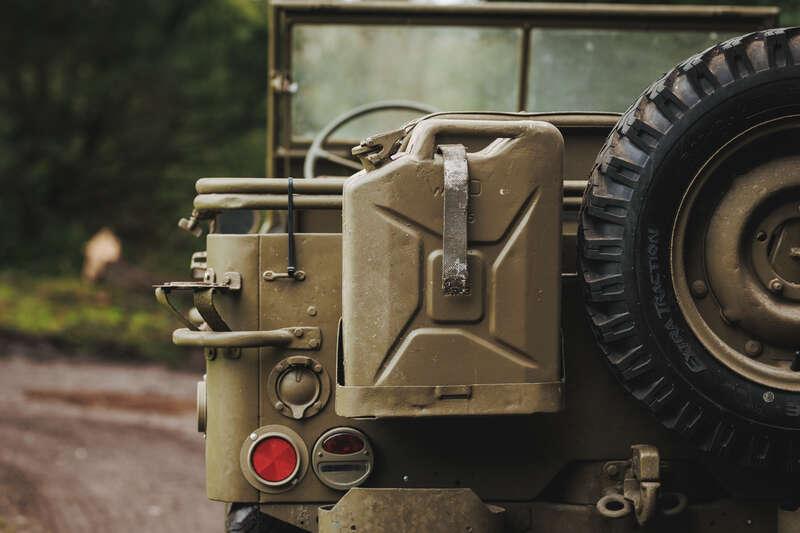
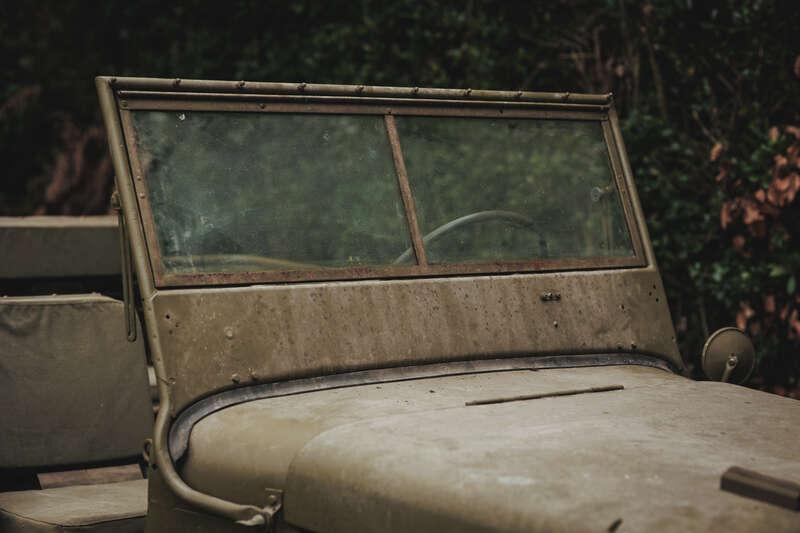
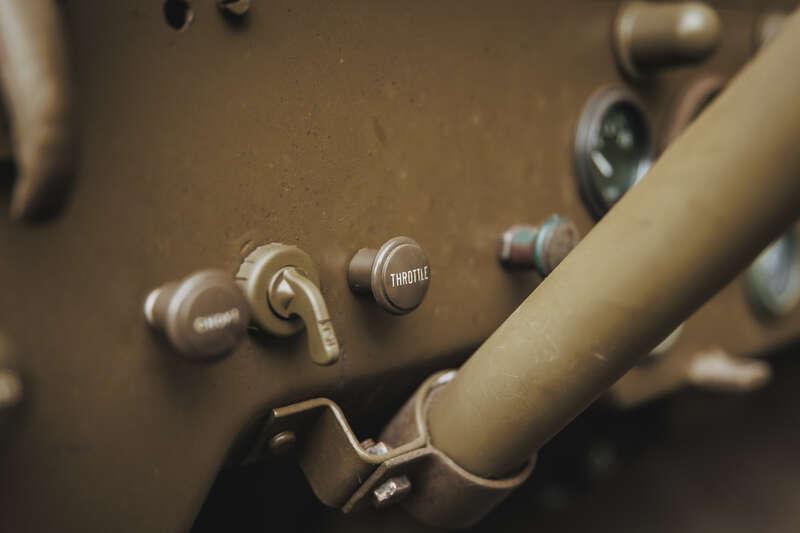
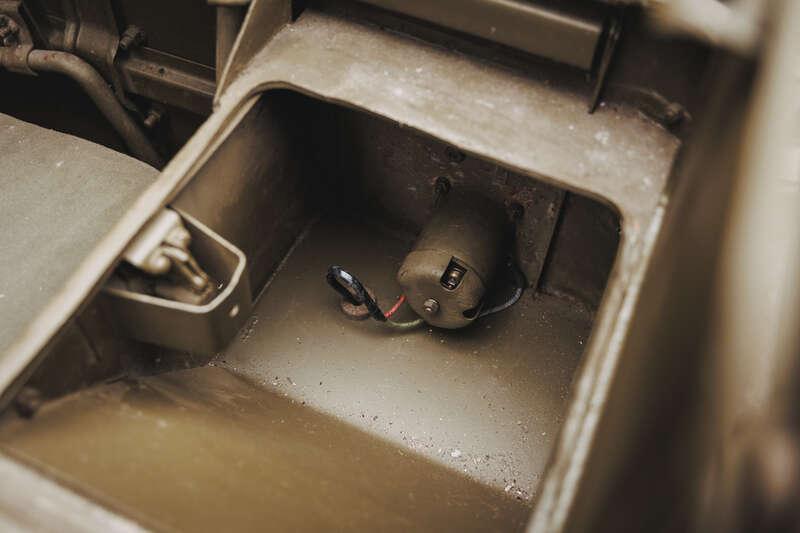
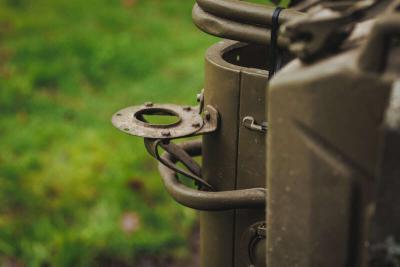
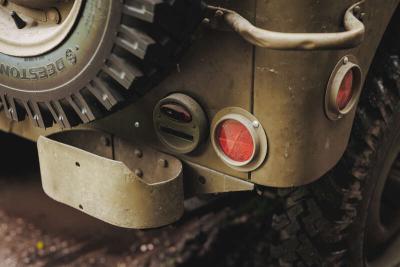
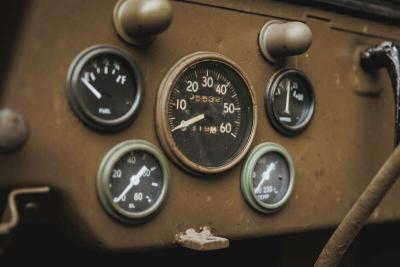
There are numerous in-period images (photos attached) of this Jeep being enjoyed by the family, which give any potential buyer a real insight into how cherished, unspoilt and wholesome this characterful vehicle is. This is not perhaps a ‘show or re-enactment-ready’ Jeep, and lacks some finer details/attachments, but these authentic and correctly-dated items can be acquired and fitted, to complete the aesthetic, if any new owner wishes. What there is though, is real integrity, a connection, a survival and a remarkable existence of a utility vehicle that became anything but, it has been a part of family life, and for a very long time; it is hoped that it can now go on to be similarly enjoyed by an enthusiast, it certainly deserves to be.
Contact Us
