






























































































Estimated Price: £30,000 - £35,000
The Jensen Interceptor is one of most striking and capable British GTs ever built. Unveiled in 1966 at the London Motor Show, it catapulted Jensen into the upper echelons of the sportscar manufacturers. The Interceptor was styled by Touring of Milan and, initially, the bodies were built by Vignale in Italy before Jensen switched production to the UK.
However, undoubtedly, the technical star of the newly disclosed range was the Jensen FF. With the same stunning new styling as the Interceptor, its specification incorporated a four-wheel drive system and anti-lock four-wheel disc brakes, the world’s first performance car to do so, ensuring Jensen was the absolute sensation of the show.
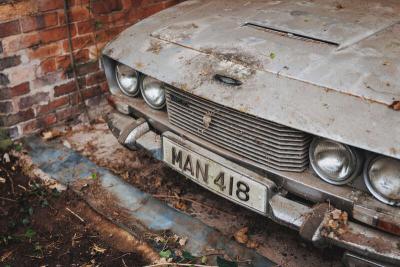
The FF is closely related to the Interceptor, and is often mistaken visually as one, however, the FF is quite a different car, as it needed to accommodate the front axle and transfer box for the four-wheel drive system, requiring a different chassis design with a longer wheelbase. More obviously, the FF is also distinguished by having slimmer twin vents in the front wings (as opposed to the single vent of the Interceptor) and a bonnet bulge/scoop. Closer examination to the front and sides of the FF reveals differences in the front panel, headlamps, grille, wing shape and bumper. From the A pillar to the rear the car is the same as the Interceptor except for a larger transmission tunnel to accommodate the transfer box and centre differential.
‘FF’ stood for Ferguson Formula, the four-wheel drive system developed by Harry Ferguson for racing cars, that split the torque unequally between the front and rear wheels, a proto-Audi Quattro, if you like, with the FF predating the Quattro by nearly 15 years, making it a remarkable technological achievement and resulting in sure-footed handling, especially for such a big GT car.
This combined with Dunlop Maxaret anti-lock braking system, unnervingly good compared to other cars of the era, which is incorporated into the master differential and senses differences between the speeds of the front and rear wheels, altering brake servo vacuum electrically to release braking assistance. When the speeds equal, servo assistance is reapplied and the cycle starts again, pulsing being felt by the driver through the brake pedal.
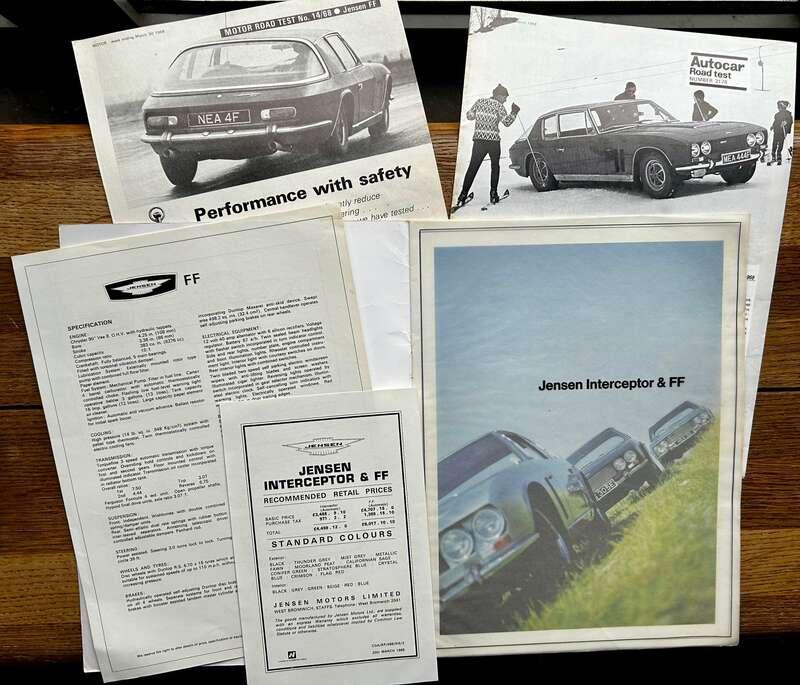
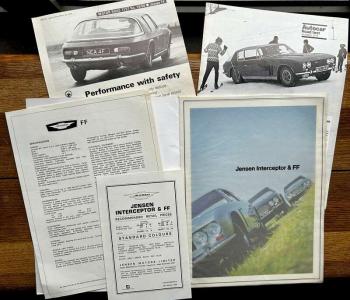
Unsurprisingly, road tests of the time heaped praise on the handling and safety of the FF, proclaiming it to be the world’s safest car and in 1967 Car magazine bestowed the FF with the ‘Car of the Year’ award, based on its outstanding technical ability.
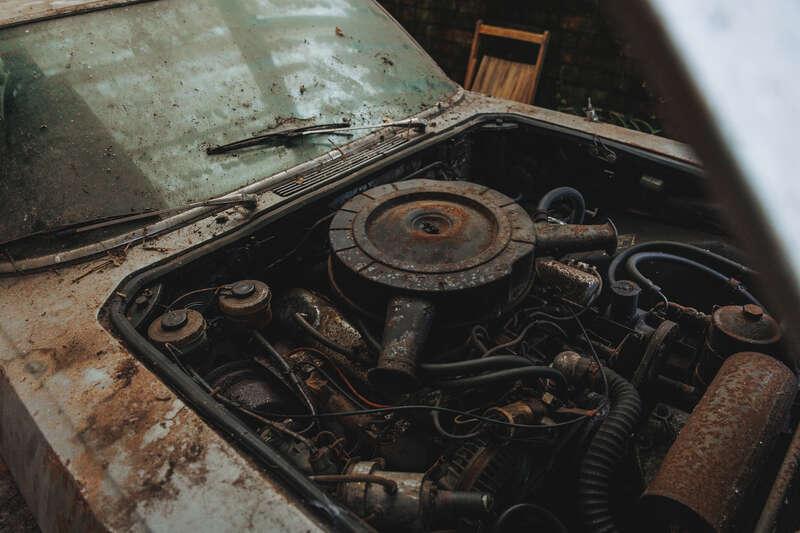
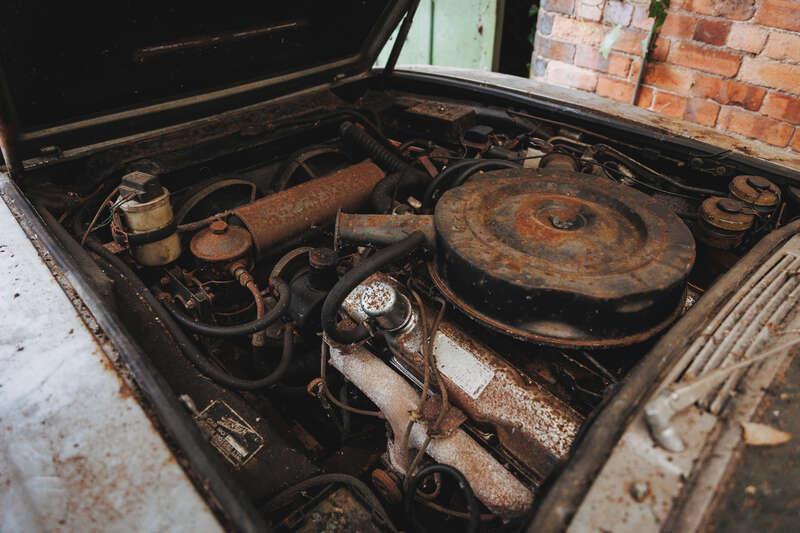
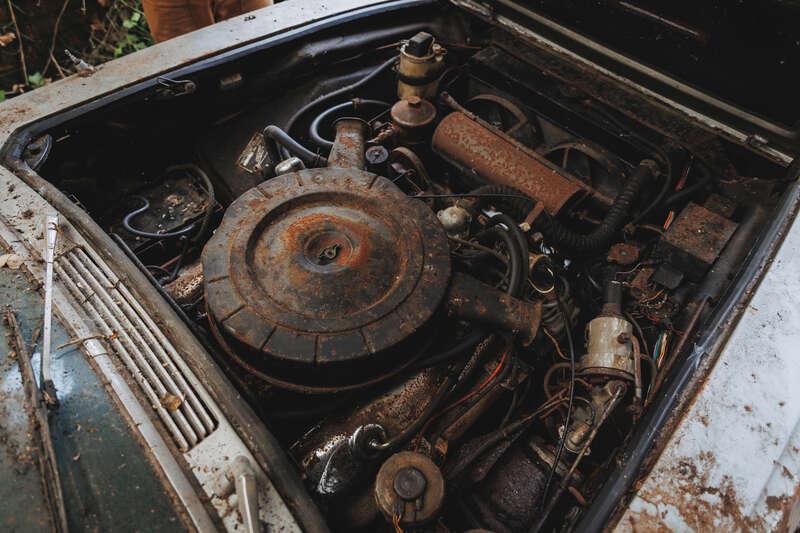
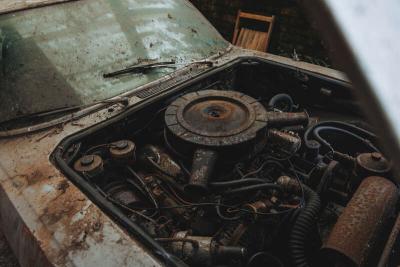
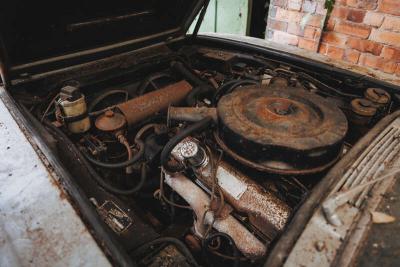
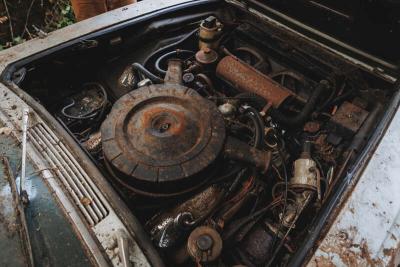
The FF utilises a 330bhp Chrysler 383ci (6,276cc) V8 engine and a Torqueflite 3-speed automatic gearbox, the latter having a master differential and chain driven transfer box mounted in place of the original output shaft. The torque output is split 37% to the front differential via a drive shaft down the left-hand side of the engine and 63% to the rear axle. The independent front suspension is unique to the FF with double wishbones, each side having twin coil springs and shock absorbers situated either side of the drive shaft. Constant velocity joints are used on the front driveshafts, the differential housing being fixed to the chassis.
A total of just 320 FF models were produced keeping in line with Interceptor development mainly in MkI and MkII body-styles, including a small number of MkIII cars, up until December 1971 when the FF was replaced by the two-wheel drive SP as the company flagship. Despite its advanced technology, the FF cost 50% more than the standard Interceptor, limiting sales. Today though, they’re exceptionally rare and much sought-after, especially to the British sportscar cognoscenti.
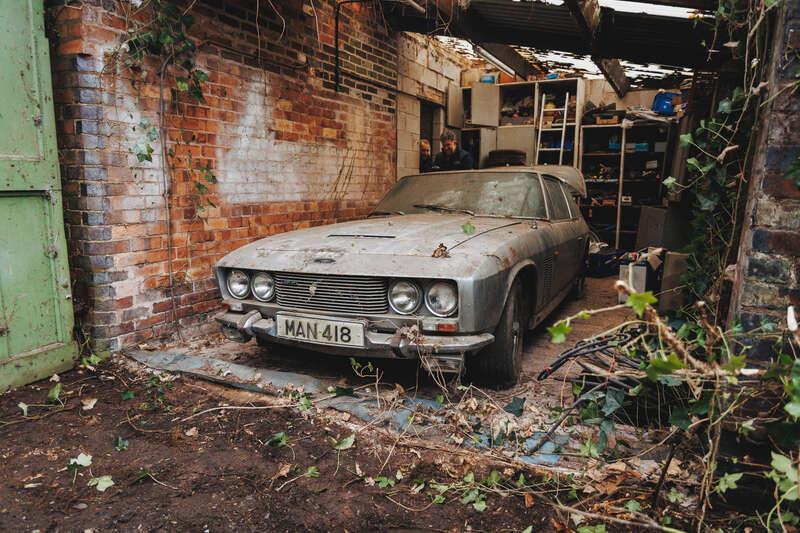
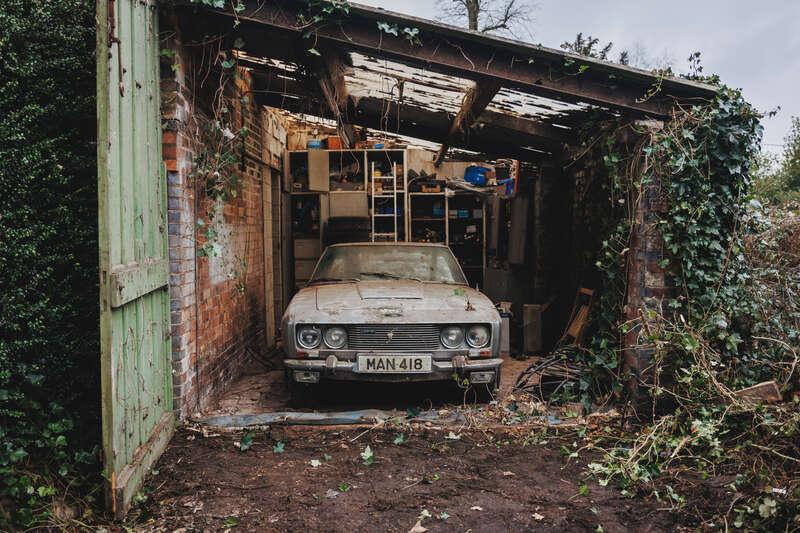
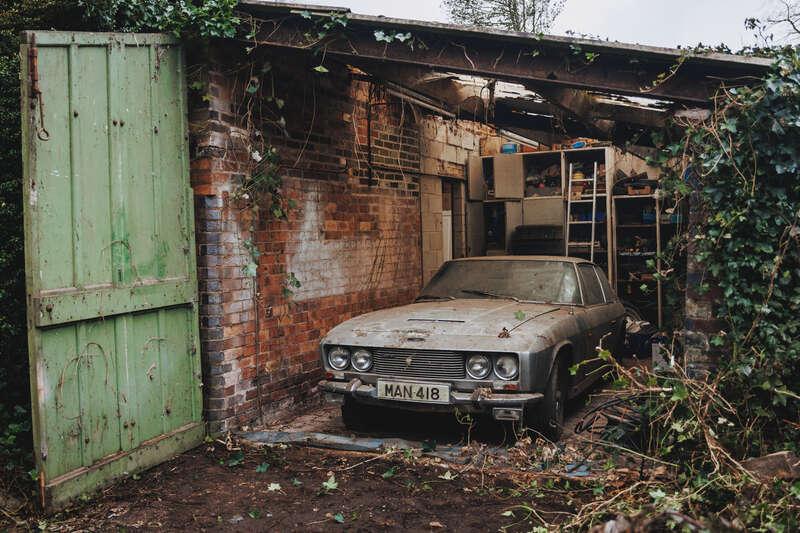
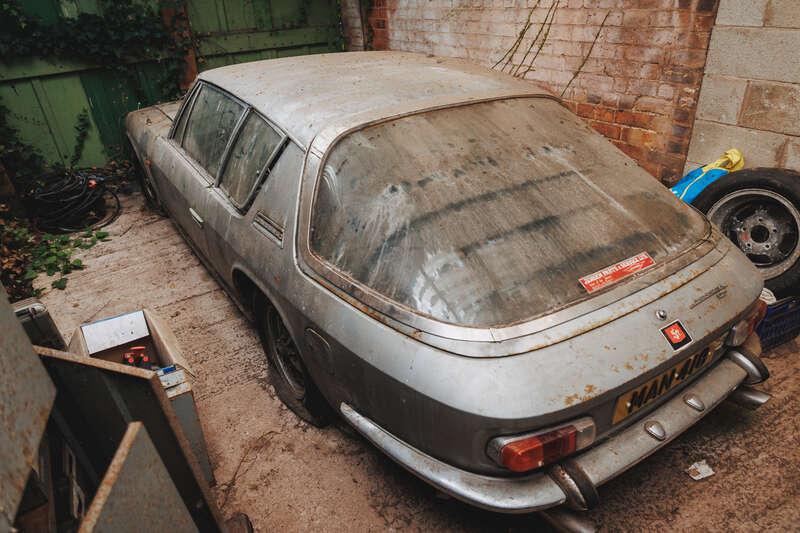
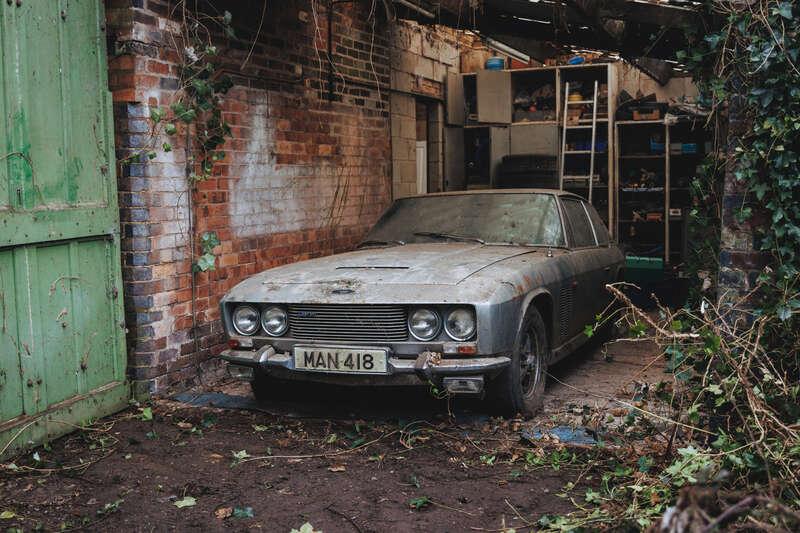
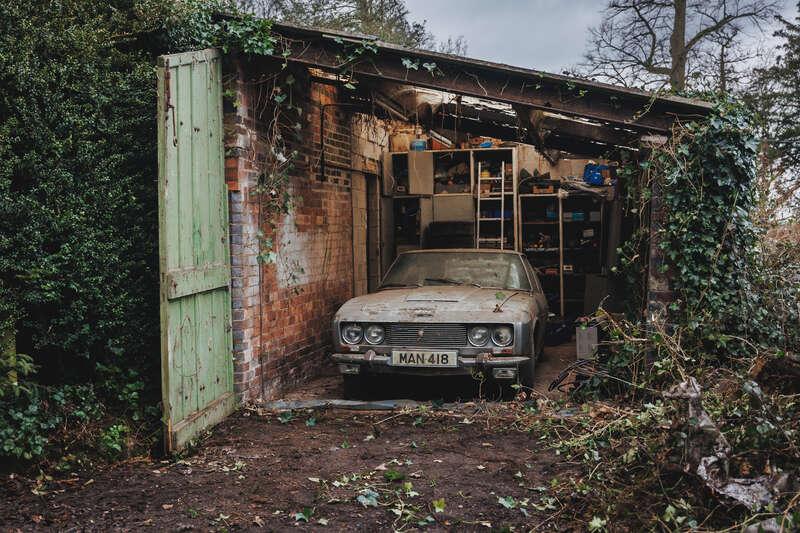
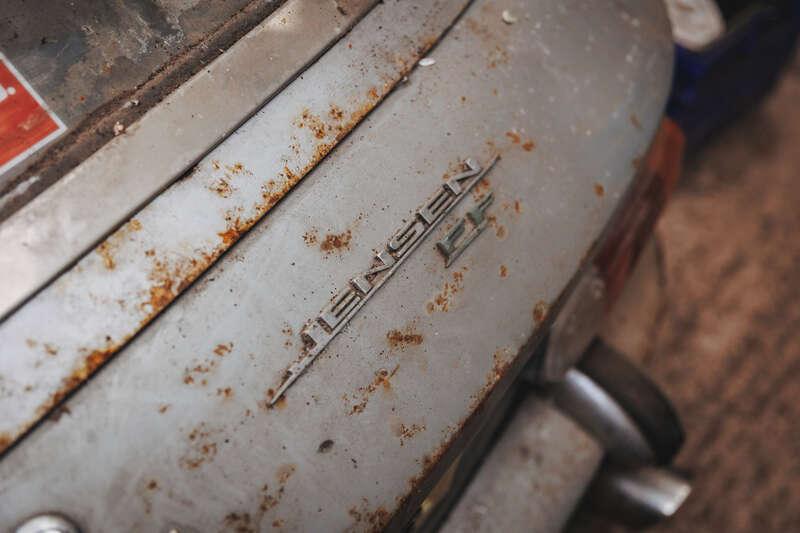
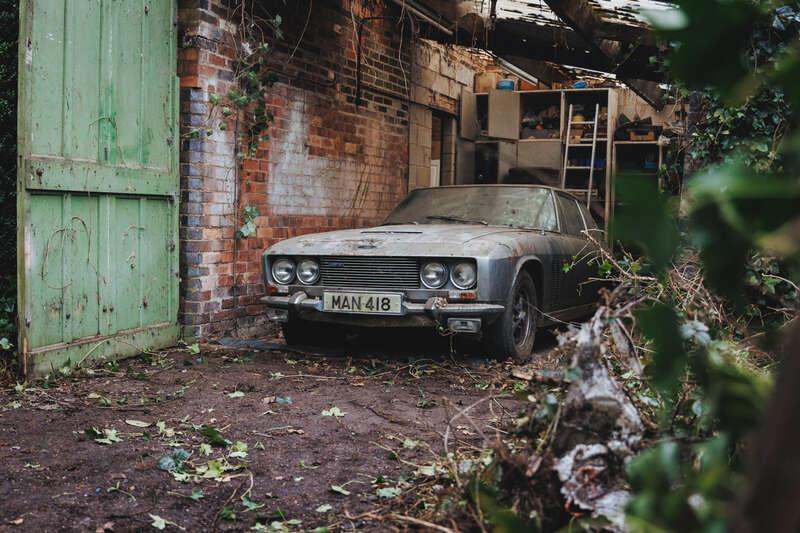
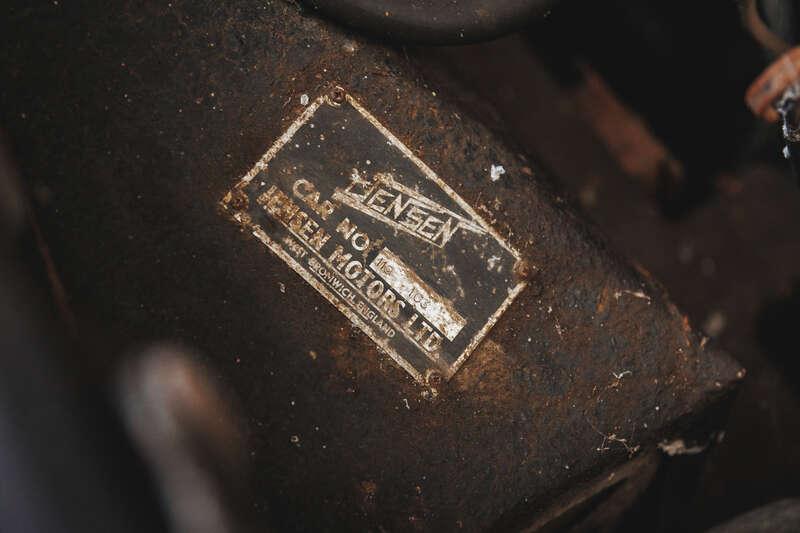
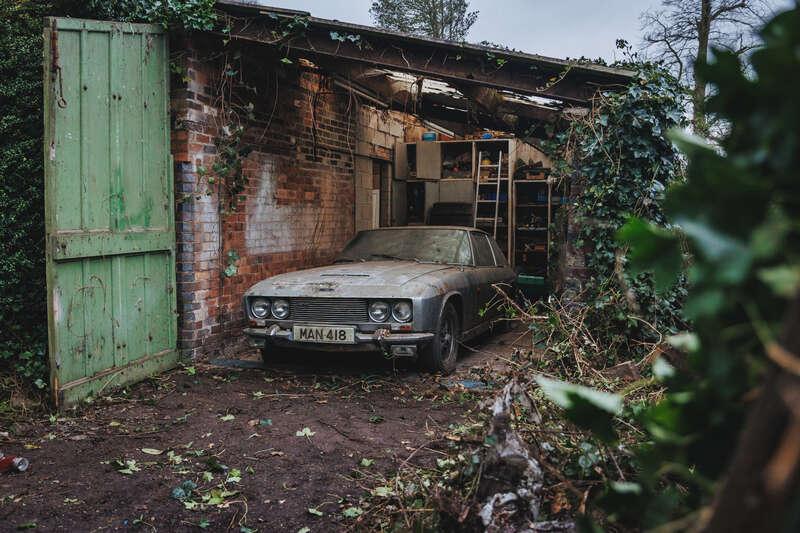
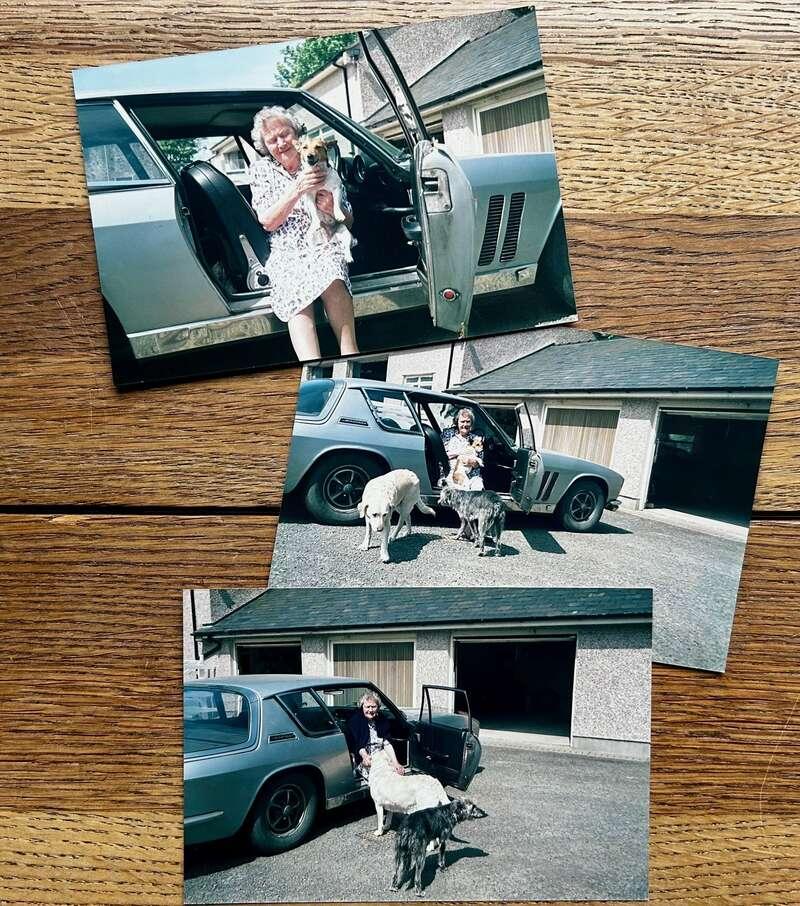
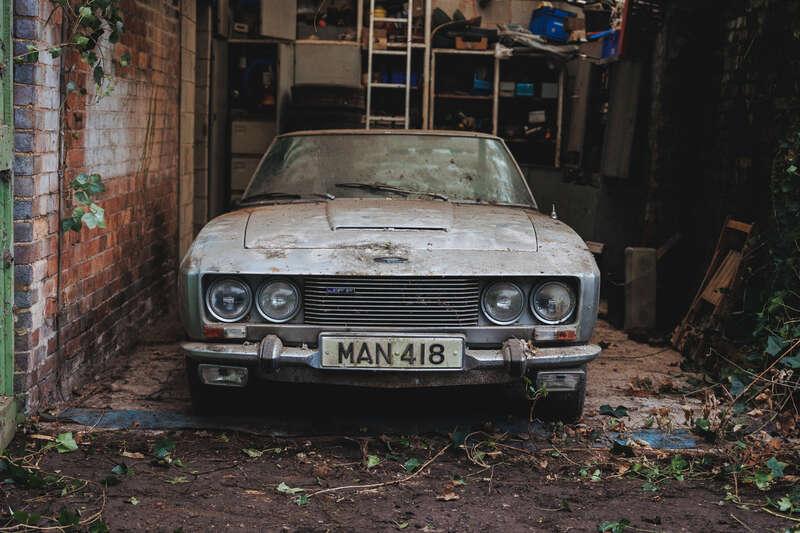
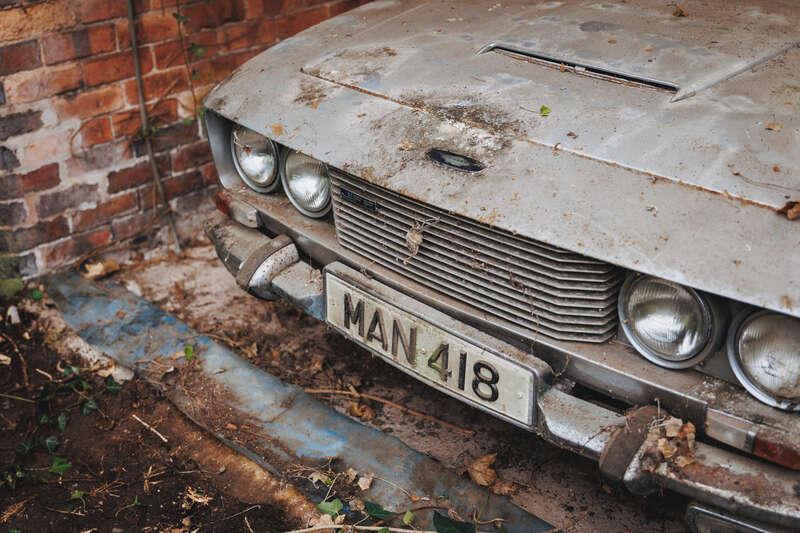
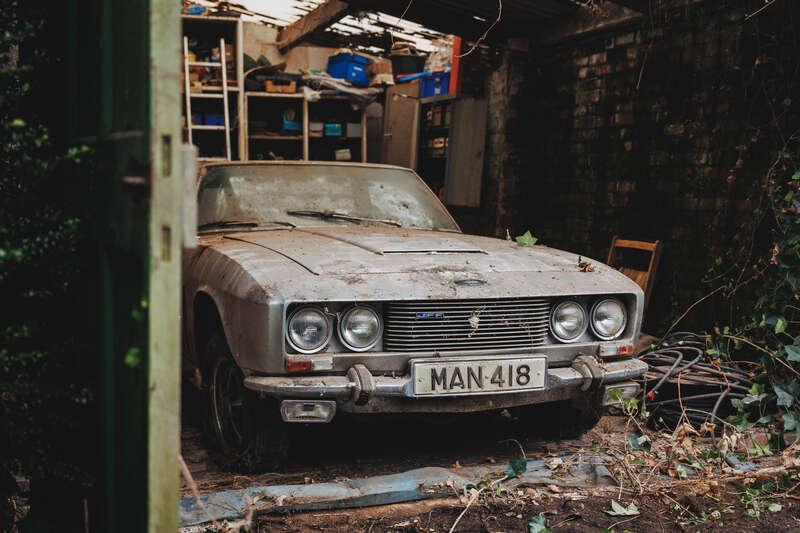
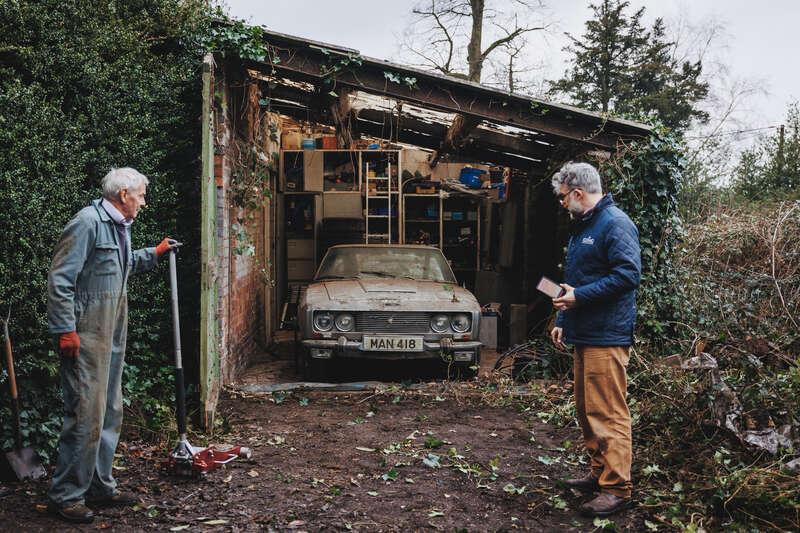
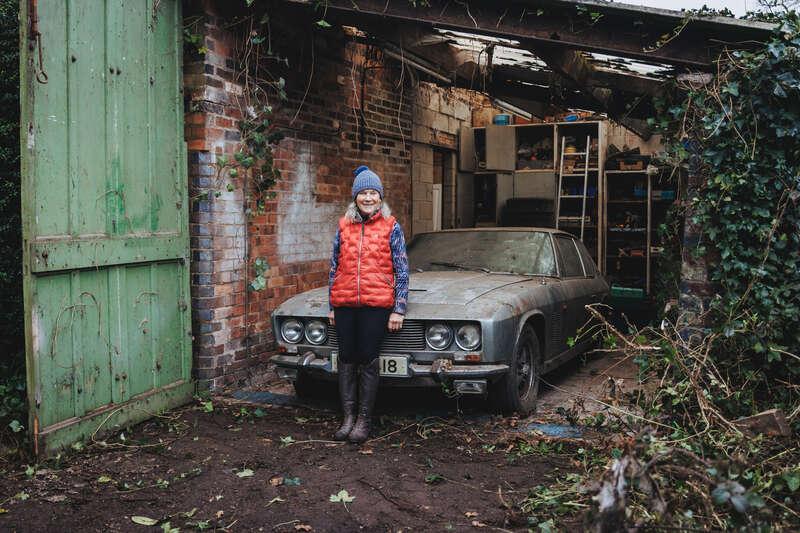
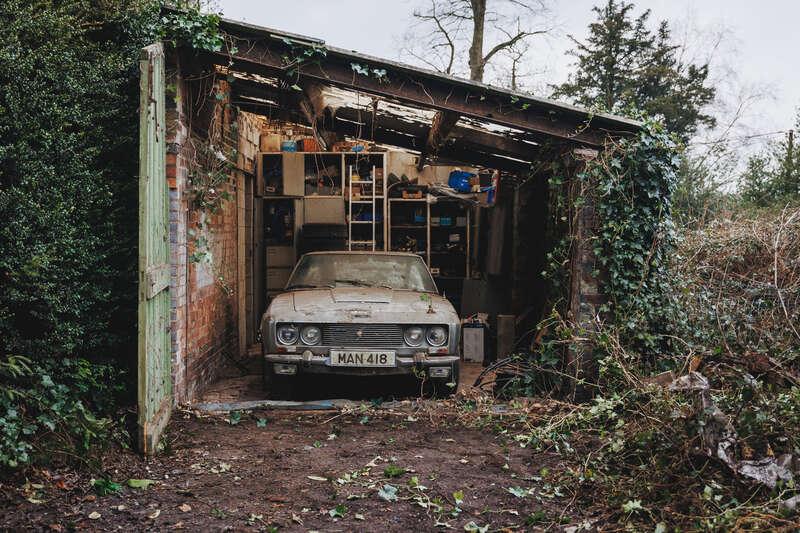
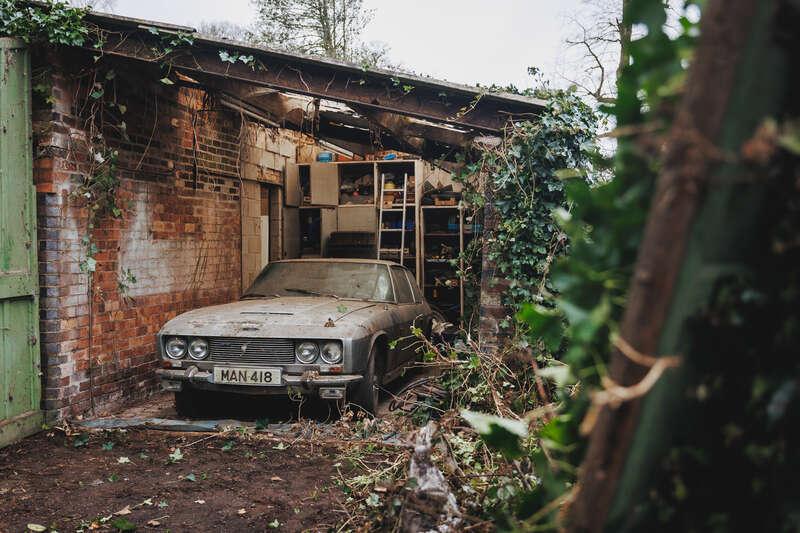
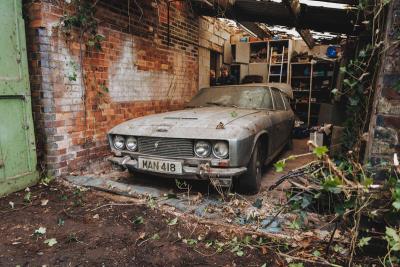
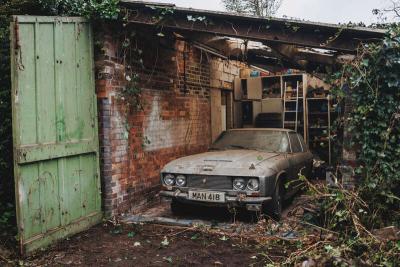
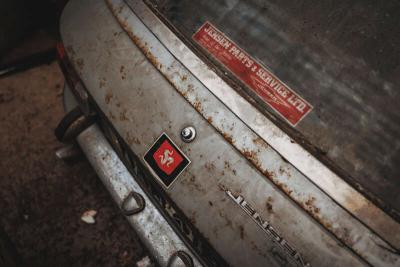
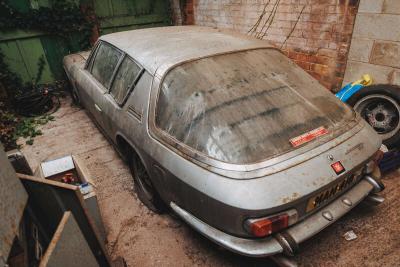
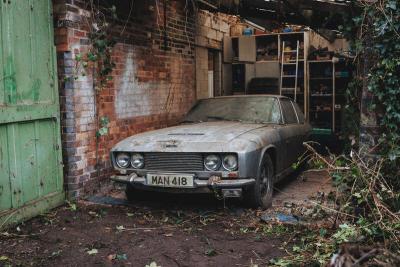
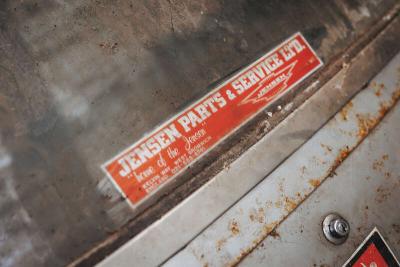
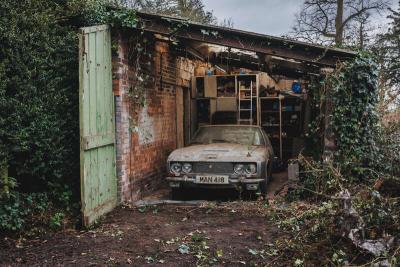
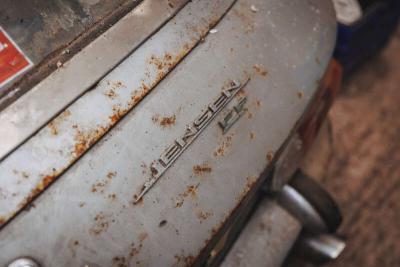
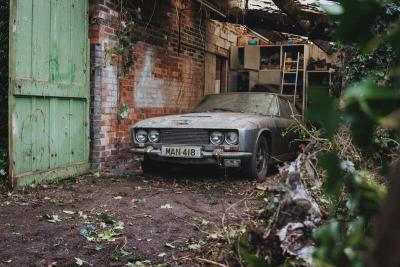
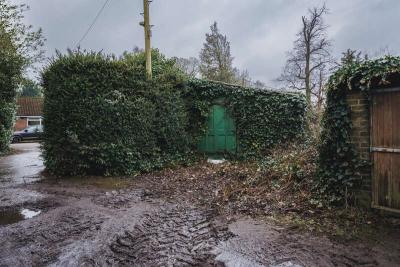
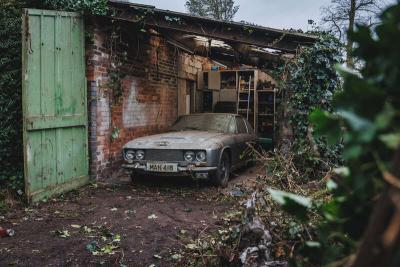
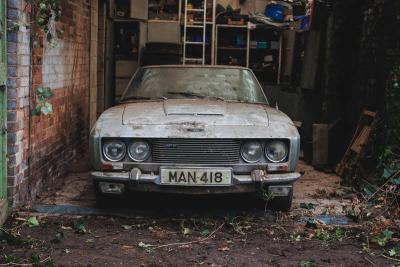
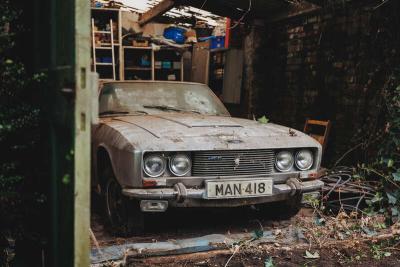
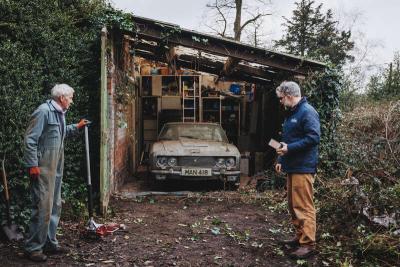
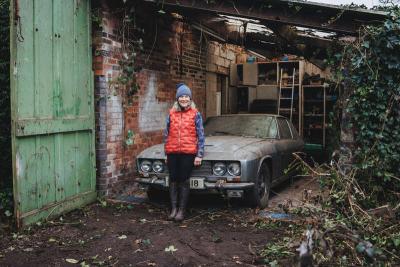
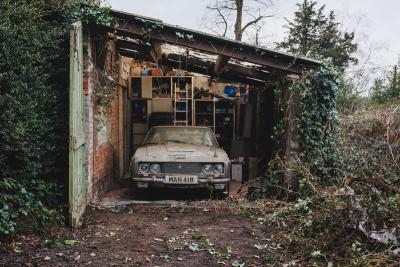
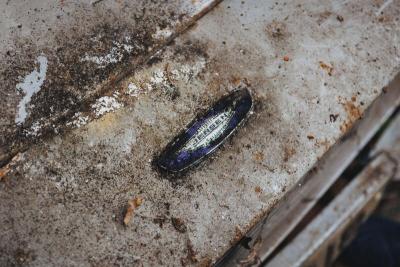
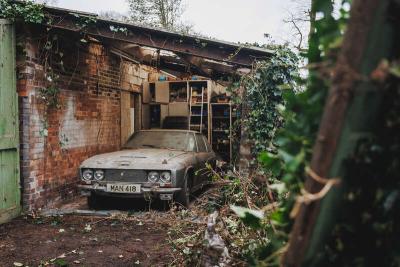
The car presented here is a 1966 Jensen FF MkI (Chassis #119/103) and is one of only 195 such examples produced. That is special enough, but the ownership story and preservation of this particular car make it even more so. Today, #119/103 remains in its wholly original state, having never been restored, seemingly lost to the world, in hibernation, for almost 35 years in an outbuilding of a country house. It remains the property of our vendor, after she inherited it following the death of her father, the car’s original owner. Effectively then, this FF is of single-ownership (i.e. by the time it was passed down, it was already laid-up and wasn’t ever driven again).
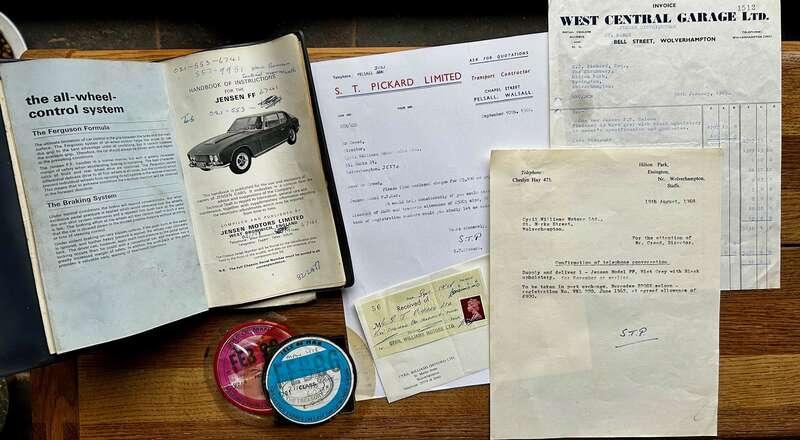
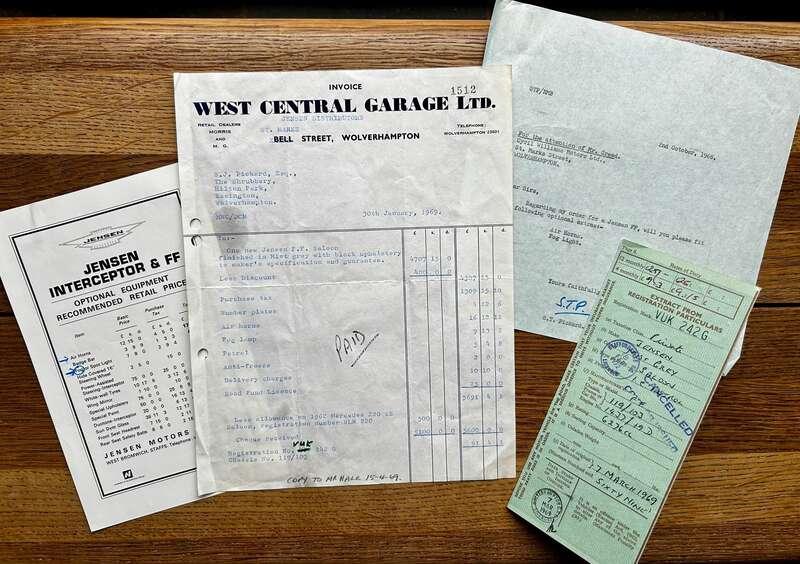
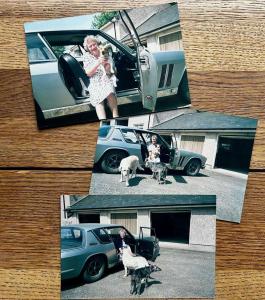
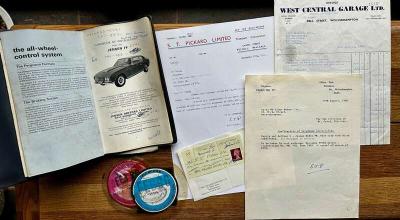
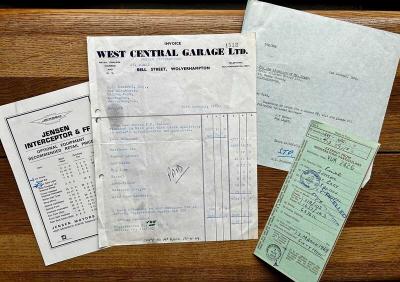
It was ordered new by Mr S.T. Pickard Esq. on the 30th January 1969, specified in Mist Grey paintwork with black upholstery, via West Central Garage Ltd of Wolverhampton, a local Jensen distributor. Mr Pickard specified air horns and a fog lamp, whilst also part-exchanging his 1962 Mercedes-Benz 220SE as part of the deal, paying £5,600 (the equivalent of £113,400 today) for his new FF. Originally registered as VUK 242G on the 7th March 1969, we are told that he wanted such a capable model to be able to drive out on a Friday afternoon to check on the work at the numerous local Staffordshire quarry sites that he owned and managed, no doubt utilising the air-horns with good effect!
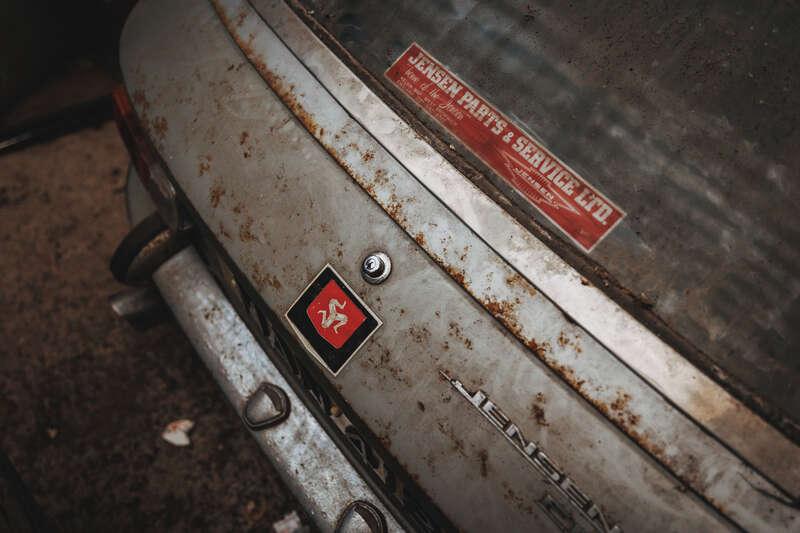
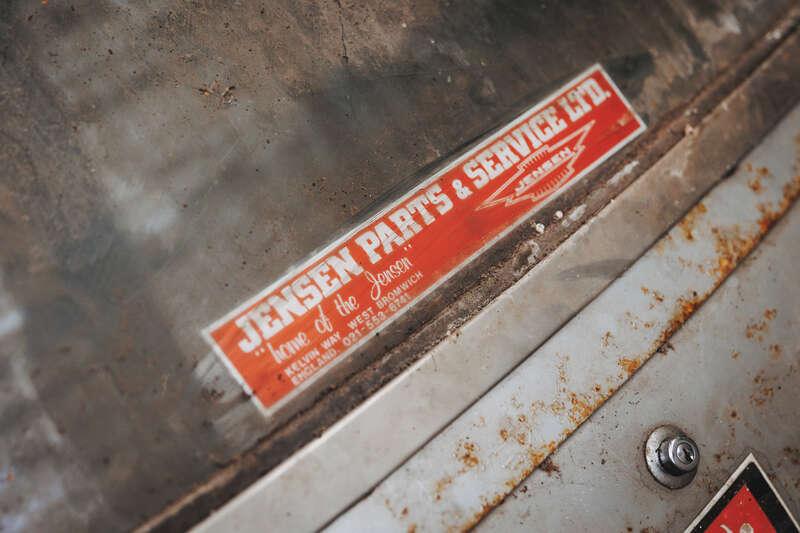
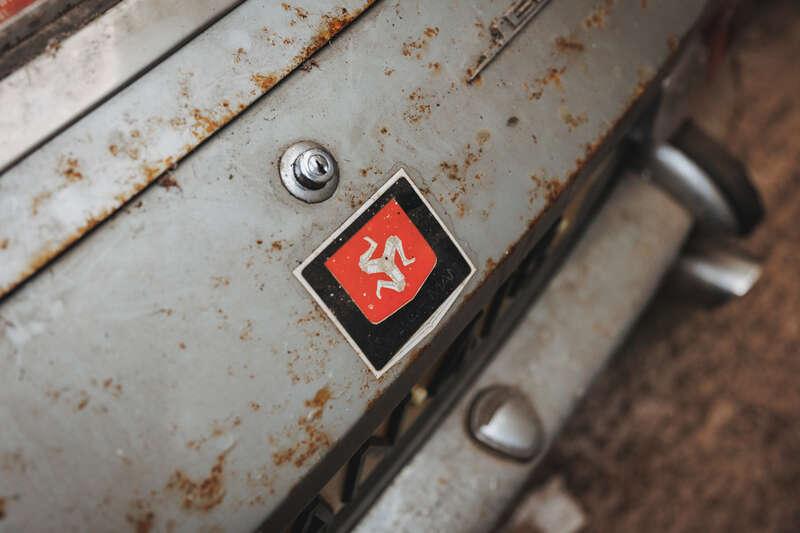
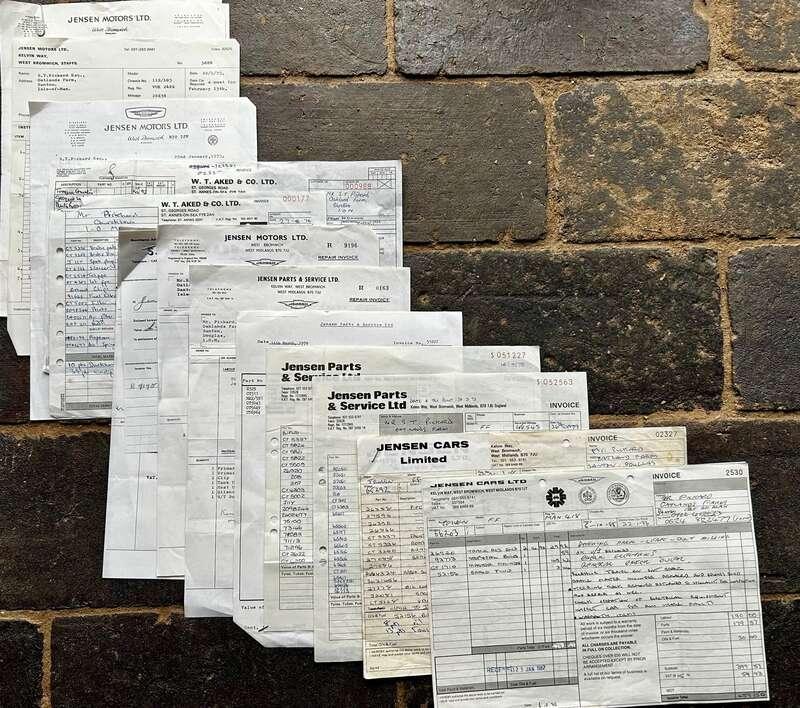
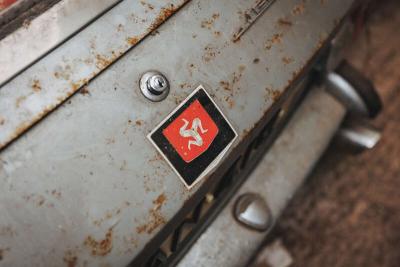
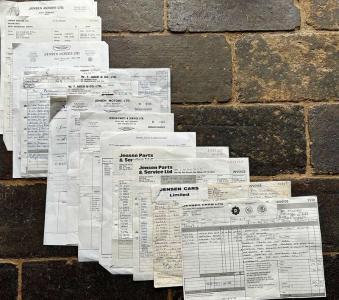
The car was thoroughly enjoyed and driven some 60,000 miles by Mr Pickard, whilst routinely going back to Jensen for servicing and maintenance, before being registered in the Isle of Man in 1973, where he now resided. Following his death in early 1997, the car came back to the mainland and was driven into its garage. With time and life moving on, there it has sat, as it was, keys and handbooks still in situ, until now.
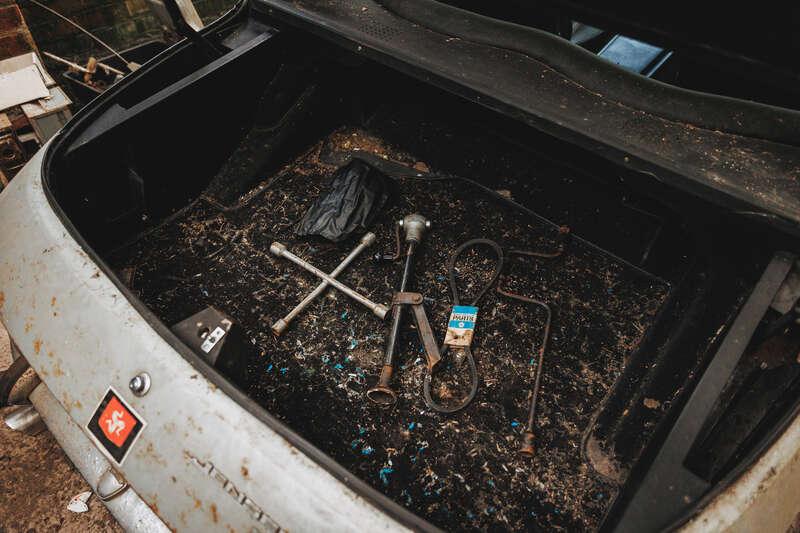
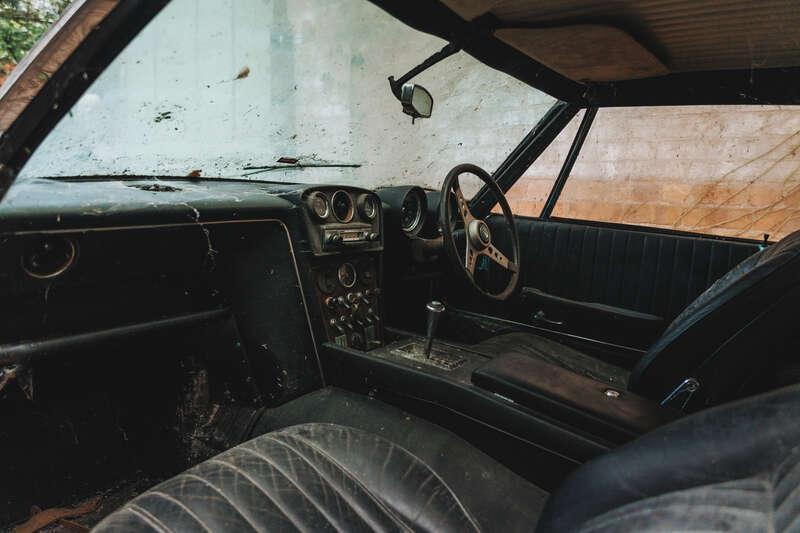
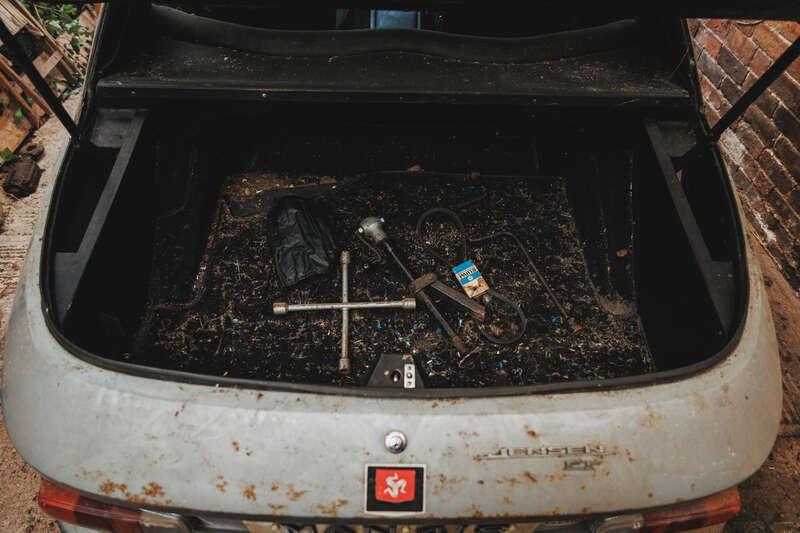
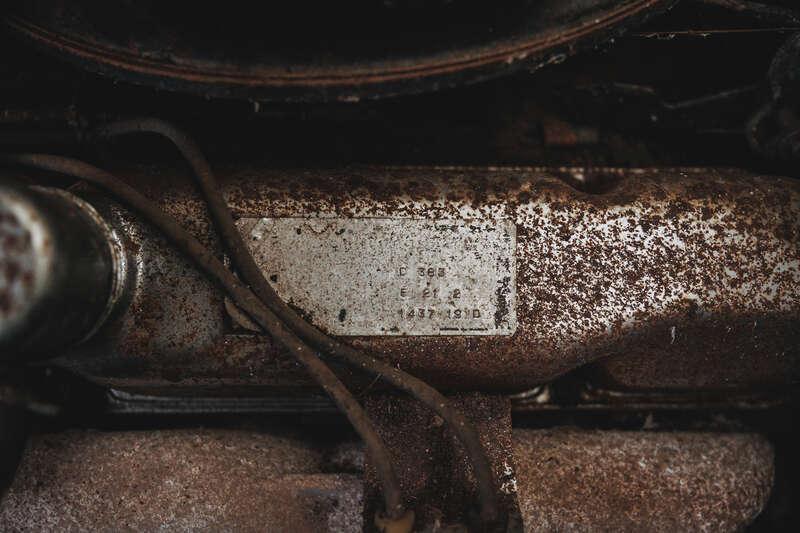
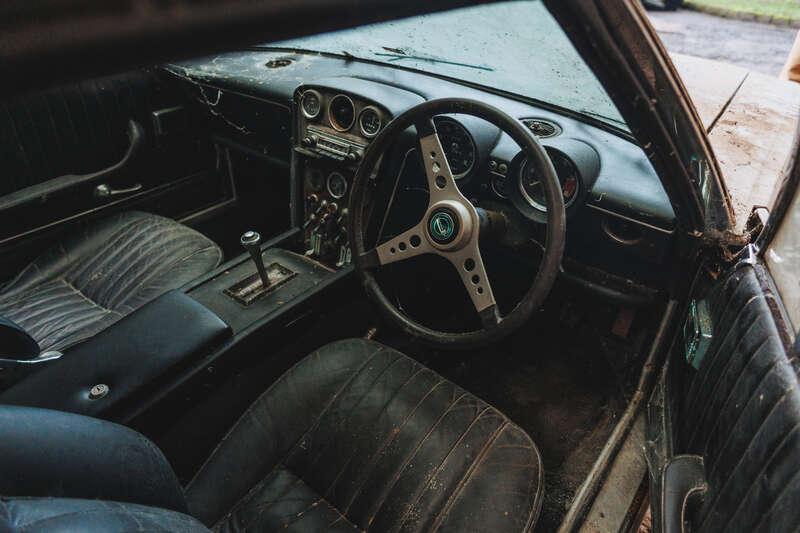
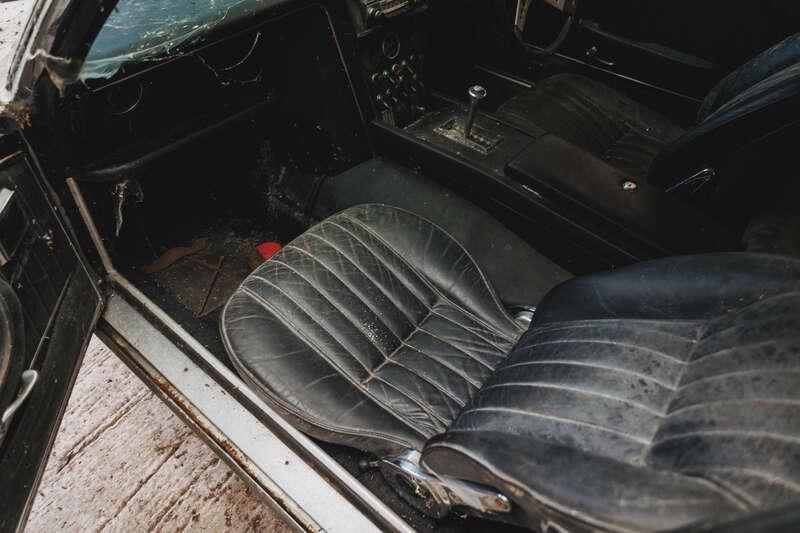
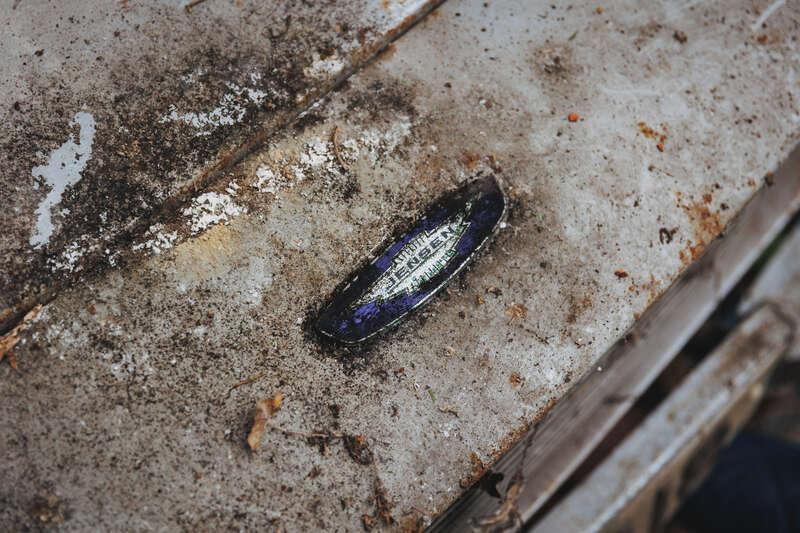
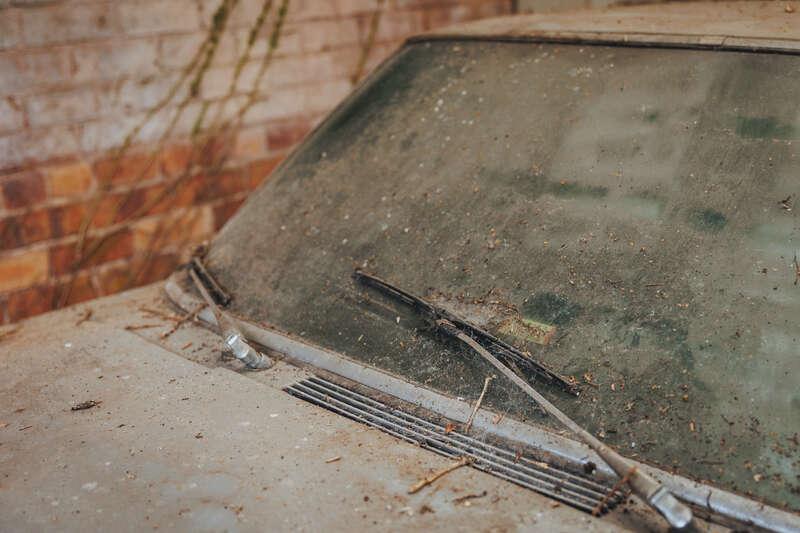
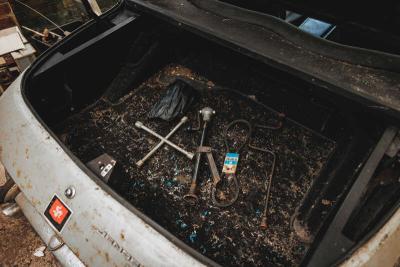
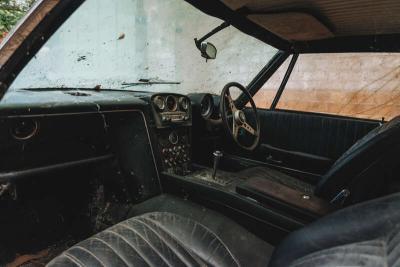
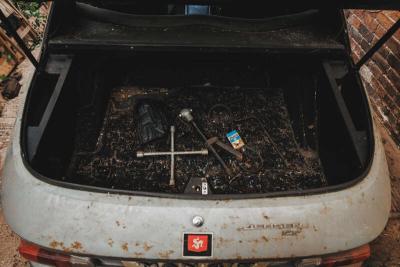
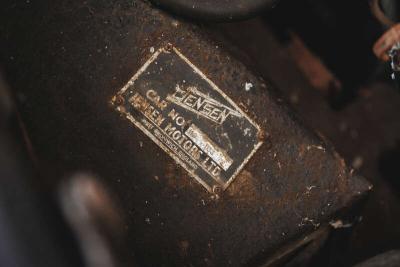
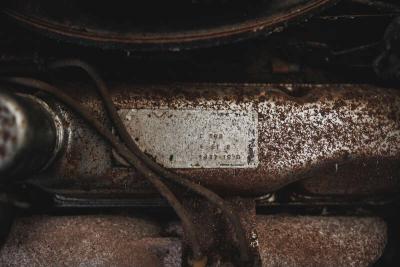
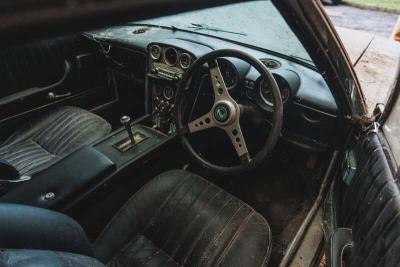
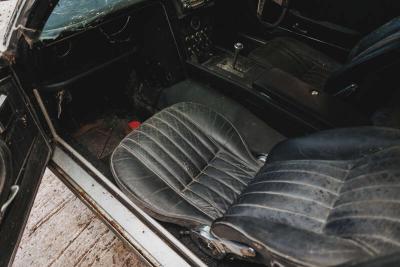
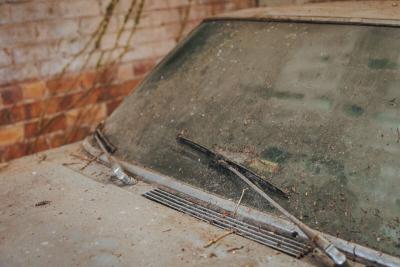
As we understand it, #119/103 has never been restored, painted, crashed, or damaged and surely must be one of the best-preserved FF examples remaining. The interior, although dusty and cobweb-strewn, looks complete, intact and in fine fettle. Likewise, the engine bay looks complete, apart from a battery, clearly showing chassis and engine numbers. We are fully aware of all the details appertaining to #119/103 because it’s original sales invoice, original green logbook and a series of Jensen services invoices all still accompany the car, being retained by our vendor. These documents show just how diligent Mr Pickard was about his FF, ensuring its mechanical health right up until it was laid-up.
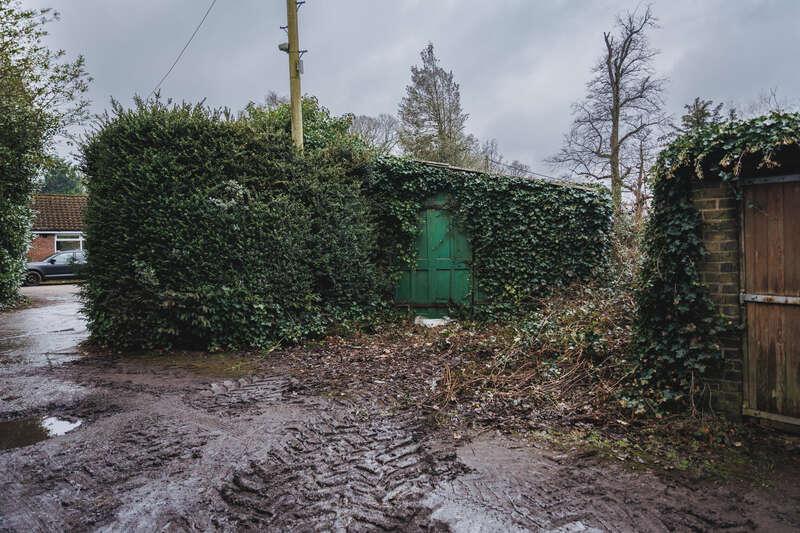
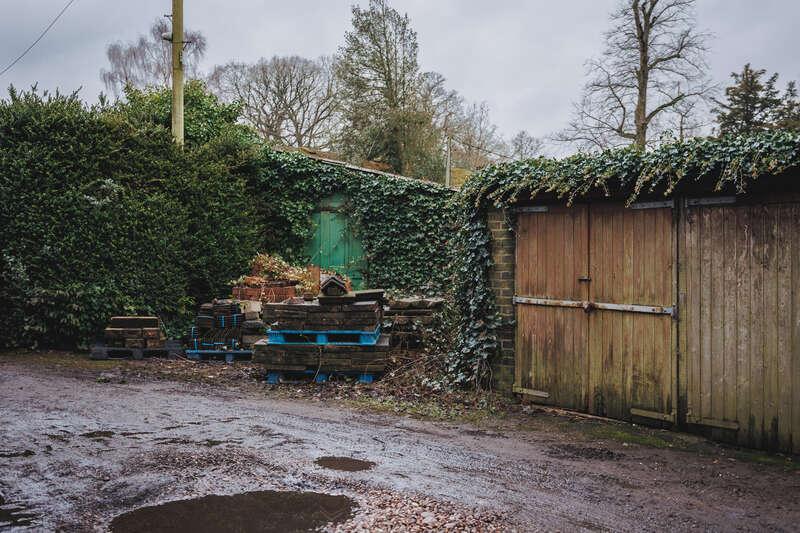
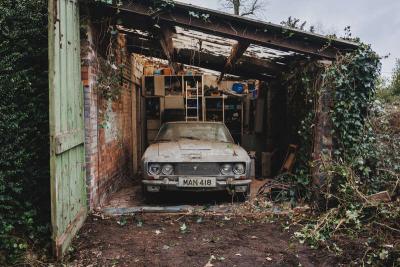
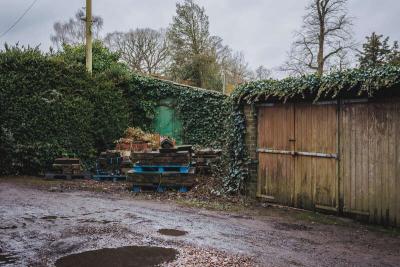
This venerable Jensen has not seen daylight, having not turned a wheel, since 1997. It has remained in a dry, weather-tight garage, attached to a workshop in an outbuilding of our vendor’s house ever since. Obviously, it will require a substantial overhaul, but Iconic Auctioneers believes this FF offers huge potential and is an exciting opportunity to invest in a ‘lost’ FF, one with an almost unrepeatable story of ownership, preservation and circumstance, showing how a family can bestow such attachment to a special car for almost 60 years. It is a real privilege to bring this car to the market, to be able to tell its story and promote its virtues. A fully restored MkI FF, even without this sort of ownership and preservation, can easily be valued at more than £100,000, and with good reason. We welcome any inspection, there is a lot to take in here obviously, but the prospect of owning and then overseeing the renewal of a rare and desirable classic car with such wonderful provenance is getting far less likely and represents perhaps the ultimate journey for an enthusiast. Our vendor dearly wishes that her father’s cherished Jensen goes to the ‘right home’ and can again be enjoyed and appreciated, a sentiment echoed by all of us here at Iconic, and we are truly excited to help start the next chapter in its fascinating story.
Contact Us
