



























































































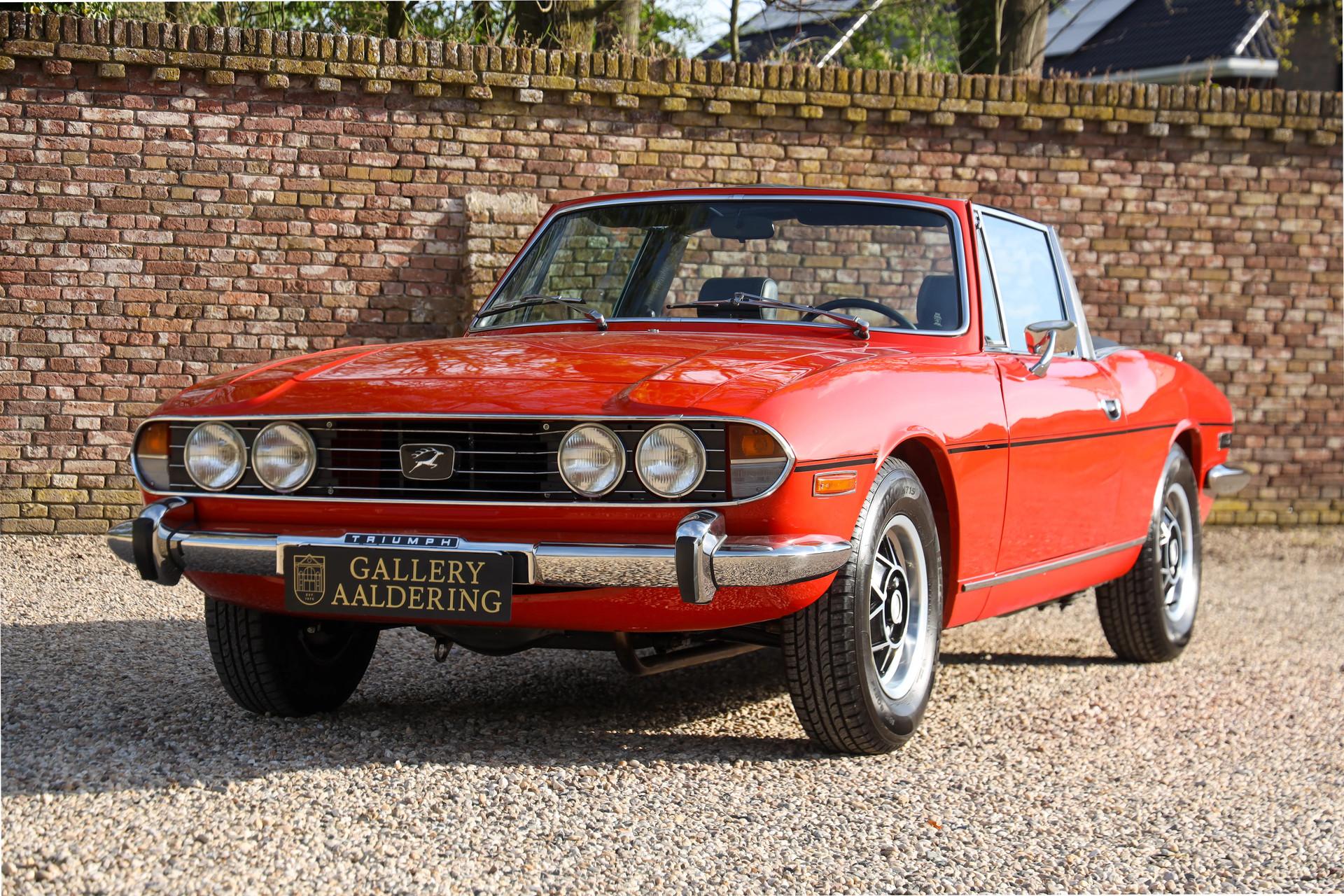
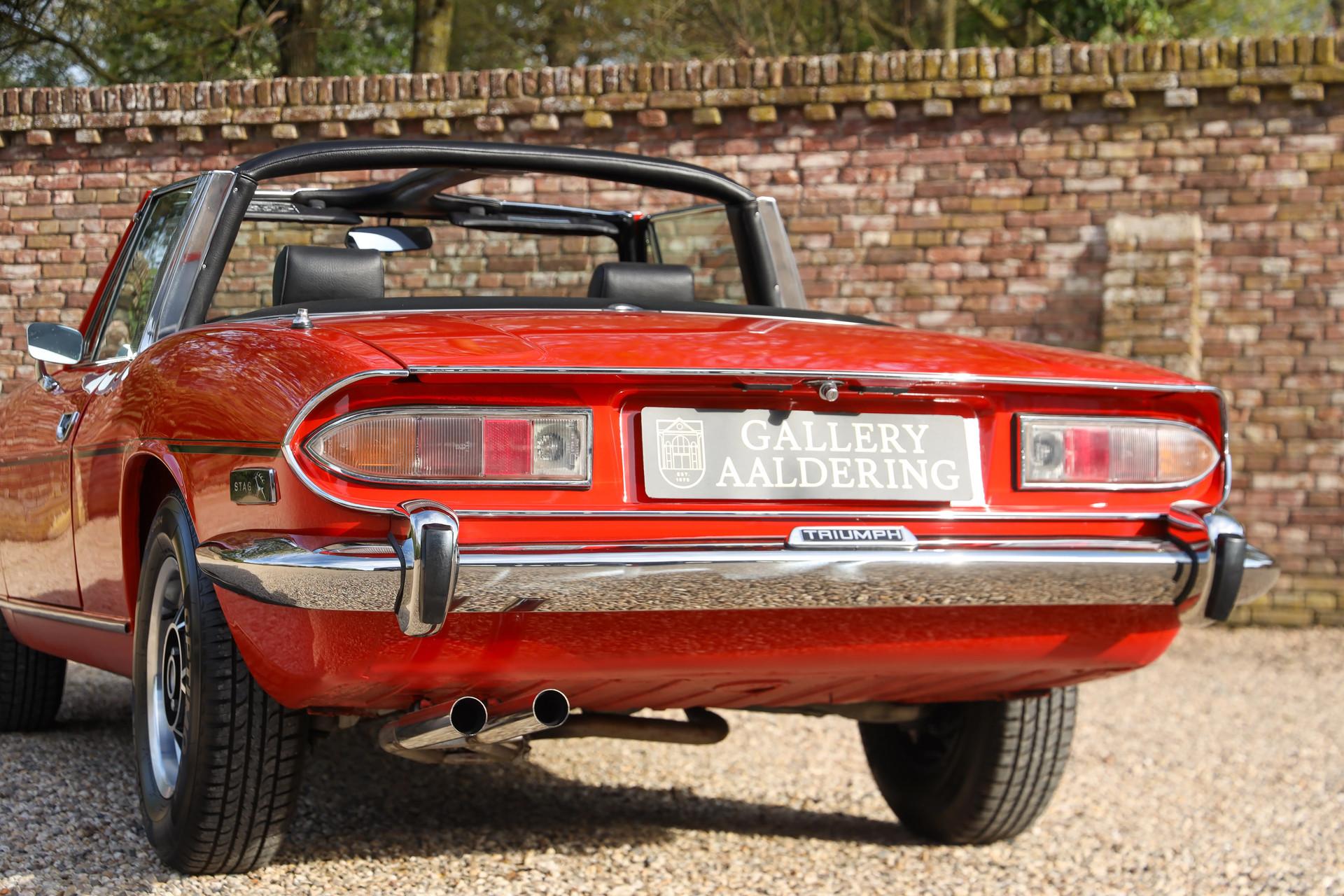
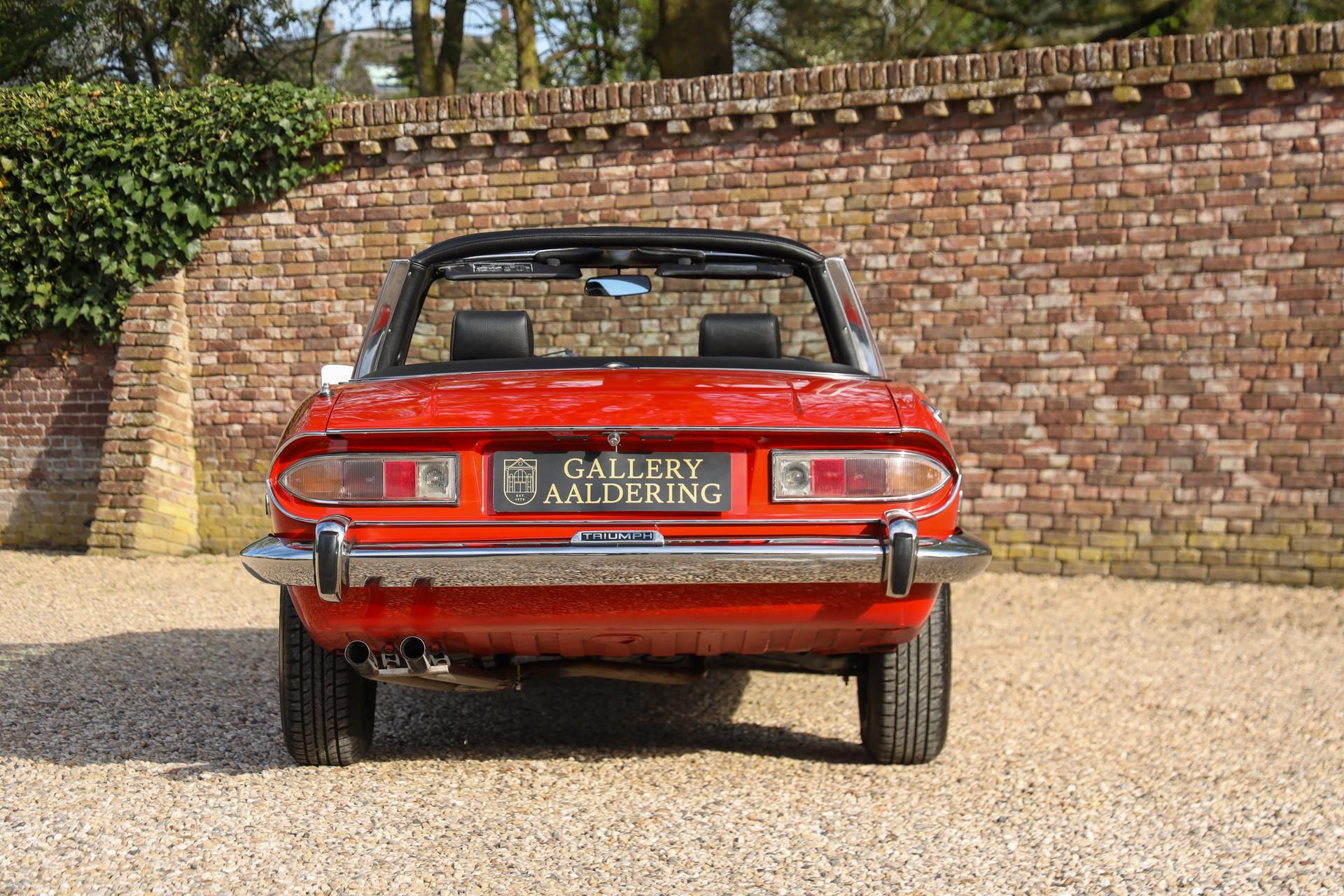
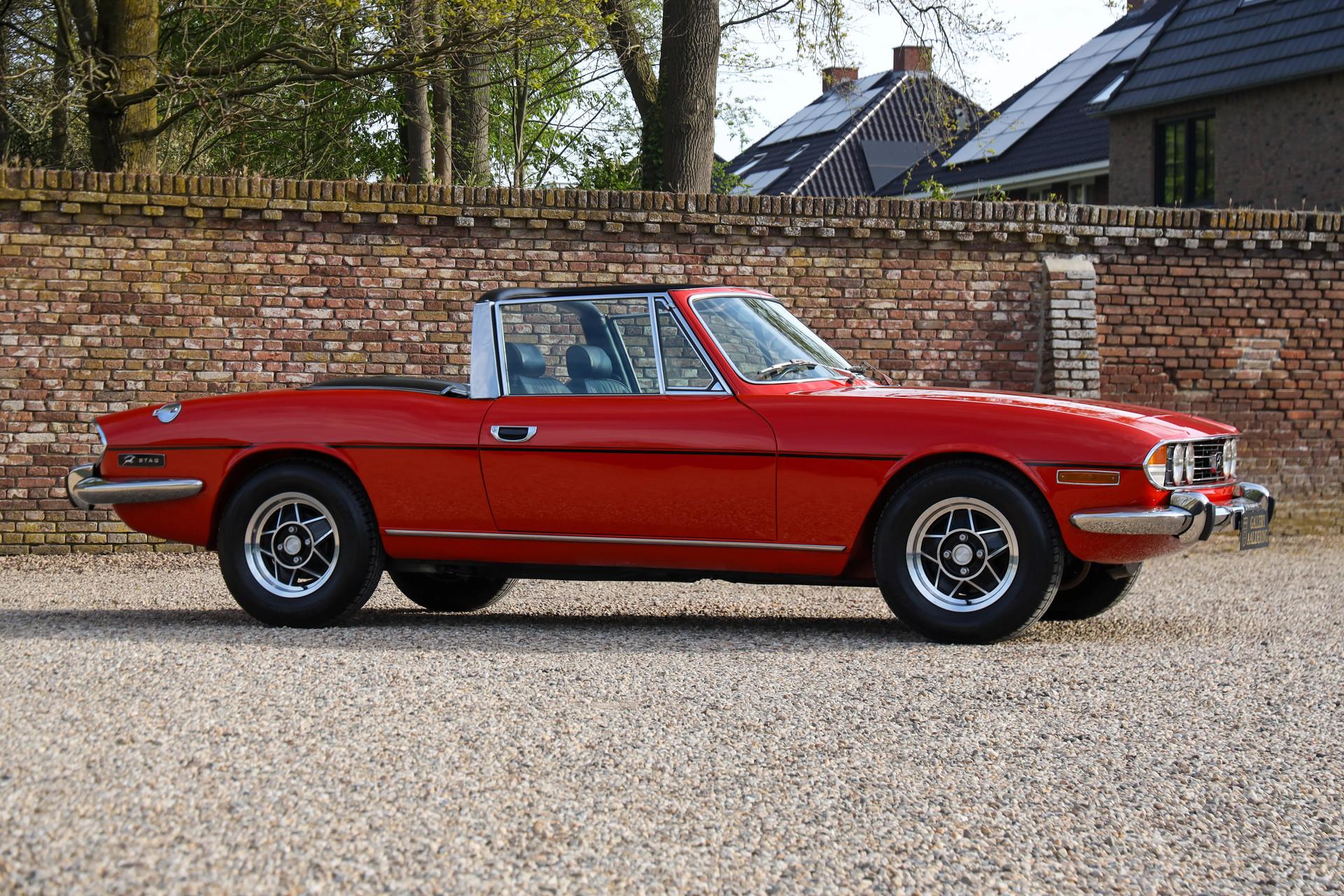
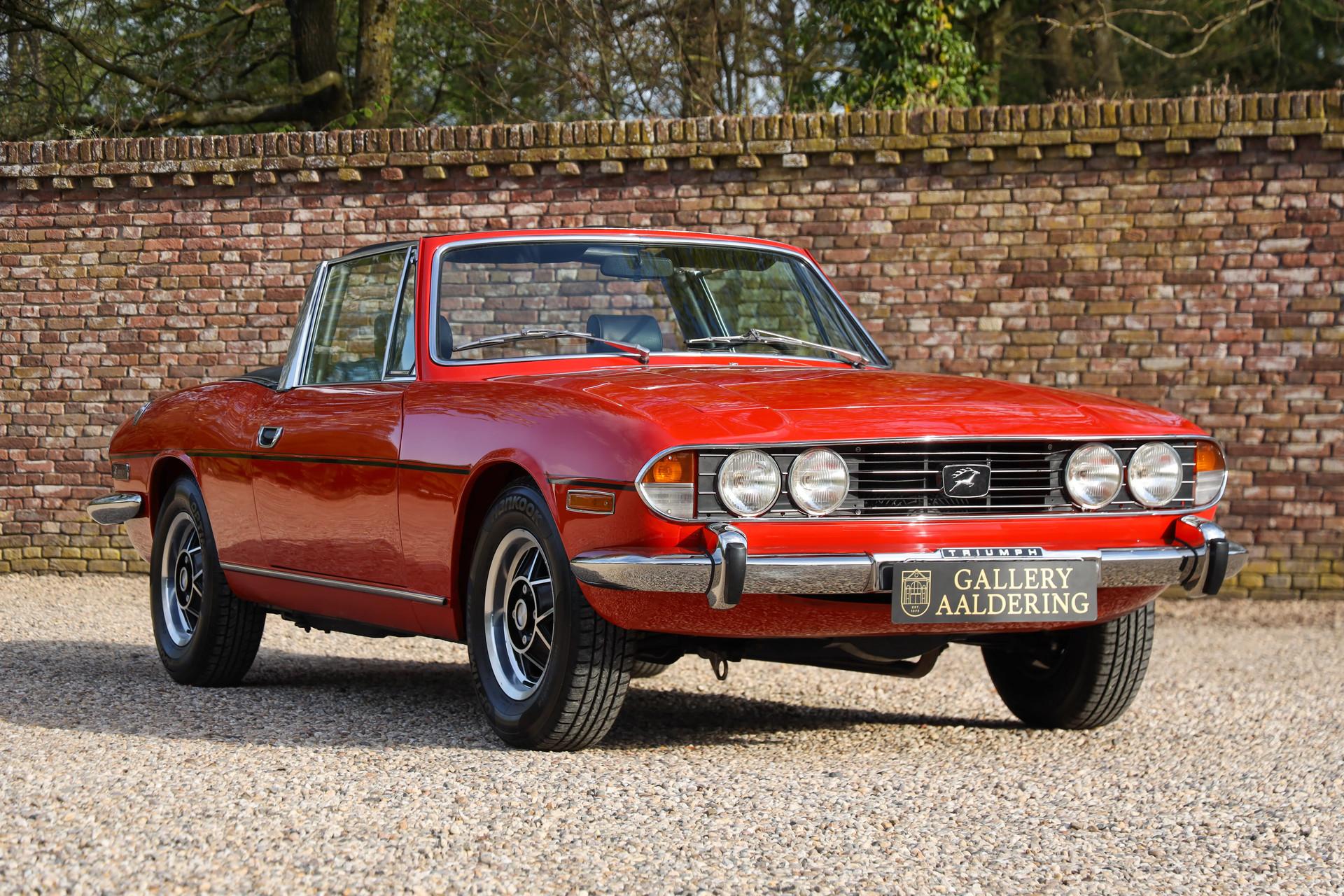
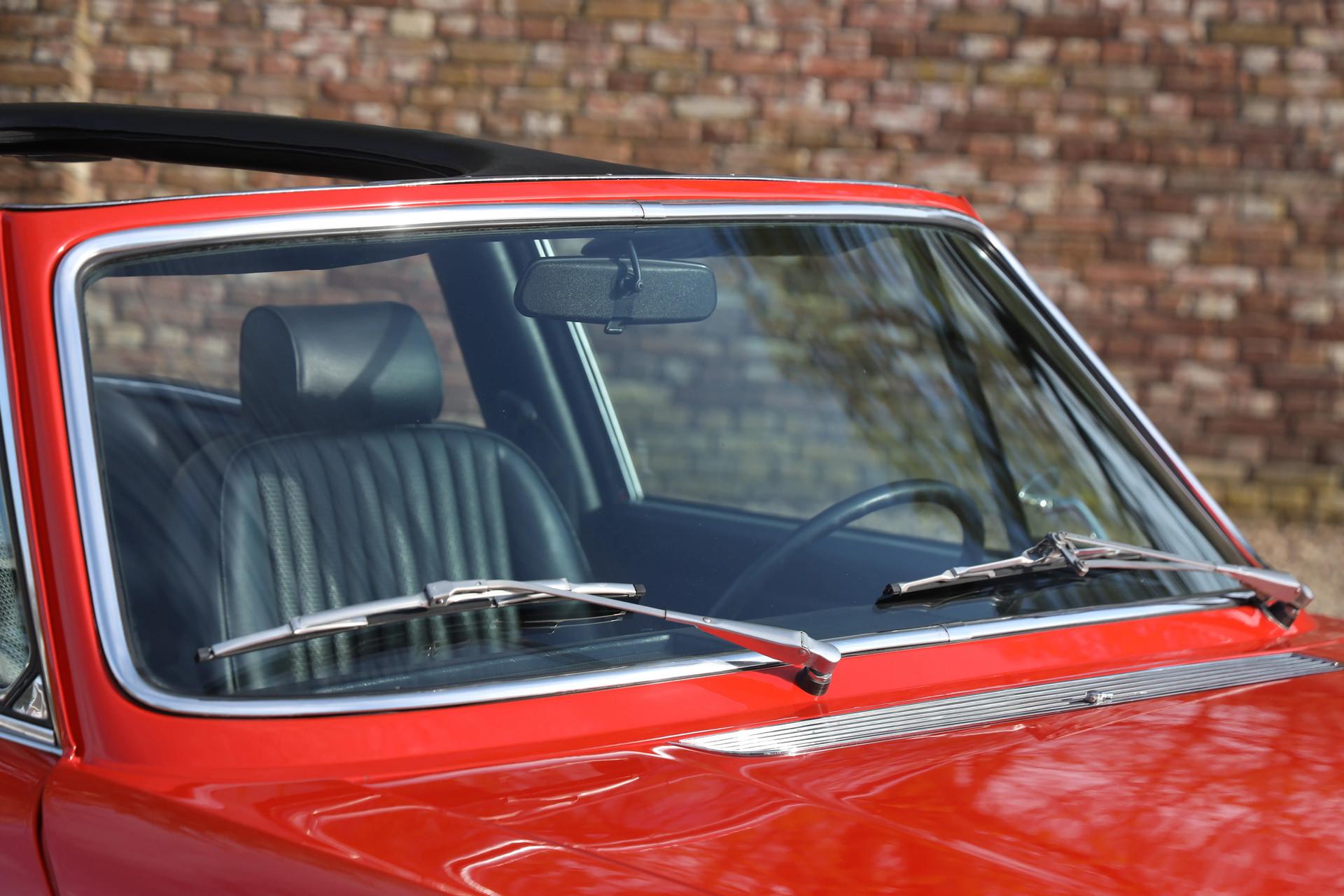
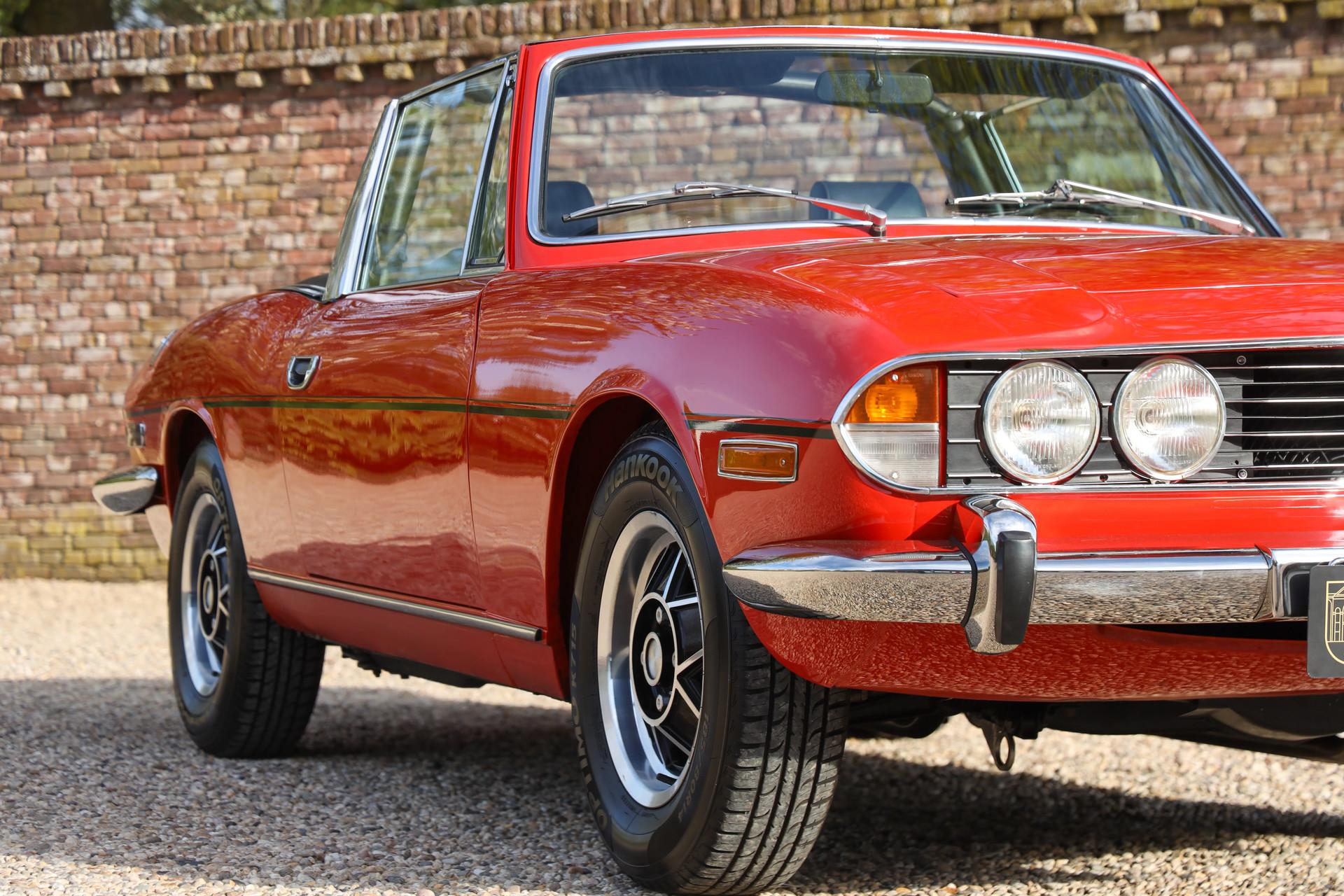
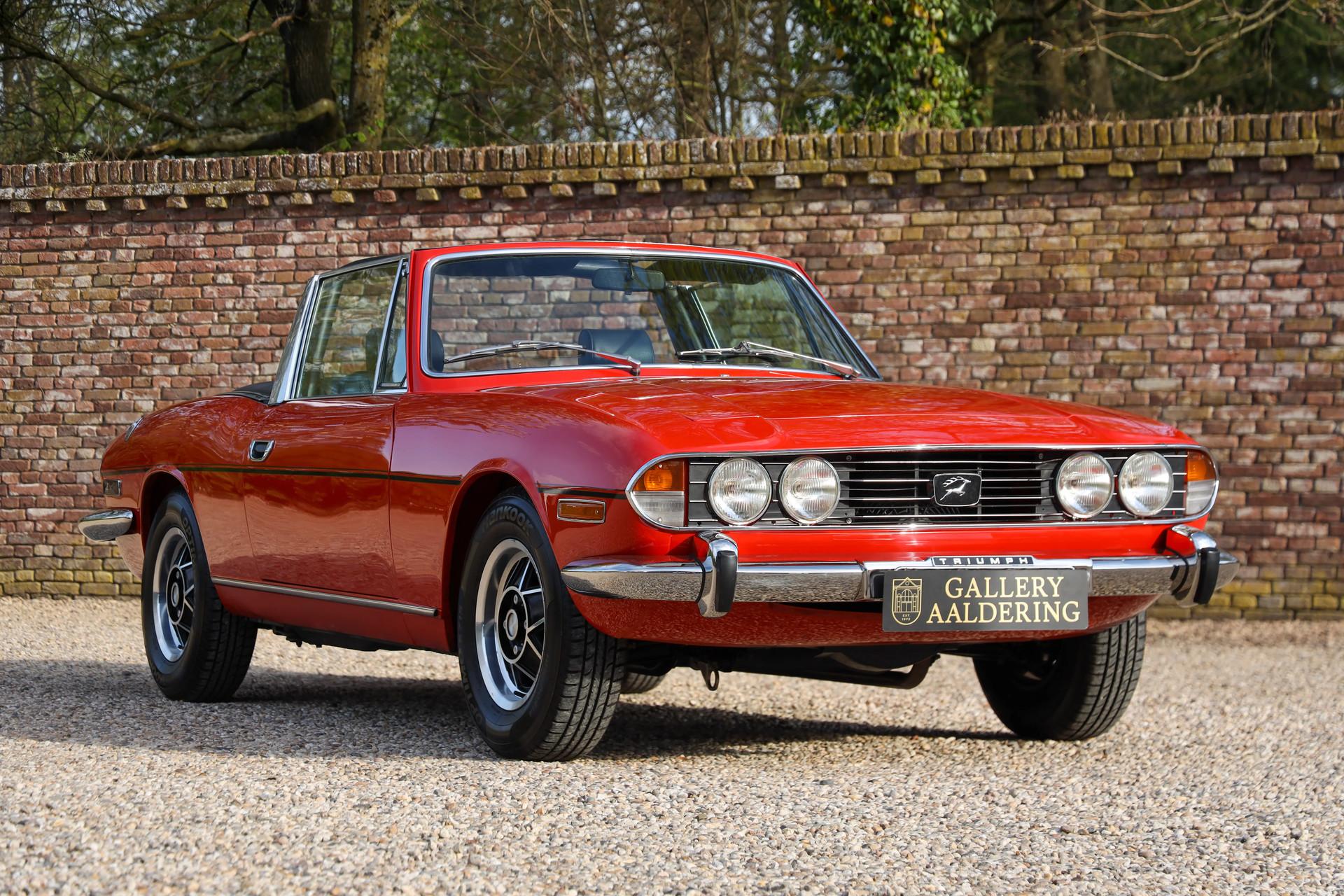
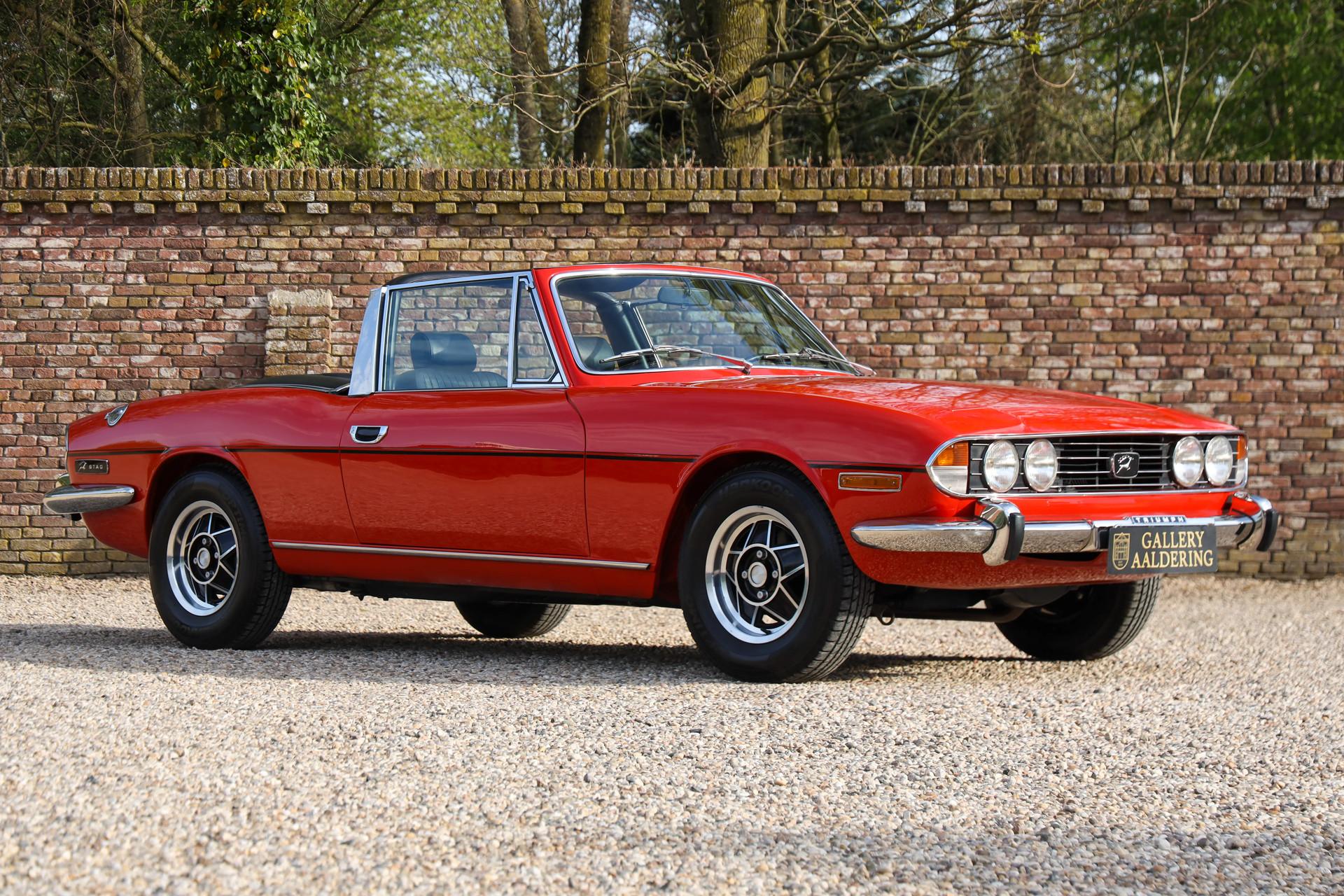

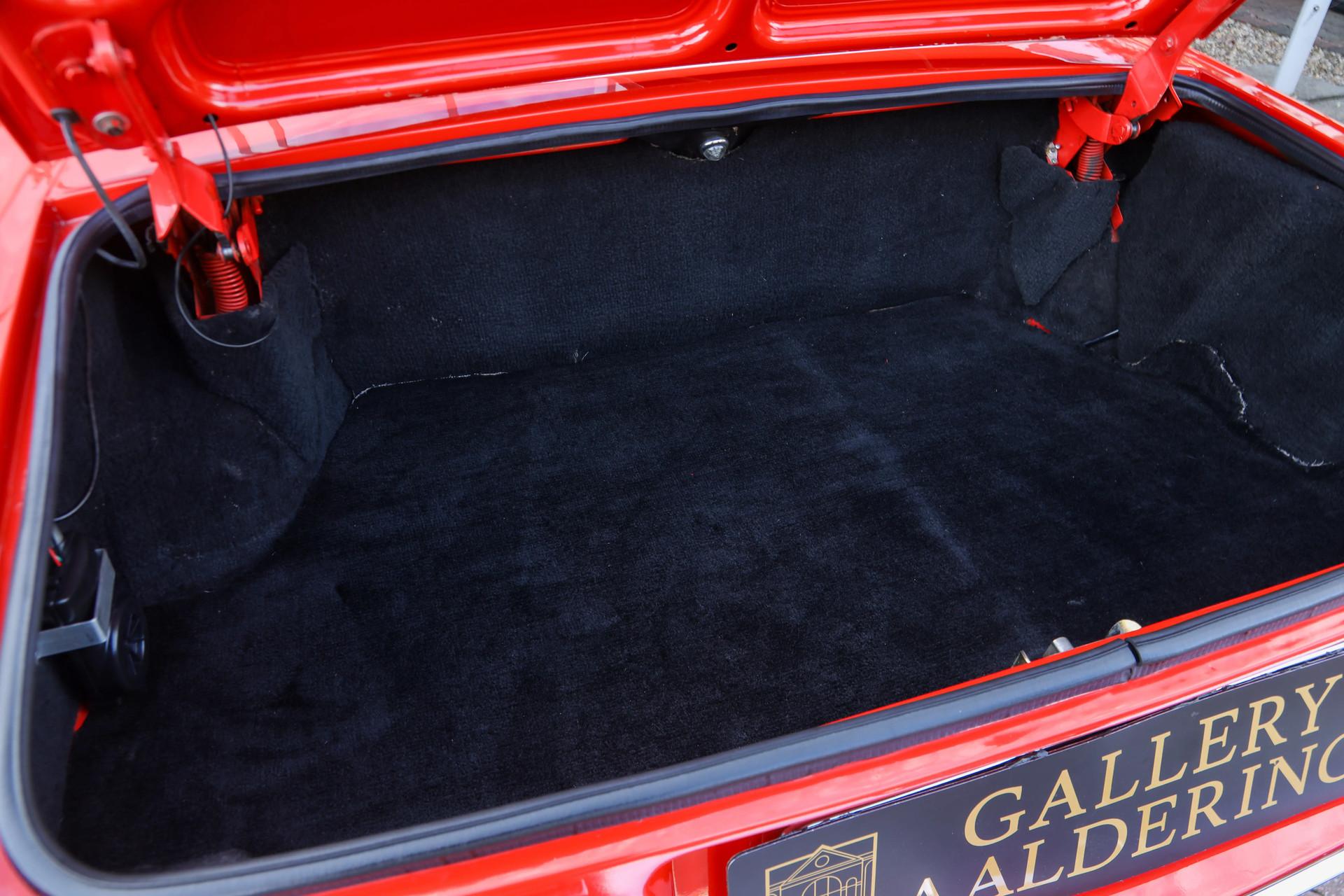
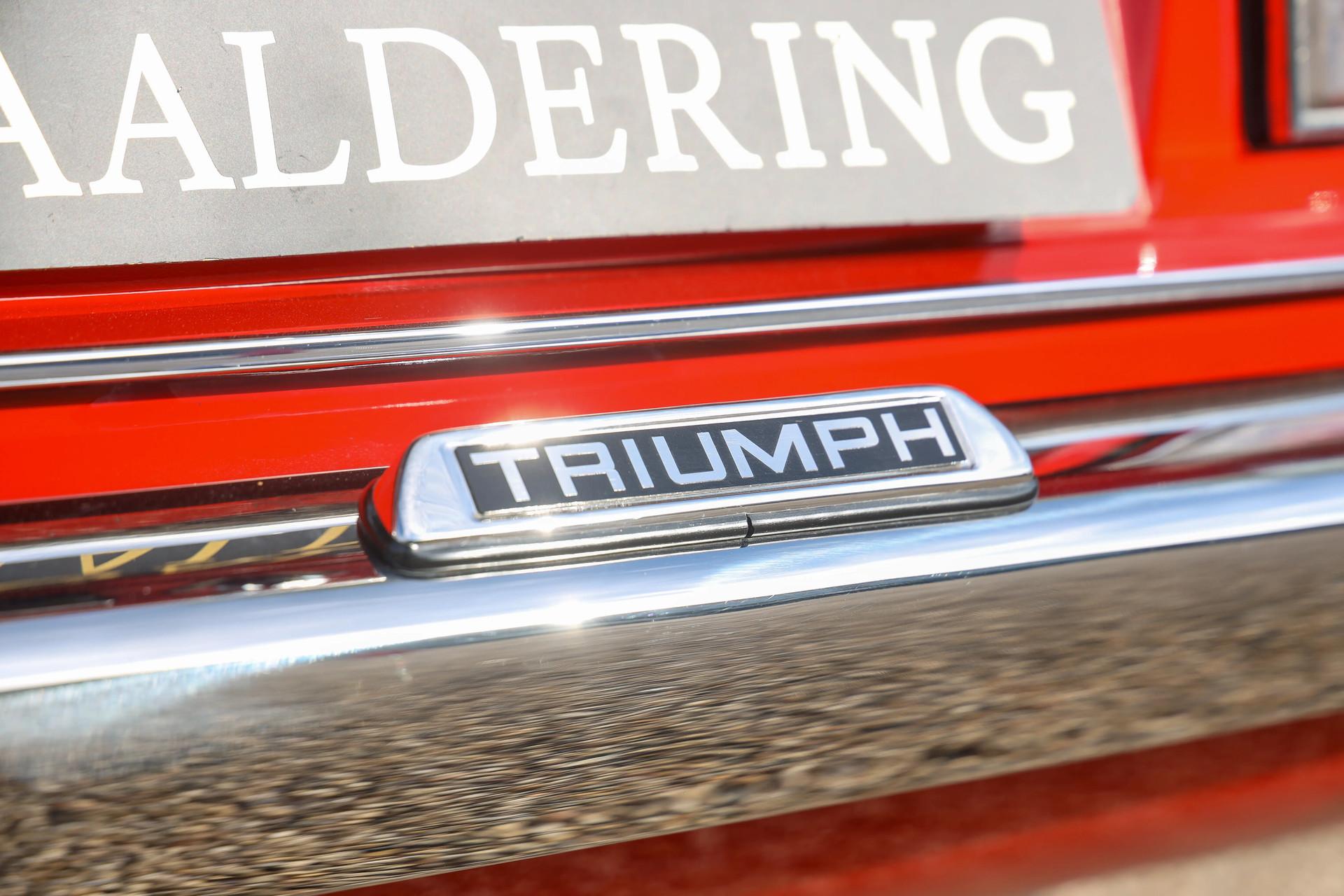
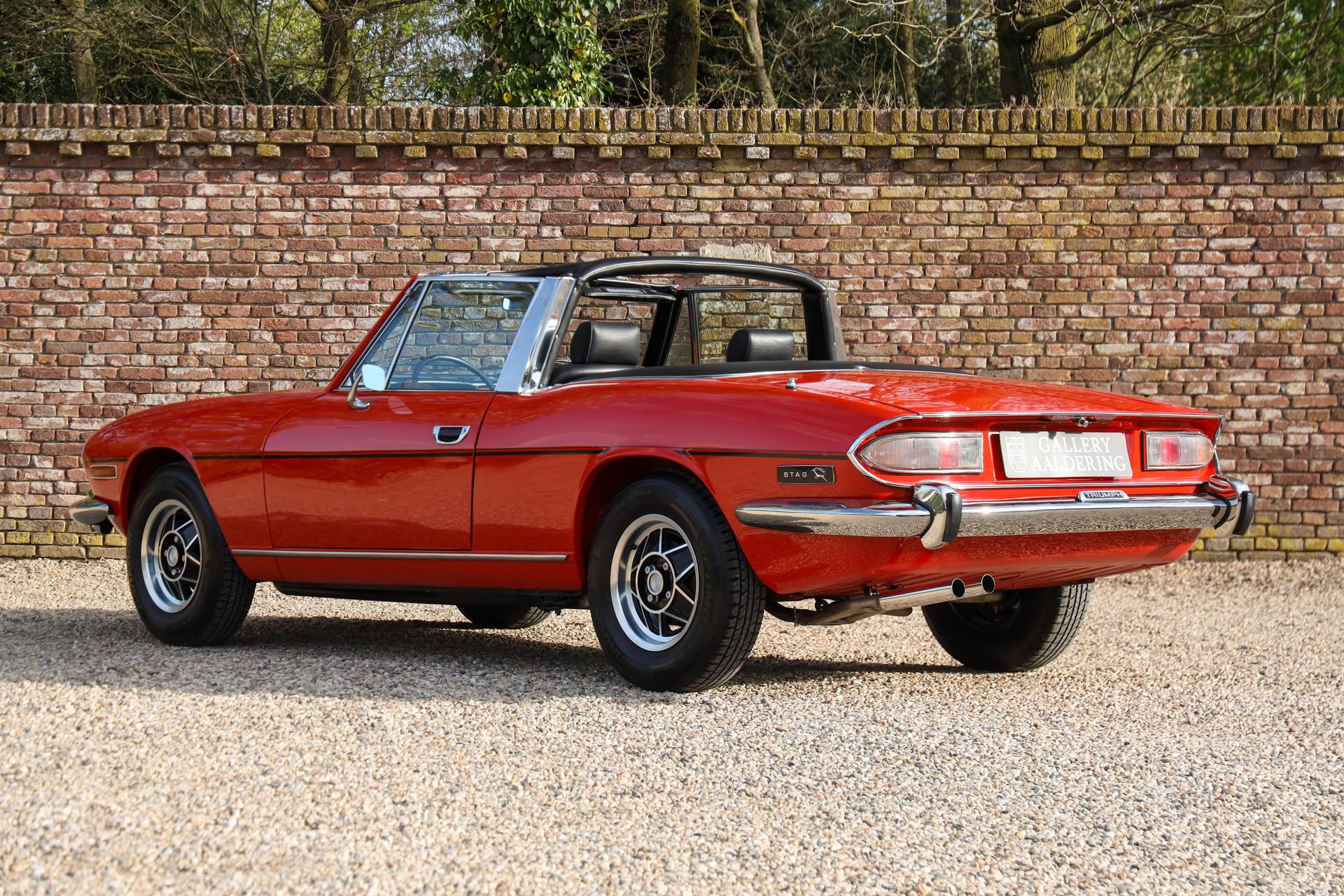
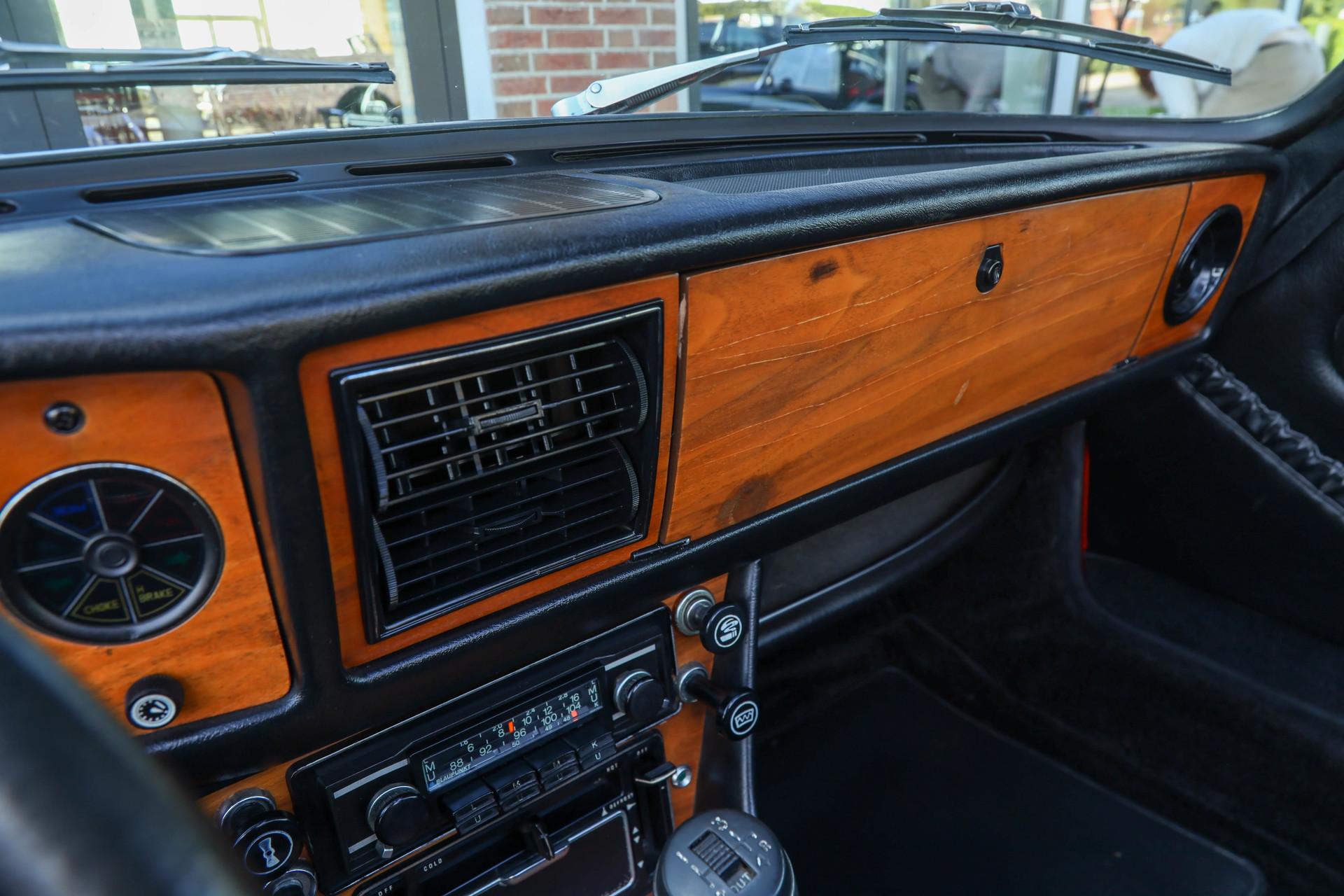
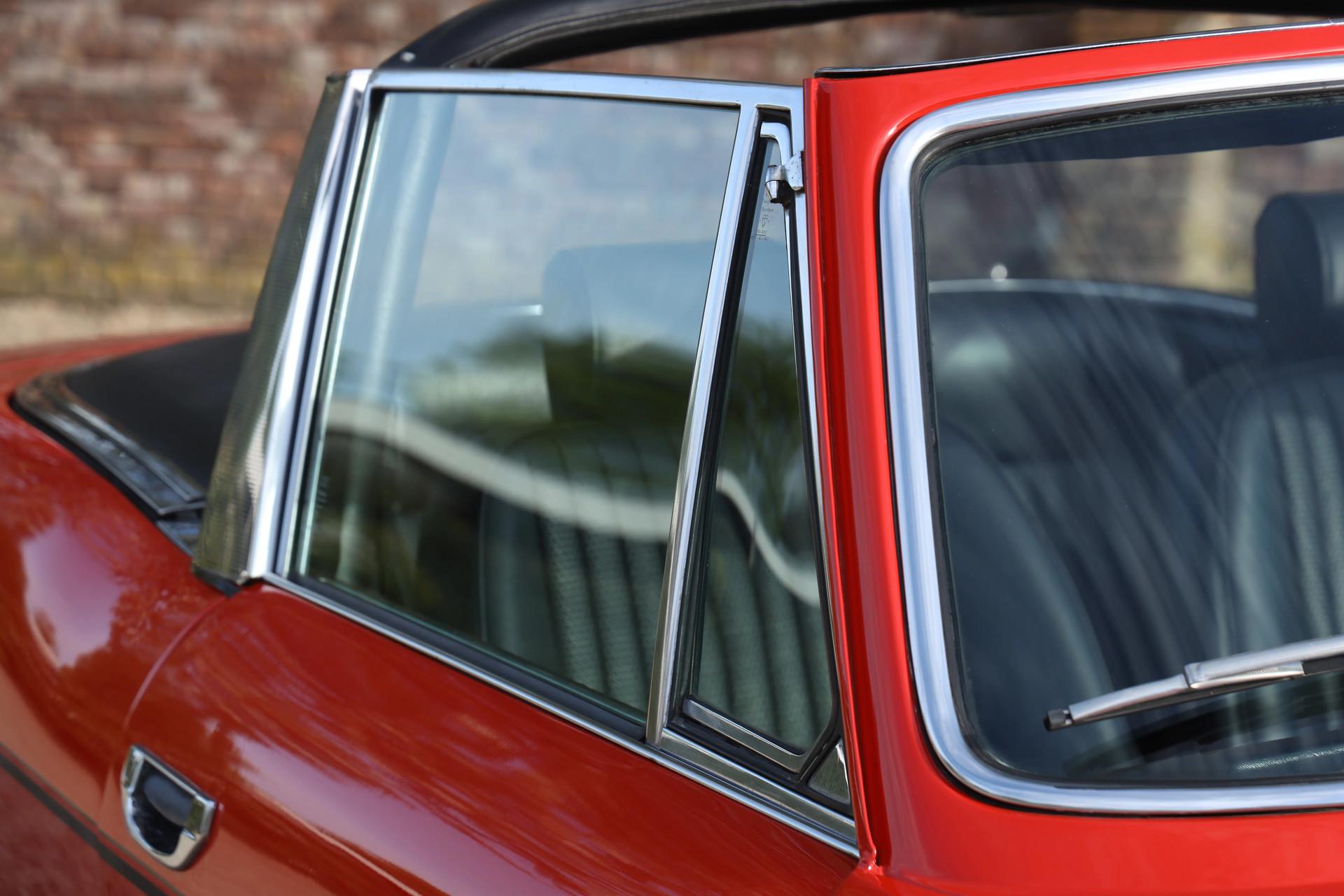
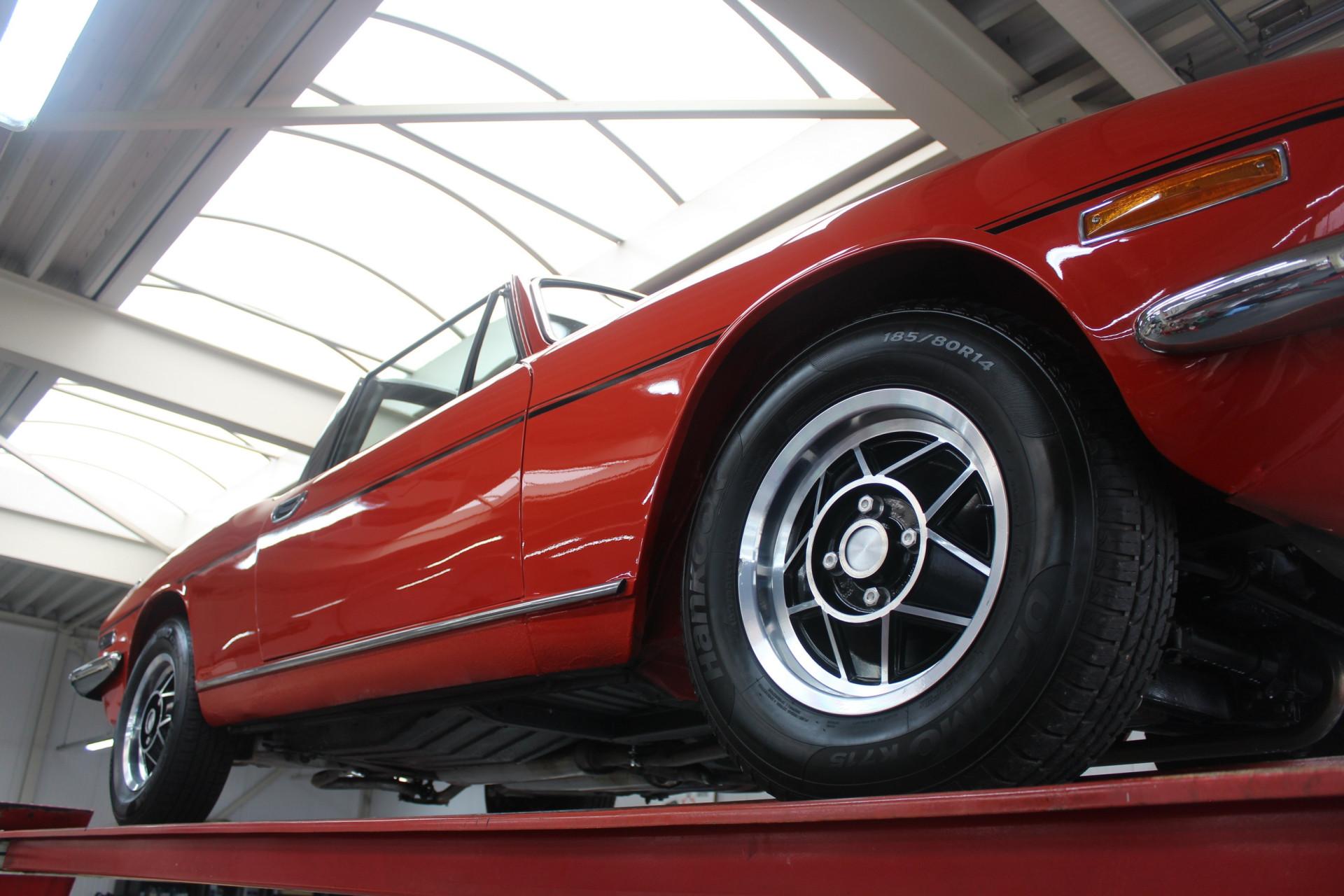

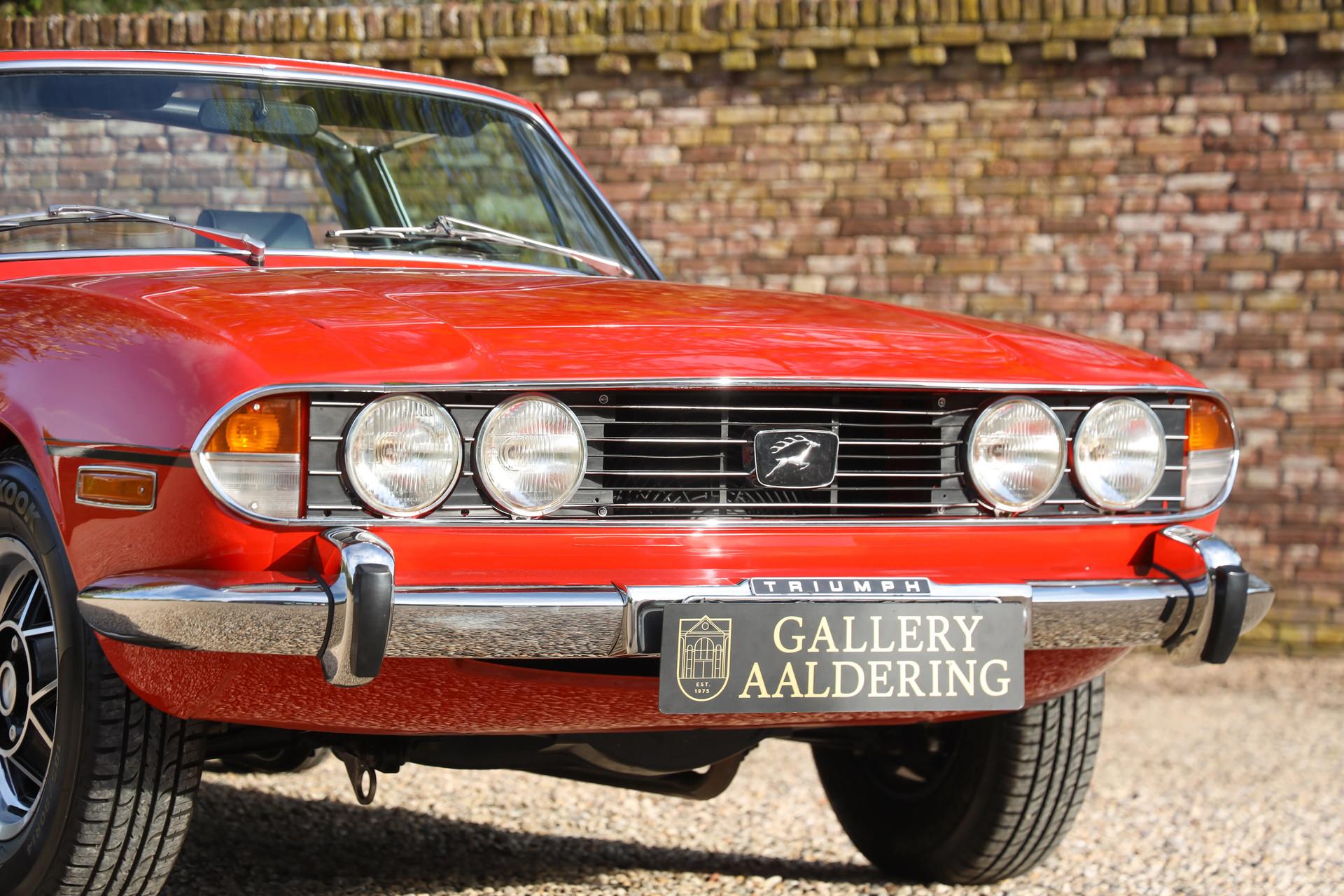
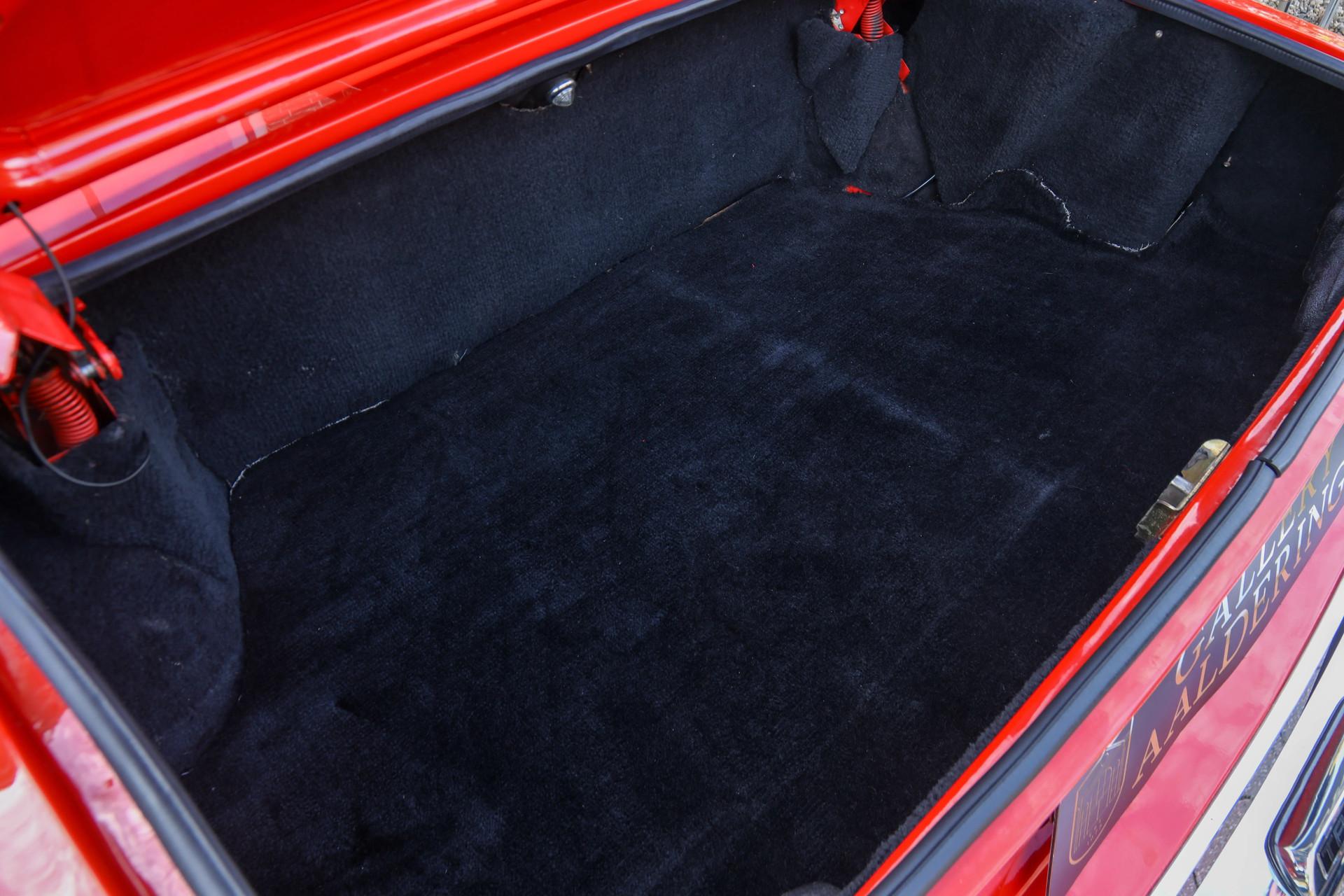
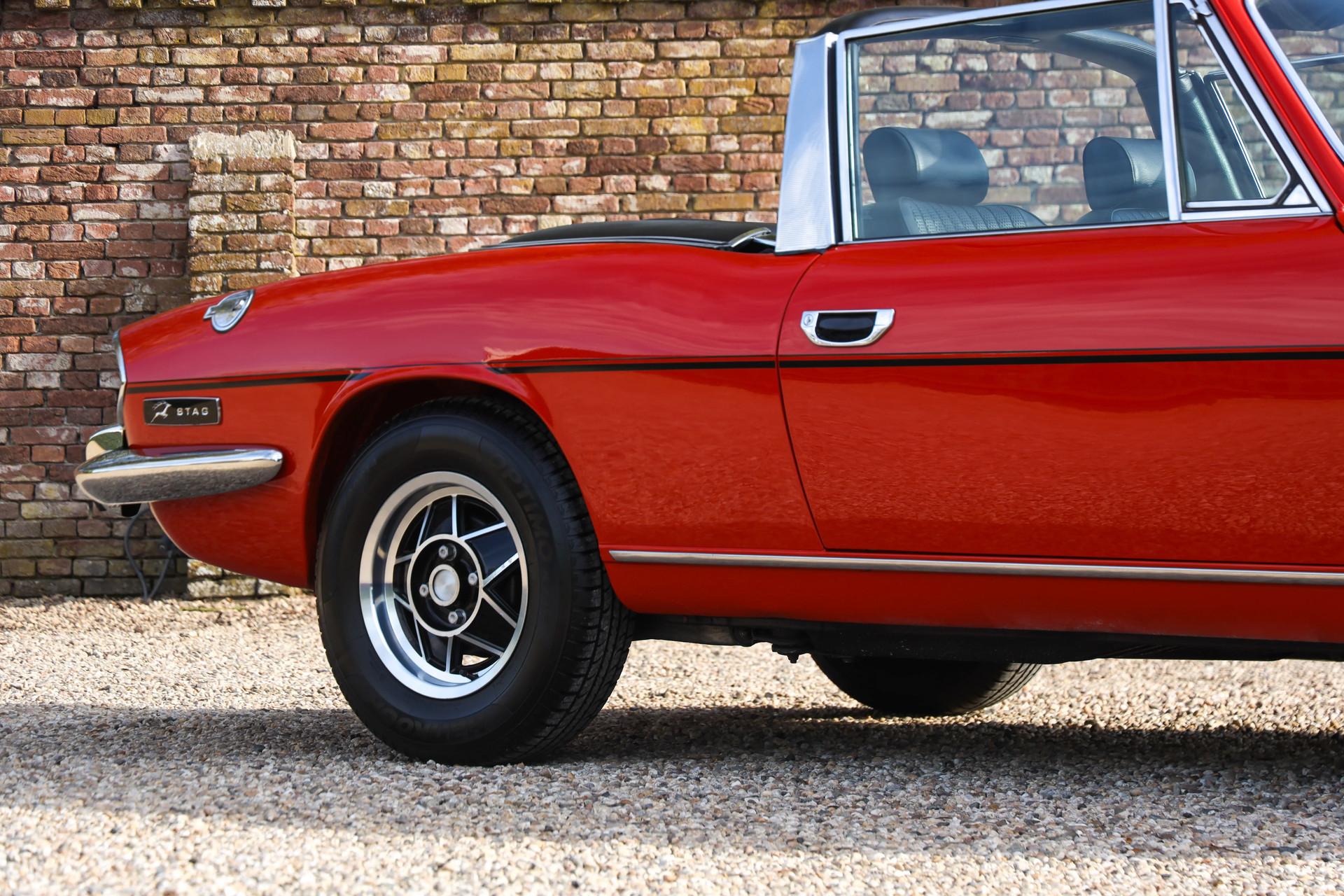
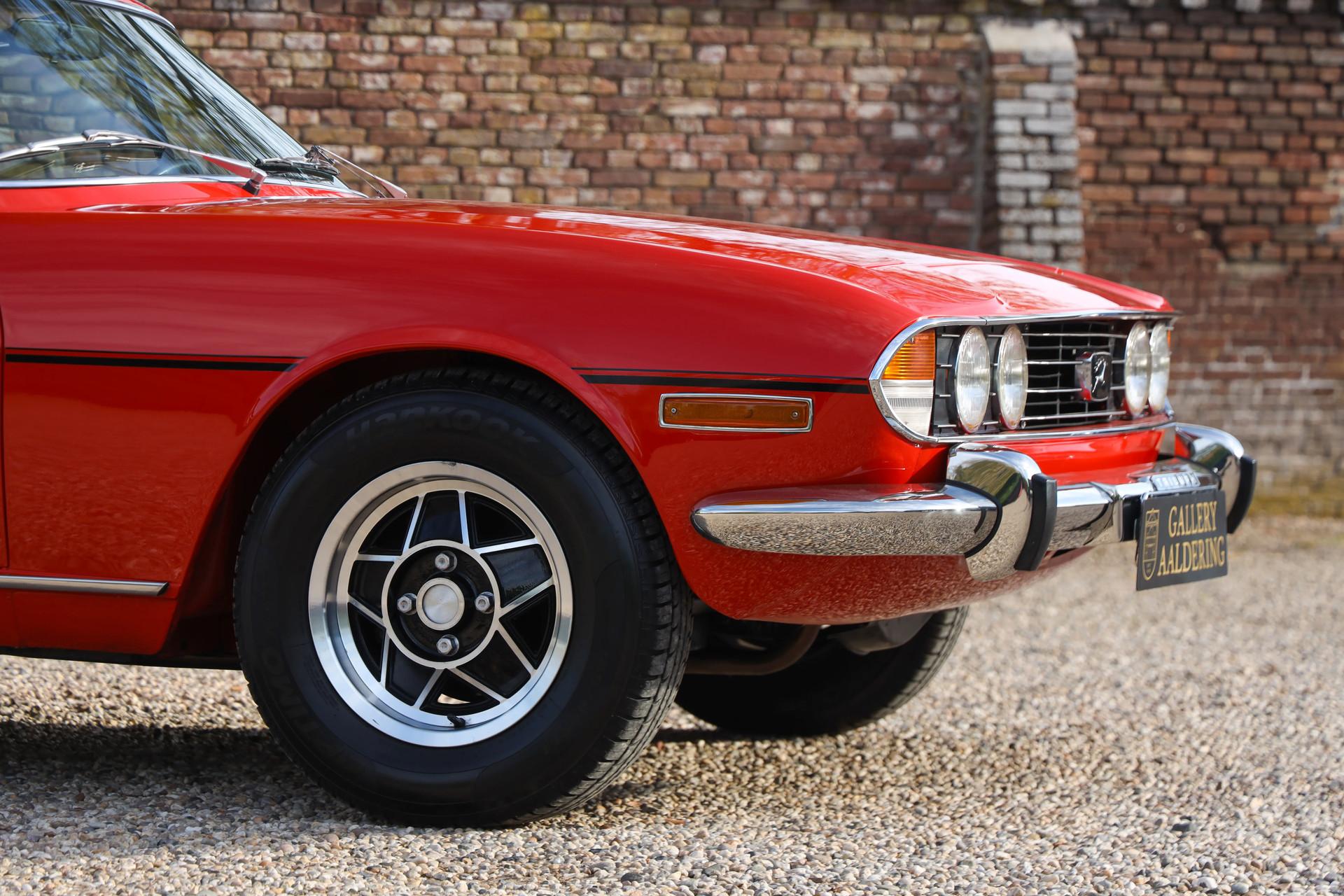
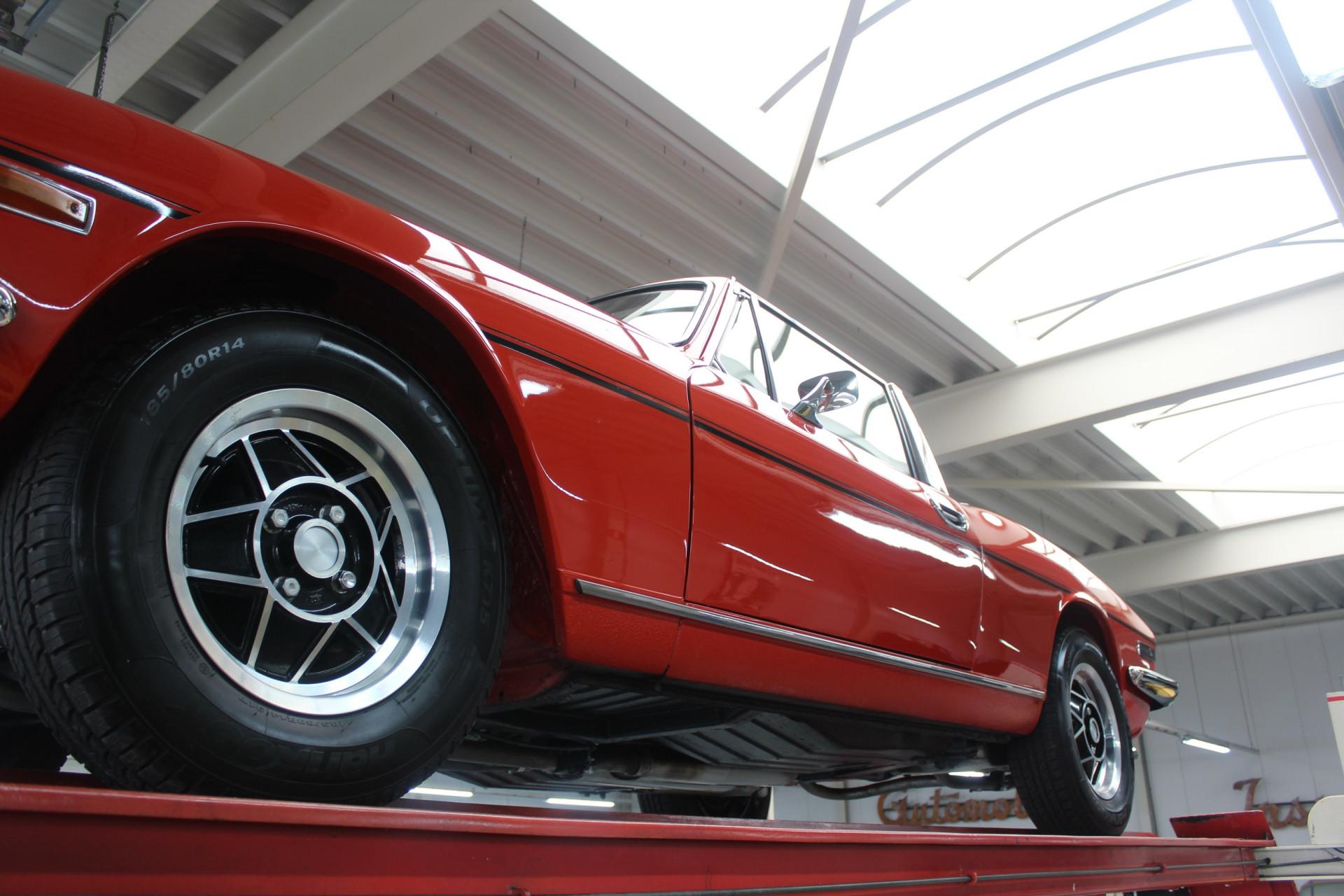
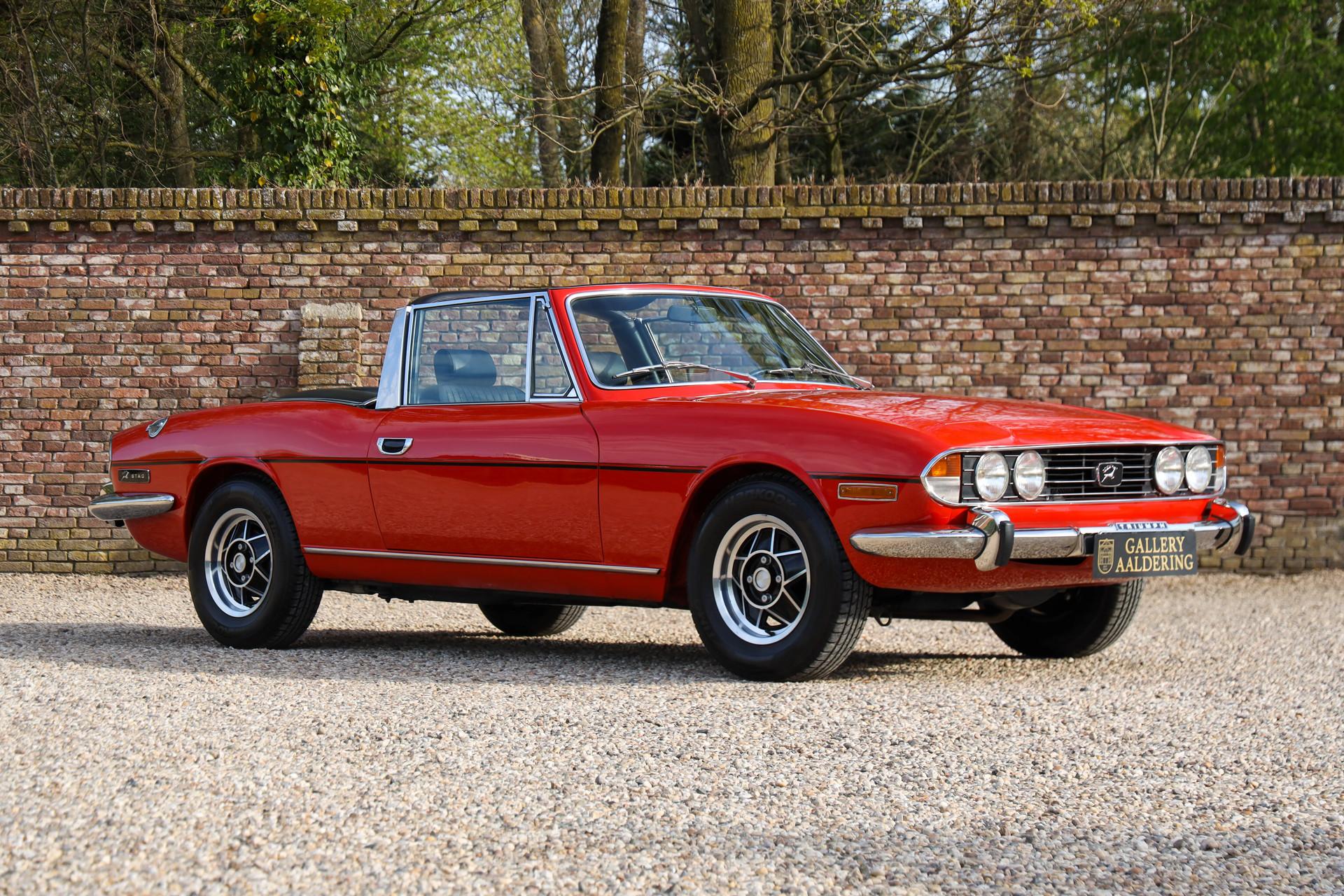
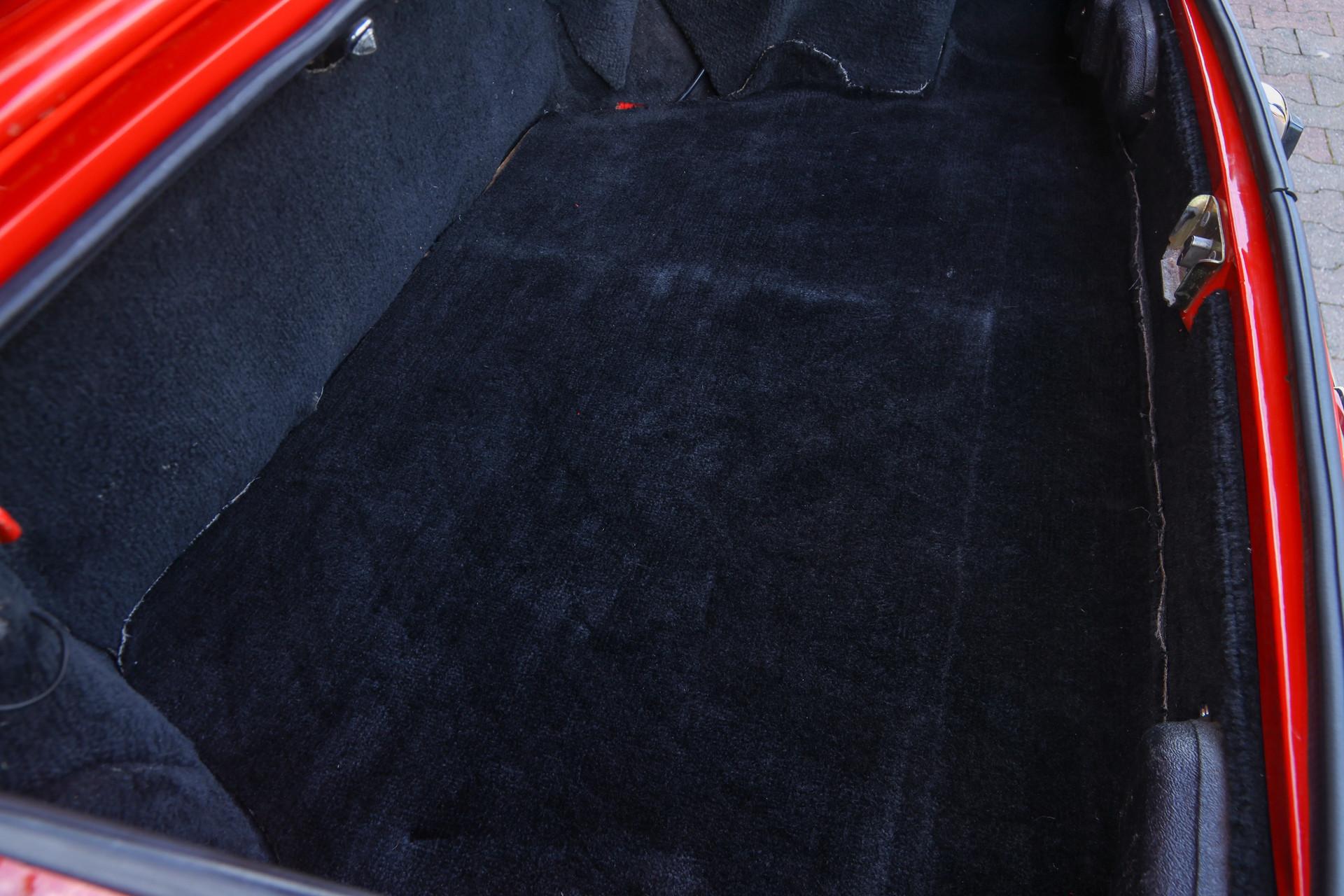
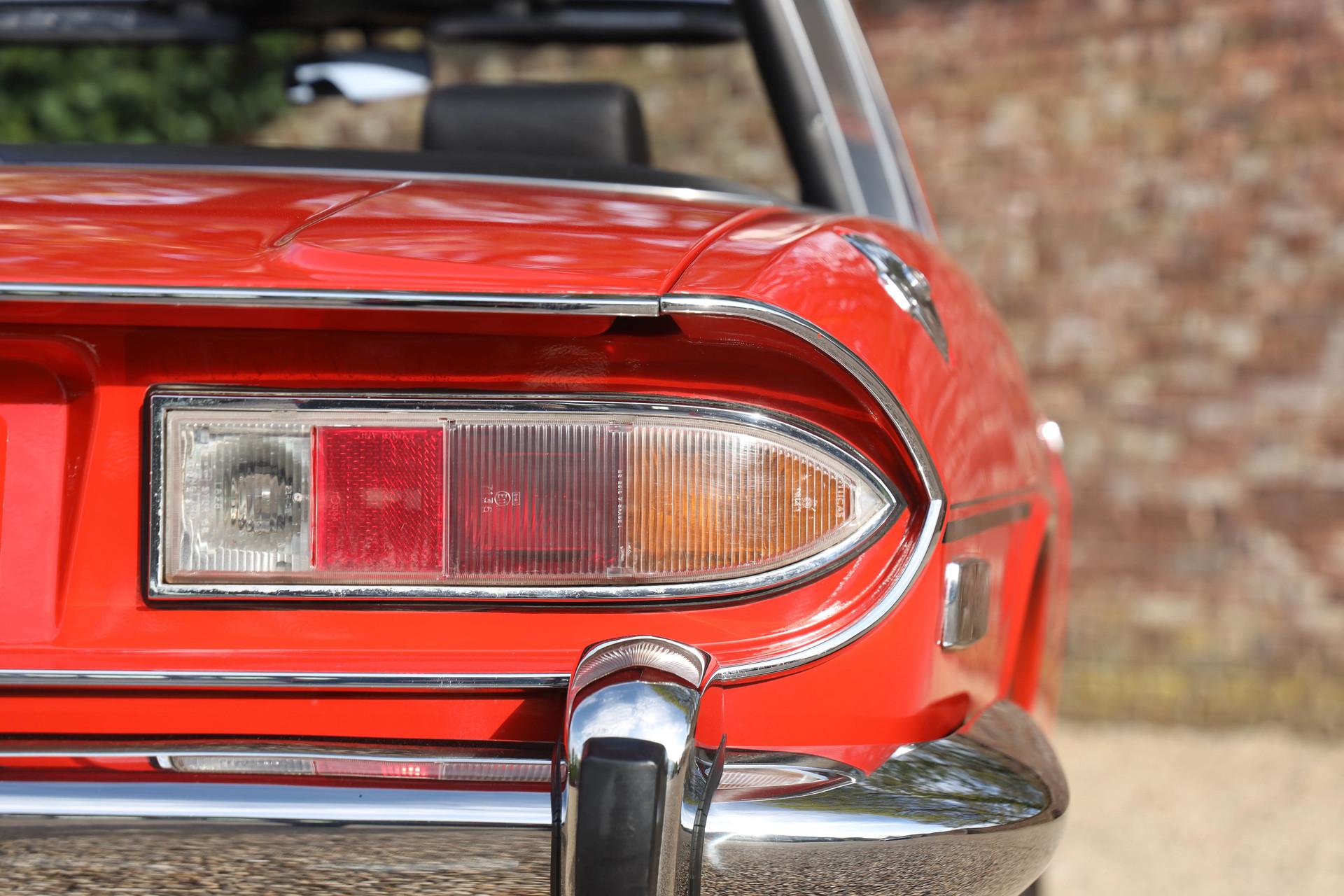
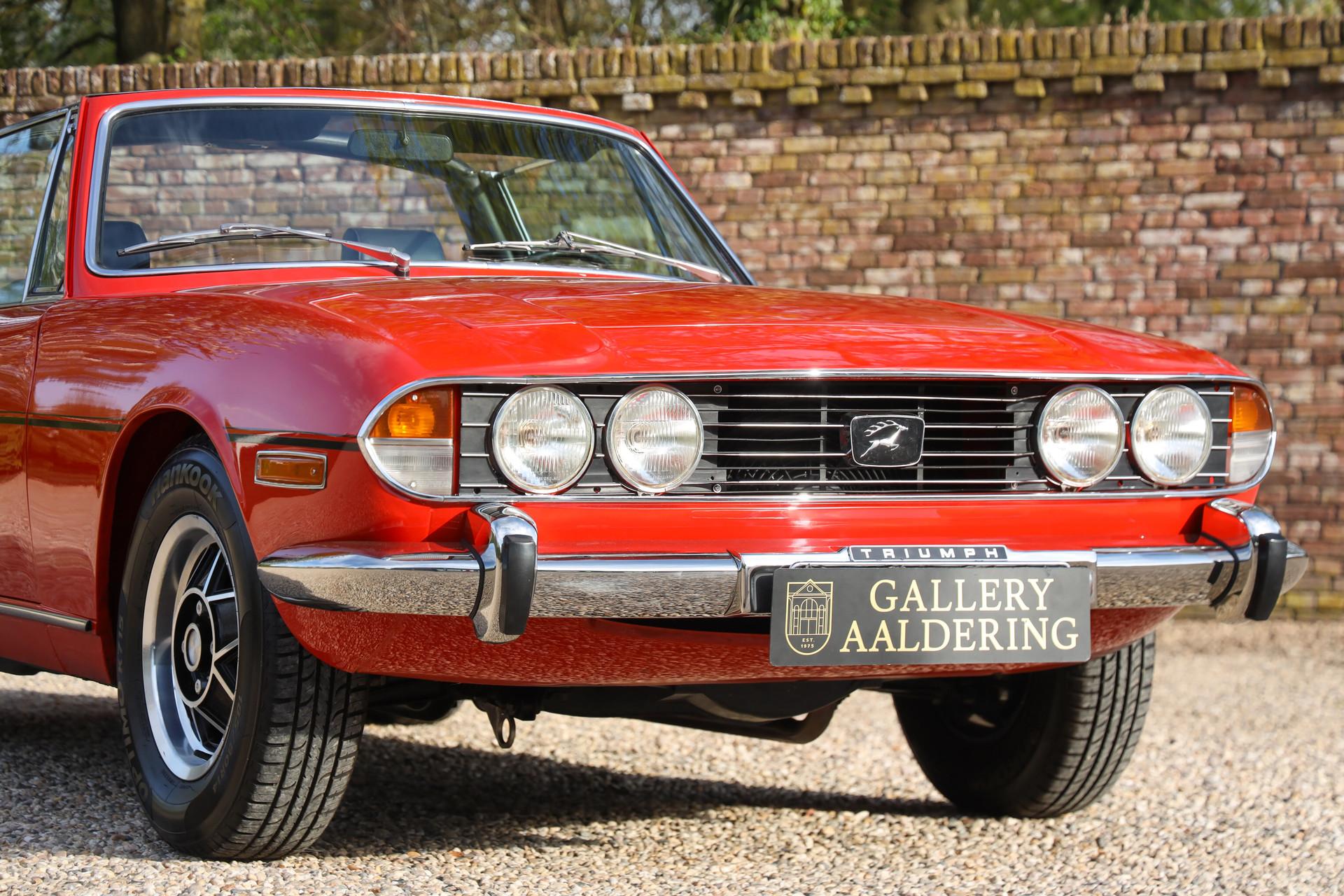
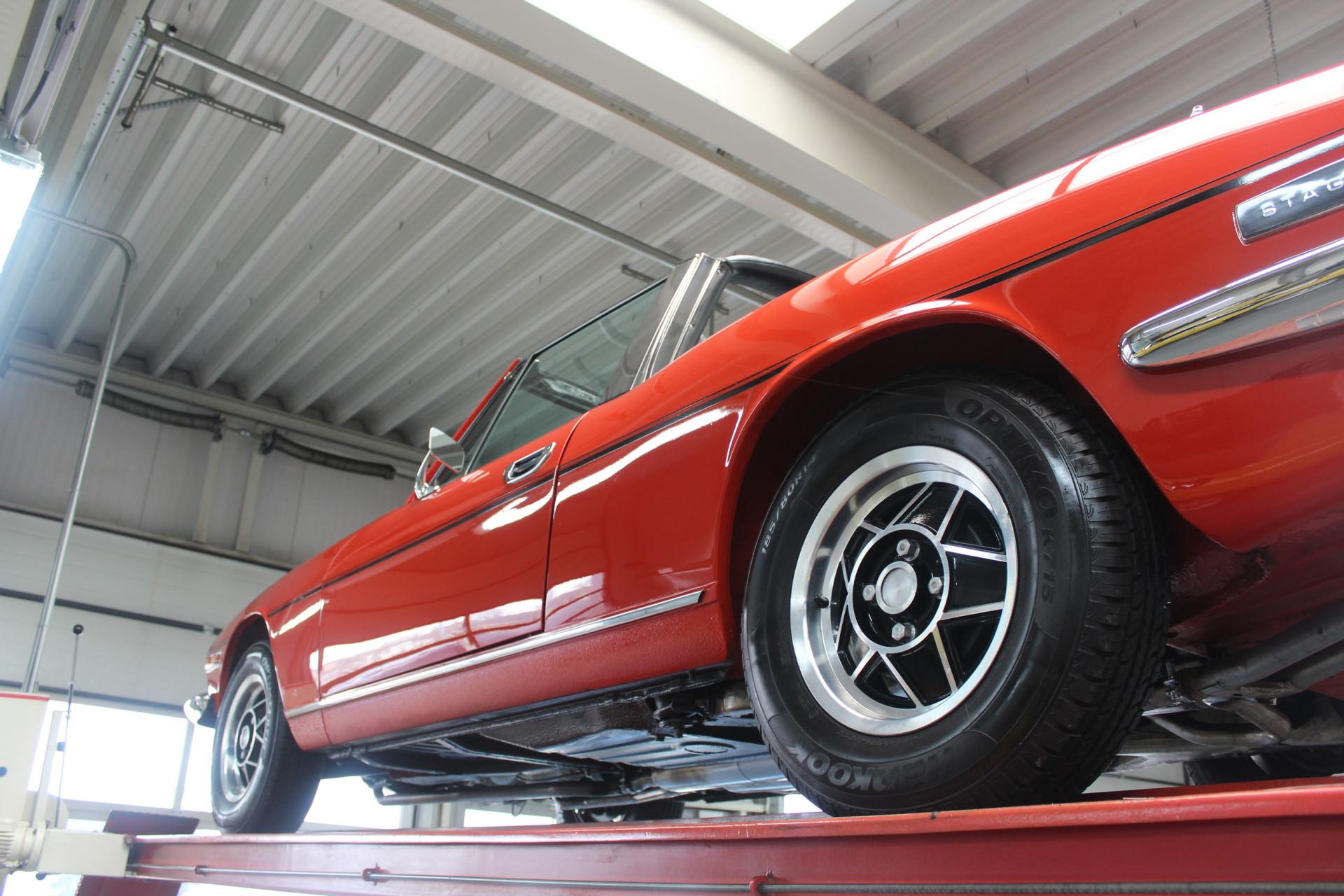
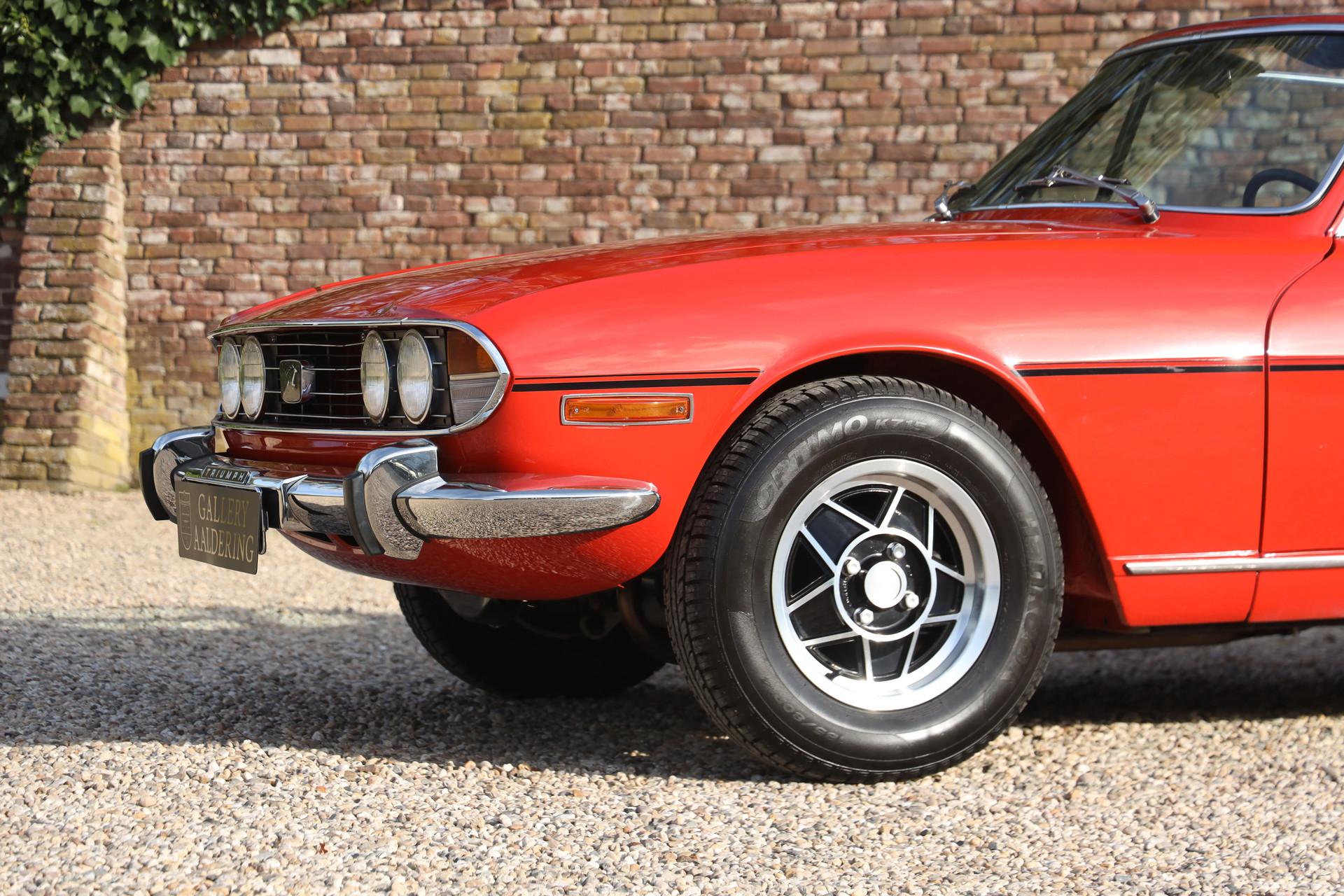
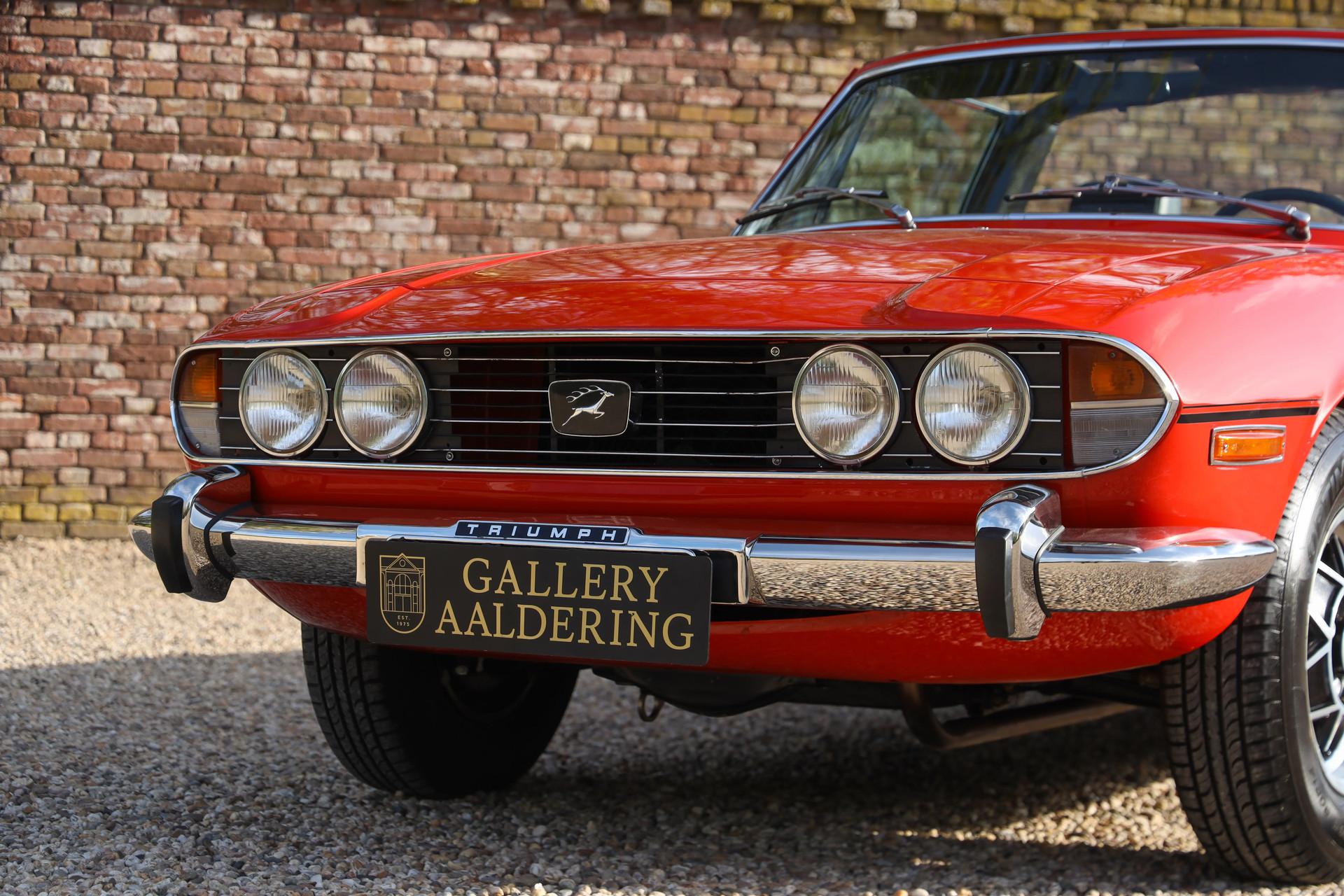
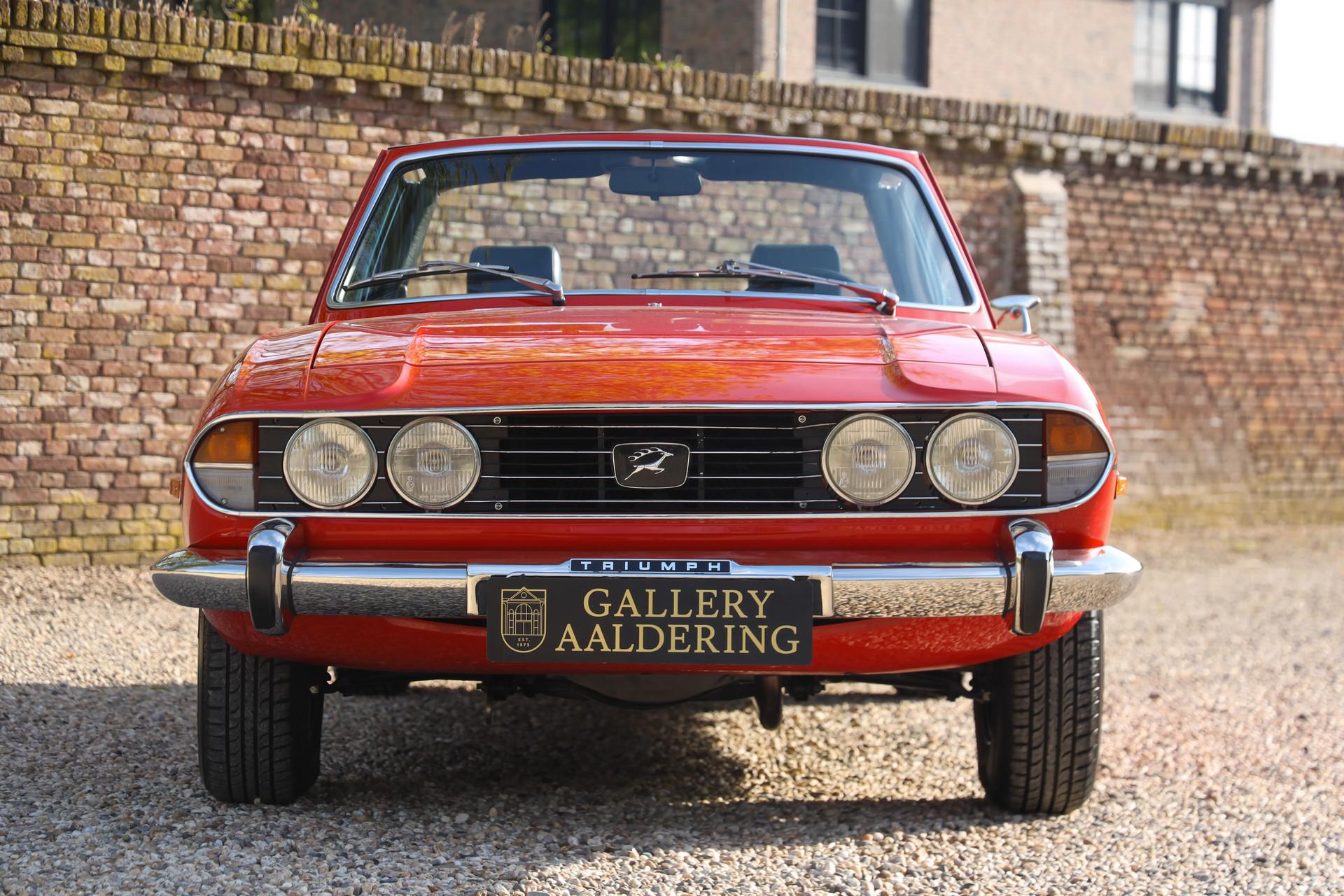
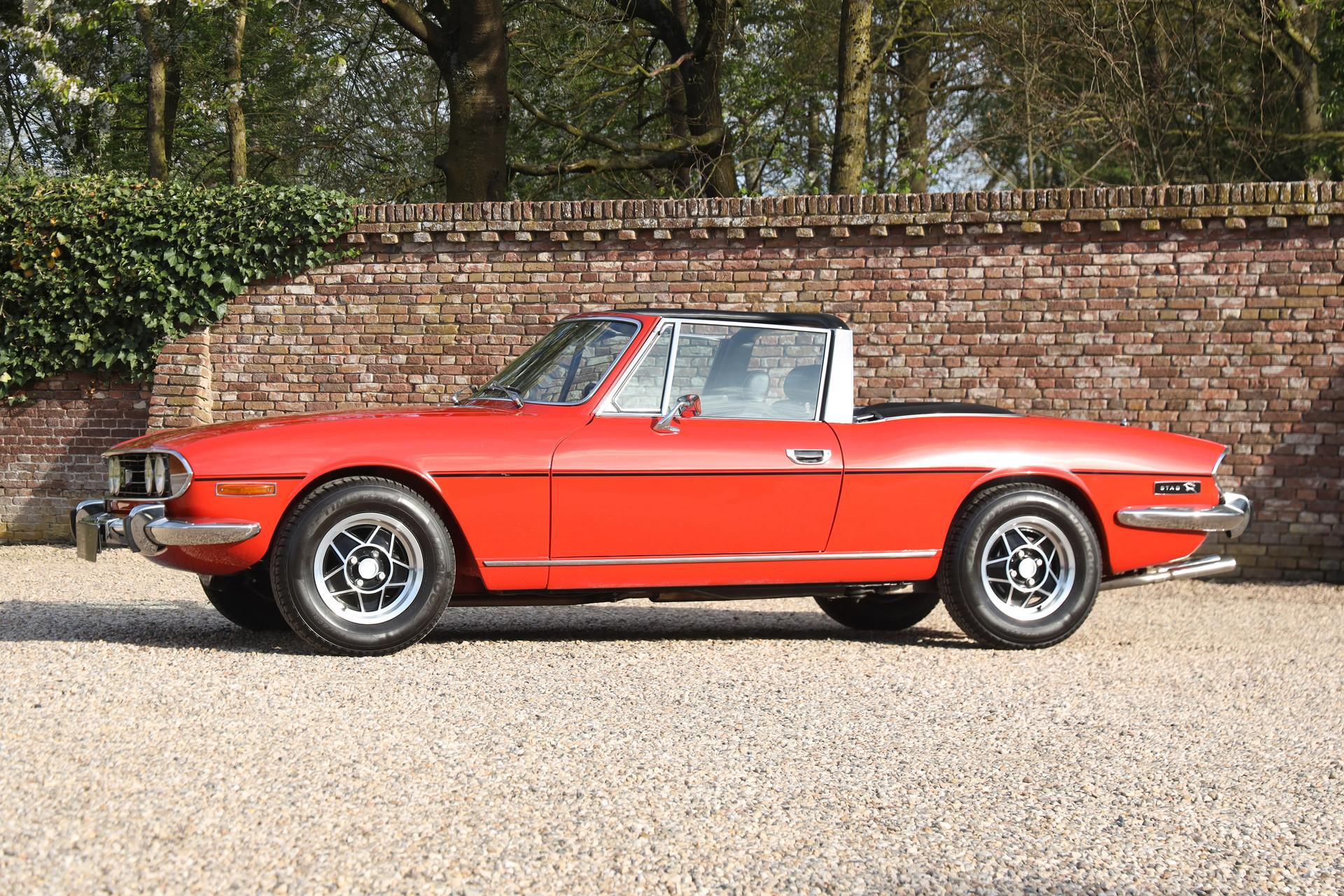
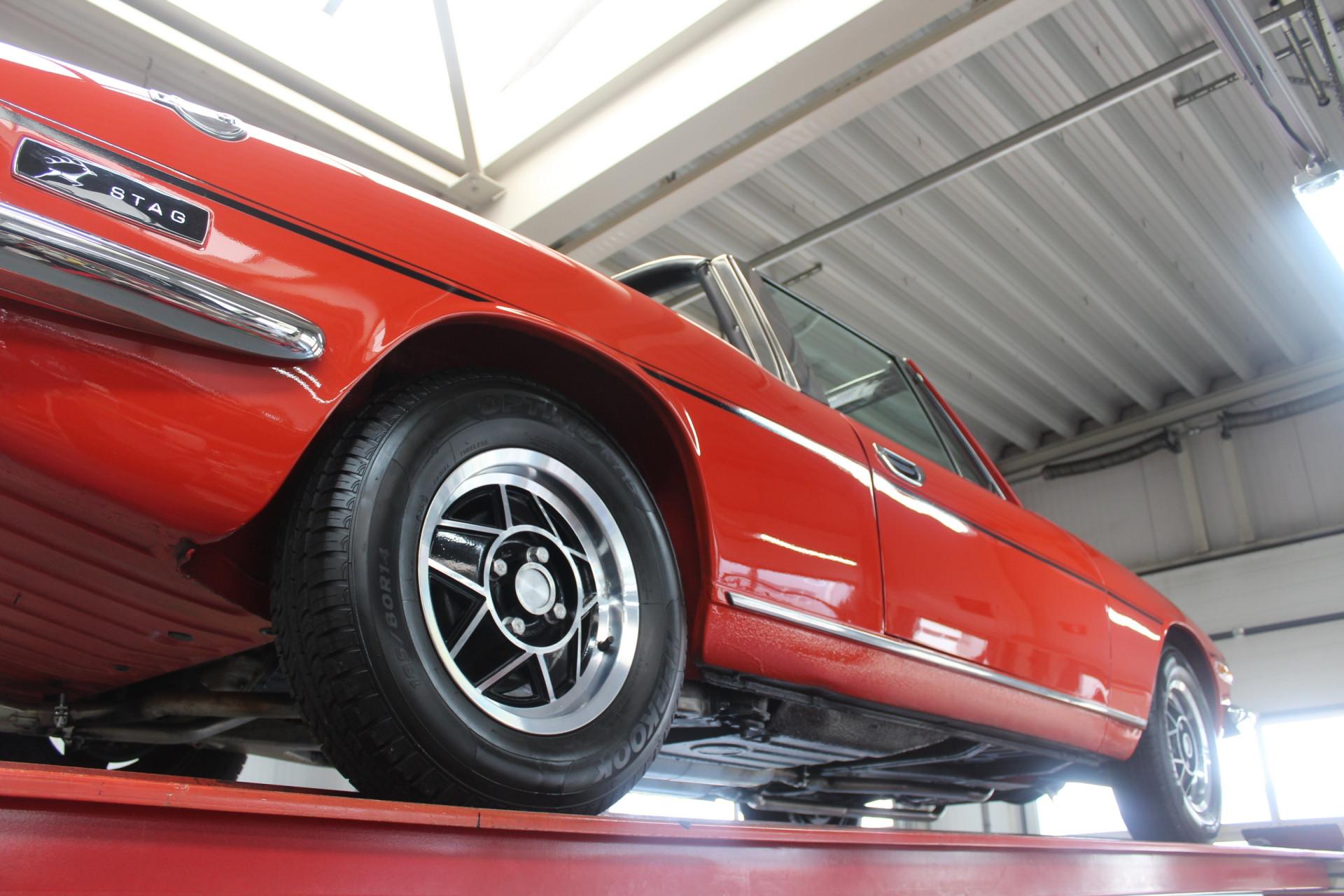


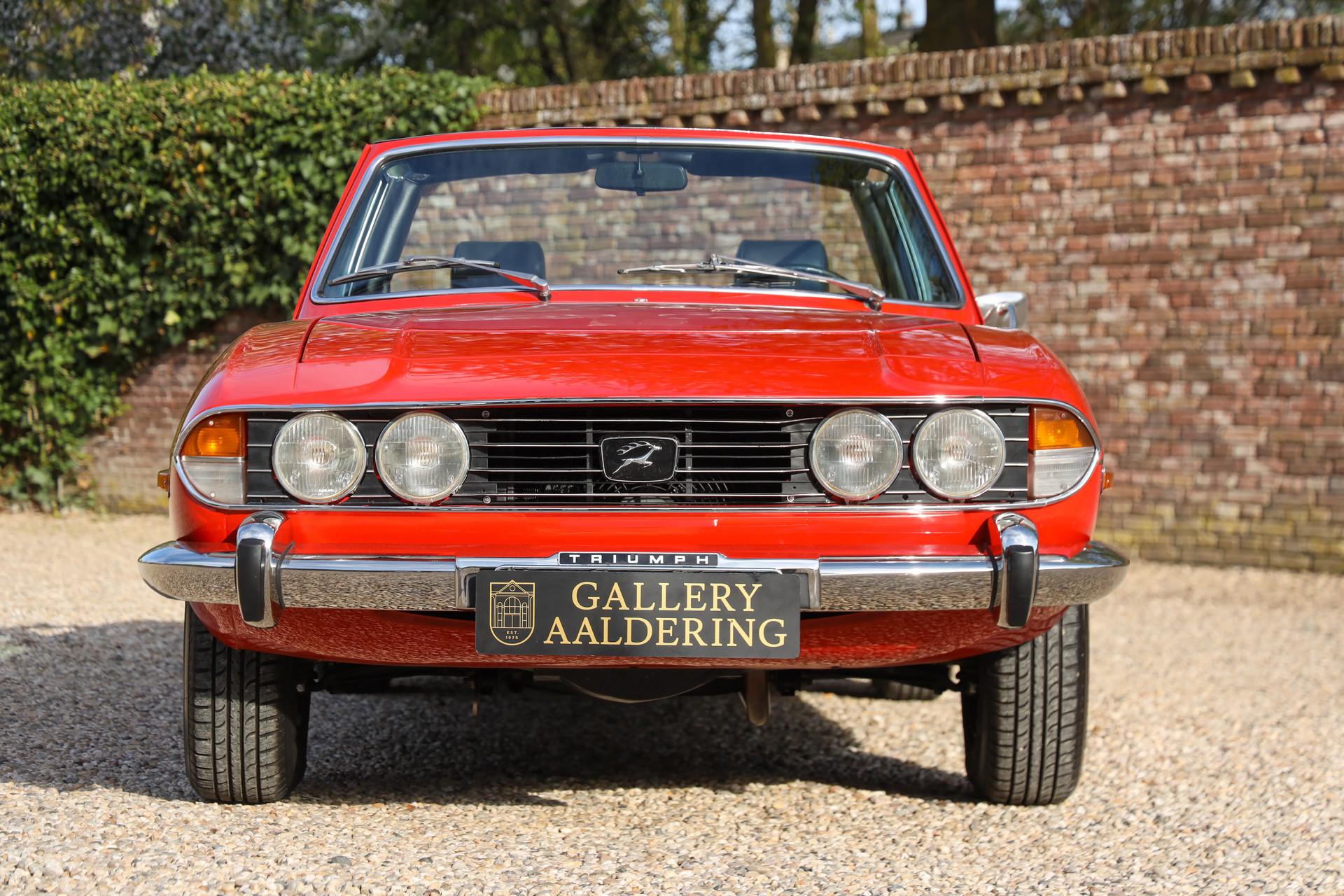
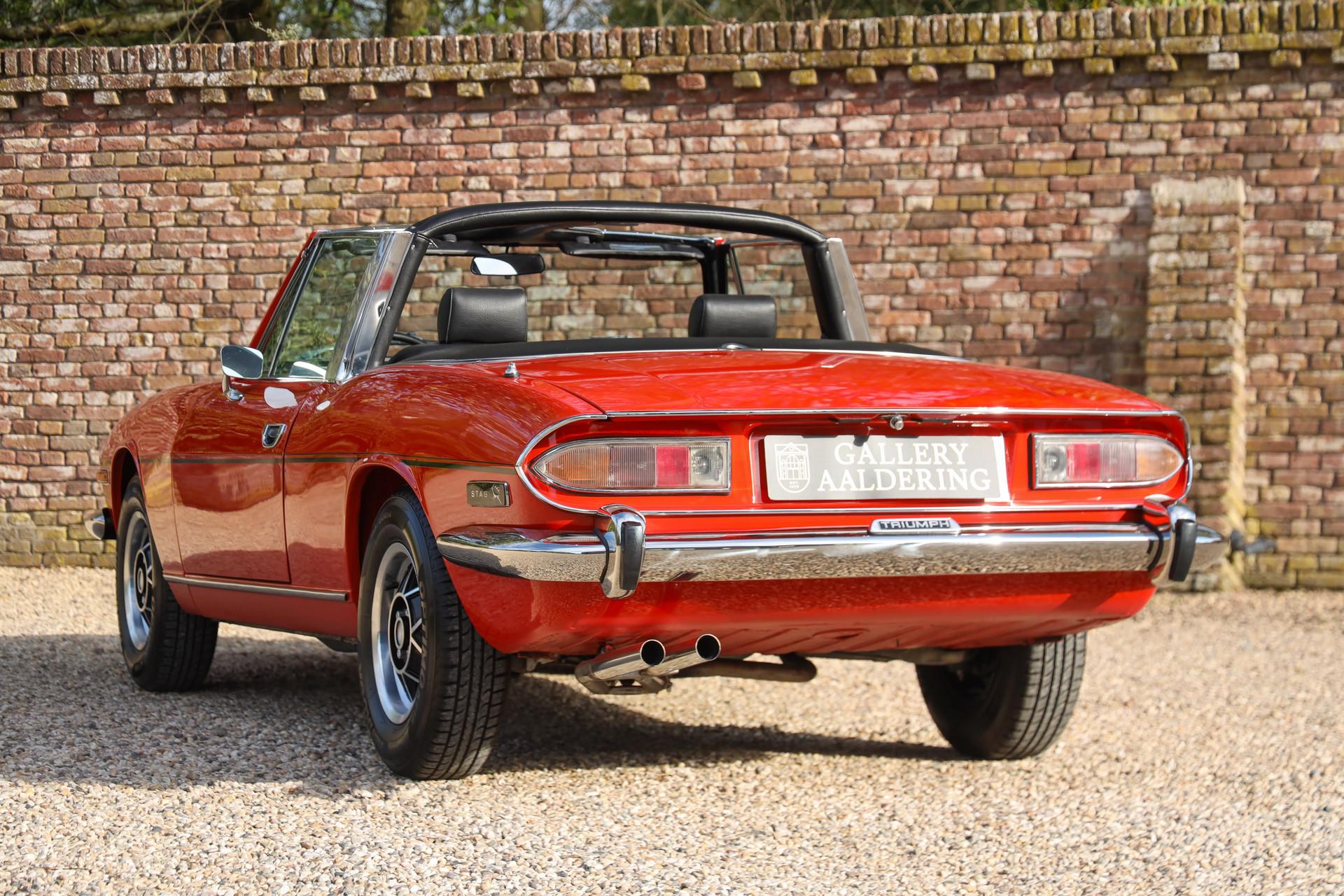
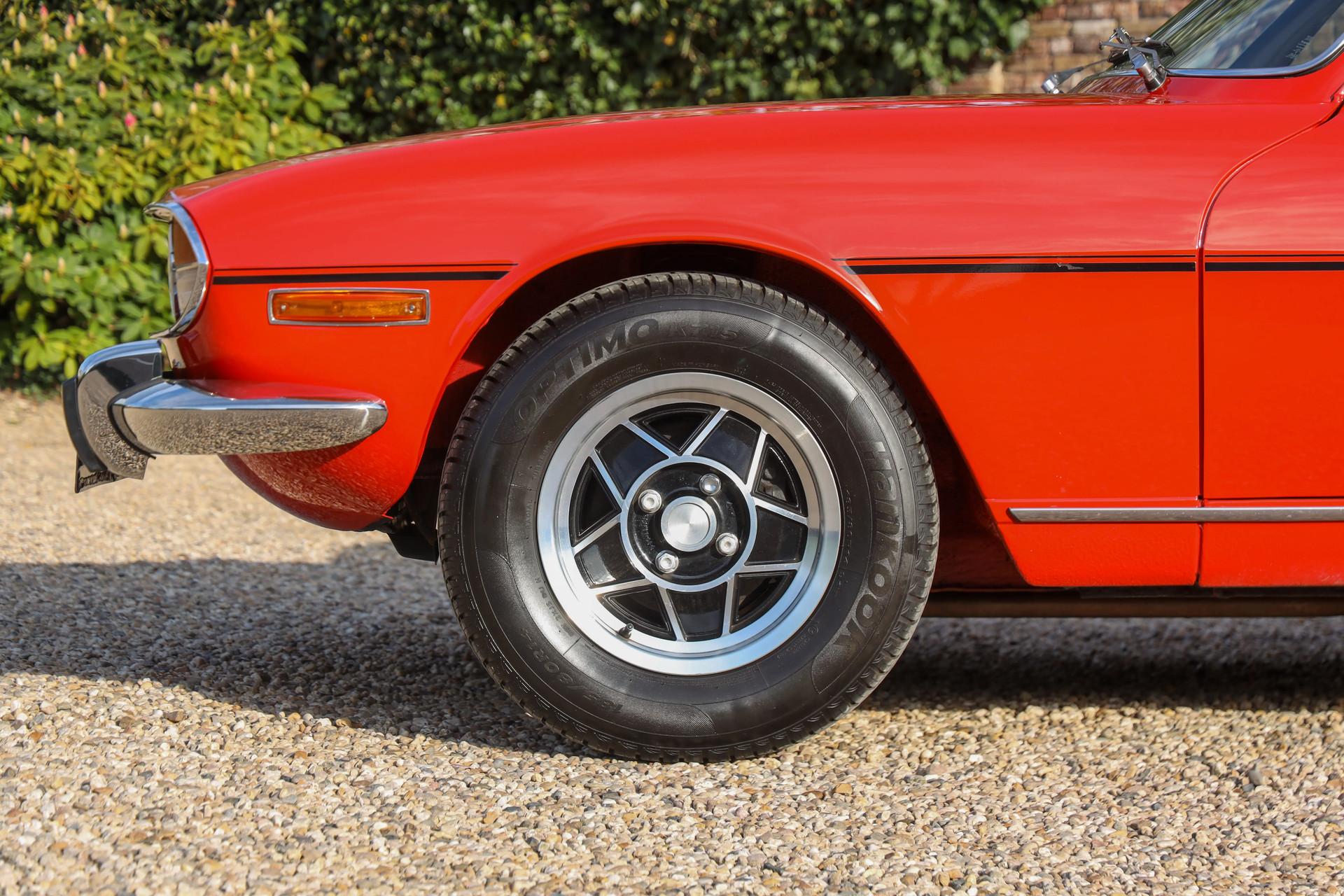
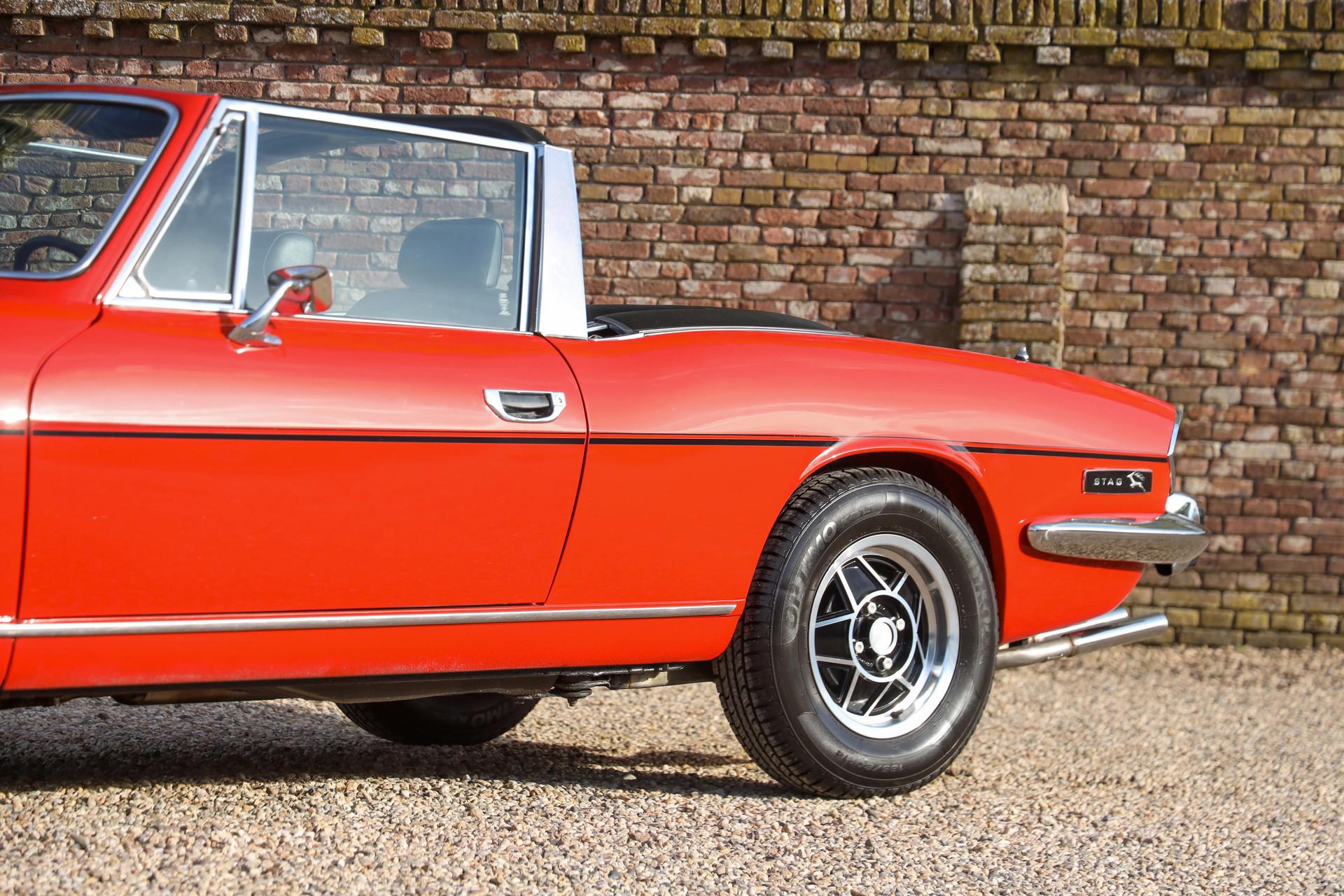
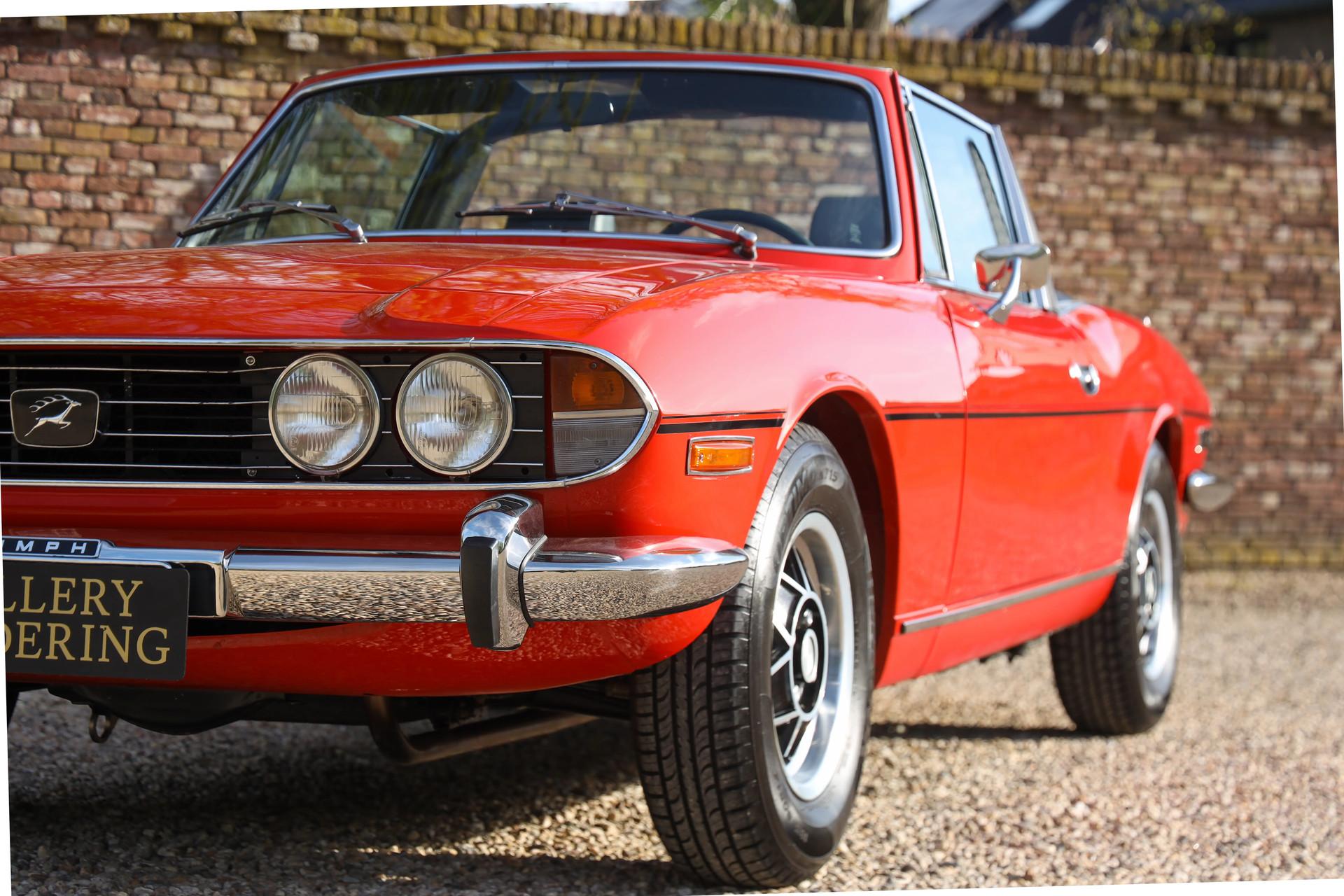
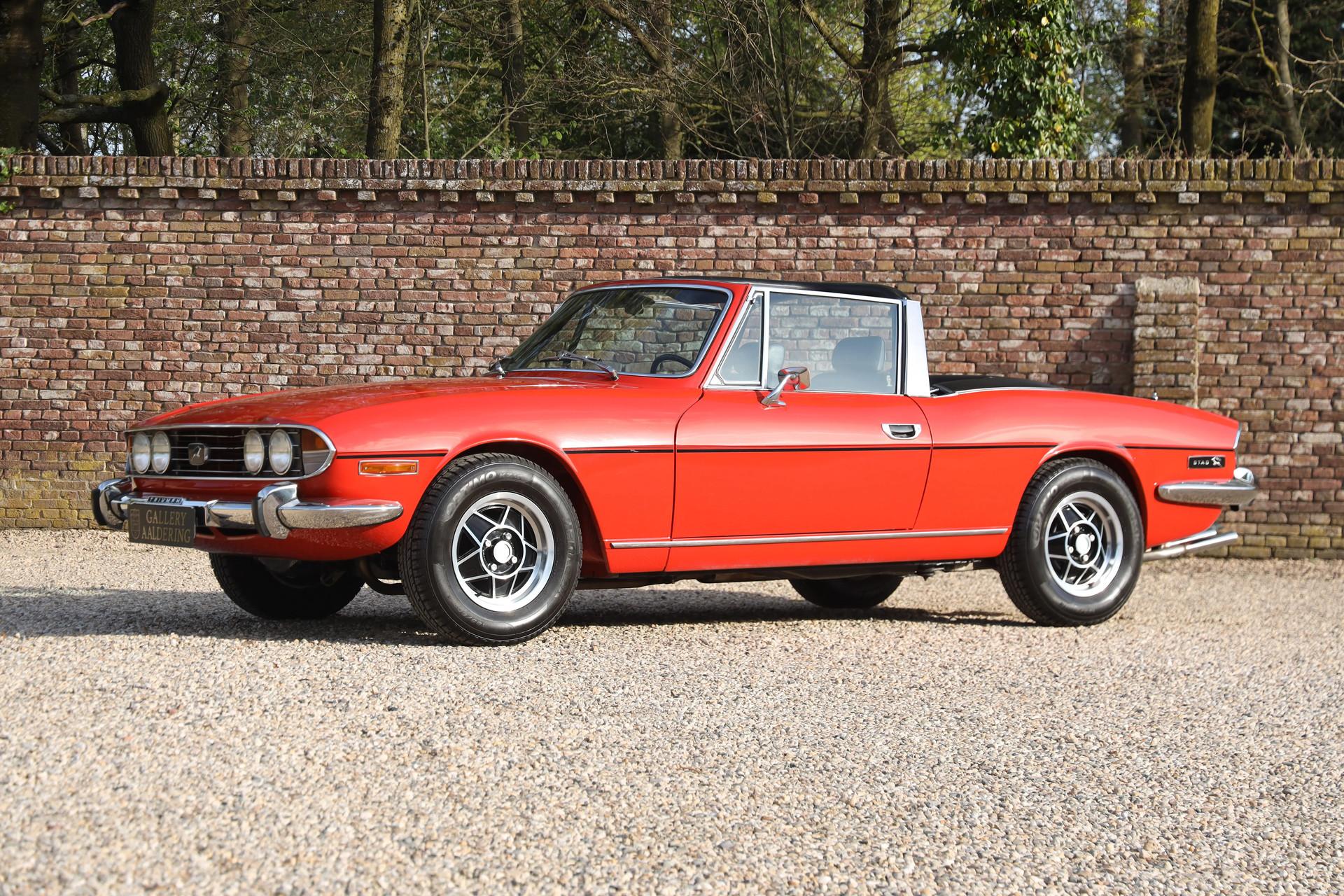
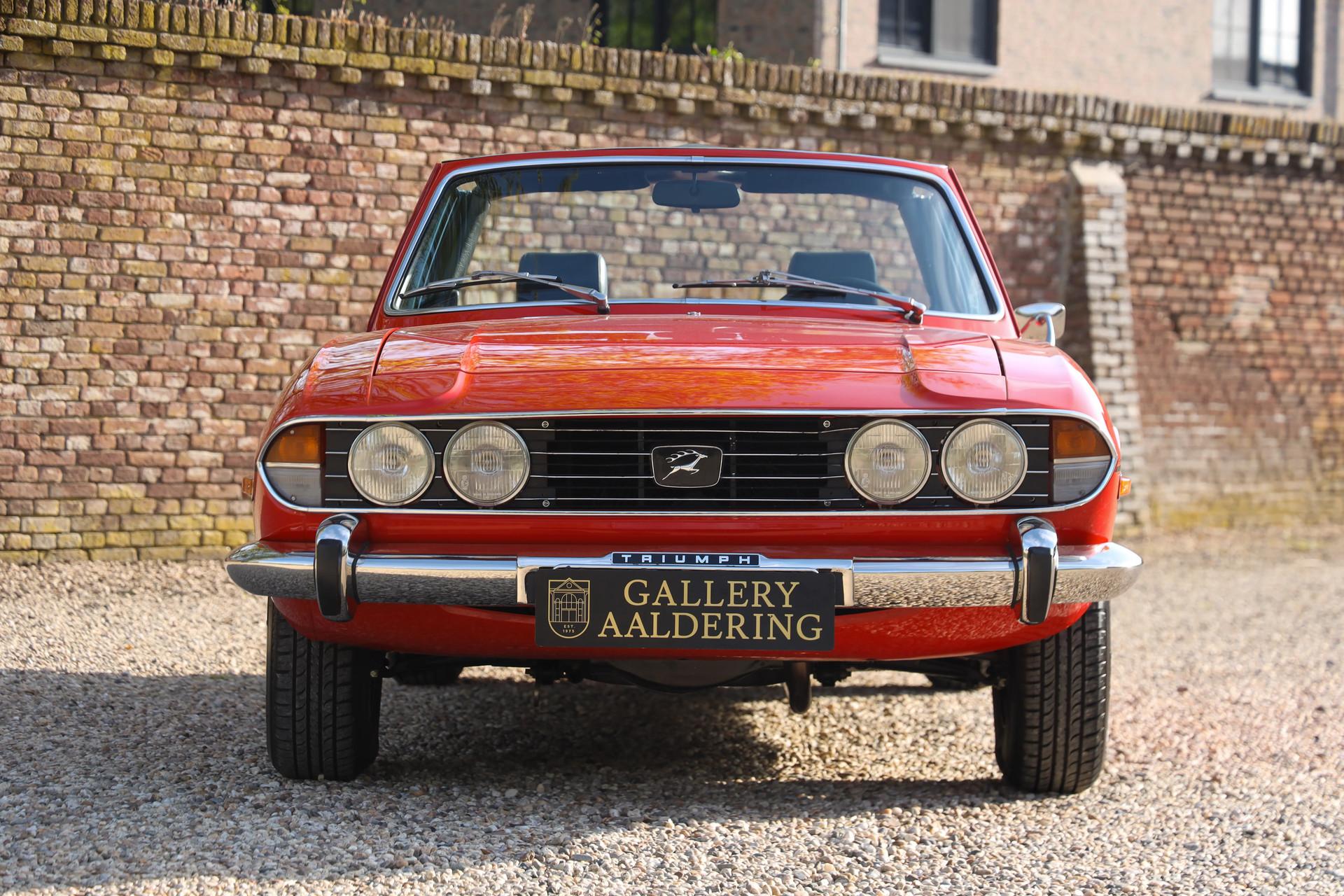
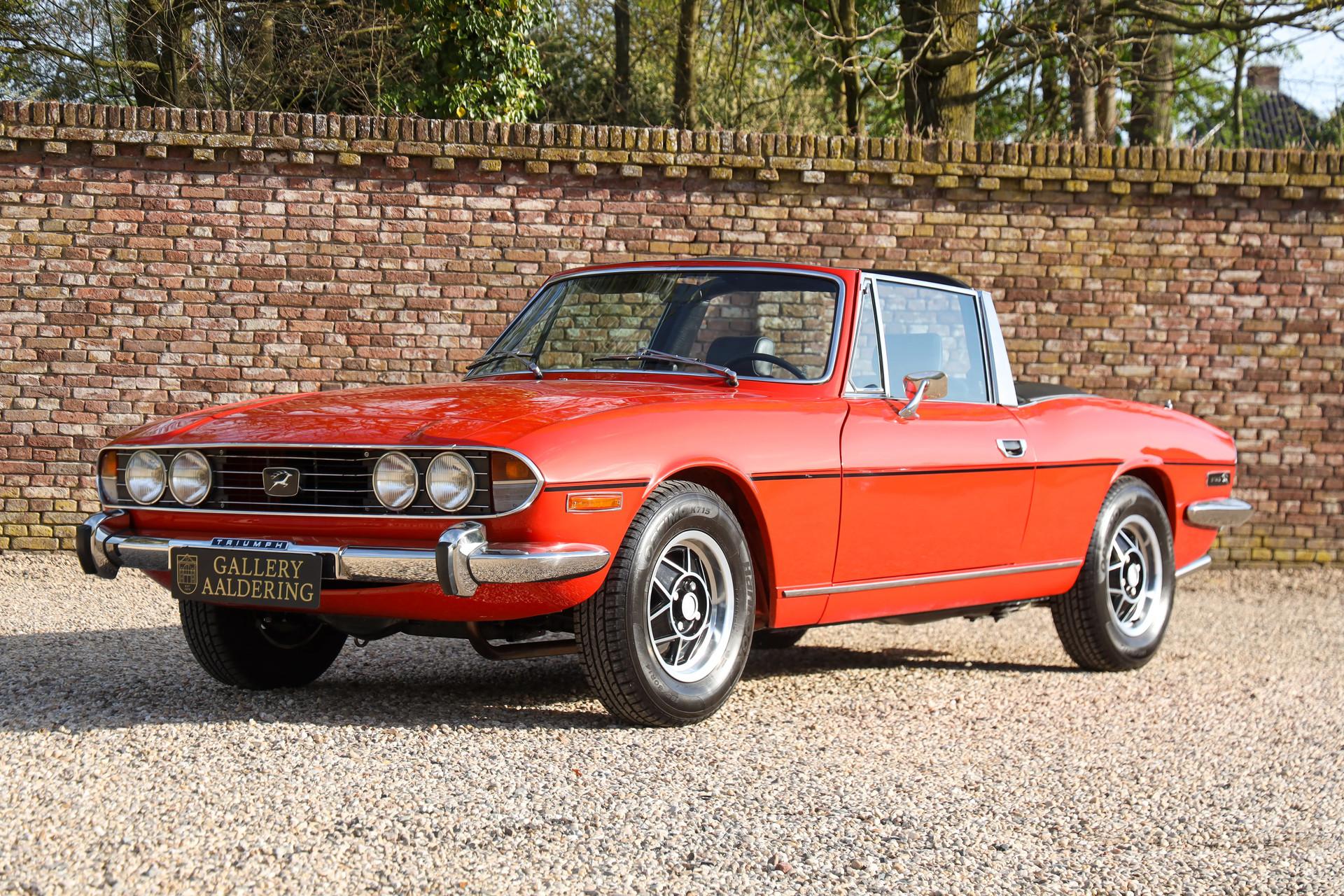
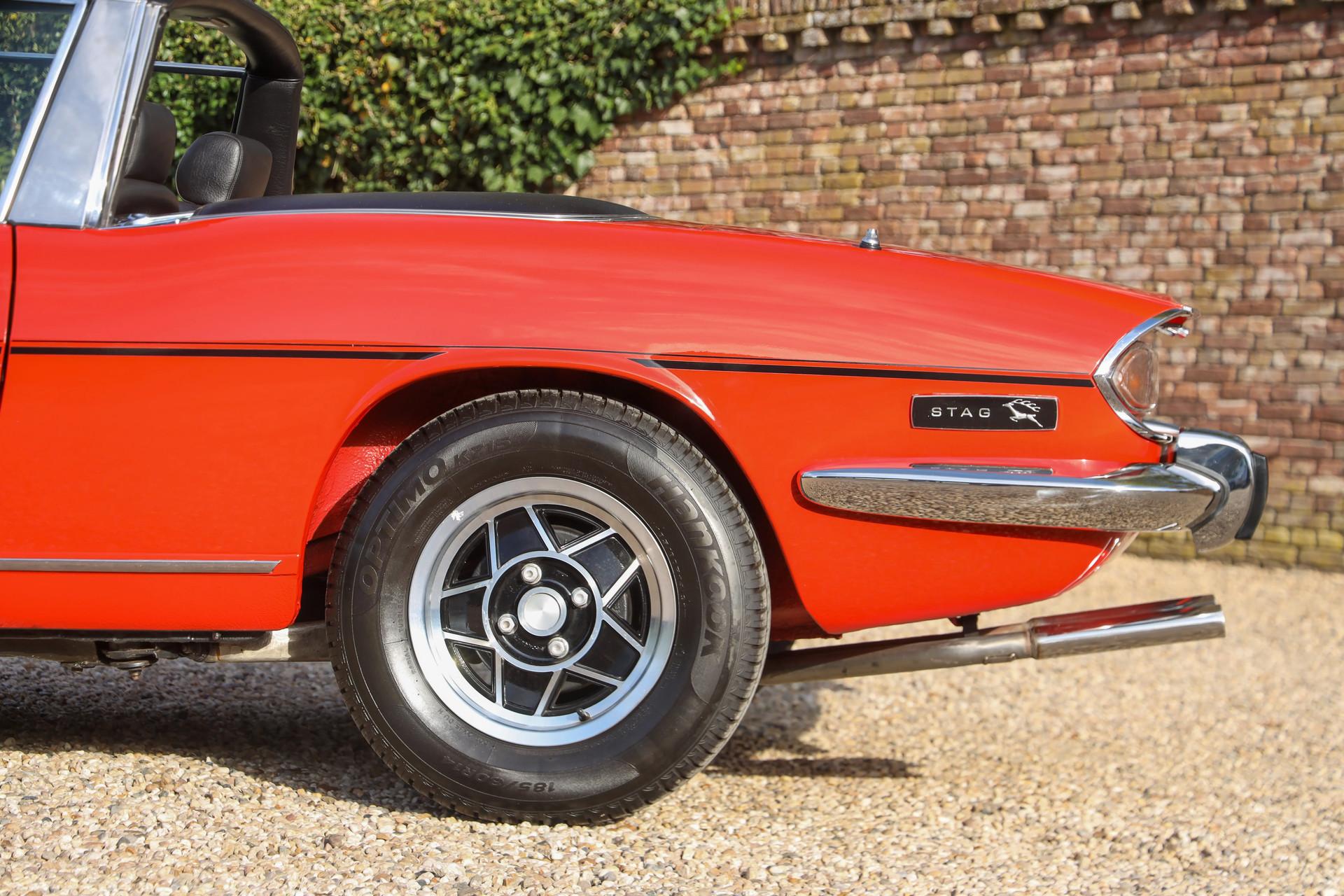
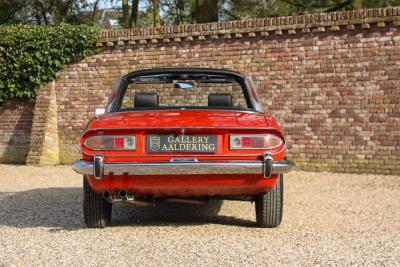
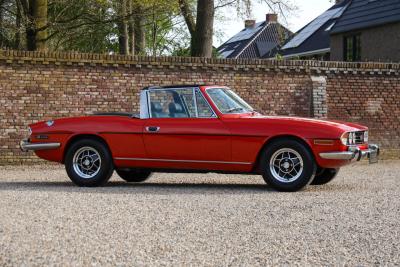
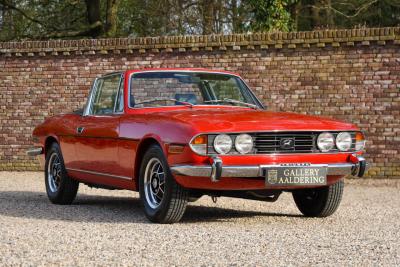


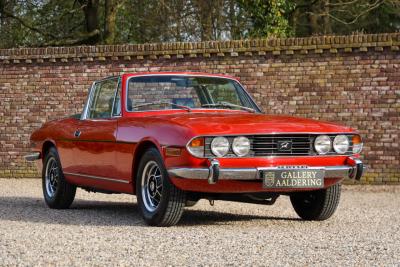
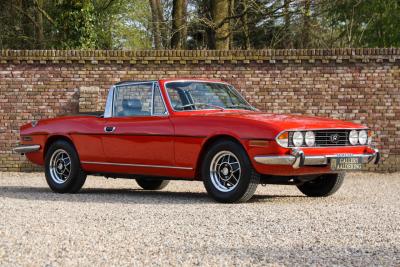

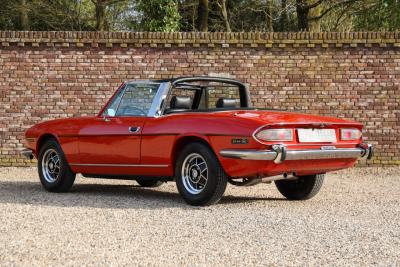



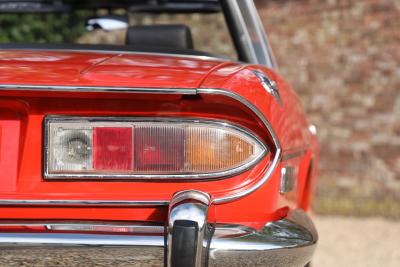
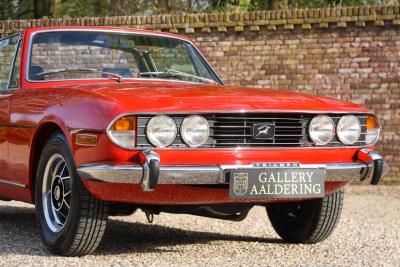
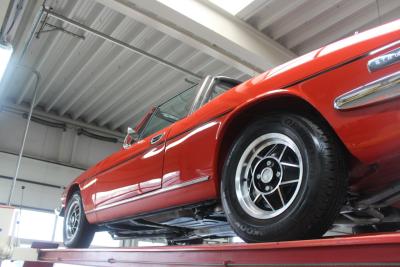
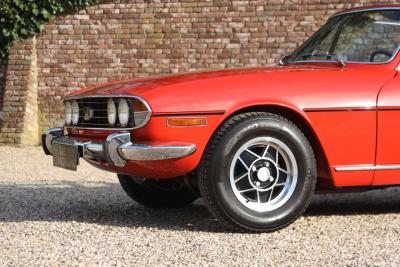
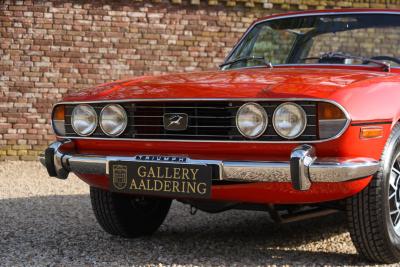
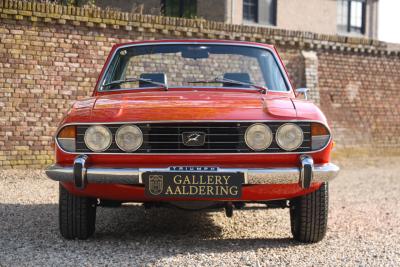
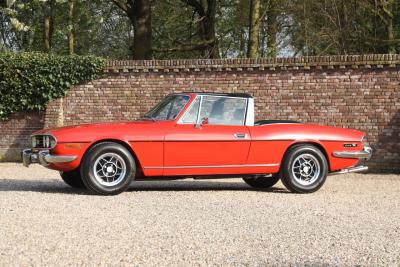
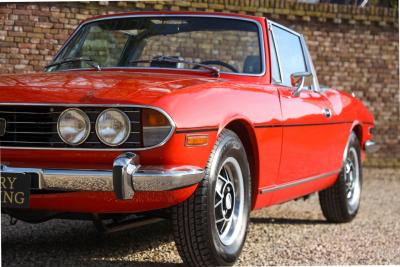
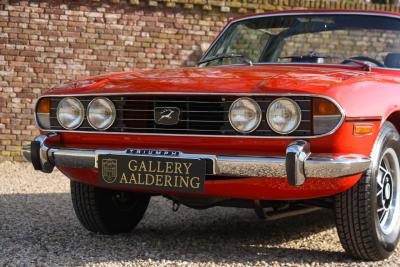
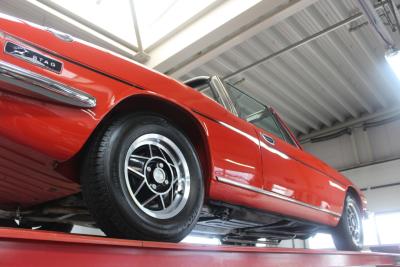




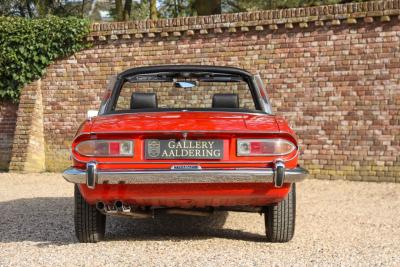
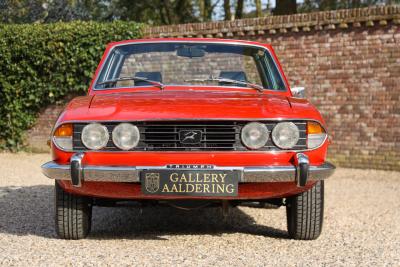


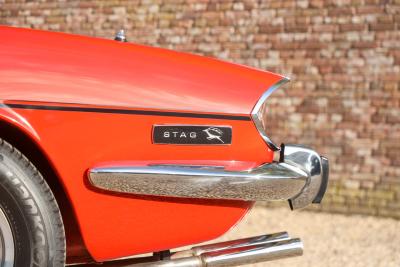
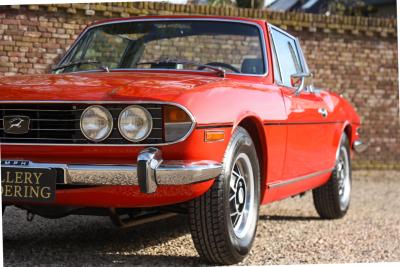
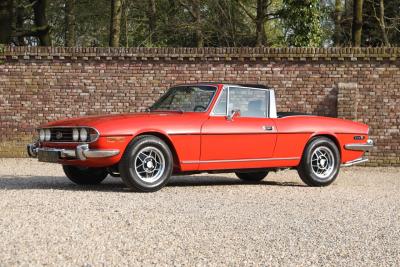
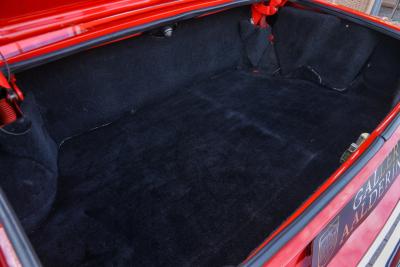
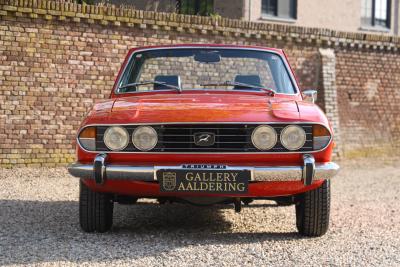
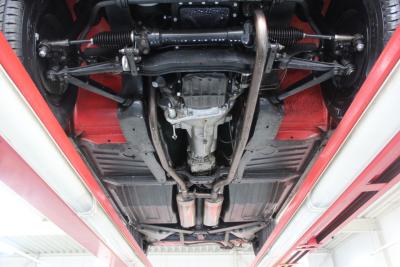
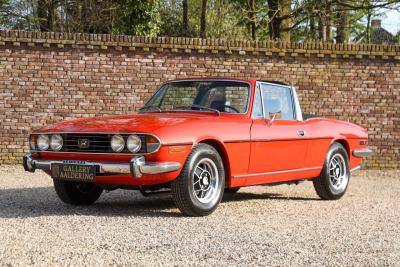
The Triumph Stag was developed in the 1970s as a comfortable open four-seater, intended for long-distance touring and relaxed driving. Not a pure sports car, but certainly not an ordinary convertible either. Triumph deliberately positioned it in a segment alongside cars such as the Mercedes-Benz SL-Class. And when you look at it, you understand exactly why.
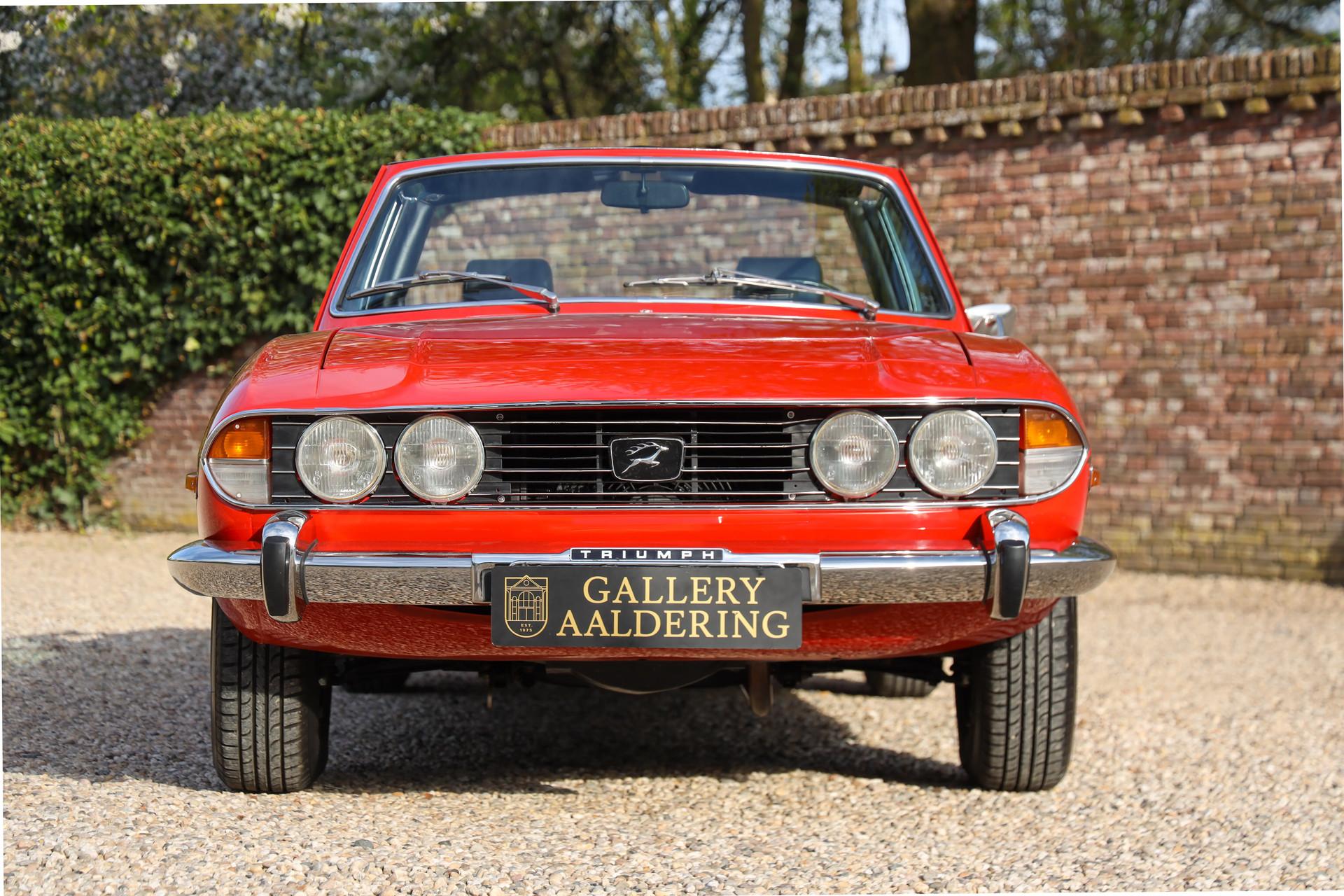
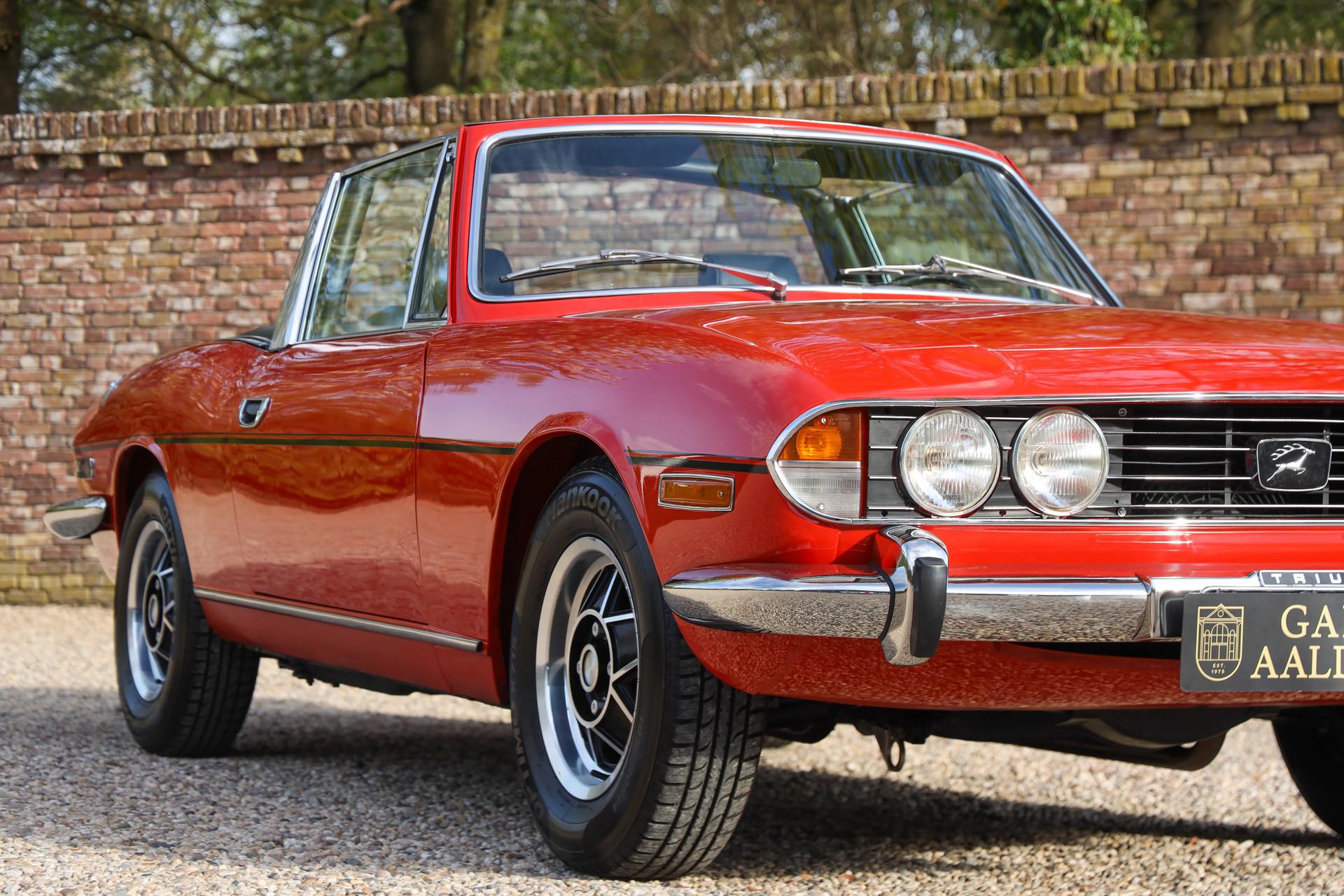
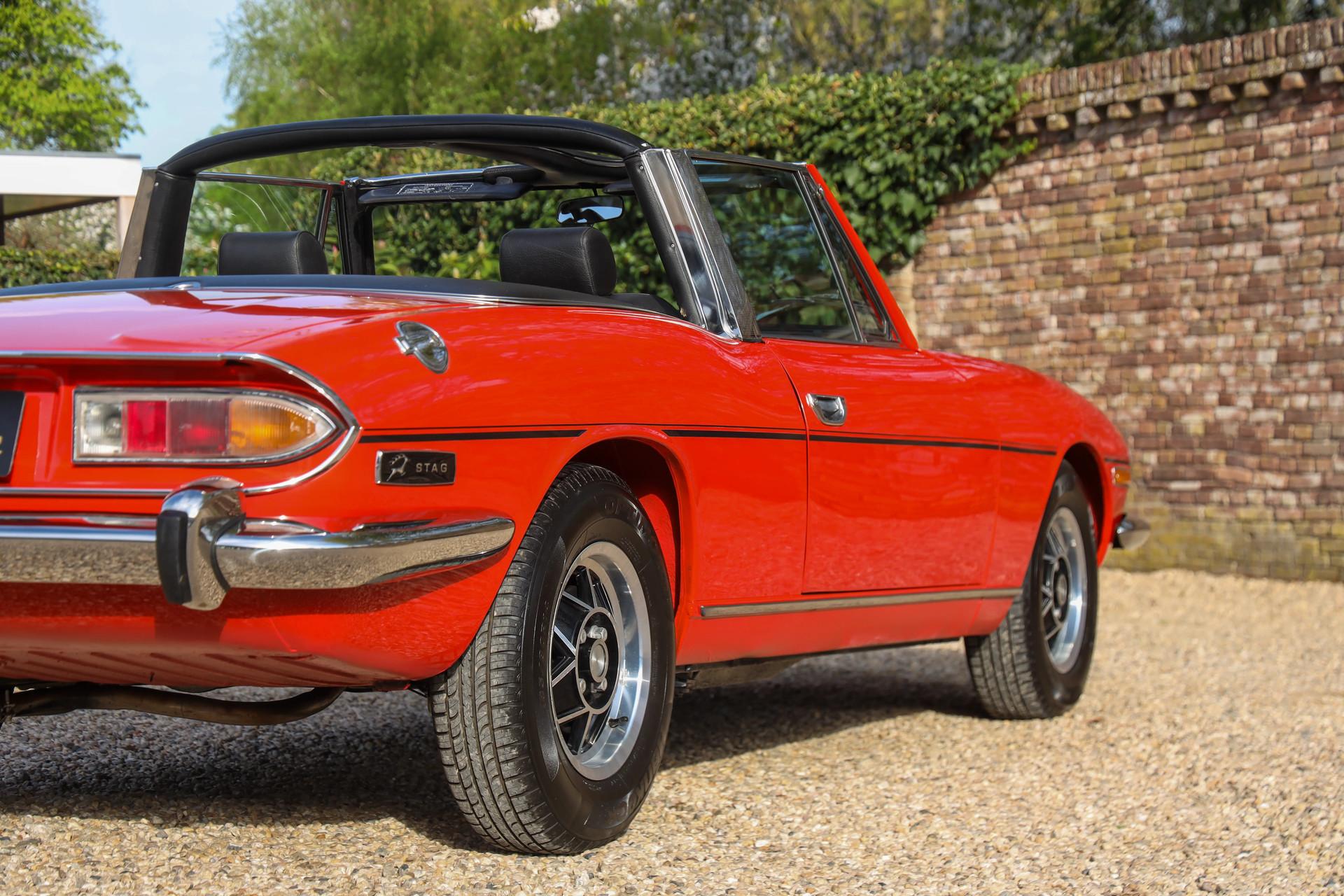
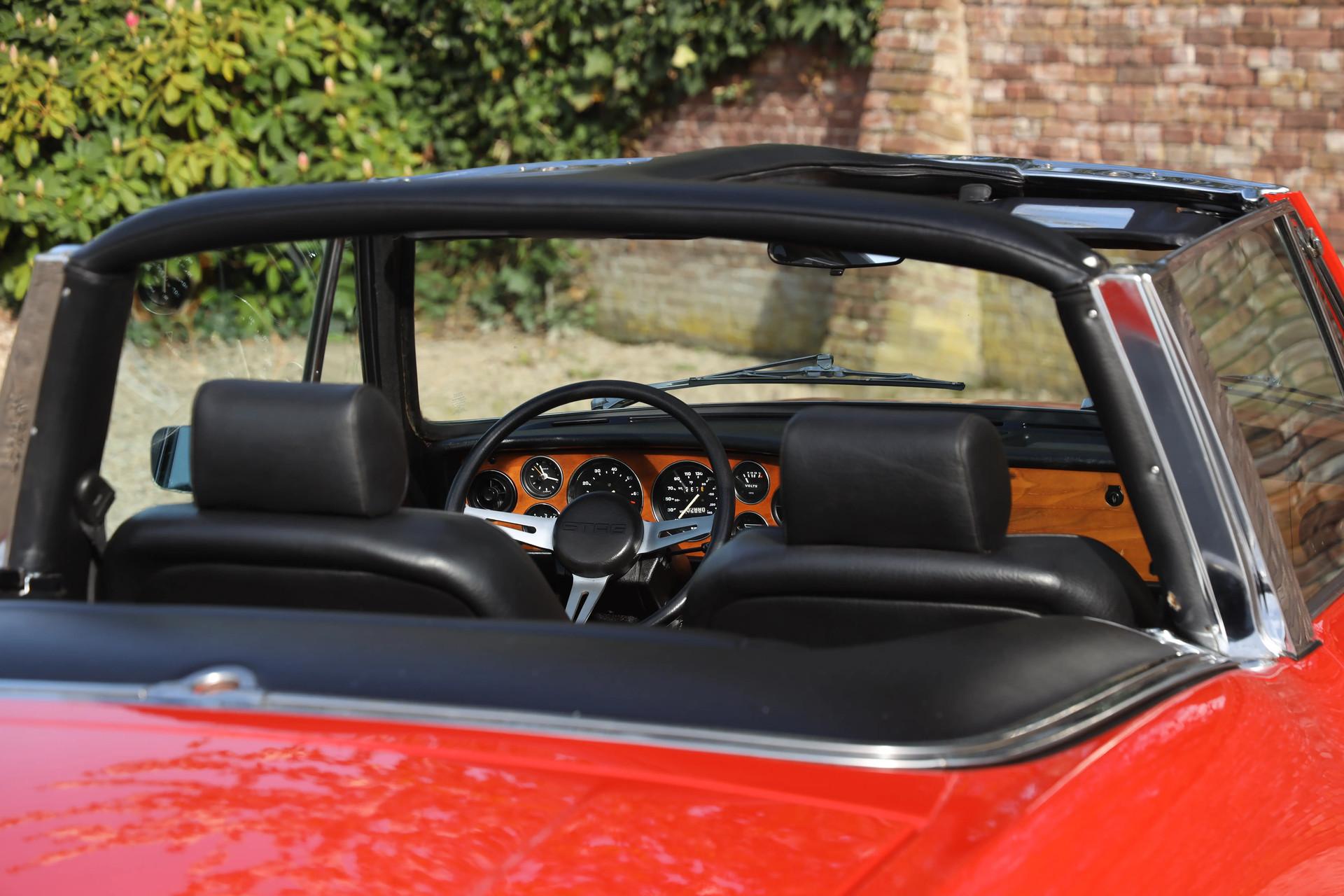
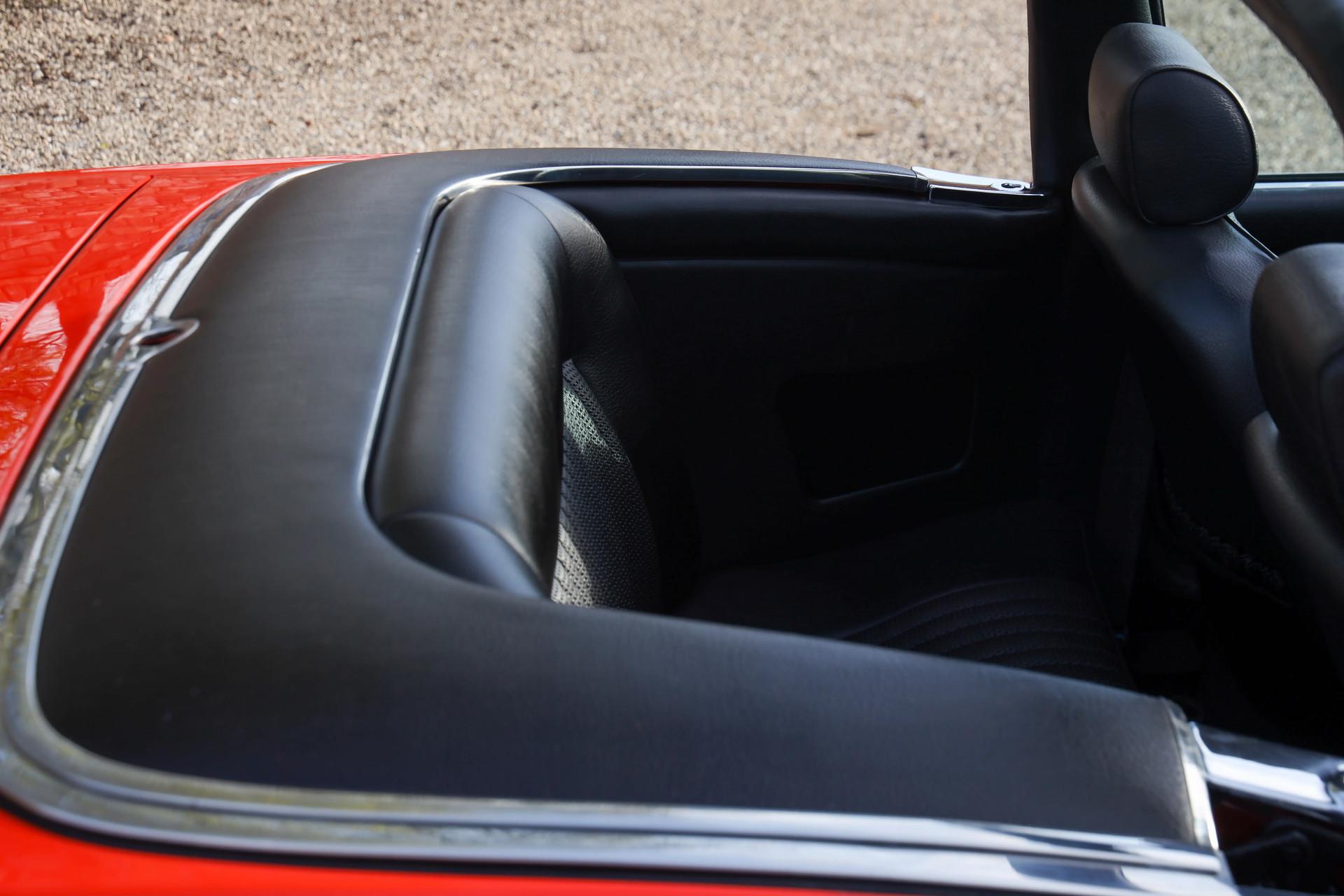
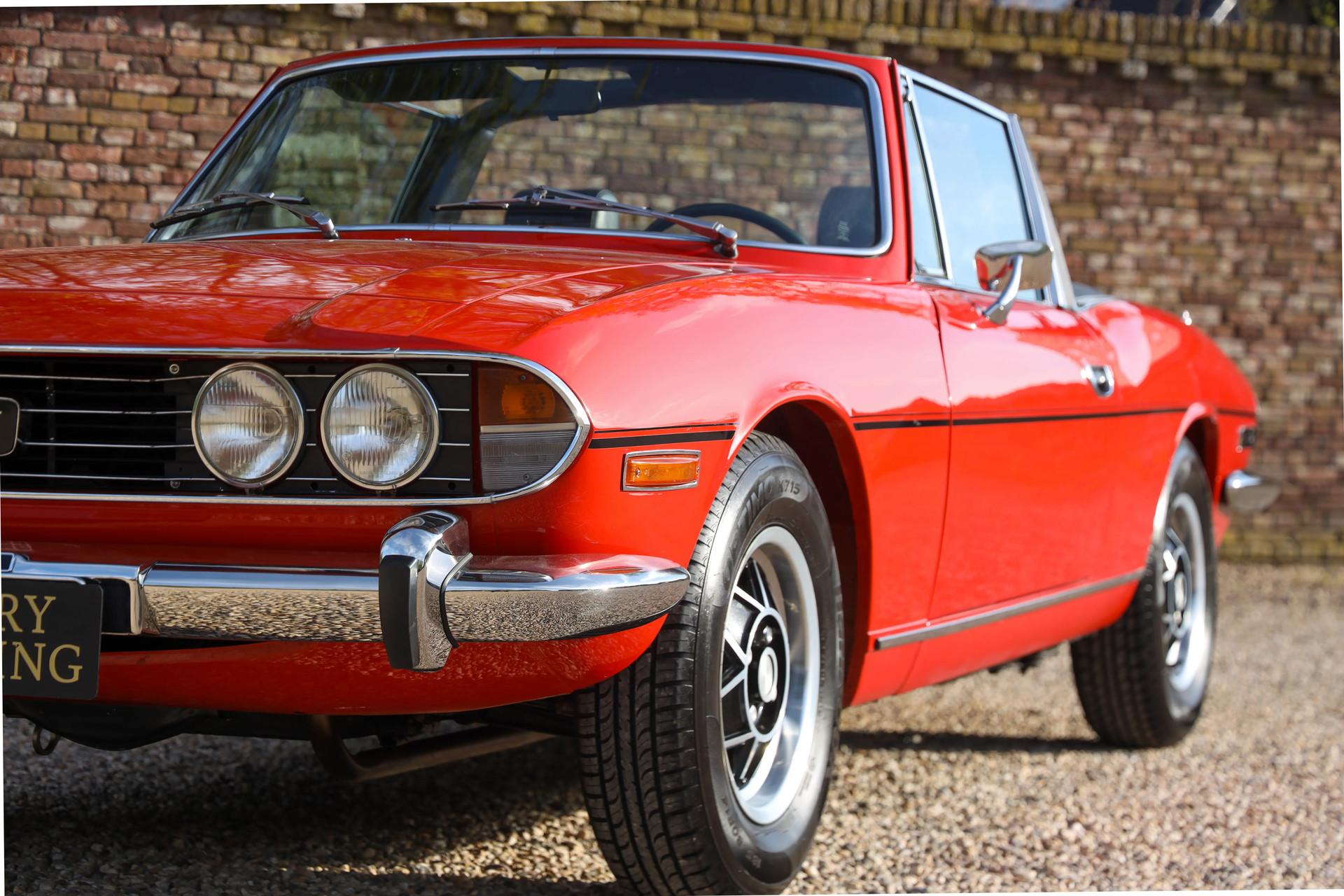
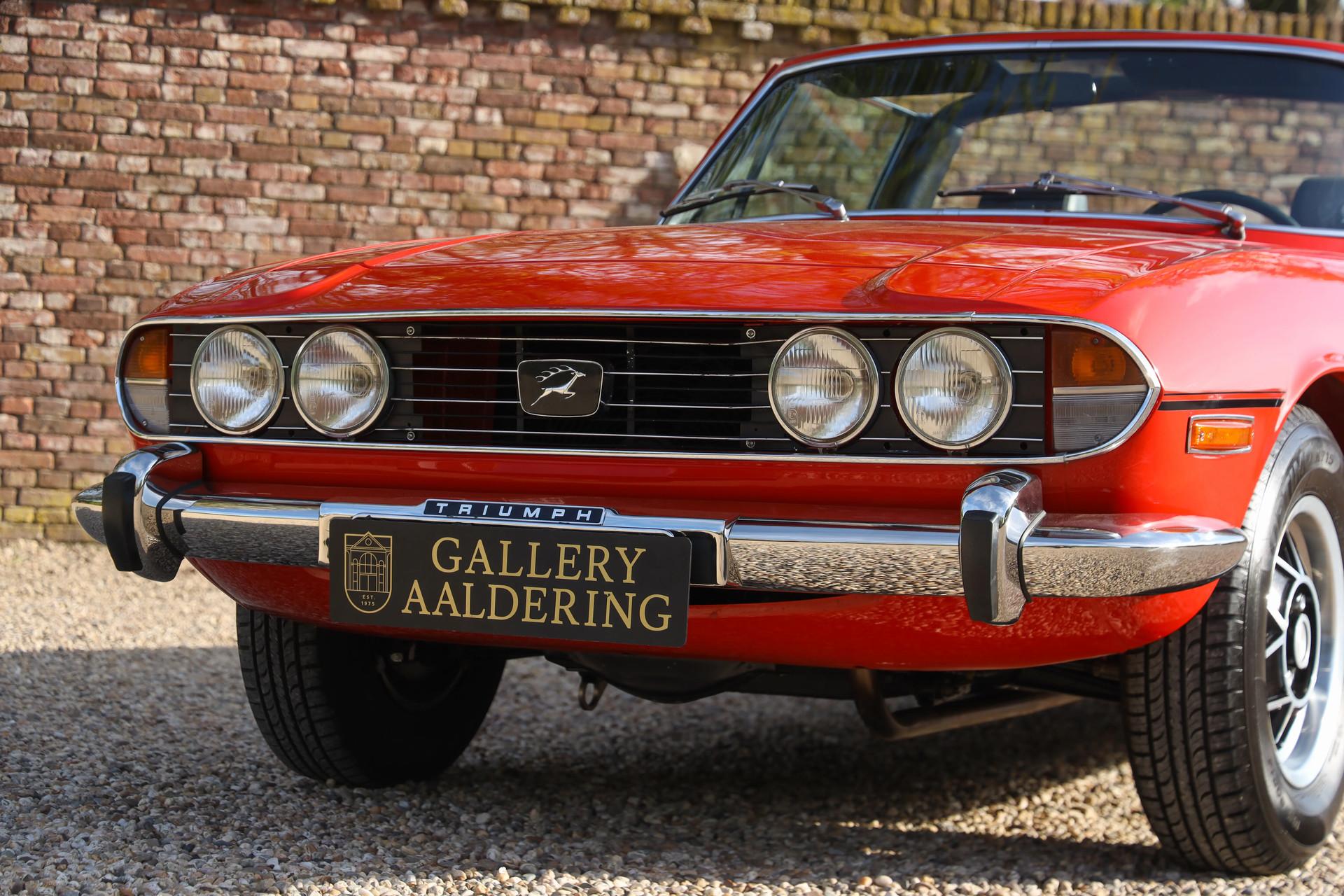
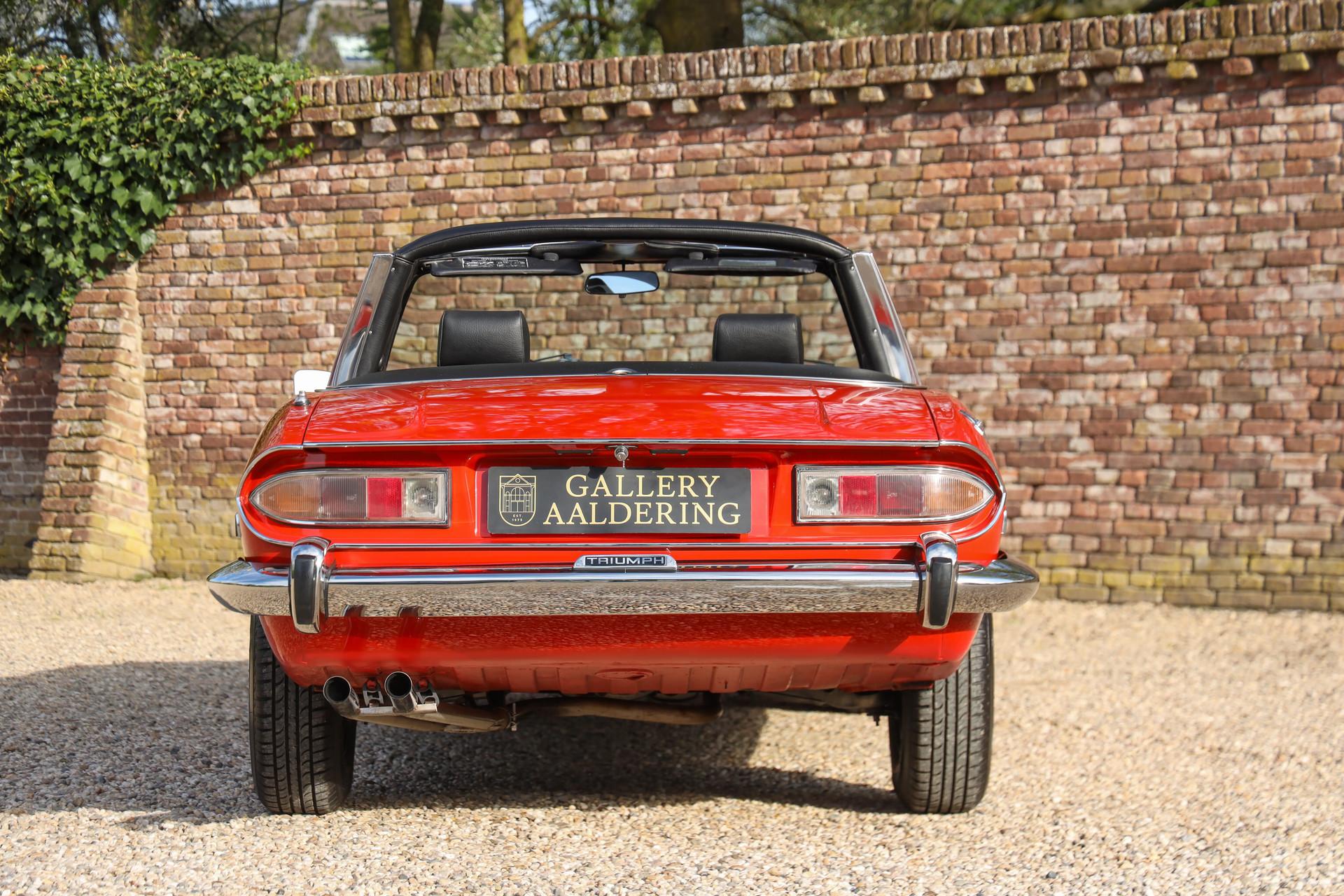
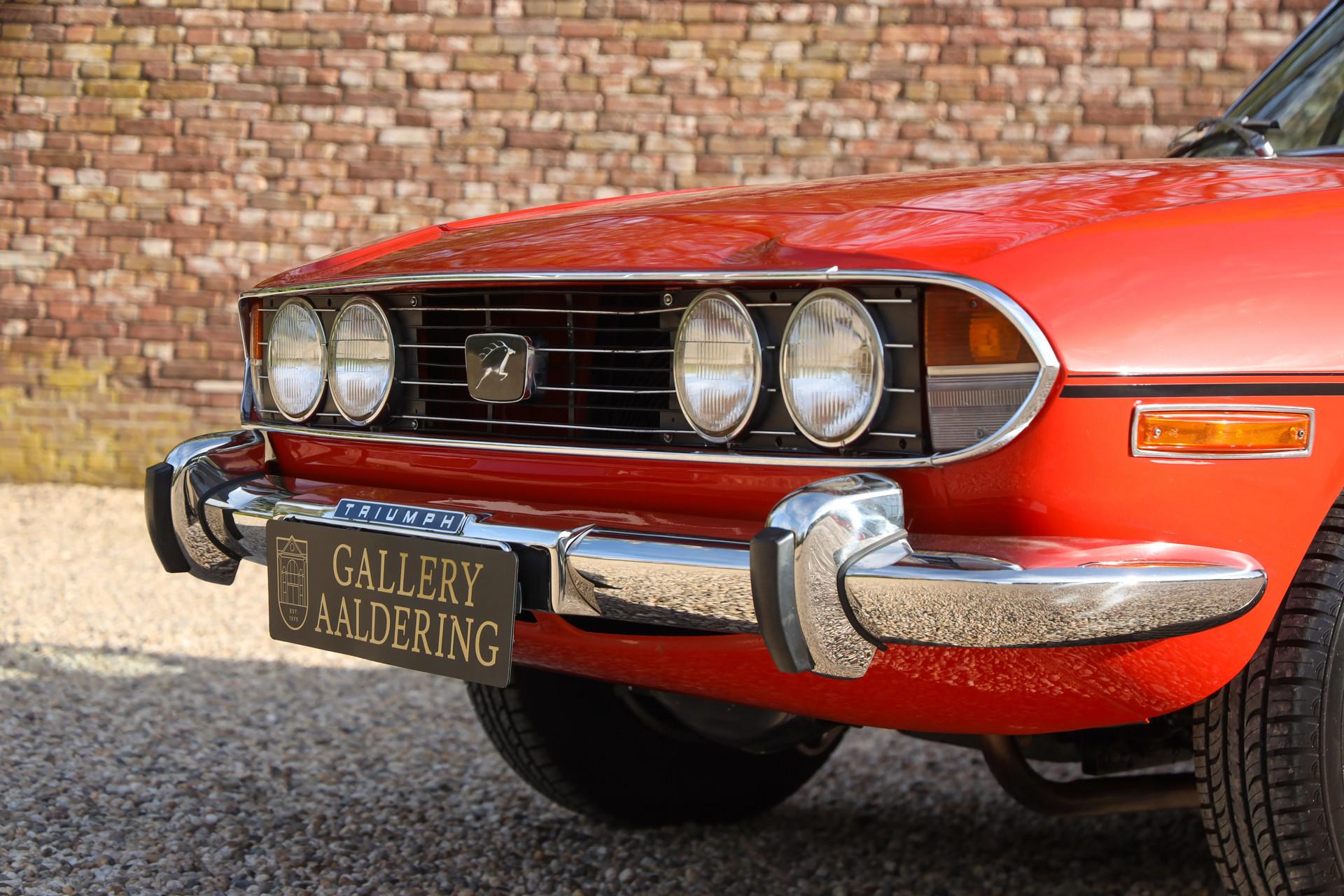
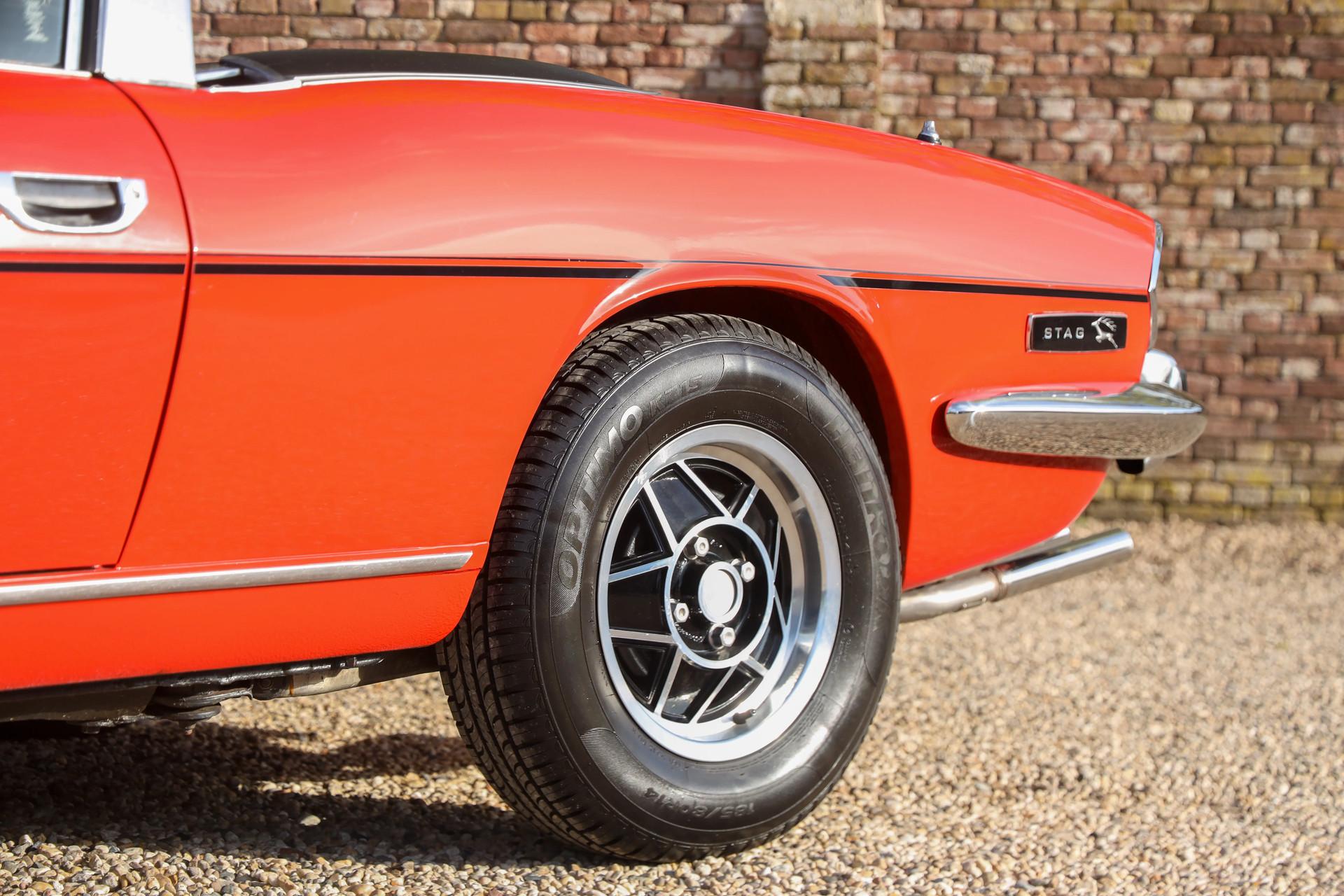
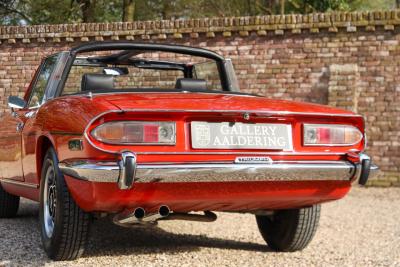
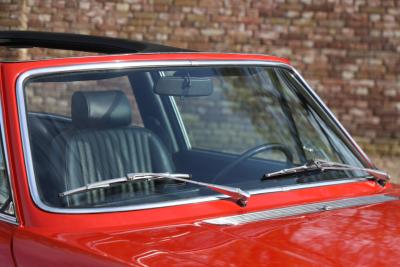
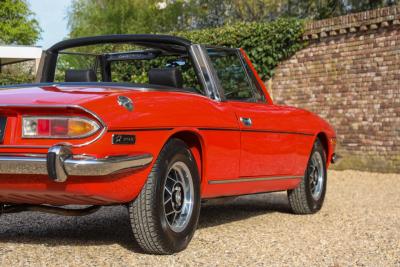
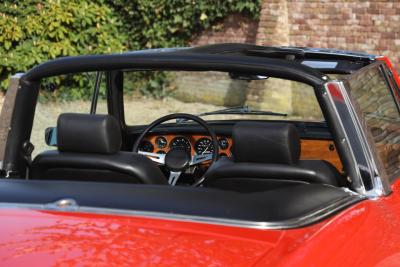
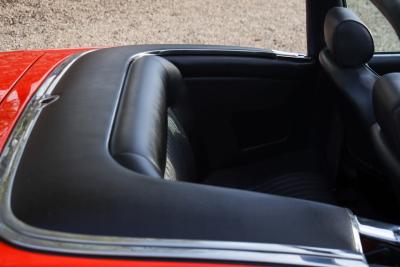
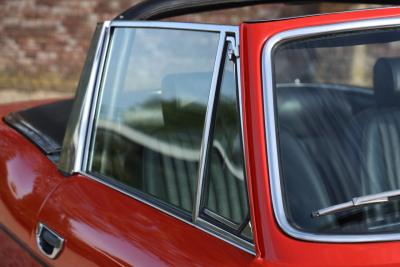
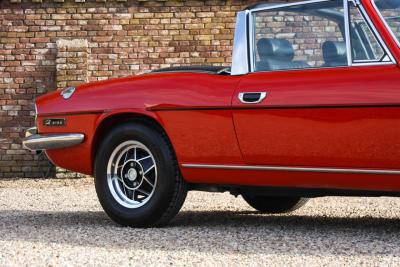
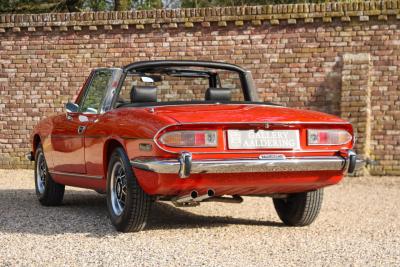
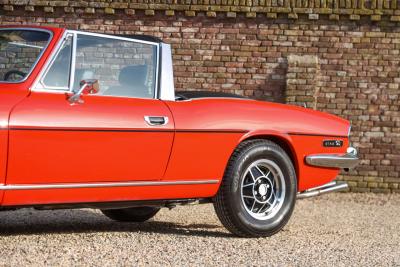
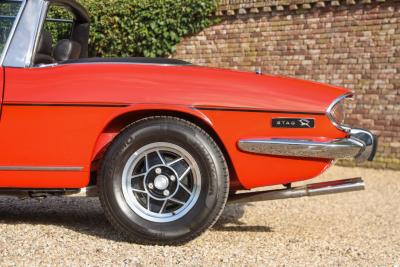
The design was created by Giovanni Michelotti, and that is immediately evident. The proportions are right, the lines are calm, and the well-known T-bar construction gives the car its own identity. Not only visually, but functionally as well—it provided additional rigidity, something that was becoming increasingly important at the time.
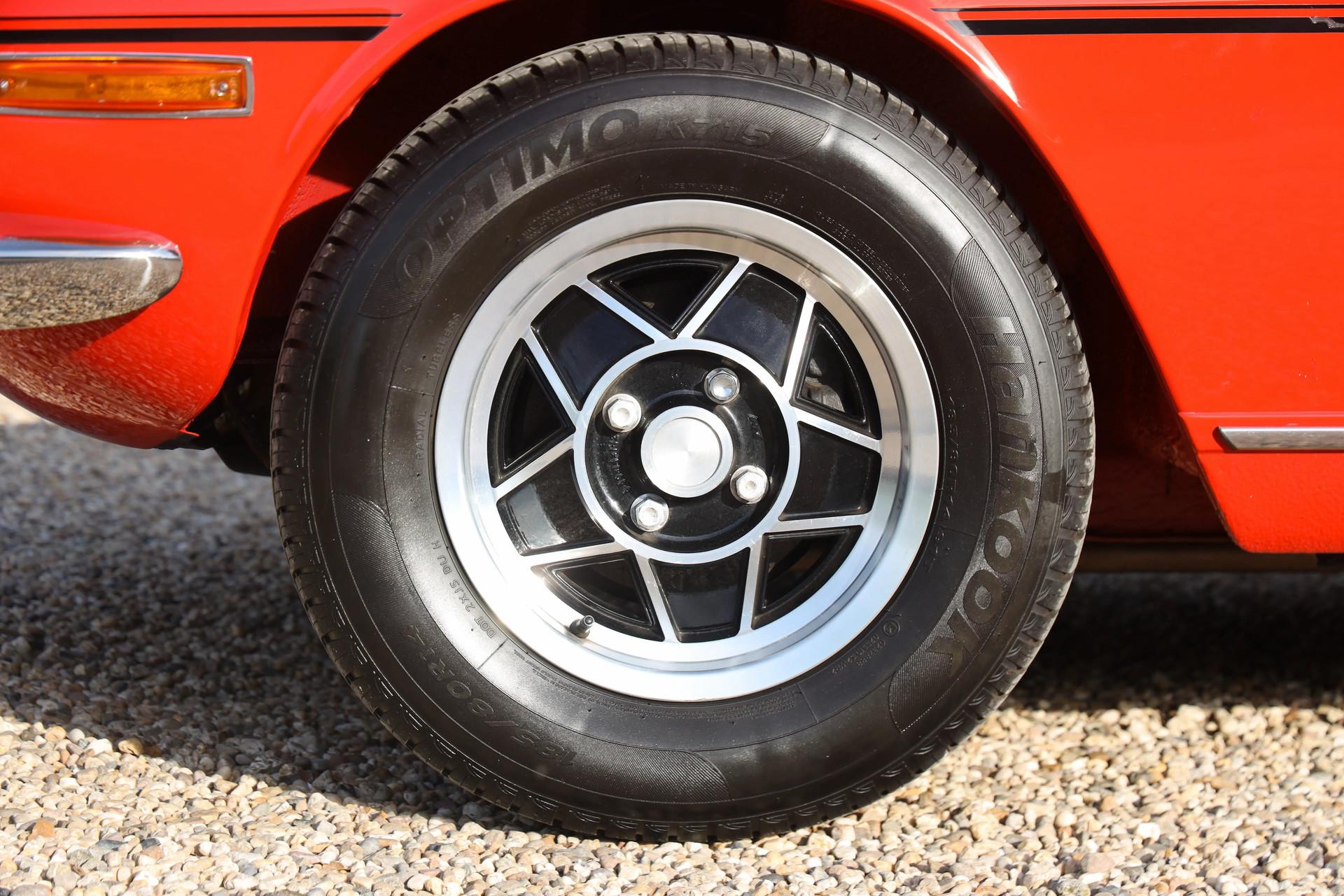
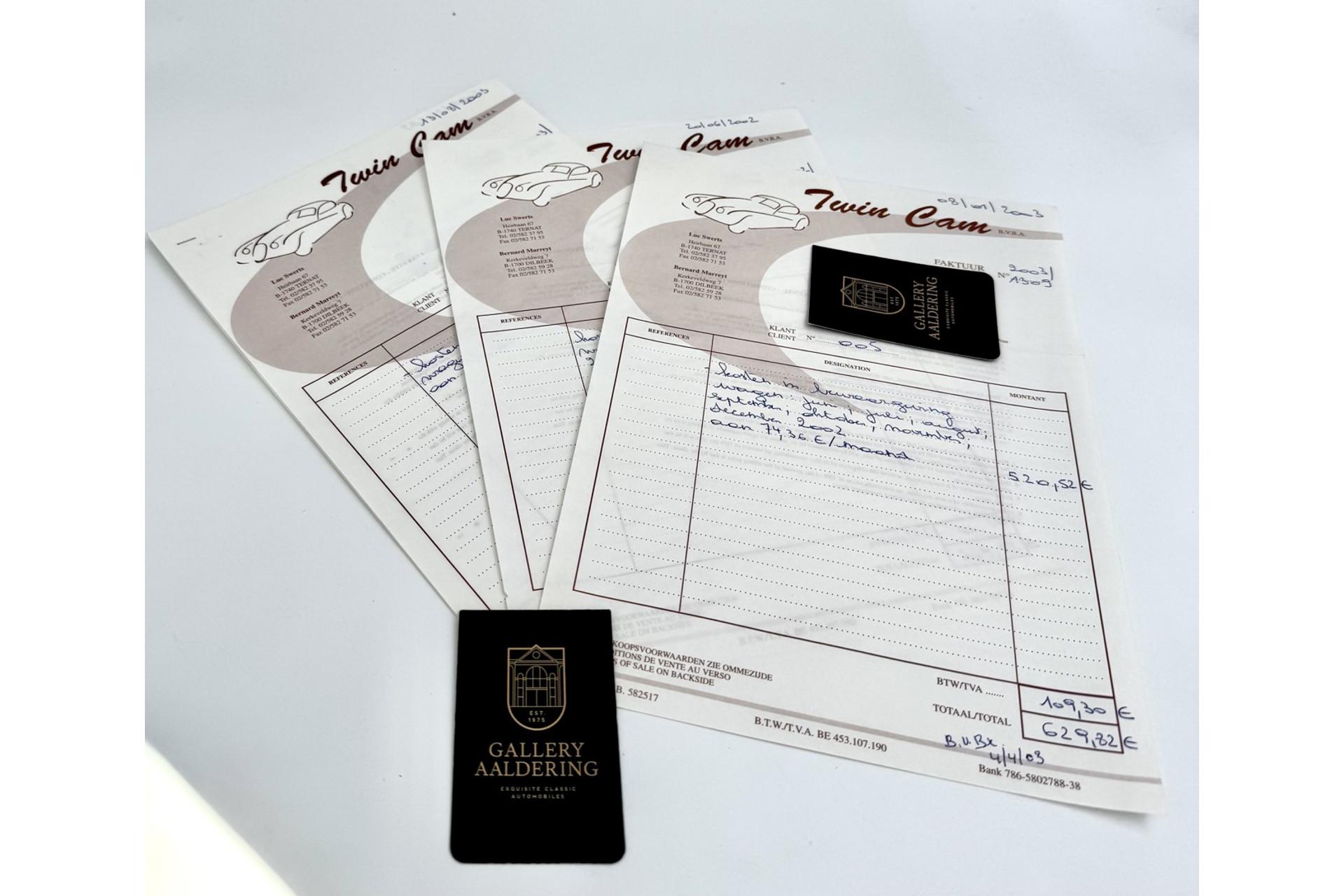
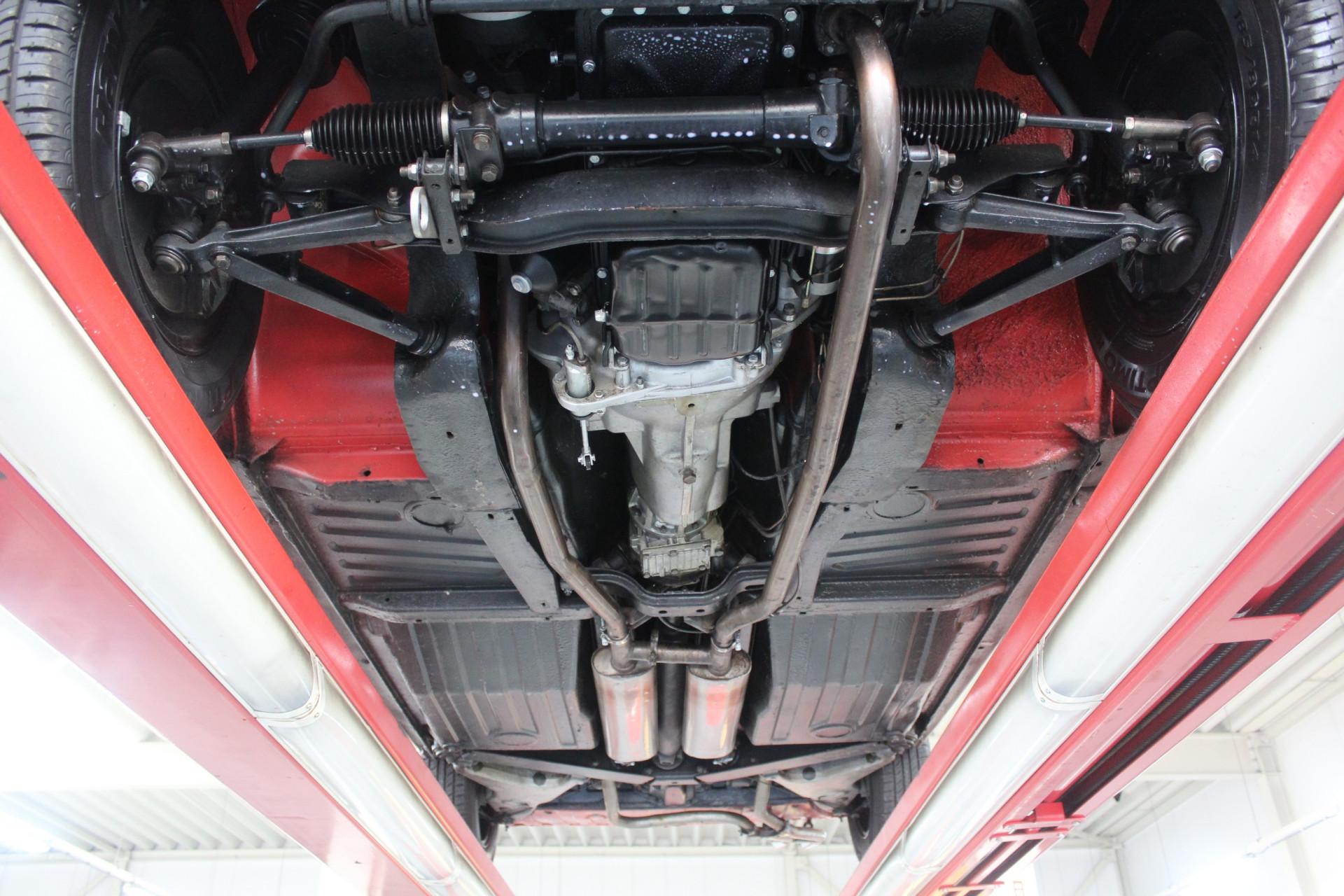
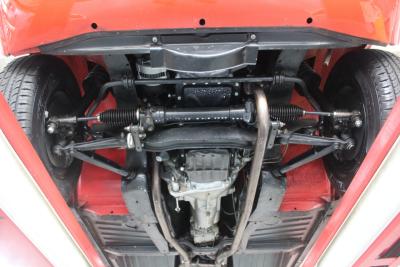
This particular example, a MkII from 1975, has a special story. The first owner kept the car for nearly fifty years. That alone says something about how it was used and appreciated. In the mid-1990s, a full restoration was commissioned, carried out by a renowned restoration company in Belgium. Not a quick refresh, but a thorough, carefully executed project.
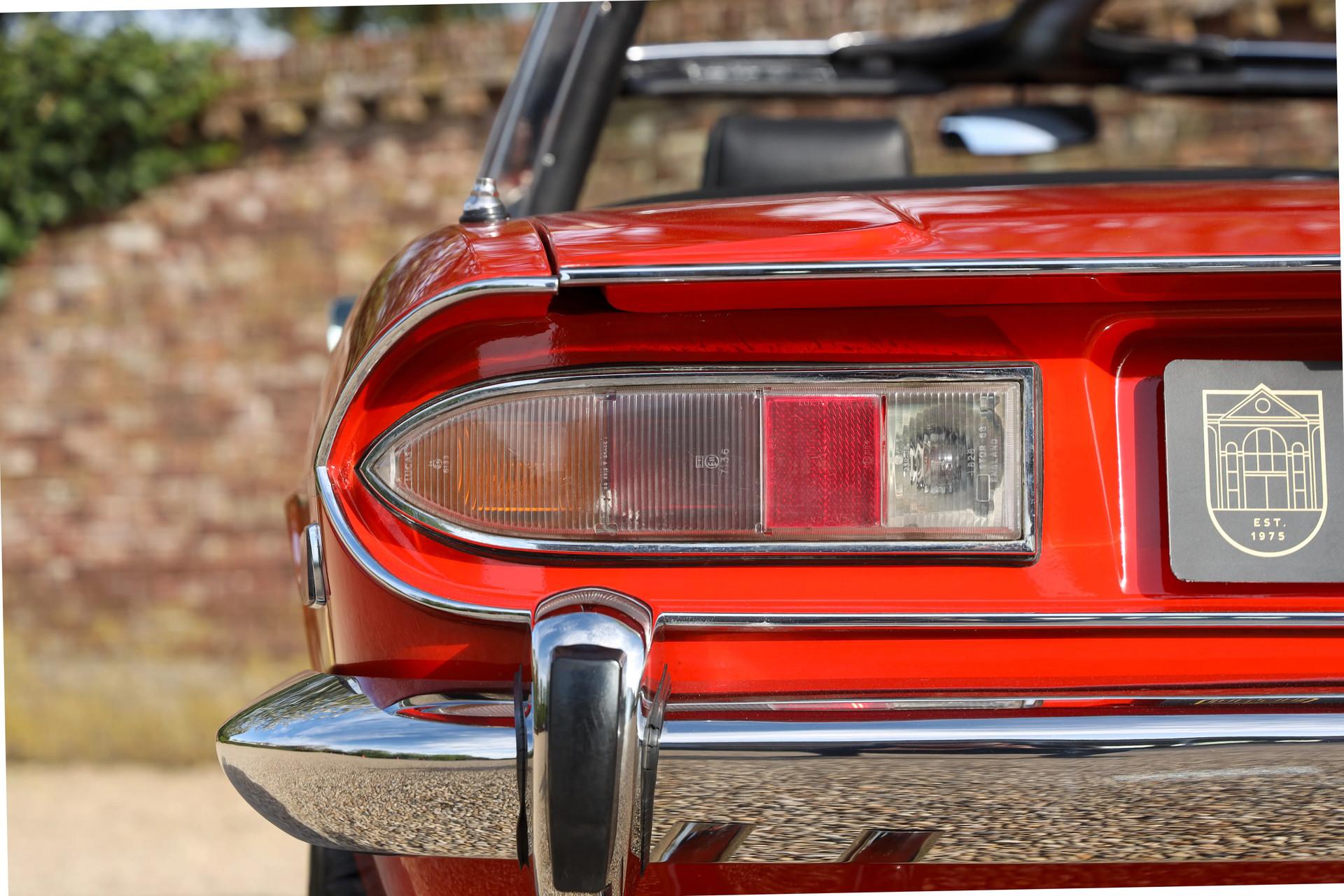
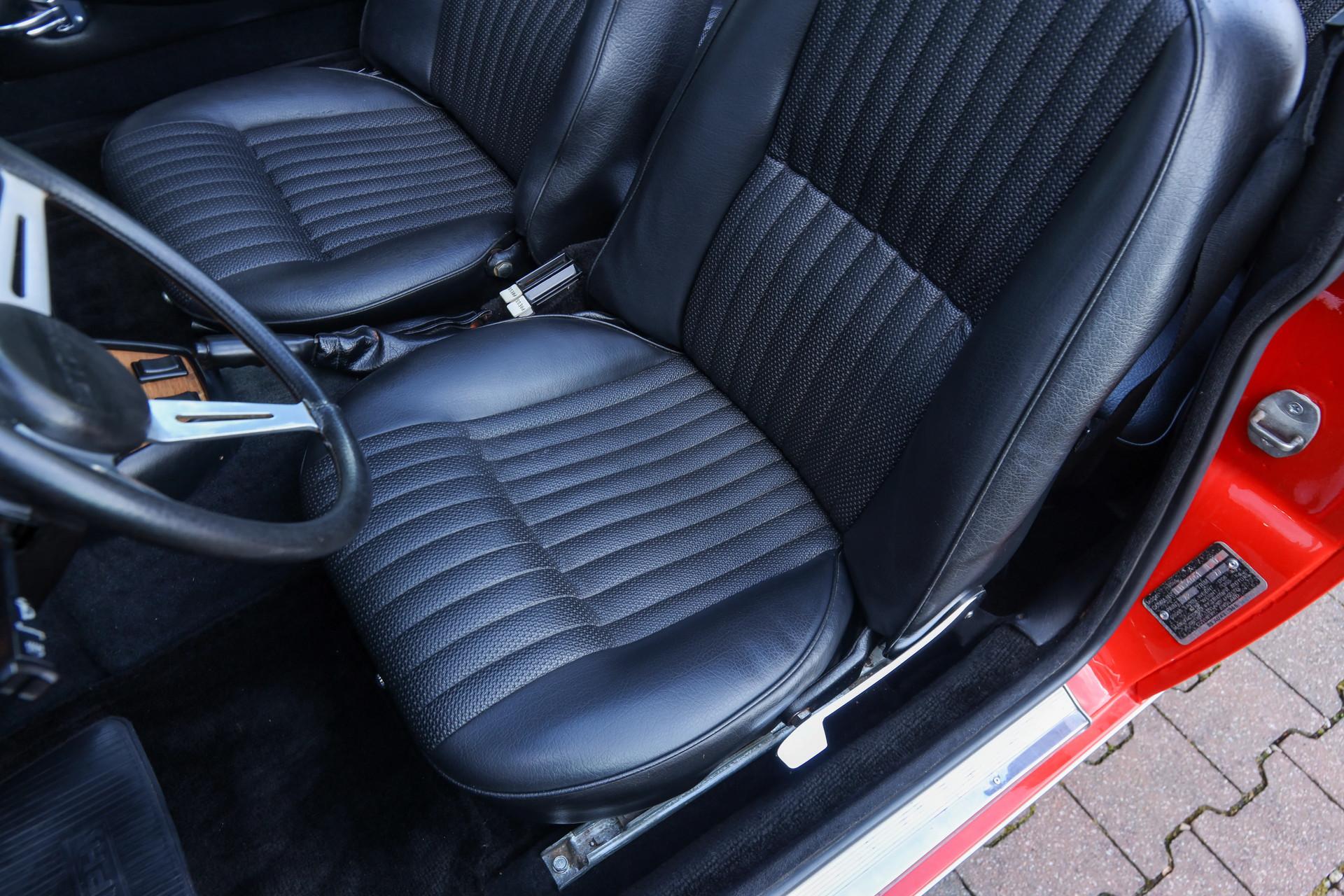
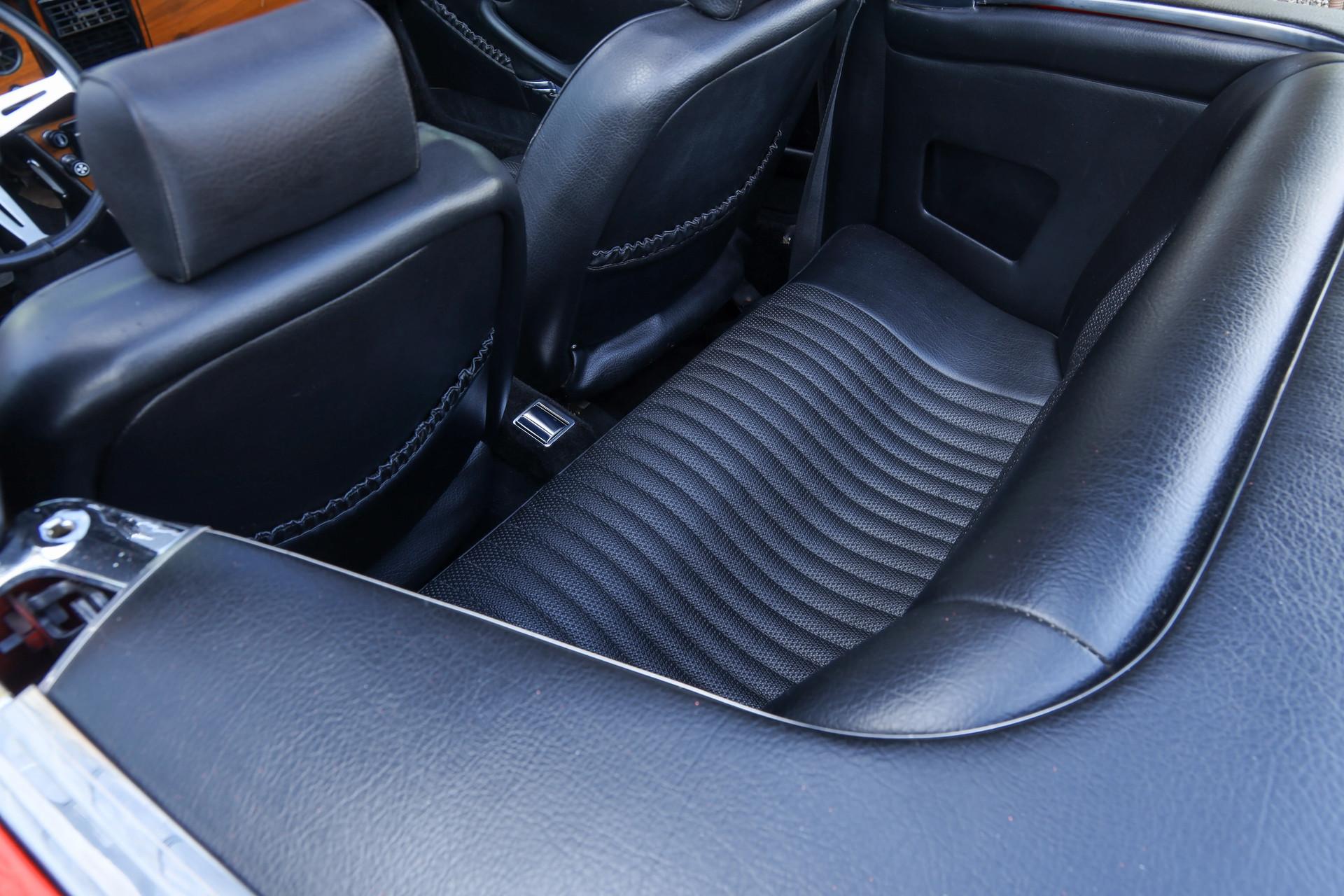
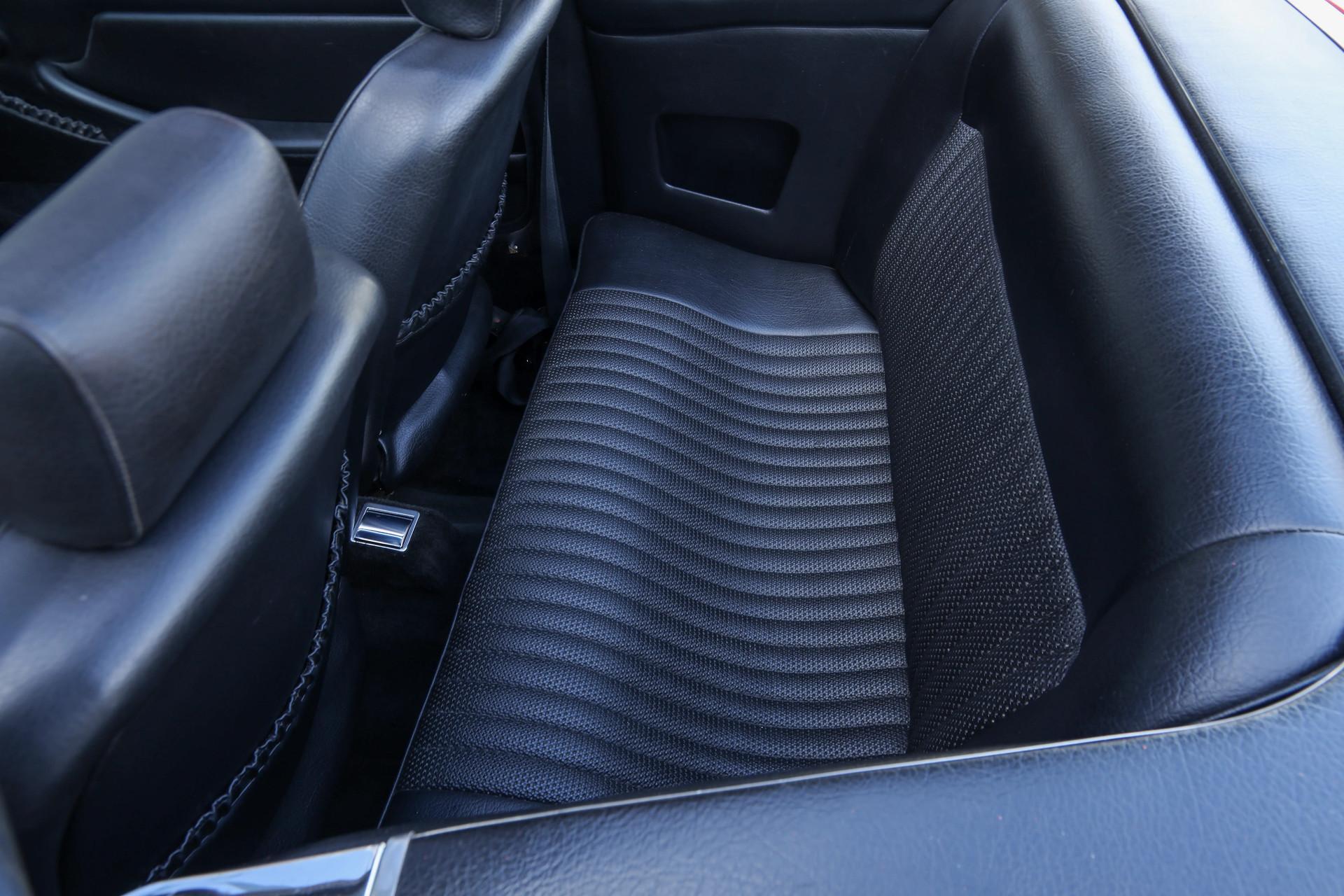
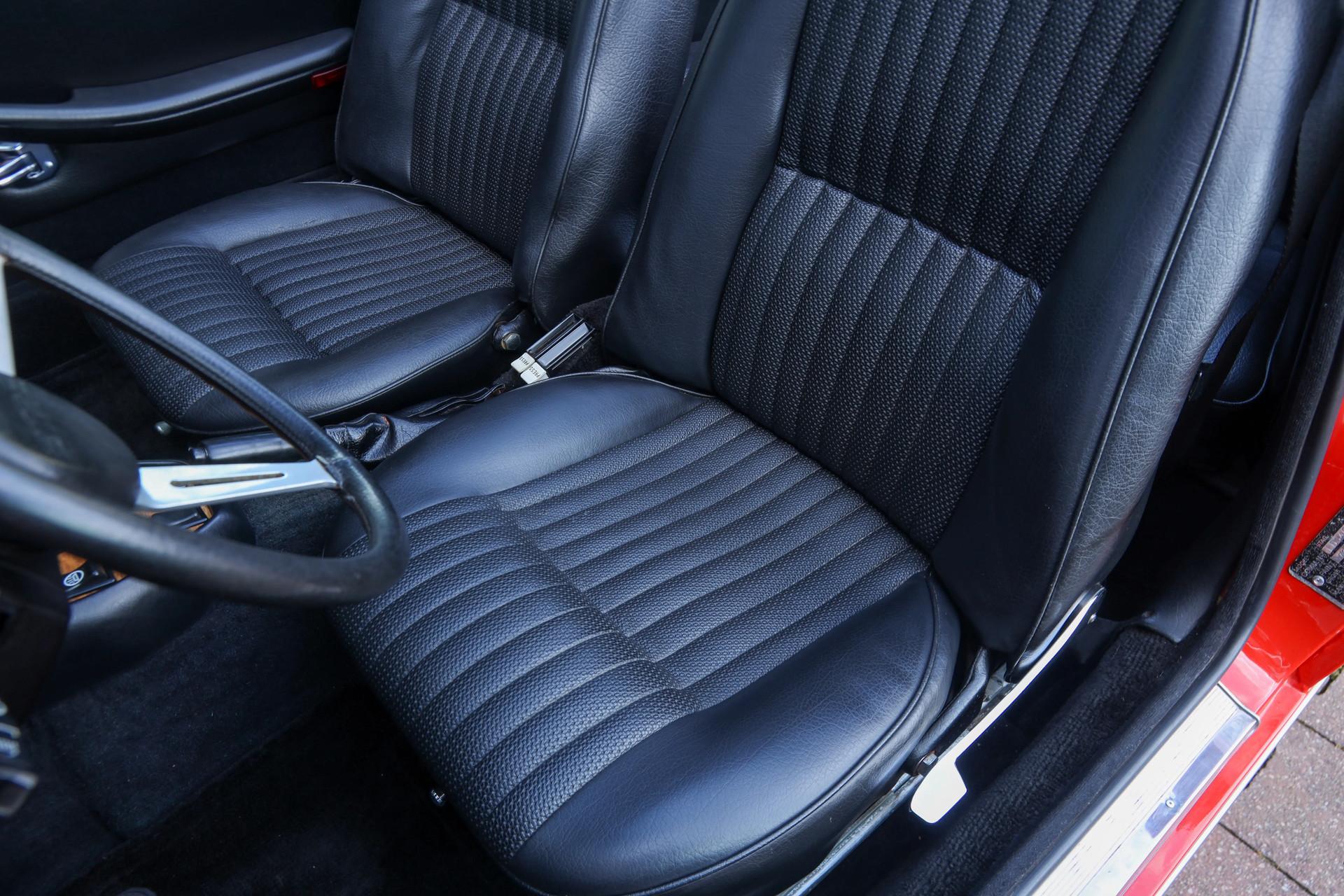
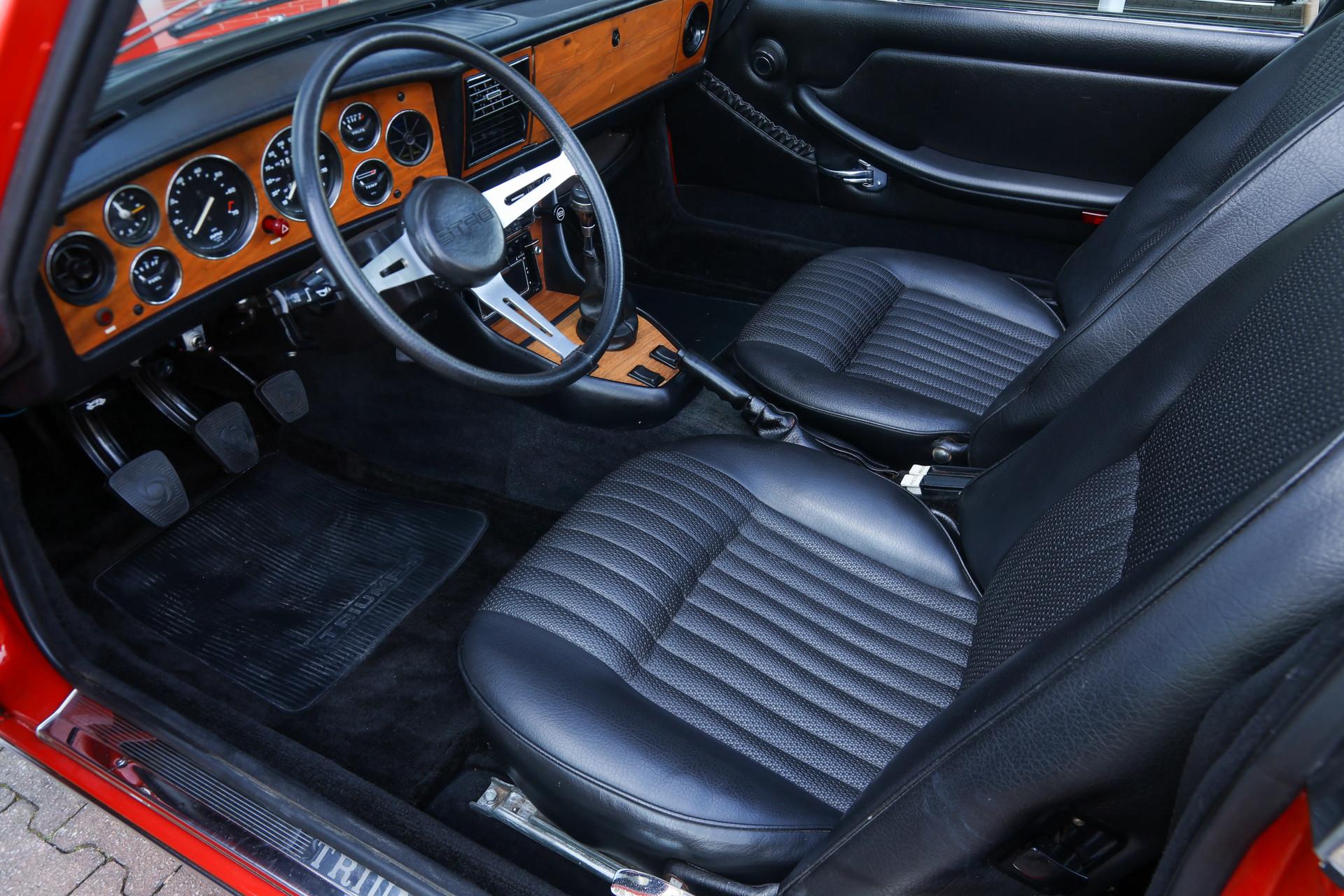
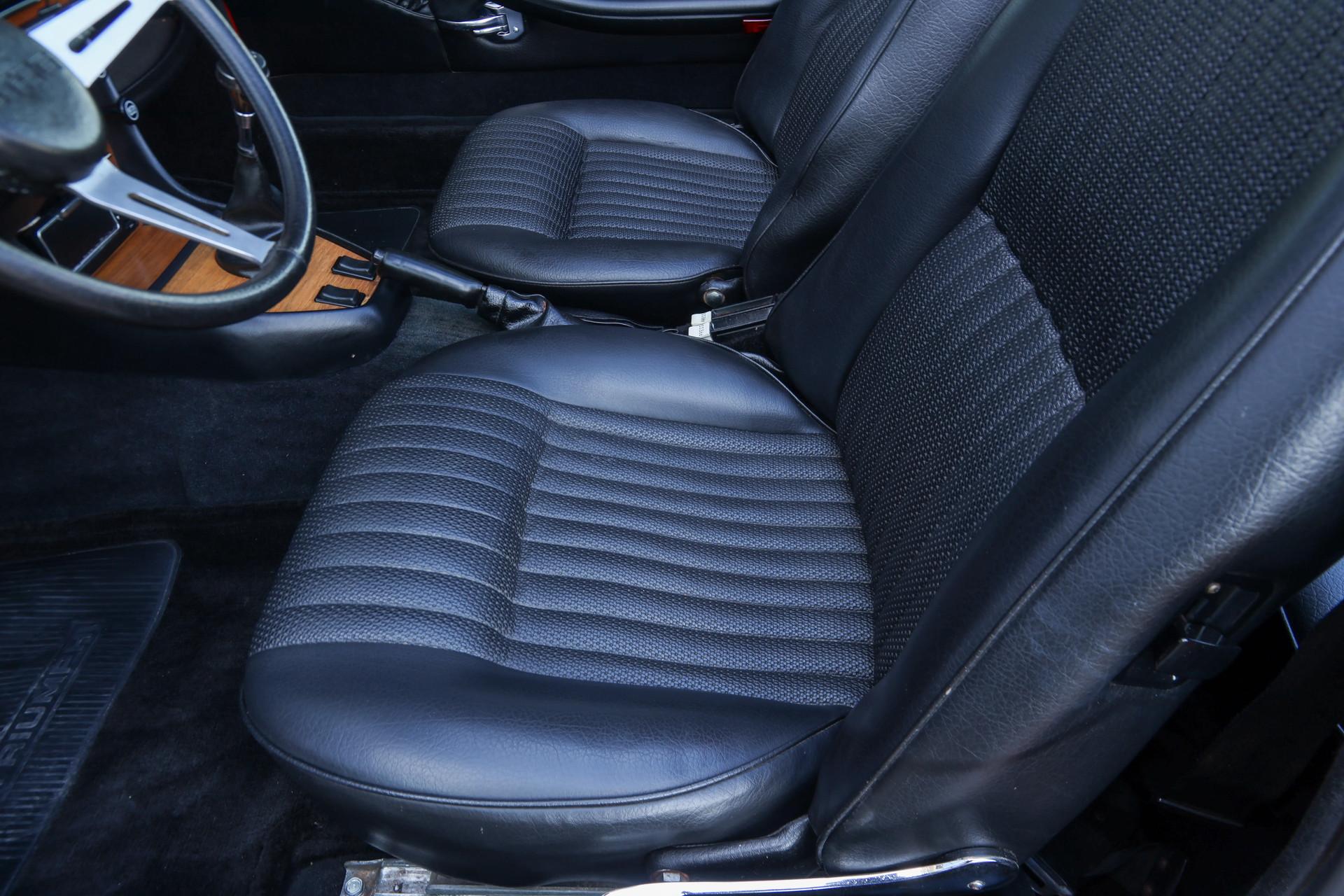
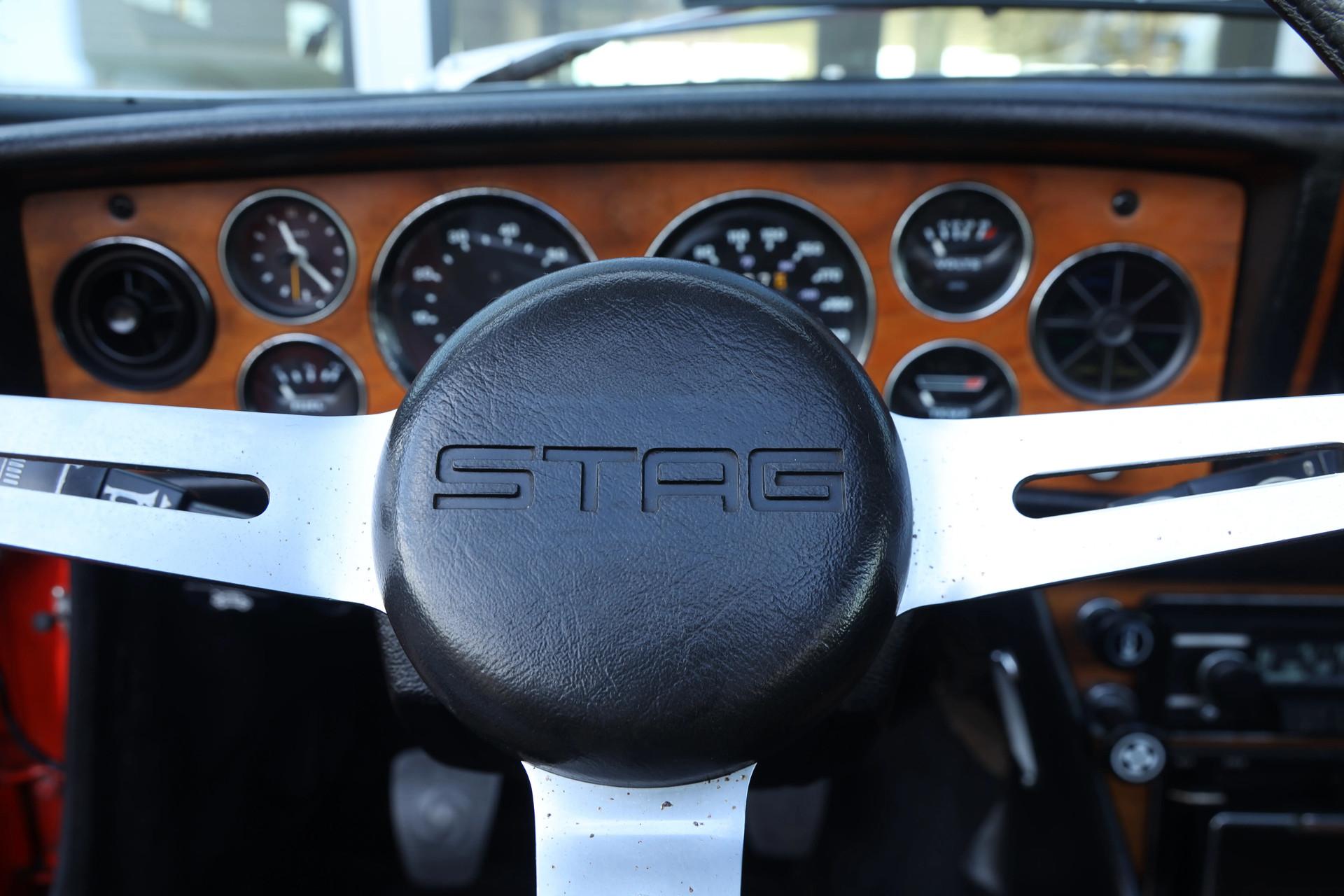
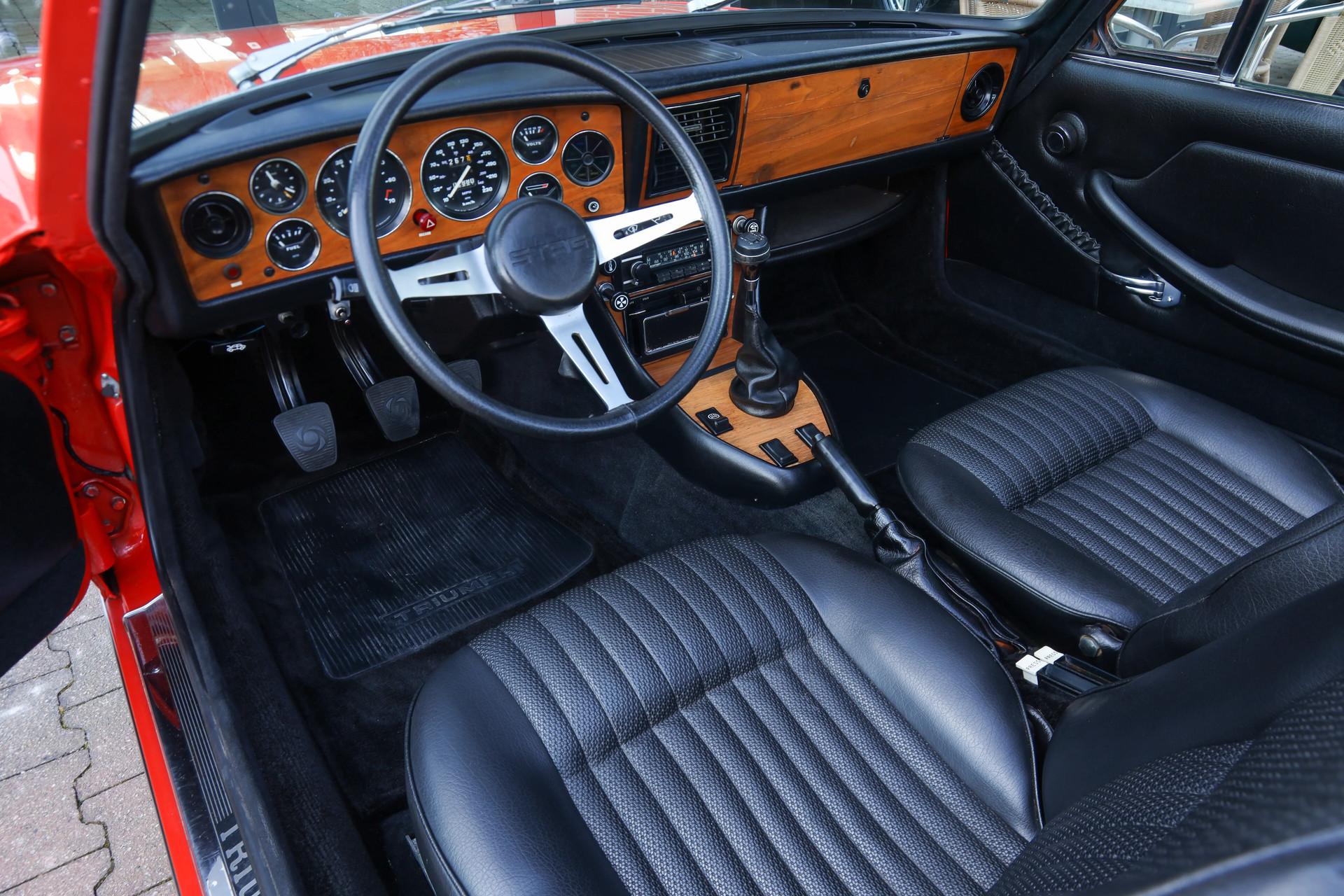
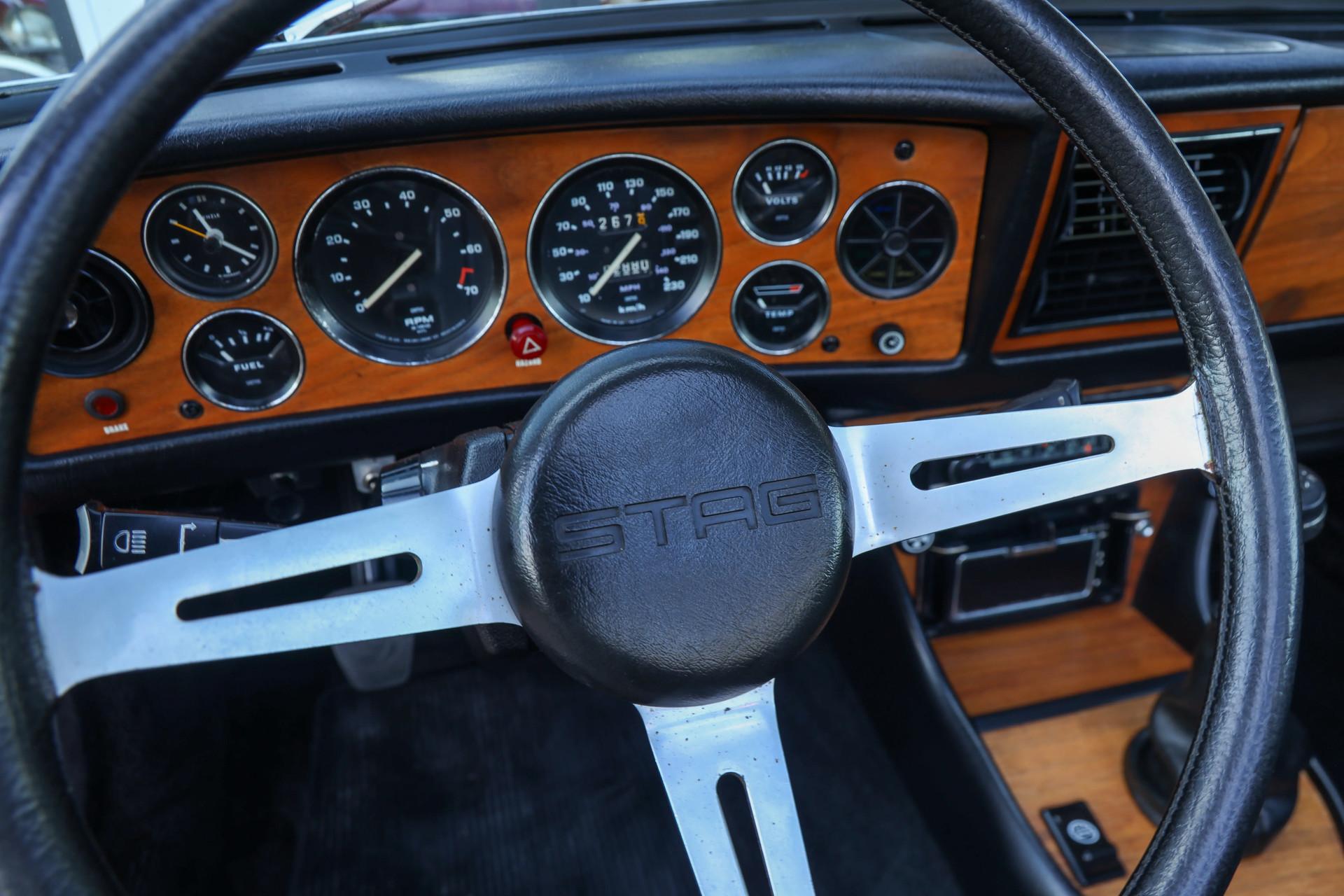
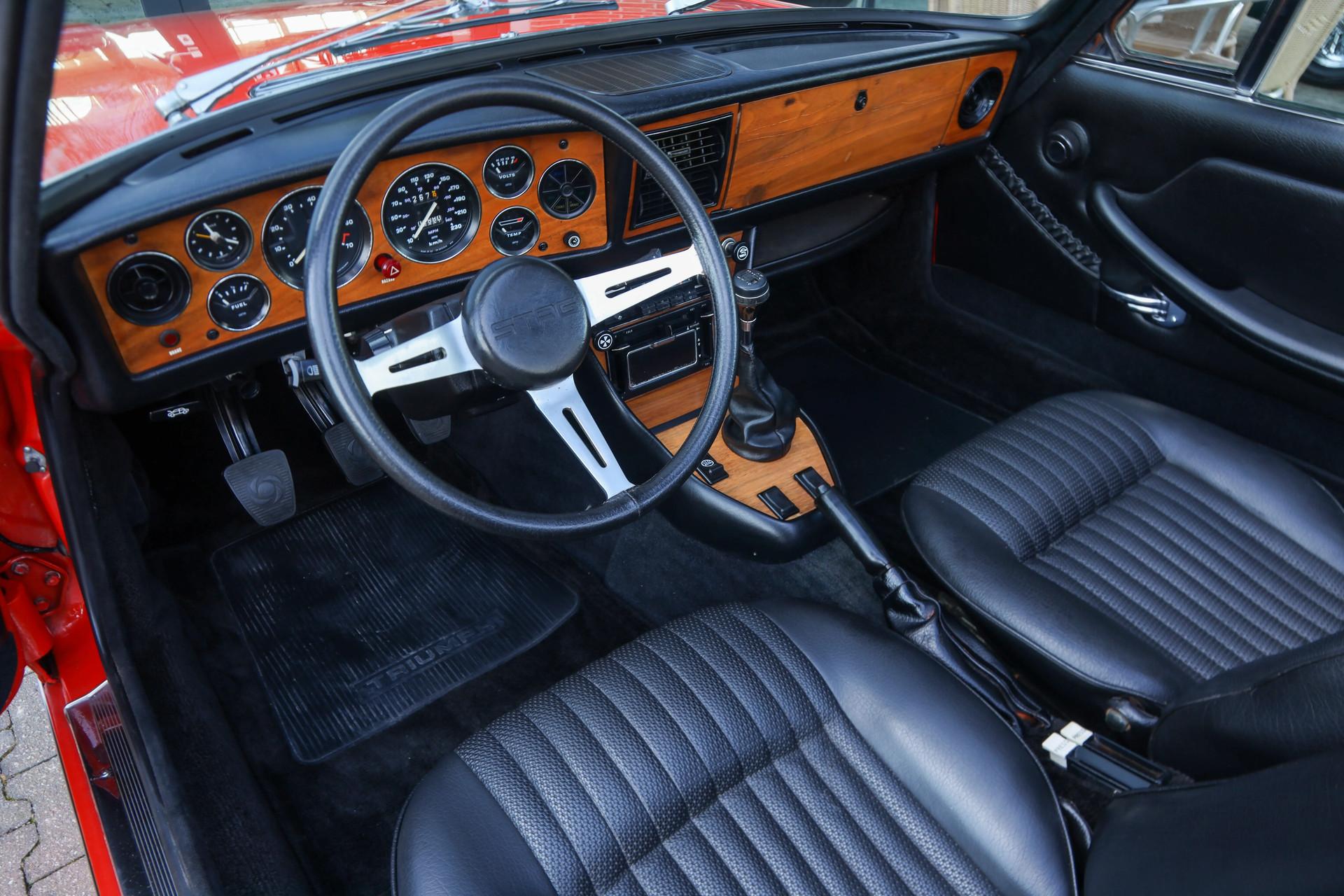
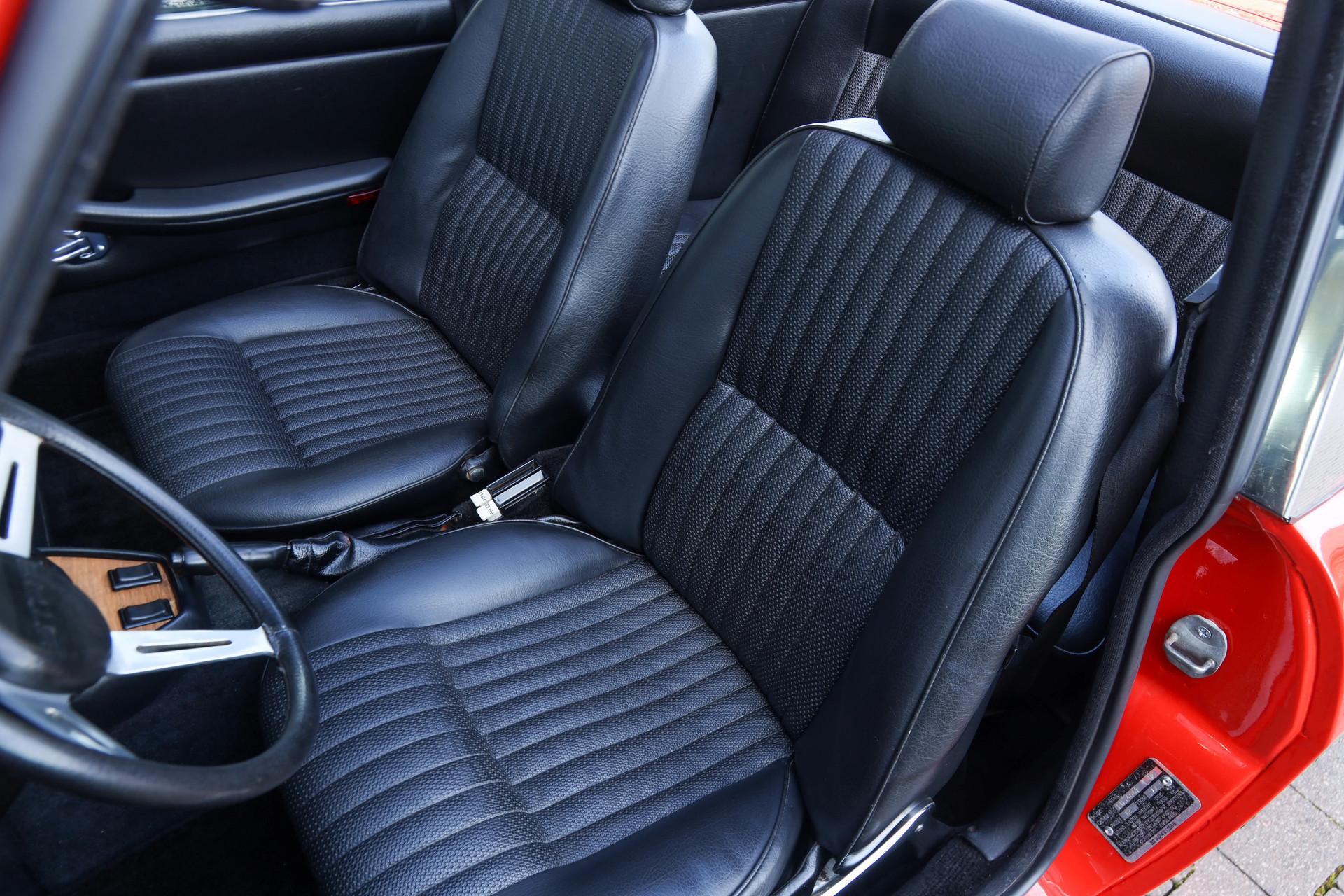
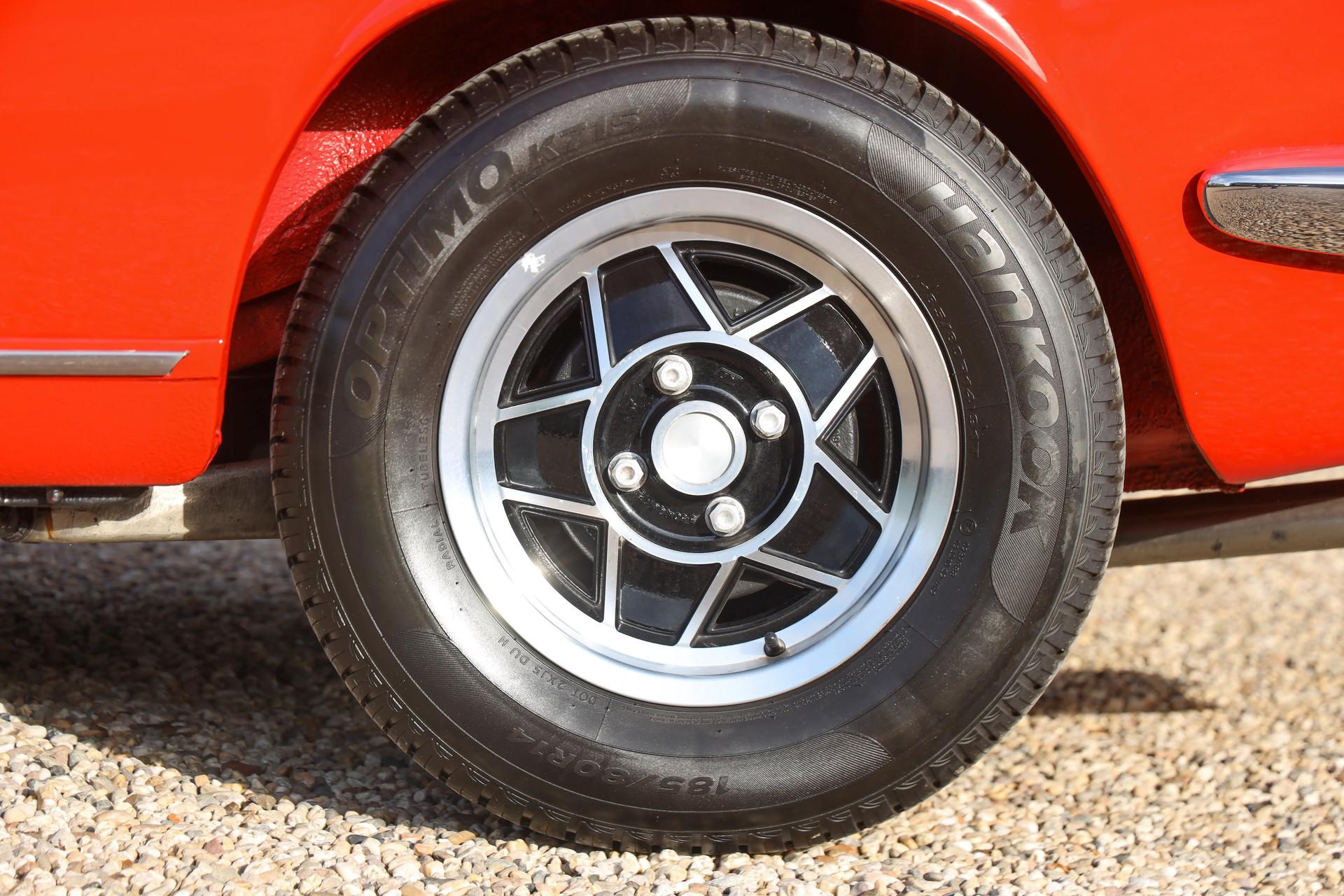
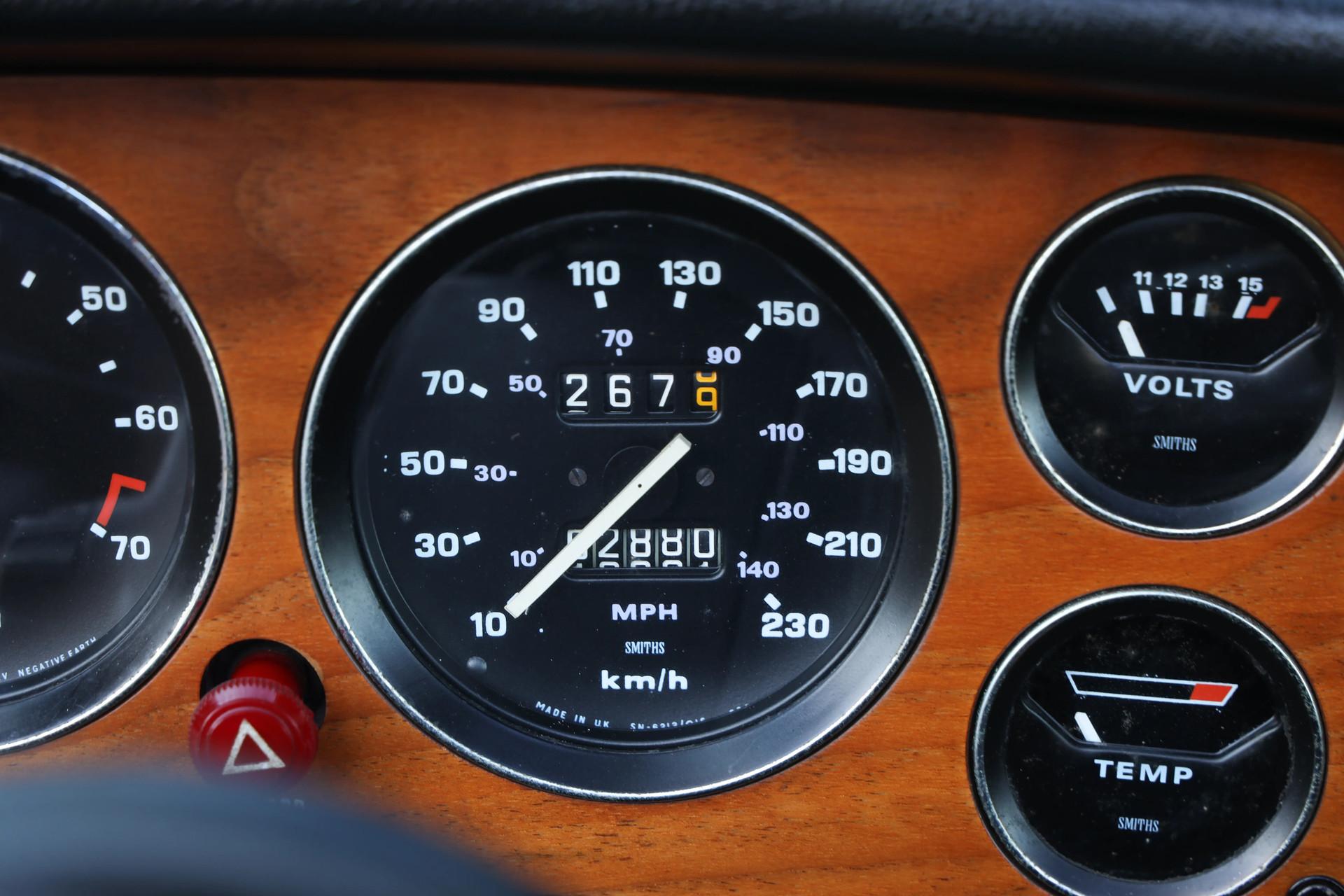
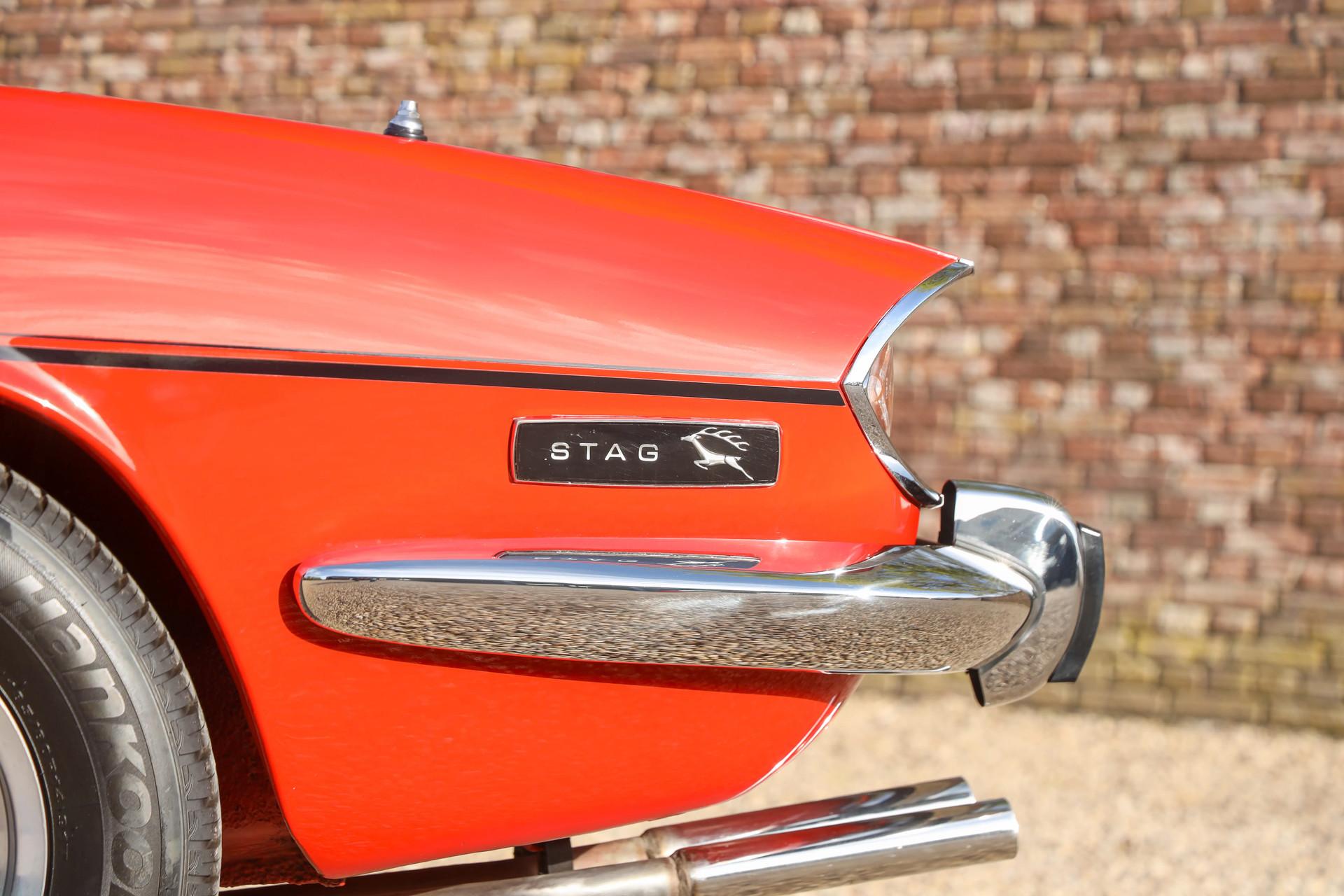
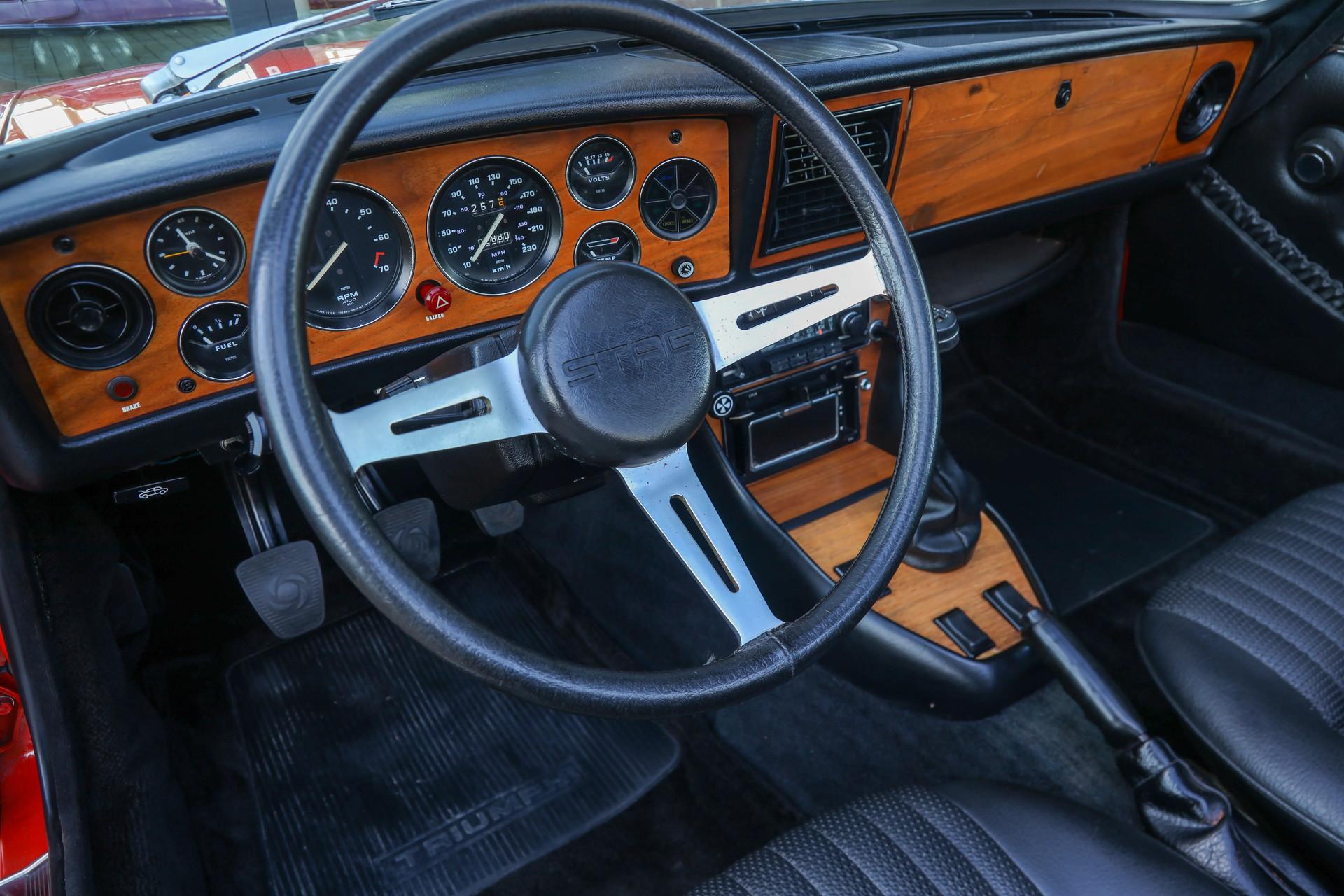
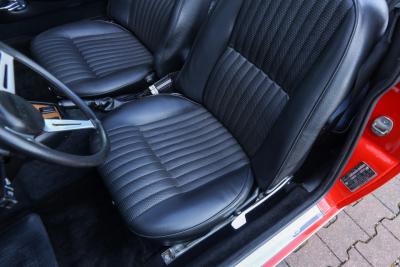
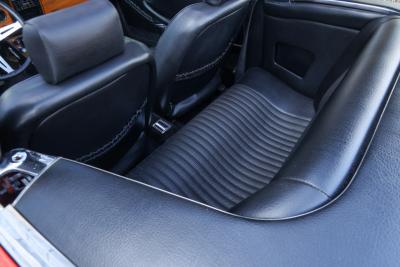
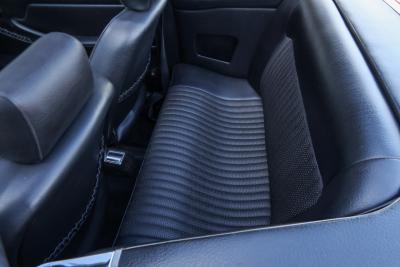
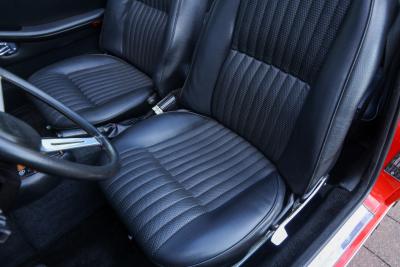
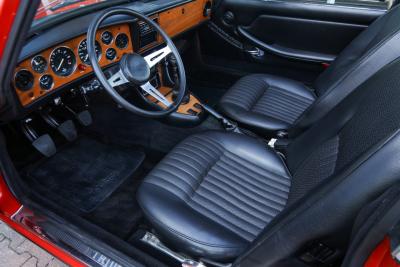
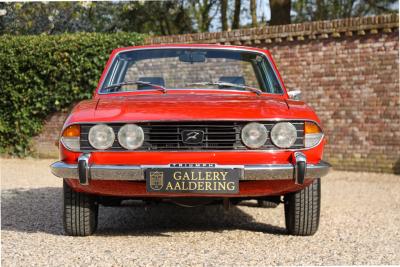
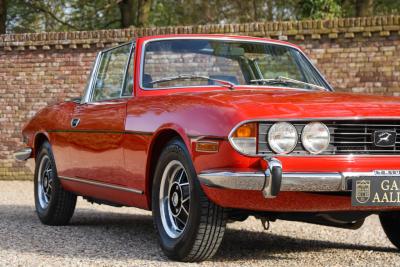
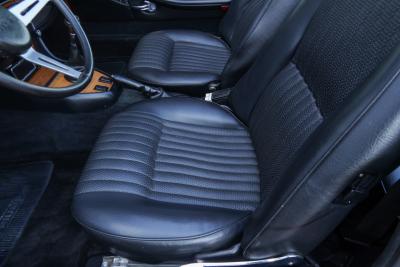
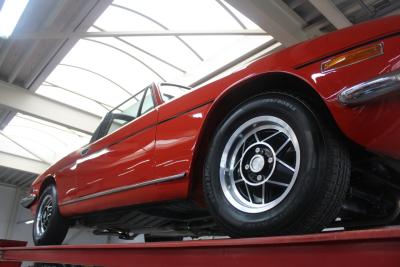
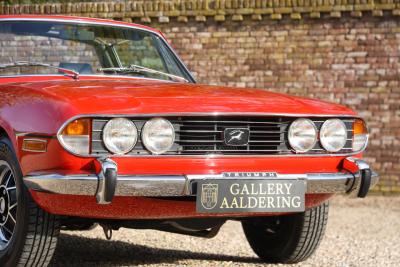
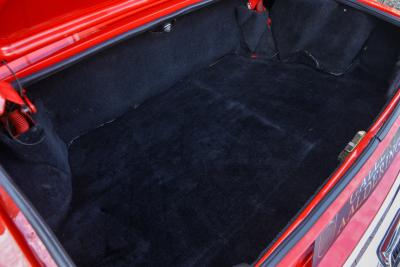
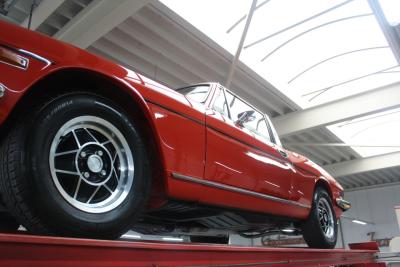
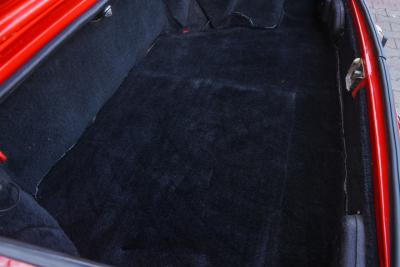
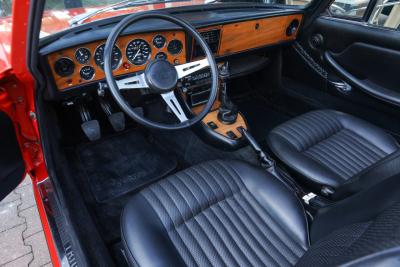
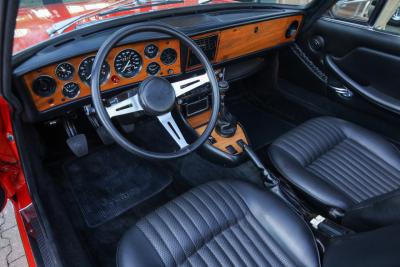
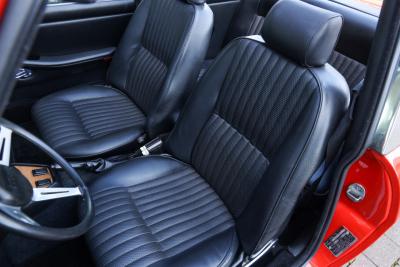
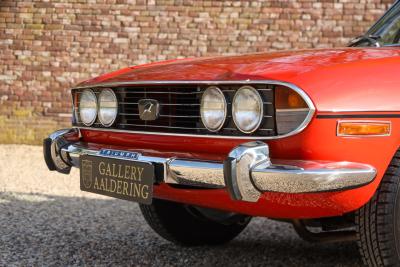
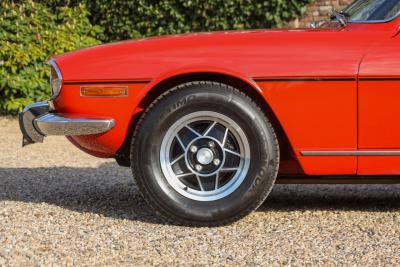
What stands out is that this restoration, now some thirty years later, still holds up remarkably well. The car presents fresh, well cared for, and cohesive in every respect. The original color combination, Pigmento Red paired with black leather, completes the picture. It is a combination that suits the model perfectly: warm, classic, and just distinctive enough without becoming excessive.
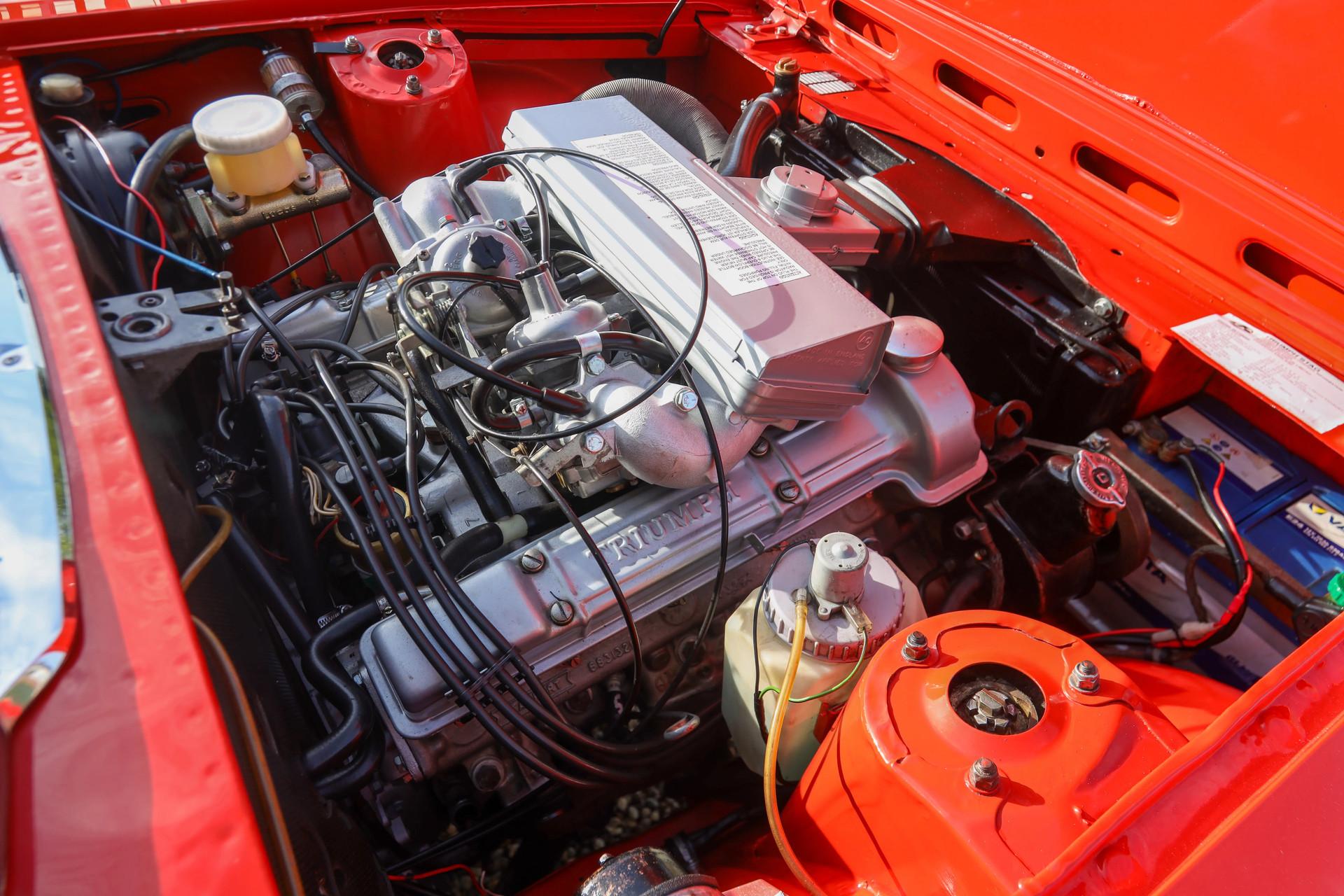
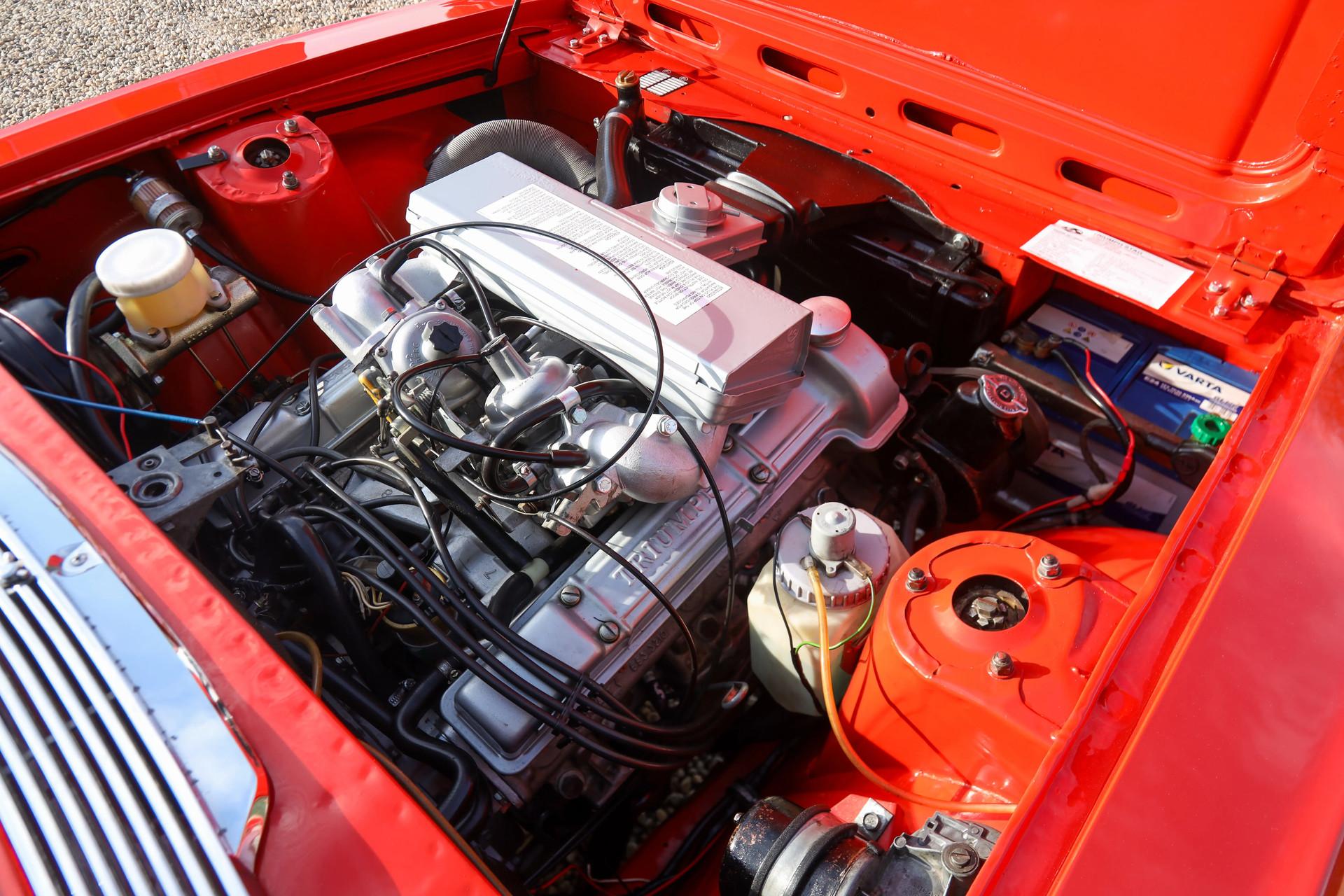
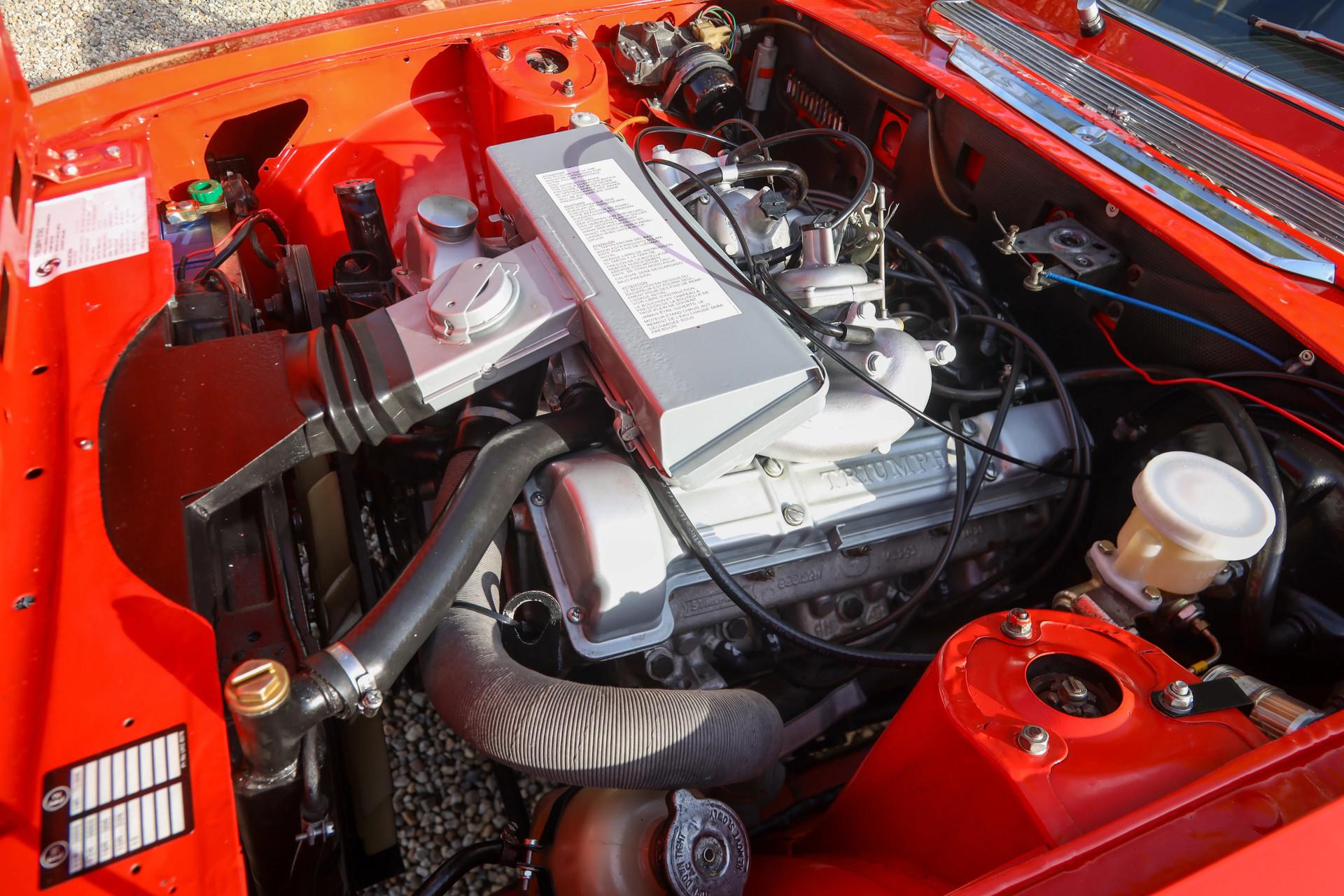
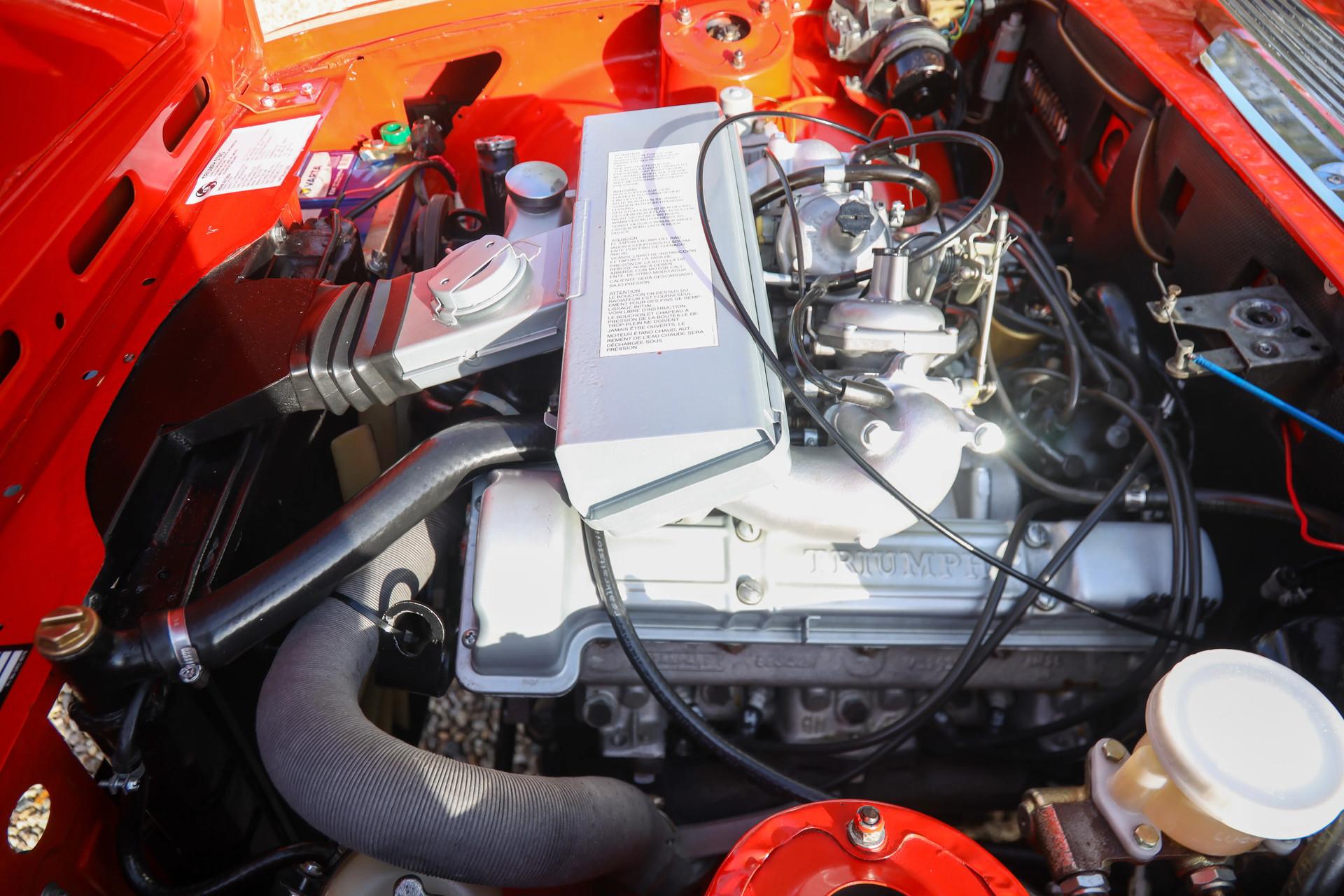
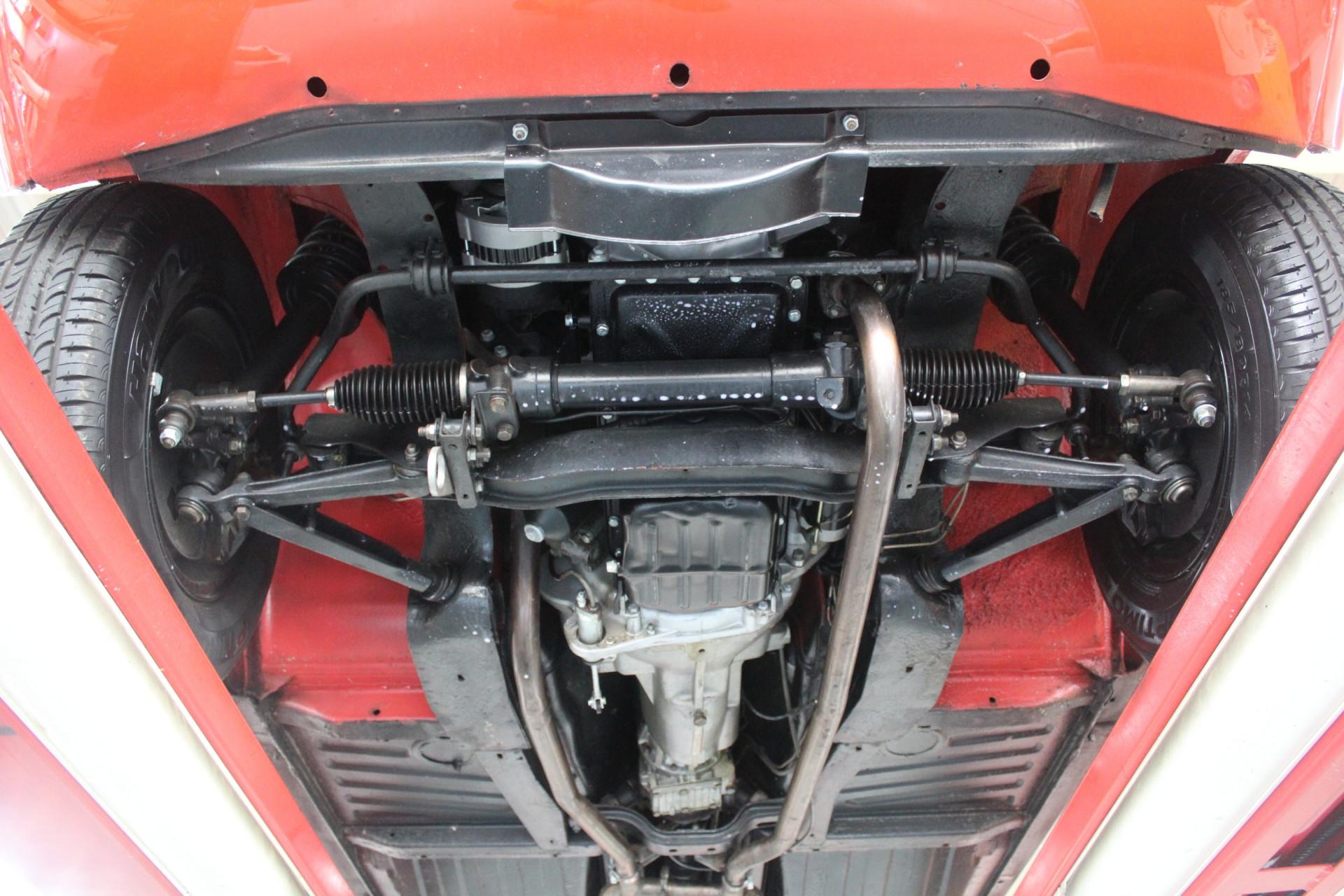
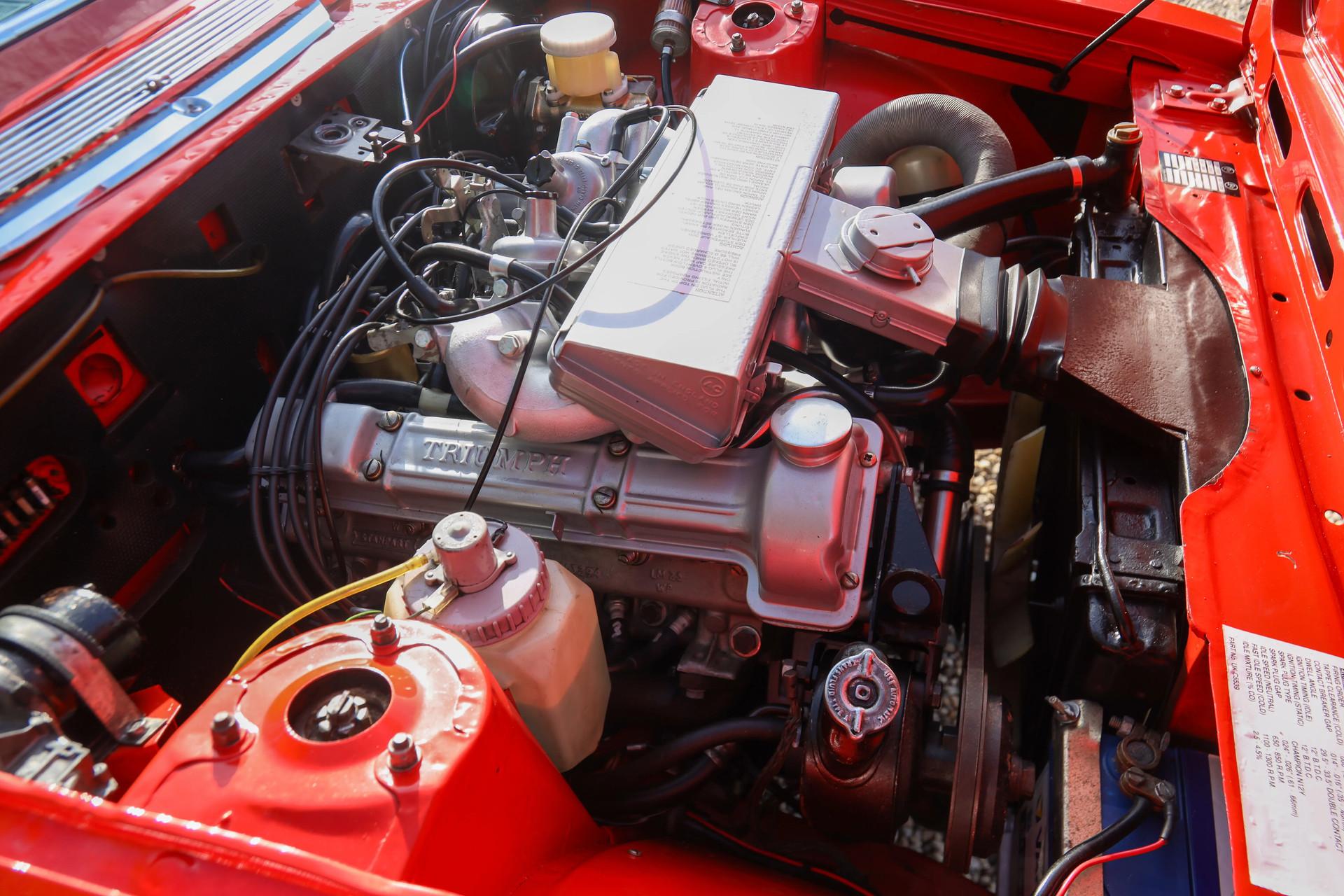
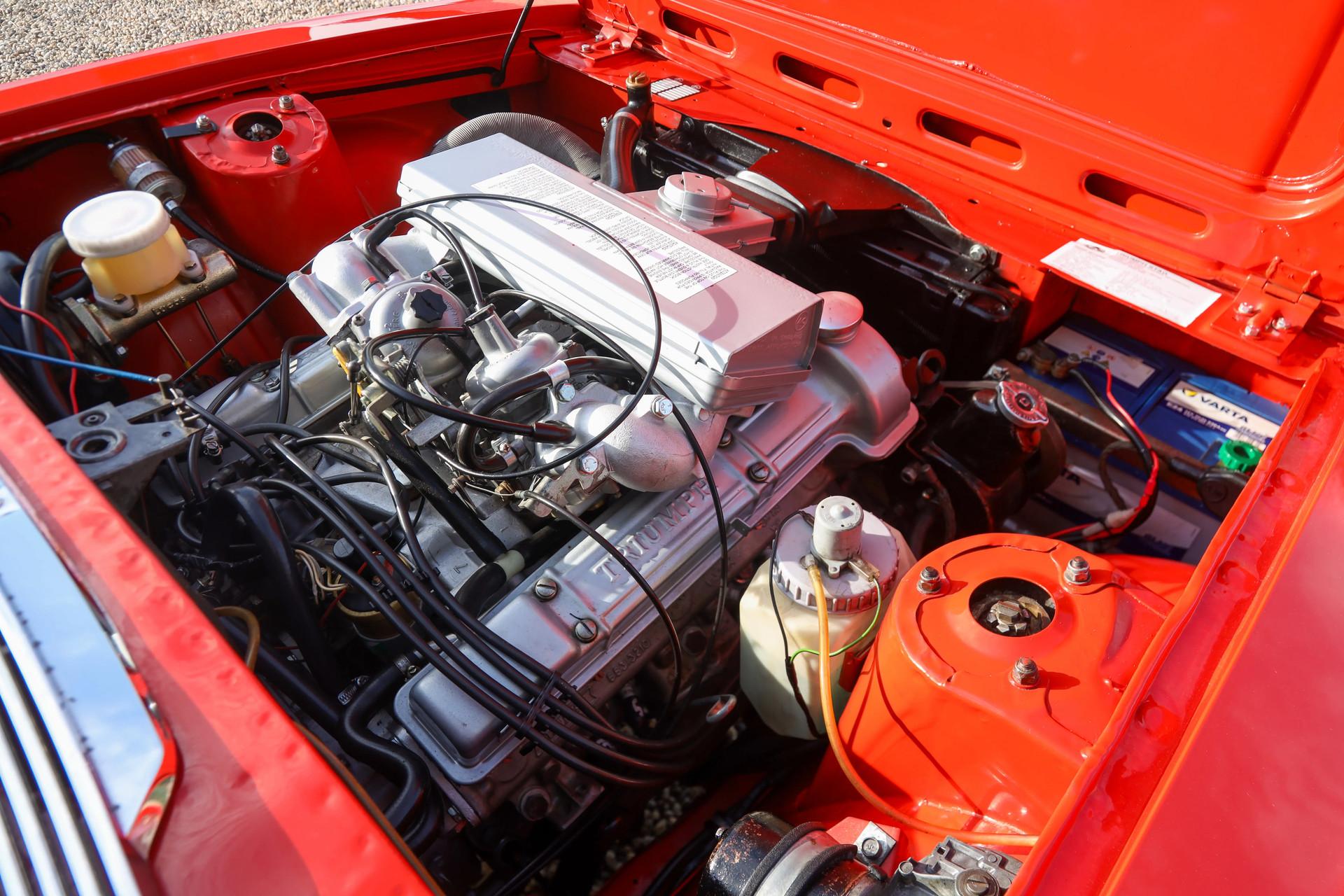
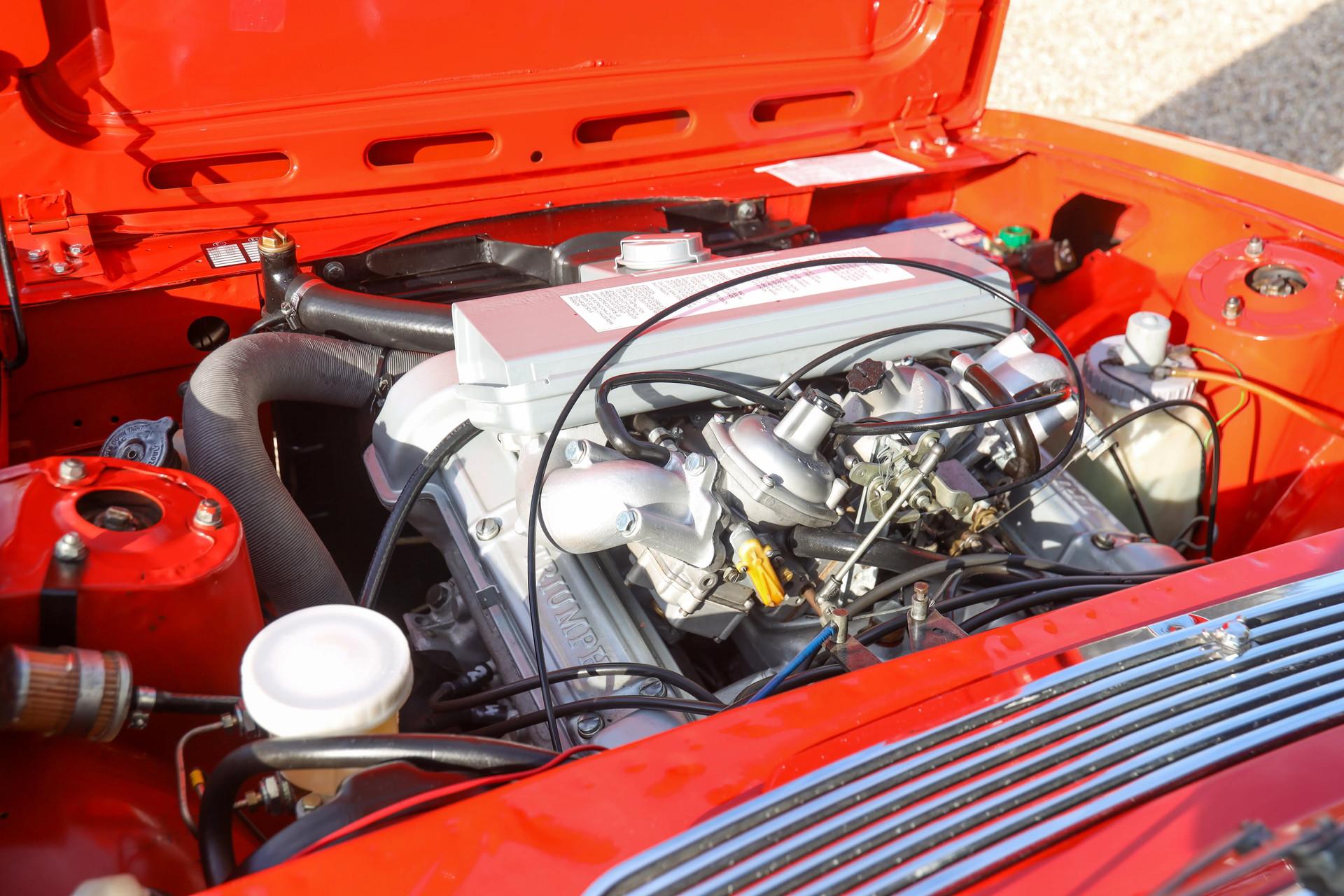
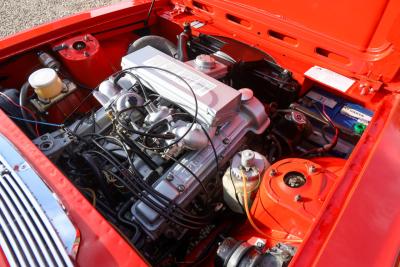
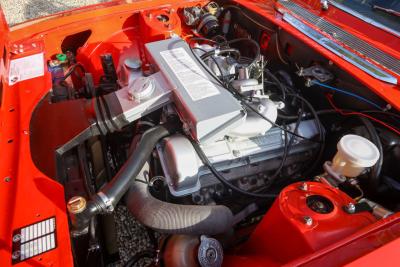
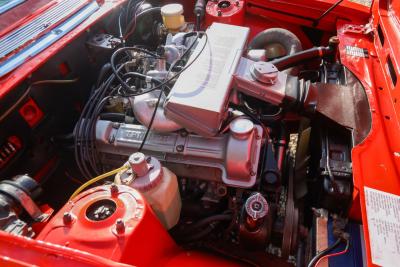
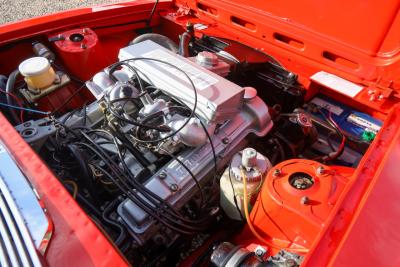
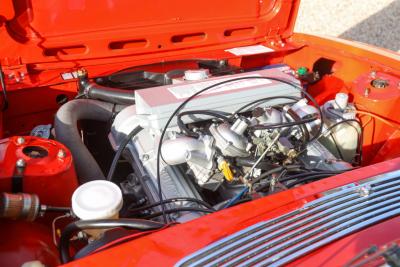
Over the years, the car has been properly maintained and documented. Everything has been addressed in a timely manner, with no deferred work left behind. More recently, the engine received preventative attention, including a rebuild by a specialist. Not because it was strictly necessary at that moment, but to ensure its condition for the future. And that is exactly how you want to see a car like this.
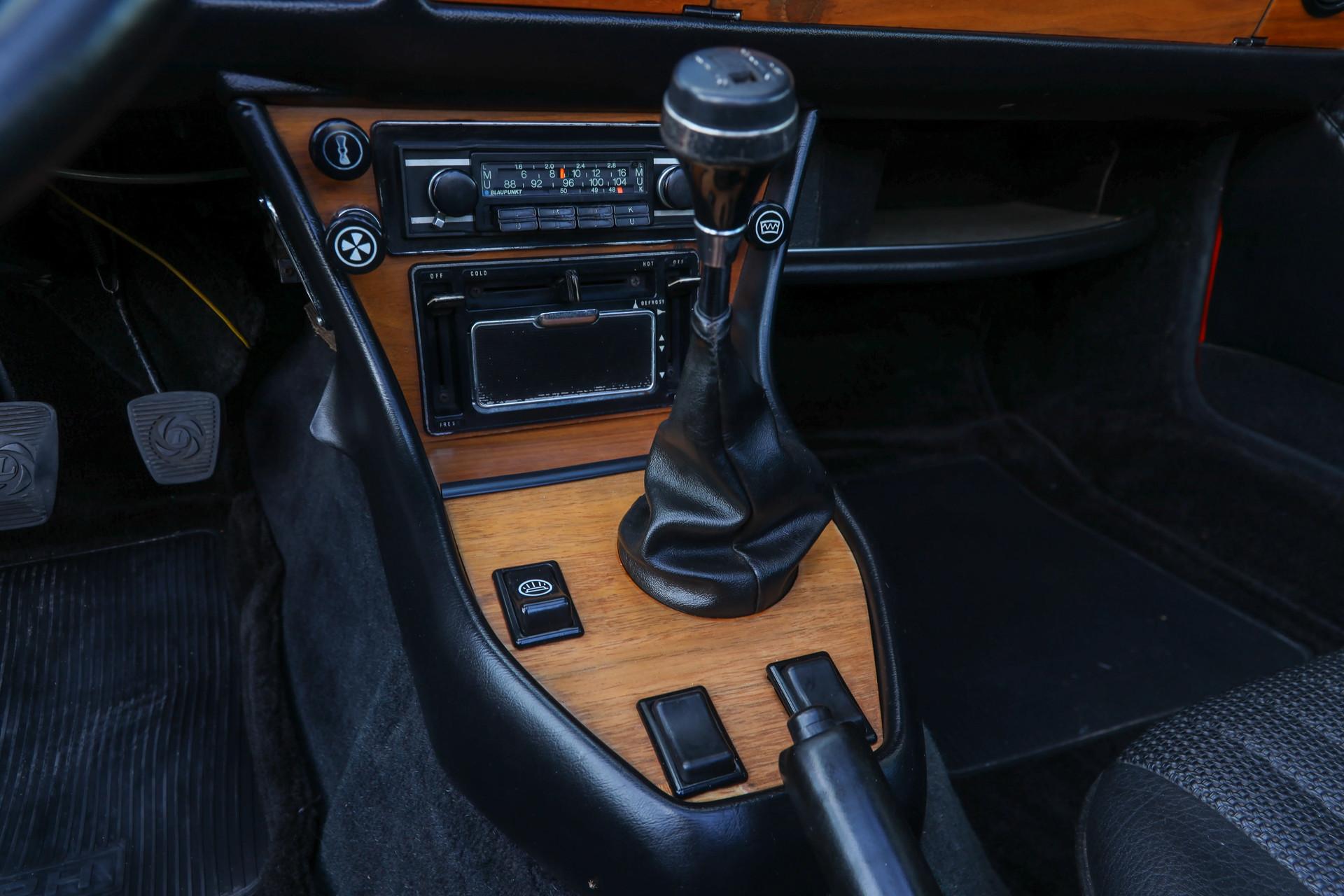
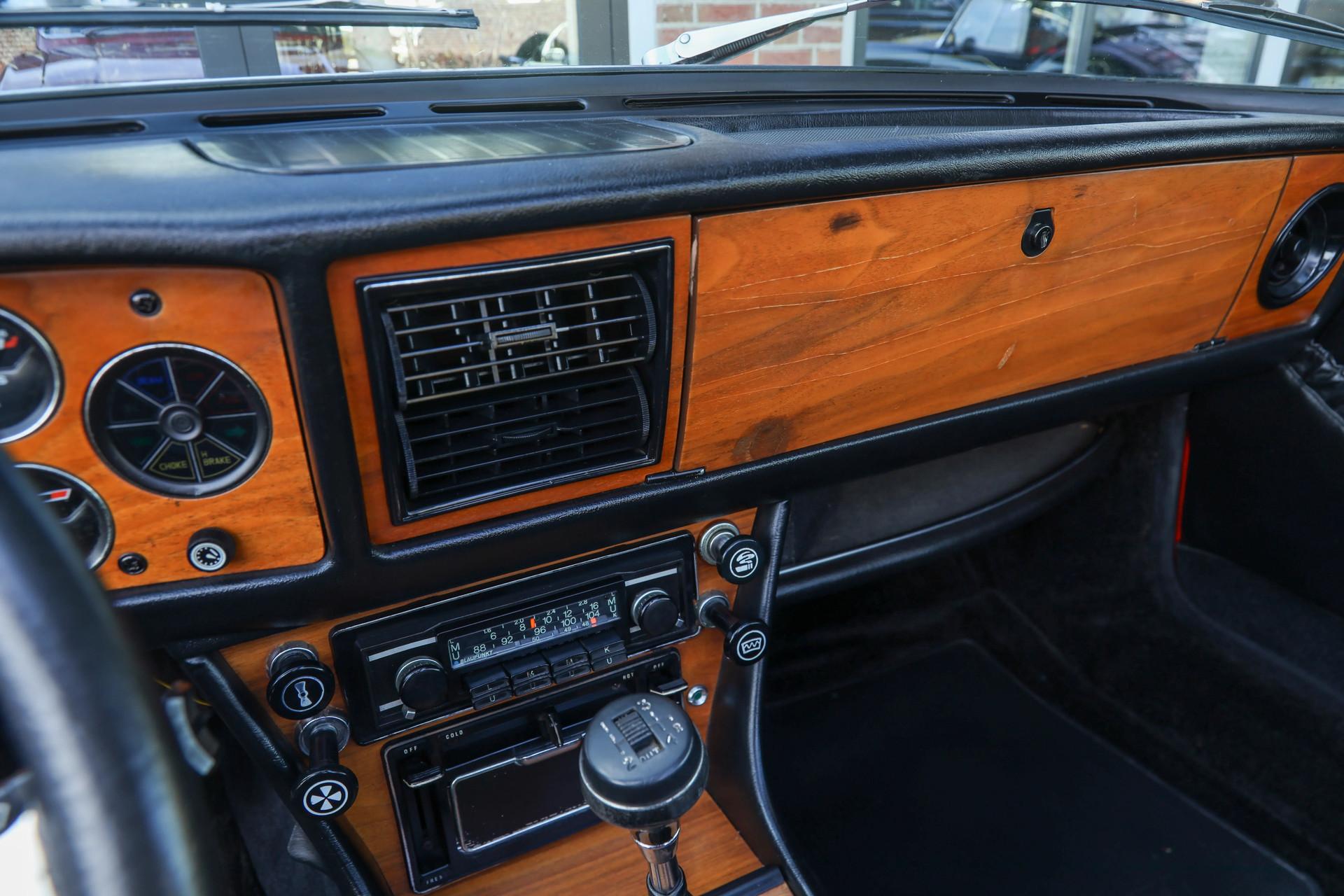
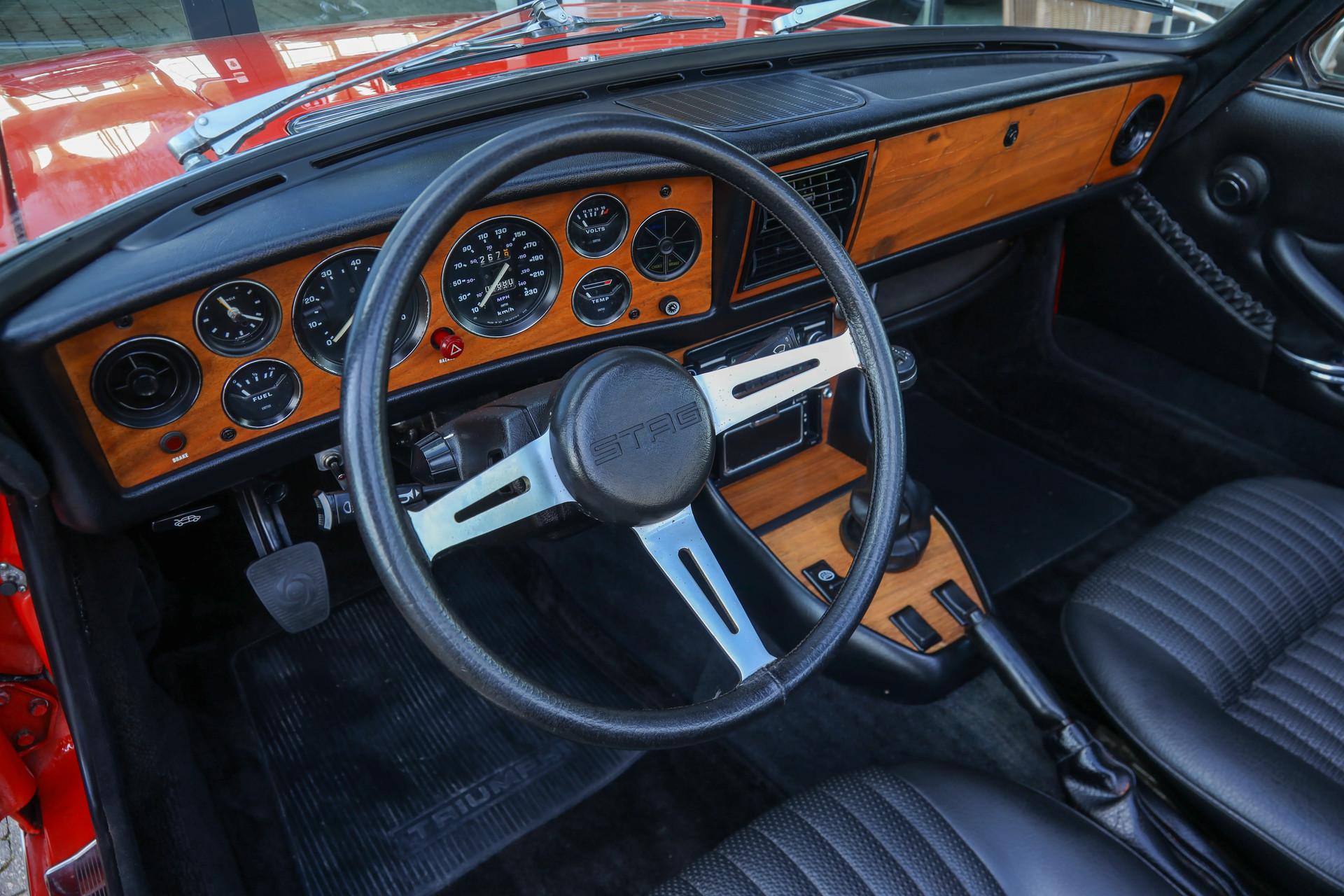
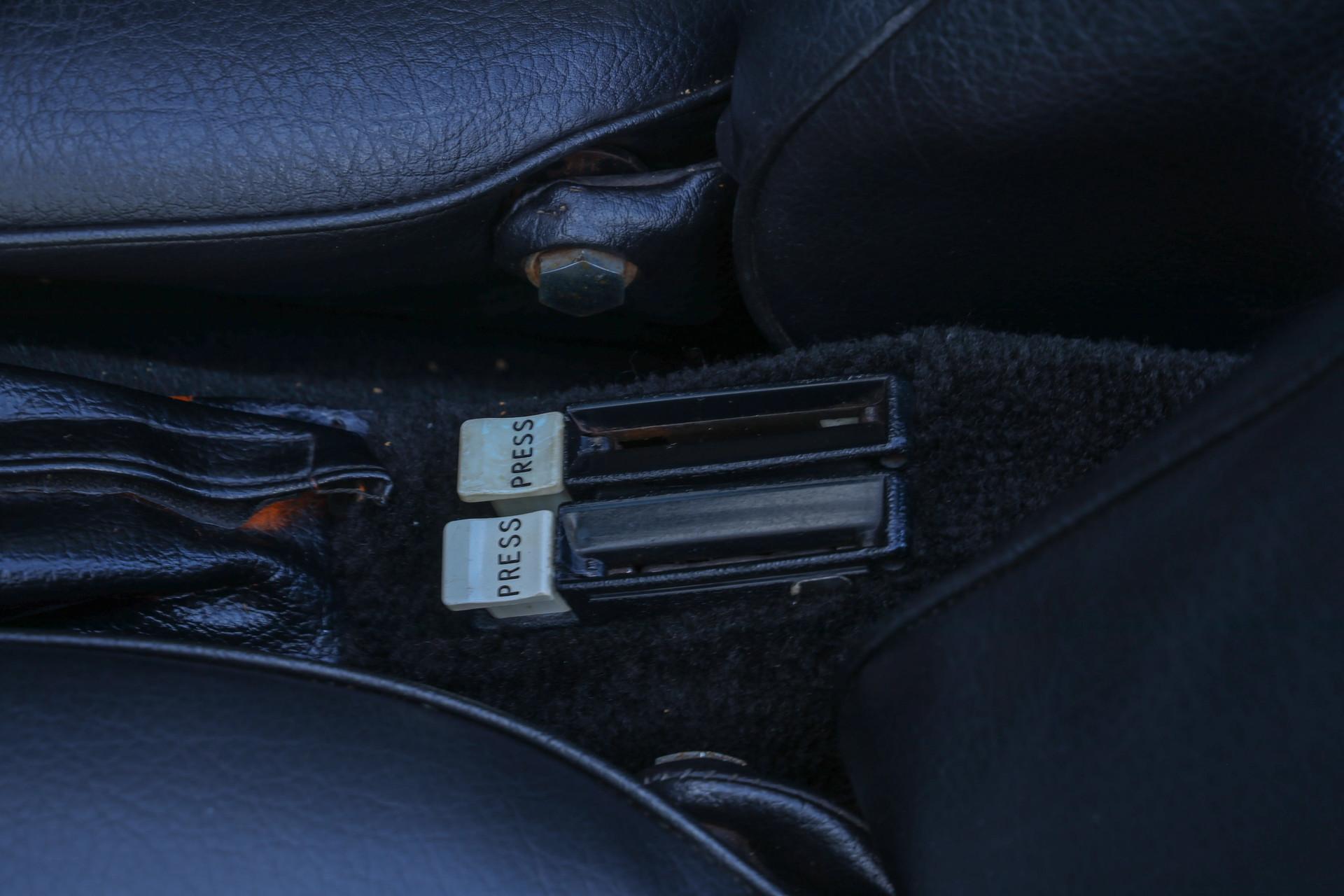
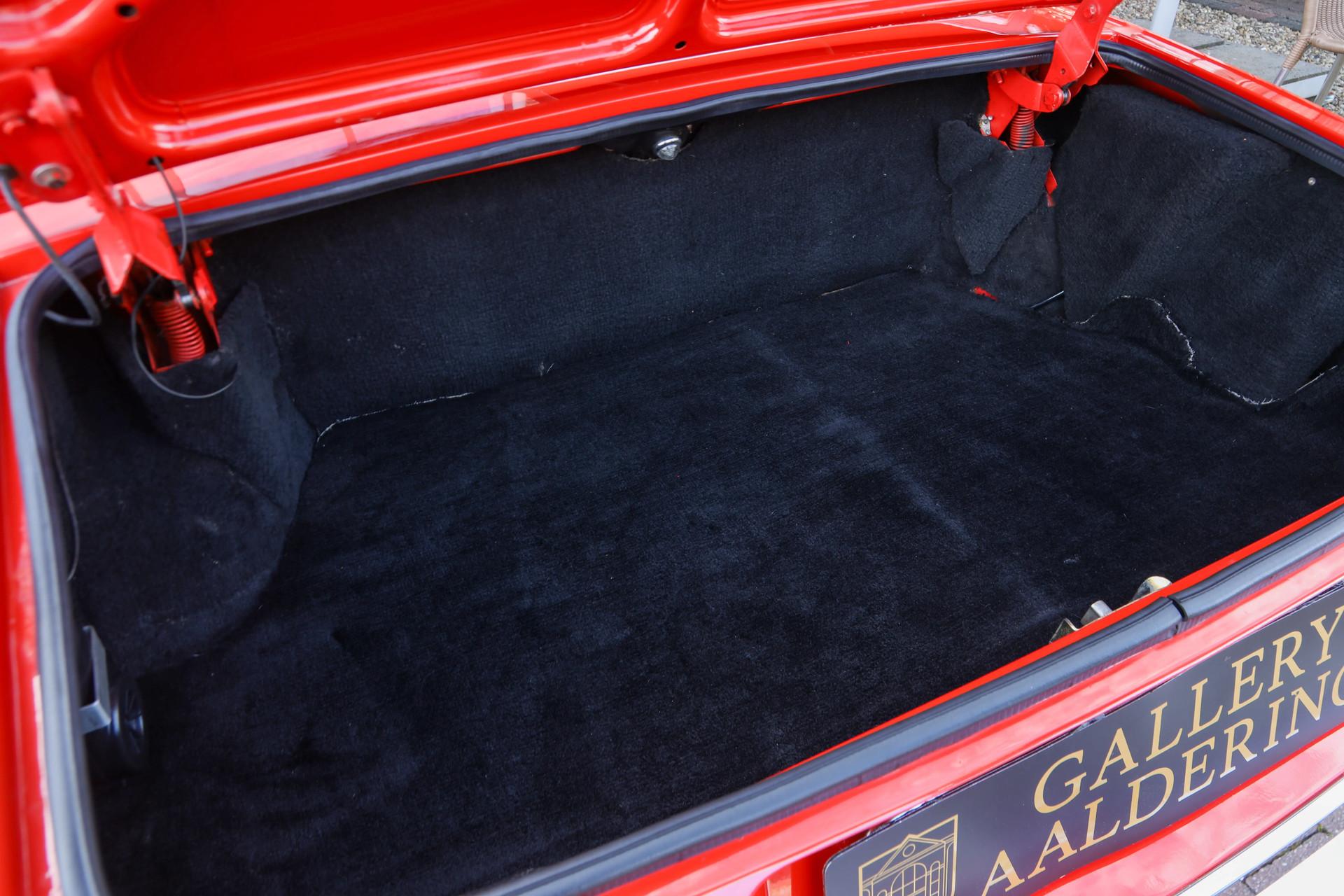
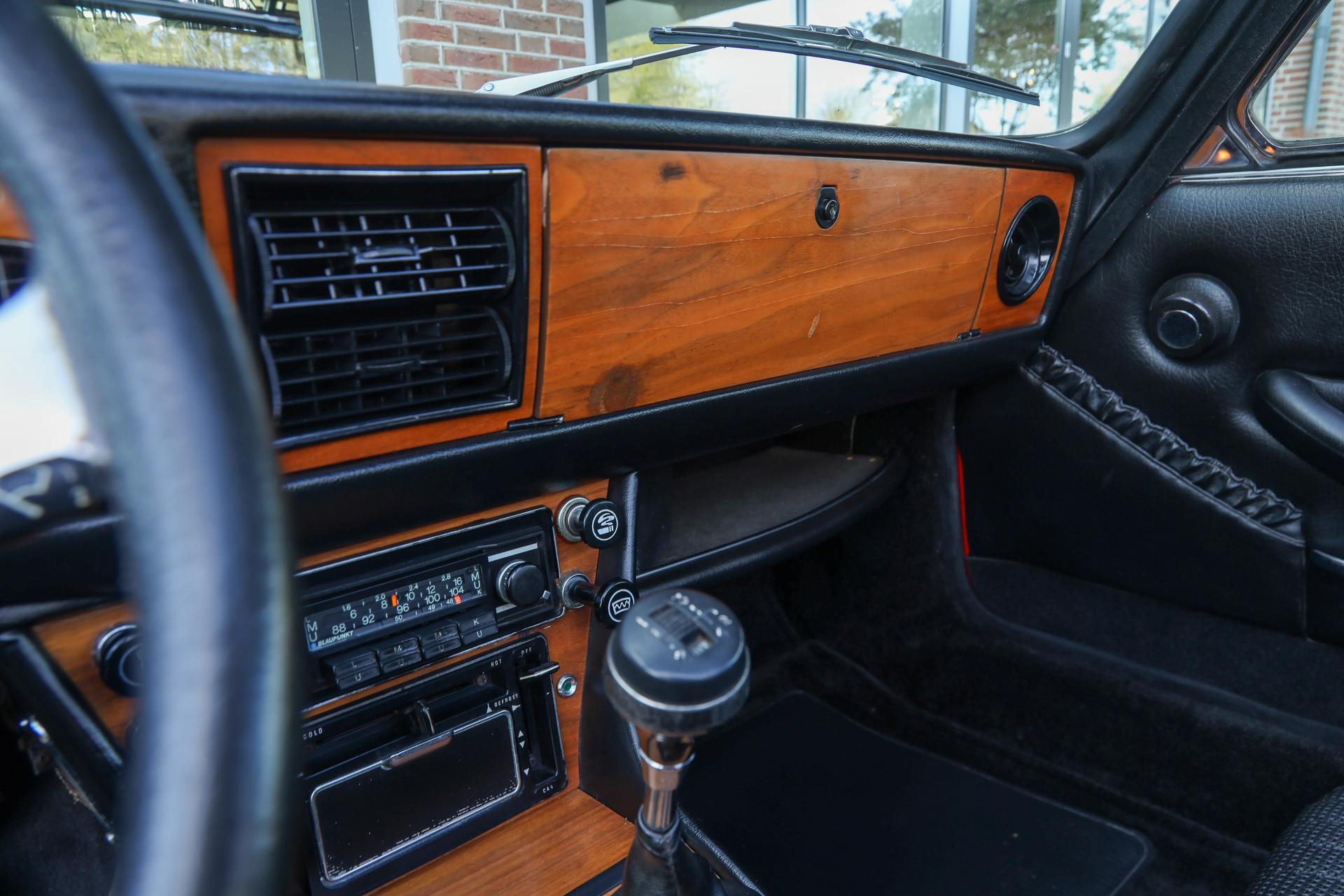
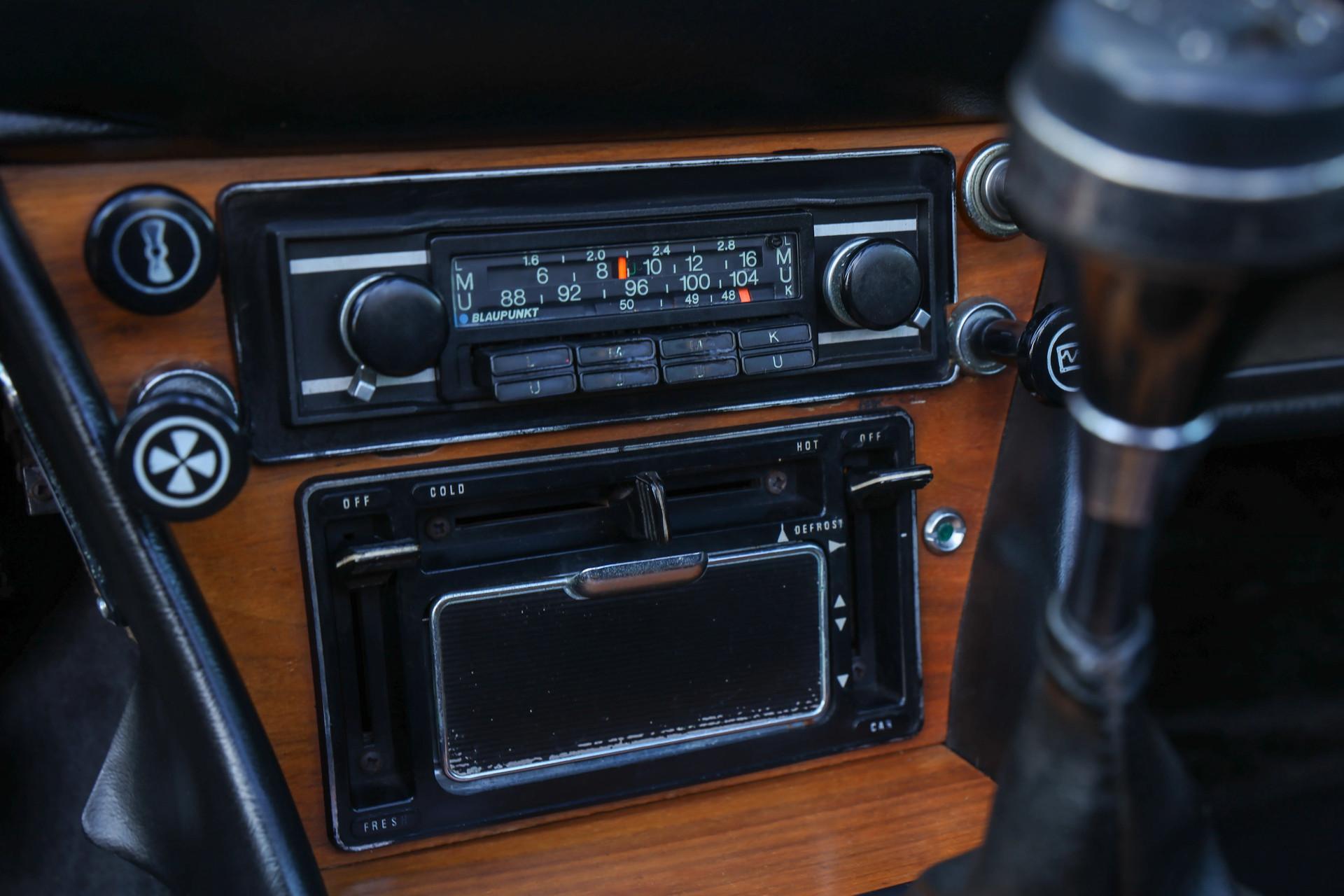
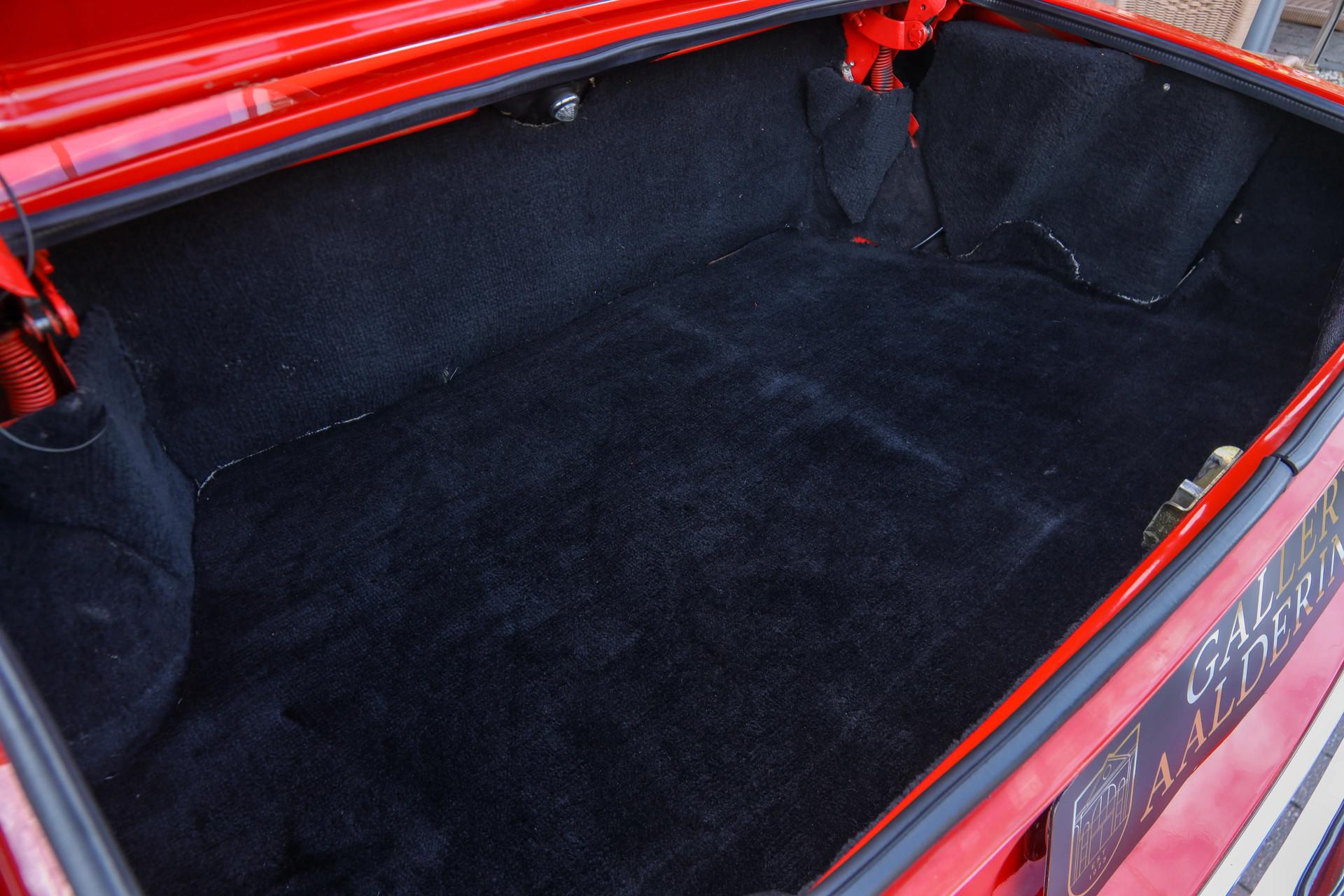
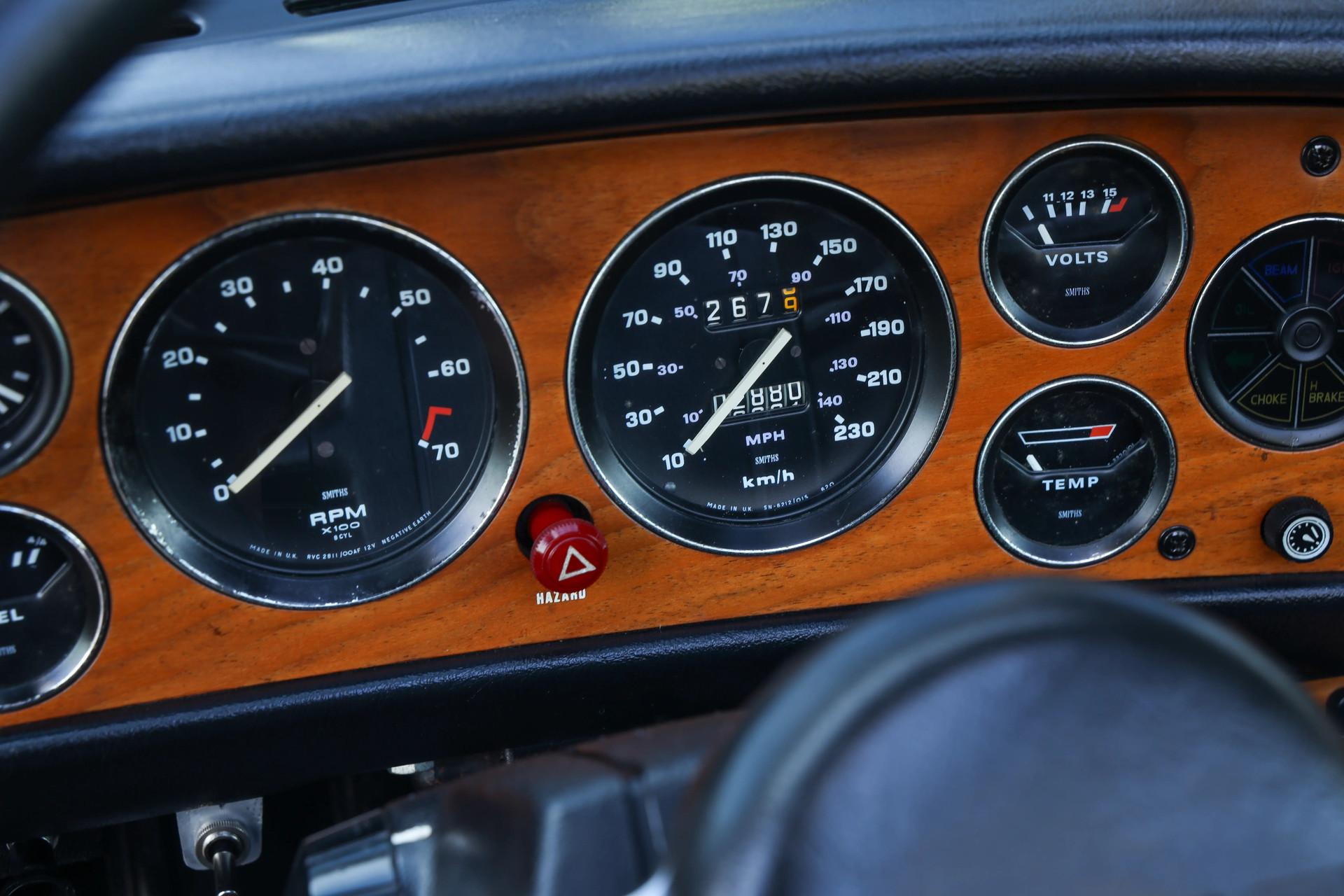
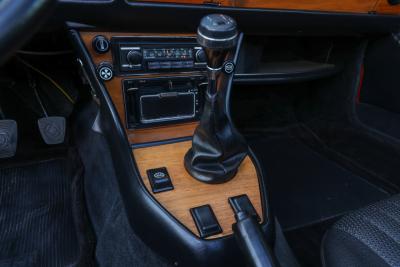
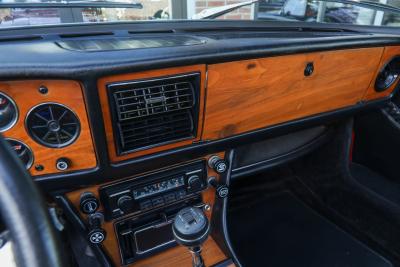
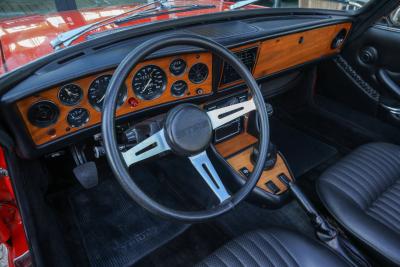
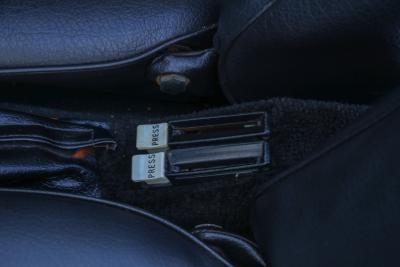
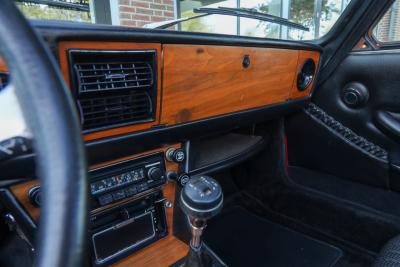
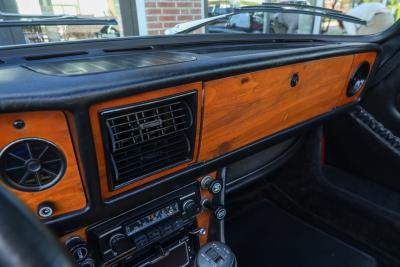
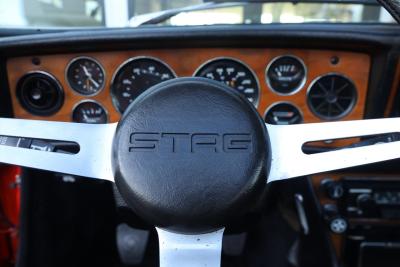
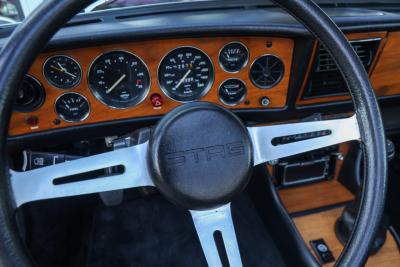
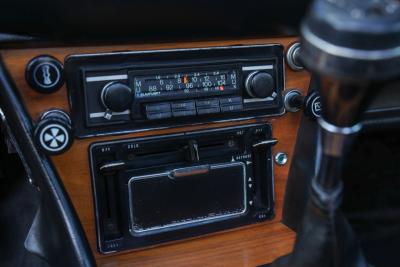
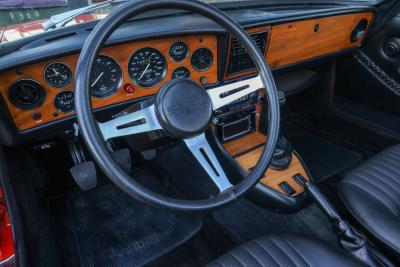
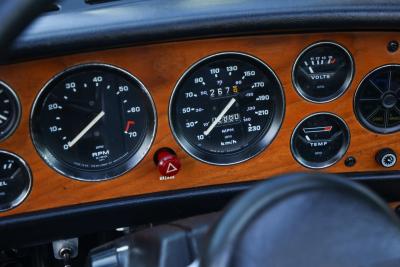
When you get in, you immediately notice that the Stag feels different from many modern cars. The seating position, the visibility, the way everything is laid out—it all has a relaxed quality. Four seats, sufficient space, and an interior designed for use rather than for show.
Under the hood sits the well-known 3.0-liter V8 from Triumph. Developed at the time as part of a broader engine strategy within the brand, it delivers a smooth and composed character that perfectly suits the car's intended purpose. No urgency, no sharp edges—just enjoyable driving.
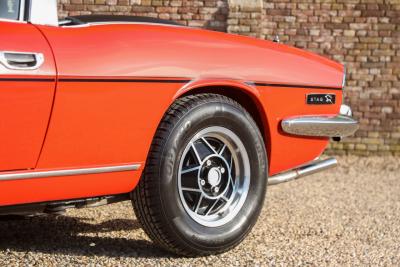
The Stag was produced between 1970 and 1977, in relatively limited numbers. This is a later example, meaning several refinements had already been introduced. Subtle differences in details, both inside and out, make it recognizable to those who know what to look for.
What makes this car particularly appealing is the overall picture. The history, the long-term first ownership, the restoration, the maintenance, and its current condition—it all simply adds up.
This is the kind of car where you step in on a sunny day, open the roof, and head out without a plan. And that is exactly what it was built for.
* The first owner commissioned a complete restoration in the mid-1990s
* Restored by a prominent restoration company in Belgium
* Recently preventive engine overhaul - rebuild by a specialist
* Owned by the first owner for nearly 50 years
* Original livery "Pigmento Red" and black hide
* Still stunning 30 years after restoration
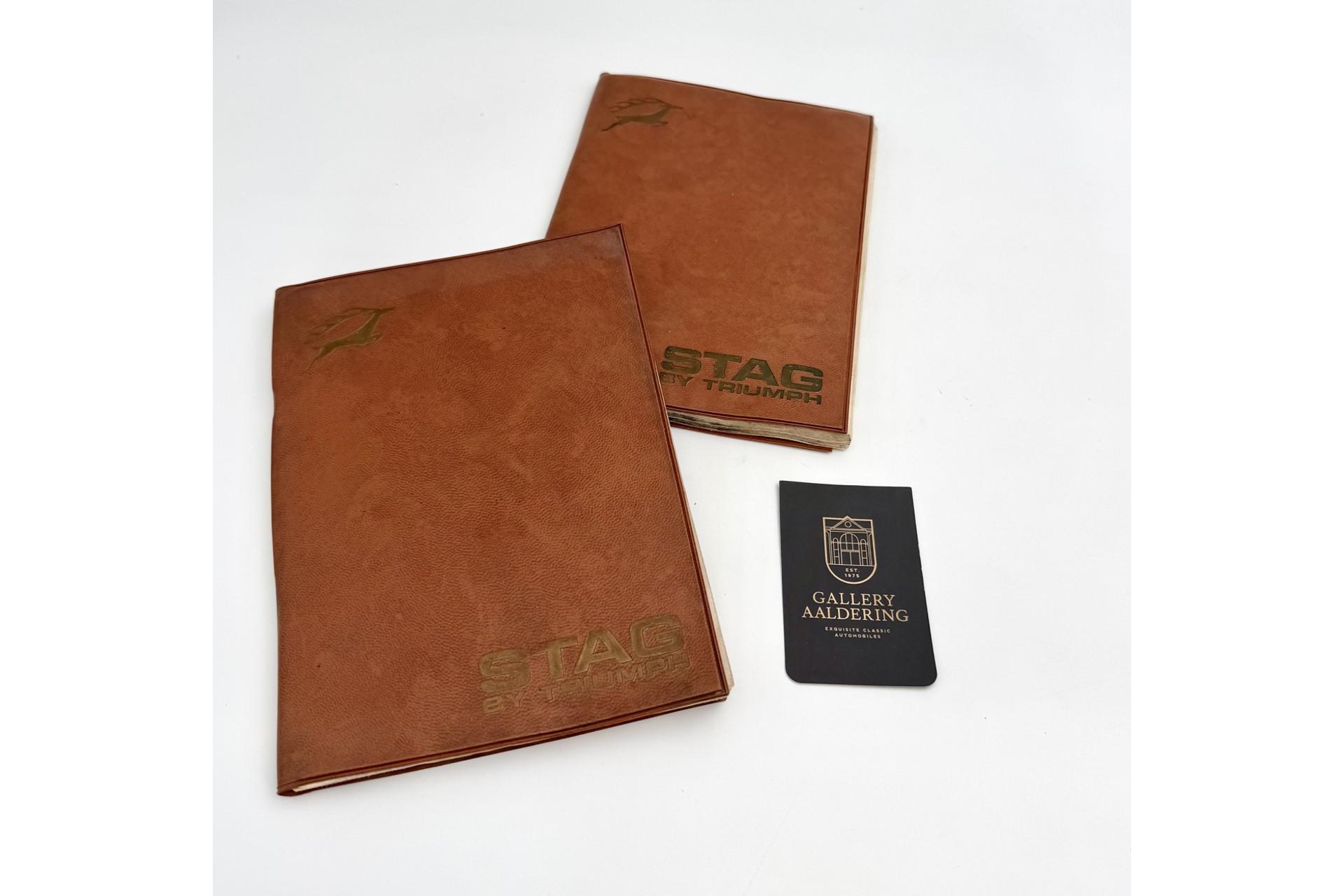
* Maintained and documented in a timely manner
Contact Us
