





















































































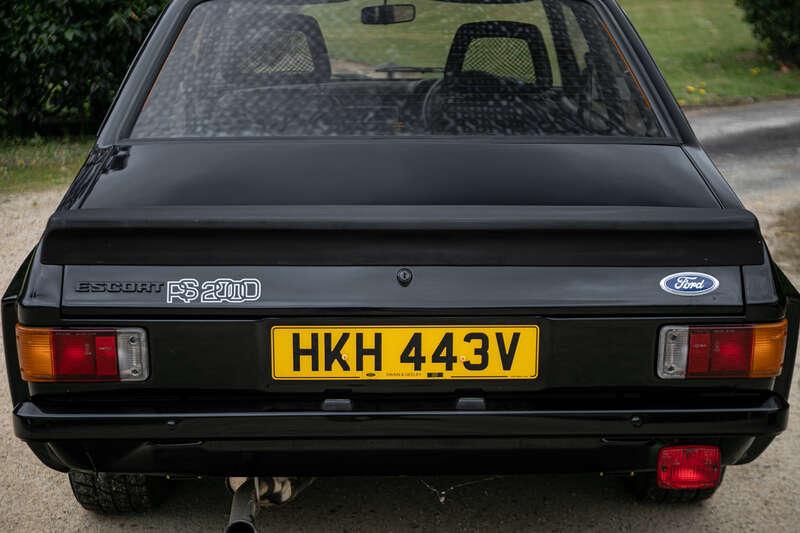
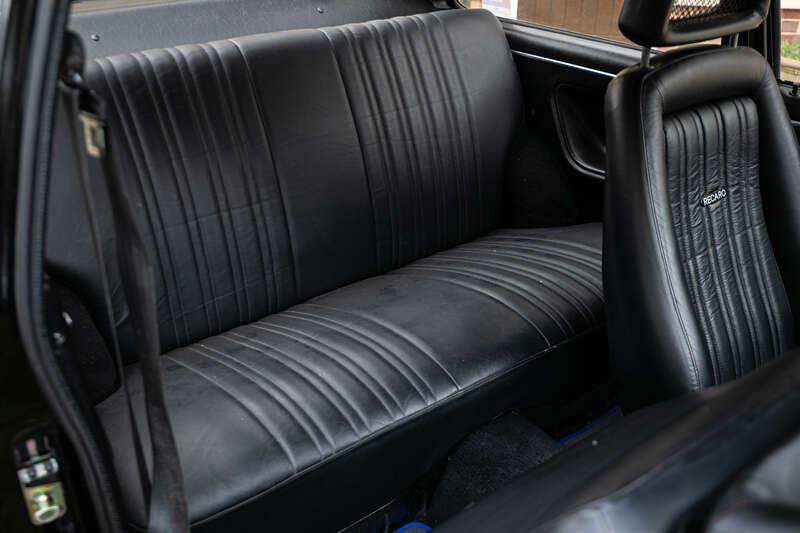
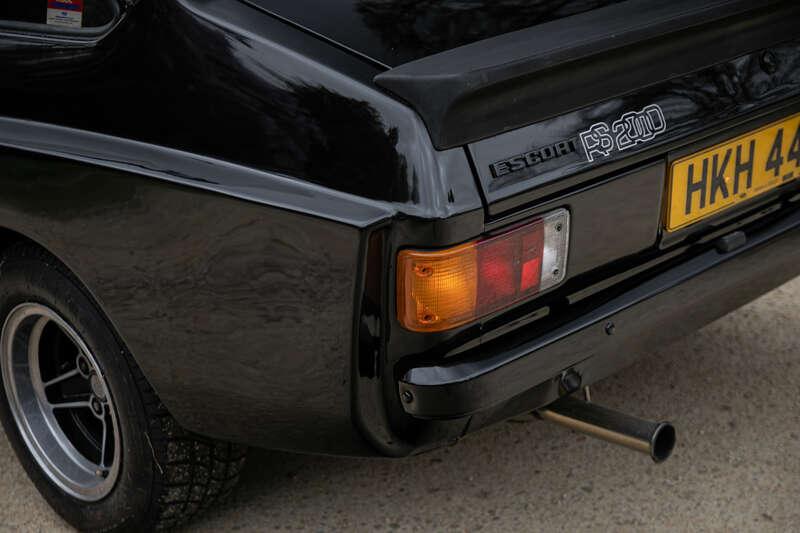
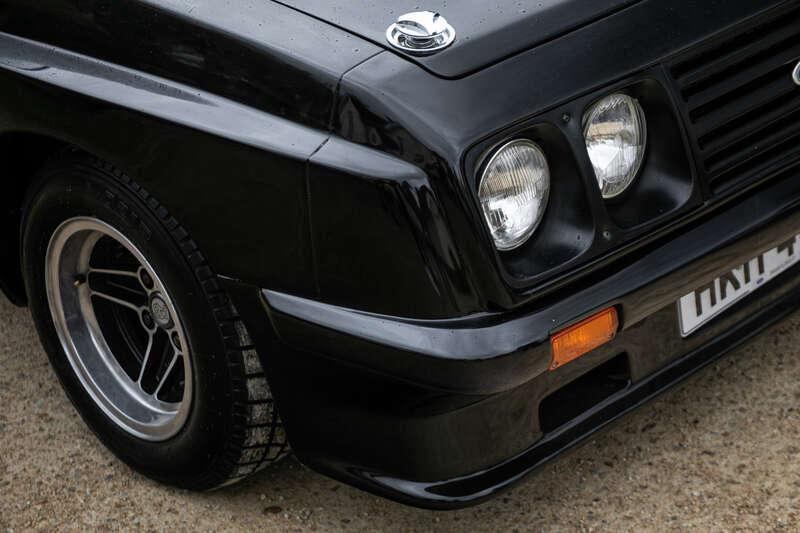
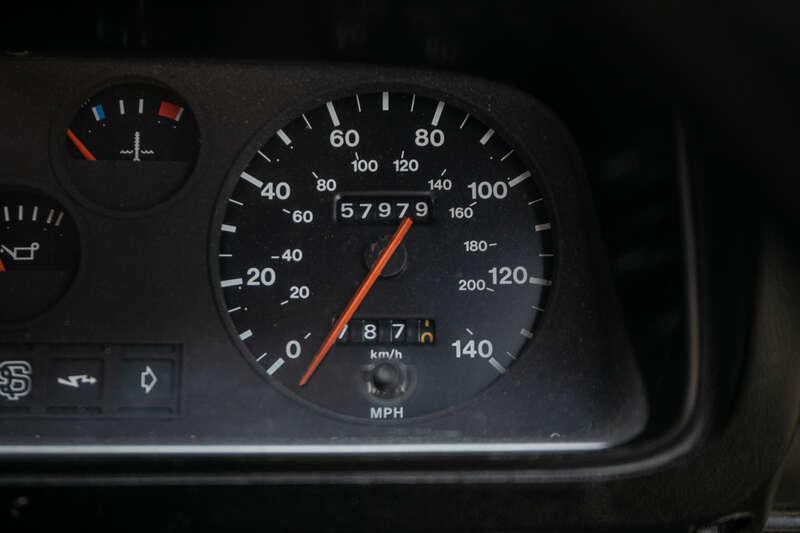
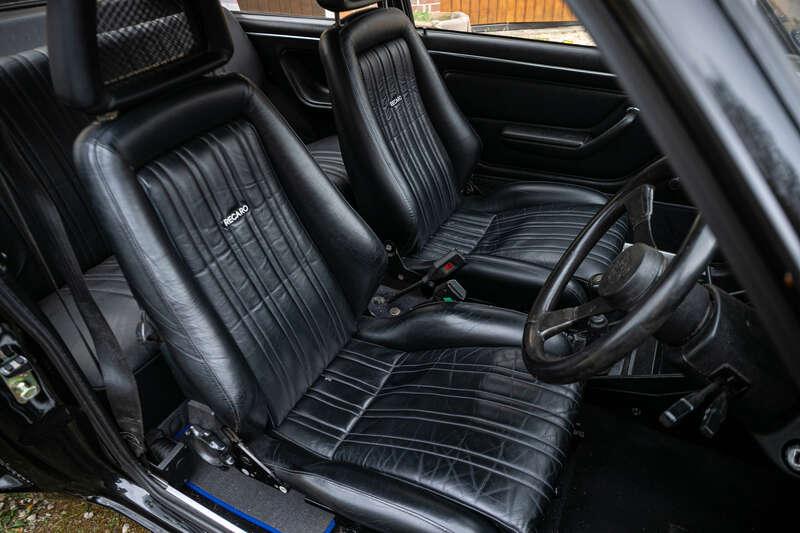
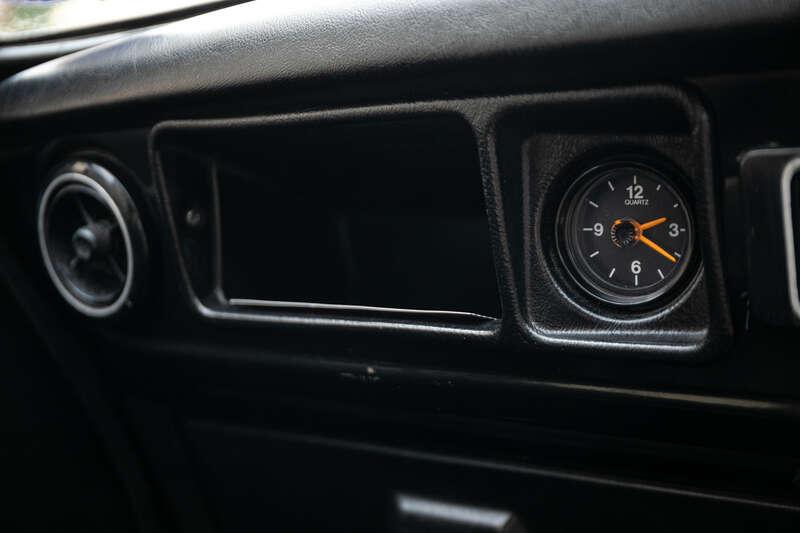
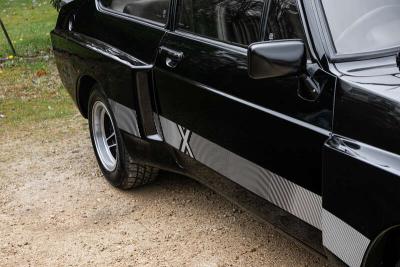
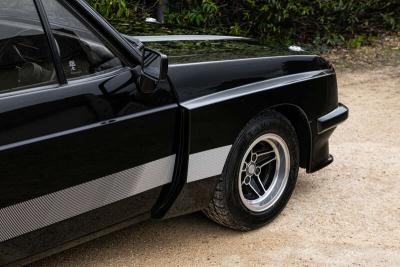
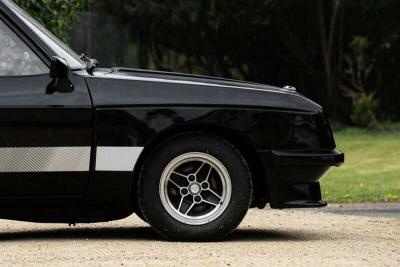
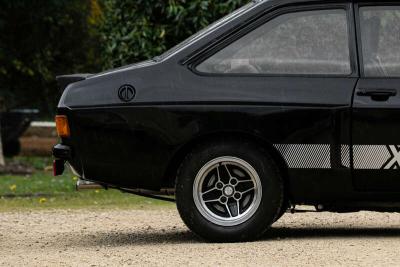
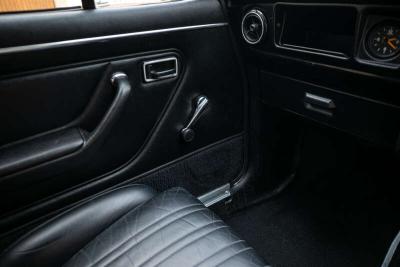
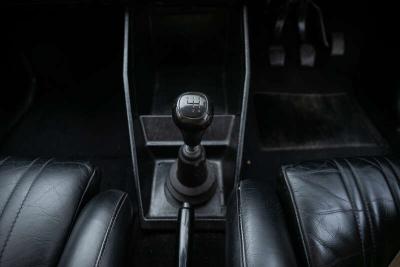
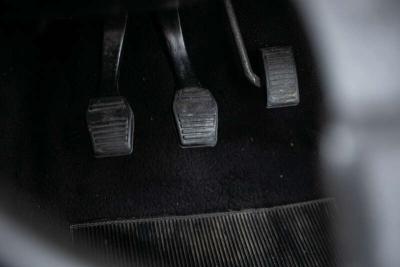
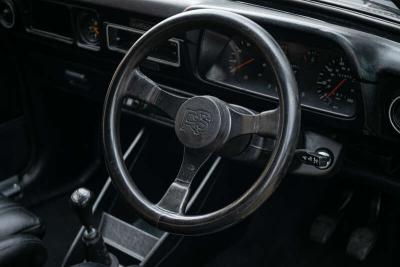
Estimated Price: £70,000 - £80,000
The RS (Rallye Sport) identity has been an important part of Ford's sporting image for a long time. Over the years, the Rallye Sport name has been applied to 19 spectacular road car models, which often proved their point by winning in races, rallies, rallycross - and in the marketplace. In the late 1960s, Ford had begun to build high performance cars in small numbers, beginning with the Escort Twin Cam in 1967. Their idea was to build high performance versions of their mainstream production cars so Ford could credibly compete in motorsport in which they indeed had great success winning the RAC Rally for eight consecutive years from 1972 to 1979 in the Escort RS1600 and RS1800 models.
The Advanced Vehicle Operations (AVO) department was set up at Ford, and a new facility was established in Aveley, Essex solely to design, develop and build the performance-model cars, which were sold exclusively through Ford Rallye Sport Dealers and notably the first car was driven off the production line by Graham Hill in November 1970. However, in the early 1970s the energy crisis caused a slump in car sales and the AVO factory closed for good in 1975.
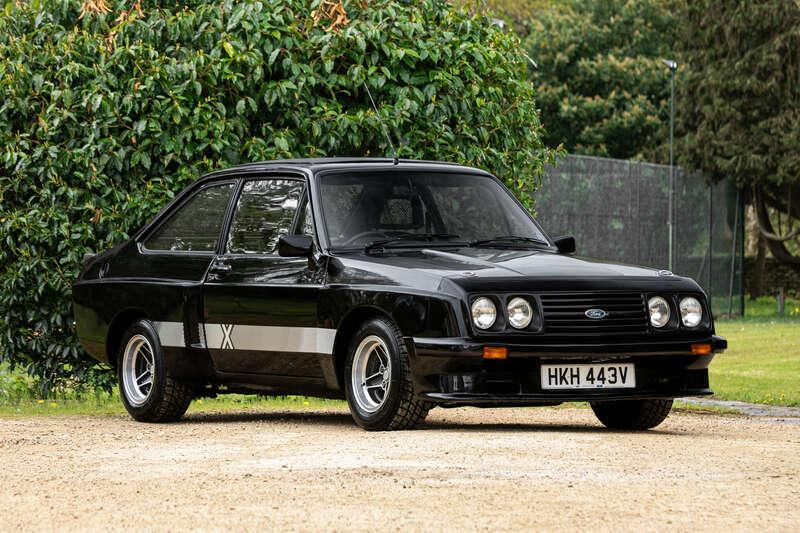
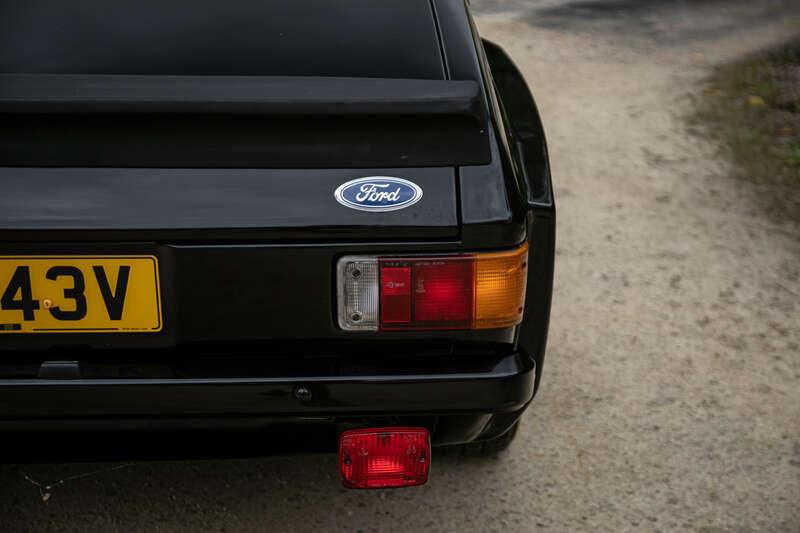
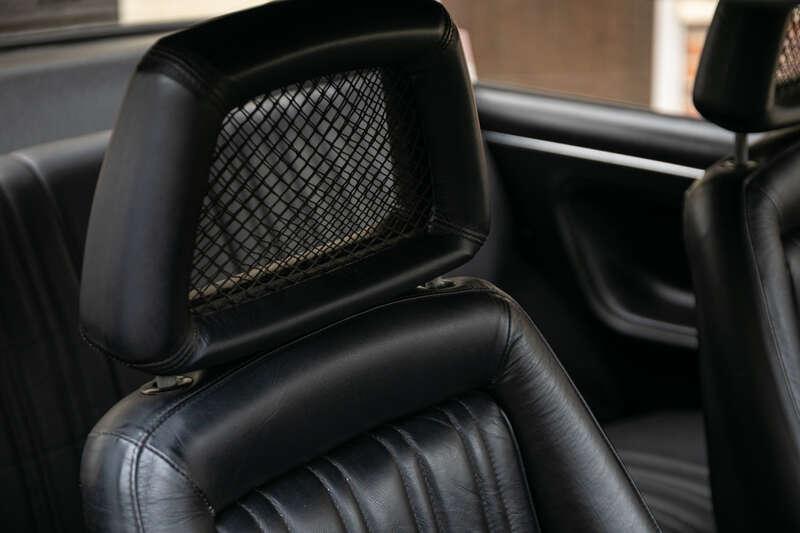
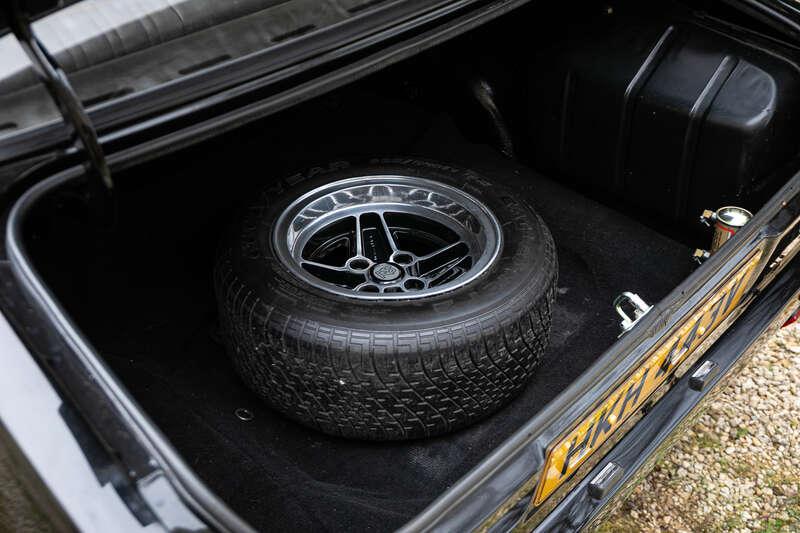
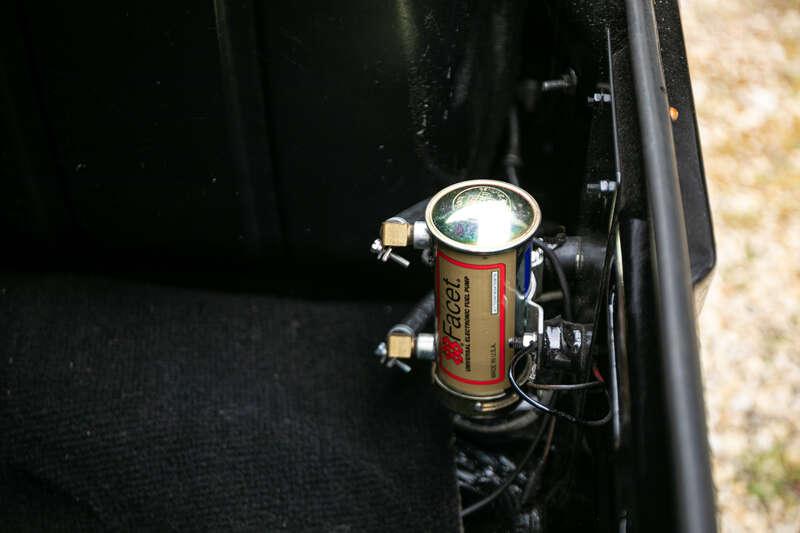
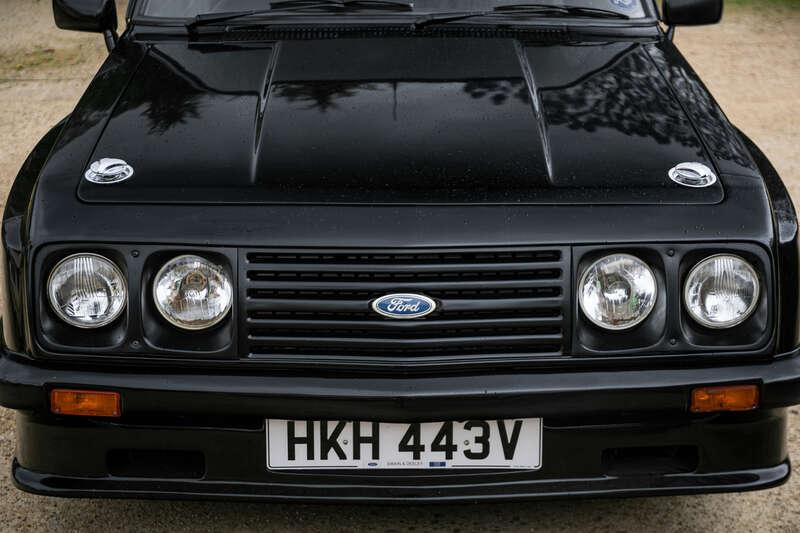
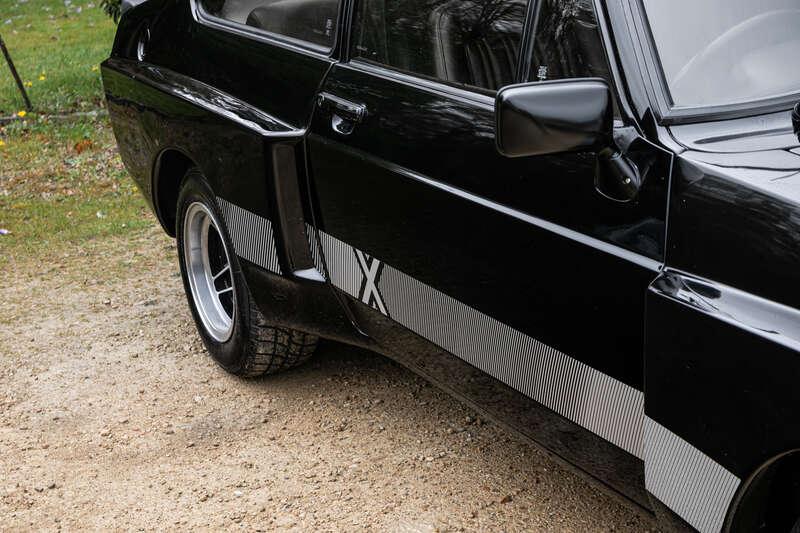
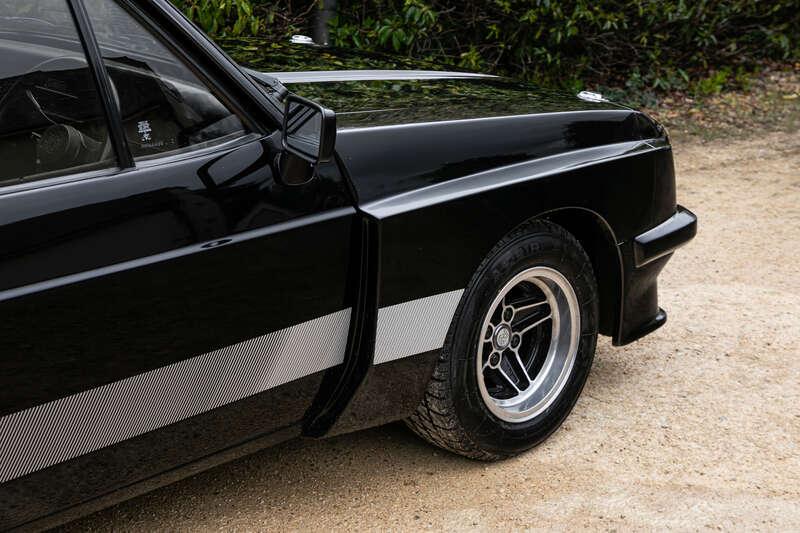
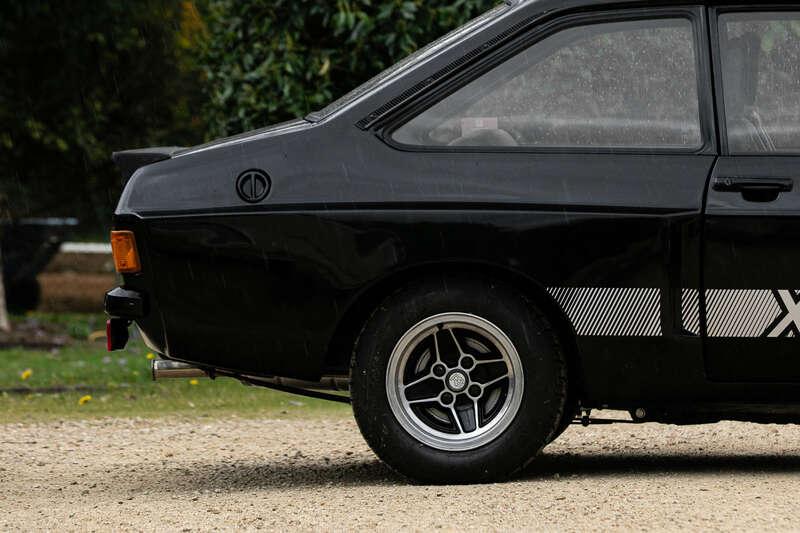
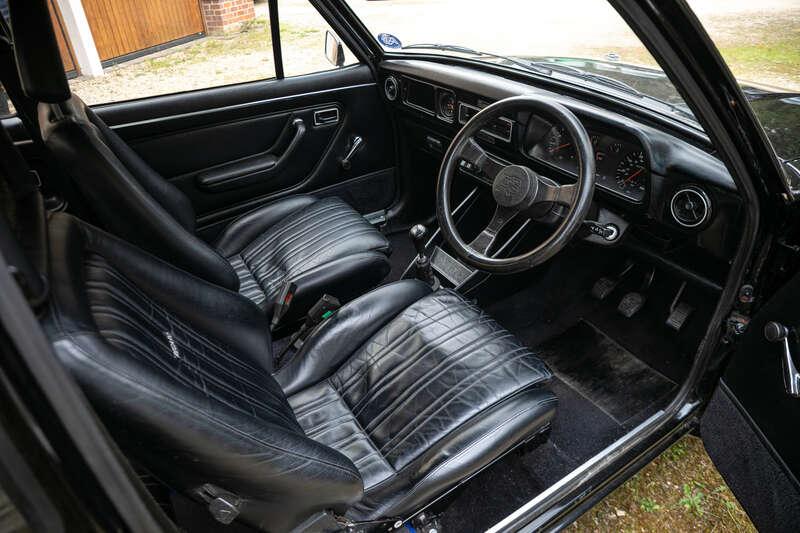
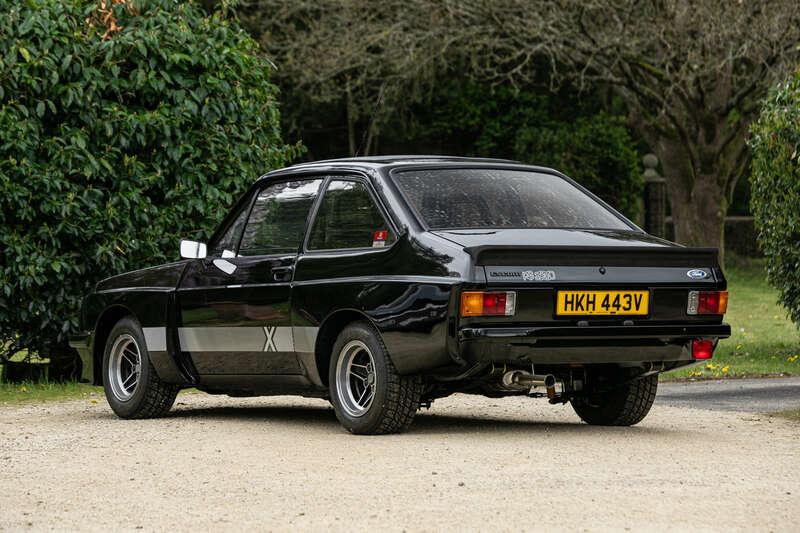
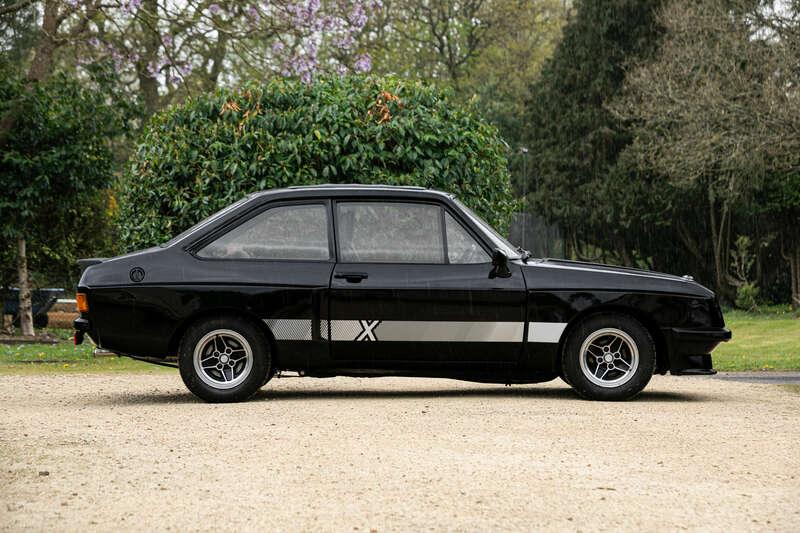
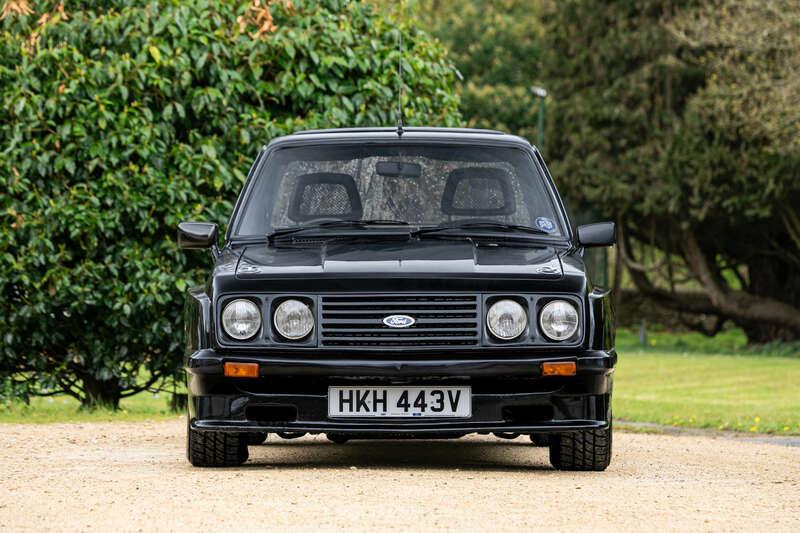
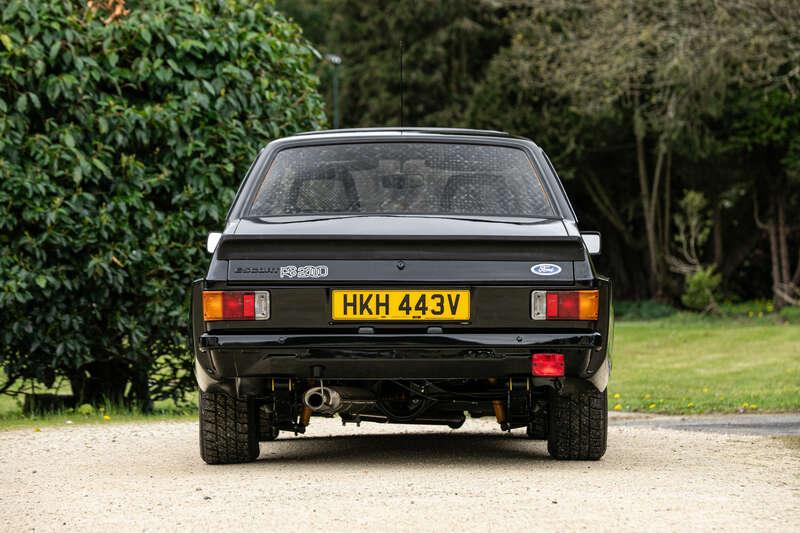
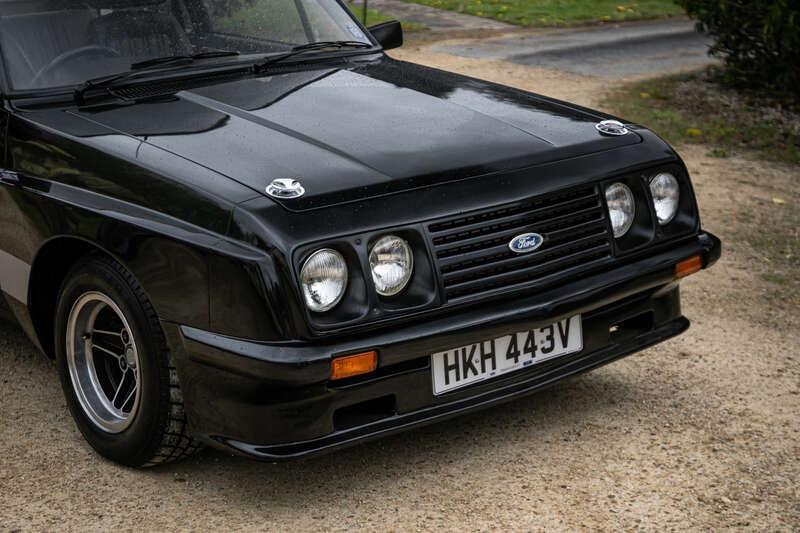
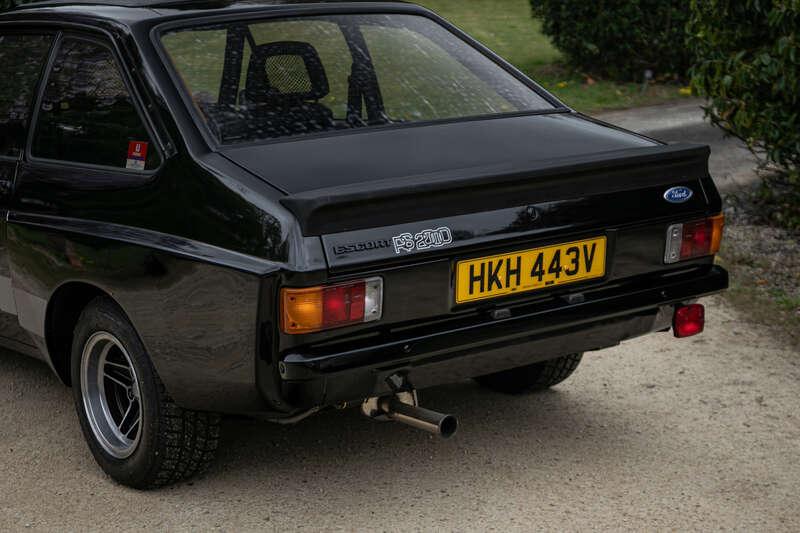
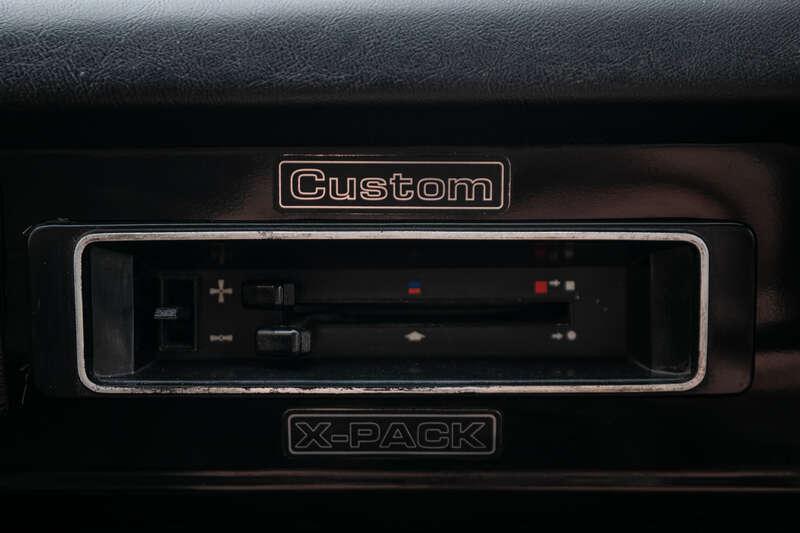
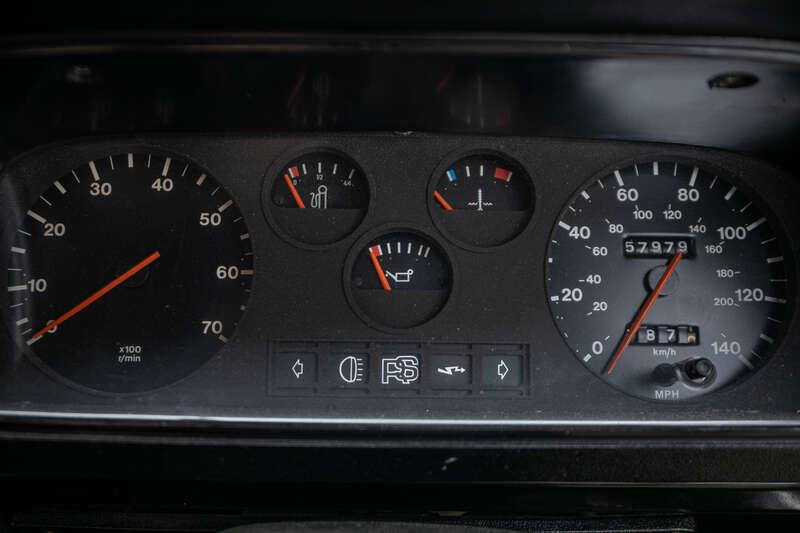
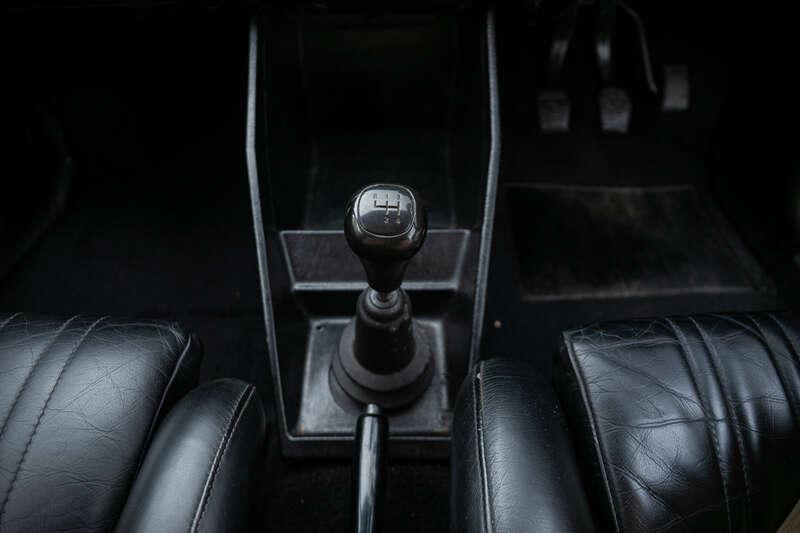
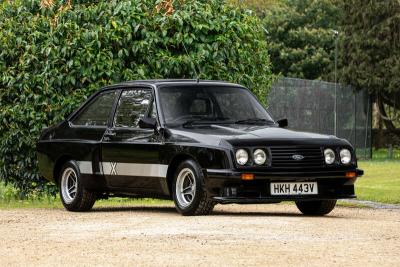
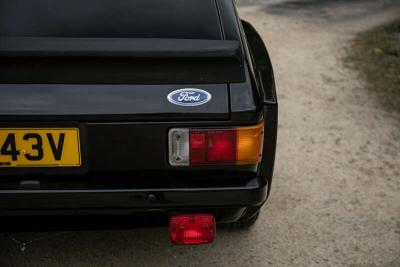
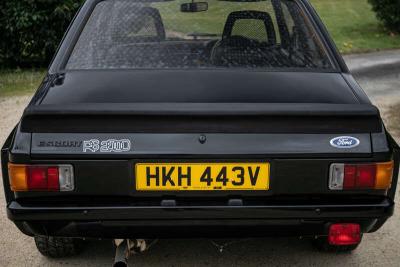
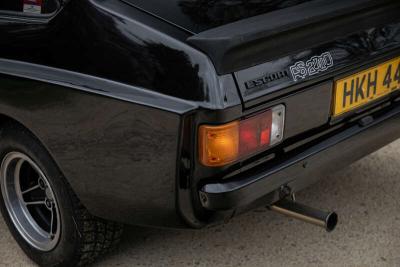
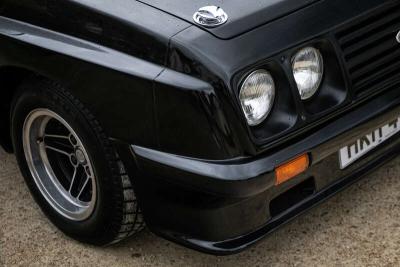
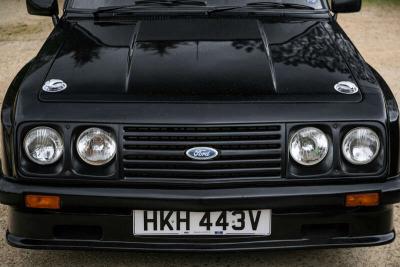
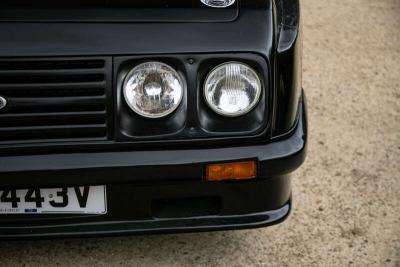
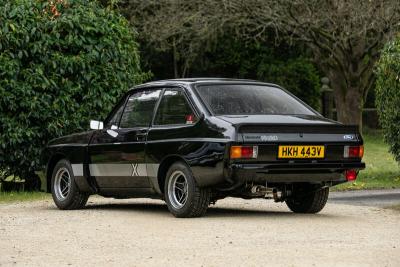
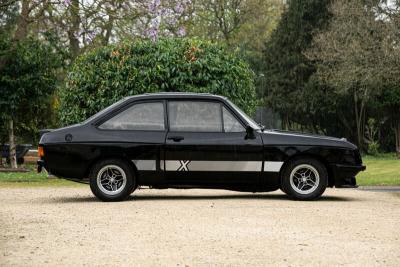
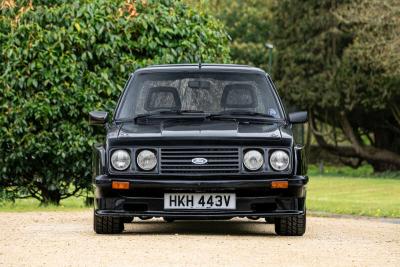
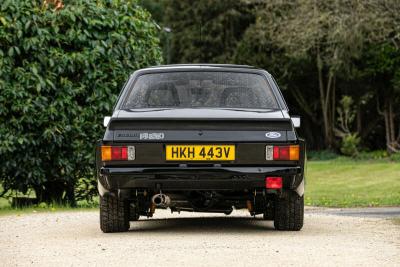
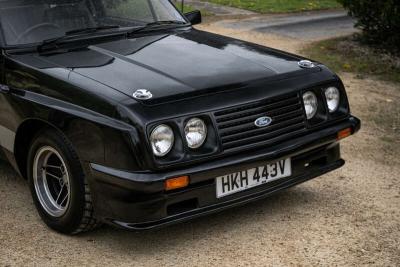
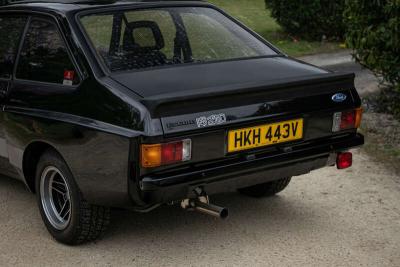
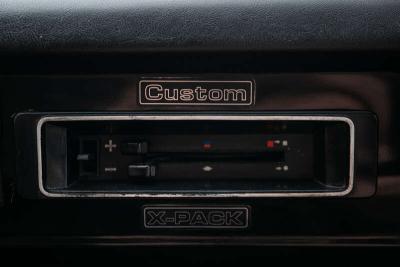
However, Ford still wanted to offer their enthusiast-customers the opportunity to build the RS Escort of their dreams and began to offer a range of upgrades for the Mk2 RS2000, with customer or dealer-fit Series X modifications being developed and made available. The parts were only available through appointed Ford dealers, with the dealer able to order any amount of Group 1 parts to fit the RS2000 depending on what the customer wanted. By far the most desirable of these enhancements was the X-Pack body kit which turned what was already a handsome model into a ‘race car for the road’. The Series X tuning parts catalogue addressed every area of the car, engine, brakes, suspension and body styling.
'With Series X kits you can add authentic Rallye Sport style and performance to your RS2000. You can specify more power, bigger brakes, stiffer suspension, lightweight alloy wheels, air-dam, spoiler, wheel arches – with Series X you make as much or as little change as you like.' – Ford Motor Company.
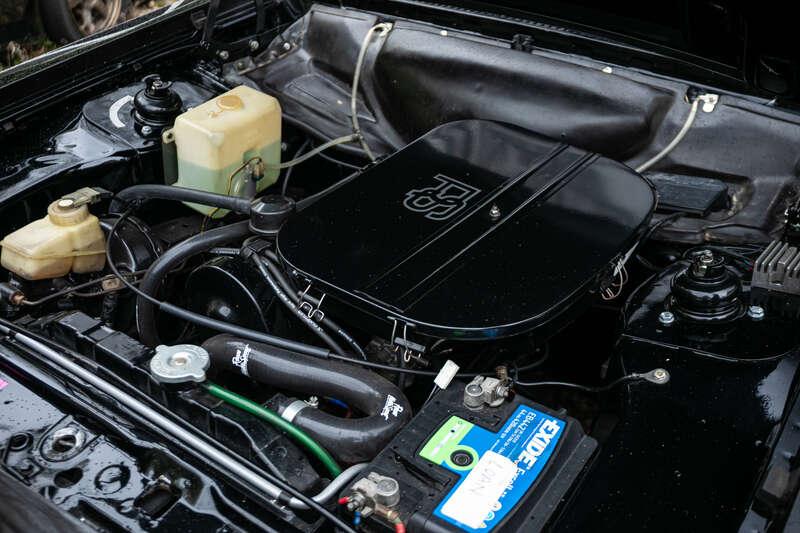
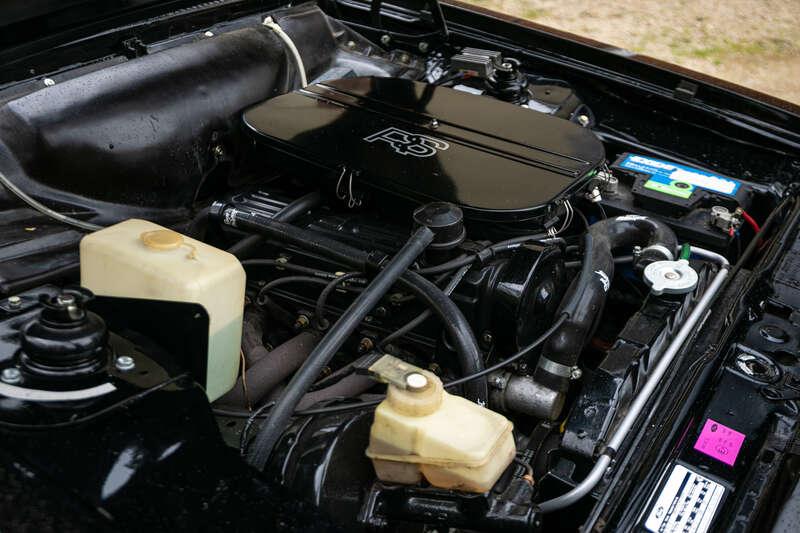
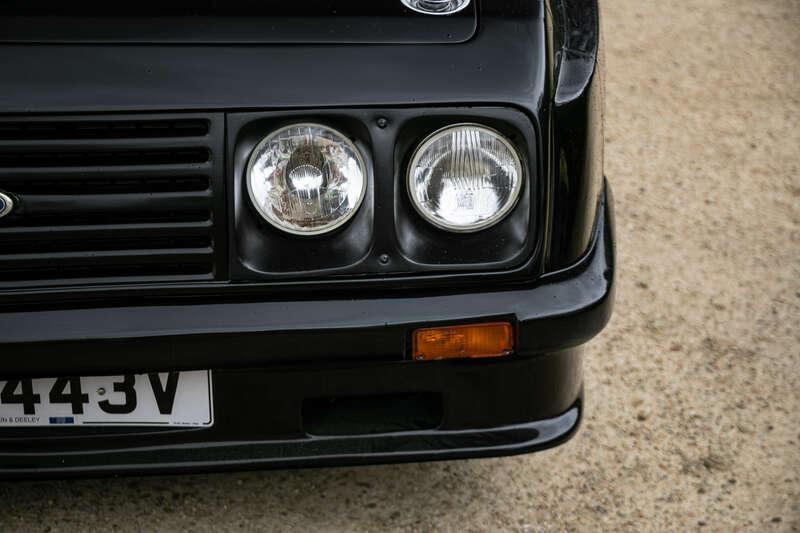
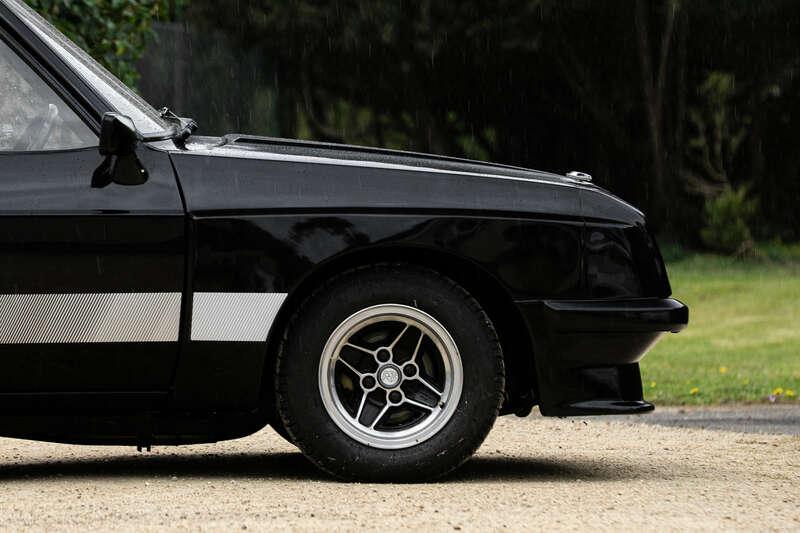
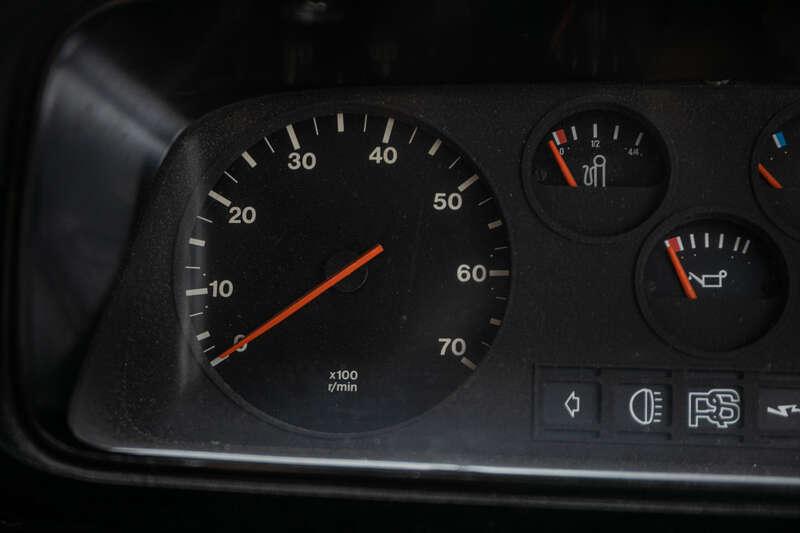
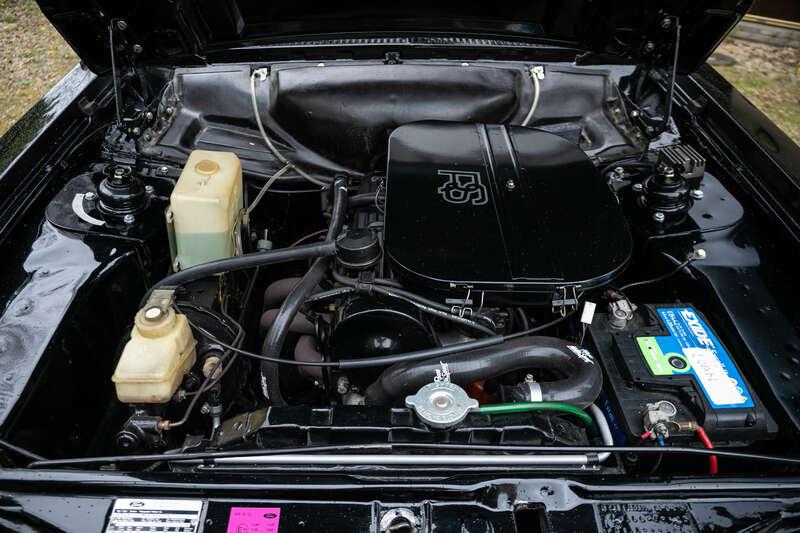
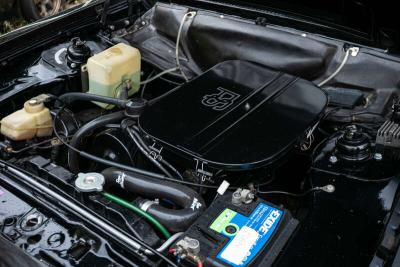
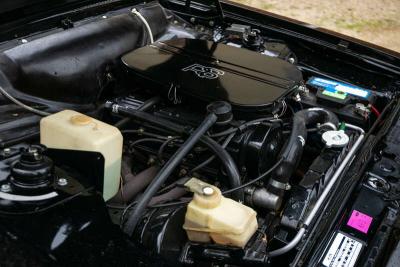
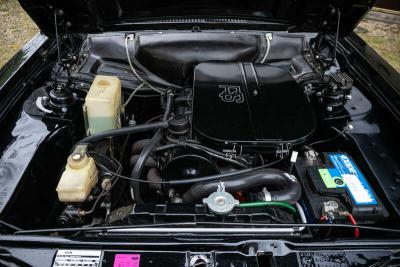
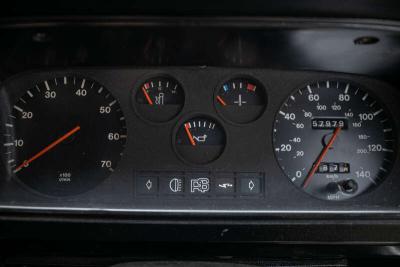
Not that the standard Escort Mk2 RS2000, introduced in 1976, was anything but capable, utilising a sturdier 2.0-litre in-line four cylinder, SOHC, 'Pinto' engine mounted longitudinally in the bay, endowing the car with a 0-60 mph time of 8.5 seconds and a 108mph top speed. Being a true RS, the engineering prowess continued, with the gearbox bolted to the rear of the engine feeding power to the diff by a prop-shaft and then in turn to the rear wheels. A single twin-venturi 32/36 DGAV Weber carb was fitted with the option of a 'Group 1' dual Weber 40 DCNF or IDF. The front suspension used independent MacPherson struts with an anti-roll bar, and the rear suspension used leaf springs with telescopic dampers. Front mounted discs (solid) and rear drums were used, and four-spoke alloy wheels came as standard. The real talking point was the car’s distinctive polyurethane droop snoot front end and air dam, a modification that clearly distinguished it from any other Escort.
Contact Us
