
























































































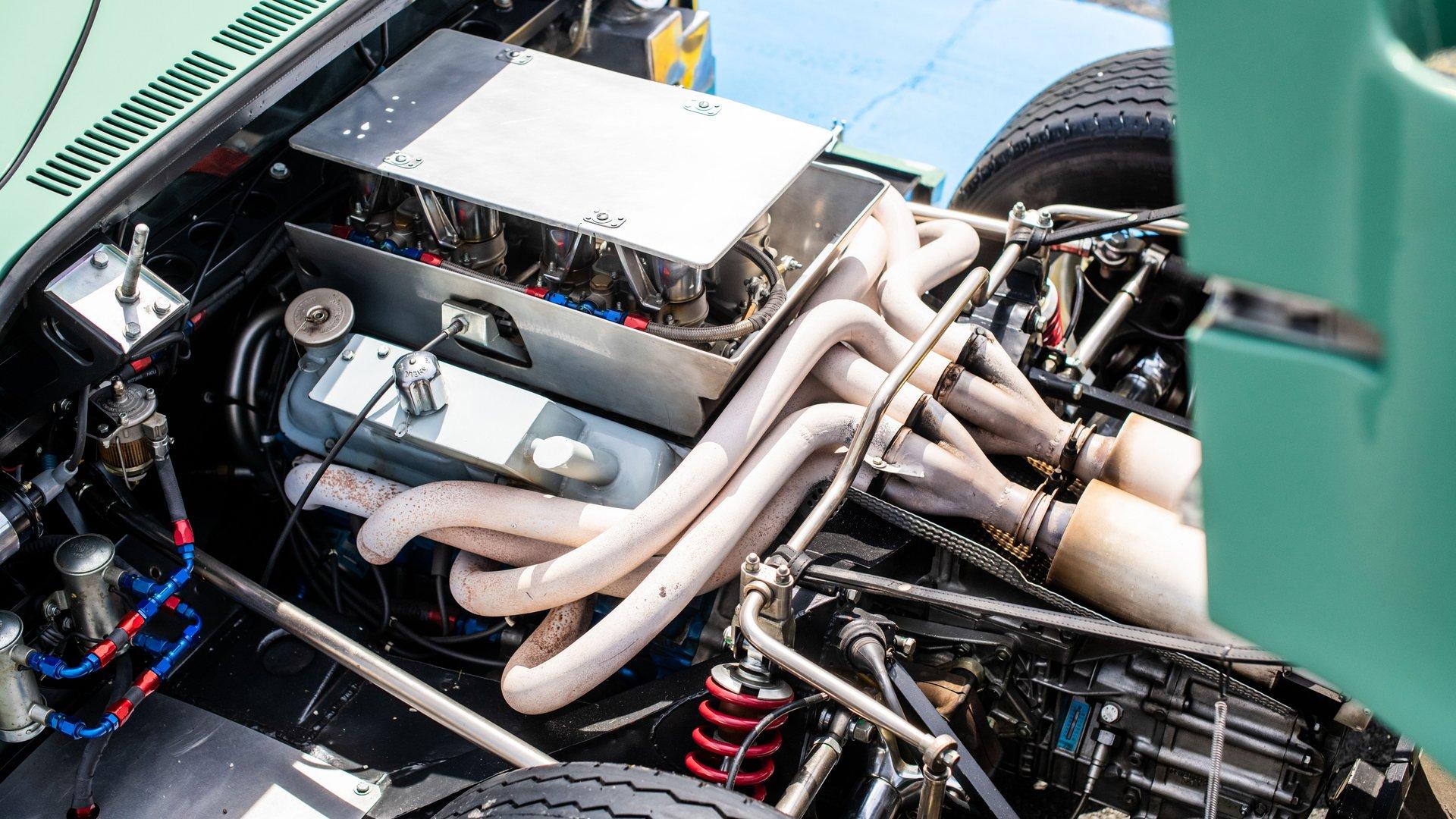
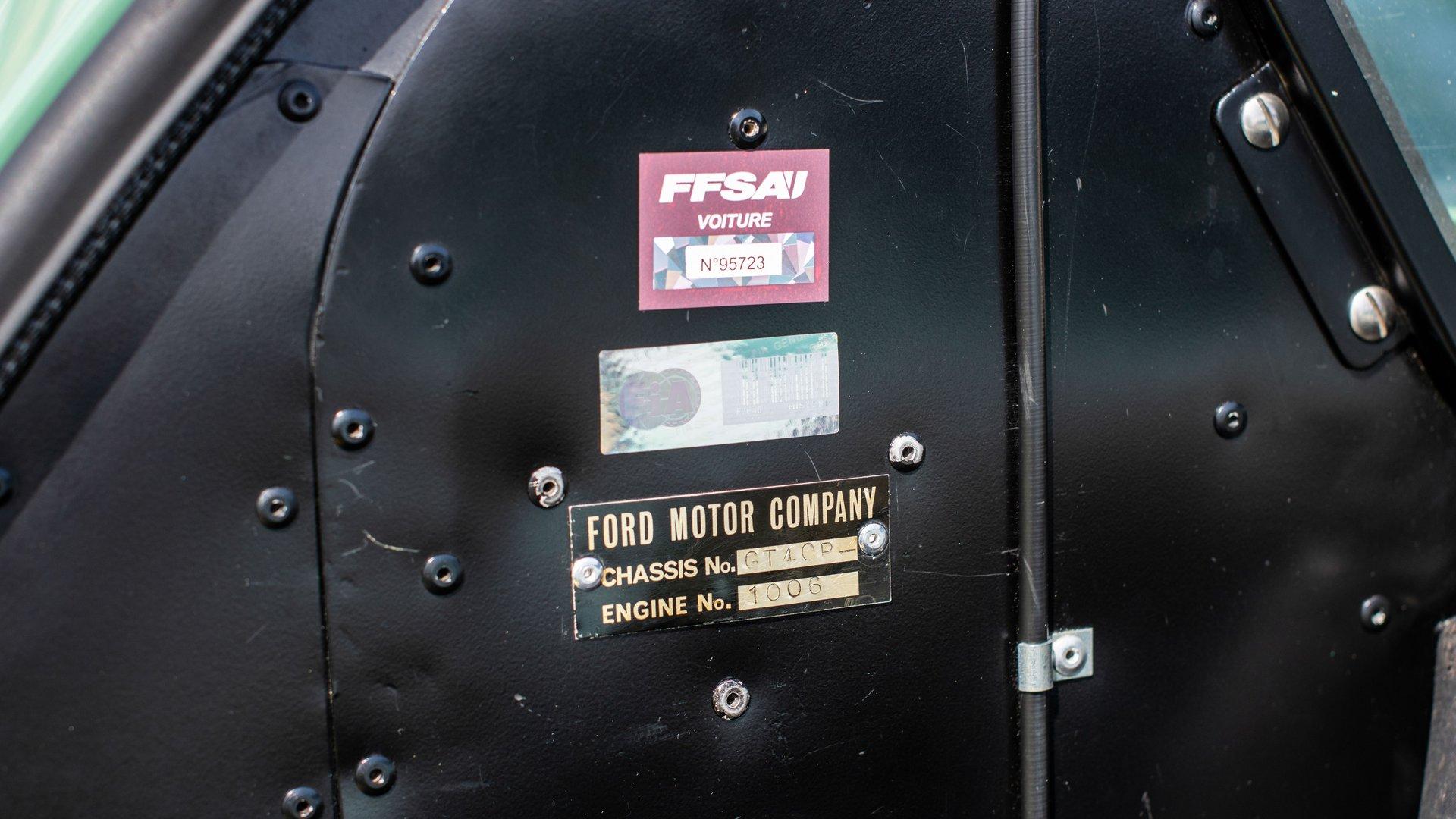
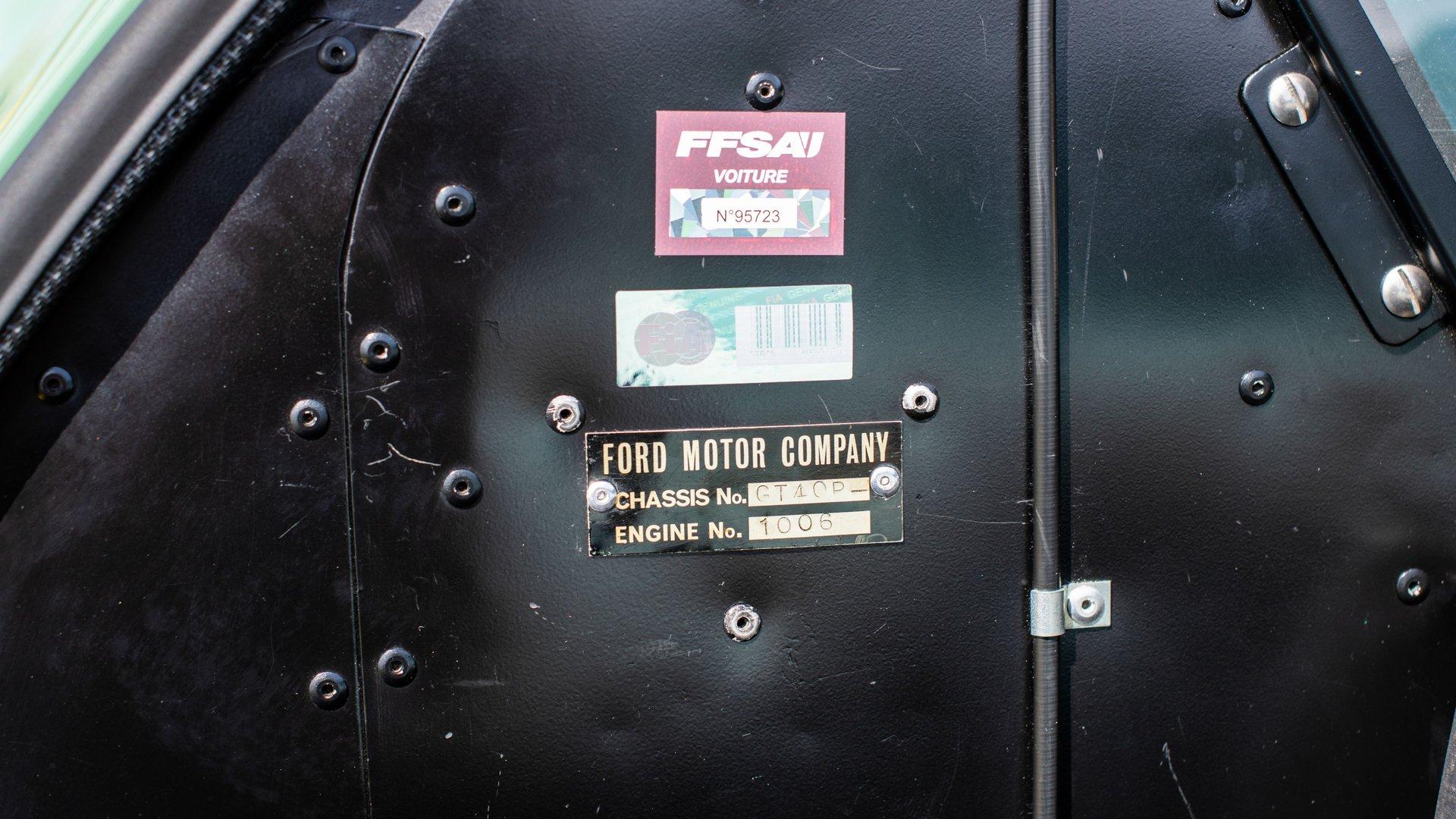
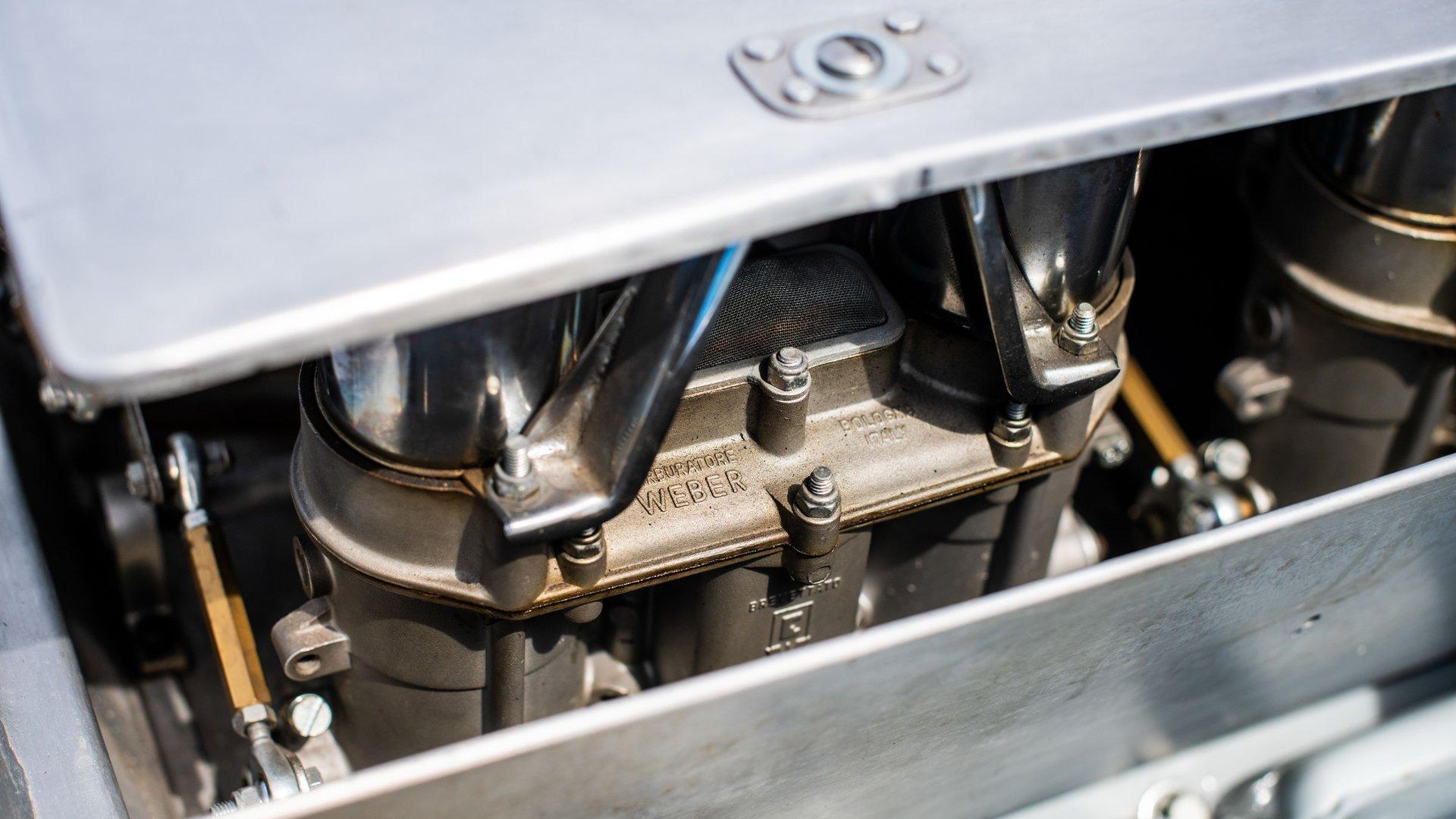
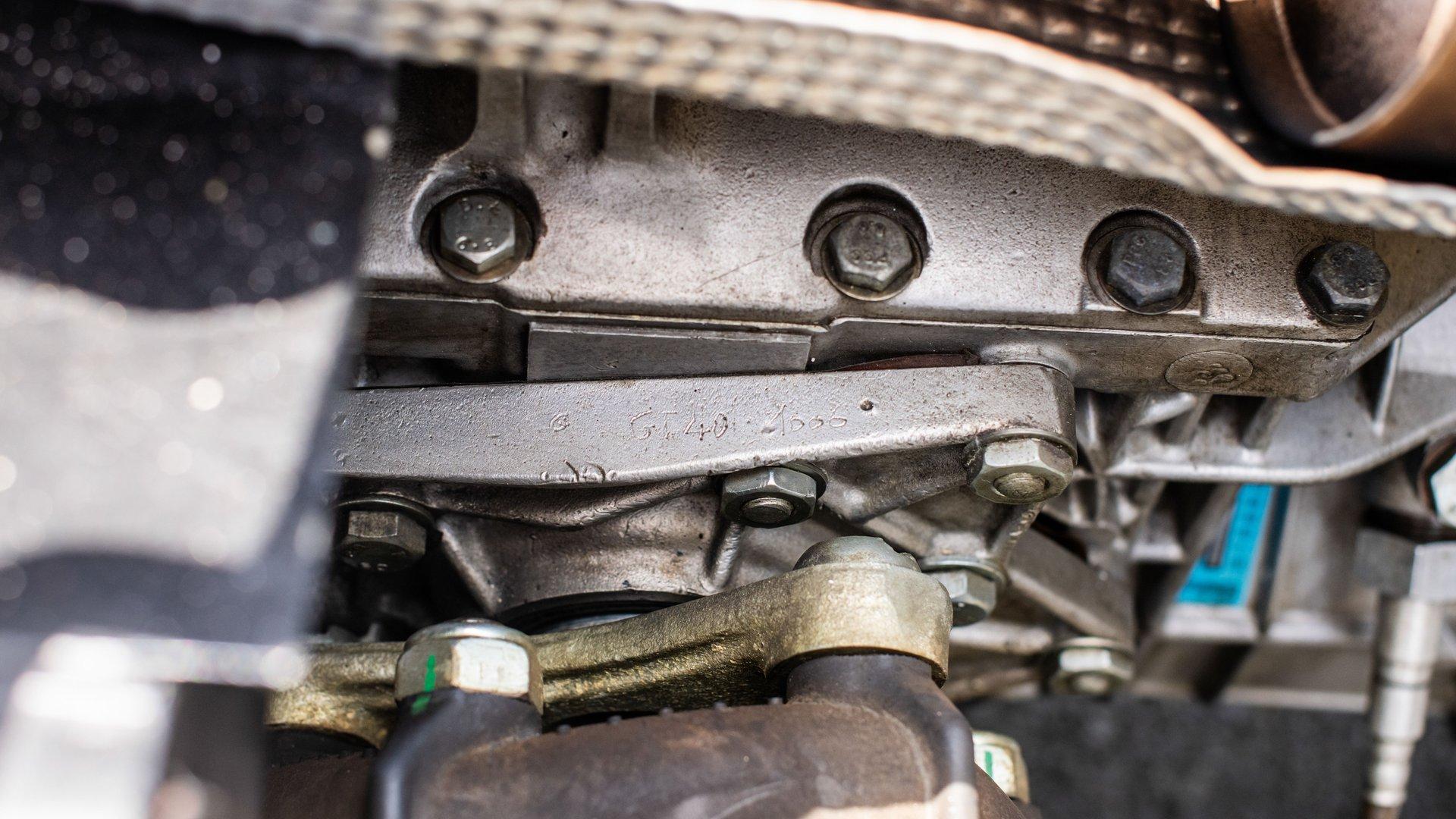
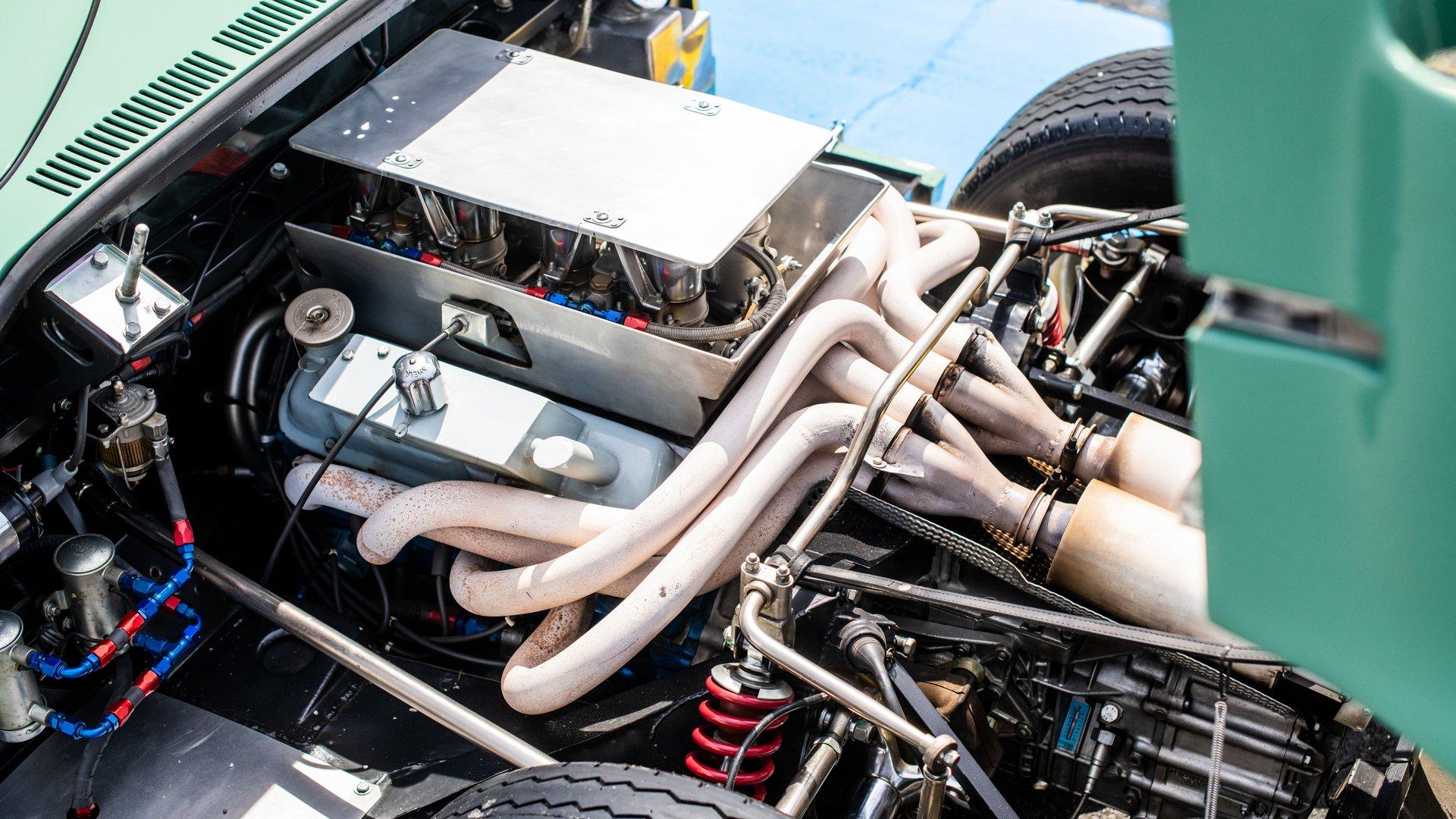
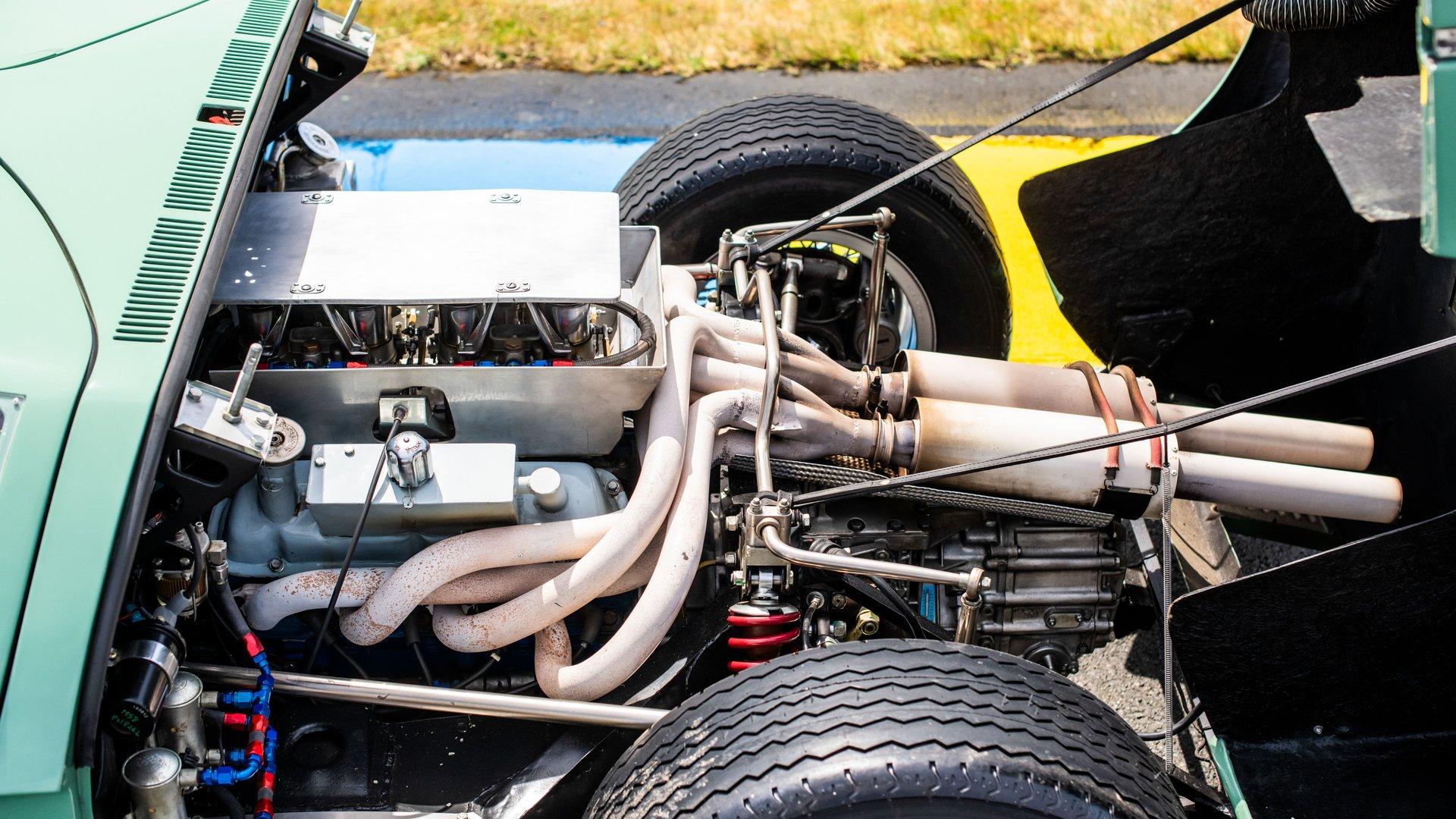
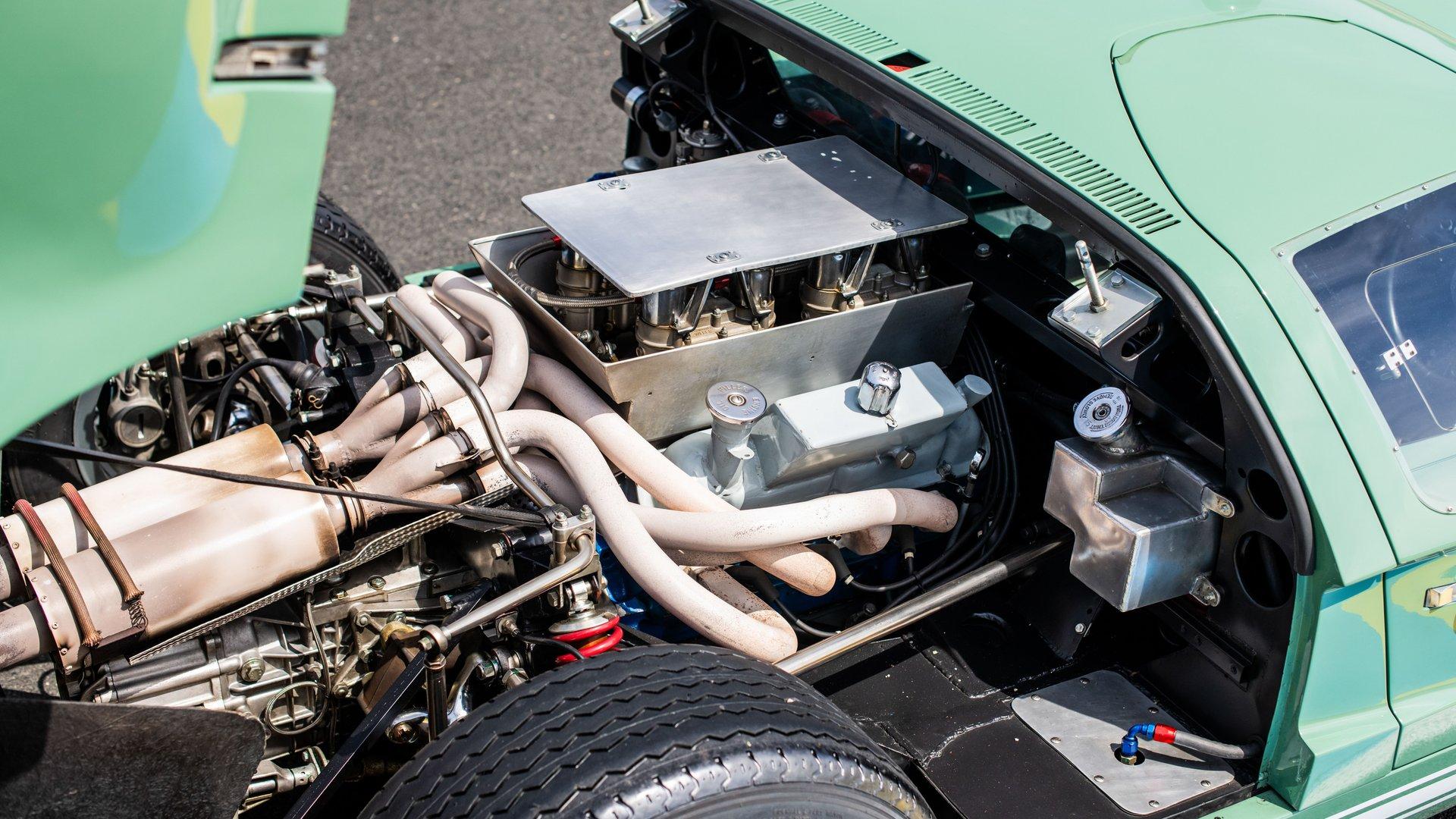
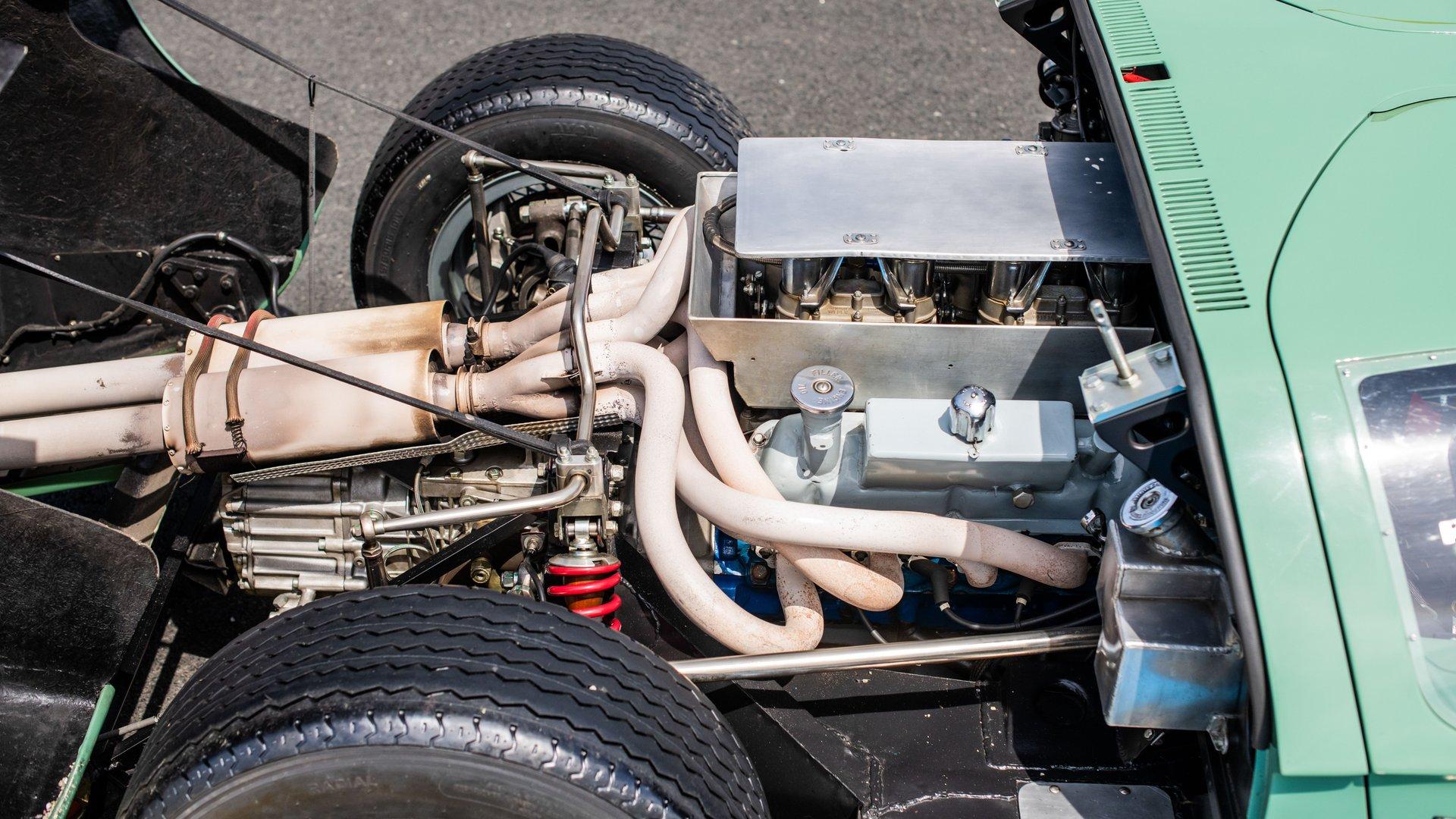
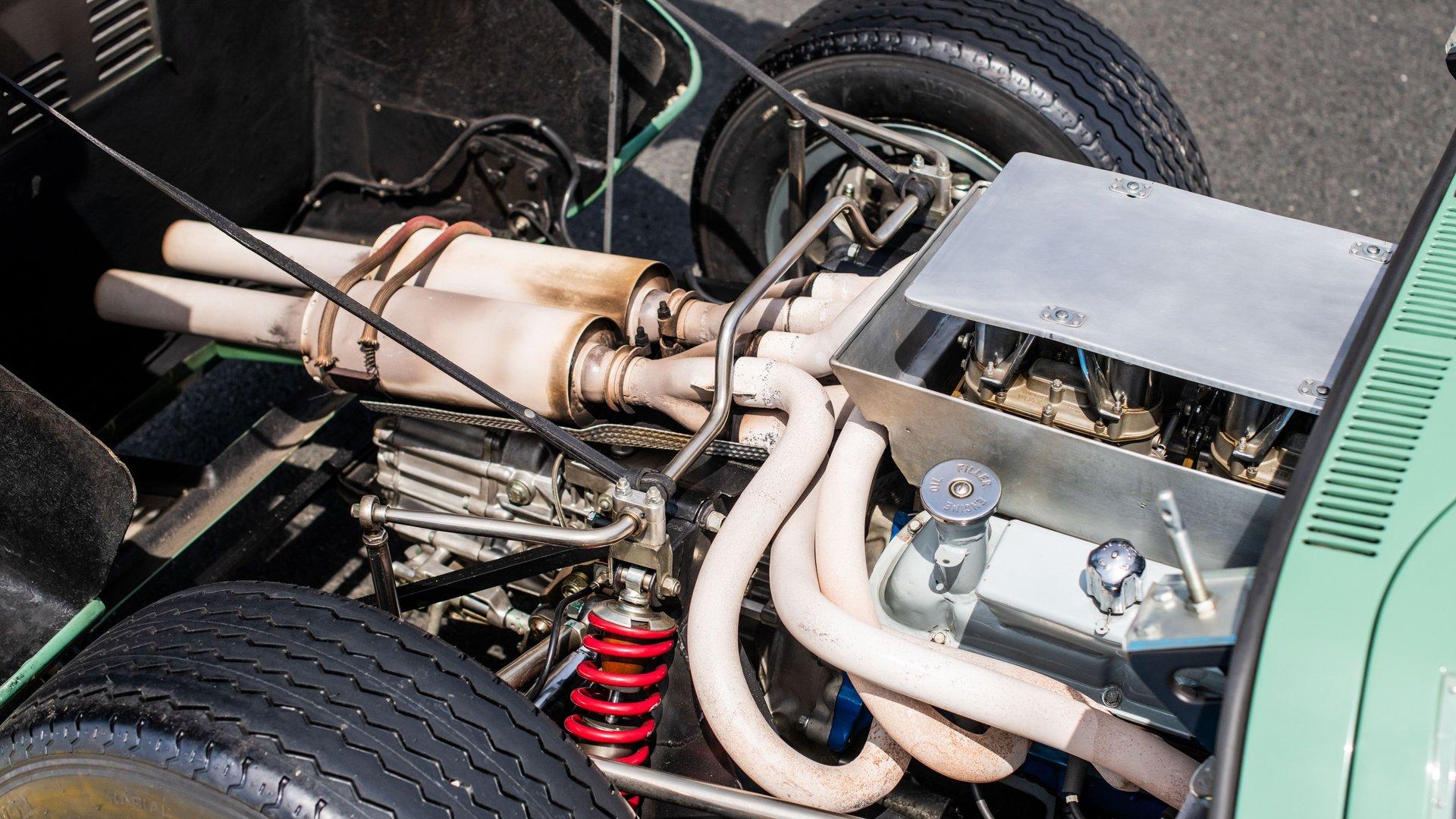
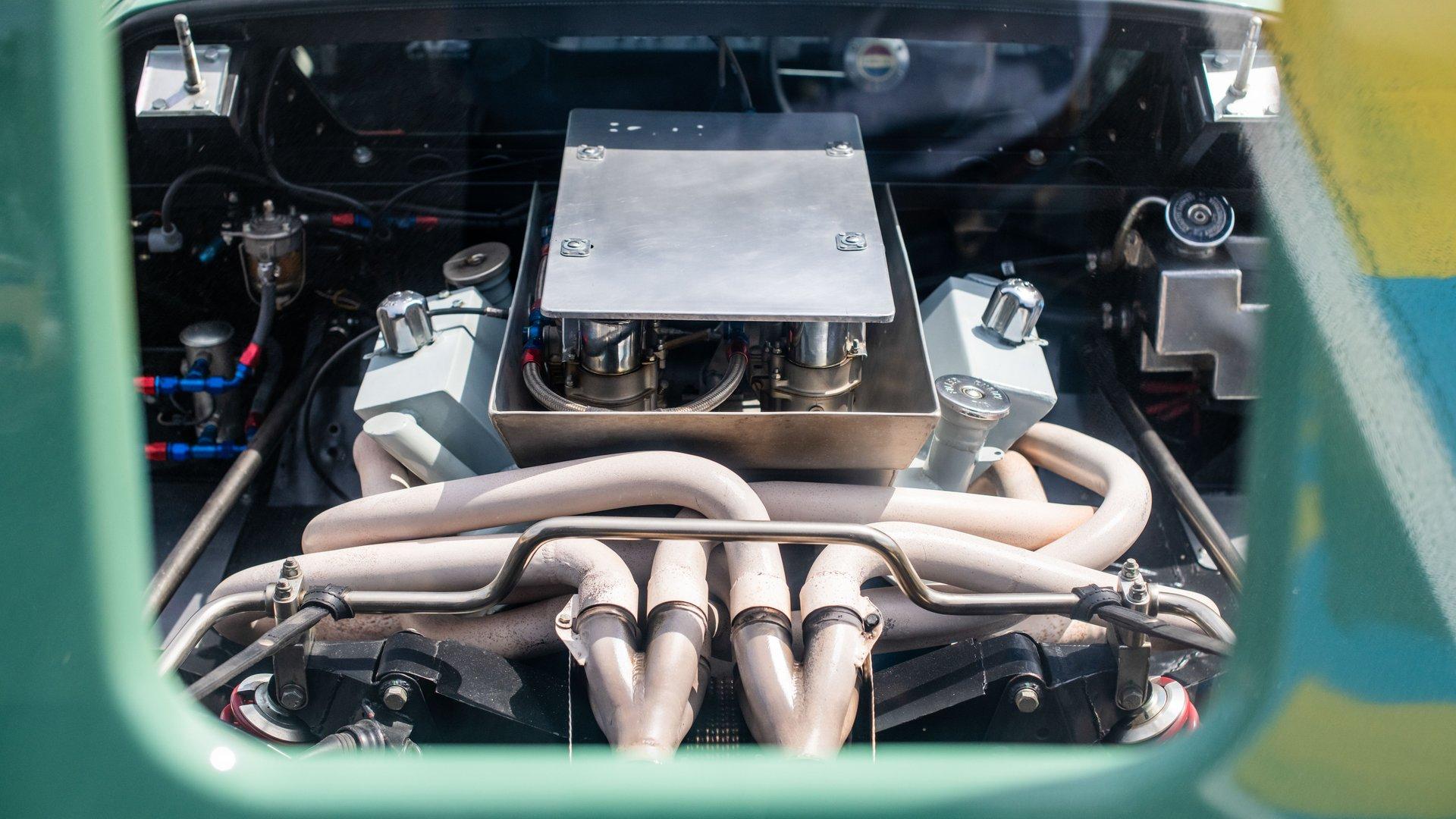
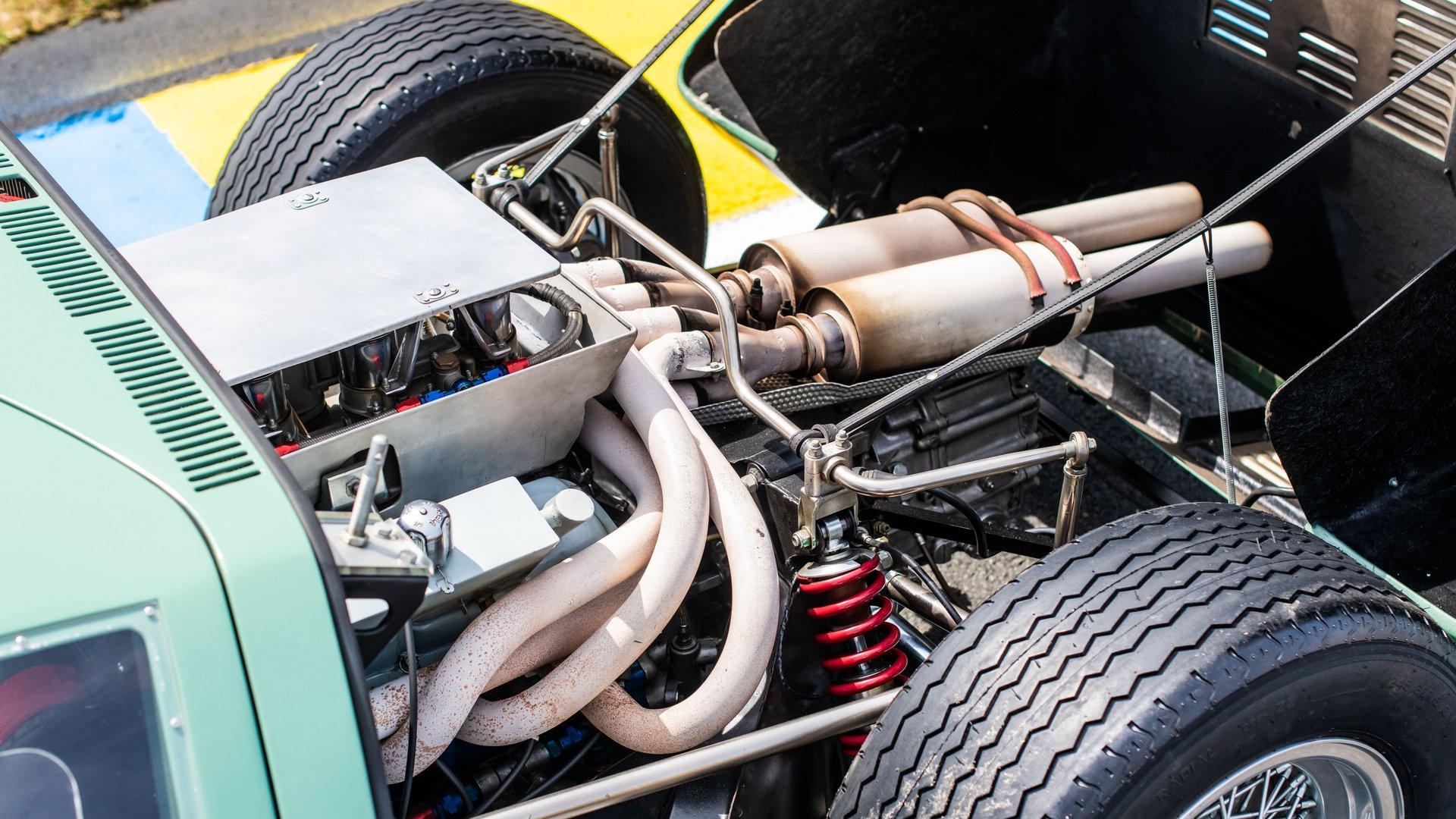
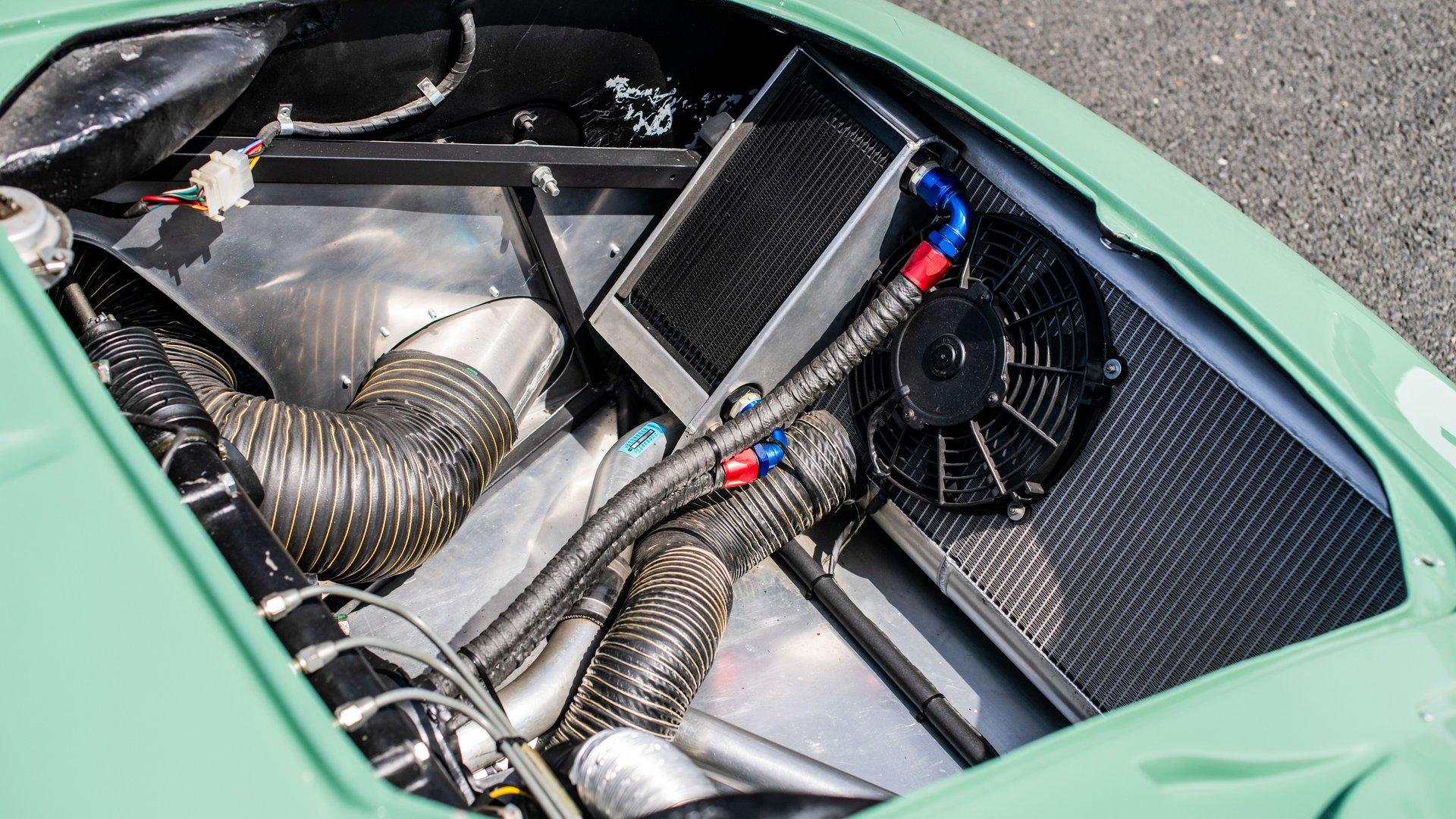
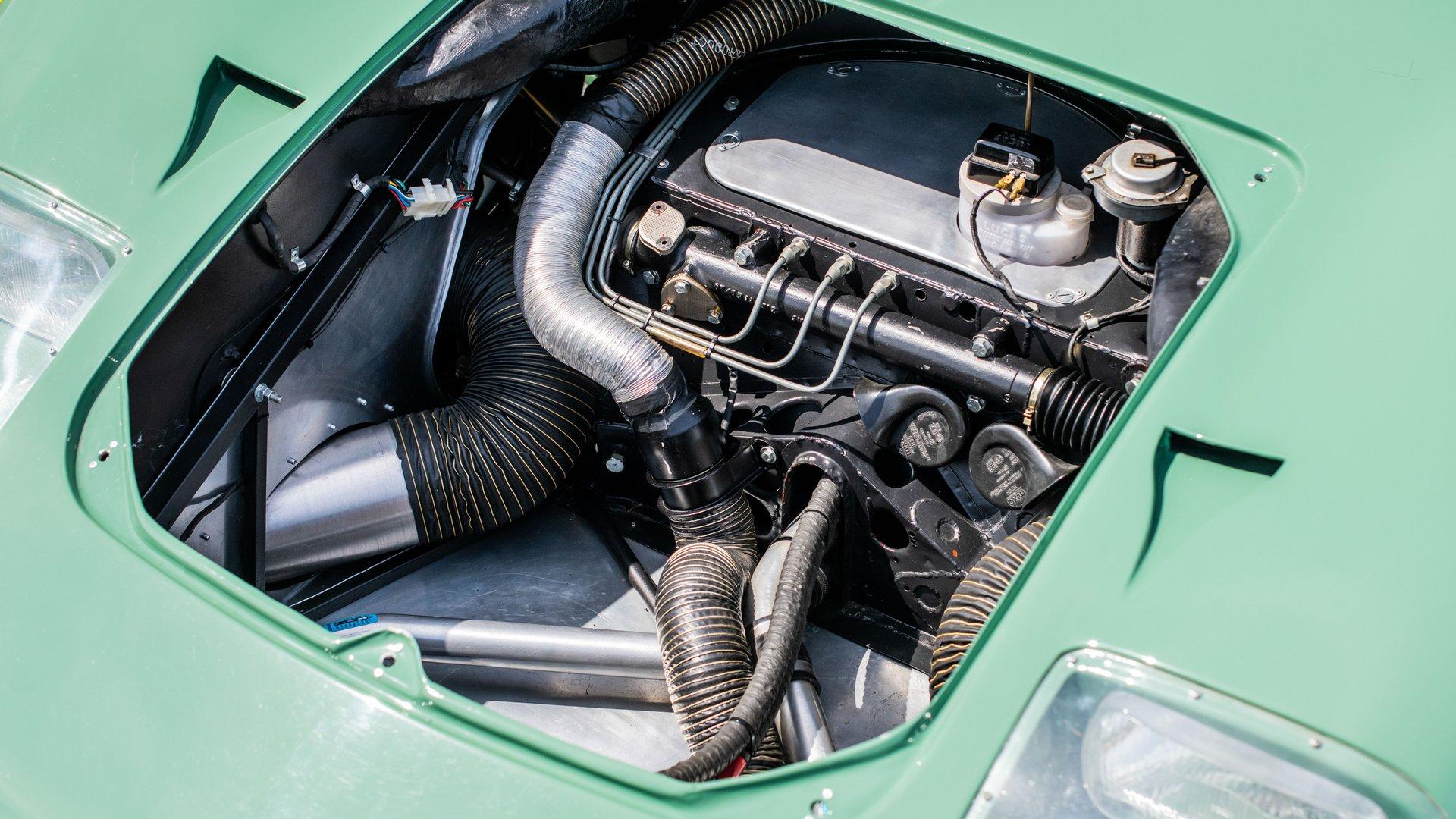
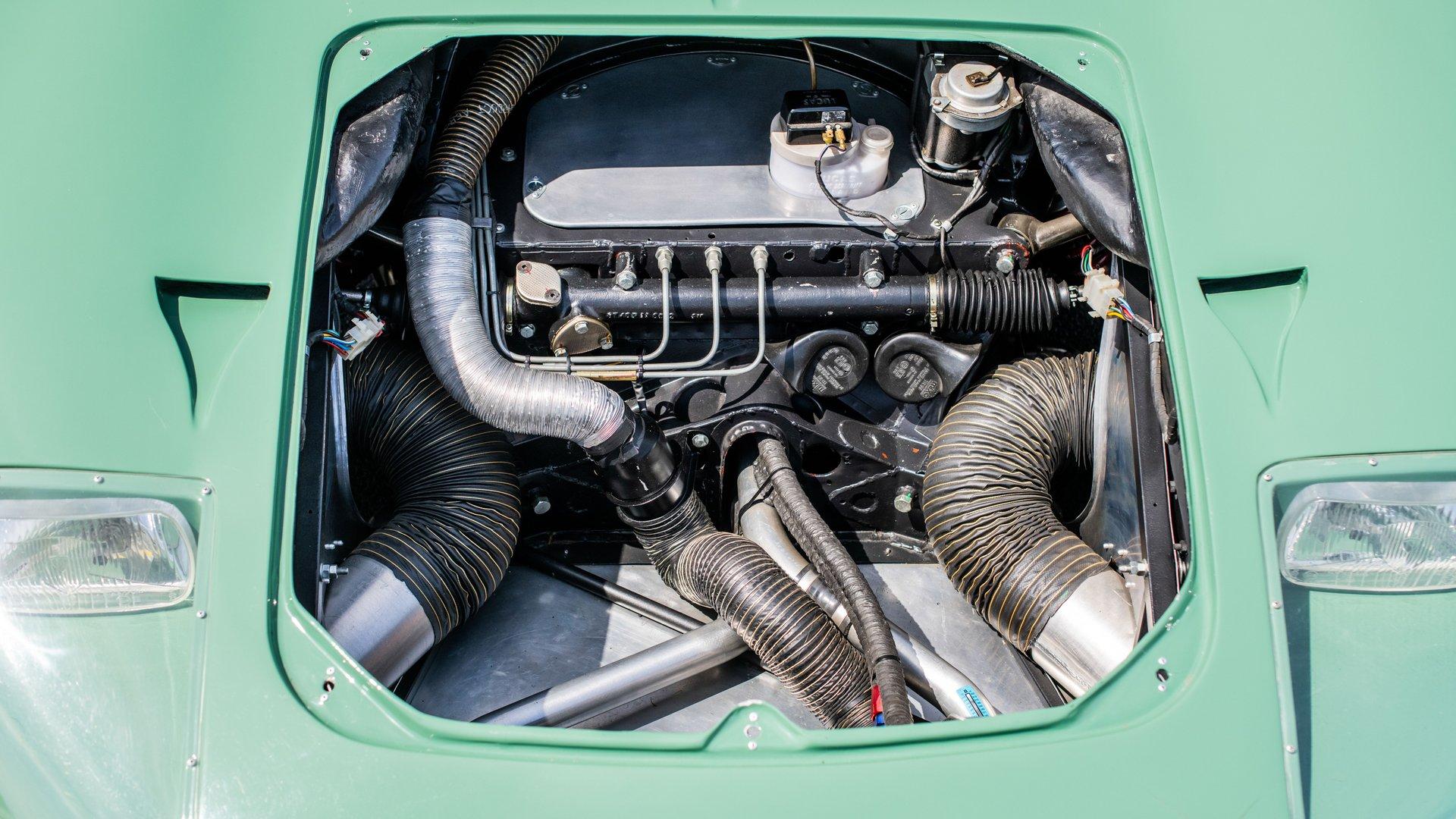
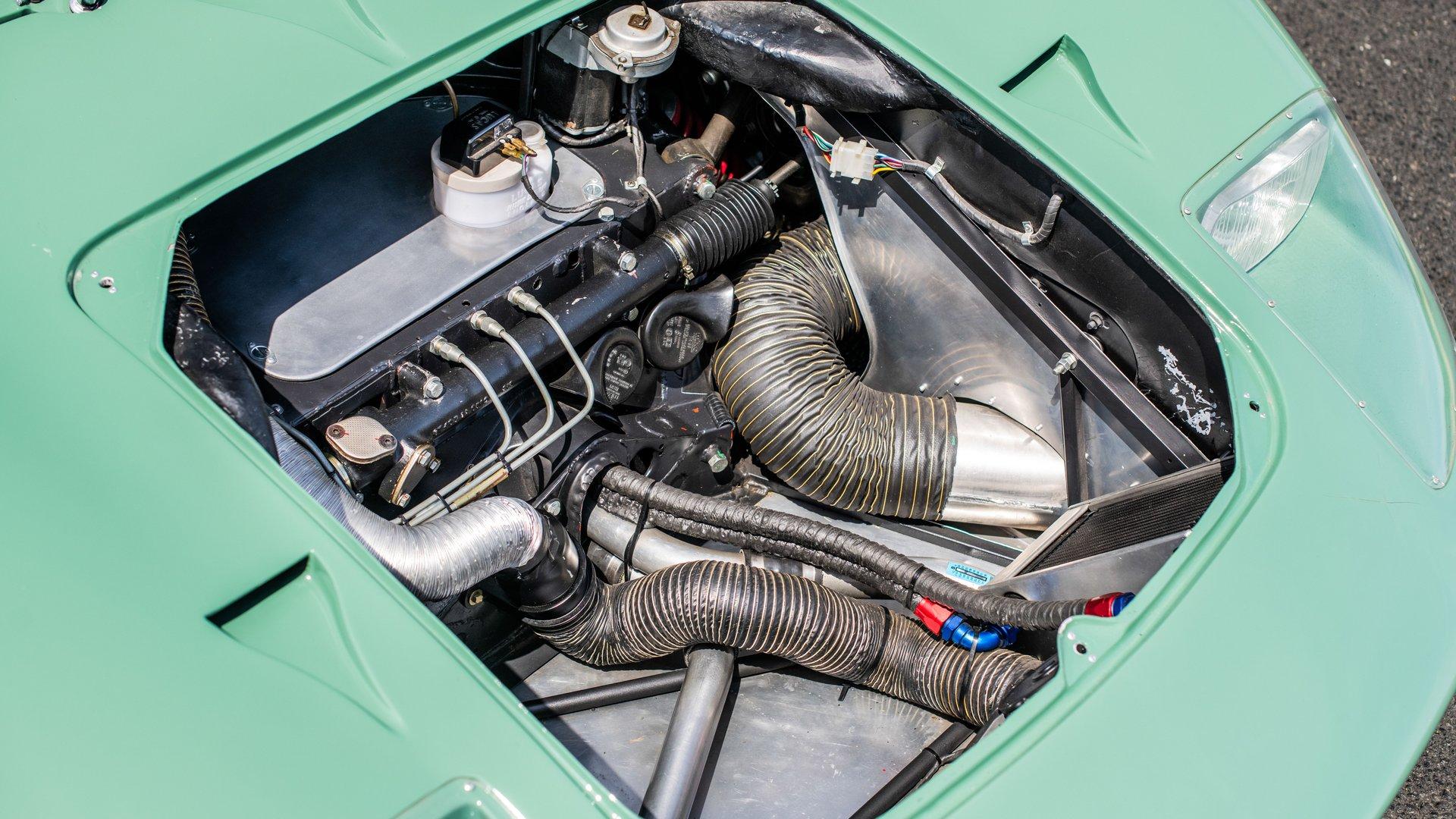
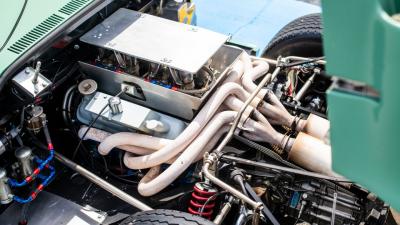
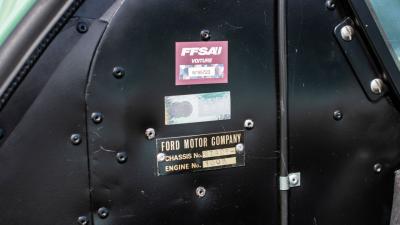
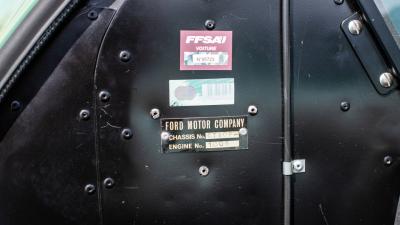
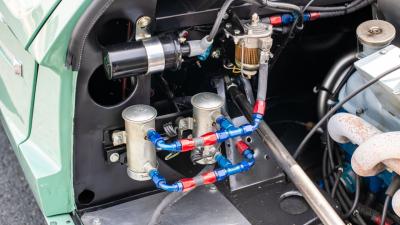
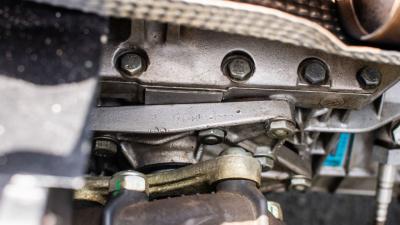
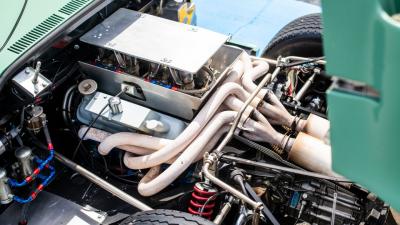
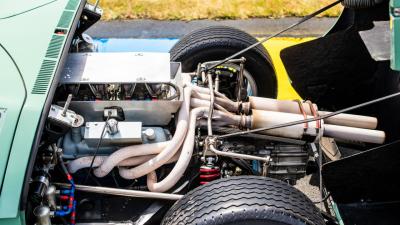
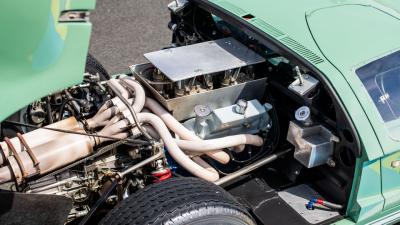
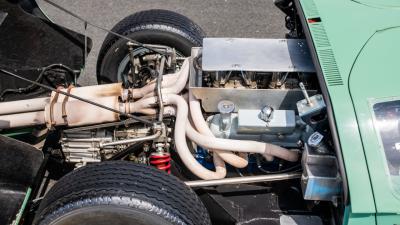
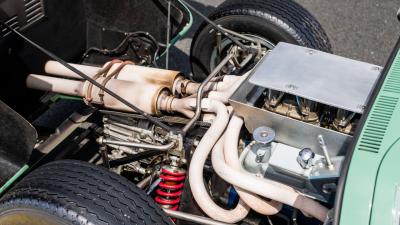
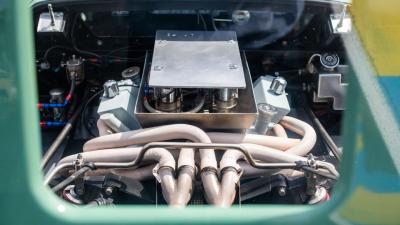
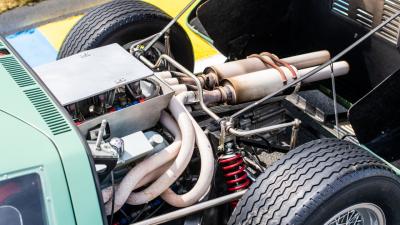
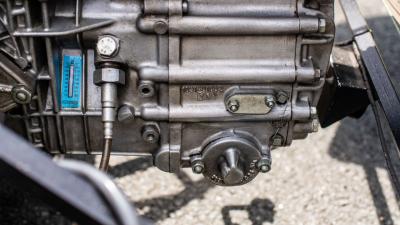
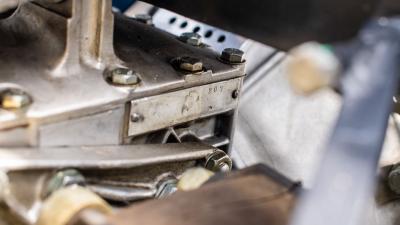
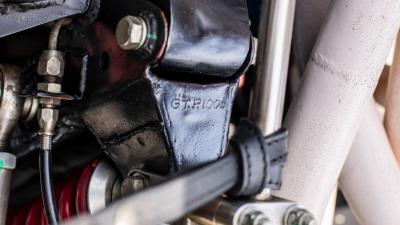
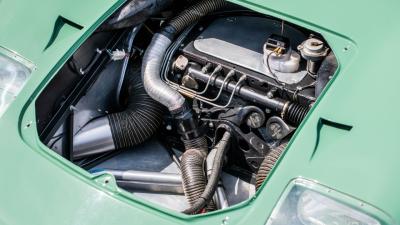
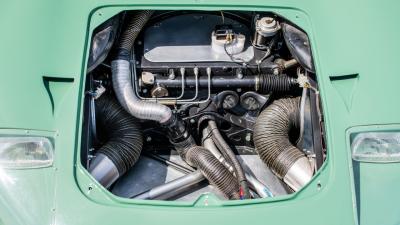
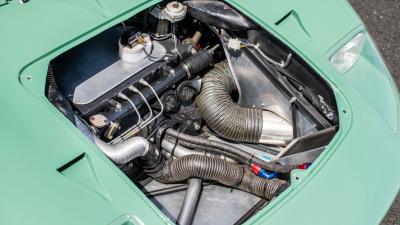
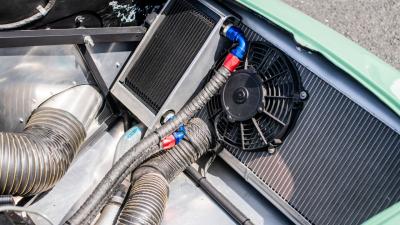
Engine Block No. C6FE-6015-E
Cylinder Head No. C6FE-6090-A
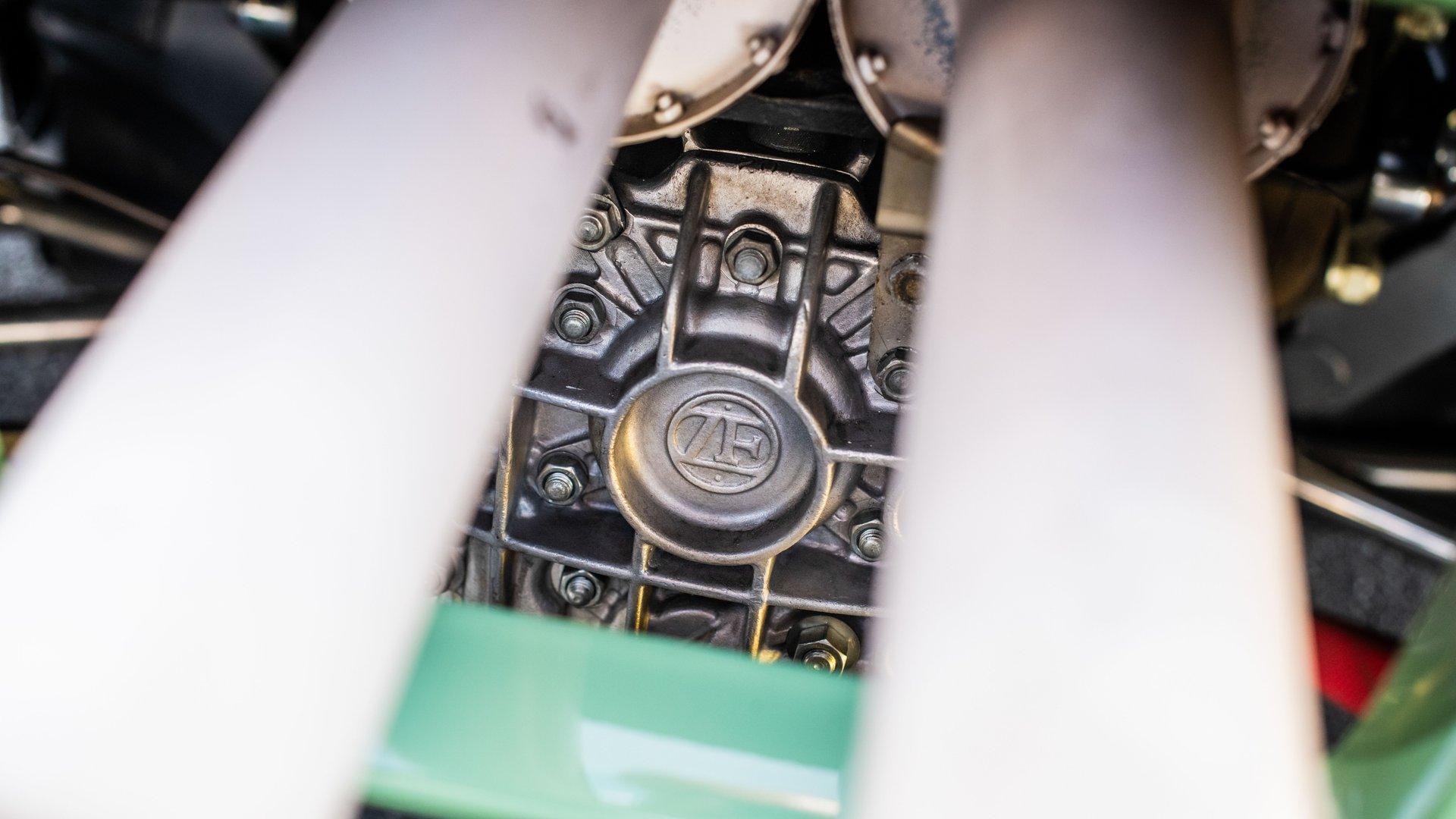
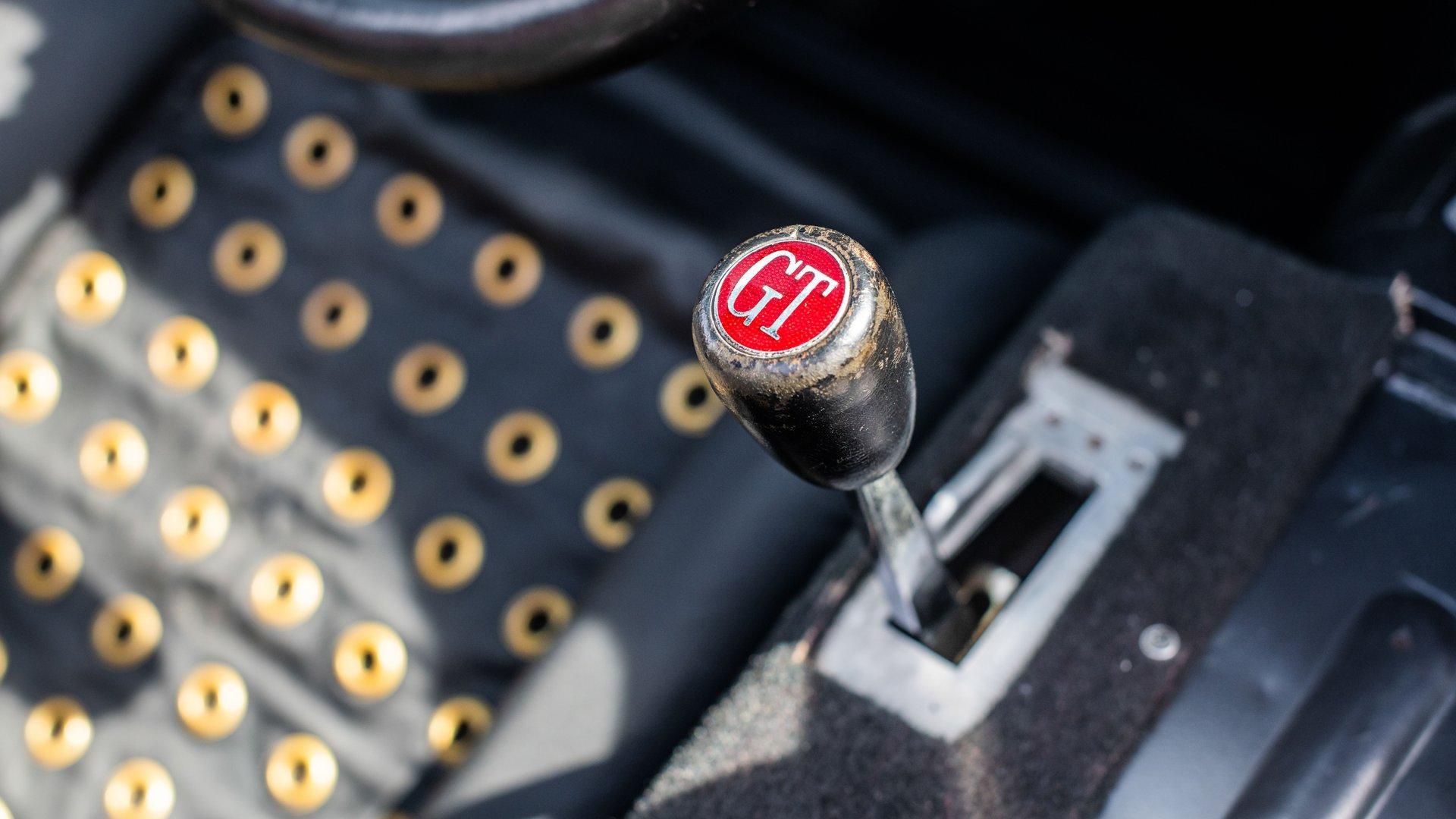
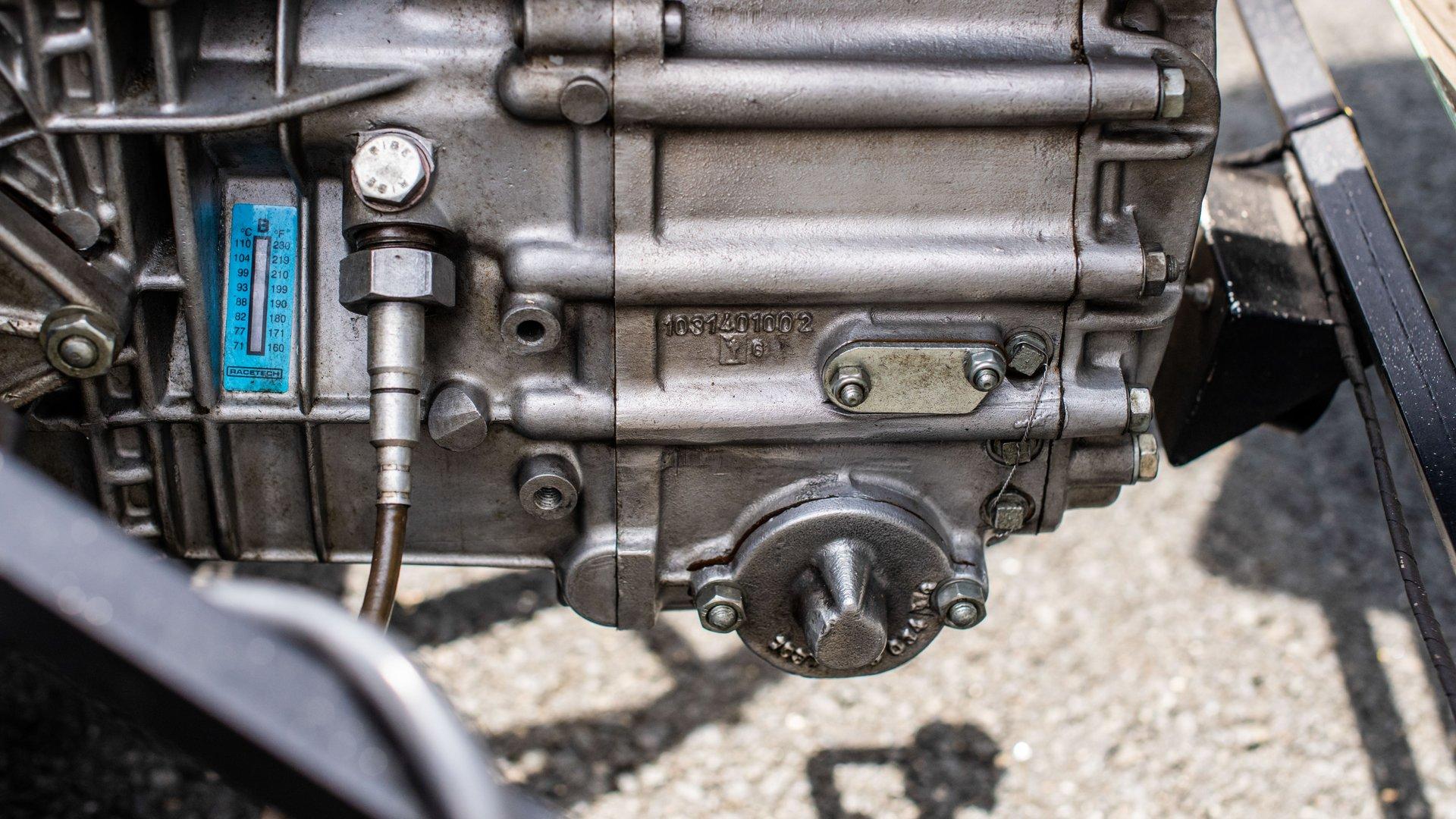
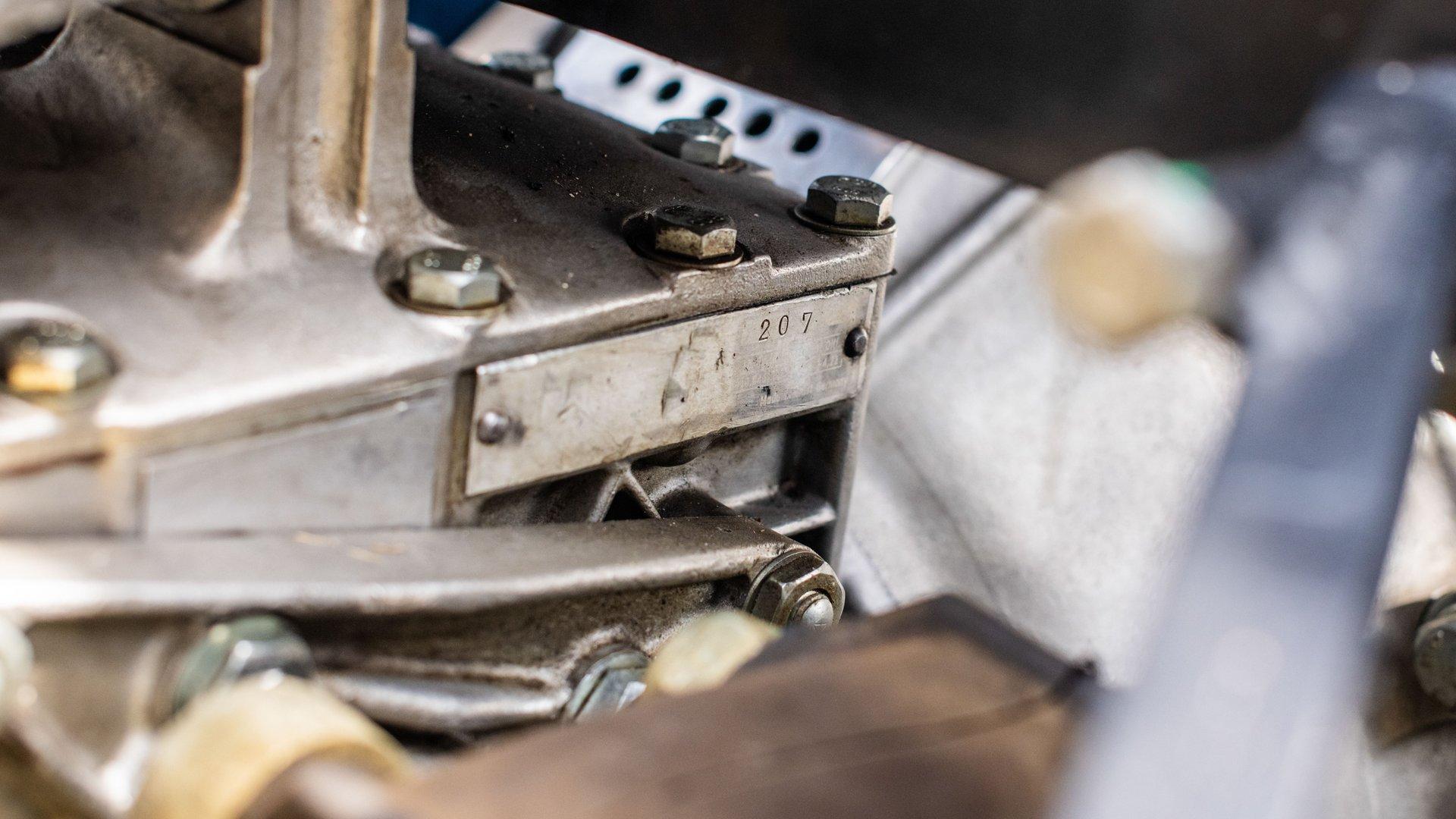
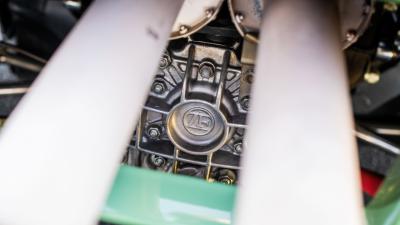
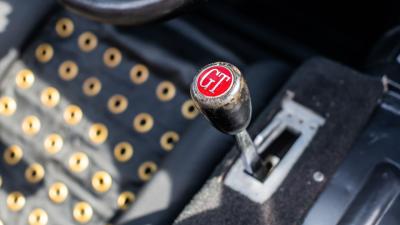
ZF Transmission Type: 5-DS25-0
The story of Ford's breakthrough victory at the 24 Hours of Le Mans in 1966 is essential canon for any motorsport enthusiast. Retold across documentaries, literature, and even on the silver screen, it is a thrilling saga rife with innovation, high-stakes rivalry, and no small measure of drama; culminating in the emergence of one of motorsport's decidedly greatest racecars: the Ford GT40.
Henry Ford II had desired to enter Grand Touring racing beginning in the early 1960s with his sights set on the endurance classics. Yet, for all of Ford Motor Company's victories on American oval tracks and even on the battlefields of World War II, its experience in endurance racing was entry level at best. Luckily, Hank the Deuce's interest in Le Mans had come at an ideal time, on paper at least. Ferrari, though it had won the past three renditions, was in financial trouble and looking to sell. Ford pounced, and an army of lawyers swarmed Maranello in 1963 with $15 million (approximately $157 million or €134 million today) in hand. The deal reached the closing stages until Enzo Ferrari famously stood up from the table and left-unwilling to give up control of his sacred racing division.
Wounded and incensed, Ford reorganized its efforts into defeating Ferrari outright at Le Mans. Work began in September 1963 on the GT40, so named for Grand Touring racing and the Ford's height of 40 inches. But Ford's all-out assault on the Scuderia was set for Le Mans 1964; mere months away. Lola was initially hired to develop the body and the initial design was inspired by the Lola Mk6 GT that had raced Le Mans a year prior, primarily because it was already built around the Ford V8. Ford oversaw the project through the Ford Advanced Vehicles (F.A.V.) division, hiring ex-Aston Martin team manager and Le Mans legend John Wyer as the Managing Director. Through a seemingly impossible development window, limited test time at Silverstone and Monza, and a public debut at the New York Motor Show in April 1964, Ford managed to cobble together a single working car for the 1964 Le Mans Trials.
Wyer recounted in his book The Certain Sound that the GT40 prototype, though immensely fast, was highly unreliable and unstable at any speed. Yet, the project persisted, and the GT40's first race at the 1964 Nürburgring 1000 Kms ended in a suspension failure. Ford arrived at the 24 Hours of Le Mans only a month later with three GT40s and a superstar driver lineup that included Phil Hill, Bruce McLaren, Masten Gregory, and Richard Attwood; the results due to the rushed development schedule, though, were expected-all three Fords retired with separate issues. However, Ford's total loss was not the embarrassment that it seemed, as the GT40 demonstrated incredible potential. Hill set the fastest lap of the race before retiring, and the Fords frequently approached 200 mph; speeds that spectators at the Circuit de La Sarthe had never seen before.
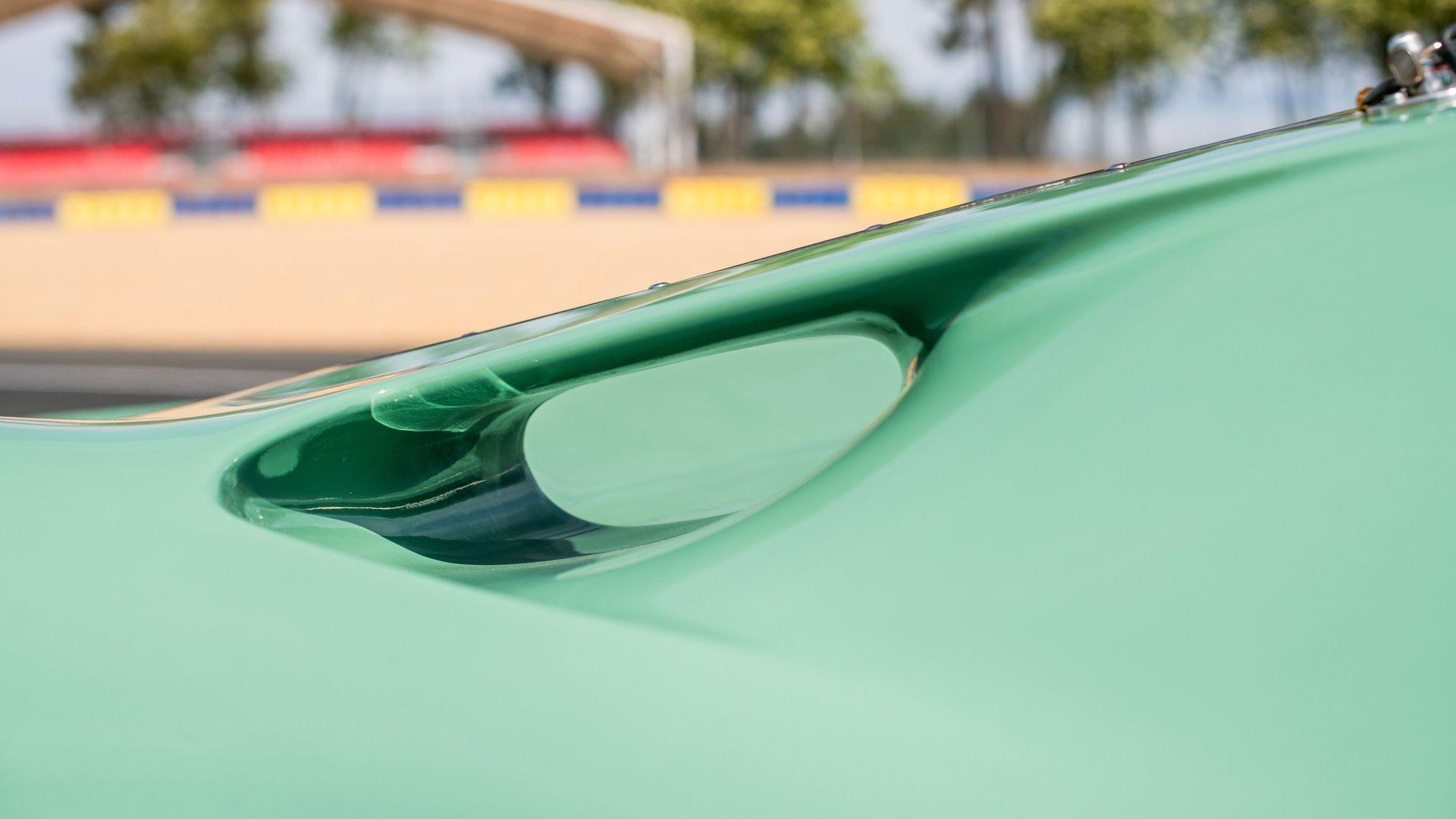
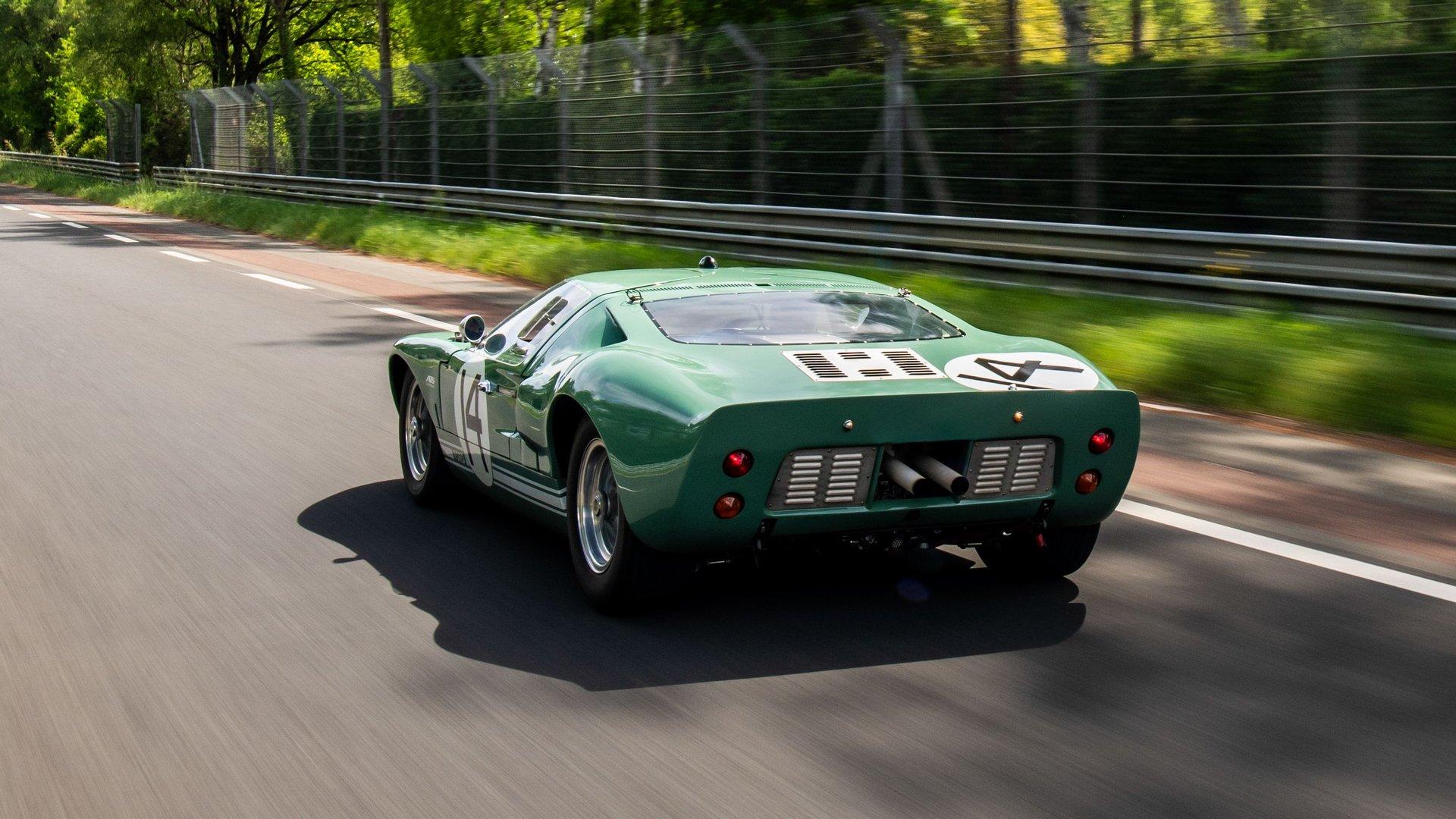
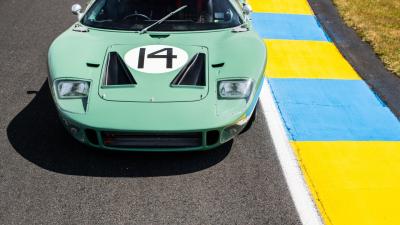
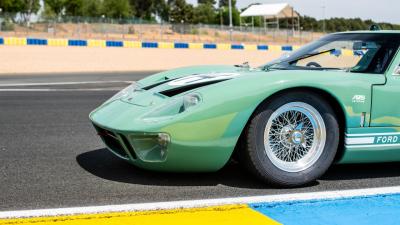
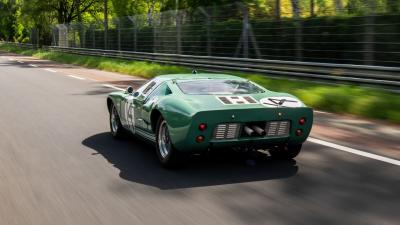
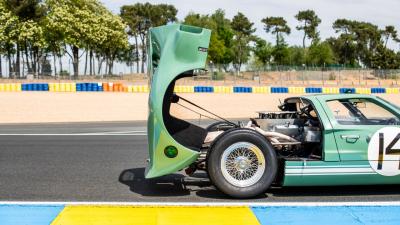
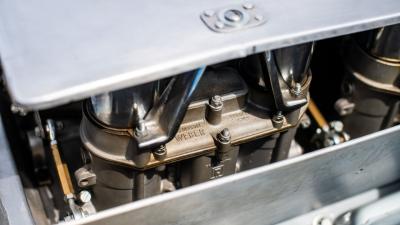
After Ford's trial by fire at Le Mans, Shelby American was brought aboard in December 1964 to tune the GT40's motor and iron out reliability issues, creating the GT40 MK. 1. The troublesome and weak Colotti five-speed transmission was jettisoned in favor of a ZF unit preferred by Wyer that could handle the power of the Shelby-enhanced 4.7-liter (289 cu-in) that now produced 380 horsepower. The aerodynamics were also polished, ensuring far more confidence at blistering speed on the Mulsanne Straight. These refinements culminated in bodywork and styling cues that have remained apparent on the GT40 and its derivatives to today; a look first introduced on the GT40 offered here.
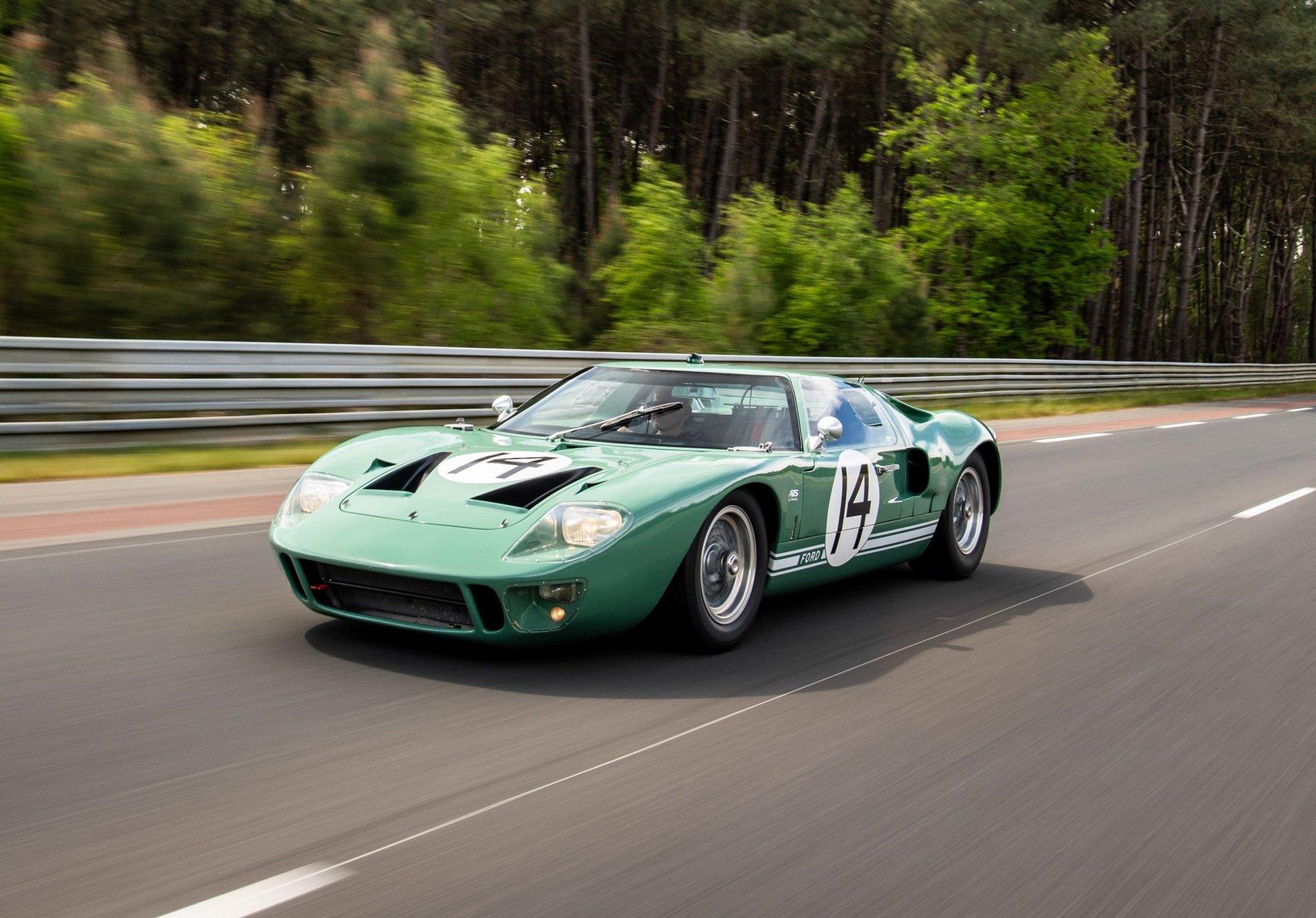
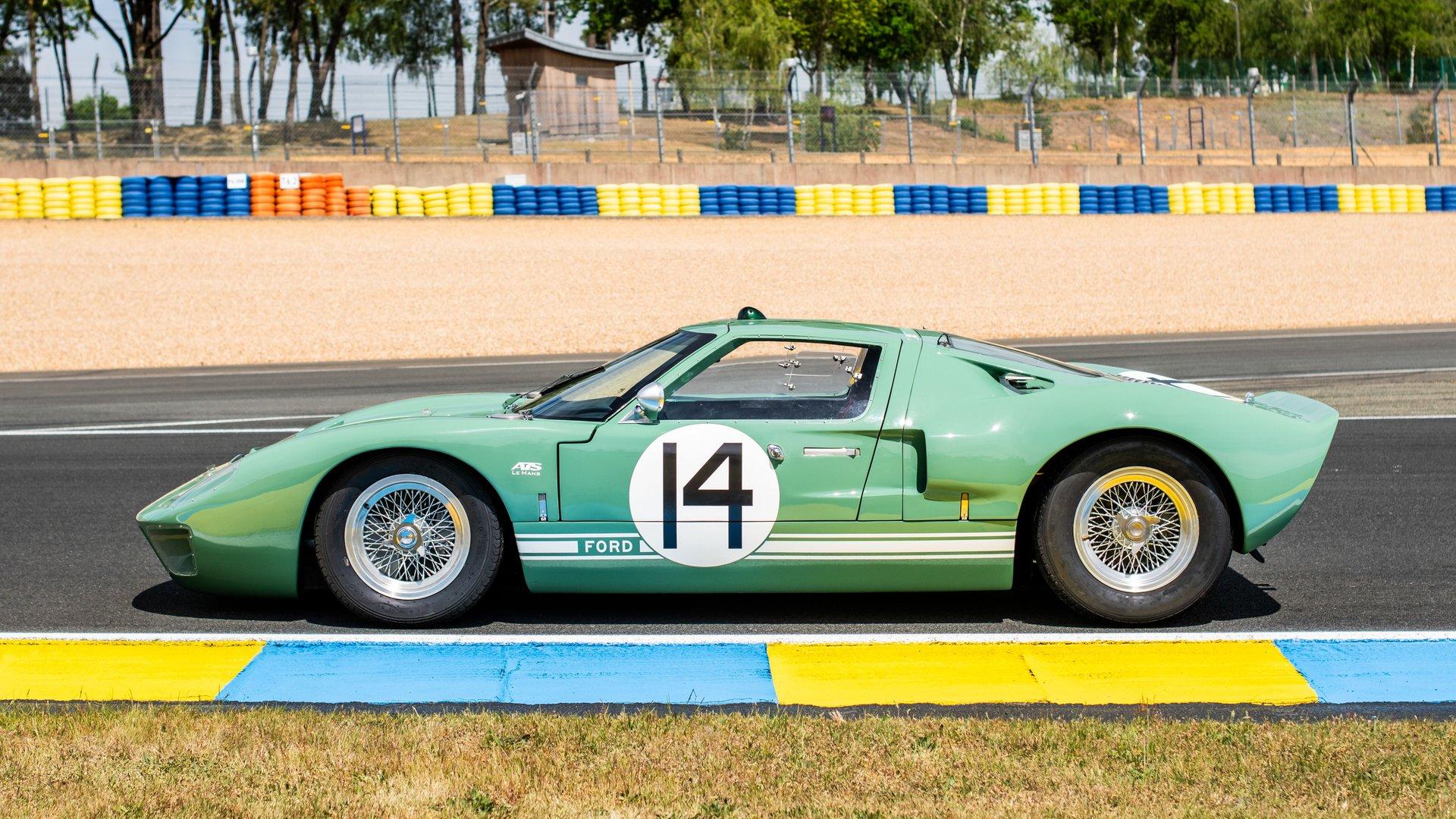
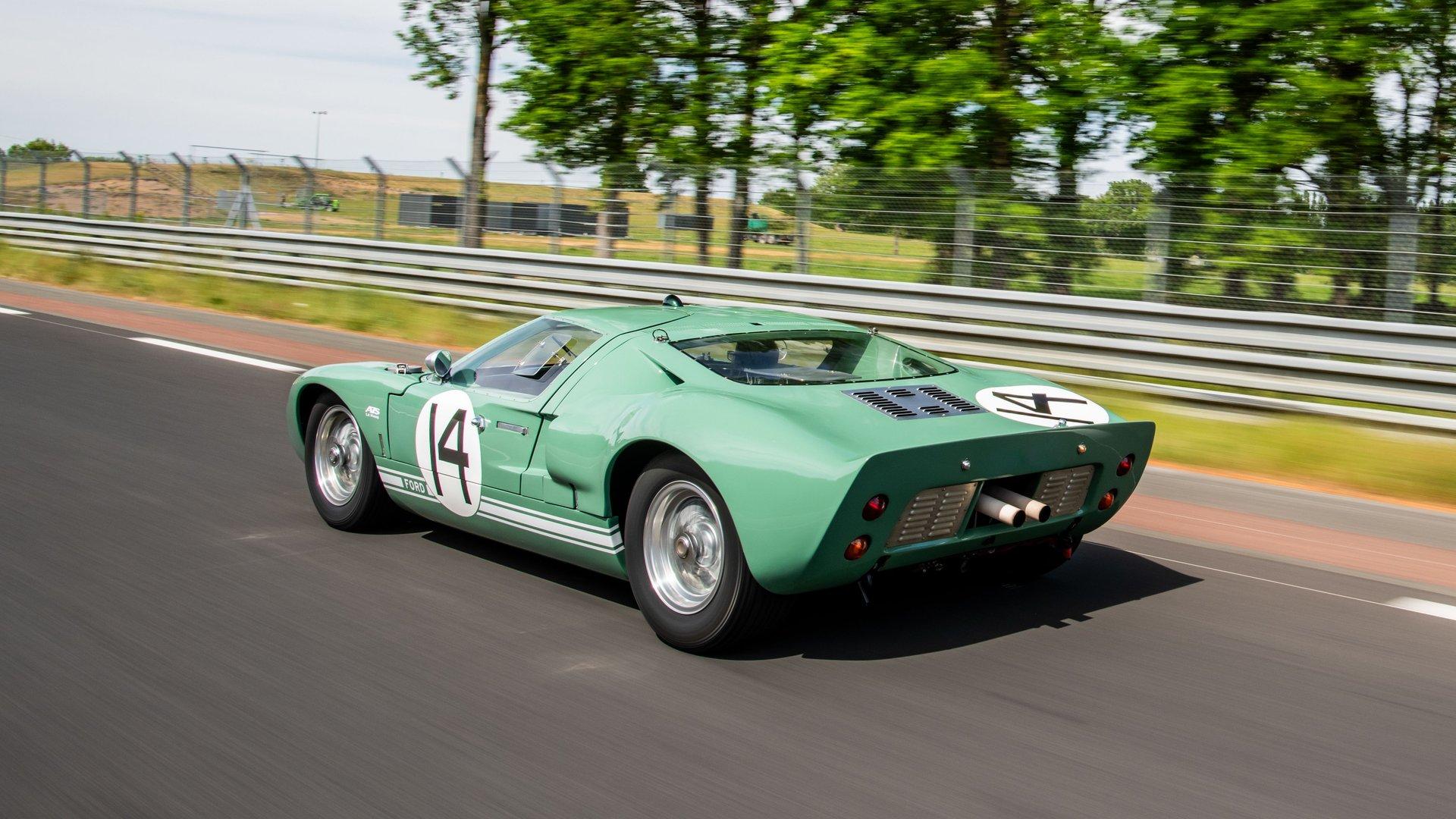
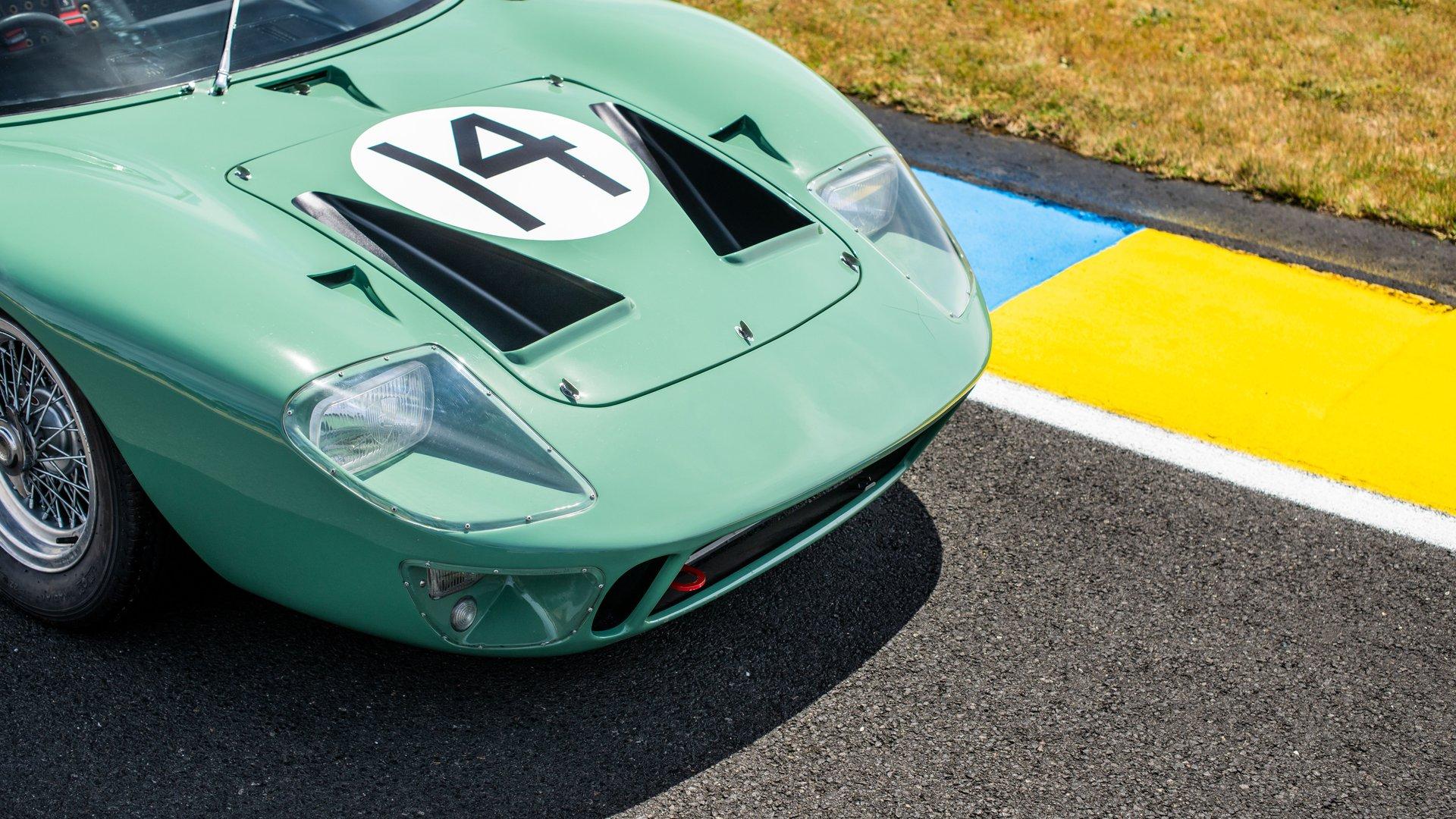
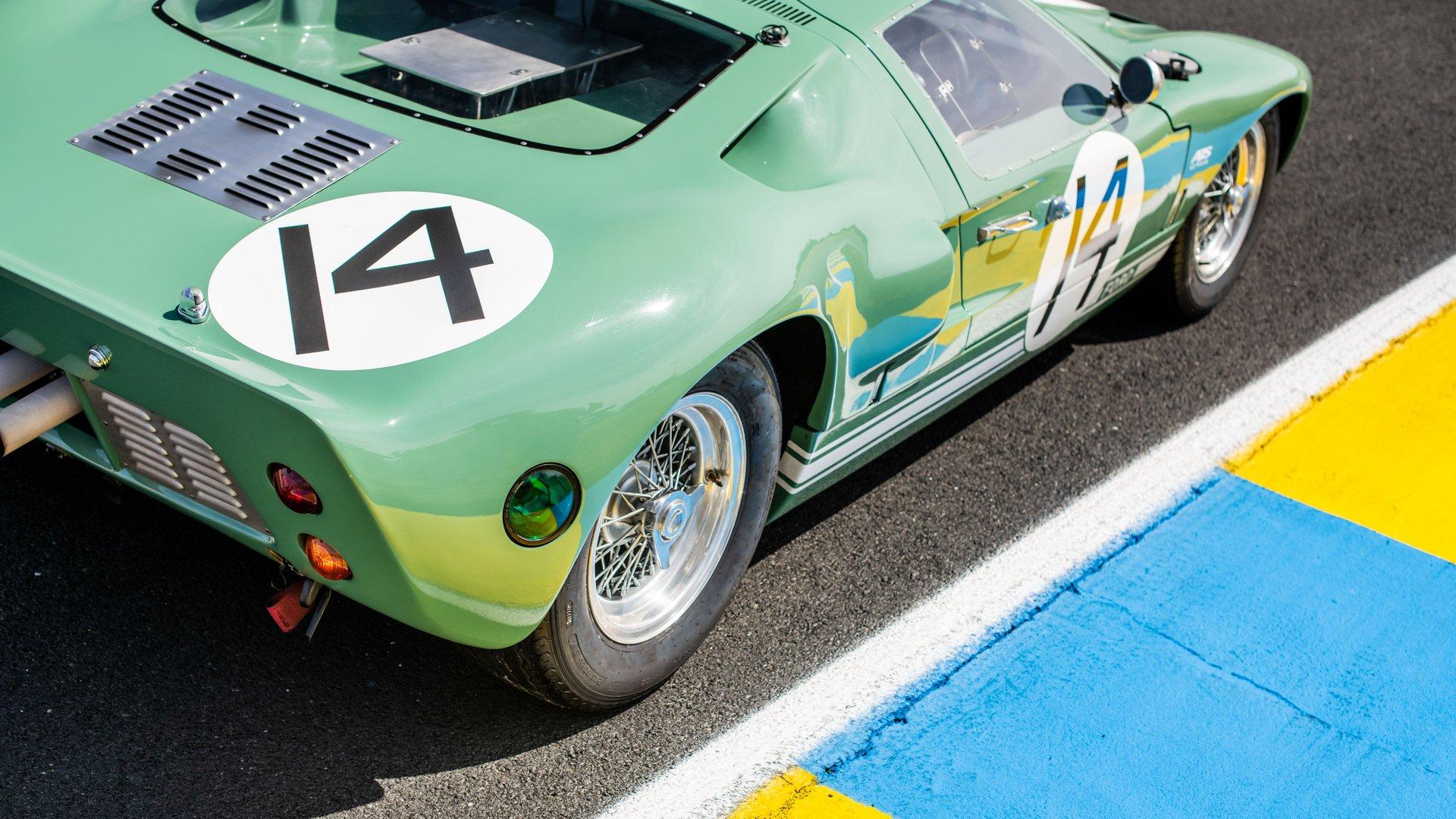
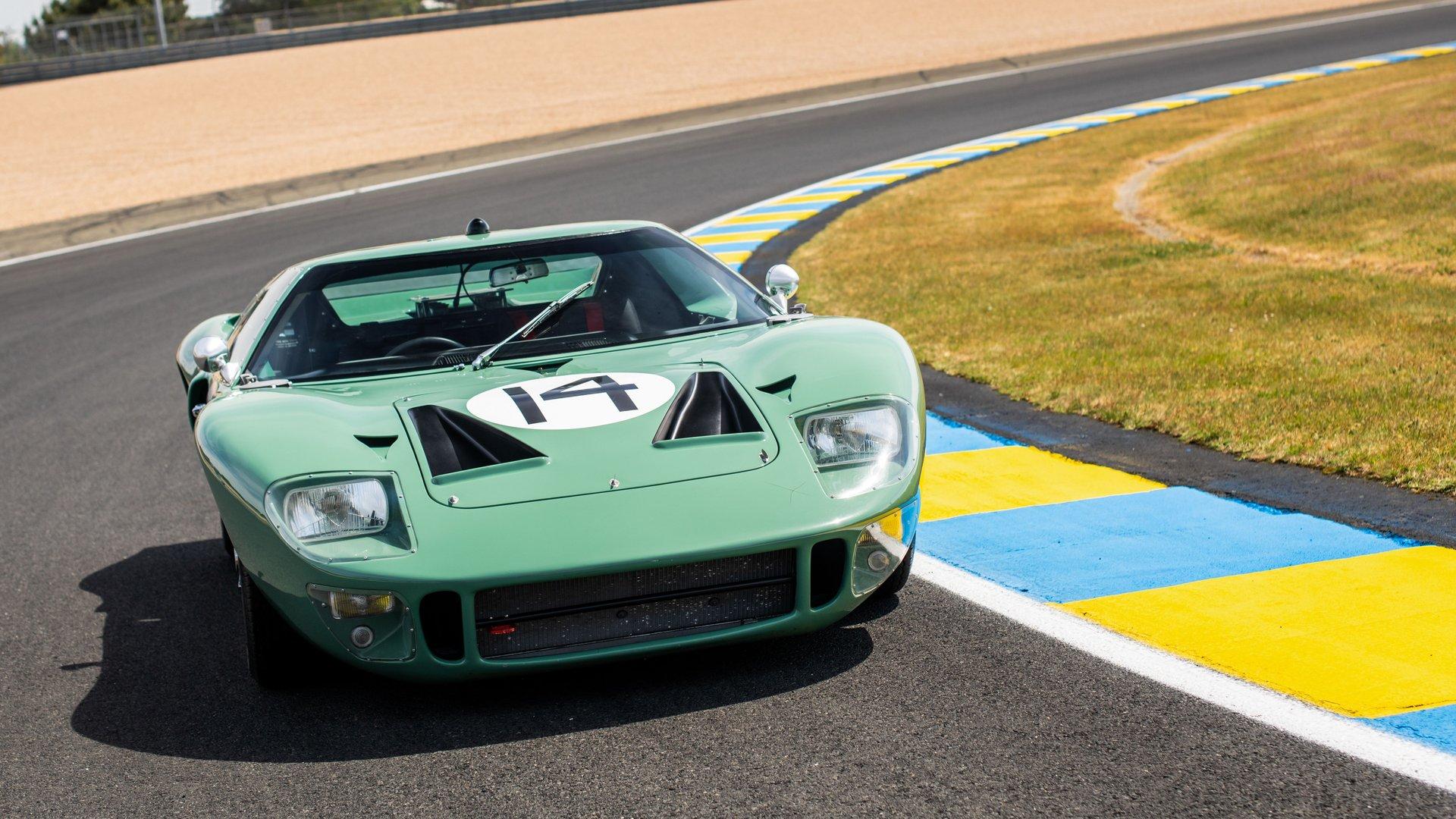
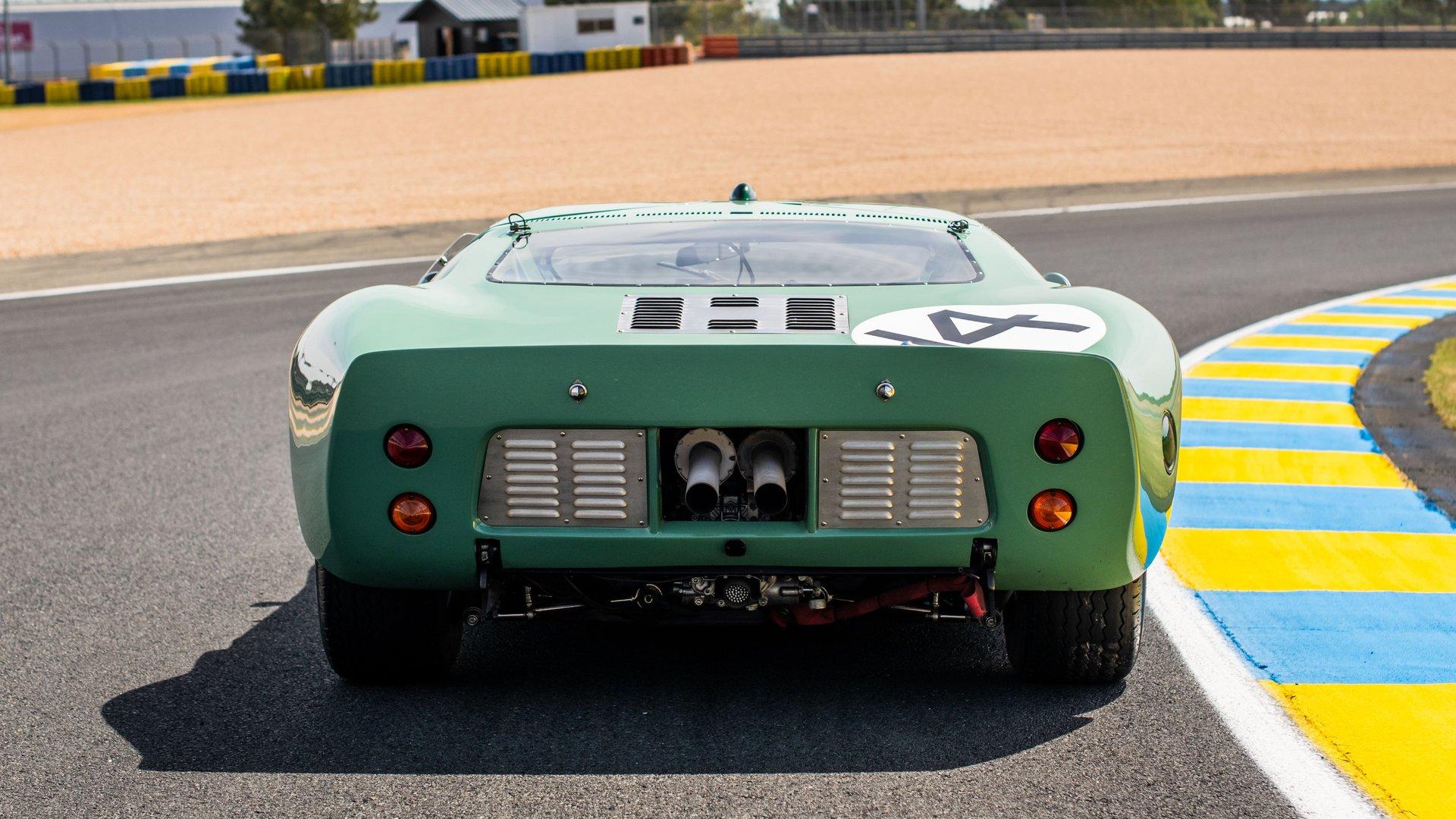
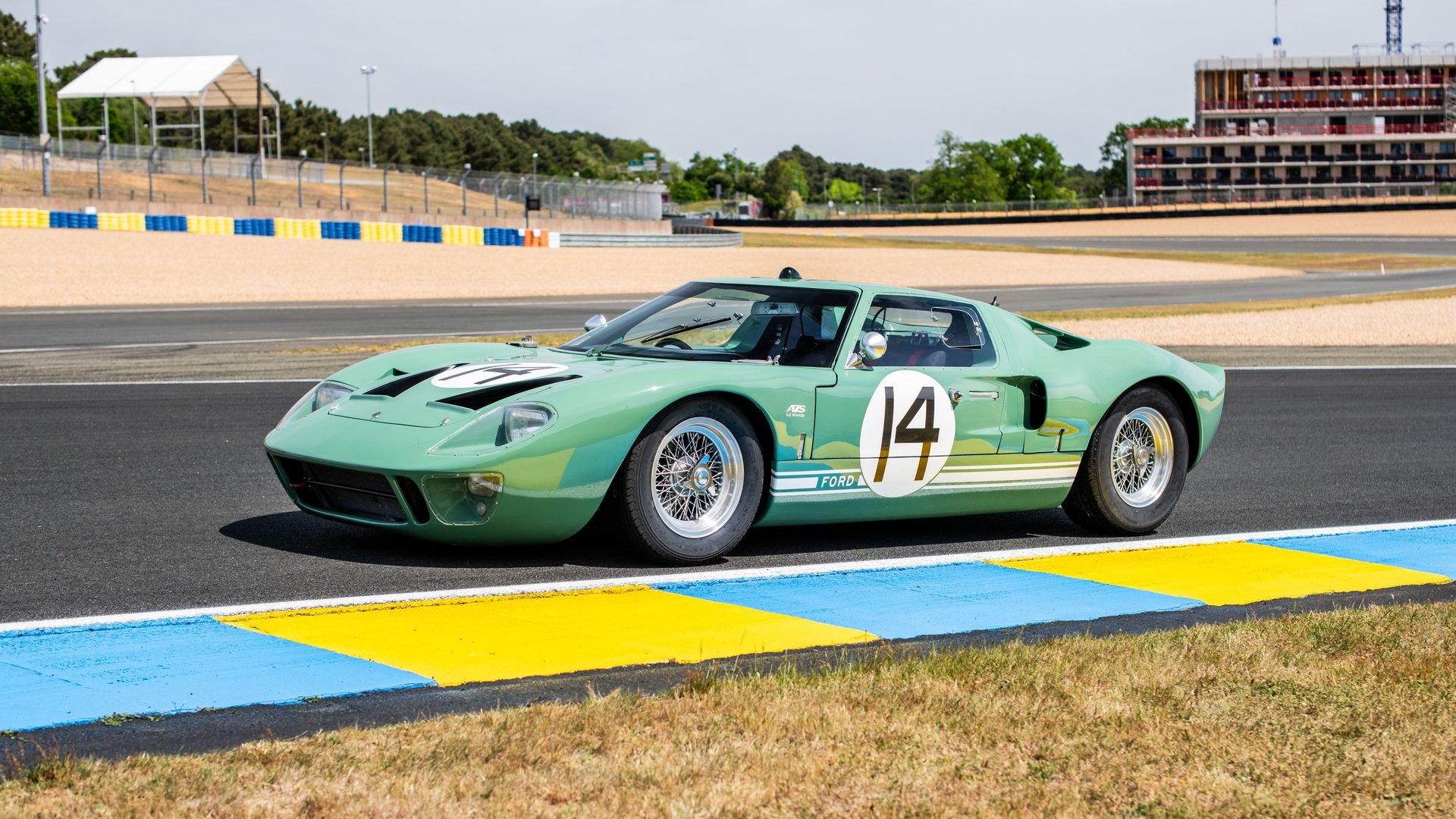
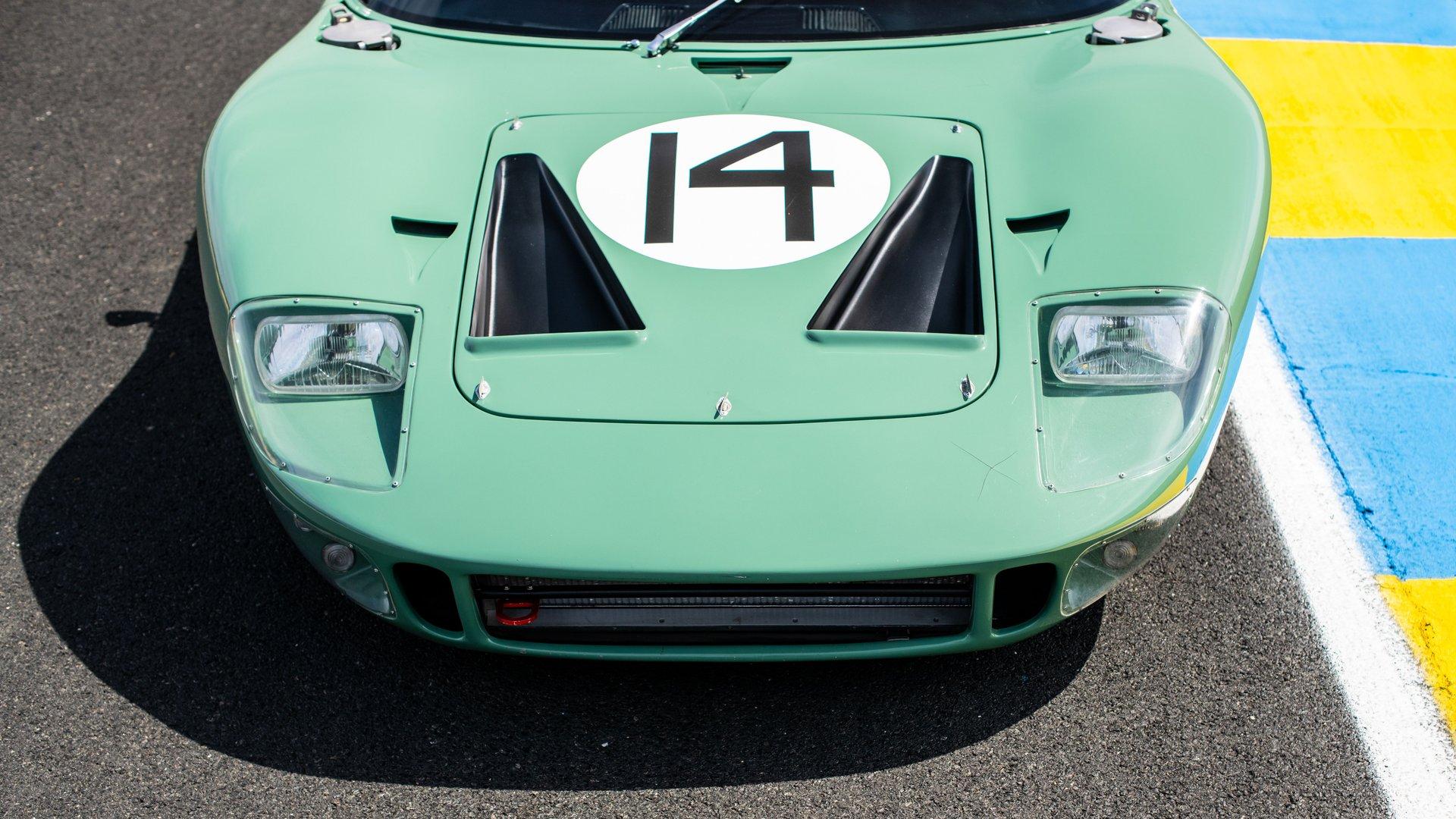
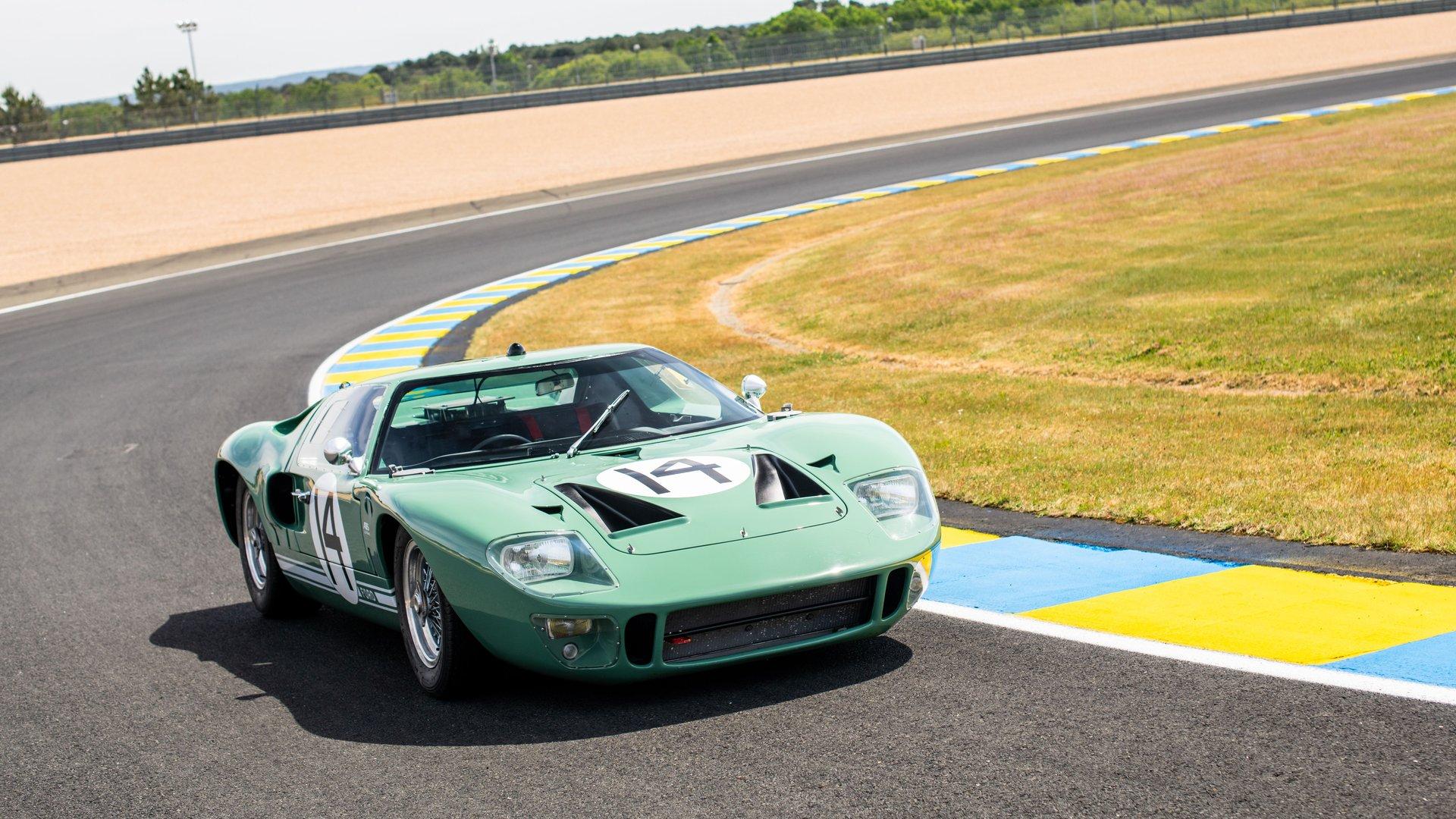
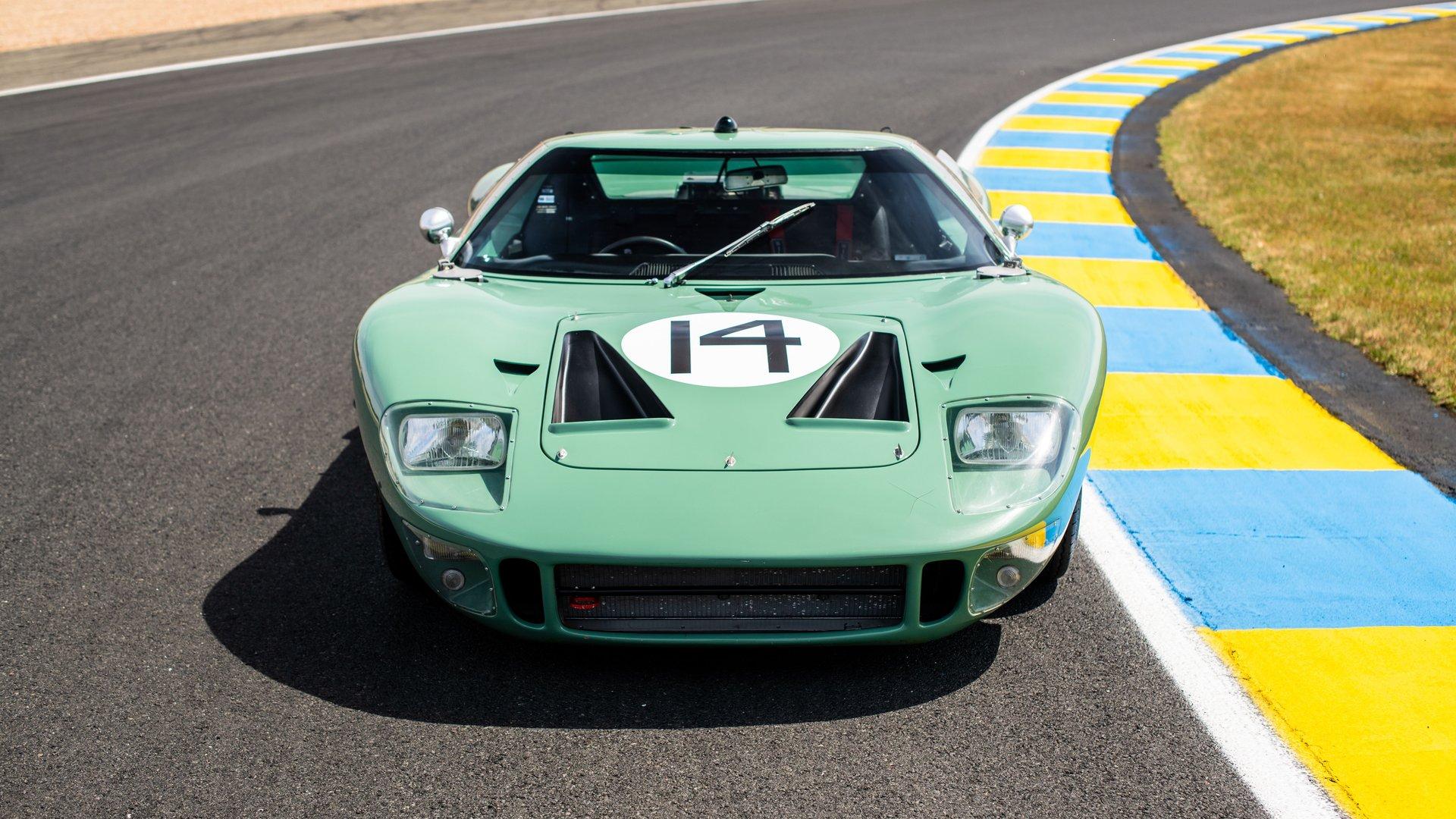
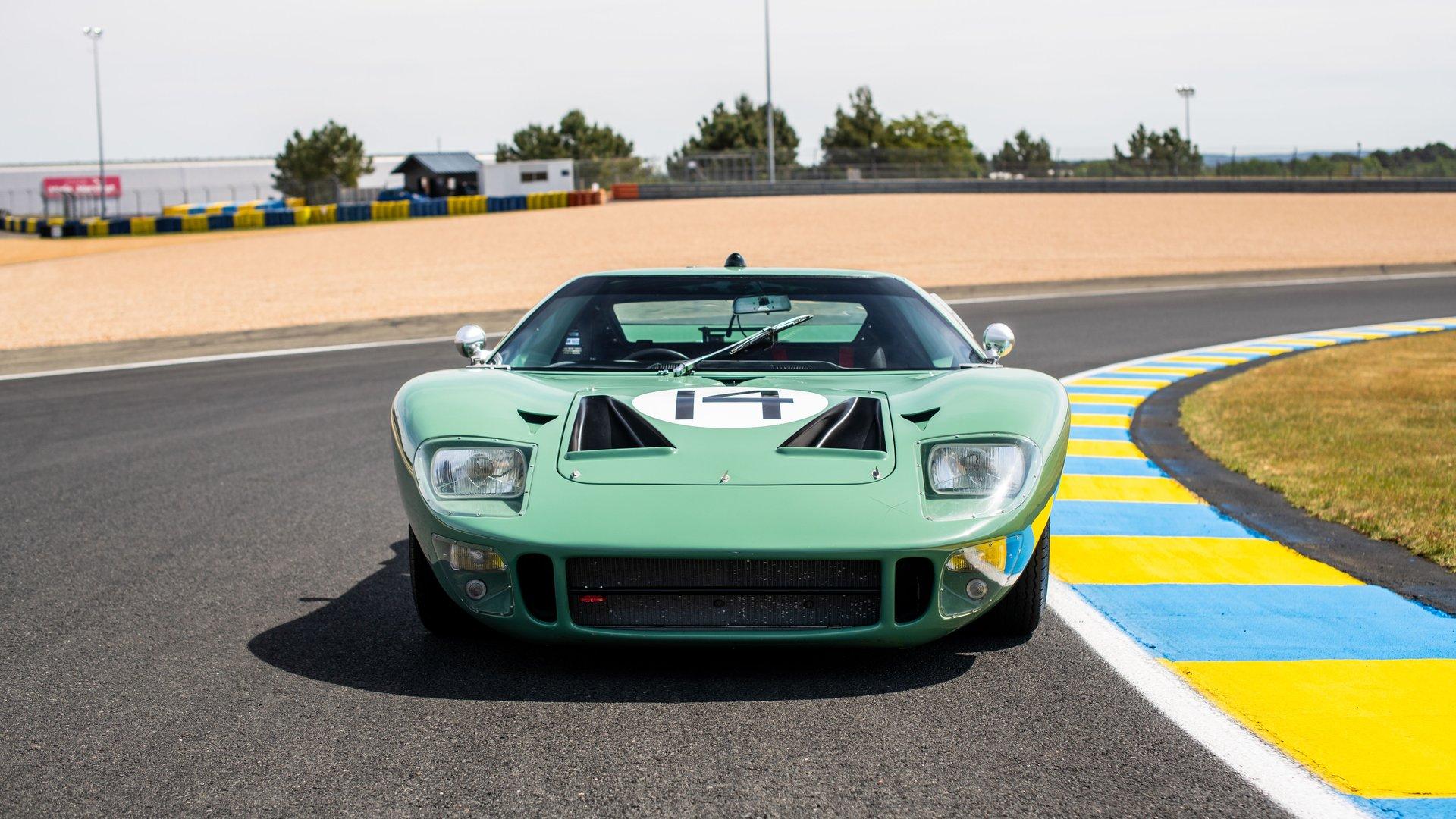
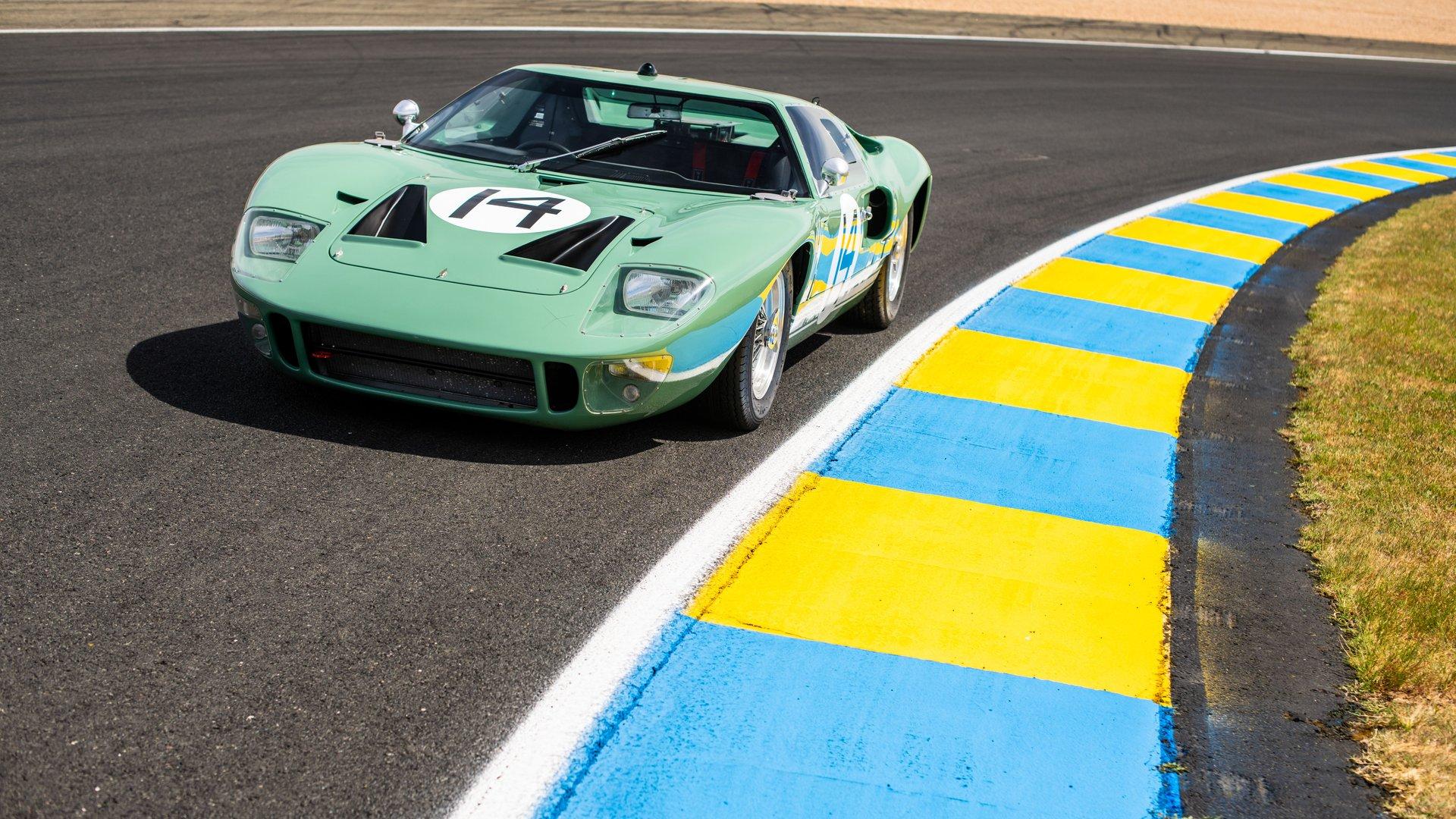
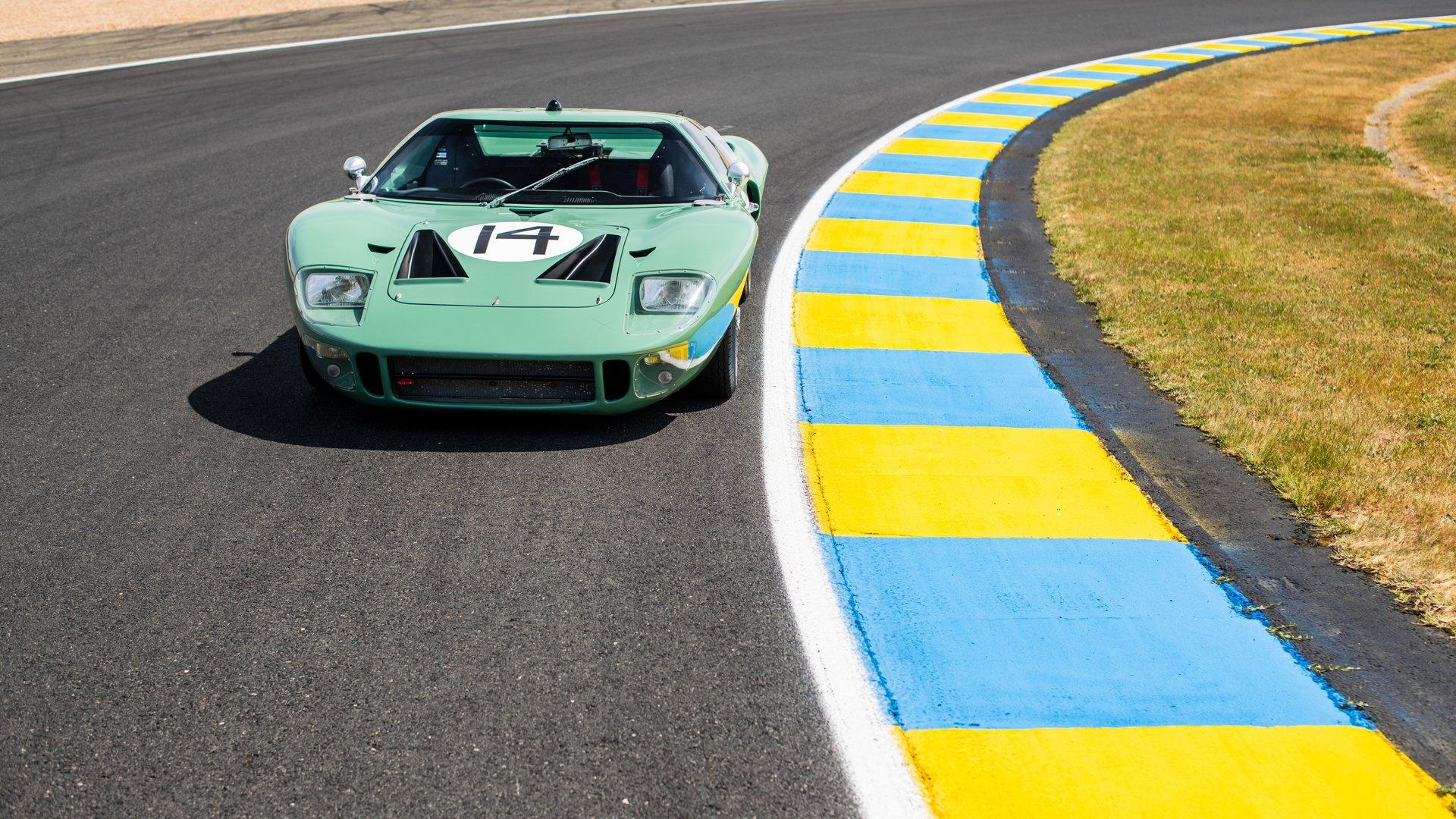
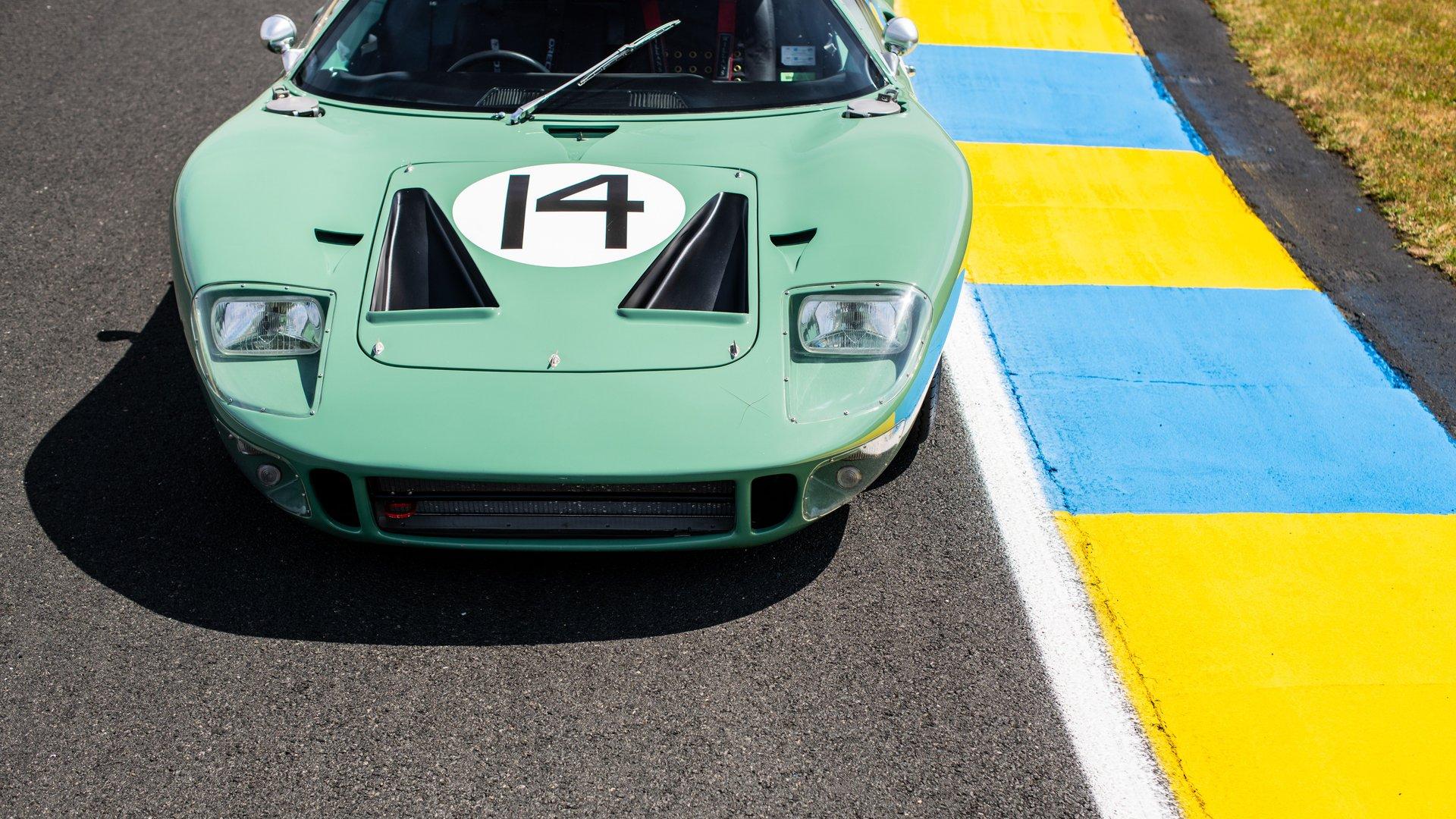
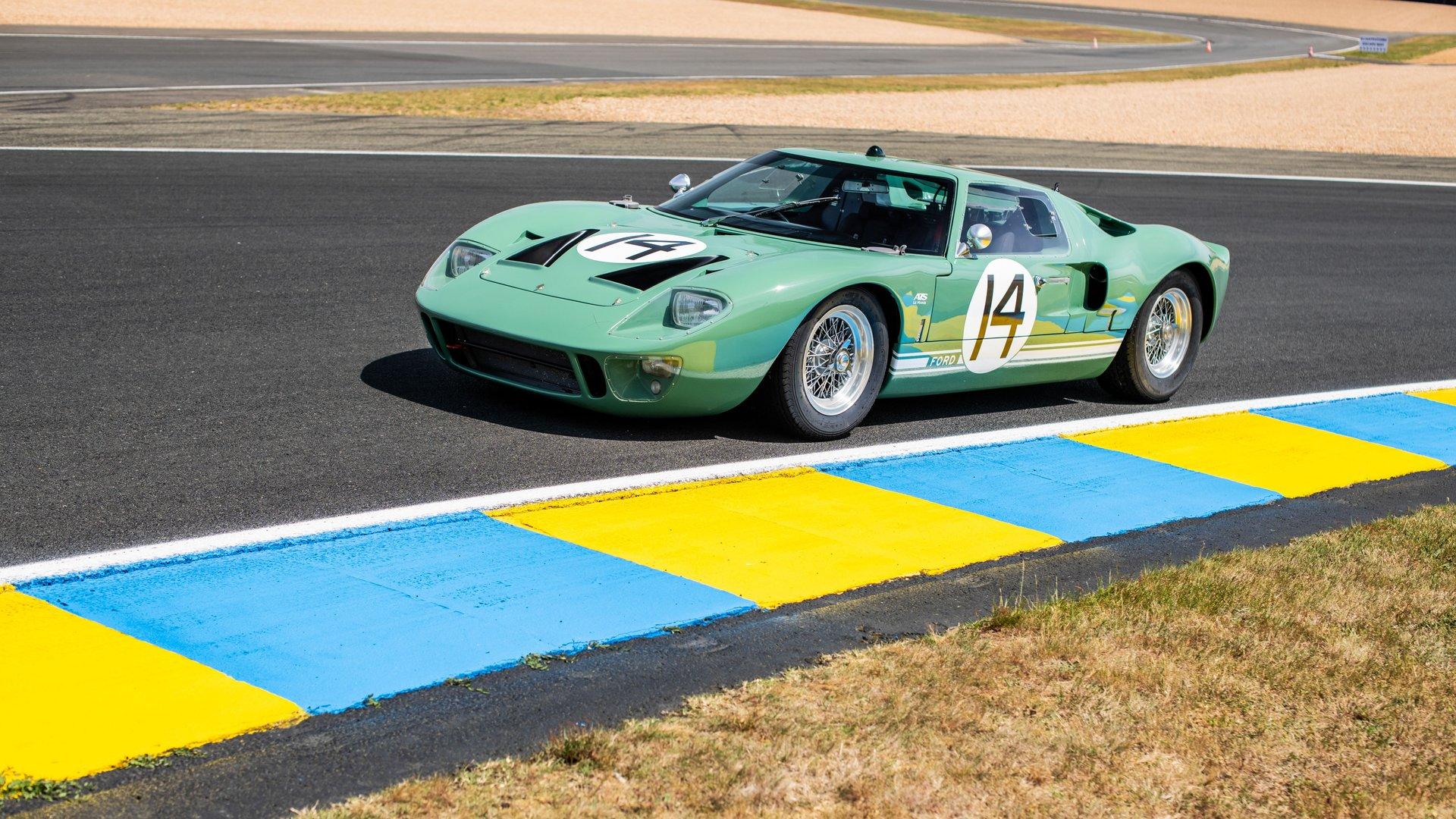
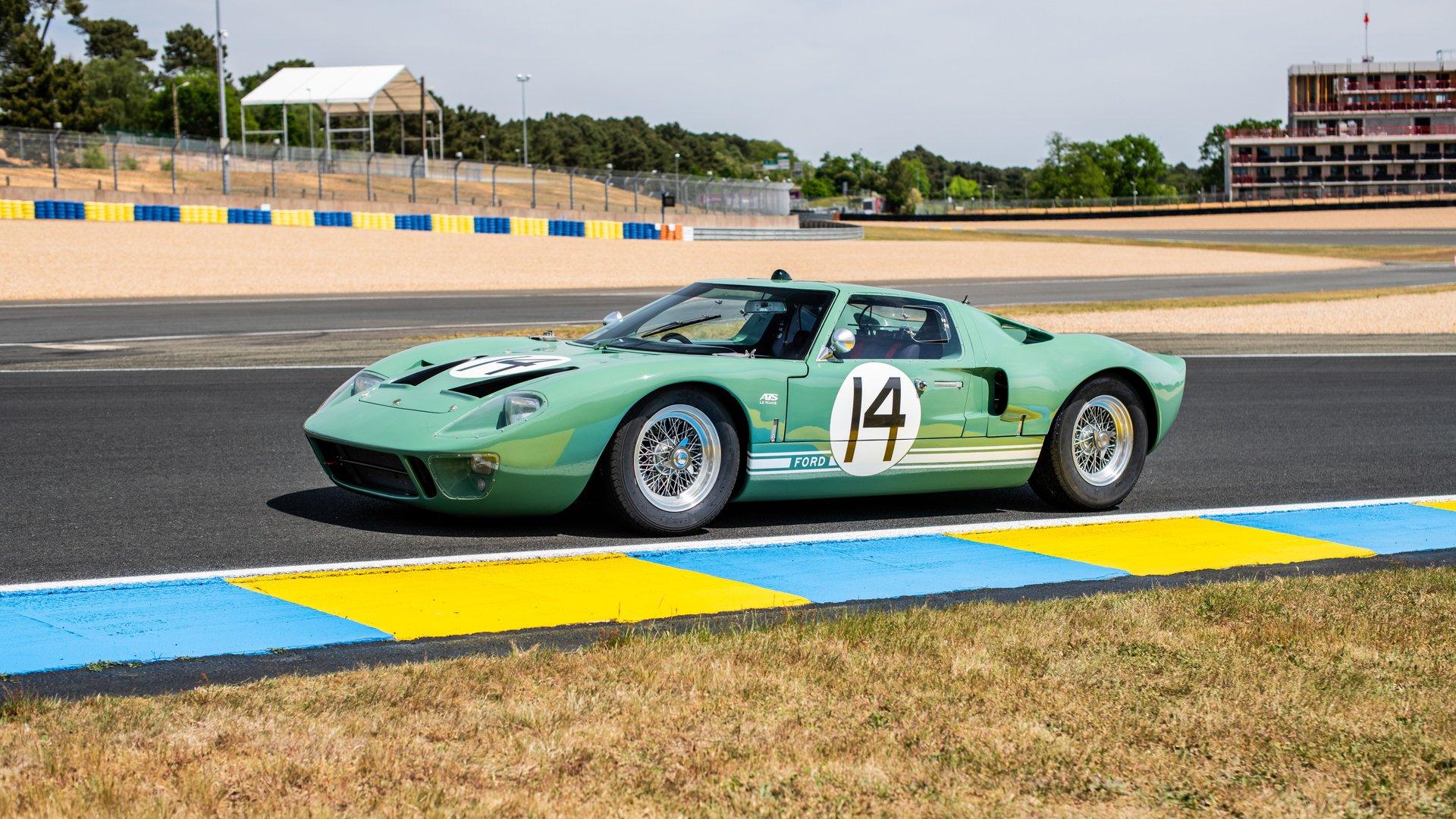
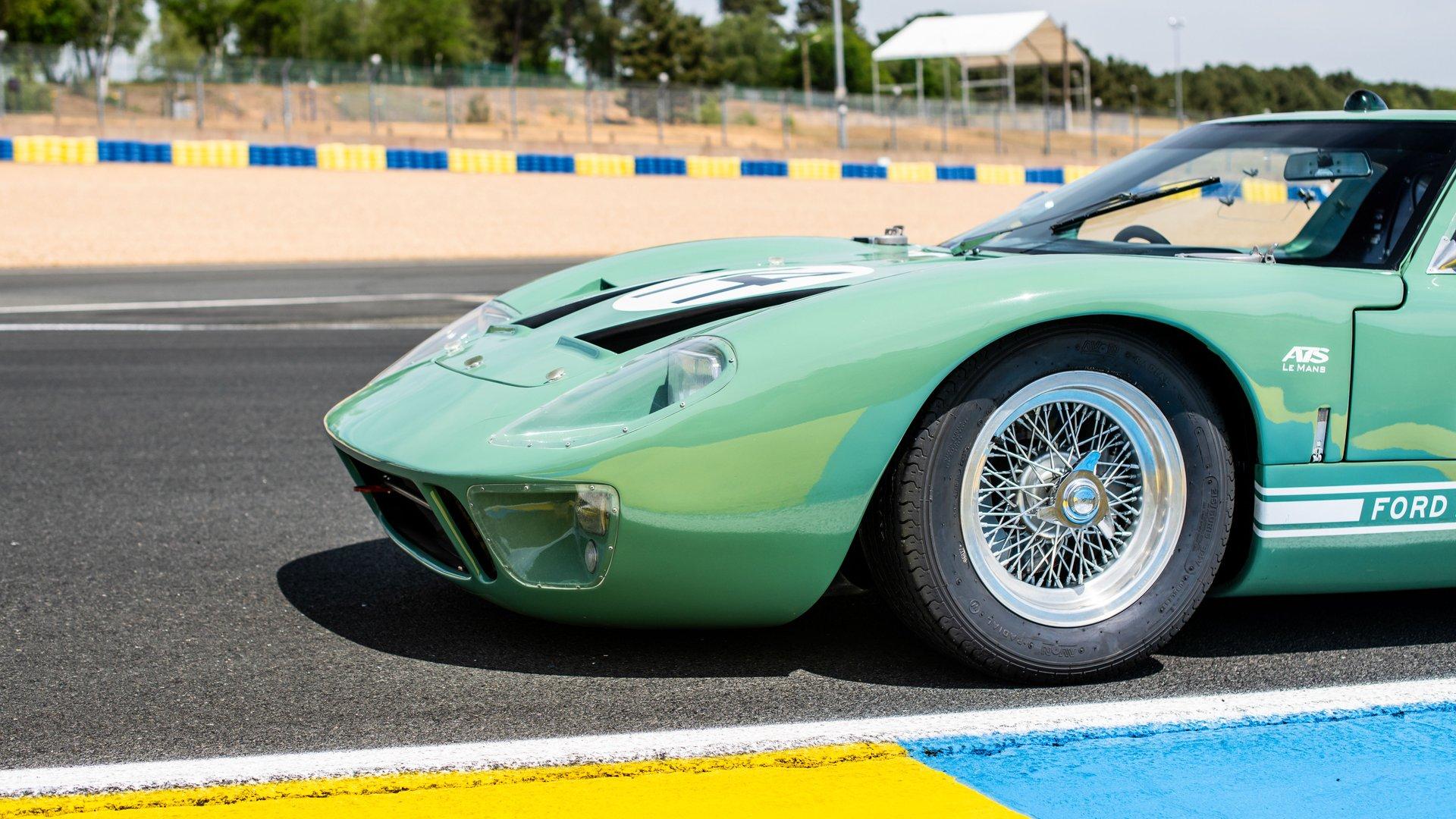
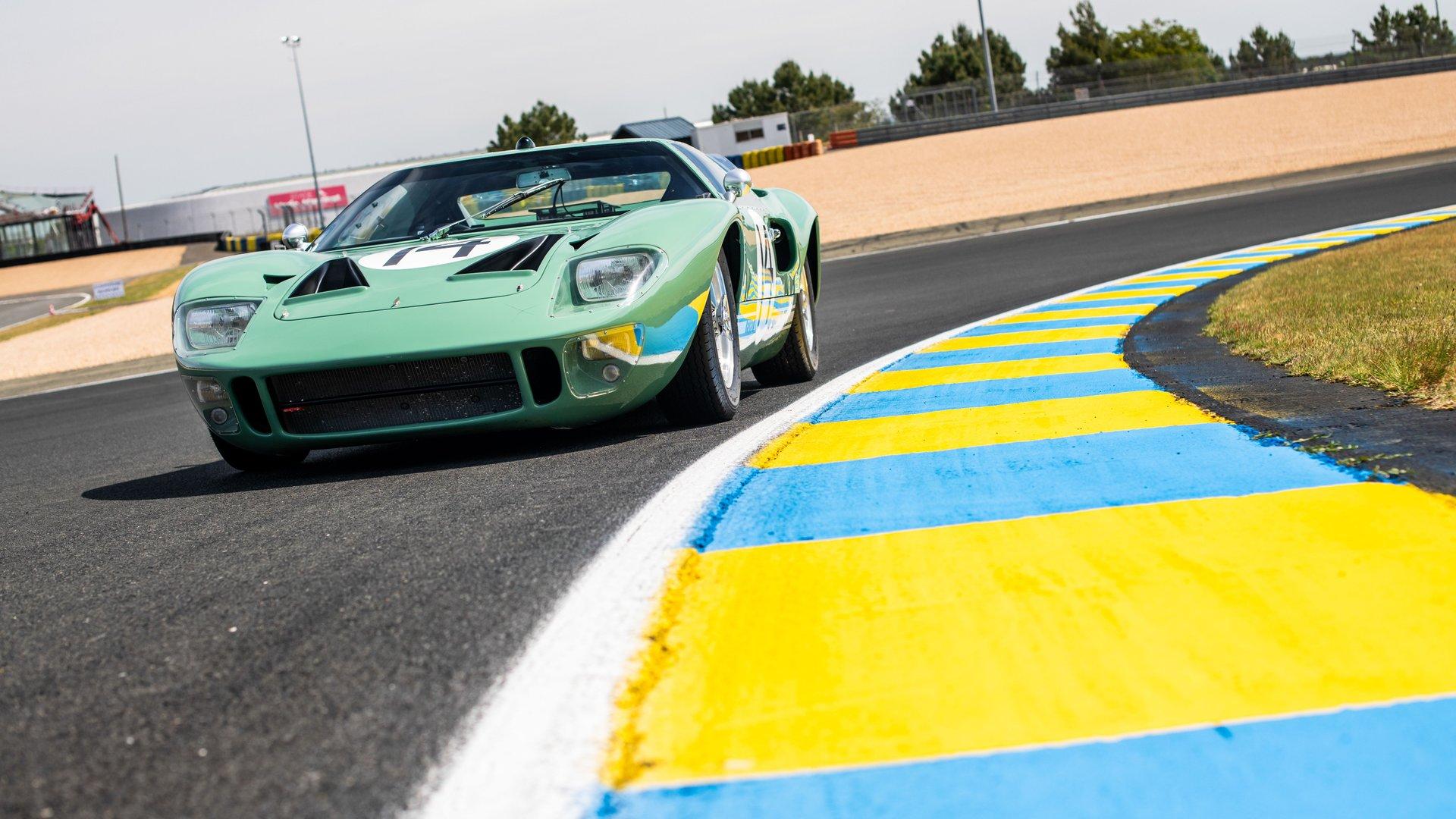
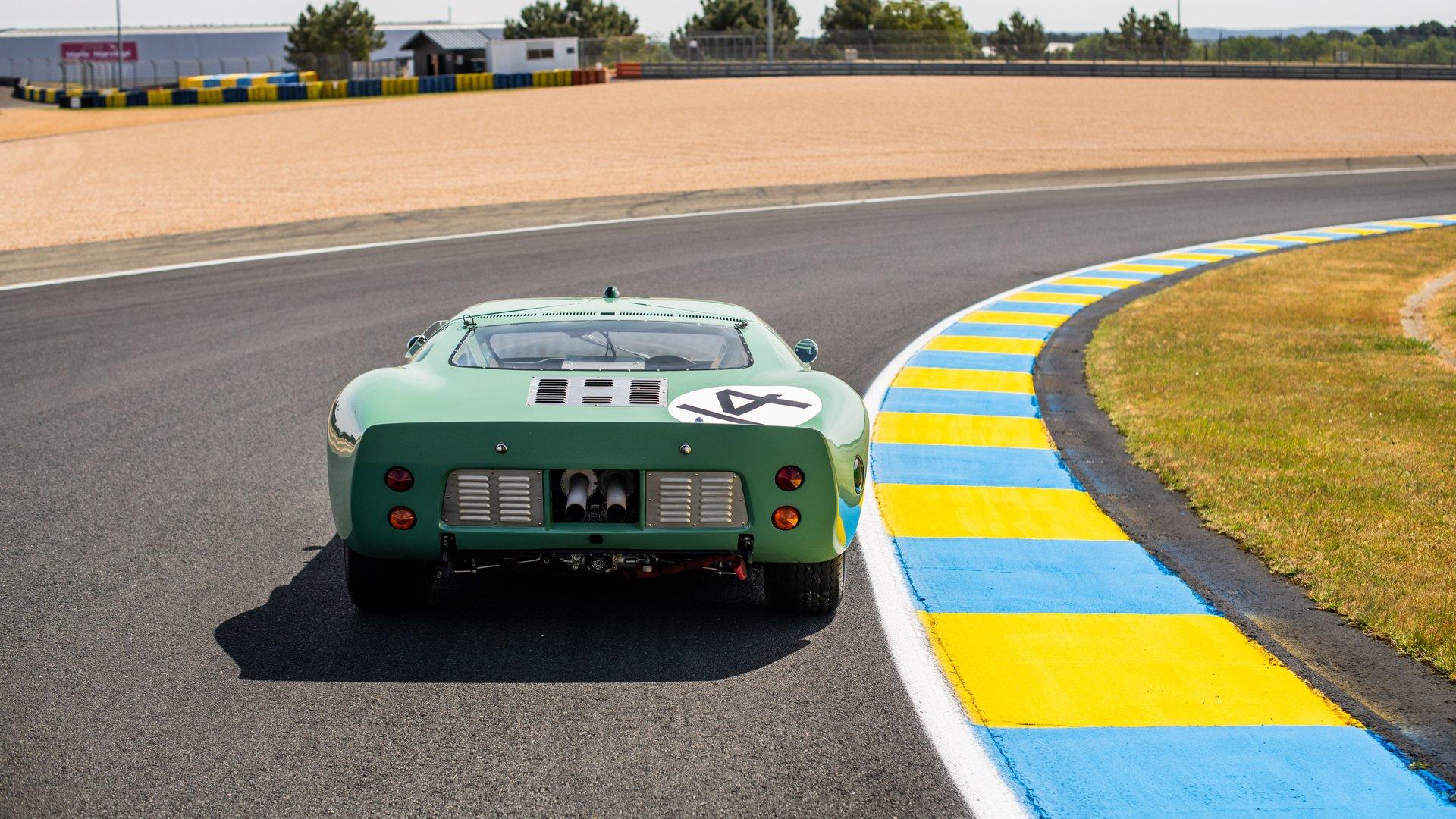
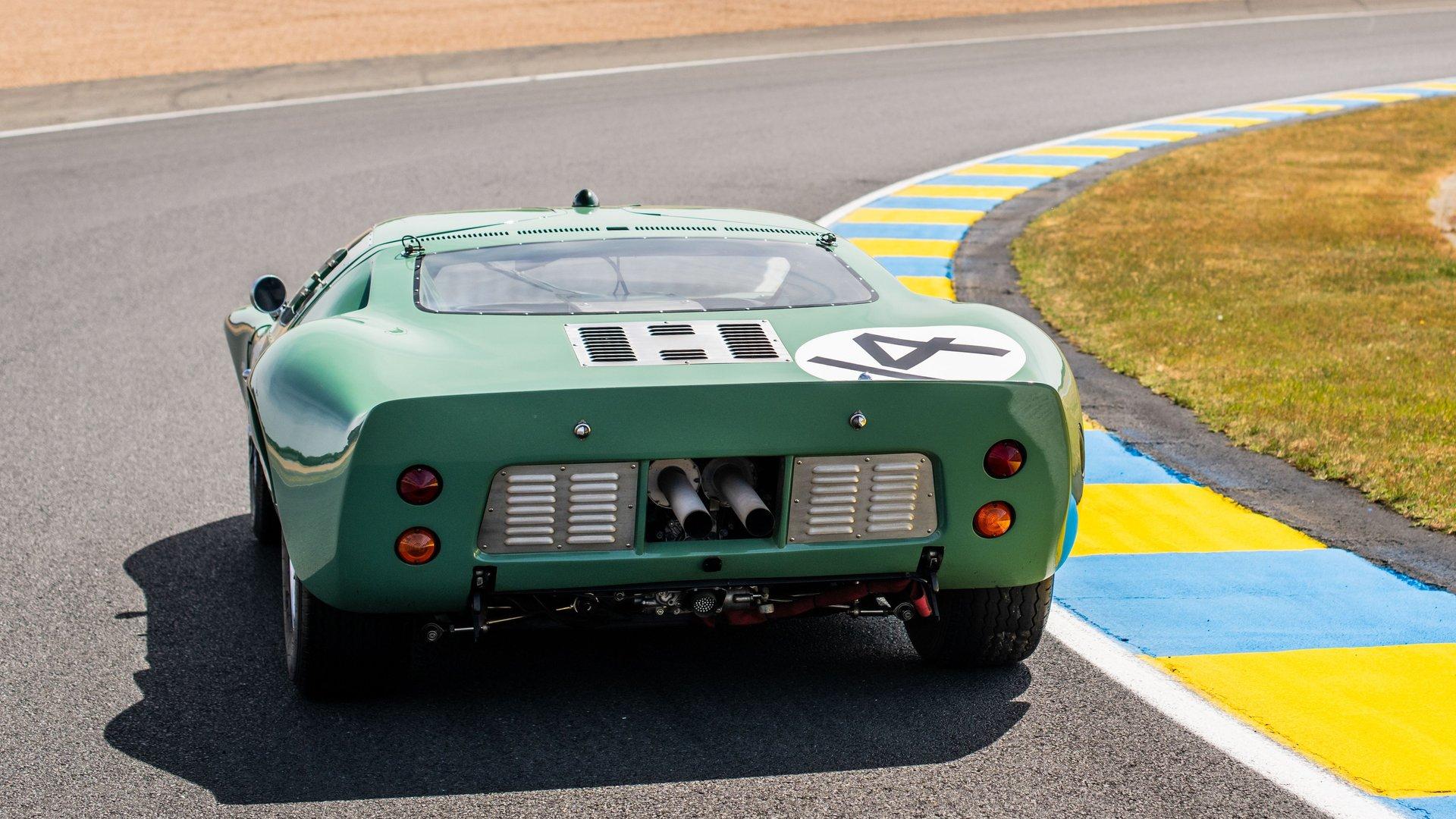
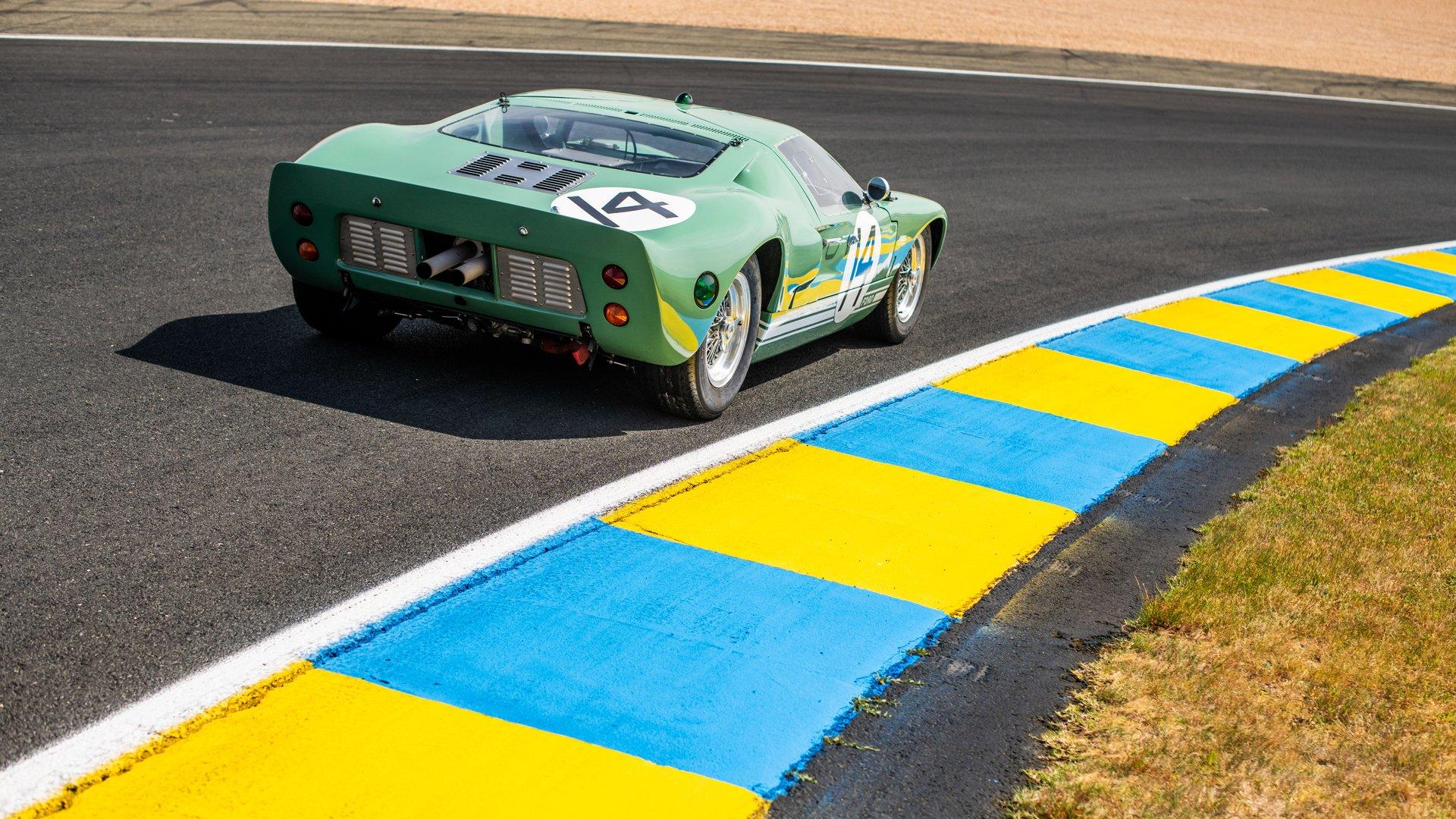
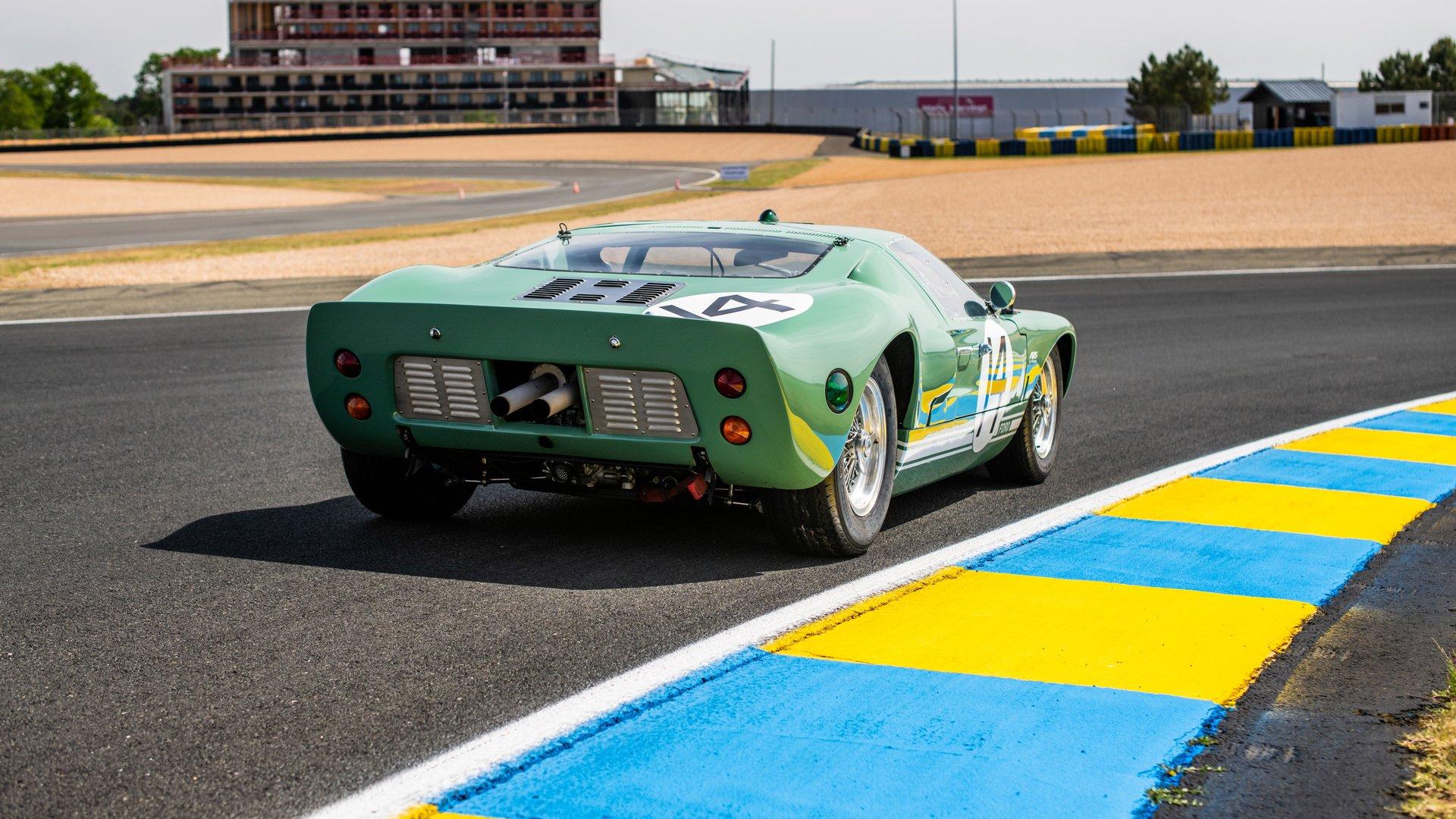
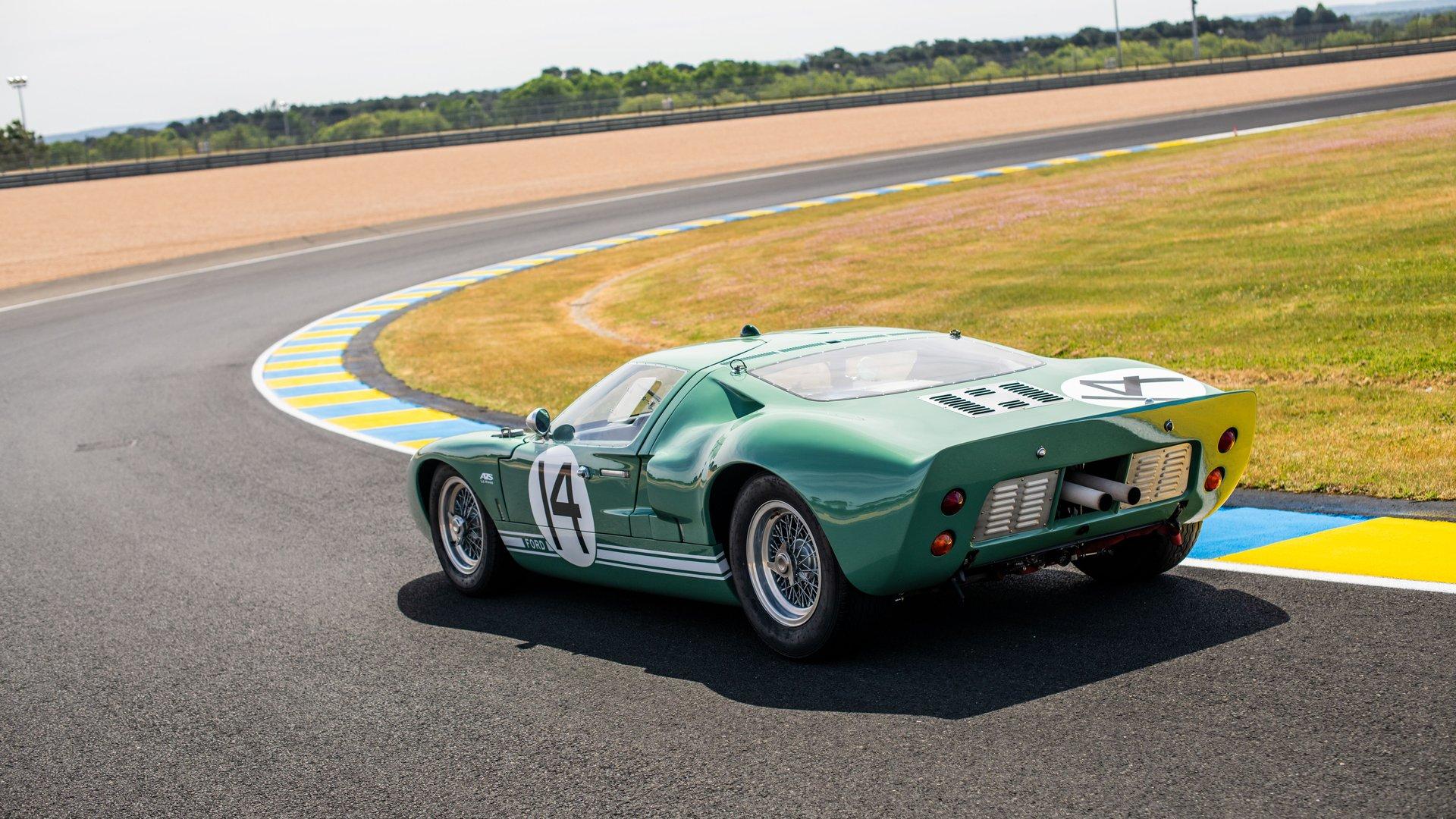
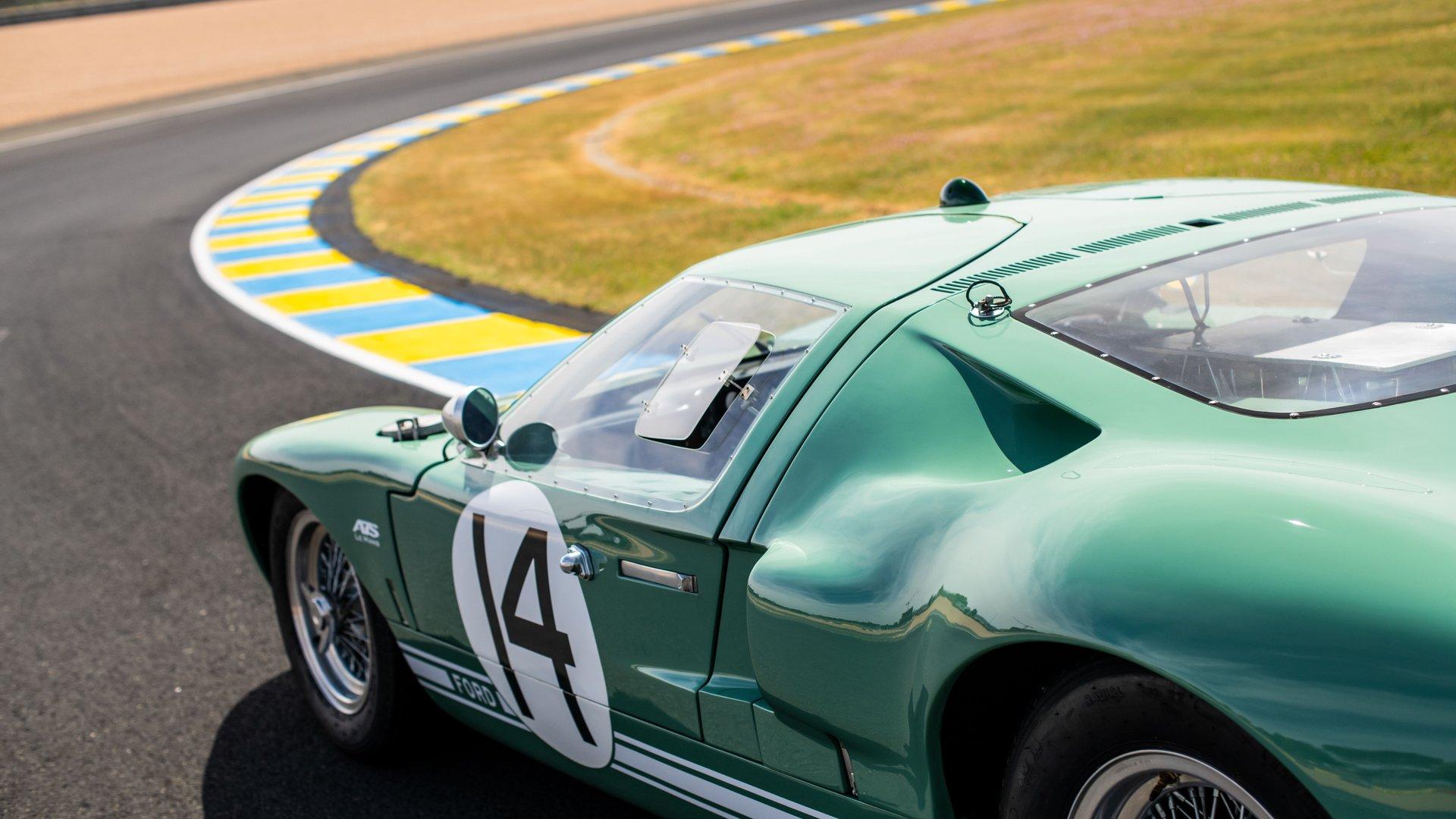
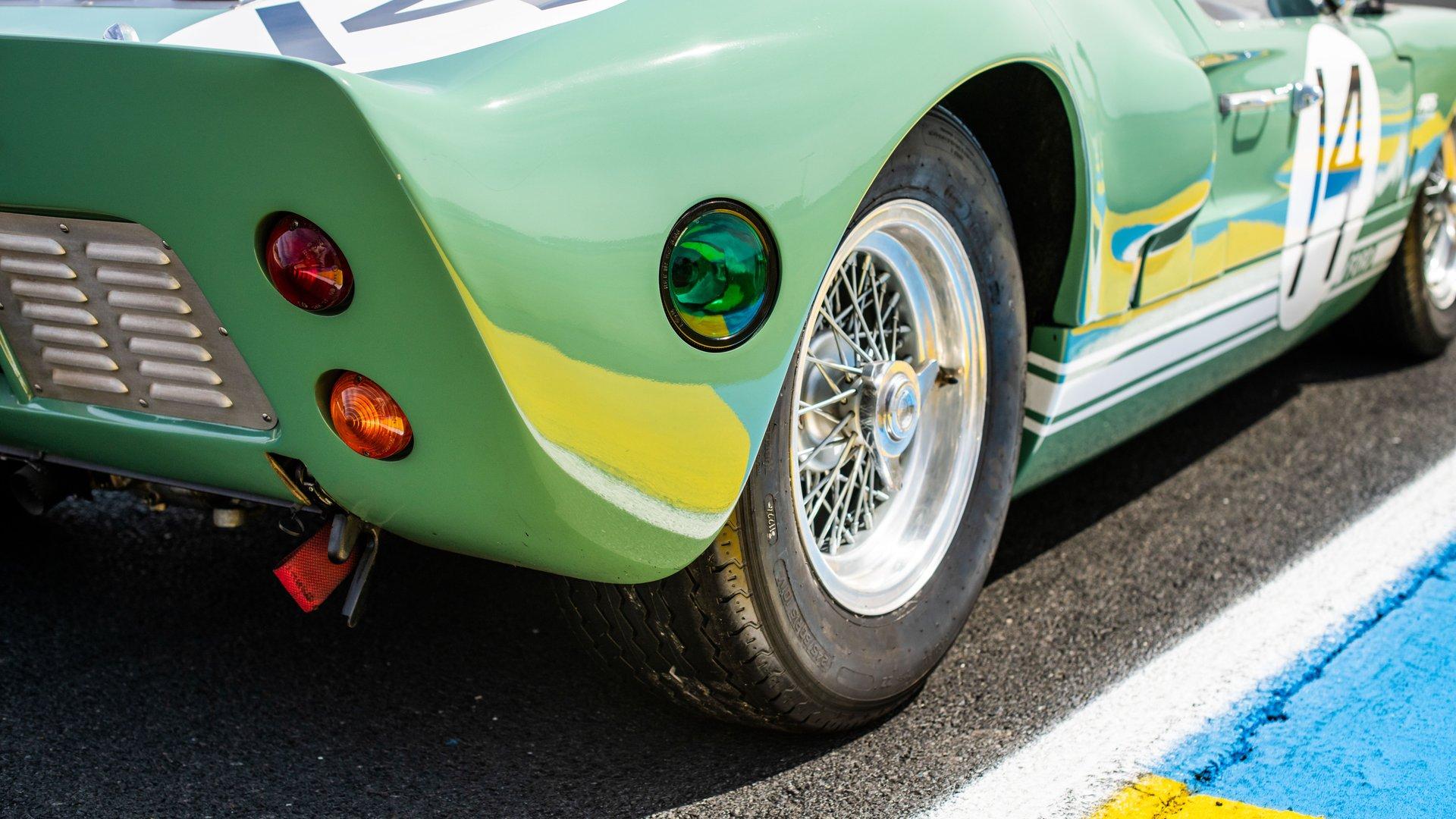
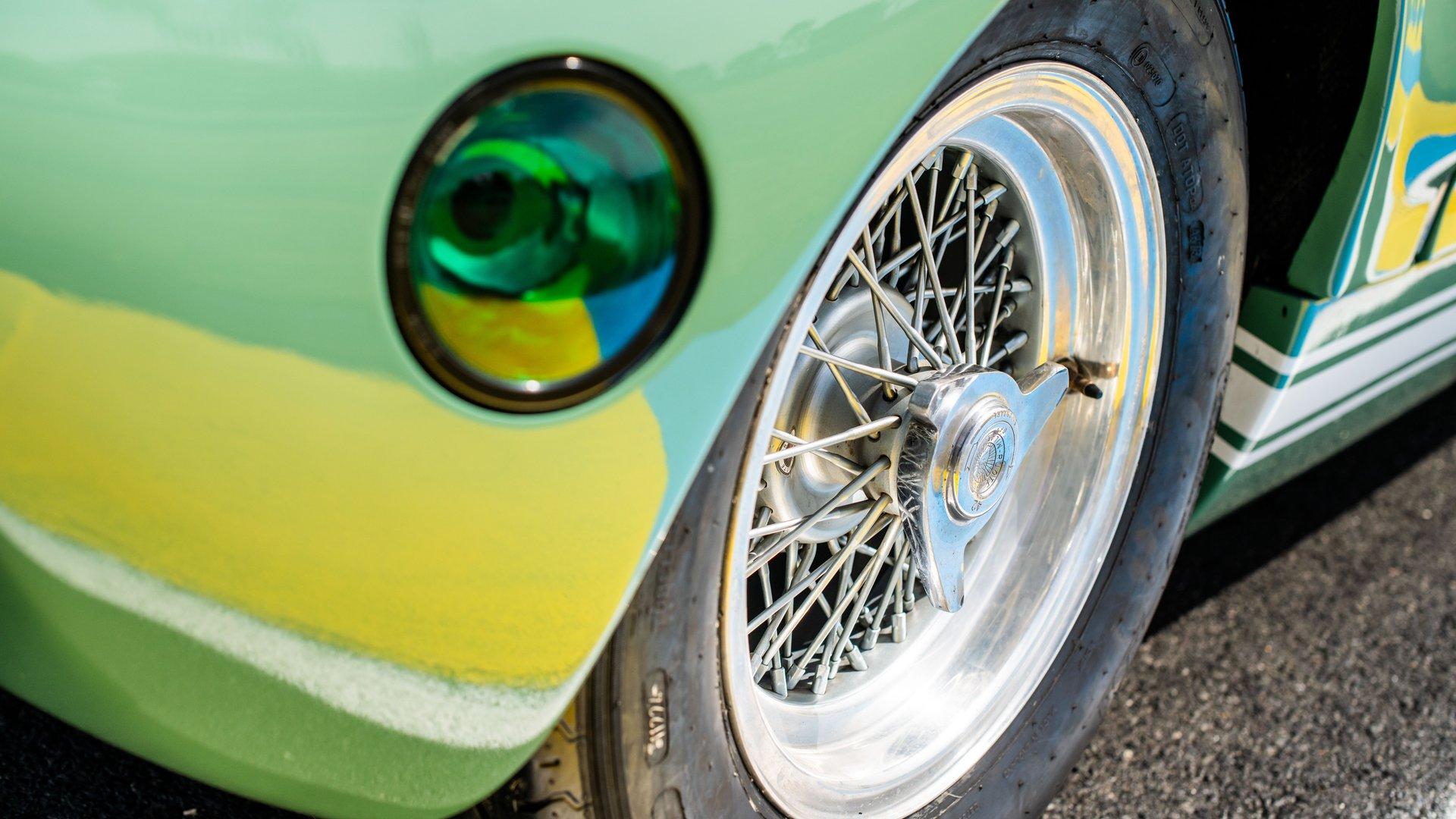
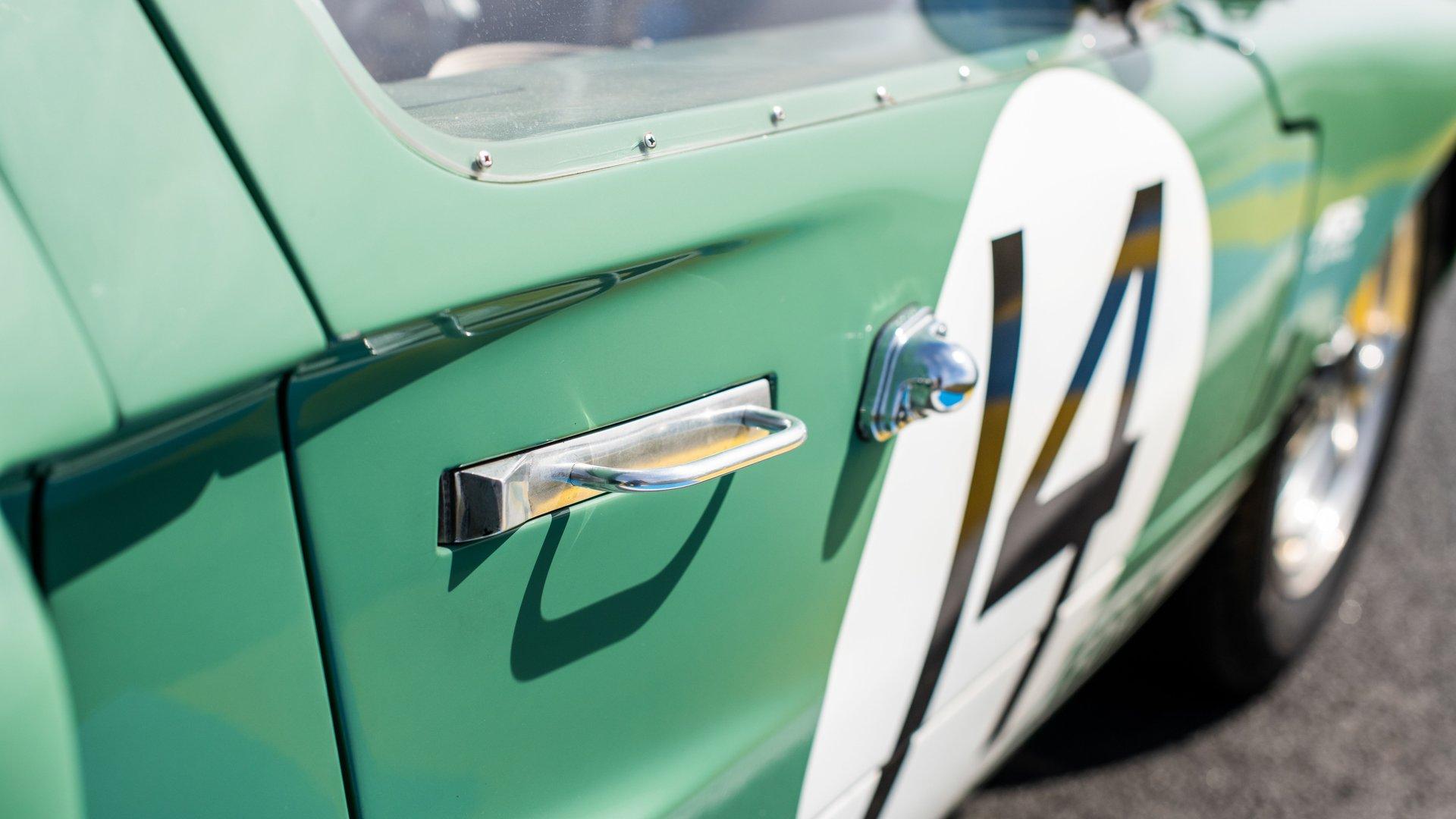
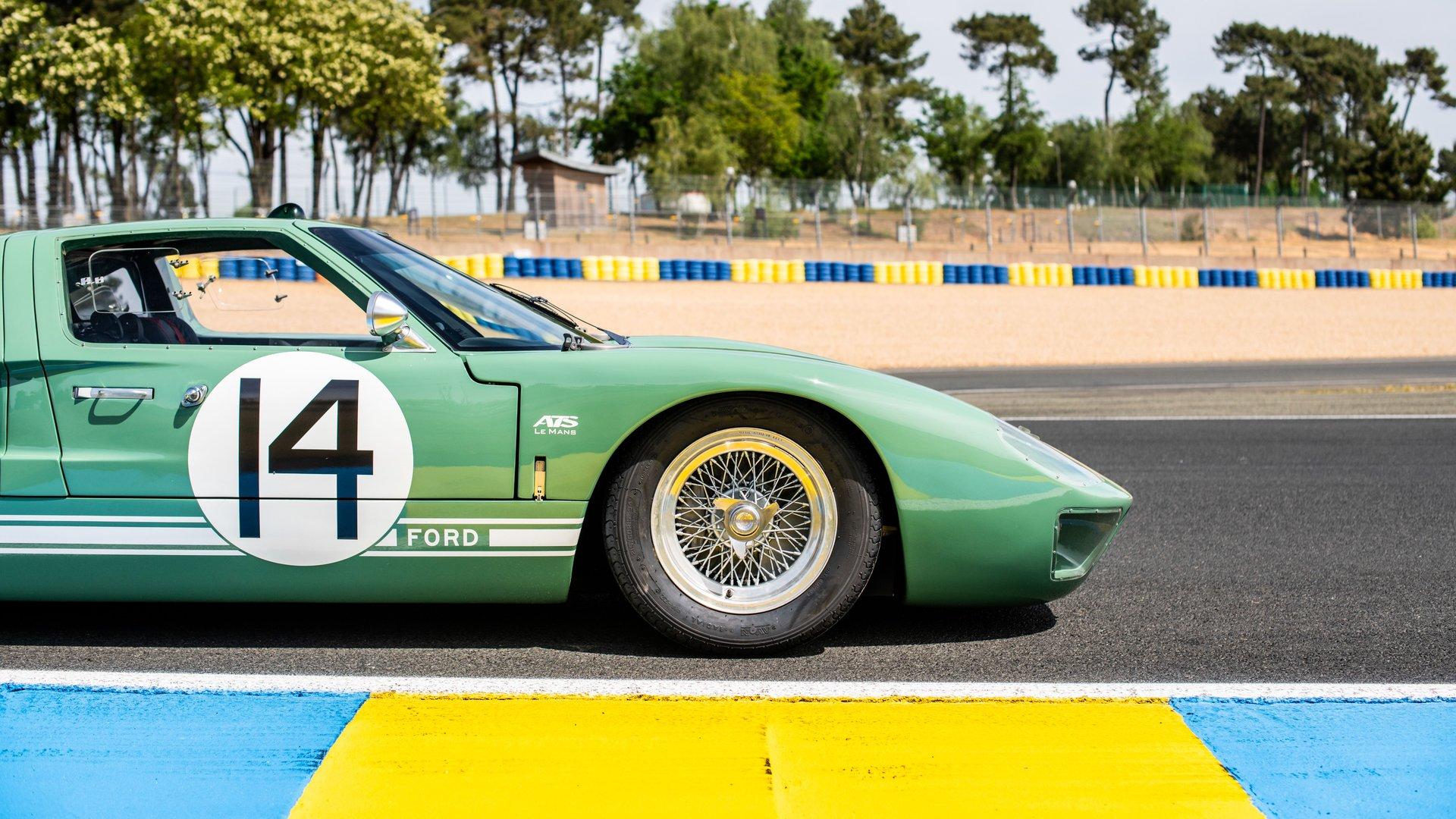
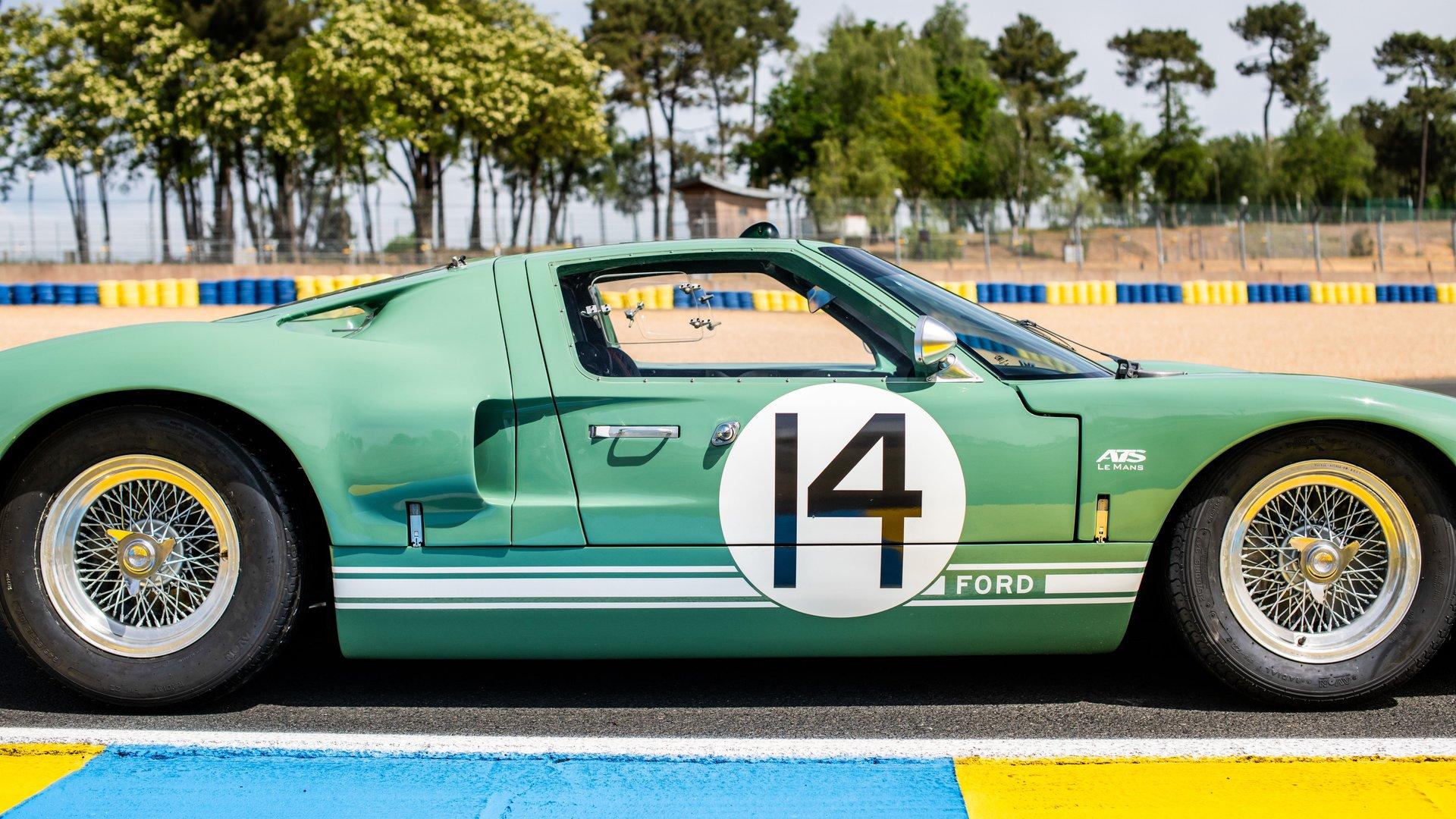
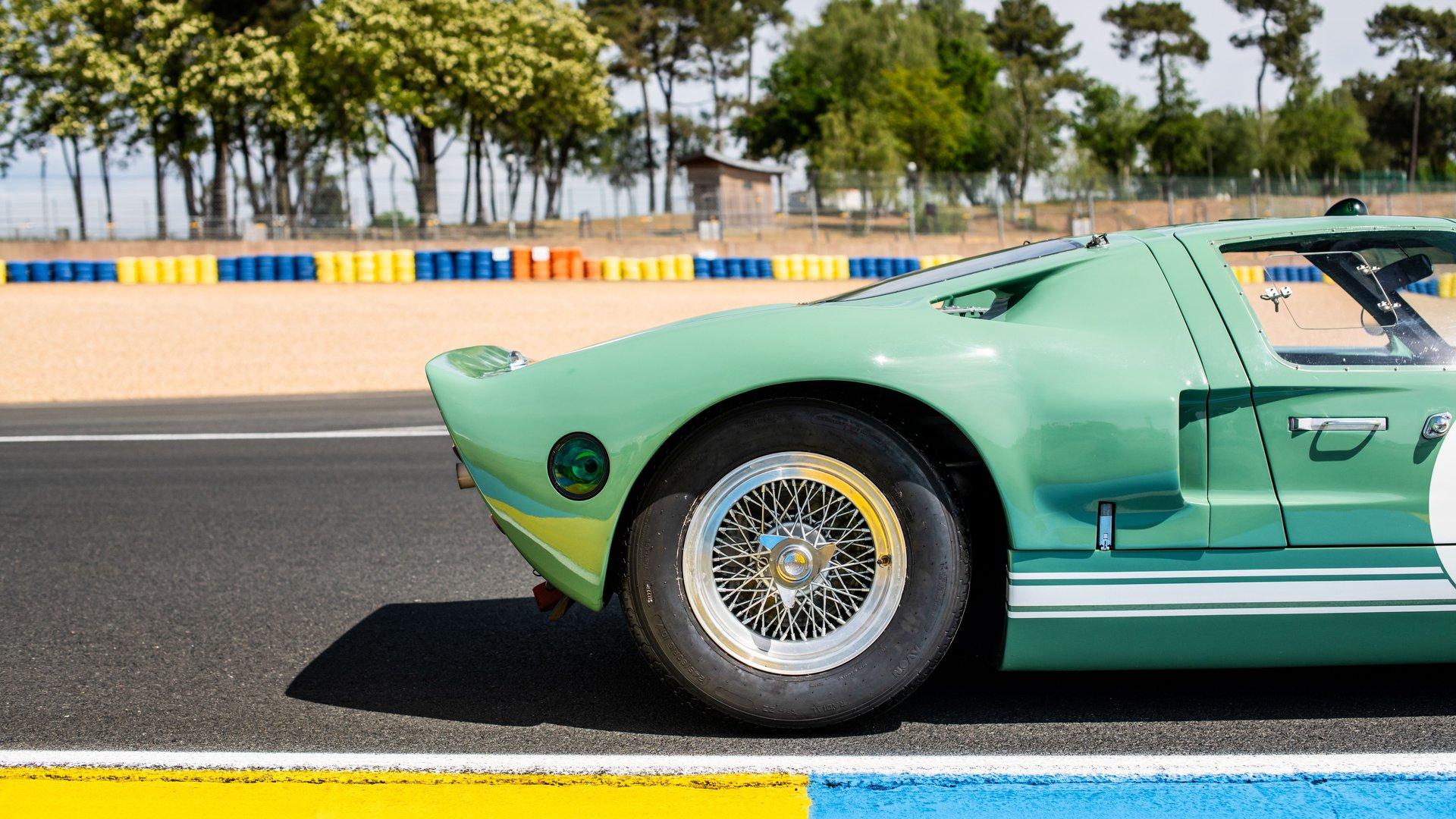
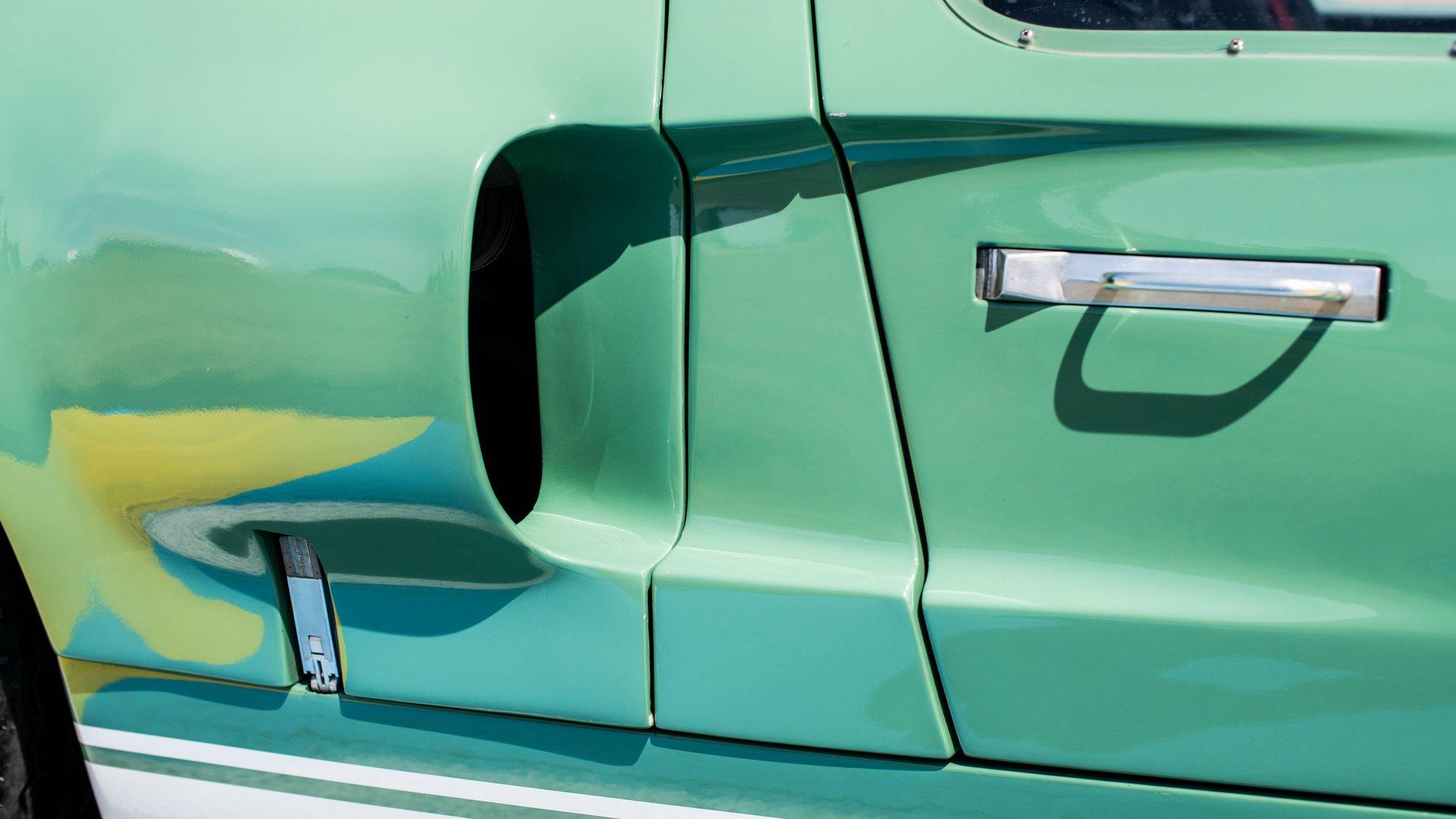
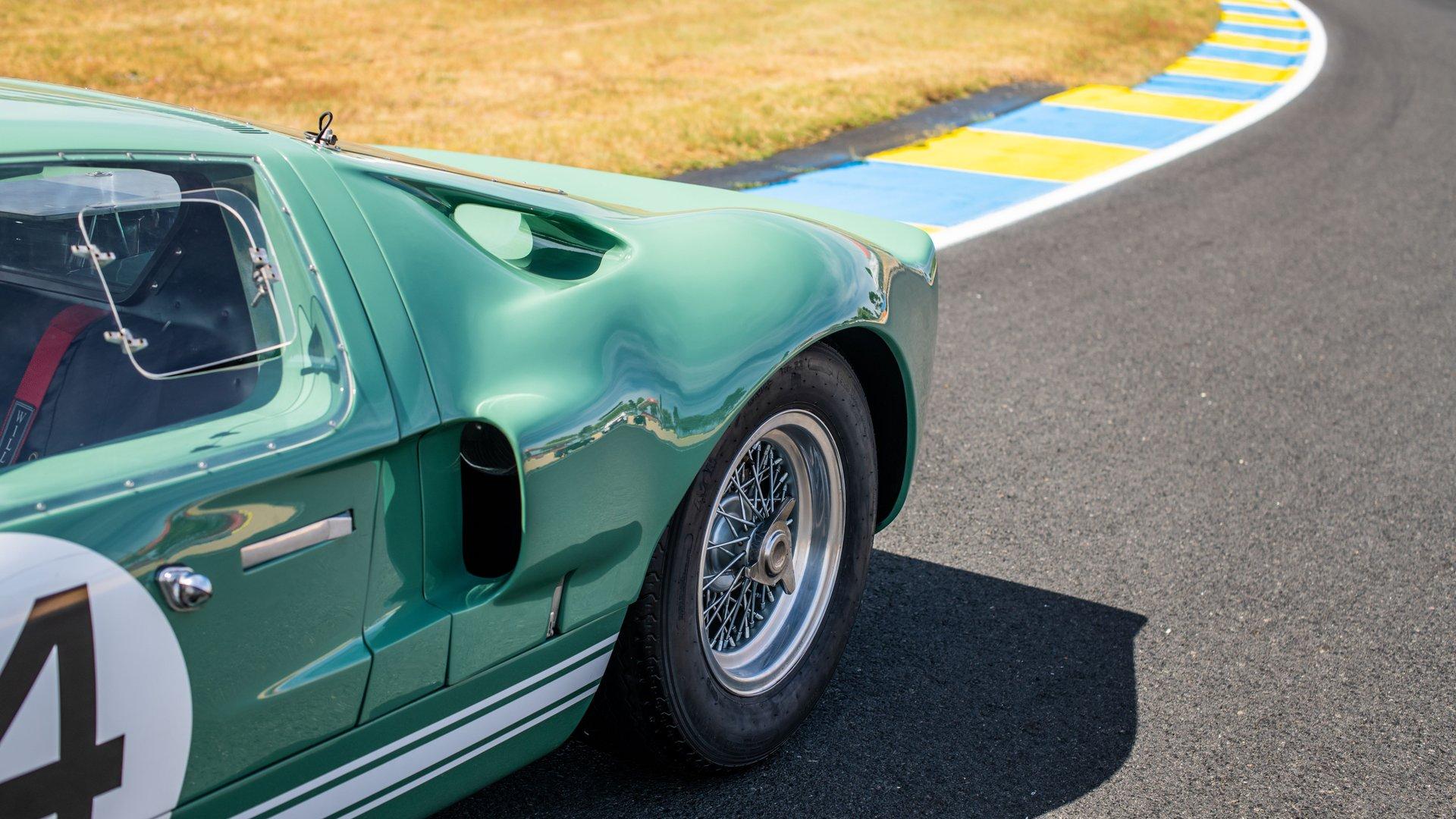
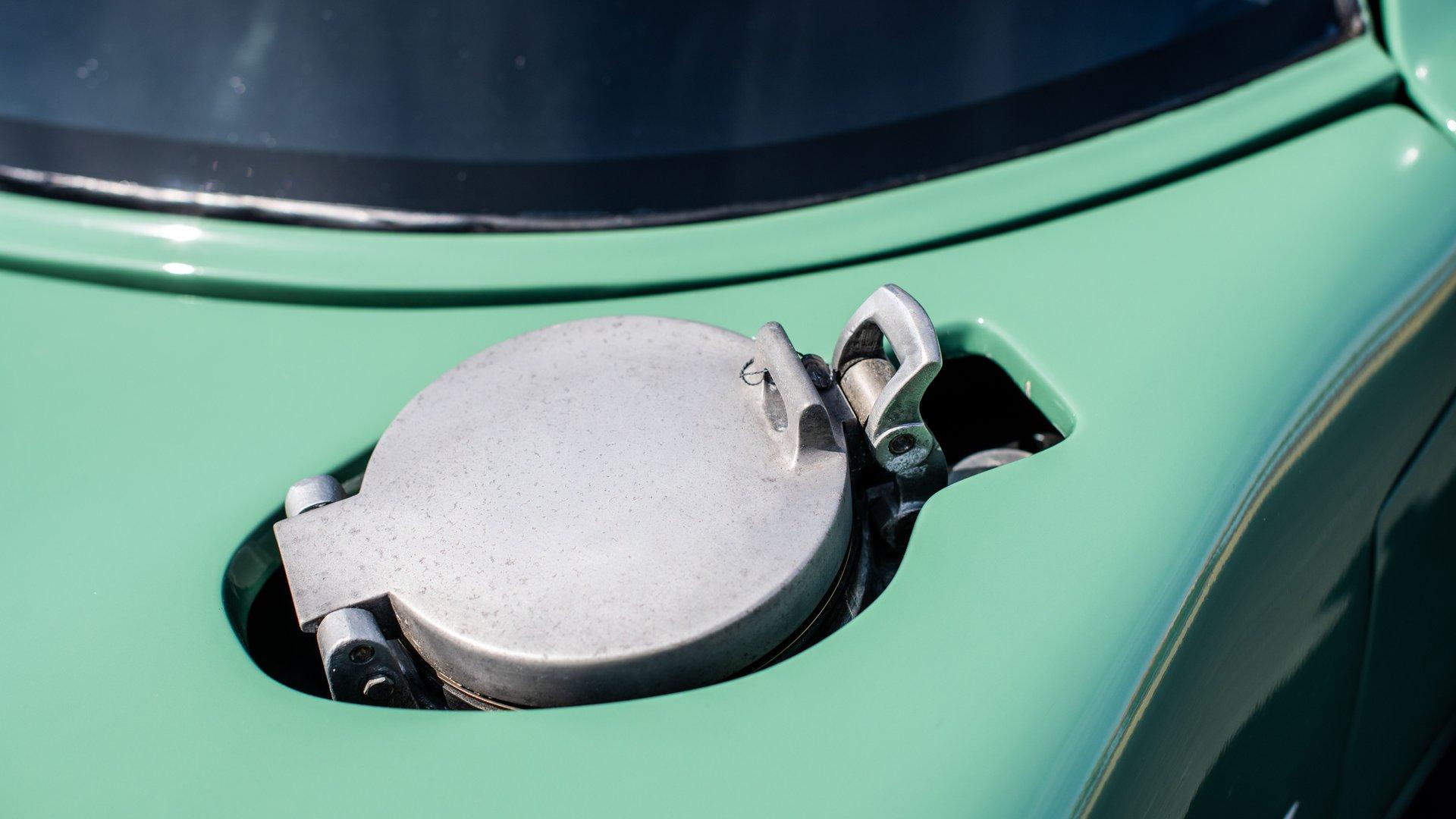
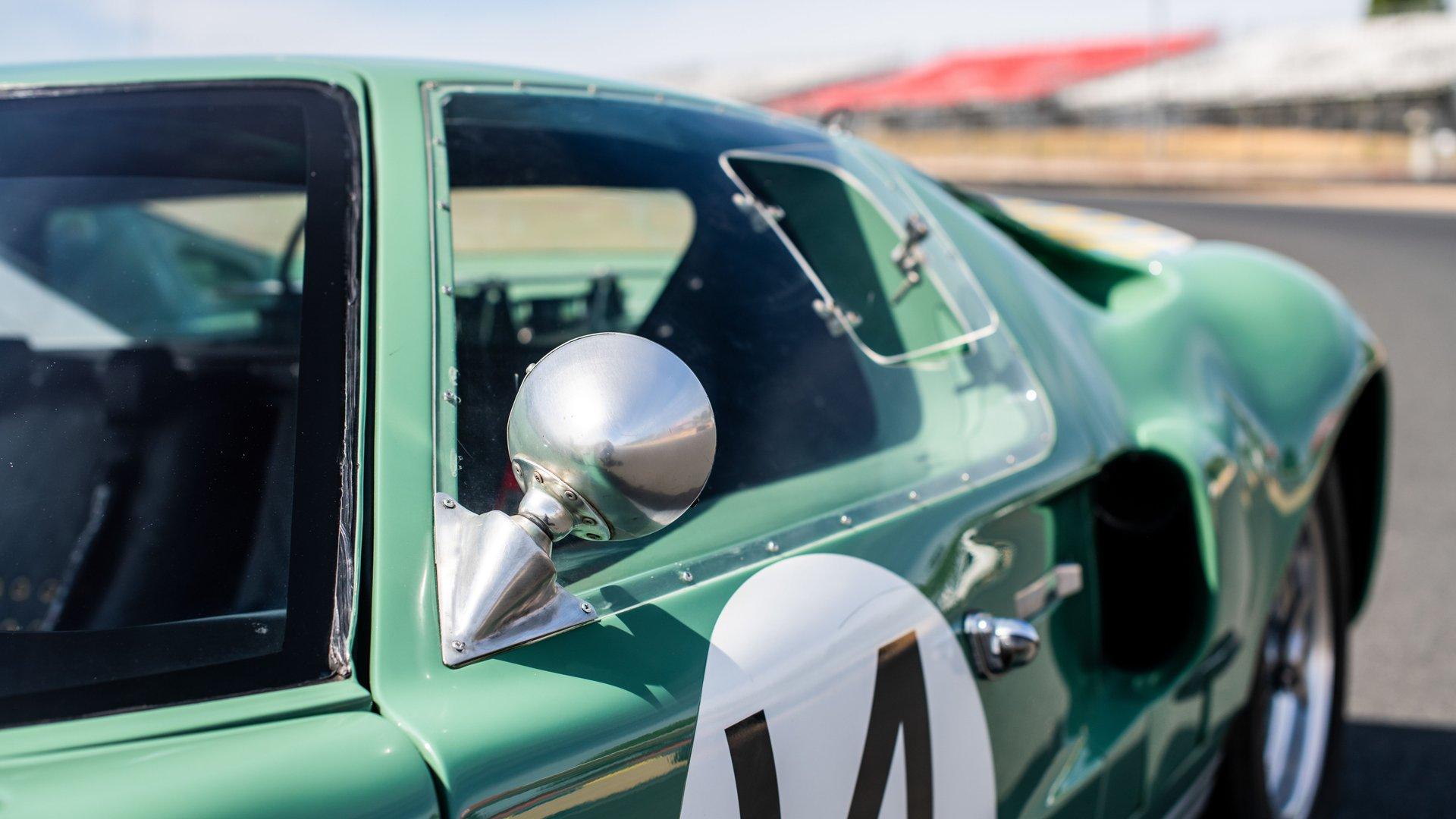
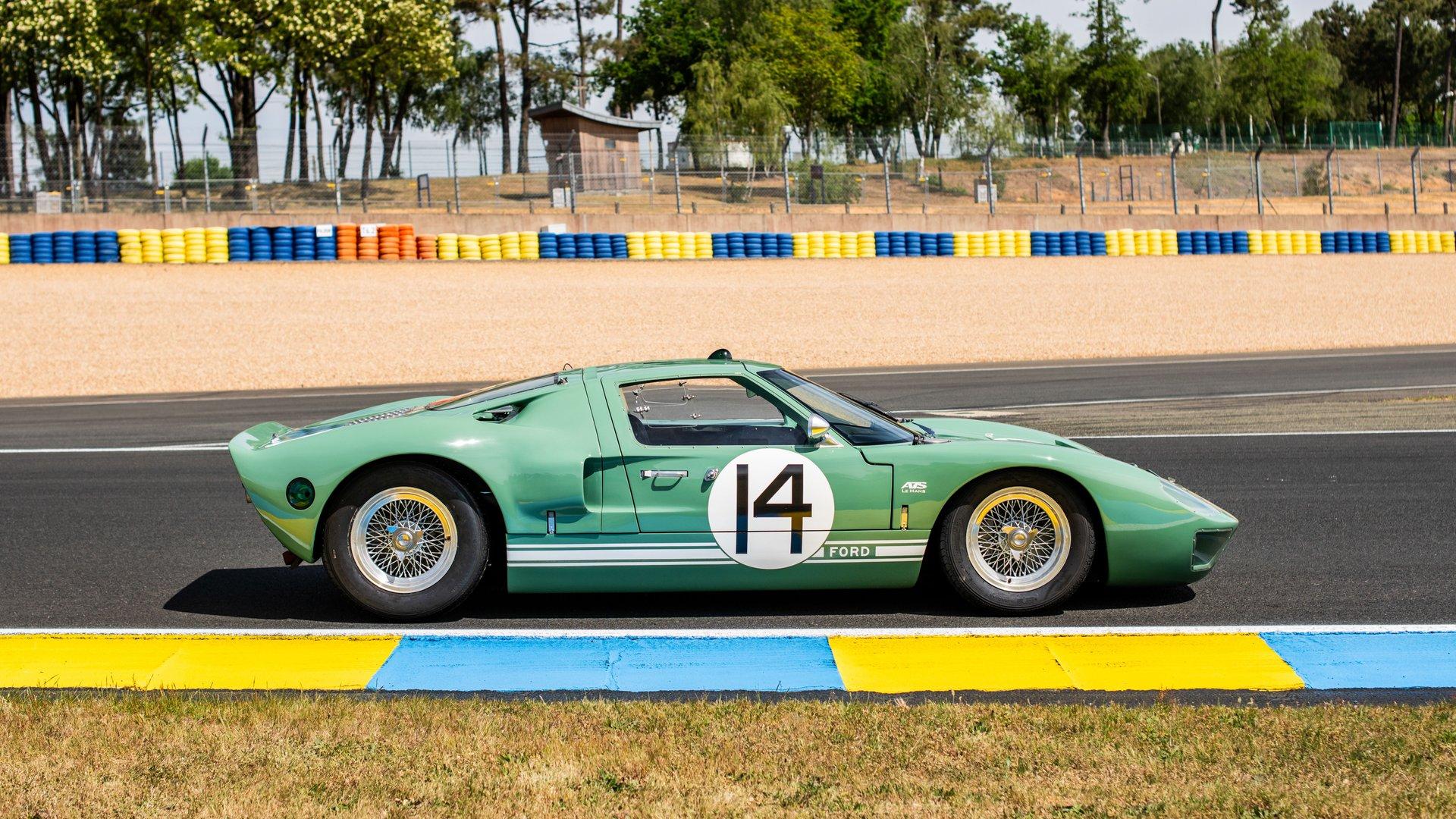
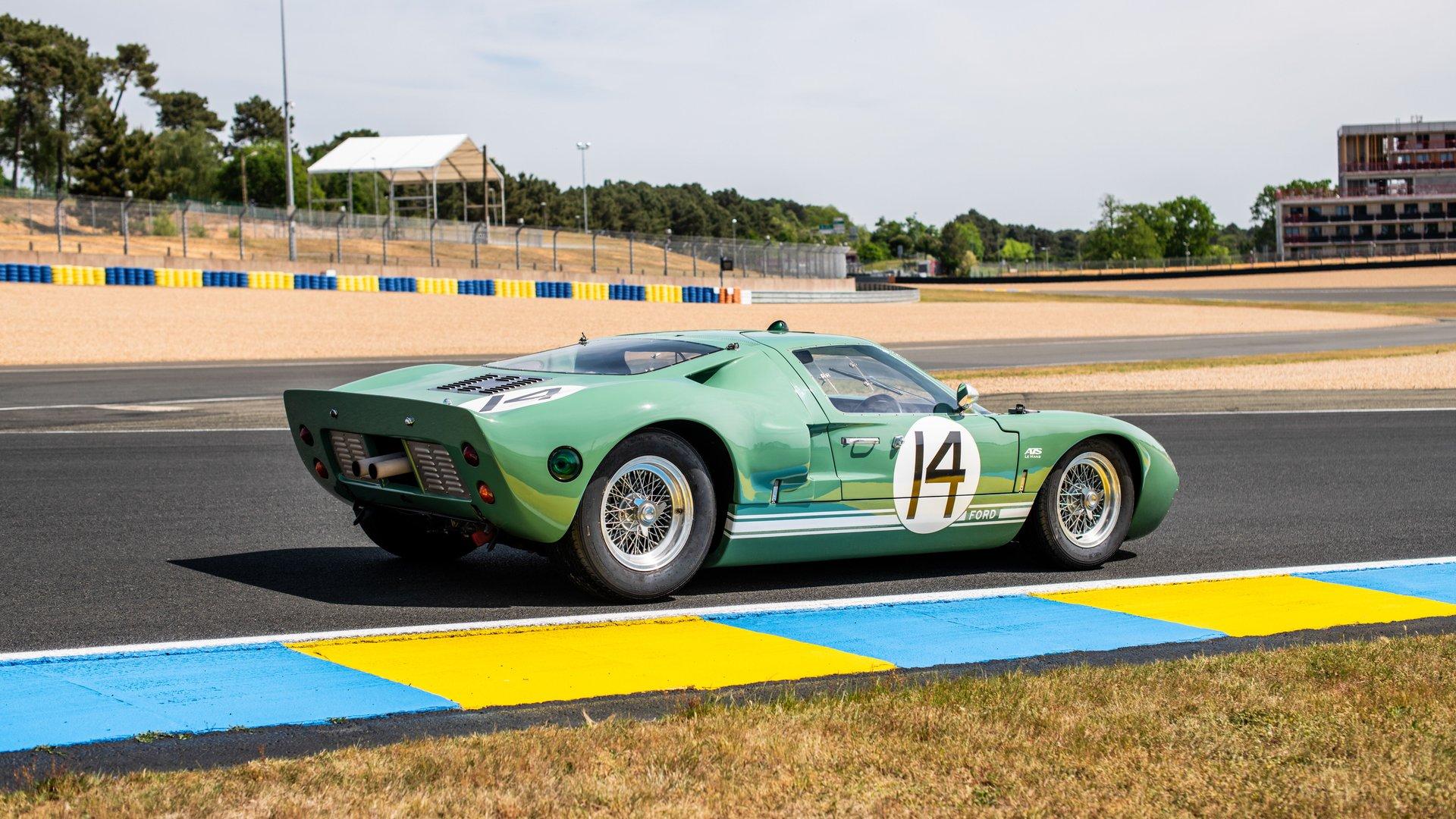
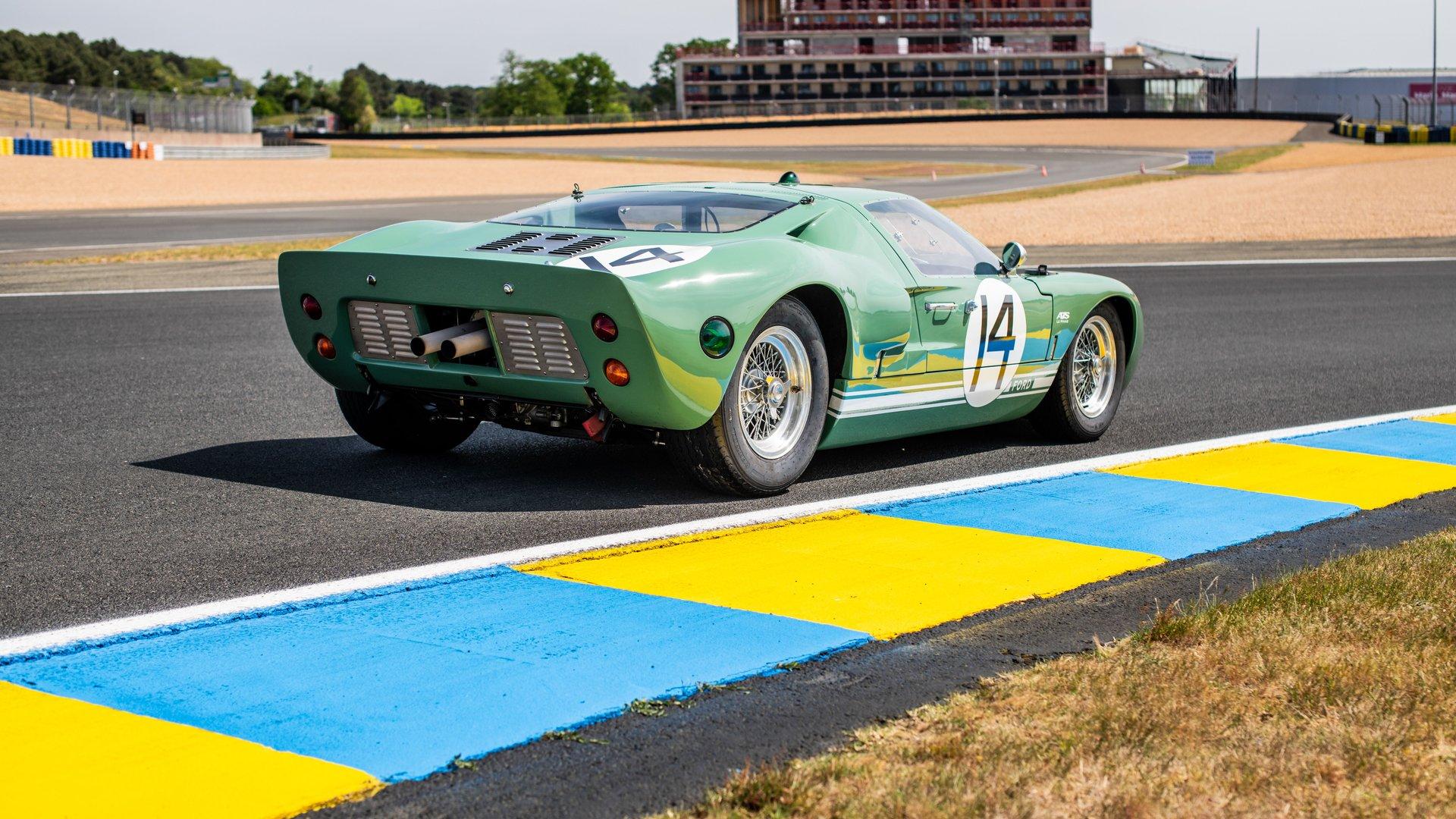
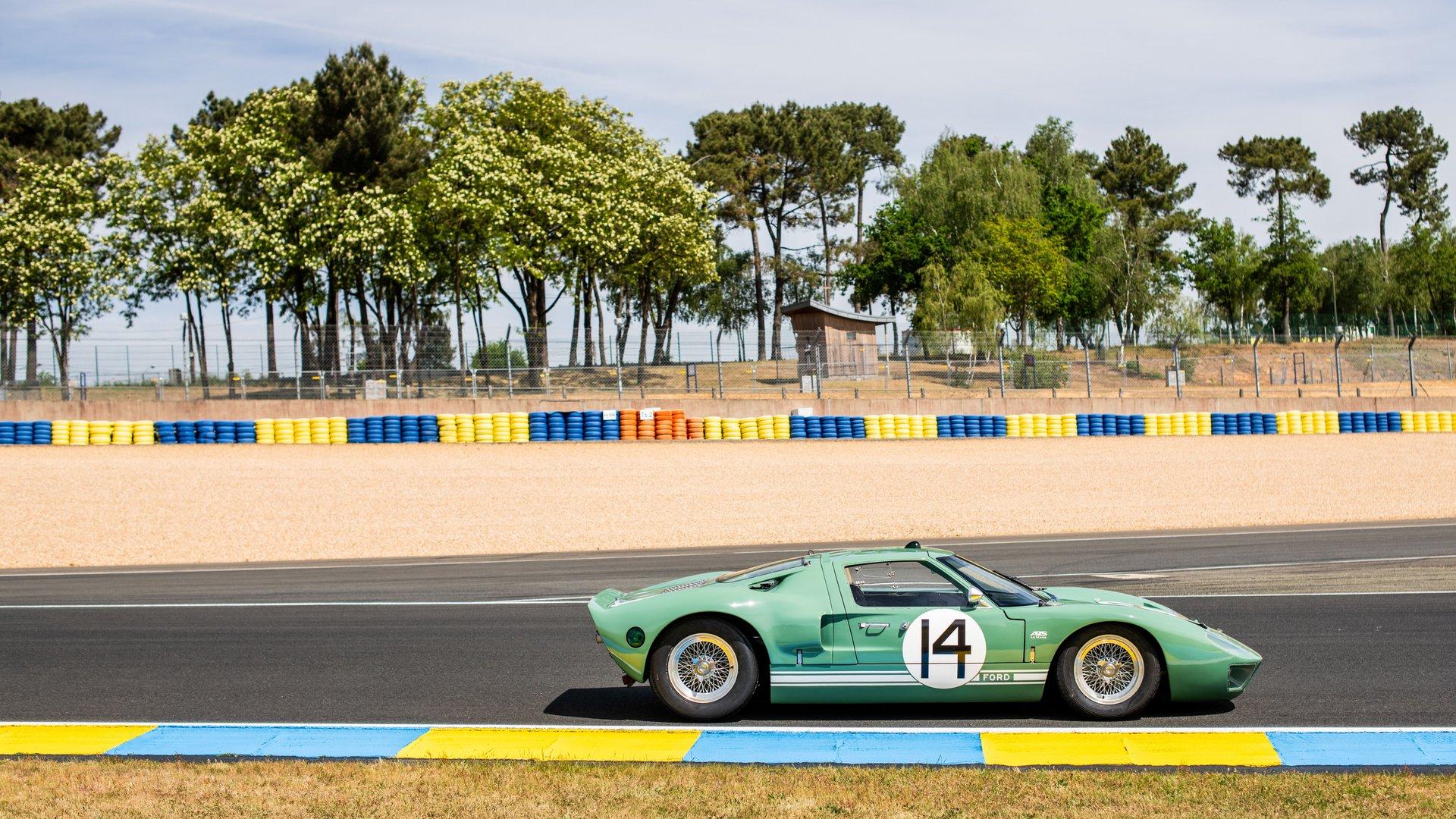
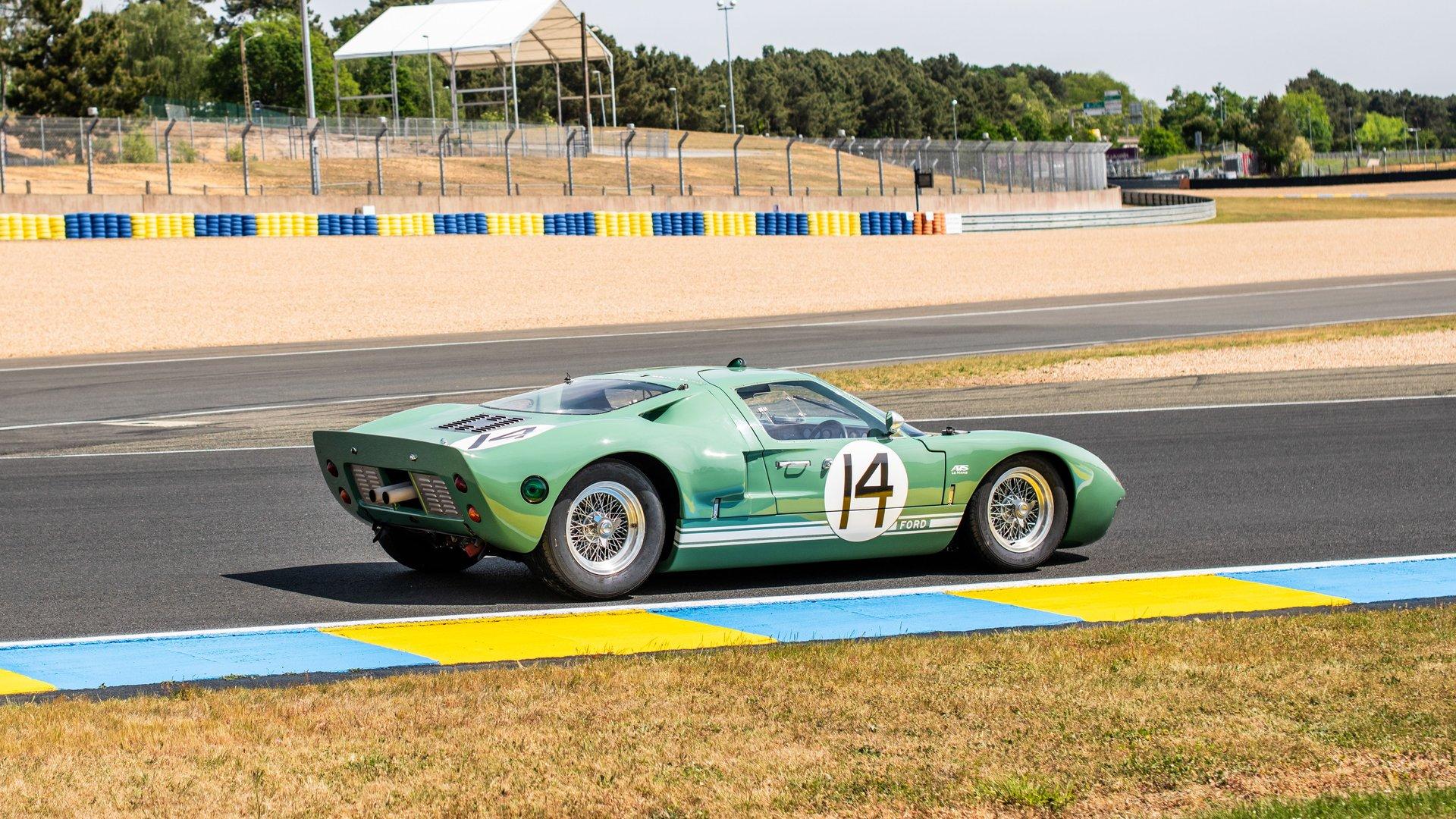
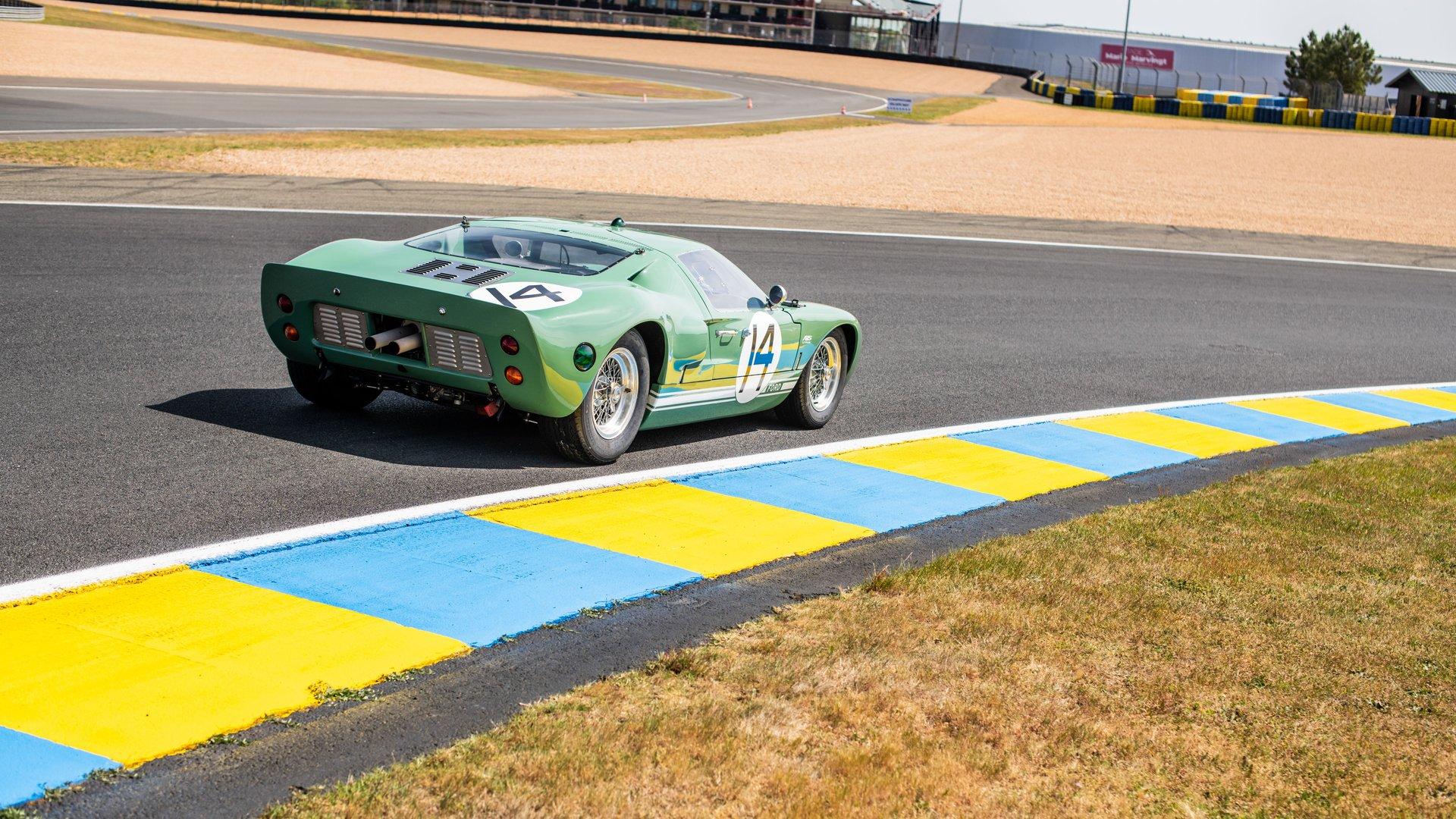
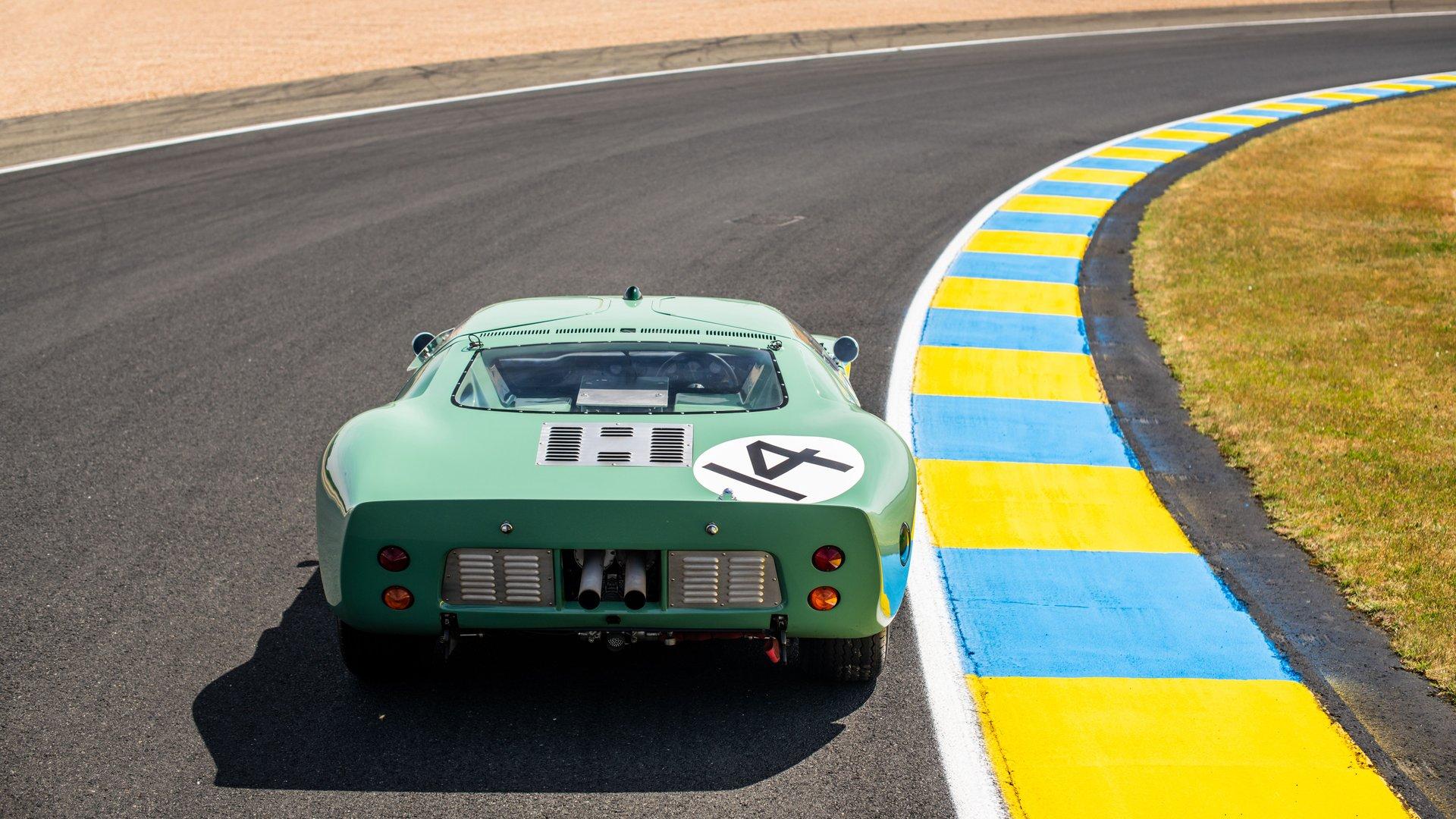
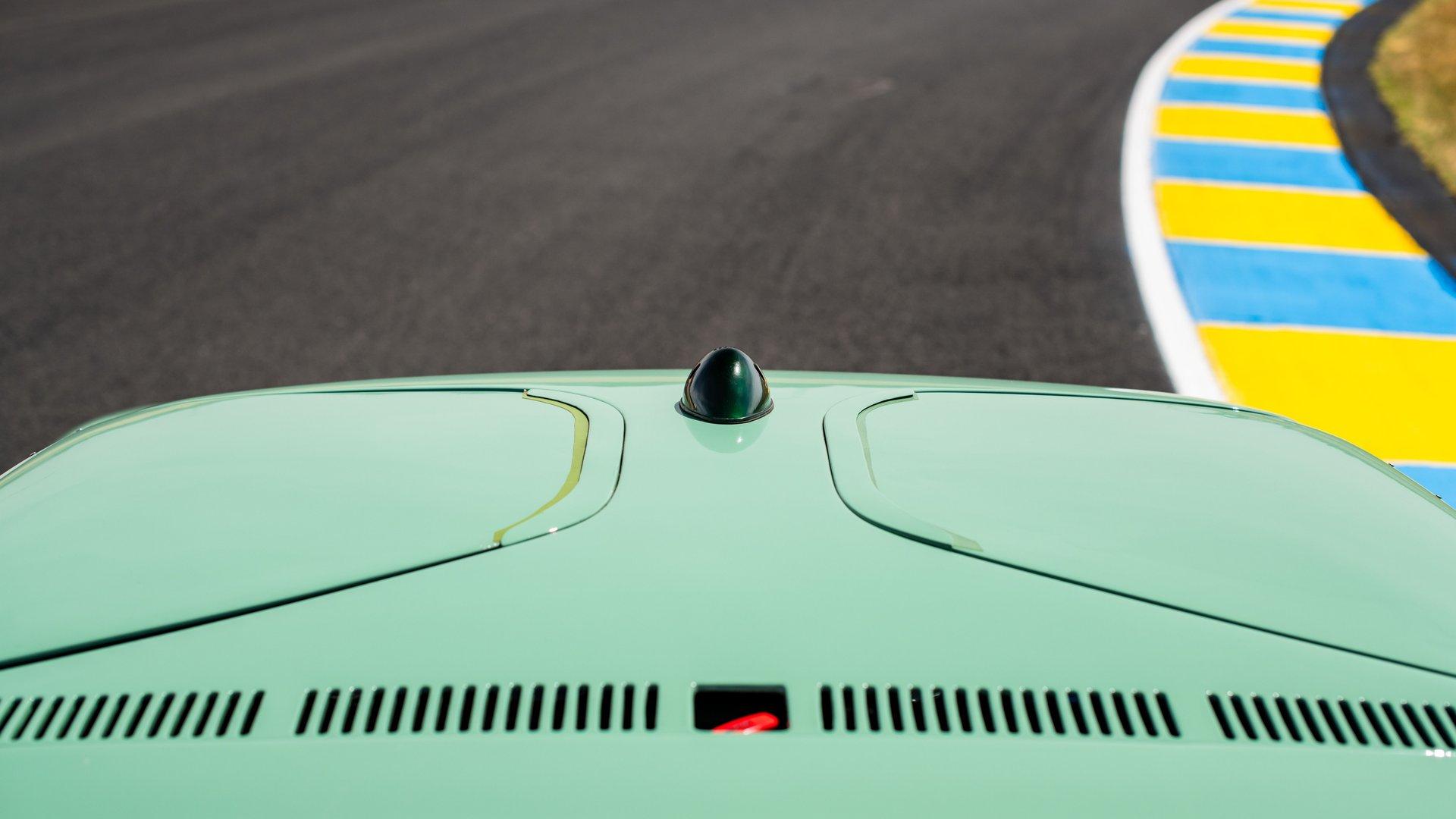
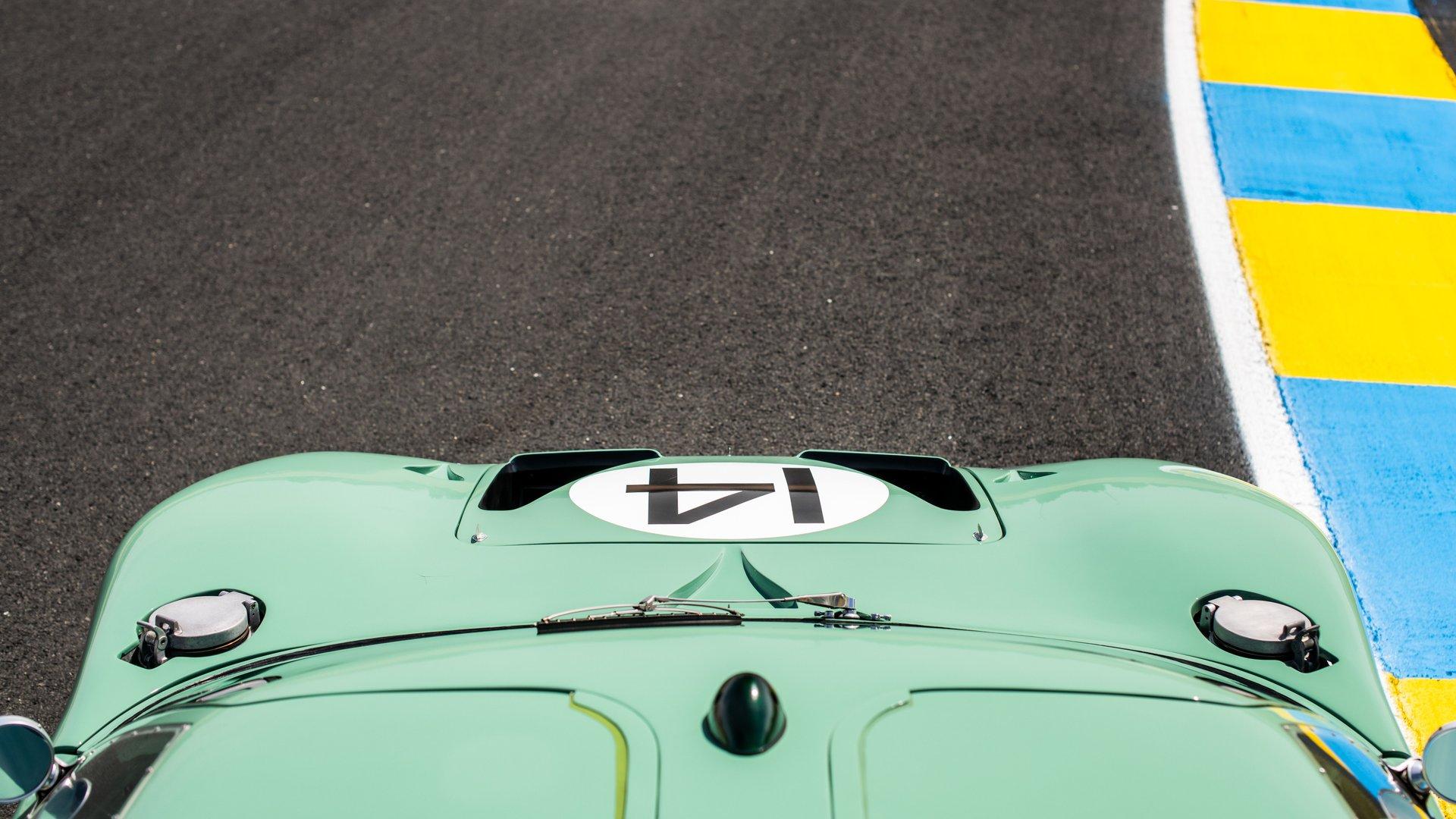
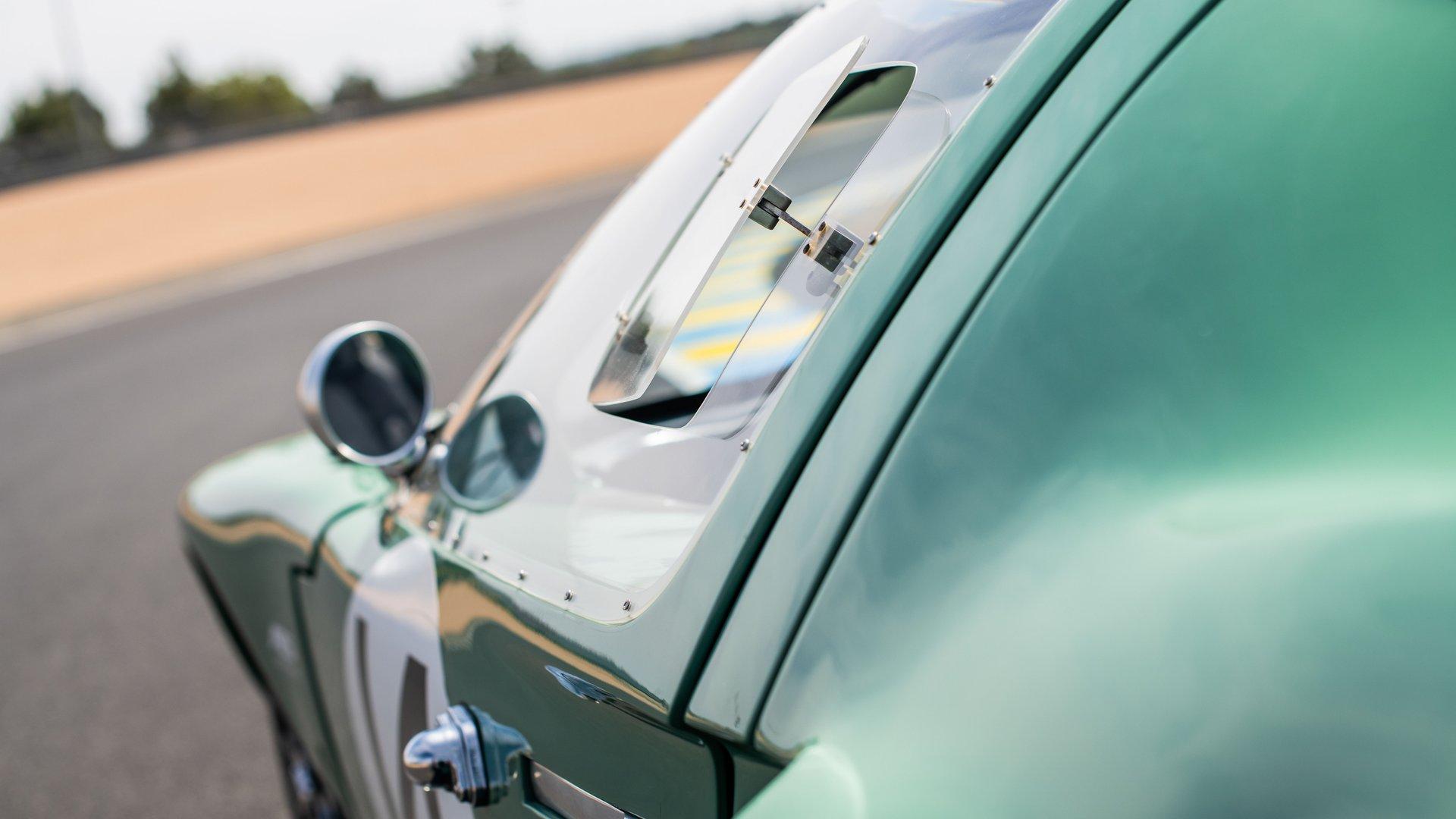
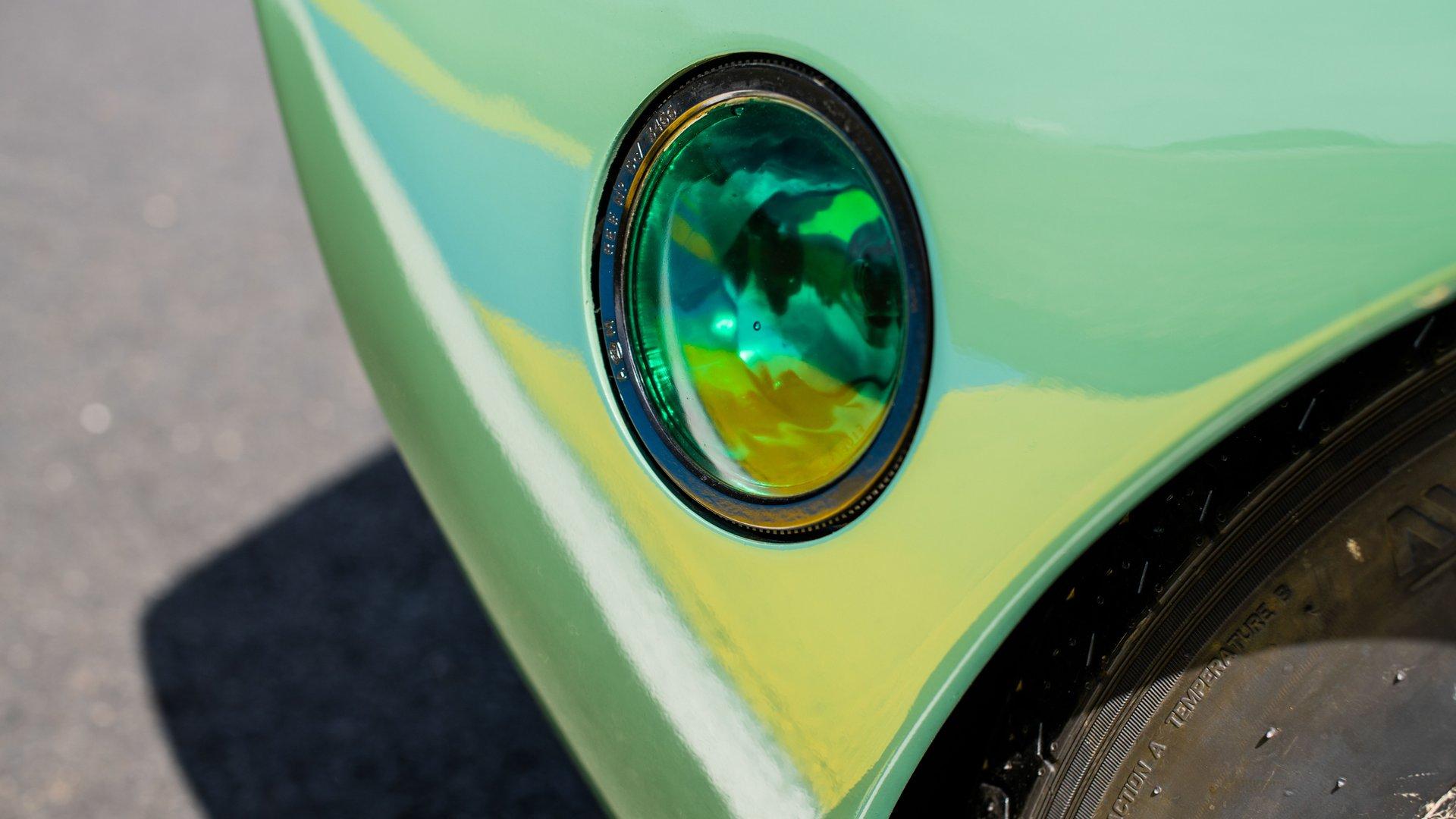
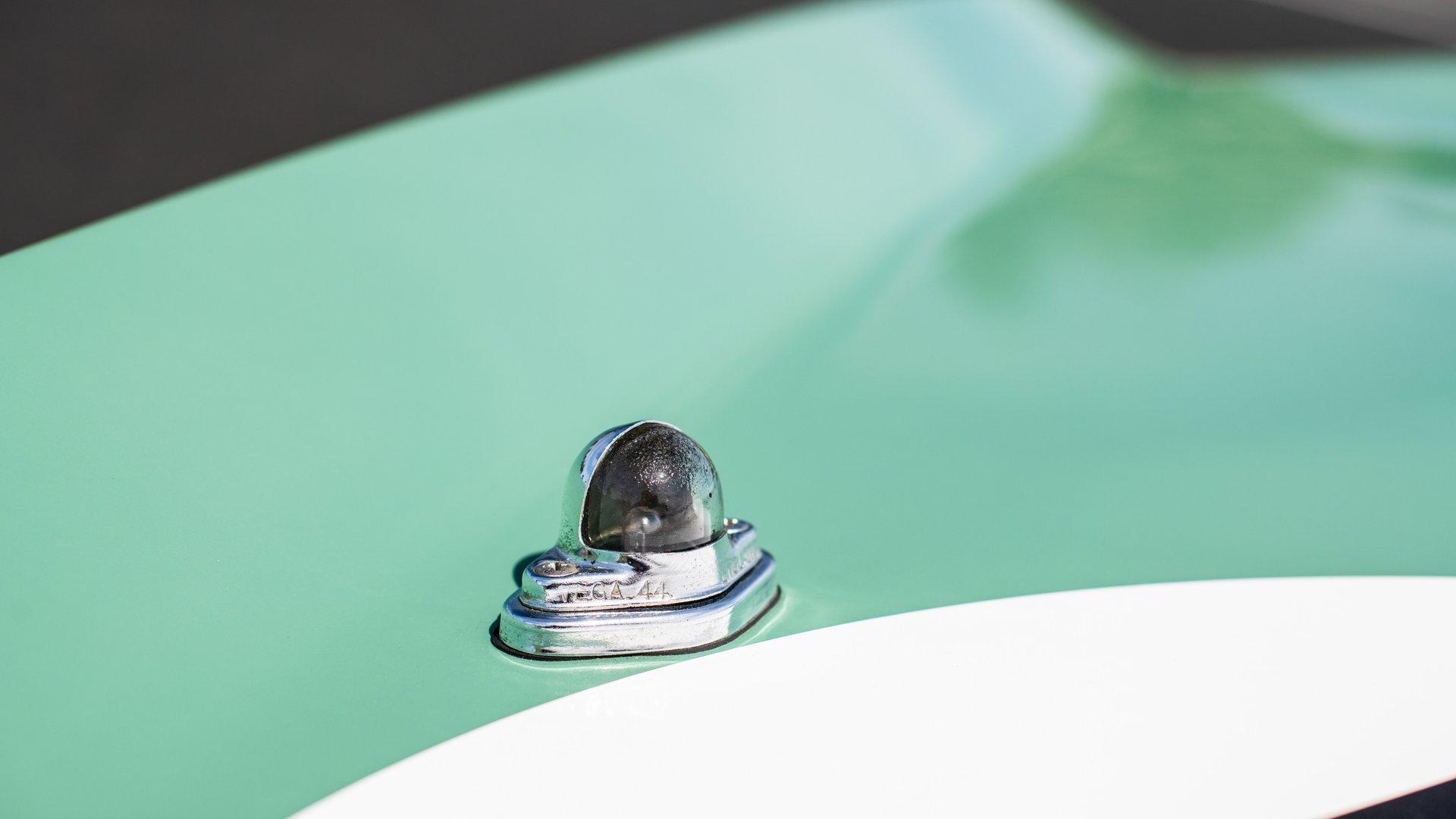
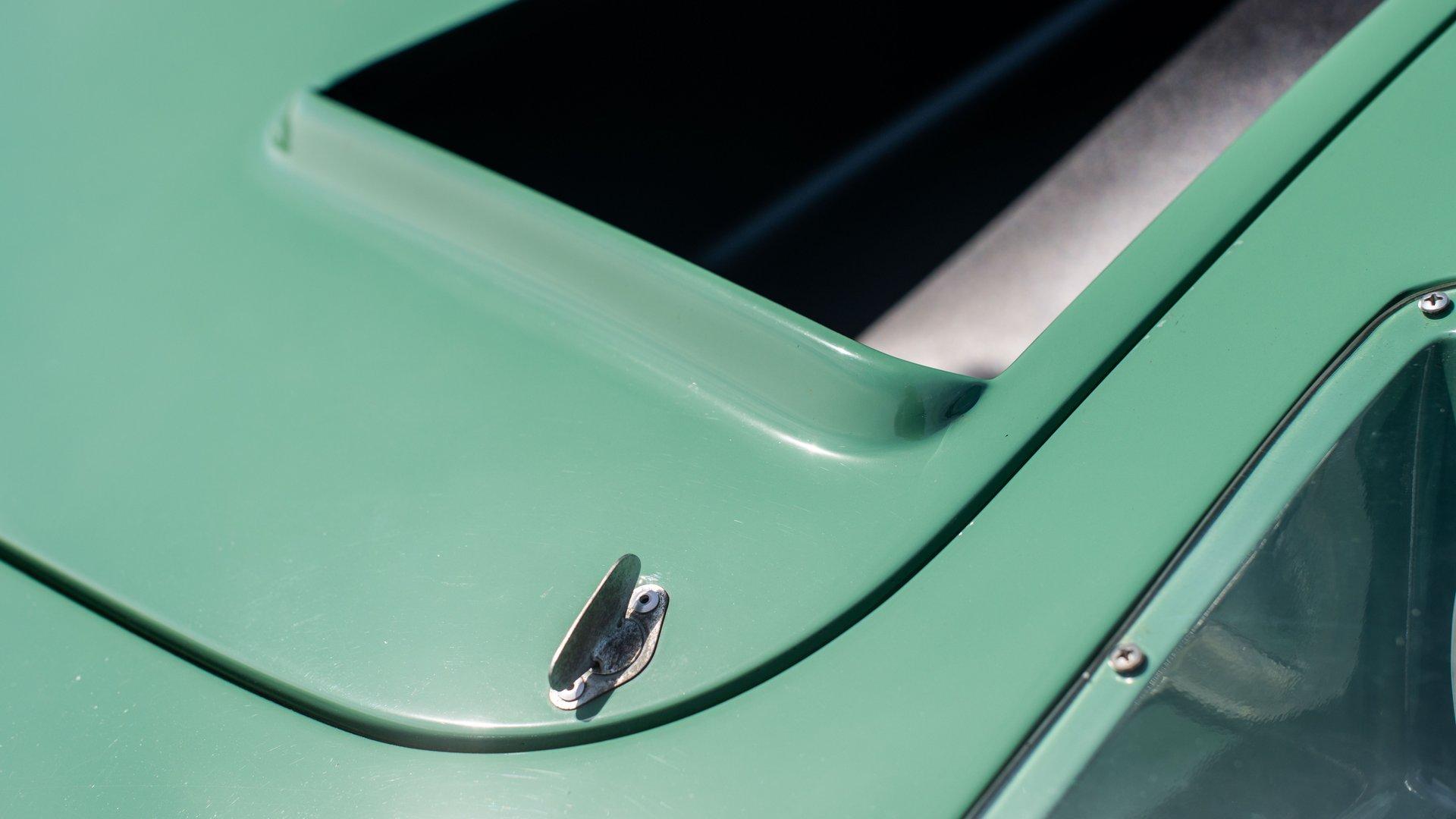
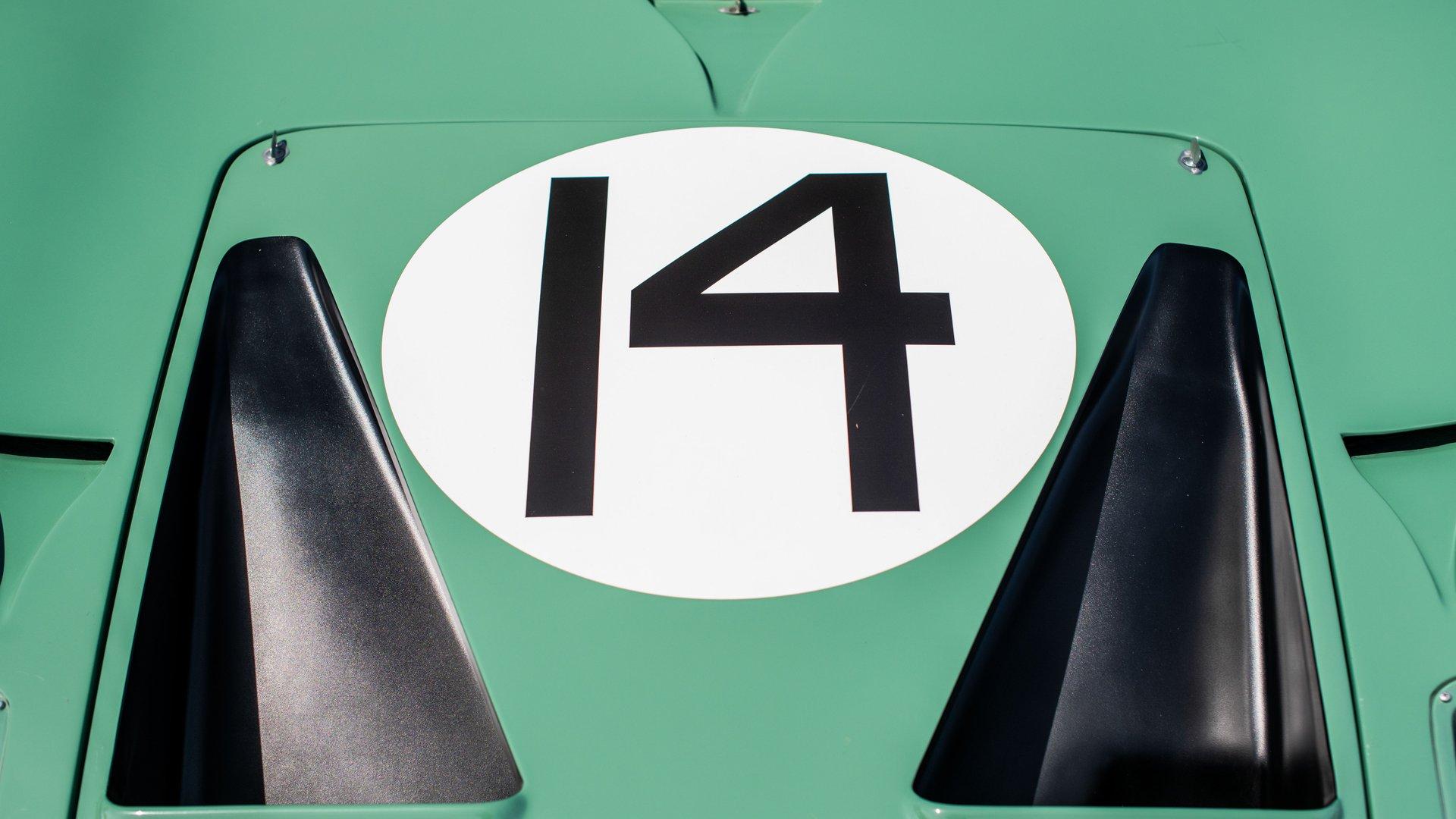
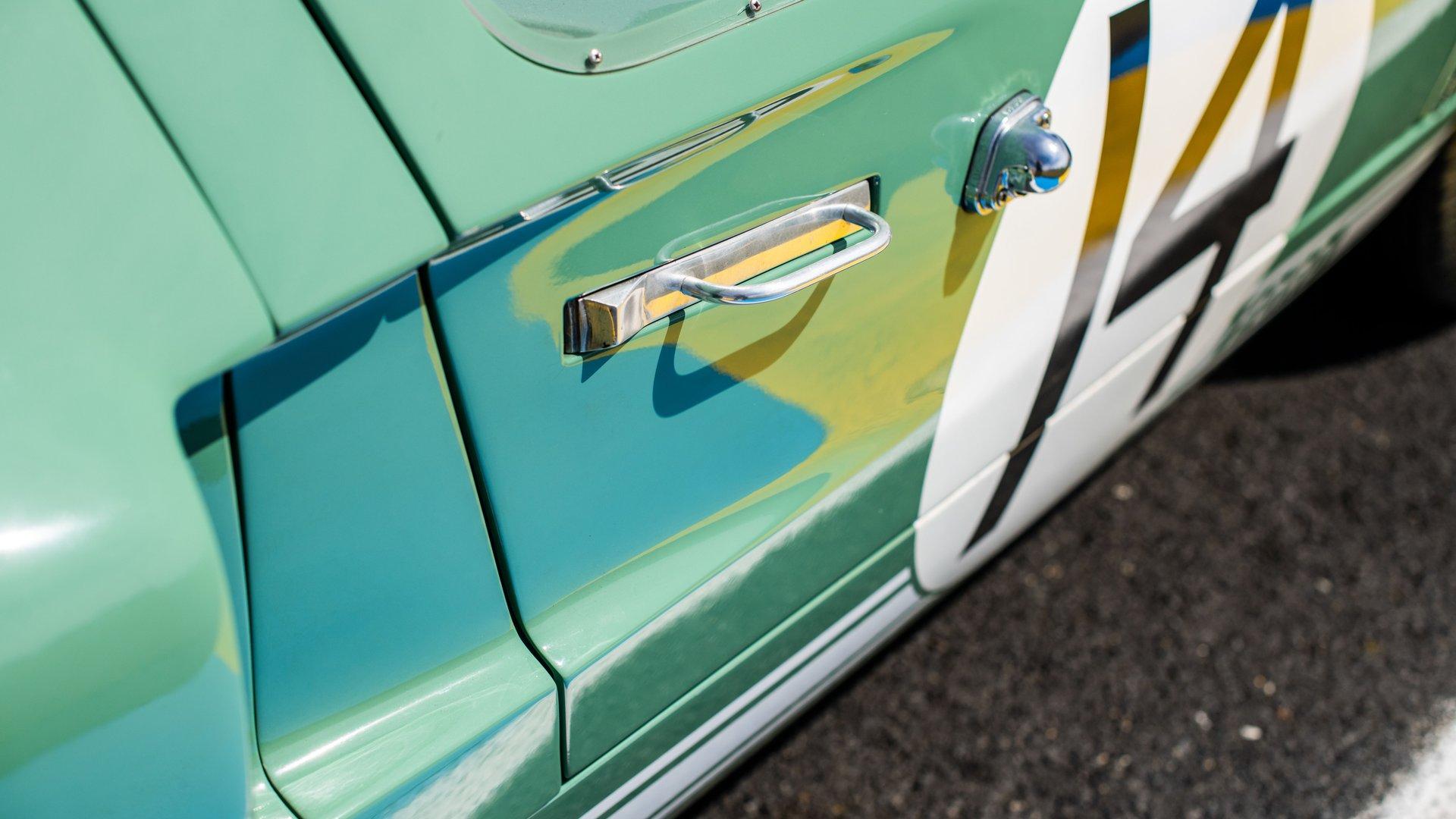
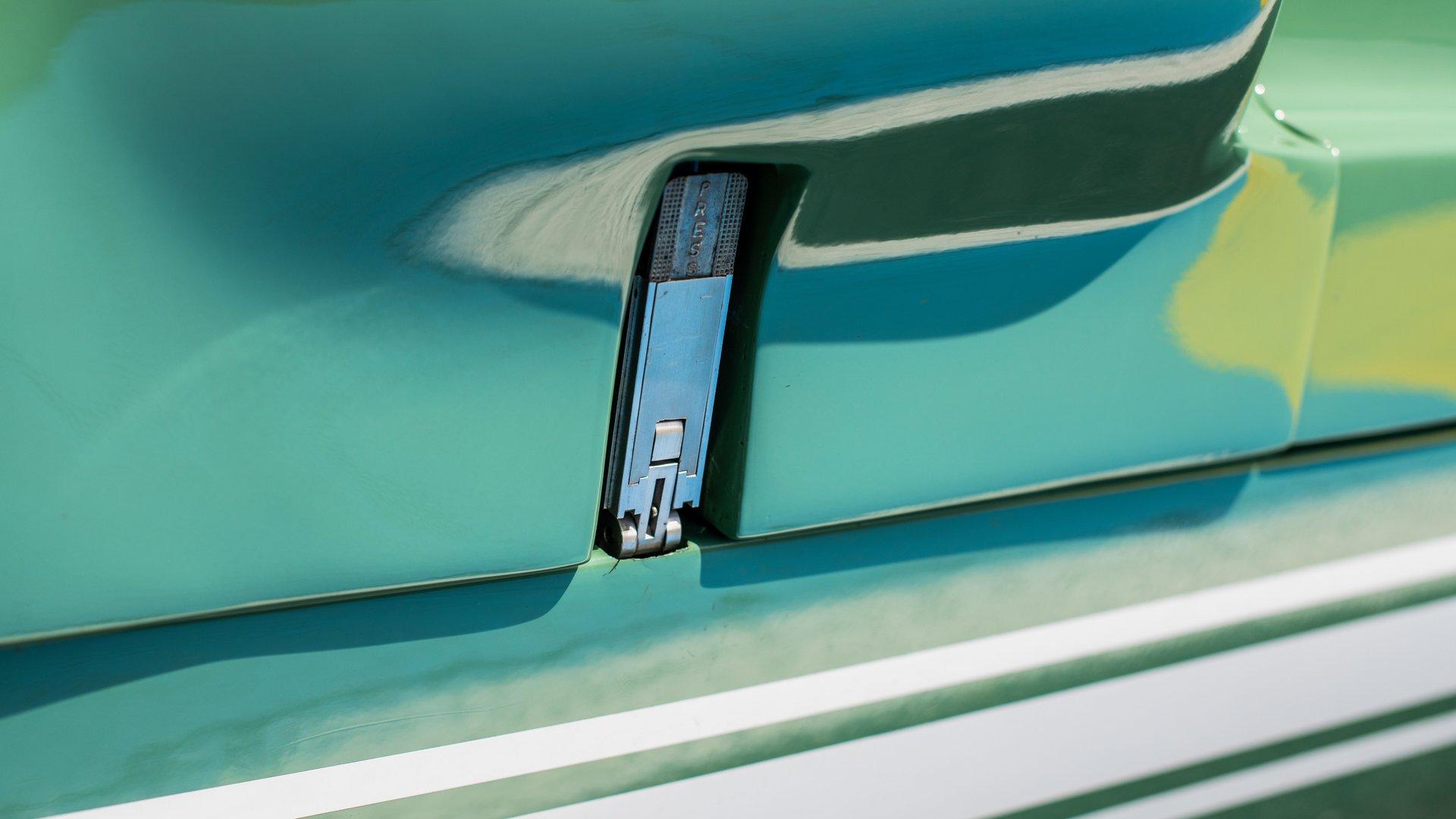
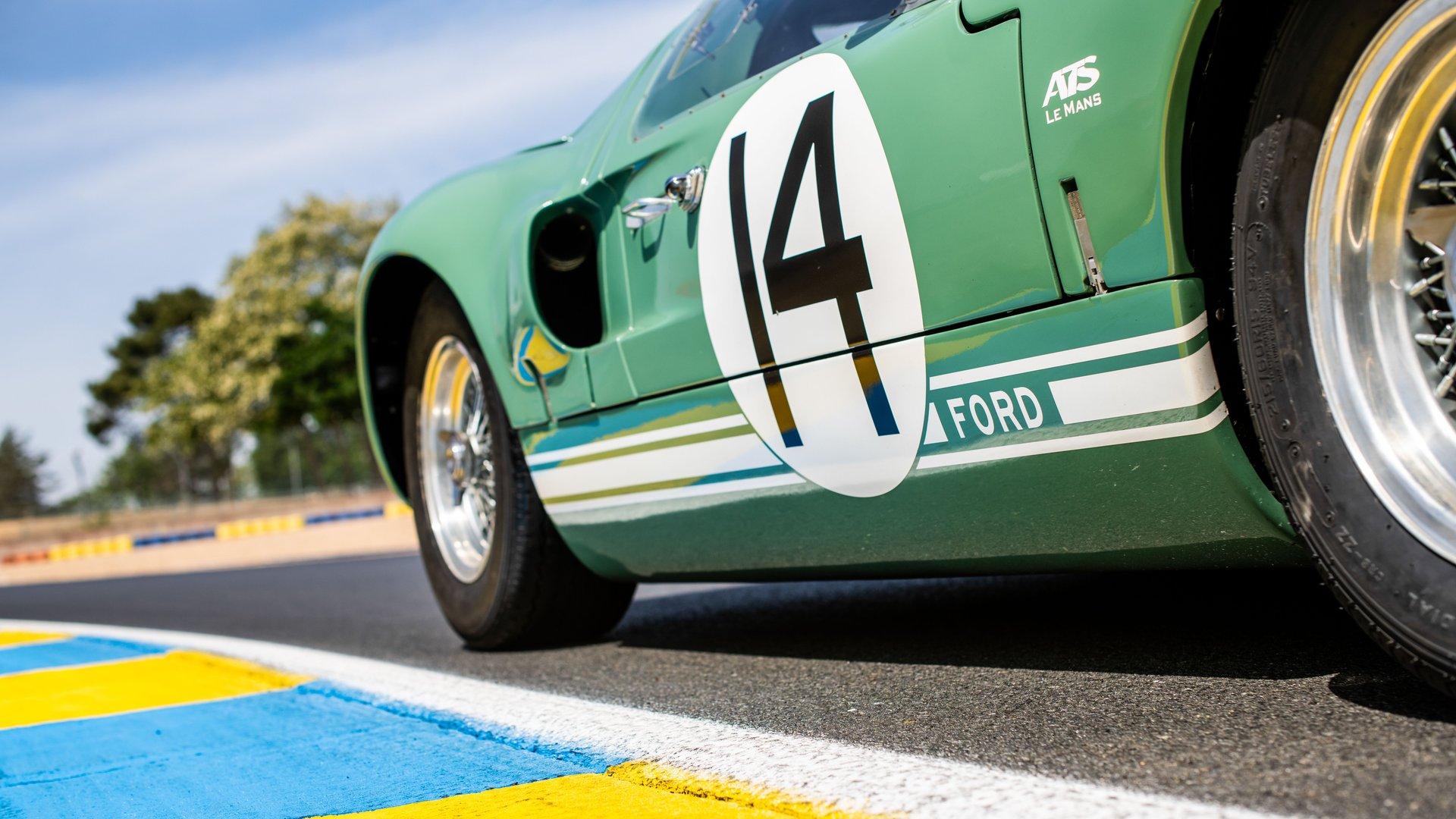
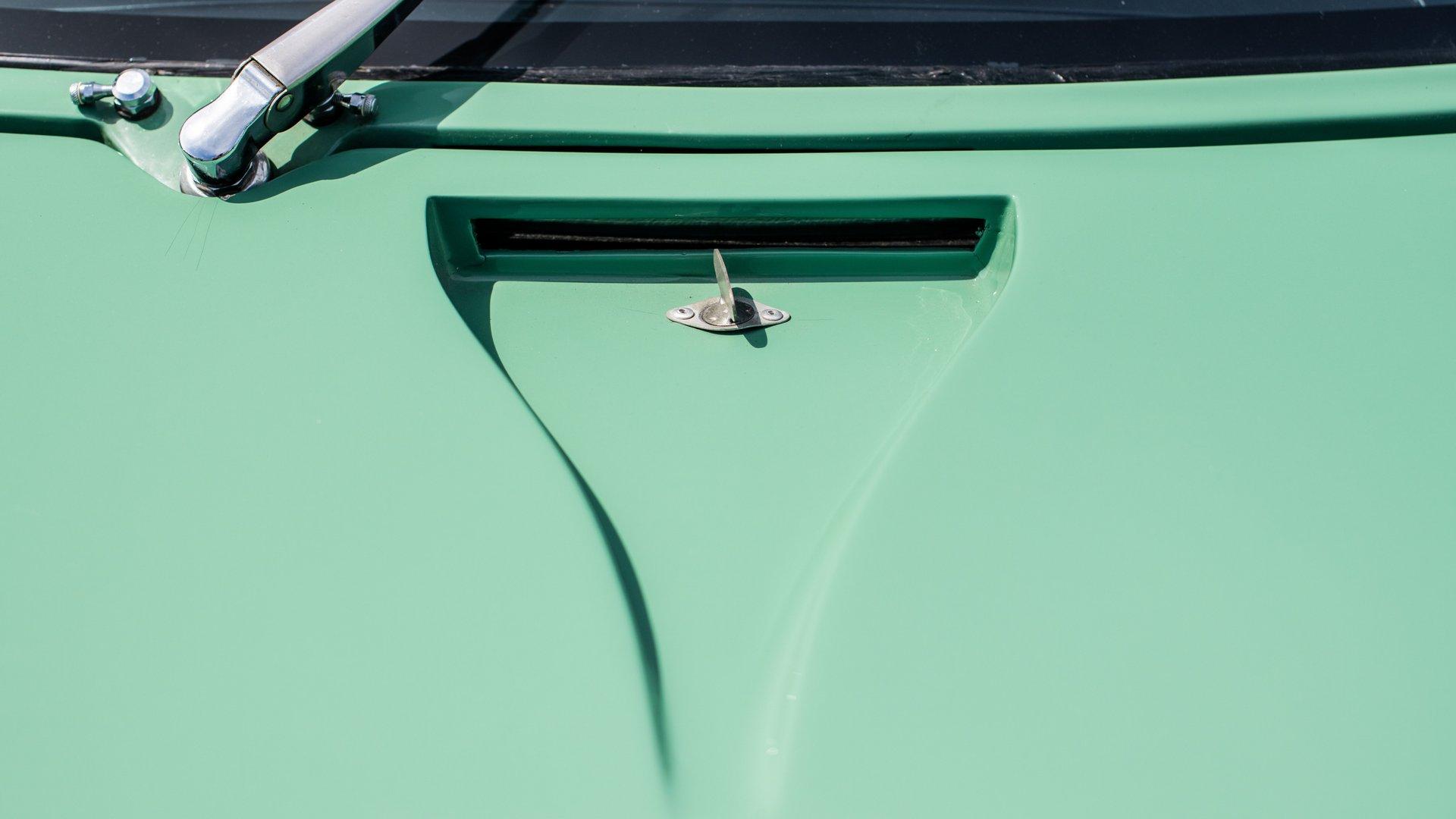
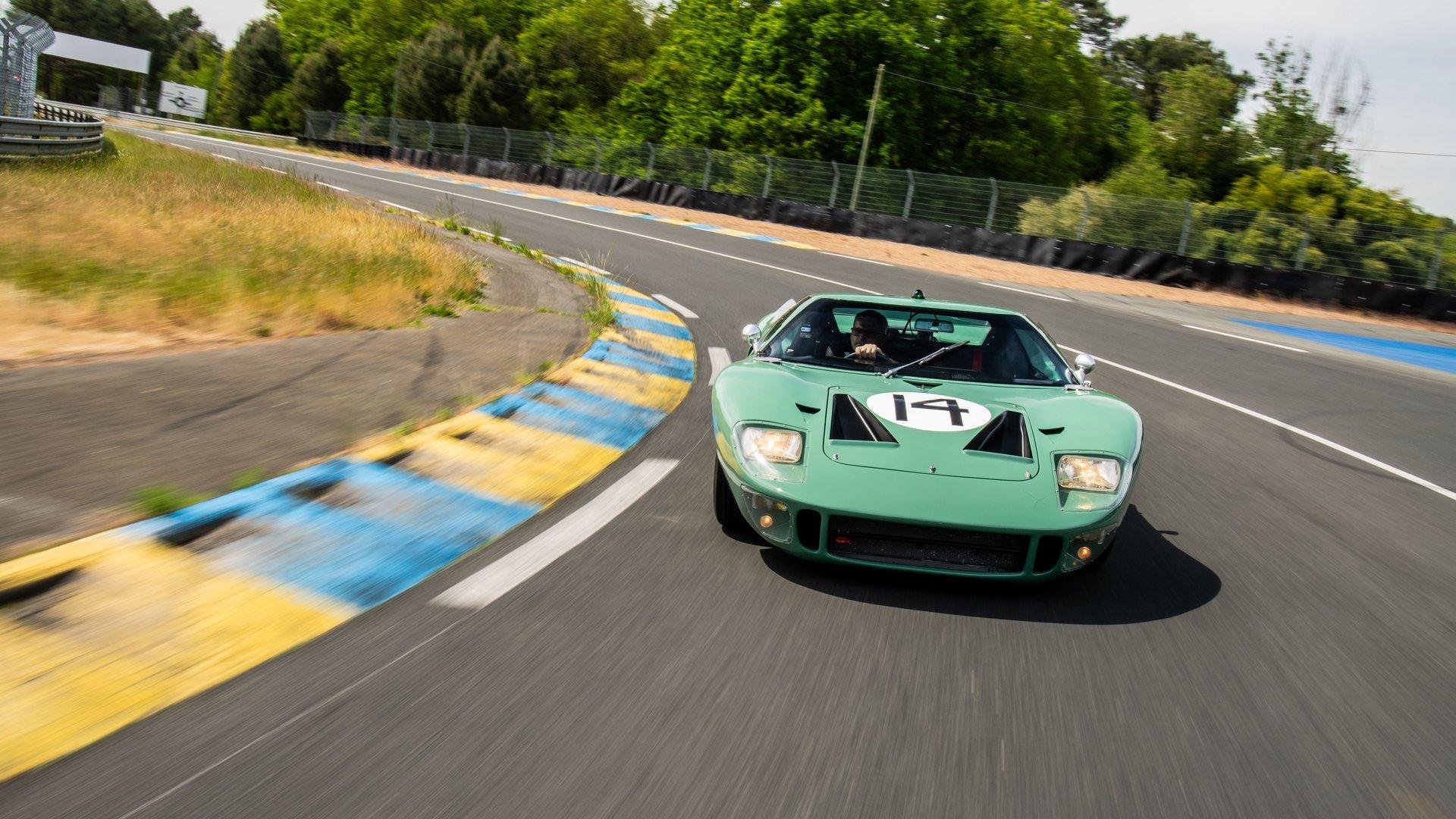
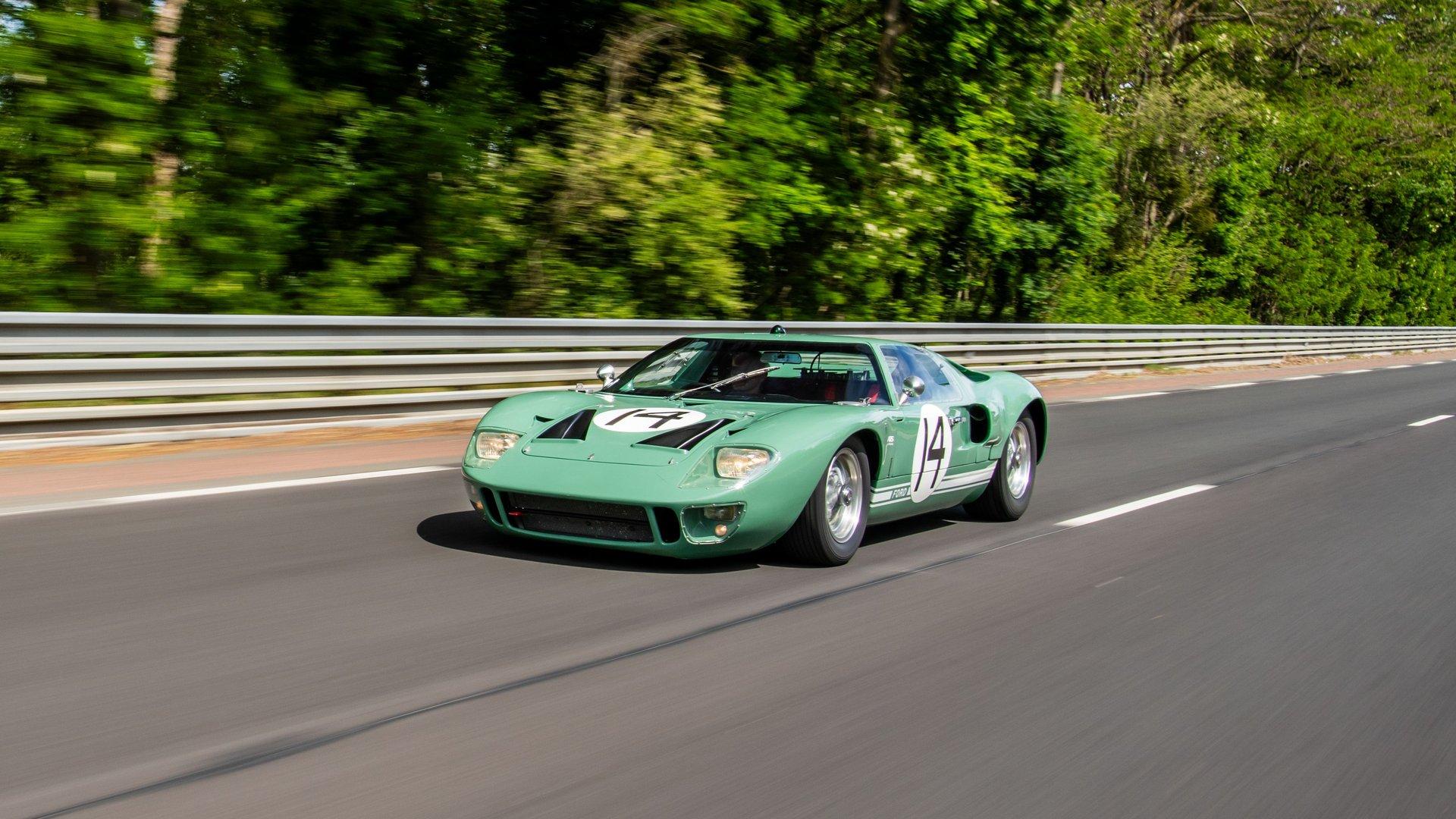
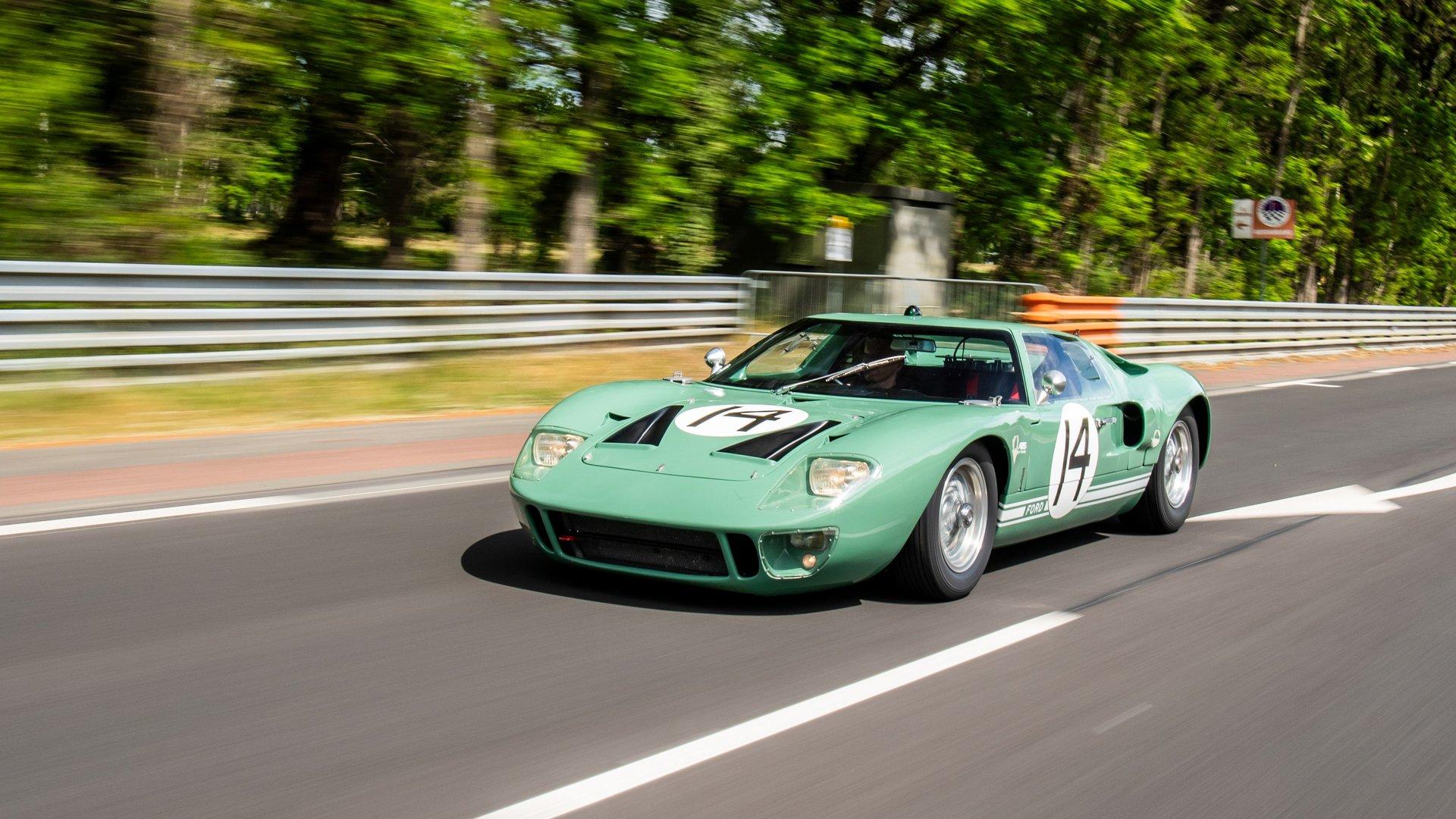
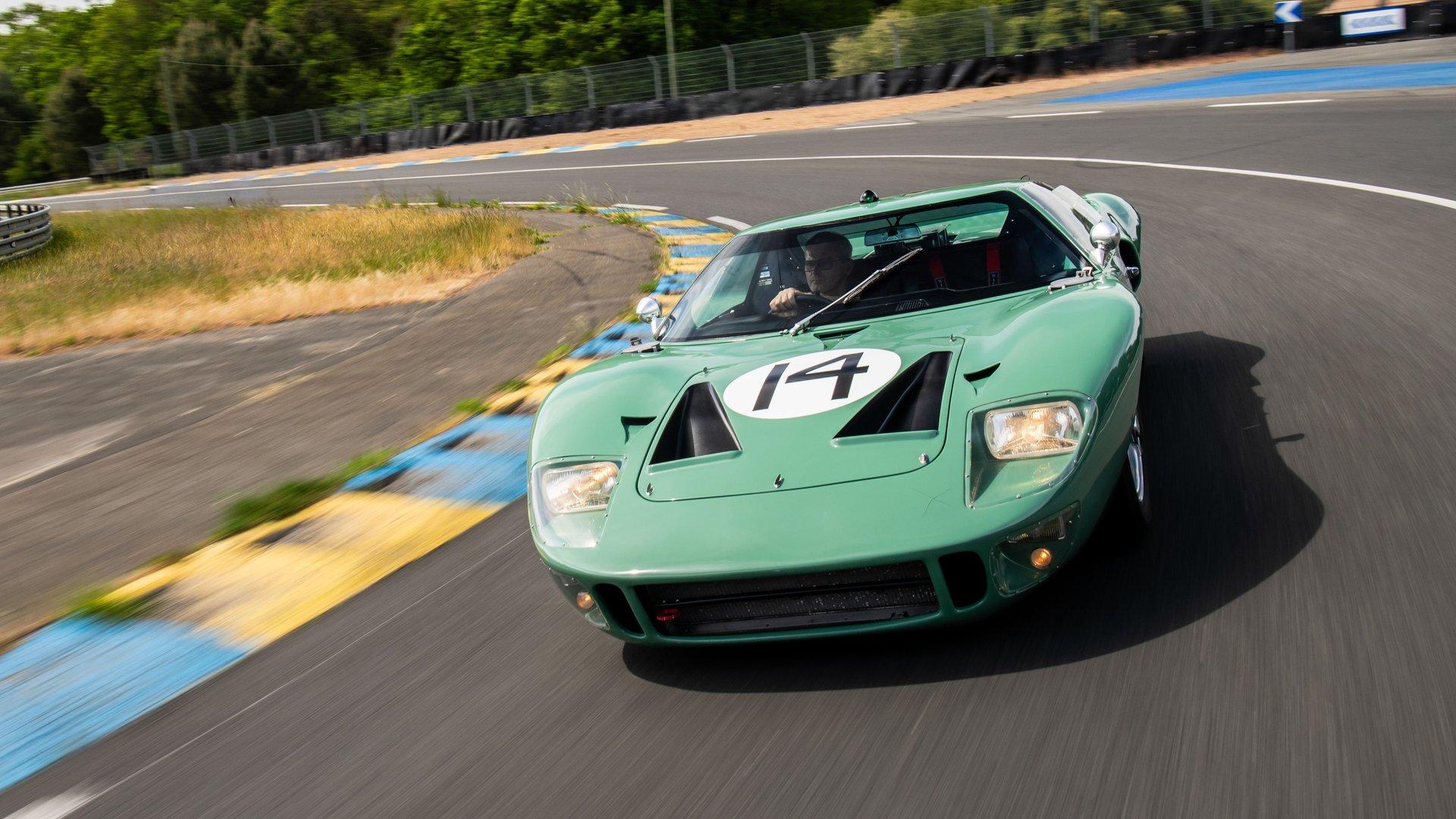
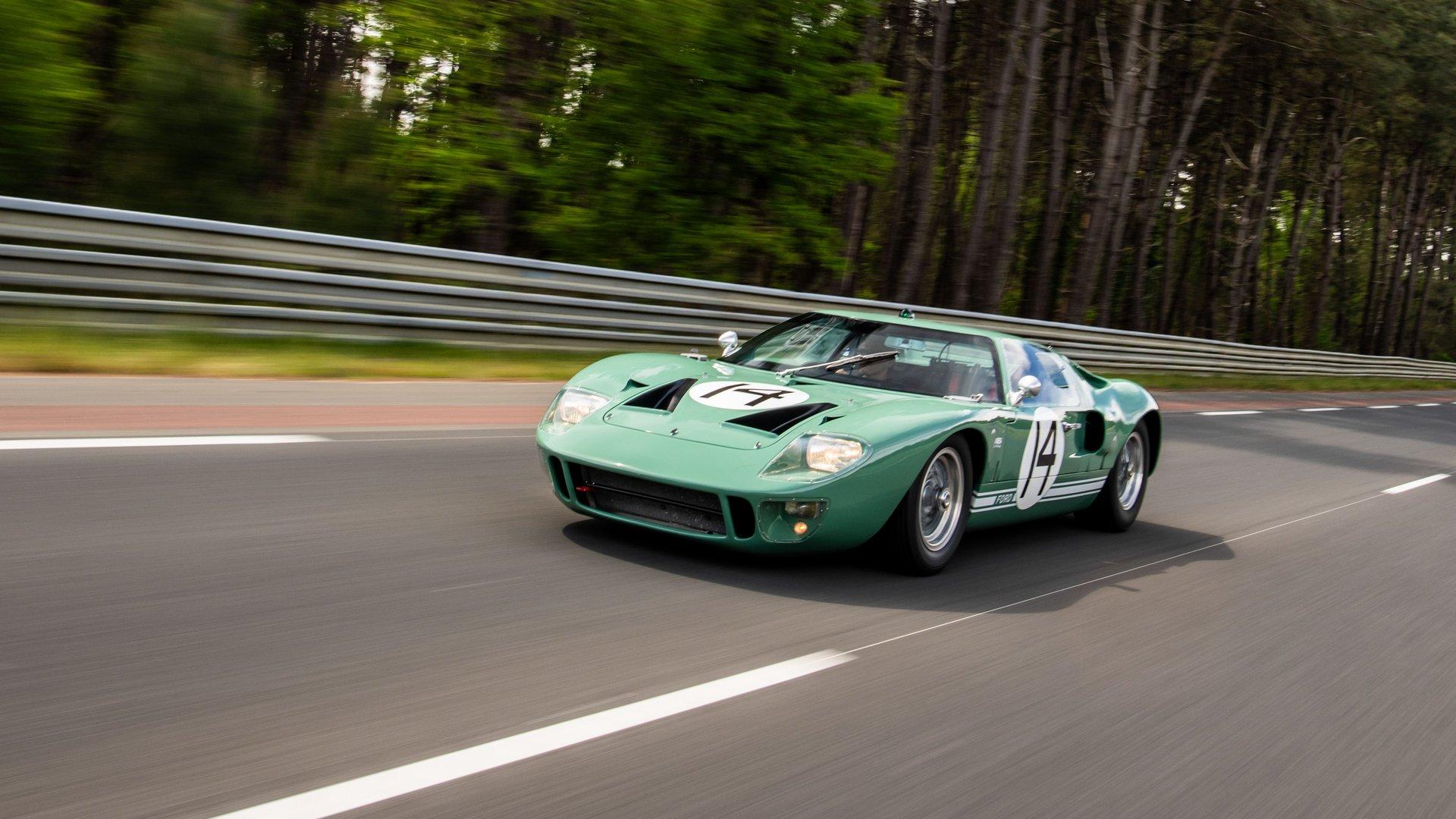
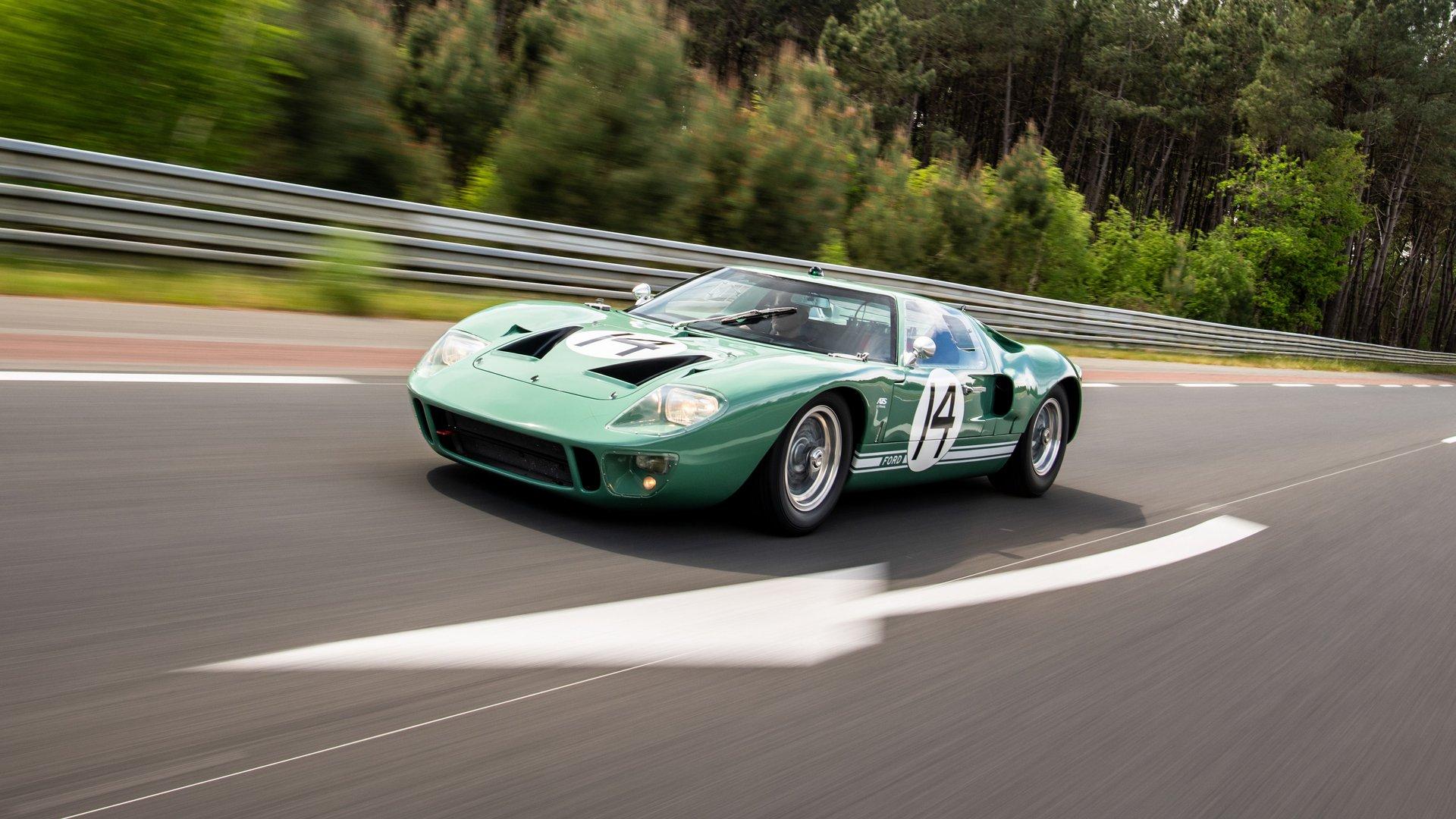
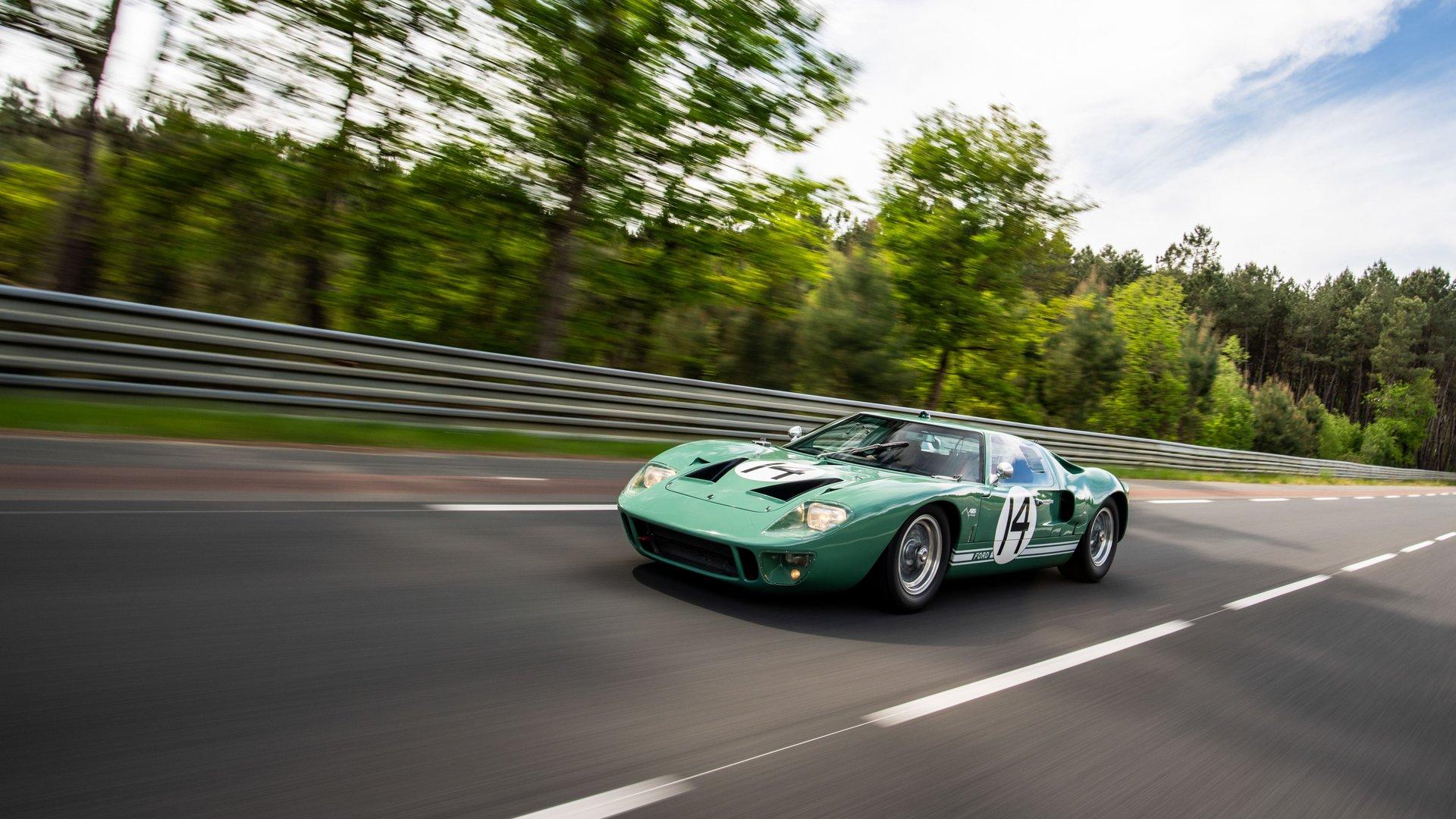
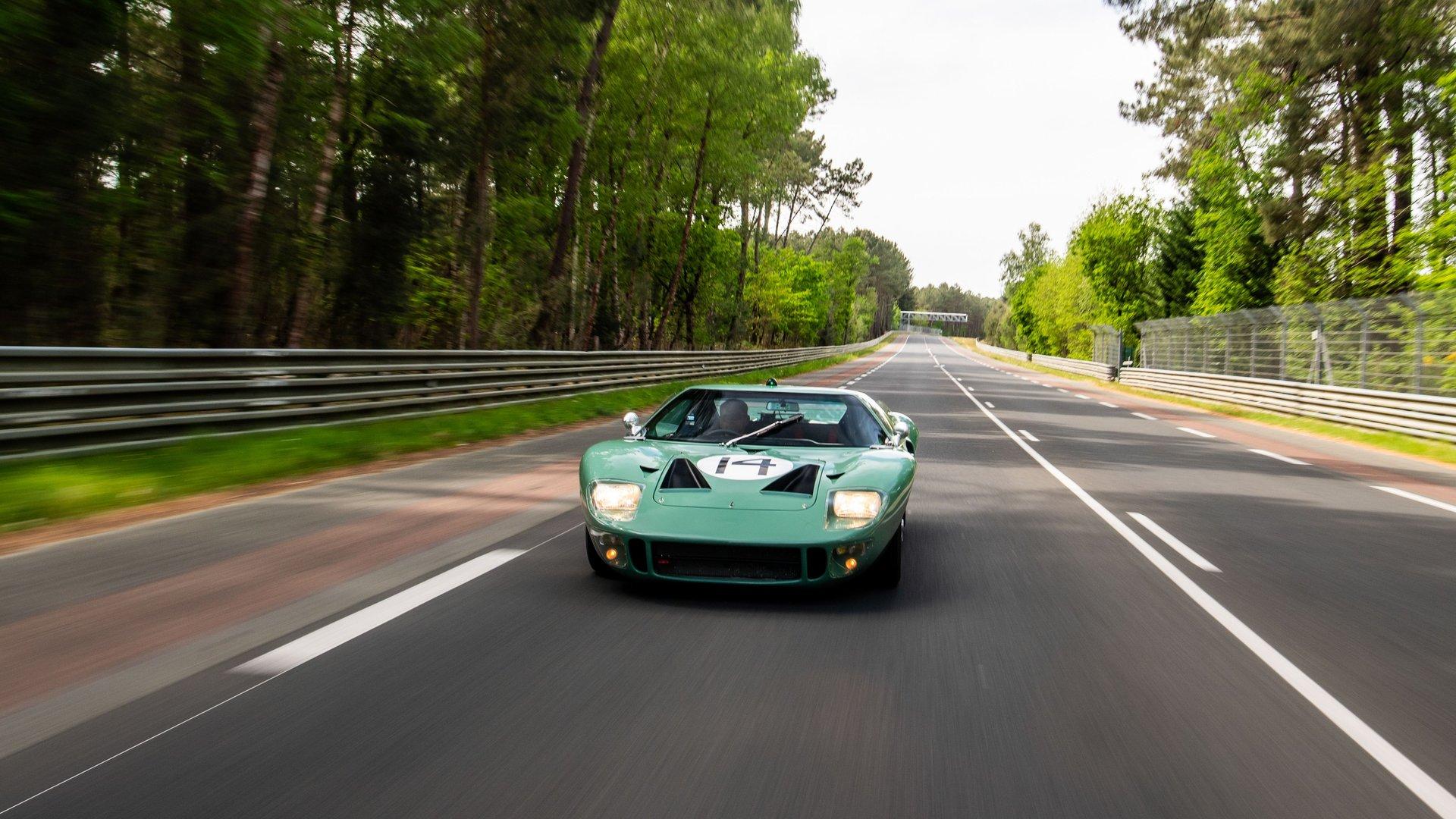
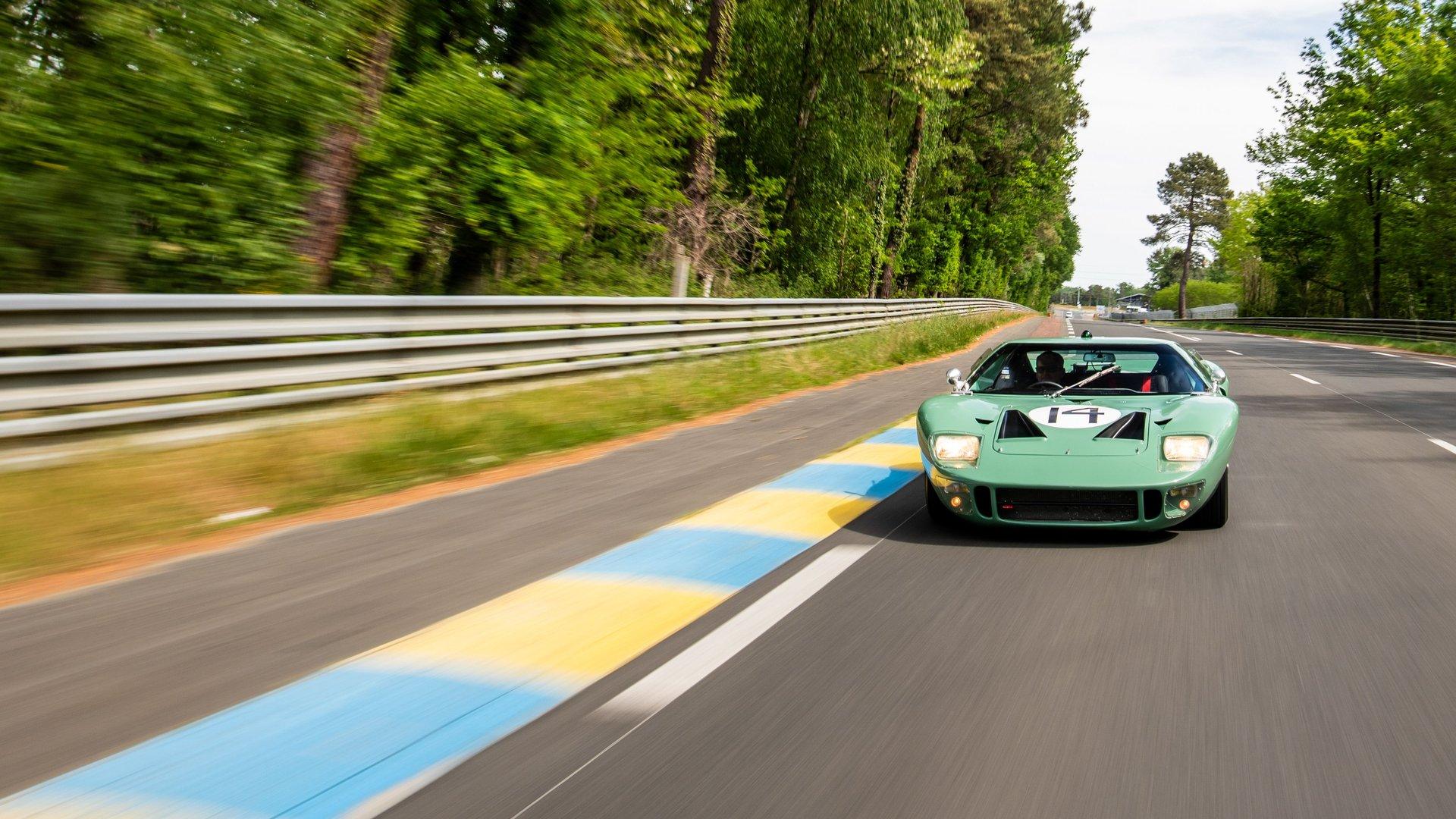
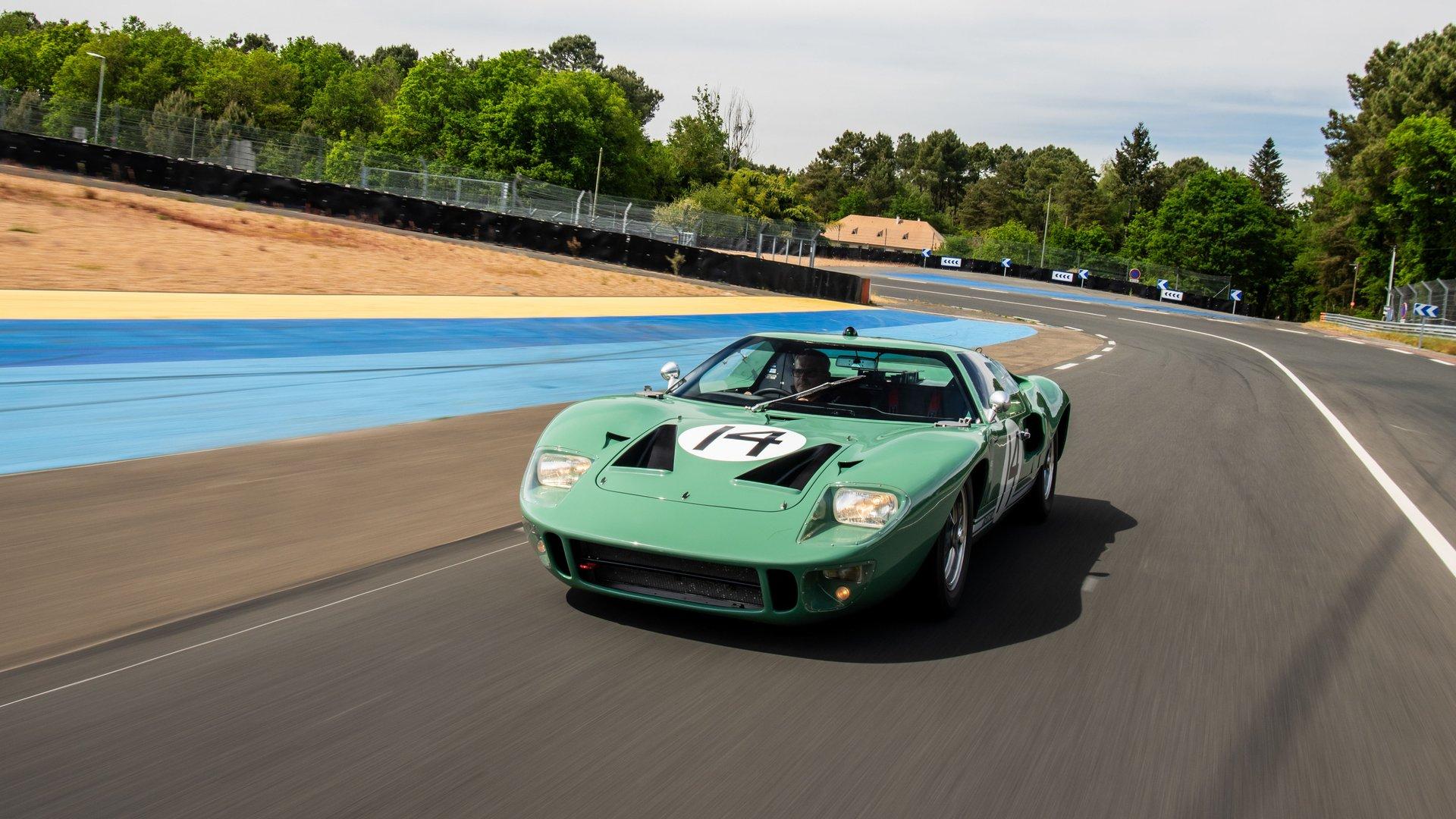
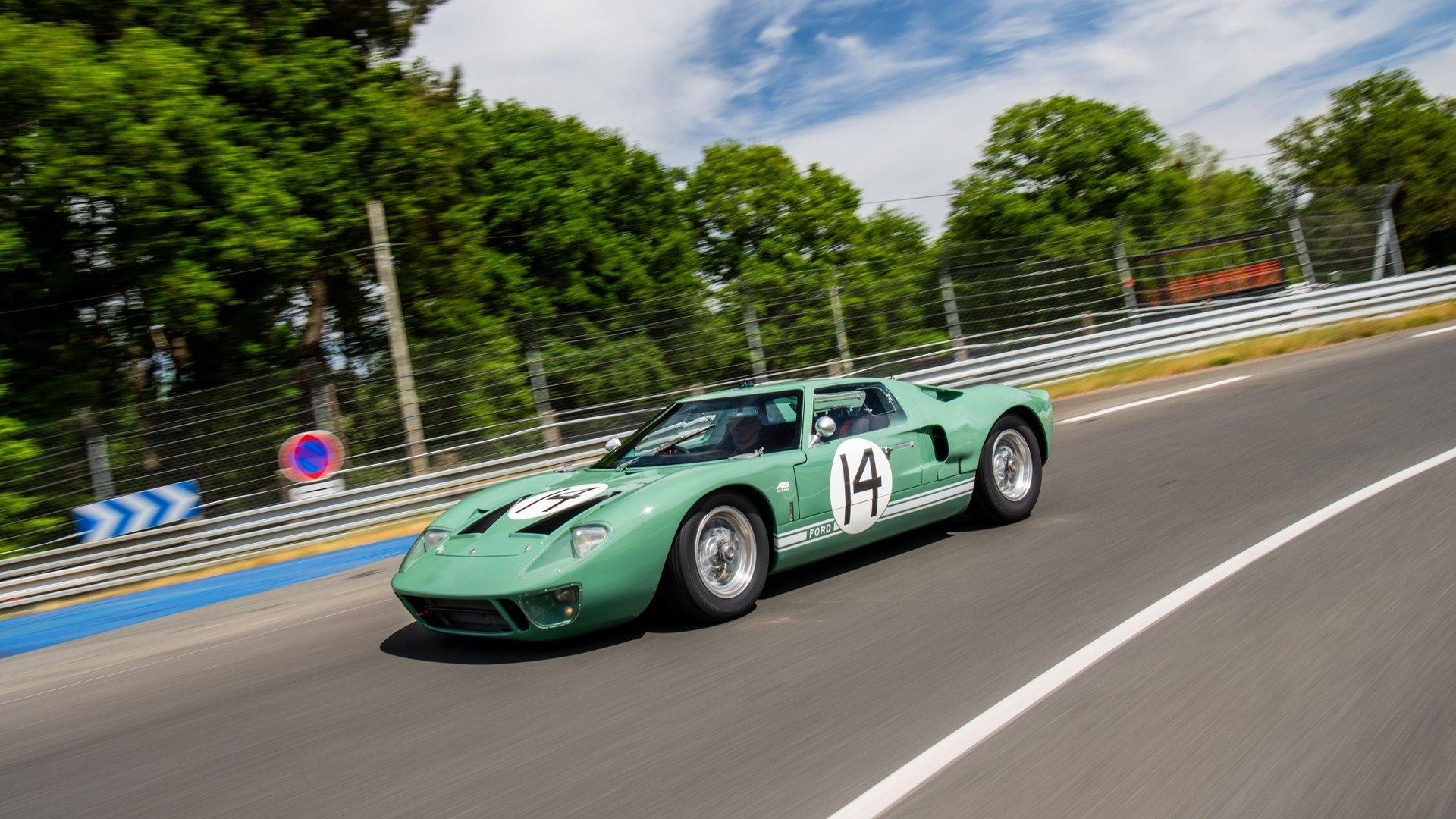
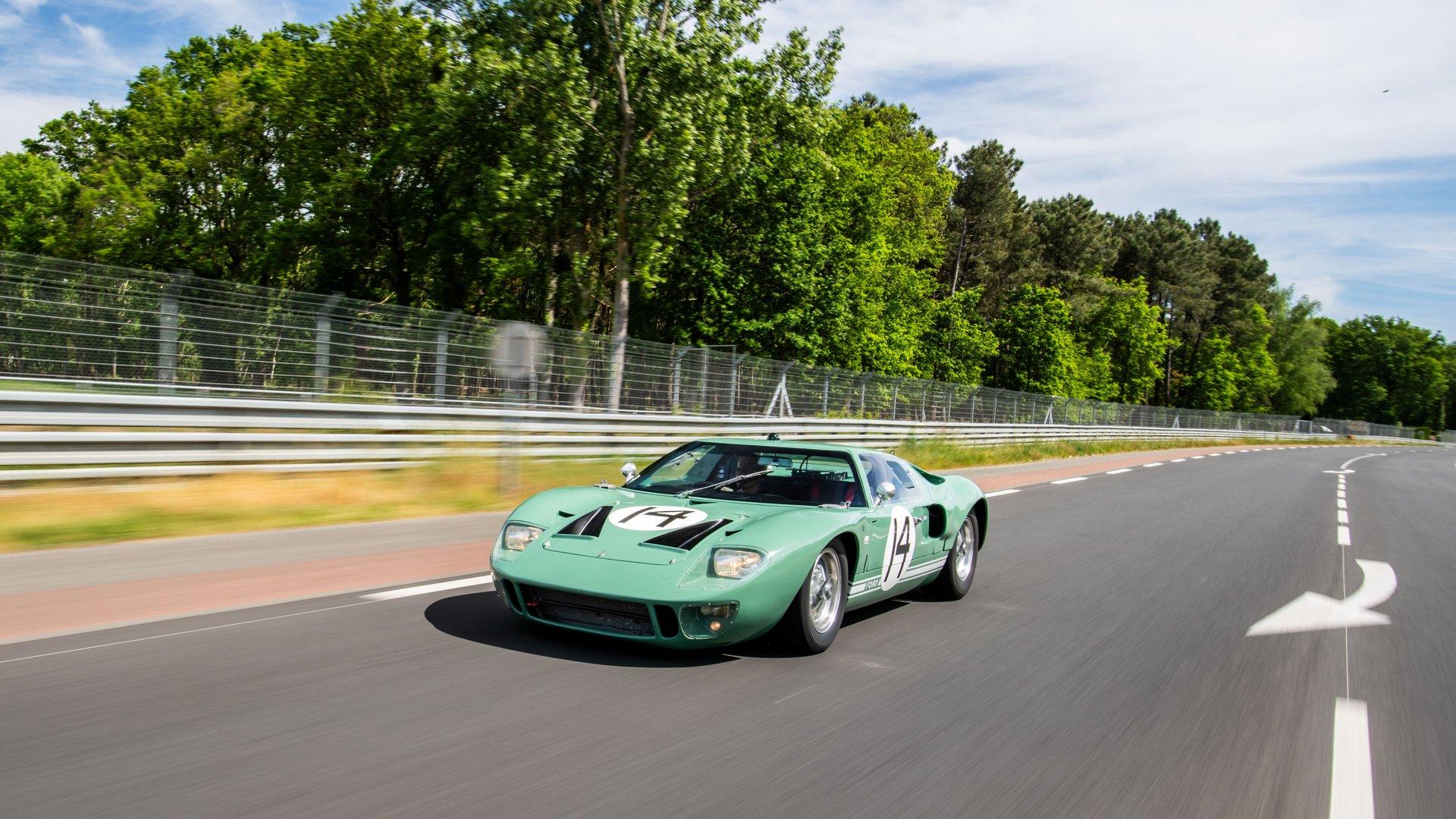
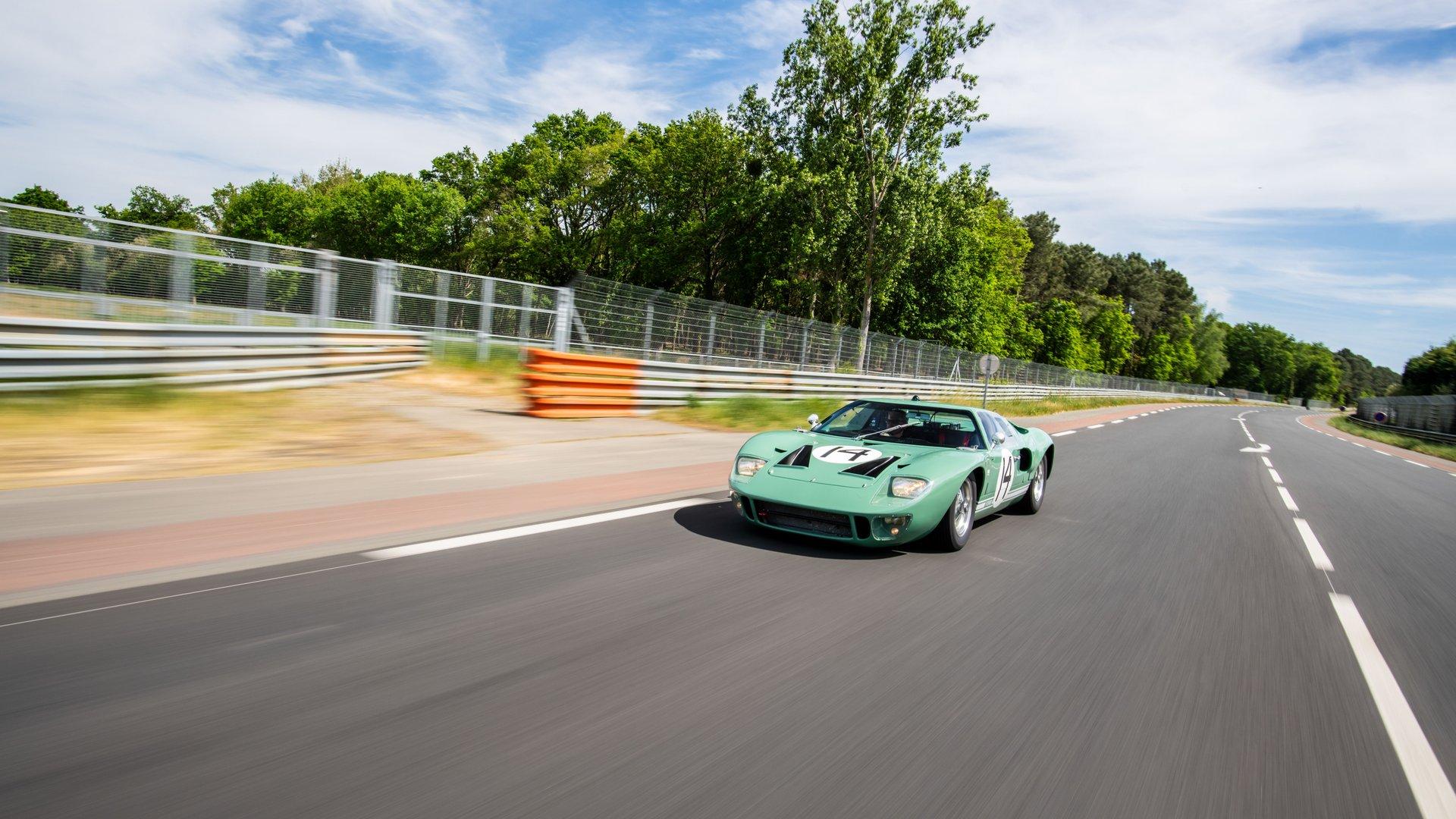
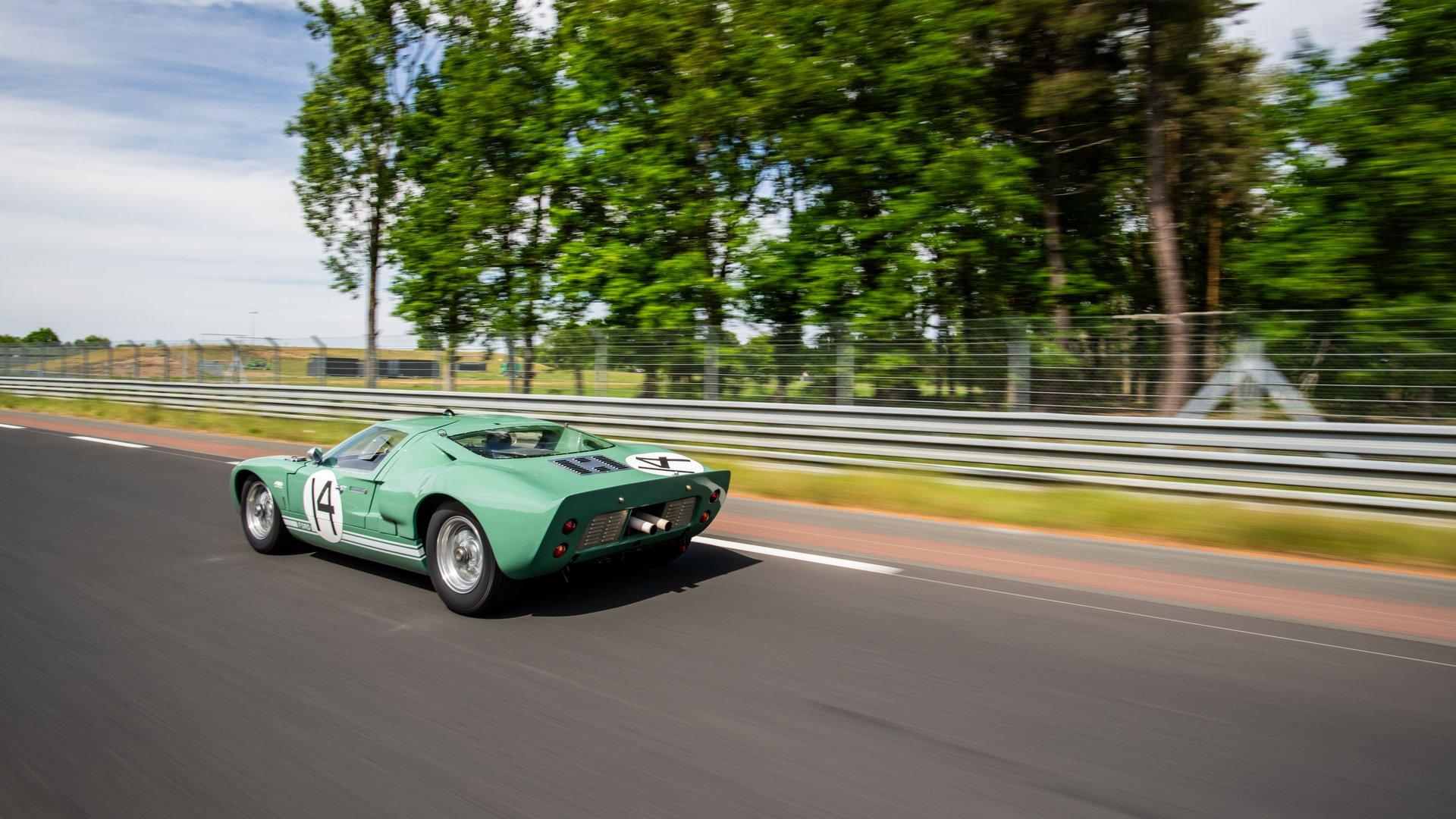
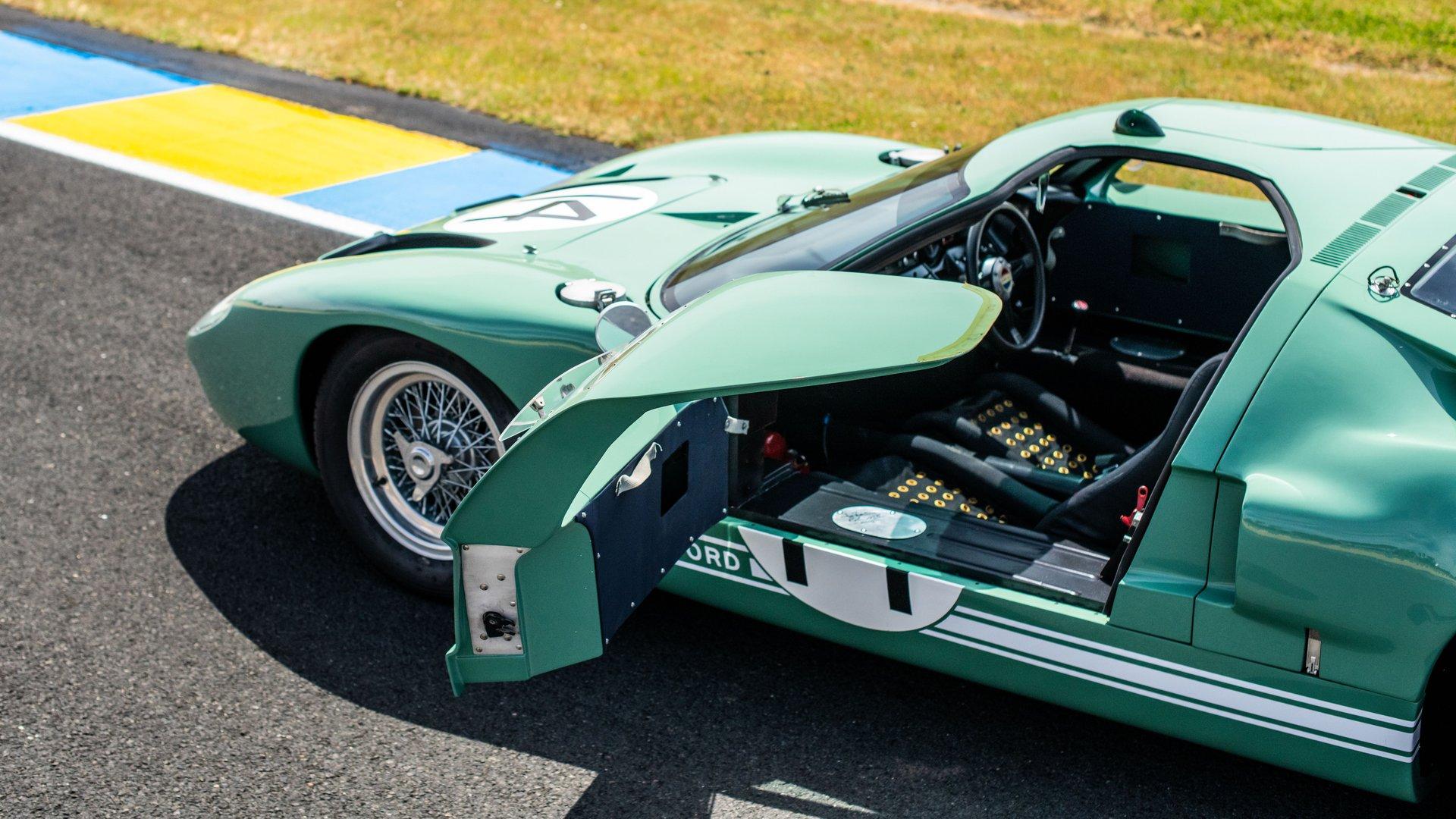
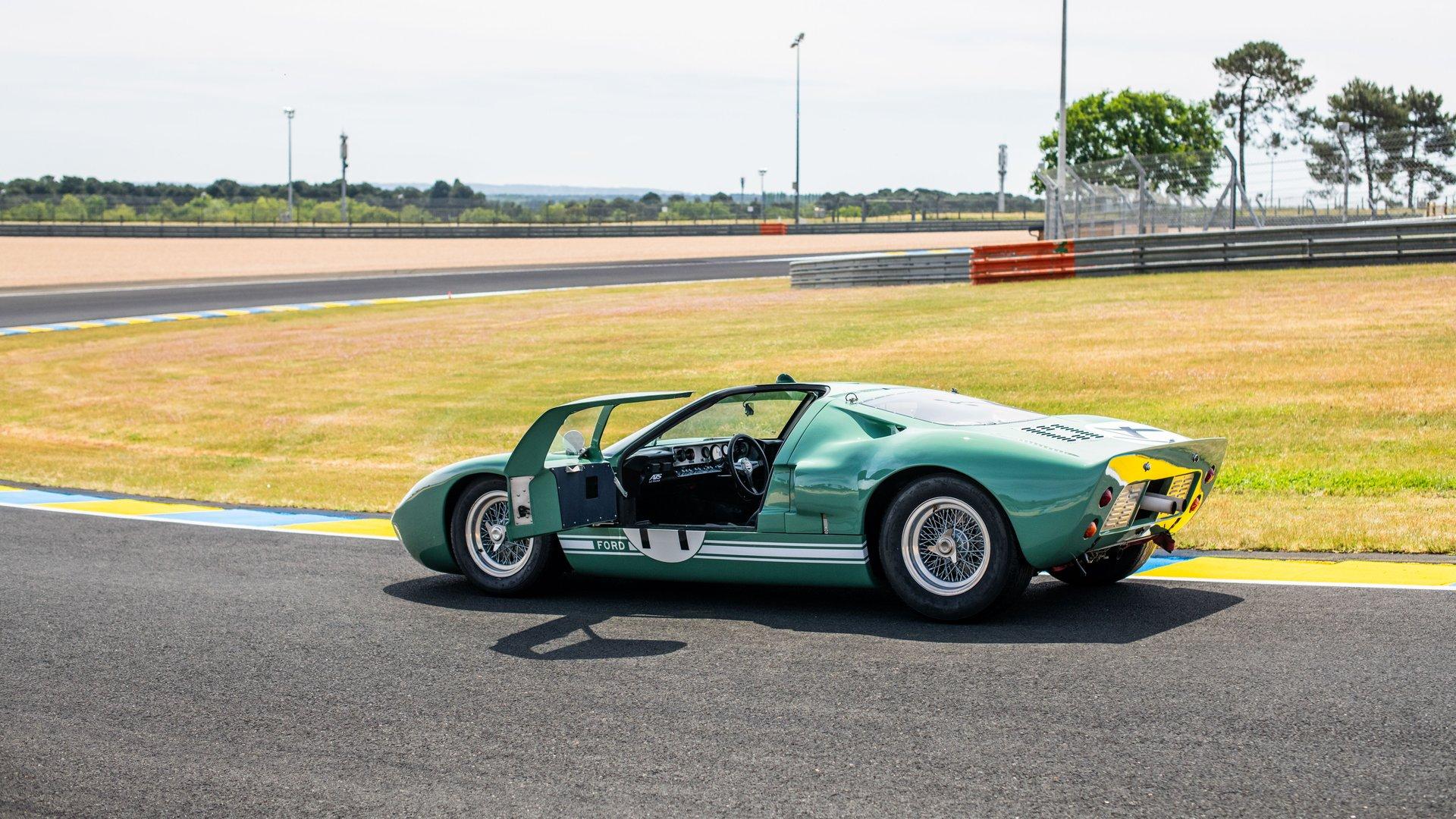
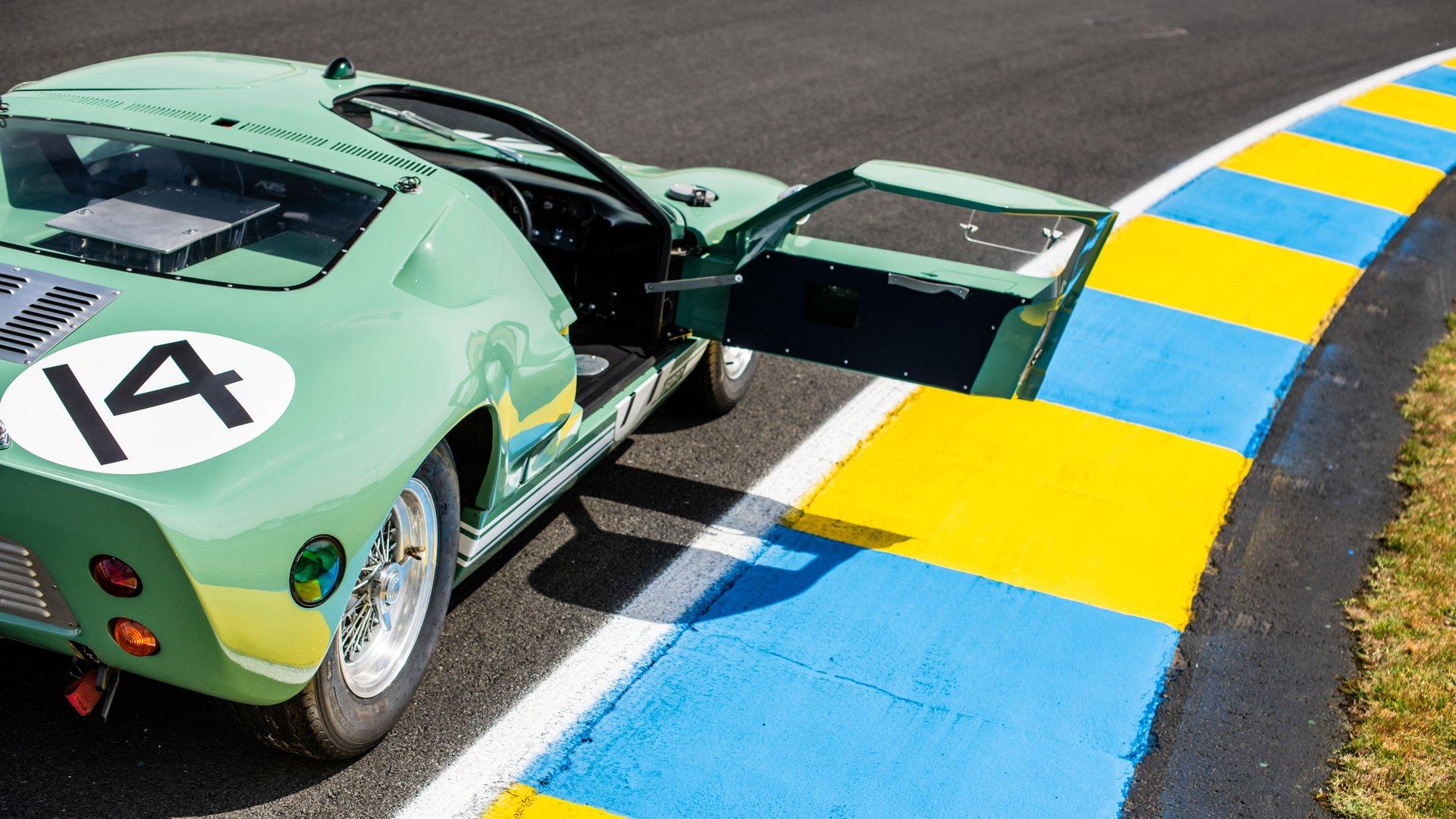
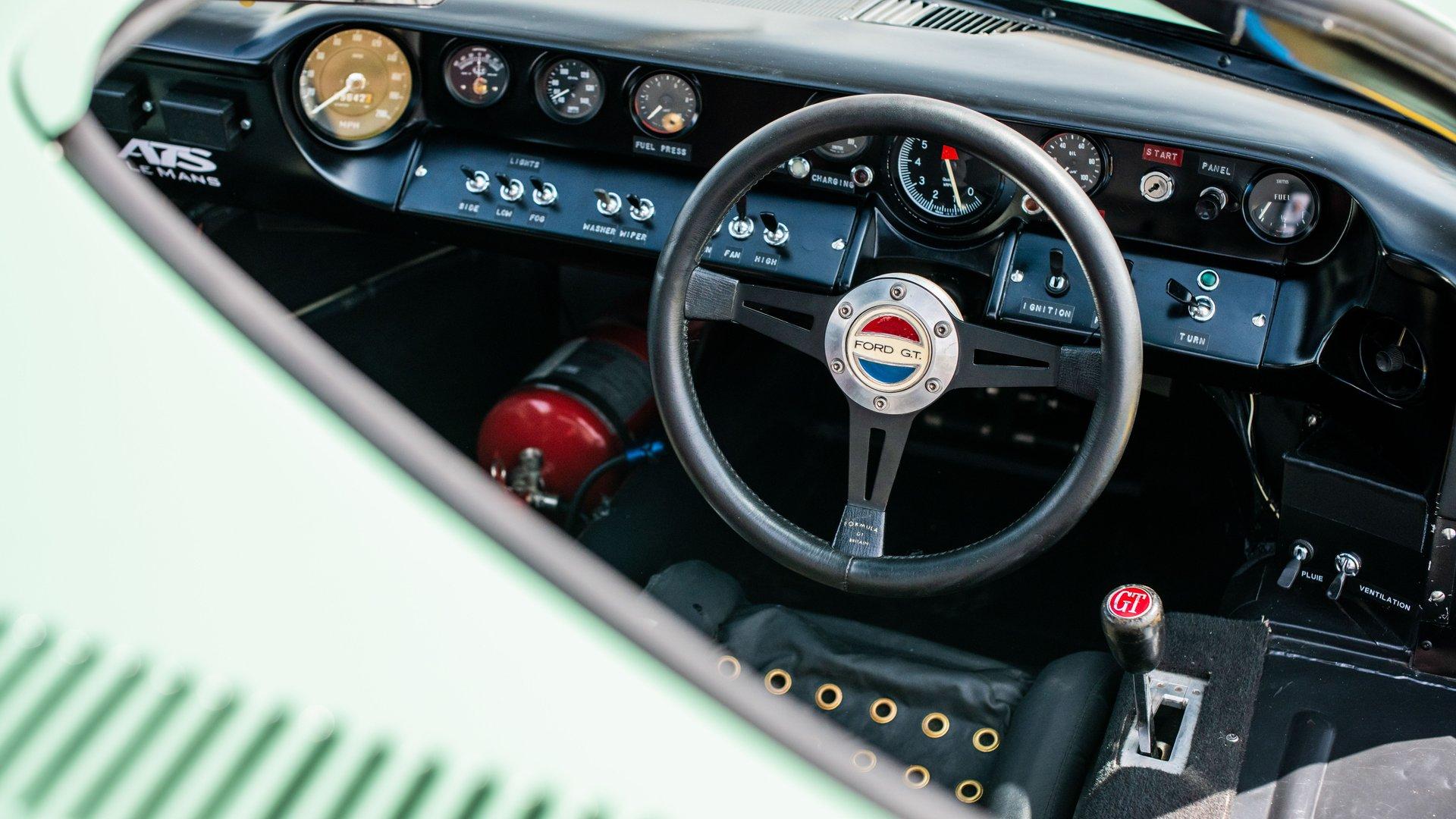
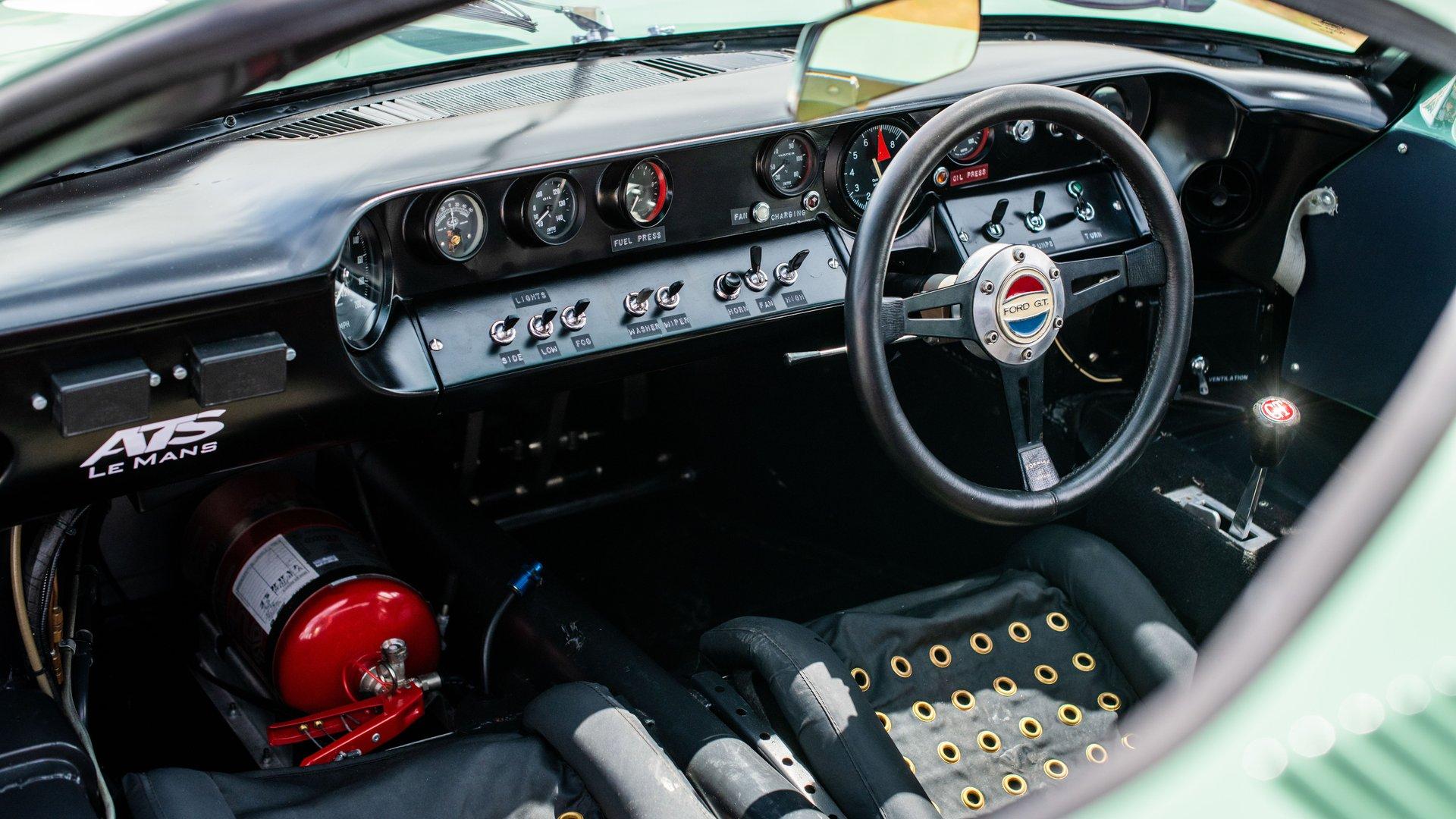
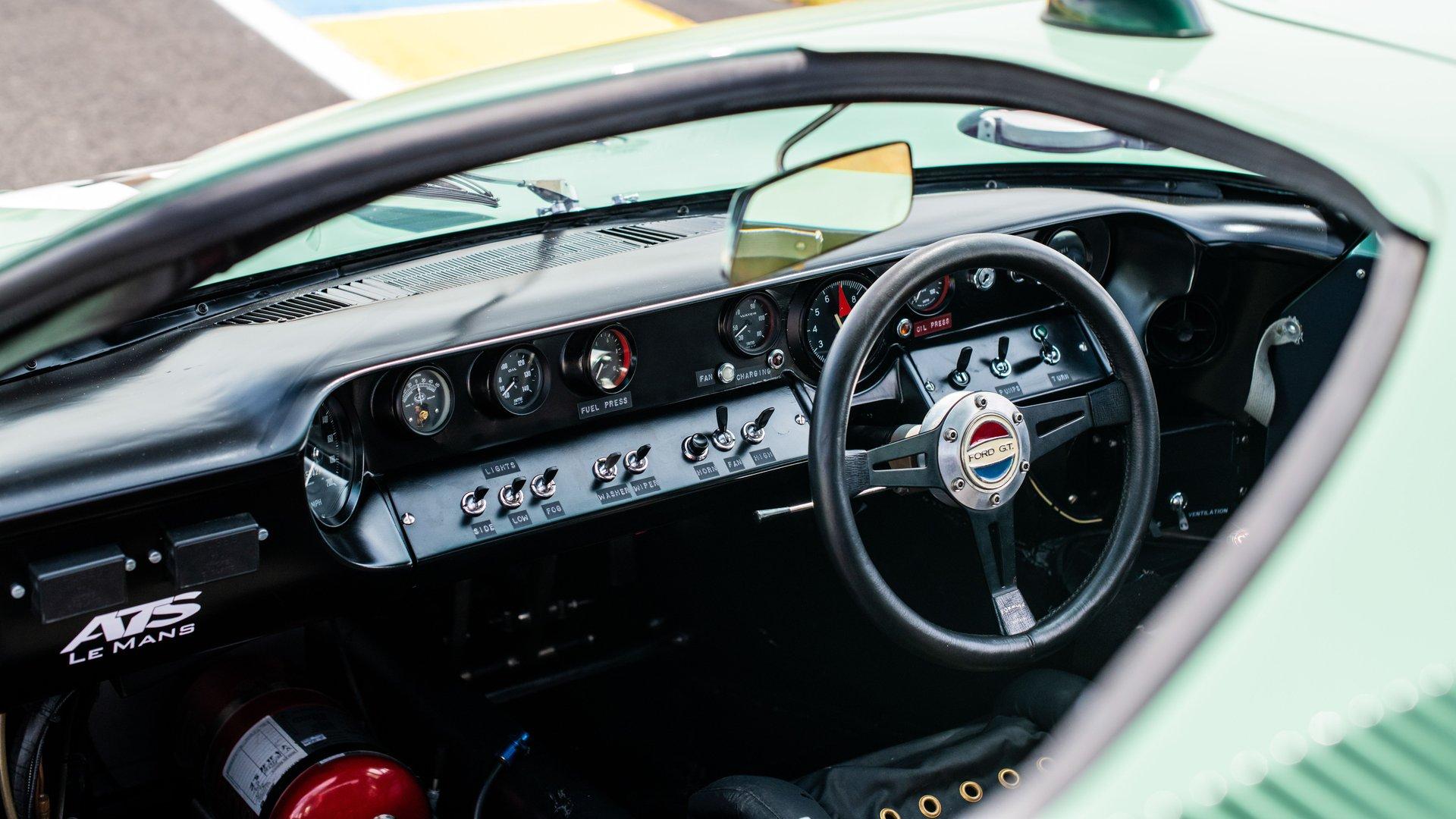
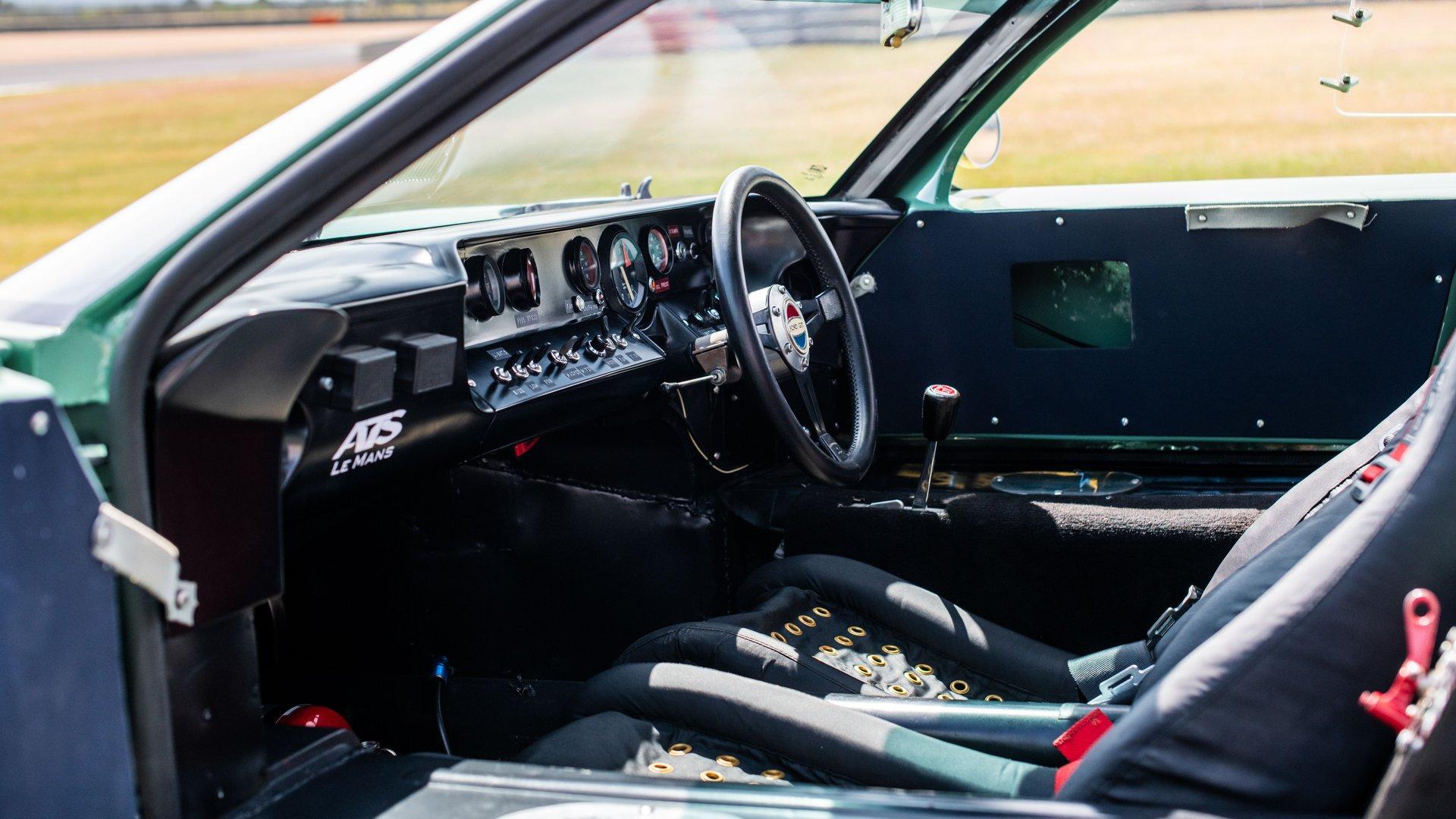
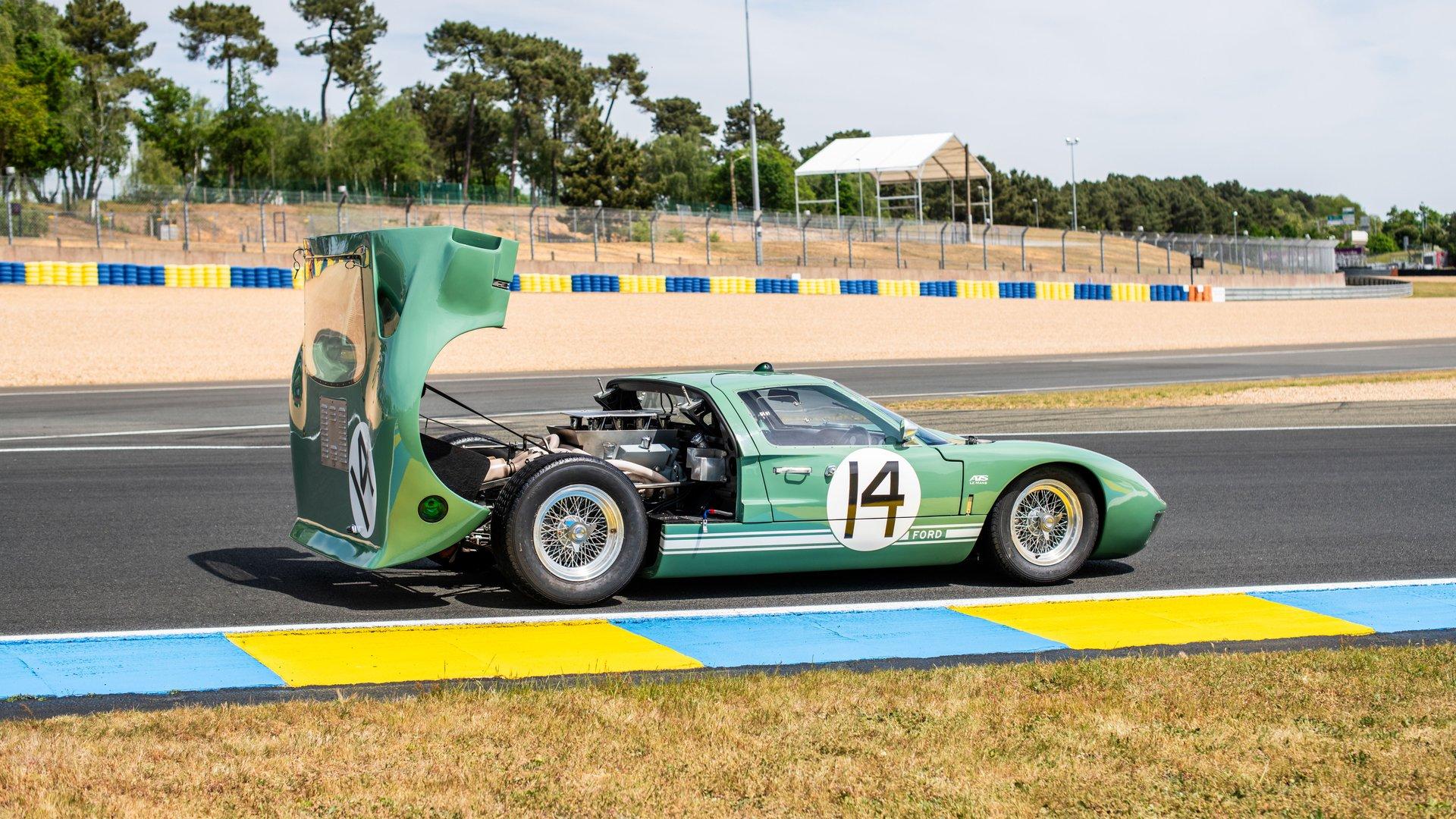
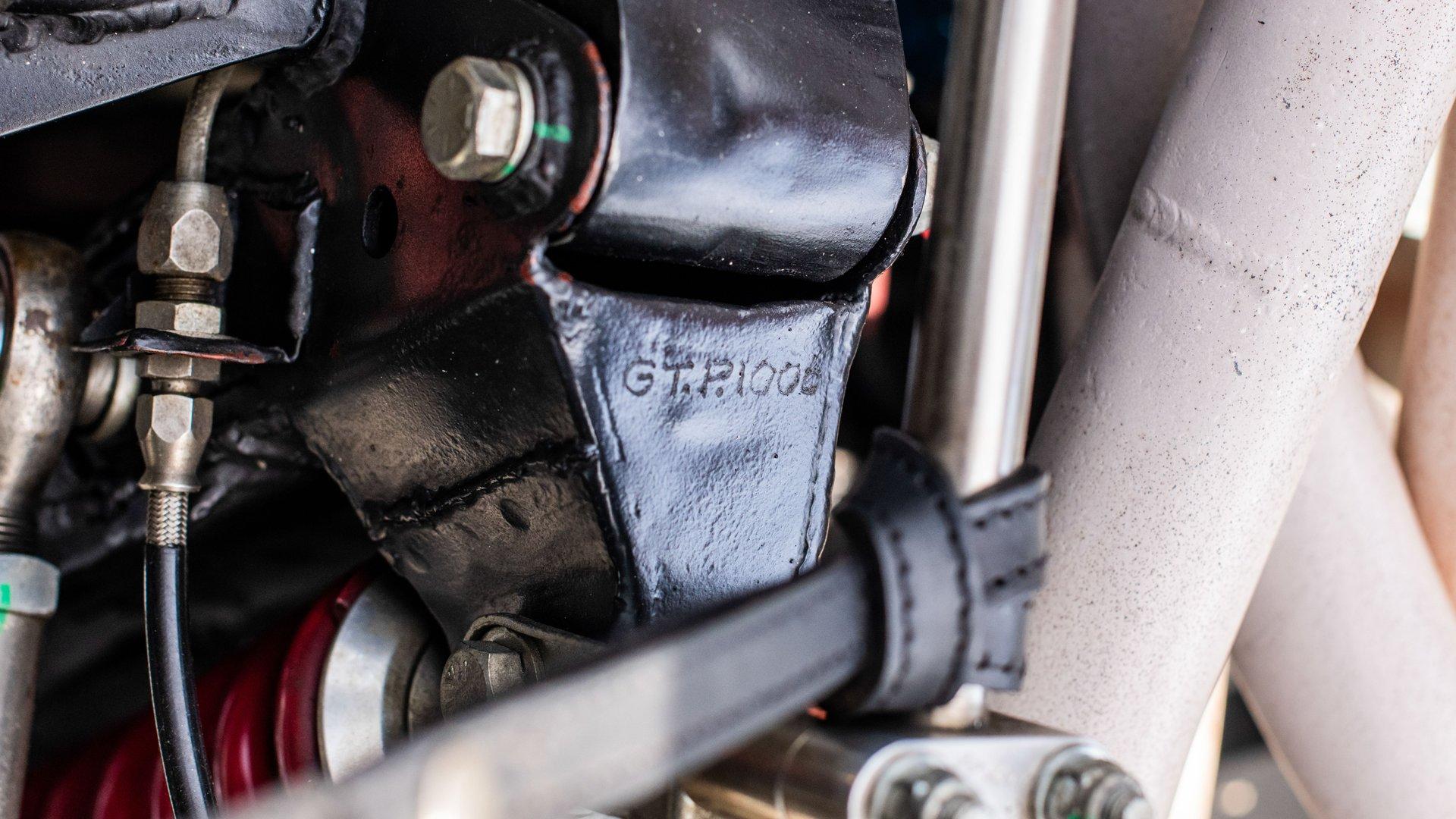
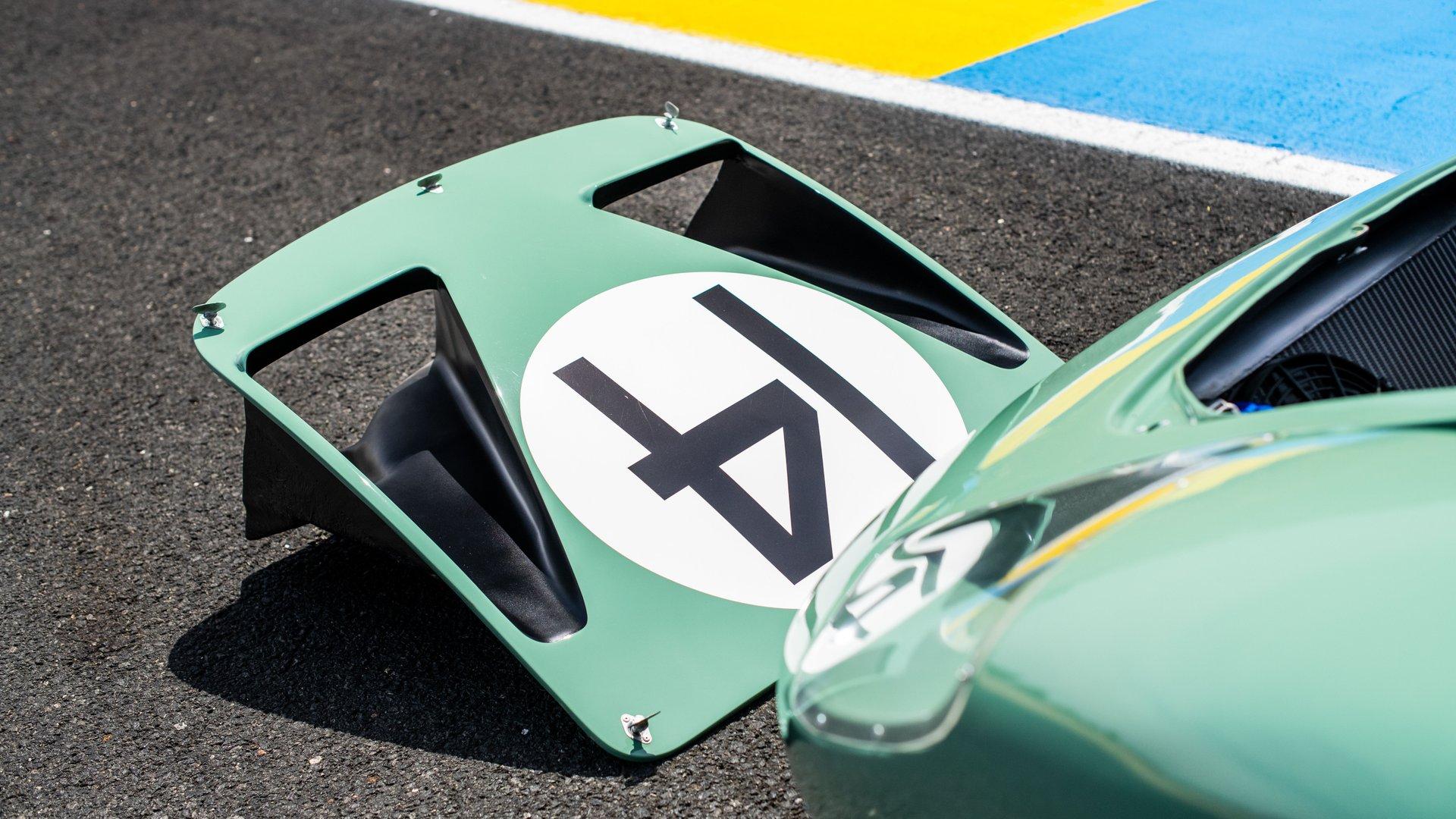
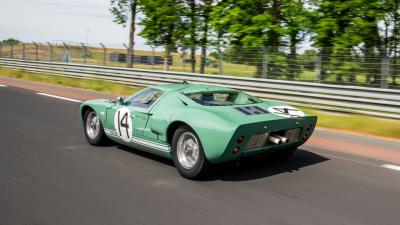
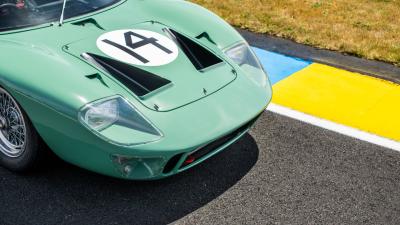
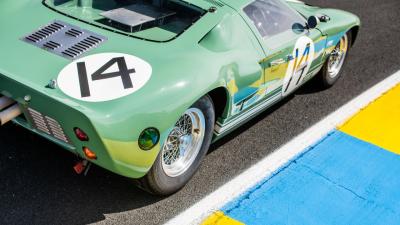
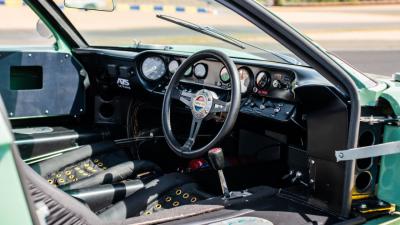
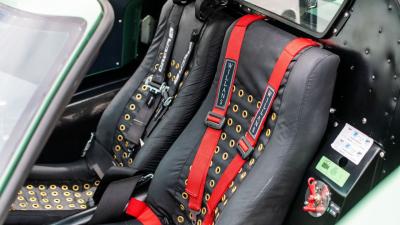
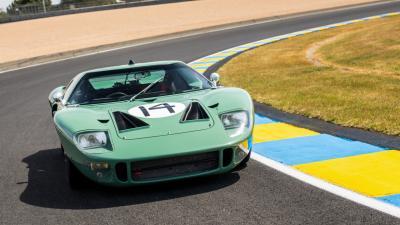
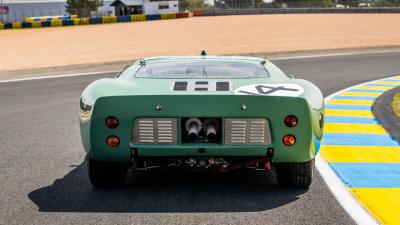
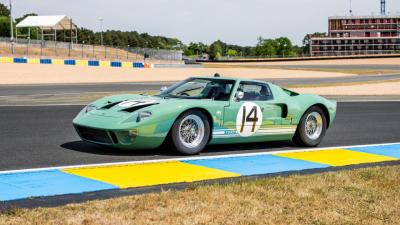
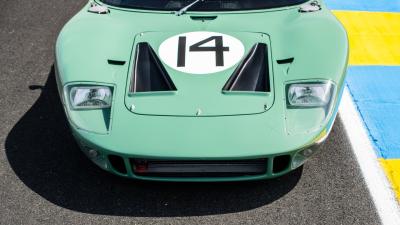
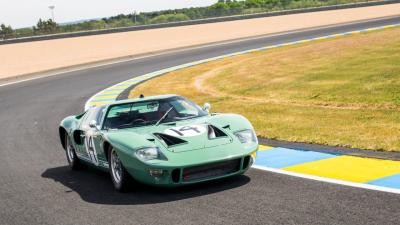
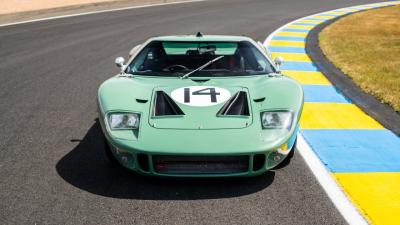
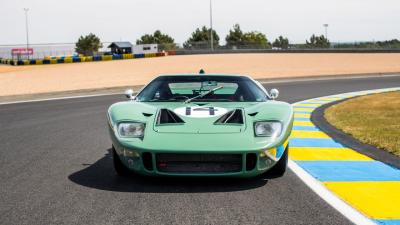
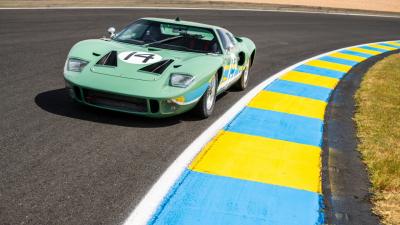
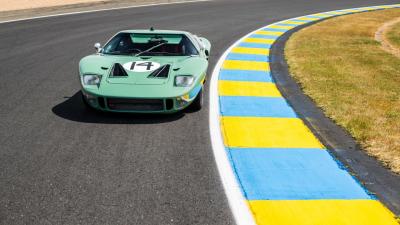
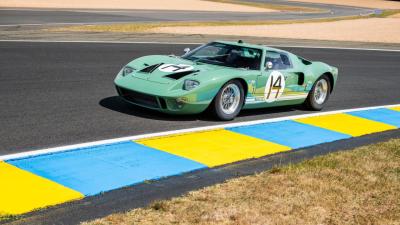
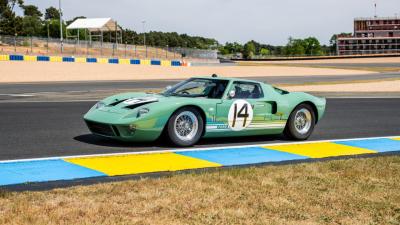
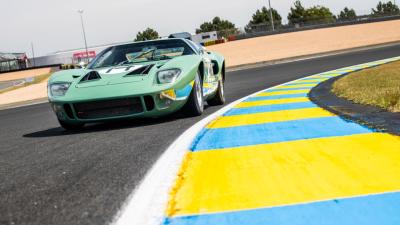
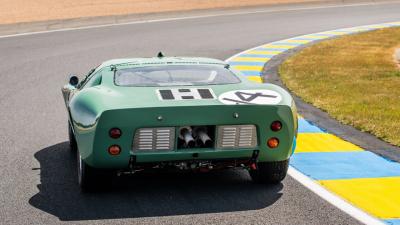
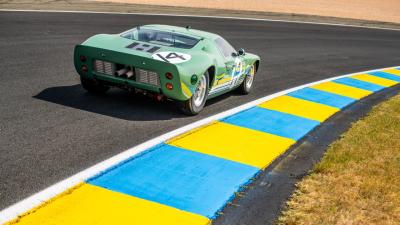
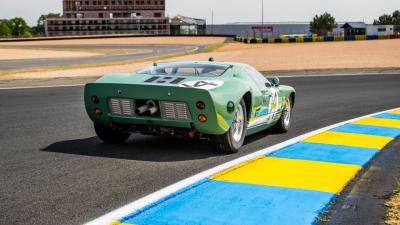
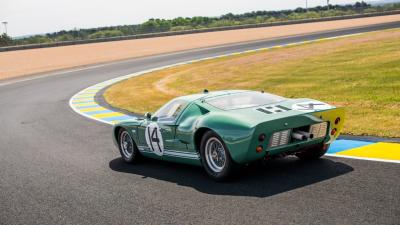
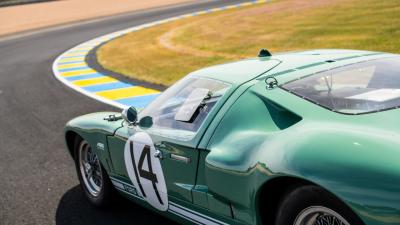
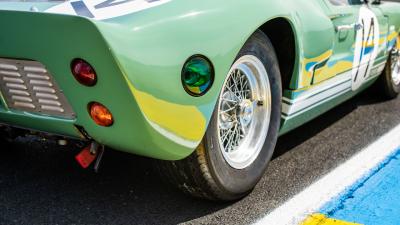
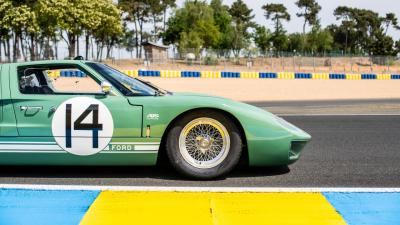
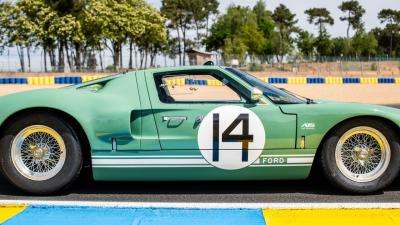
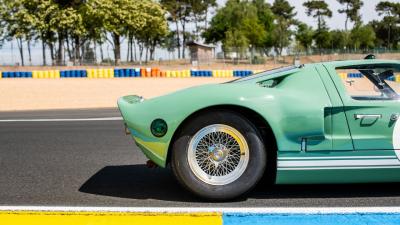
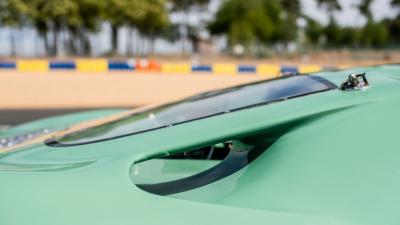
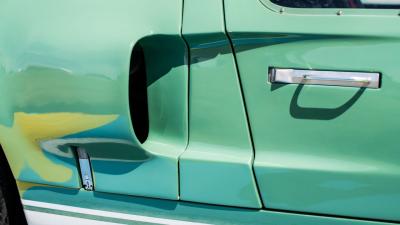
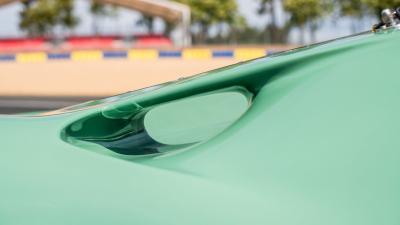
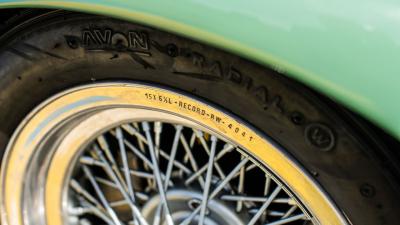
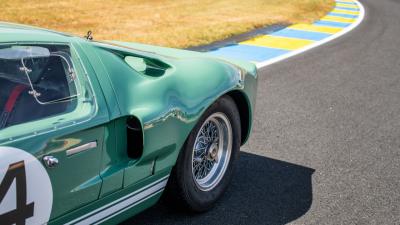
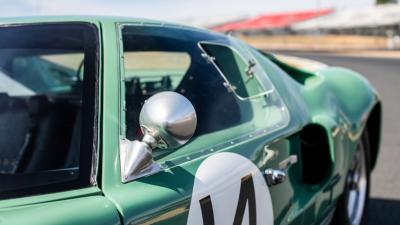
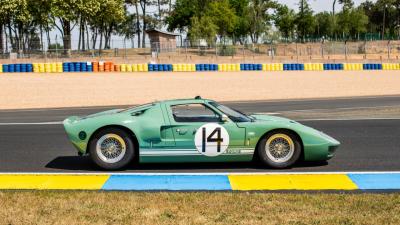
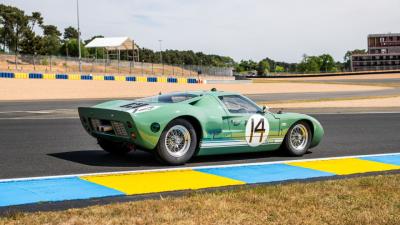
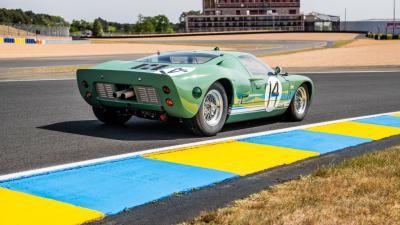
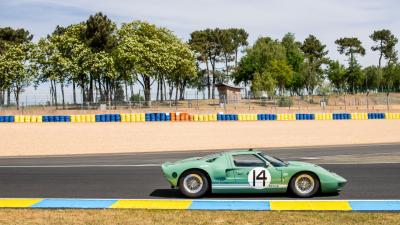
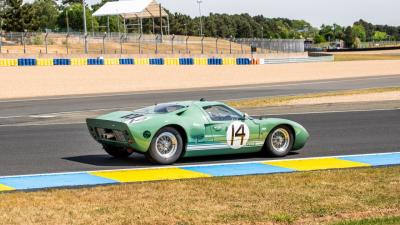
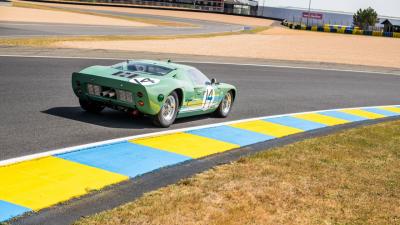
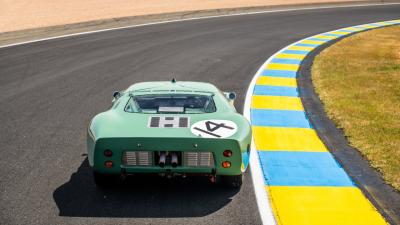
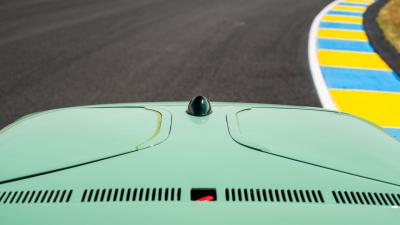
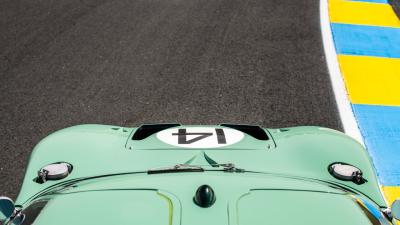
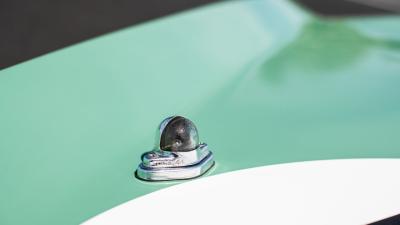
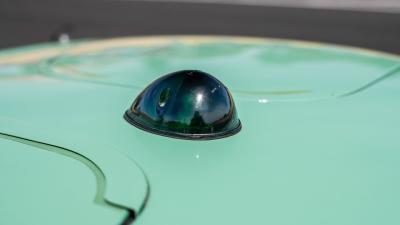
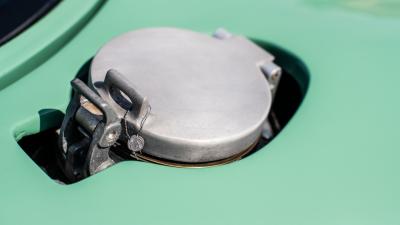
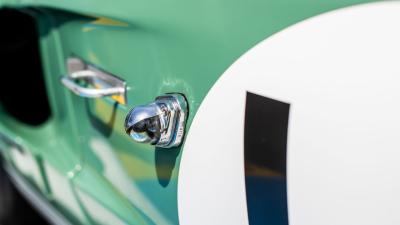
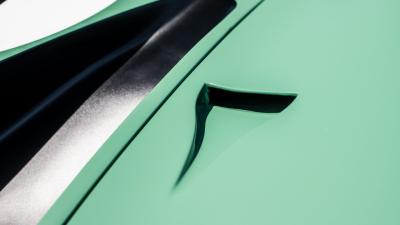
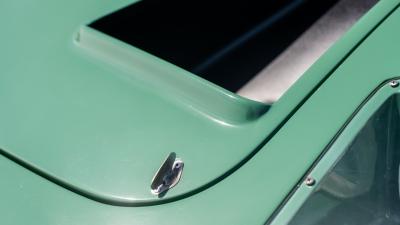
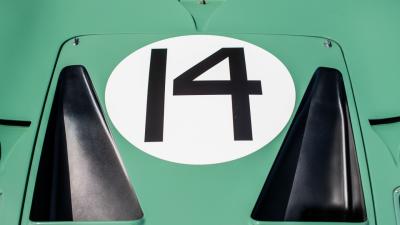
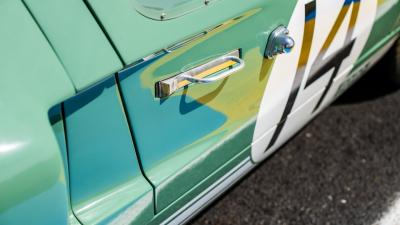
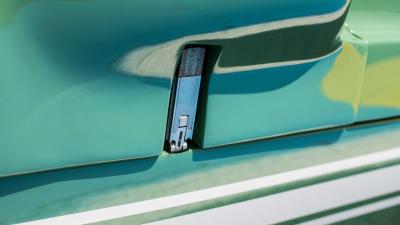
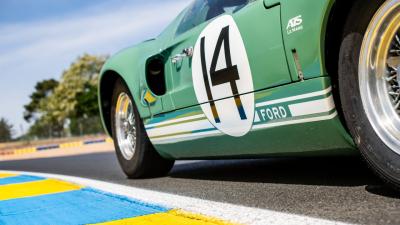
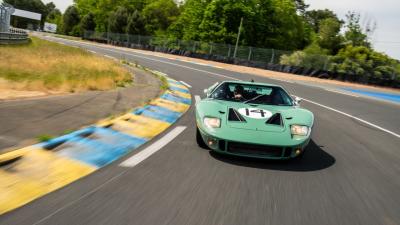
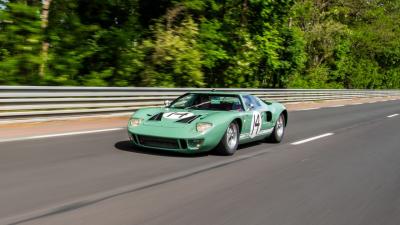
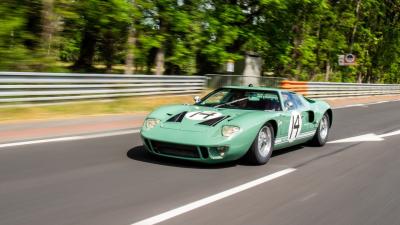
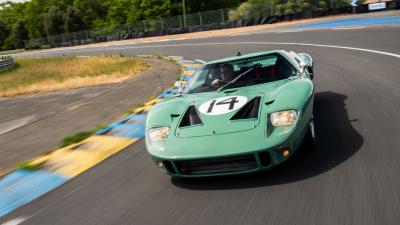
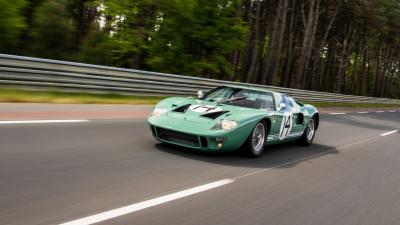
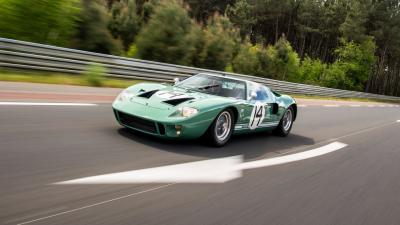
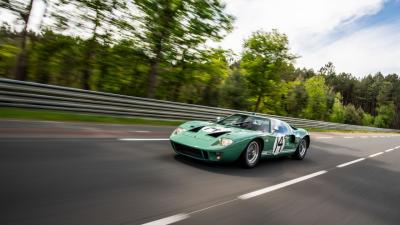
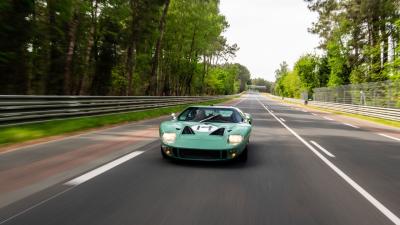
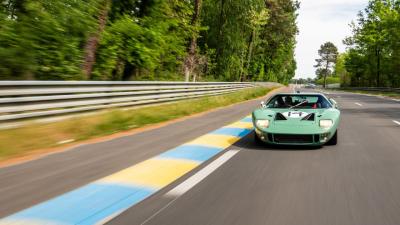
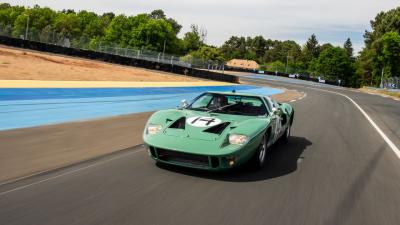
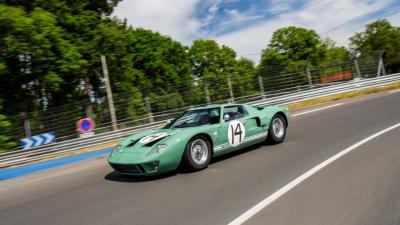
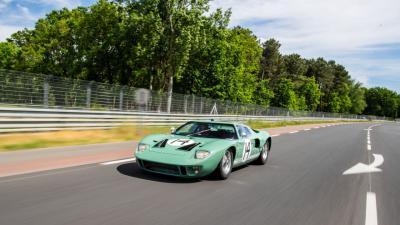
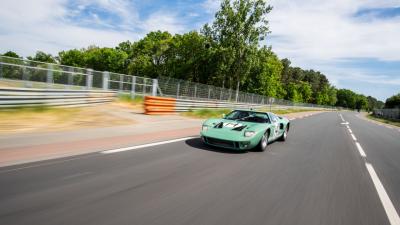
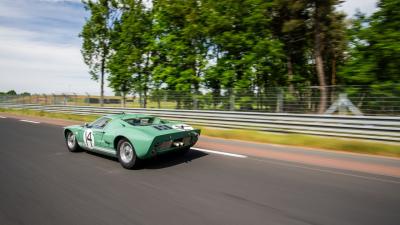
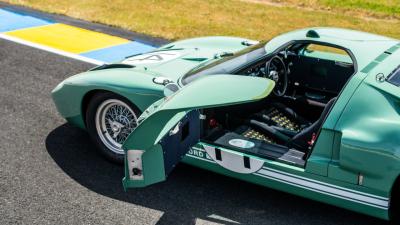
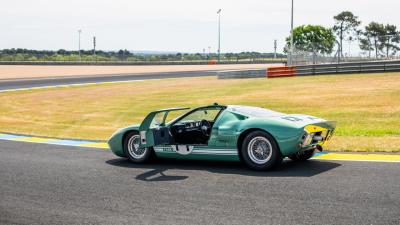
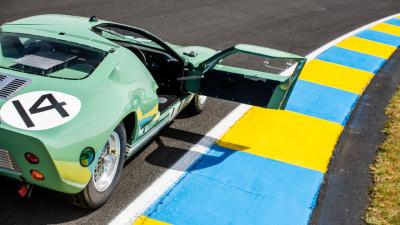
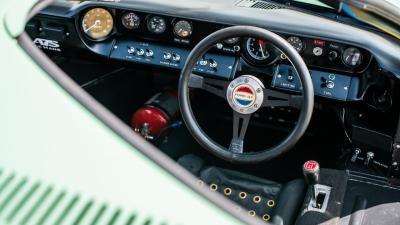
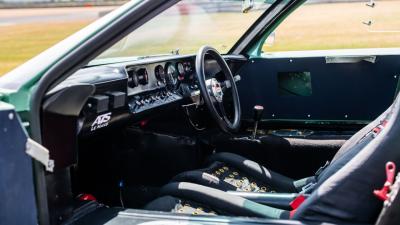
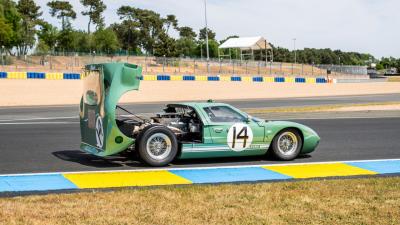
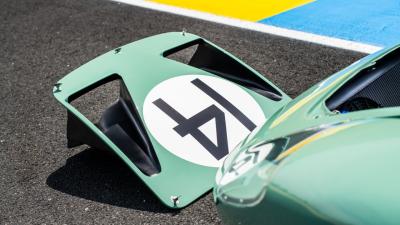
Chassis P1006 was one of 56 GT40 MK. 1 racing cars produced for the 1965 World Sportscar Championship. A copy of its Production Car Record Sheet confirms that P1006 was delivered new in June 1965 to F.A.V. finished in Linden Green with white stripes. Its build sheet also reveals that P1006 was the first GT40 to sport the F.A.V. Le Mans MK. 1 front panel; foregoing the original GT40's early front fascia for the now distinct “Le Mans” nose featured in some way on all subsequent GT models.
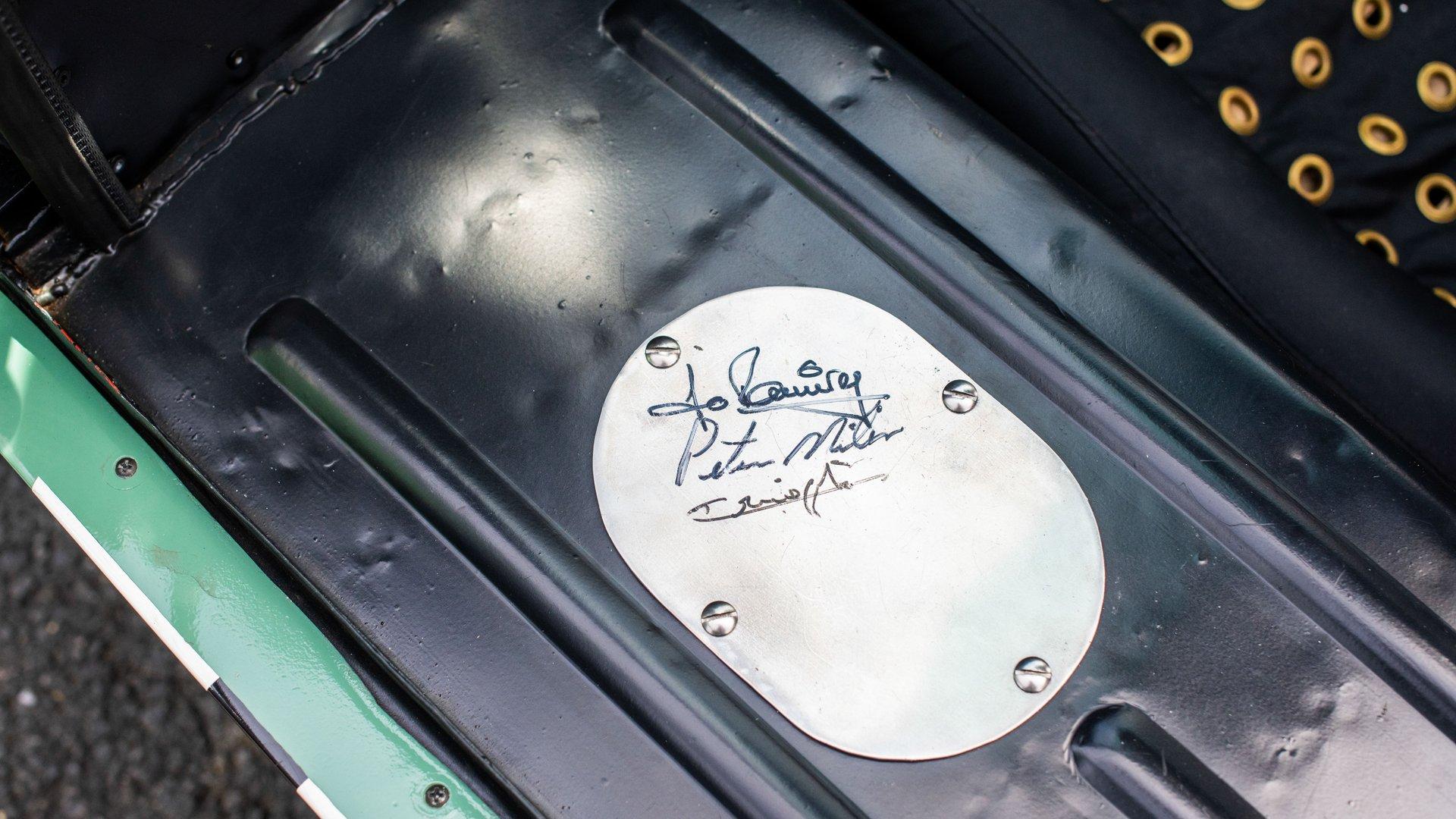
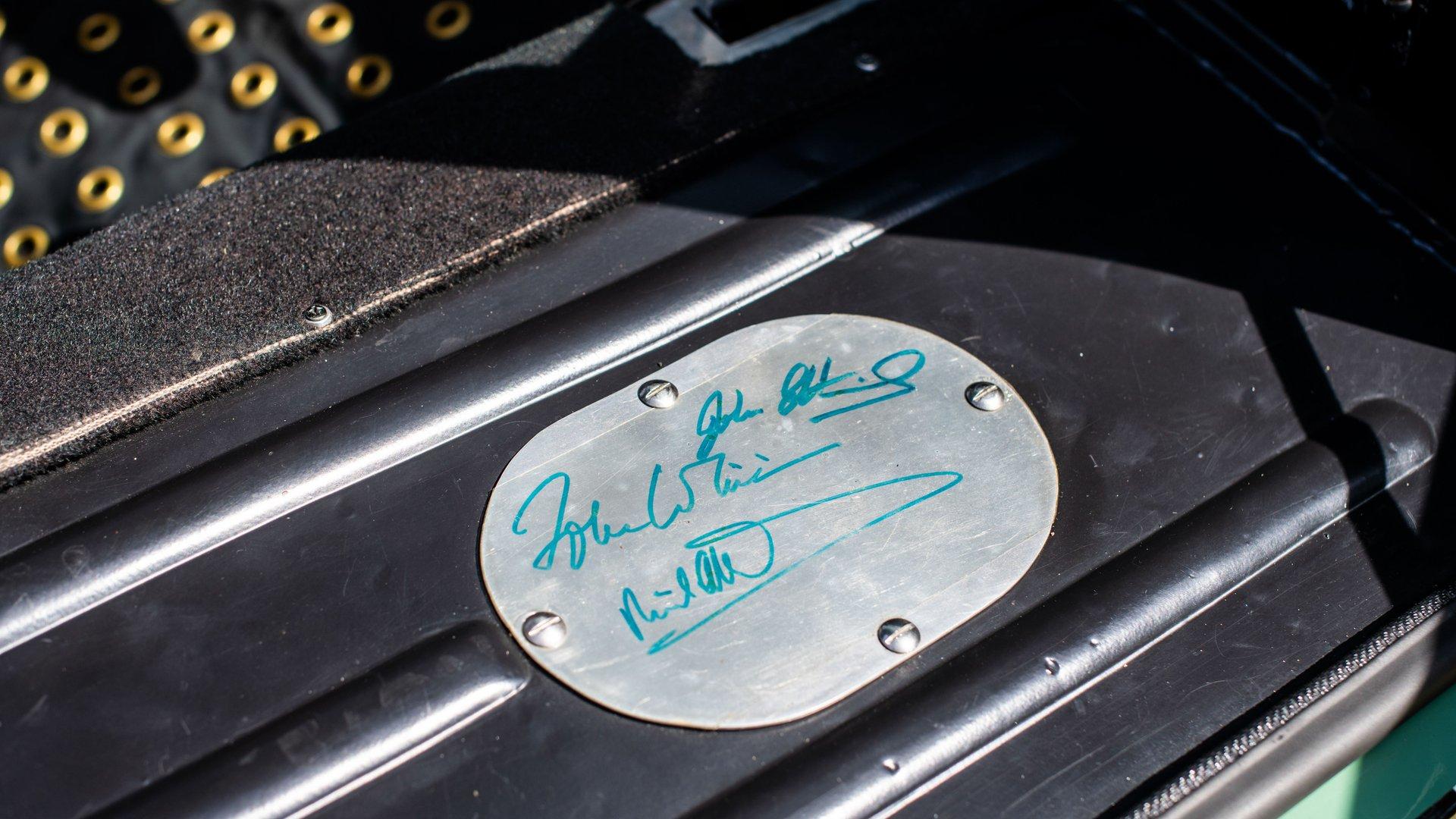
Far better prepared and much more confident, Ford arrived at Le Mans in 1965 with an armada of race cars, including six GT40s and five supporting Shelby Daytona Coupes. The GT40 lineup consisted of two experimental Shelby-American MK. IIs running the monstrous 7.0-liter (427 cu-in) V8s, a GT40 Roadster entered by Ford France, and a trio of MK. 1s. Of the three MK. 1s on the start line, only chassis P1006 was crusaded directly by Wyer's F.A.V. team and featured the finalized MK. 1 look. At the wheel of the F.A.V. car was the duo of 1961 U.S. Formula One Grand Prix winner Innes Ireland and 1961 British Touring Car Championship winner Sir John Whitmore, who managed the tenth fastest time in practice.
Ferrari, however, was ready for Ford's onslaught. Twelve Ferraris lined up on the grid-most of which were works entries-including two 330 P2 prototypes with near-equal performance to that of the Fords. Unfortunately for both marques, none of it mattered. Le Mans '65 was a brutal vehicular brawl of pure endurance racing attrition; a mere 14 cars finished out of the 51 that lined up on the starting line. Although starting dramatically well, none of the GT40s finished. ''Our F.A.V. car, driven by John Whitmore and Innes Ireland, ran respectably for the first five hours and lasted almost the longest of the Fords before being eliminated by the inevitable cylinder head gasket,” Wyer recalls in A Certain Sound. “We had the meagre satisfaction of being in front of the remaining Mark II at the time of our retirement.” Approximately an hour later, every GT40 was out, with the number 11 Shelby Daytona Coupe the only Ford to cross the finish line. Ferrari would win their fifth consecutive Le Mans, yet the Scuderia lost; all of Ferrari's factory cars, including both 330 P2s, failed to finish. Instead, the 250 LM of Jochen Rindt/Masten Gregory/Ed Hugus fielded by Luigi Chinetti's rebellious North American Racing Team (NART) won, with two additional privateer Ferraris standing on the podium.
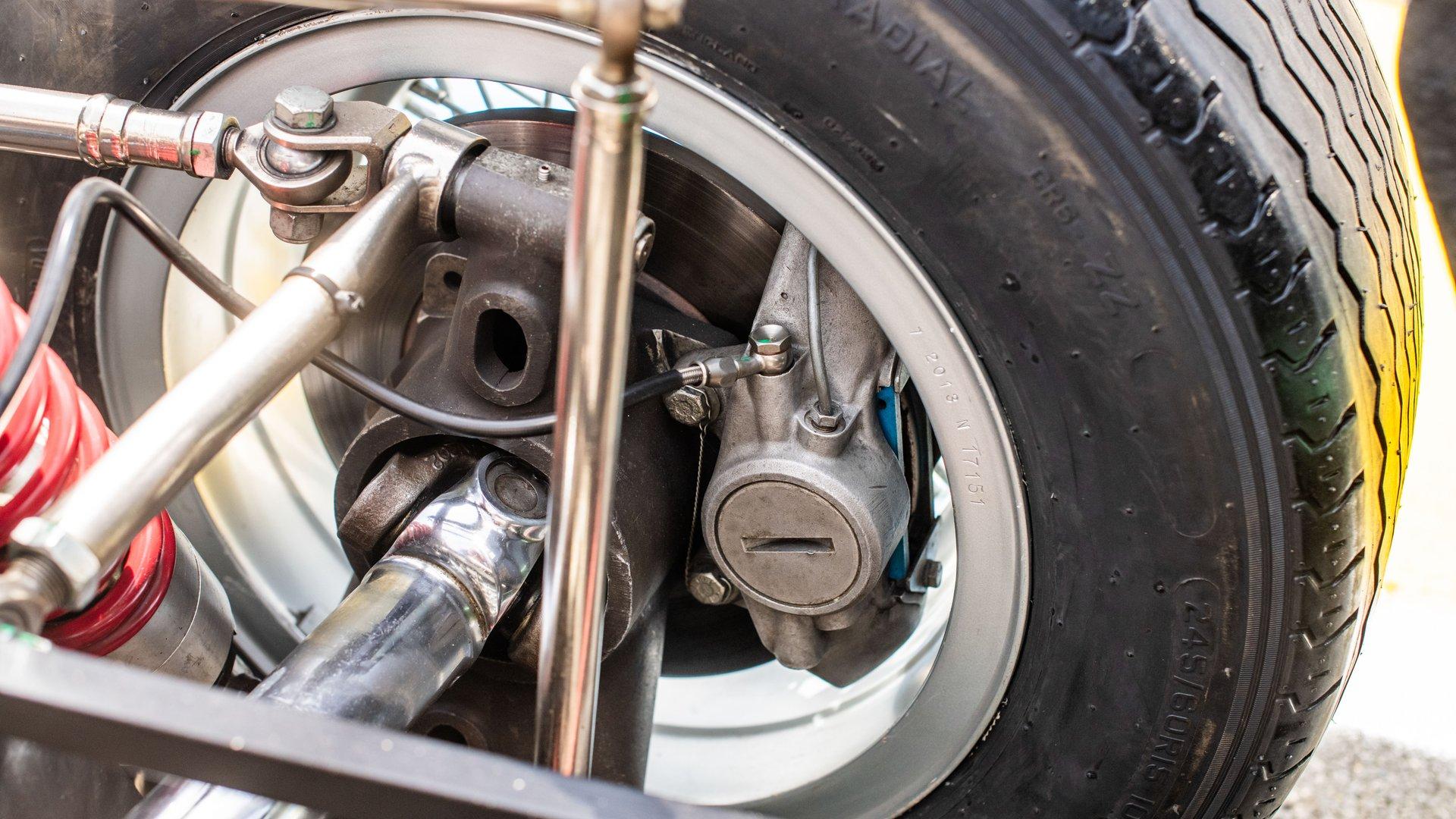
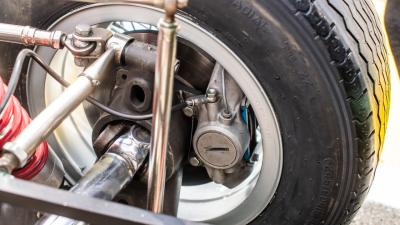
After Le Mans, chassis P1006 continued to serve as a development car for F.A.V. It notably participated in a test at Monza in September 1965, where it was crashed after four days of rigorous testing and more than 5,600 kilometers covered. The car suffered a brake caliper failure at the medium-speed Lesmo corners and collided with the retaining barrier. F.A.V. reports confirm that the damage was minimal, and driver Peter Sutcliff escaped without serious injury. However, many sources incorrectly explain that the car was completely wrecked in the crash at Monza. This misinformation can be largely traced to GT40 authority Ronnie Spain's 1986 book GT40 - An Individual History and Race Records. Spain later recalled in two separate letters-one in 1989 and another in 1993-that he had mistaken the details of the incident for Sir John Whitmore's crash of an earlier GT40 at Monza in 1964- which took place one year before P1006's test at the track. Spain's 2024 book Ultimate GT40 -The Definitive History officially clarifies the truth of this car.
Though sustaining only localized damage in actuality, P1006 was returned to Slough following its shunt and subsequently retired from the GT40 test program. The car's suspension components and sill panels were donated to the completion of P1000-which would contest the 1966 Sebring 12 Hours through Comstock Racing Team. P1006's chassis remained under the care of F.A.V. when its assets were transferred to John Wyer's newly created J.W. Automotive Engineering Ltd. In 1967.
The chassis was subsequently sold to its first private owner, Terry Drury, who fitted it was a spare Alan Mann aluminum body and painted it metalflake yellow. Drury entered P1006 in both the 1968 Martini Trophy Silverstone and the Zeltweg 500 Kms but did not participate in either event. The GT40 was sold in 1969 to another privateer, Dennis Leech, who entered it in that year's Embassy Trophy Thruxton but also did not take part in the race itself. P1006 remained in England under the care of a handful of owners, one of whom registered it for road use with registration number MEJ 460J-the number it still retains today. The car notably passed to a caretaker in 1978 who commissioned a restoration from GT40 specialist John Etheridge. This photo-documented revitalization consisted of a rebuild to its 1965 Le Mans specifications, including a repaint in its original Linden Green livery. After its restoration, the GT40 was loaned to the Midland Motor Museum in 1987, where it briefly joined a collection of other motorsport icons of equal merit.
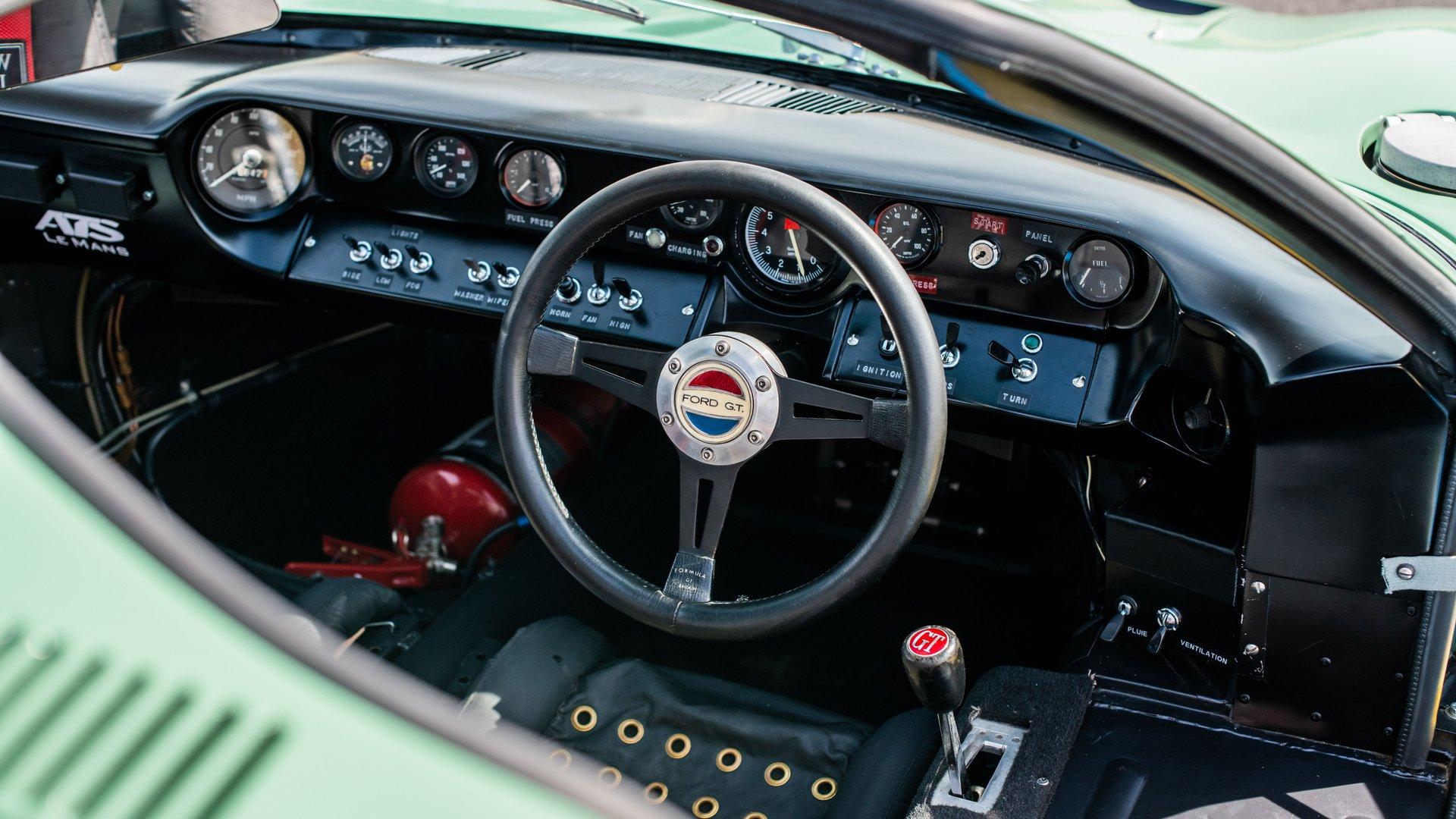
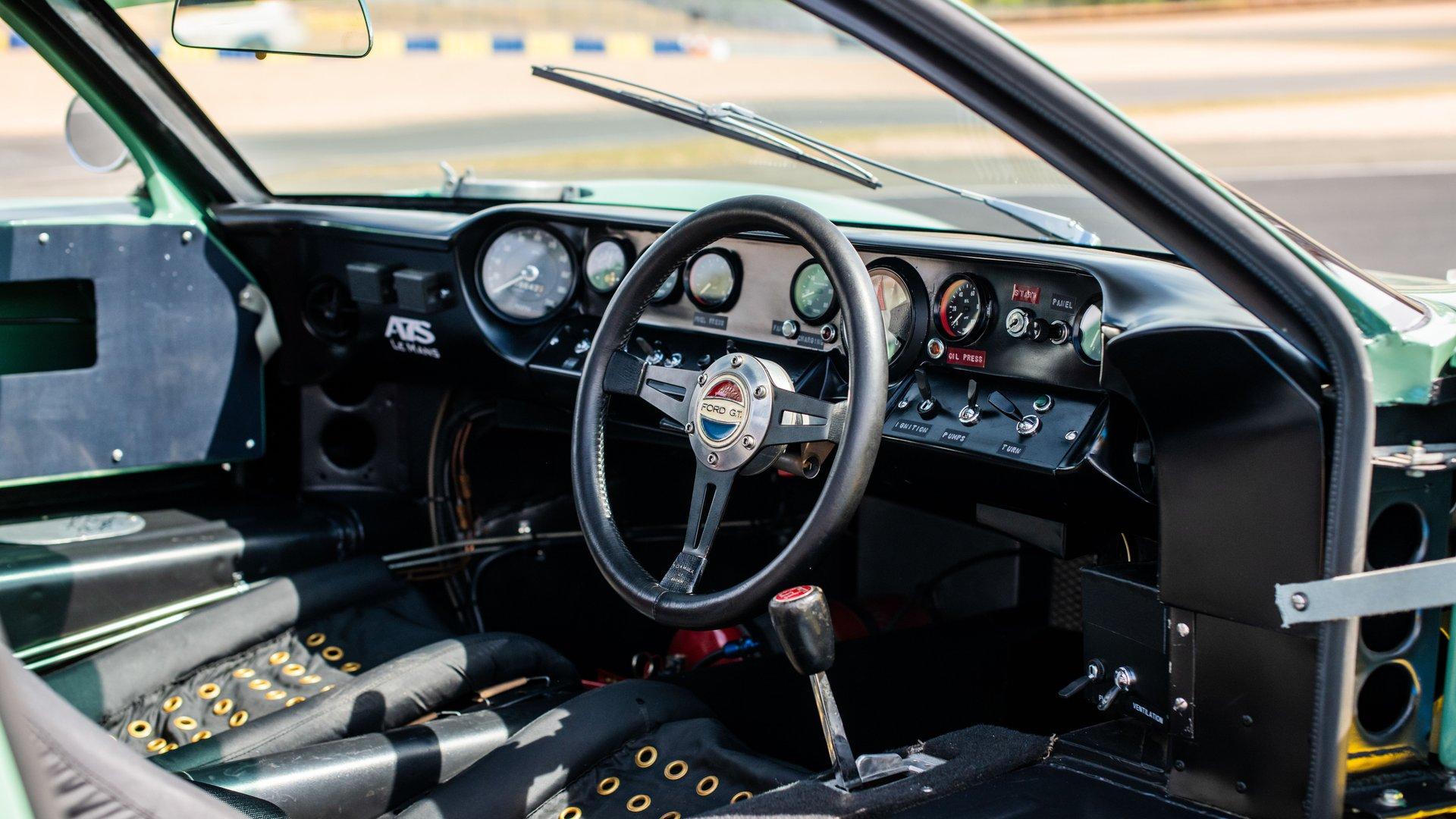
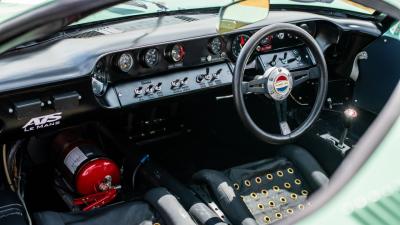
P1006 was acquired by its current, long-term owner in 1993, an esteemed French collector. The GT40 largely disappeared from the public eye for the next three decades, though residing a stone's throw from the racetrack it was bred to conquer. In 2013, the GT40 received an in-house restoration at local Shelby and GT40 expert Auto Techno Sports (ATS) Le Mans Workshop in preparation for that year's Goodwood Revival. It went on to participate in the Revival's Whitsun Trophy with the illustrious pilot Henri Pescarolo and ATS' manager at the wheel, racing in a thrilling all-GT40 field with many of its MK. 1 siblings. P1006 was entered in the Concours Le Mans Heritage Club at Le Mans Classic 2016; joining a hand-picked selection of high-pedigree racecars that have had the rare distinction of competing at the Circuit de La Sarthe. The car was also displayed at the 24 Hours of Le Mans Museum just last year, garnering further recognition from its home racetrack.
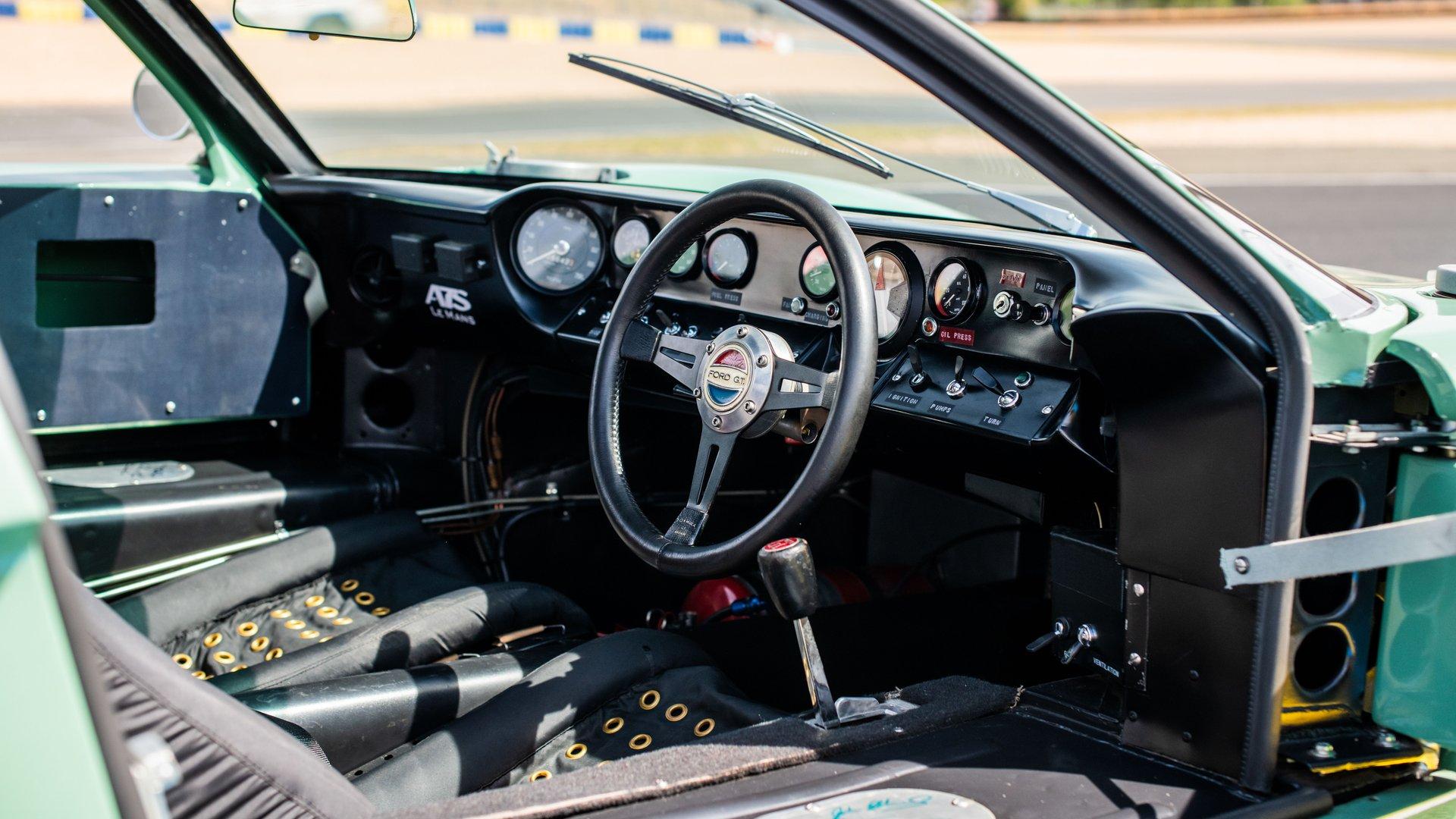
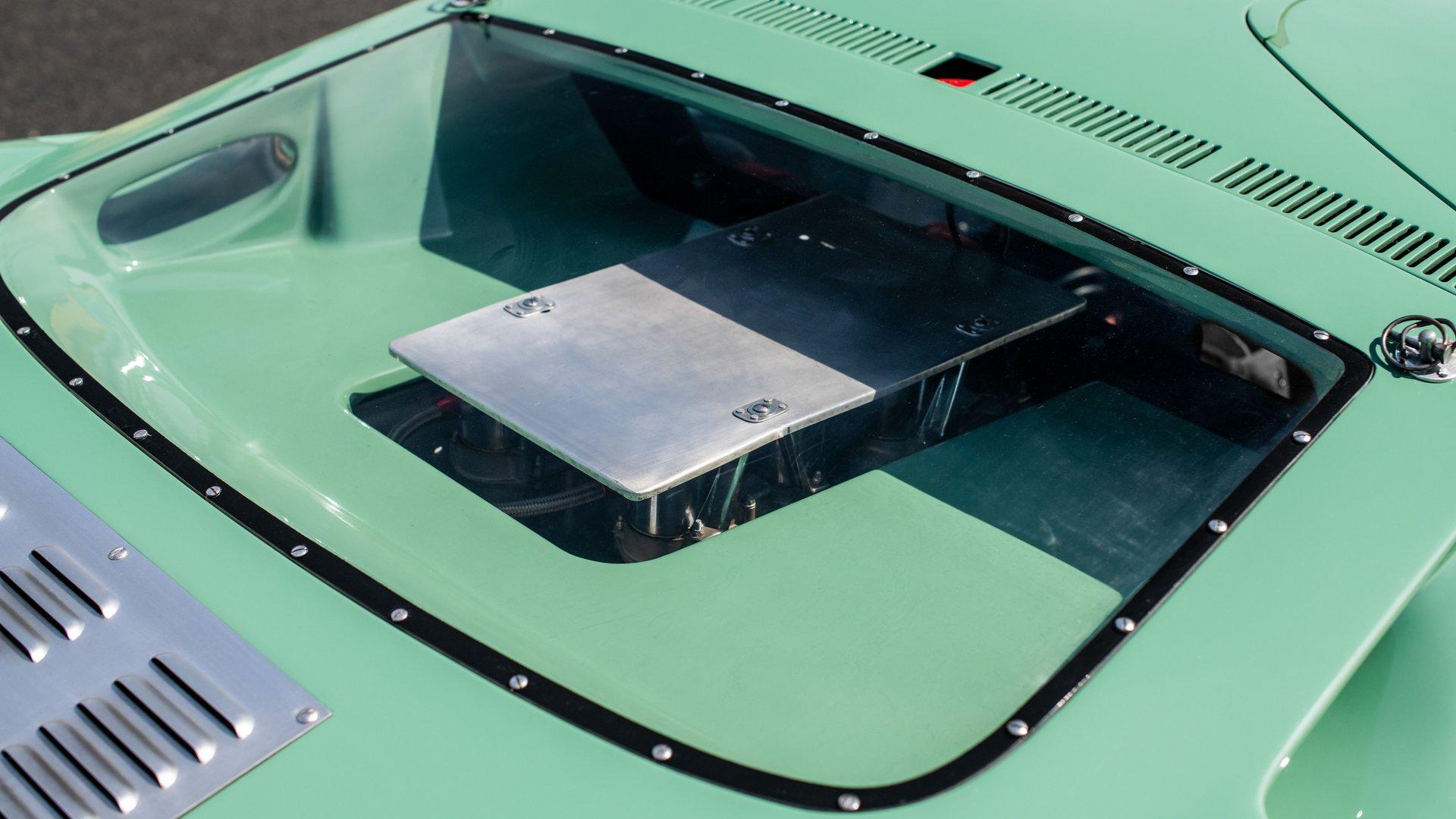
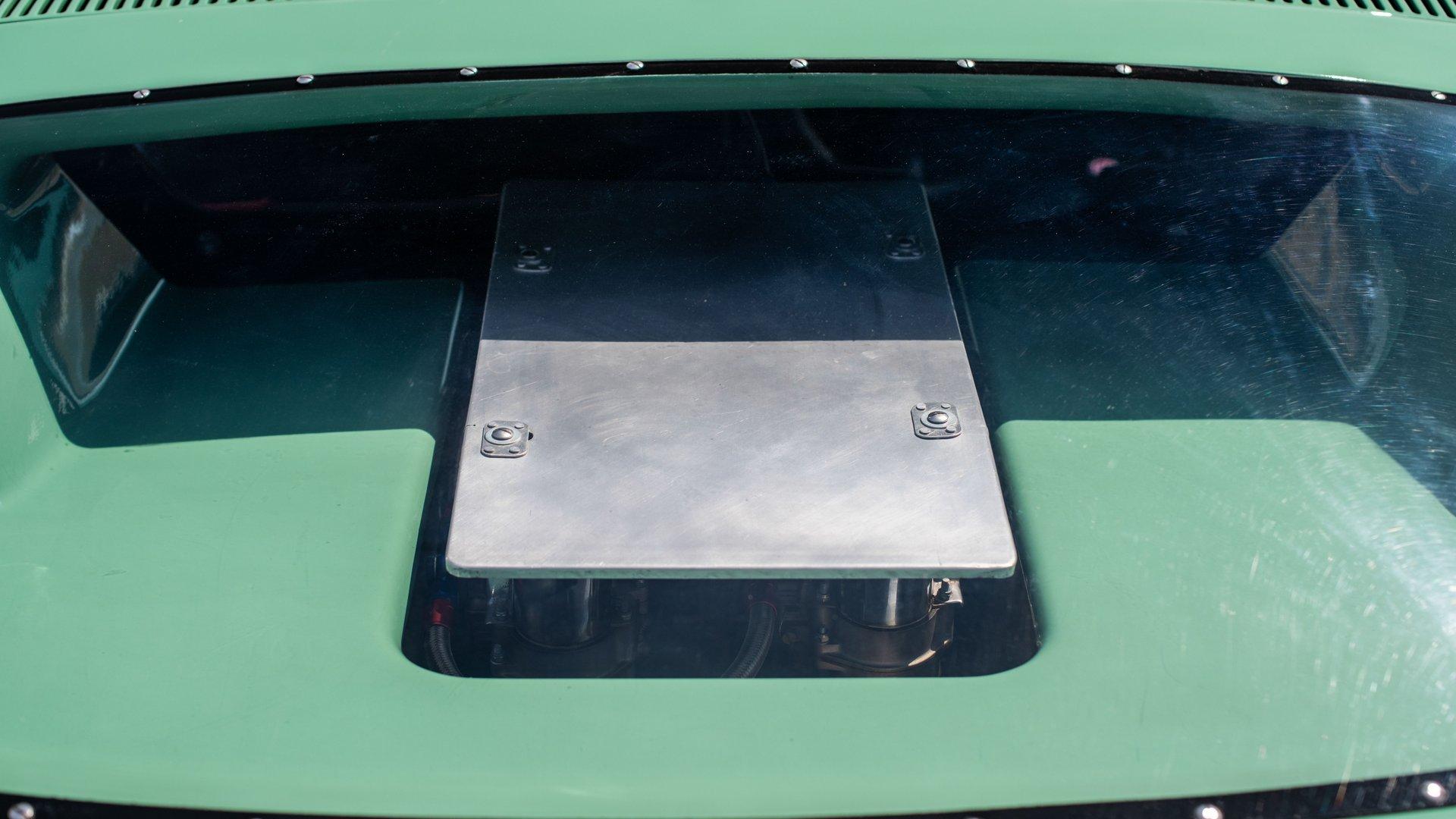
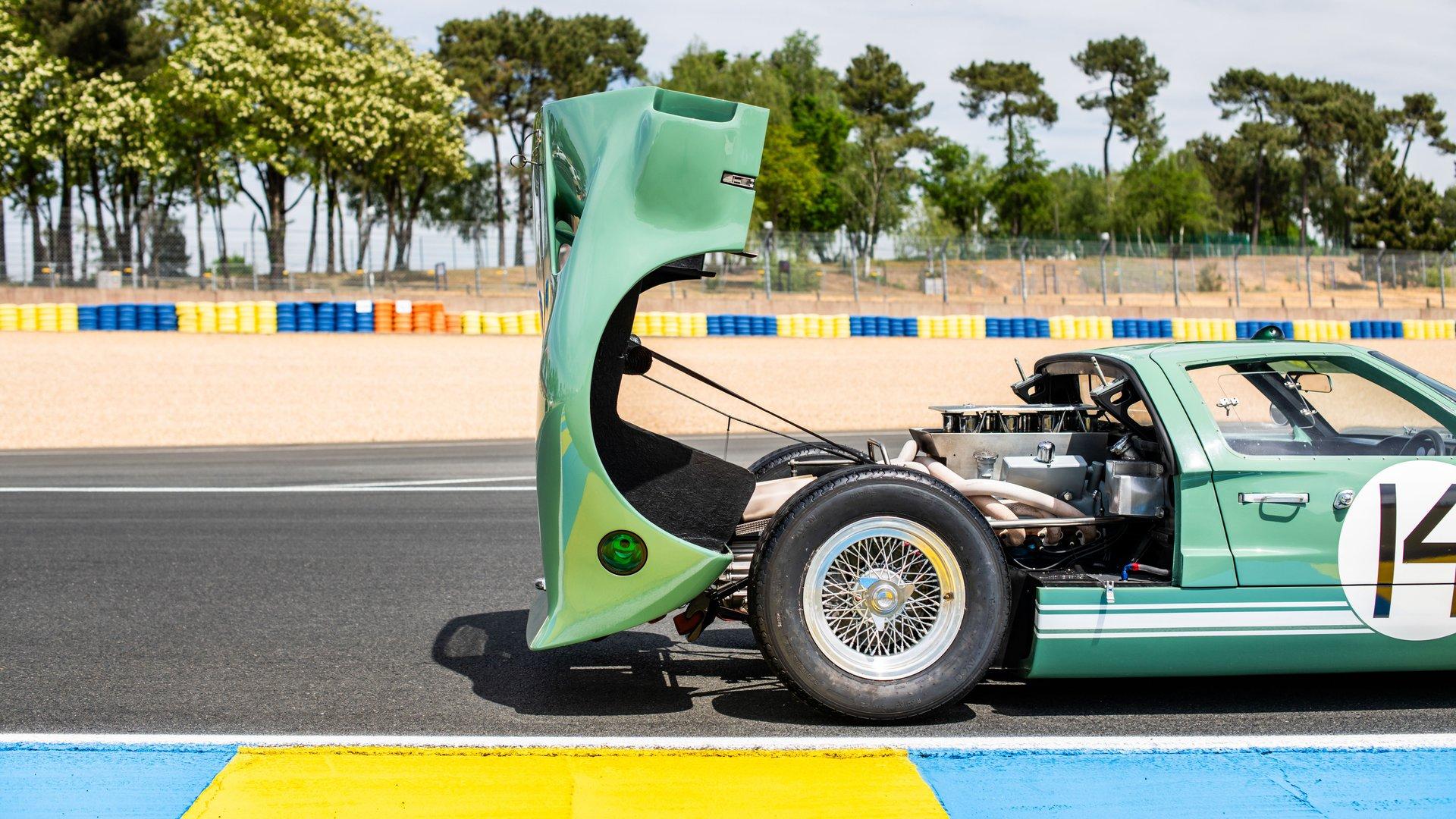
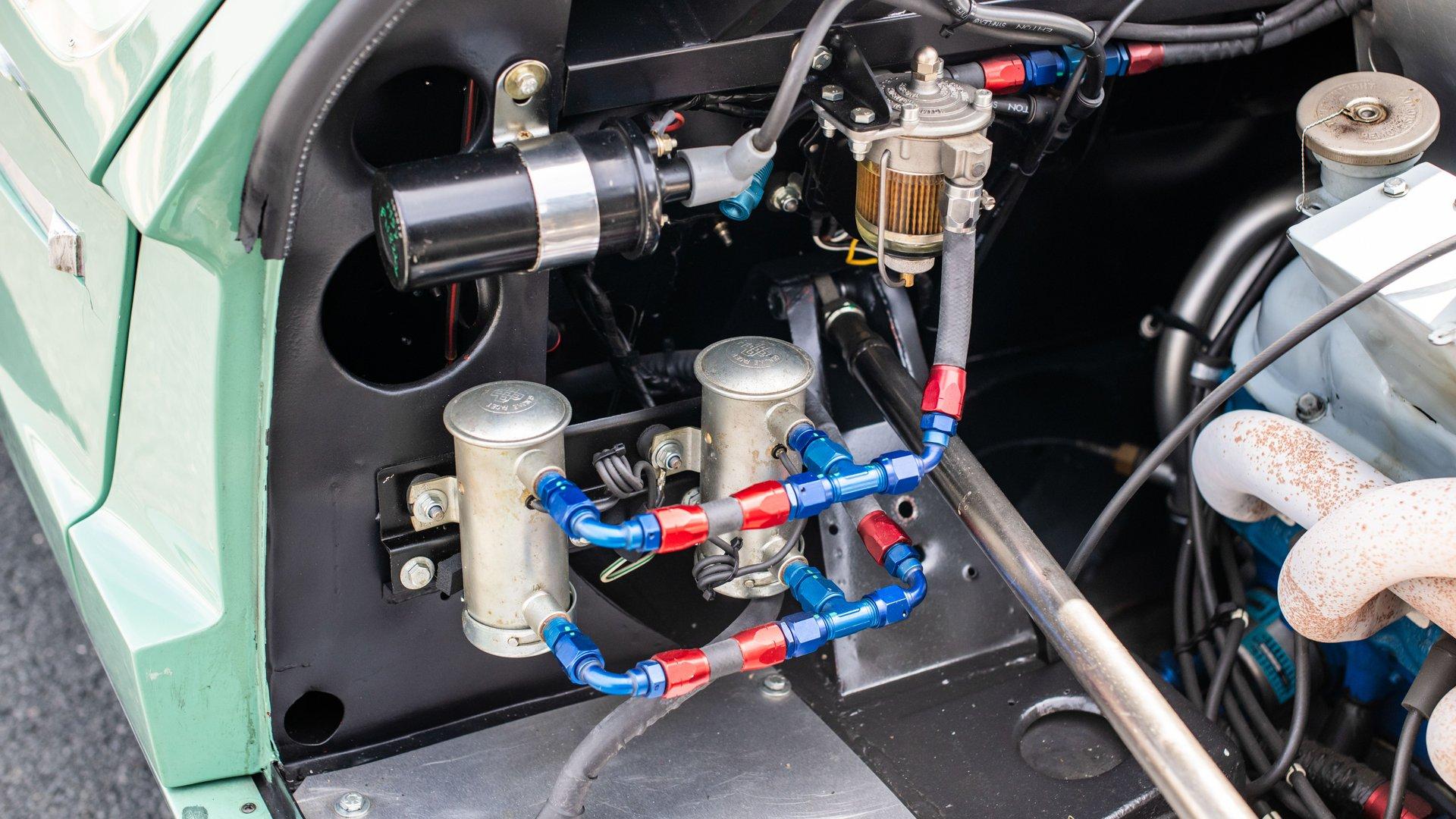
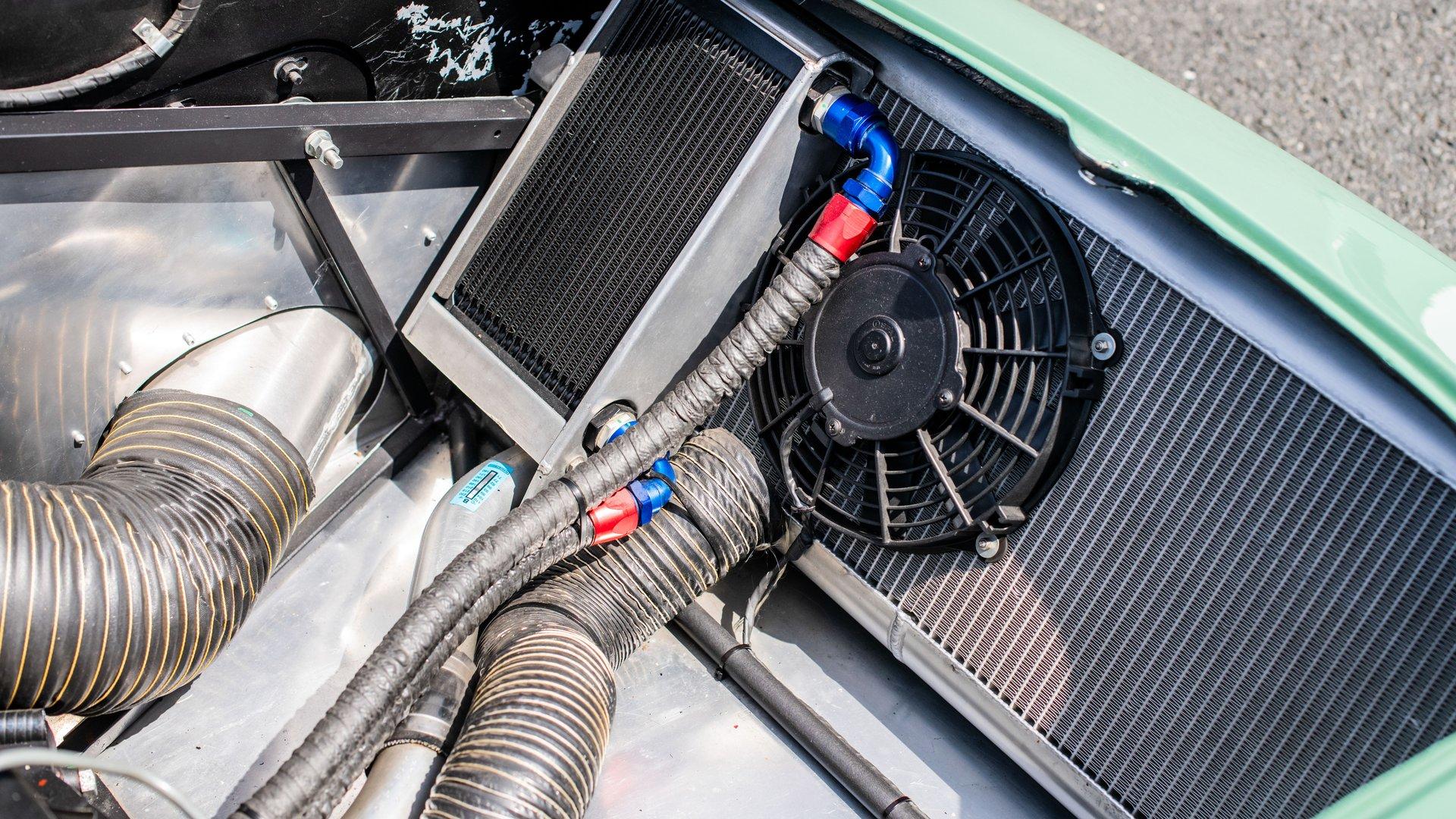
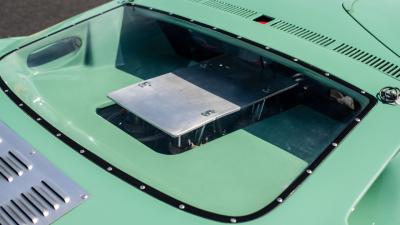
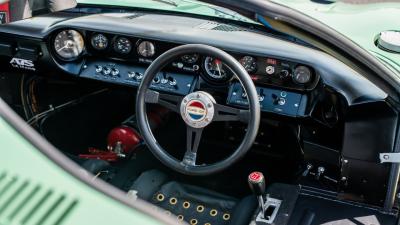
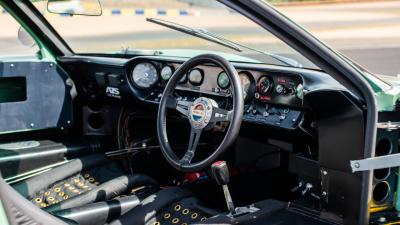
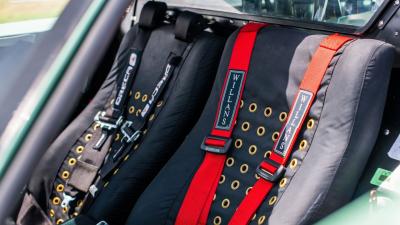
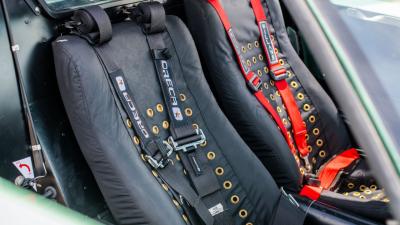
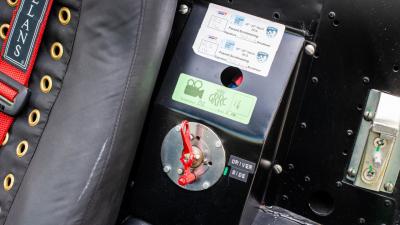
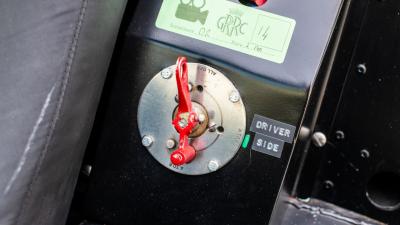
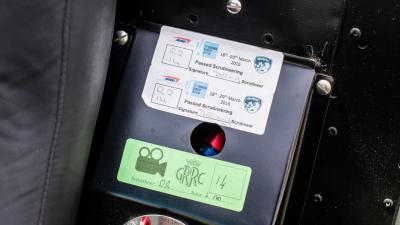
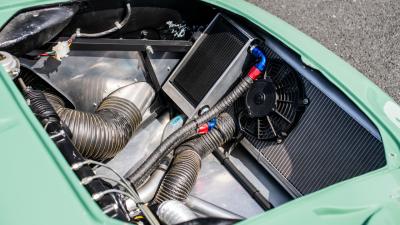
If chassis P1006's pedigree alone was not enough to enable its eligibility for the highest echelon of historic motorsport competition and celebration, the GT40 was issued a recent FIA Historical Technical Passport for Circuit, Hill Climb, and Rally Racing in September 2025 that is valid until 2035. The Historical Technical Passport confirms that it is fitted with a Ford 4.7-liter V8 with block casting number C6FE-6015-E and cylinder head number C6FE-6090-A; and ZF type 5-DS25-0 five-speed manual transmission that conform to period correct specifications, though both were added after its competitive stint and are not original. It is furnished with an ample history file thoroughly tracing its records from new: including a copy of its Production Car Record from Ford Advanced Vehicles, invoices from both its 1980s and 2013 restorations, correspondence between Ronnie Spain and multiple previous owners confirming the car's provenance, and photos of the car before its restoration.
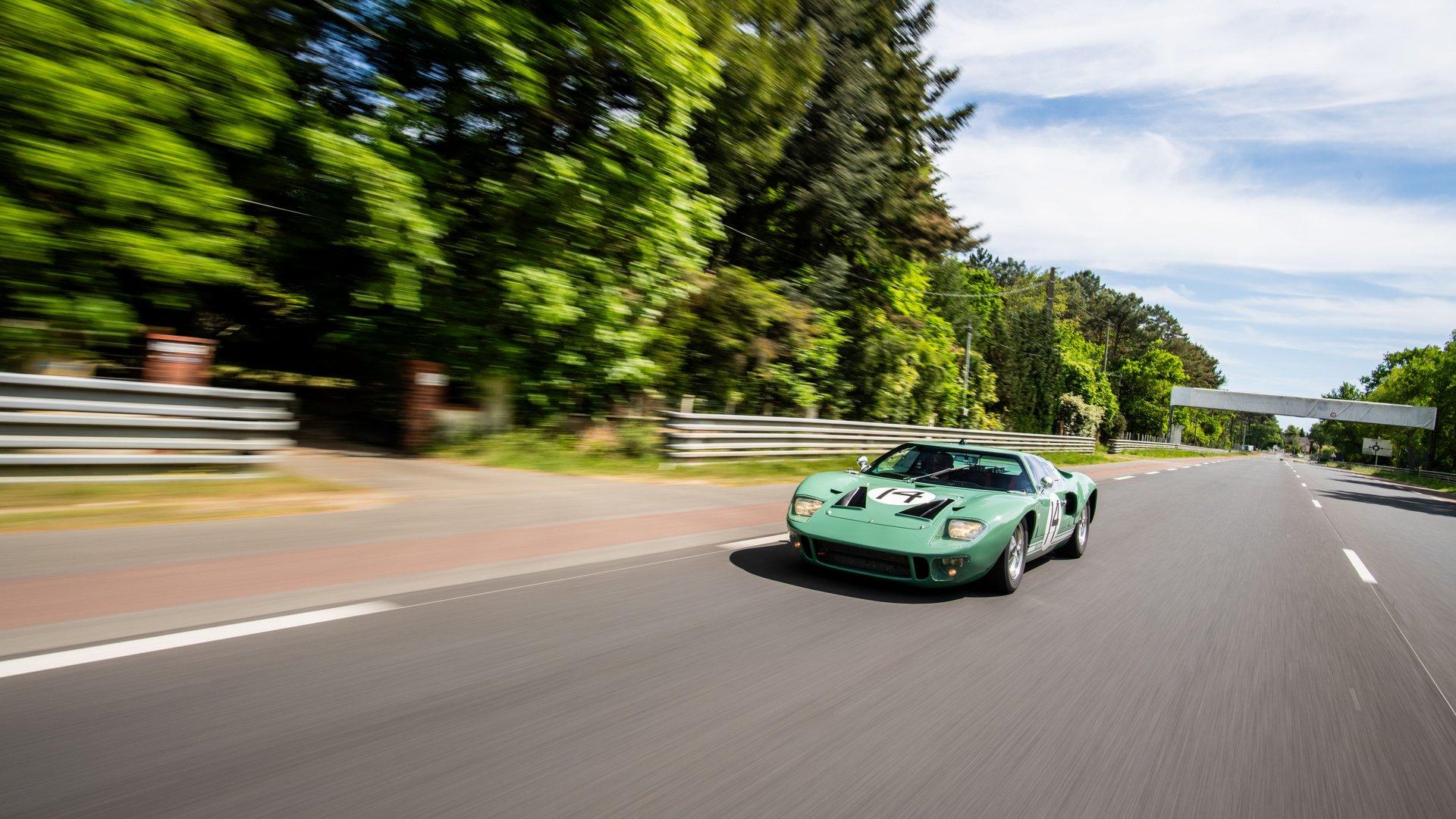
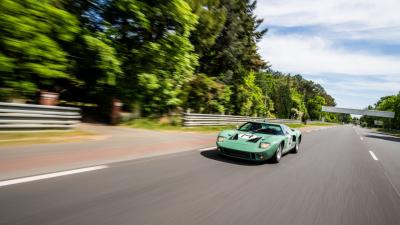
The consigning Broad Arrow specialist reports that this example remains in excellent overall condition and functioned well at a measured pace during recent testing at the Circuit de La Sarthe in preparation for sale-due in no small part to the consistent care performed by ATS Le Mans Workshop. However, a dedicated track preparation service is advised should its next owner wish to continue racing the GT40 in historic competition and operate the Le Mans prototype at its full potential.
The innovations, efforts, and hard-won lessons of the Ford GT40 MK. I in 1965, headlined by this chassis and the Ford Advanced Vehicles program overseen by John Wyer, proved instrumental to Ford's silver screen-worthy victory in 1966 and further dominance at Le Mans through the close of the decade. That this car has continued to receive diligent care and attention from leading GT40 authorities, some based just kilometers from the circuit that defined its purpose, is a testament to its well-documented pedigree and legacy.
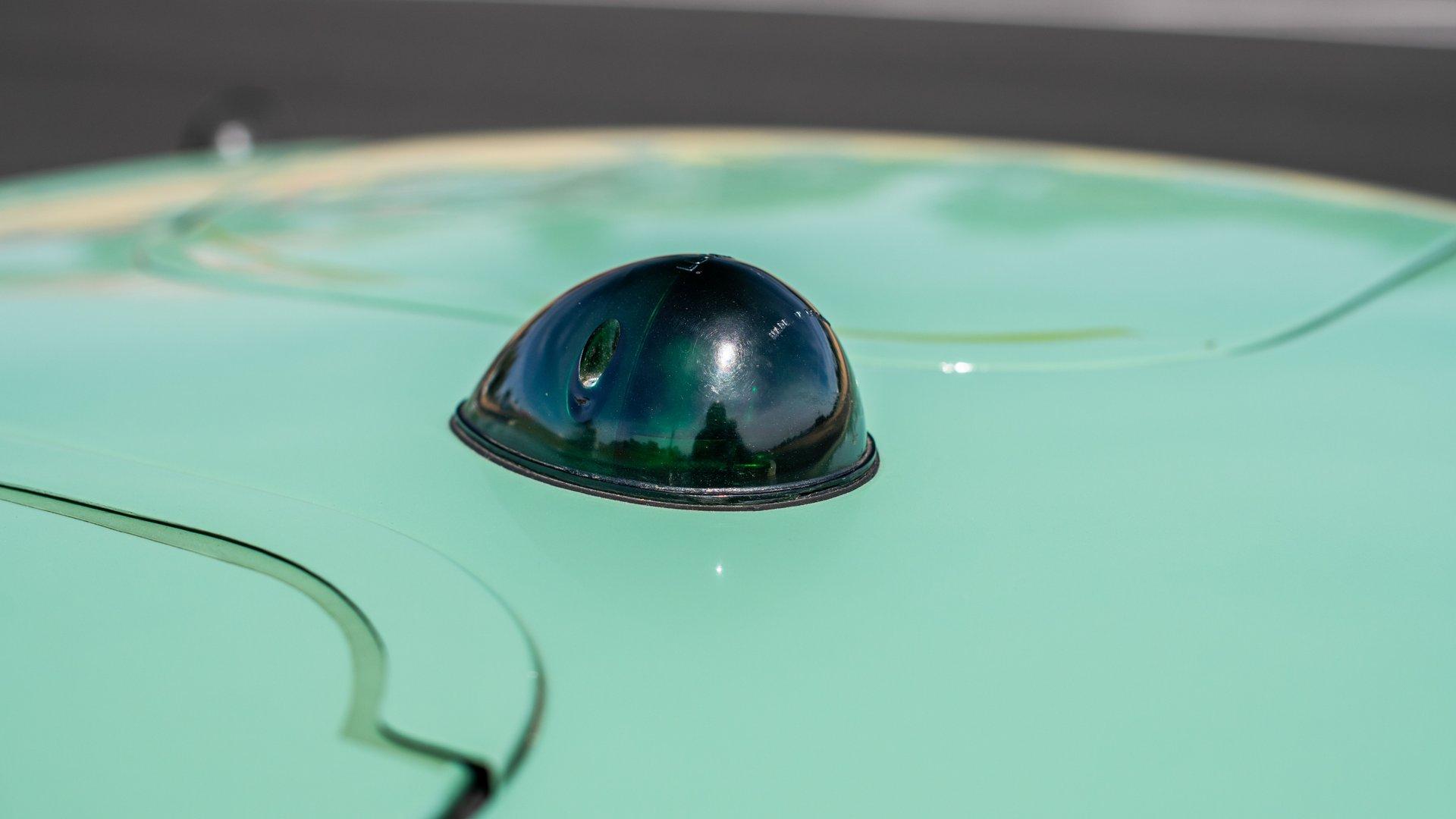
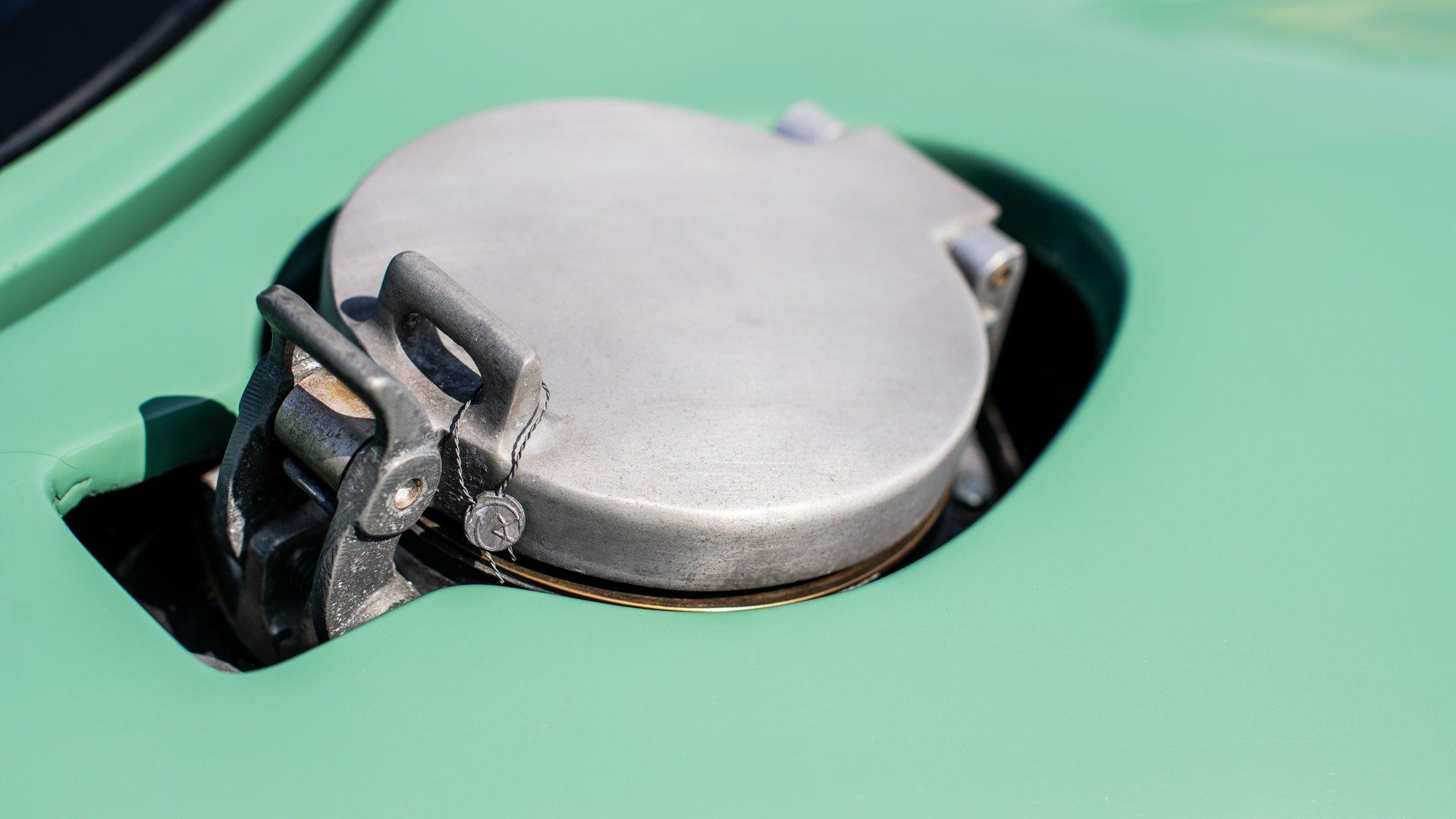
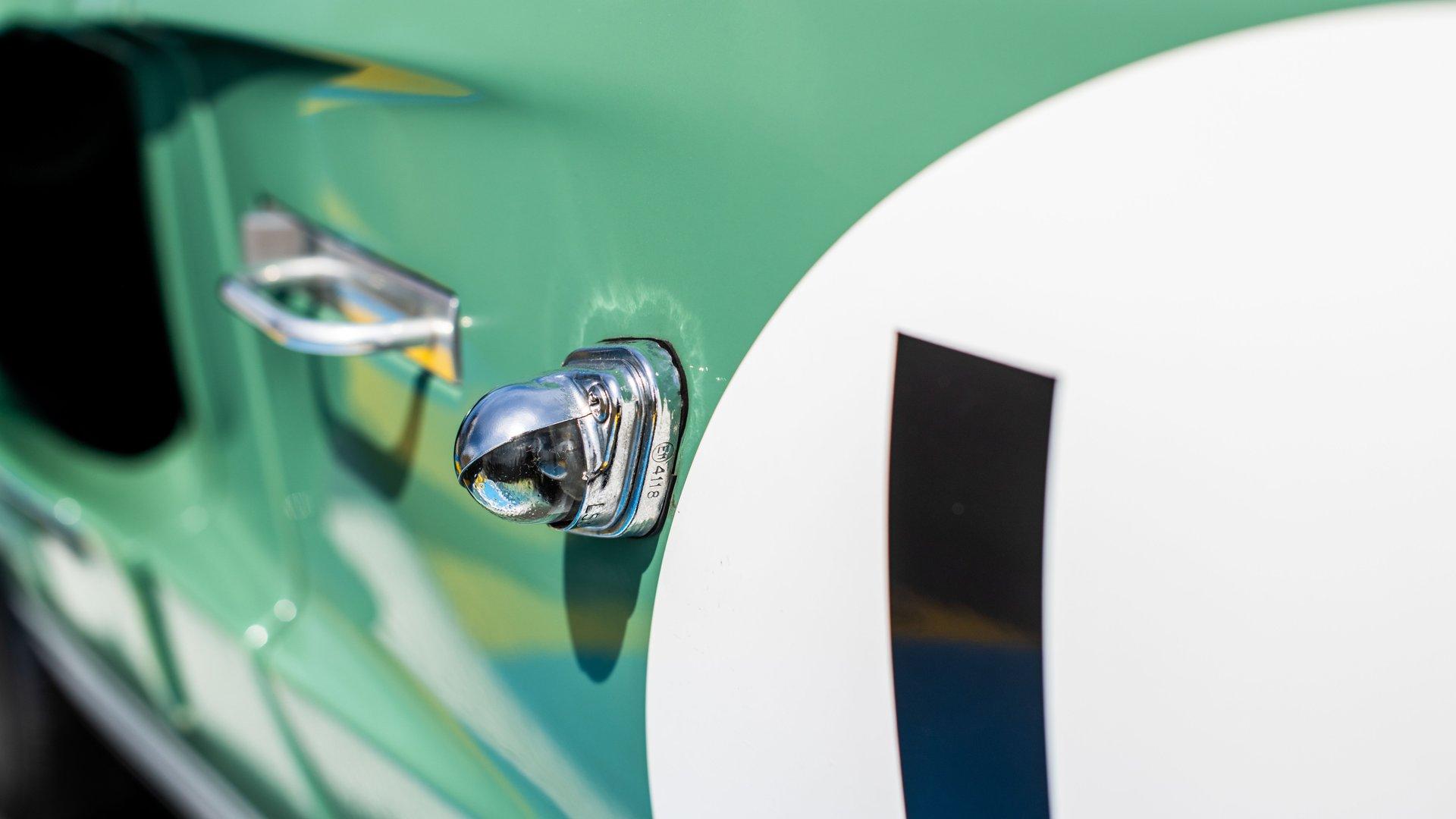
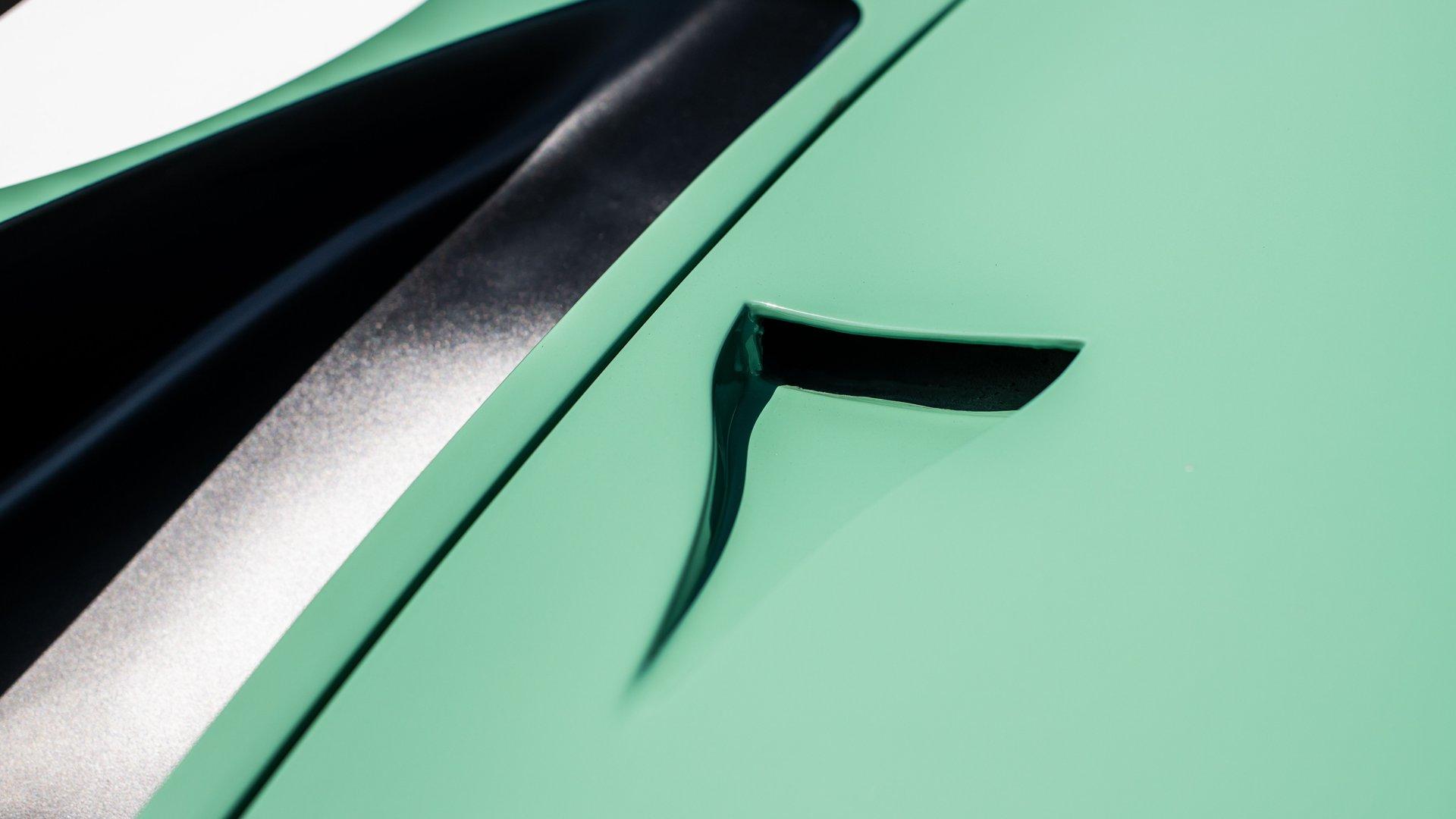
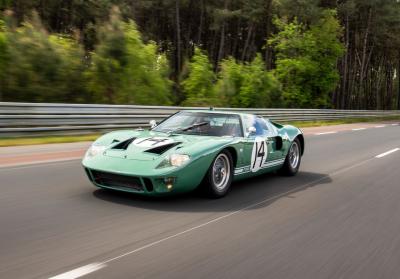
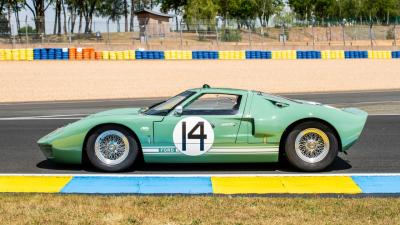
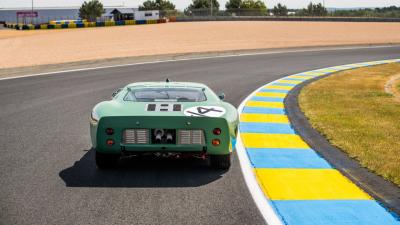
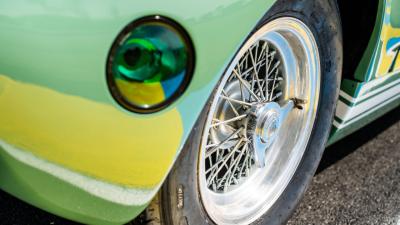
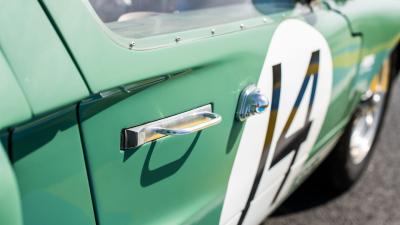
Presented in its factory-correct Linden Green livery, an appearance that continues to influence modern Ford GT supercars, it has remained a compelling presence at Le Mans celebrations throughout a three-decade custodianship by a noted collector and GT40 expert. This example is therefore primed to assume a place at the pinnacle of any serious collection of endurance racing veterans, while remaining suited to continued participation at the highest level of vintage racing-keen to return to the very stage it was created to conquer more than sixty years ago.
Contact Us
