


























































































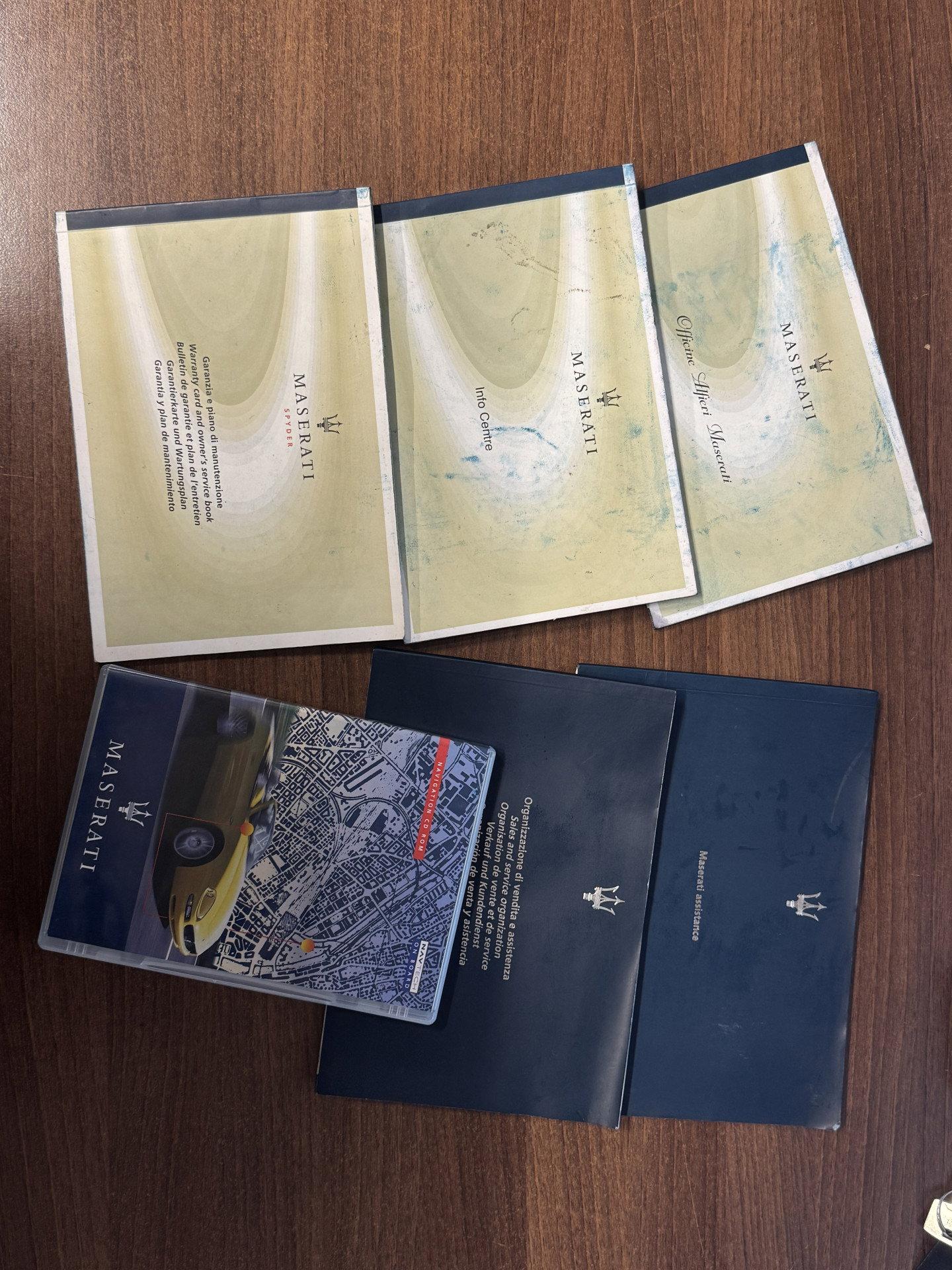

Officine Alfieri Maserati was founded in Bologna in December 1914 by the Maserati brothers, who initially produced spark plugs and ignition coils. In addition, Diattos were prepared for racing. That experience proved very useful when Diatto decided to retire from racing in 1926. From that moment on, Maserati decided to race under its own name. The first race in which a Maserati participated was the Targa Florio, with Alfieri Maserati behind the wheel. He won the race, and that was the beginning of an impressive racing history. Until the late 50s, Maserati specialized in building racing cars. Famous races such as the Mille Miglia, the Targa Florio, and international sports car championships made Maserati a formidable opponent to the established order.
The next logical step was the production of beautiful road cars such as the 3500 GT, the Ghibli, the Bora, and the Sebring. However, in the 70s, Maserati was doing so poorly that the brand stood on the brink of collapse. Help came from Argentina: Alejandro DeTomaso took over Maserati and started production of the BiTurbo. In terms of quality, it was certainly not the best car, but the model did ensure a fresh start. In the late 80s, Fiat acquired a stake in Maserati and founded Maserati SpA, subsequently taking over DeTomaso's shares in 1993. As the sole owner of Maserati, it was therefore not an illogical step to place Maserati under Ferrari, which was also part of Fiat. The last car developed entirely by Maserati was the 3200 GT; from 2001 onwards, only Maseratis were available in which Ferrari's involvement was clearly noticeable. The factory in Modena was modernized and the quality improved significantly.
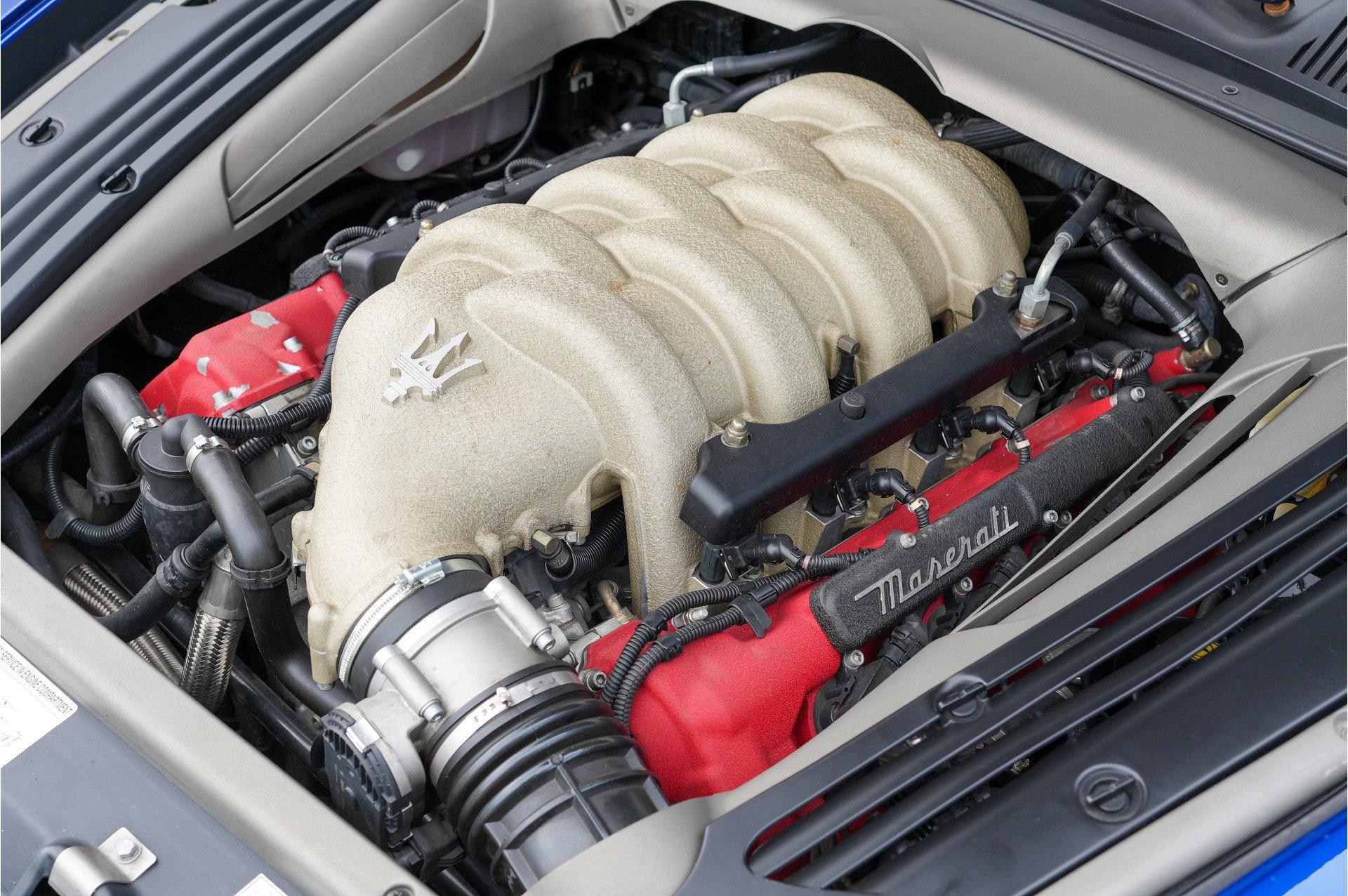
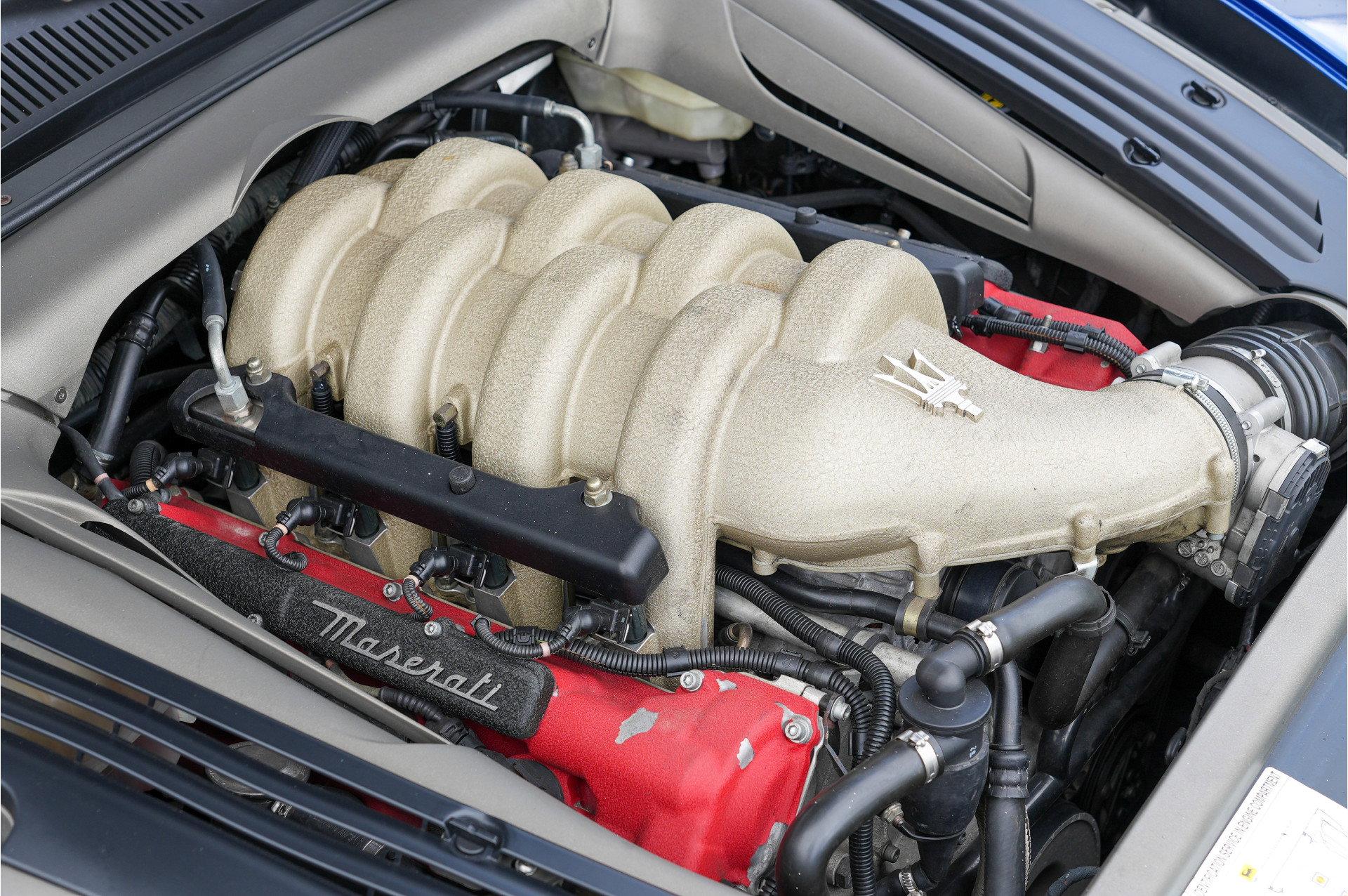
The first achievements were the 4200 GT and Spyder, which had a naturally aspirated Ferrari V8 under the hood and were built between 2001 and 2007. The Spyder was developed first and marked Maserati's return to the American market after an absence of eleven years.
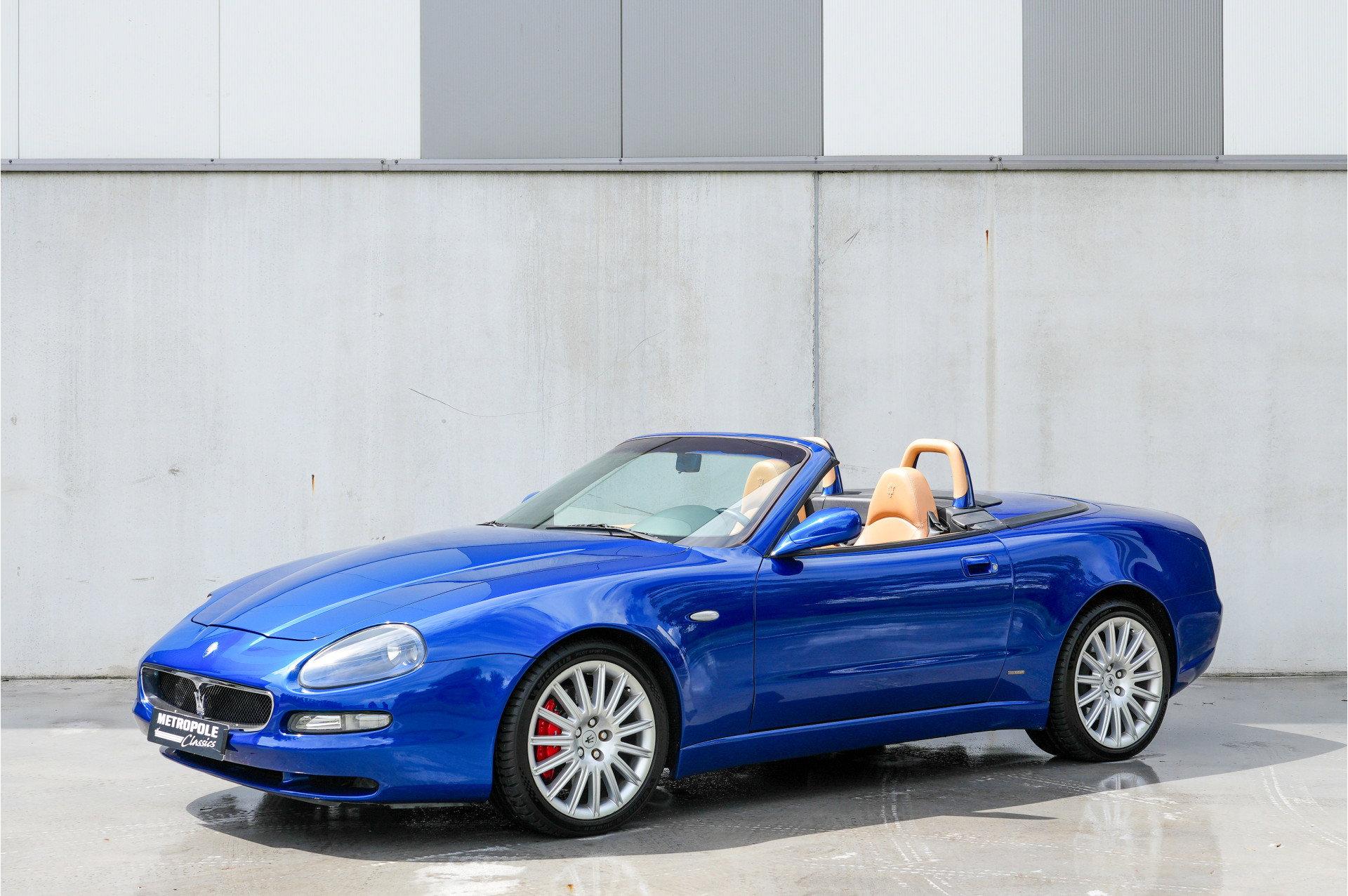
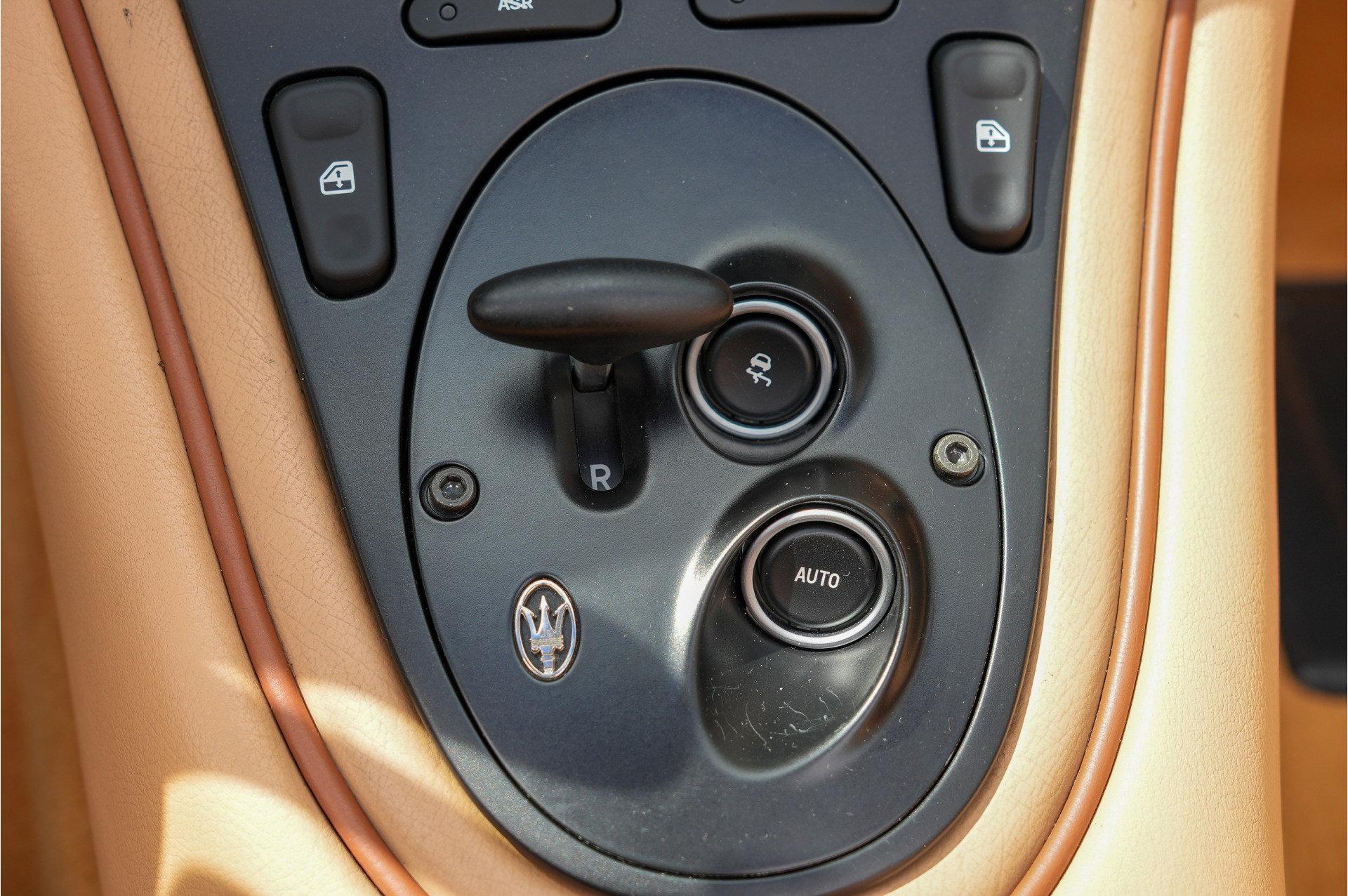
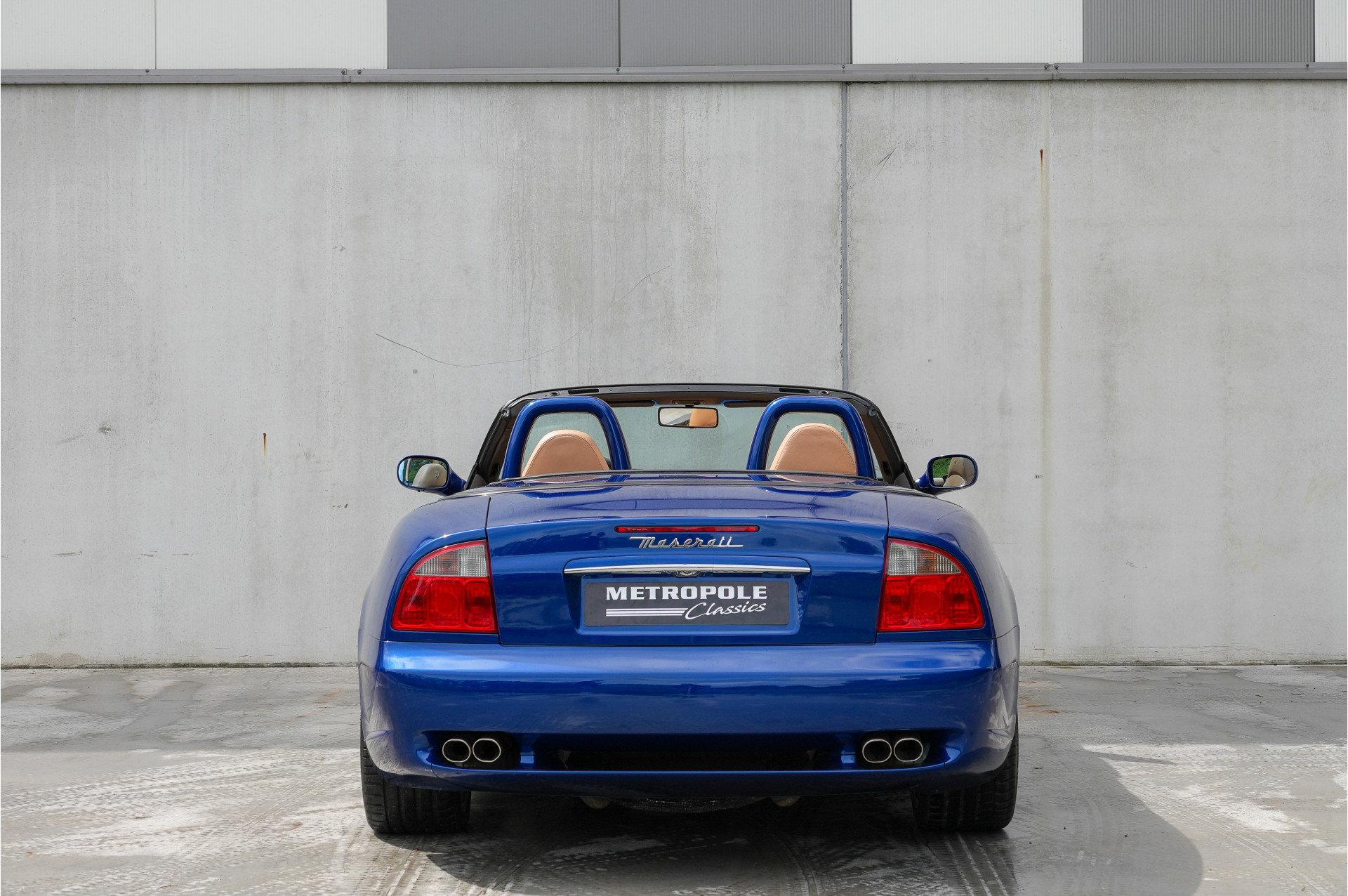
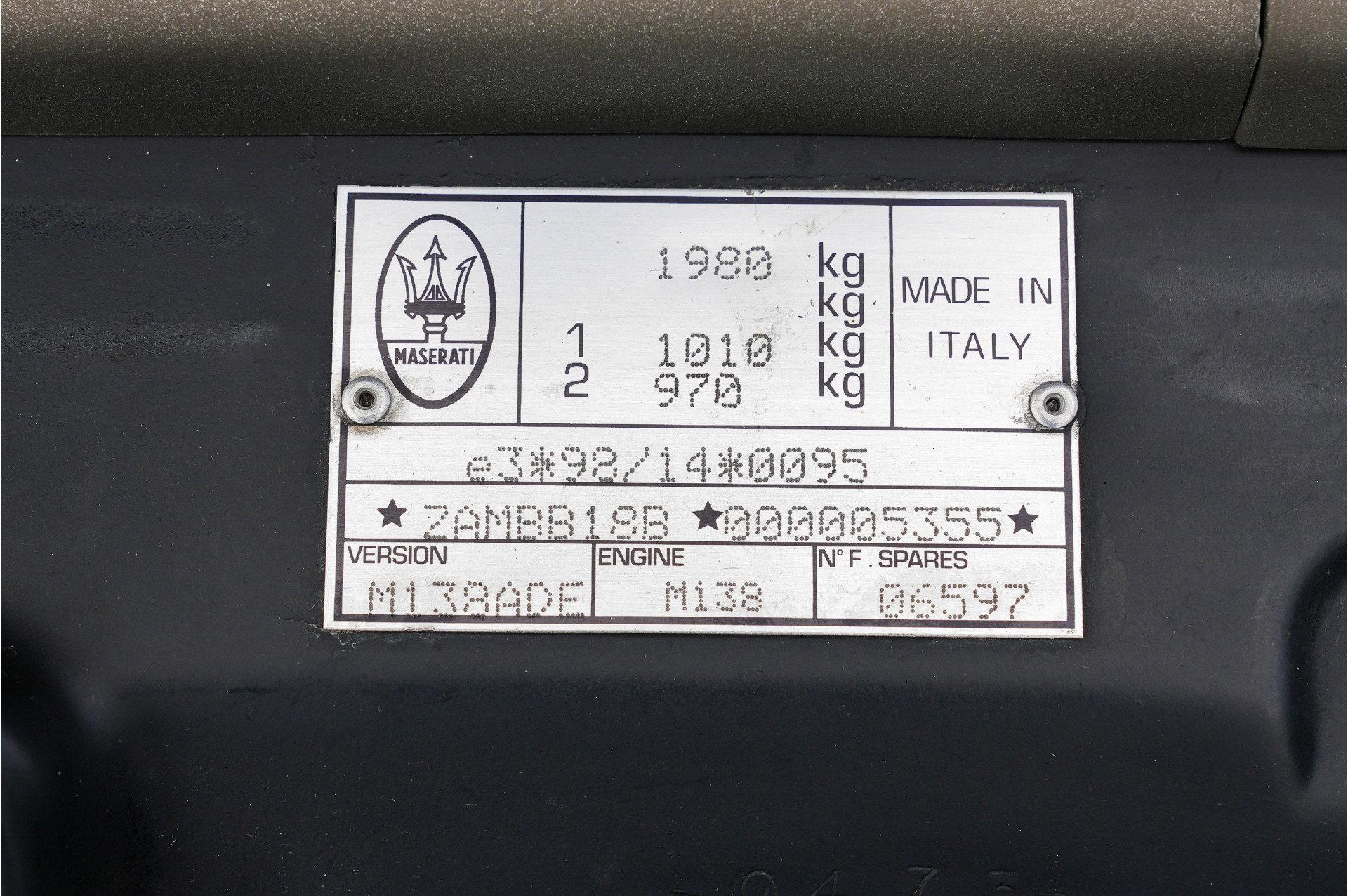
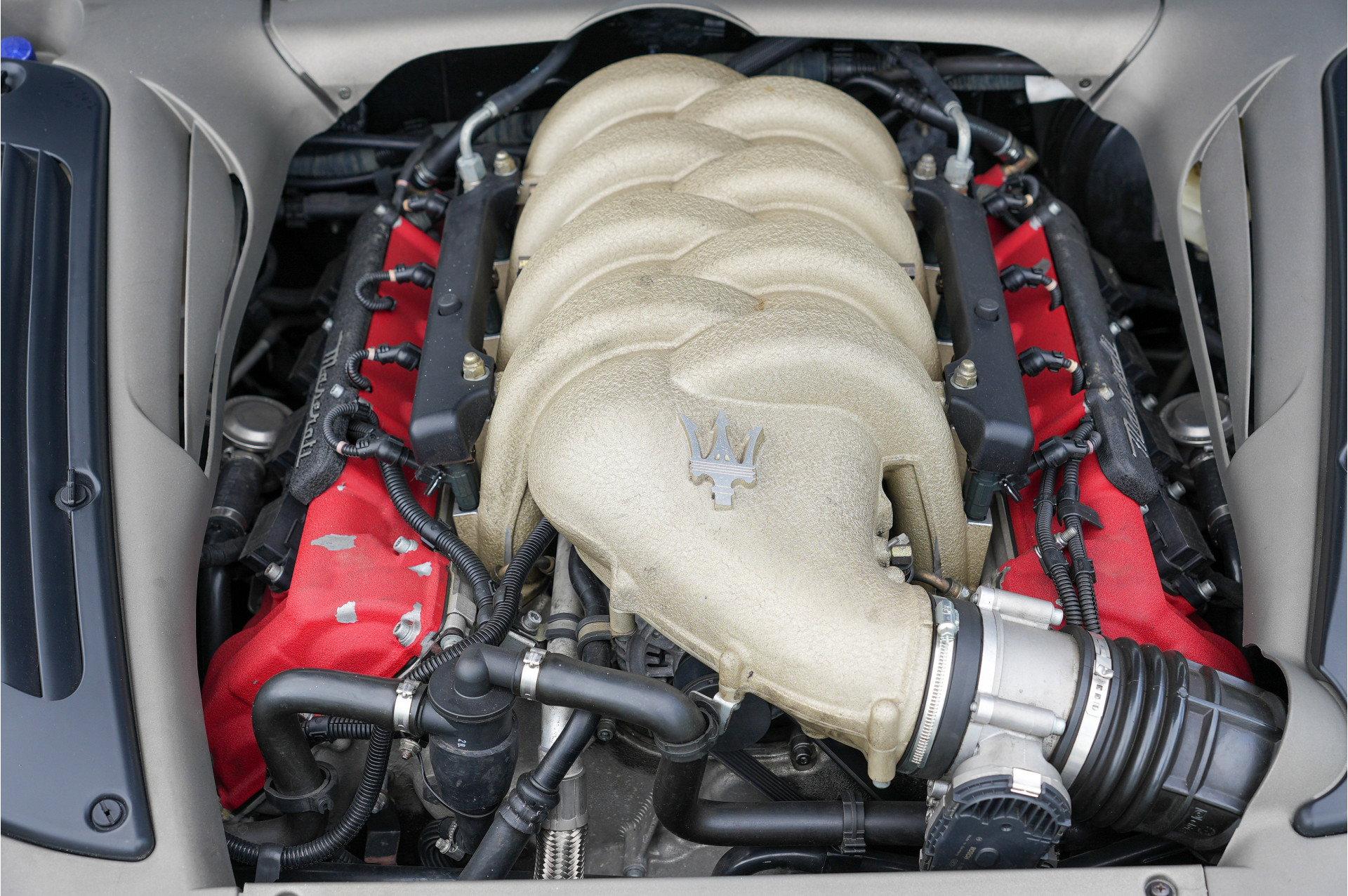
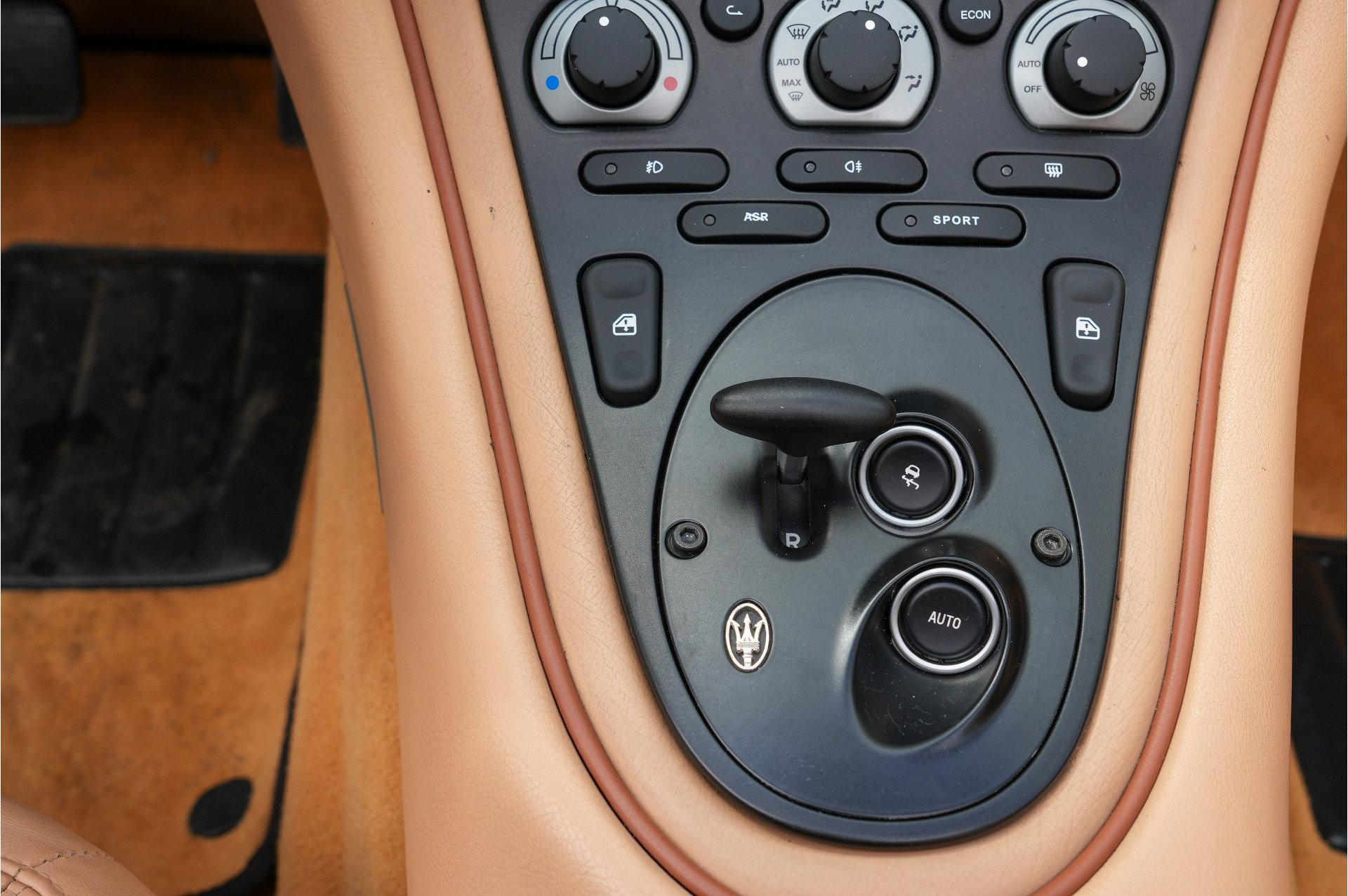
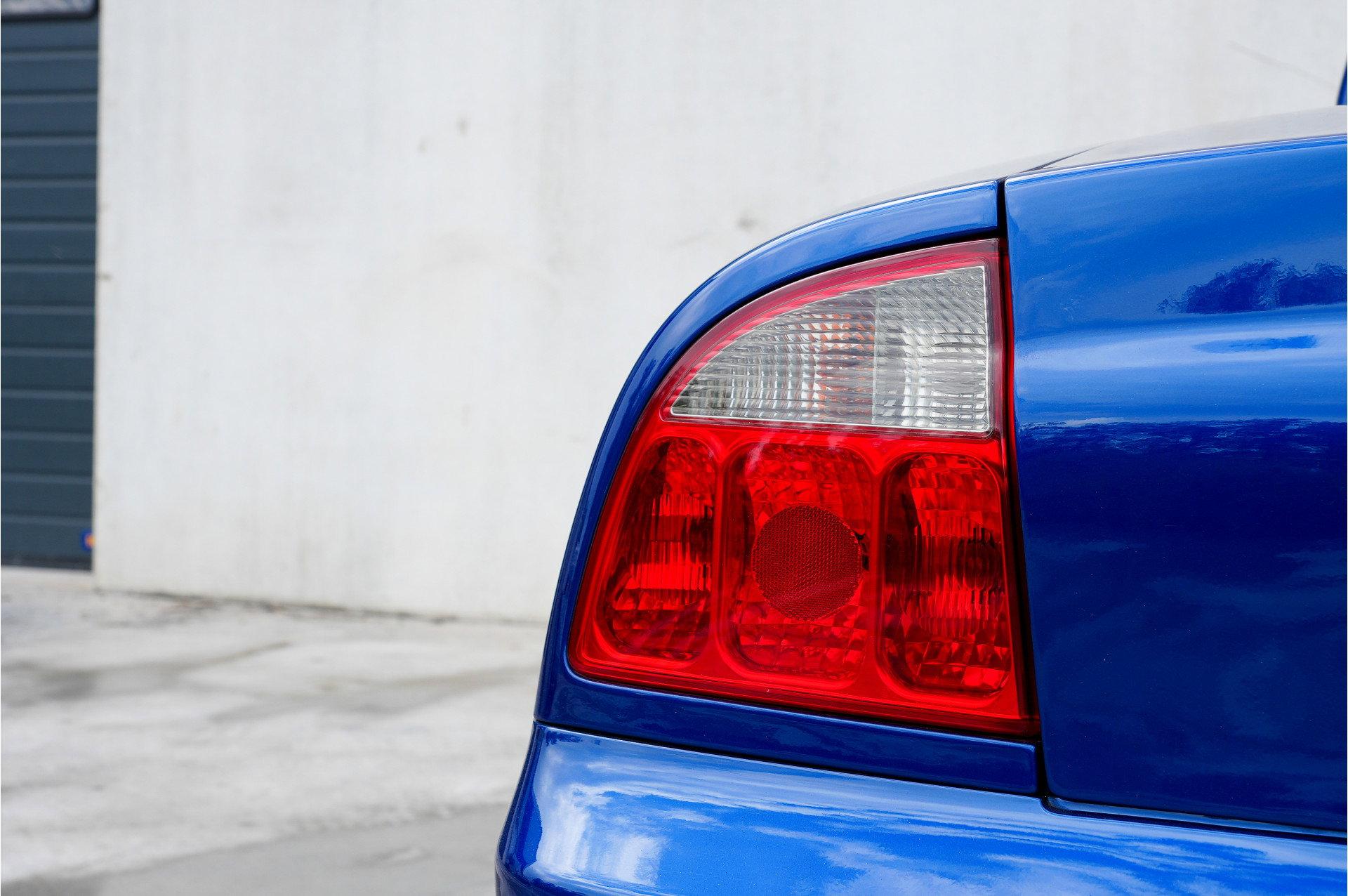
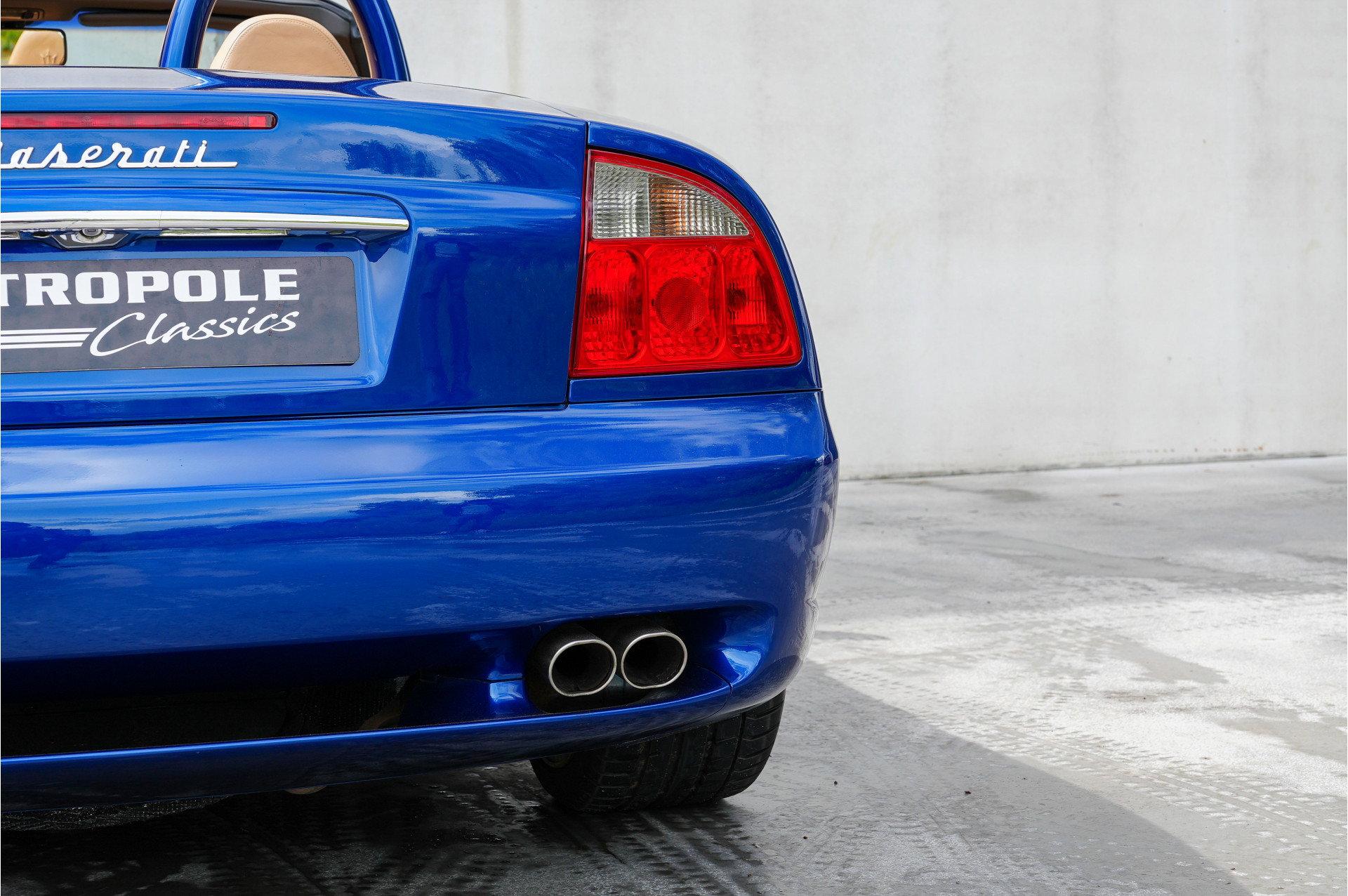
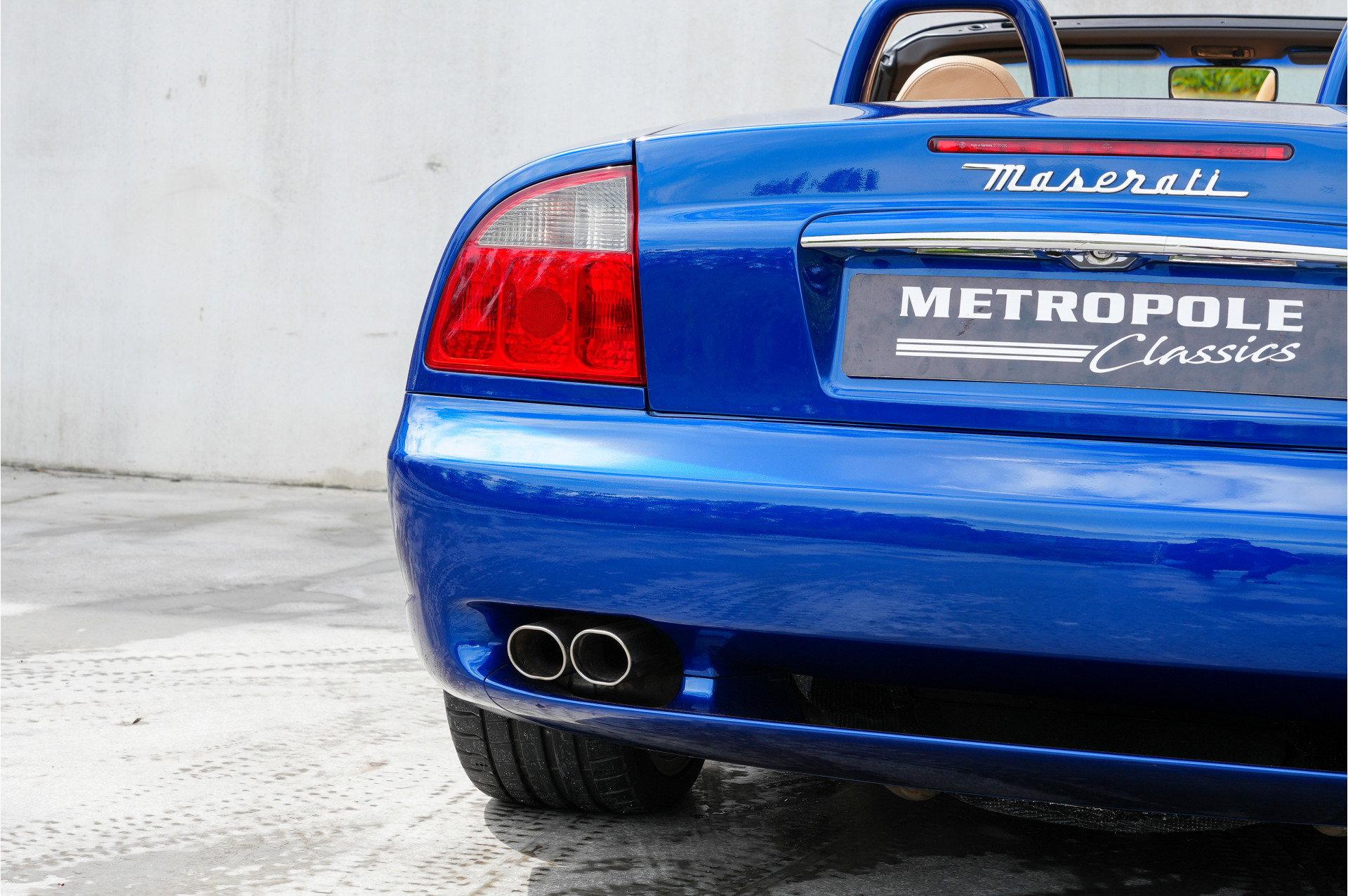
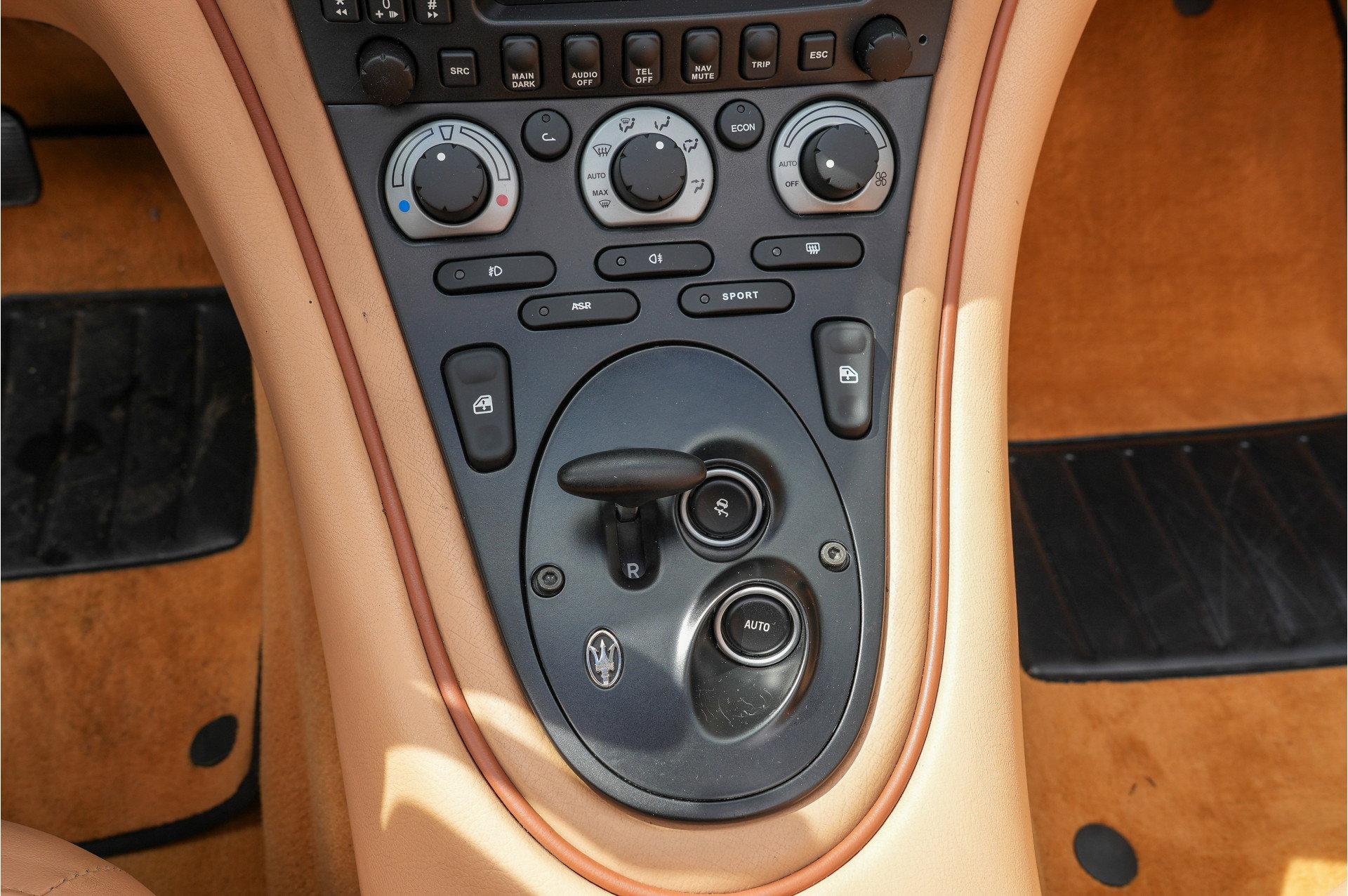
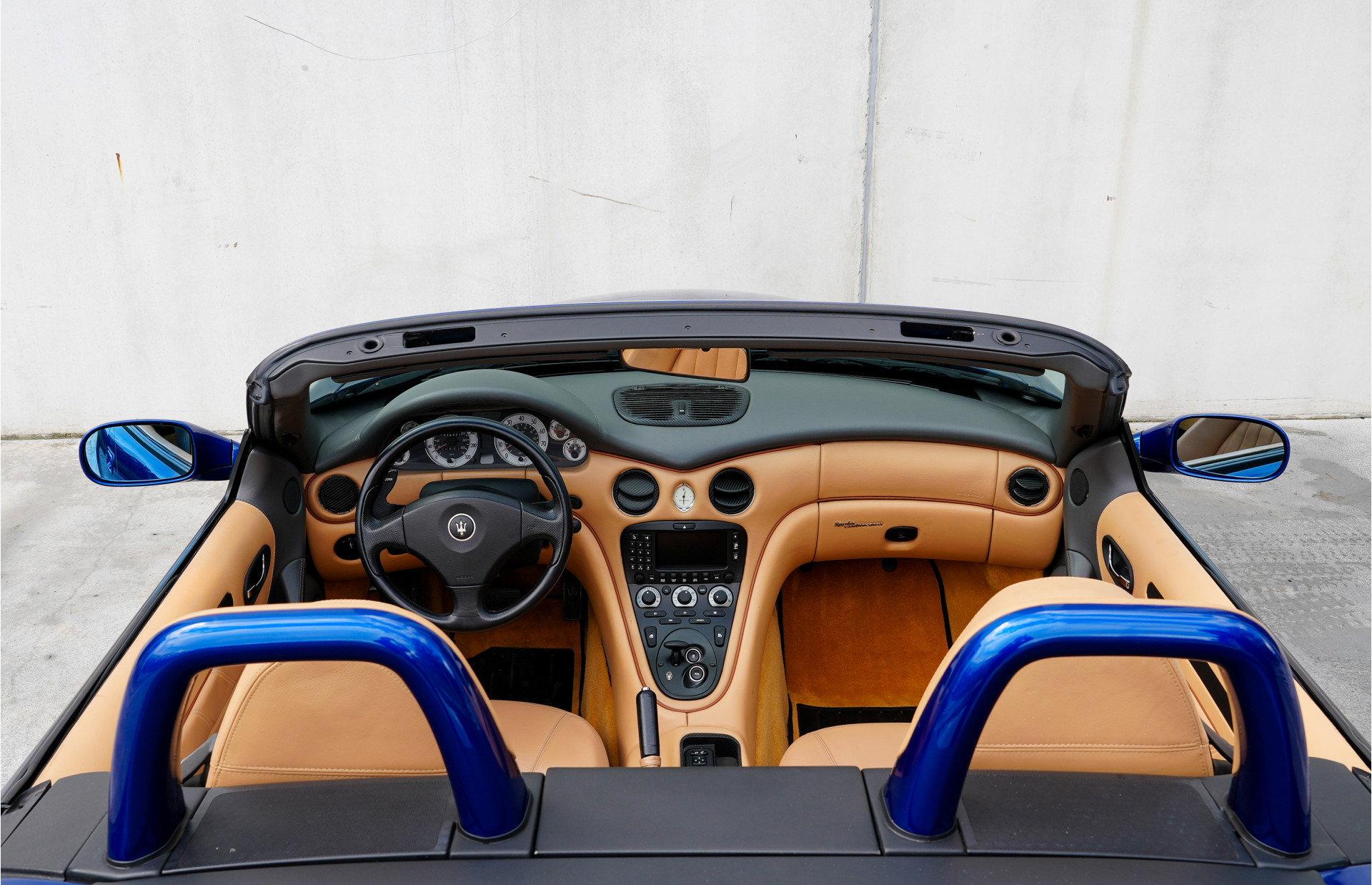
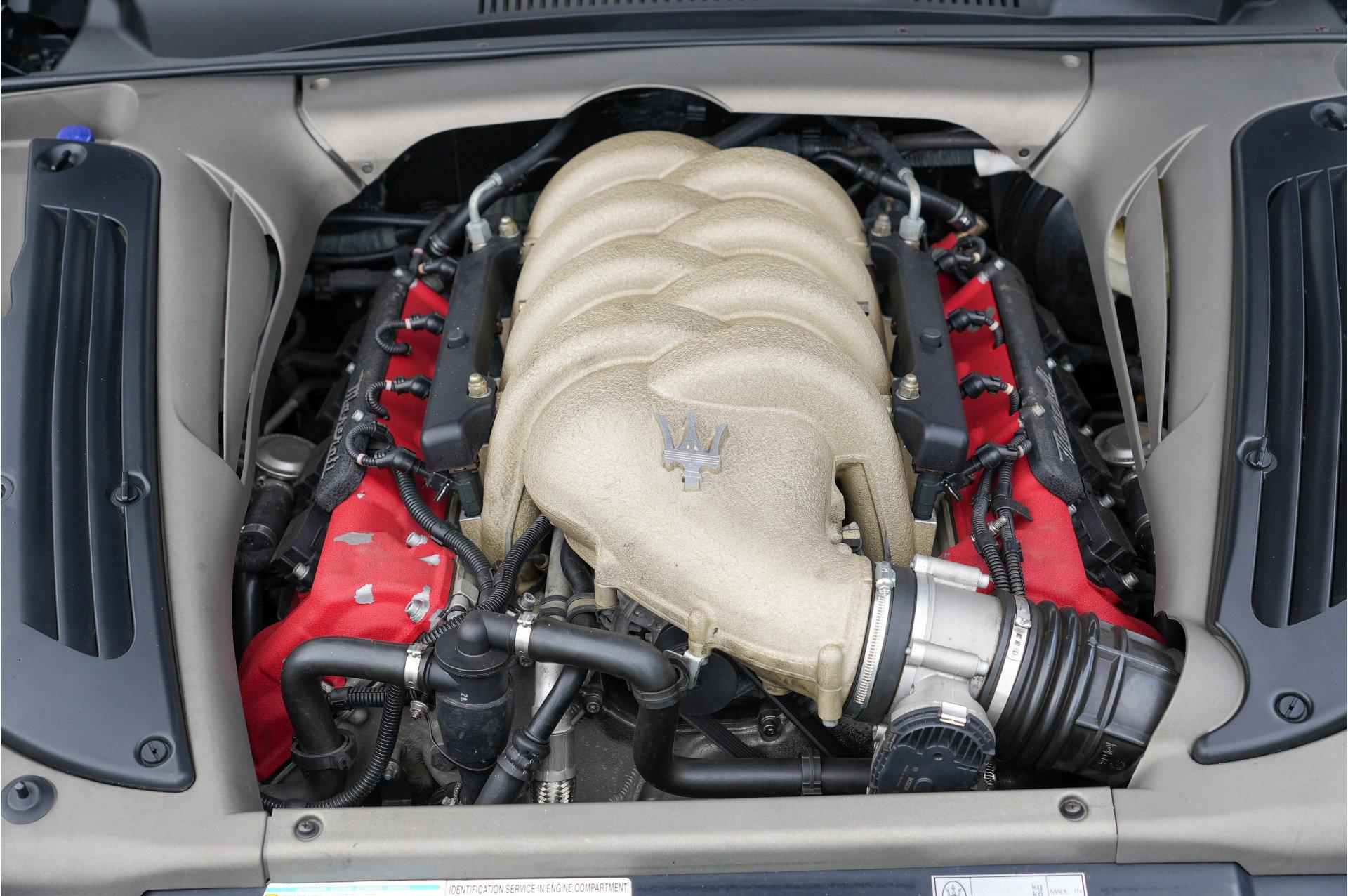
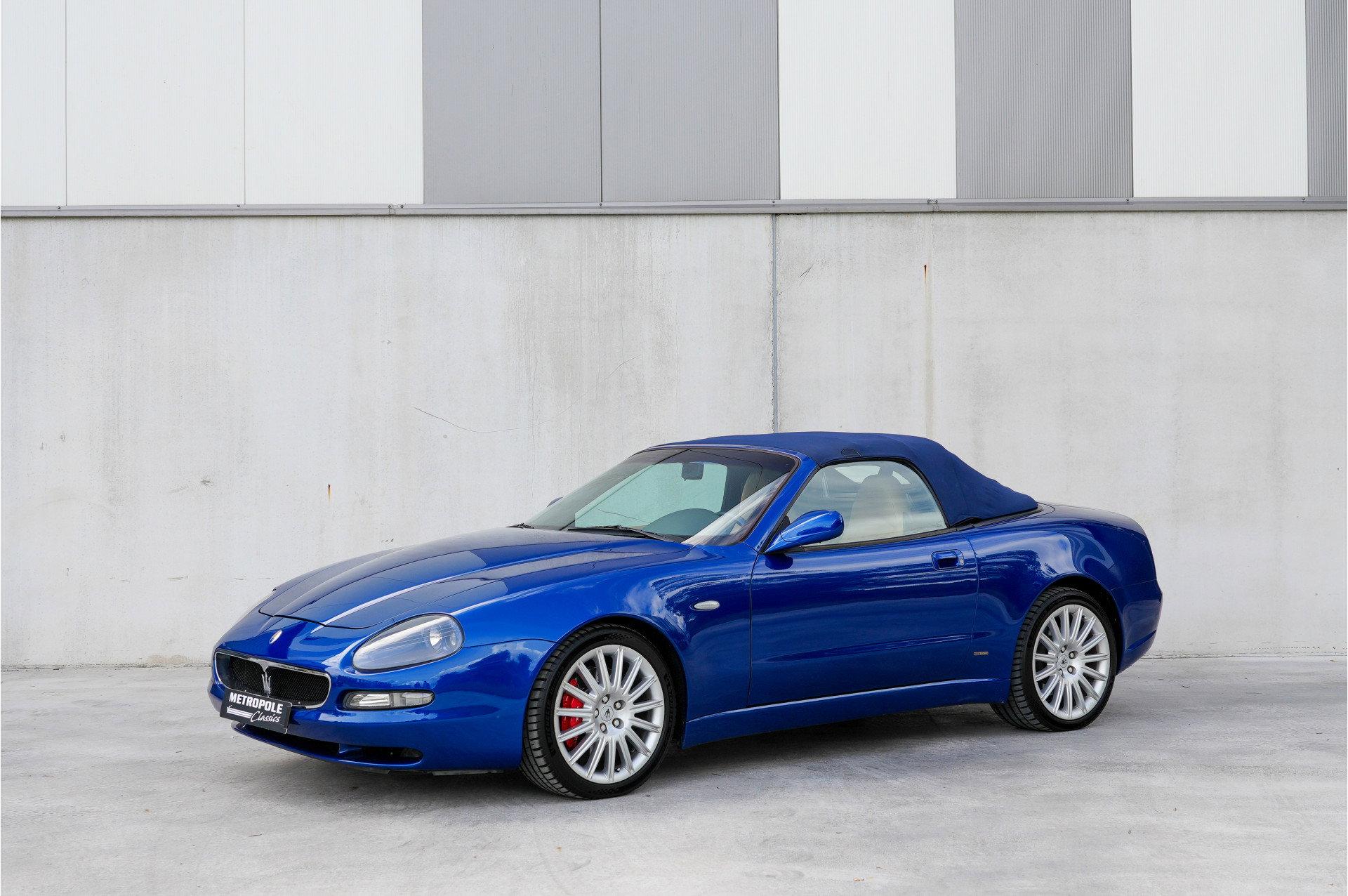
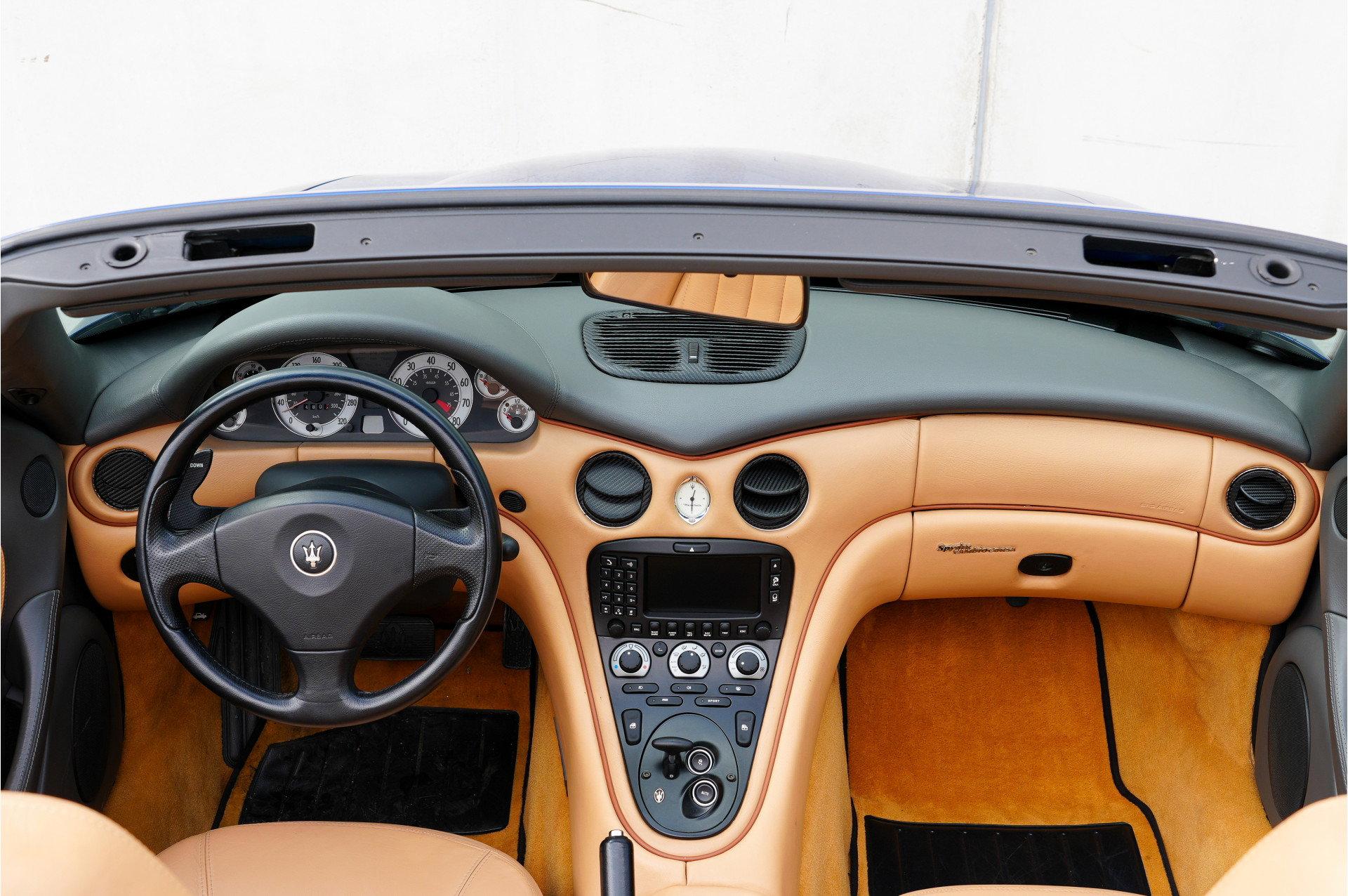
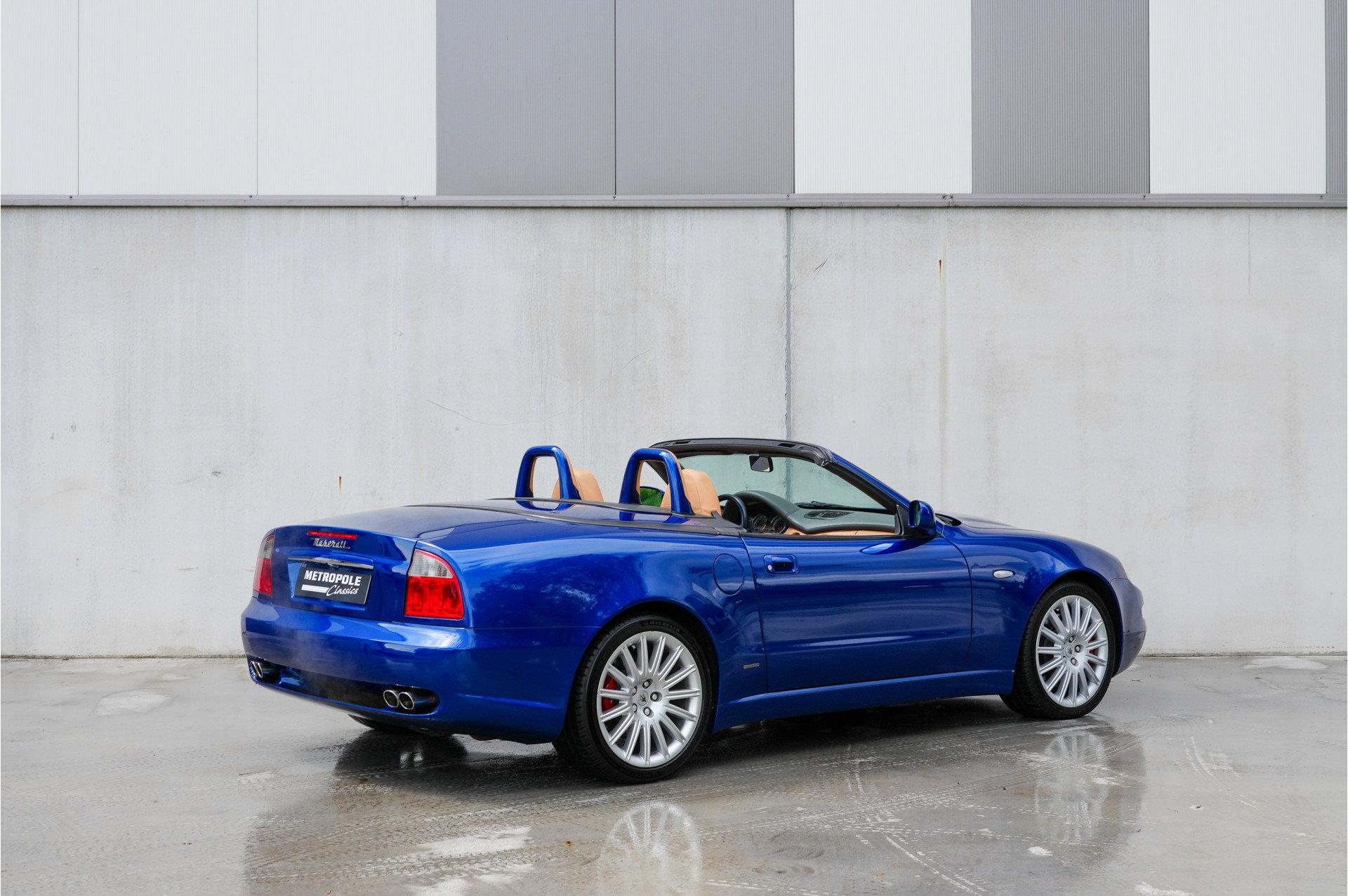
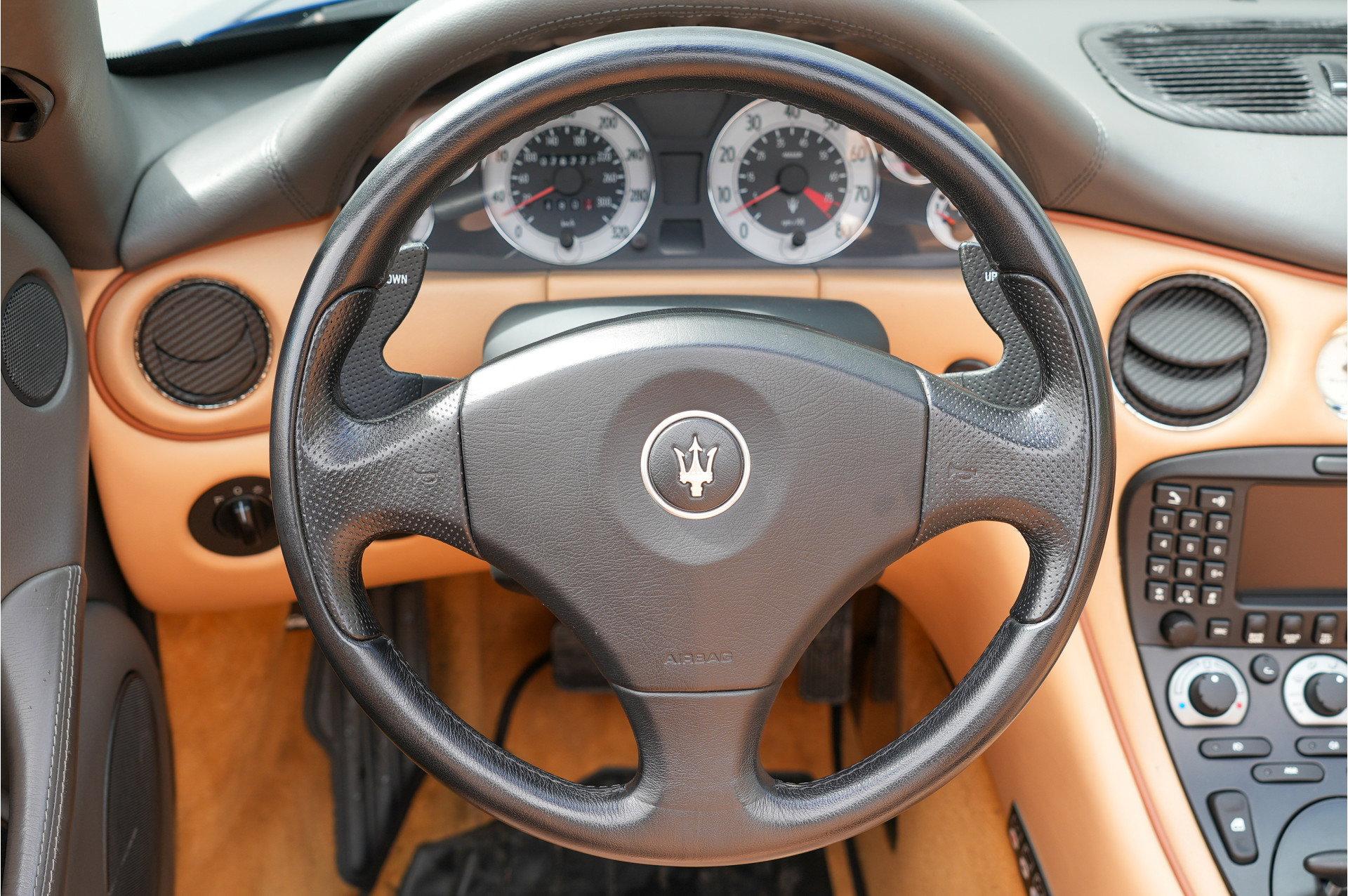
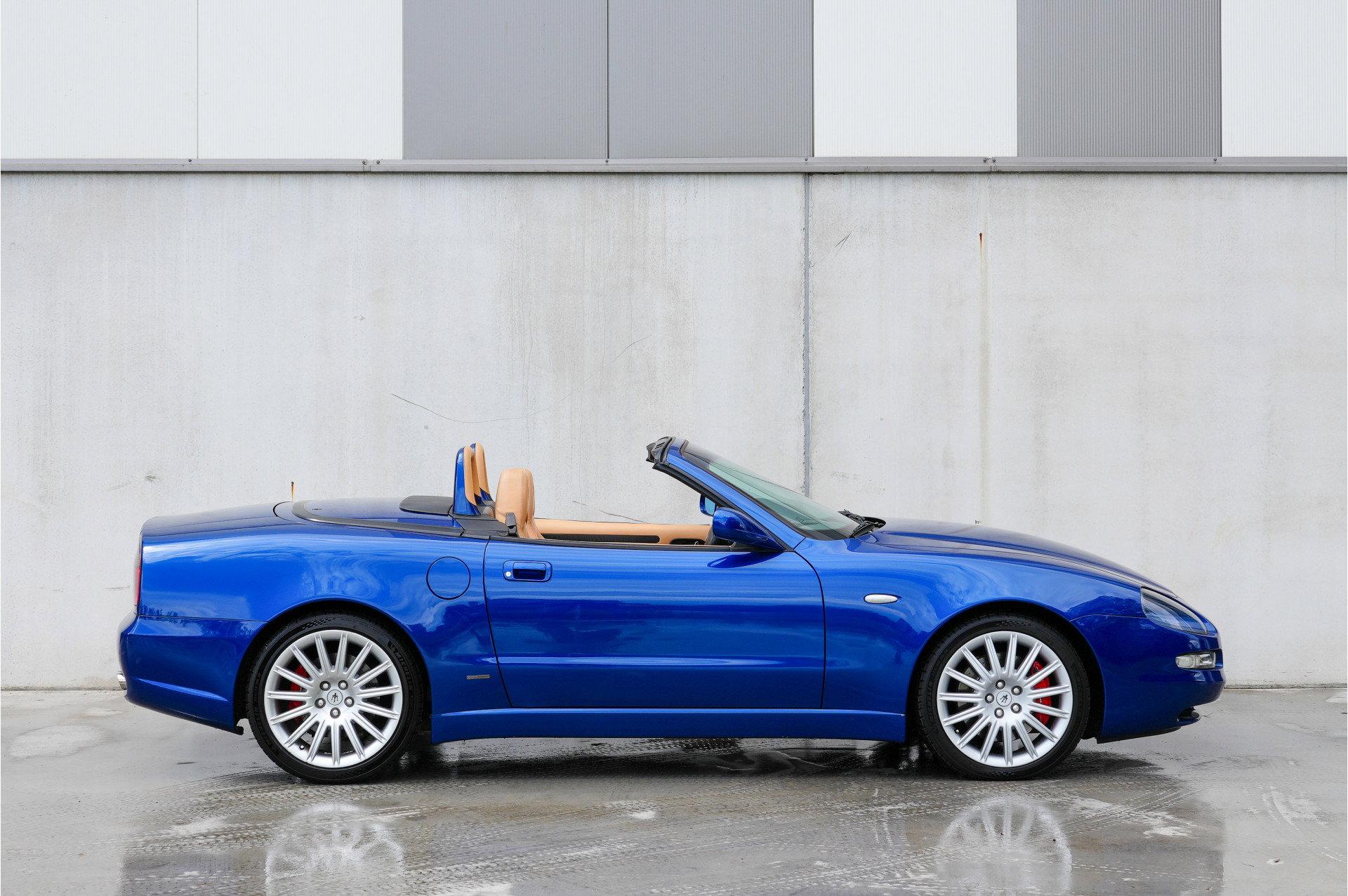
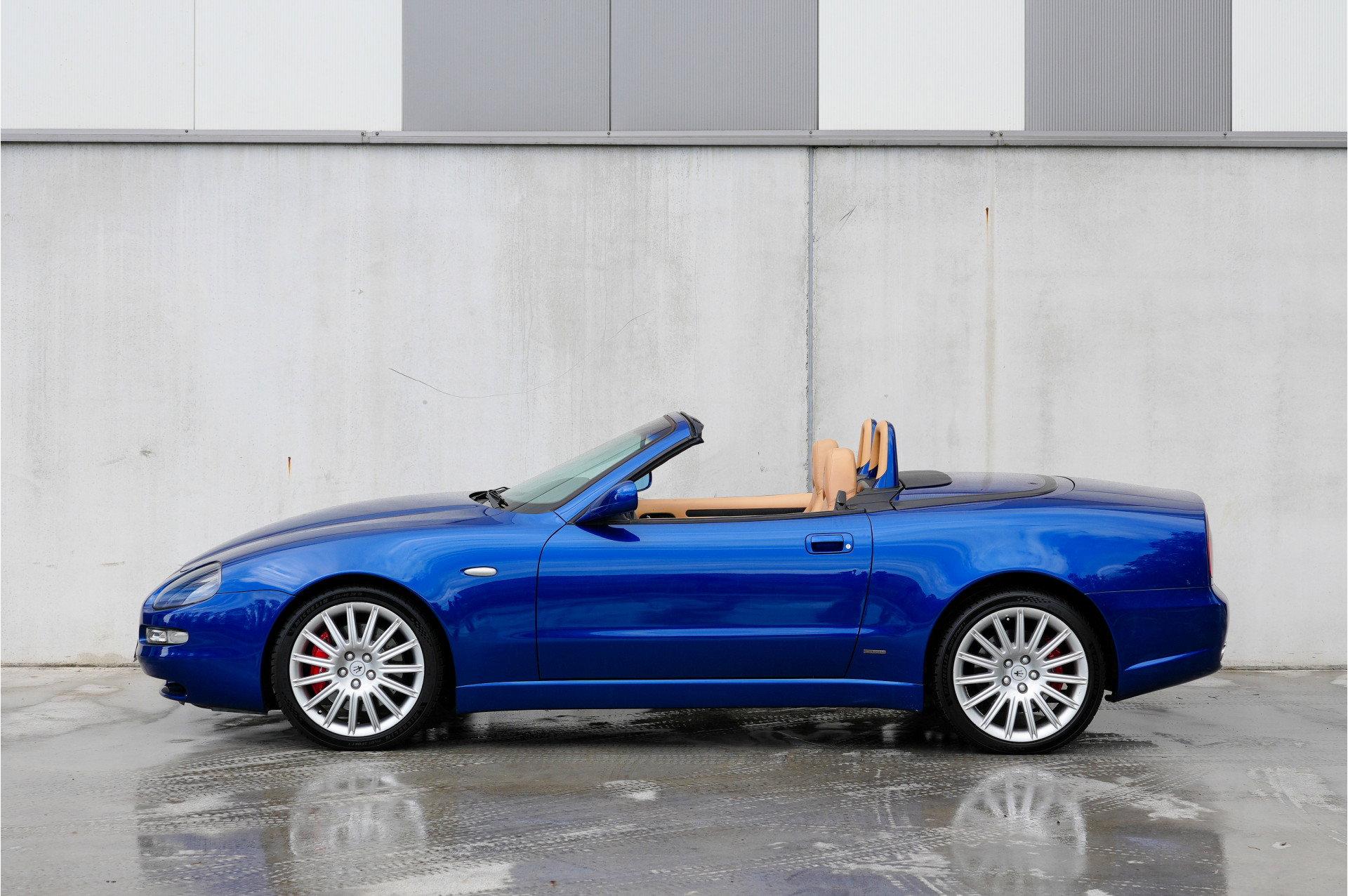
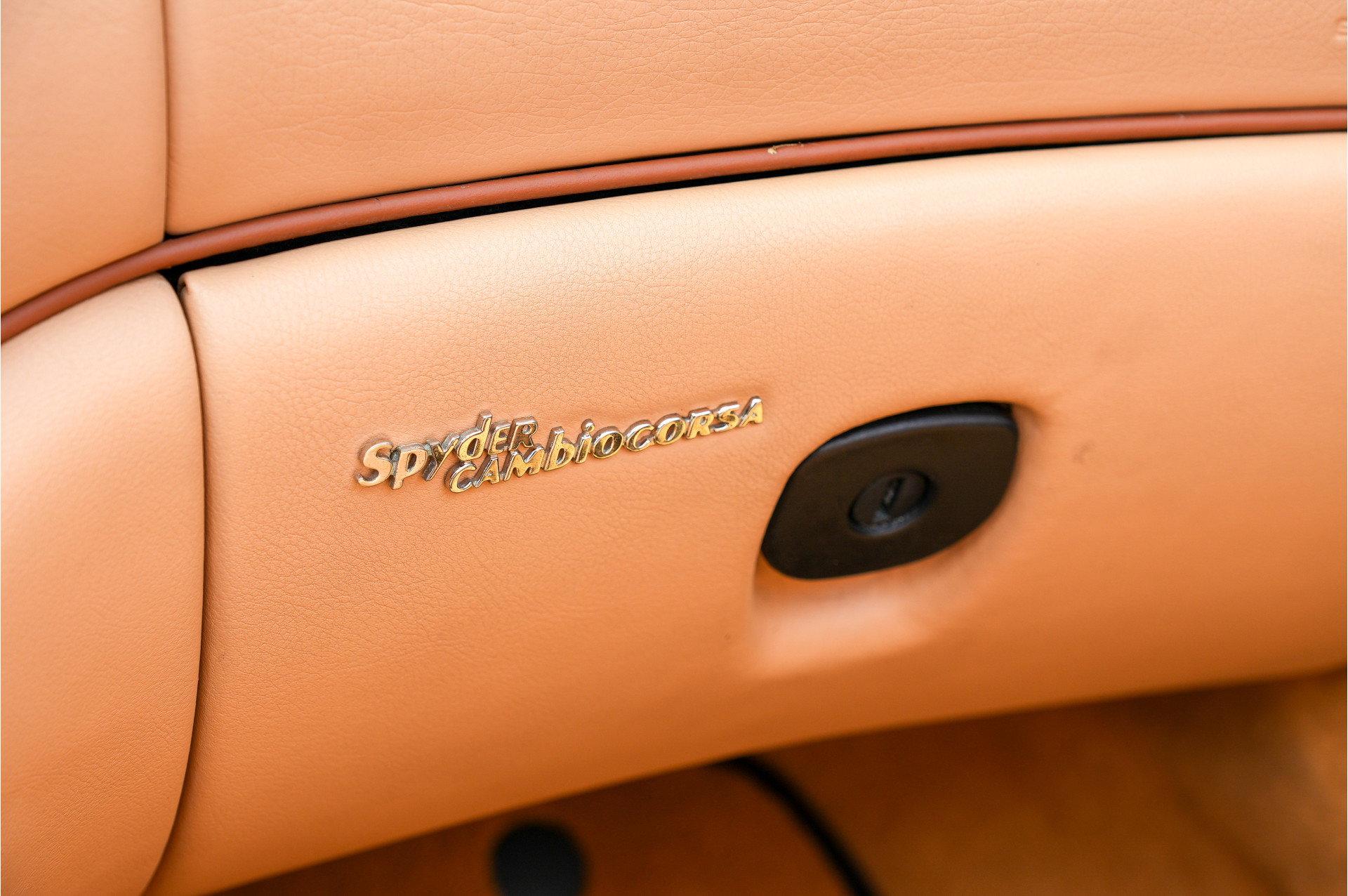
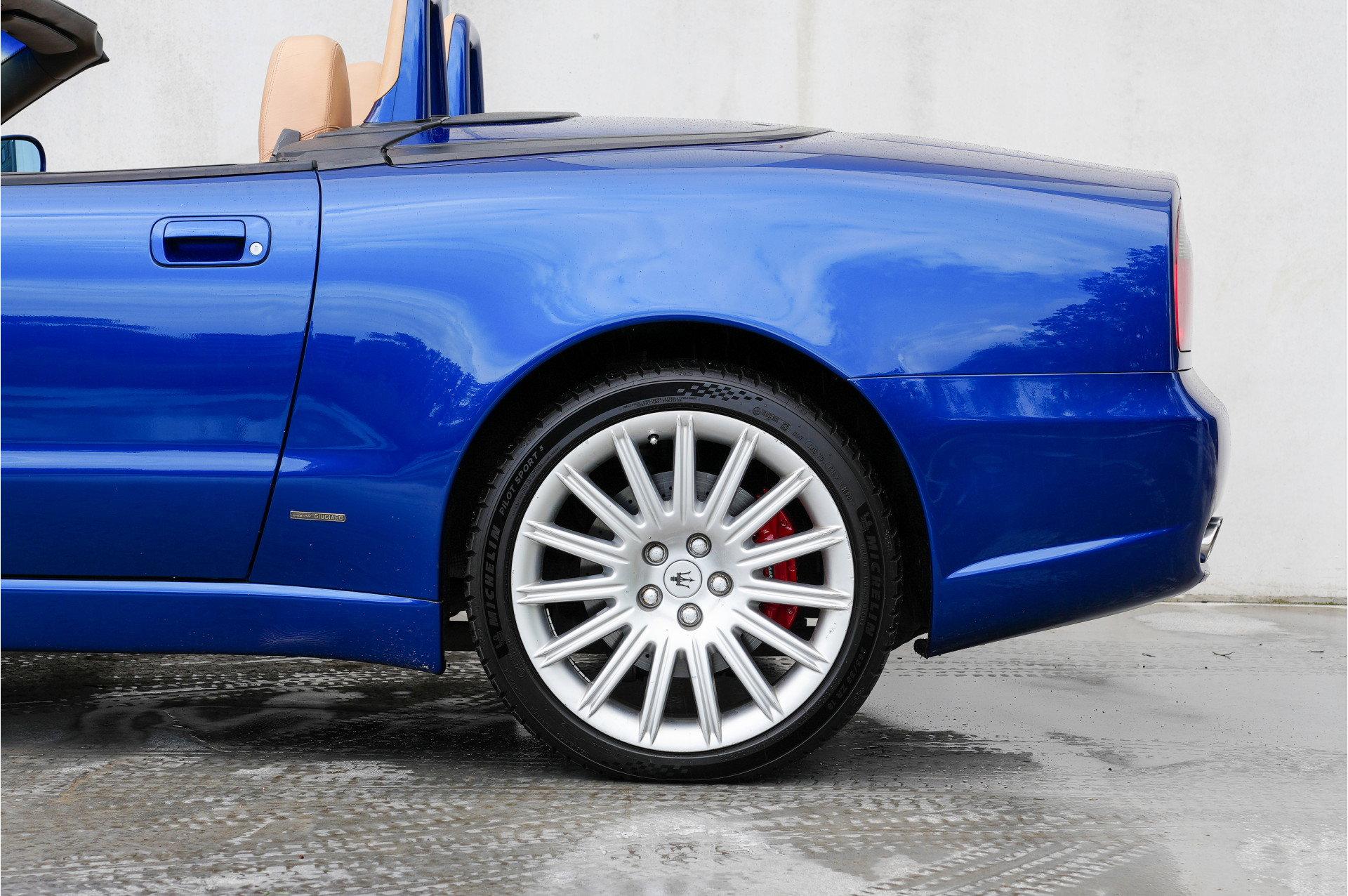
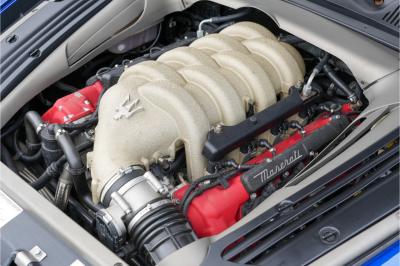
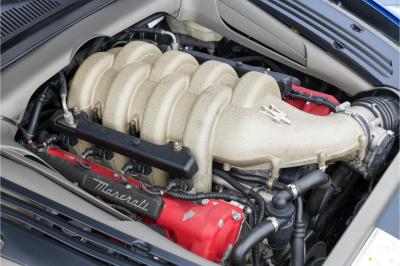
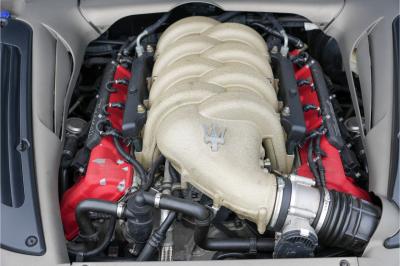
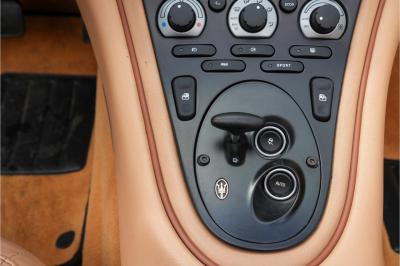
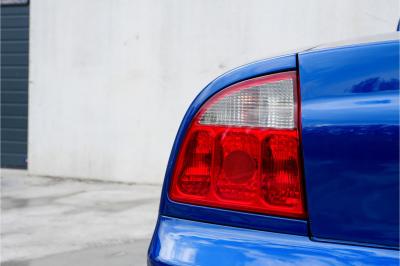
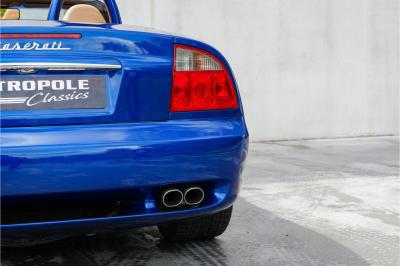
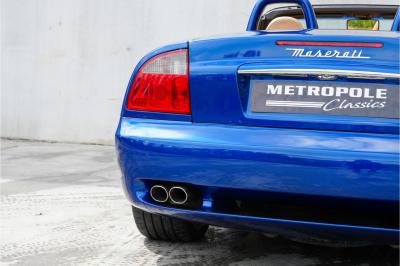
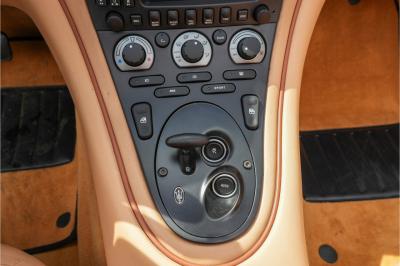
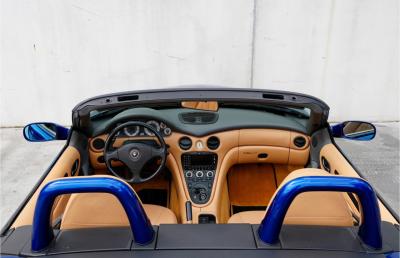
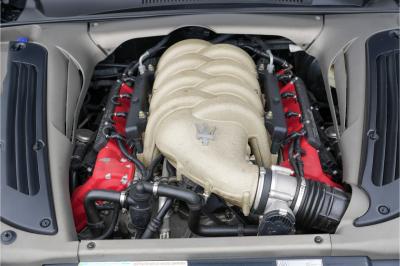
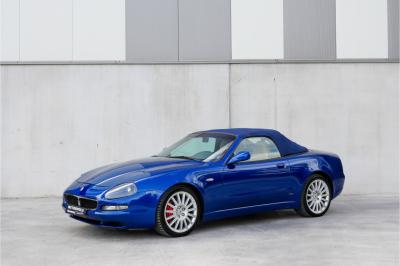
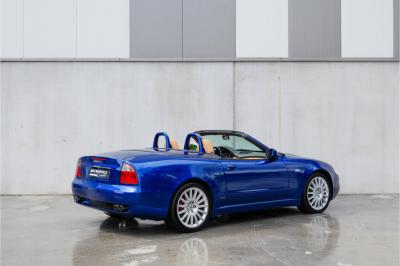
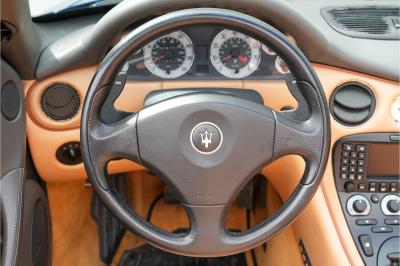
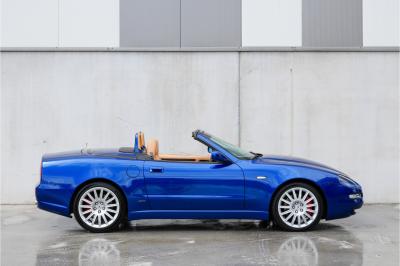
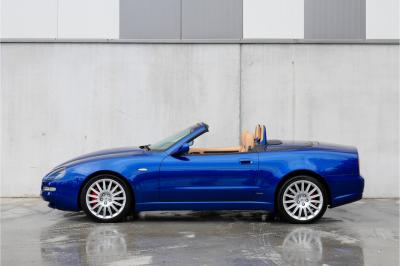
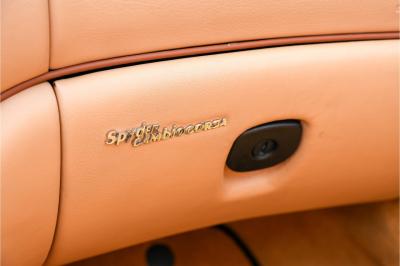
The 4200 GT was based on the 3200GT with the famous 'boomerang' taillights. In Europe, we thought that was beautiful, but in America, they didn't understand it much. And so, the 4200 GT was fitted with different taillights. The Spyder's wheelbase was shorter than that of the 3200 GT, and the engine was Ferrari's newly developed 4,2L V8, producing 390 hp and 451 Nm of torque. The top speed was 285 km/h. Two versions of the Spyder were available: the Spyder GT with a six-speed manual transmission and the Spyder Cambiocorsa with an electronically controlled six-speed automatic transmission with paddle shifters on the steering wheel. The soft top could be opened and closed fully automatically in just over 20 seconds. A roll bar was fitted behind each seat. A total of 3.889 examples of the Spyder were produced.
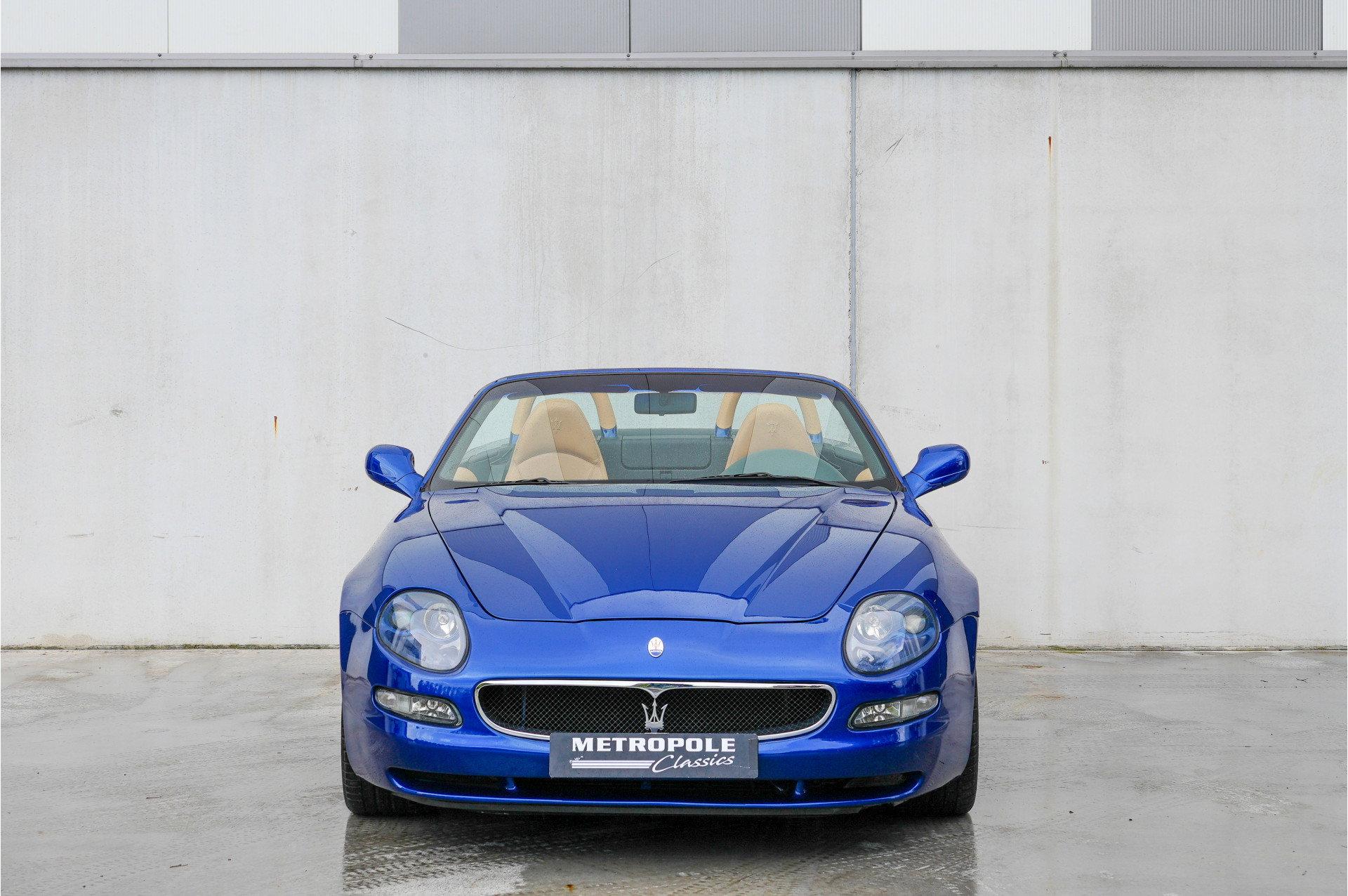
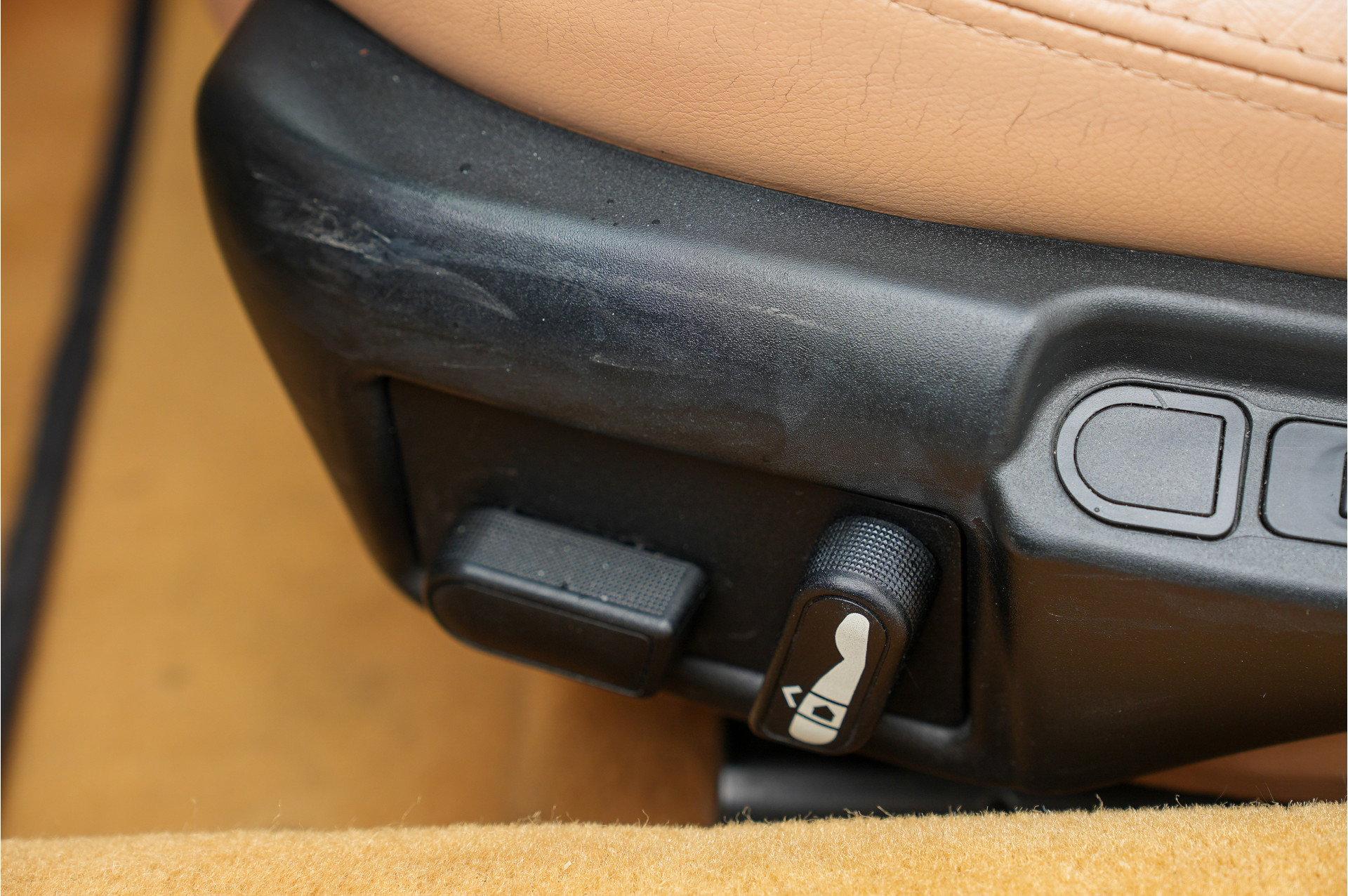
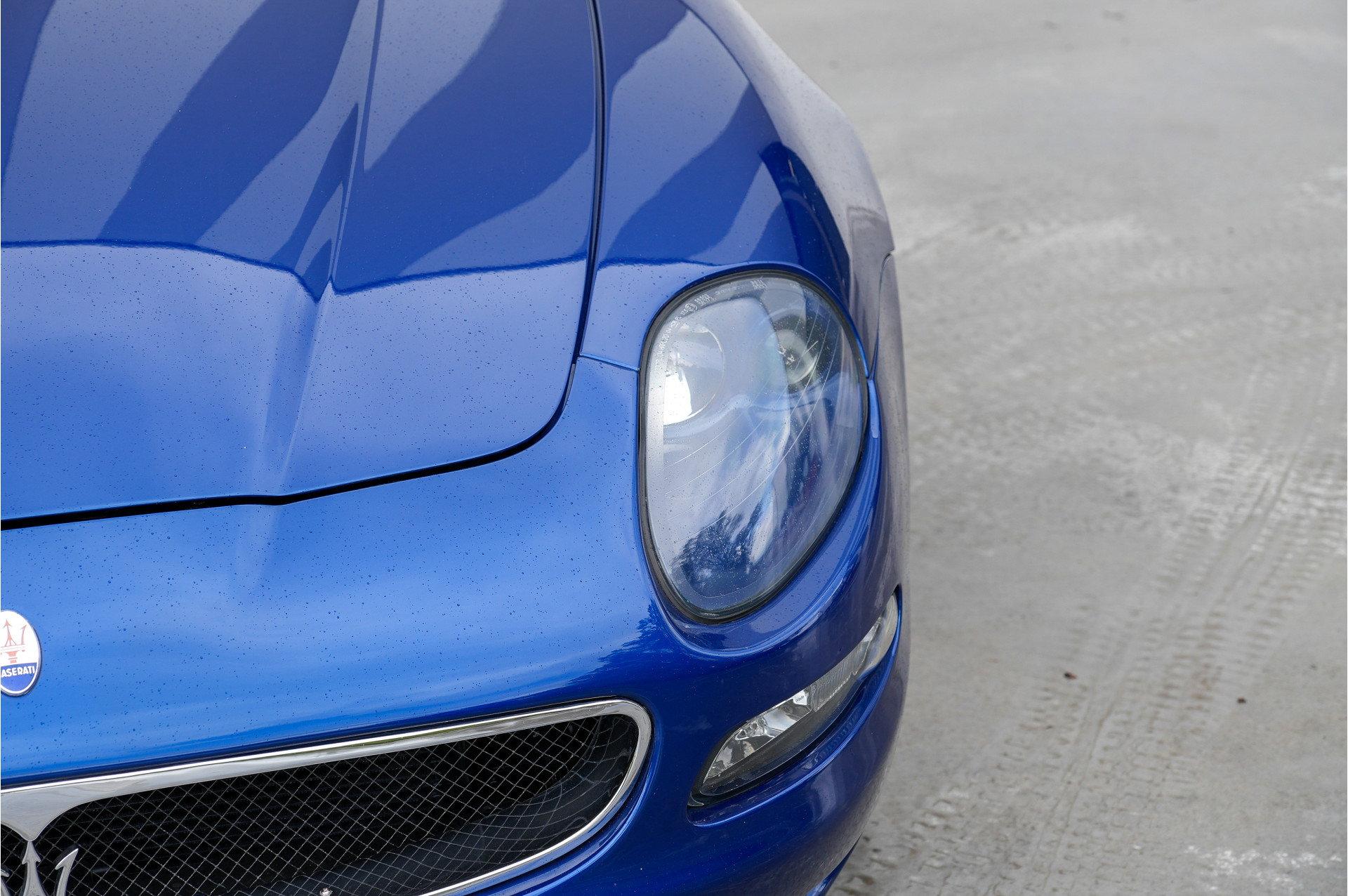
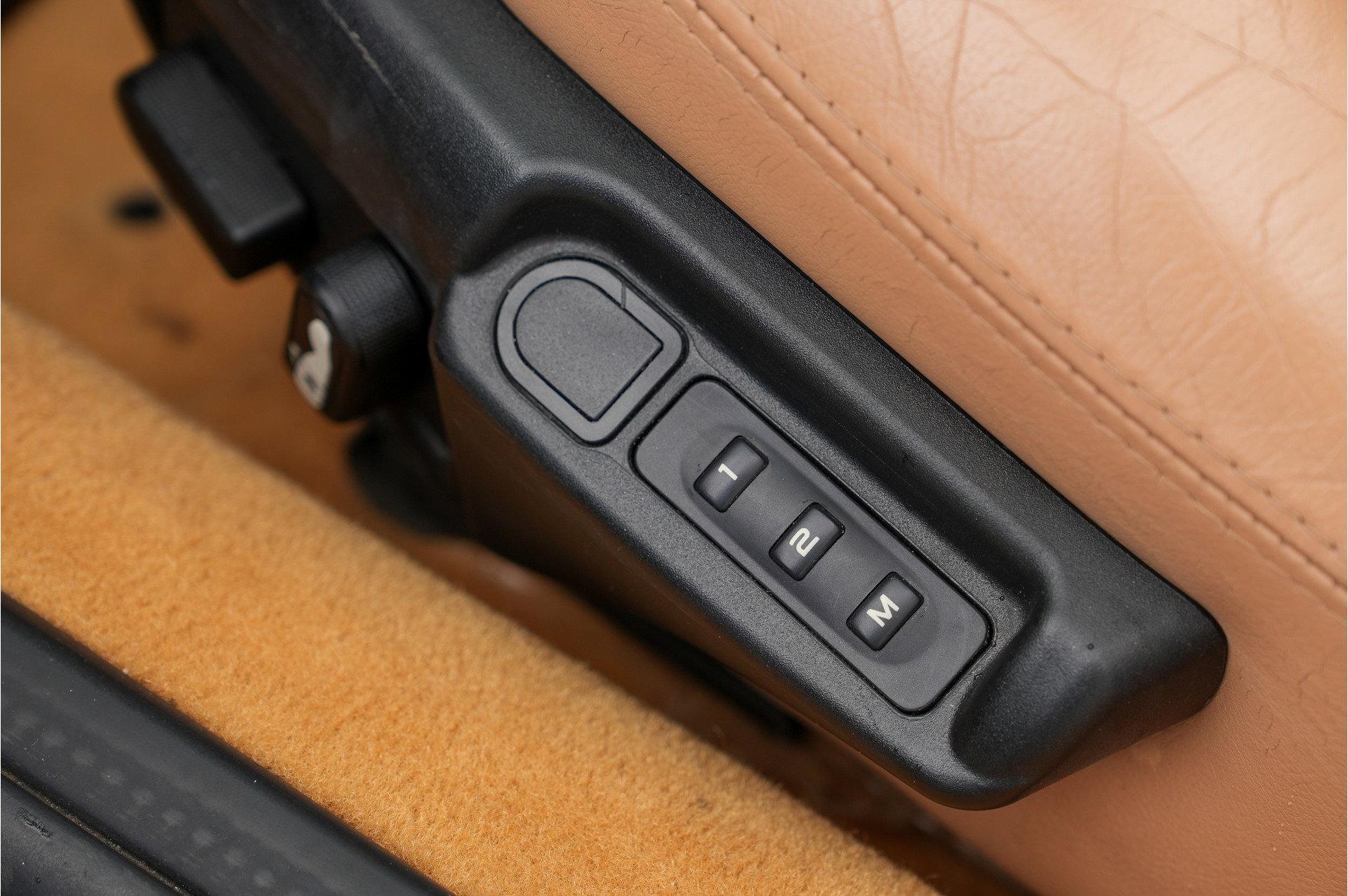
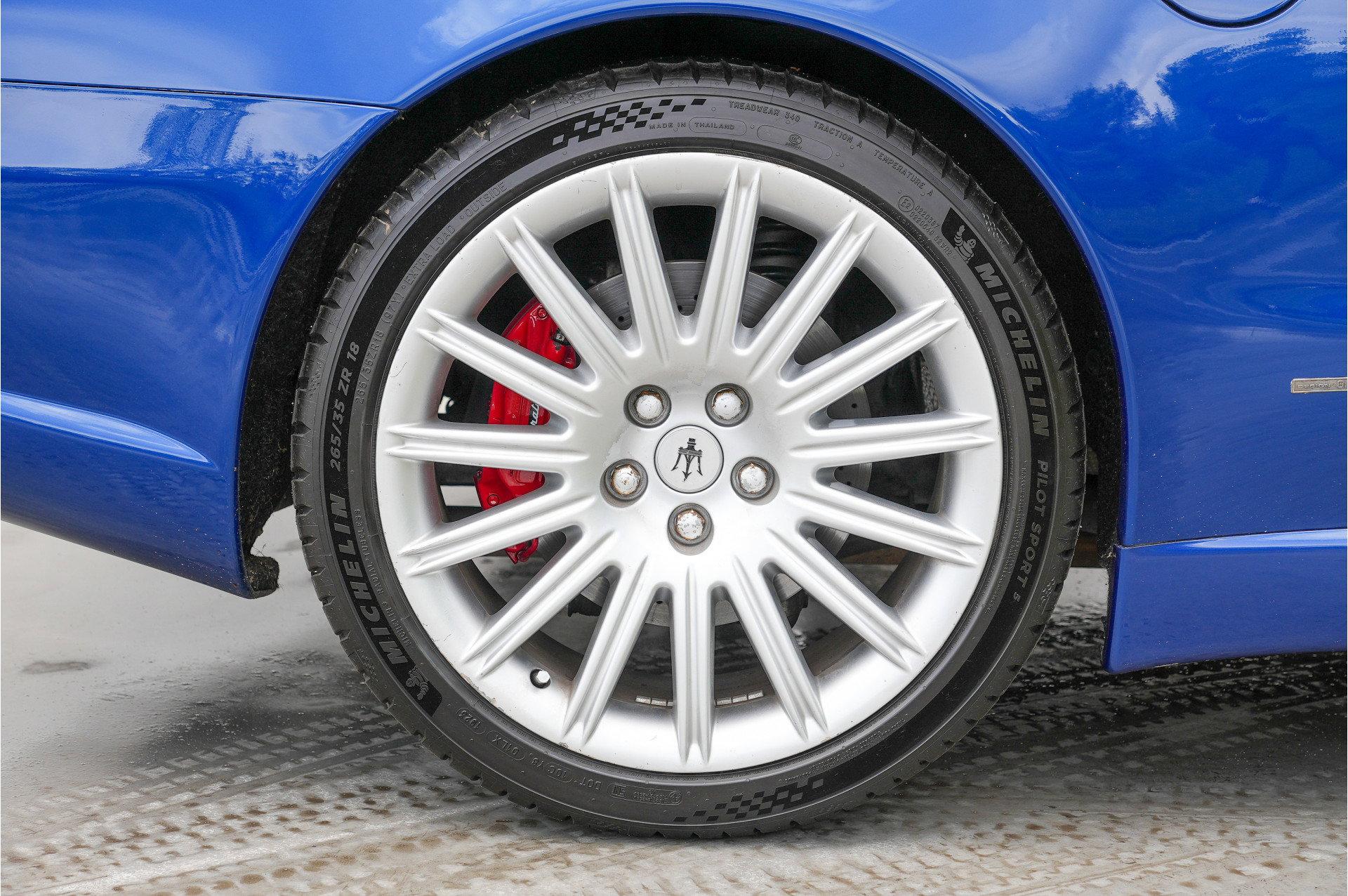
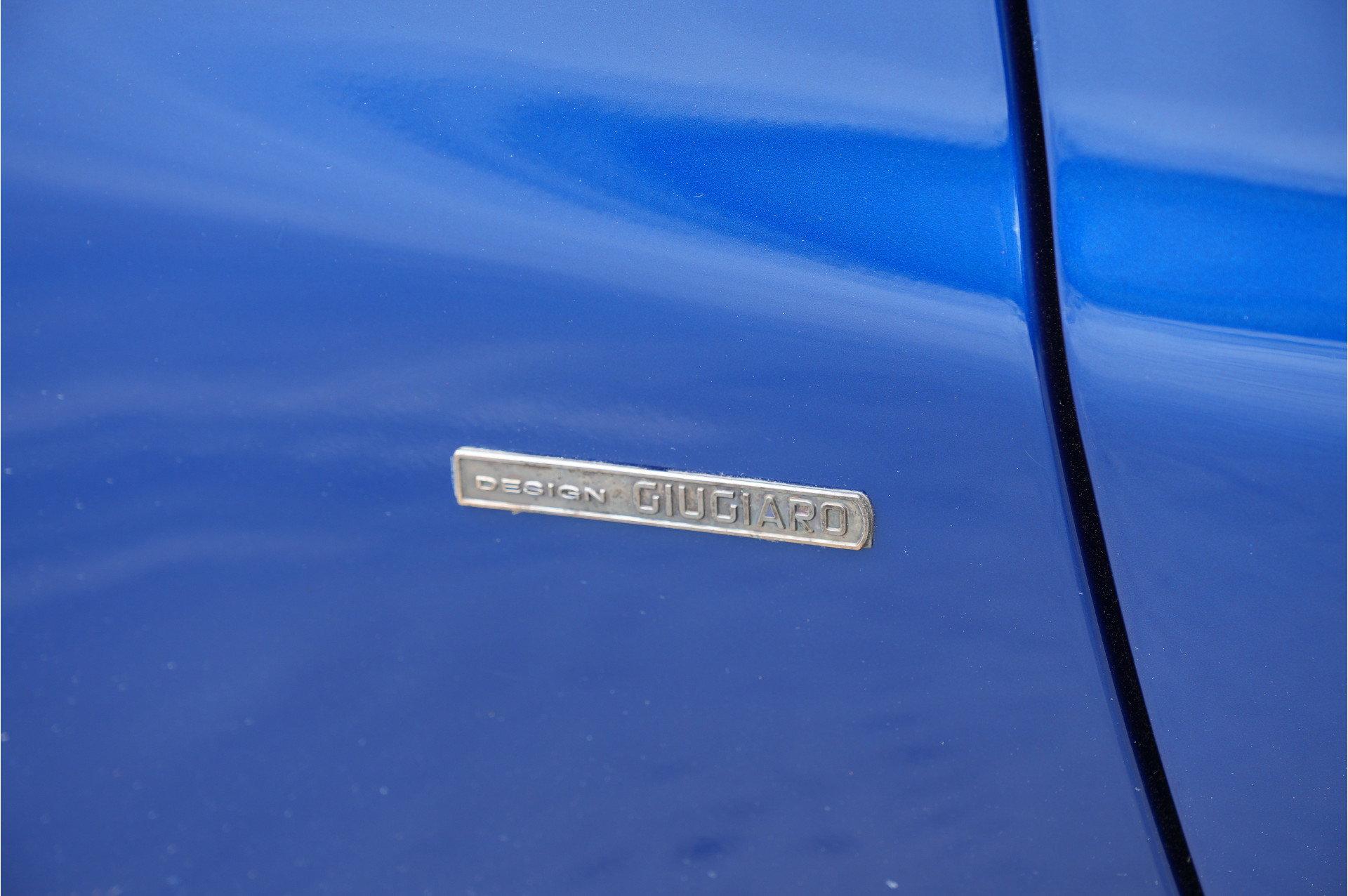
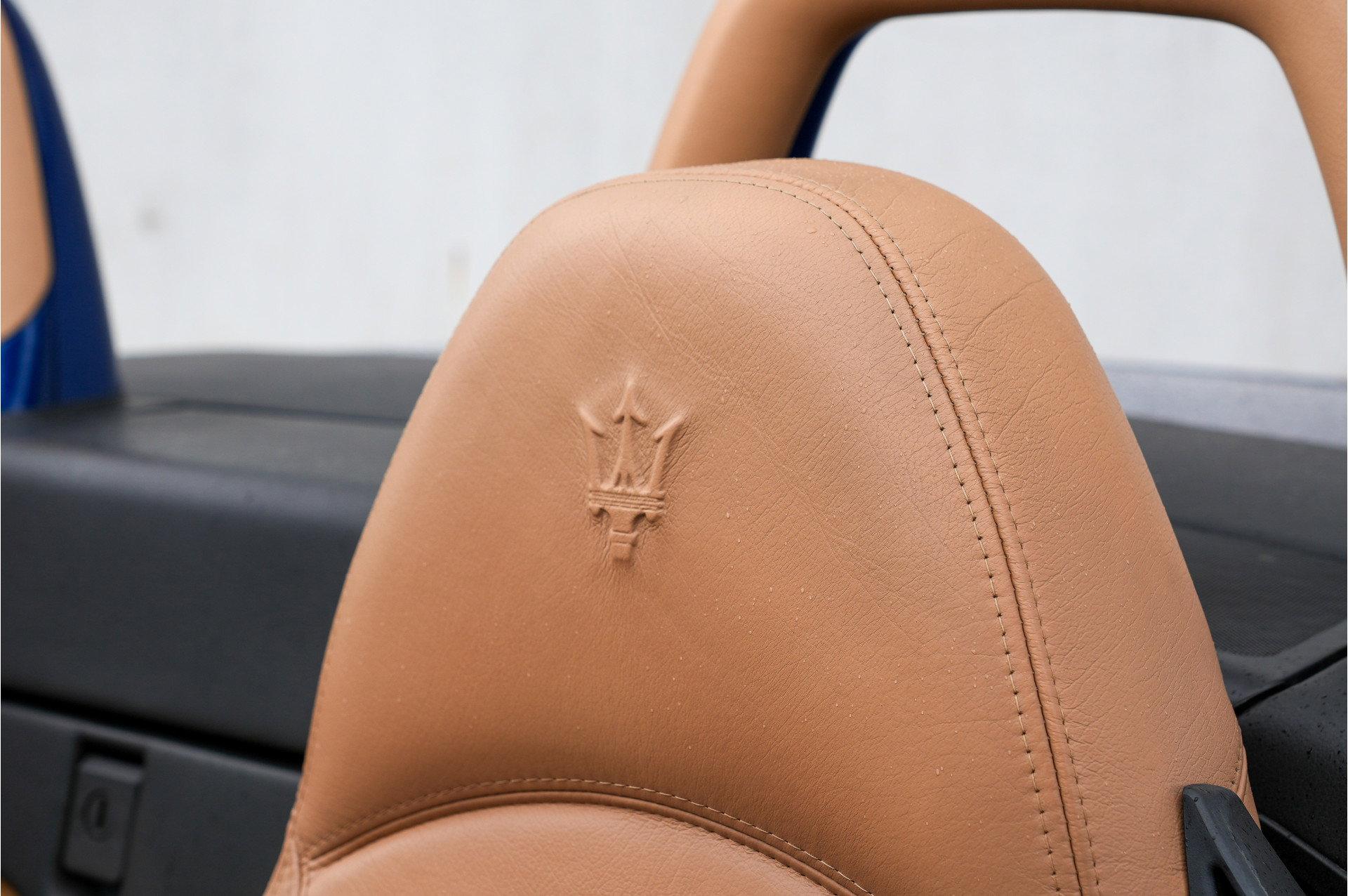
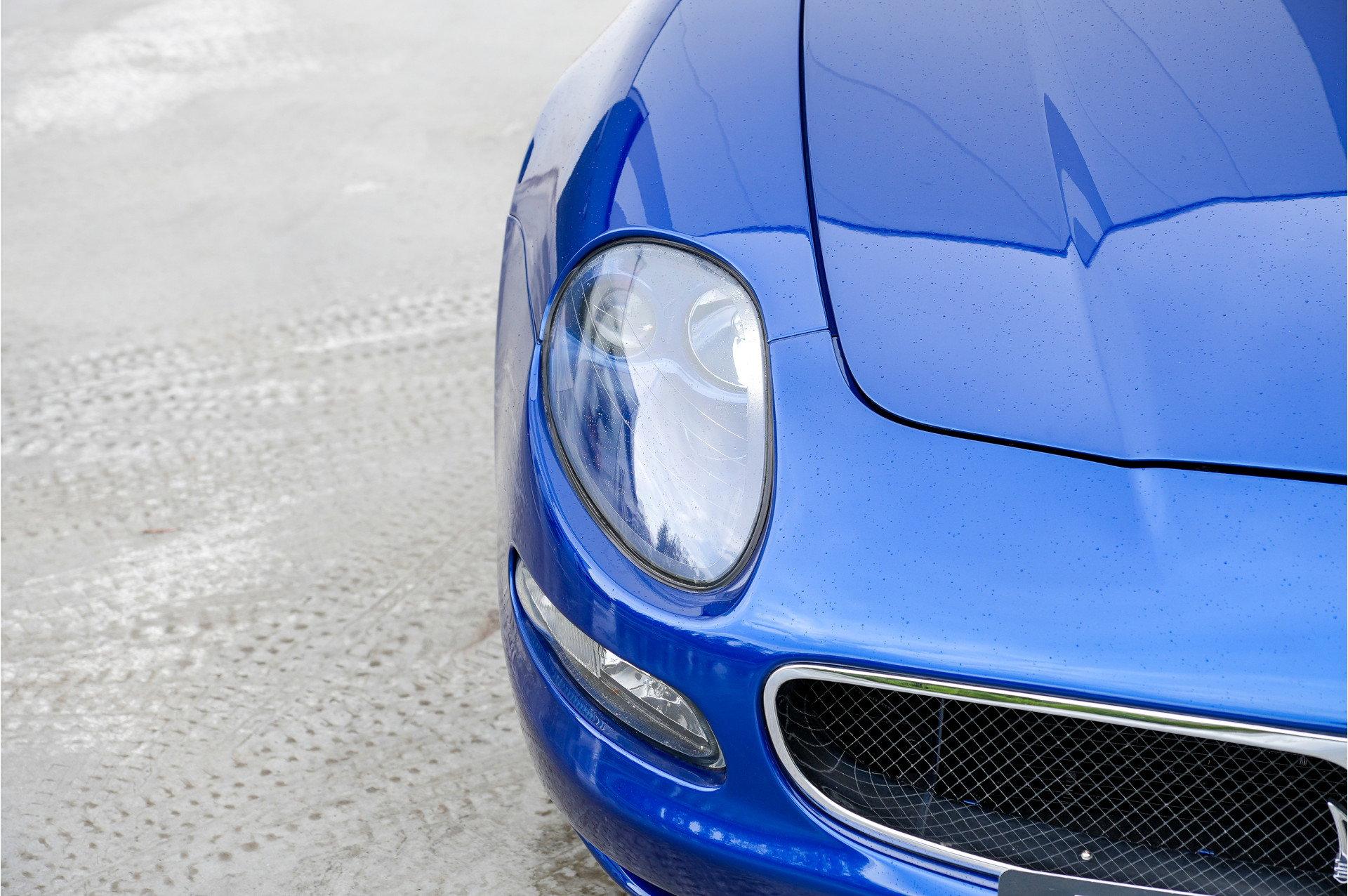
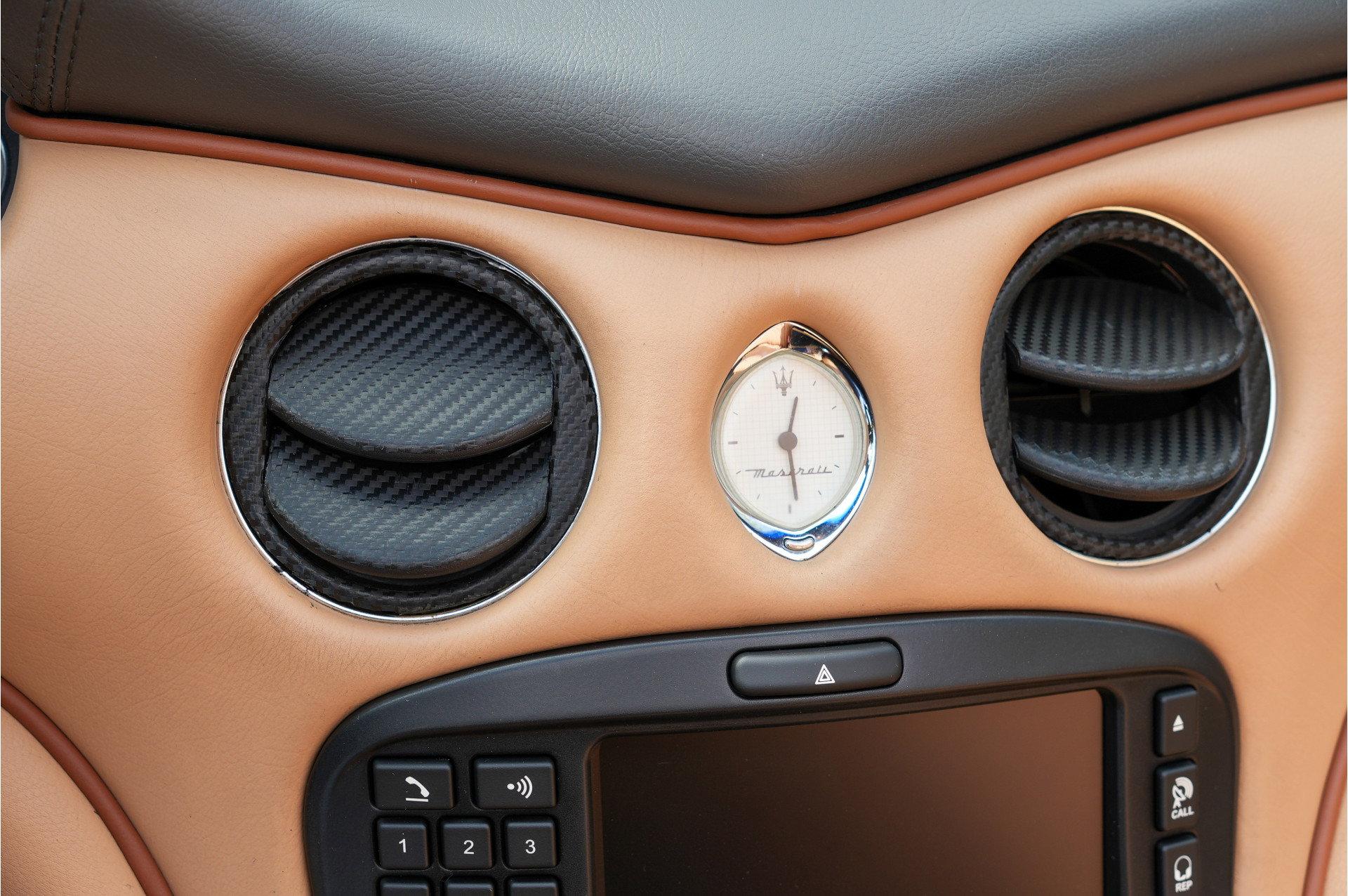
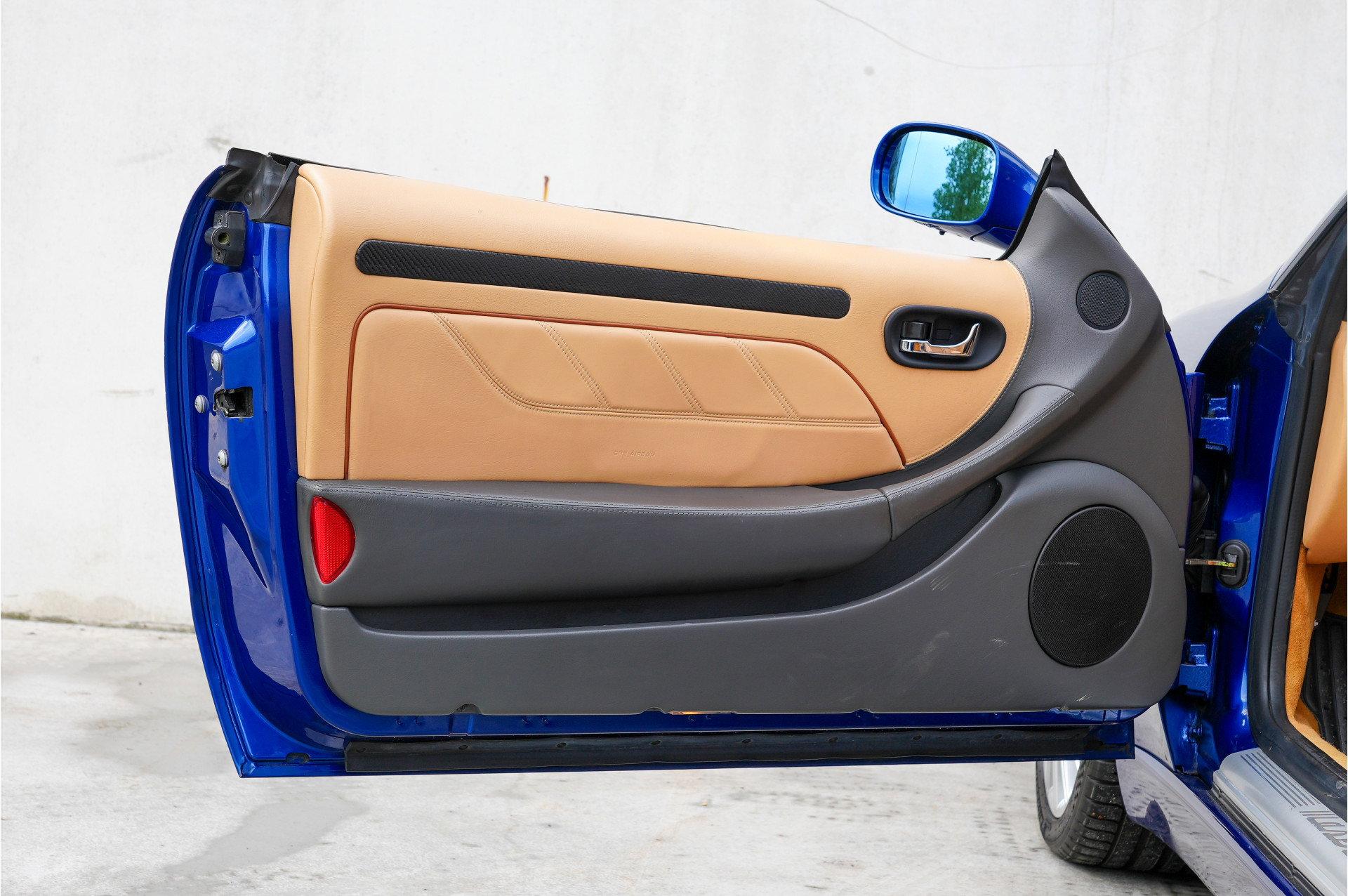
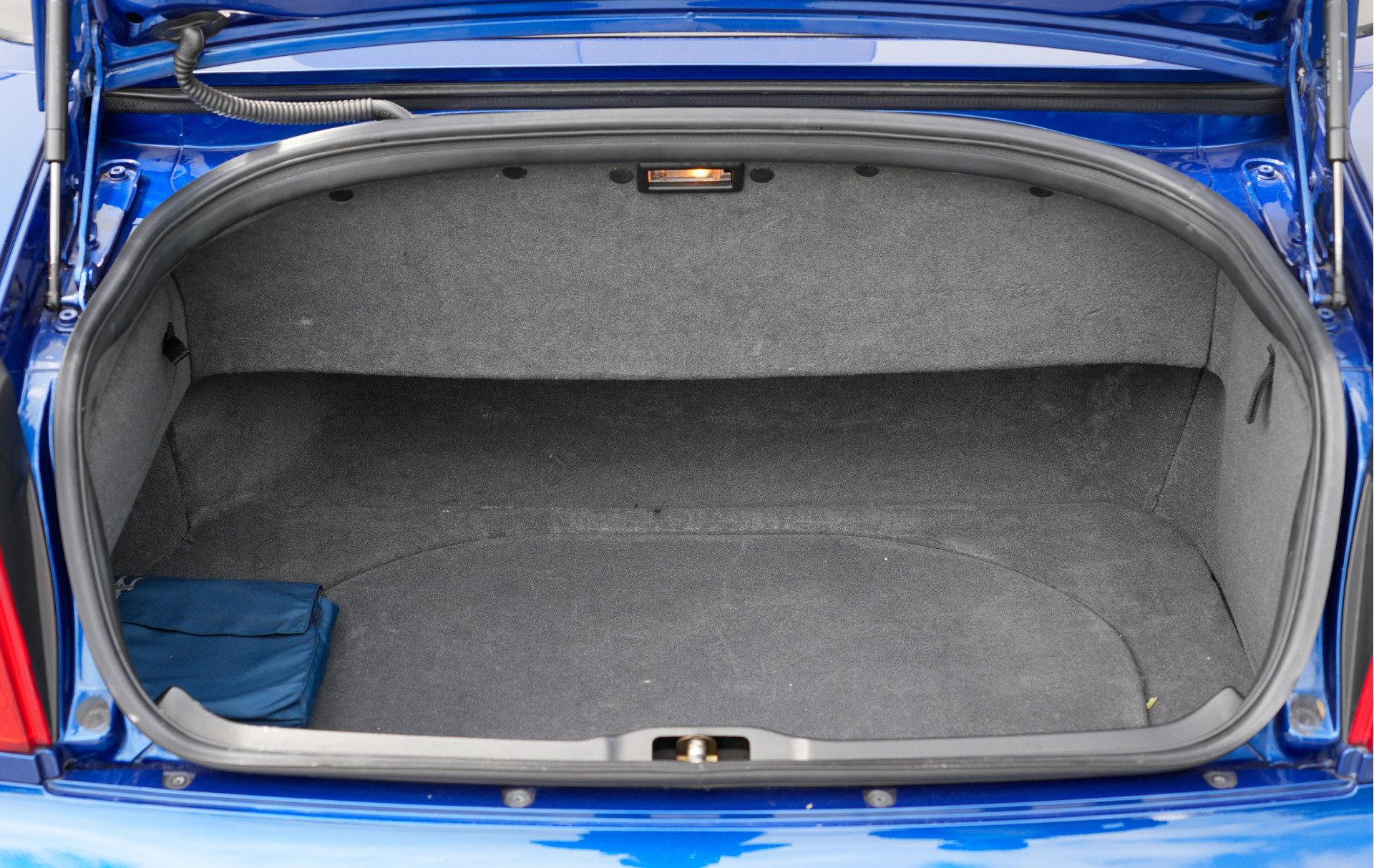
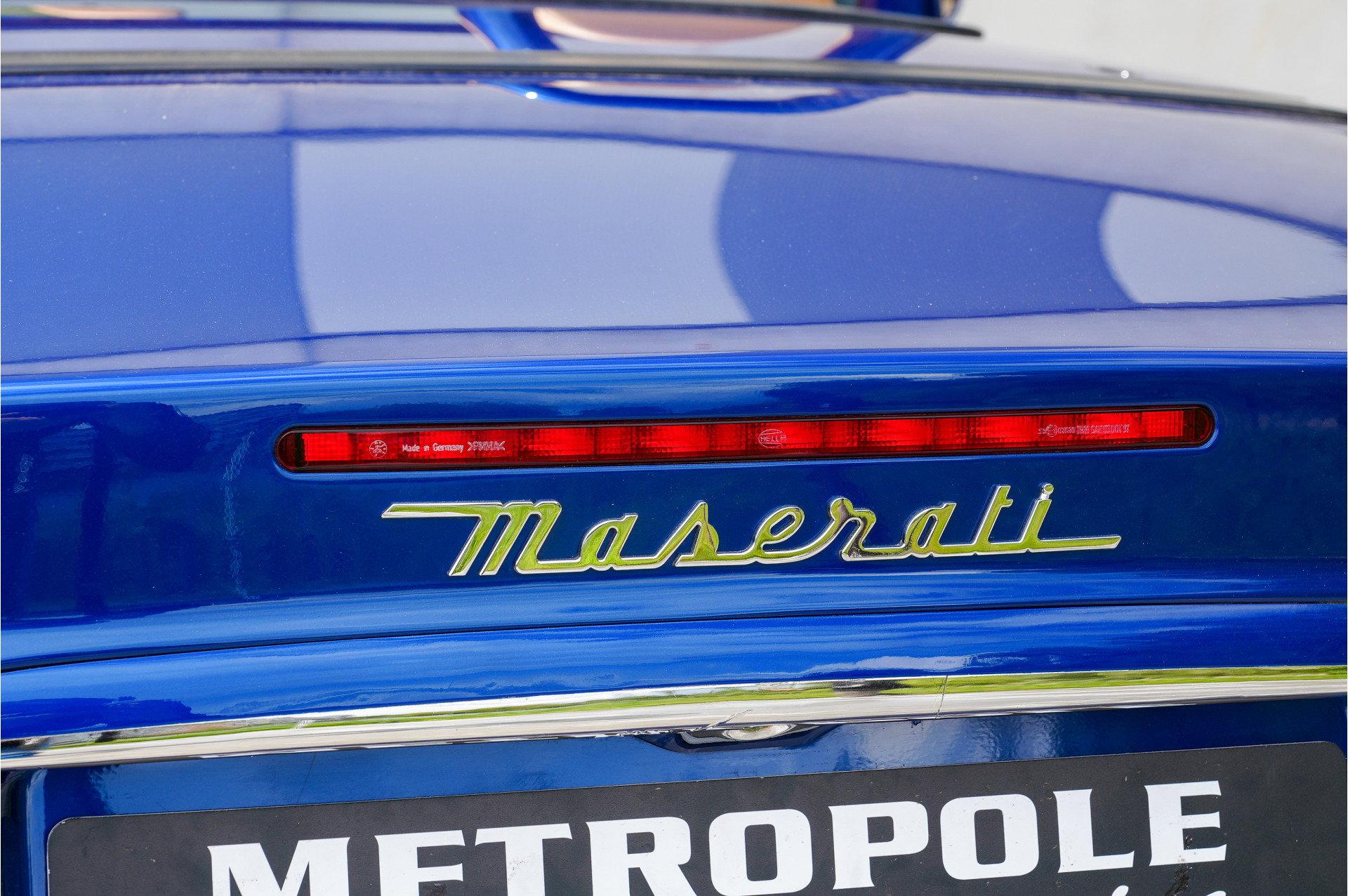
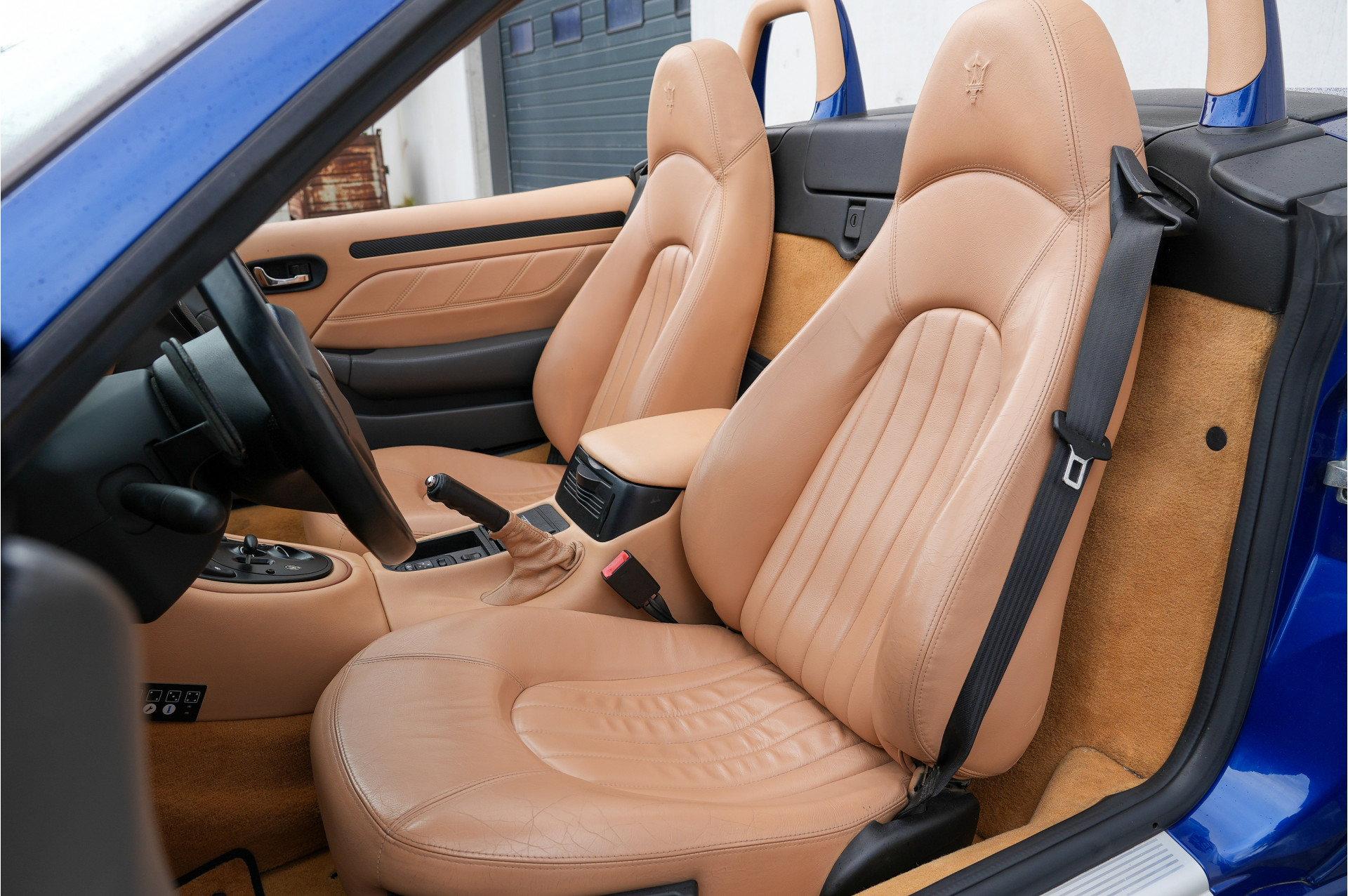
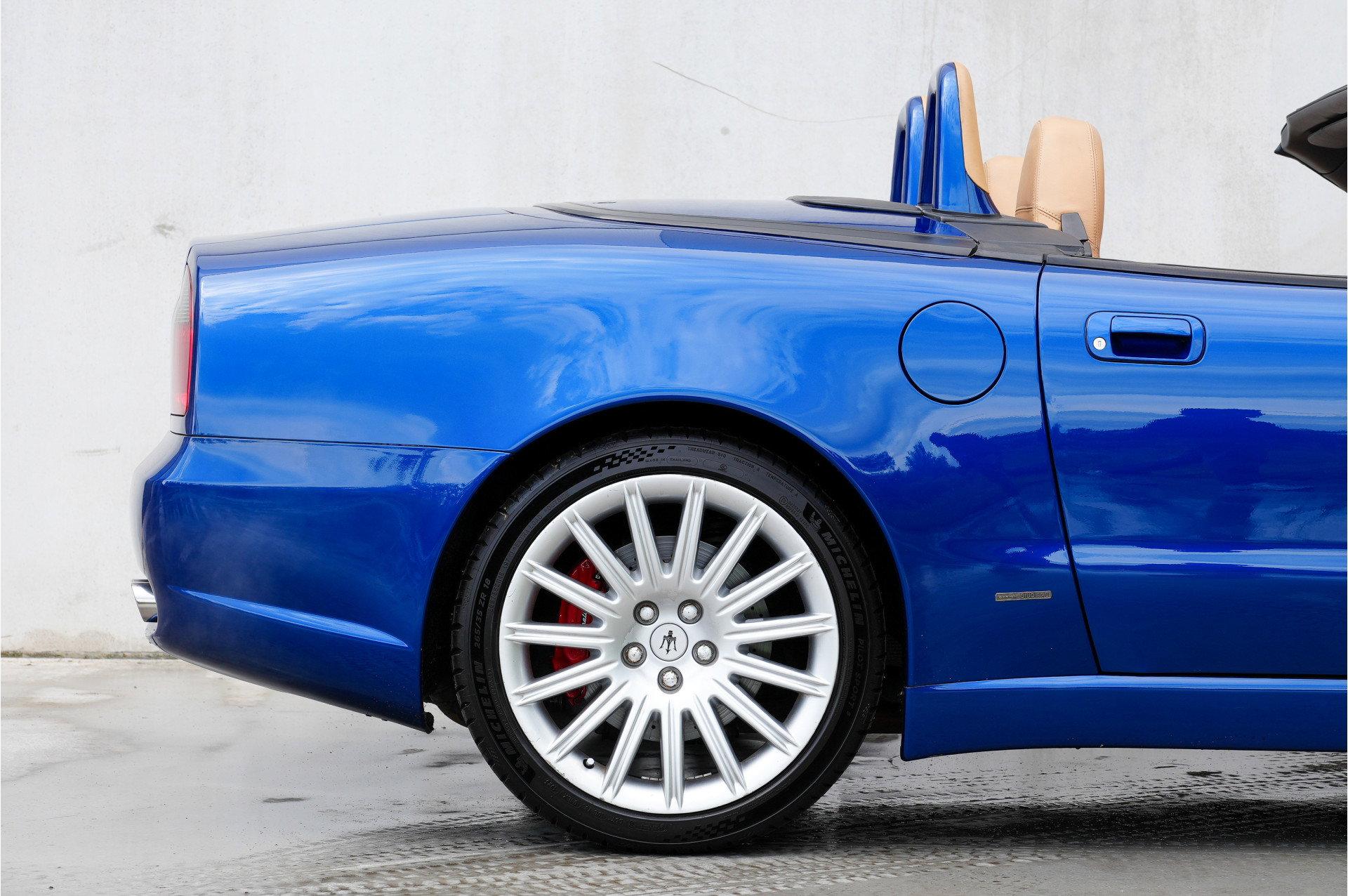
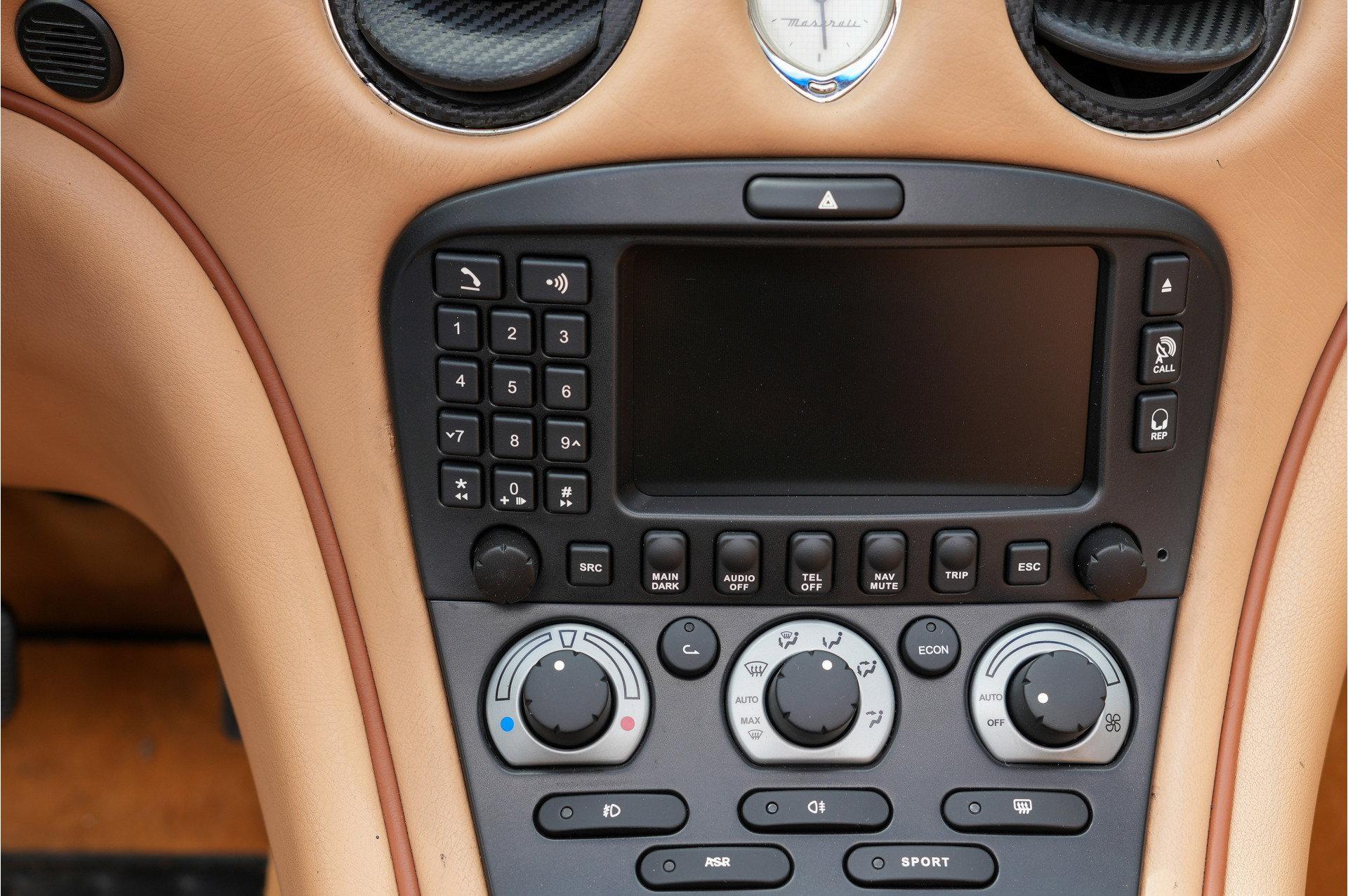
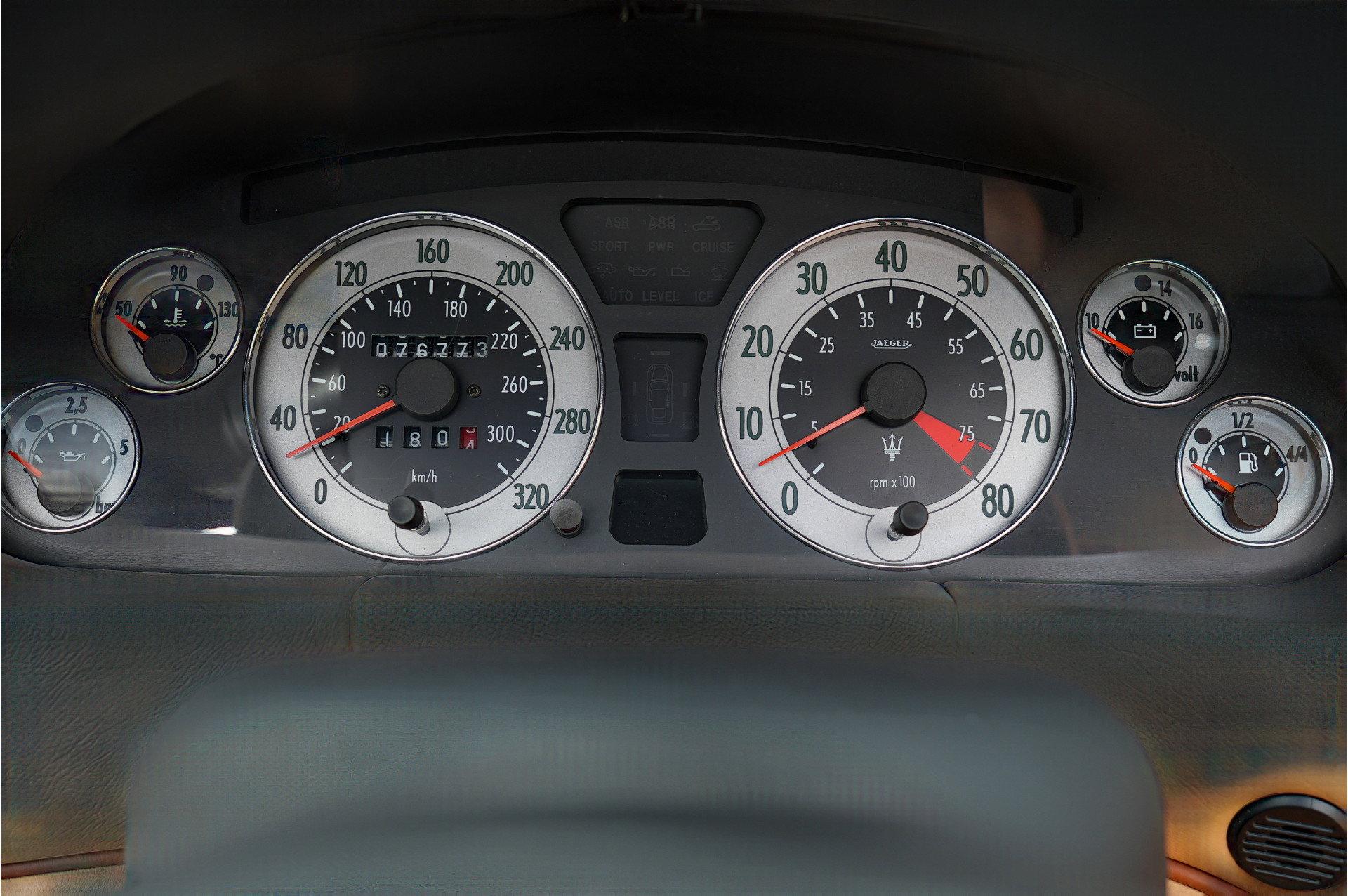
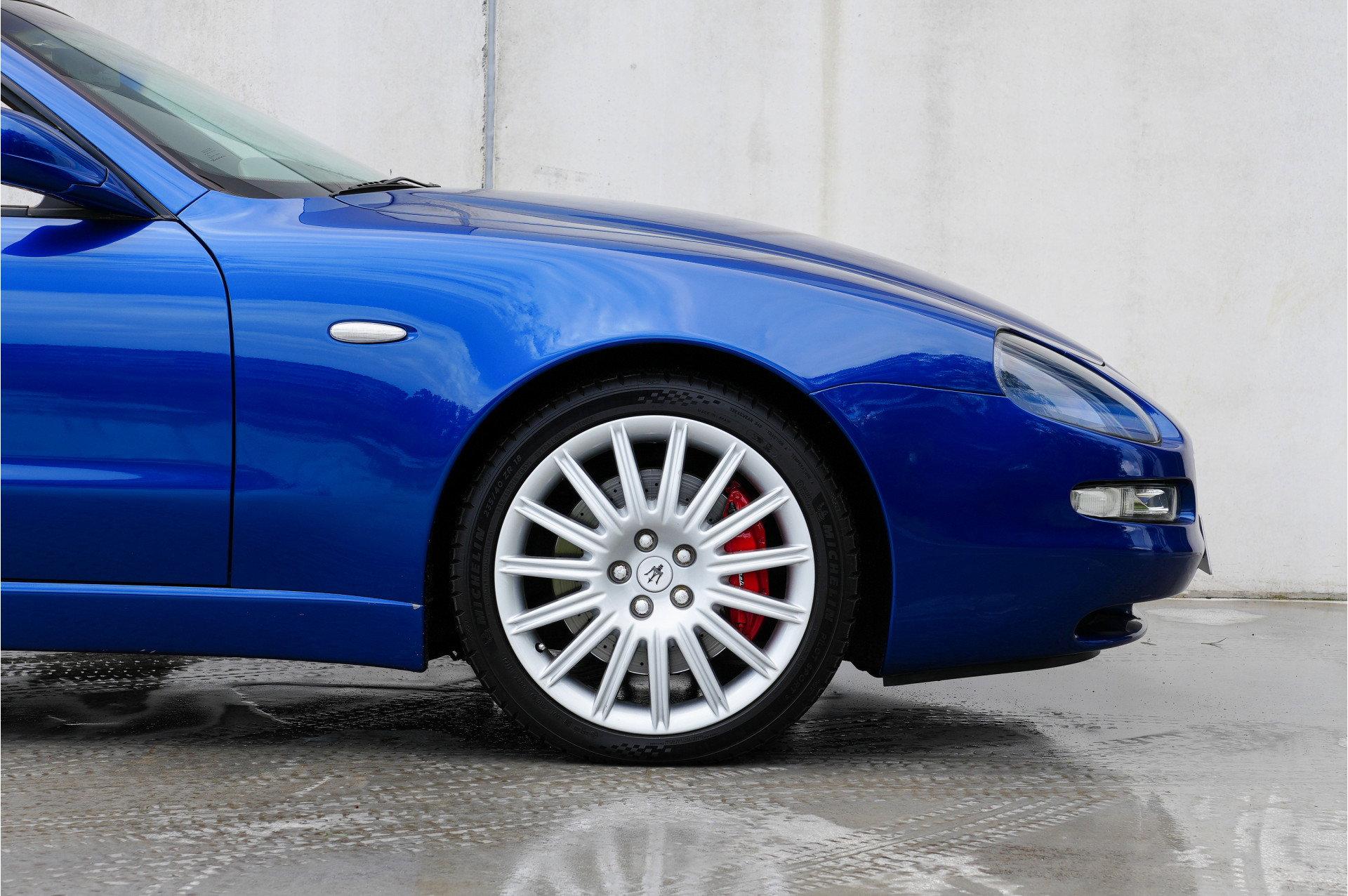
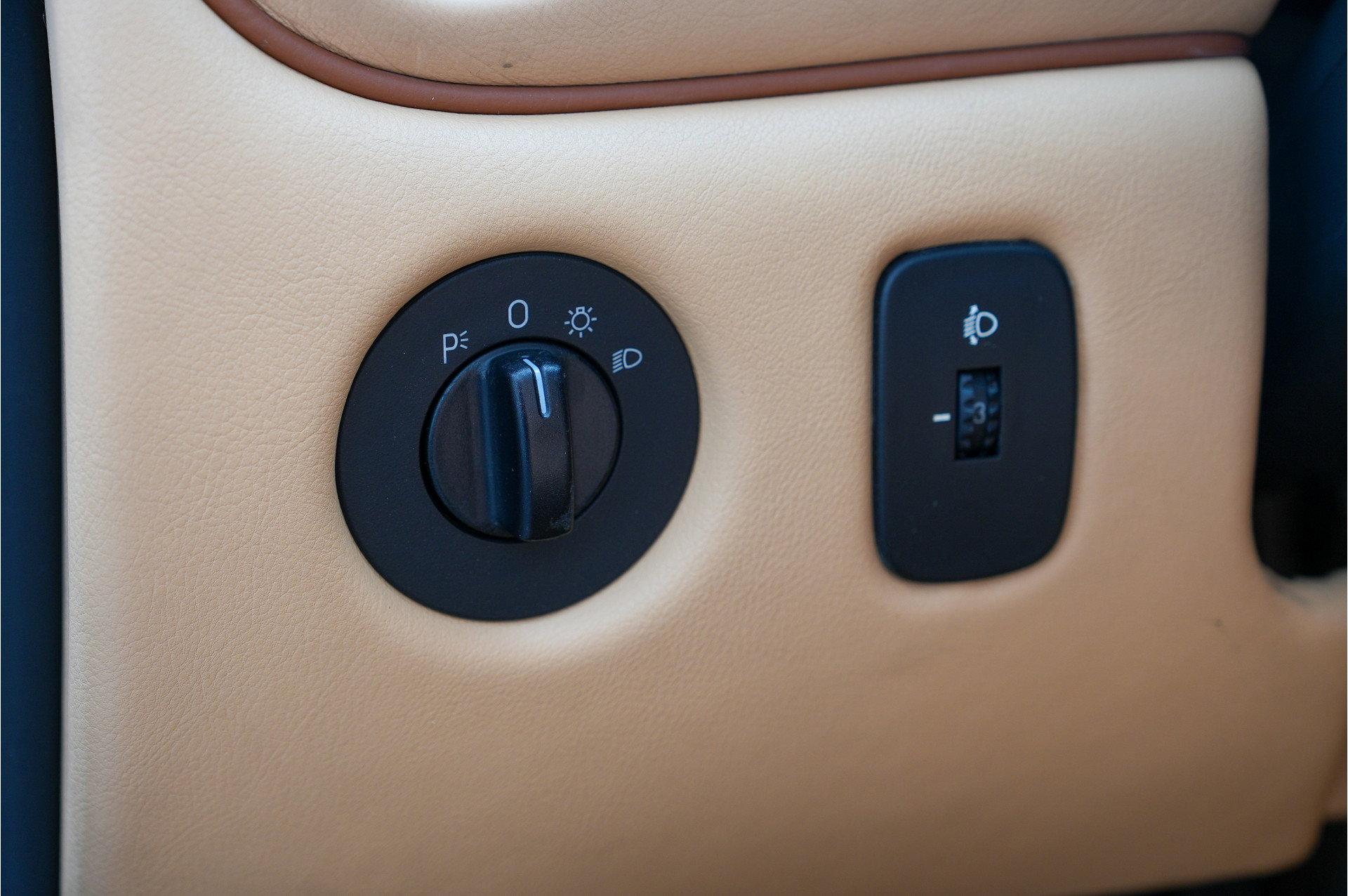
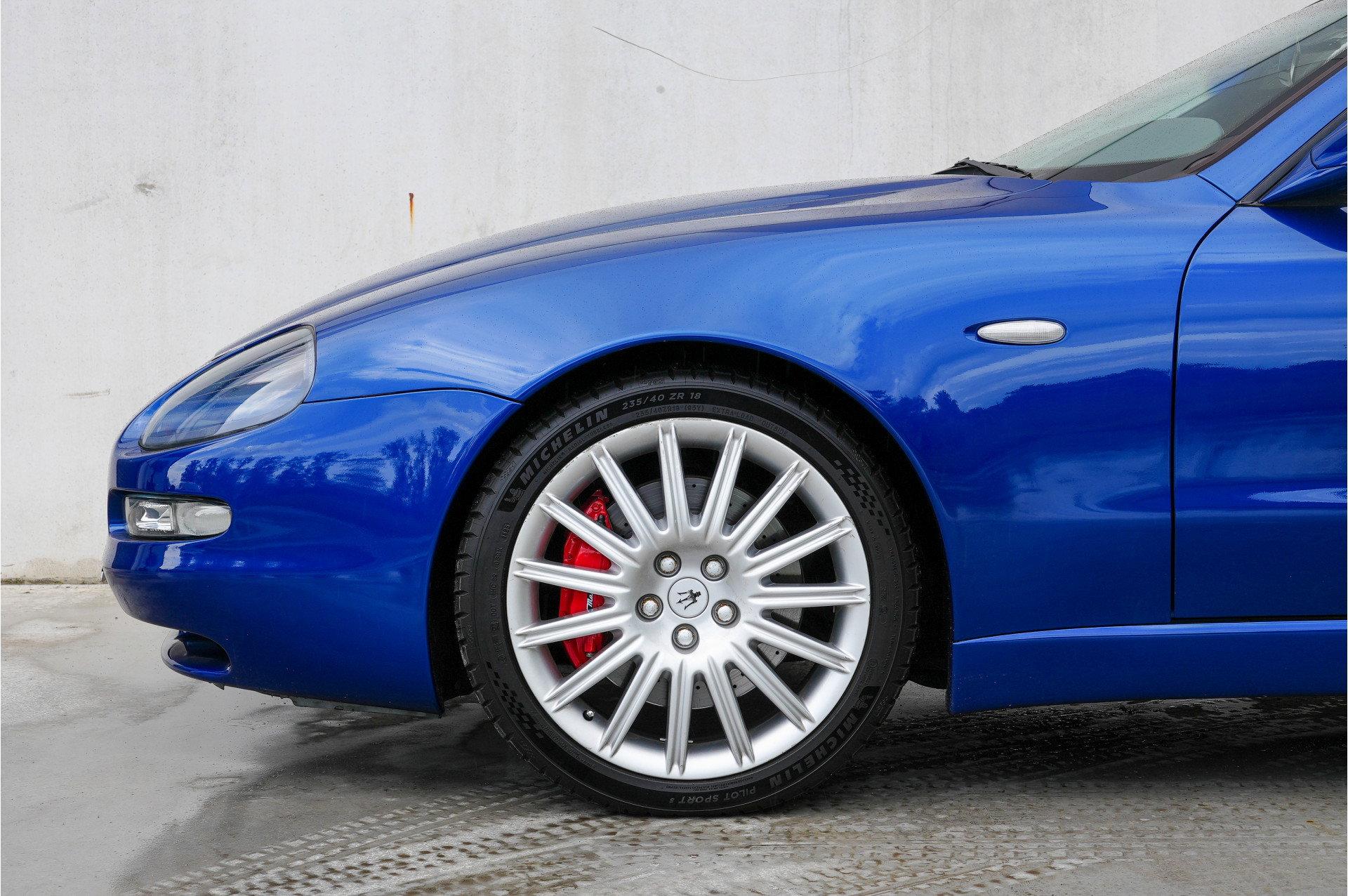
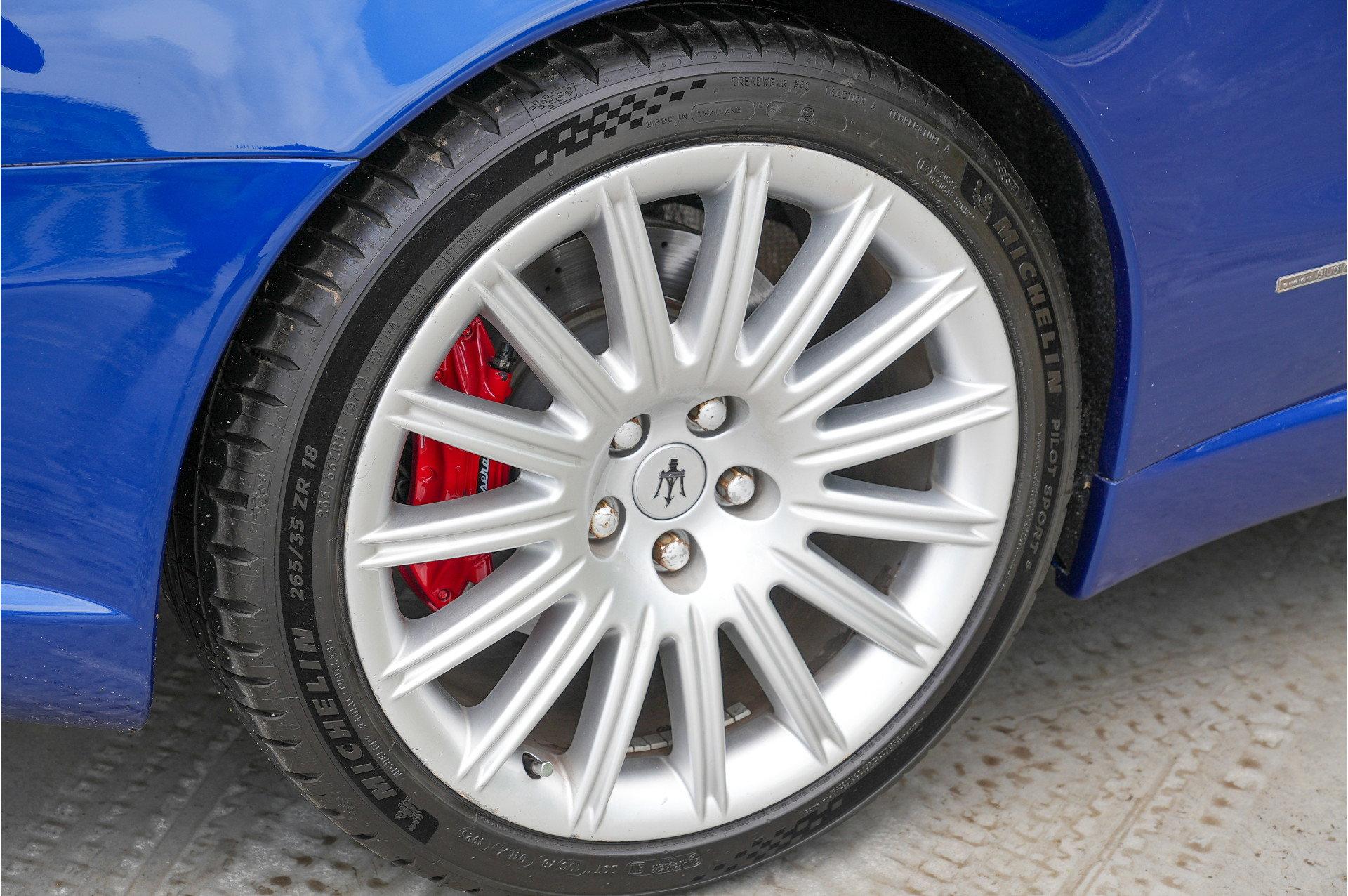
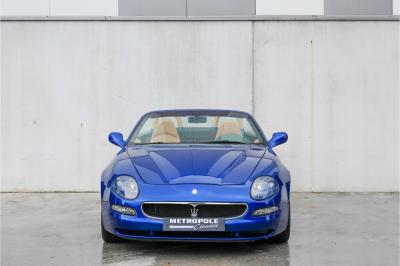
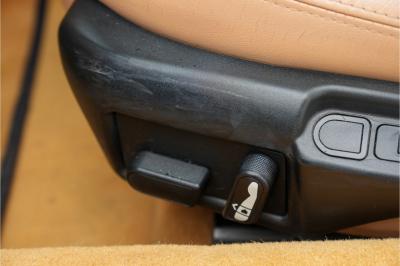
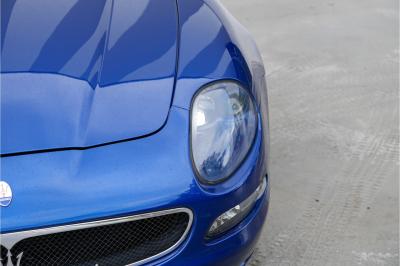
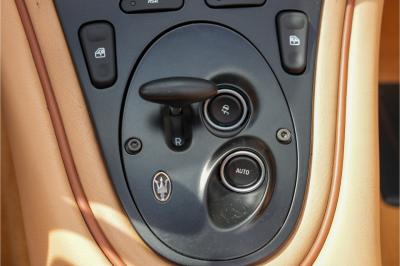
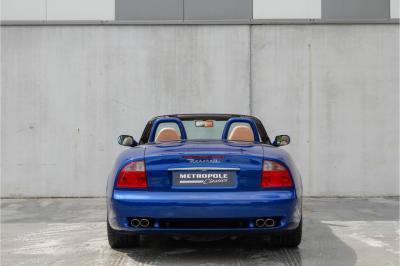
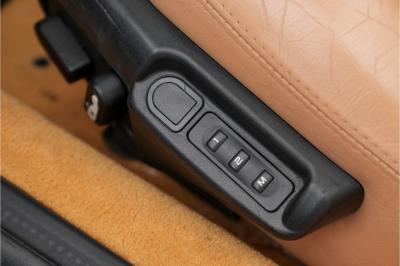
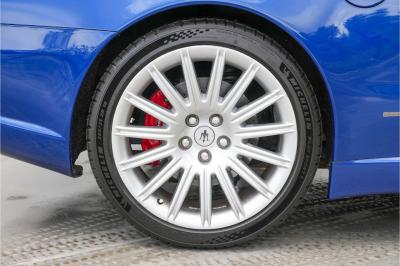
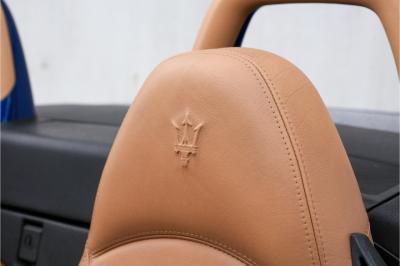
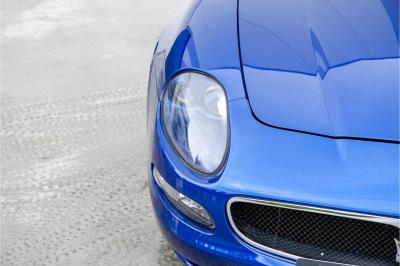
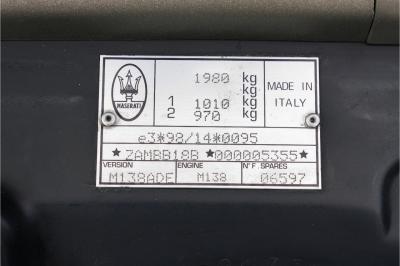
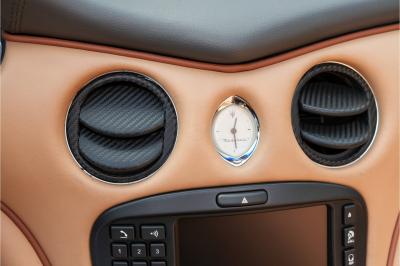
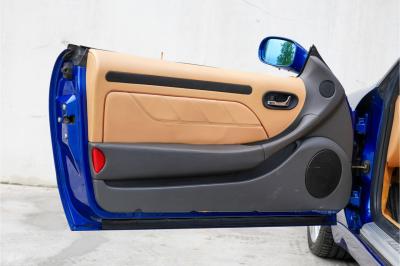
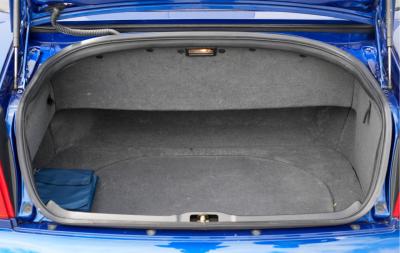
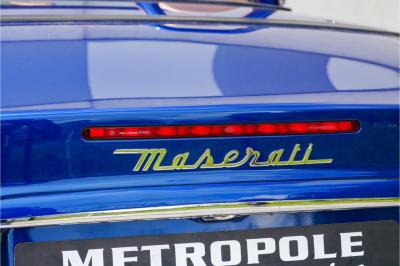
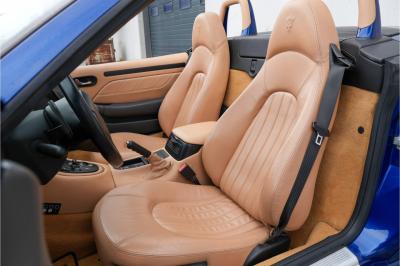
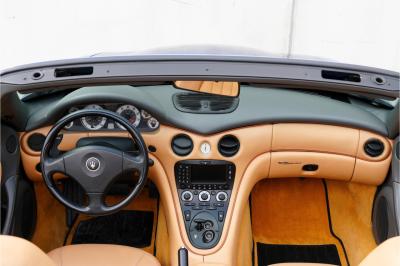
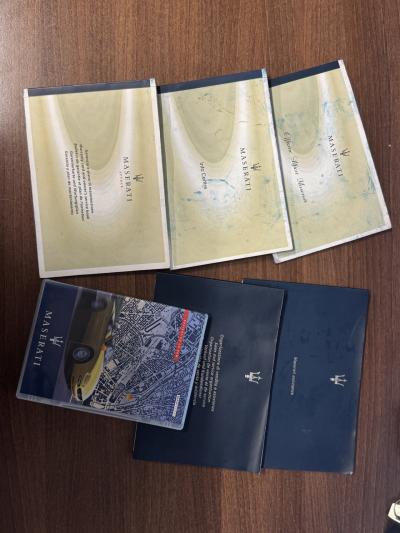
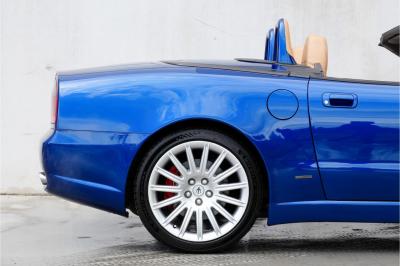
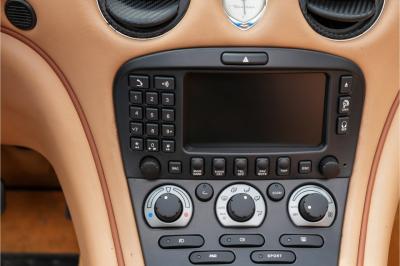
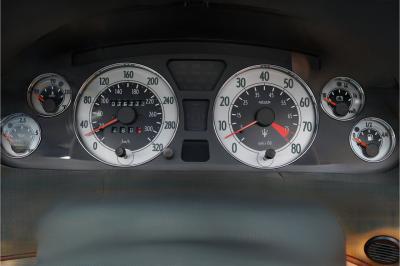
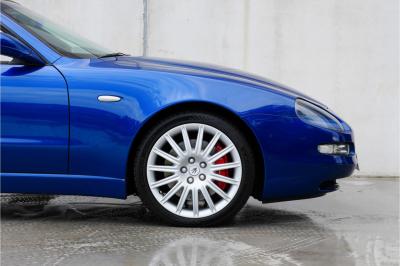
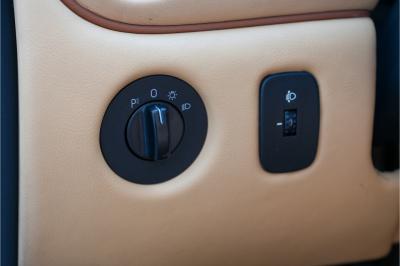
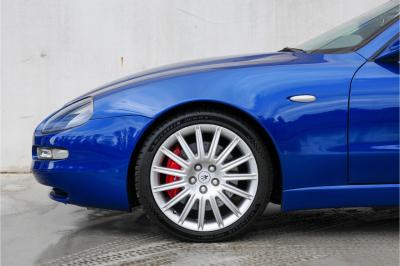
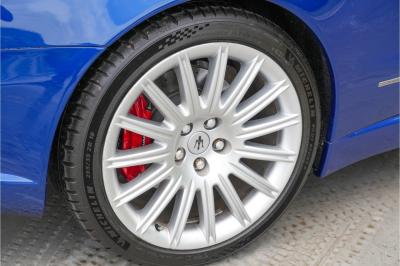
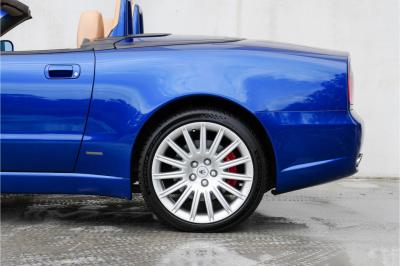
The example we are offering is a Spyder Canbiocorsa and was delivered new by Radicci Automobili in Bari. The new owner ordered the car in Blu Mediterraneo with a beige interior. The car is in excellent condition. The paintwork is neat, the interior is undamaged, and the soft top is in perfect condition. The well-known 'sticky buttons' have been fixed by us. The odometer reads 76.774 km; technically, the car is in perfect order.
Owning a Maserati should really be on every car enthusiast's bucket list. This Spyder is a perfect alternative for those who want to make that dream a reality. We would be delighted to invite you for a visit!
Contact Us
