


























































































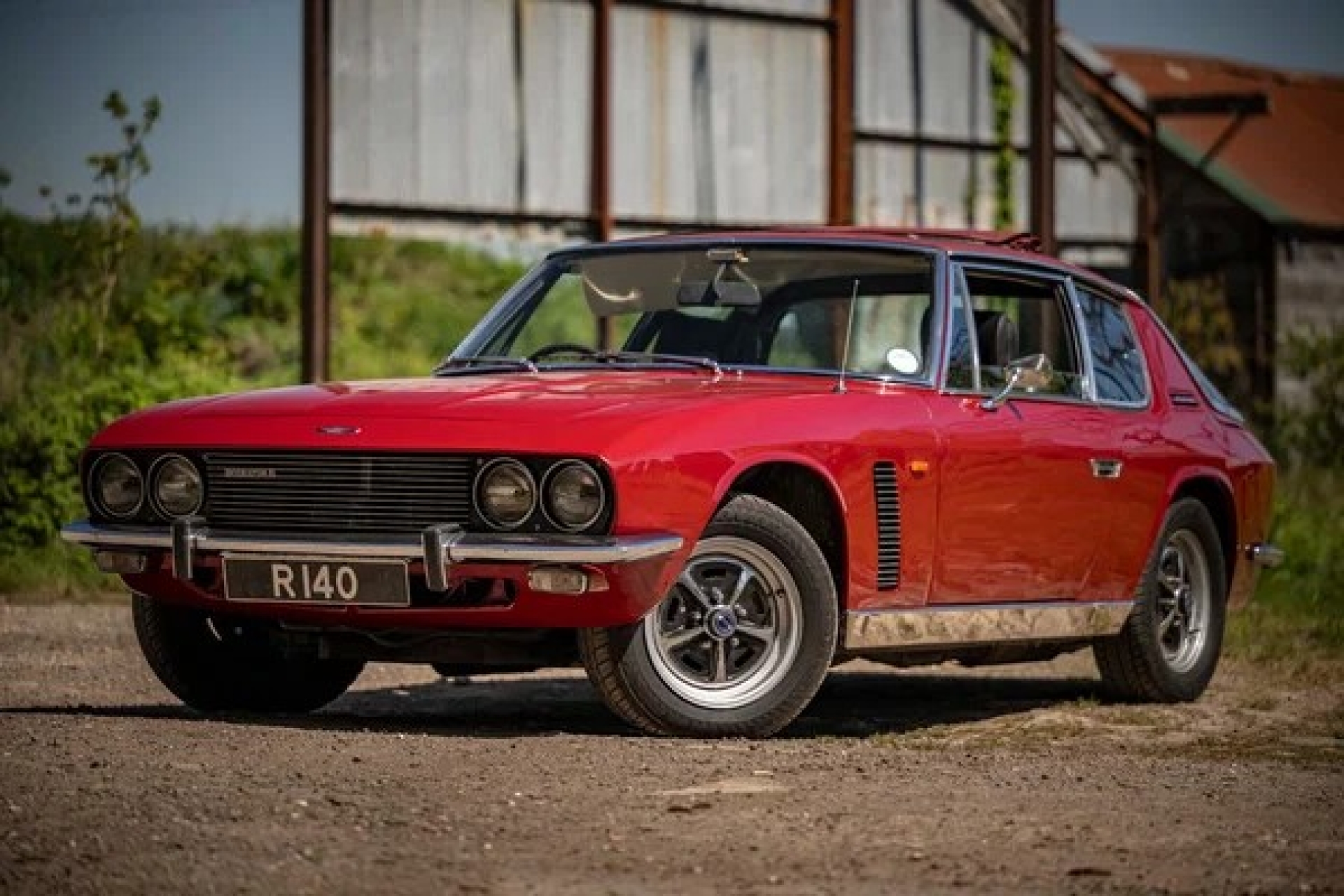
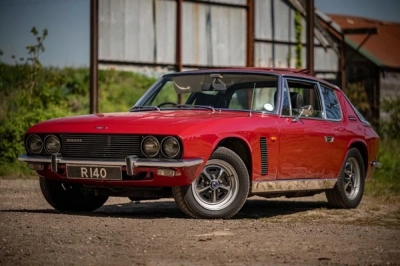
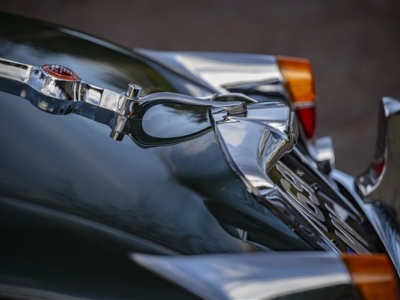
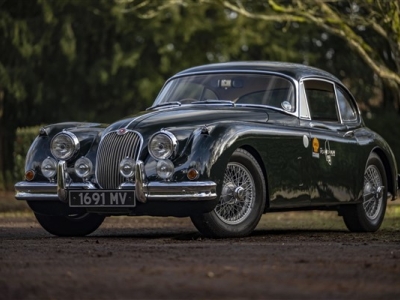
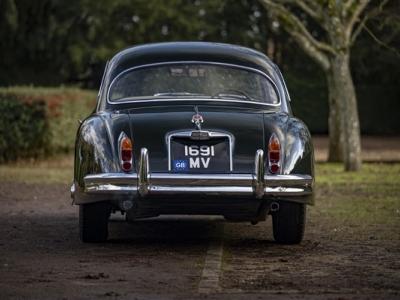
1970 Jaguar E Type Series 2 2+2
“ A genuine usable classic, which would benefit from ongoing care. ”
Dry stored throughout.
Background
Inevitably in everyone’s top three of the best-looking cars ever made (and for Enzo Ferrari it famously took the number one spot), the Jaguar E Type boasts inch-perfect lines, some of the best engines in the business and about half a mile of quite suggestive (in a Freudian way) bonnet.
The car was first launched in 1961, just 16 years after the end of the war. So, young men (and women) who’d dreamed of flying Spitfires when they were children in 1945 were almost guaranteed to fall head over heels for a car that looked like a fighter plane from the outside and had a cockpit and dashboard that would have made any handlebar-moustachioed RAF pilot feel right at home.
Their fathers would have been bank managers or family doctors, worn tweed and brogues, smoked a briar pipe, and driven an Alvis or a Riley.
But this next generation were architects, advertising execs or designers, wore slip-ons and turtle-necks, smoked Rothmans filter tipped and, if they were very lucky, drove an E Type.
It’s hard to believe, but in March 2031 the Jaguar E Type will be 70 years old.
Offered initially with the gorgeous 3.8-litre straight-six engine that developed a heady 265bhp, the Jaguar was a democratic car for all its potent sexual symbolism and mouth-watering performance.
Its list price was £2096 for the coupé - the equivalent of just over £30,000 in today’s money - which even its detractors (yes, there were a few of those, believe it or not) had to admit was an absolute bargain. Interestingly, the roadster was about £100 less than the coupe.
Its engine capacity grew to 4.2-litres in 1964, at which point the Jag started to go as well as it looked. The changes also included bigger disc brakes and an all-synchromesh gearbox. The so-called 1½ Series cars arrived in 1967 and the main changes were that the headlights now lacked the Perspex covers of the first cars, they featured twin Stromberg carbs, and the eared spinners on the wire wheels were now hexagonal.
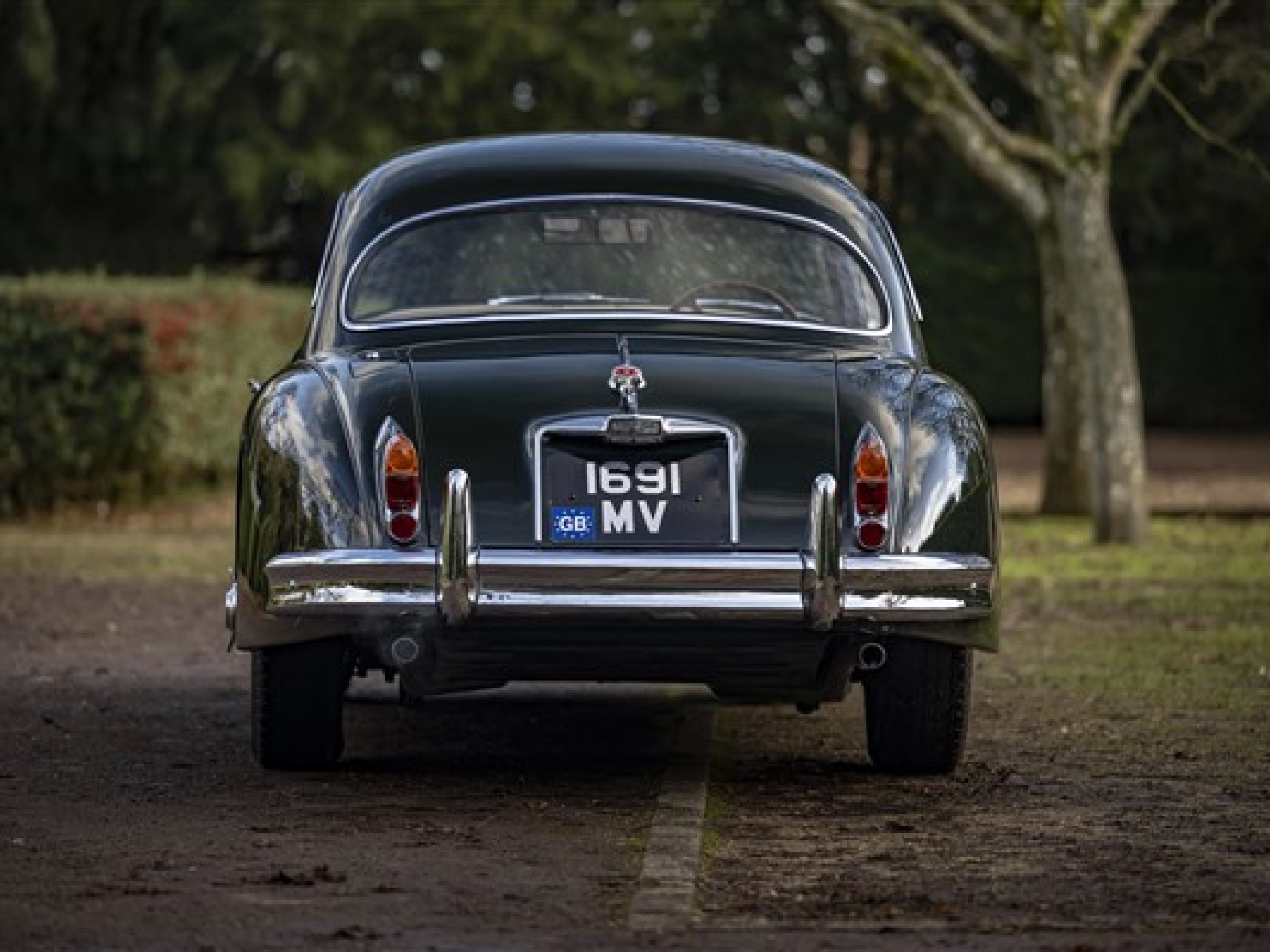
The Series 2 cars lasted between 1968 and 1971. This iteration grew larger bumpers, relocated its rear lights and gained a new, safer interior.
Introduced to the range in 1966, the 2+2 body added nine inches to the wheelbase and considerable practicality to the car, thus expanding its potential ownership market.
The coupé was still available as a two-seater, something that was to change with the introduction of the series 3 cars in ’71. Thereafter, all coupés would be 2+2.
Overview
We know this car, because it’s been our way before.
Brought to us by a vendor who has a collection of fine and interesting classics, it was sold to him through us in June 2021.
As is often the way with even the best laid schemes o’ mice an’ men, his initial goal of thoroughly overhauling the car’s mechanicals, re-doing the interior and spending his summers exploiting its practicality to convey him and his surfing gear to and from the coast…well, they never quite made it to fruition.
Consequently, the car has sat in a dry, secure storage space for the last 5 years.
The vendor employs his own mechanic to attend to the needs of the various vehicles in his rather classy fleet, and entrusted him fell with the task of ensuring that the car is up and running and now has tuned and balanced carbs.
But that’s pretty much all that’s materially happened to the car in the last few years, save for the odd spin around the block to blow away a cobweb or two.
The one thing the vendor was resolutely NEVER going to do to this car was repaint it.
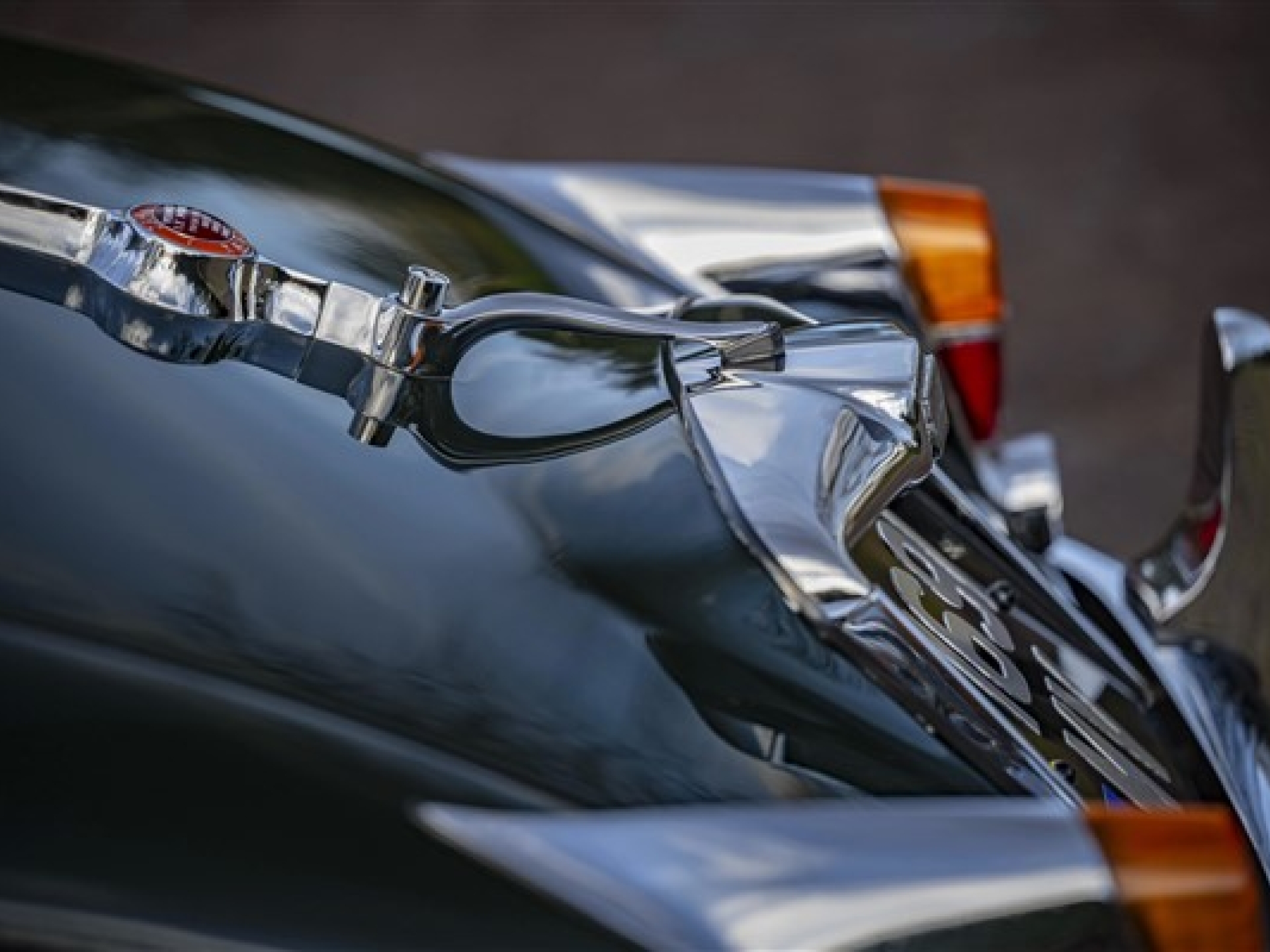
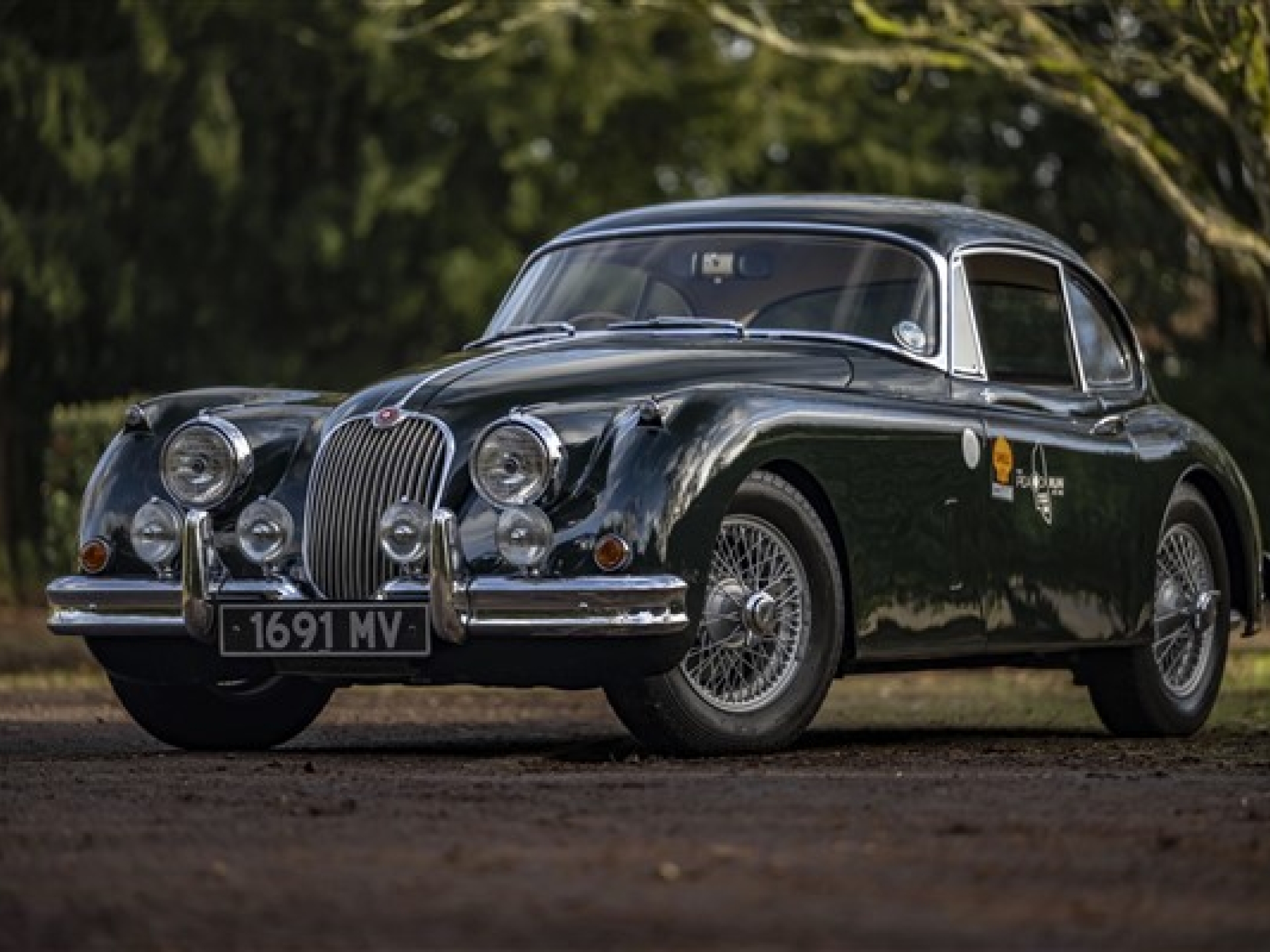
In fact, he bought it precisely because the car’s rare Willow Green paint has a gloriously evocative, time-served patina to it that speaks to the car’s authenticity and proudly carries the dinks, scuffs and nudges of 56 years of life like badges of honour.
Had he decided to keep the car, the vendor was going to seal the finish in, preserving its characterful wrinkles, creases and blotches in perpetuity.
Another reason the vendor bought the car in the first place is the fact that, underneath all the charming patina, the car is rock solid and mercifully free of any rot or compromises to its structural integrity.
This US market Jaguar E Type - known Stateside as the XK-E - was built in March 1970, making it a Series 2 2+2 Coupé.
It was shipped out to British Leyland New York the following month. Powered by the 4.2-litre XK 6-cylinder engine, this car is fitted with a 3-speed automatic transmission (only available on the 2+2) and is left-hand-drive.
In early 2017, it was imported from California (where it had been for some 40 years) to the UK by Bure Valley Classics of Norfolk to be sold as a project car for restoration.
It is a matching numbers car.
Estimate: £18,000 - £23,000
Contact Us
