

























































































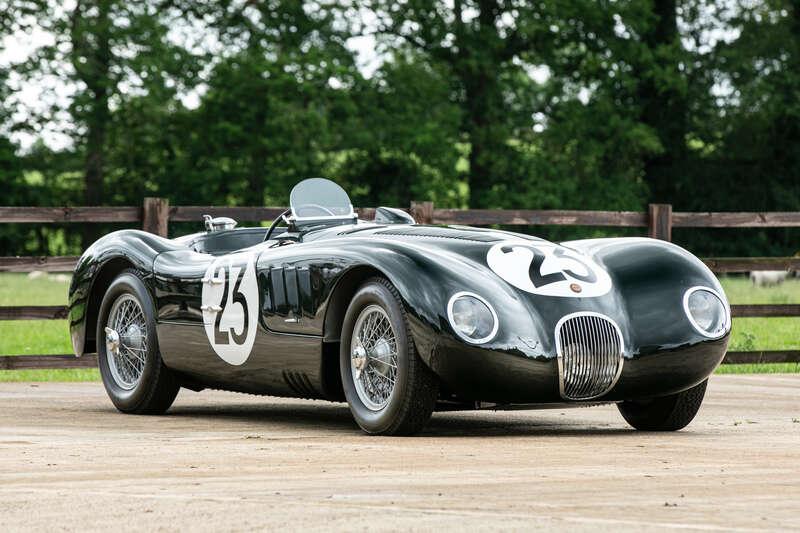
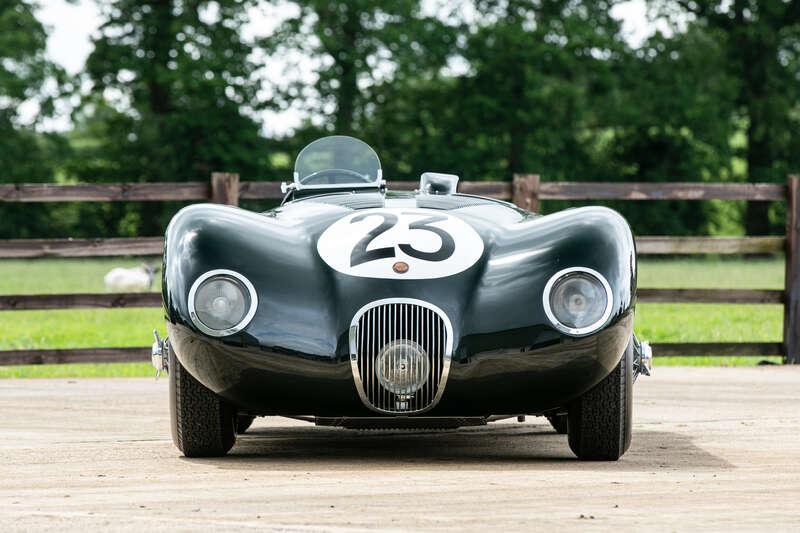
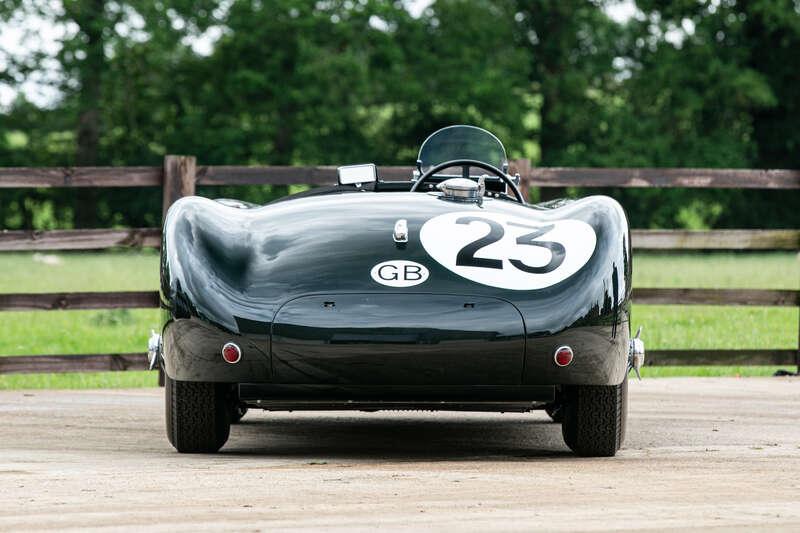
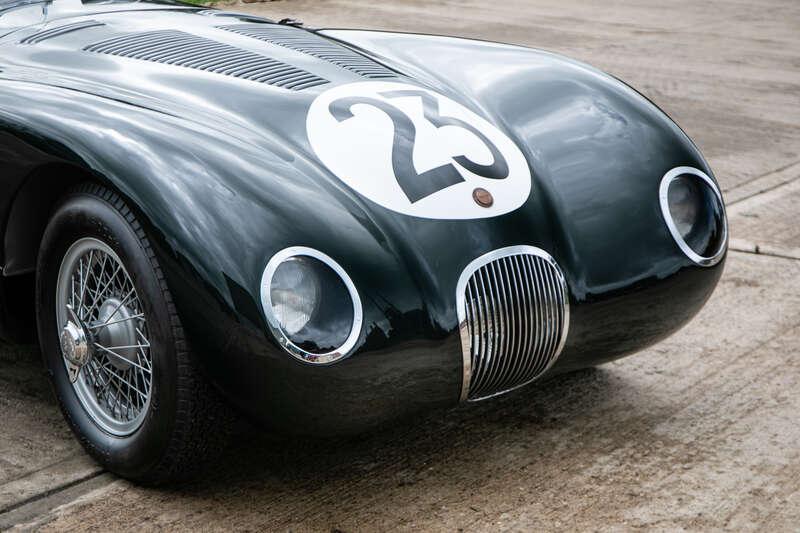
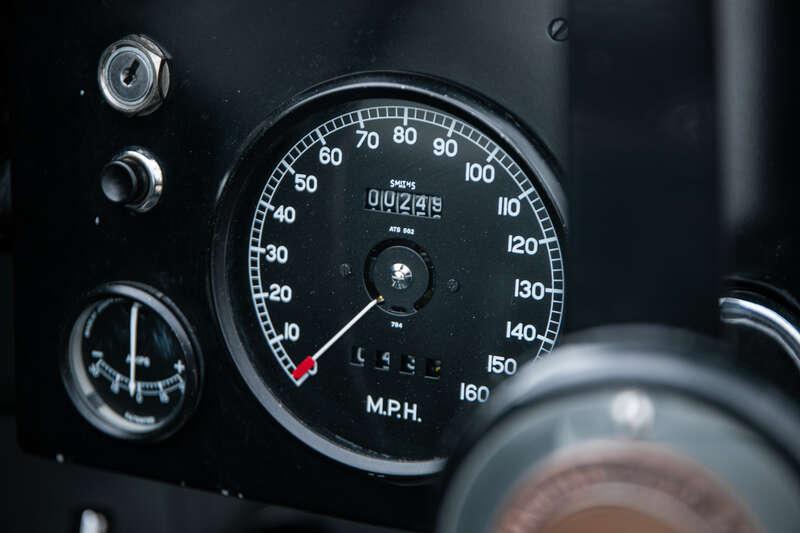
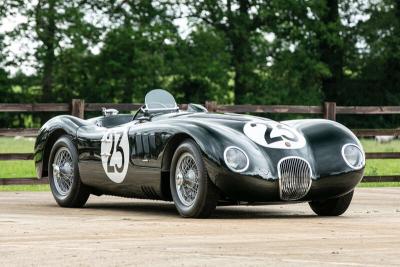
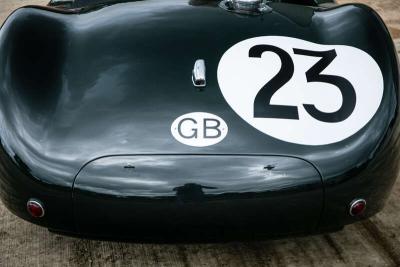
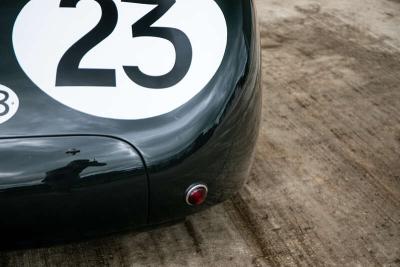
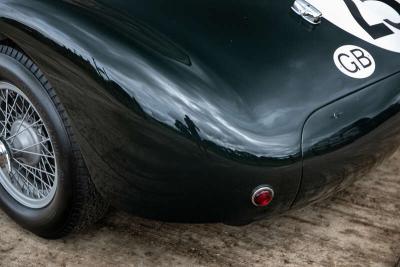
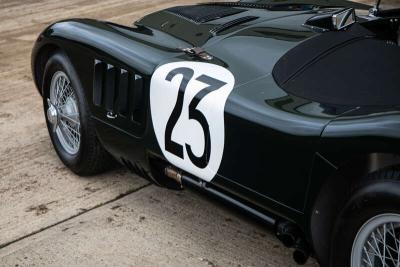
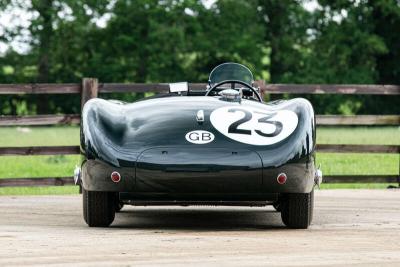
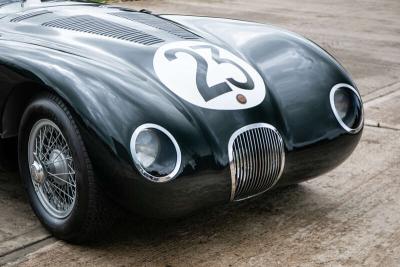
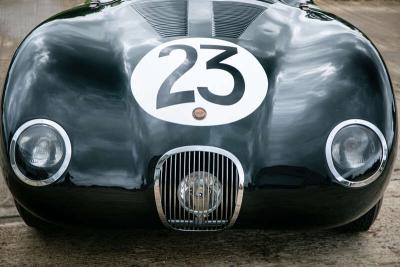
Estimated Price: £175,000 - £225,000
With five Le Mans wins achieved during the 1950s, Jaguar’s success in the gruelling French enduro was among the most influential factors in its meteoric post-war rise. Rarely has the ‘Win on Sunday, sell on Monday’ mantra been more apt, as the firm capitalised on racing success and engineered race technology into their production cars.
Jaguar’s debut at the 24 Heures du Mans was in 1950 when three new, factory-prepared 3.4-litre XK120s were released to selected private entrants to test the waters. In the end, Jaguar's management were satisfied with the performance of their cars – two finished, and the other had run as high as second before retiring, but resolved to fix the brake problems that had troubled all three cars throughout the race.
Motivated by this result, William Lyons set his sights on a win the following year and, immediately after the Motor Show launch of the Mk VII in October 1950, he gave the green light for a redesigned XK120-based machine. He created a new Competition Department at Browns Lane under 'Lofty' England who was given until June 1951 to design, manufacture and test a car from a clean sheet of paper with the intention of entering a team of three works cars to appear at Le Mans in 1951.
The story of Jaguar’s involvement at Le Mans has been documented hundreds of times but just for reference the cars entered in 1951 were;
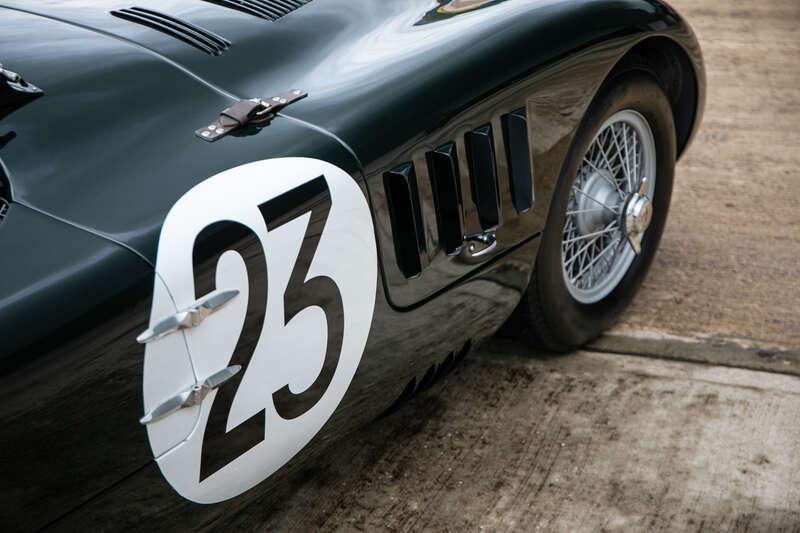
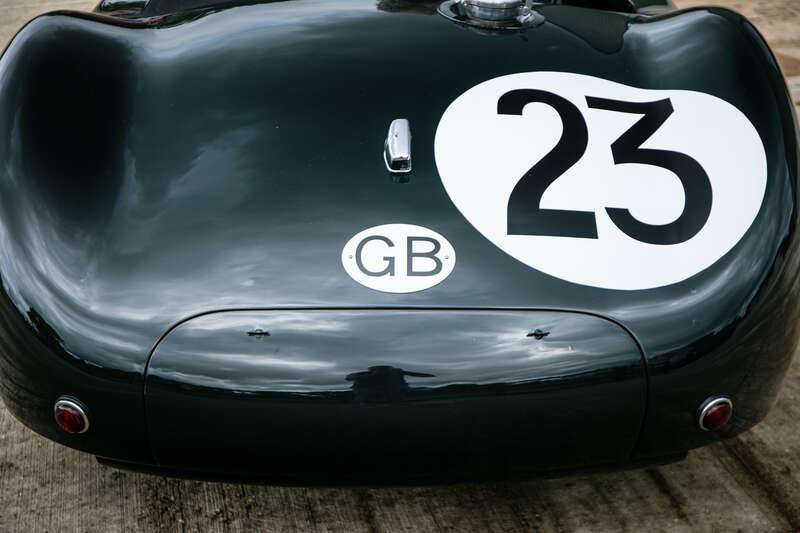
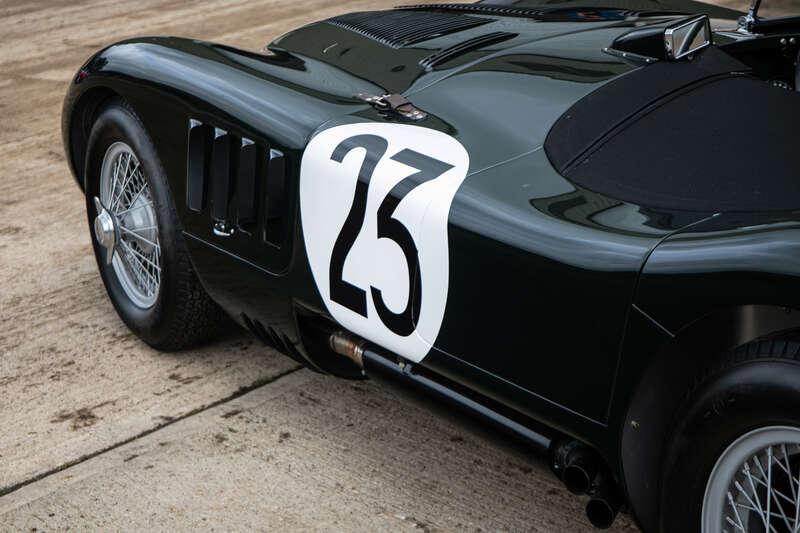
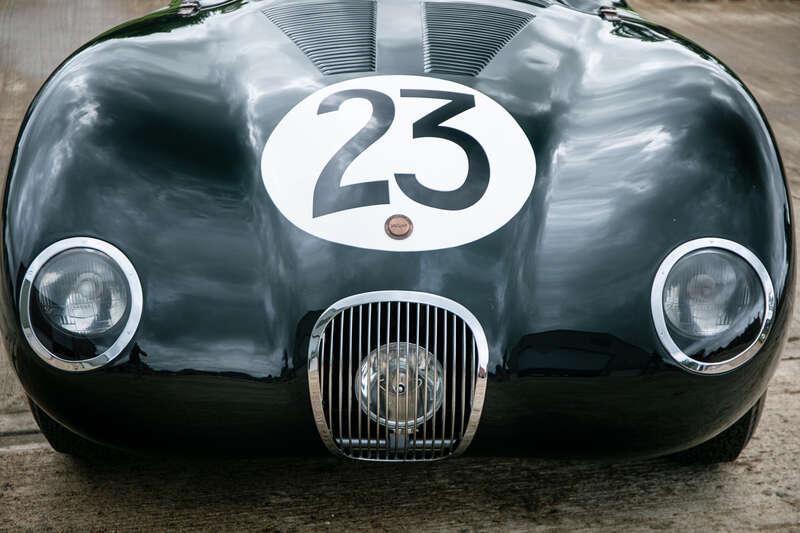
XKC001 (Registration: 032 RW) The very first C-Type completed. Driven by Leslie Johnson and Clemente Biondetti, it was forced to retire but led early and helped prove the car's initial pace.
XKC002 (Registration: 210 RW) For Stirling Moss and Jack Fairman. Moss surged into the lead and shattered the lap record by six seconds, before being forced to retire with a lack of oil pressure.
XKC003 (Registration:153 RW) For Peter Walker and Peter Whitehead. The overall winner of the 1951 Le Mans 24 Hours, securing a massive nine-lap lead and cementing the C-Type's legendary racing legacy.
Tragically for historians, all three of these first-built factory prototypes were dismantled for spares by Jaguar in 1954 during the development of its successor, the Jaguar D-Type.
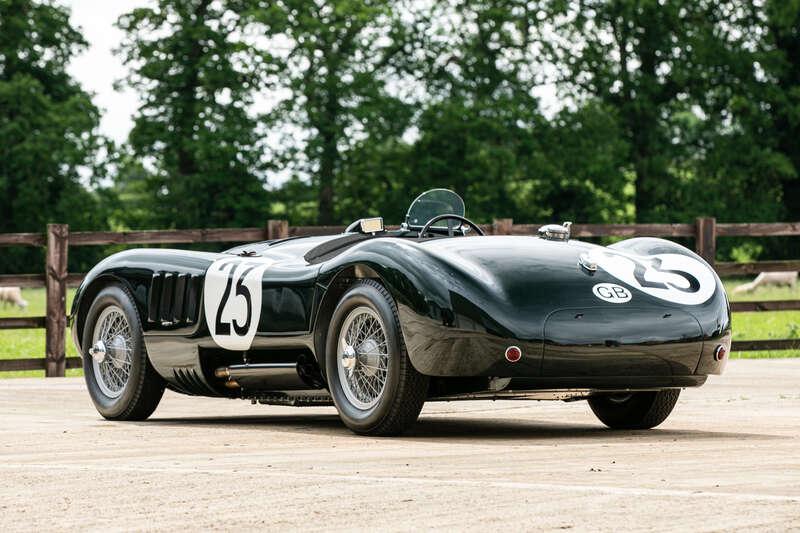
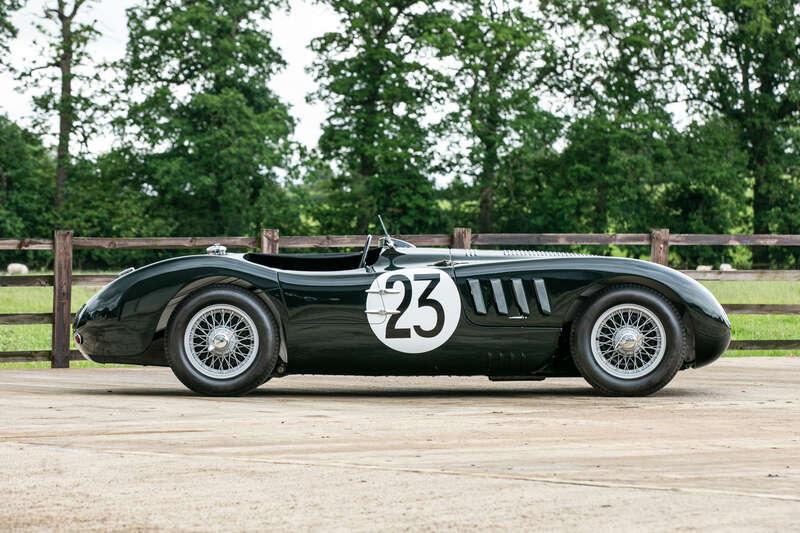
Coventry Classics Ltd., based in Dunedin, New Zealand had been manufacturing very accurate C-Types recreations since 2002, however, even the experienced team there must have been shocked when the legendary collector of British Classics, Hereford-based Dr James Hull, approached them in 2013 about the possibility of recreating the first and third C-Types, XKC001 and XKC003. The problem was that, as with any competition car, constant development in the pursuit of performance means very little remains the same and there were over a hundred differences between the original factory cars and later production cars meaning that later cars could not necessarily provide correct reference points. Dr Hull wished to recreate the cars exactly as they finished their respective careers and, as they no longer existed, it was back to the drawing board. However, with the support of Jaguar Cars who allowed access to original drawings, photographs, workshop notes etc. and measurements from the next surviving C-type (#XKC004 owned by Nigel Webb) it seemed that a completely accurate replication of #001 as it finished Le Mans in 1951 would be possible.
Work did not commence until sufficient research had been carried out and detailed original drawings and data had been amassed. Original C-type parts would be incorporated wherever possible or if not available would be manufactured exactly to the factory drawings and when completed, the cars would be finished to an International Concours standard.
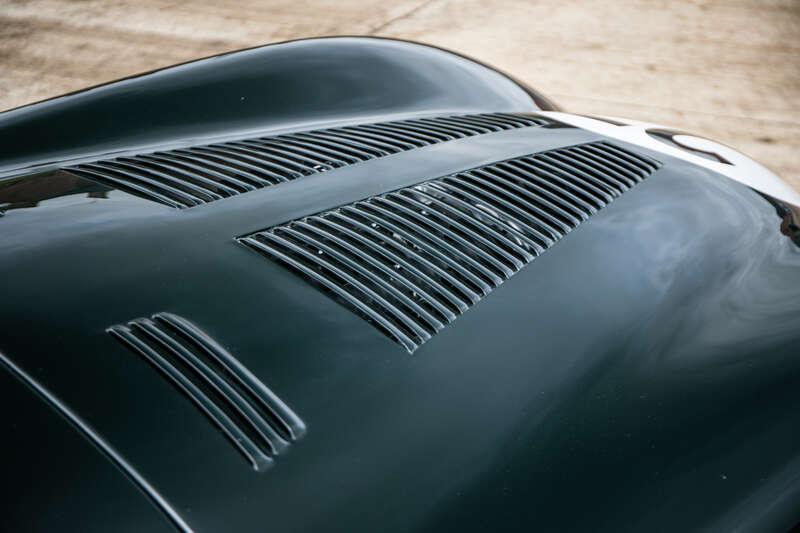
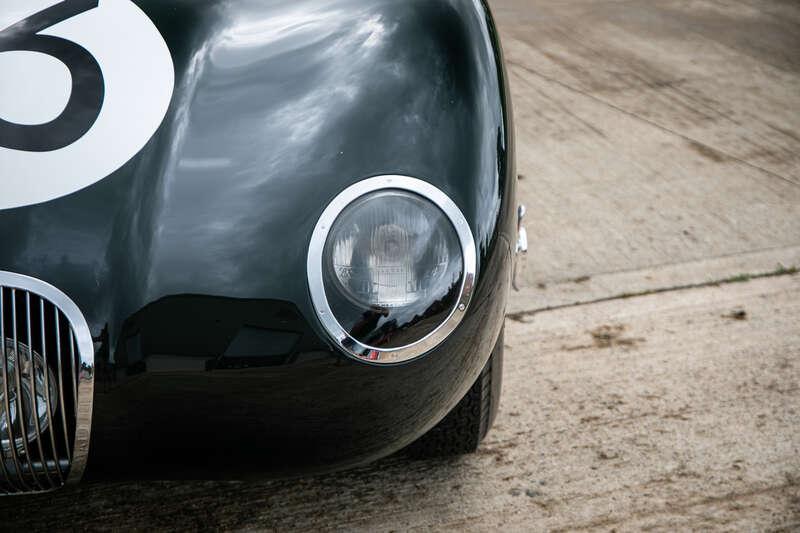
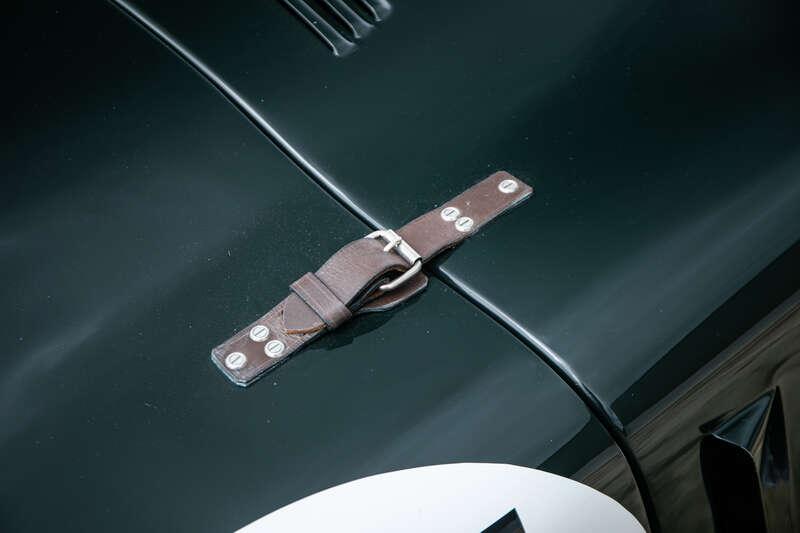
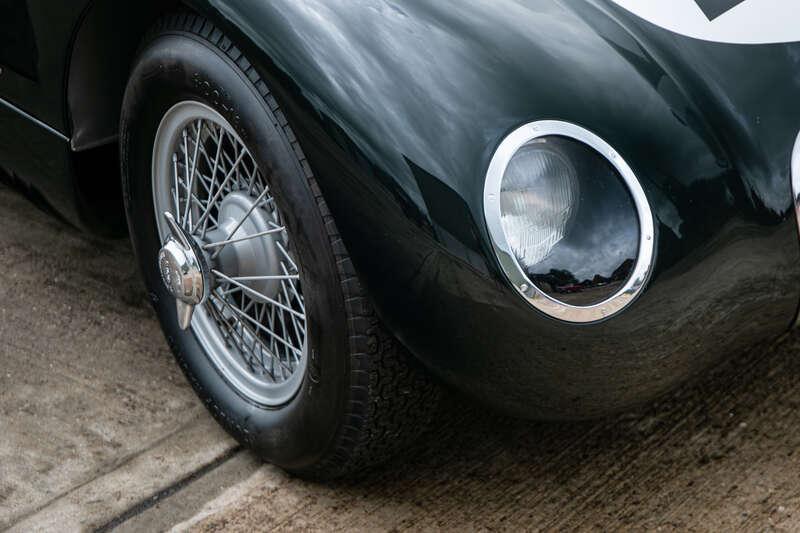
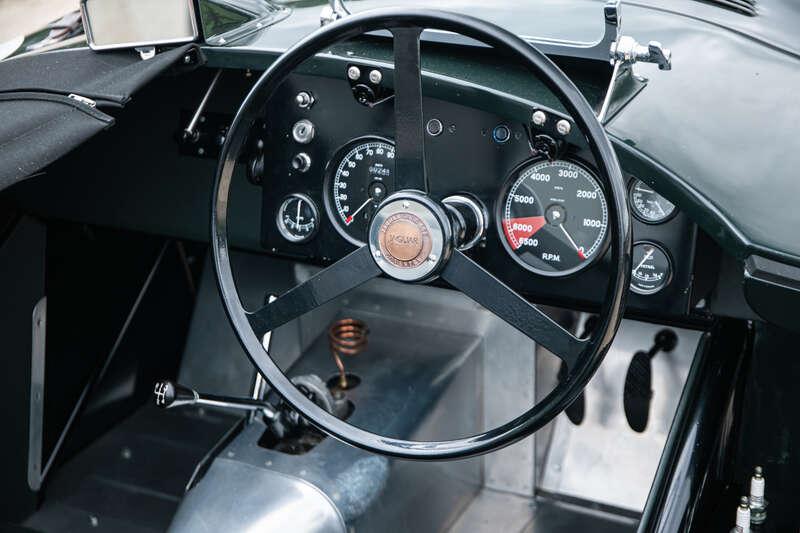
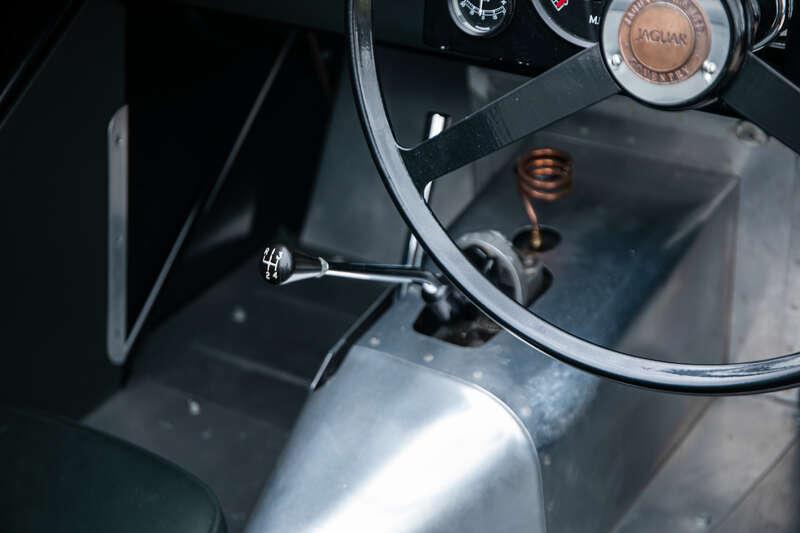
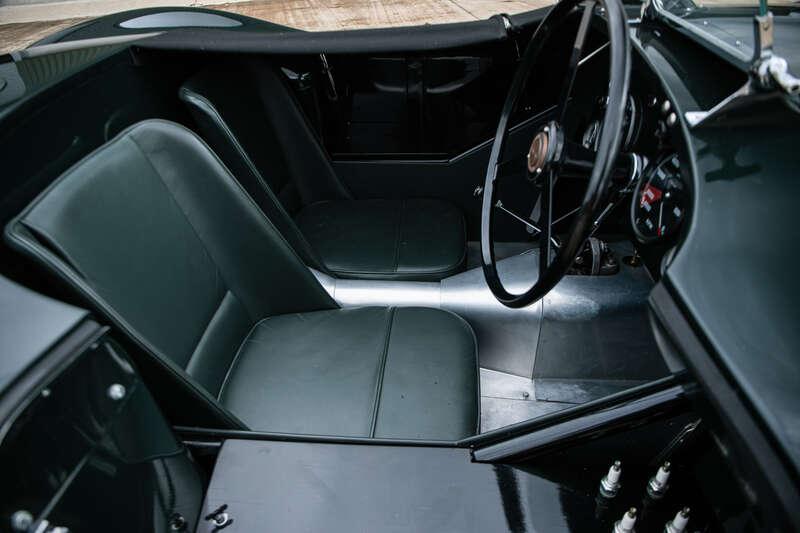
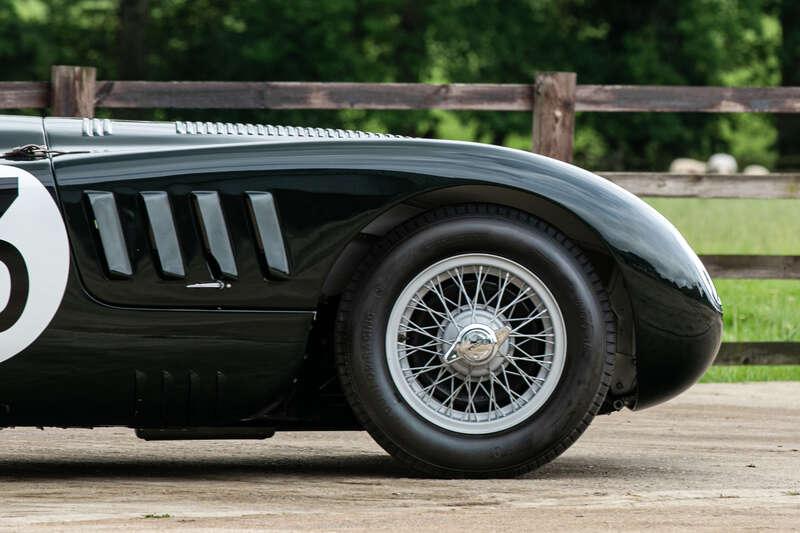
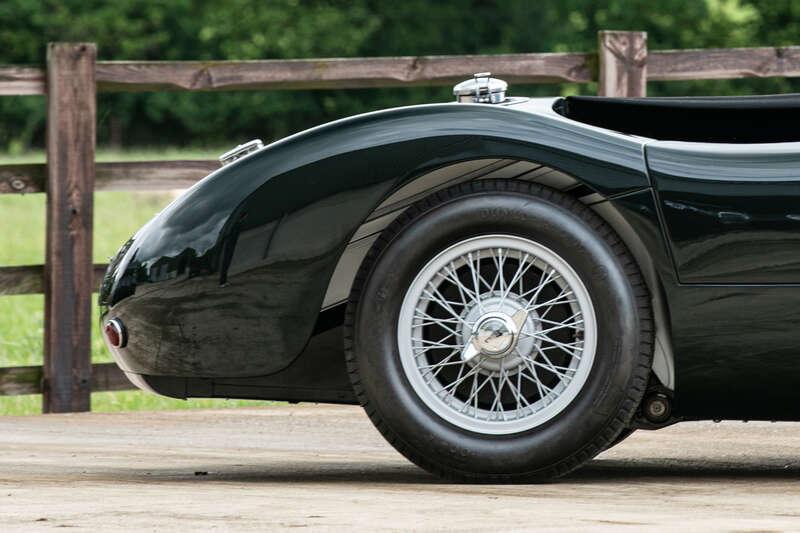
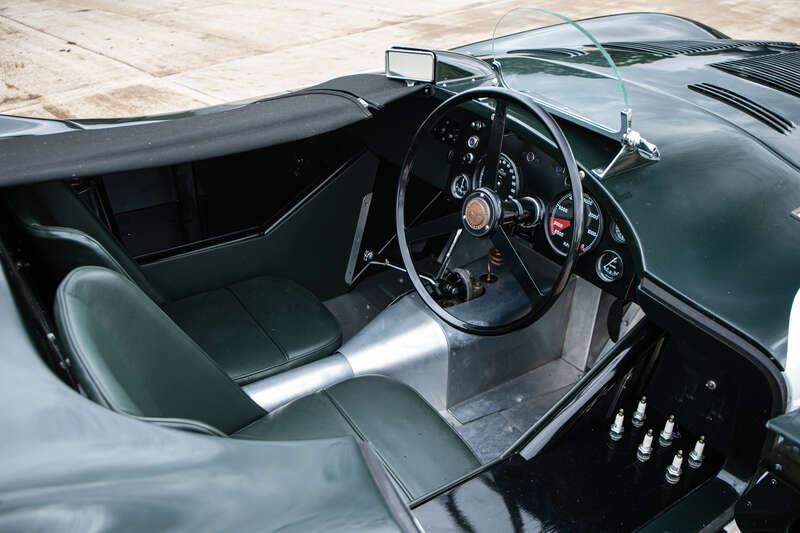
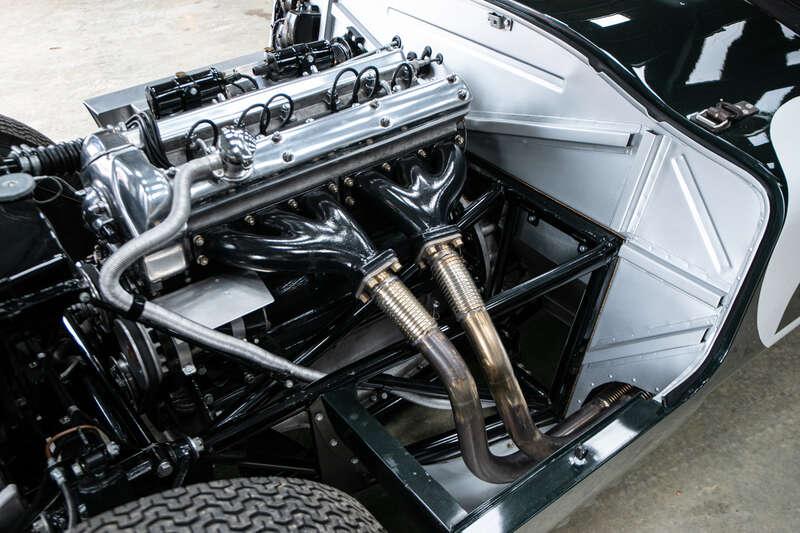
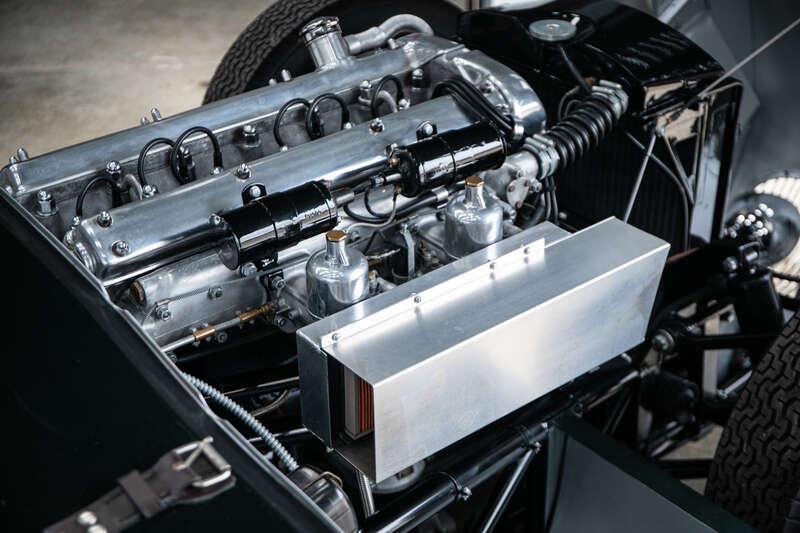
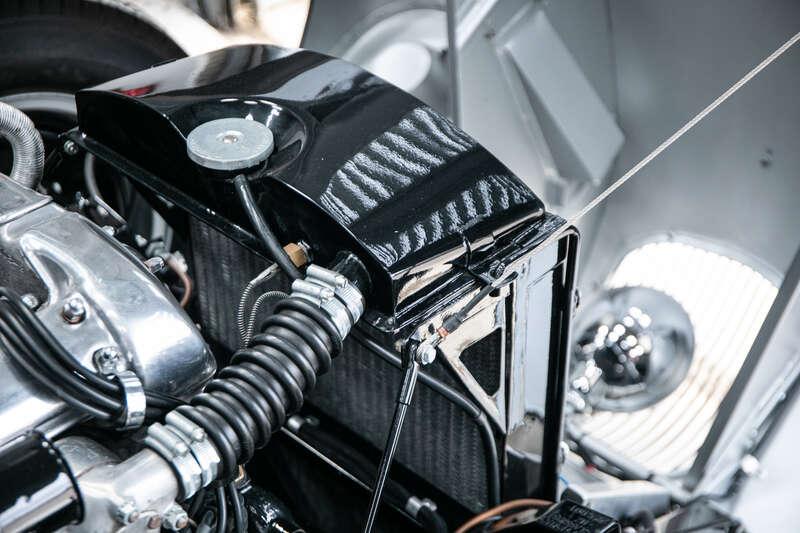
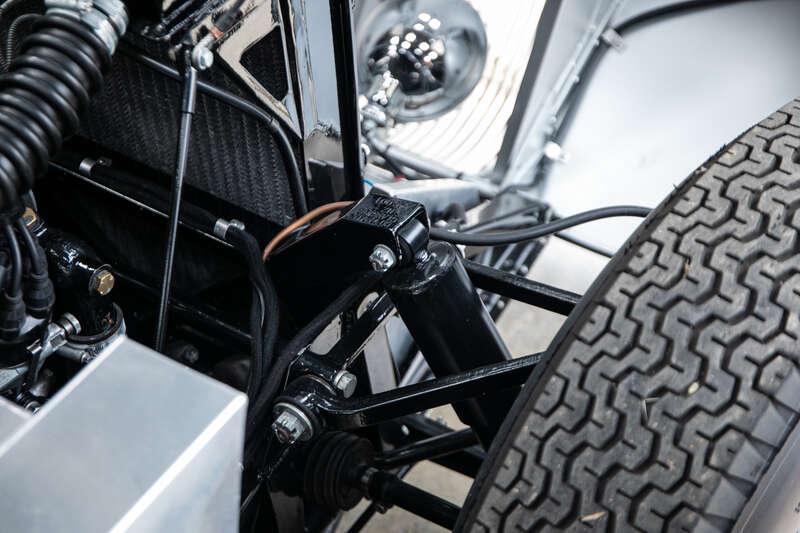
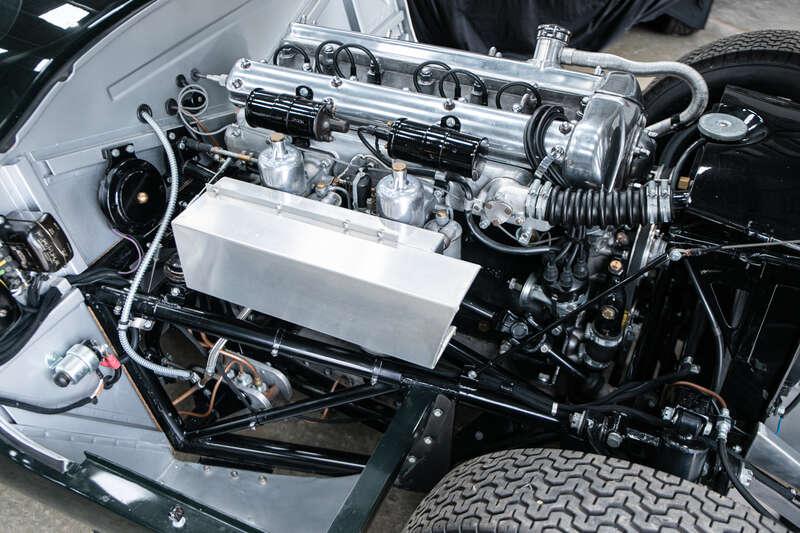
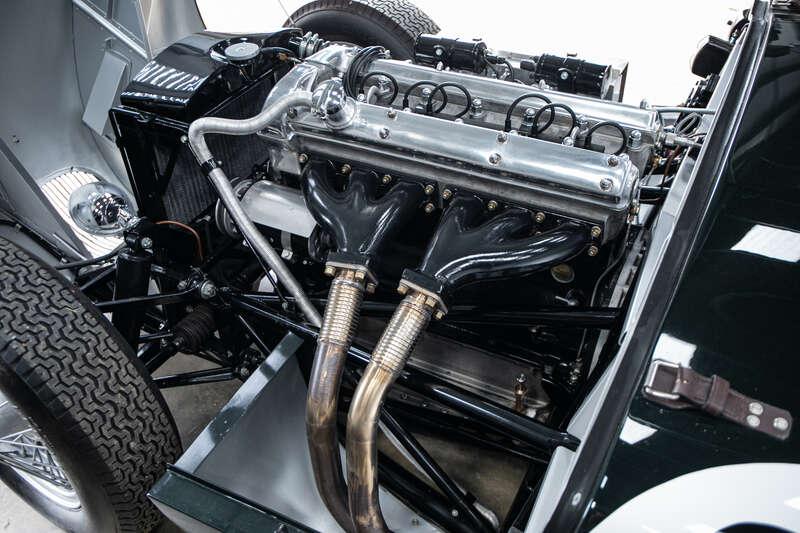
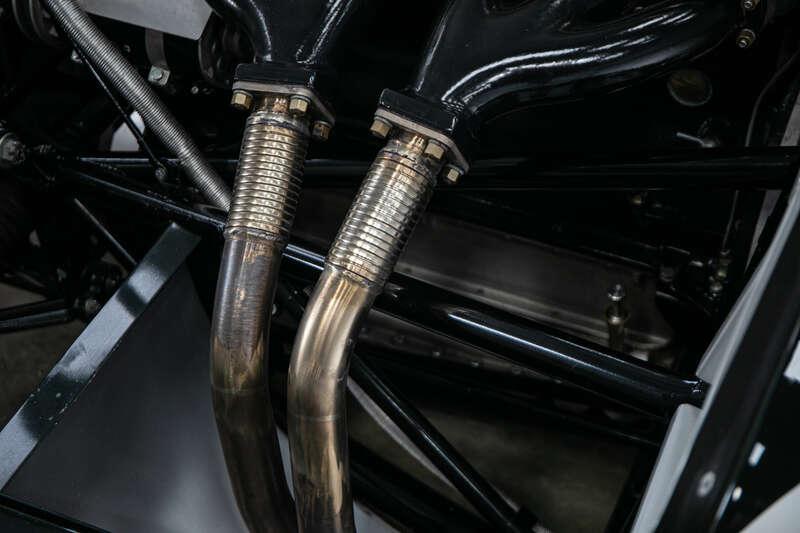
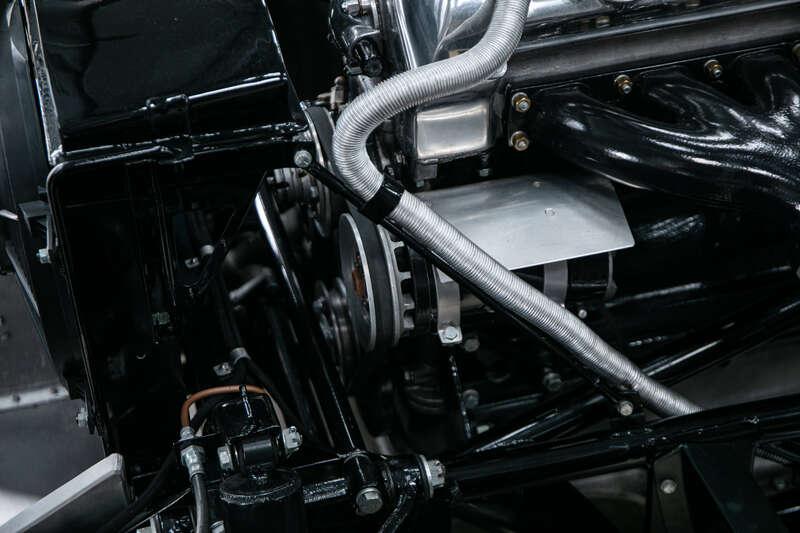
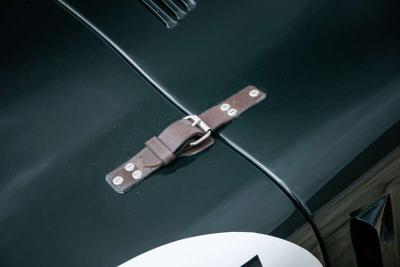
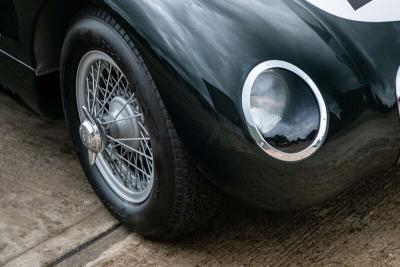
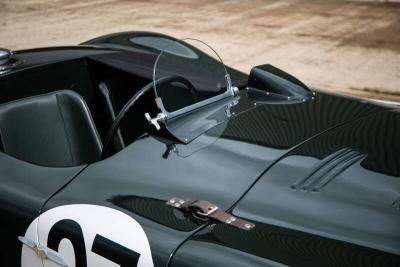
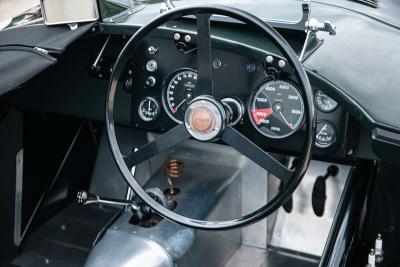
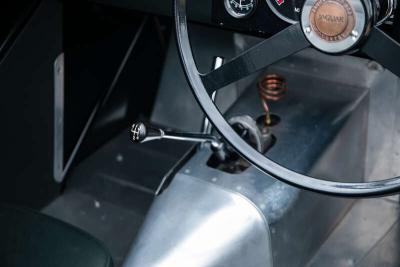
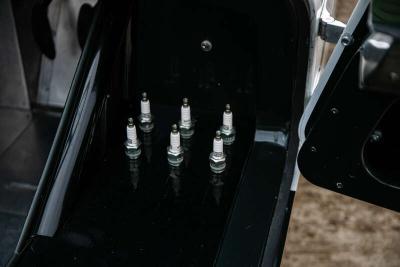
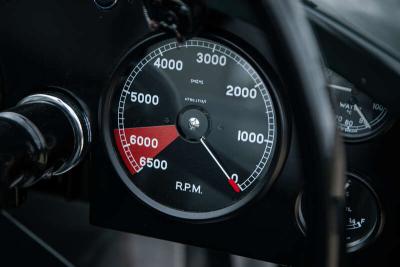
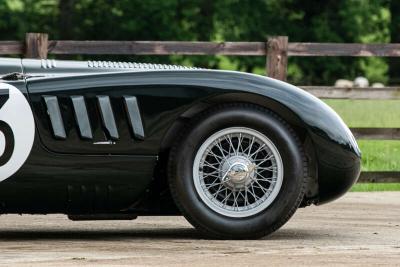
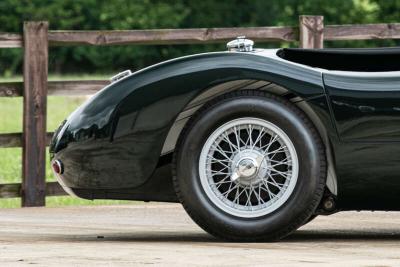
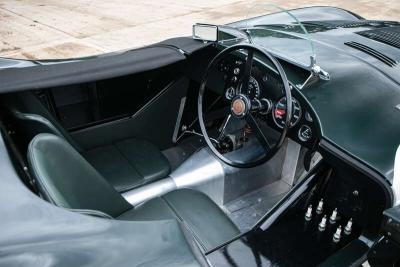
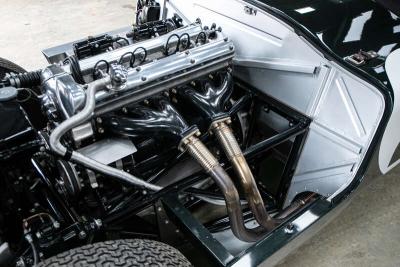
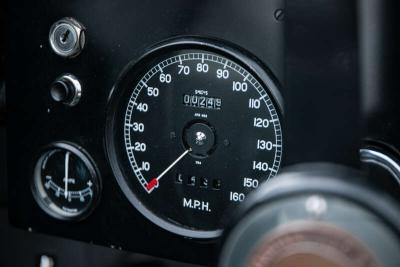
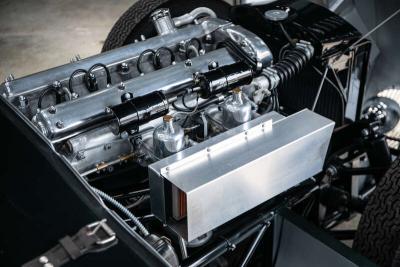
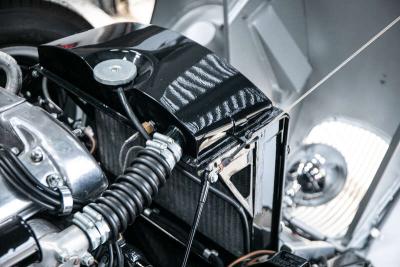
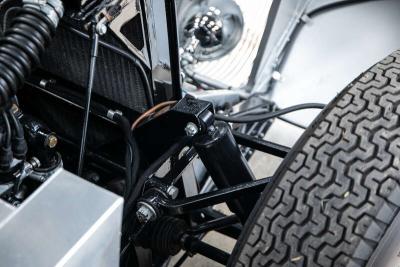
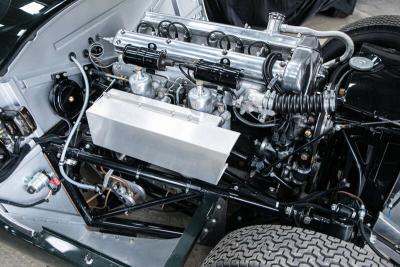
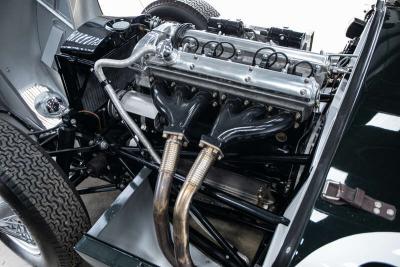
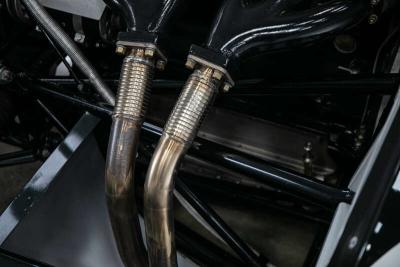
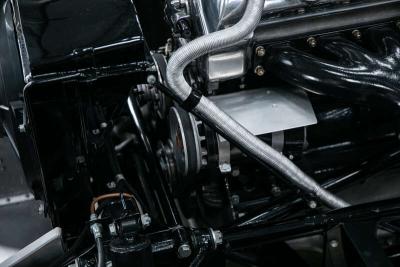
The early chassis had drilled cross-rails with floor panels fixed above the diagonal unique to this car and an absolute myriad of idiosyncratic features all photographed and explained in the build sheet that accompanies the car. The first few cars had a three-piece alloy engine sump which was reproduced using #XKC004 as a template showing the depth of the recreation involved. The engine is very early 1951 XK with the correct Mills Foundry cylinder heads built to genuine C-type race specification including high-lift cams, chamfered tappet guides and bigger exhaust valves and seats. The gearbox is a correct close-ratio Moss SH type with special cast tops positioning the lever further forward for easier use. The wheels were specially built by Dunlop for this car, the wiring loom is to the original braided finish covered in black cotton weave and the original cellulose lacquer paint, commonly known as Duco, was specially remanufactured.
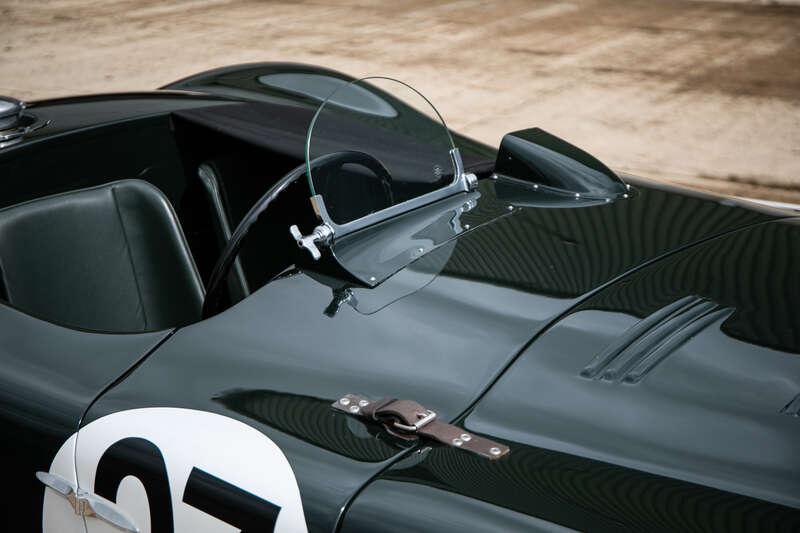
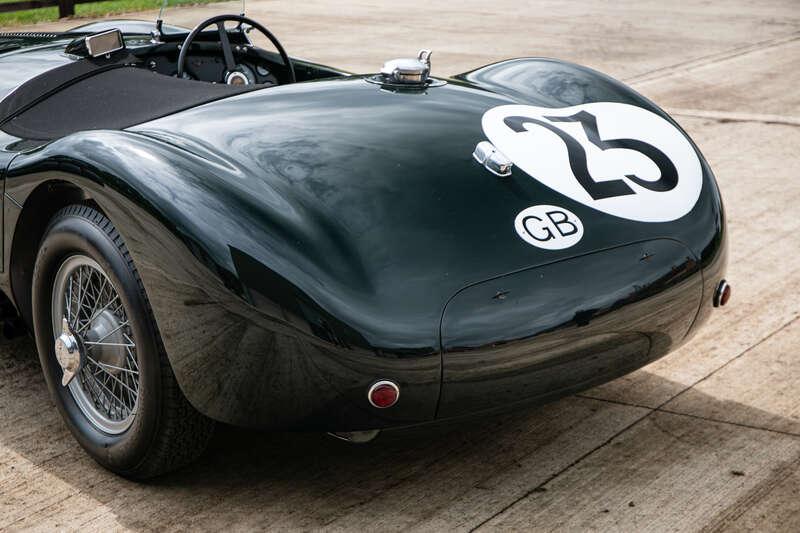
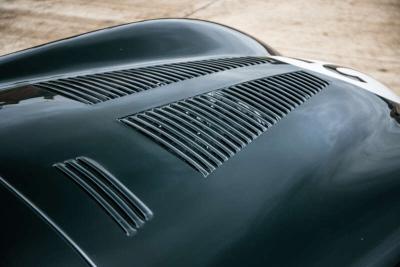
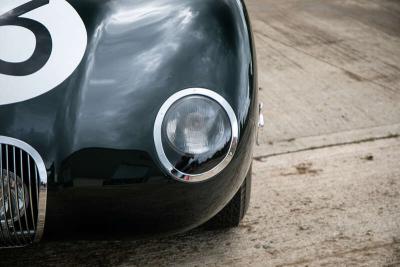
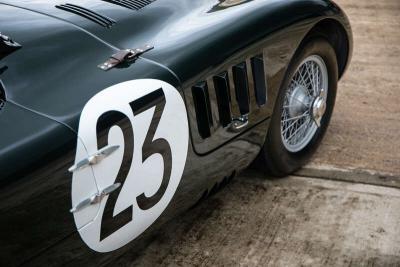
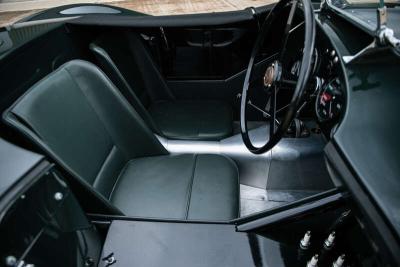
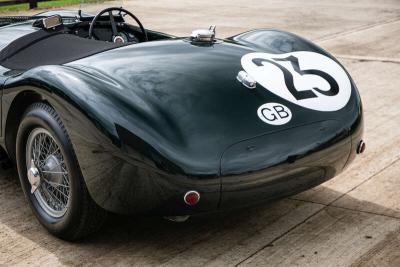
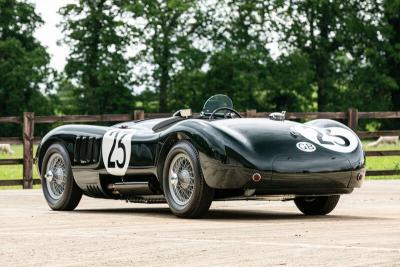
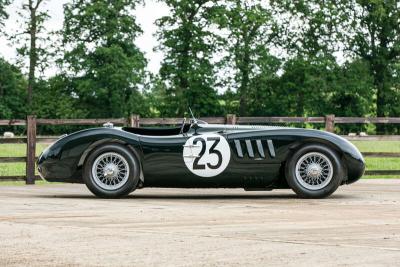
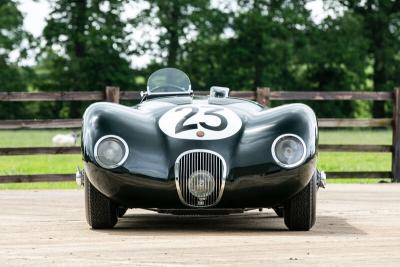
This magnificent 'tool-room' copy is indistinguishable from the original factory C-Type XKC001 and, alongside its sister Coventry Classics car XKC003, are without doubt the most accurate and exclusive C-Types ever re-manufactured. Jaguar and Jaguar Classic made this level of accuracy possible with their exhaustive research, playing a large part in the story and paying Coventry Classics the ultimate compliment by sanctioning the use of XKC001 by Coventry Classics for the new car's chassis number stamped on the frame and which reads "Coventry Classics NZ XKC001"
The substantial history file (available at our Documents Desk) contains much more detail with correspondence from Mark Paterson of Coventry Classics outlining the complexity of the build and some amusing anecdotes.
Absolutely unique, an extravaganza of period engineering and the return of the car that, to quote Sir William Lyons, "Put Jaguar on the map".
Contact Us
