
























































































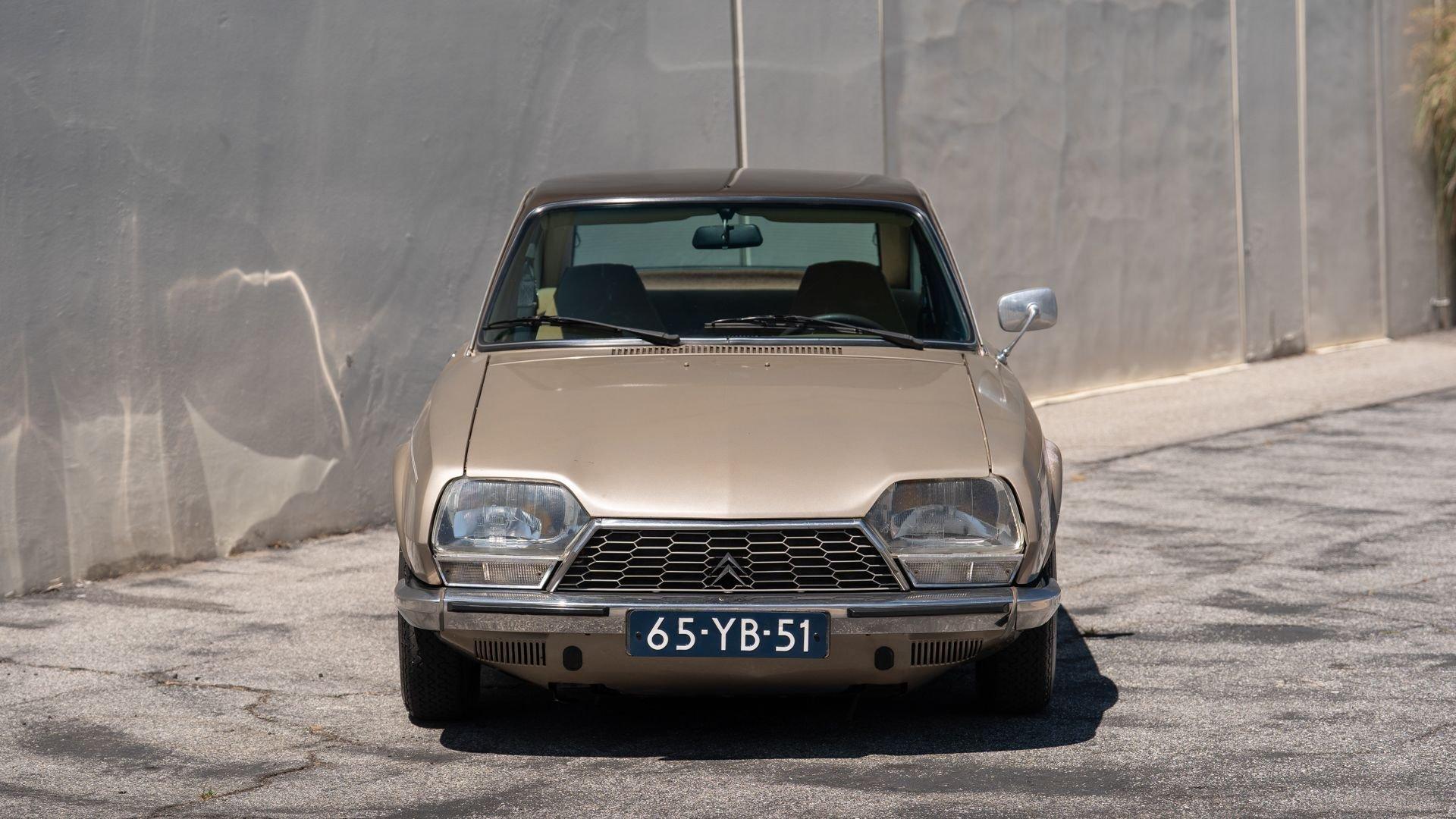
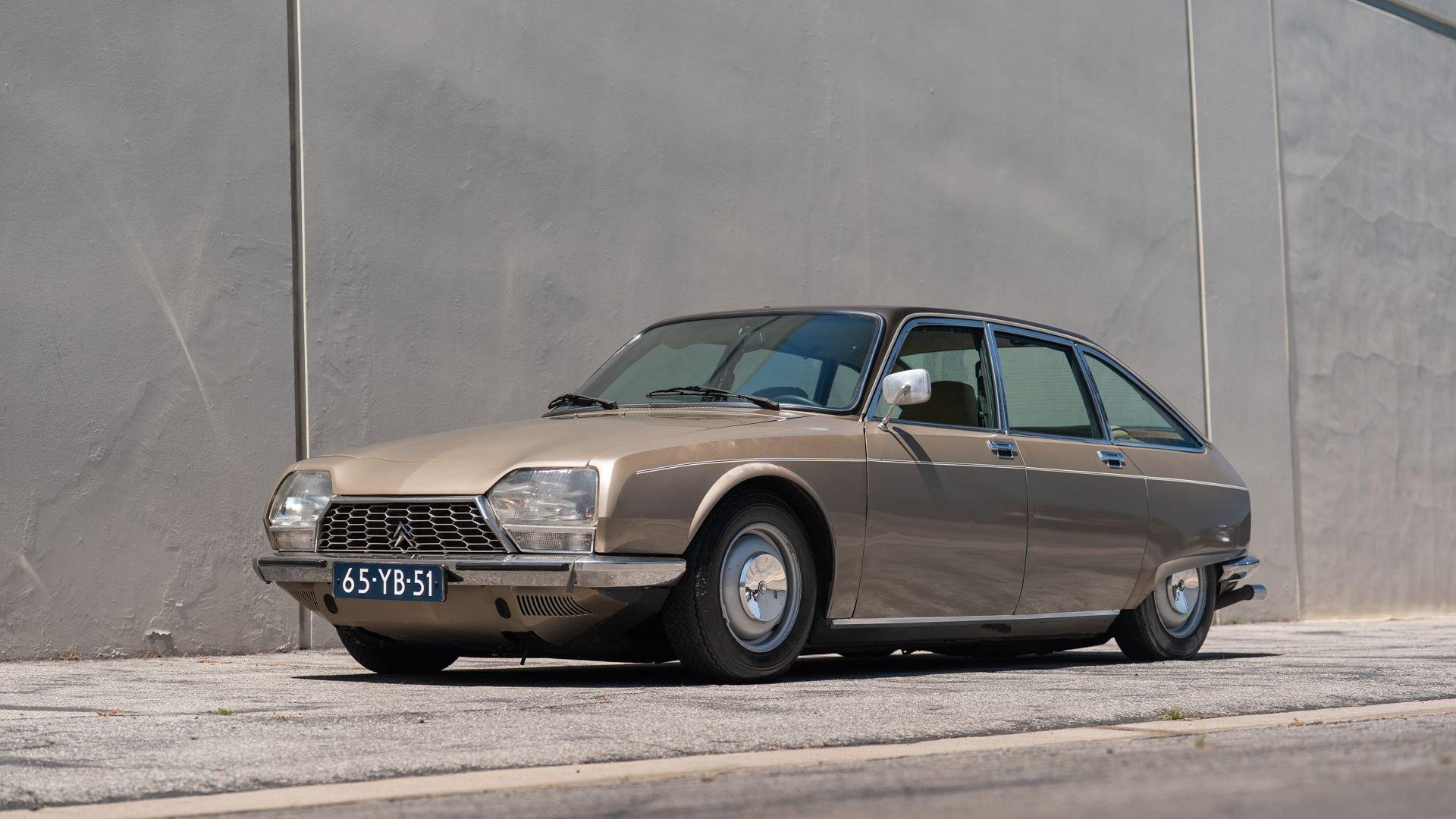
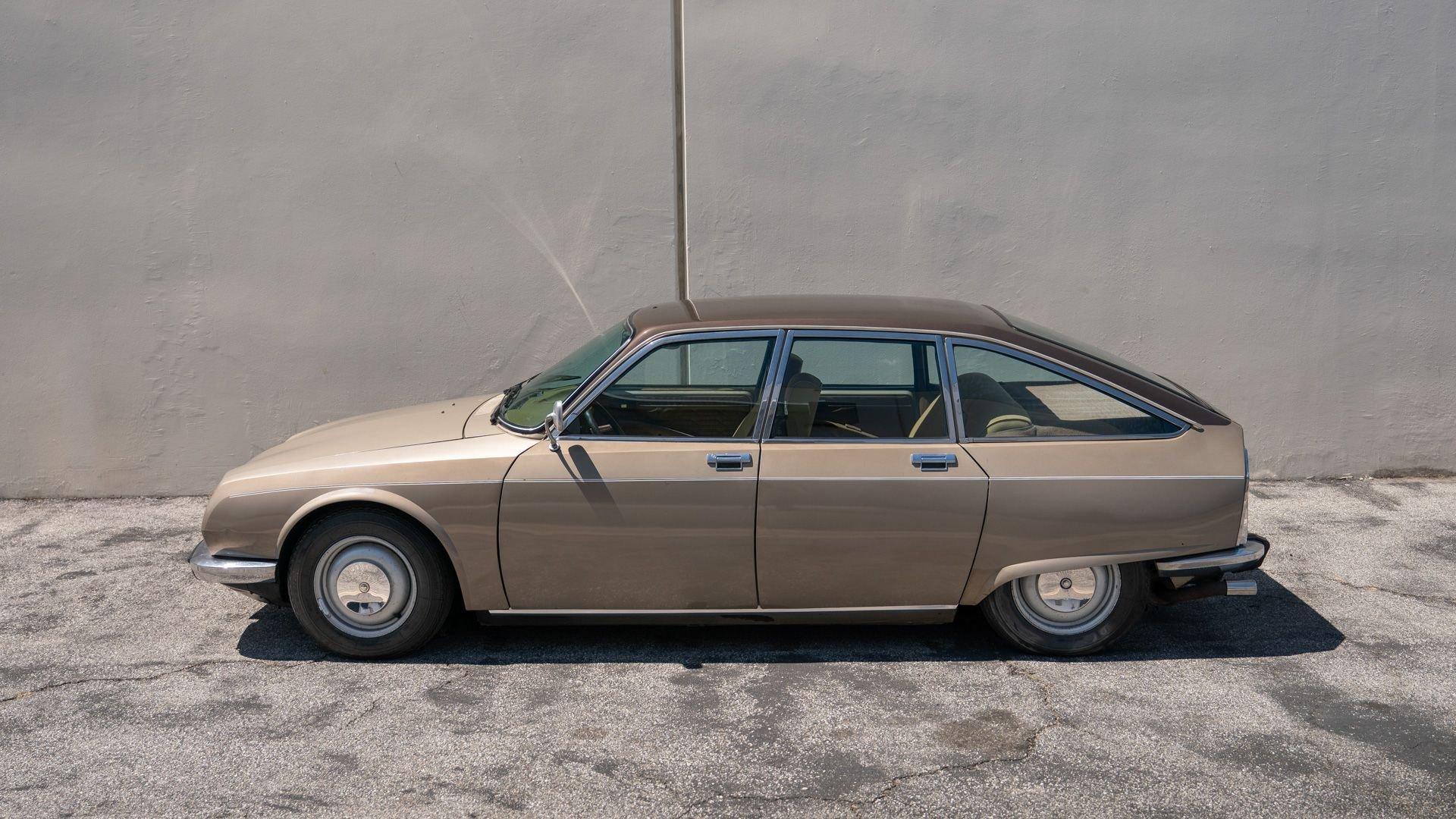
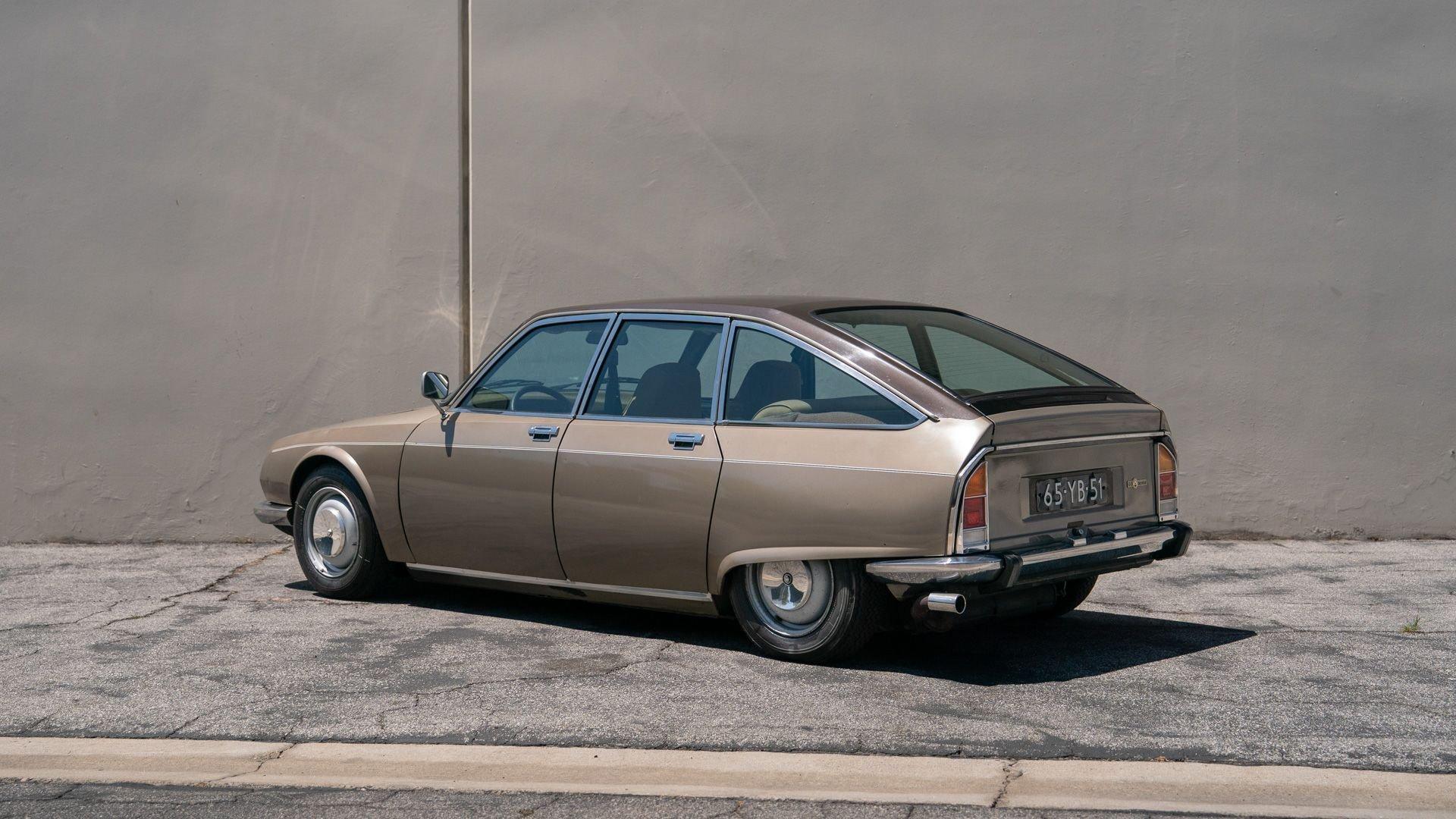
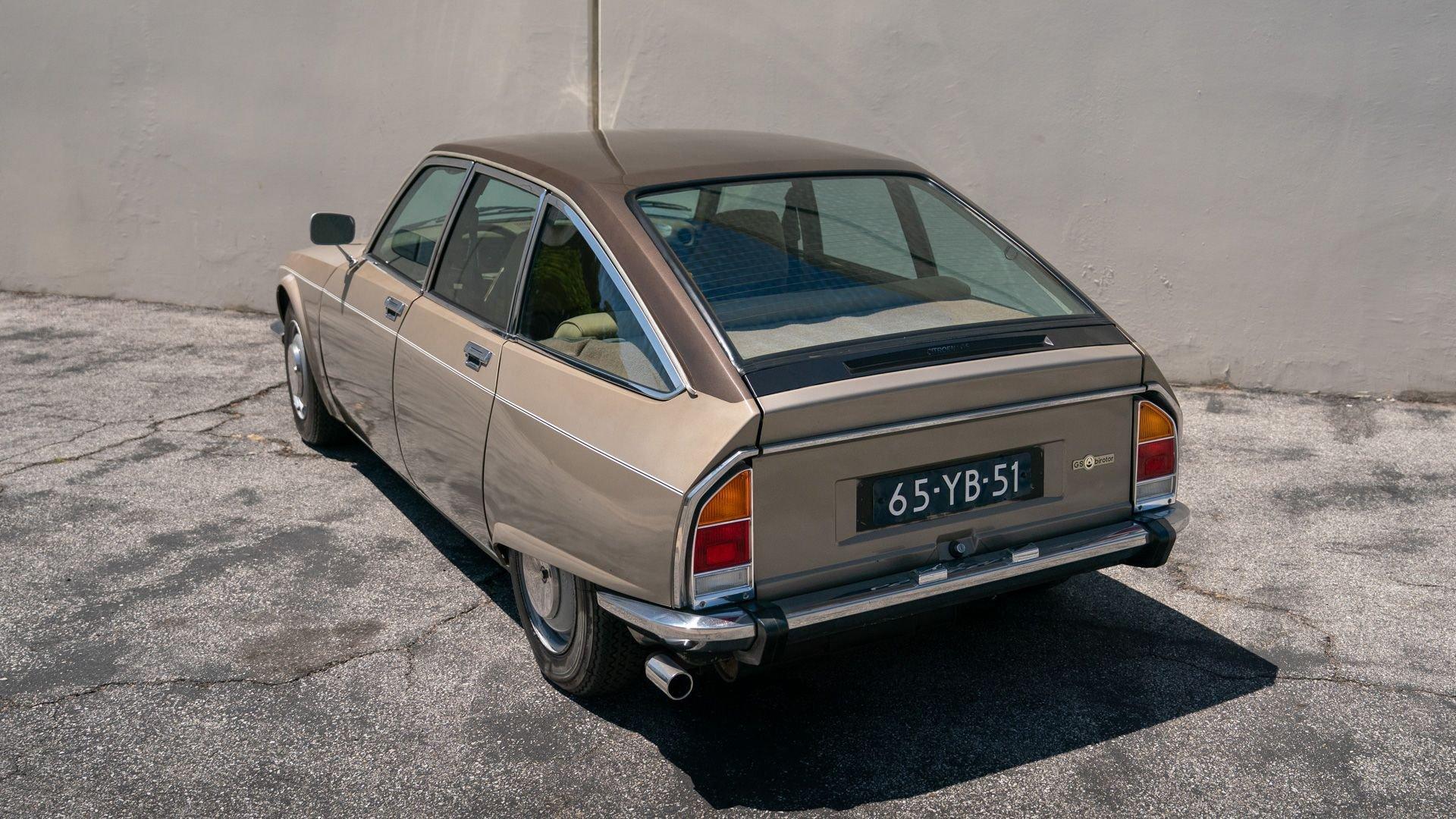
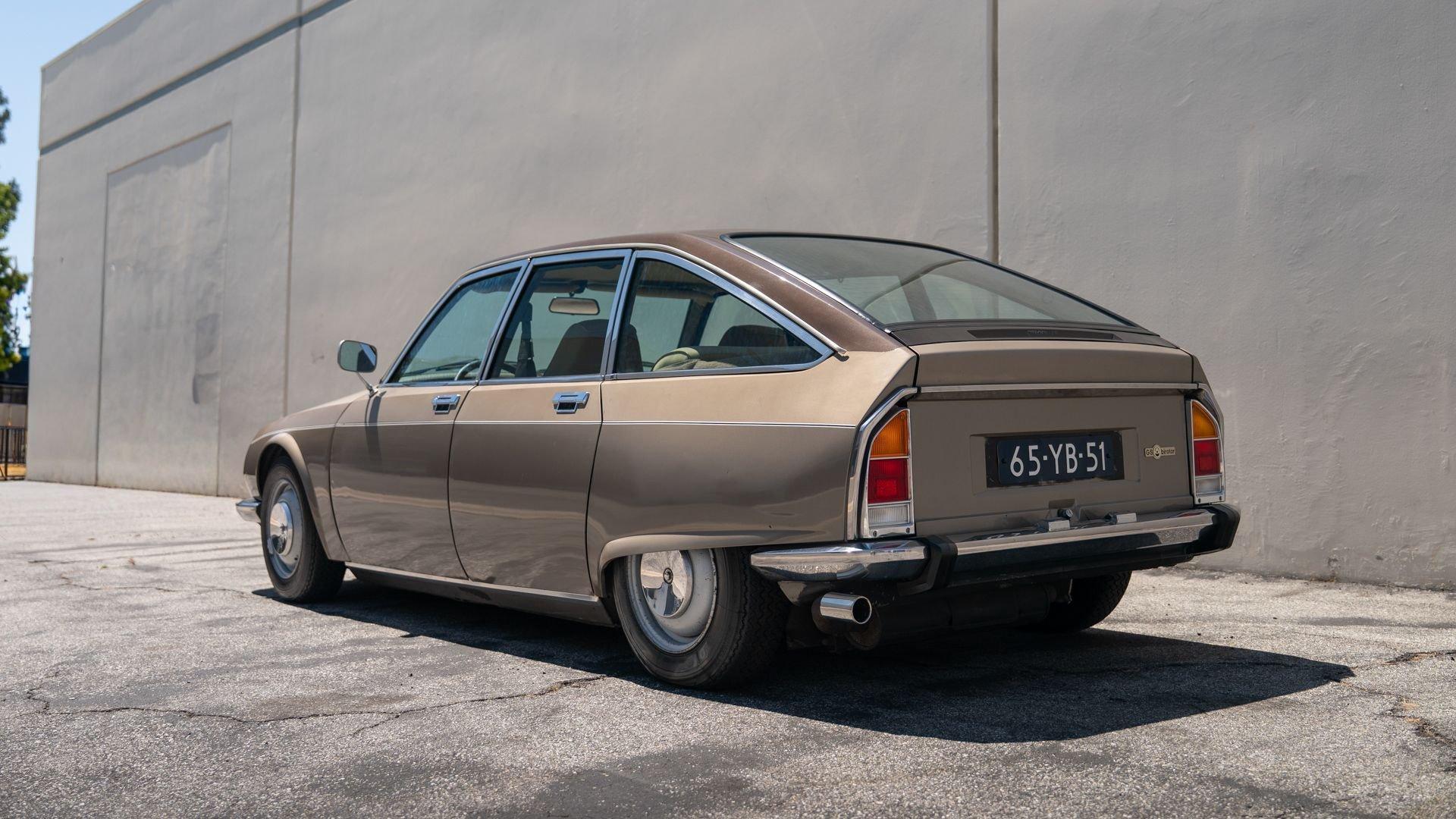
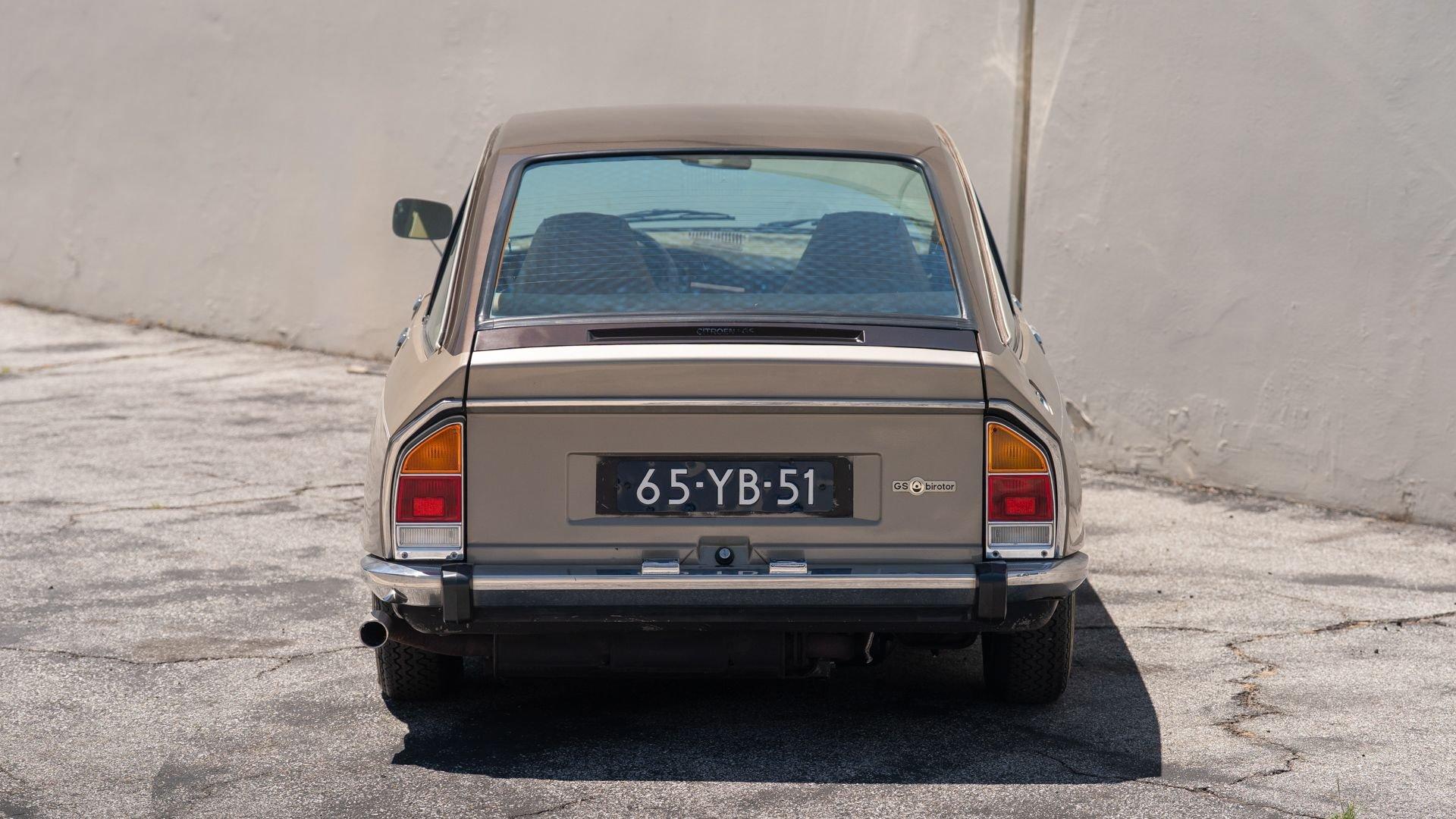
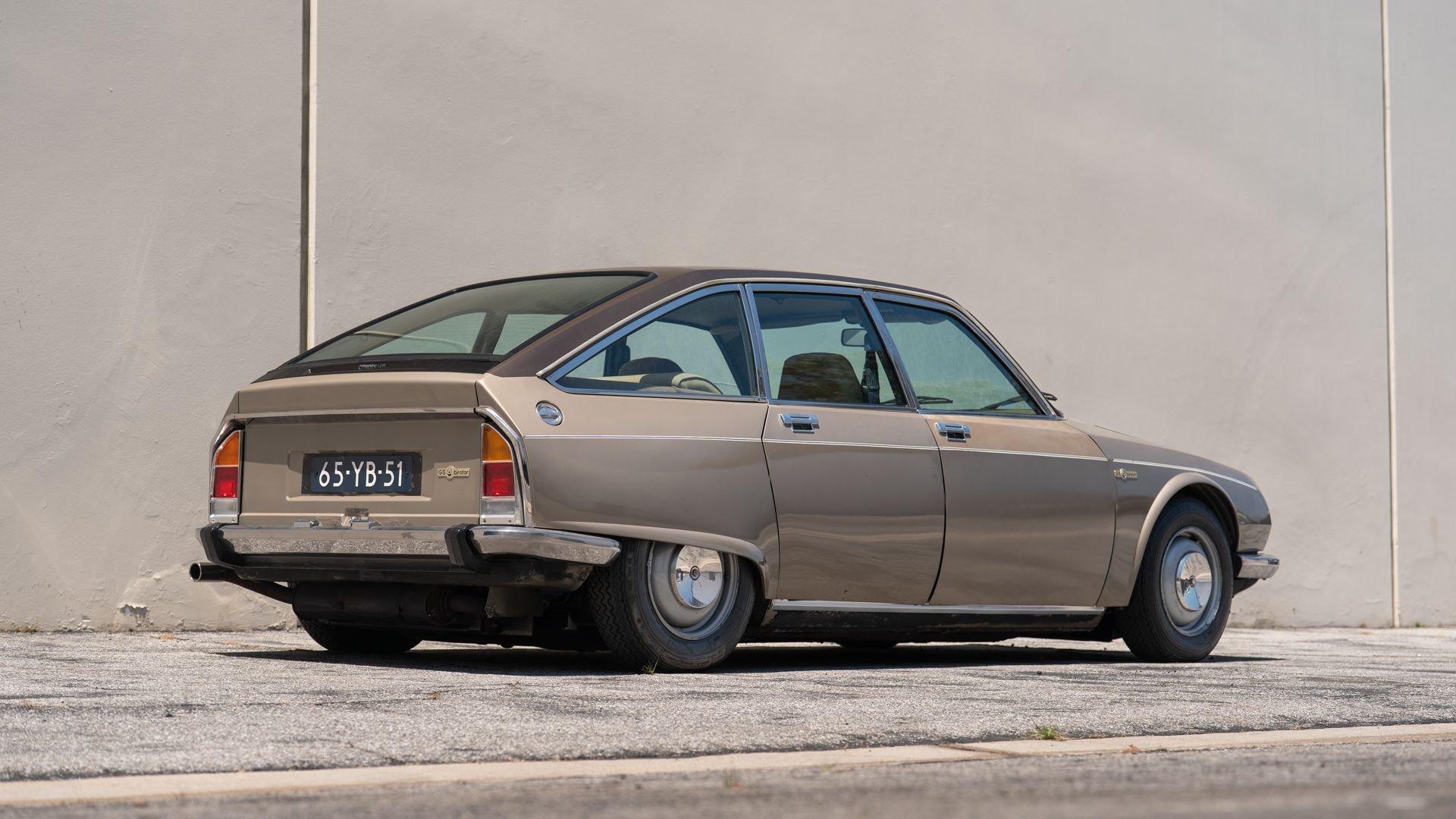
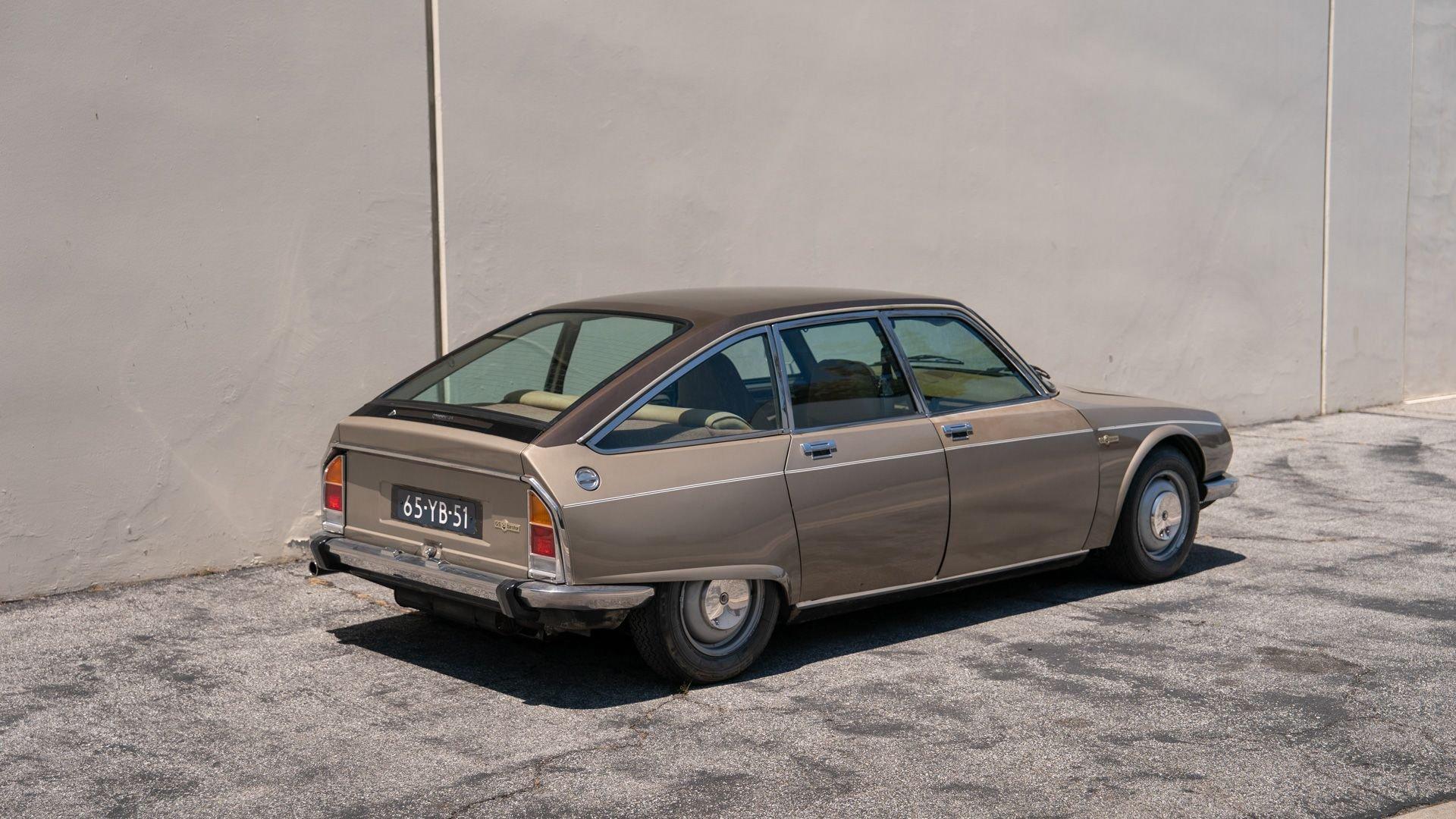
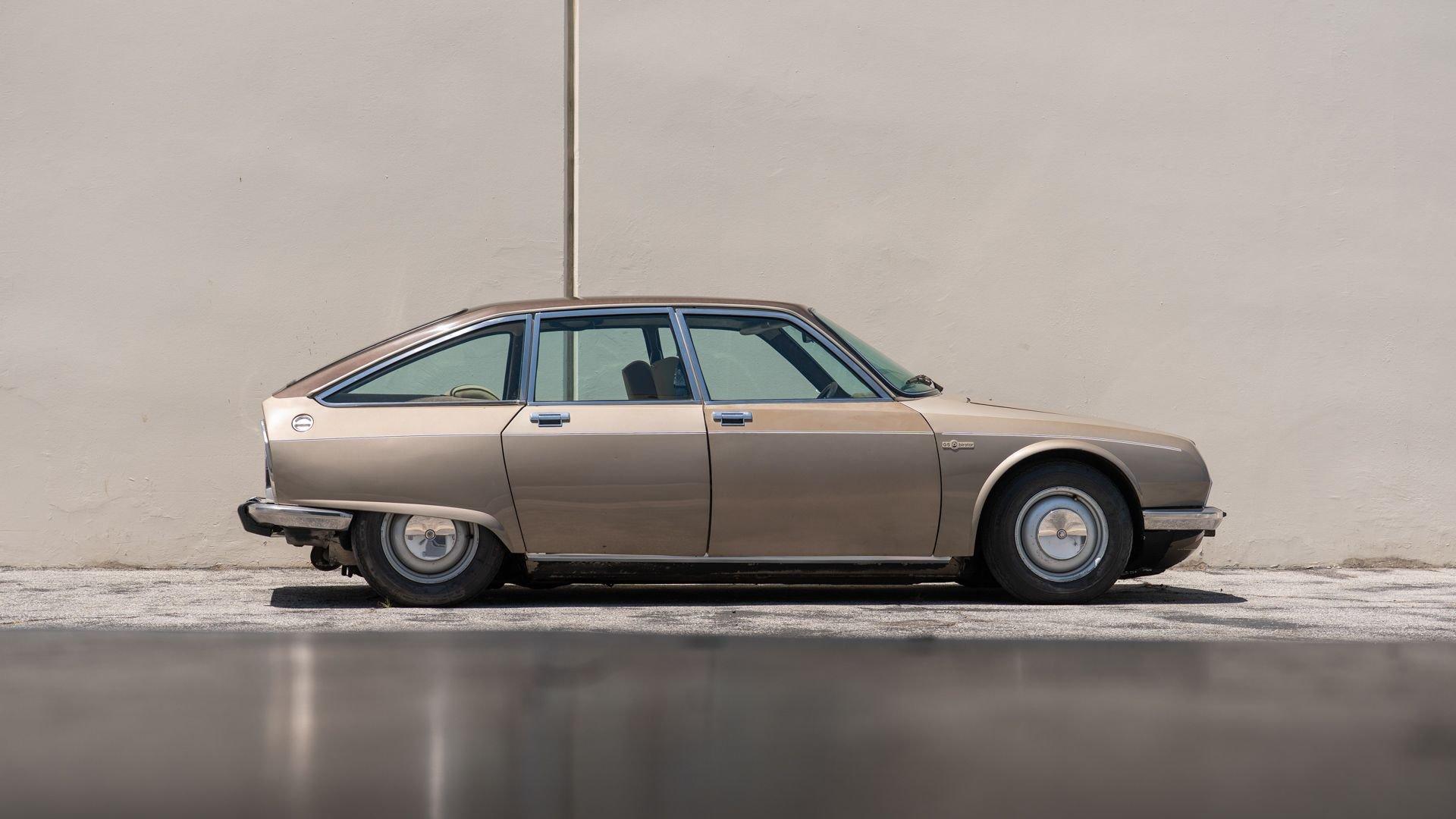
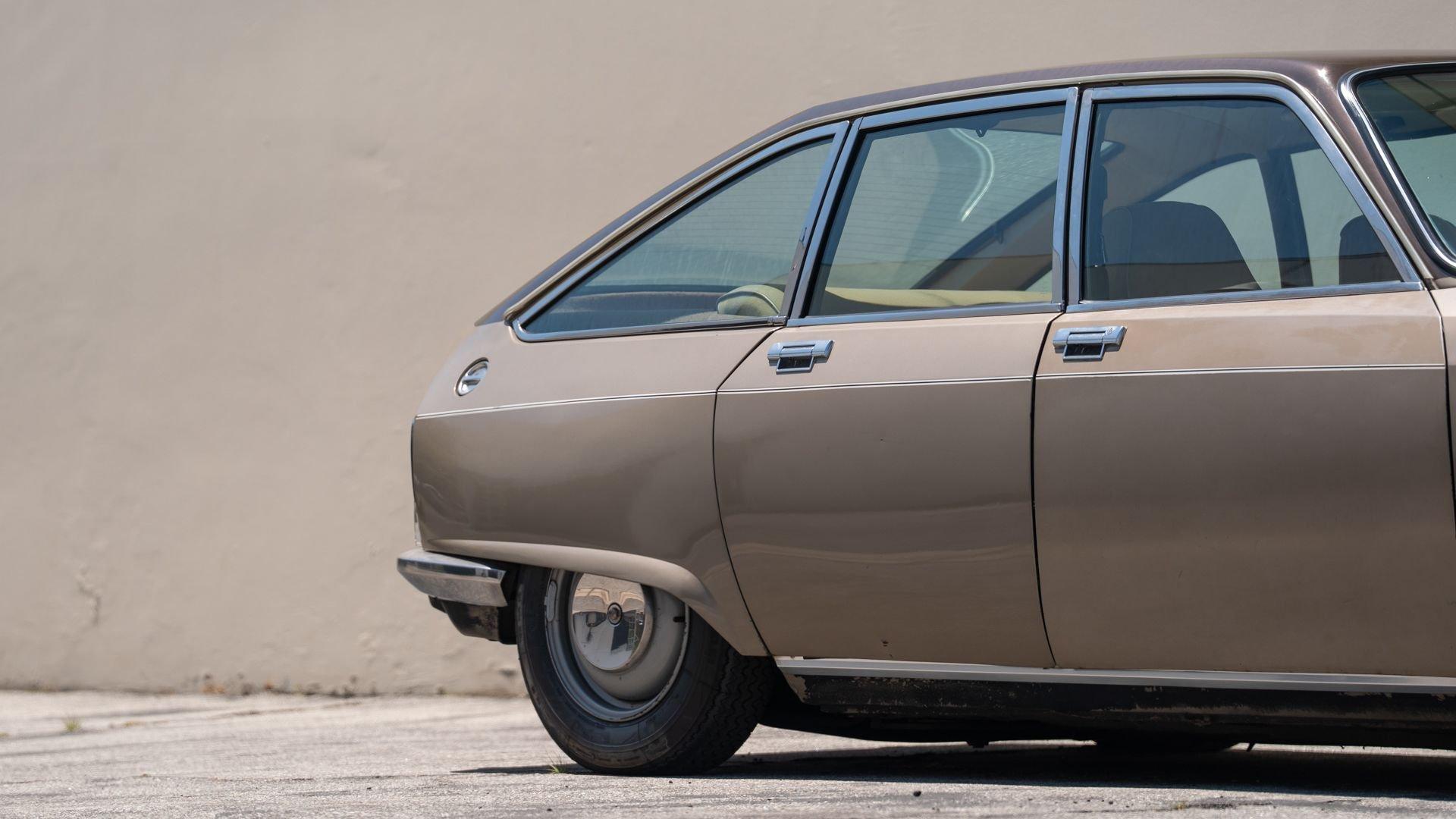
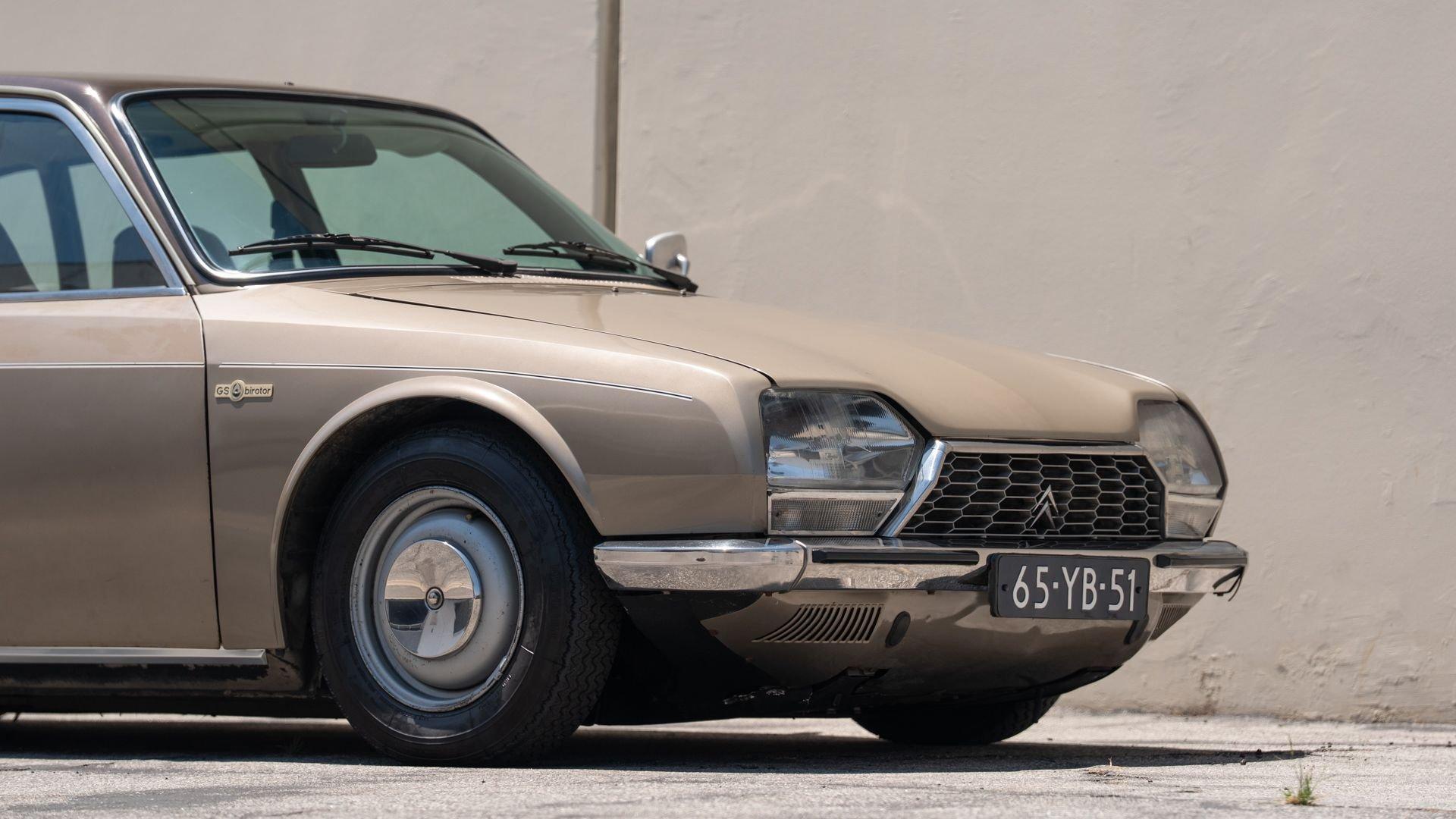
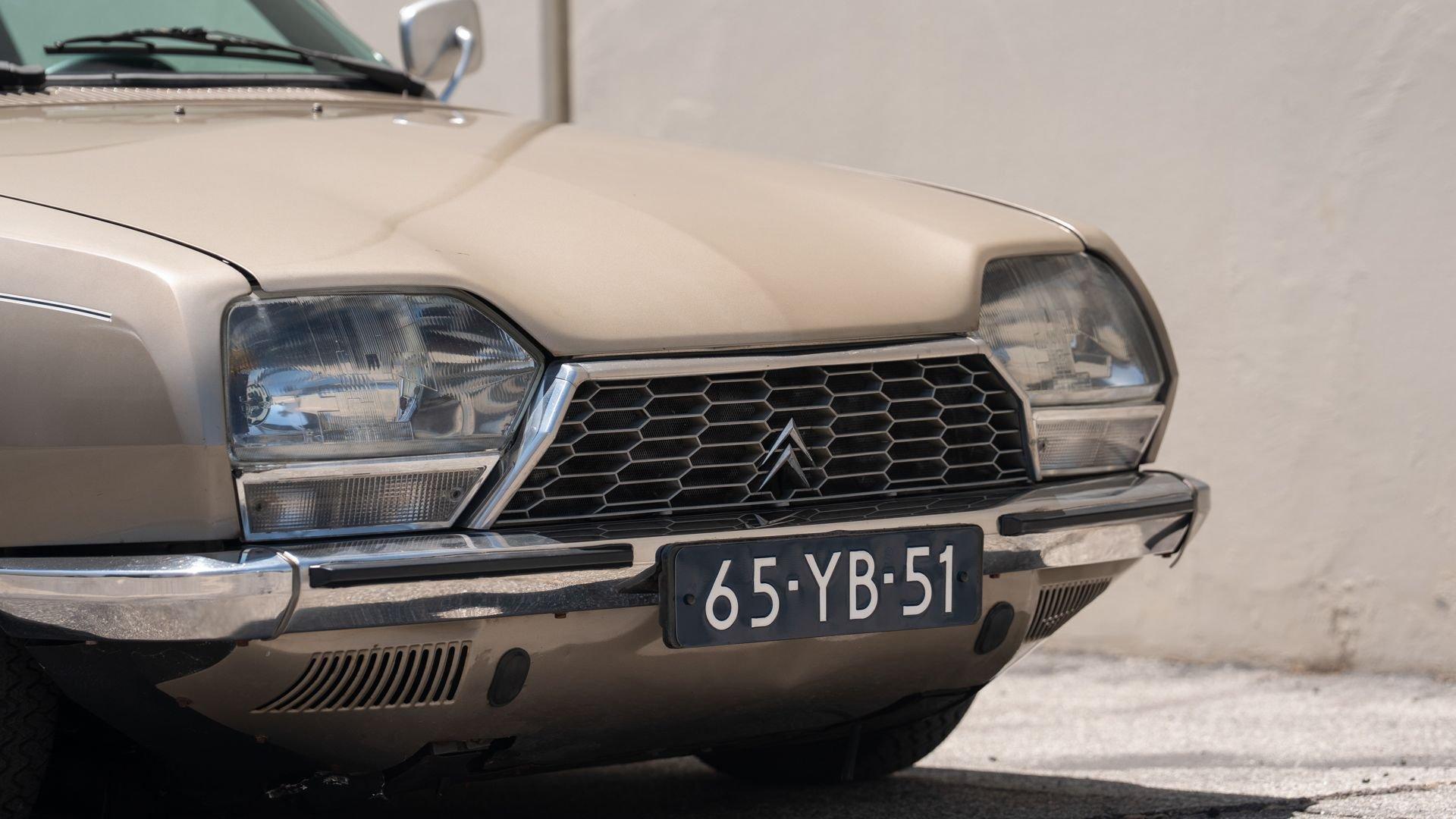
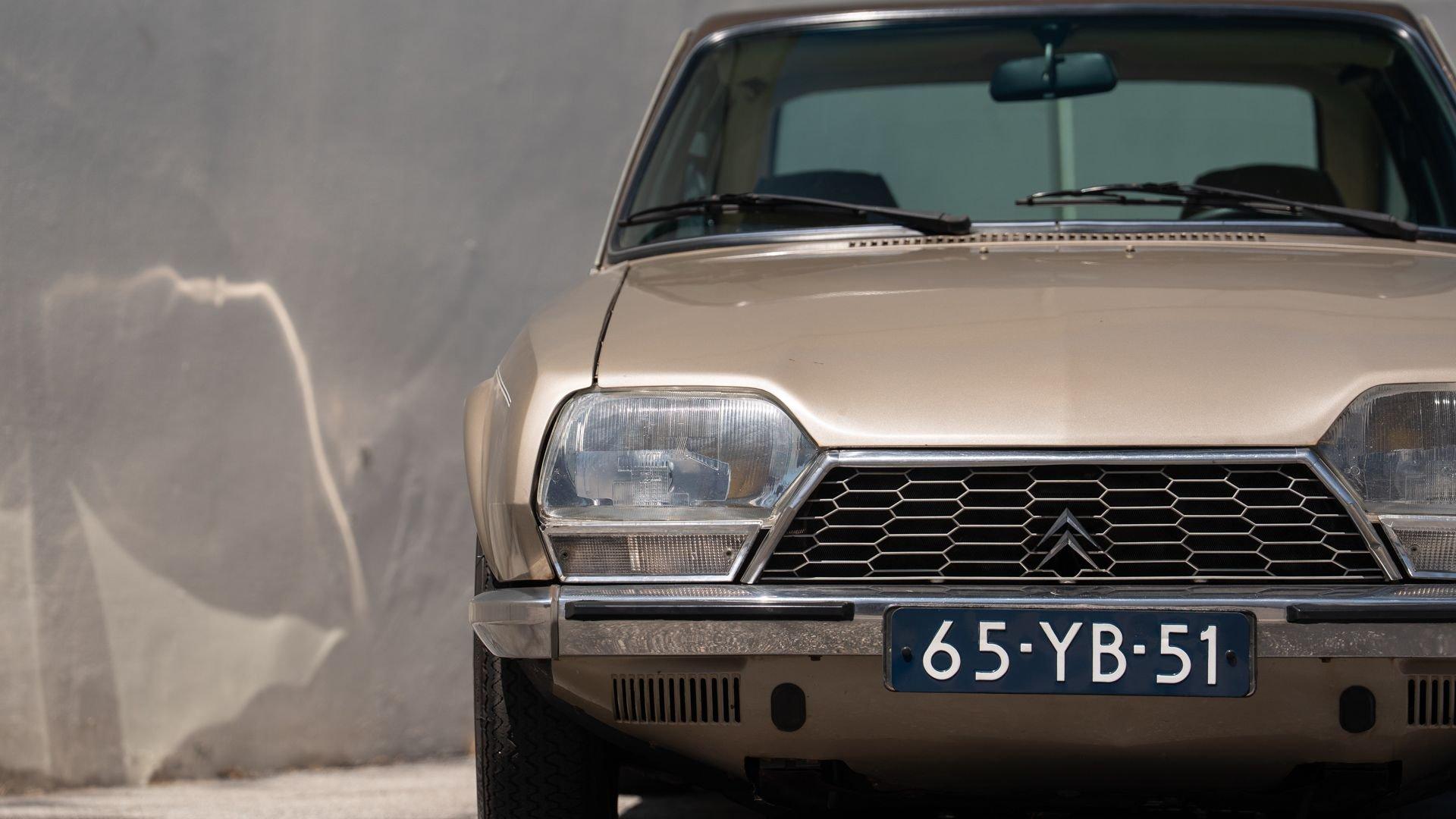
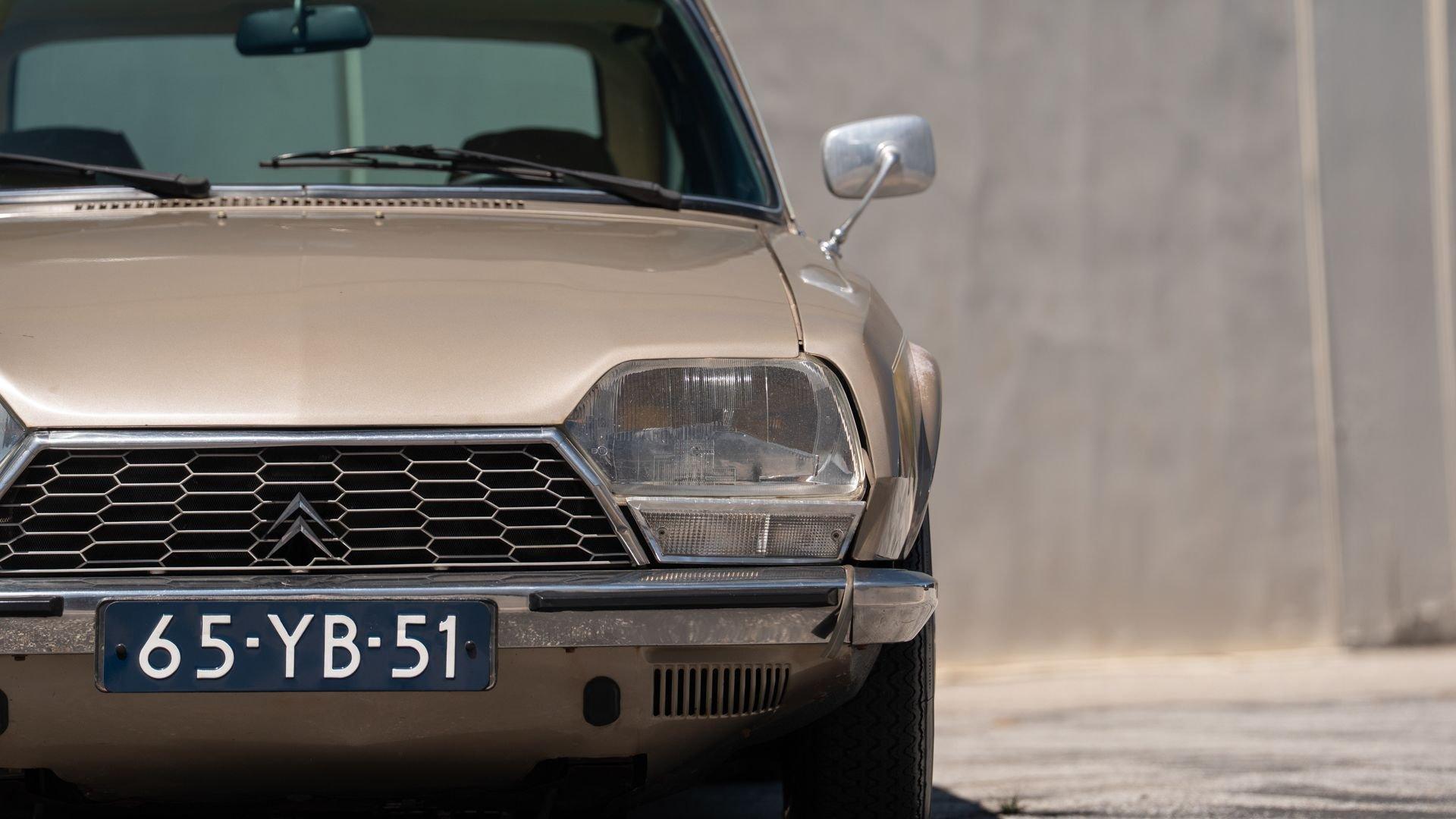
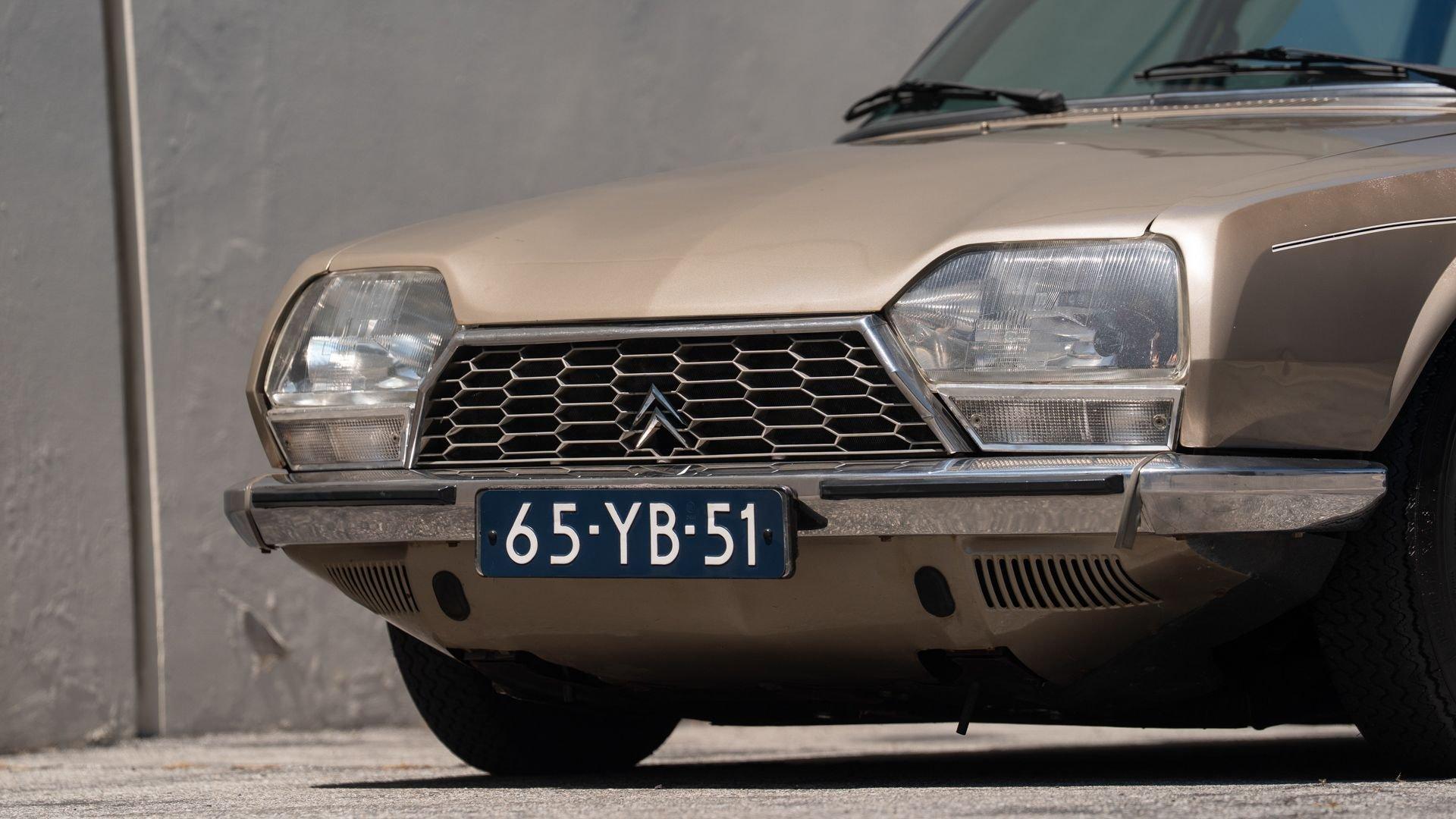
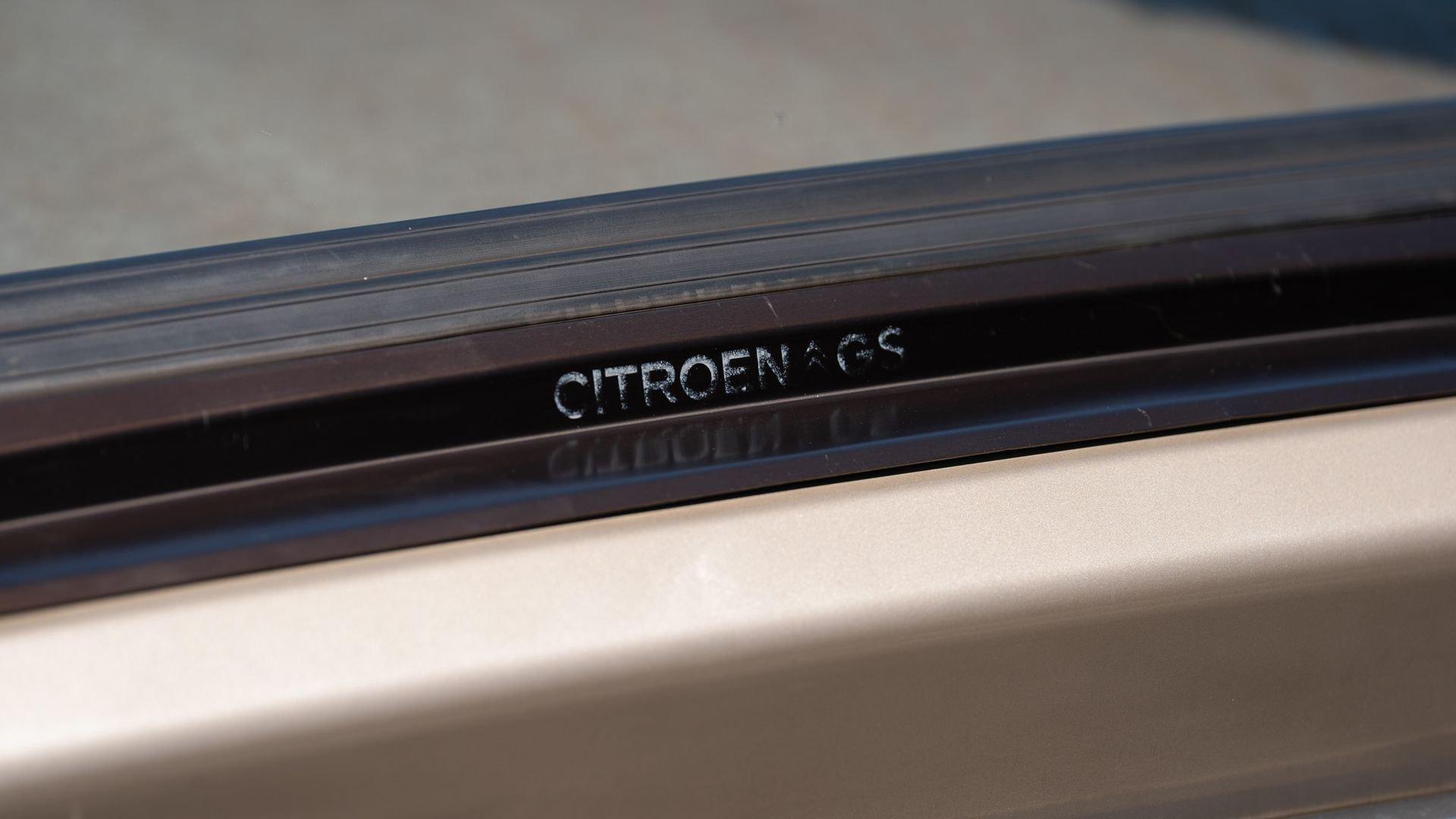
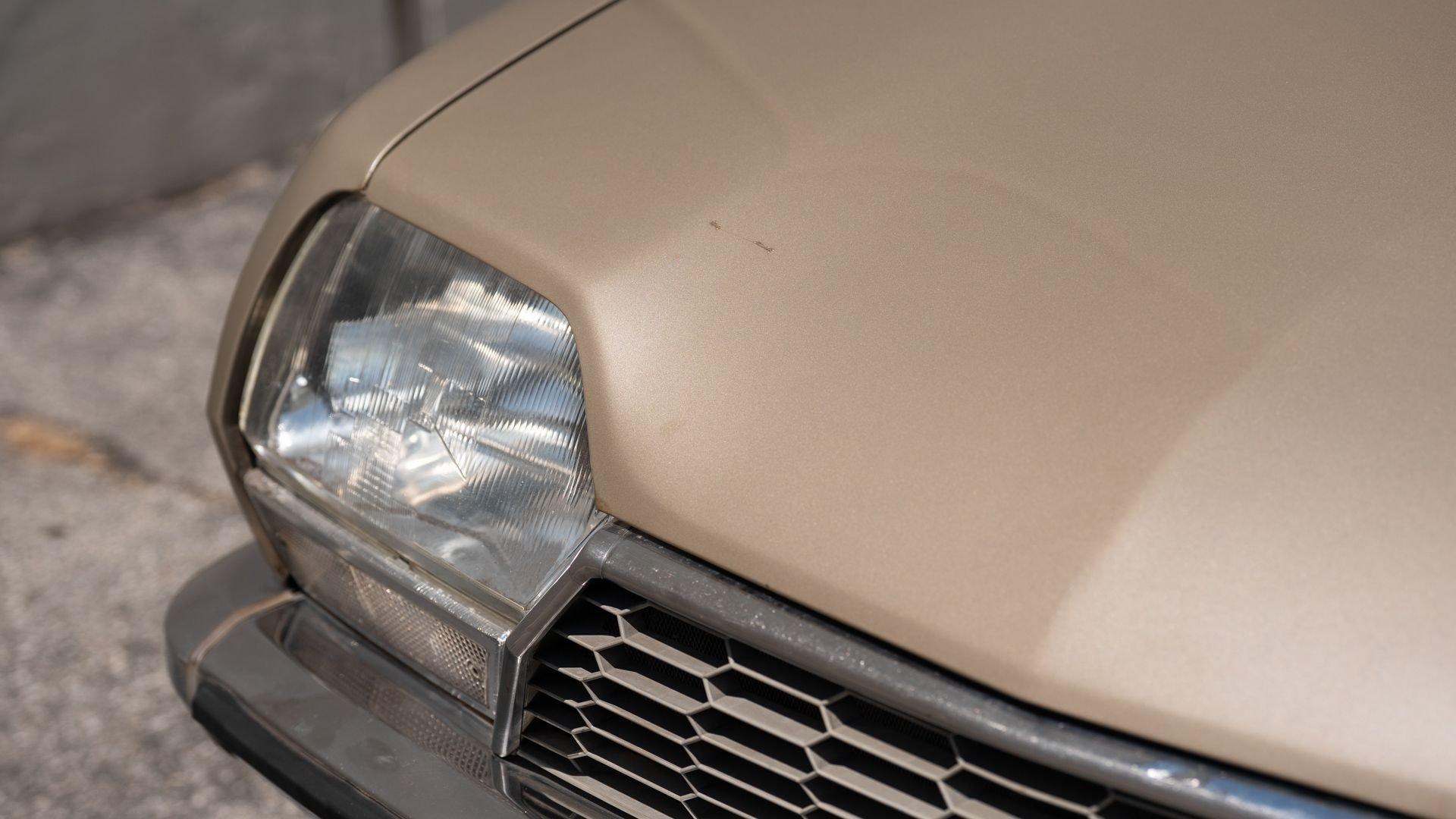
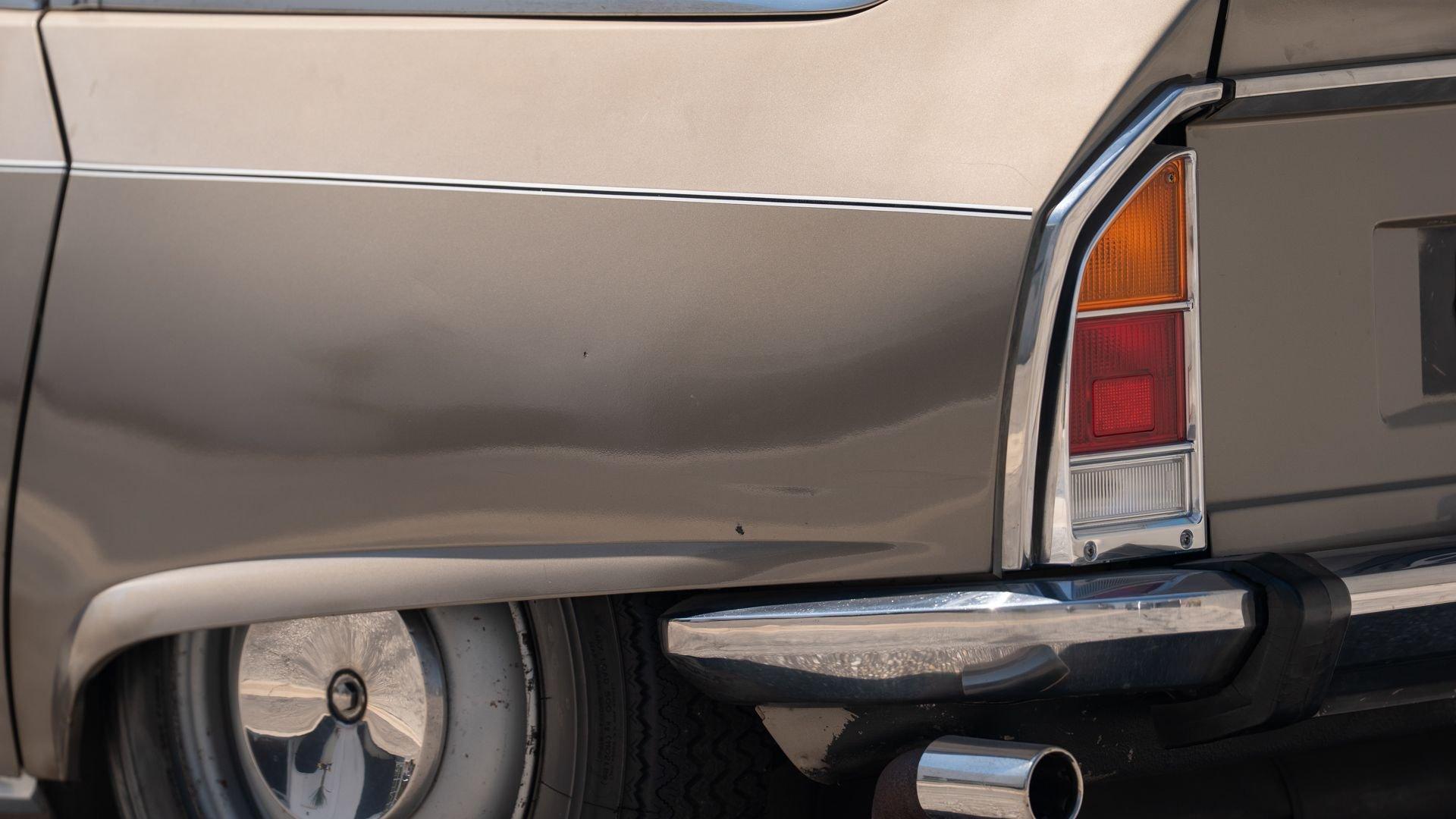
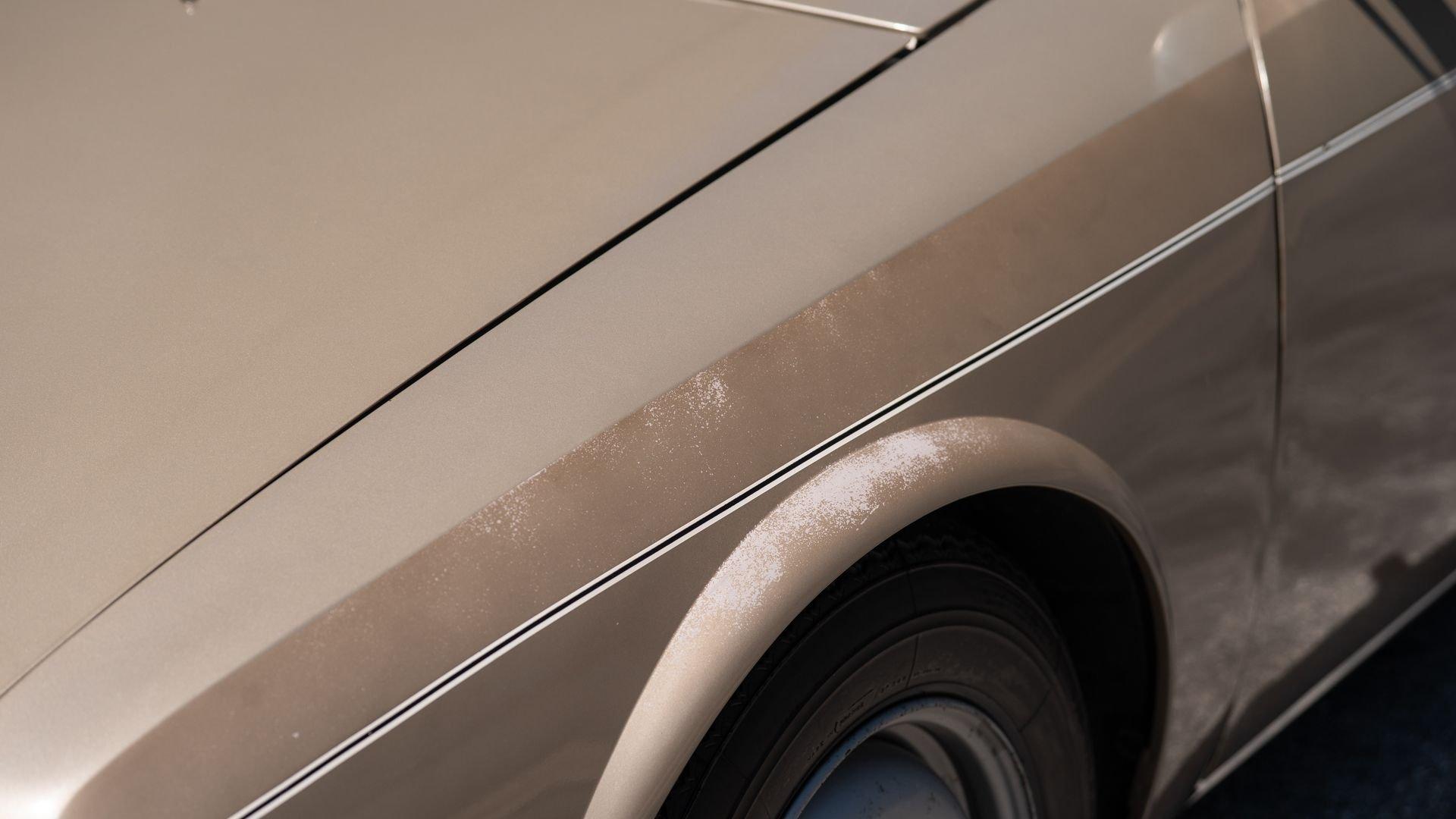
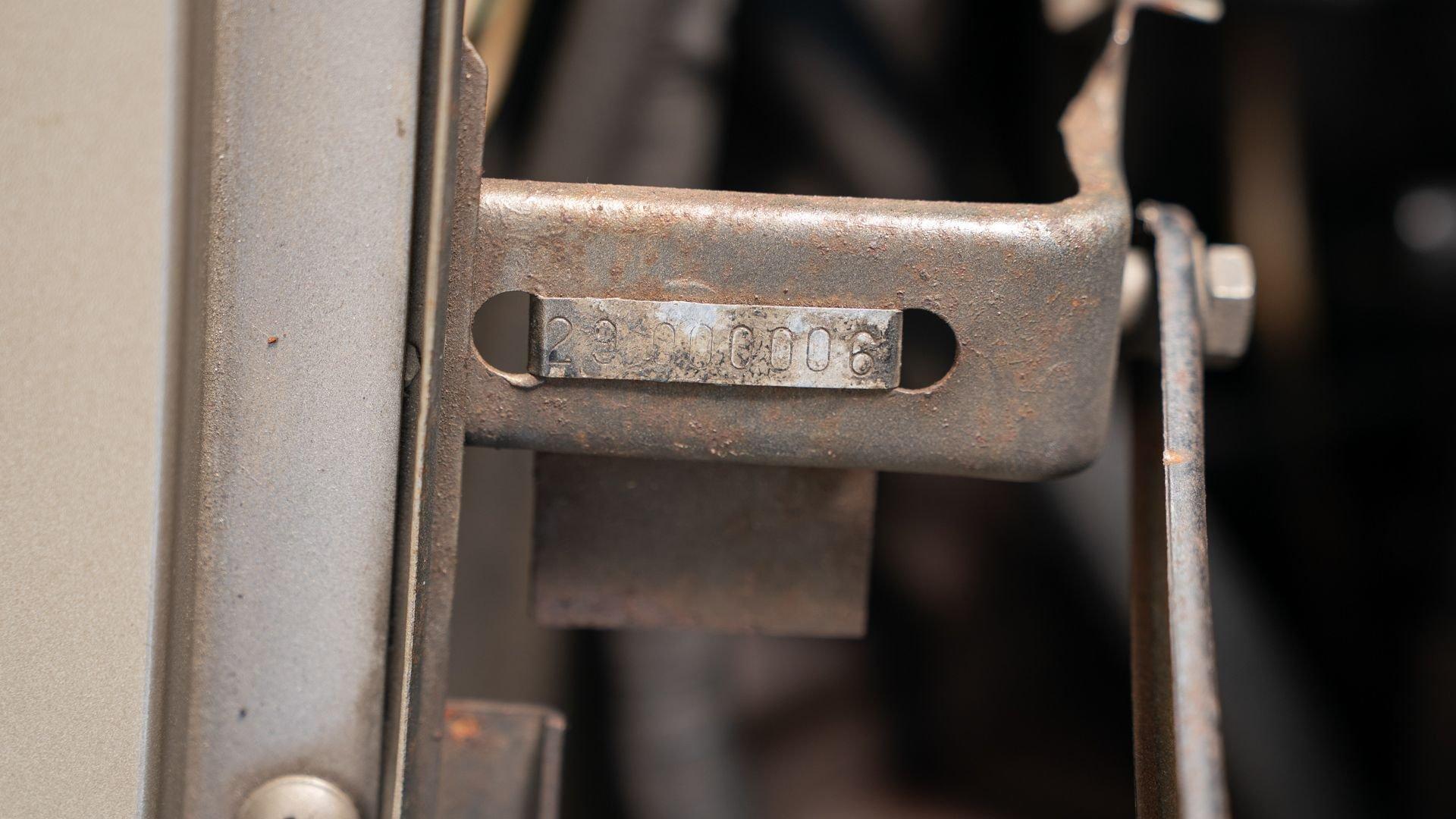
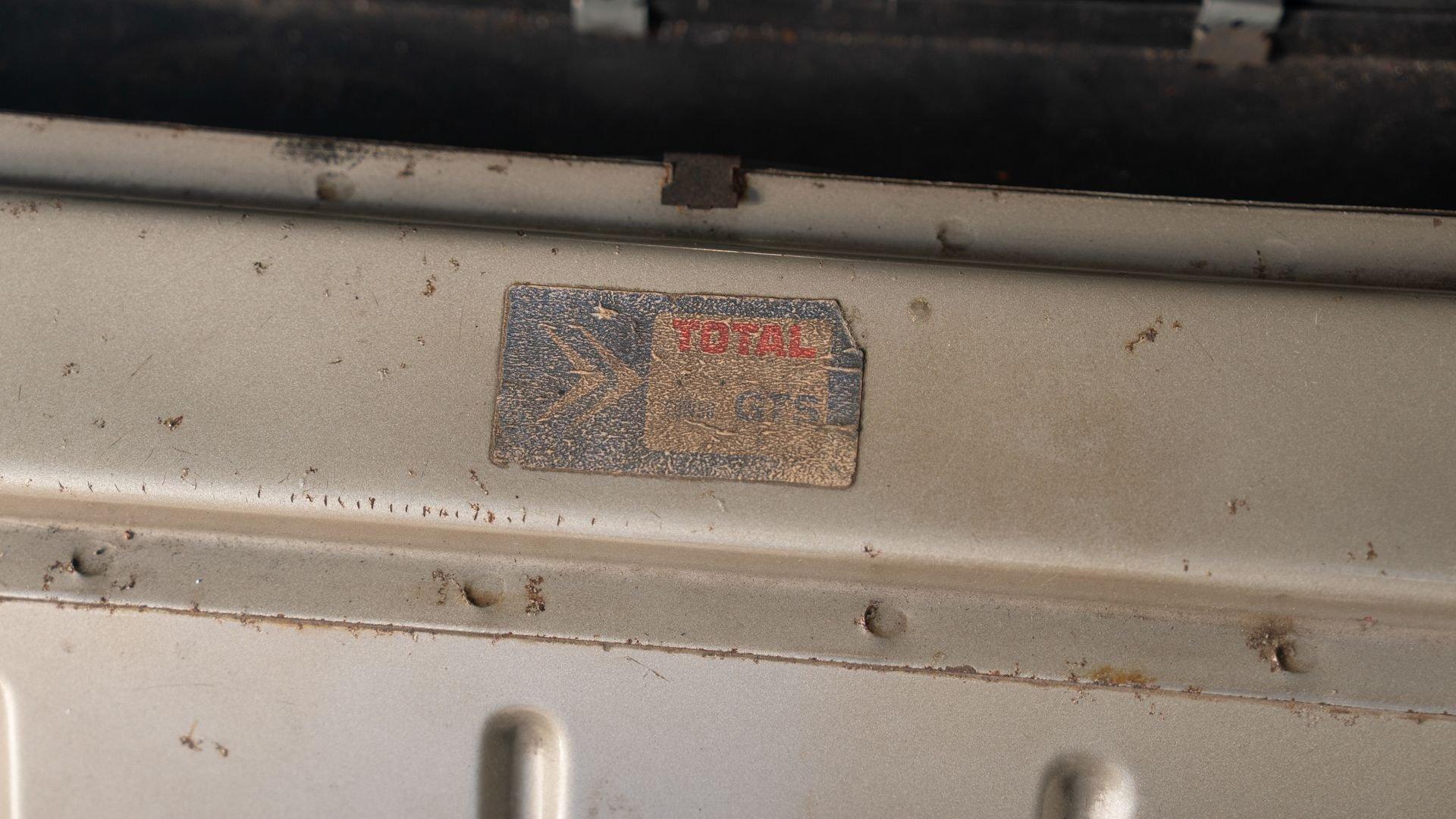
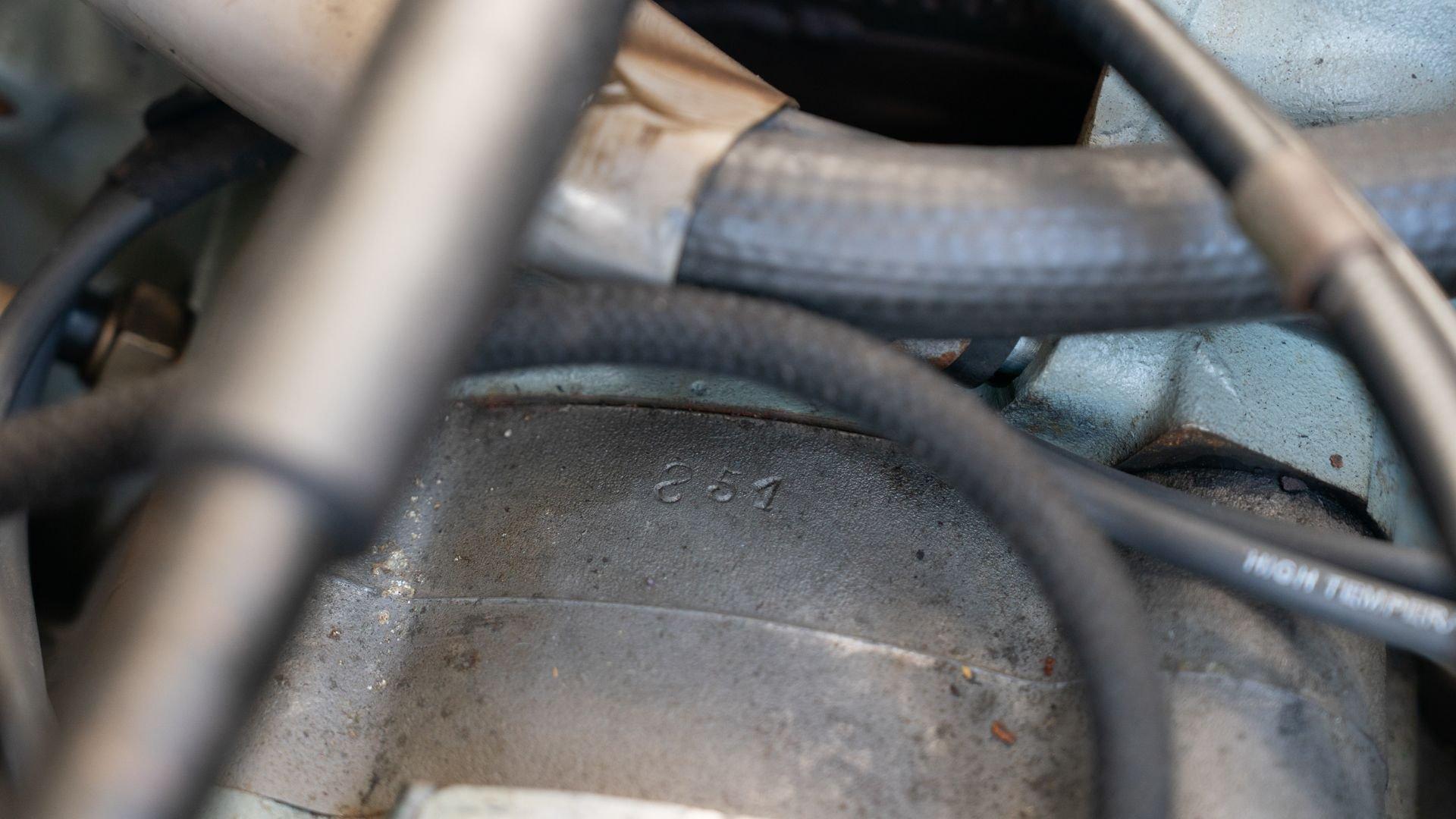
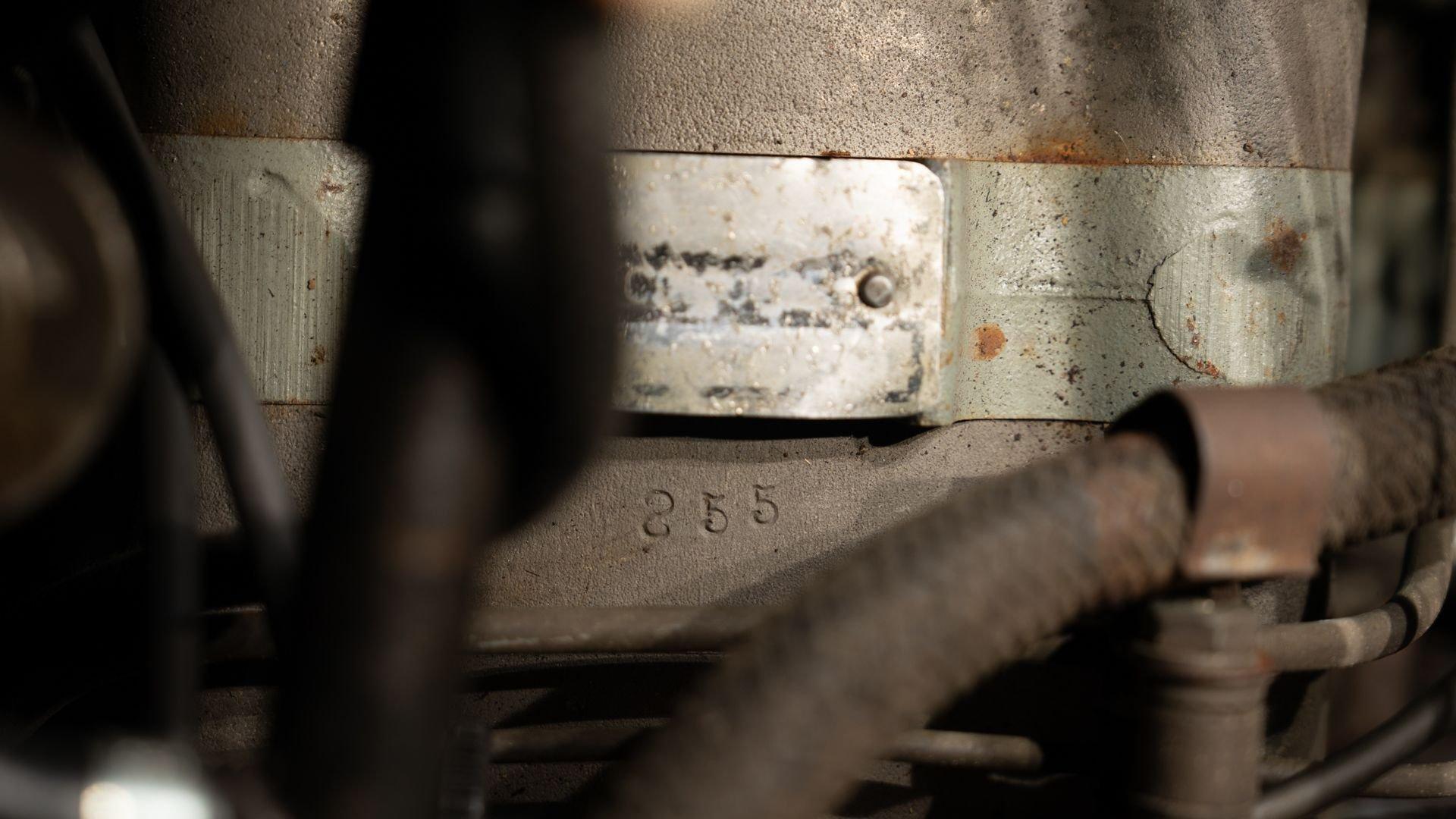
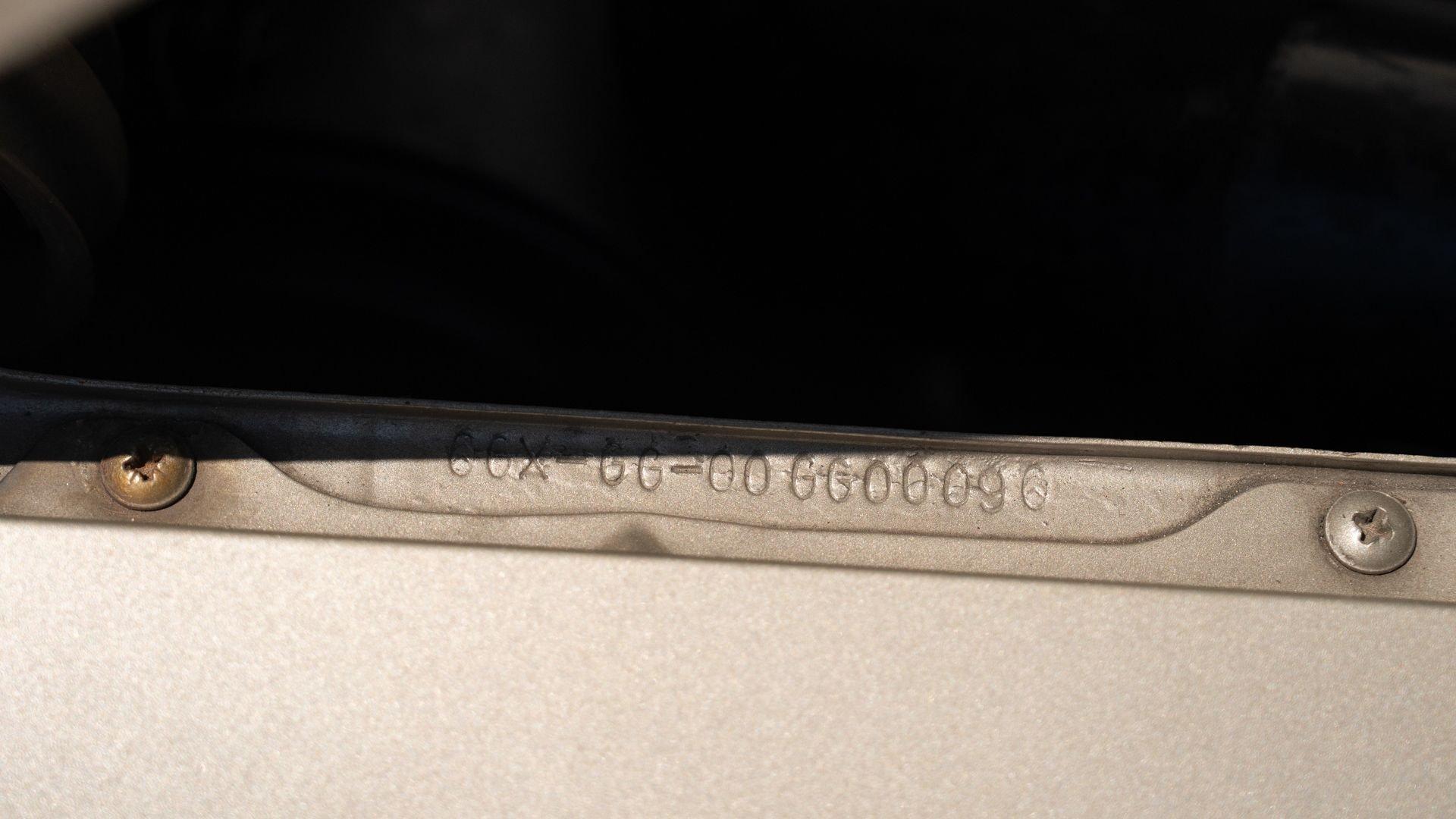
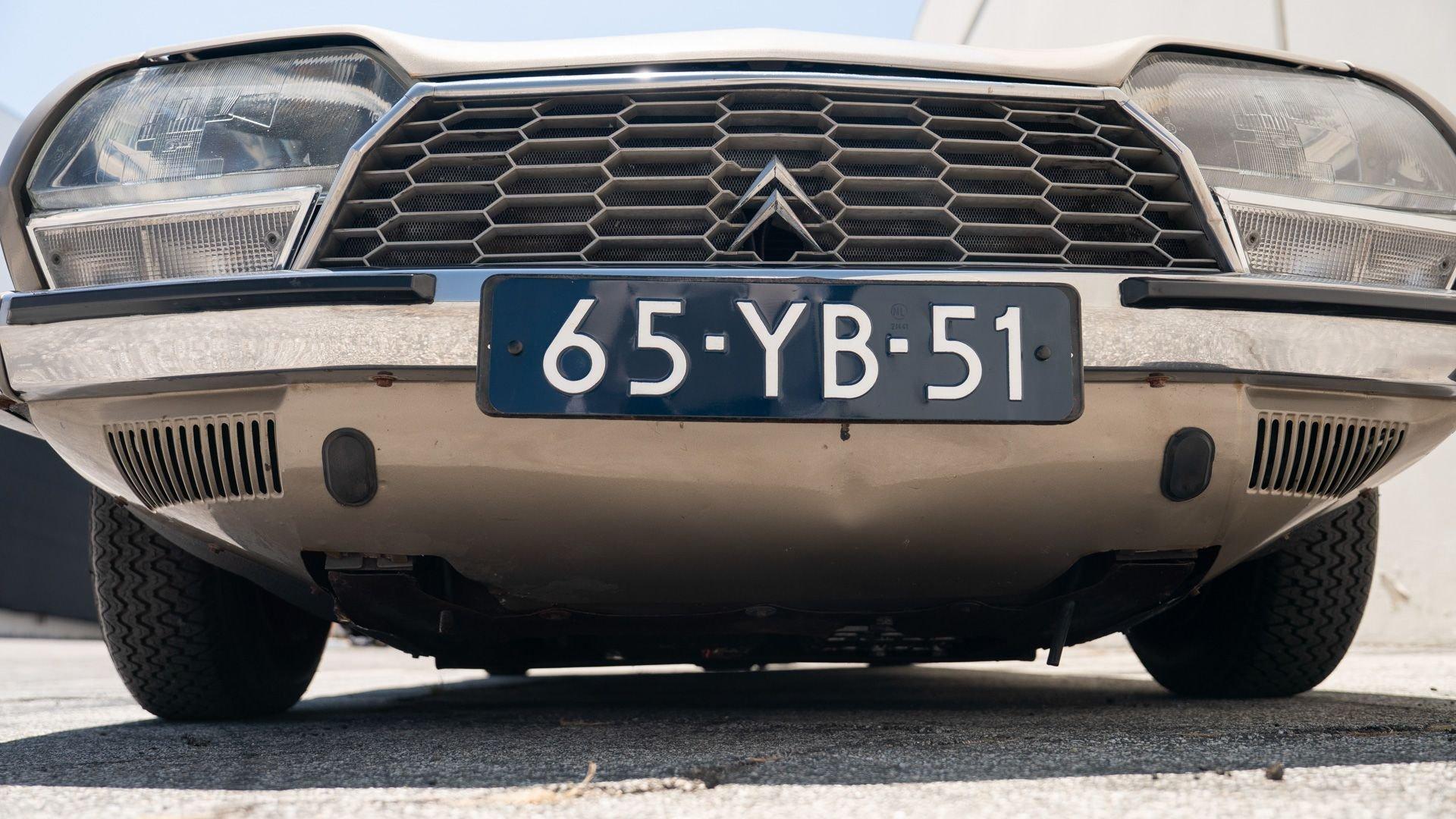
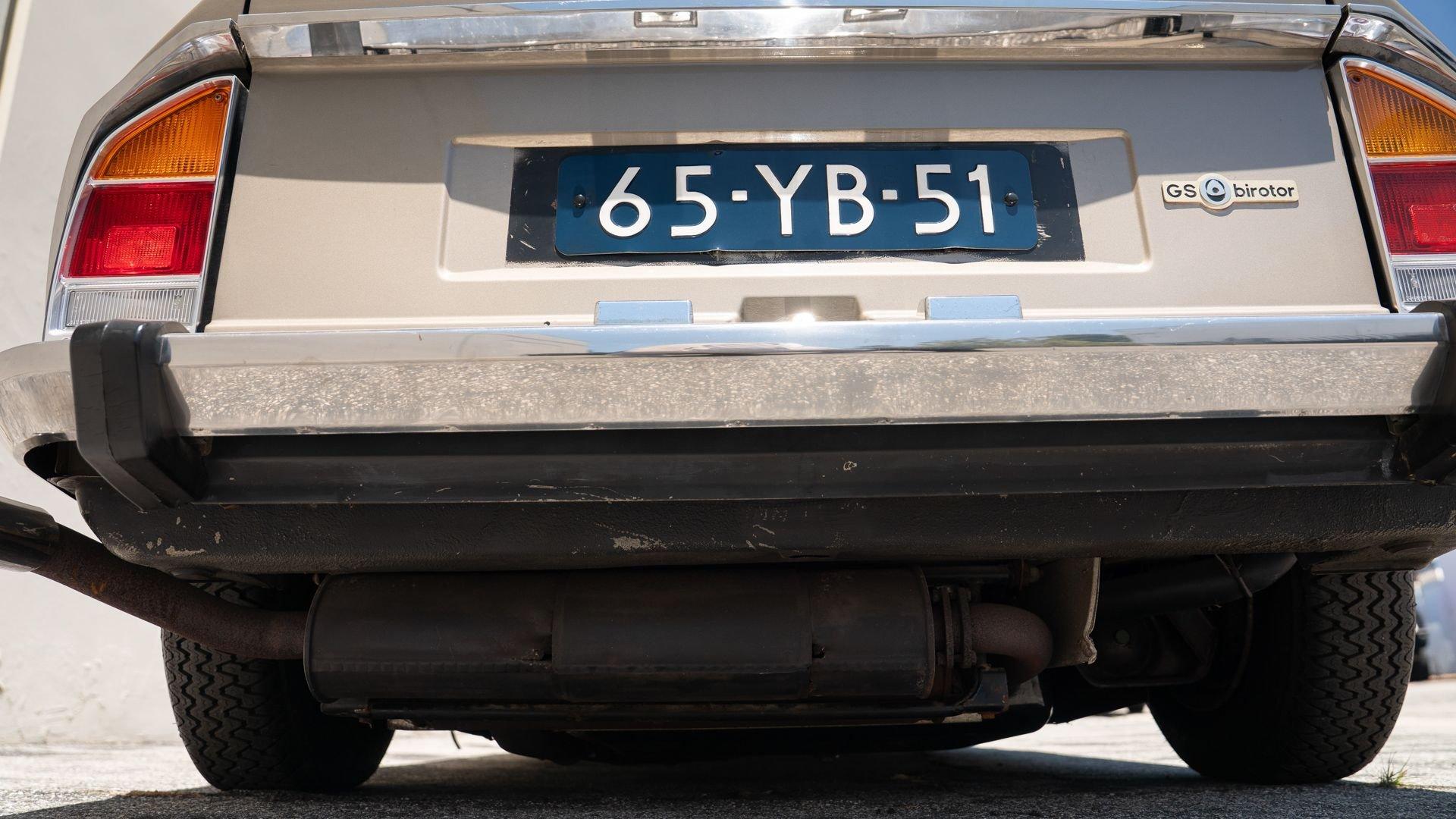
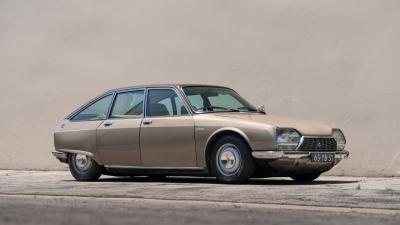
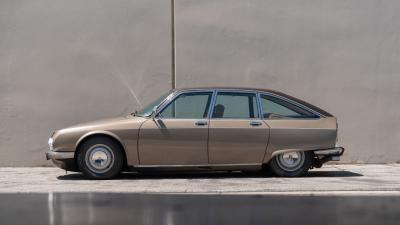
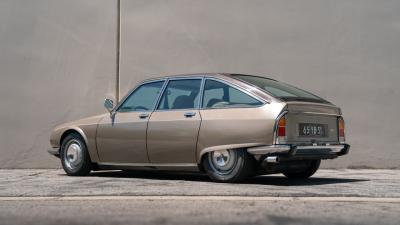
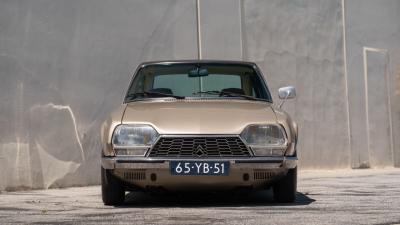
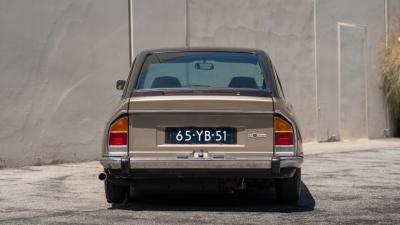
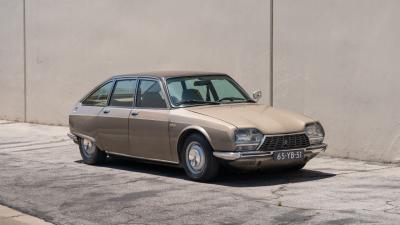
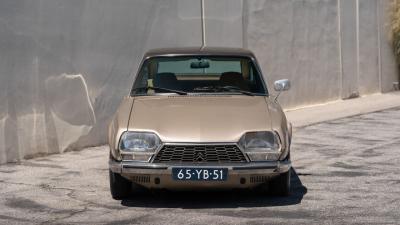
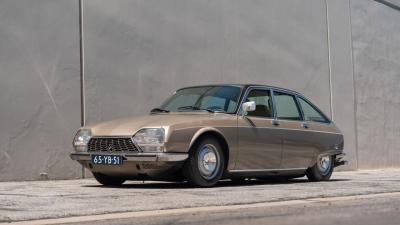
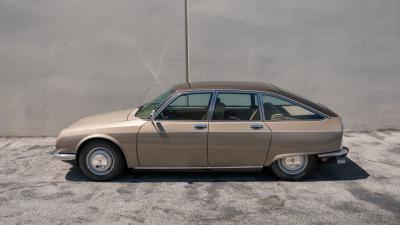
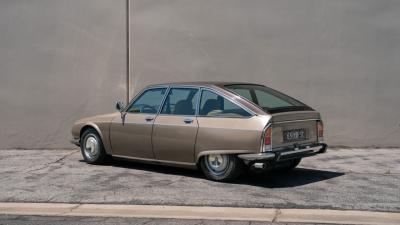
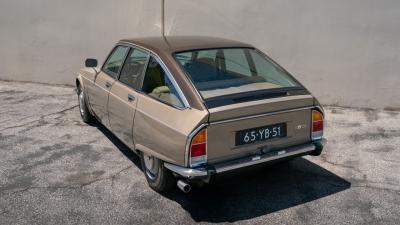
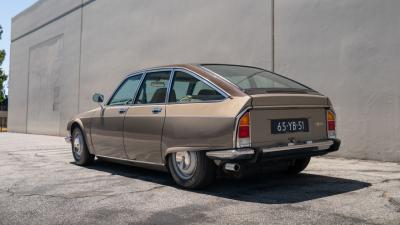
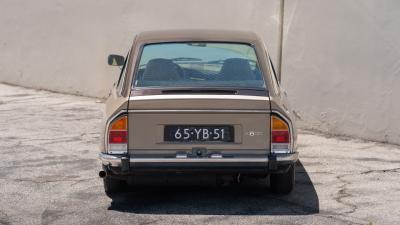
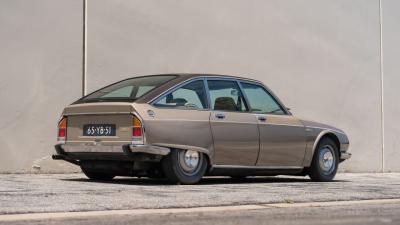
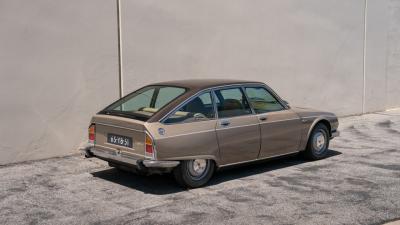
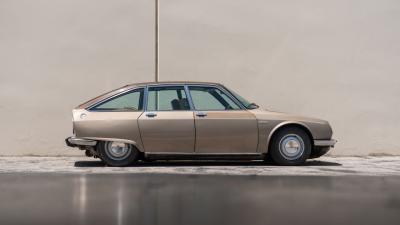
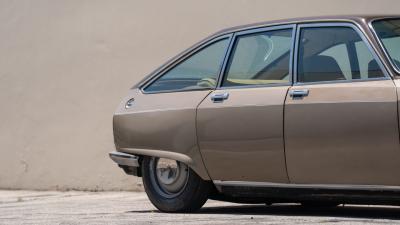
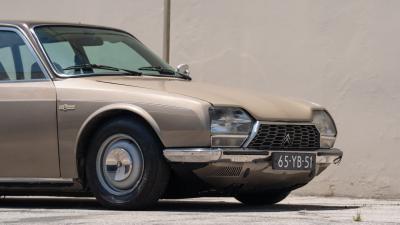
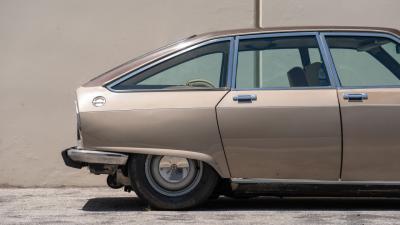
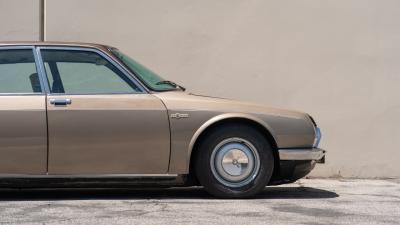
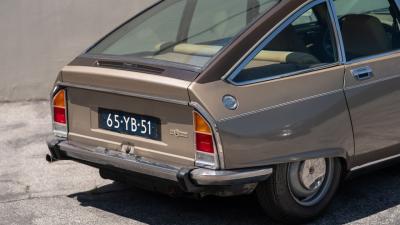
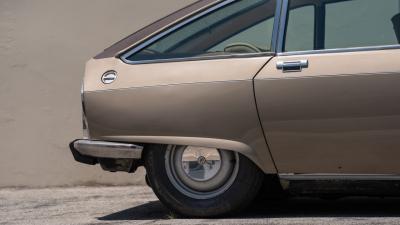
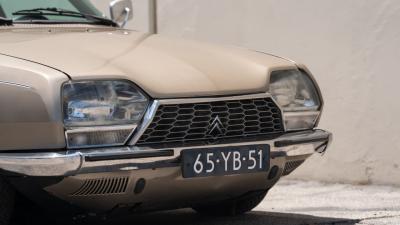
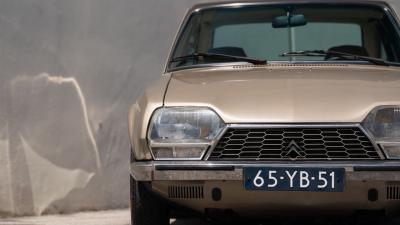
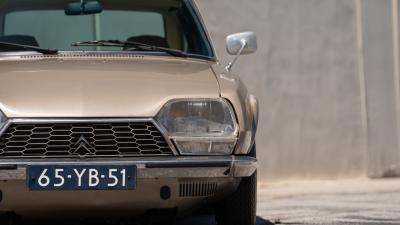
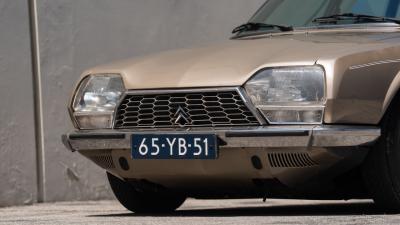
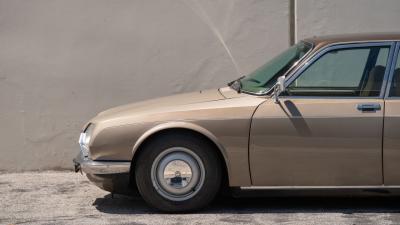
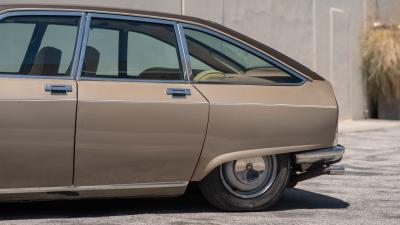
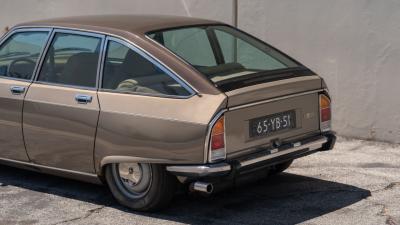
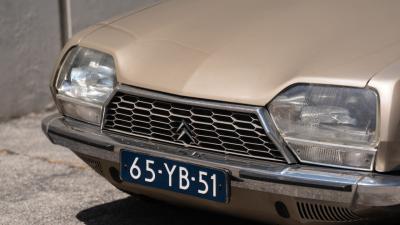
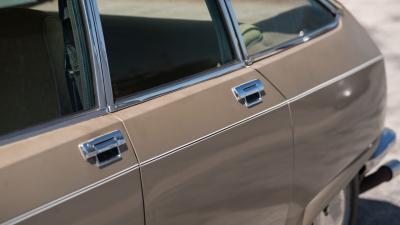
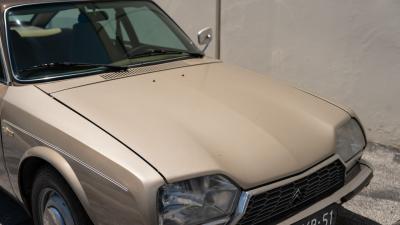
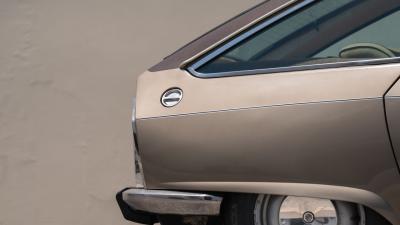
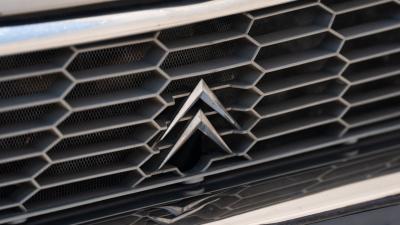
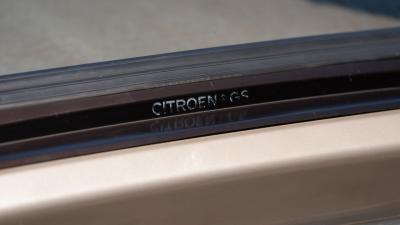
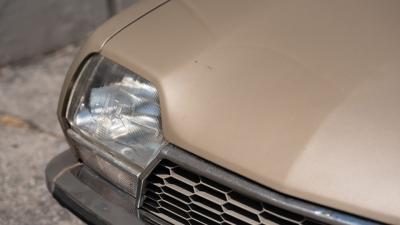
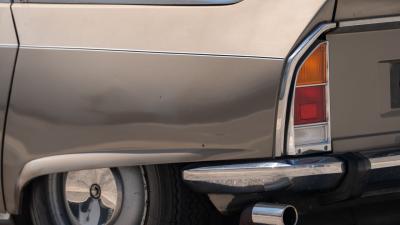
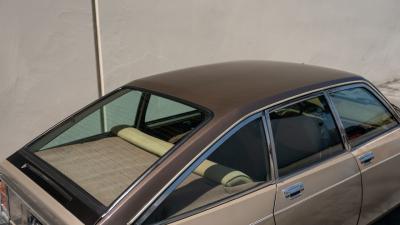
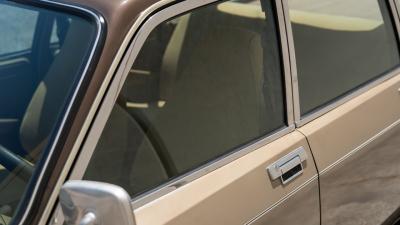
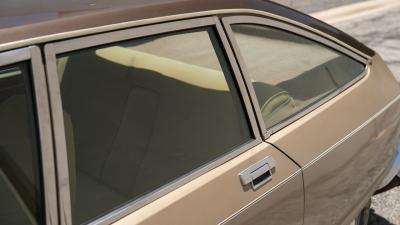
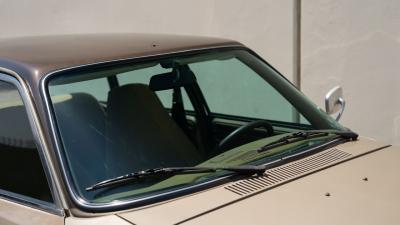
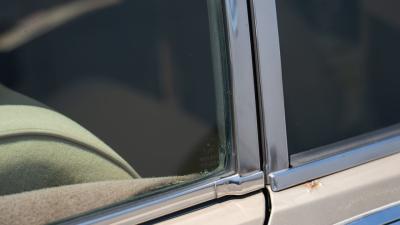
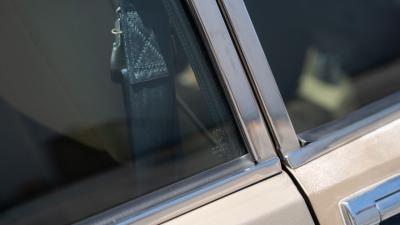
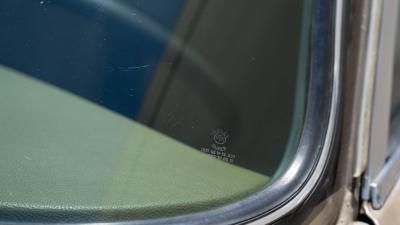
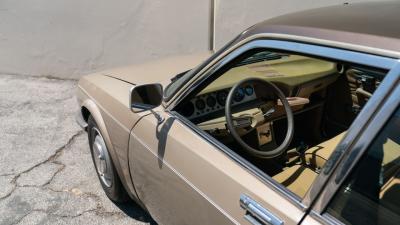
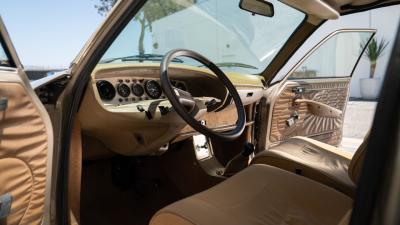
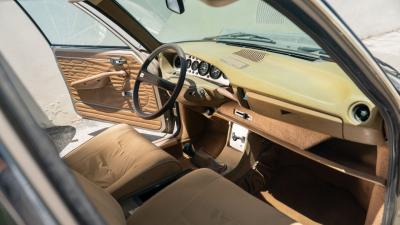
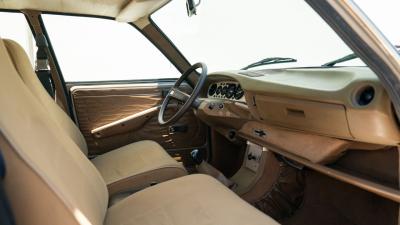
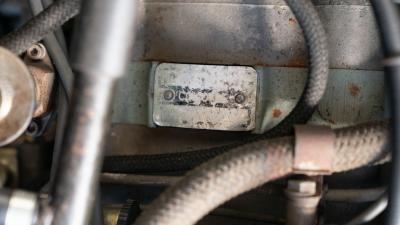
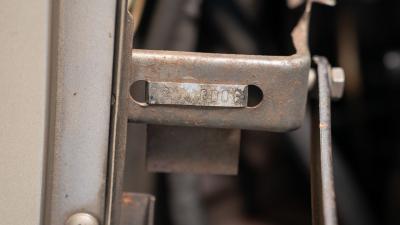
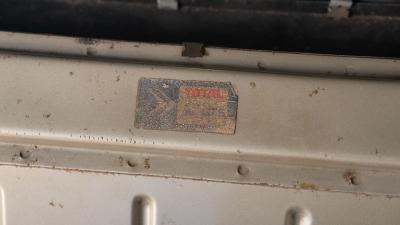
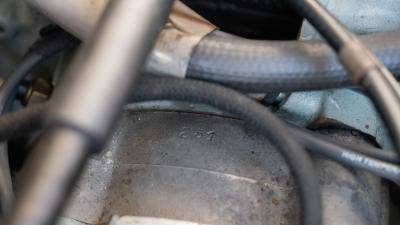
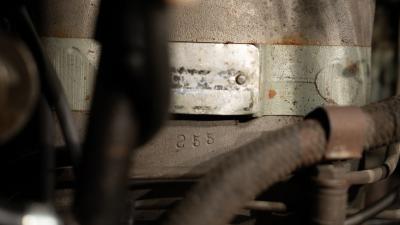
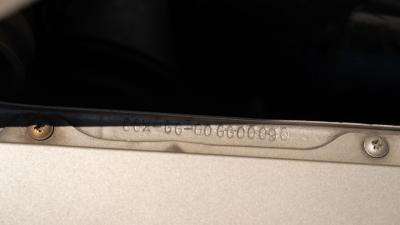
Chassis No. GXGG00GG0009
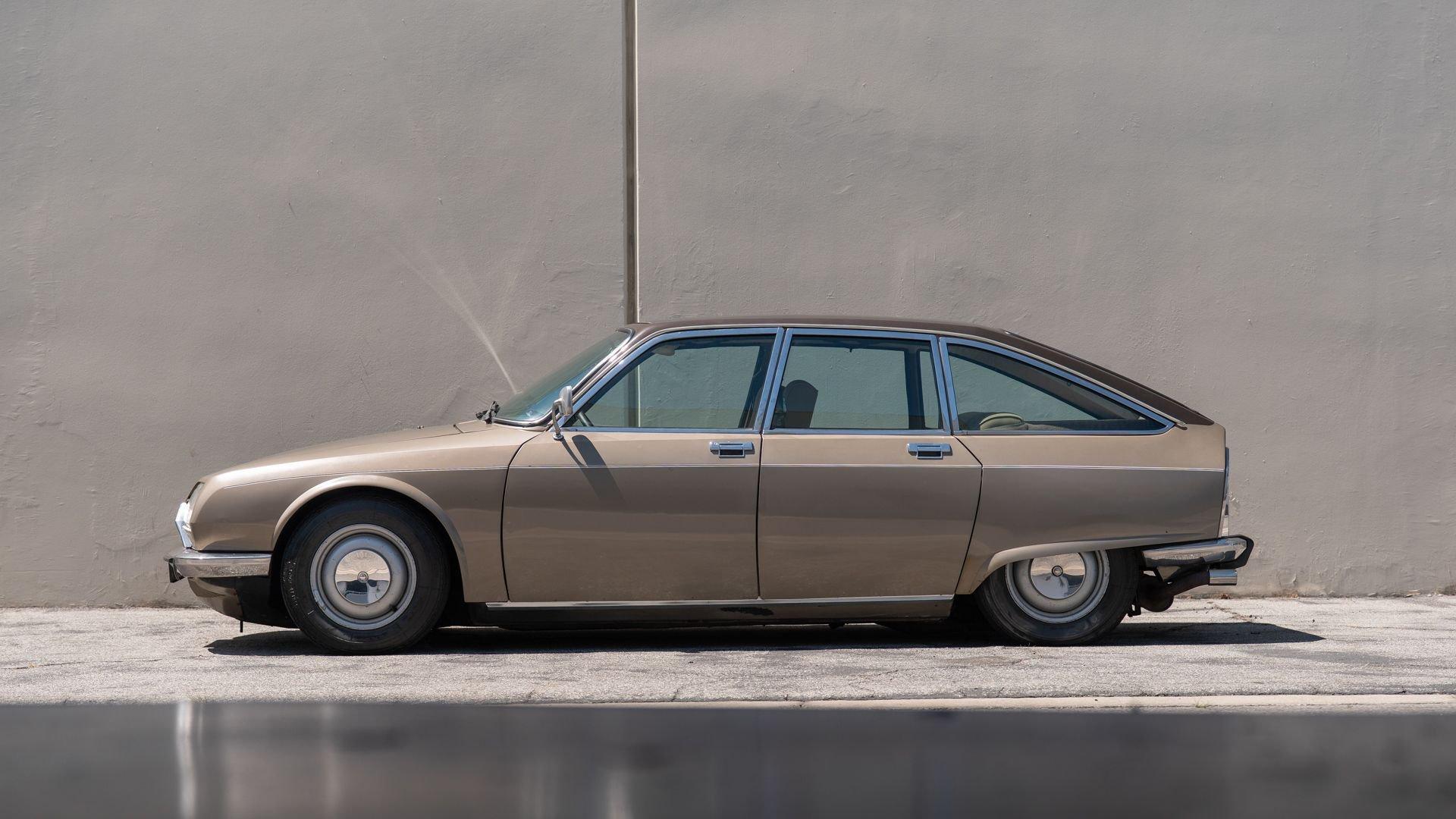
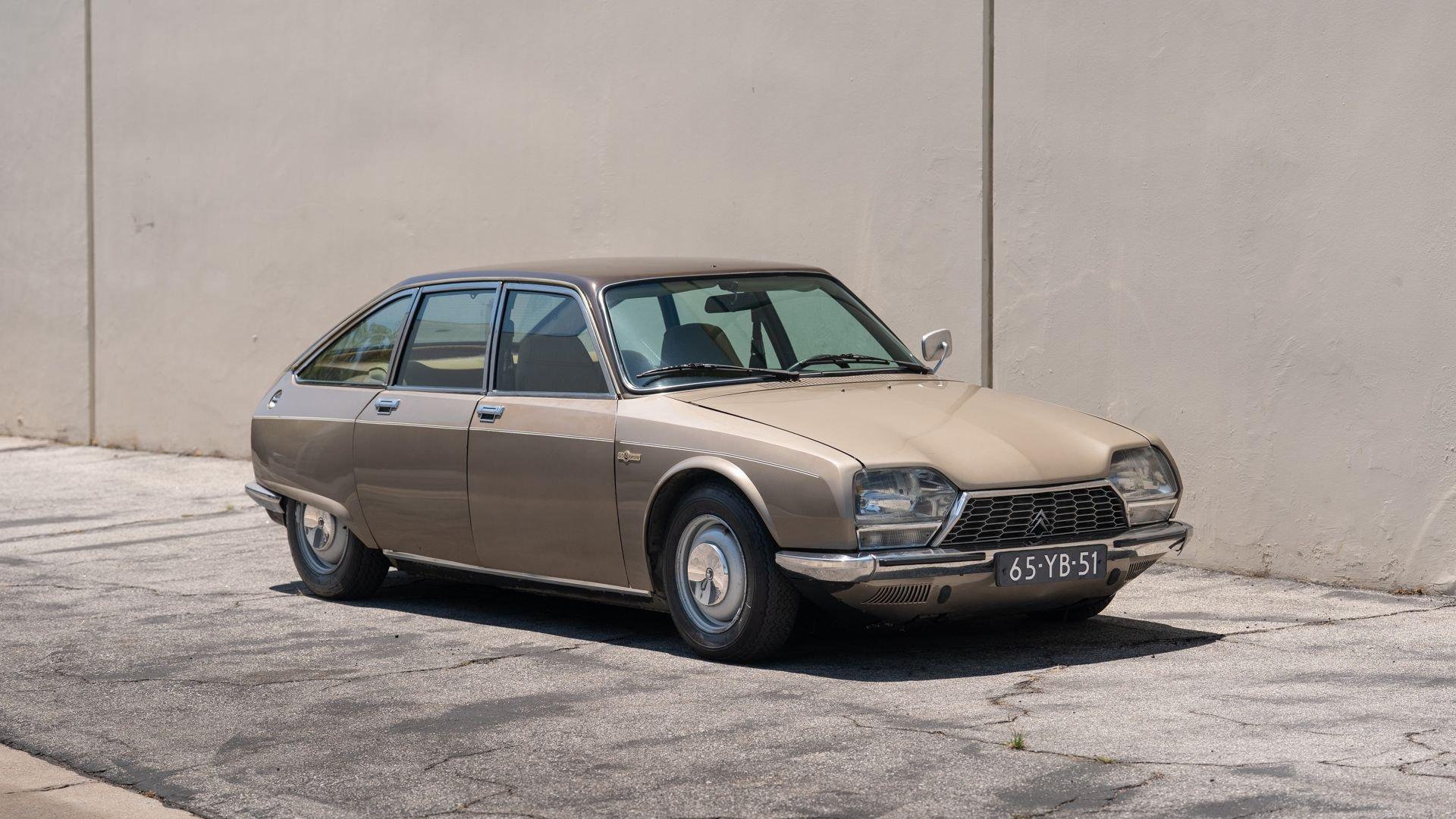
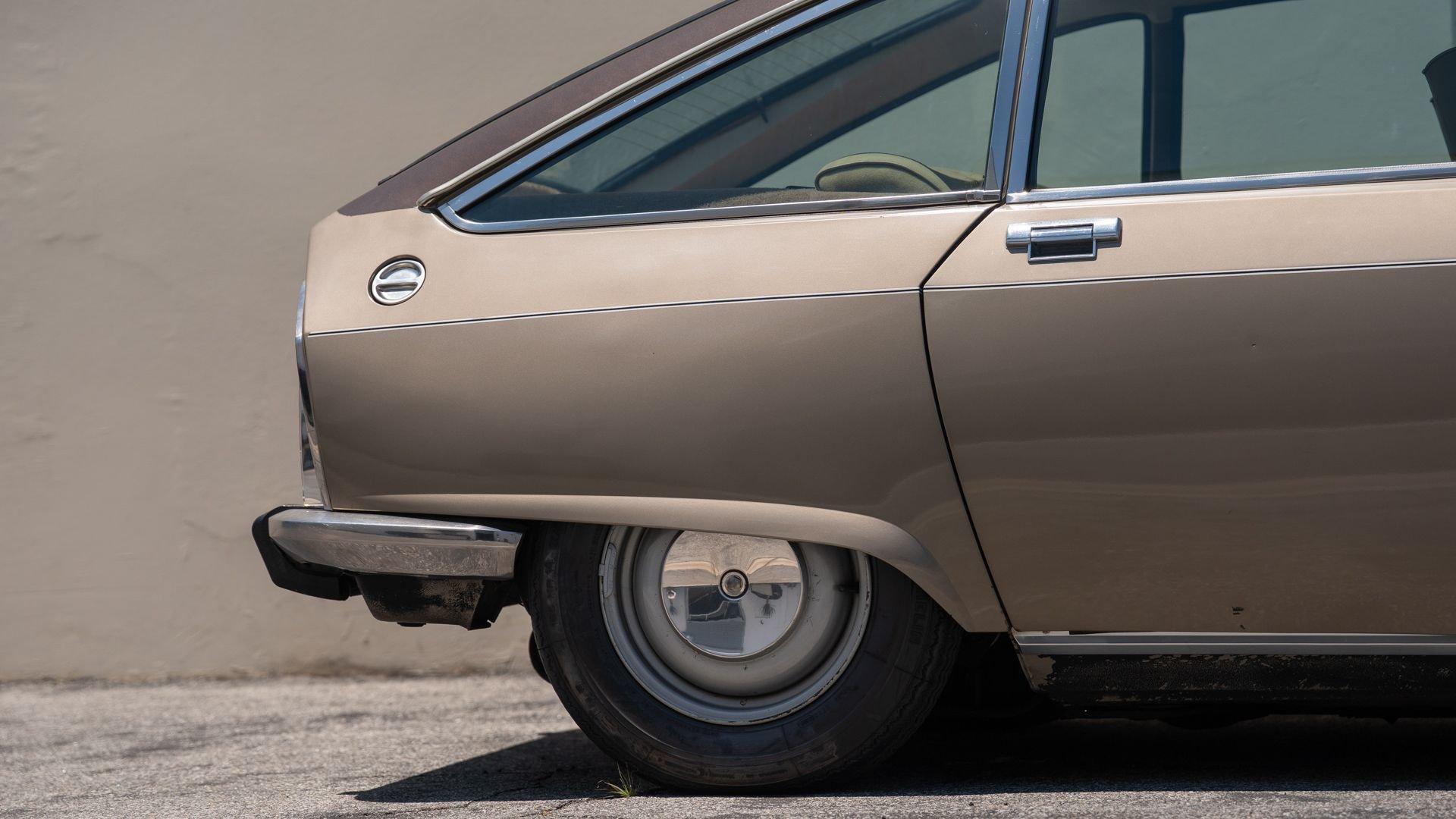
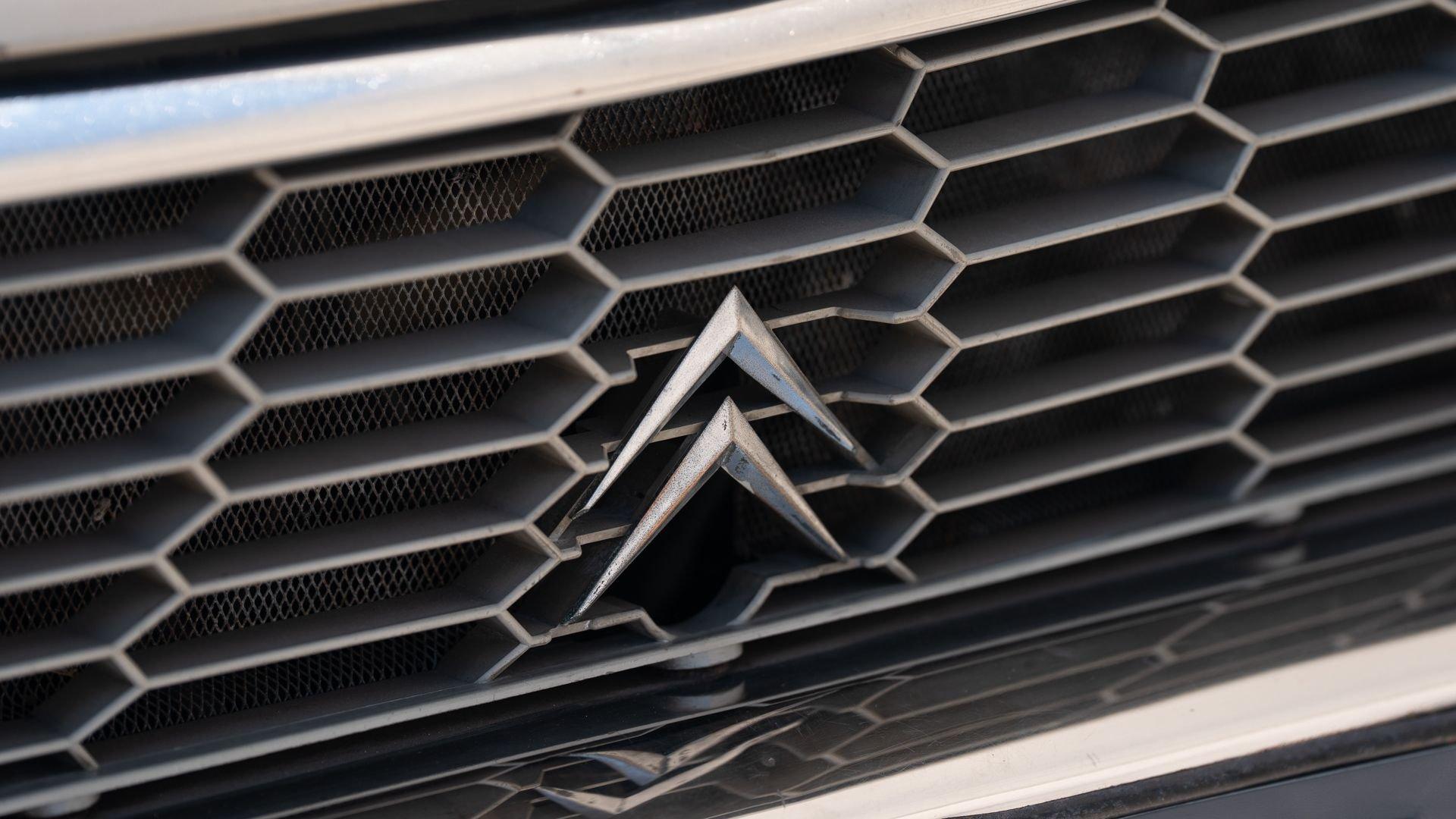
By the early 1970s, Citroën had spent nearly two decades proving comfort and innovation needn't be mutually exclusive. The firm's hydropneumatic suspension, self-levelling ride, and aerodynamic bodywork helped the GS claim European Car of the Year in 1971.
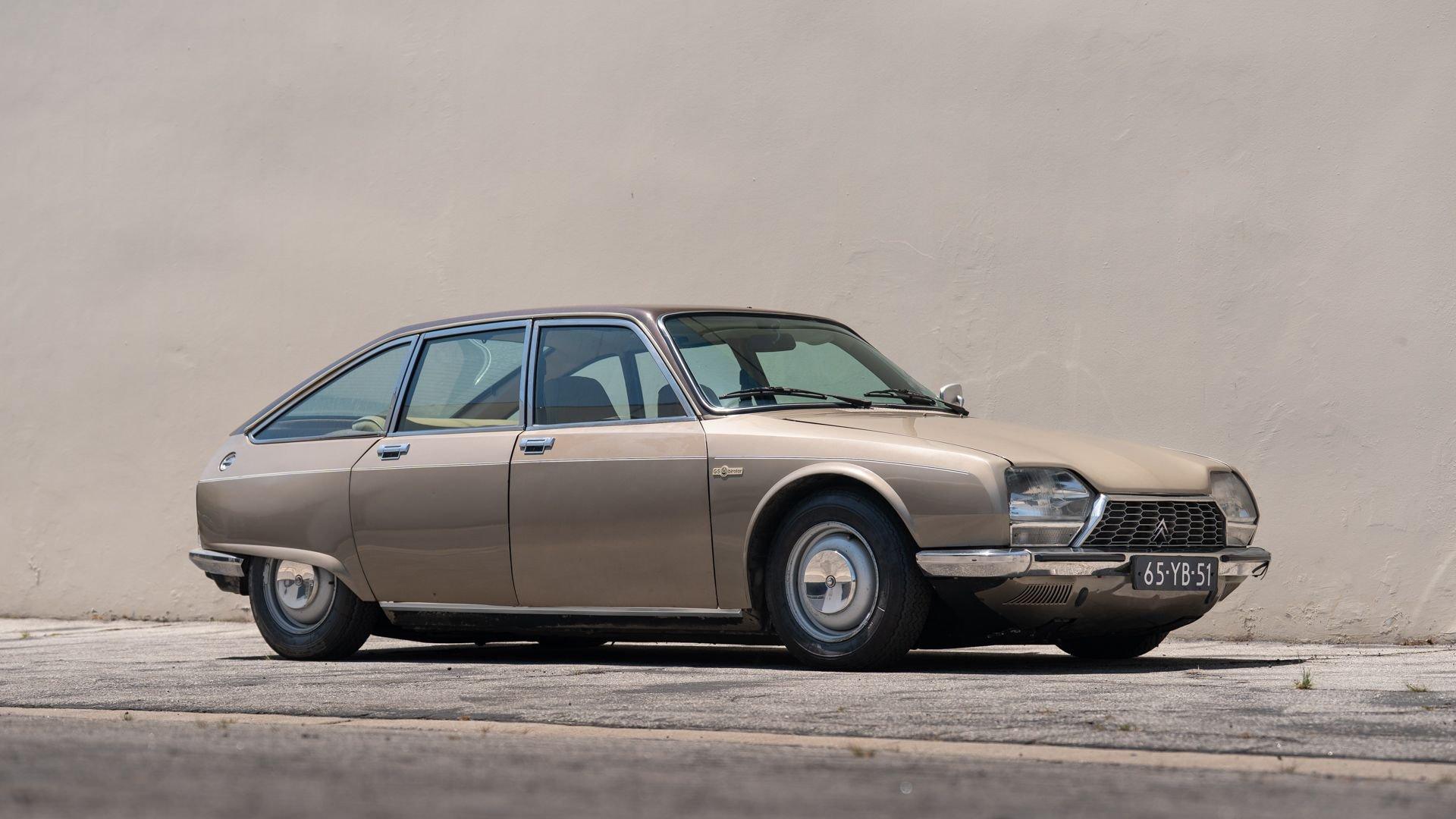
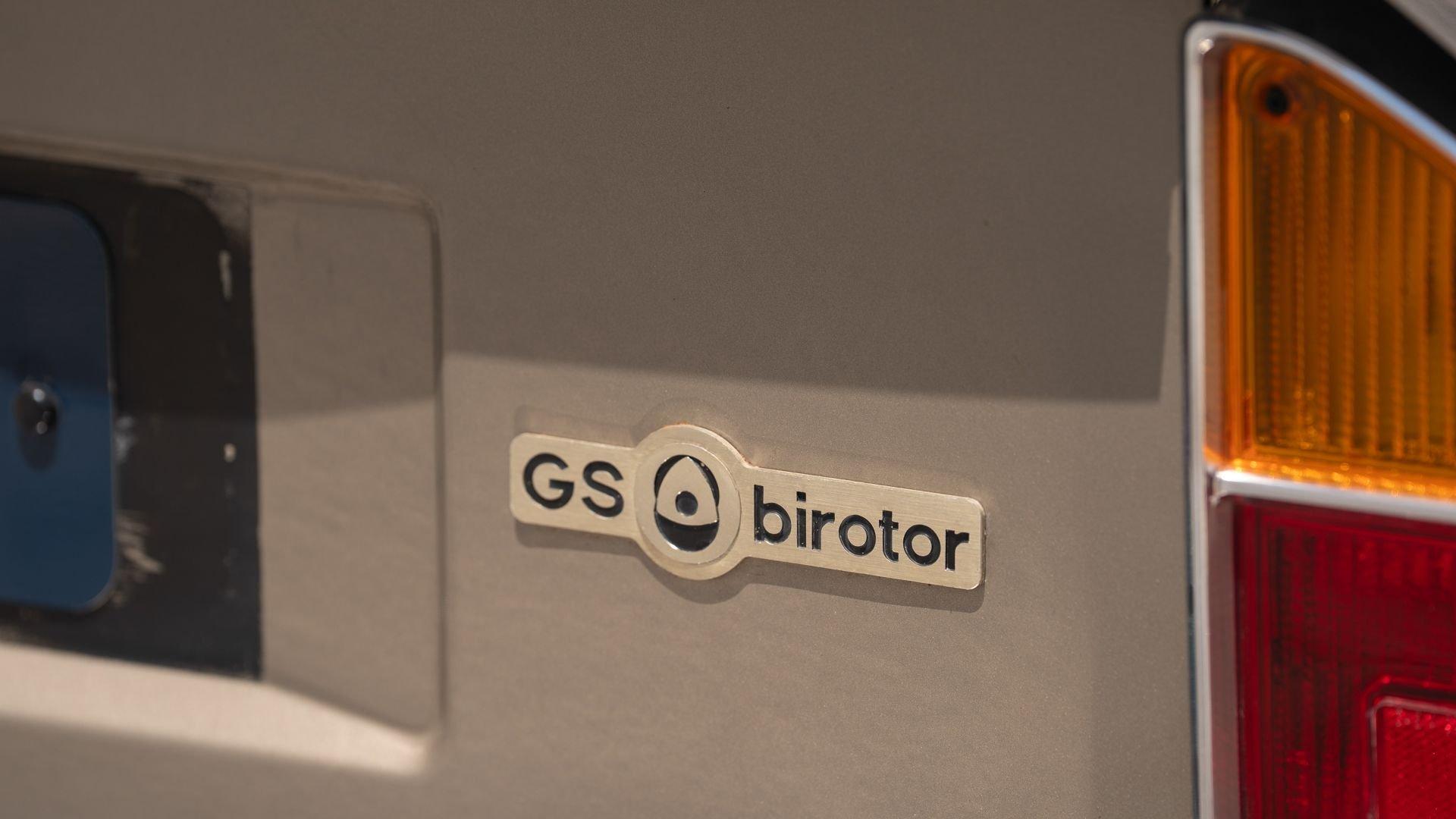
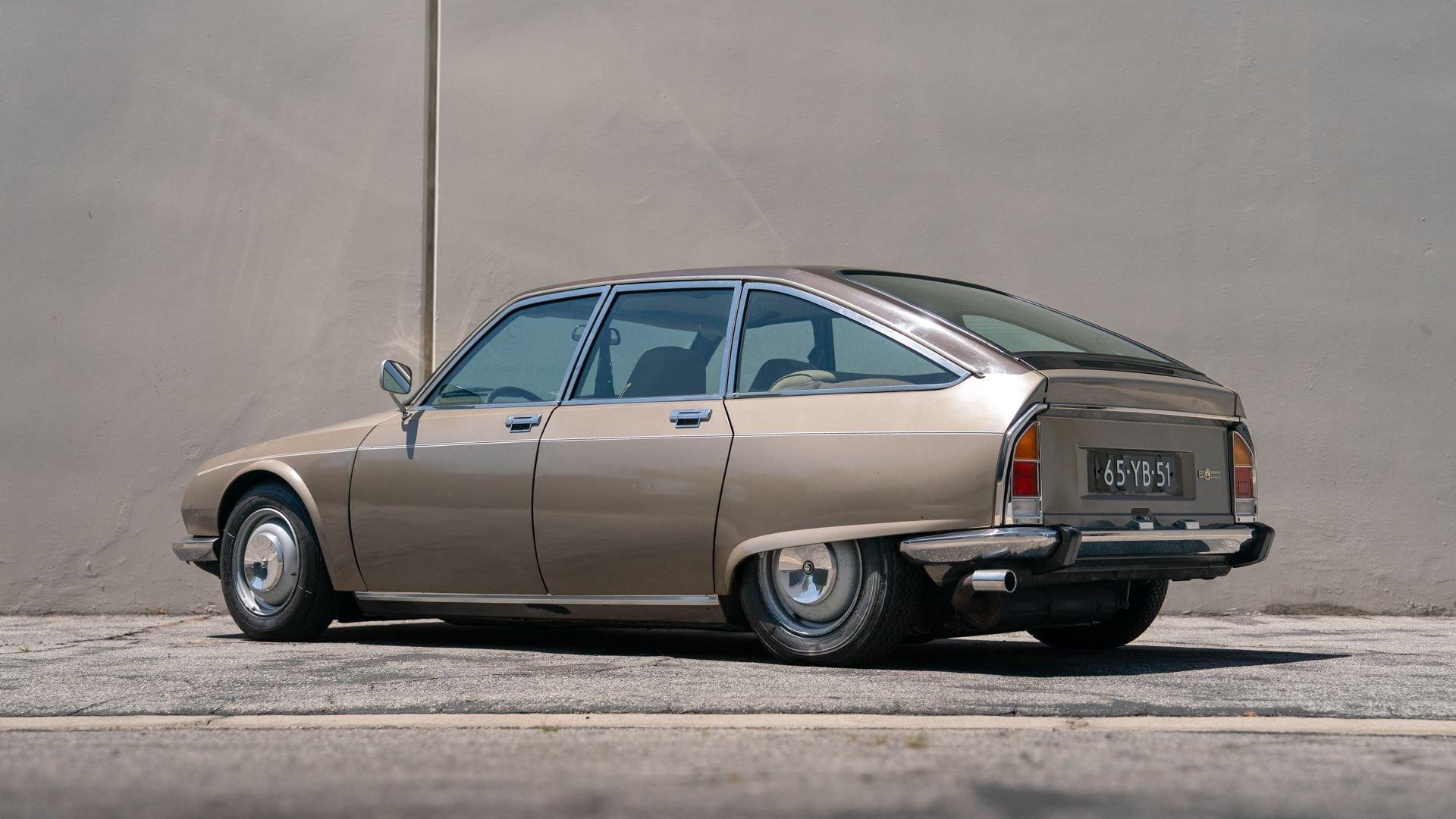
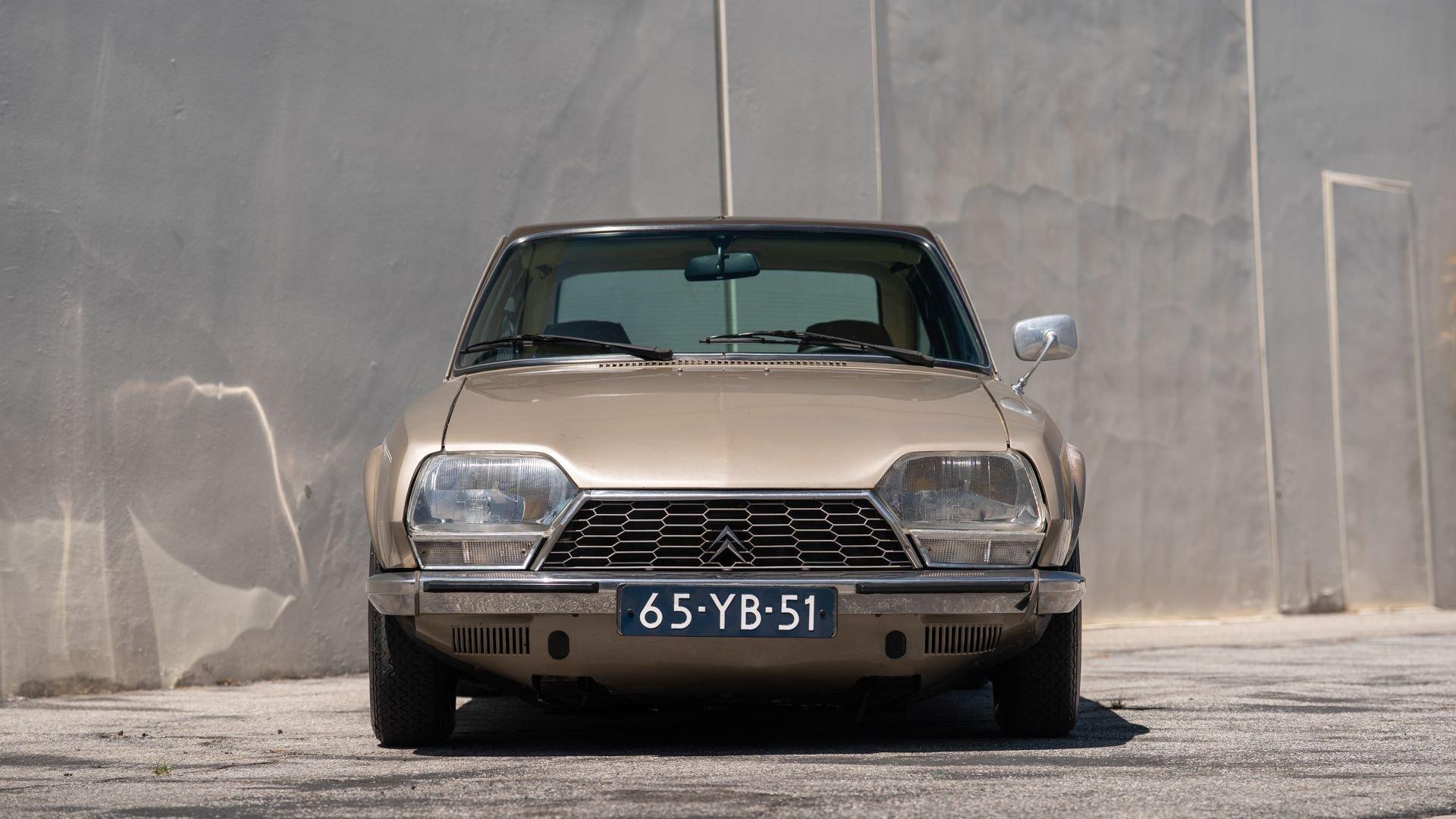
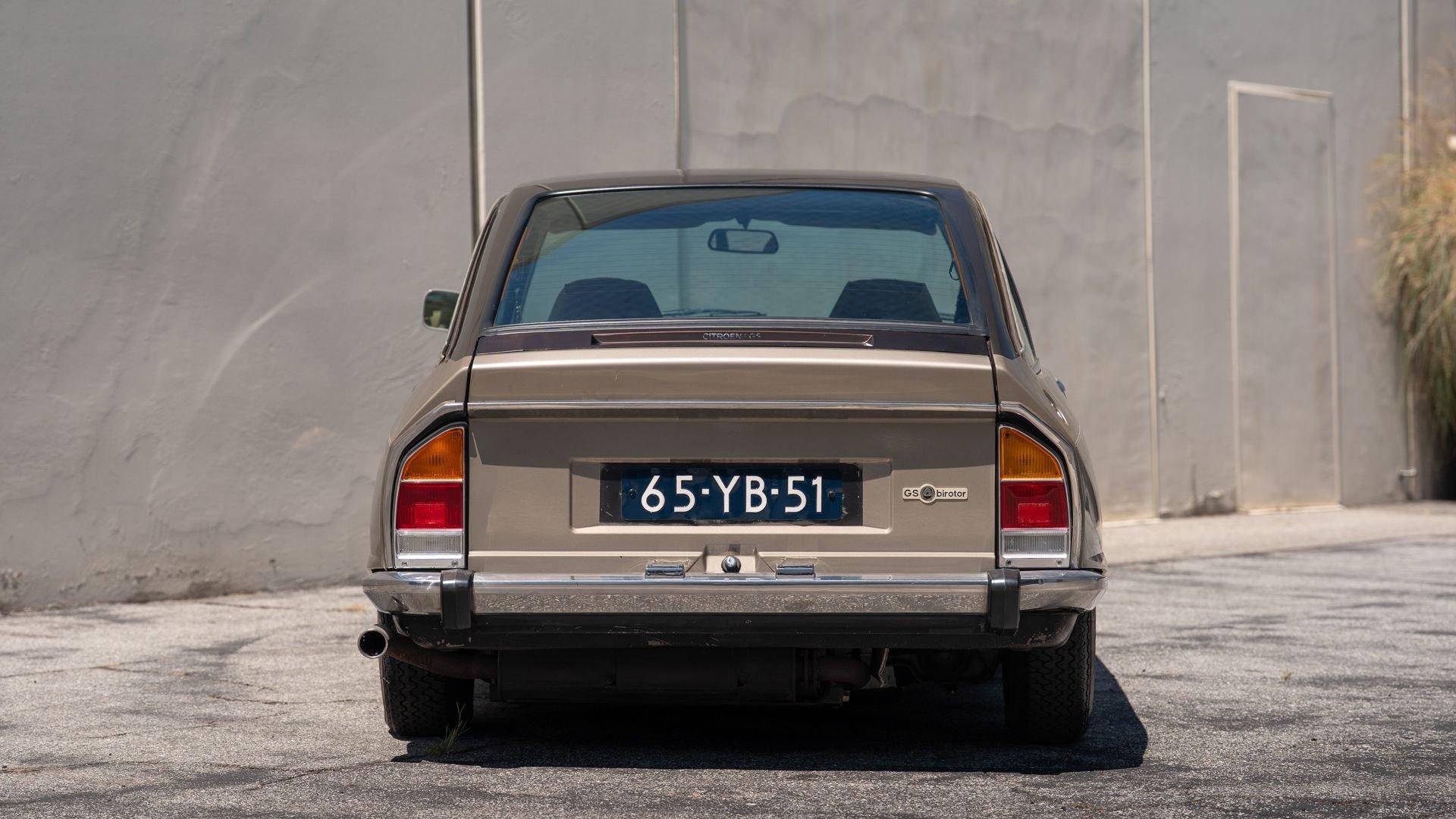
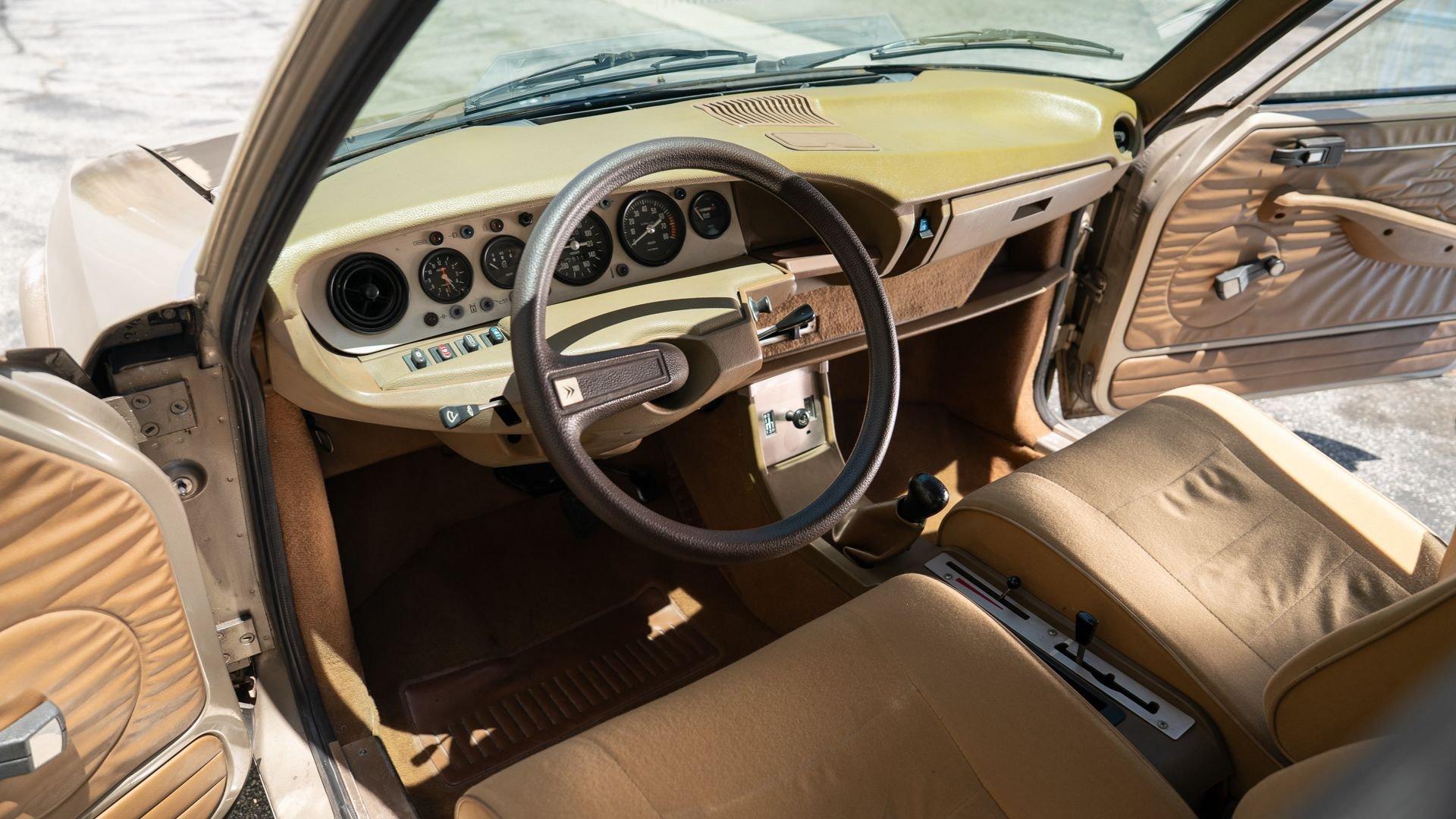
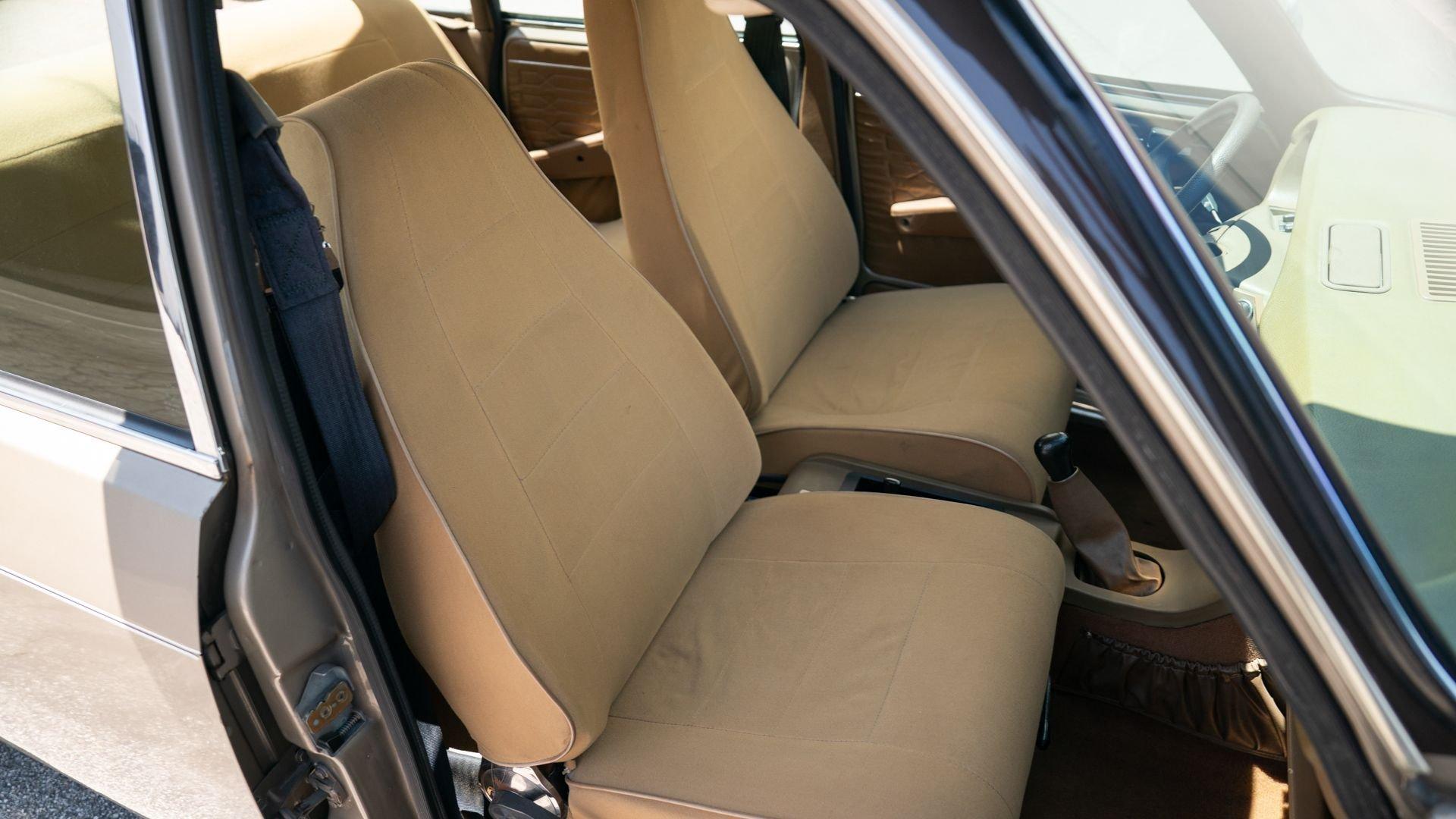
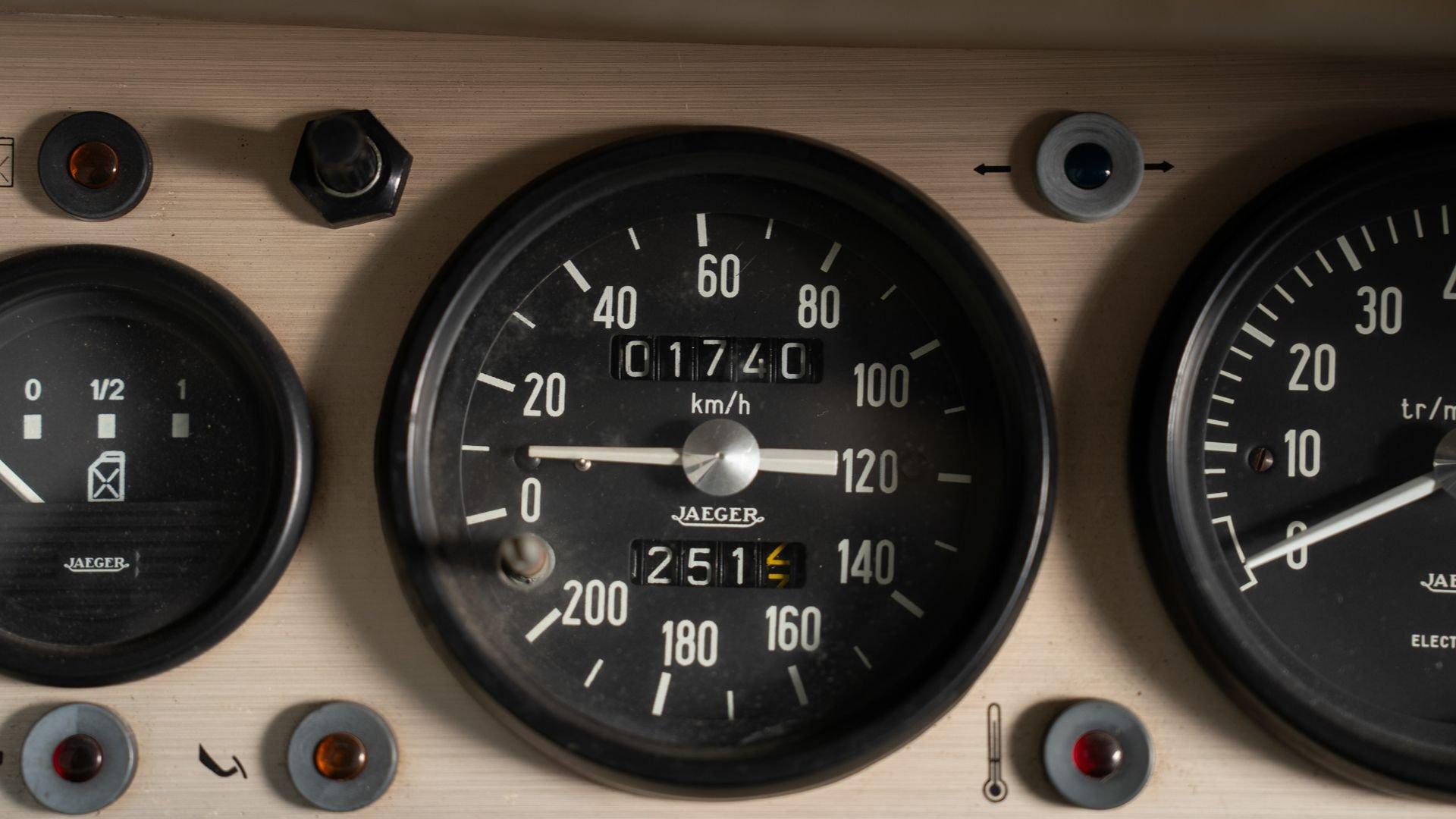
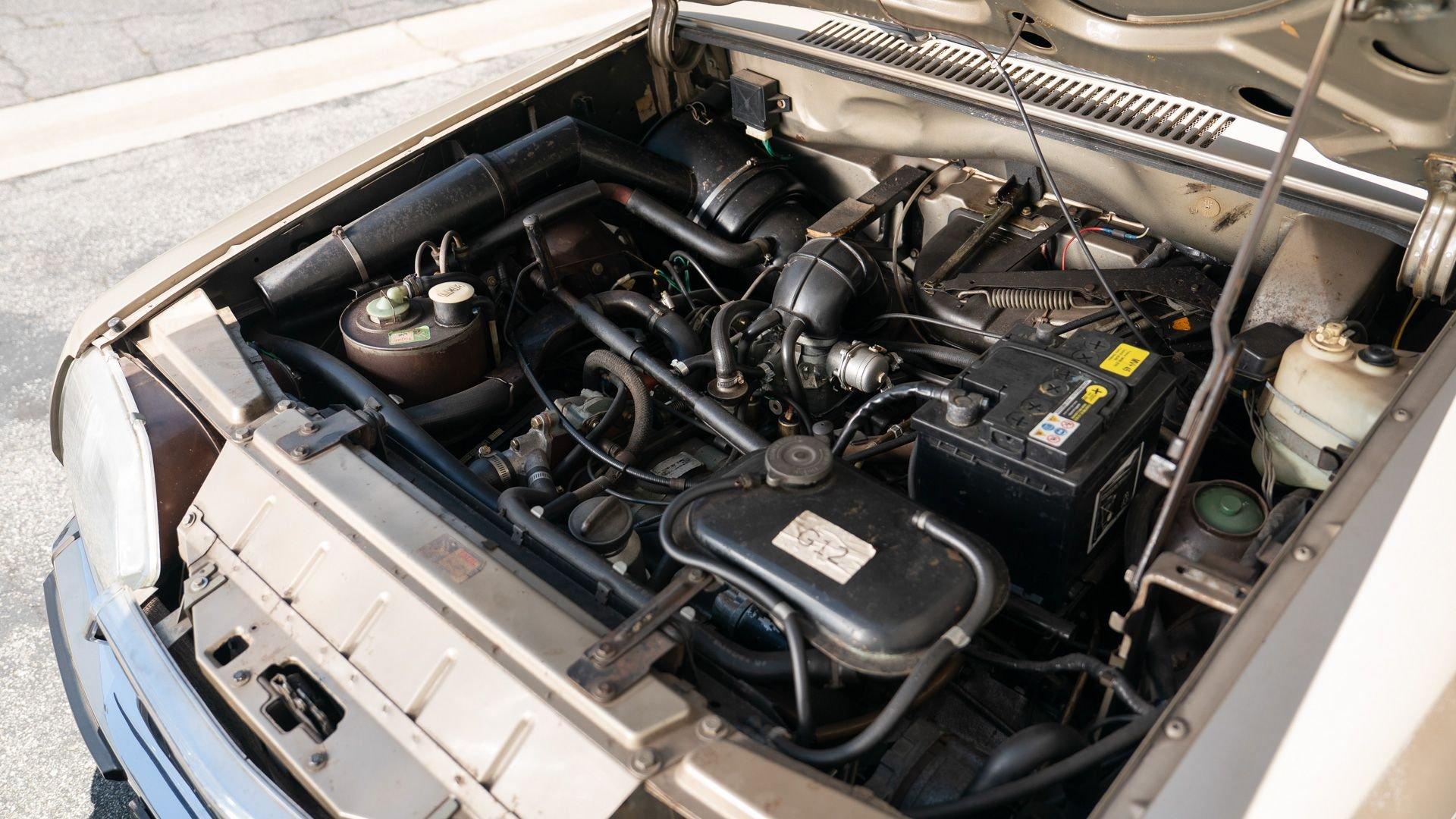
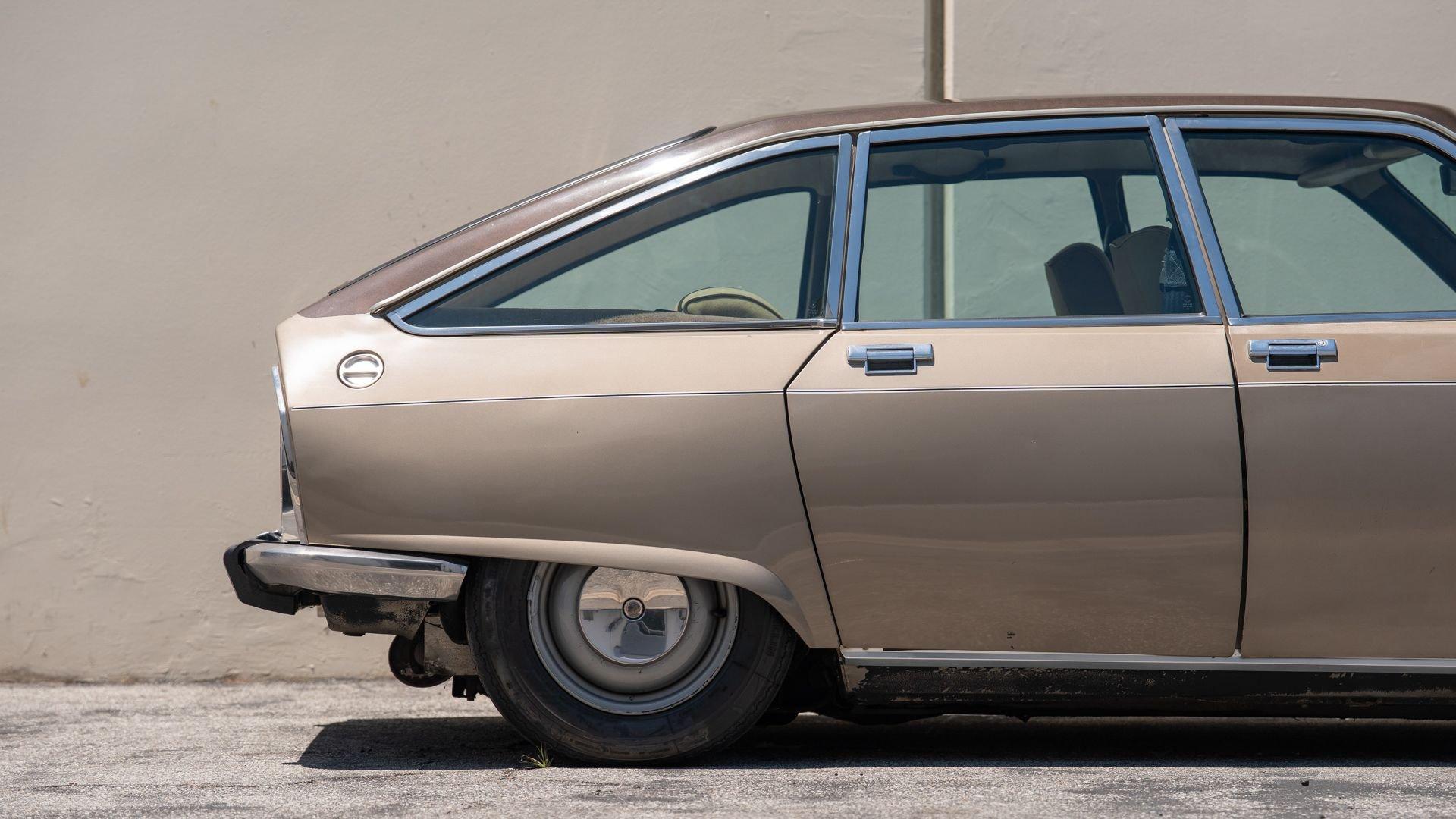
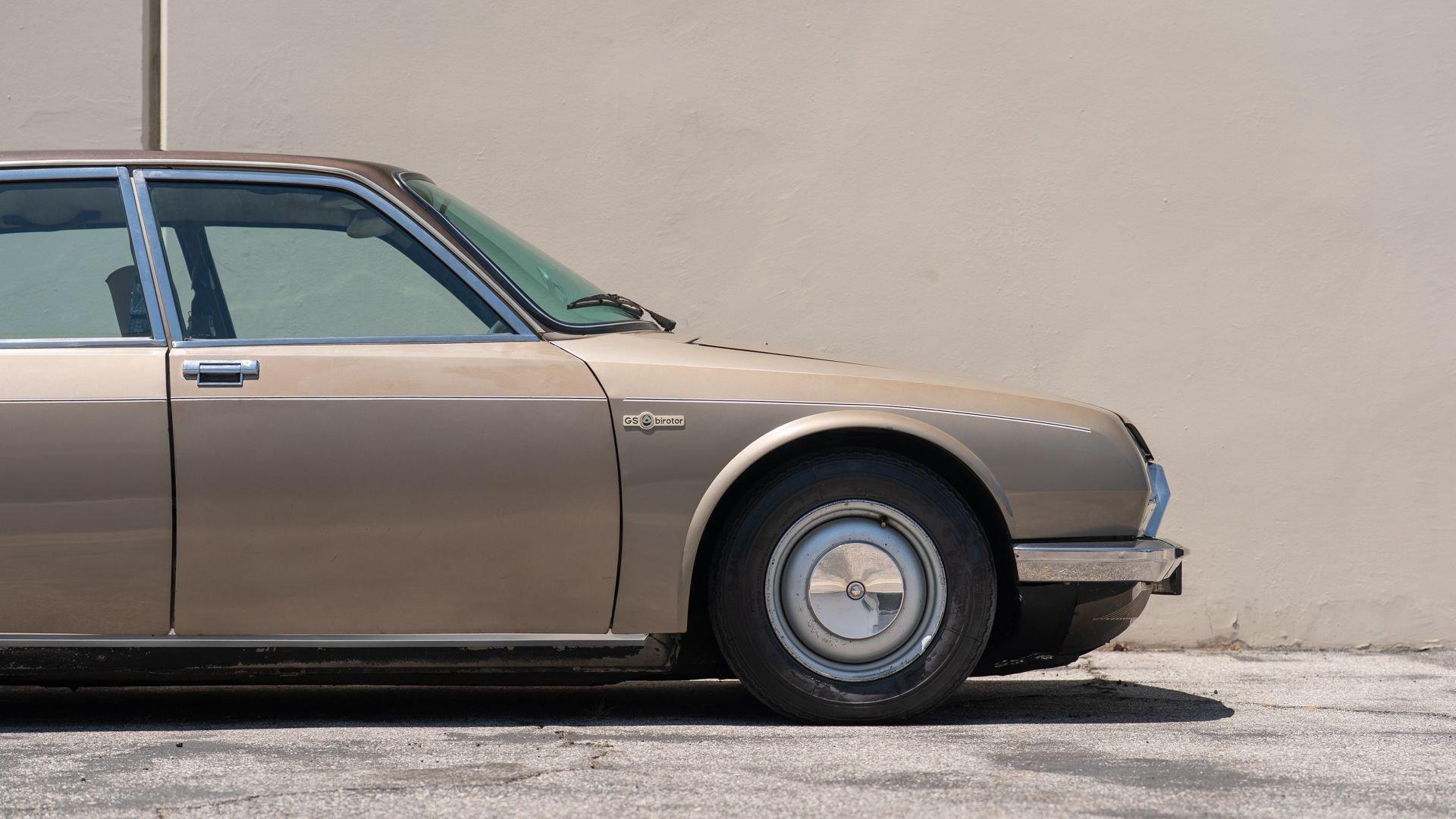
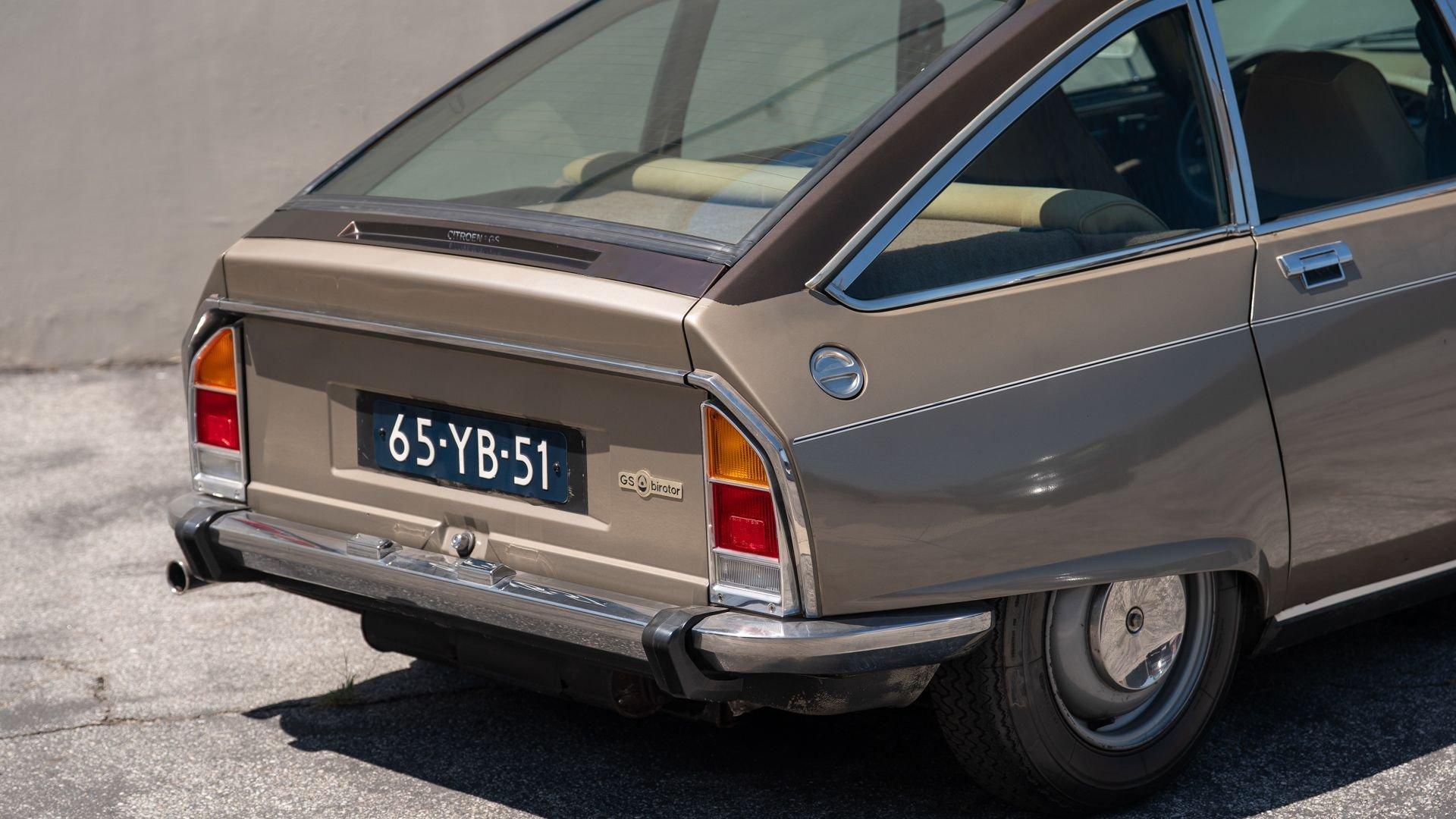
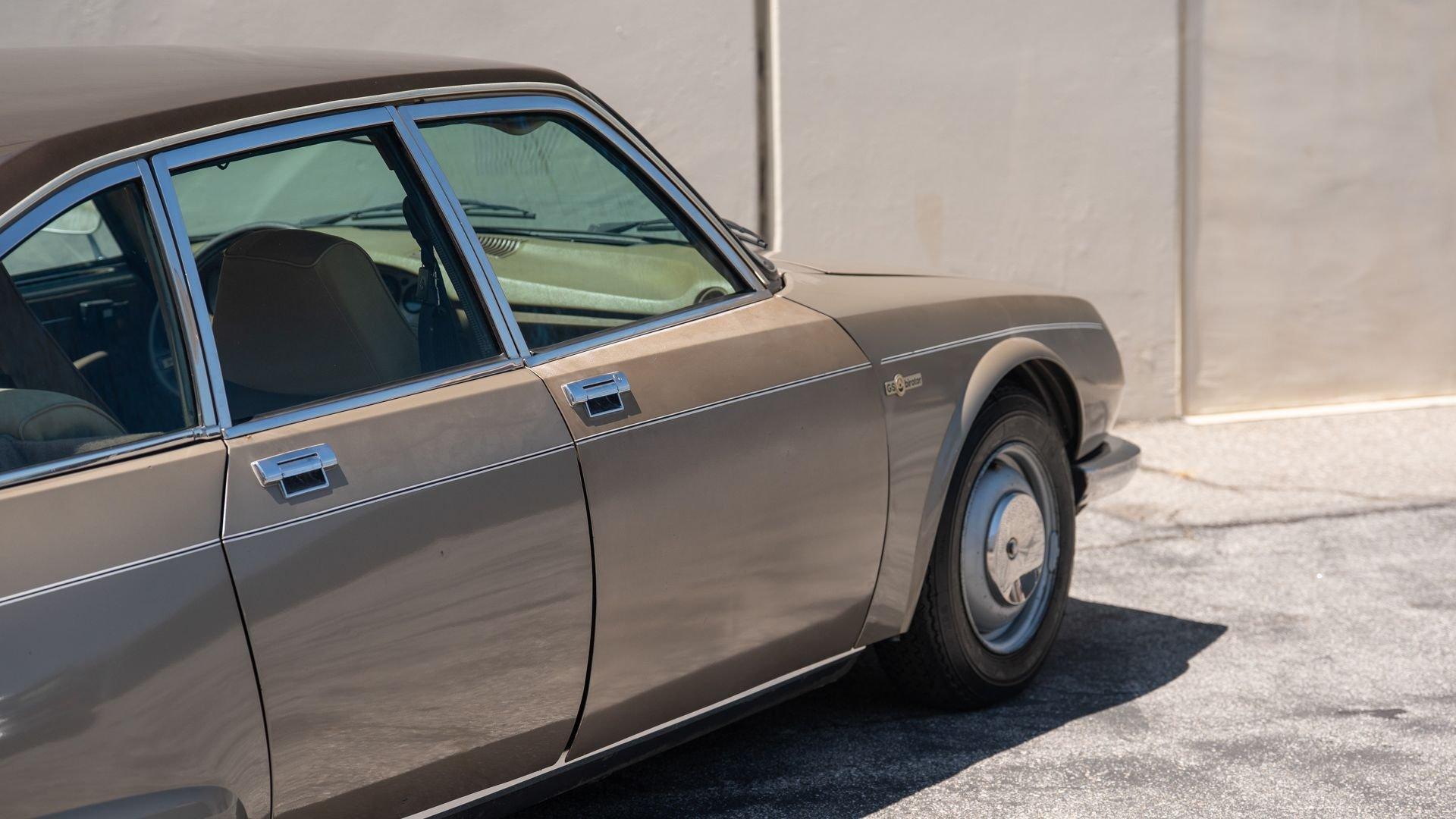
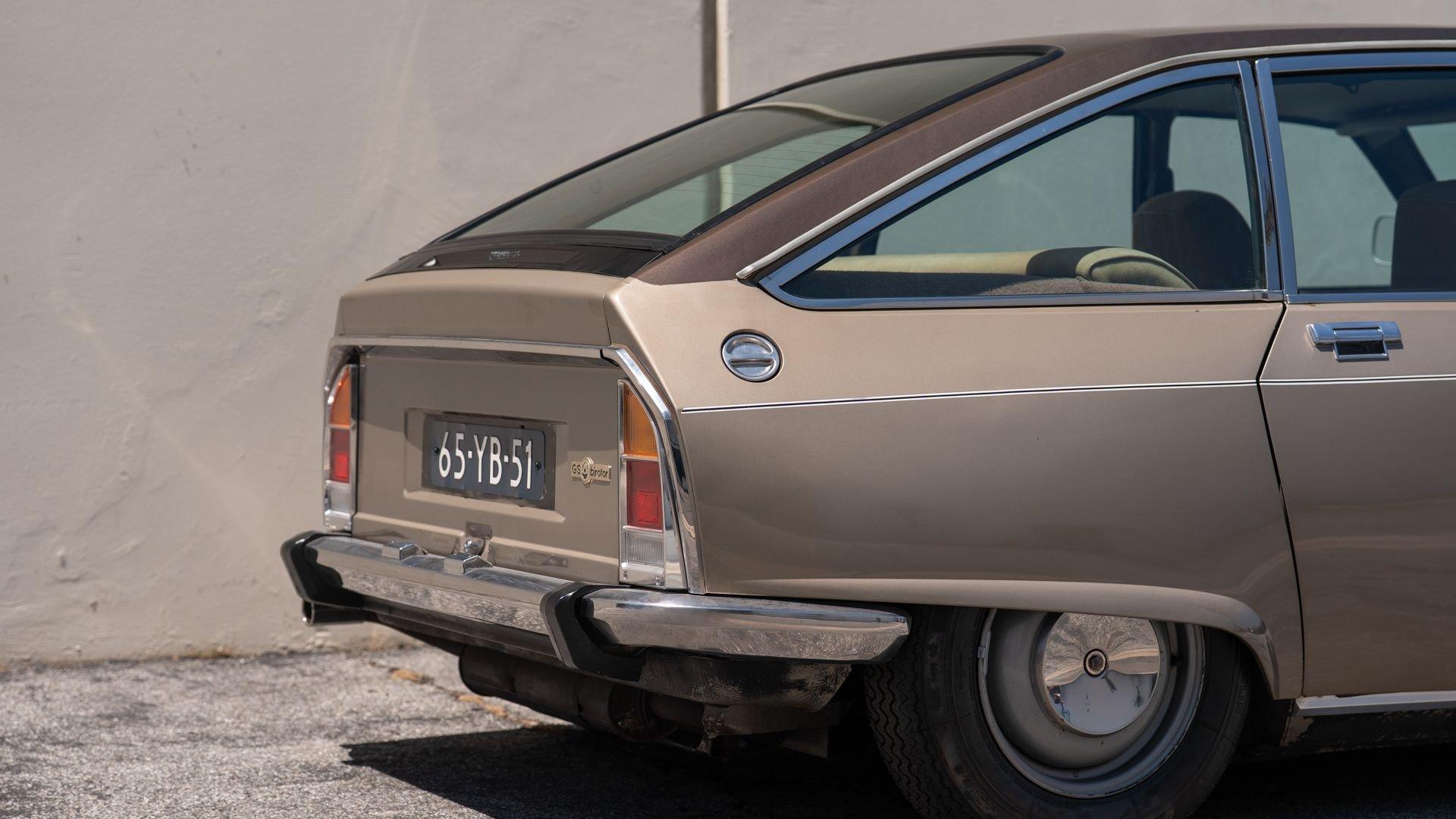
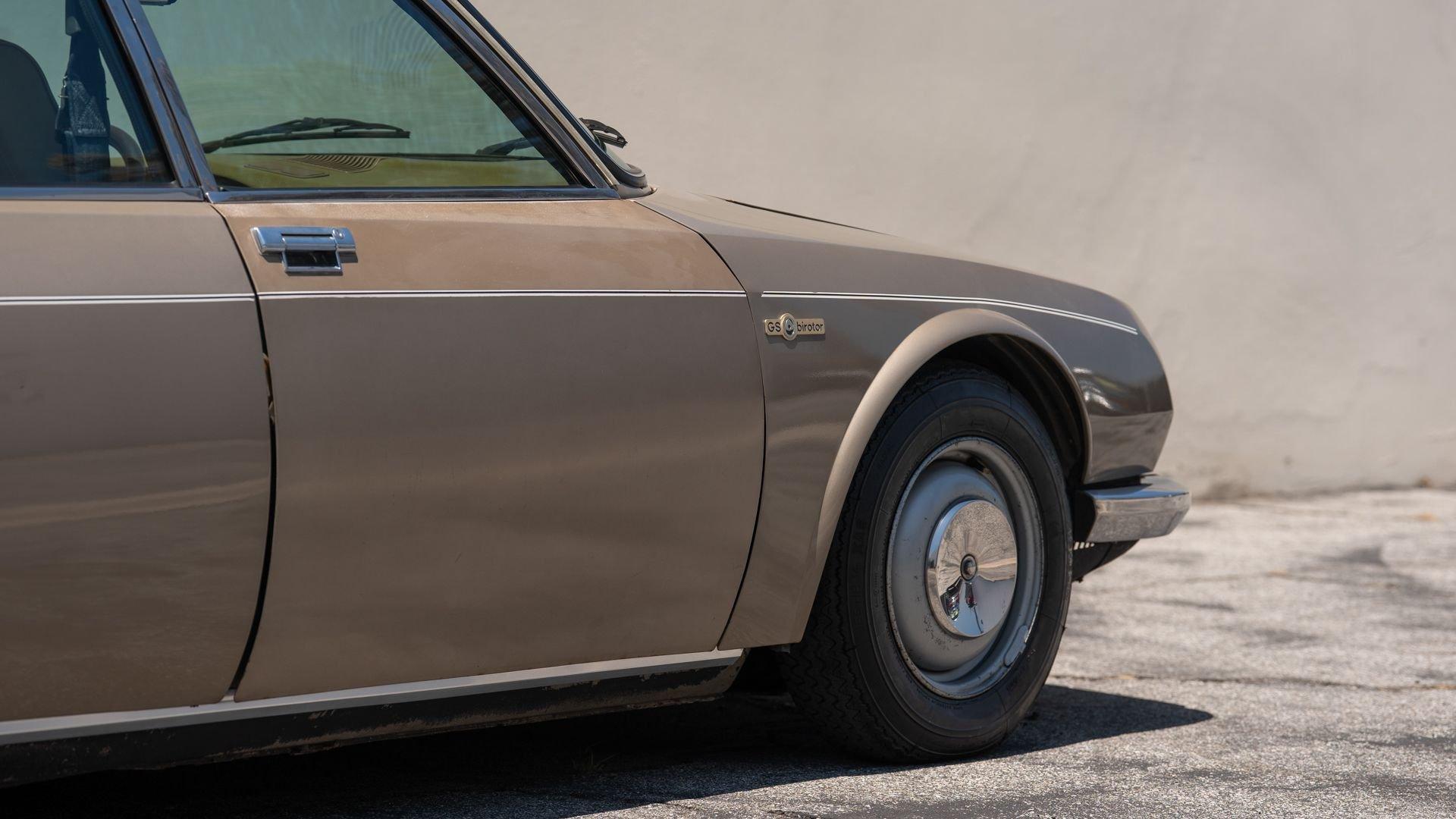
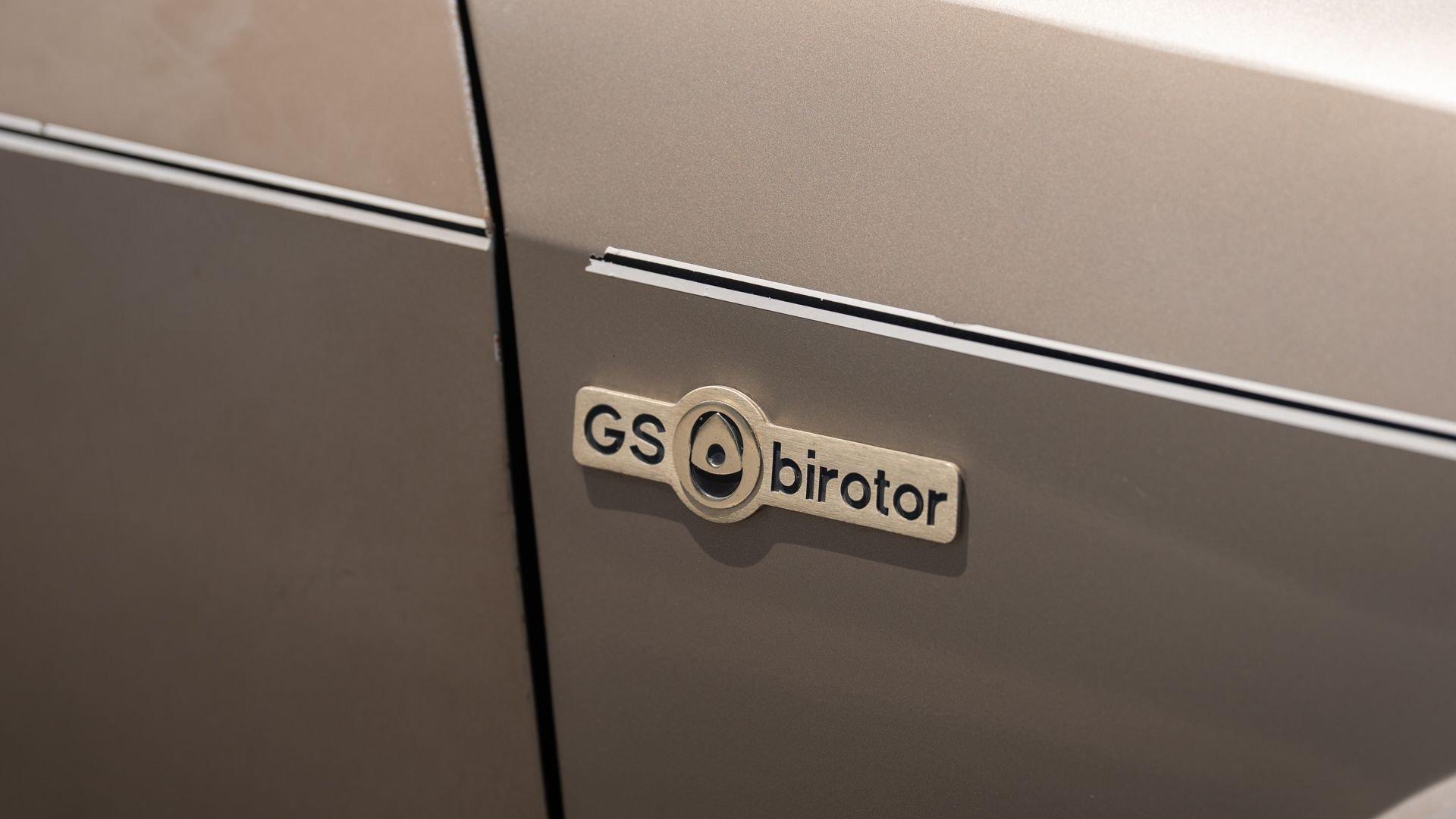
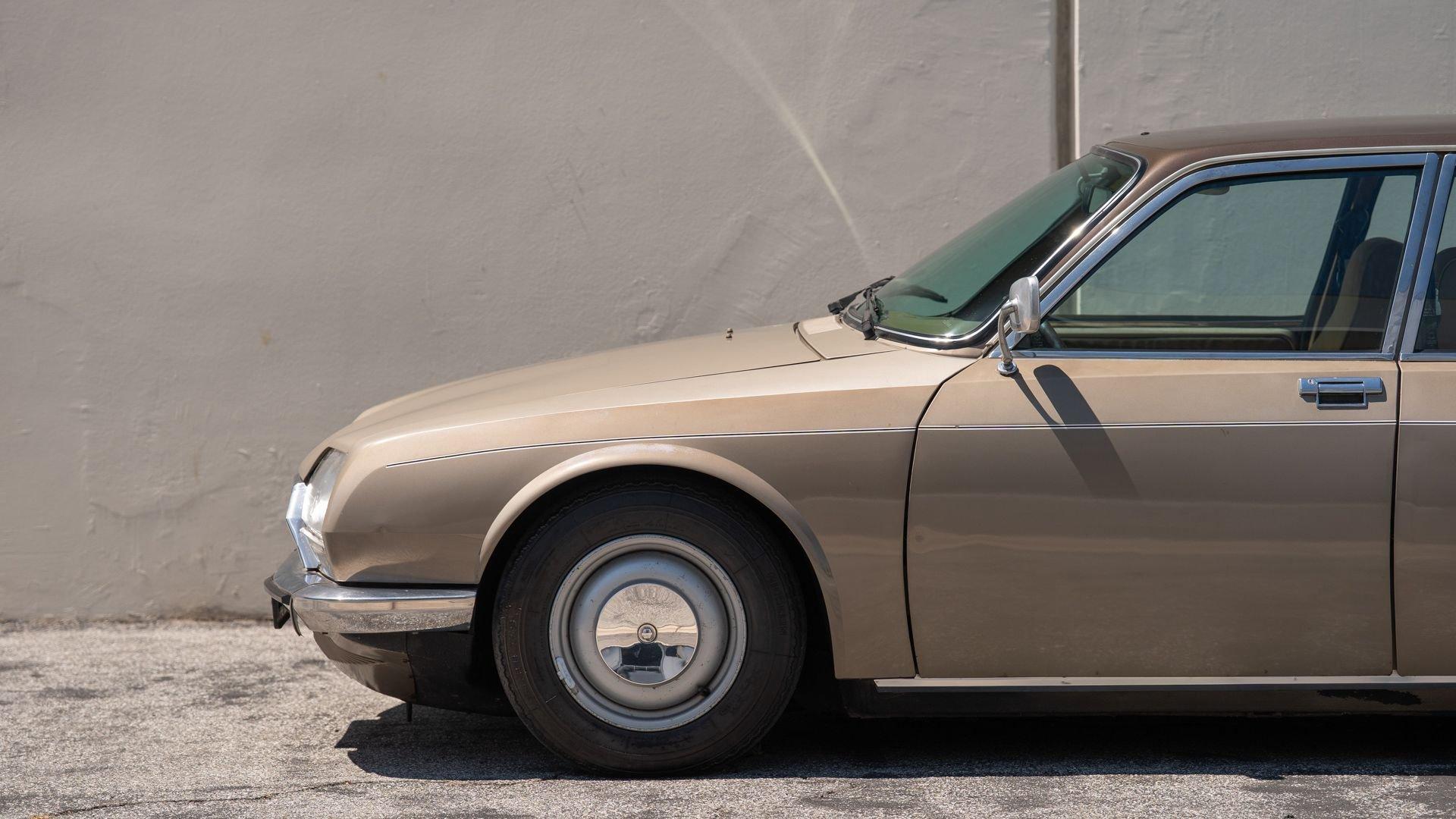
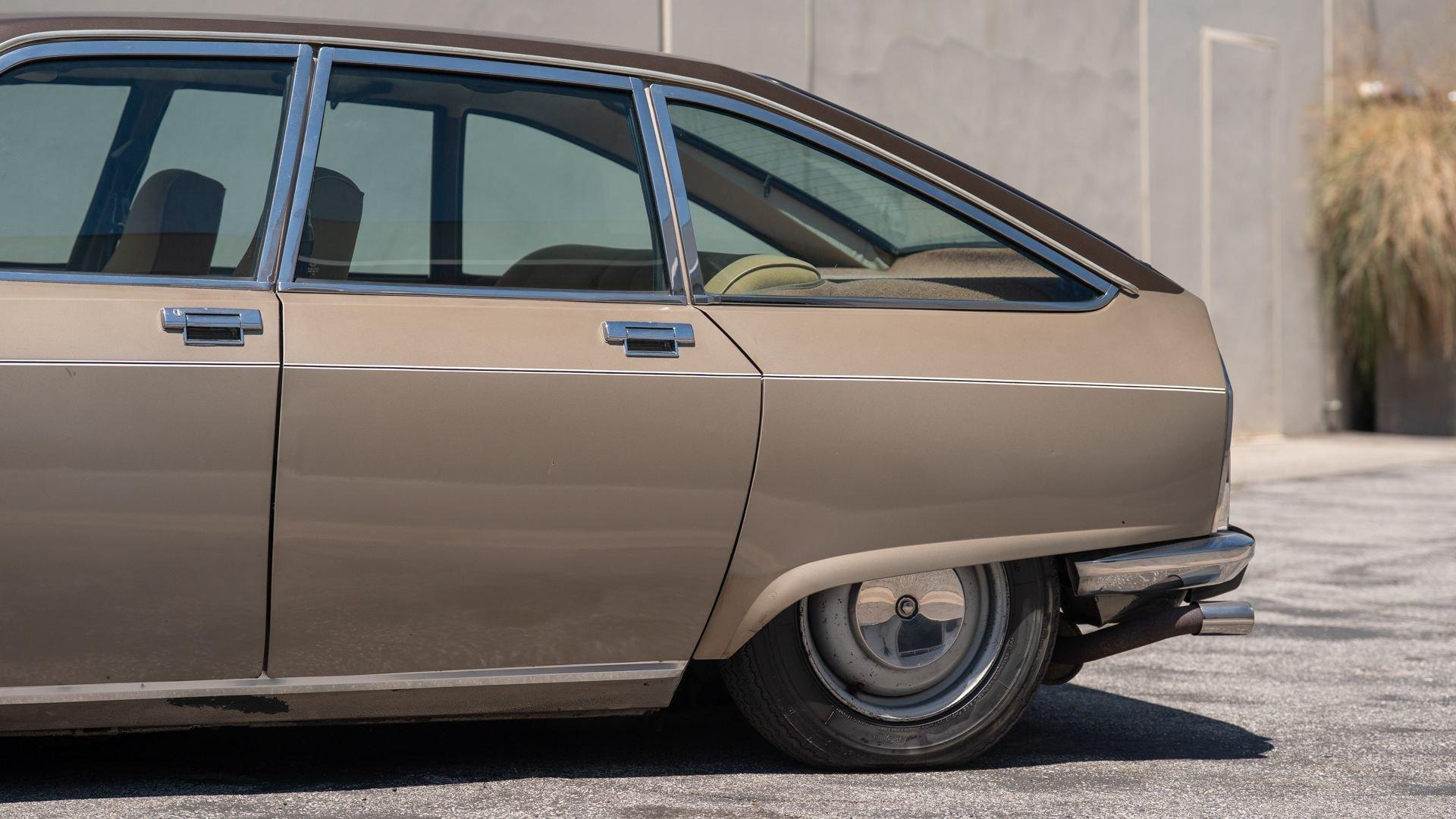
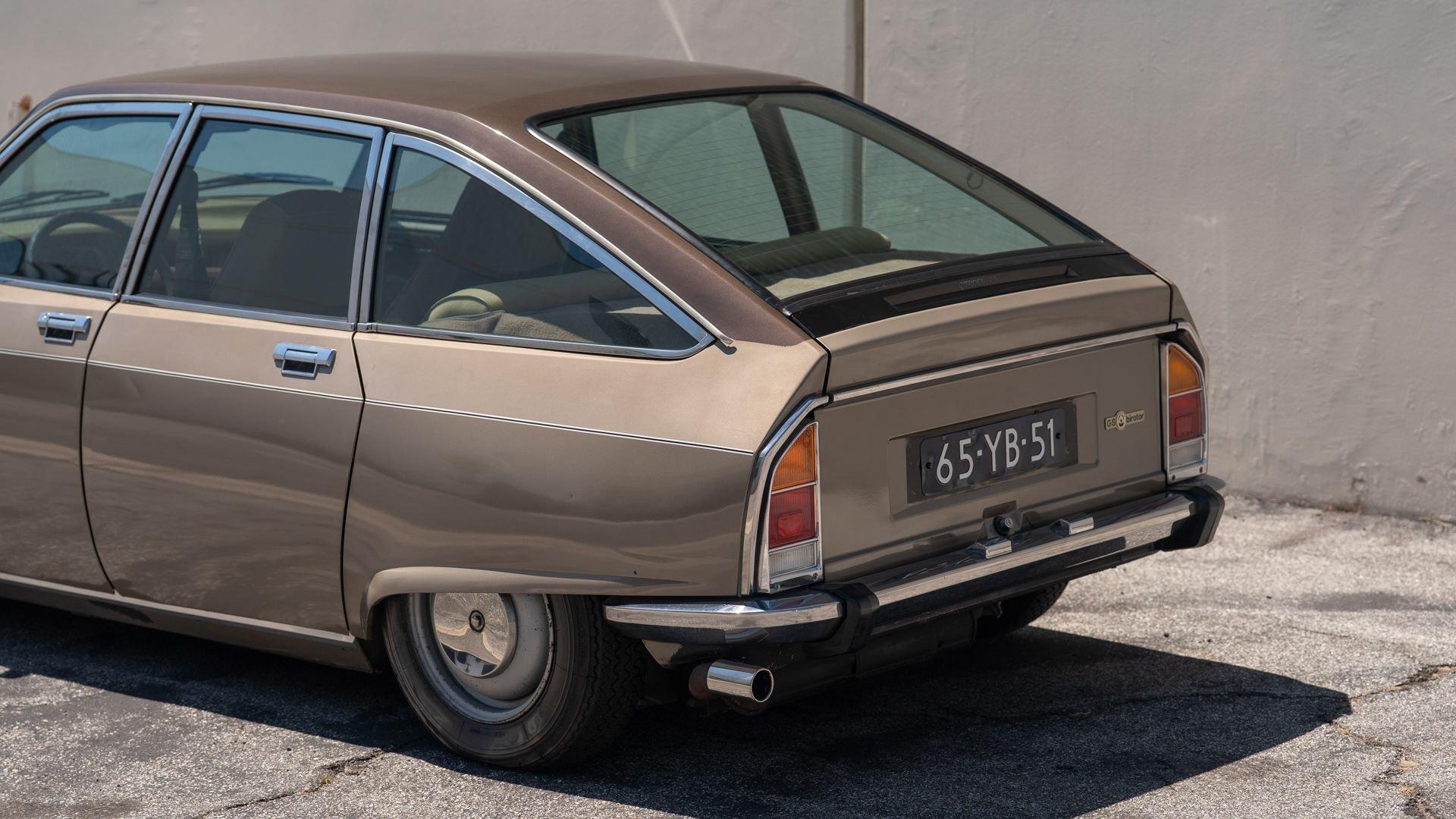
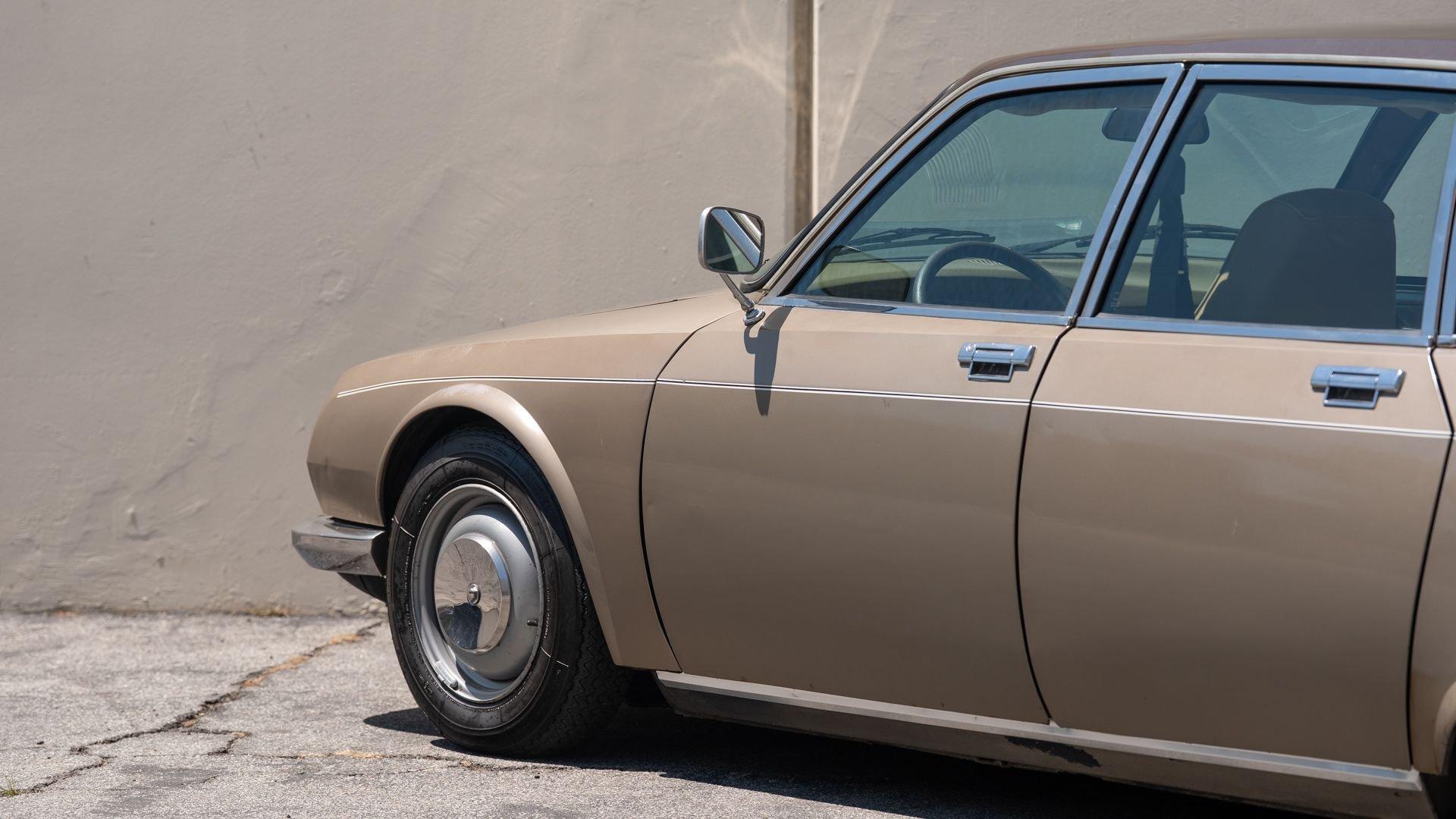
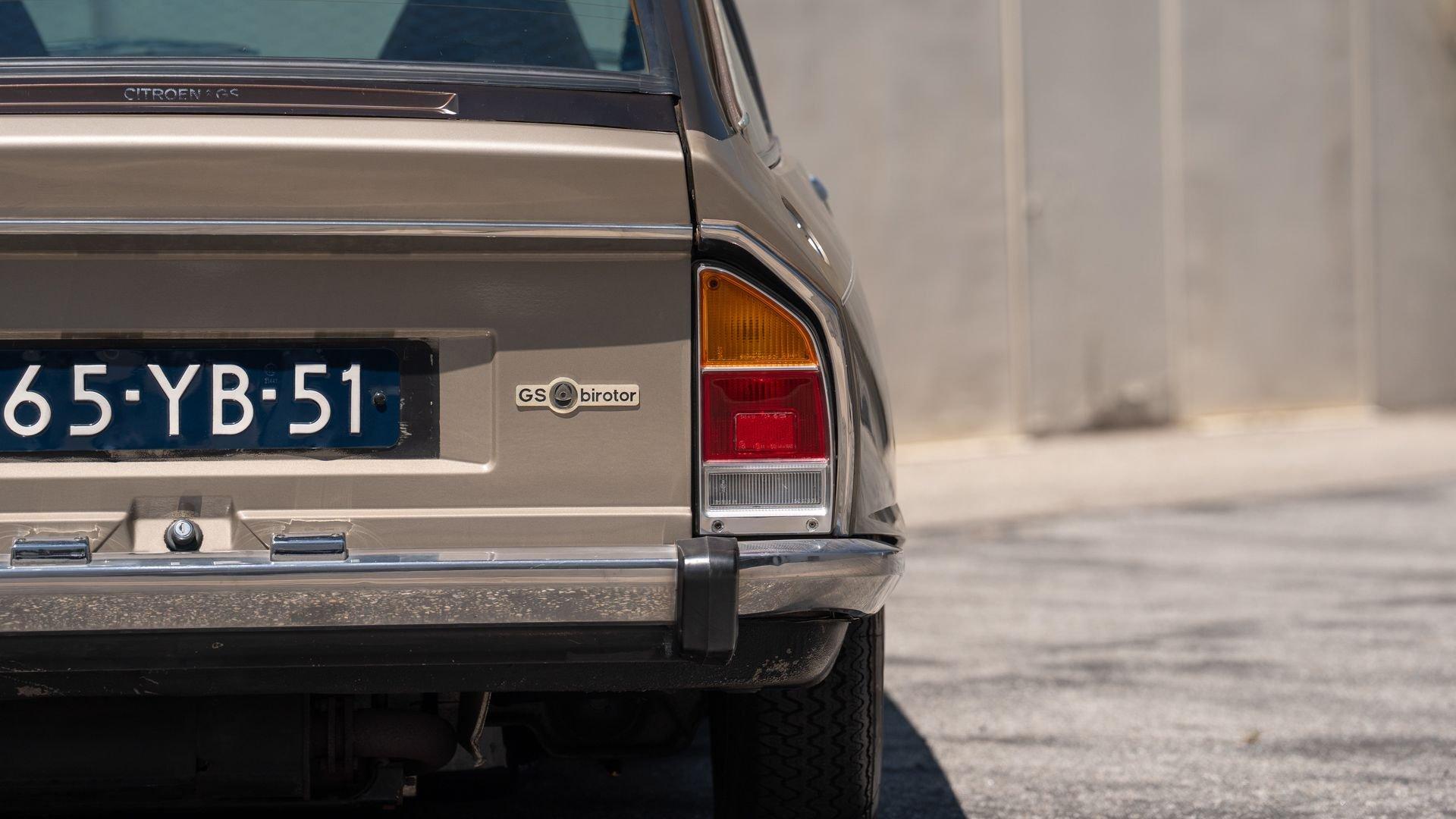
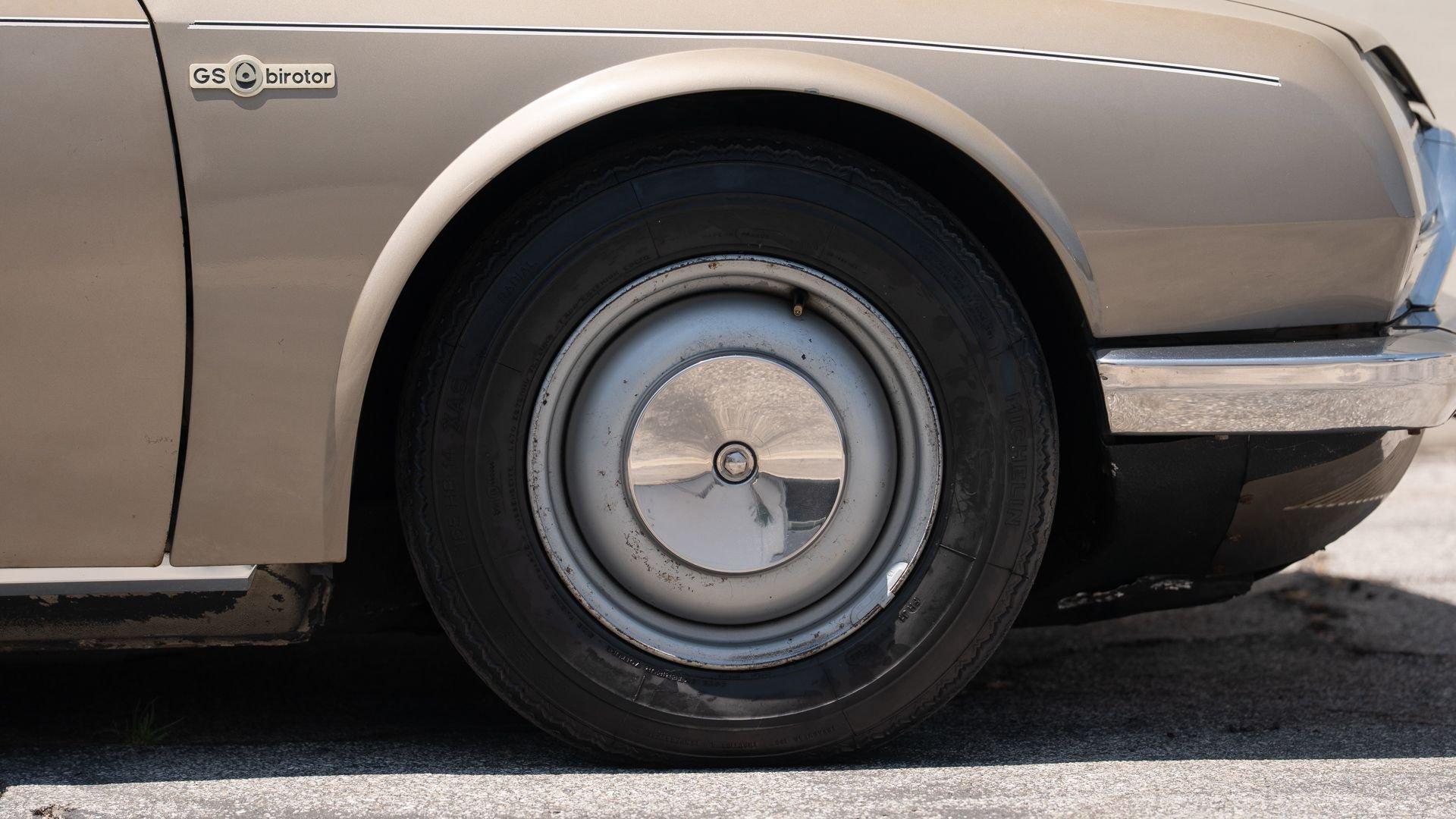
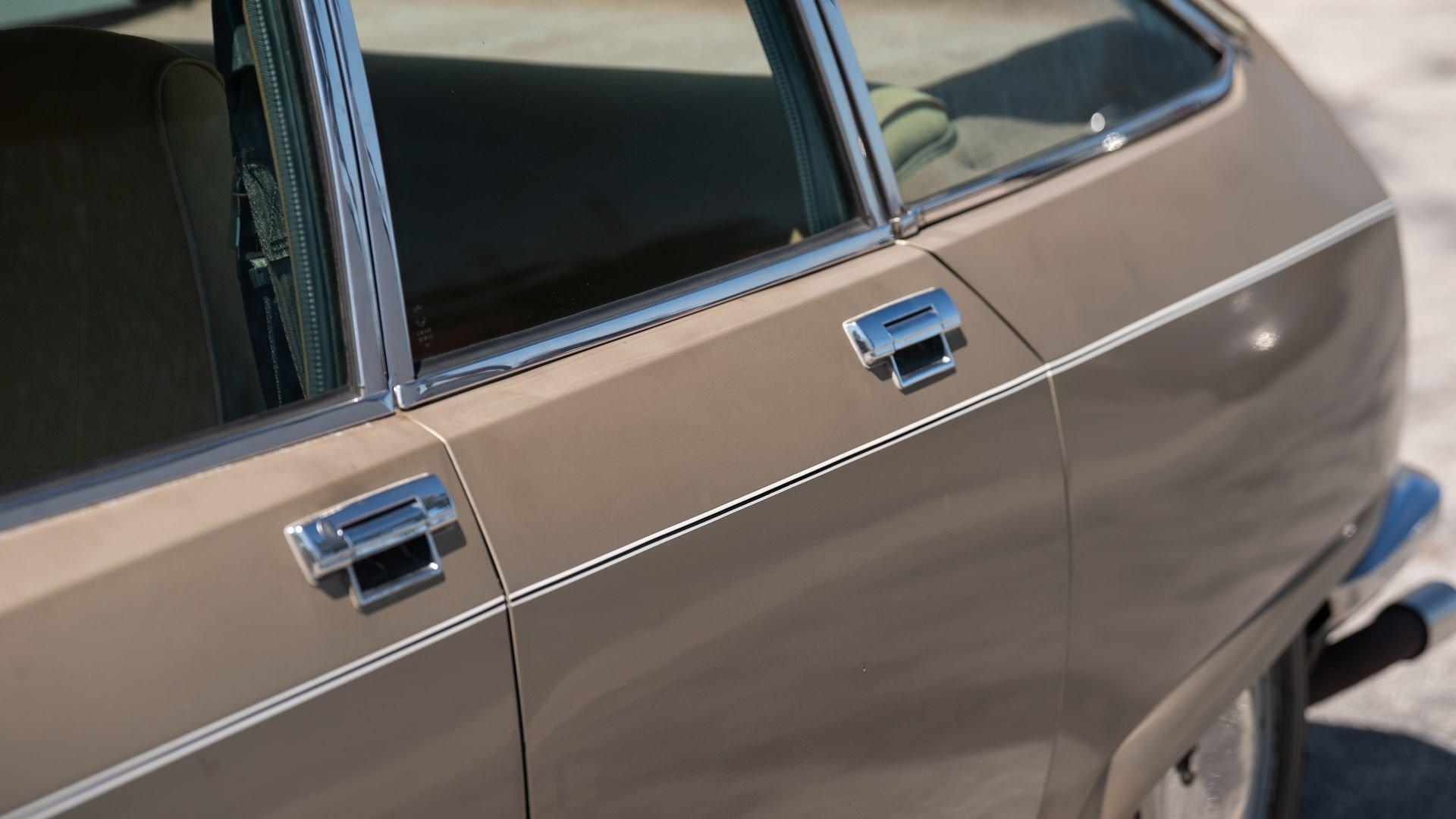
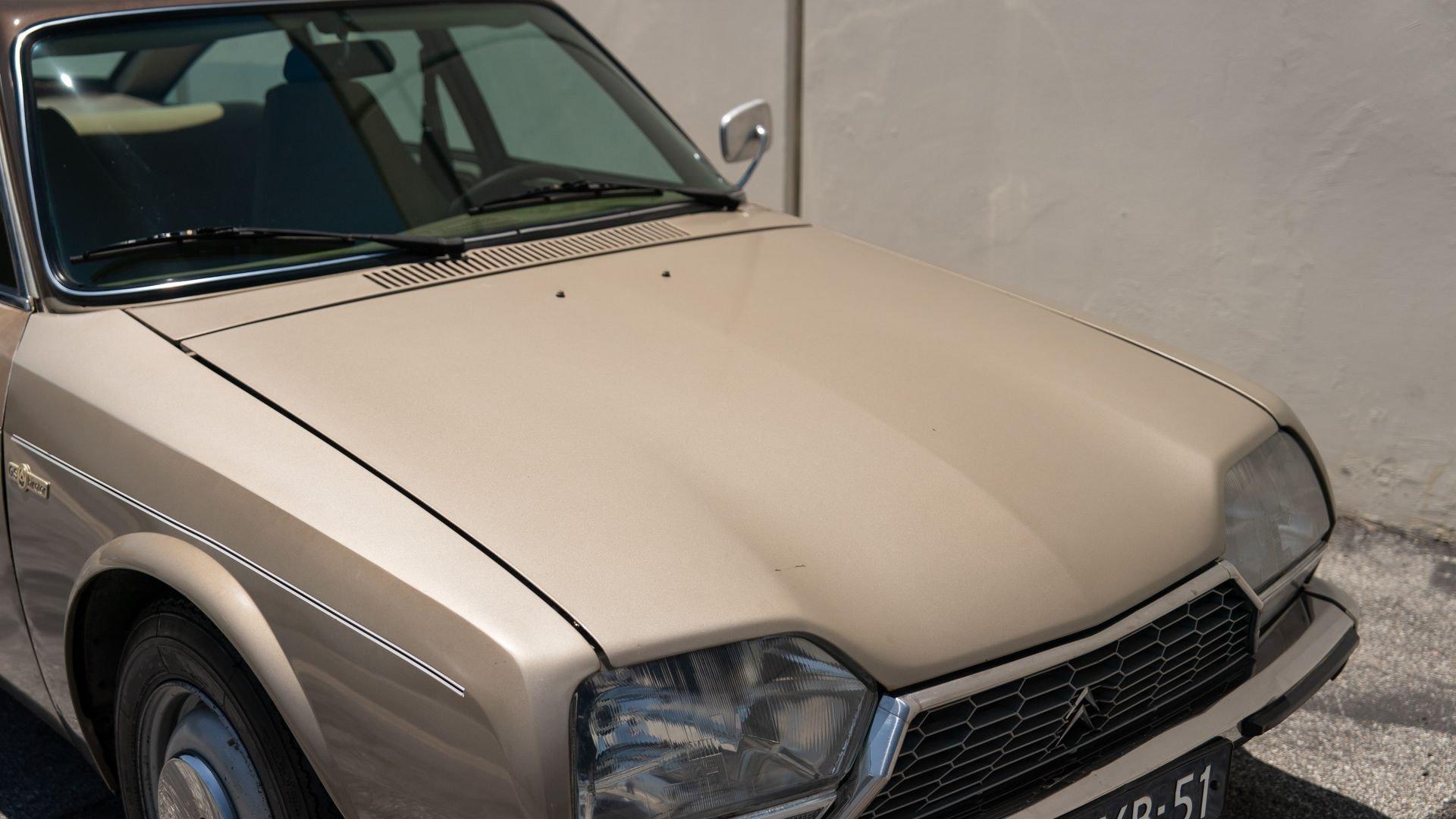
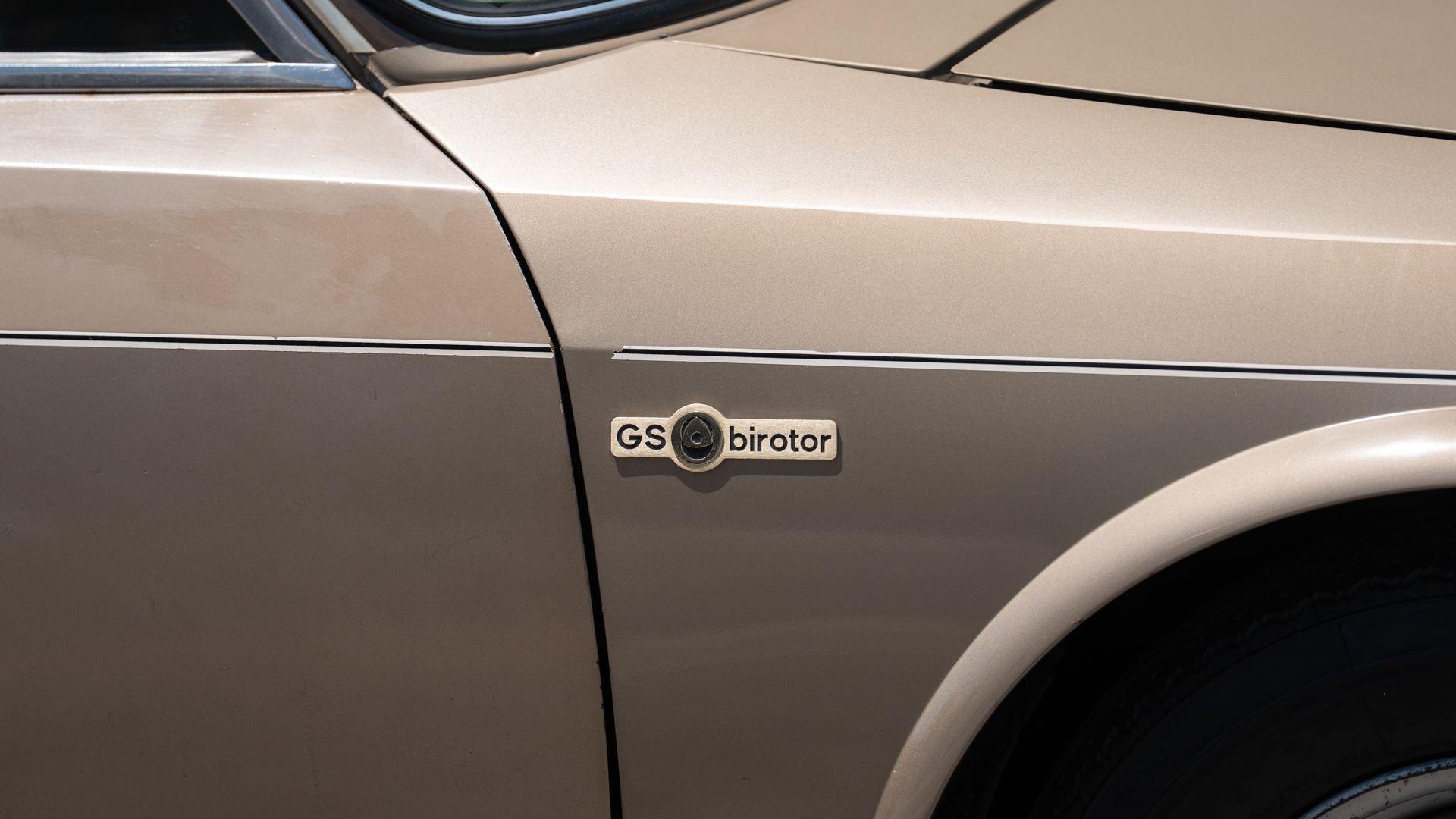
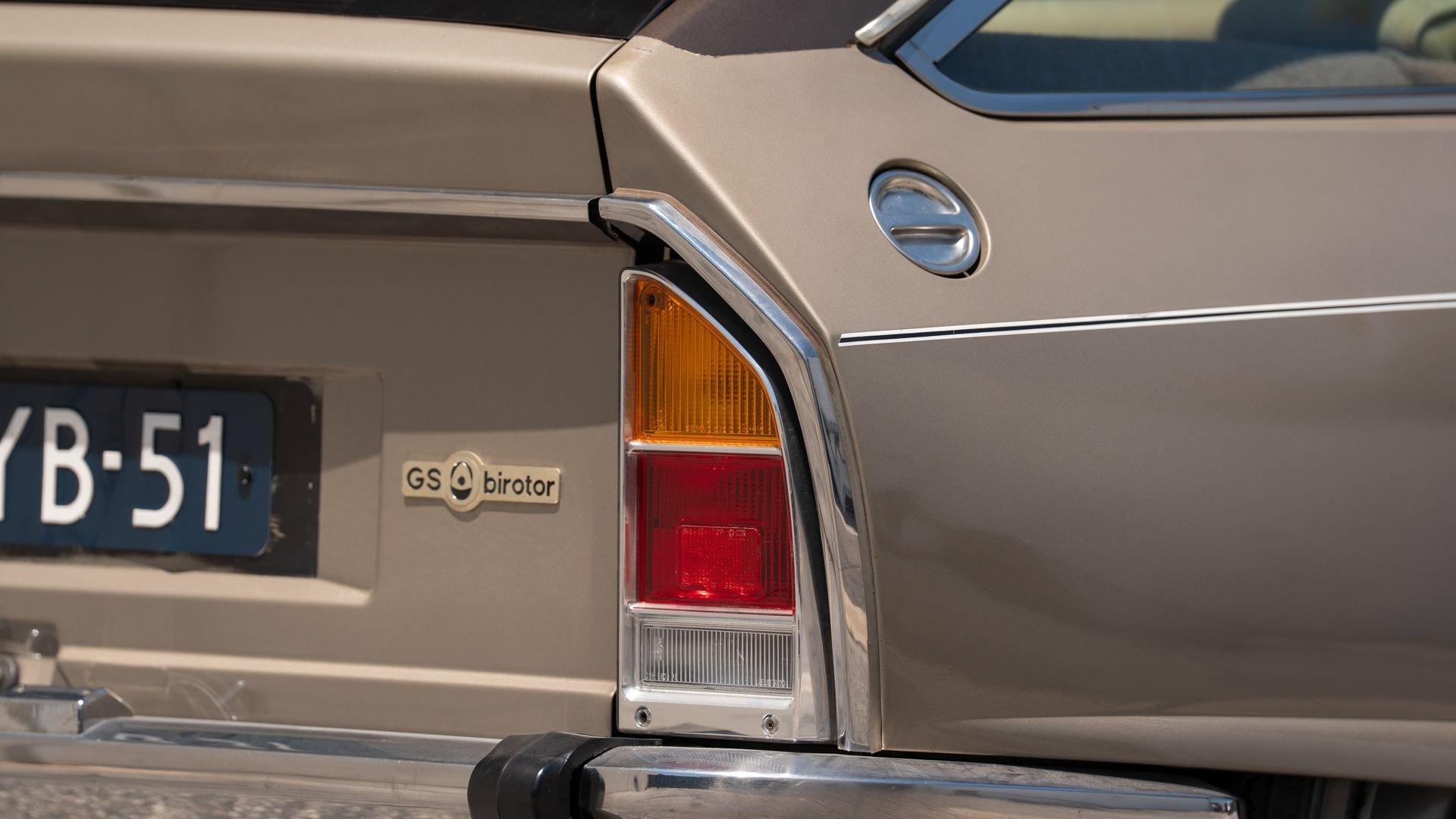
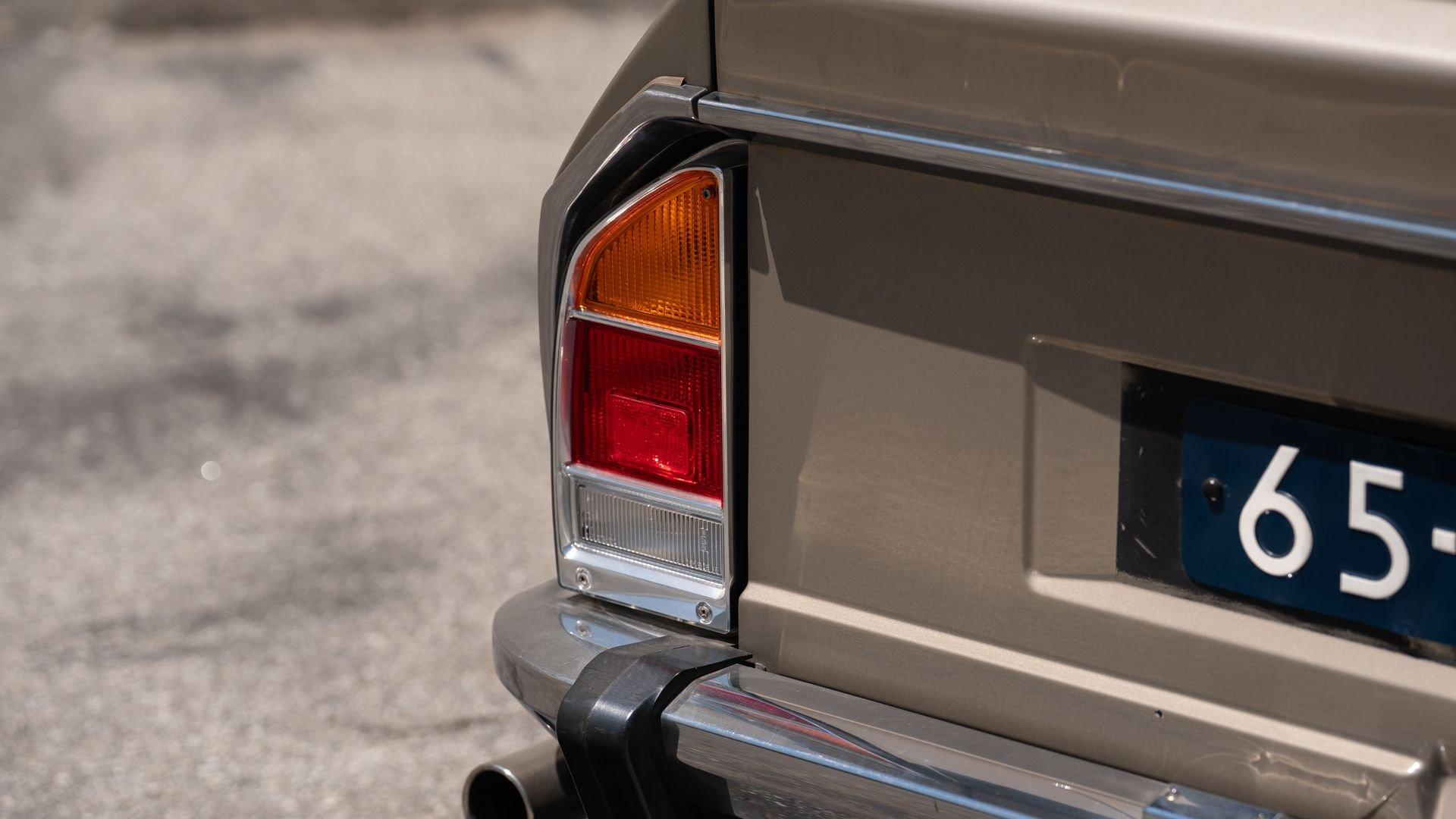
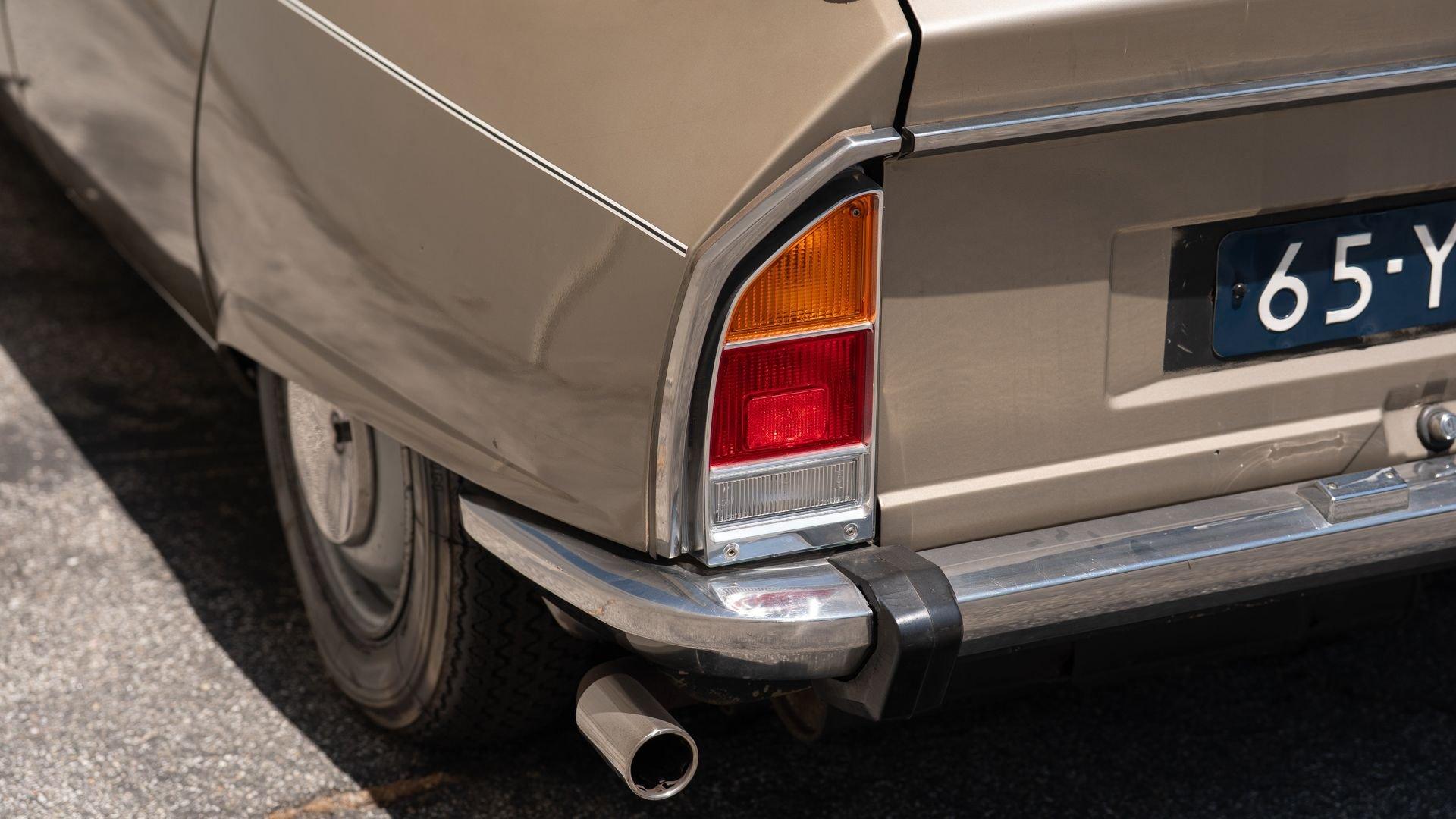
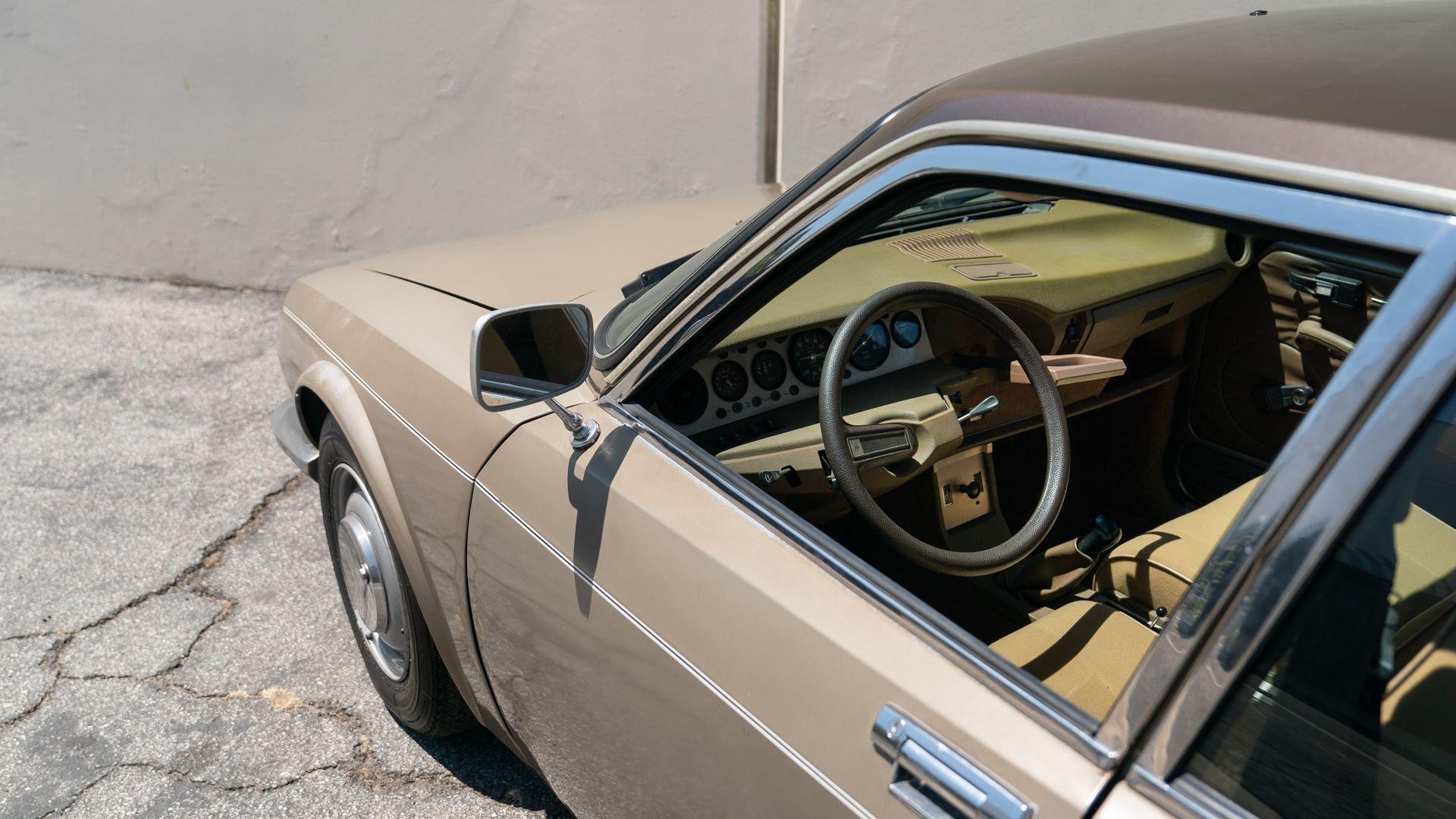
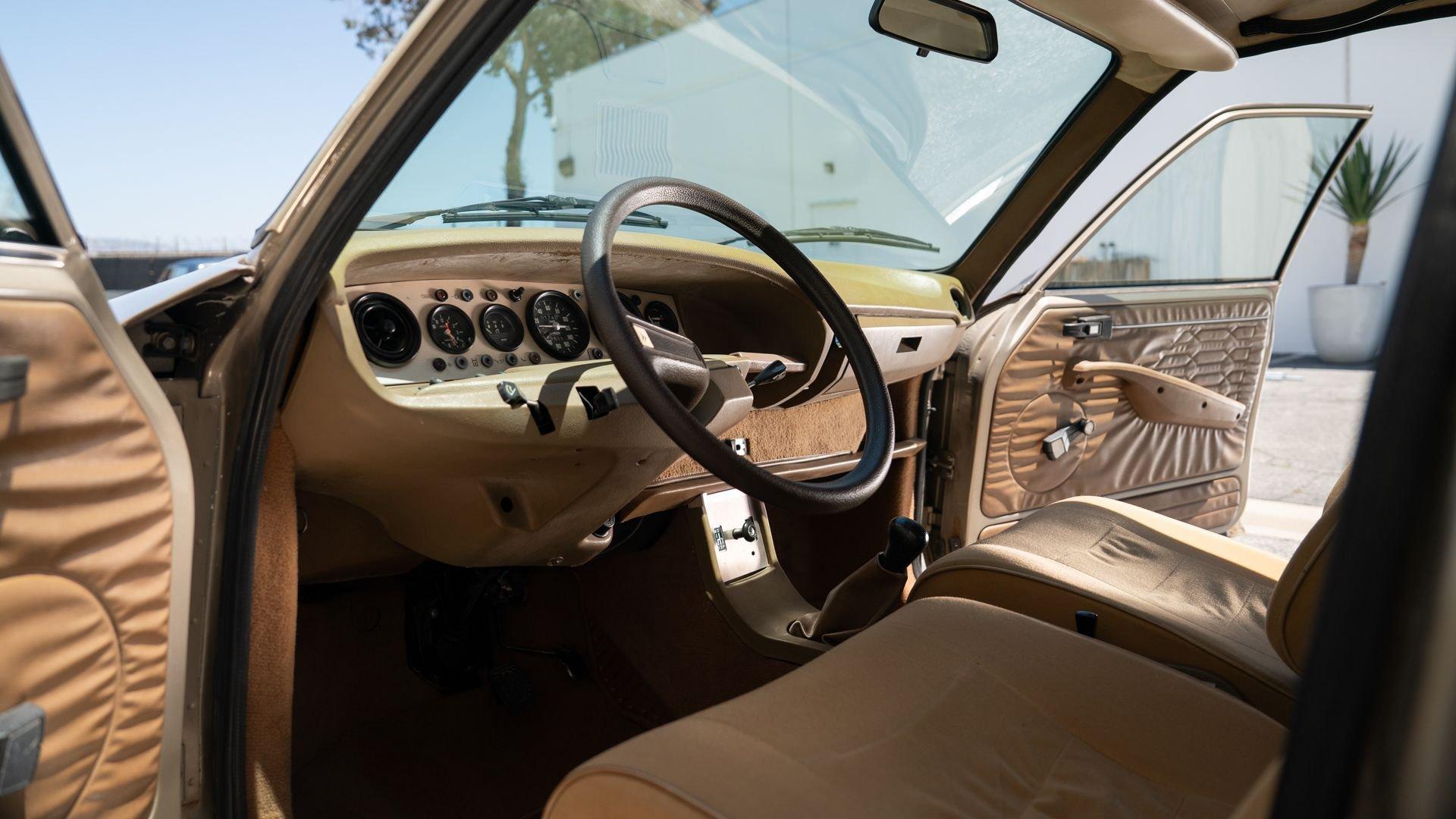
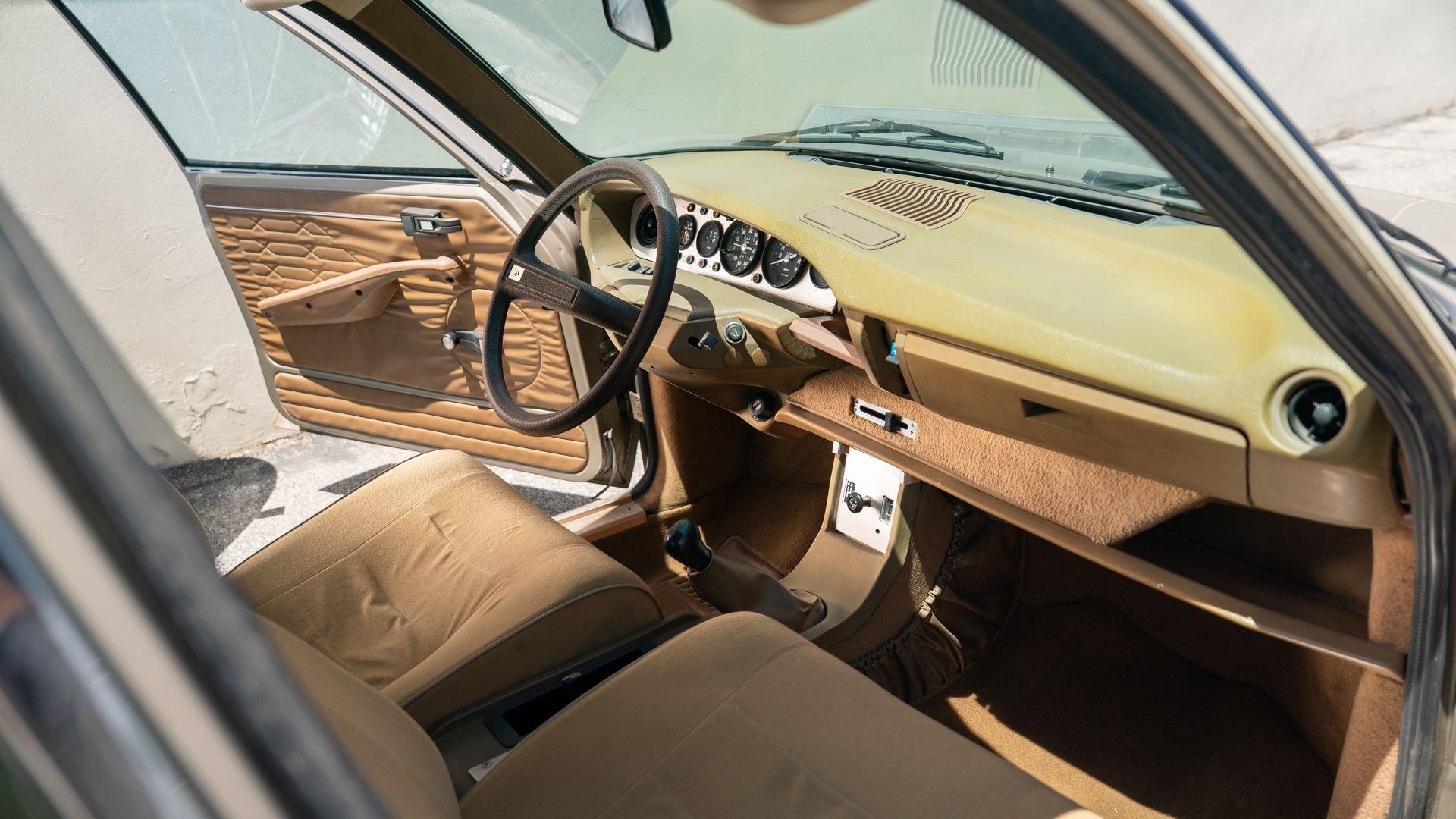
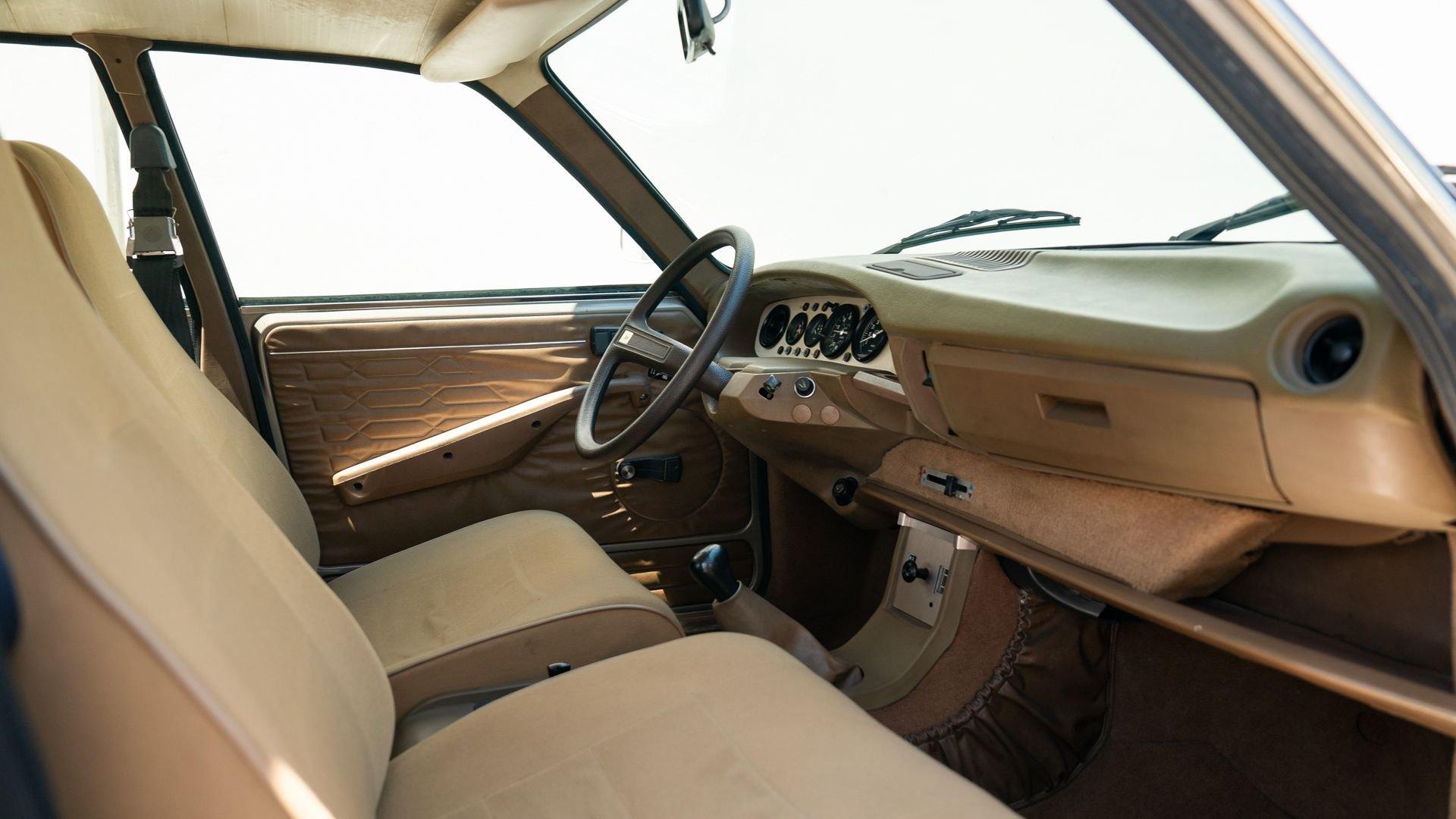
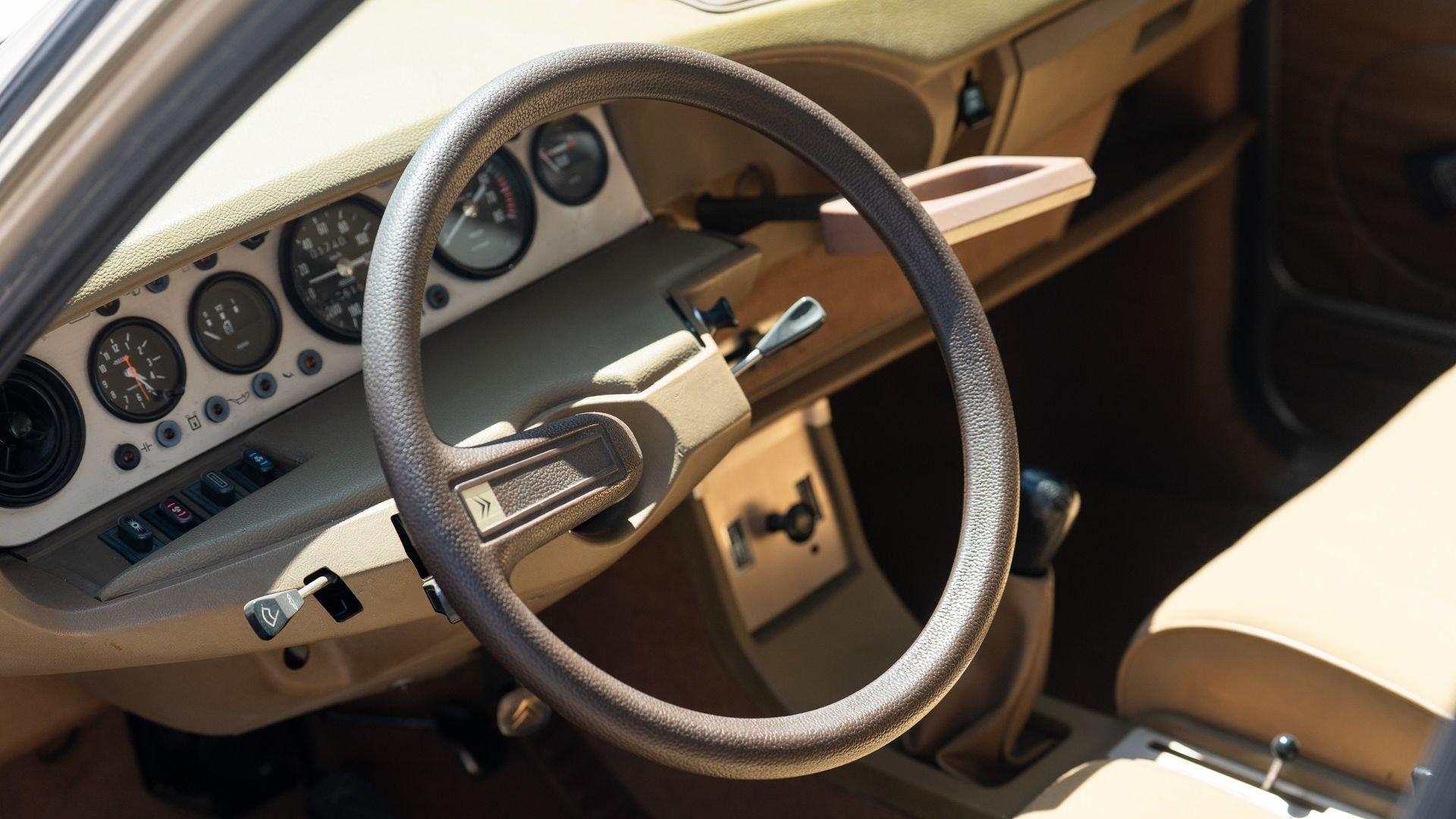
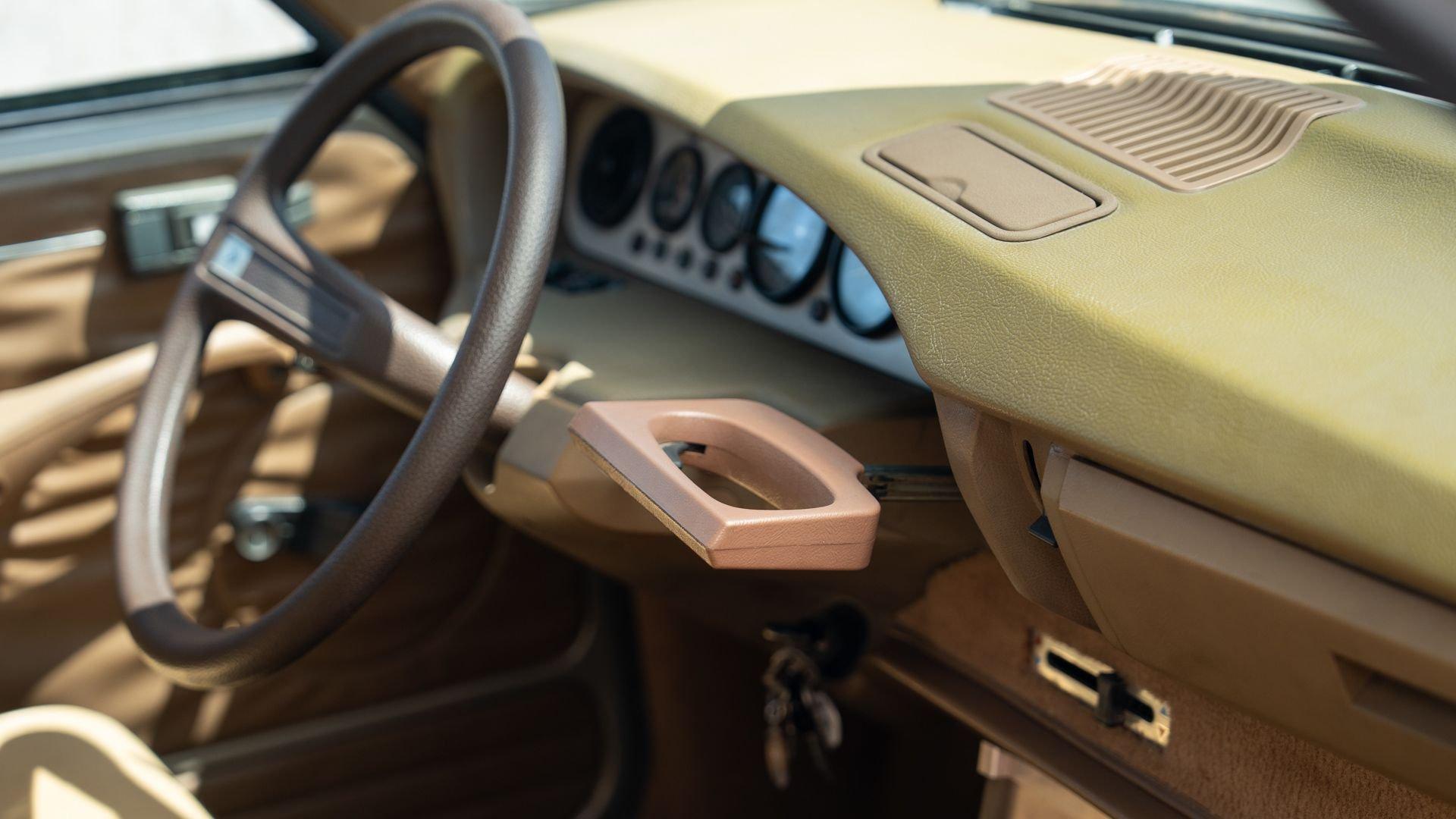
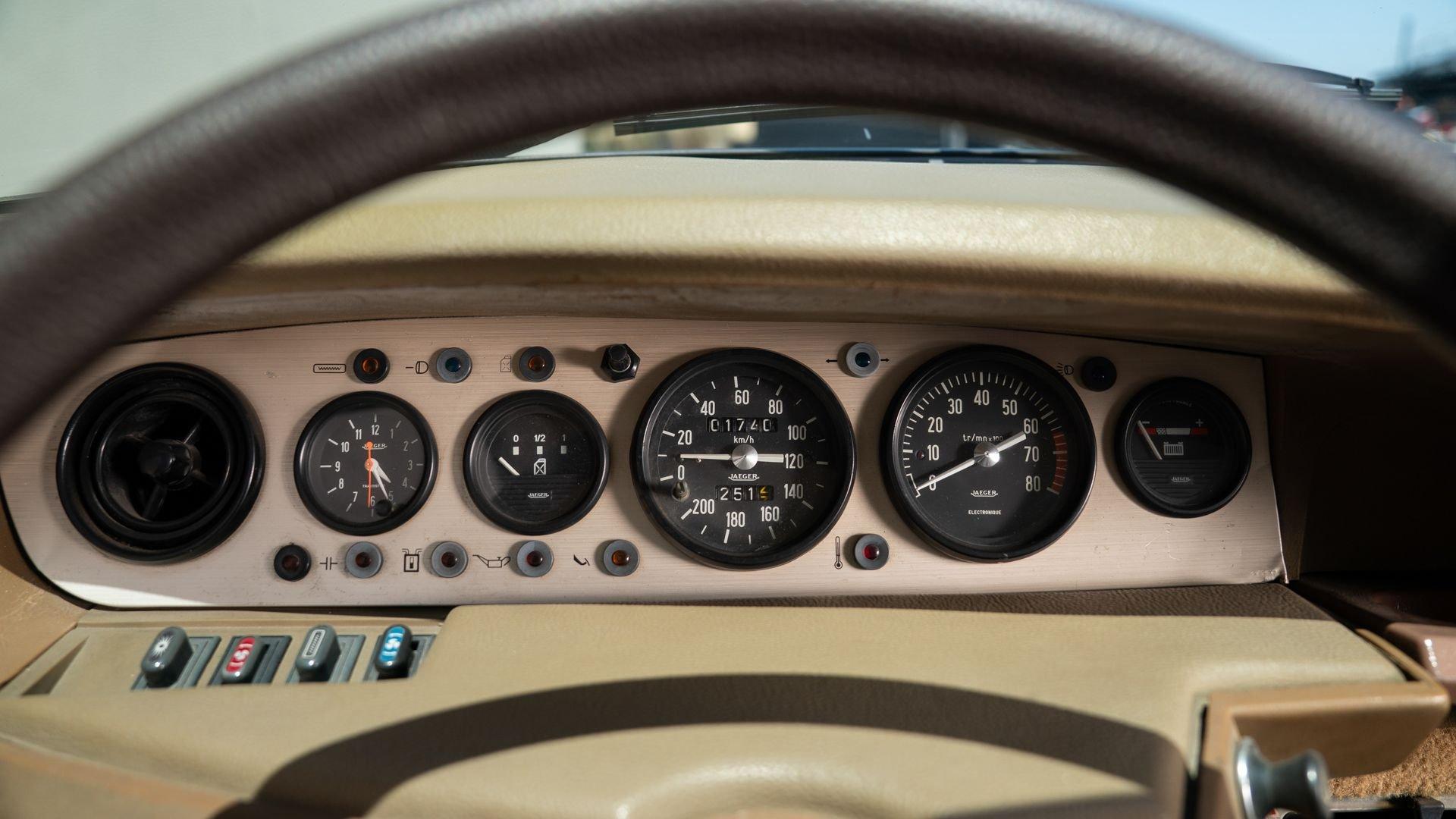
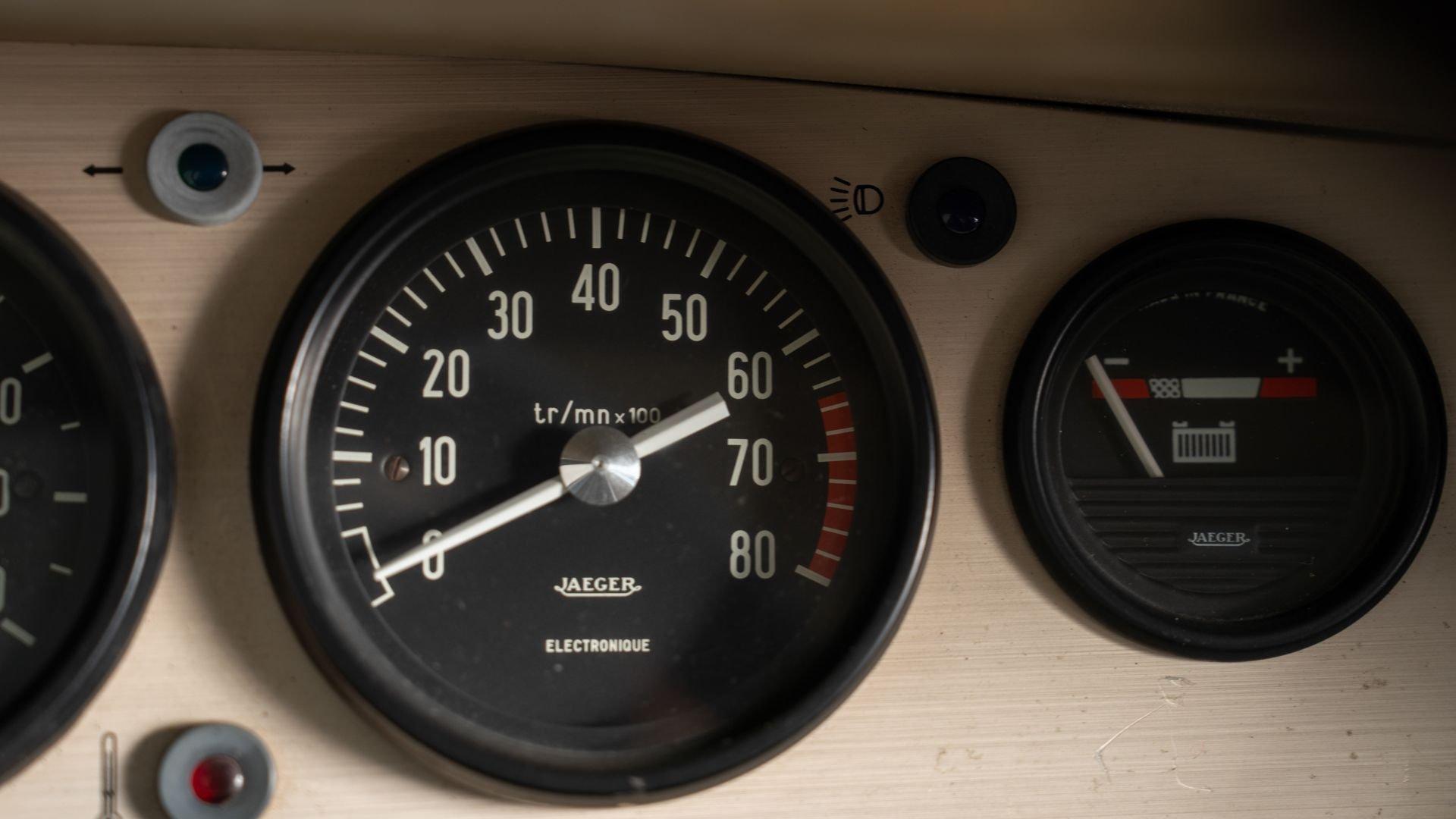
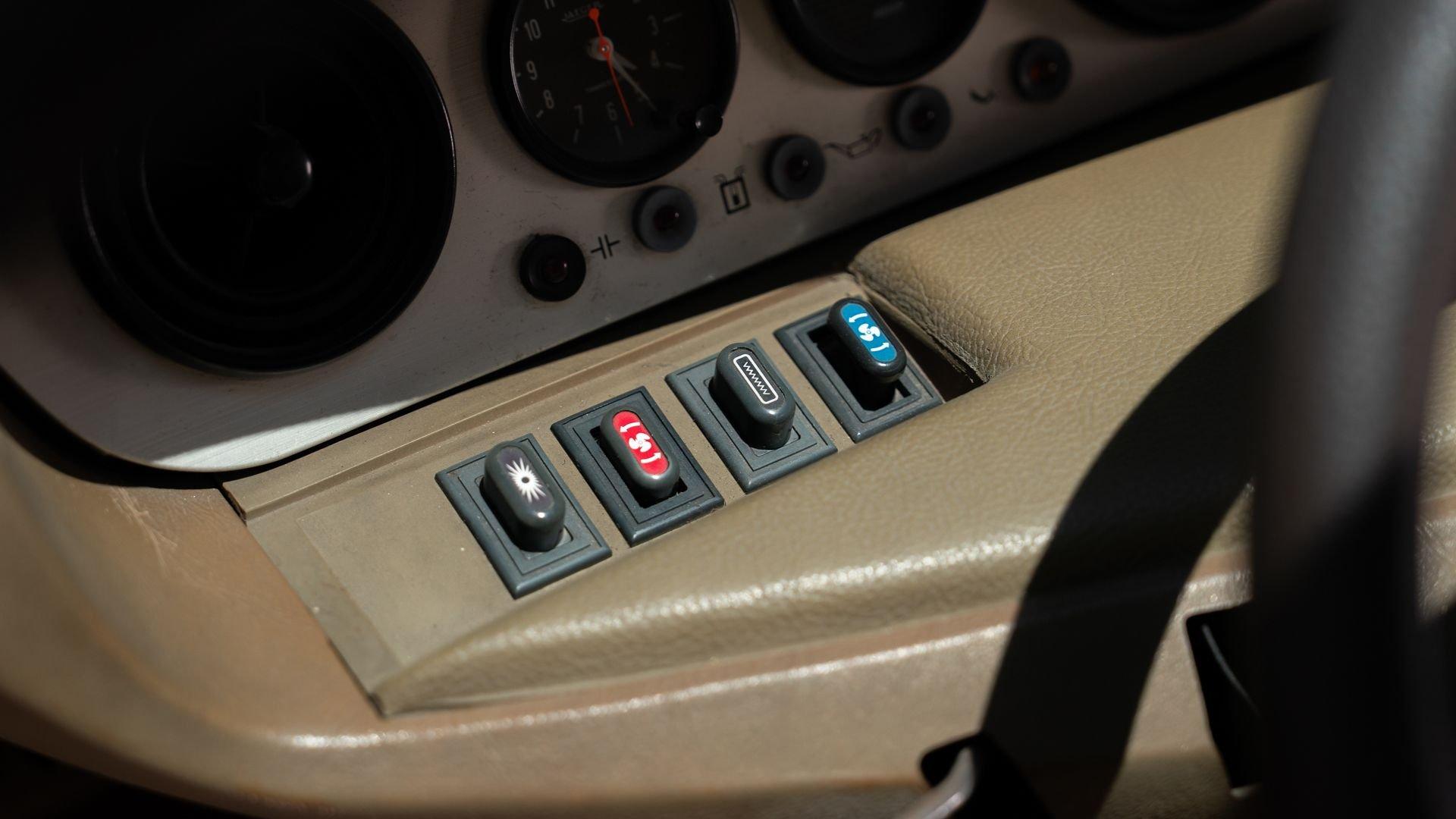
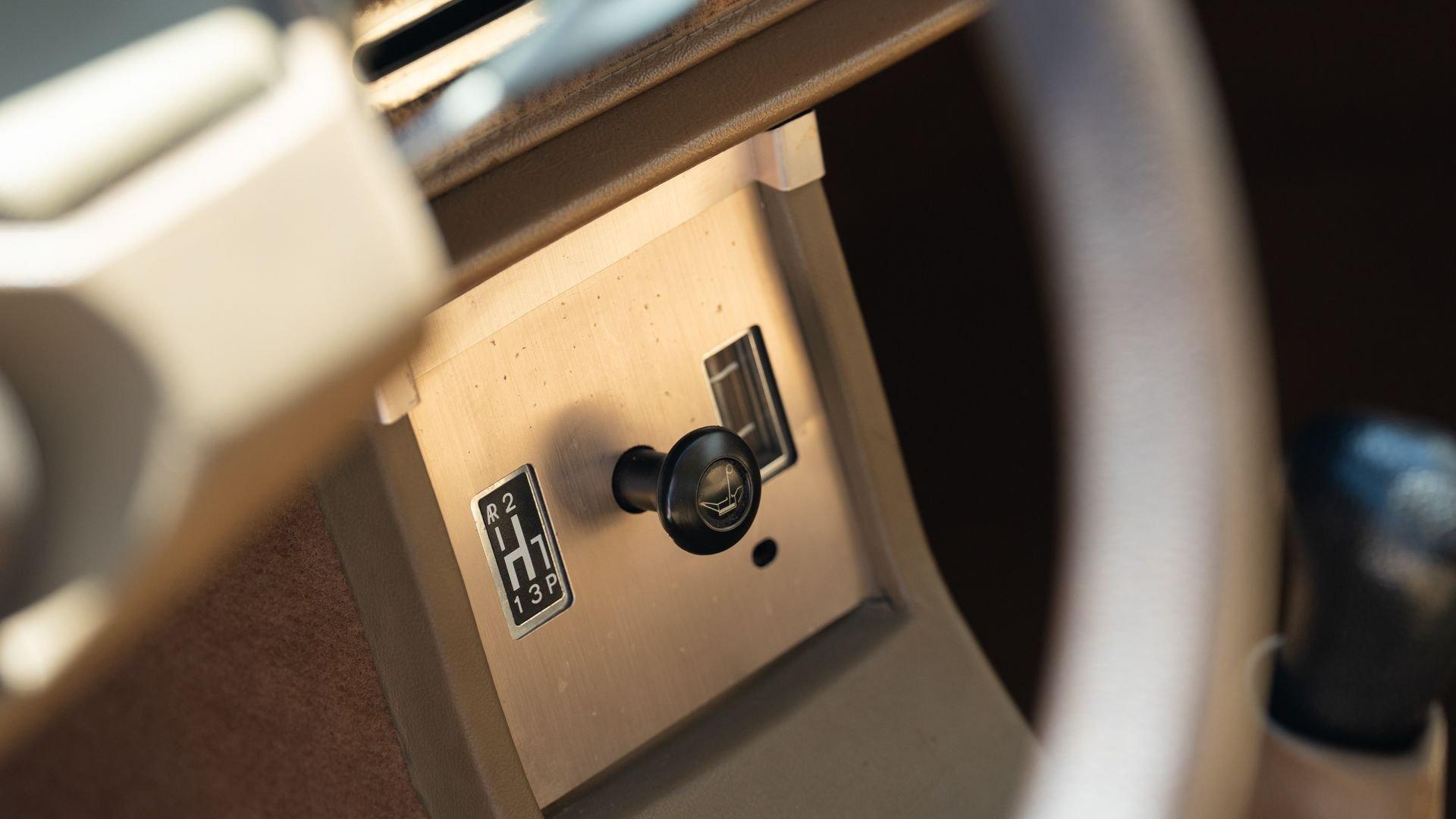
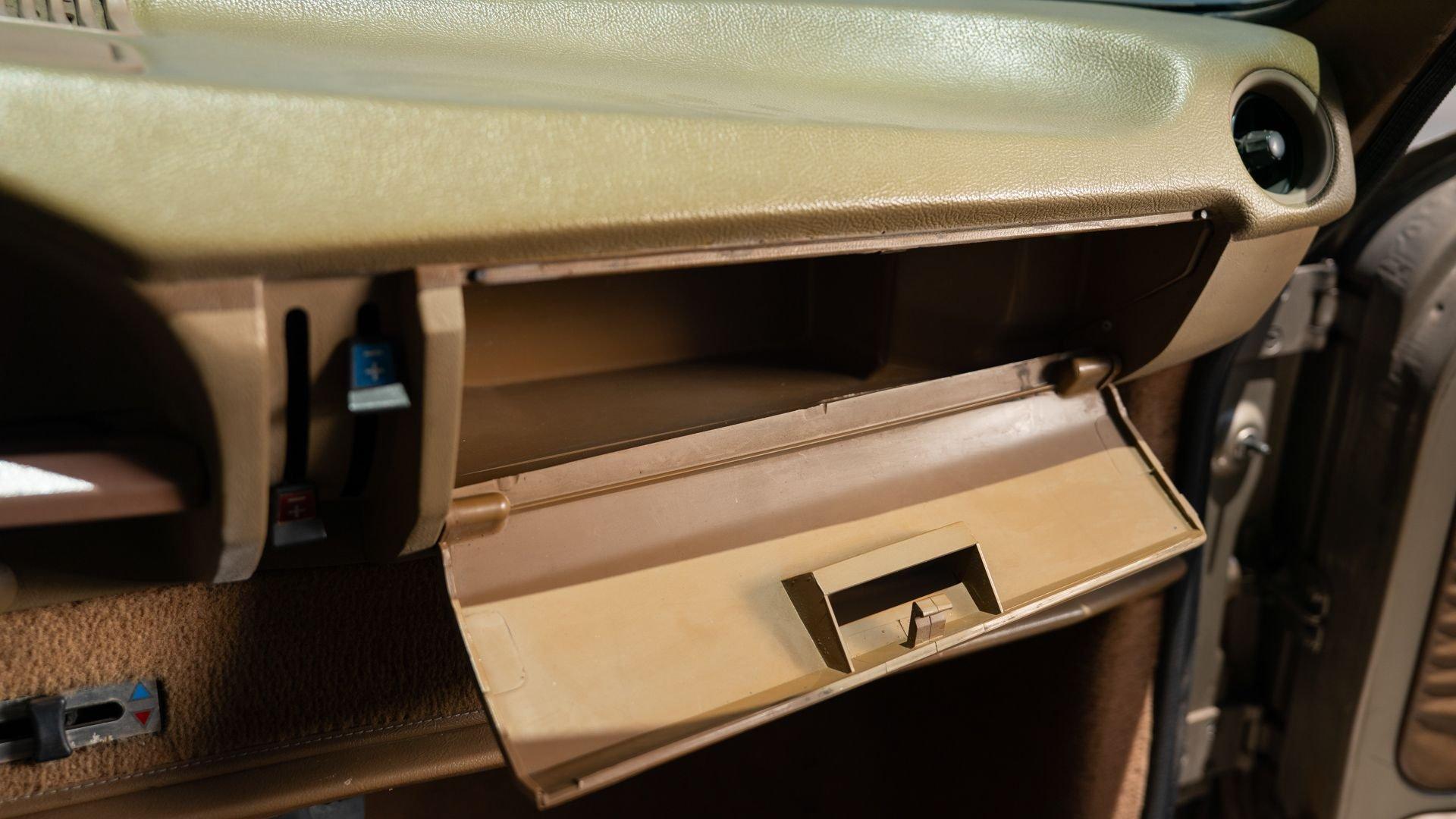
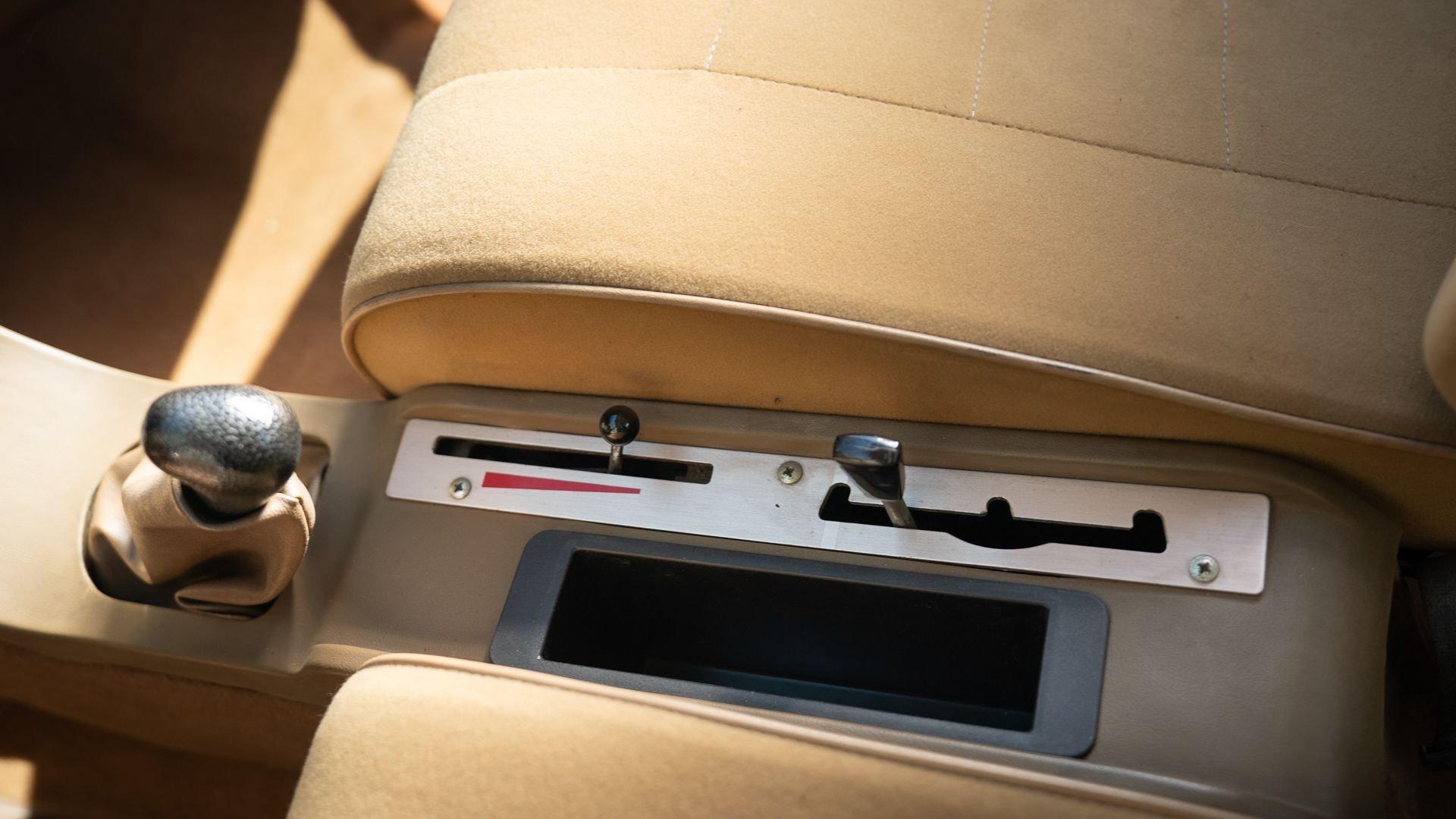
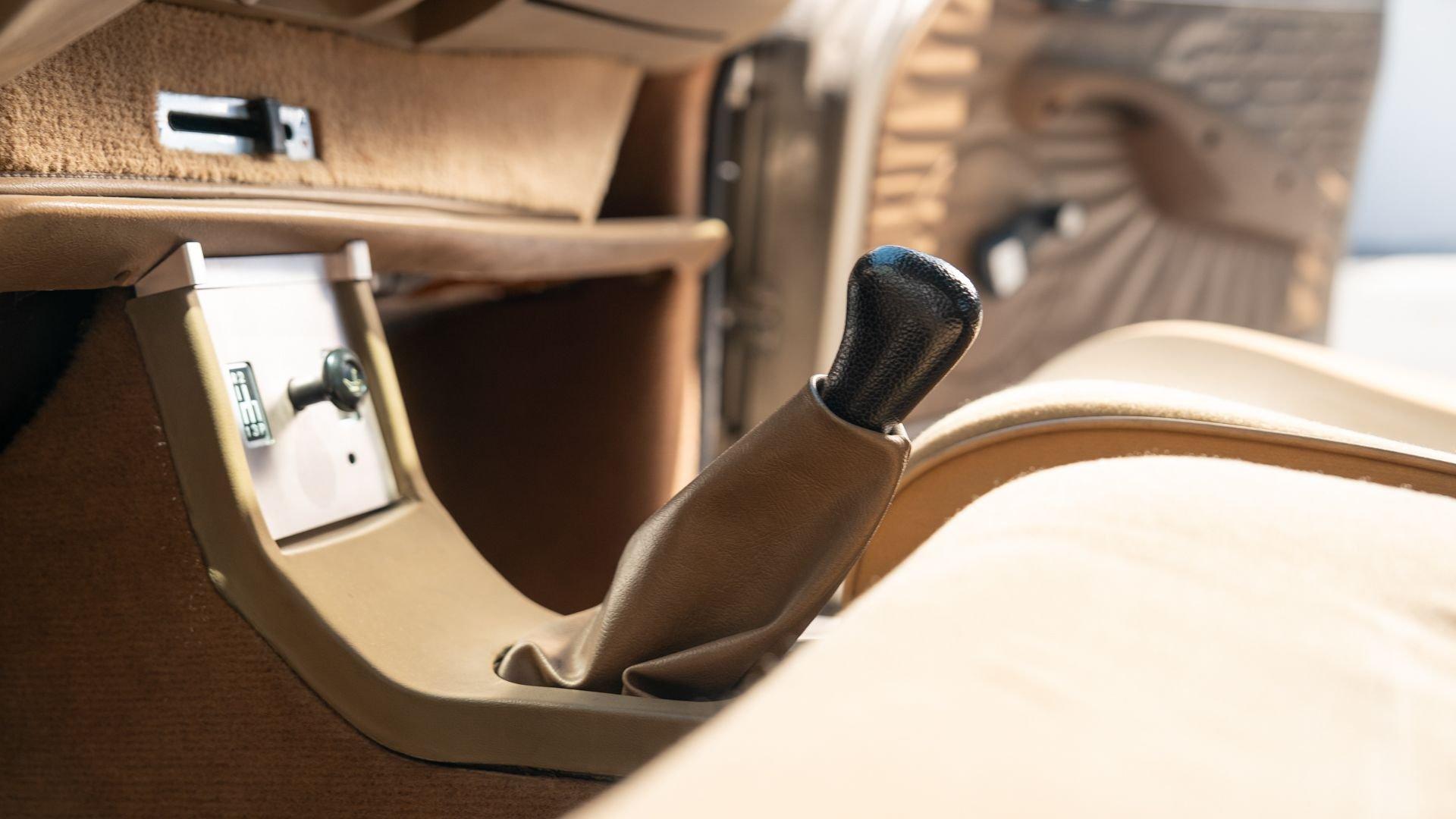
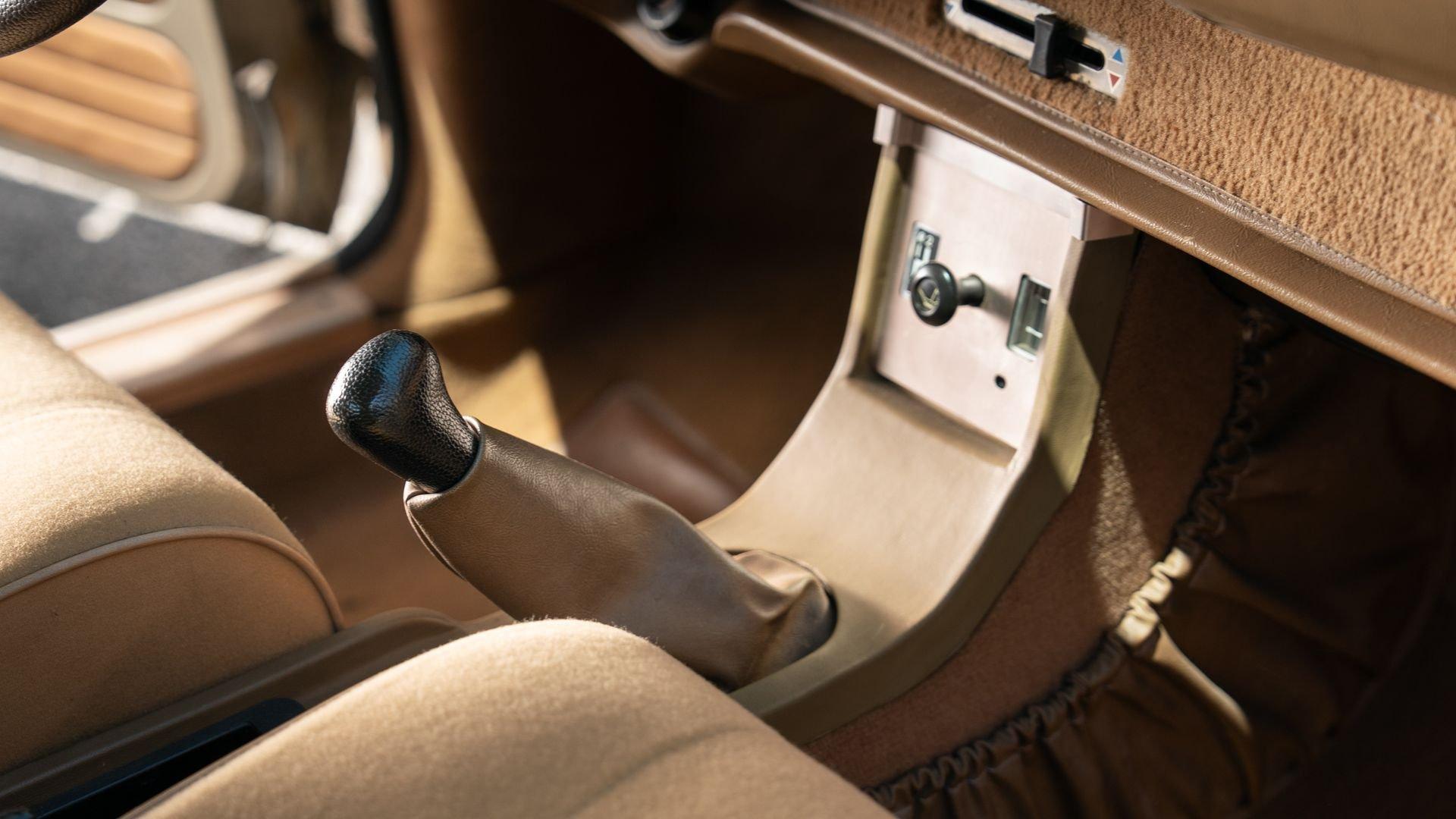
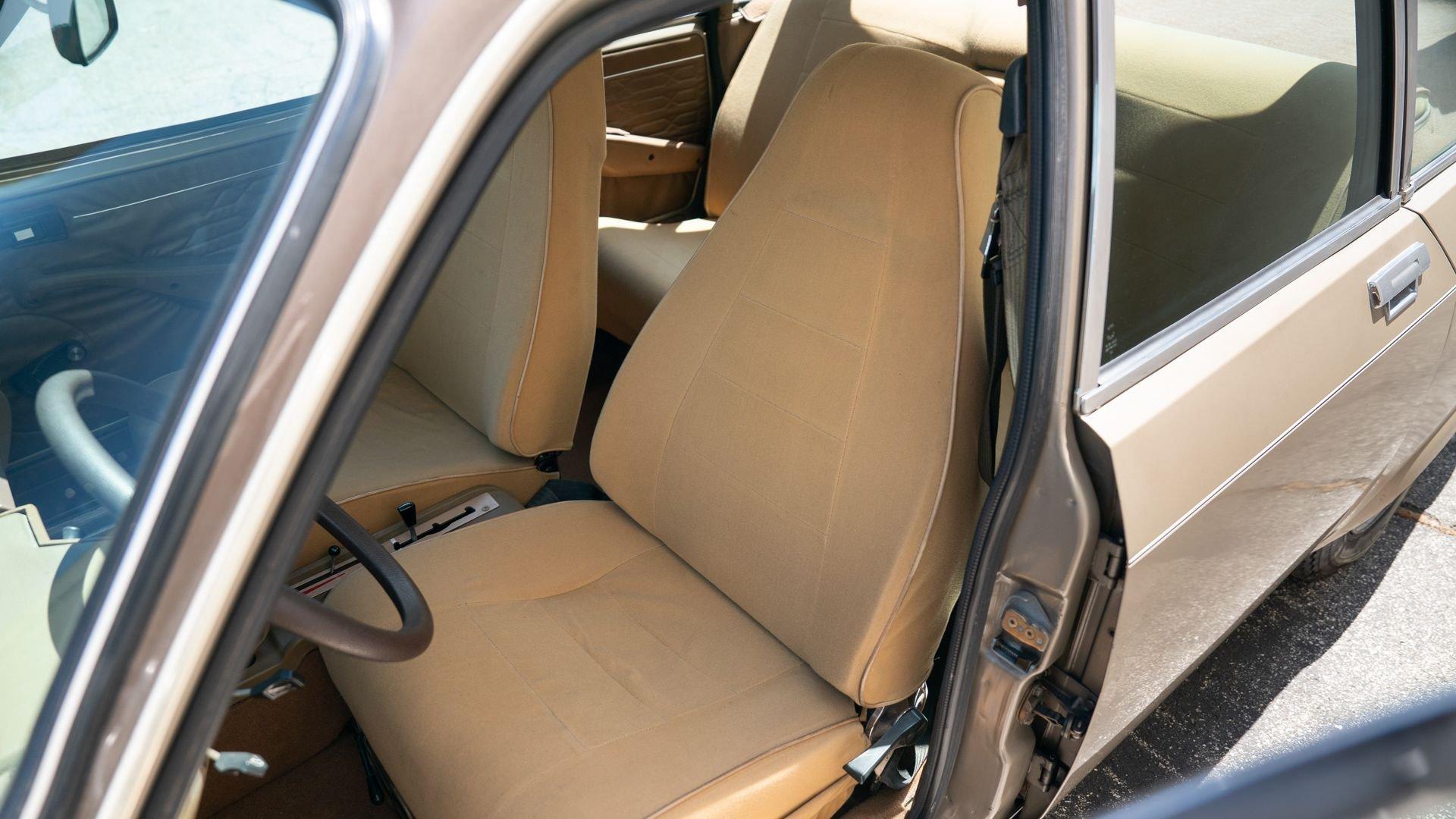
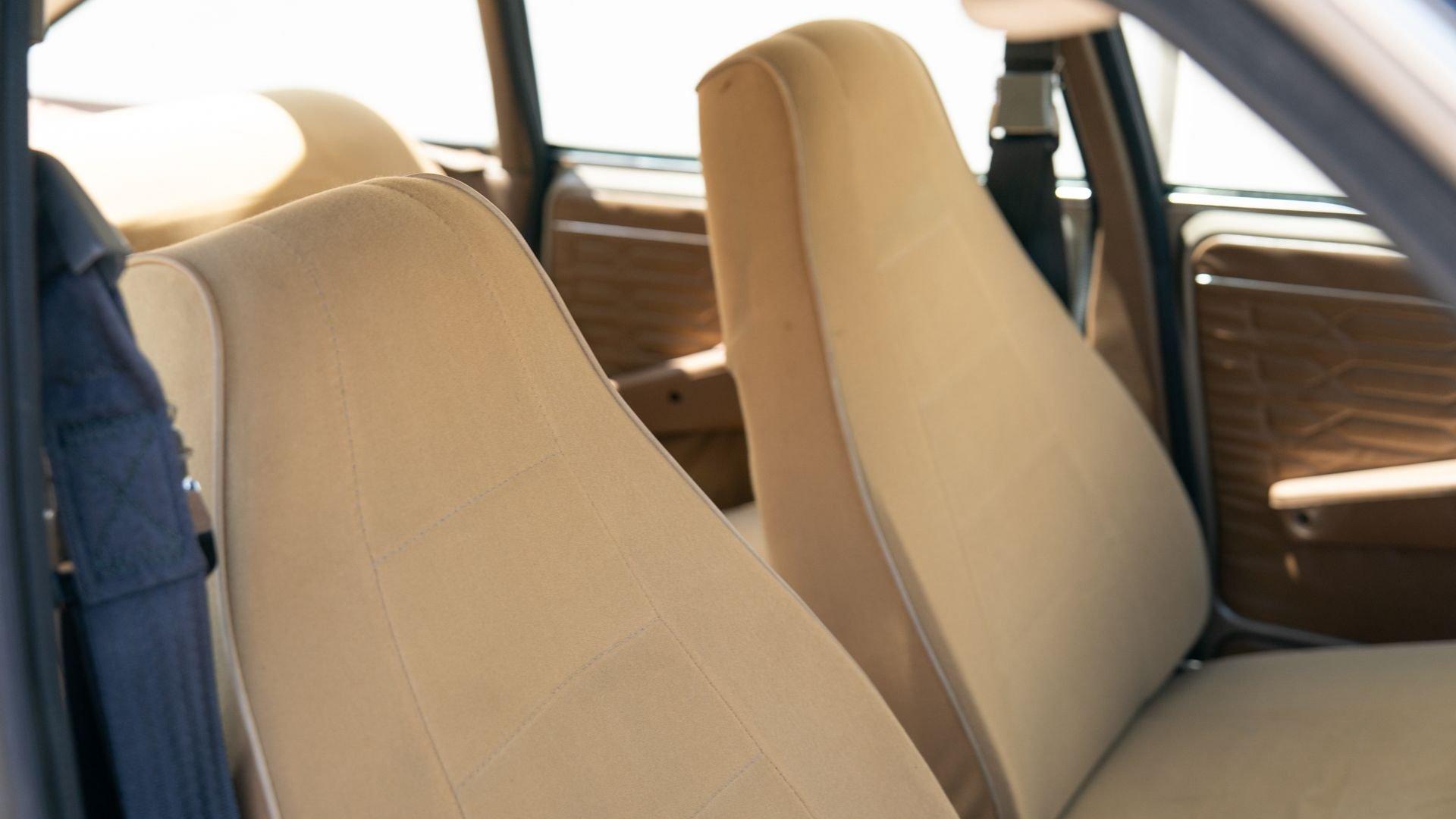
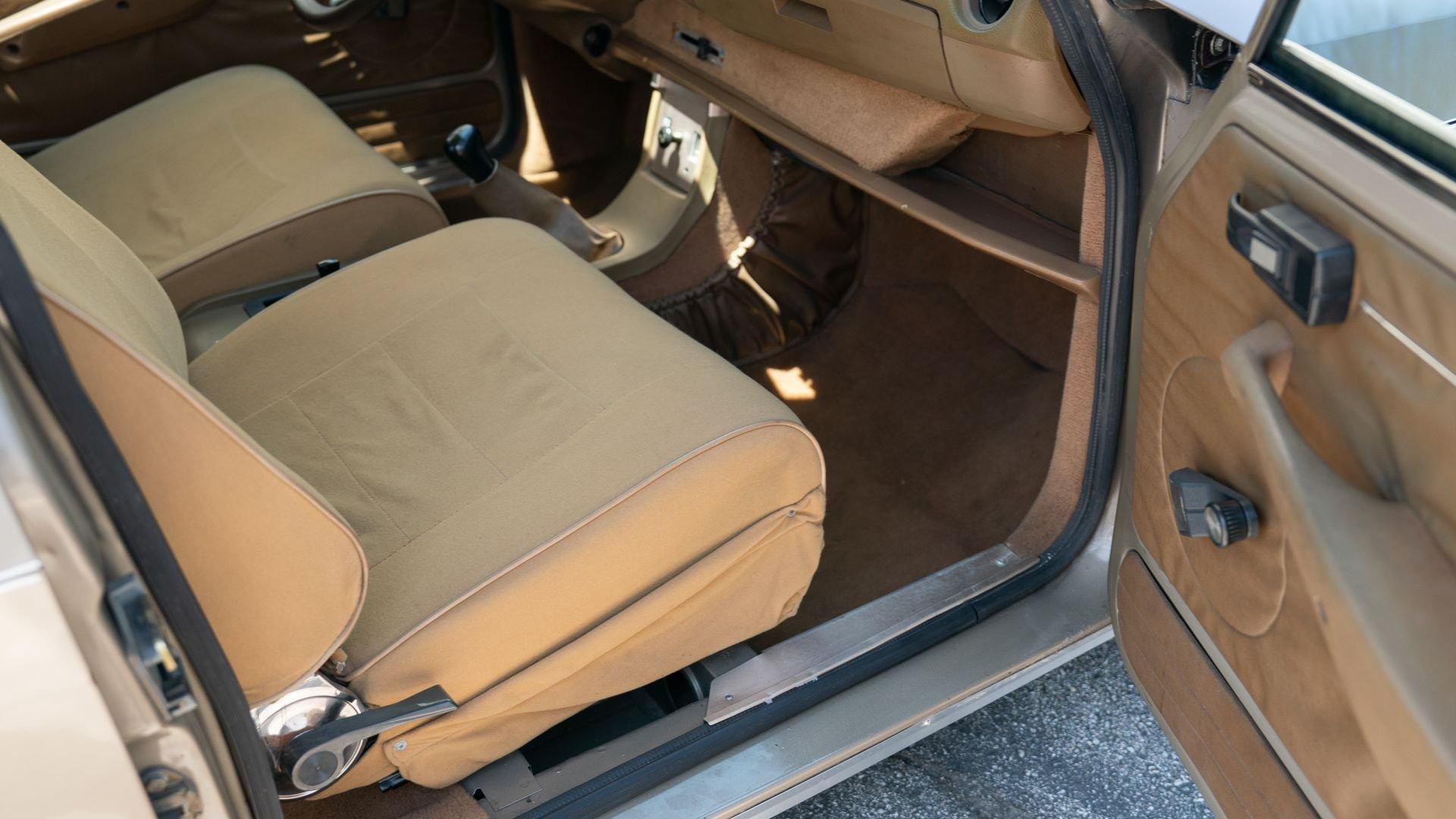
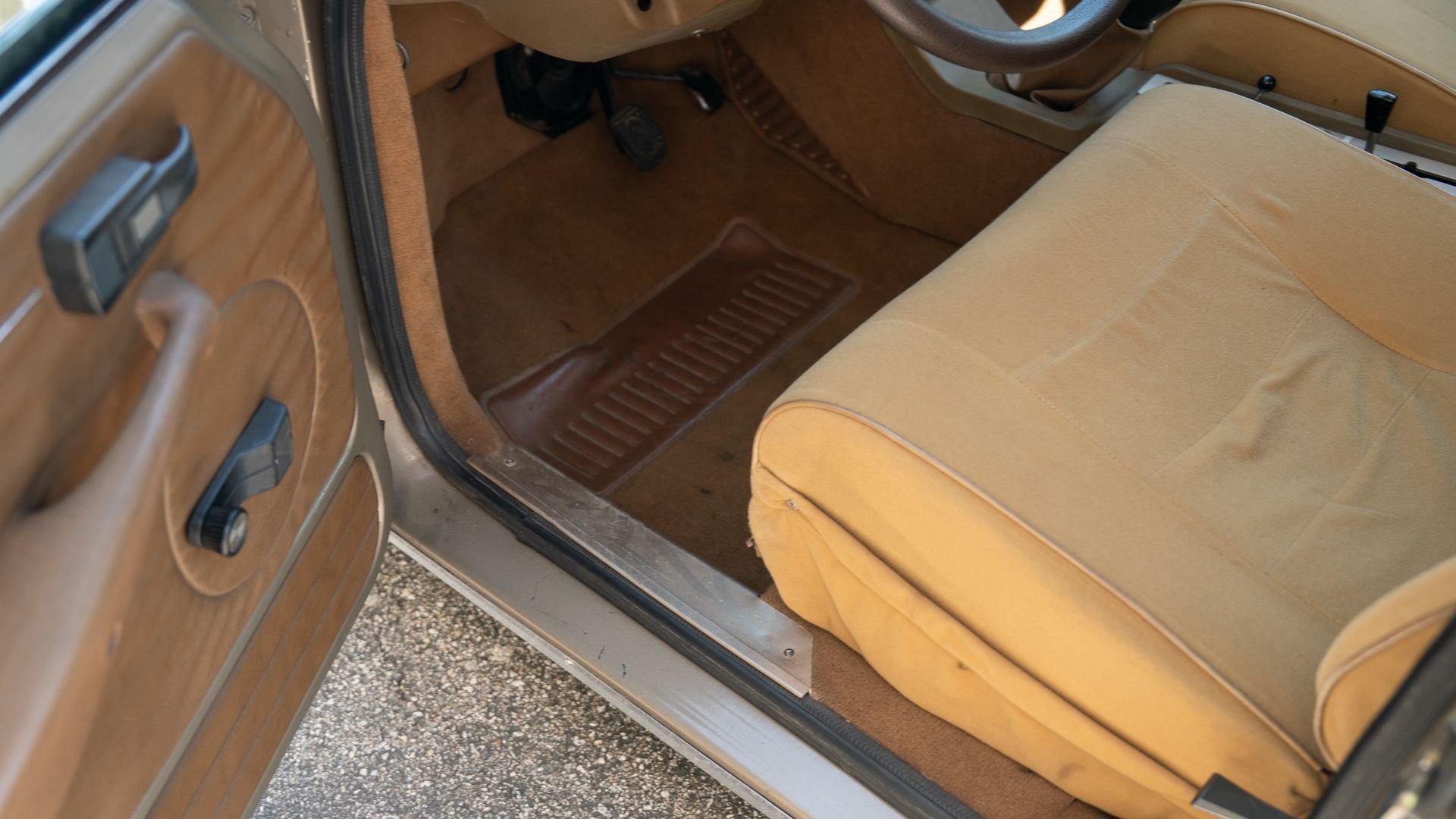
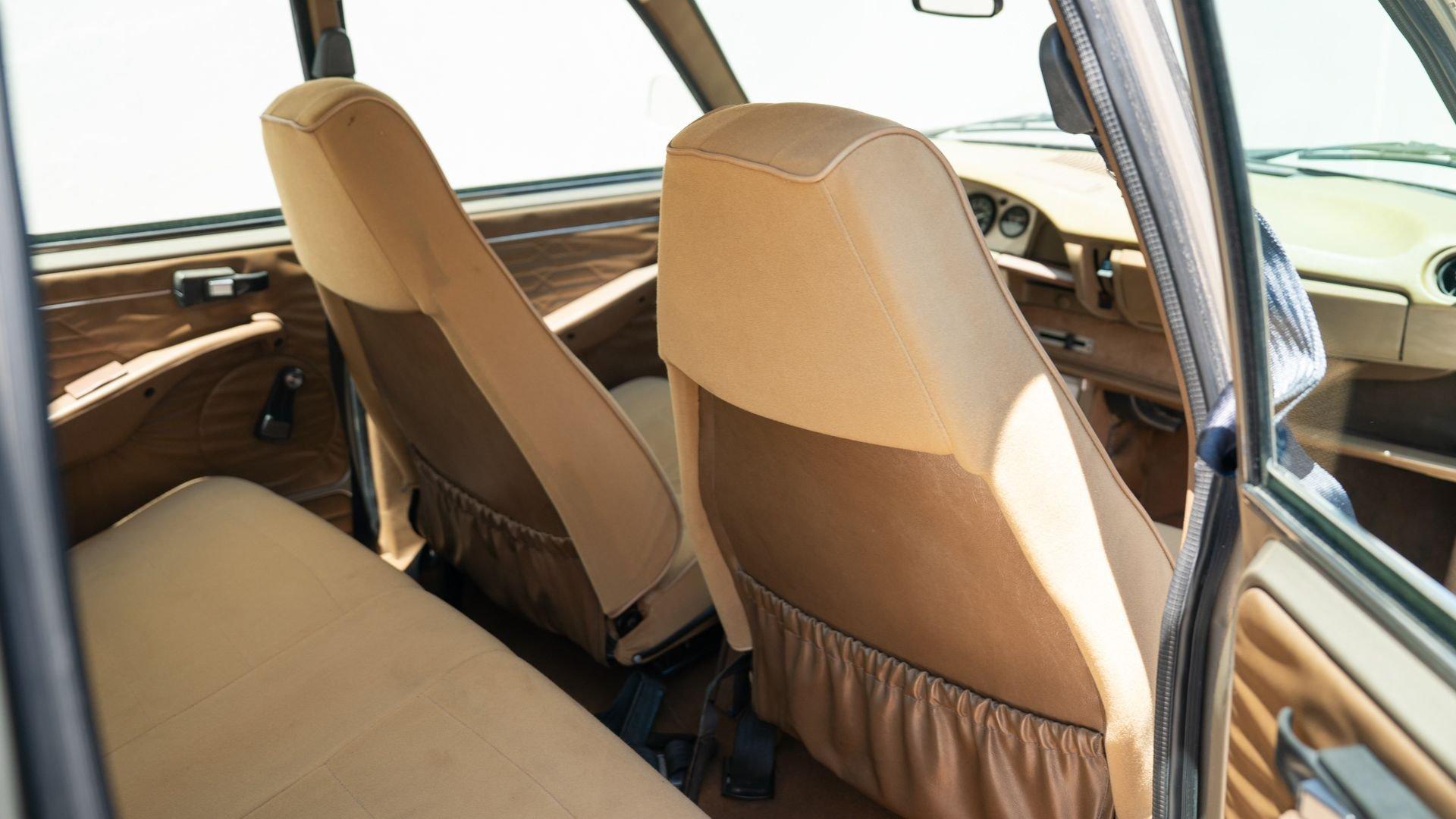
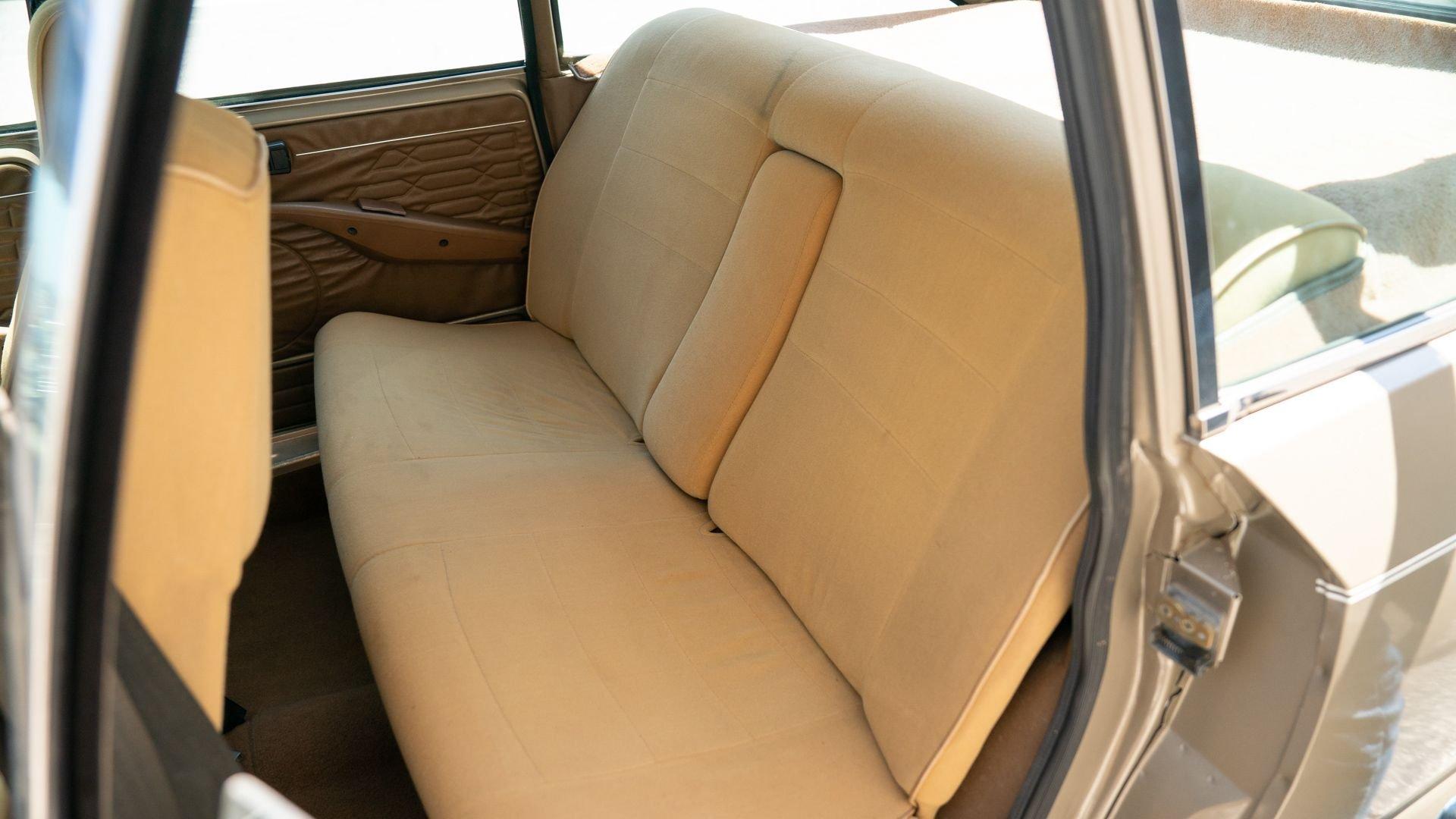
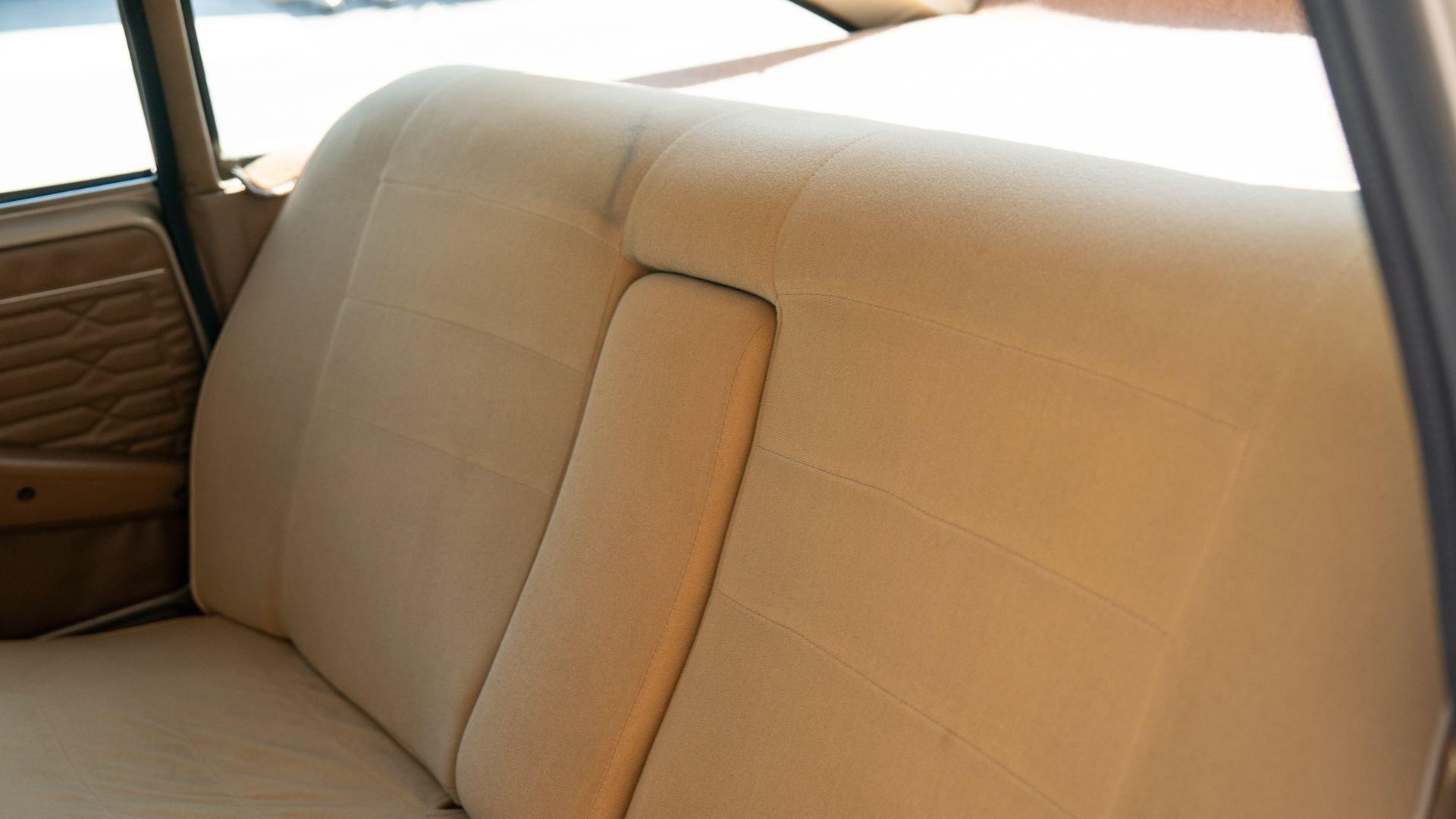
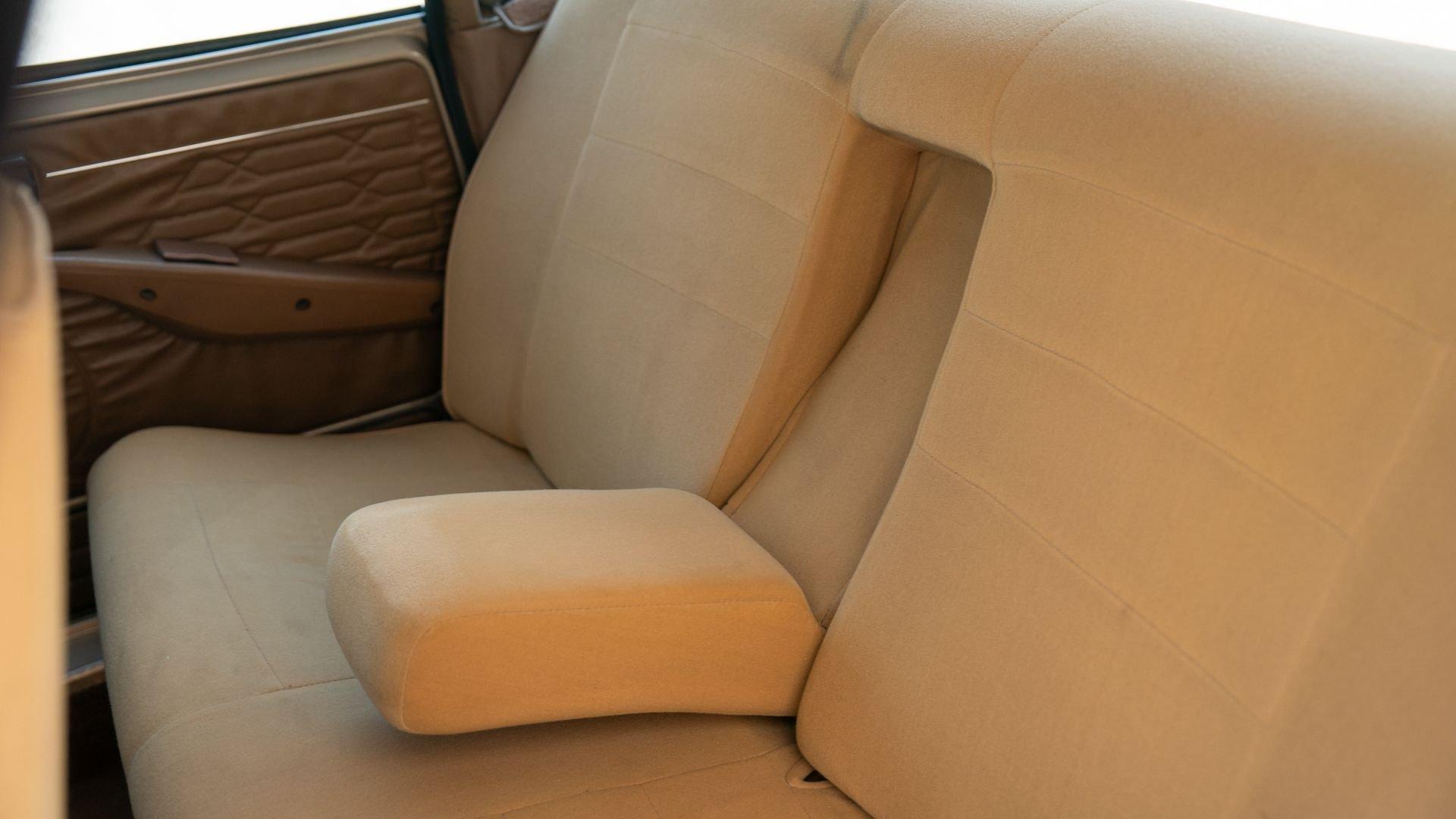
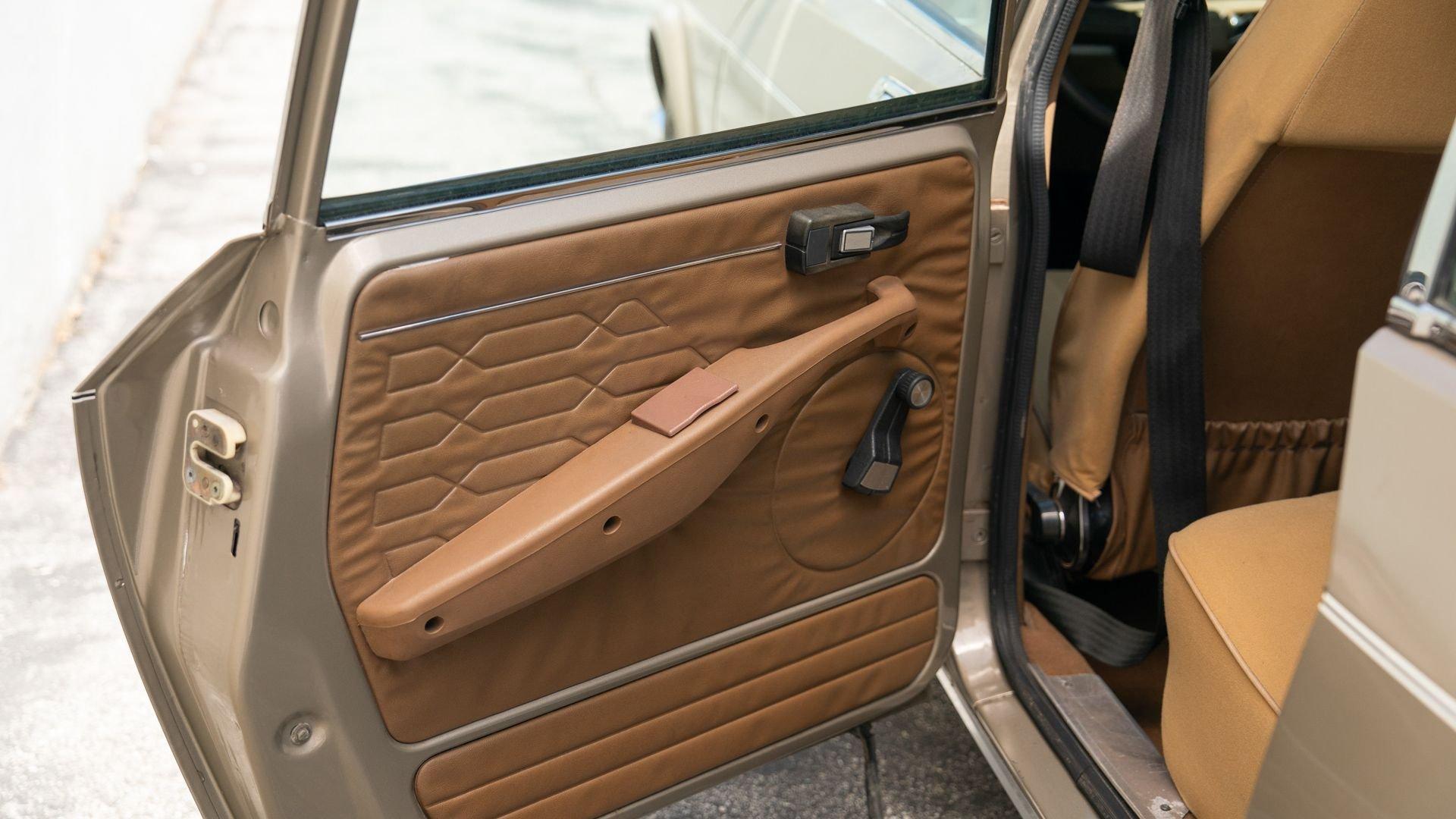
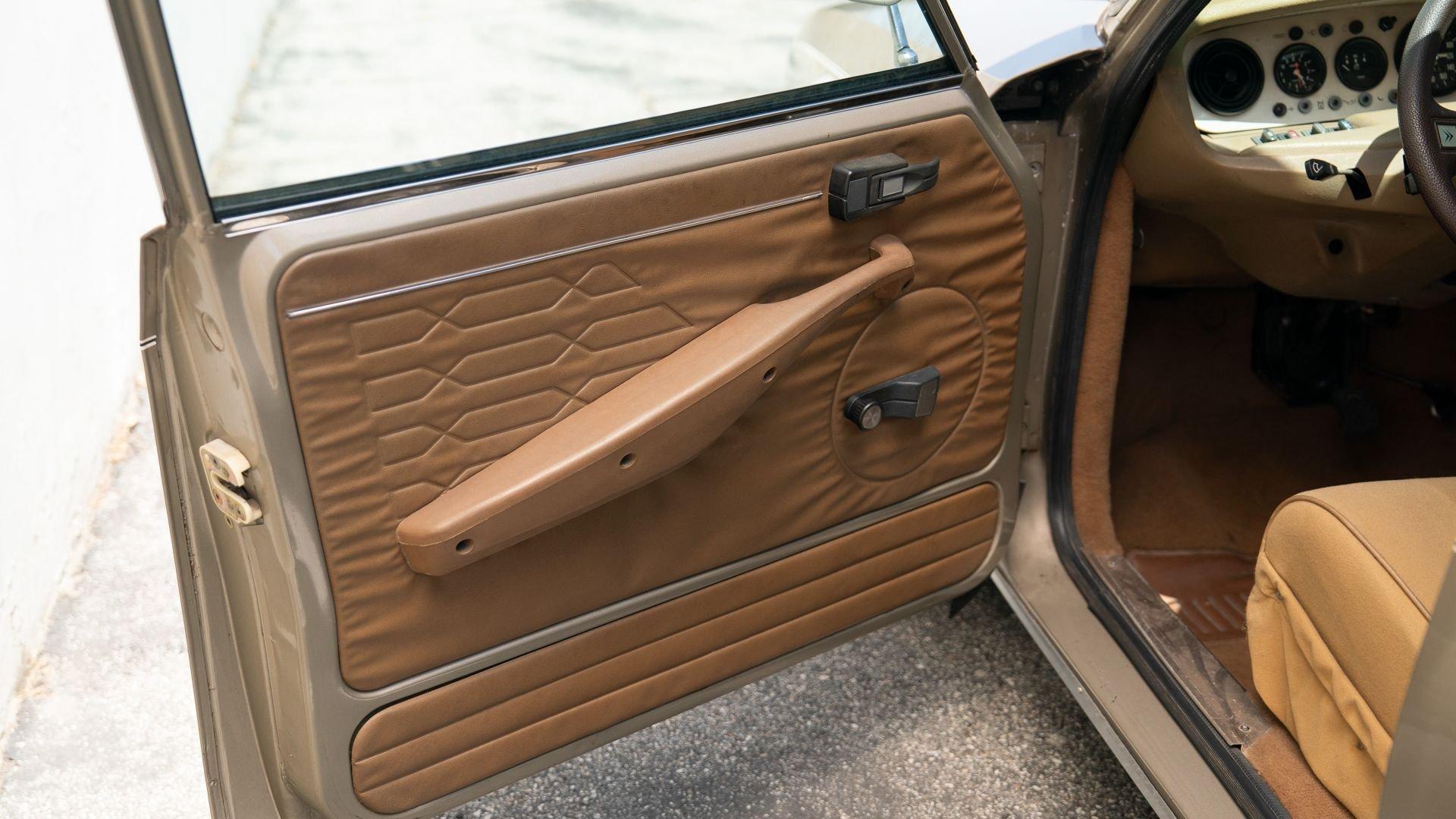
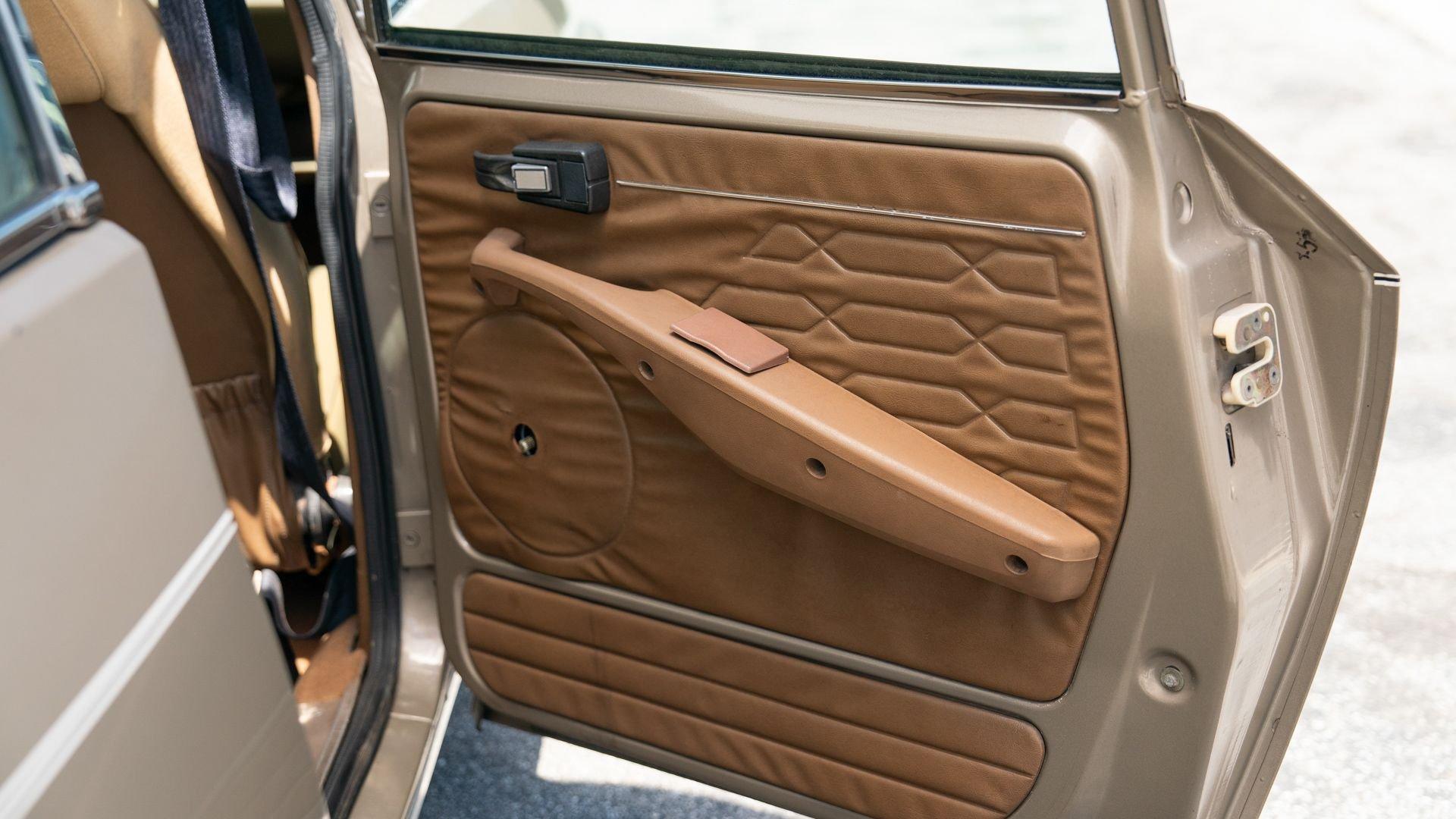
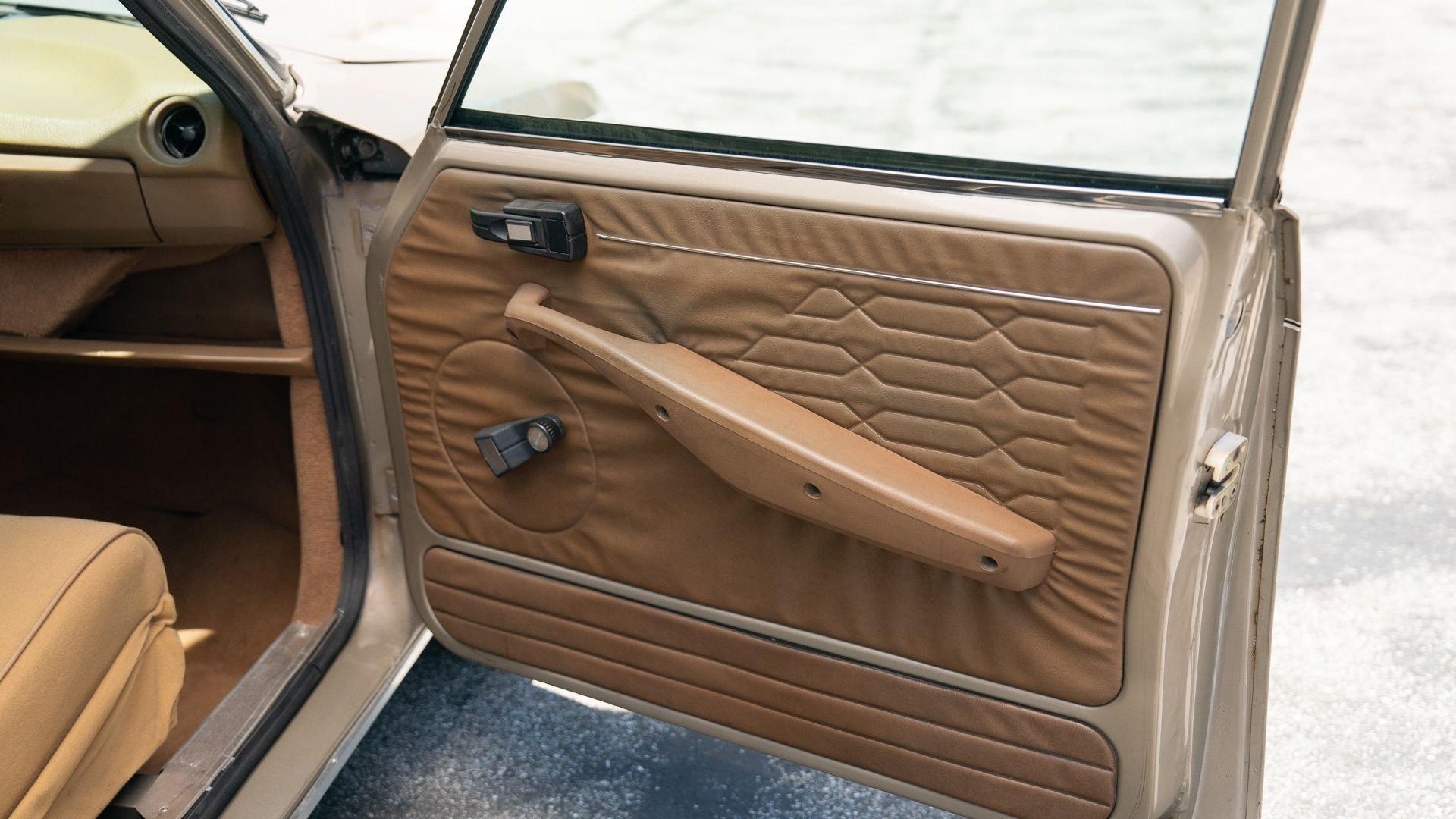
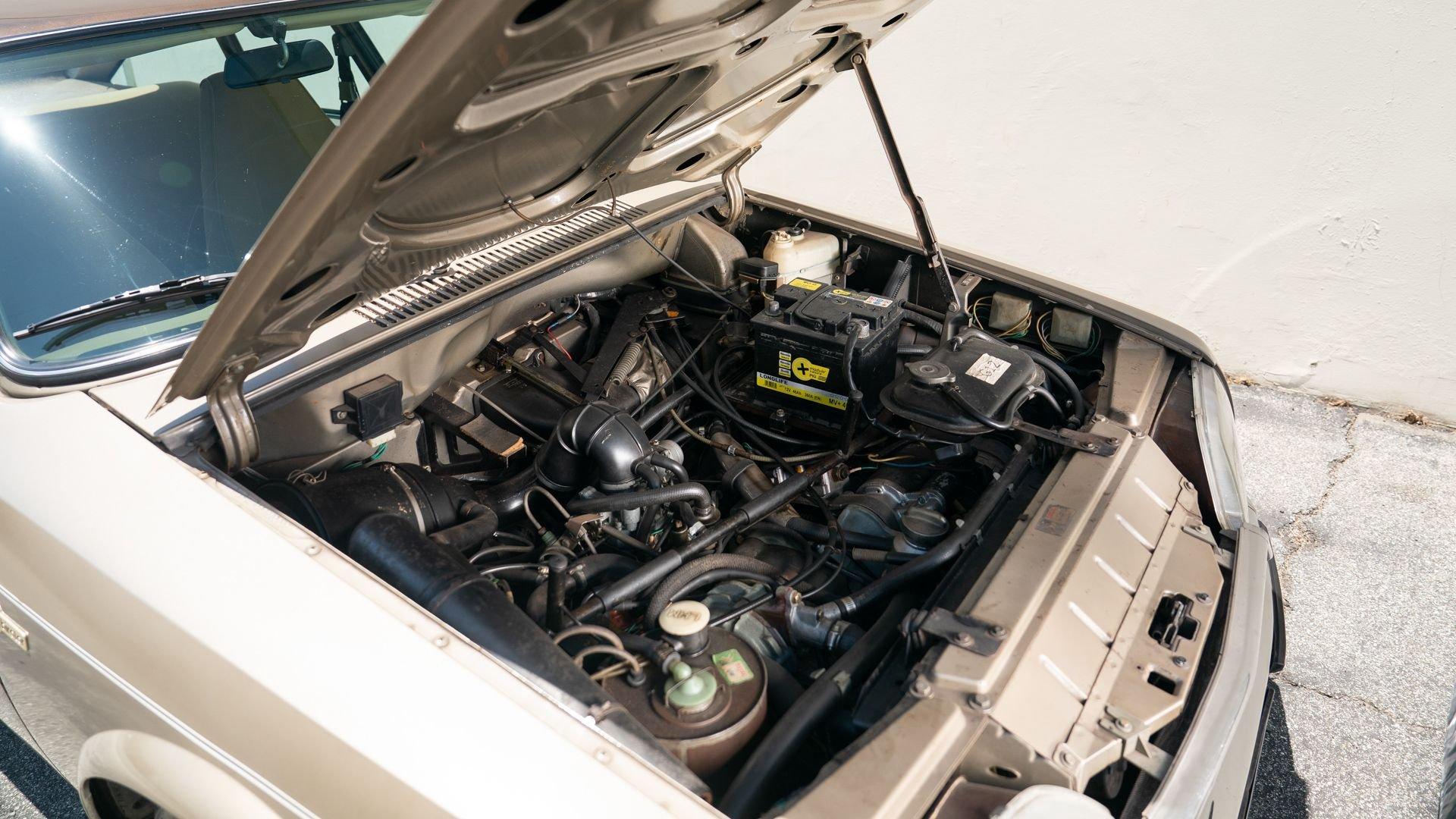
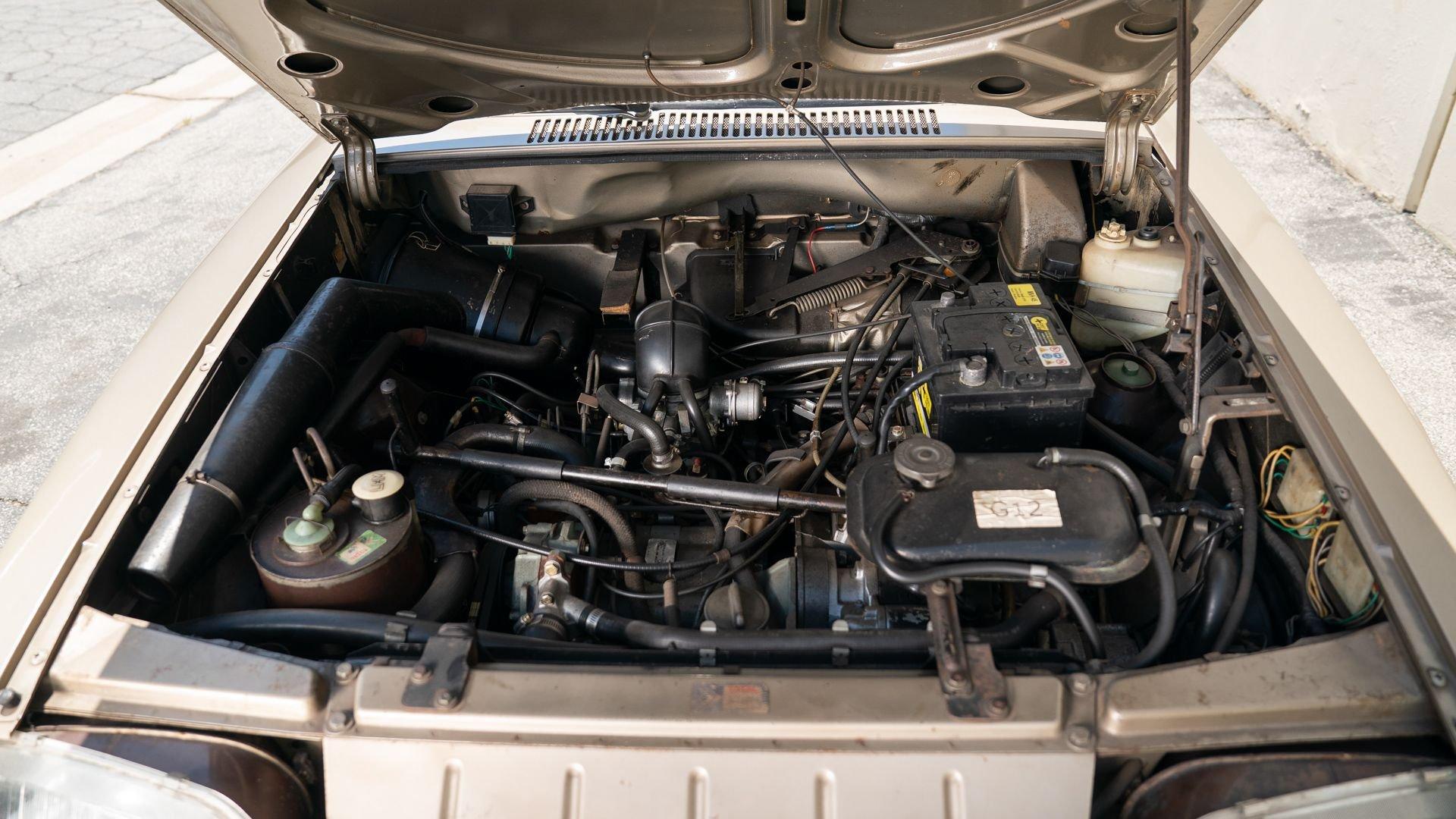
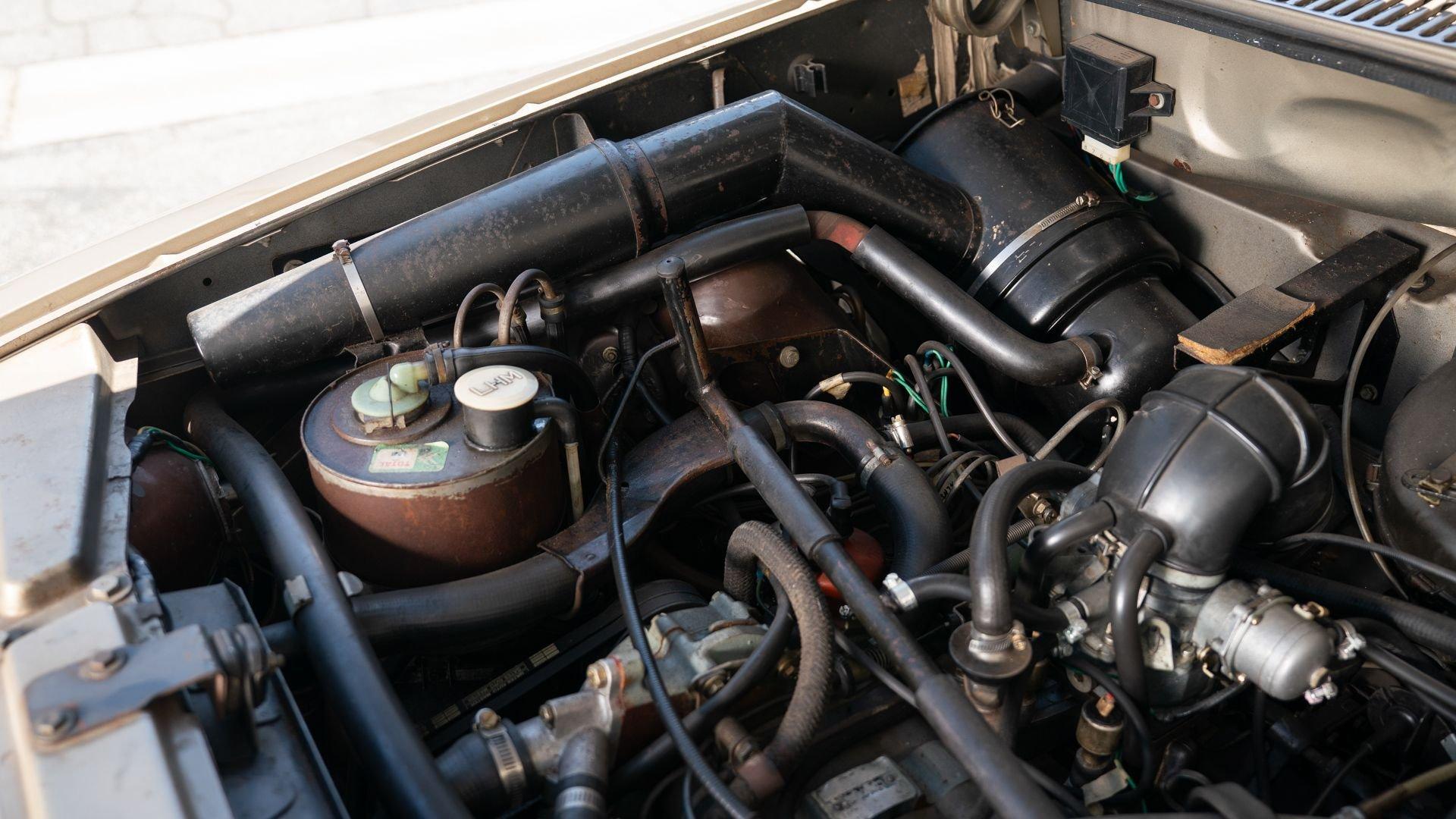
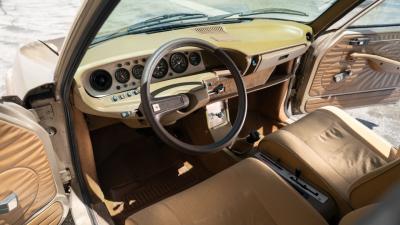
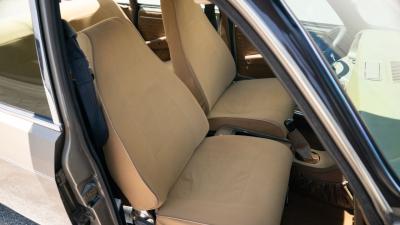
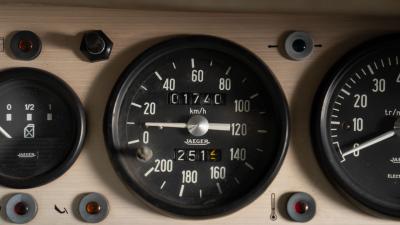
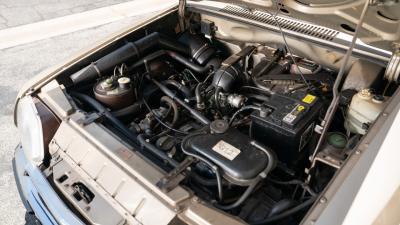
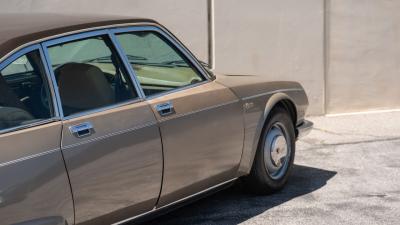
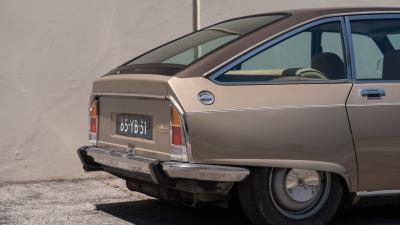
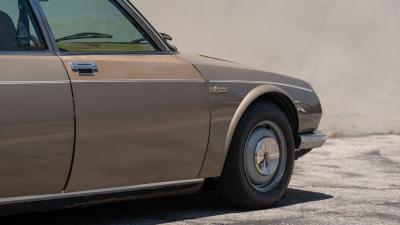
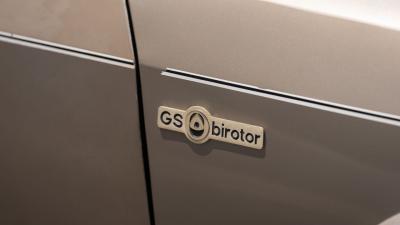
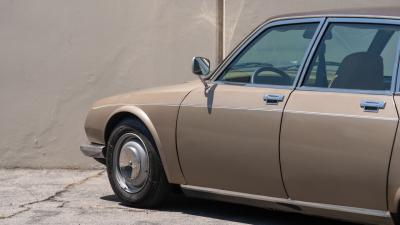
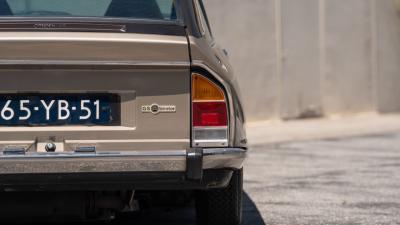
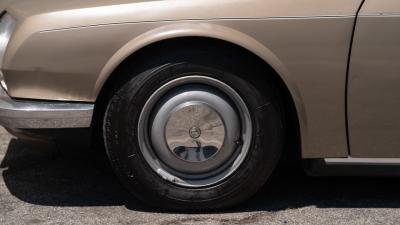
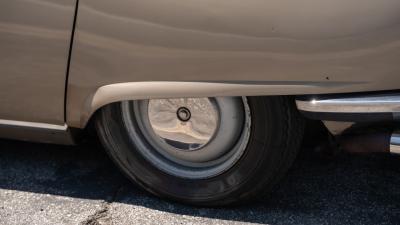
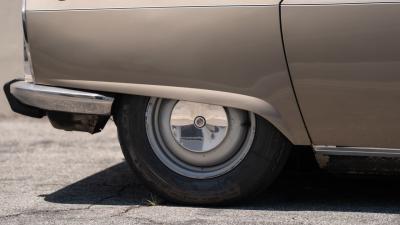
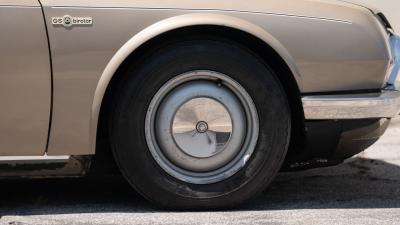
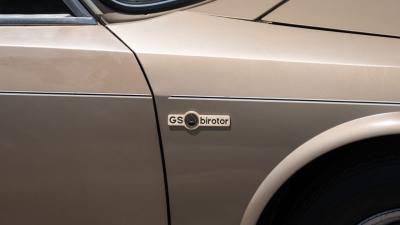
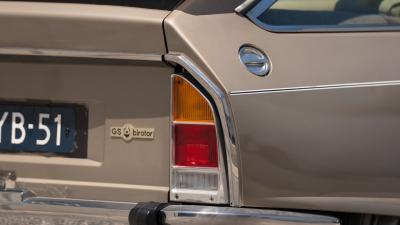
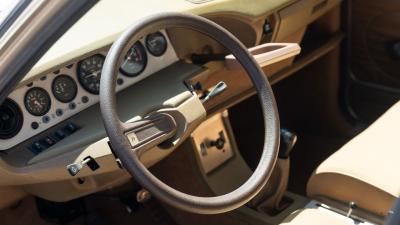
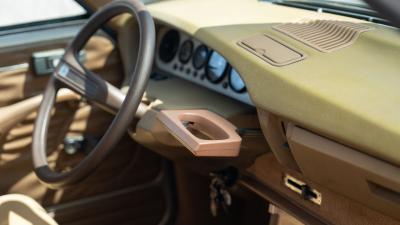
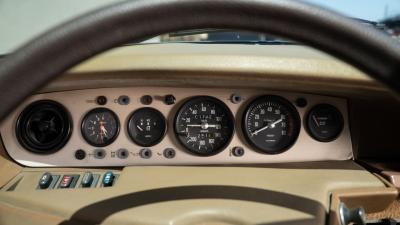
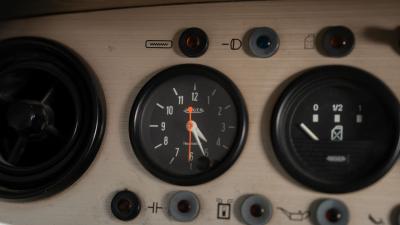
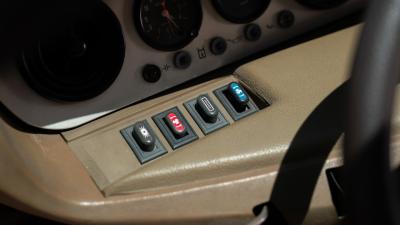
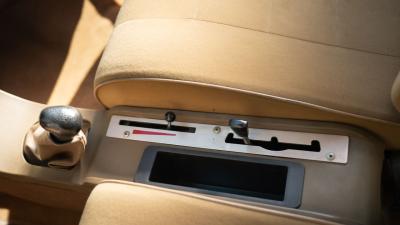
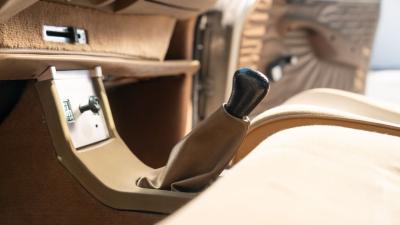
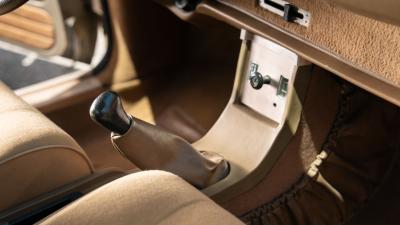
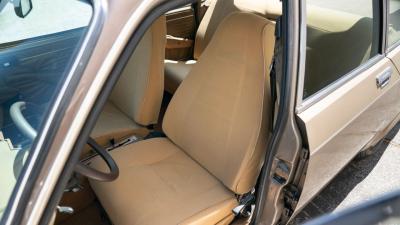
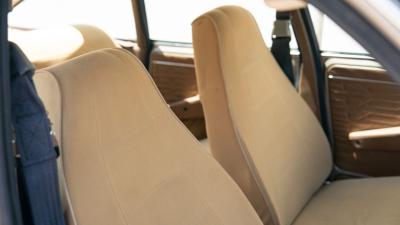
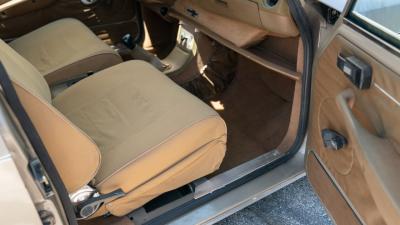
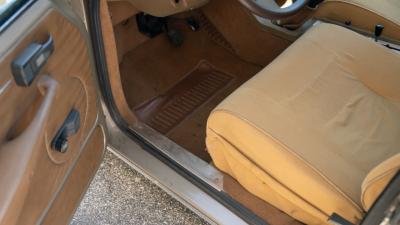
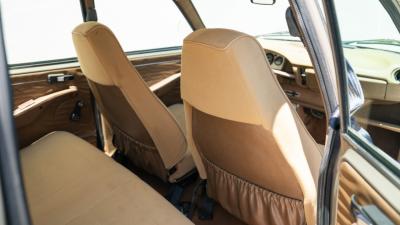
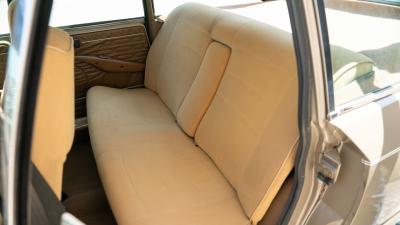
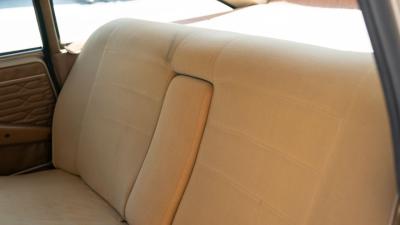
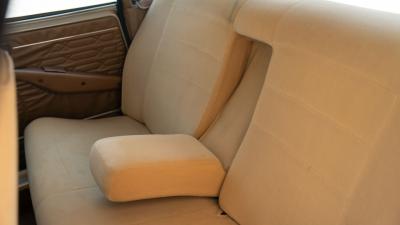
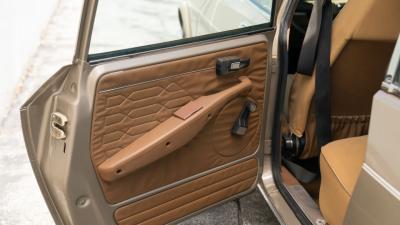
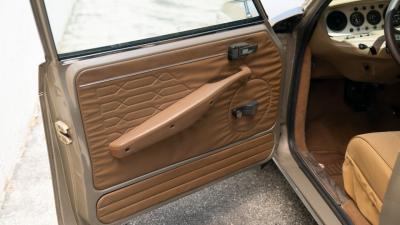
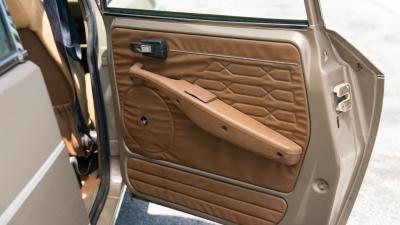
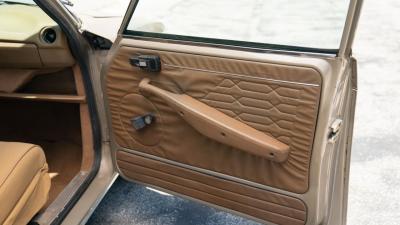
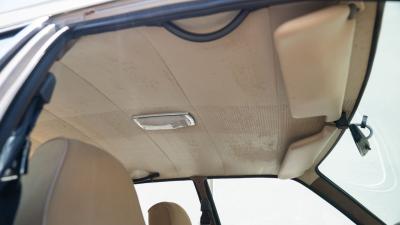
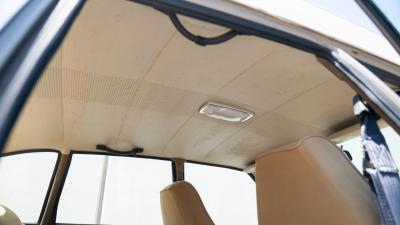
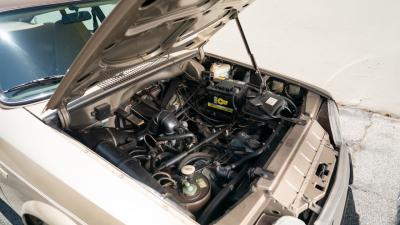
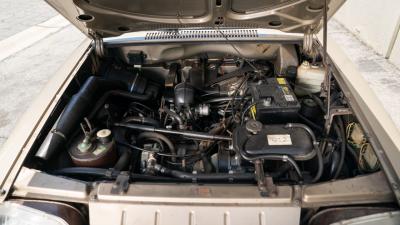
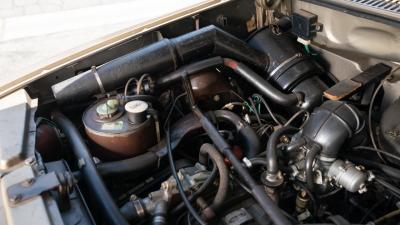
Never one to sit on their laurels, Citroën continued to innovate and found the solution through Comotor, its joint venture with NSU. This brought the fitment of a twin-rotor Wankel unit, developed from the engine inside NSU's own Ro 80, into the GS body to create the Birotor. Unveiled at the 1973 Frankfurt Motor Show, it paired that smooth, 106-horsepower rotary with a three-speed semi-automatic transmission, all-round disc brakes, and a richer cabin, asking nearly as much as the flagship DS for the privilege.
Introduced in 1973 and reaching production in 1974, the GS Birotor arrived at a pivotal moment as the global oil crisis sharply shifted demand away from high-consumption specialty vehicles. With this combined with its lavish price meant only 847 examples were produced. Citroën then compounded its rarity. Once Peugeot took control in 1975, the new parent quietly repurchased as many Birotors as it could find rather than stock parts for a model it no longer wanted, leaving what is believed to be roughly 250 in existence worldwide today.
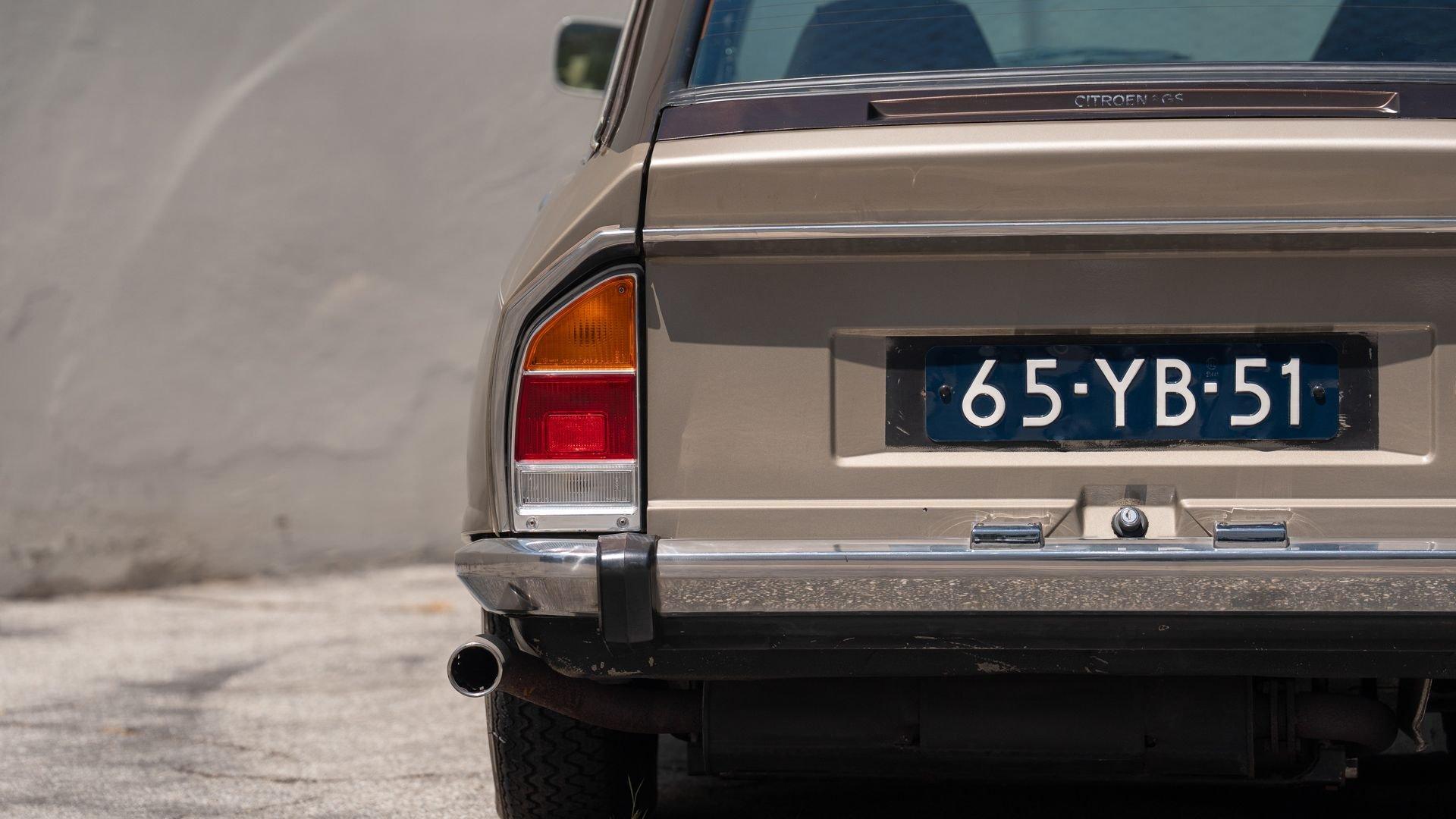
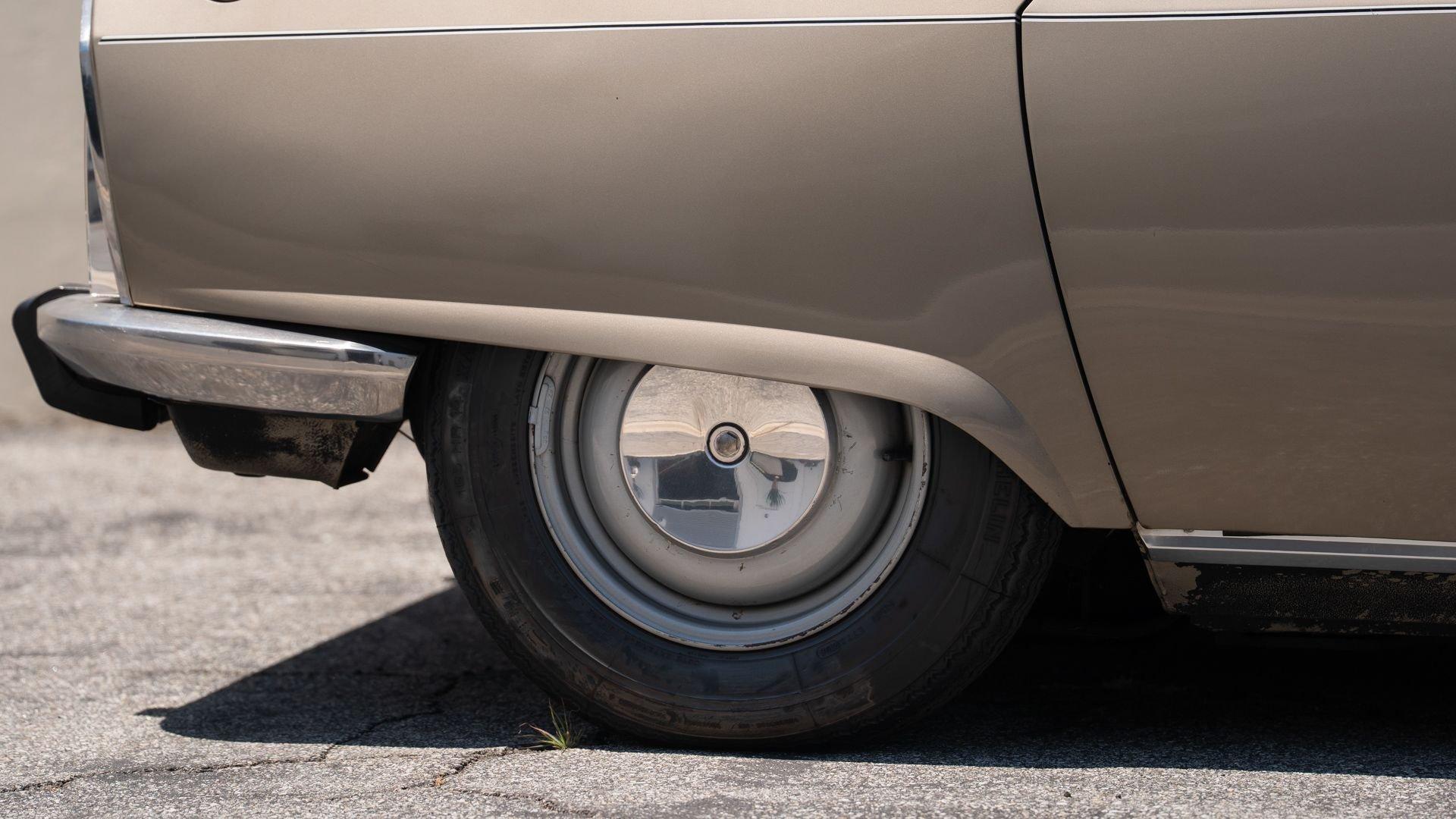
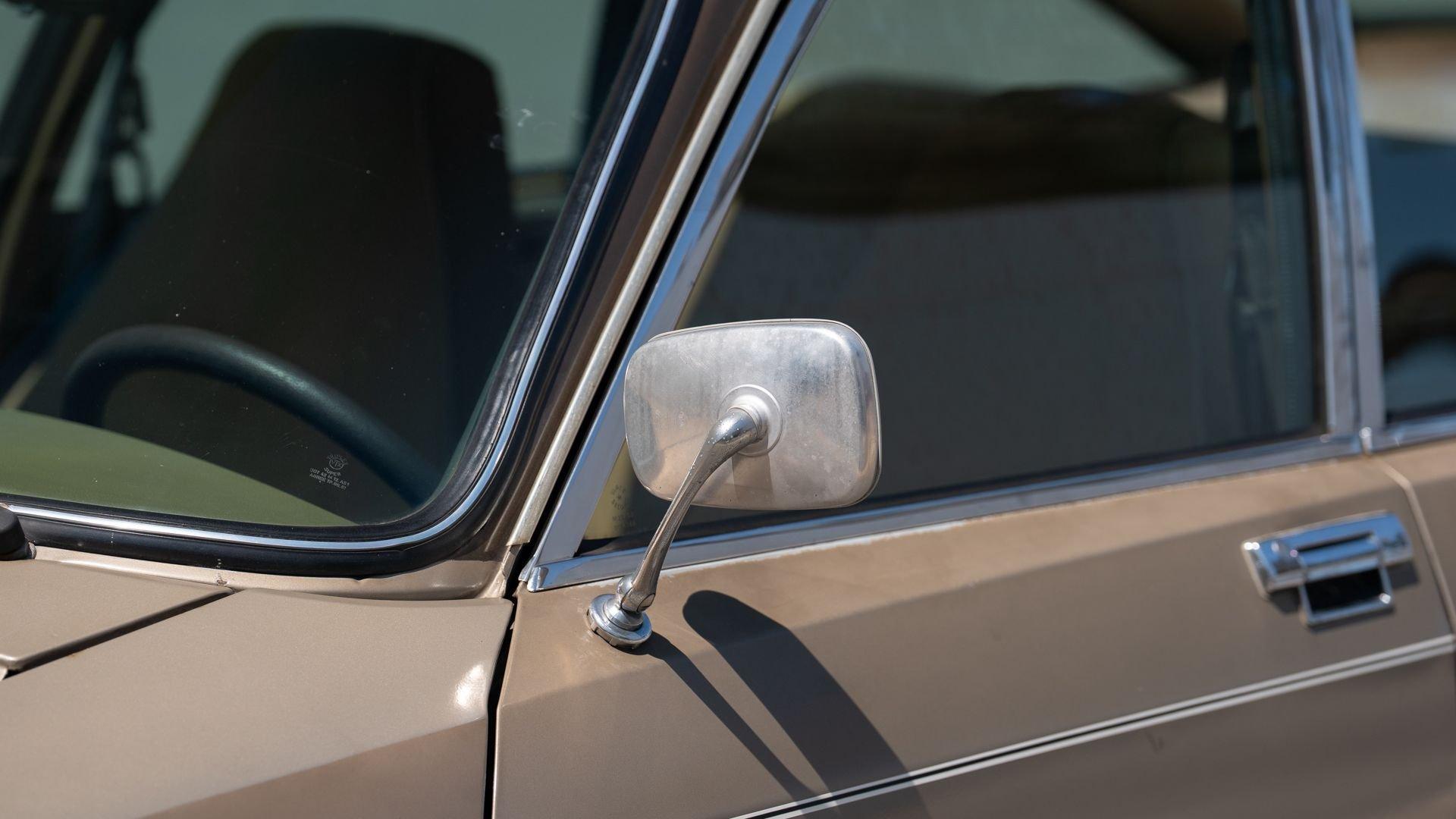
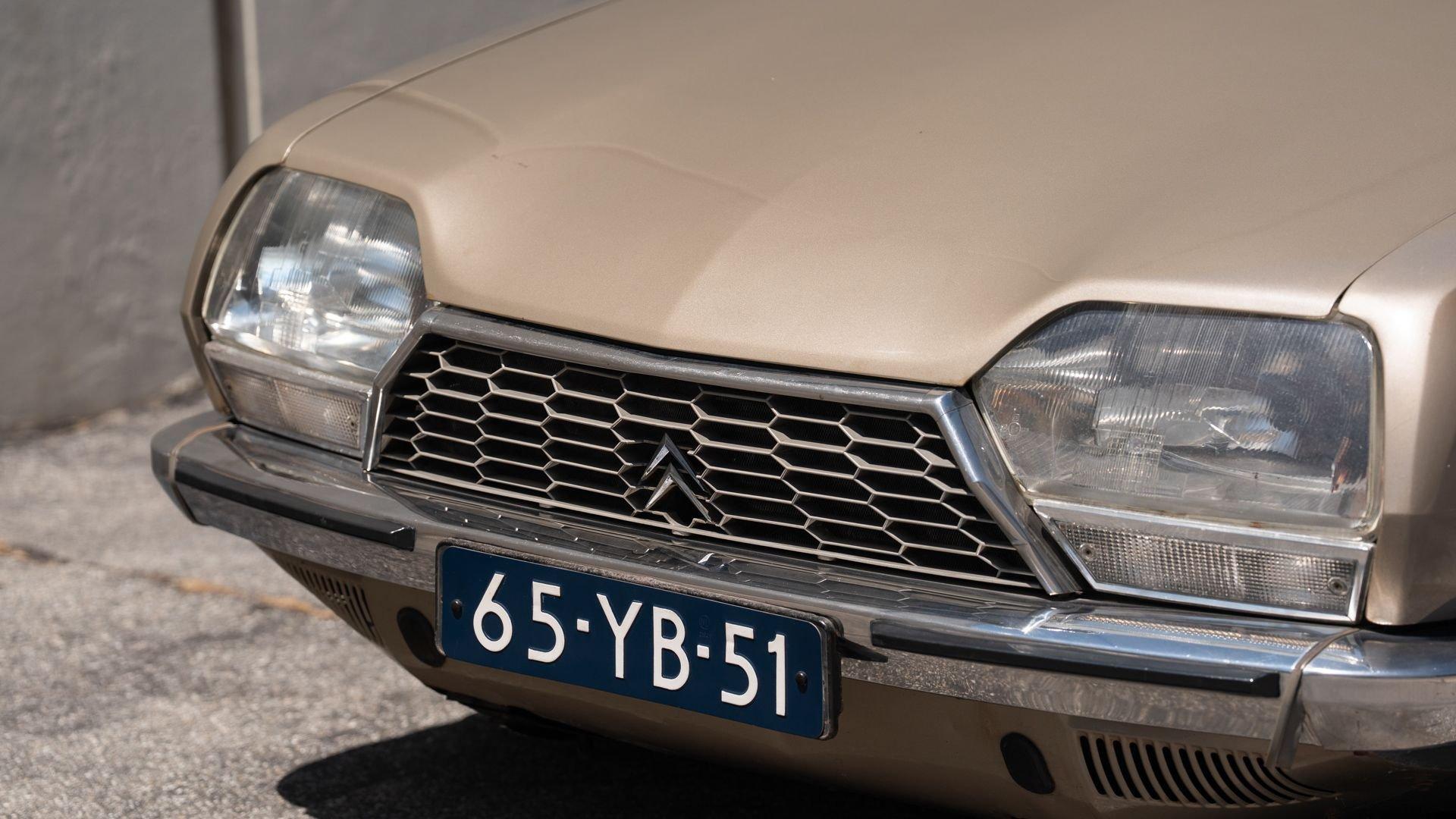
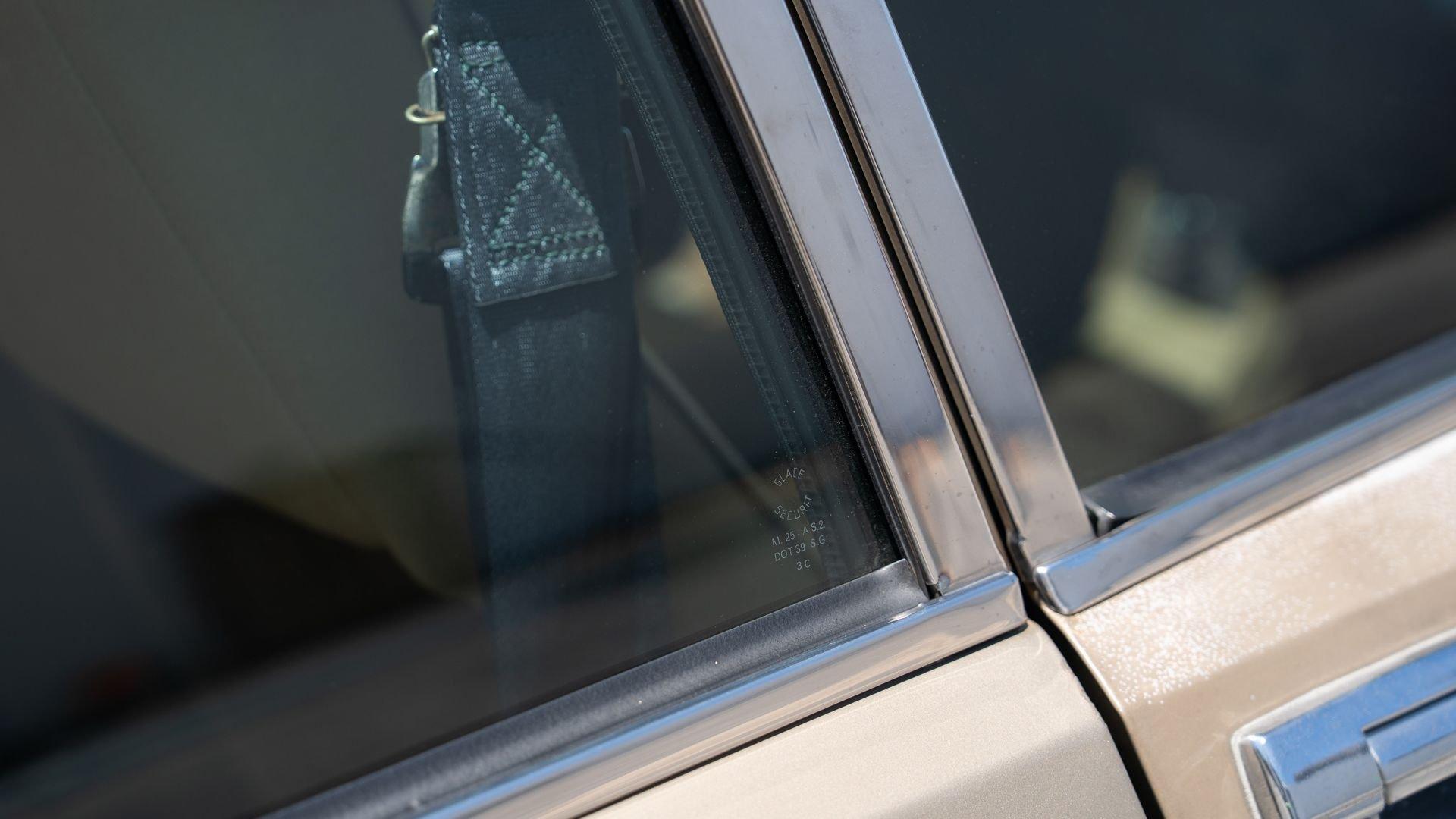
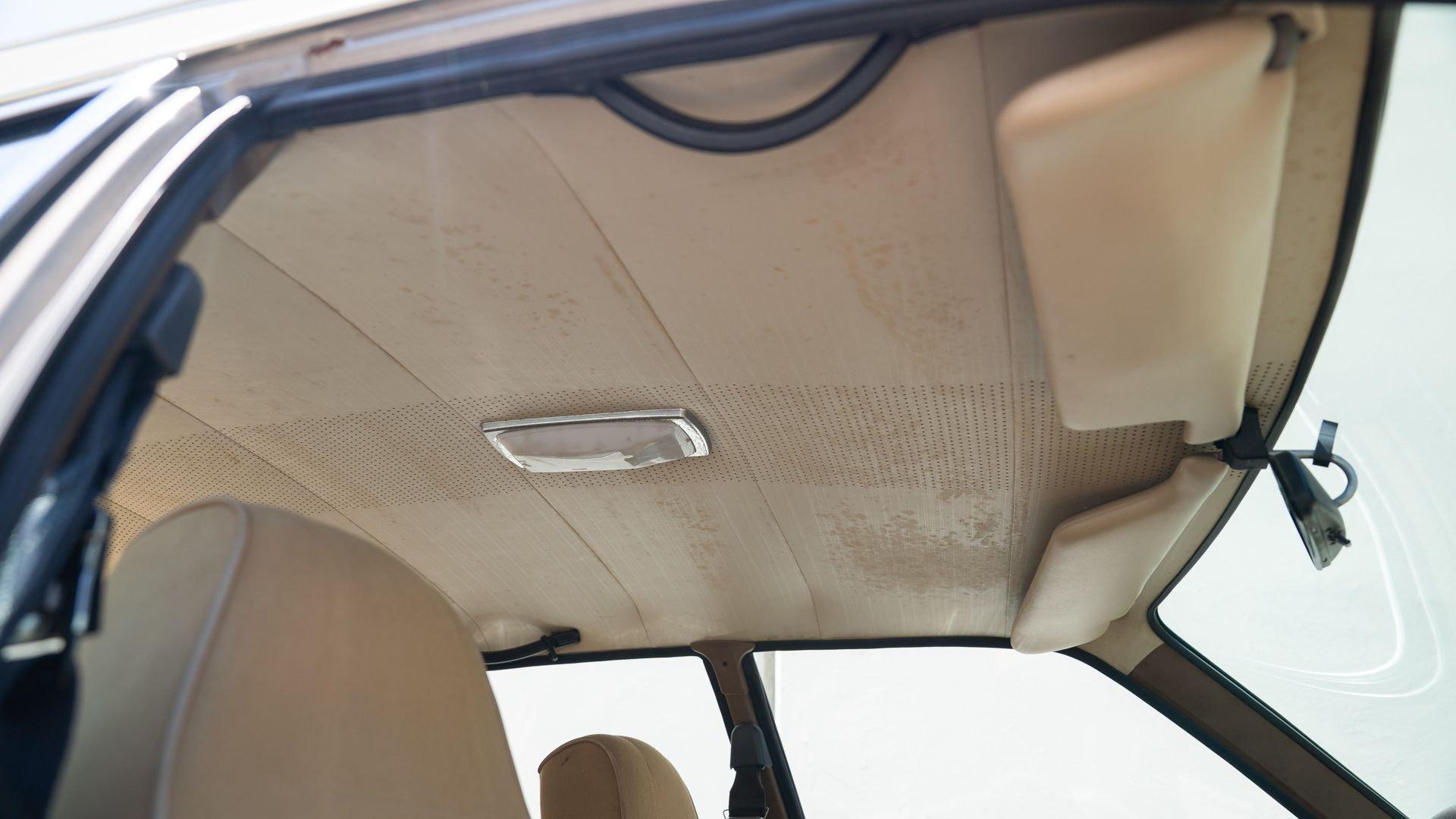
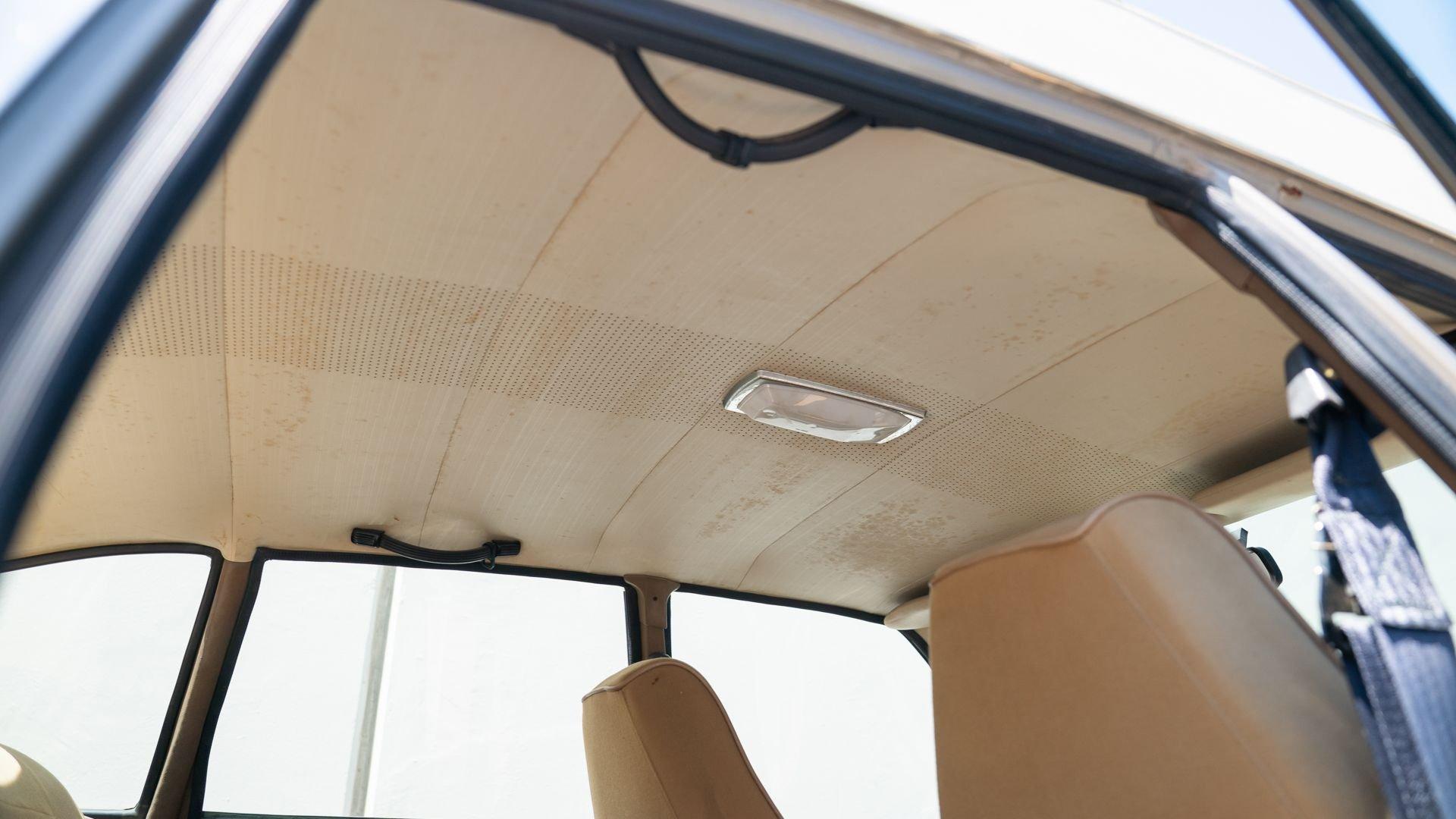
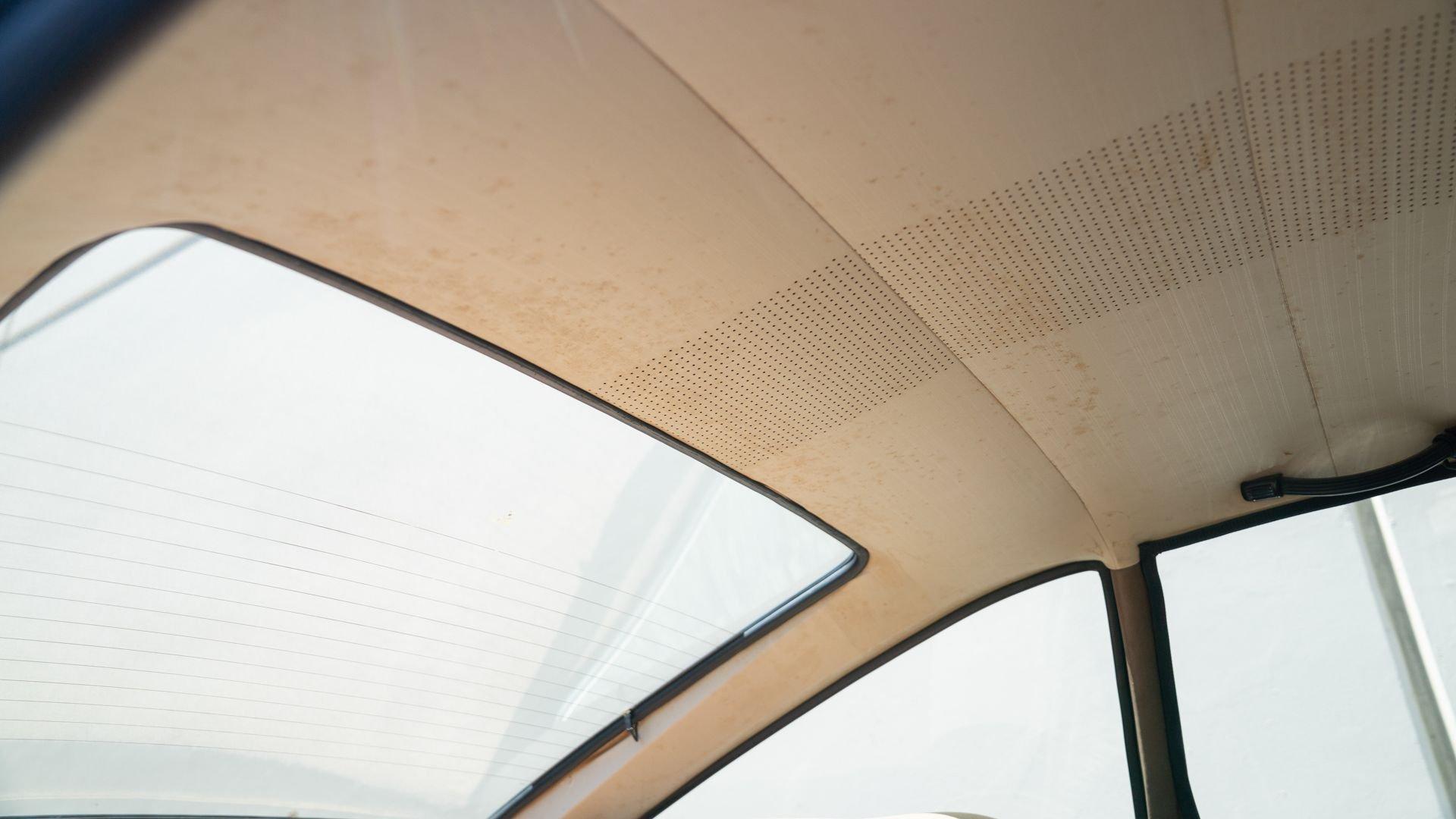
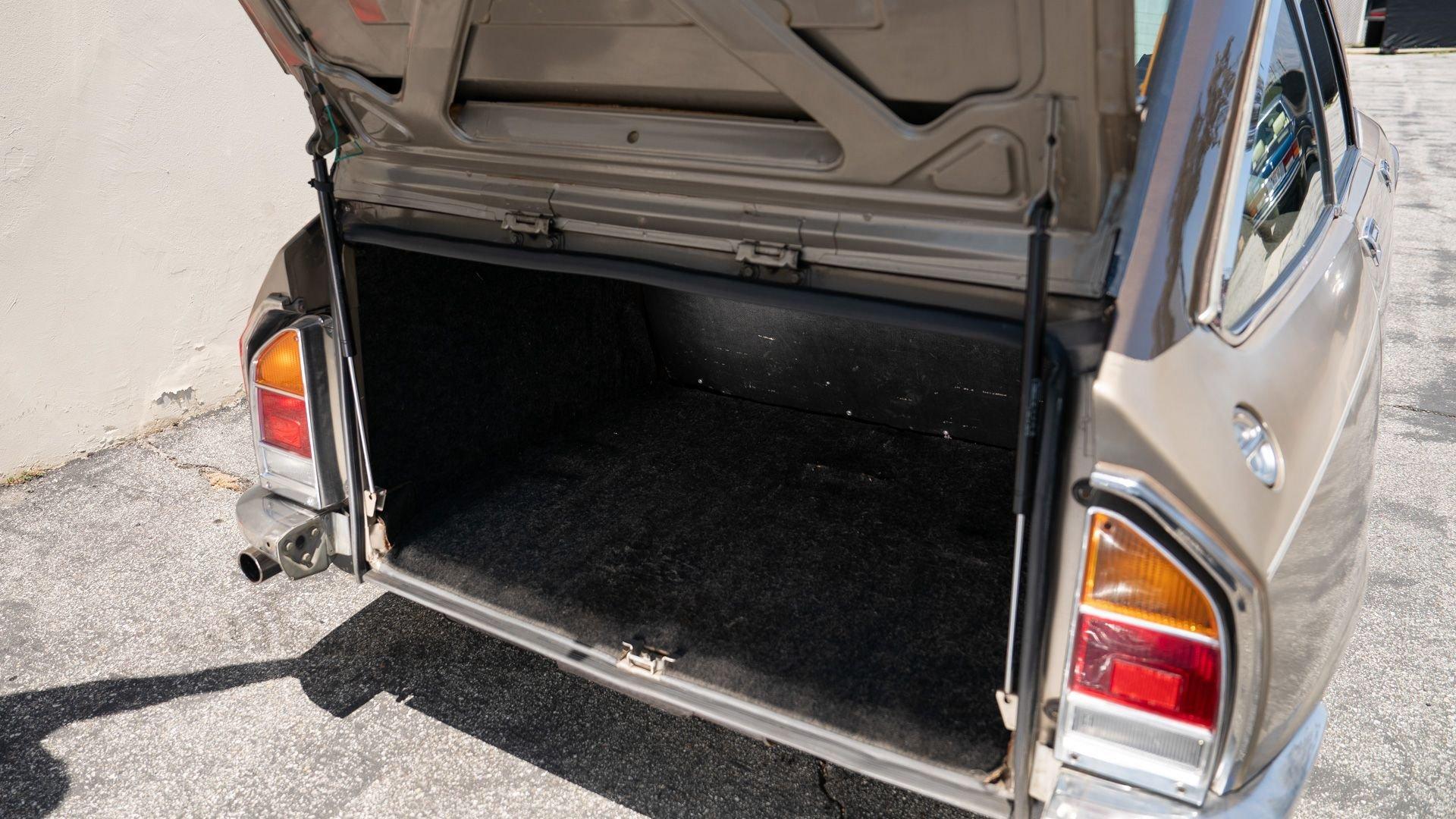
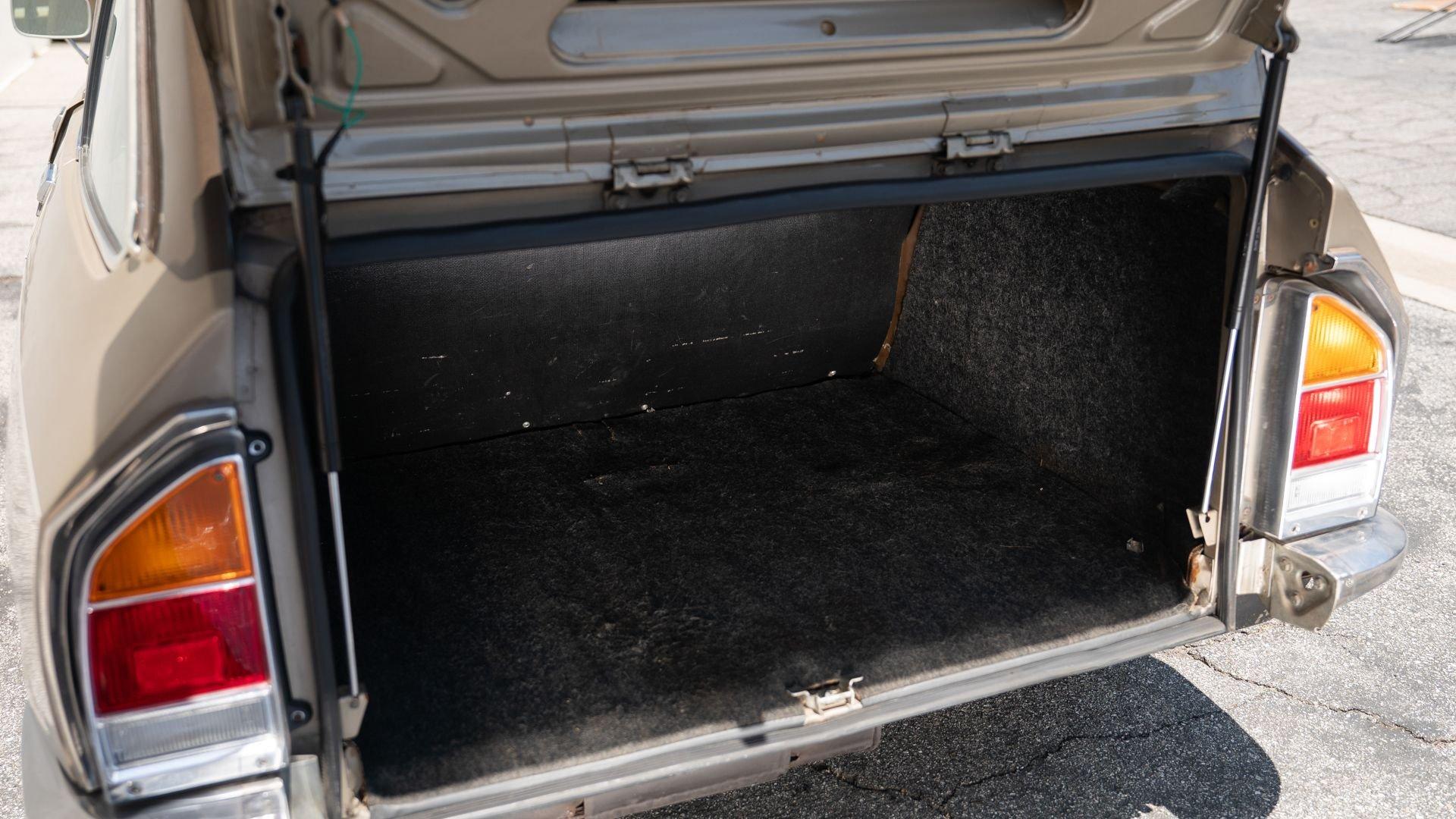
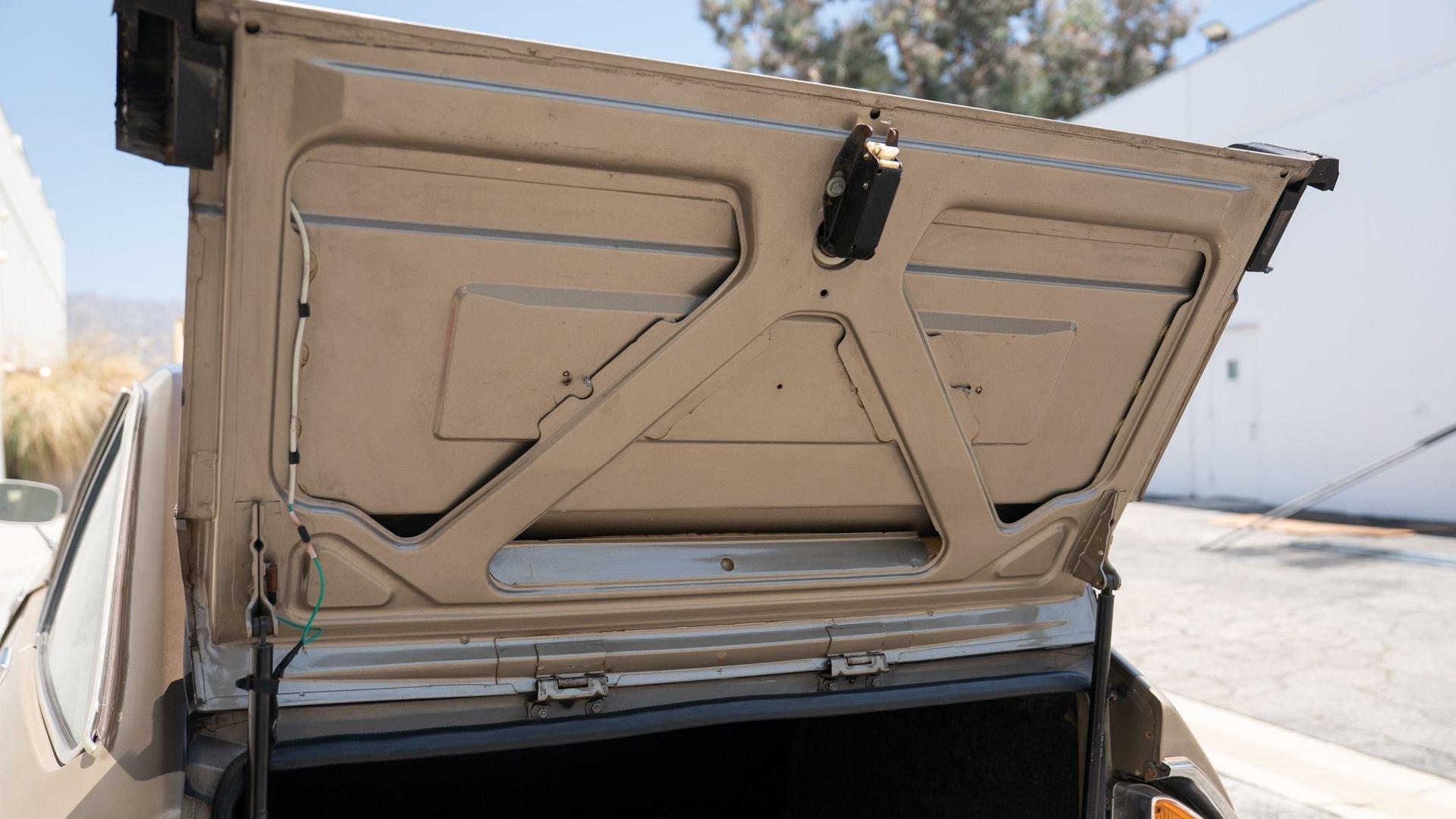
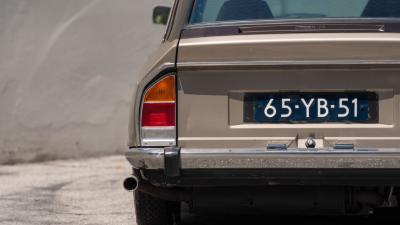
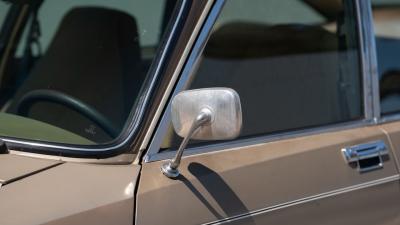
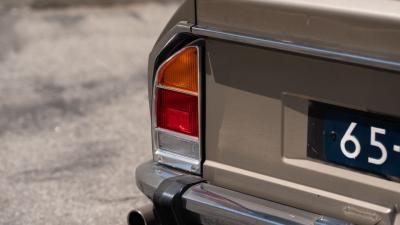
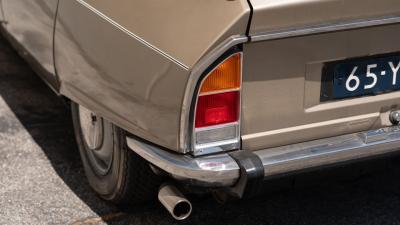
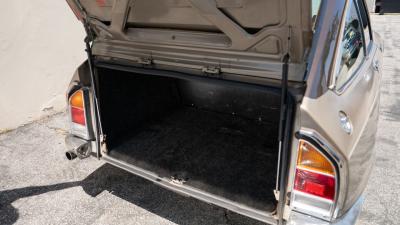
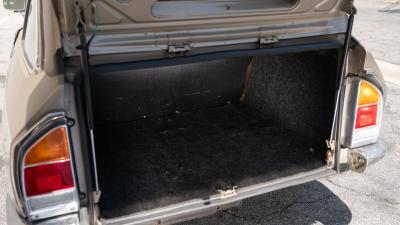
This Birotor was imported to the U.S. from the Netherlands in 2016 when it was acquired by The Mullin Automotive Museum of Oxnard, California. The GS then entered the collection of its current owner in 2024. For the collector, the intriguing GS Birotor represents a rare opportunity to experience Citroën's rotary-engine ambition in fully usable form, combining the GS's hydropneumatic comfort with the distinctive, turbine-like character of the twin-rotor drivetrain in a highly unusual yet usable classic suited to both display and occasional road use.
Contact Us
