

























































































Origins
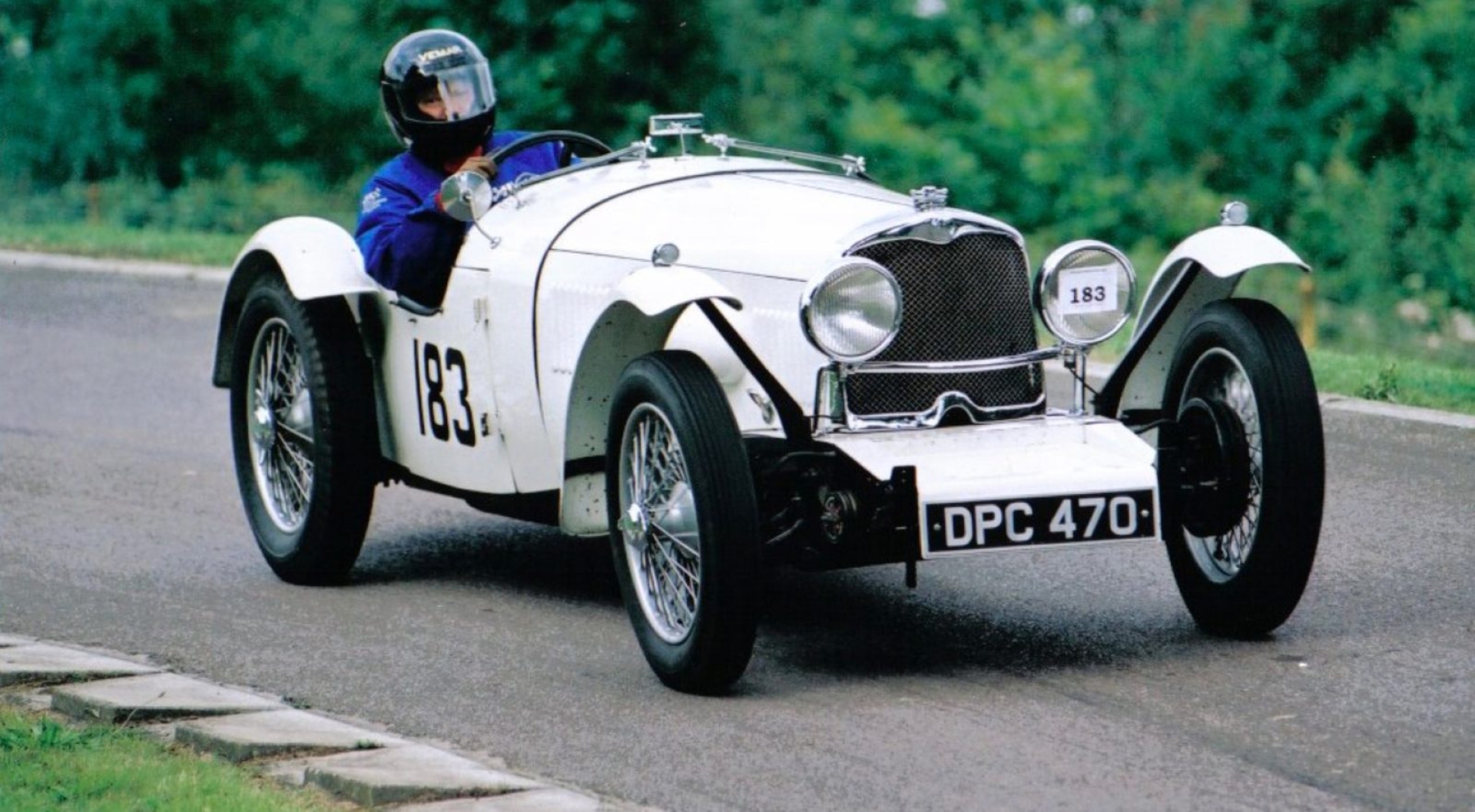
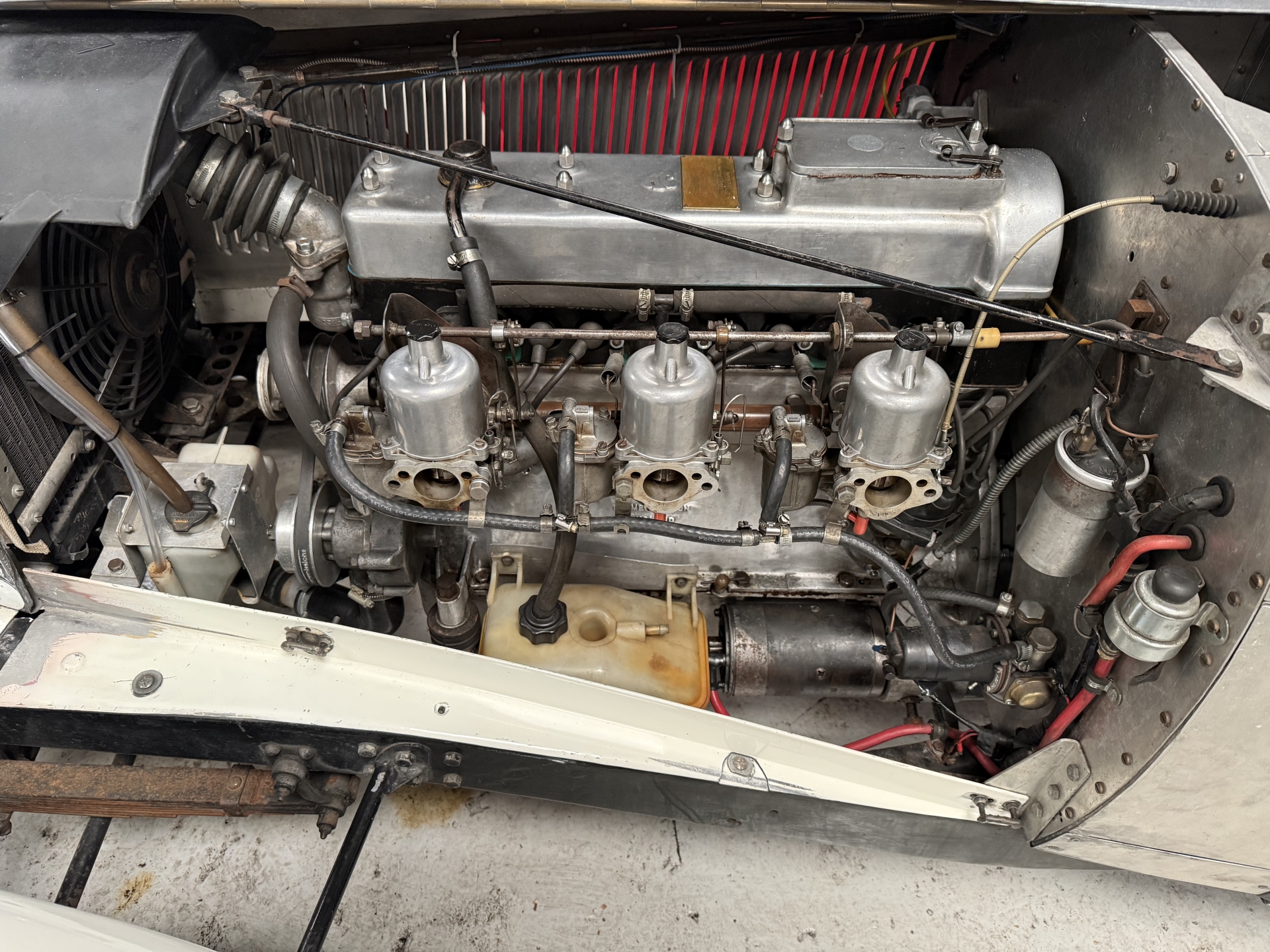
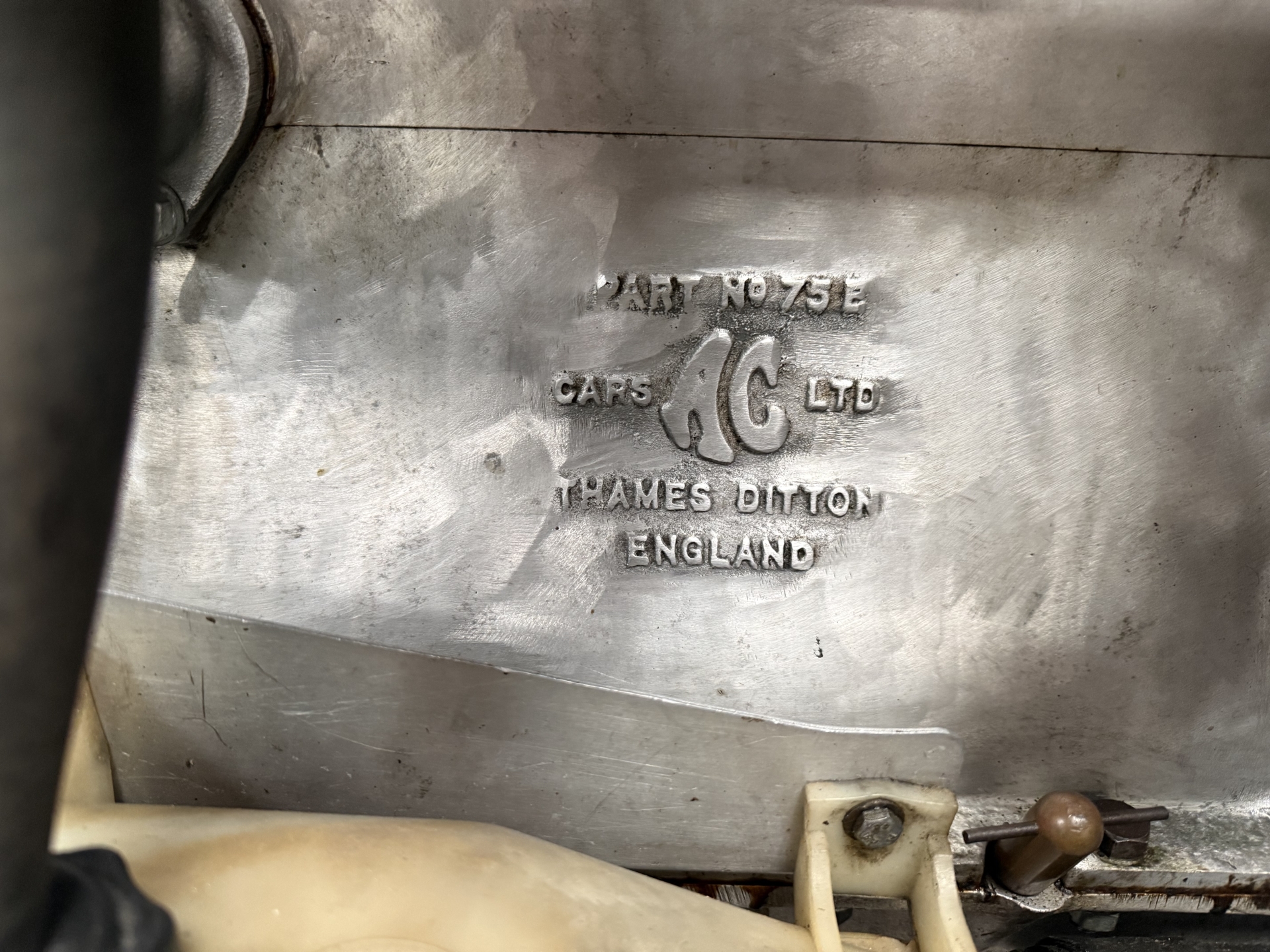
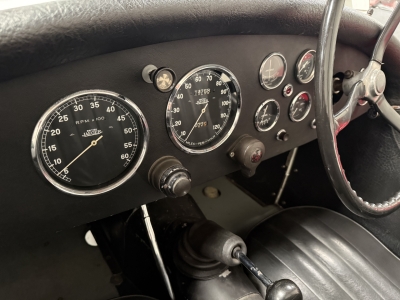
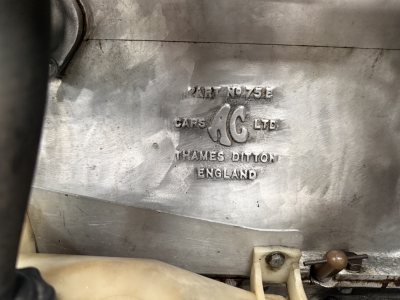
The foundation of the car dates from 1935, when it began life as an AC 16/70, one of the final pre-war AC models powered by the famous 1991 cc overhead-camshaft six-cylinder engine. By this time AC had abandoned its old transaxle layout and adopted a more conventional chassis and gearbox arrangement after the company was rescued by the Hurlock brothers in 1930. The revised cars retained the sophisticated Weller-designed engine while gaining a much-improved chassis.
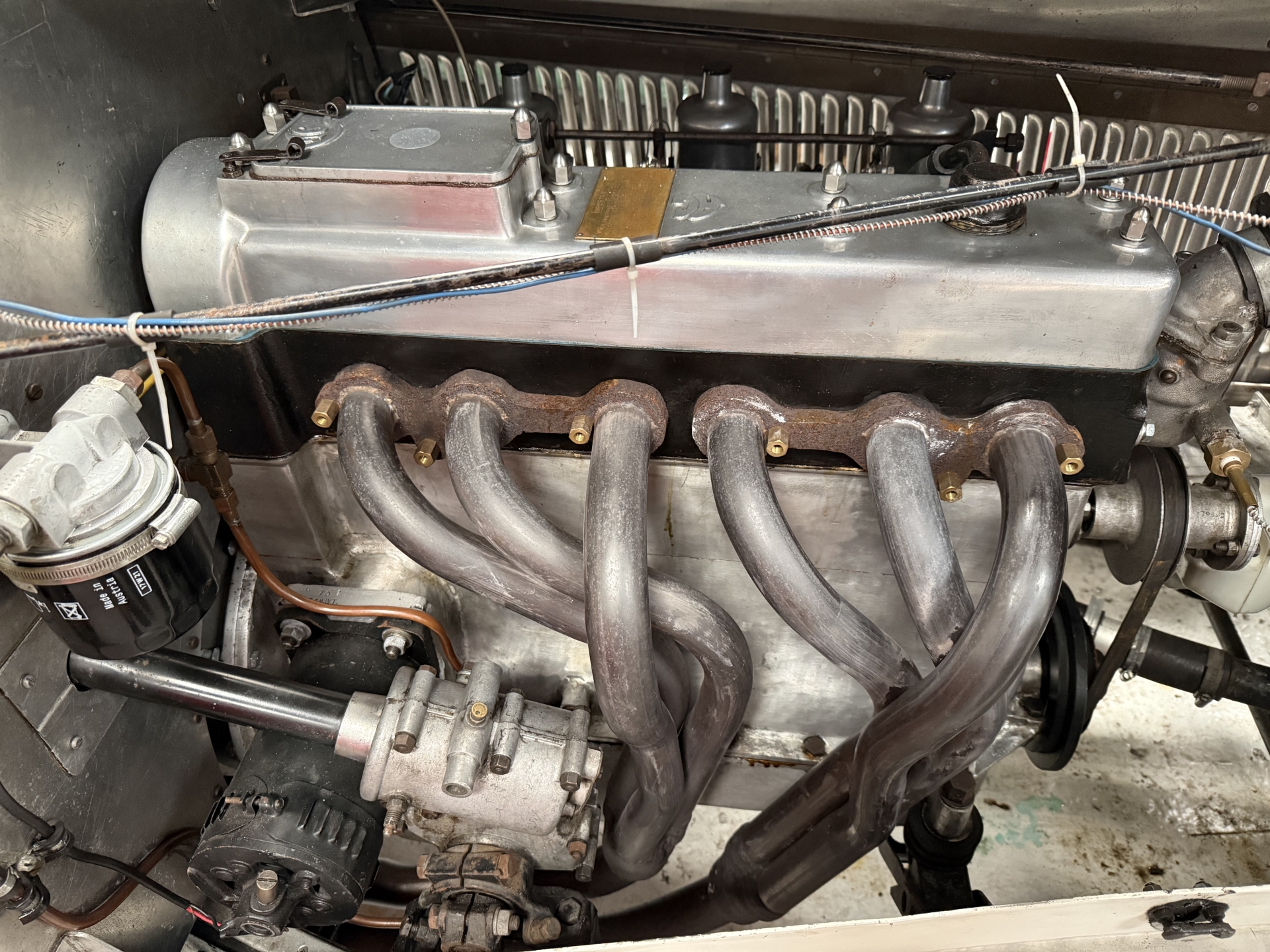
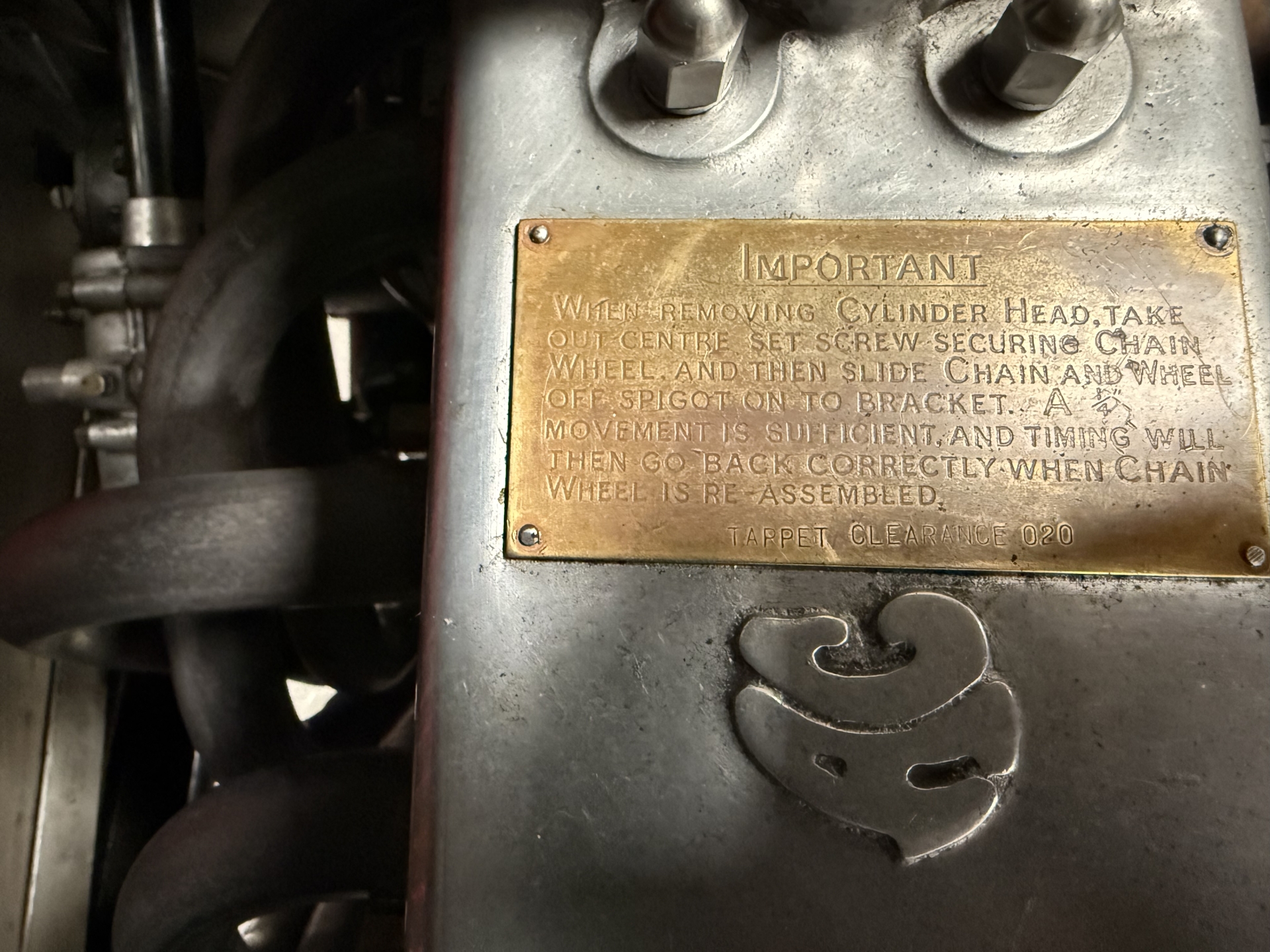
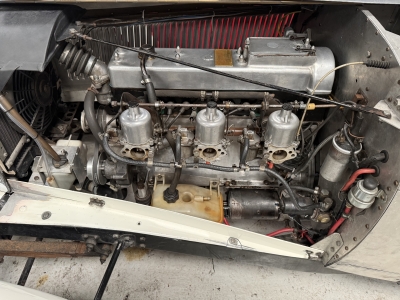
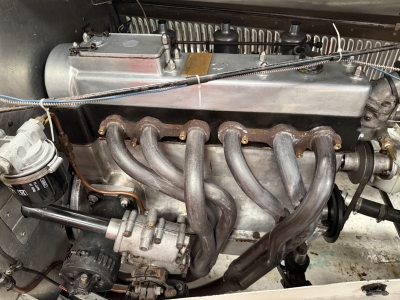
The AC engine itself was remarkable for its day:
Aluminium block with wet liners.
Single overhead camshaft.
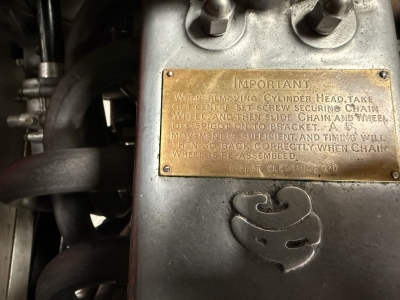
Chain-driven camshaft.
Crossflow-style inclined valves.
Production life from 1919 until 1963, one of the longest-lived engine designs in British motoring.
From road car to "Special"
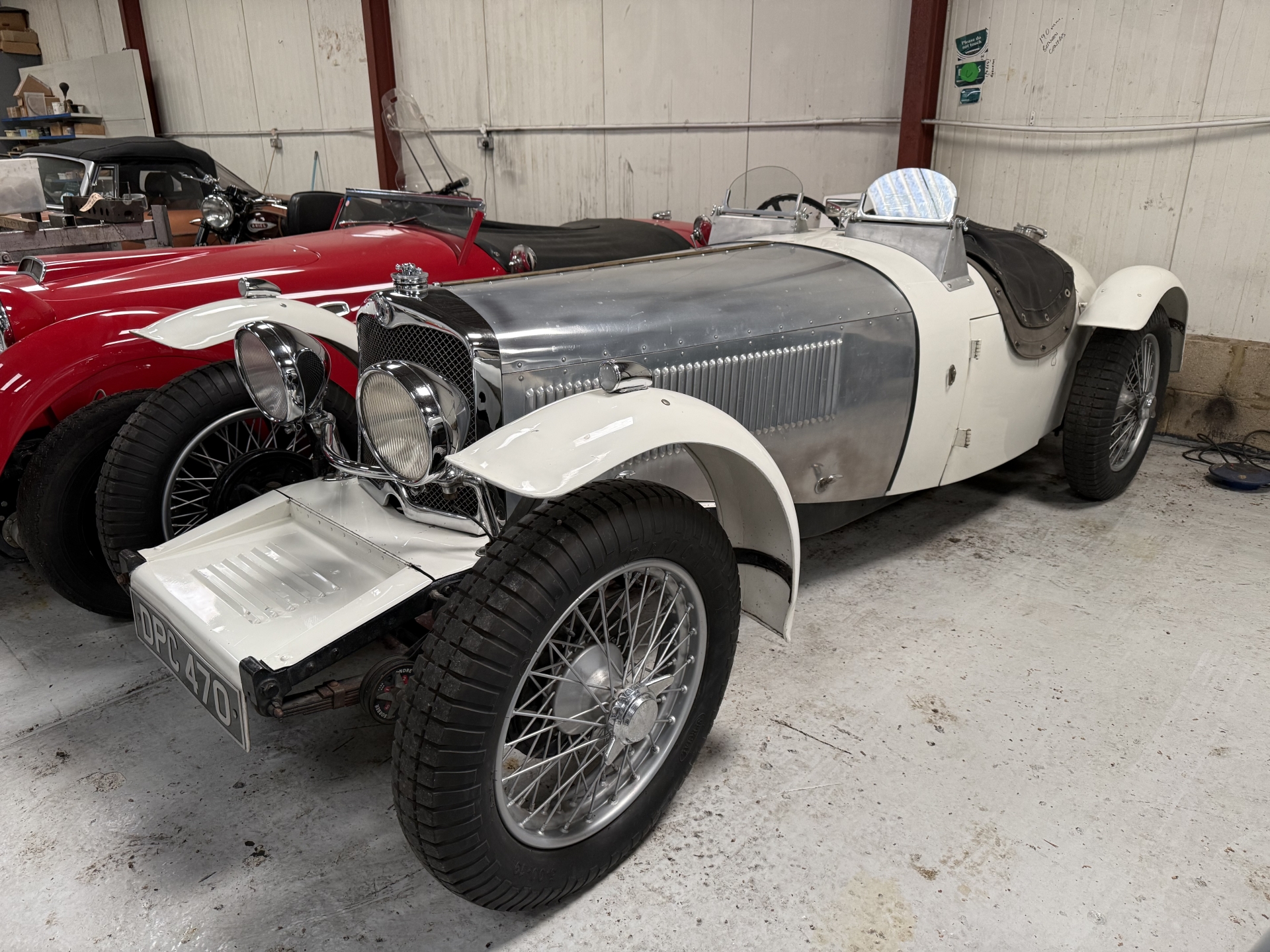
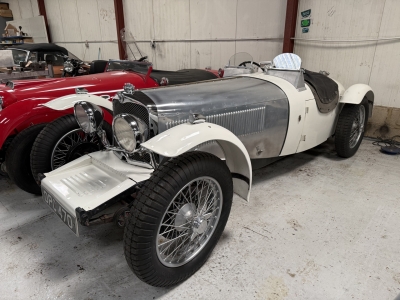
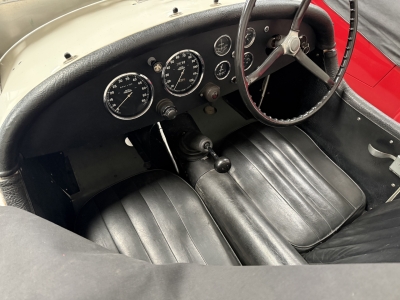
Like many British sporting cars after the war, the original 1935 AC was eventually converted into a special. Such cars were often stripped of heavy touring coachwork and rebuilt with lightweight aluminium bodies specifically for hill climbs, sprints and VSCC events.
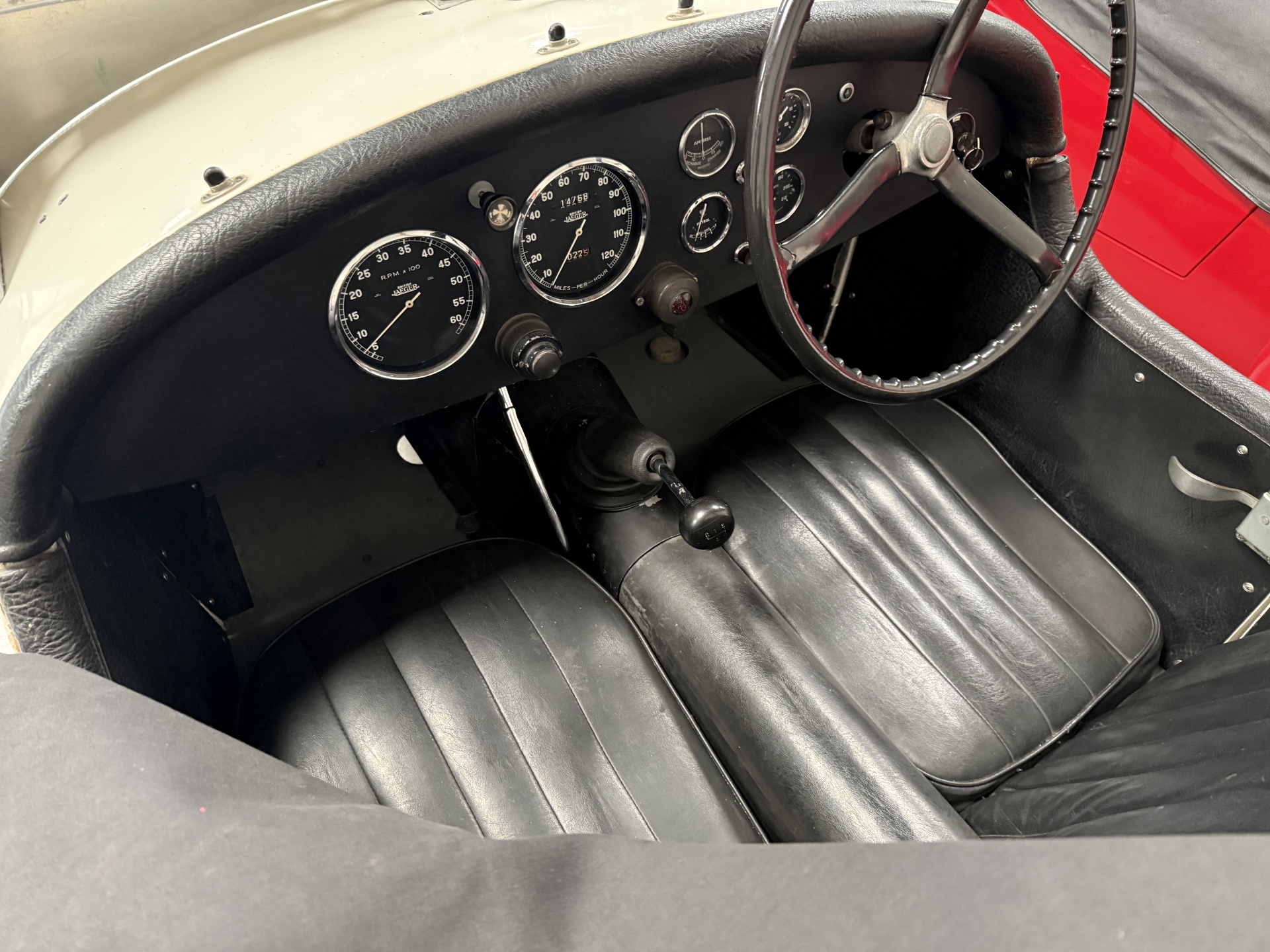
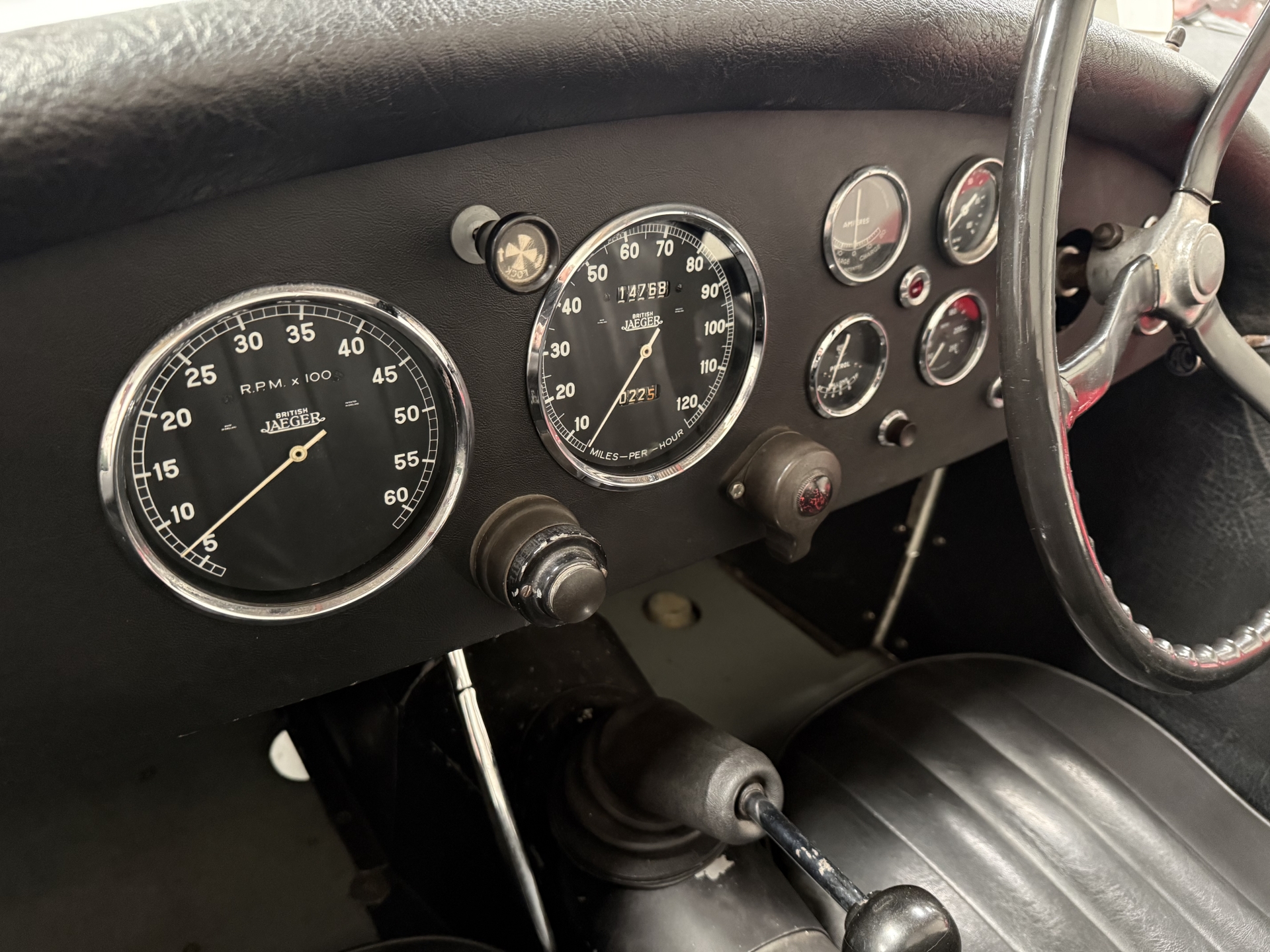
Although the precise chronology of the Briggs car's transformation is not fully documented publicly, it has evolved continuously under Rod Briggs' ownership into a highly developed but period-faithful competition machine.
Rather than restoring it to factory specification, Briggs chose to develop it in the traditional spirit of British specials—extracting greater performance while respecting the original engineering philosophy.
Development under Rod Briggs
The Briggs Special has become much more than a competition car.
It serves as the principal development vehicle for the engineering business documented on the AC6 Specialist website. Many components now offered to owners worldwide were first designed, tested and proven on this car before being manufactured for customers. These include:
redesigned water pumps
billet crankshafts
forged connecting rods
improved flywheels
upgraded timing gear
strengthened rocker gear
modern oil sealing arrangements
numerous reliability improvements
Rod Briggs states that redesigned water pumps and other components have been subjected to "many hundreds of trouble-free miles" and severe hill-climb use on the Briggs Special before entering production.
Competition career
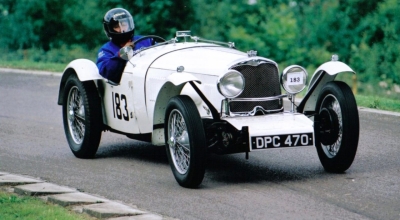
The Briggs Special is regularly seen in:
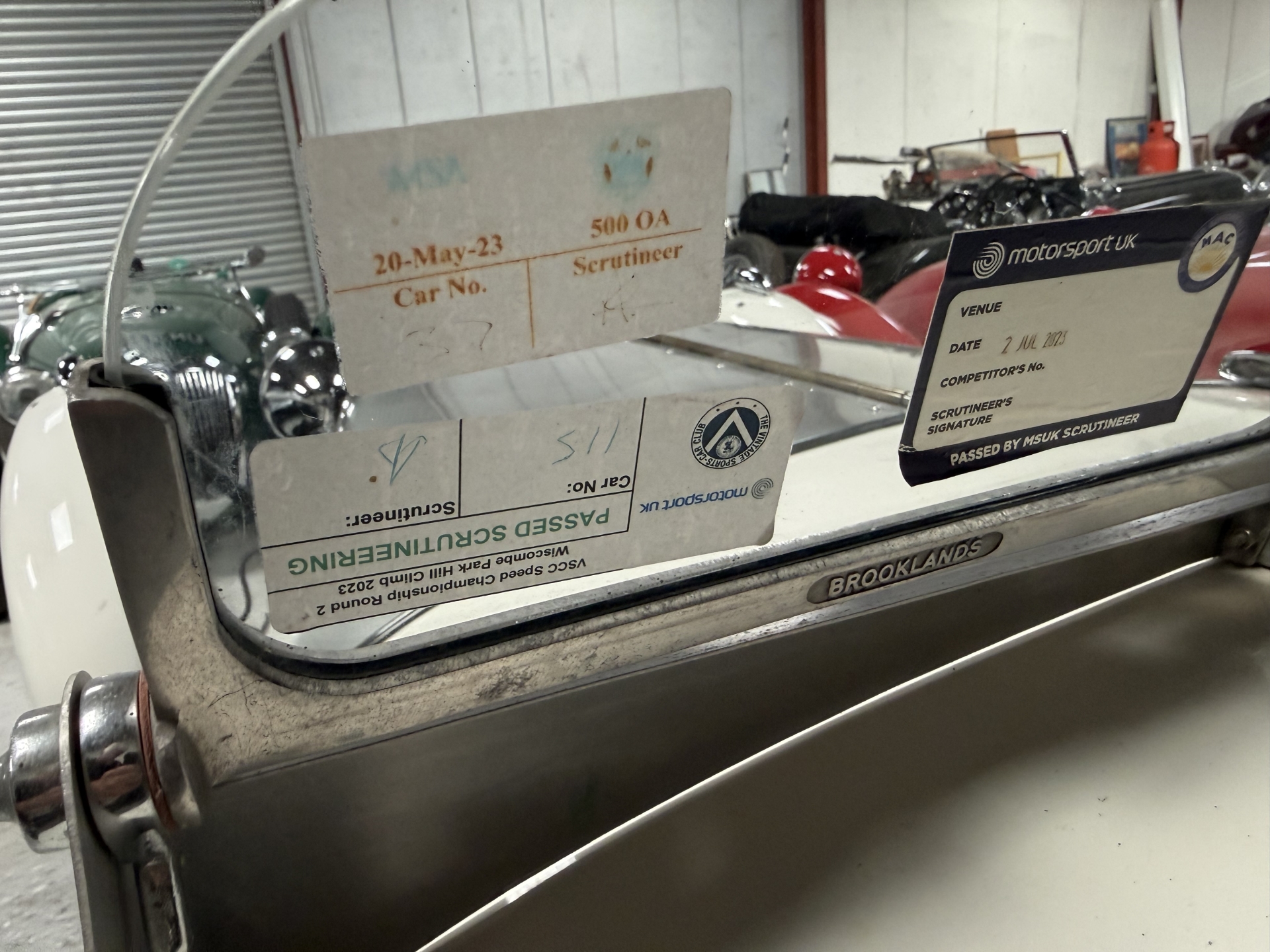
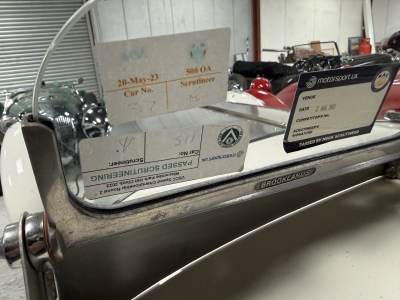
Vintage Sports-Car Club hill climbs
speed trials
sprint meetings
Competition results published by the VSCC show Rod Briggs campaigning a 1935 AC 16/70 (1991 cc) over many years, demonstrating the car's continuing competitiveness and reliability.
Contact Us
